What Was Built Here
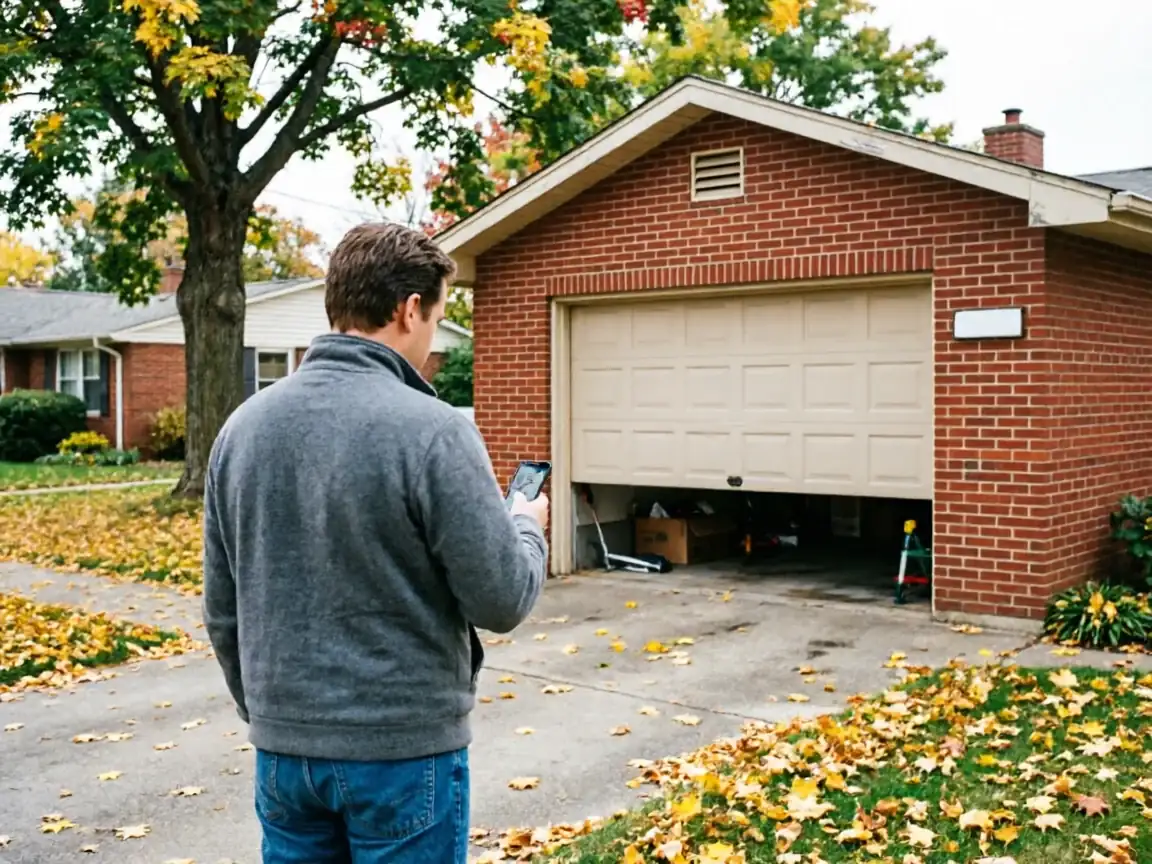
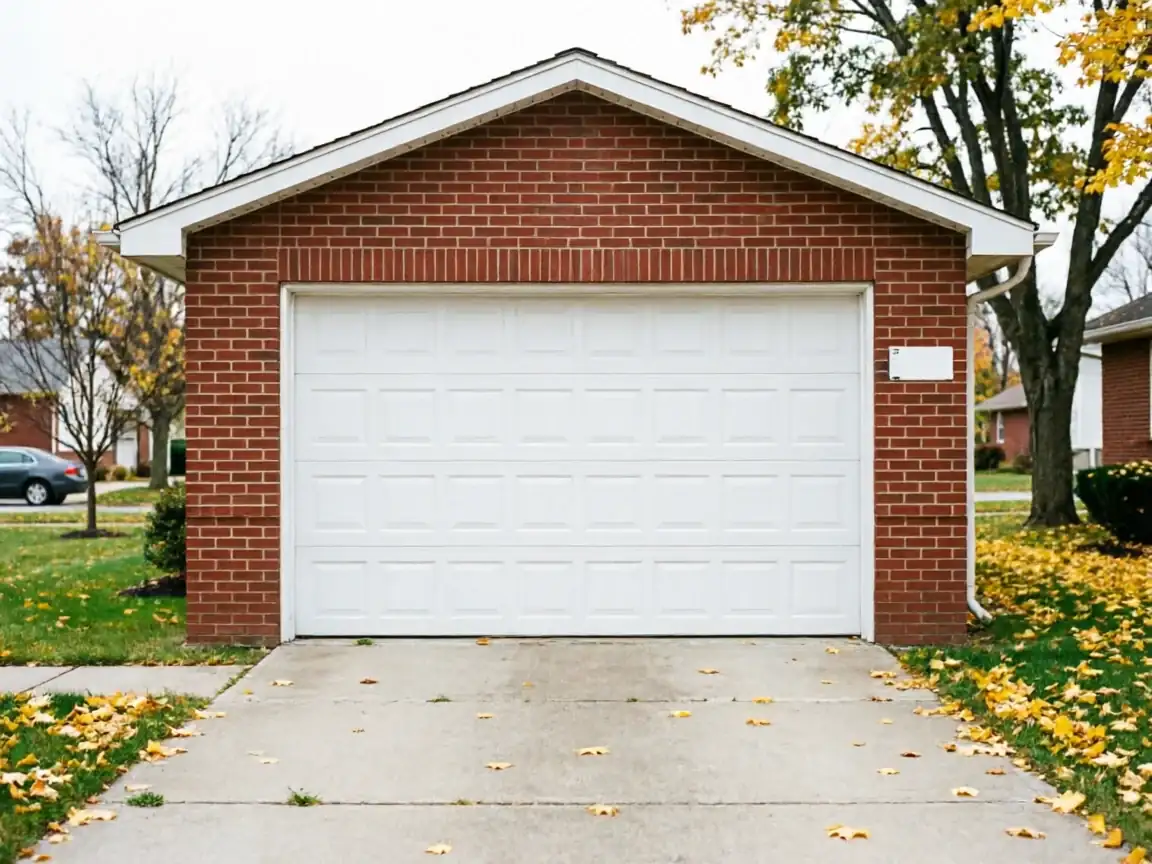
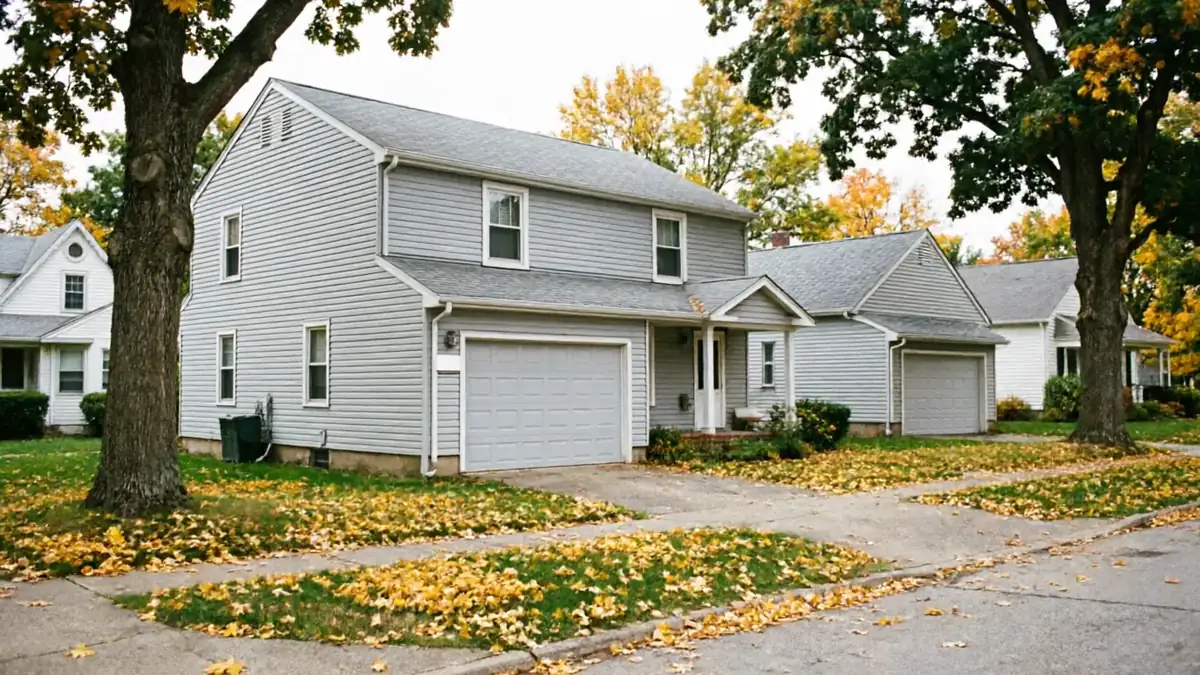
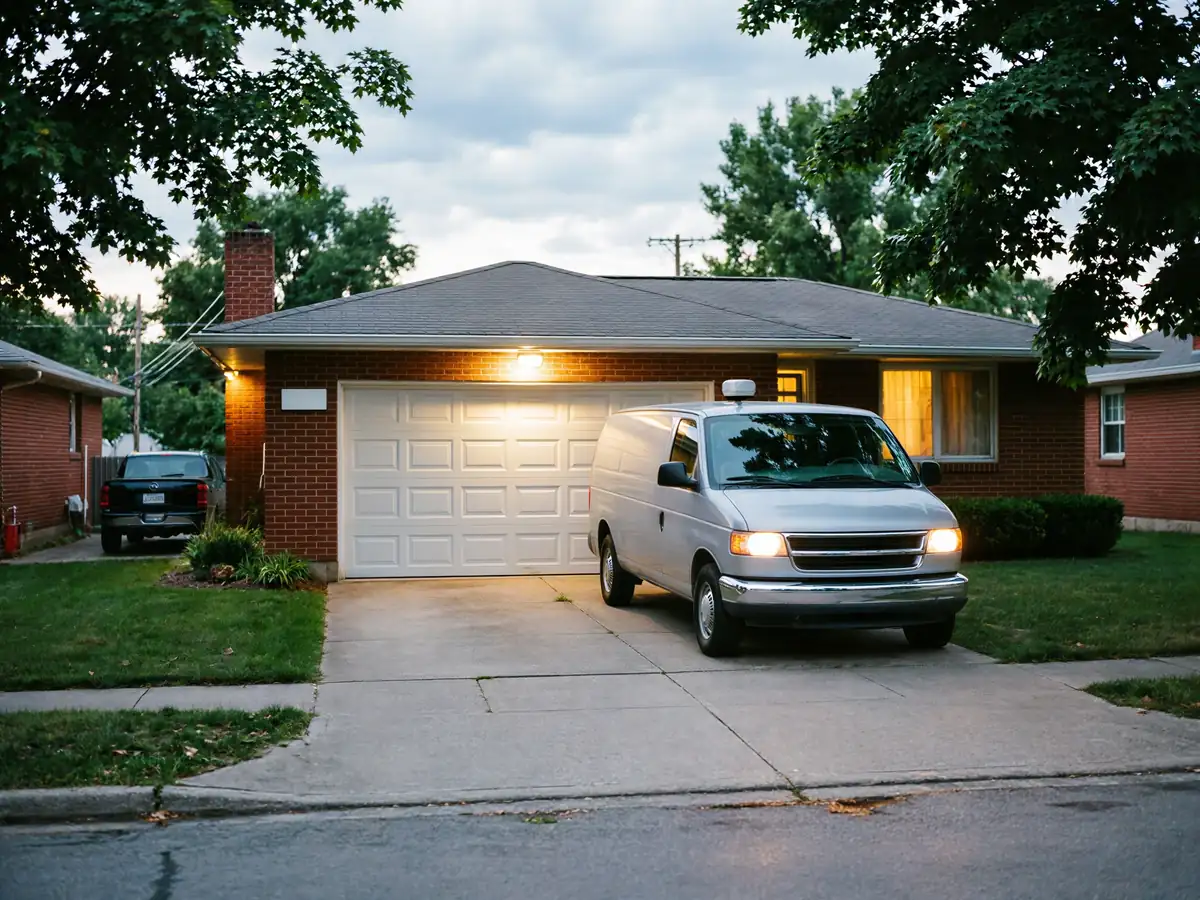
Plymouth's housing stock centers on 1948, a few years ahead of the 1952 median you see across the wider service area. That's not a huge gap on paper, but it matters for garage doors, because those early postwar years are when a lot of builders were still using narrower door openings and hardware that newer code doesn't ask for anymore. With 224 households in Plymouth, this isn't a town that got a second wave of new construction to dilute the older stock - what went up in the late 1940s is largely still standing and still has its original garage, even if the door itself has been swapped out once or twice since. Across the broader nine-area service territory the median household income runs $54,306; in Plymouth it's $39,750, which tends to mean owners hold onto a working door and opener longer before replacing rather than upgrading early. That's not a knock - it's just a different set of repair patterns than you'd see in a newer subdivision, and it's why we don't treat Plymouth calls the same as calls from a newer pocket of the county.
The Split Between Old and New
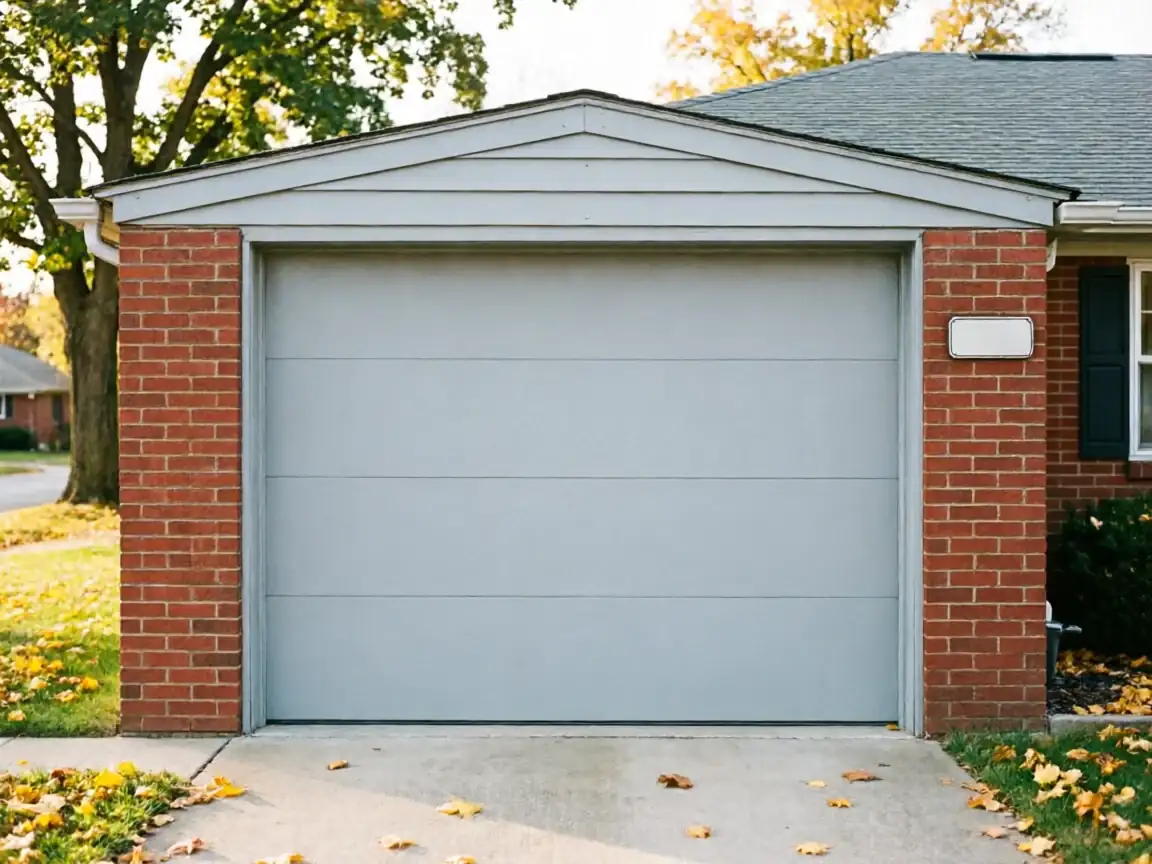
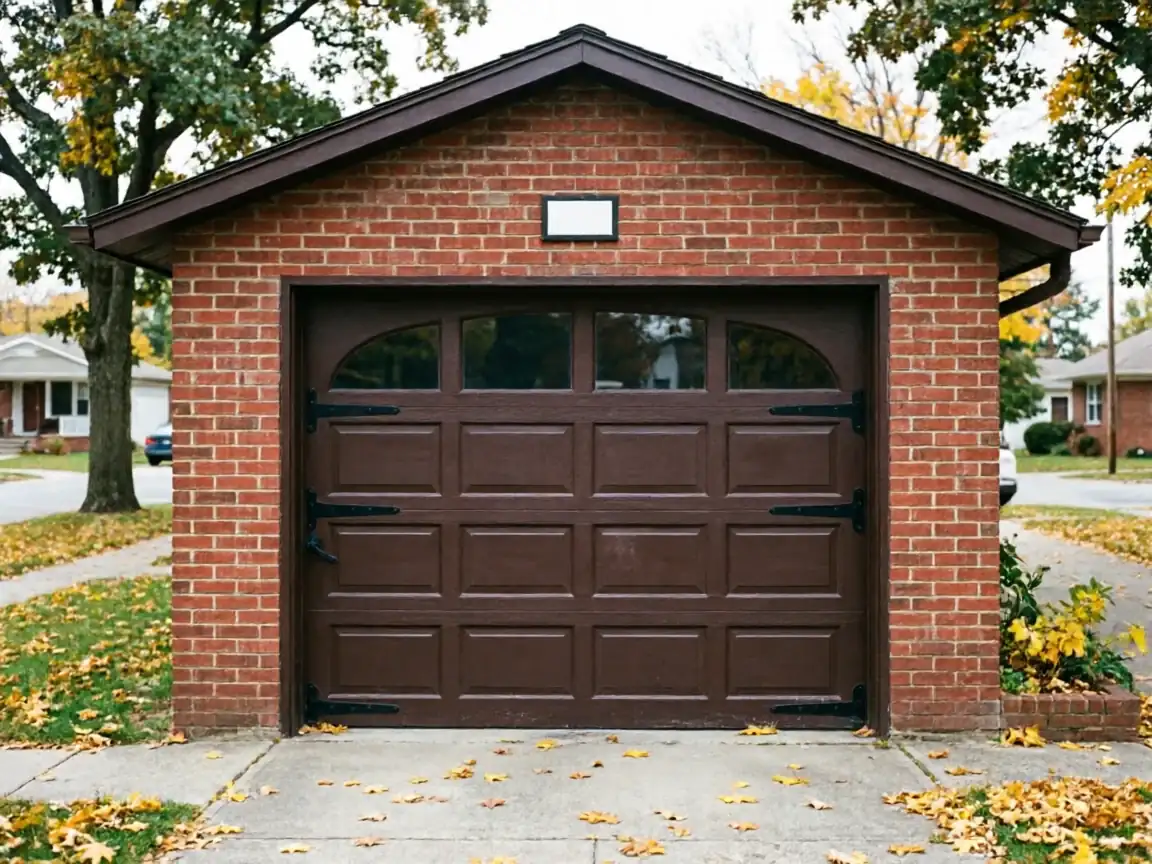
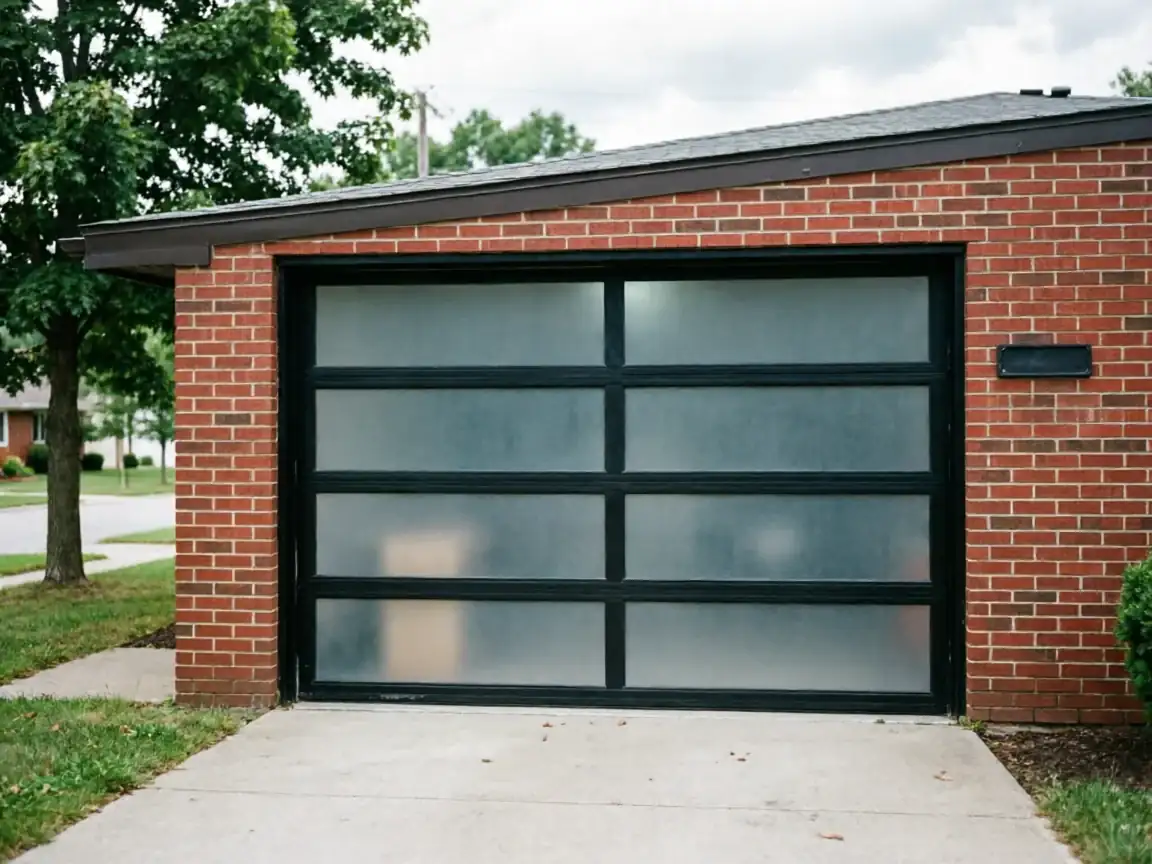
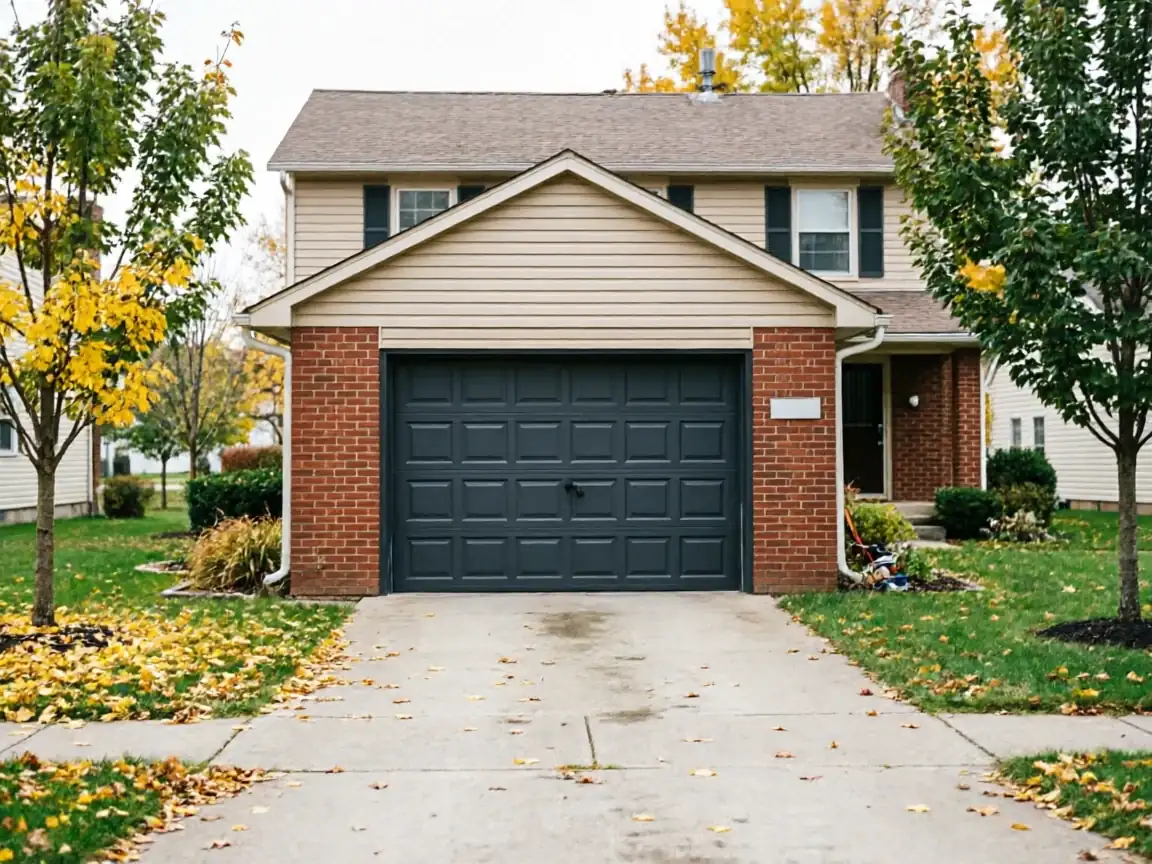
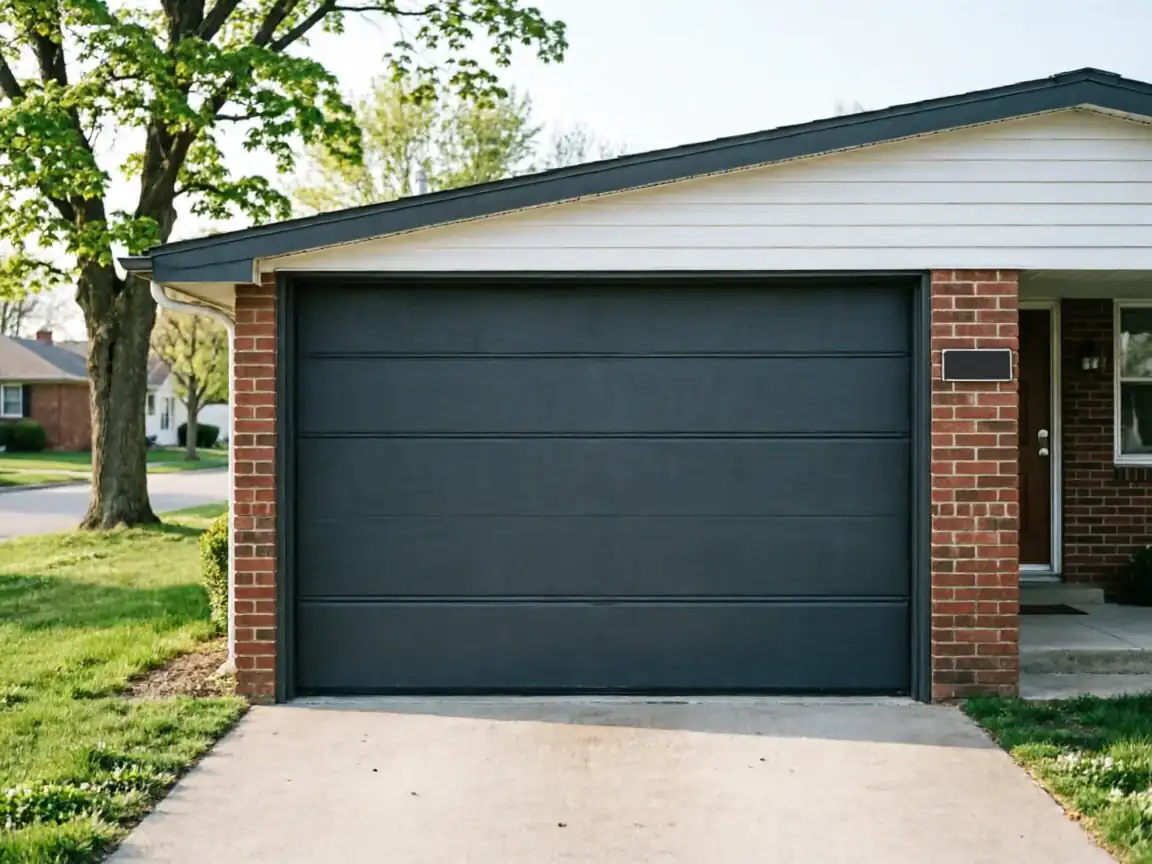
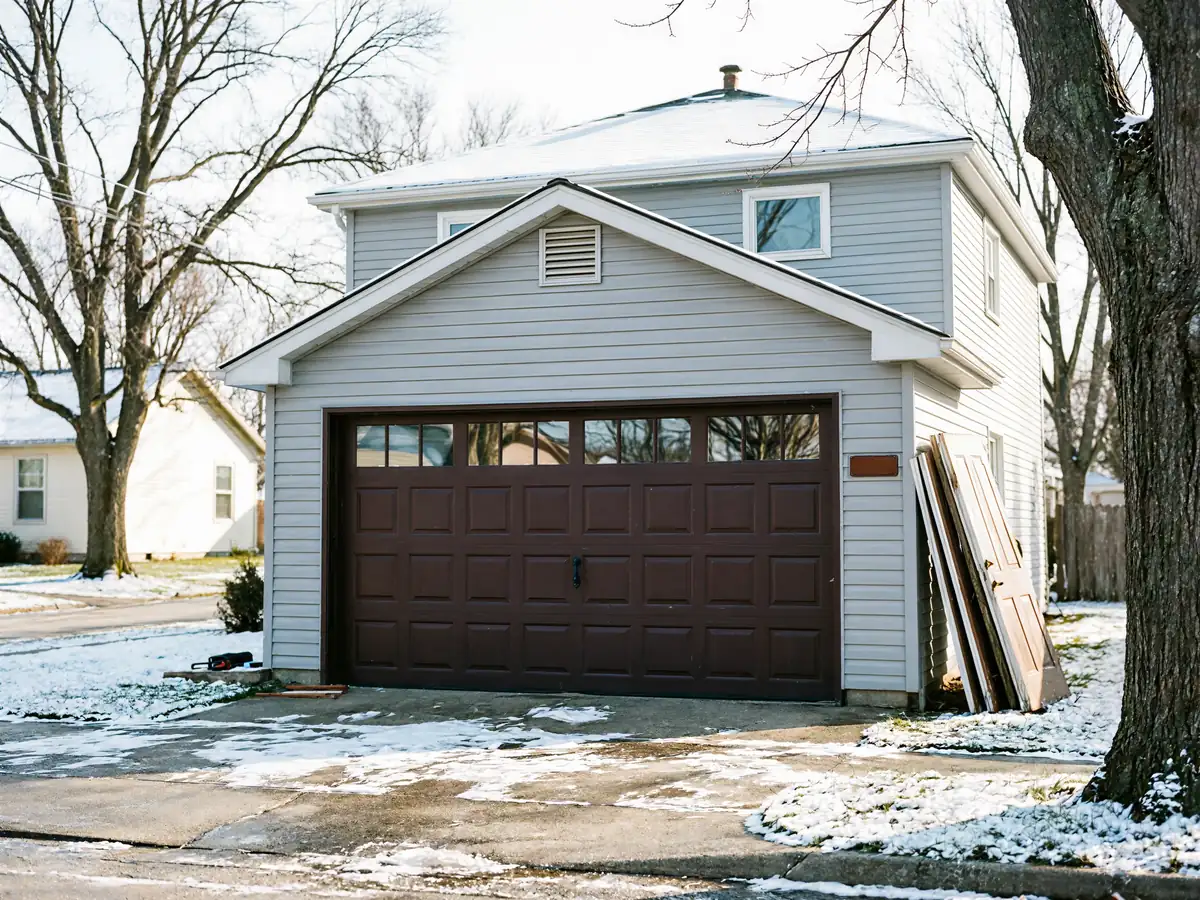
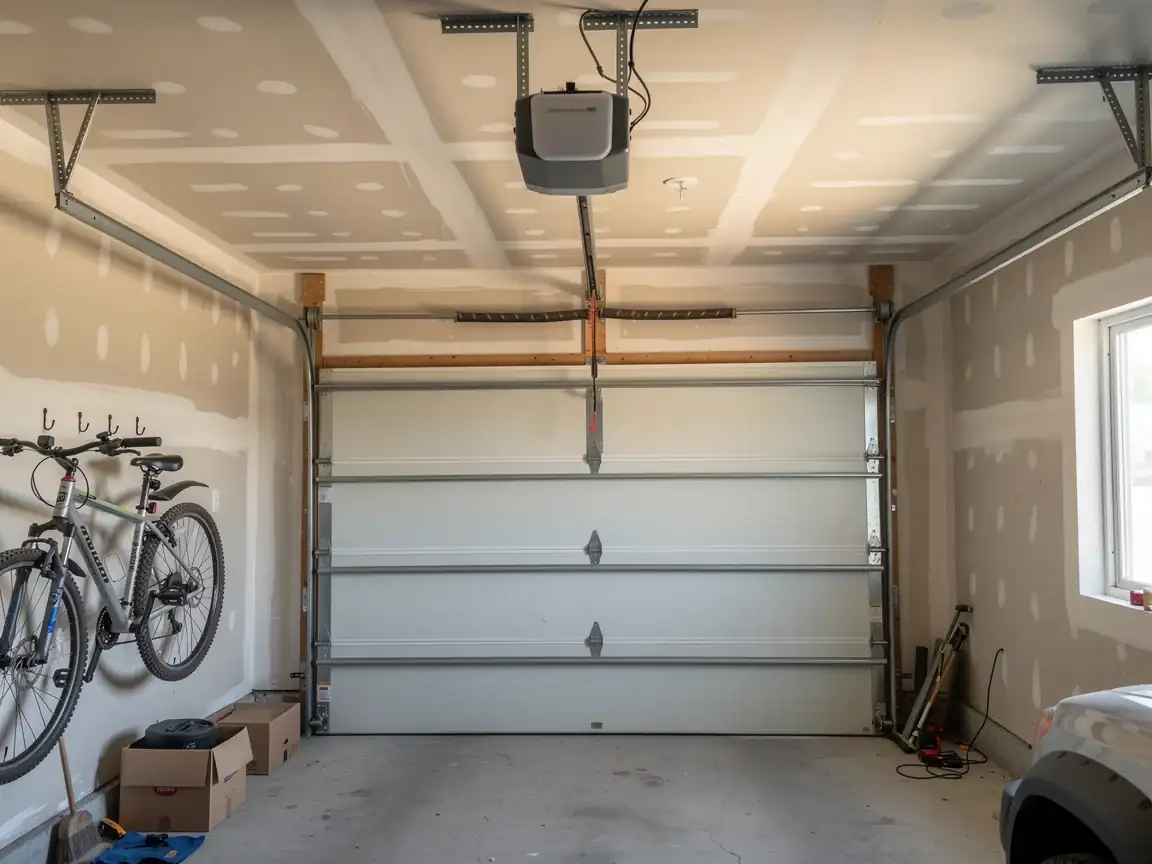
In a town built mostly in one era, the split isn't really between old houses and new ones - it's between the original garage structure and whatever door has been bolted into it since. Some Plymouth garages still have the framing and headroom laid out for a single-panel, one-piece door even though a sectional door hangs there now, which means the track and spring placement were adapted to an opening that wasn't designed for them. Others have had a full reframe at some point and run on modern torsion hardware with no compromises. You can't tell which one you have from the street. The practical effect is that two houses next door to each other, both built around 1948, can need completely different parts and completely different labor to fix the same kind of failure. We ask about the garage's history, not just the door's age, before we quote a repair in Plymouth, because the headroom and track width tell us more than the door's finish does.
How That Shows Up in the Door
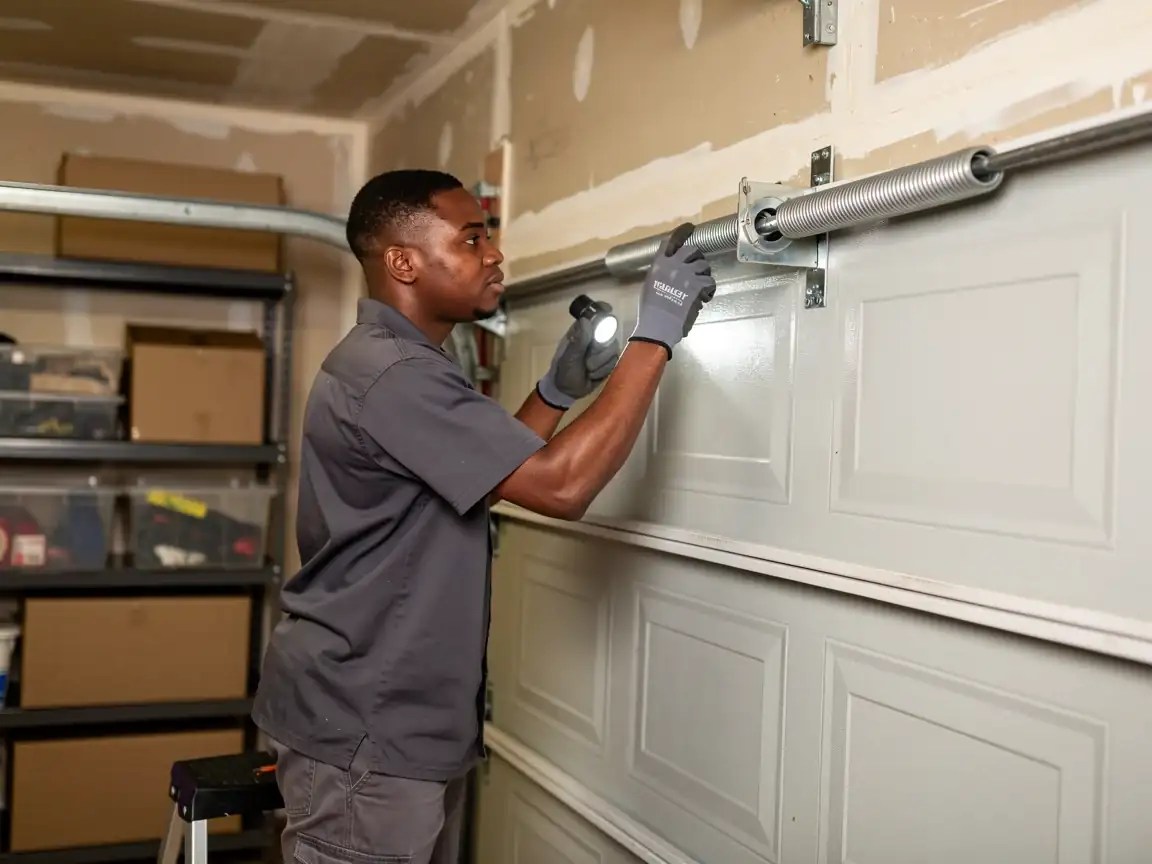
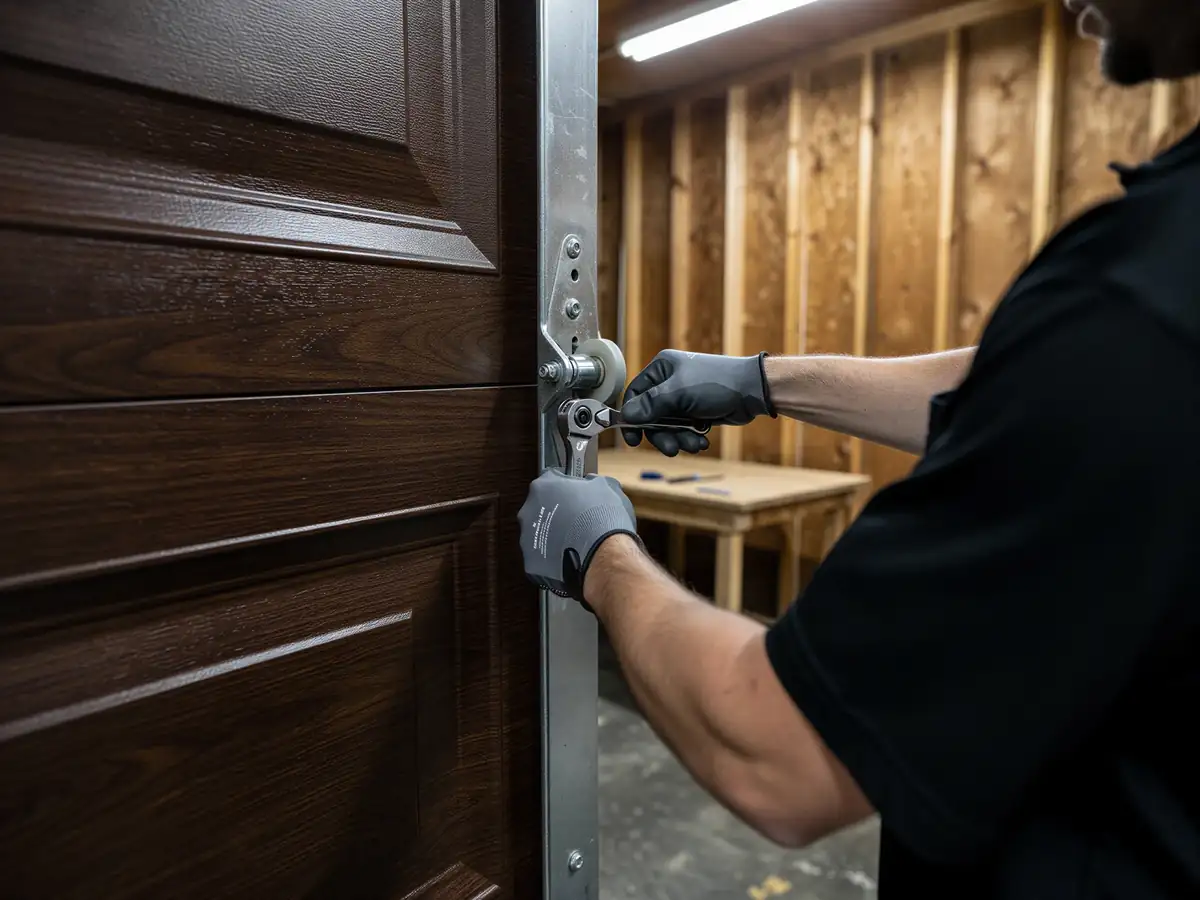
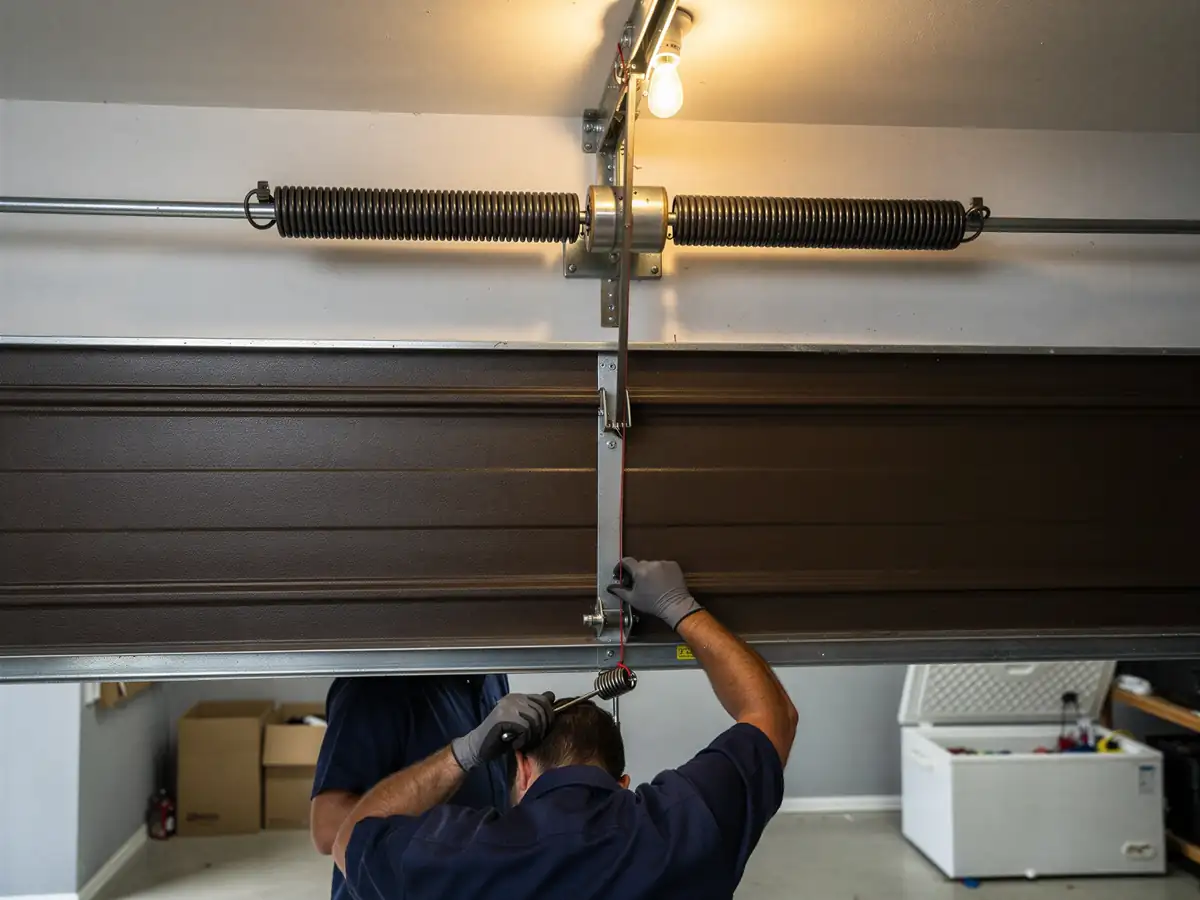
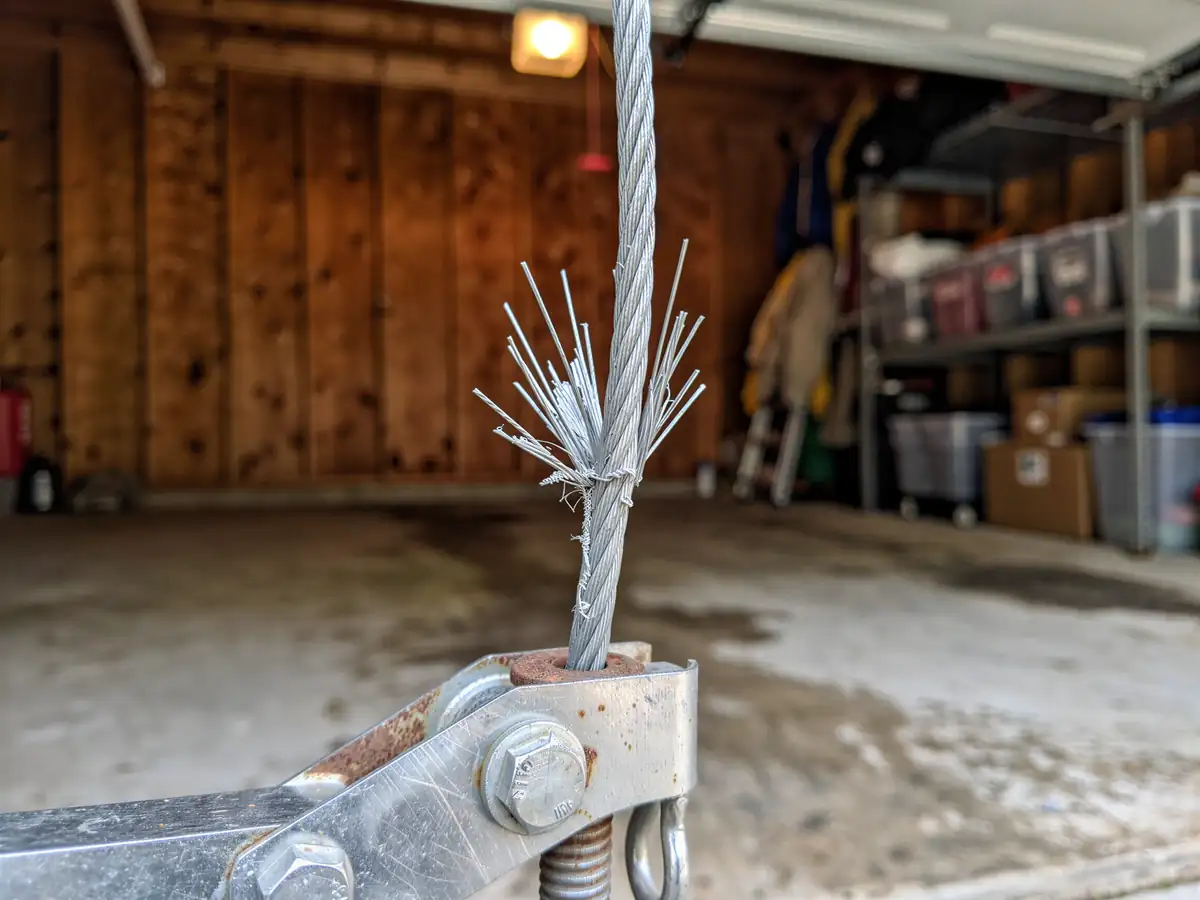
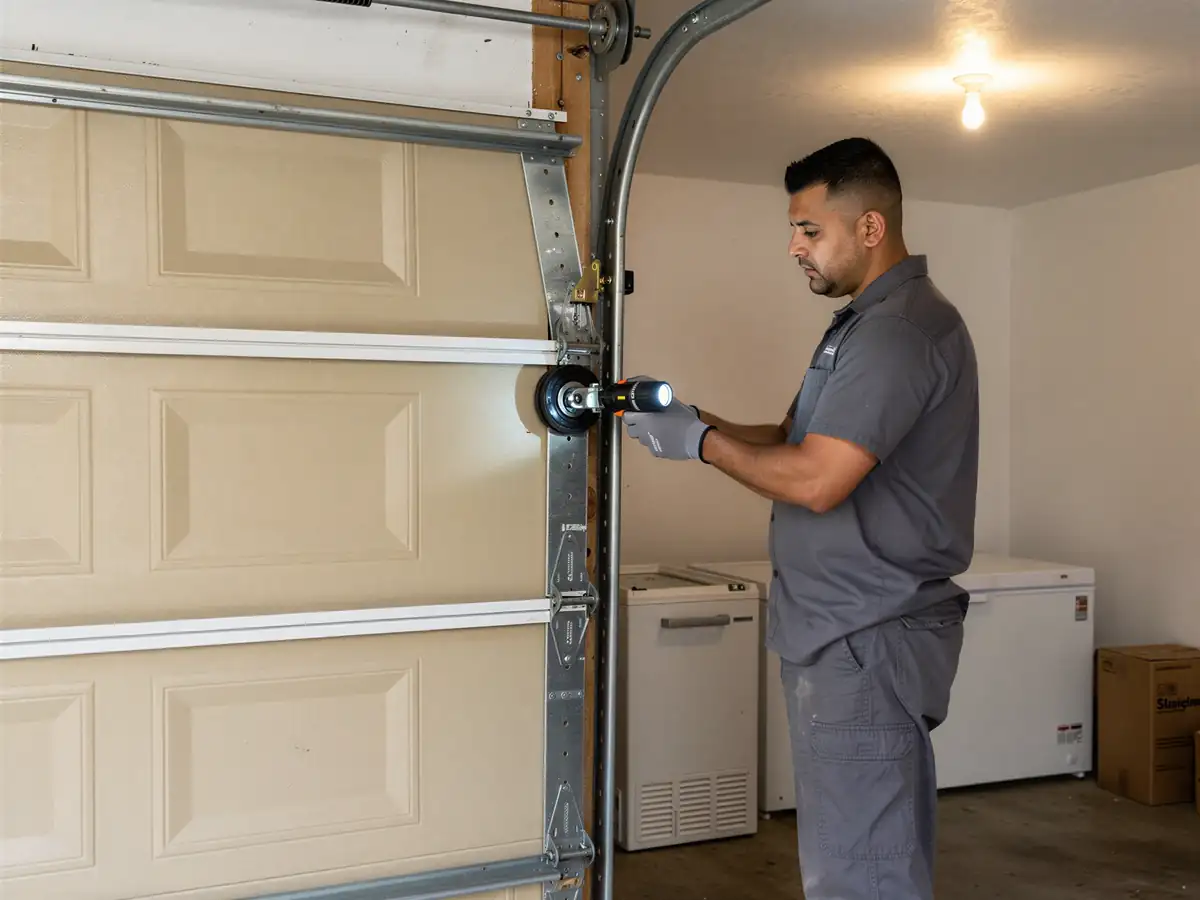
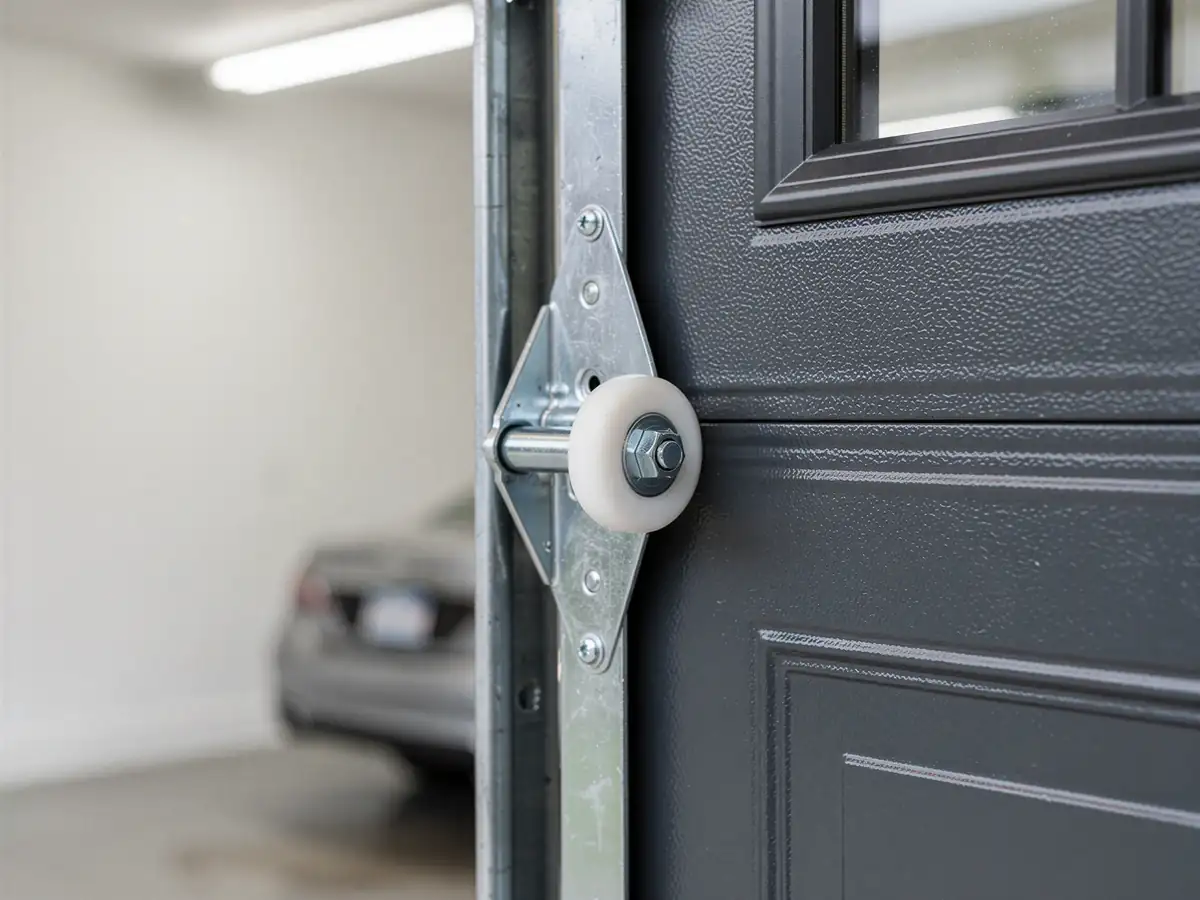
On a house where the garage opening was never widened, you're more likely to be running a narrower door than modern code calls for, on a torsion spring sized for that narrower span - which means when it breaks, you can't just grab a generic replacement spring off a shelf and expect it to balance the door correctly. Side-mounted or low-headroom torsion setups also show up more often in Plymouth's older garages than in newer builds, because the original framing didn't leave room for a standard center-mounted shaft. Rollers on these older tracks tend to be steel on steel rather than nylon, which means more noise and more wear at the bends as the years go on. None of this is a problem until the spring goes or the cable frays - at which point knowing the garage is original 1948-era construction, not just that the door looks old, is what gets you the right part on the first trip instead of the second.