What Was Built Here
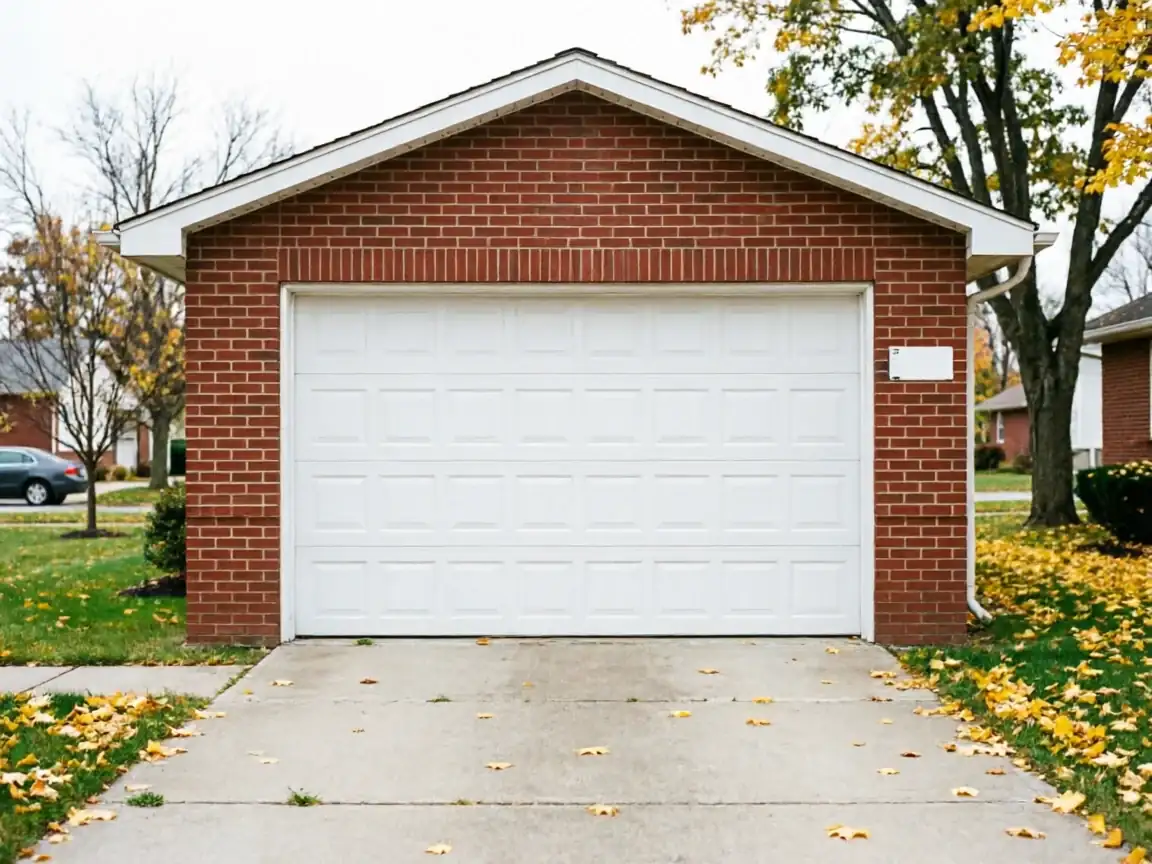
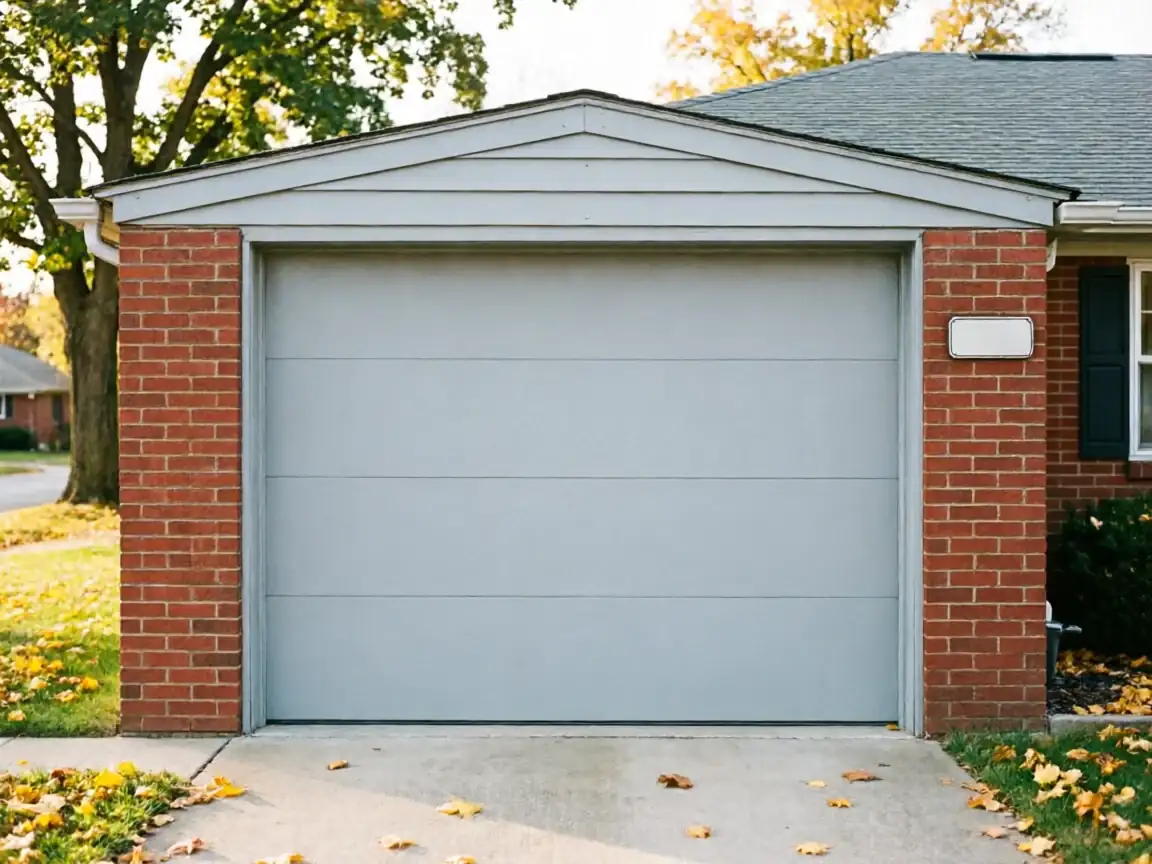
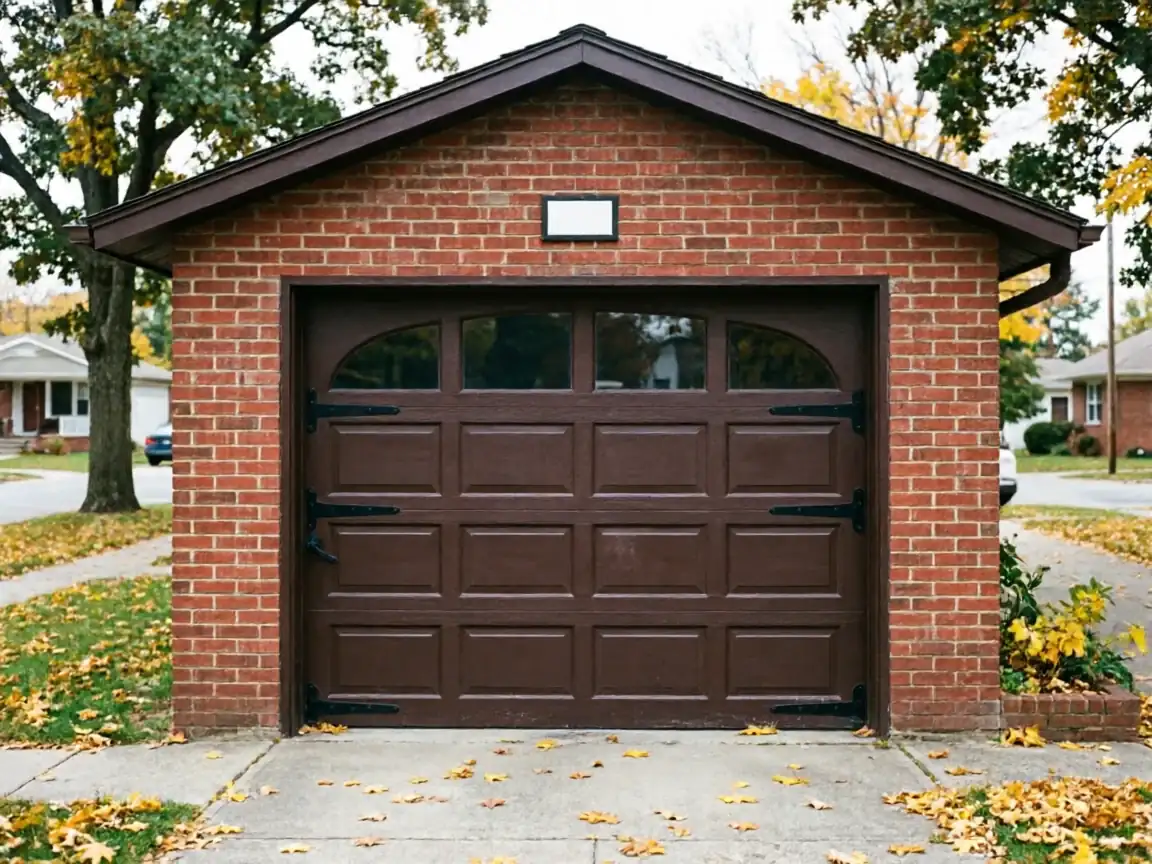
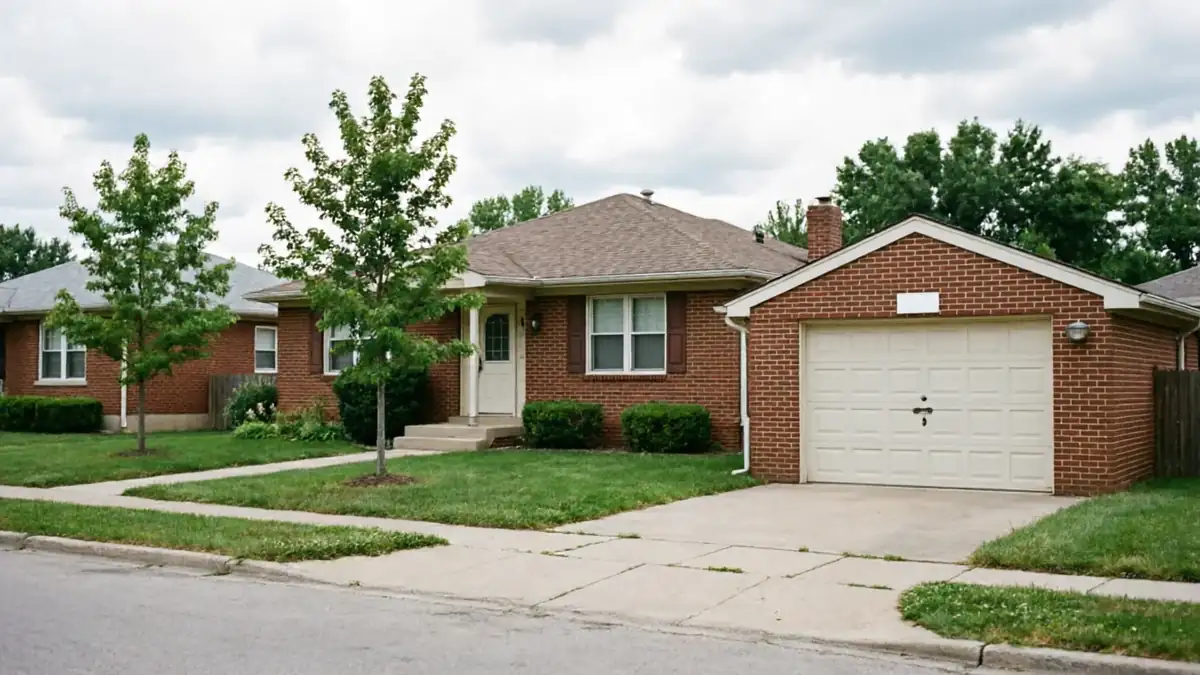
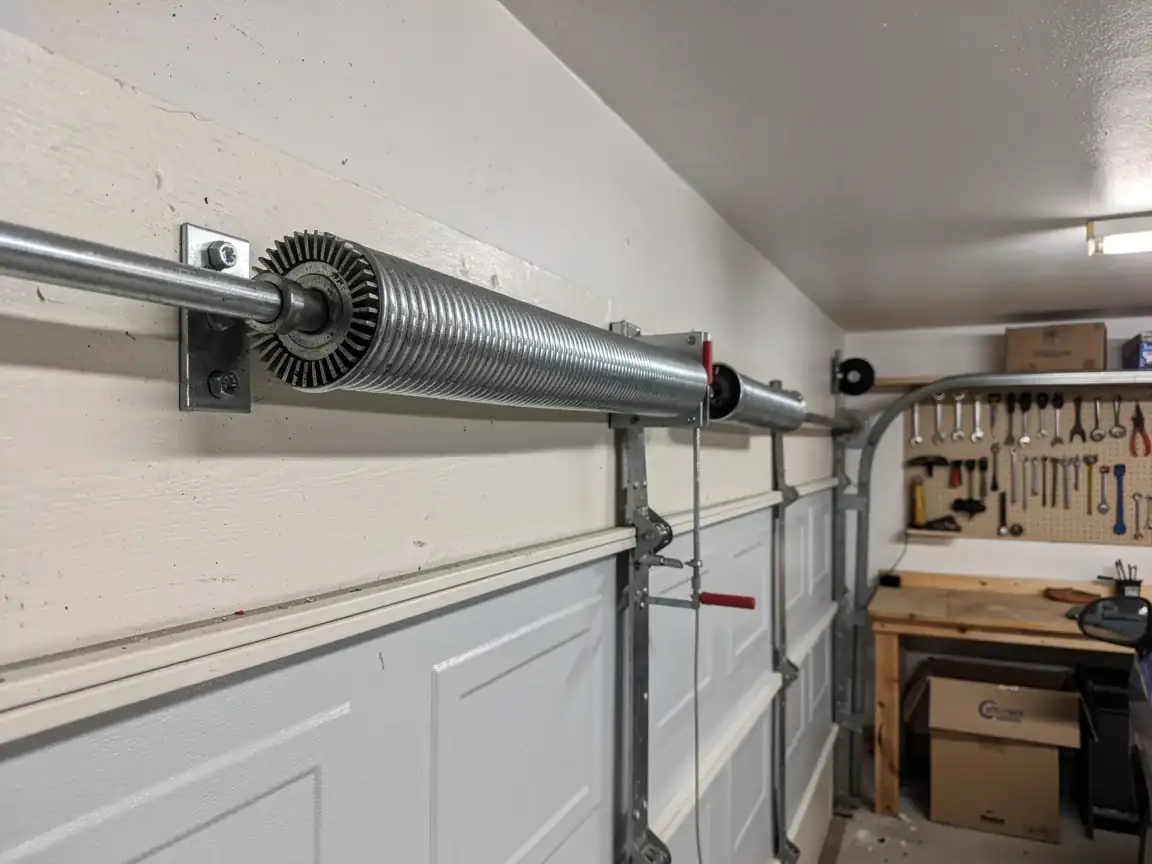
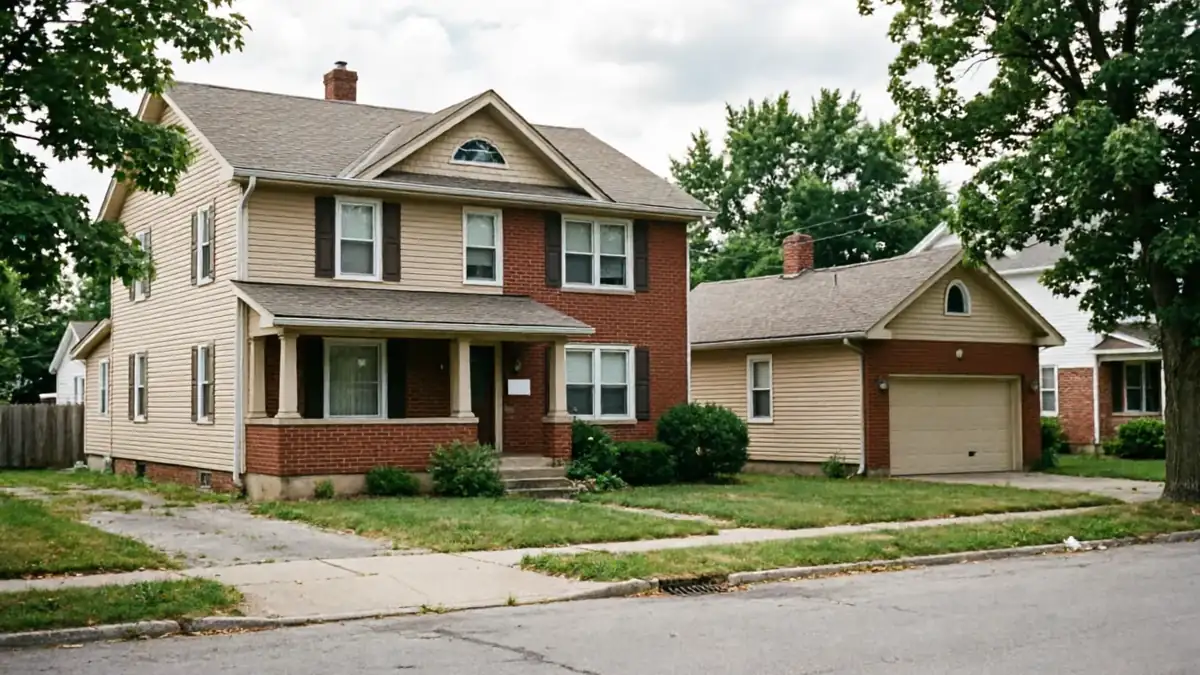
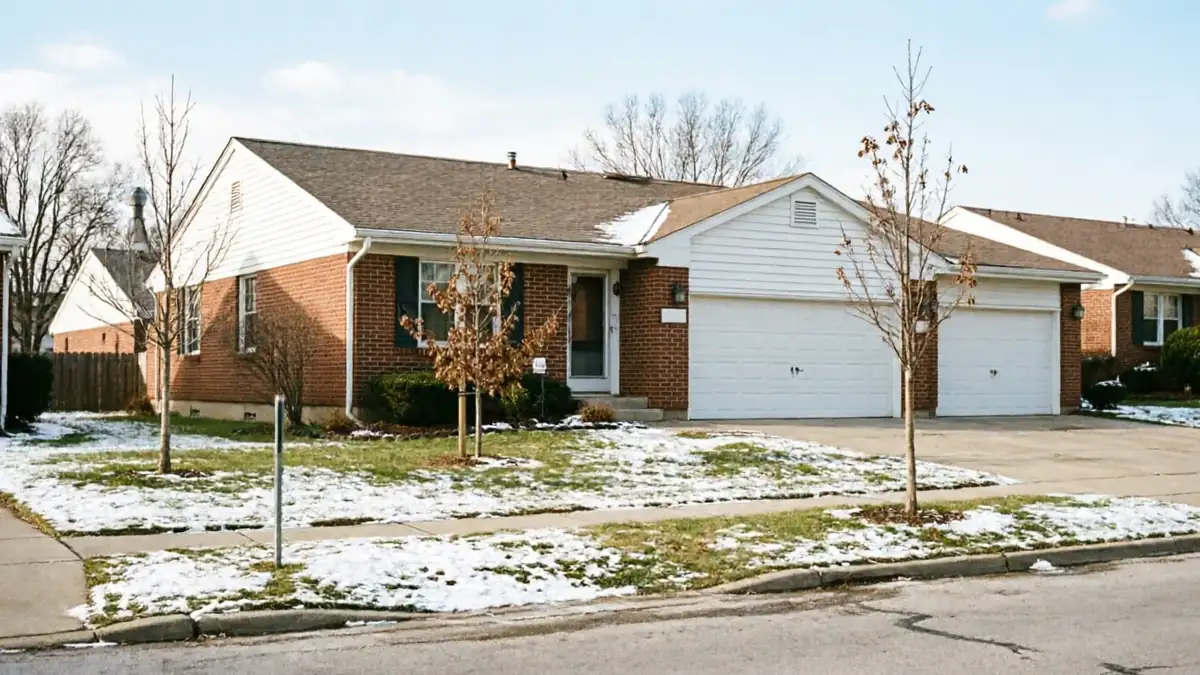
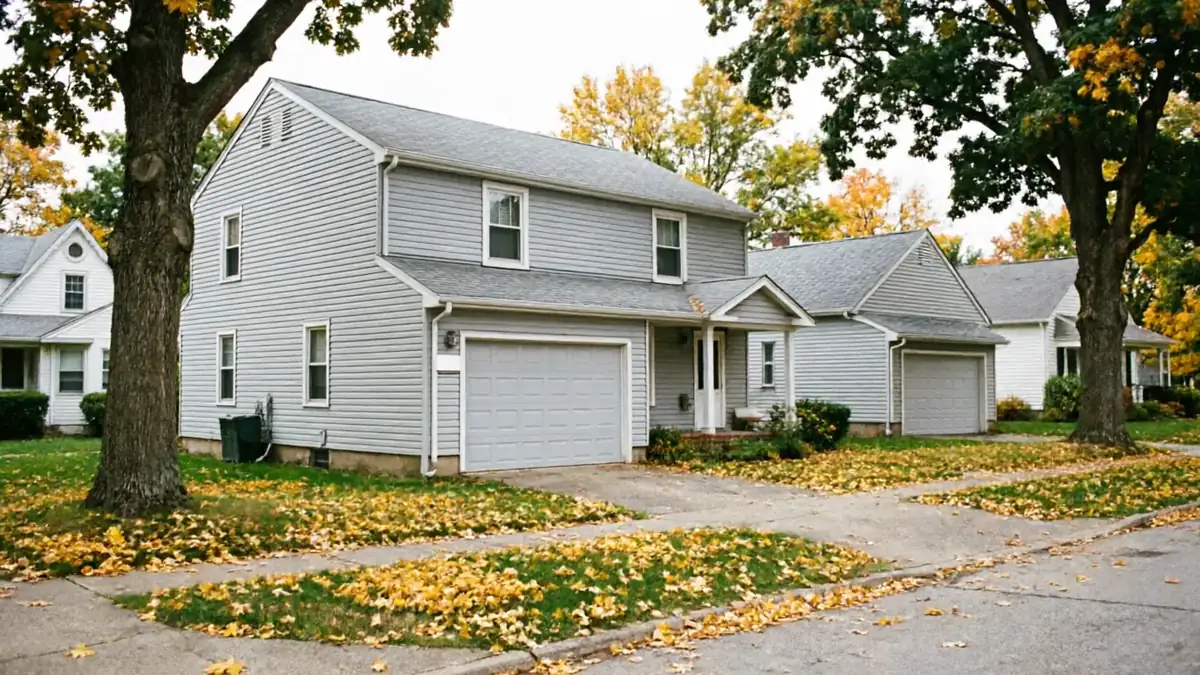
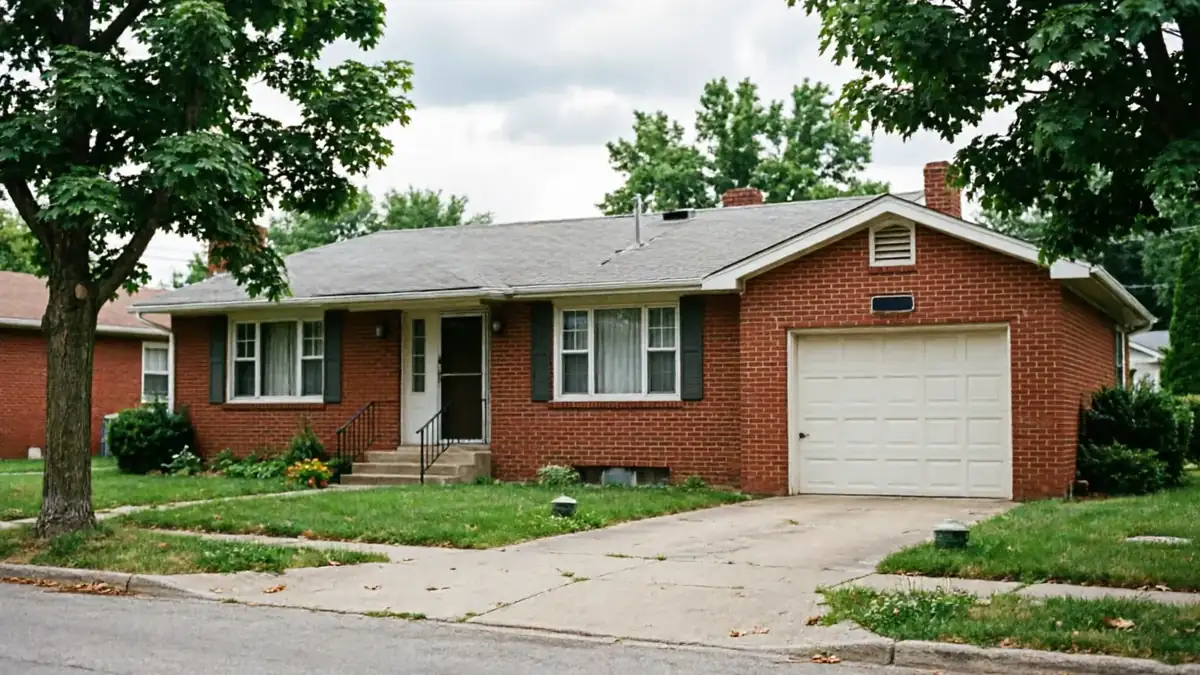
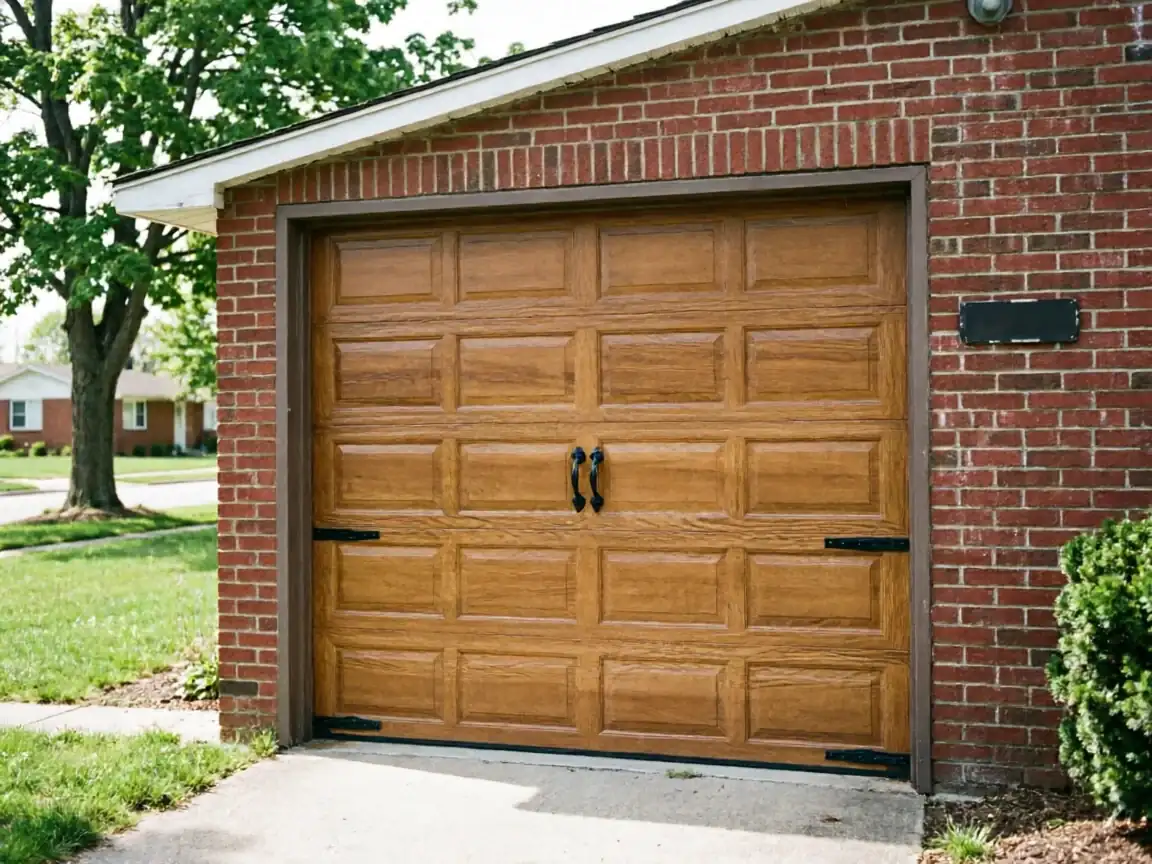
Colchester's housing stock runs later than you'd expect for this part of the county. The area's median build year sits at 1959, which puts most garages here right at the tail end of the one-piece door era and the start of sectional doors on torsion springs. That's a narrower window than the broader Macomb service area, where the median build year lands around 1952 and the pre-1960 stock spans nine named communities. A few streets in Colchester will still have the older swing-up single-panel doors, but most of what we see on calls here is early sectional hardware - steel panels, torsion springs mounted on a center shaft, extension springs on some garages built a little later. The point is this: a door built in 1959 and a door built in 1948 fail differently, and a shop that treats every old door the same ends up guessing. We don't guess. We look at what era the garage actually came from before we quote anything.
The Split Between Old and New
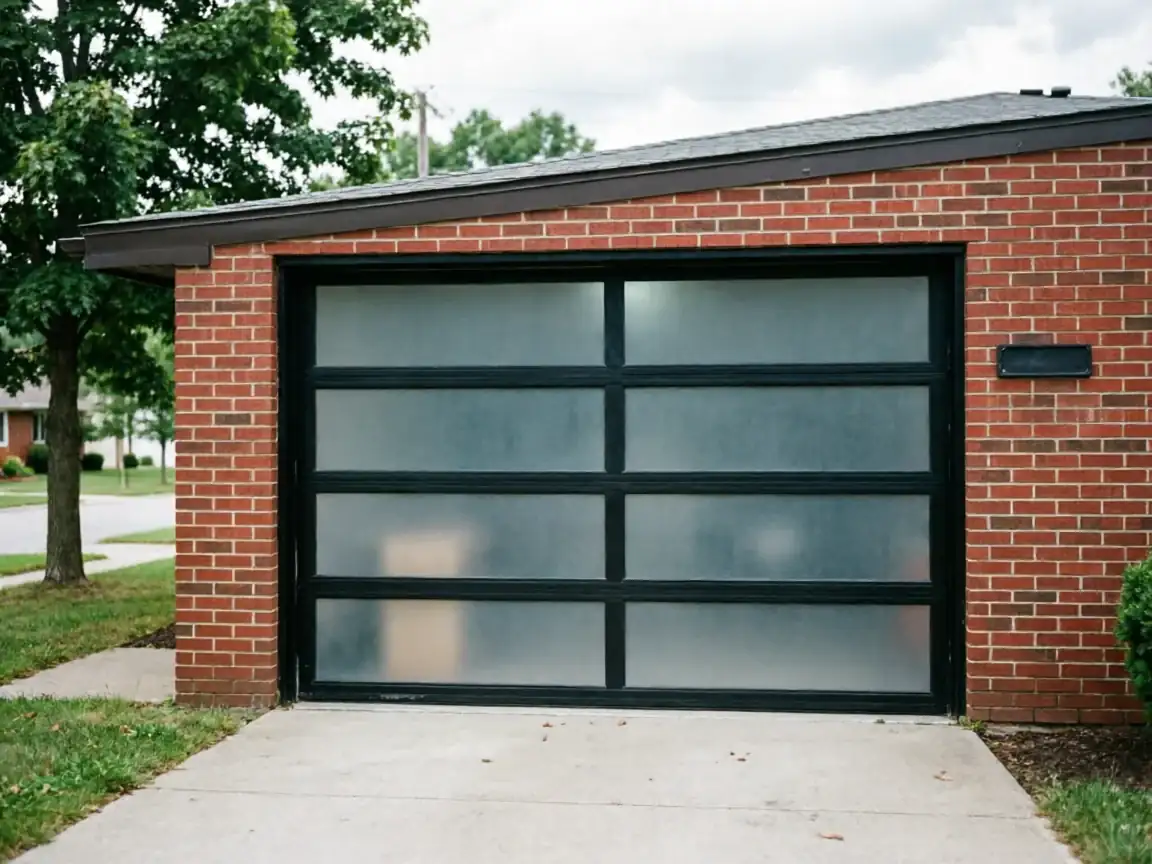
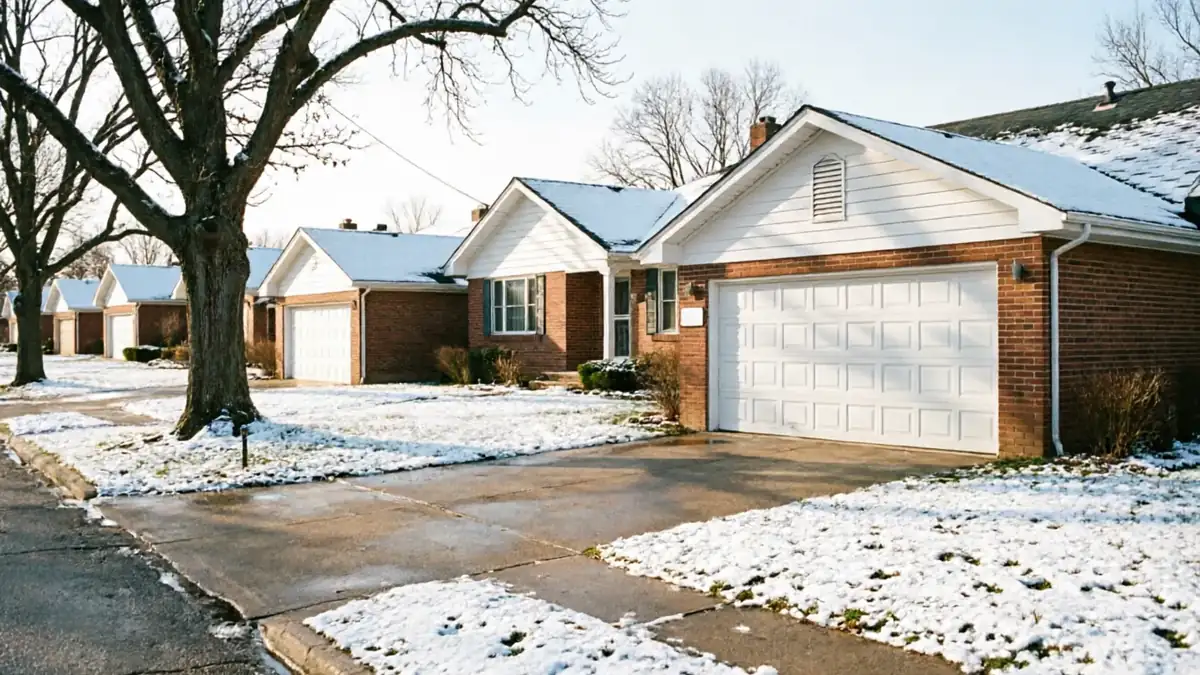
With about 500 households in Colchester, you don't get the mix of eras you'd find in a bigger town - most houses here went up in a tighter stretch of years, so the doors tend to cluster too. That's different from some of the areas Macomb Garage Door Pros covers, where pre-1960 stock sits next to houses built decades later and the hardware split is wider. In Colchester, median household income runs around $62,500, higher than the broader service-area median of $54,306, which we mention because it tends to show up in what homeowners choose when a door finally needs replacing: more insulated steel doors going in versus bare single-layer panels getting patched again. Cold-climate winters here still put the same strain on springs and rollers regardless of income, but the repair-versus-replace math looks different when a household has more room to decide not to limp a 1959 door along for another ten years.
How That Shows Up in the Door
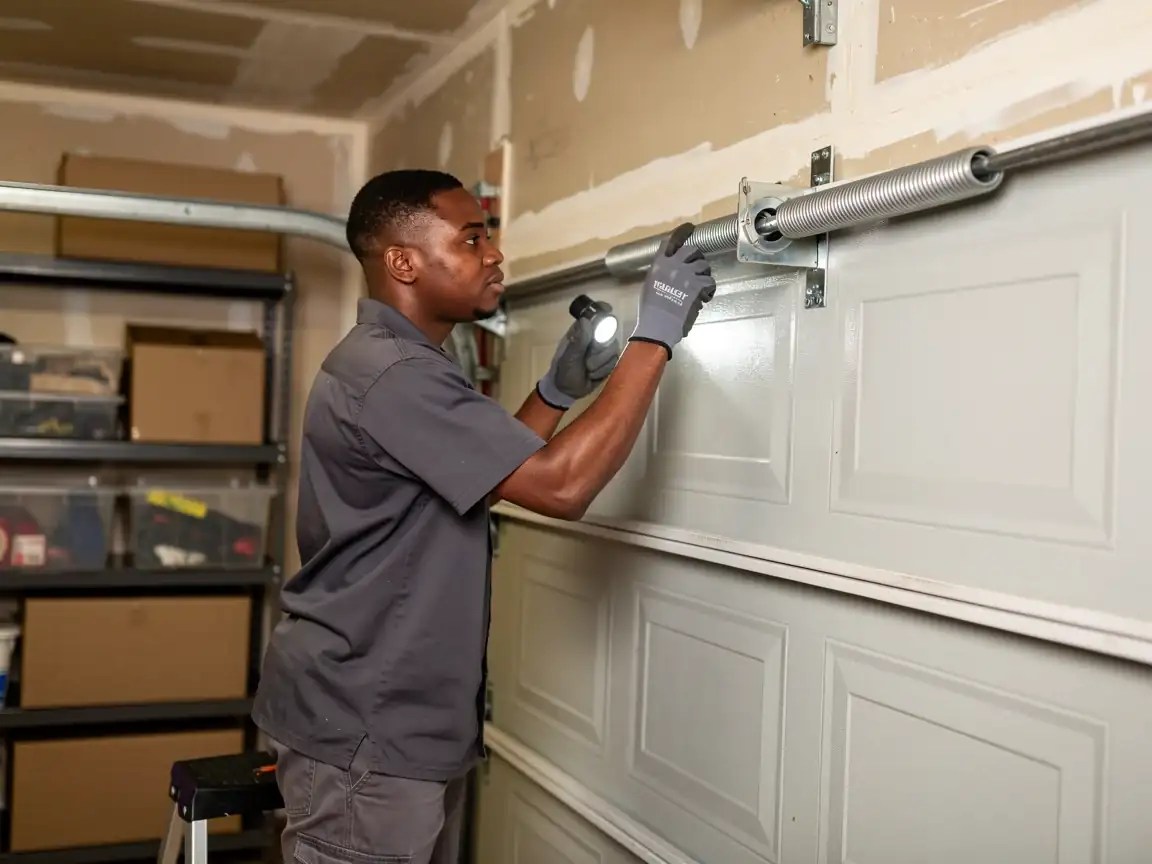
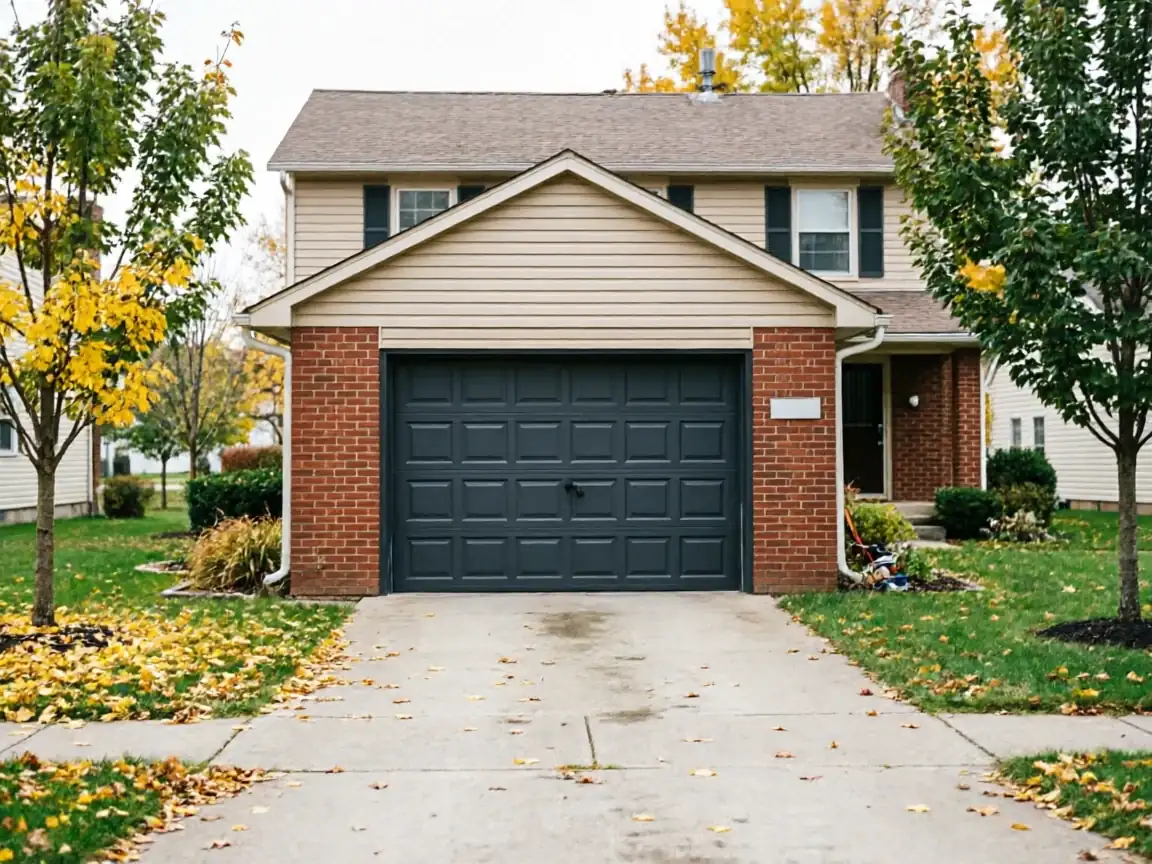
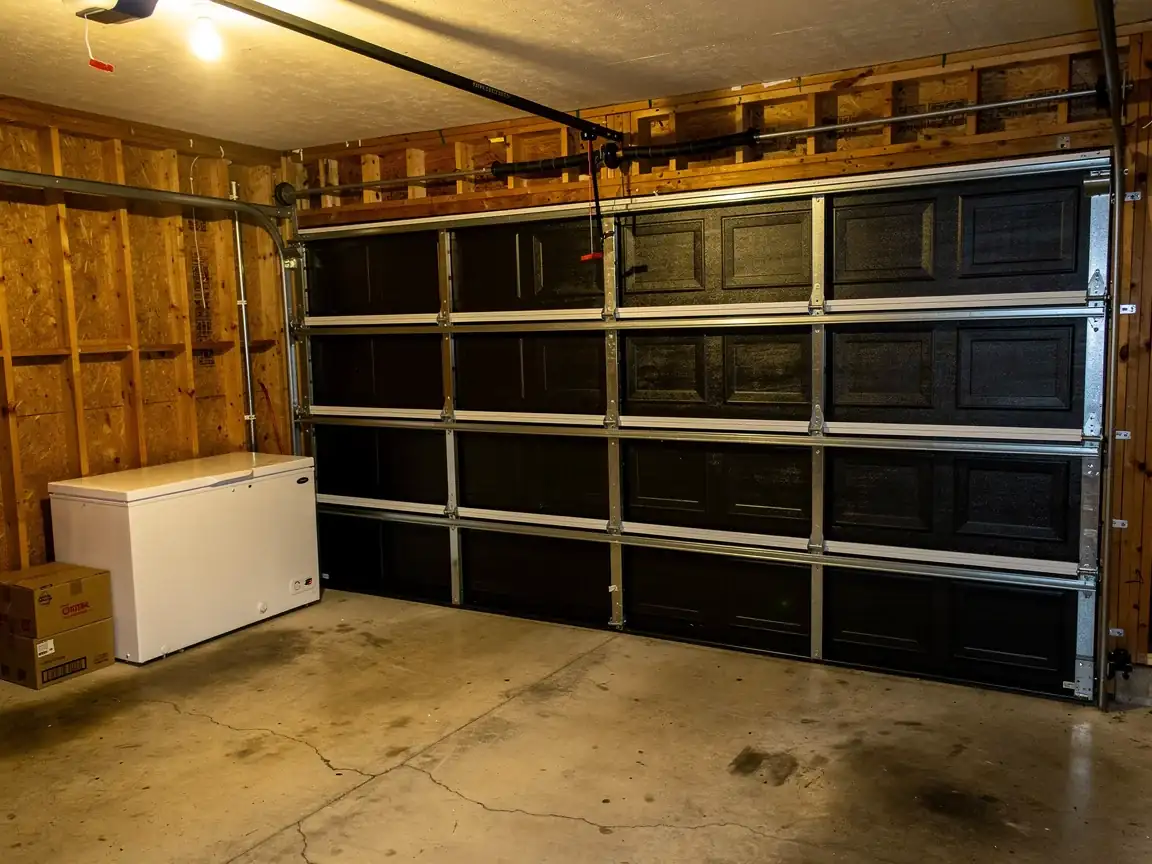
On a call in Colchester, the first thing we check is whether the spring and track setup matches a late-1950s sectional install or something closer to the single-panel doors from the earlier end of the area's build range. That changes the repair: a torsion spring job on a center-shaft system is a different part list than a side-mounted extension spring repair, and guessing wrong means a second trip. Cold-climate temperature swings stiffen steel panels and dry out roller bearings regardless of the door's age, but a door from 1959 has had roughly six decades of that cycle versus a door from a decade earlier, and it shows in cracked weatherstrip, sagging bottom panels, and openers straining against hardware that's out of adjustment. We fix what's in front of us based on what's actually installed, not what's typical for the region.