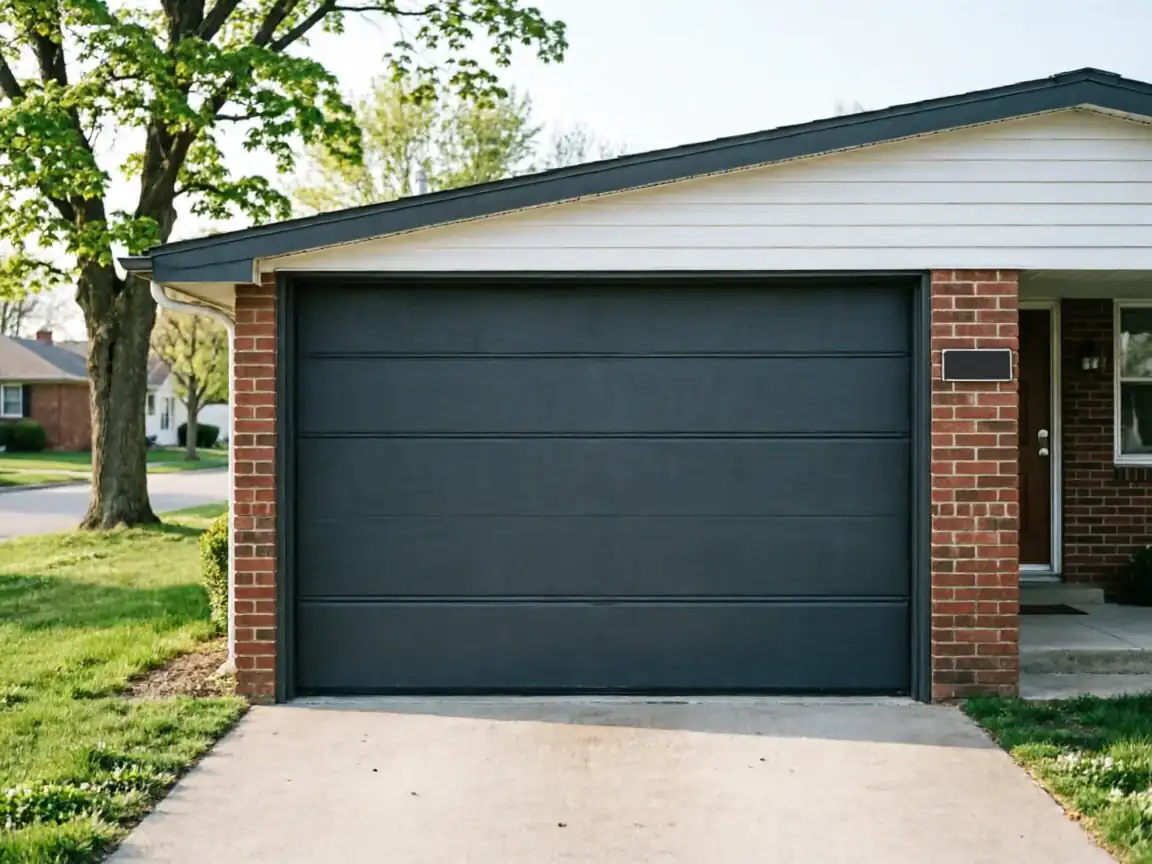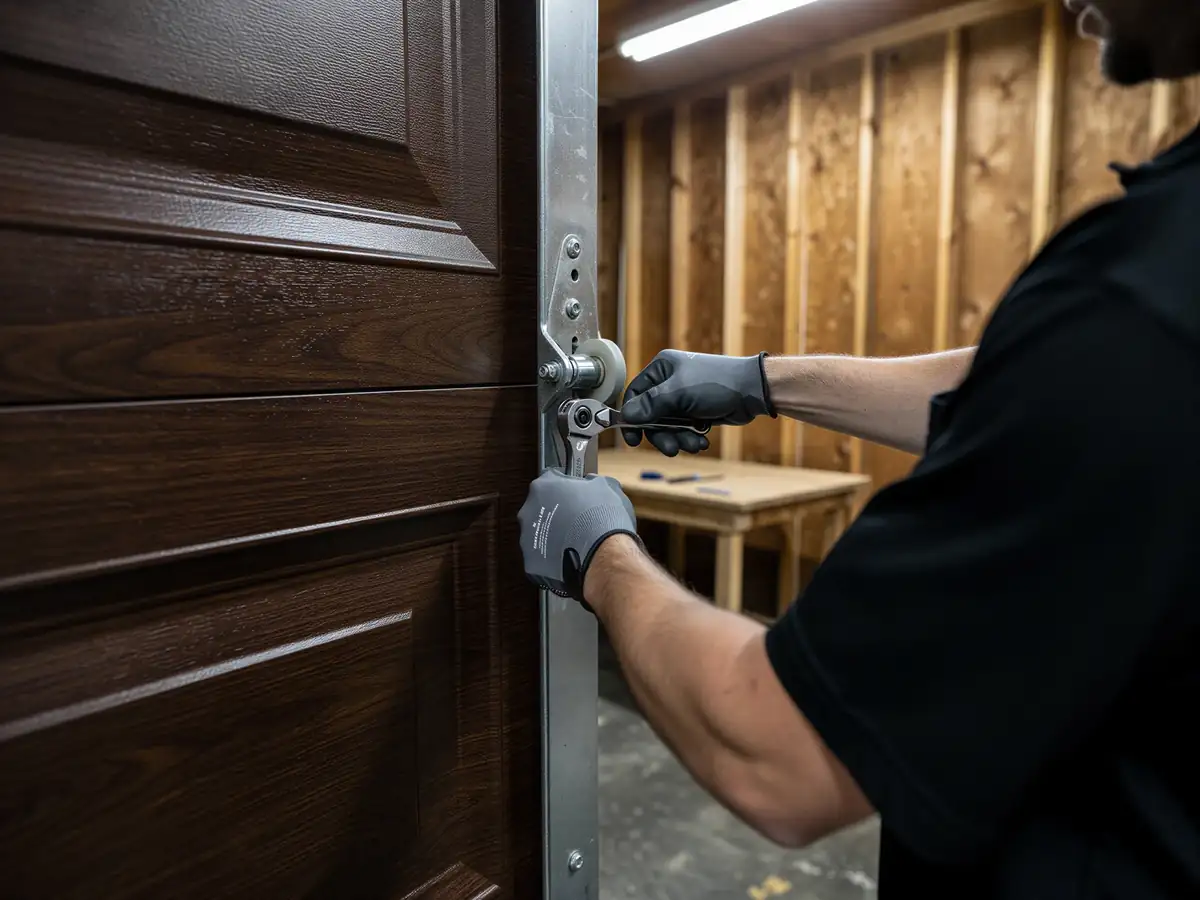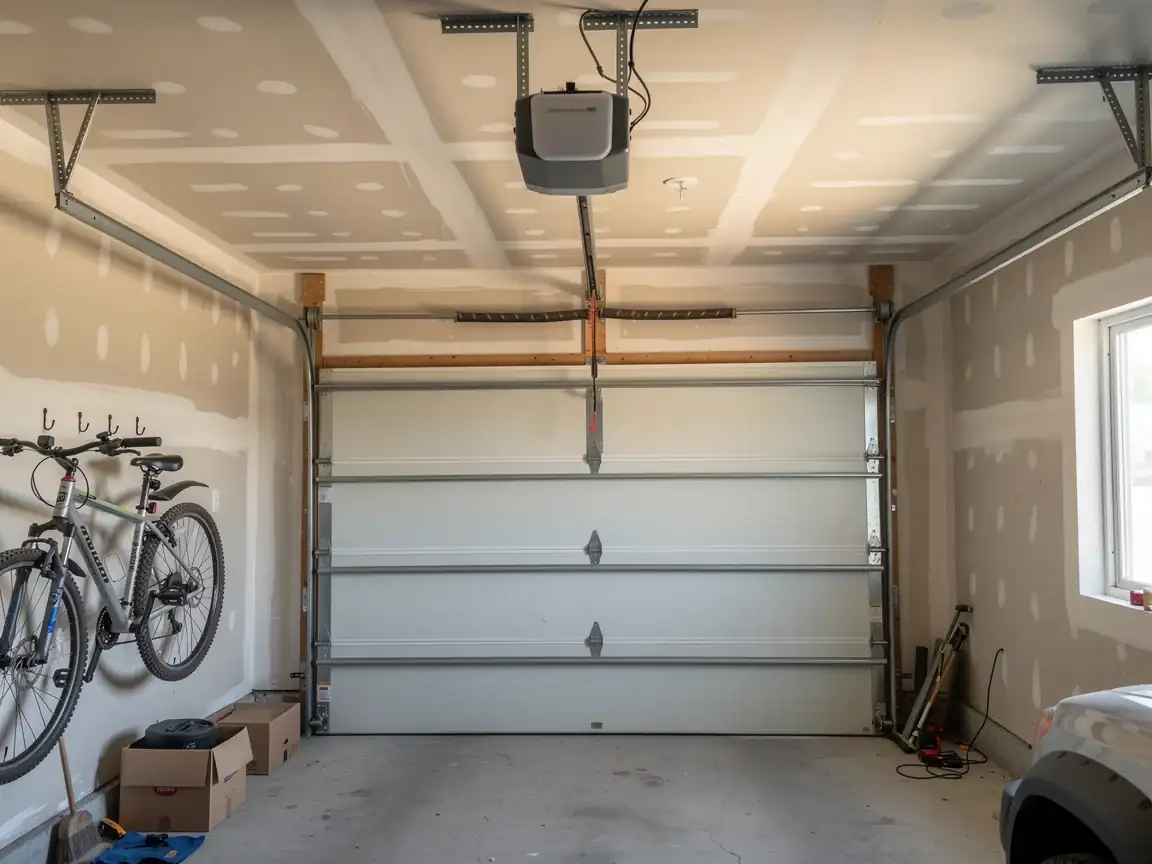
What the Fix Involves
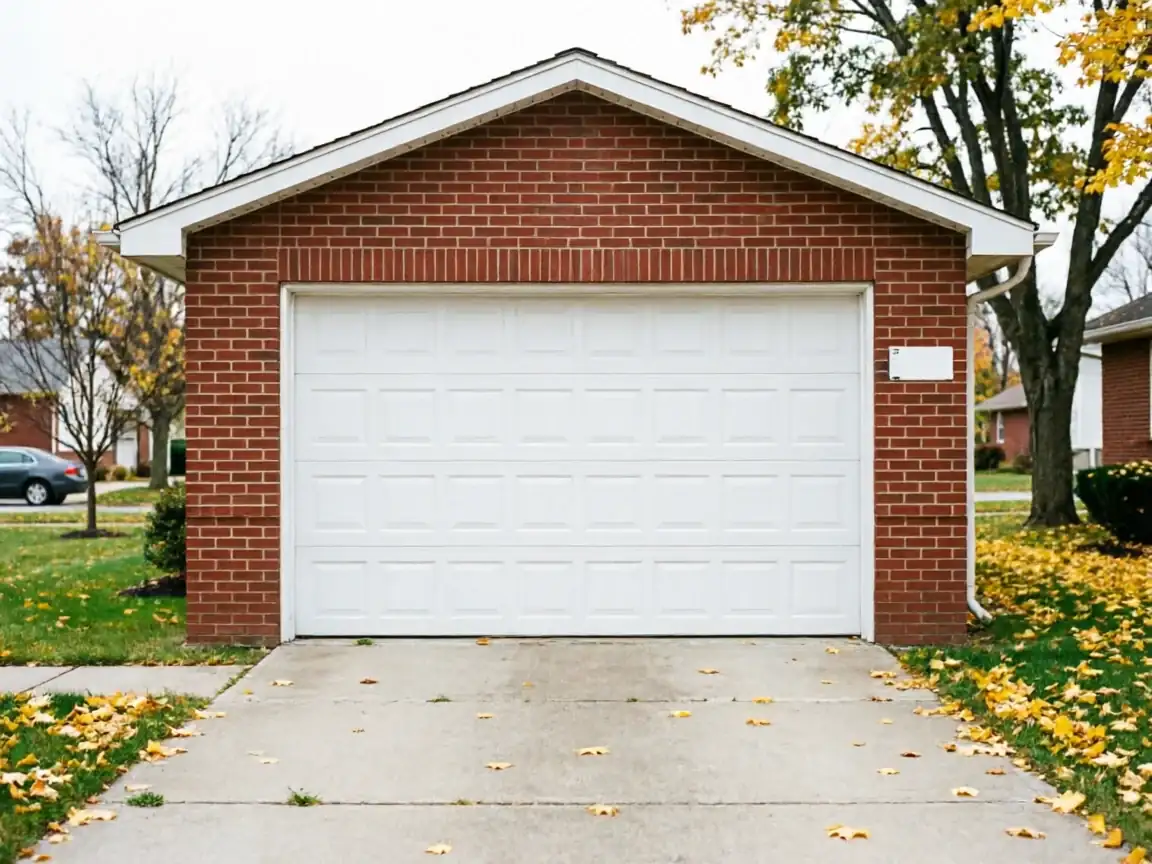
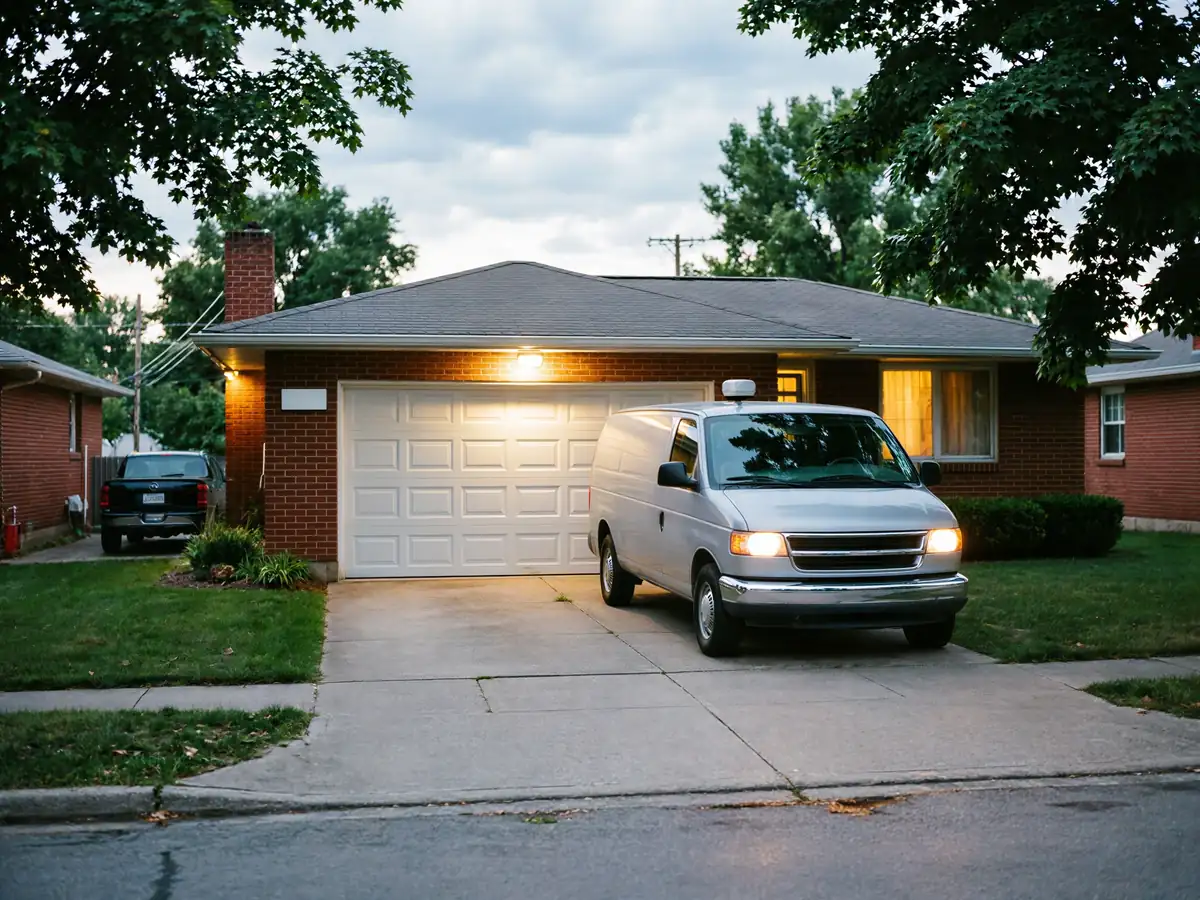
A clean install starts with the opening, not the door. Most houses across Macomb and the nine areas we work in were built between 1940 and 1965, with the median going up around 1952. Openings from that era were framed by hand and rarely match today's standard 8x7 or 9x7 sizes - we've measured plenty that run an inch or two off in both directions. That means pulling exact header height, jamb width, and backroom clearance before we order anything, because a door that's close but not right will bind on the track inside a year.
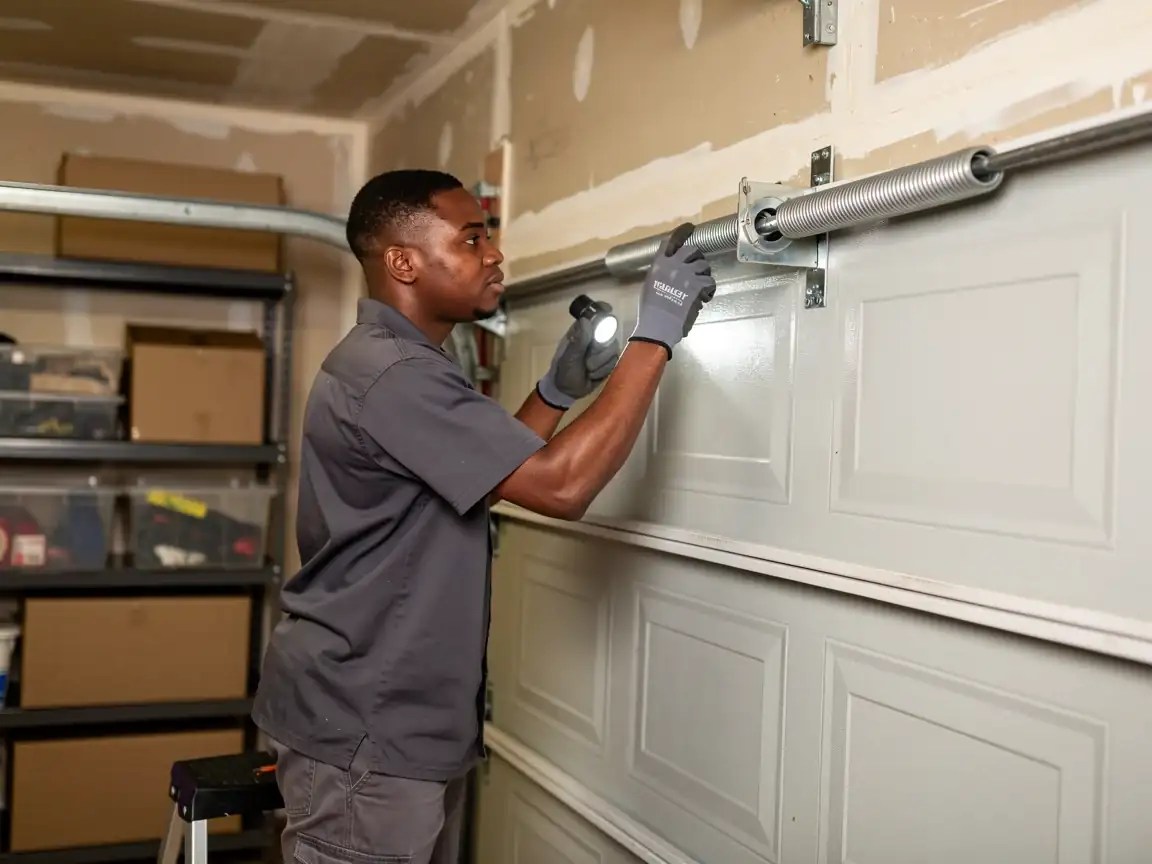
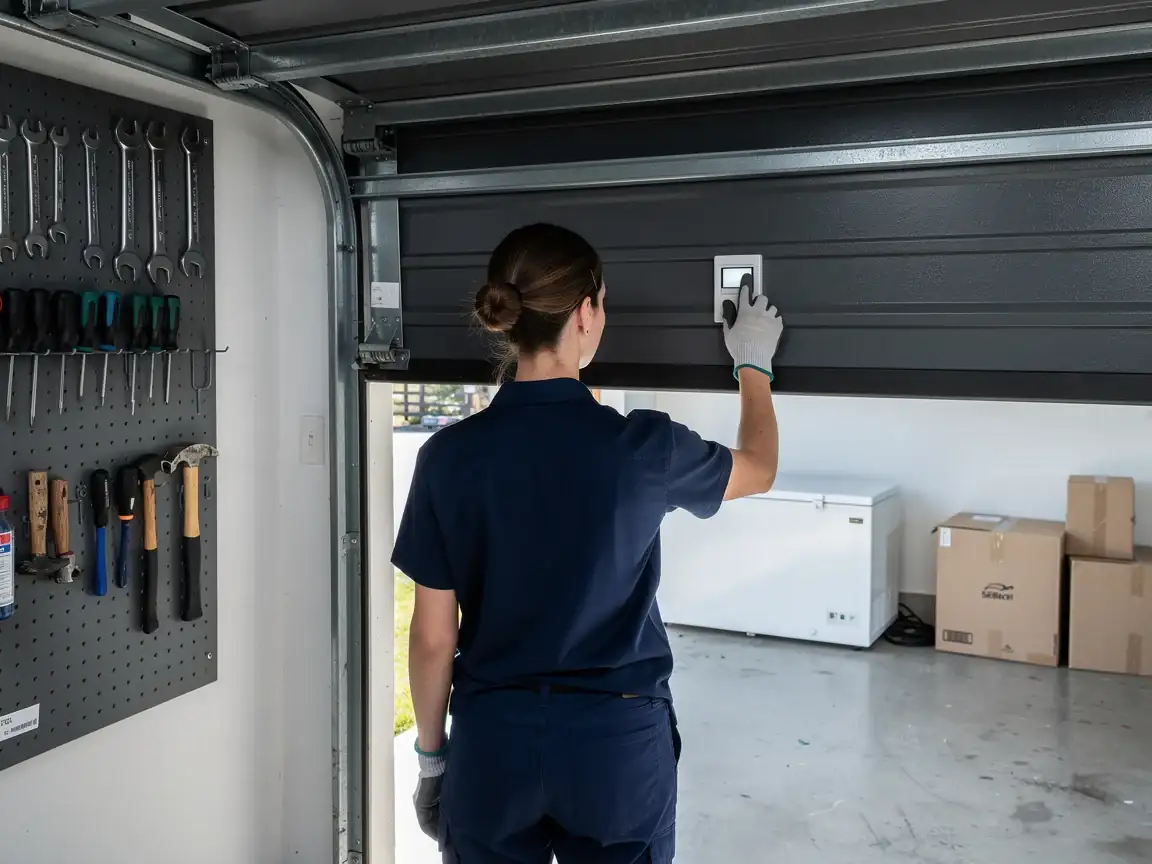
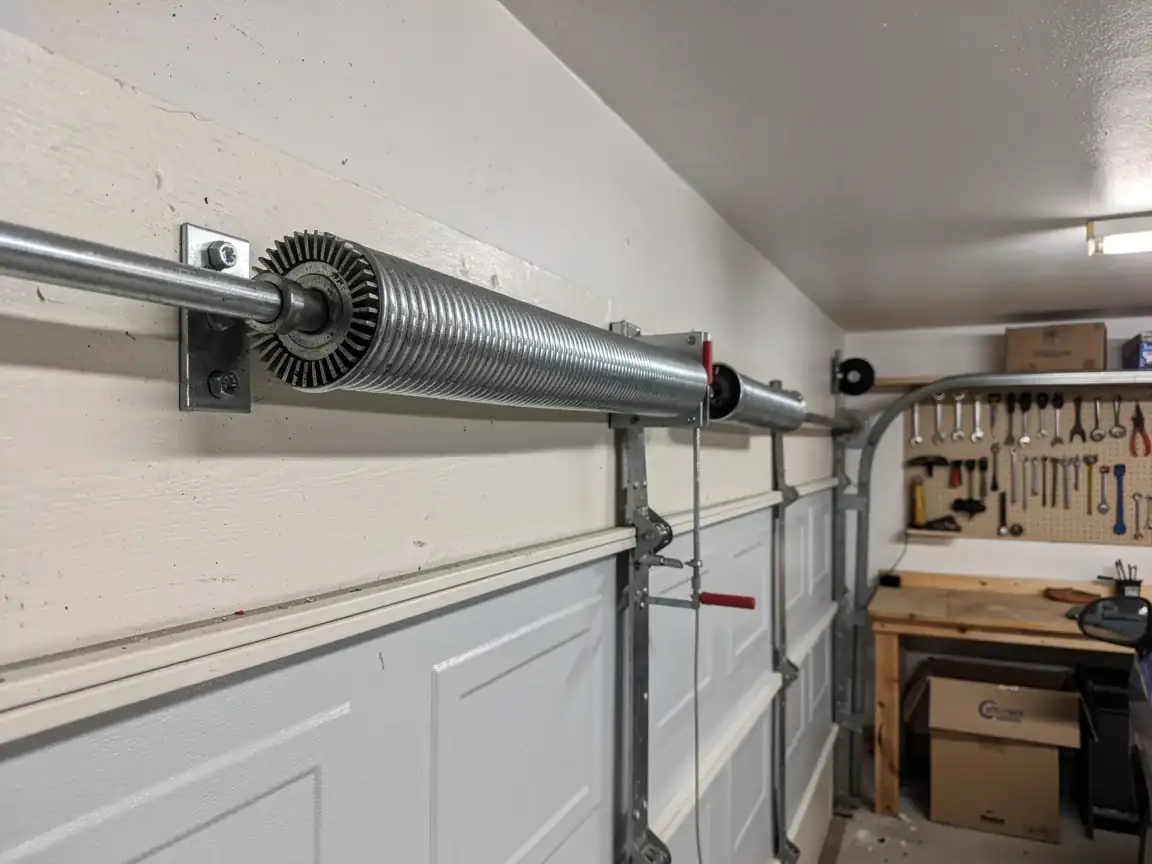
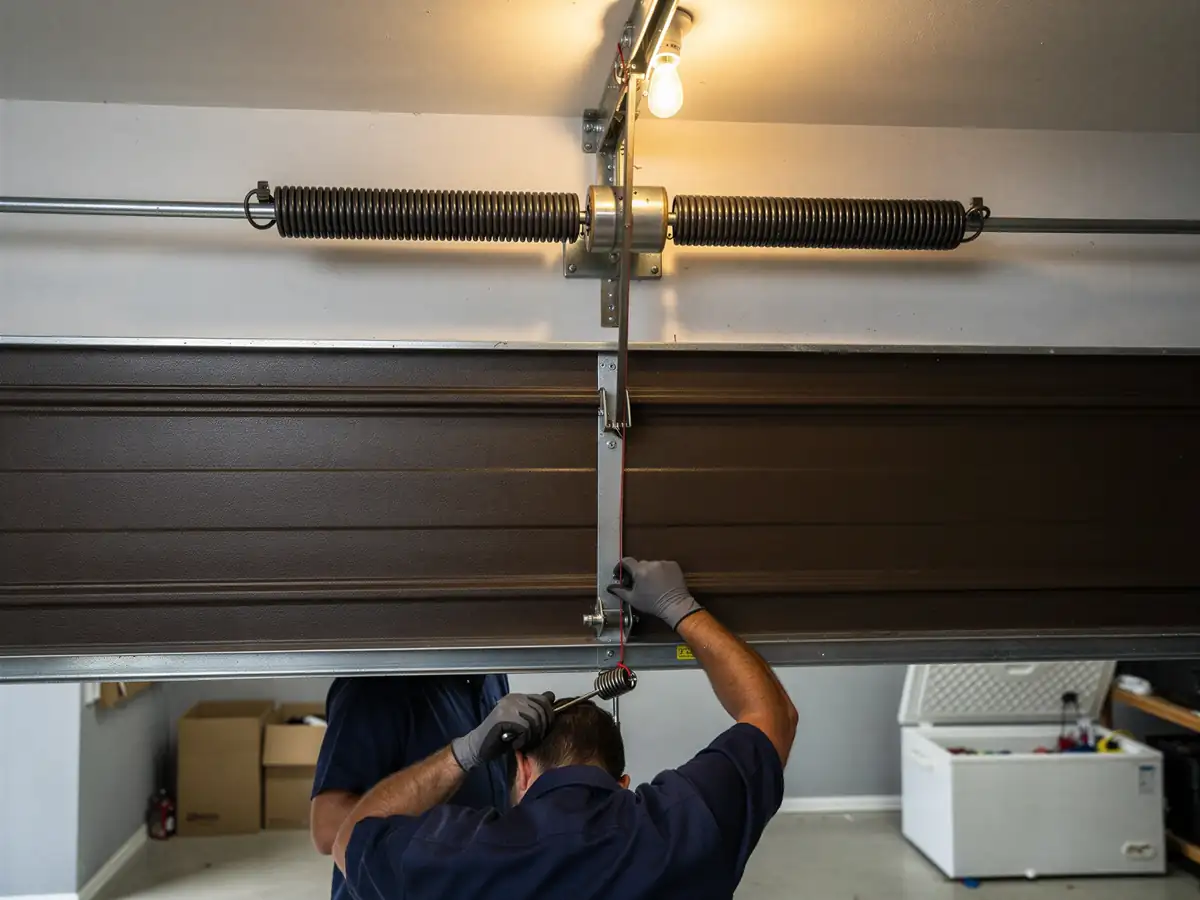
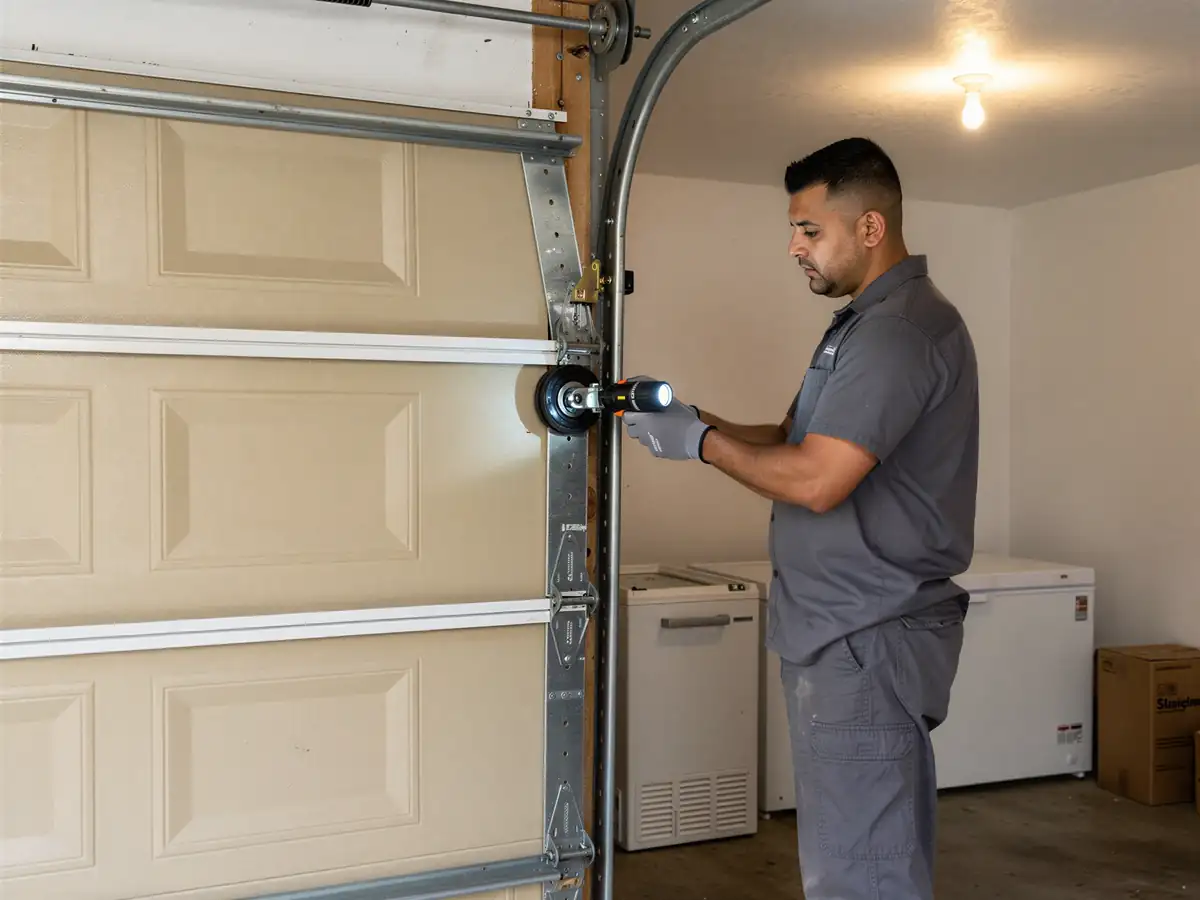
Once the opening's confirmed, the old door comes out, we check the jambs for rot or settling (common in houses this age), and we set new track plumb to the actual wall, not the old track's line. Springs get sized to the new door's weight, not reused from the old setup - a torsion spring built for a 1952 wood-panel door won't balance a modern insulated steel one. Last step is cycling the door a dozen times under power before we call it done, checking balance and travel the whole way.
Parts We Carry
We stock insulated steel doors in the widths that actually fit pre-1960 openings around here, not just the two or three sizes big-box stores push. For a cold-moderate climate like Macomb's, we lean toward doors with a solid thermal break and weatherseal at the bottom track - a thin single-layer door loses heat fast once temperatures drop, and that shows up as a higher gas bill, not a broken part.
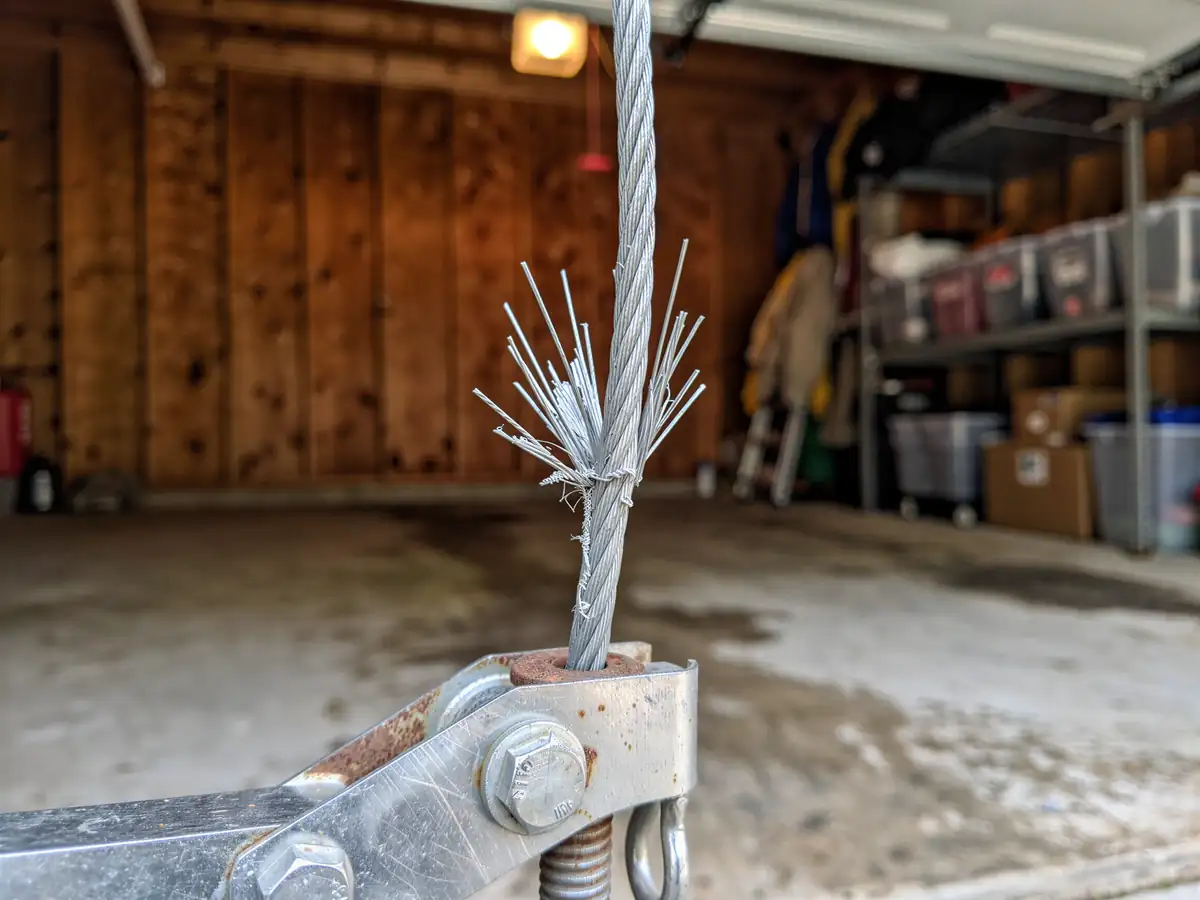
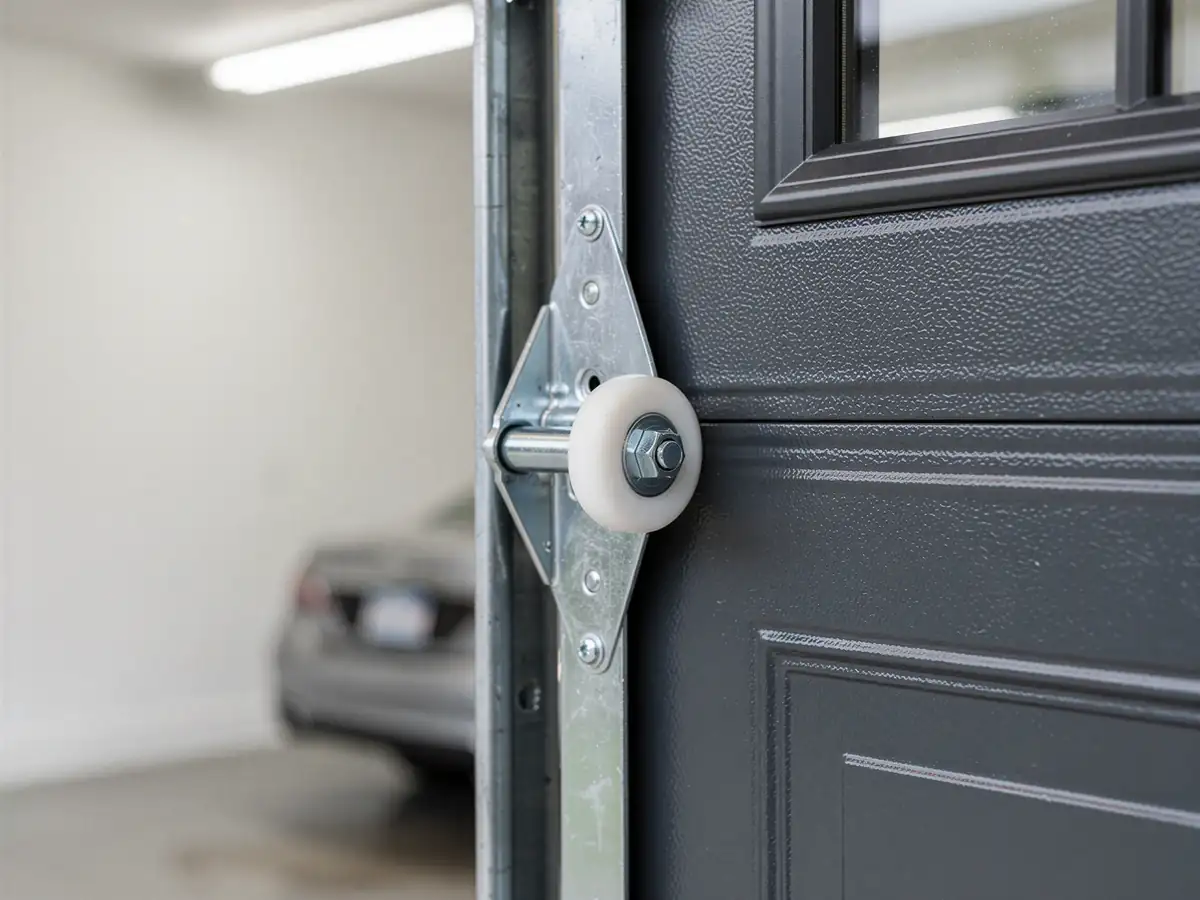
Torsion springs, drums, and cable get matched to door weight and opening height on the spot, since reusing hardware sized for an older wood door under a new steel one is how you end up with a door that won't stay up on its own. We also carry standard rollers and track sections for openings that need a width adjustment rather than a full frame rebuild. One limit worth saying plainly: if your opening needs a custom width outside standard increments, that door isn't something we keep on the truck - it's a special order, and that adds lead time we can't shorten.
What You Are Seeing
If you're looking at installation rather than repair
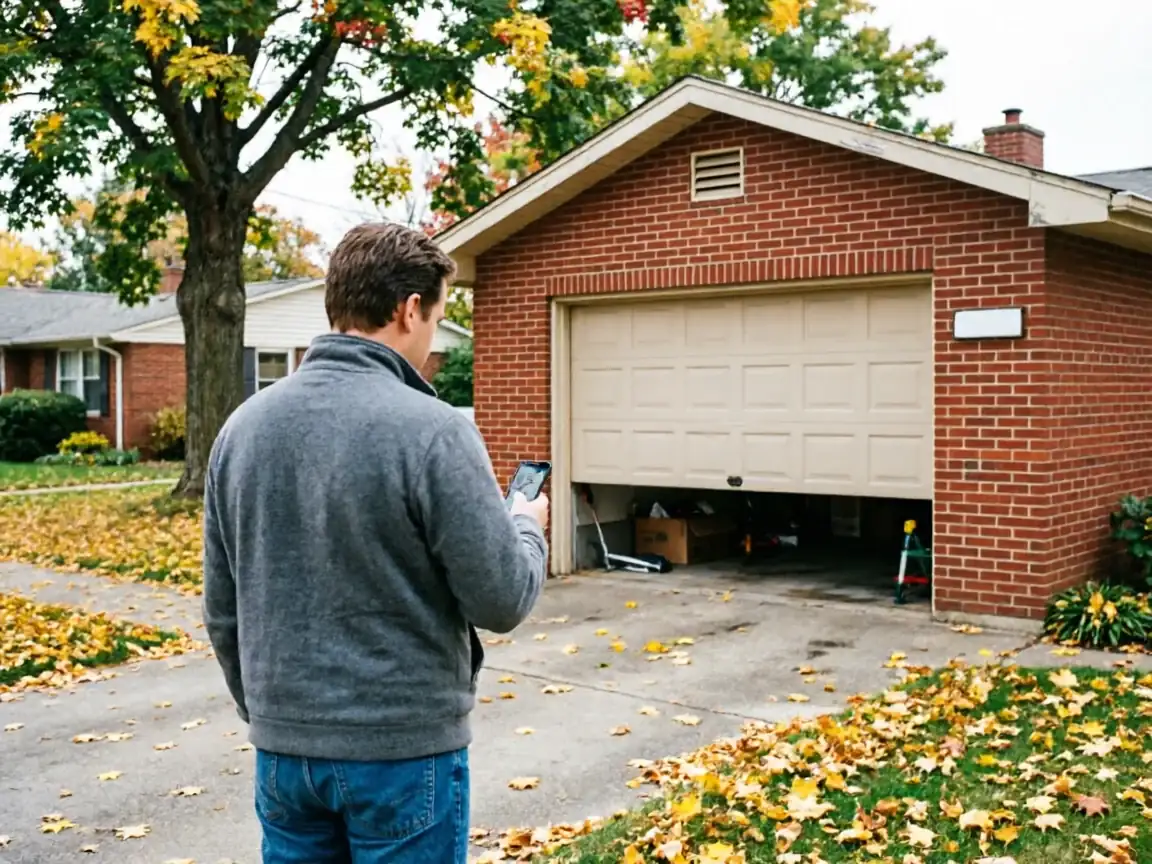
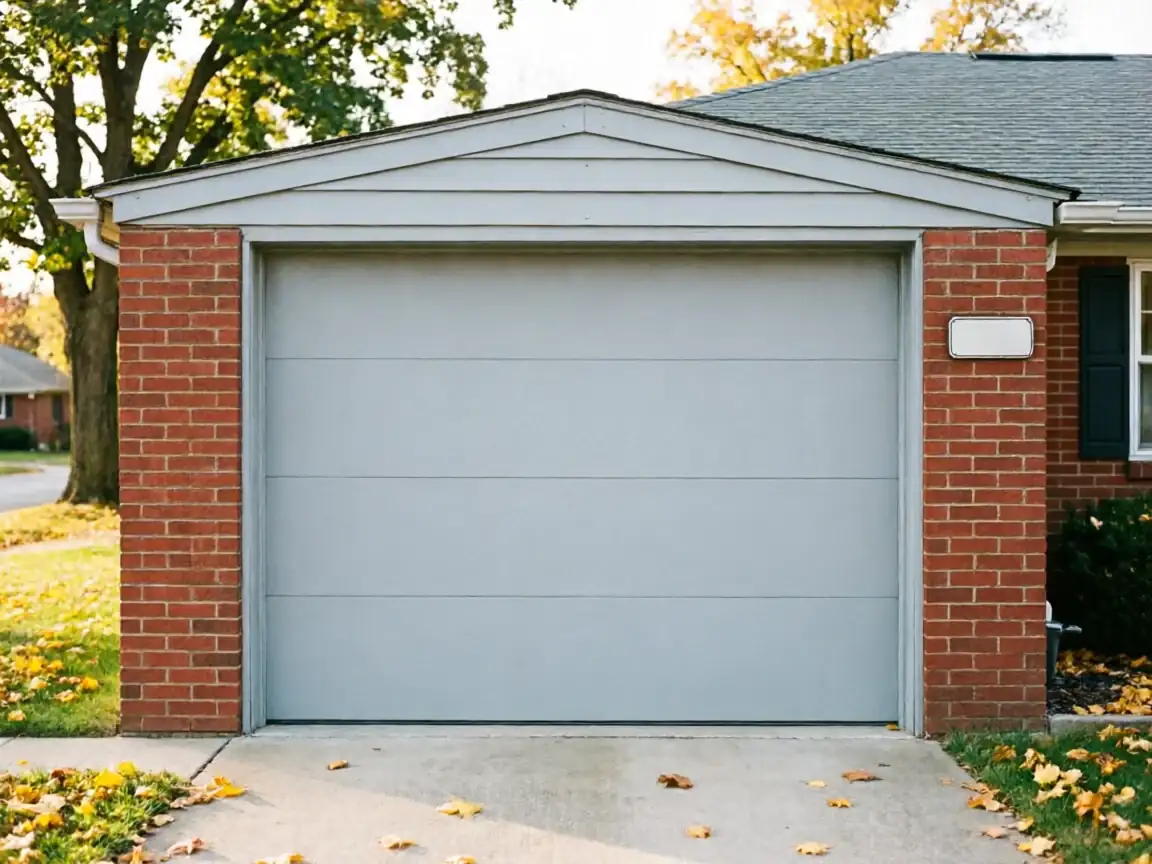
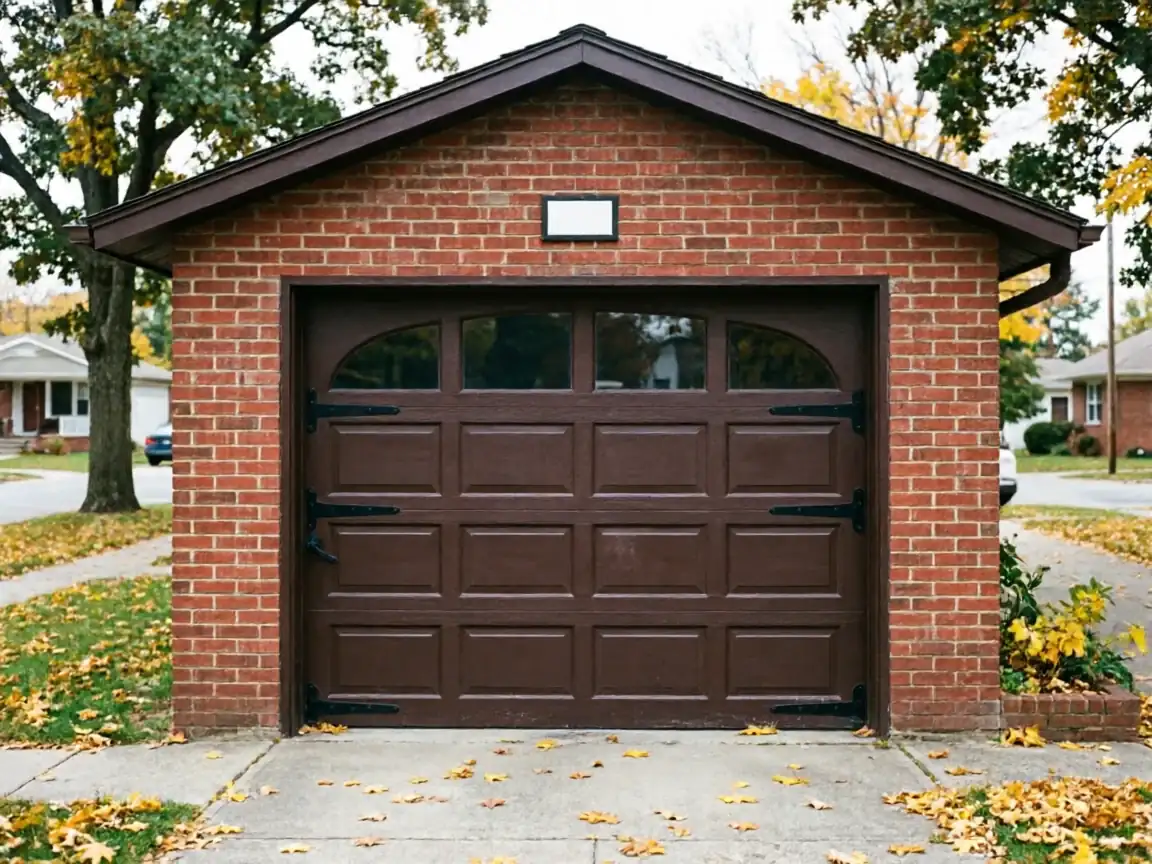
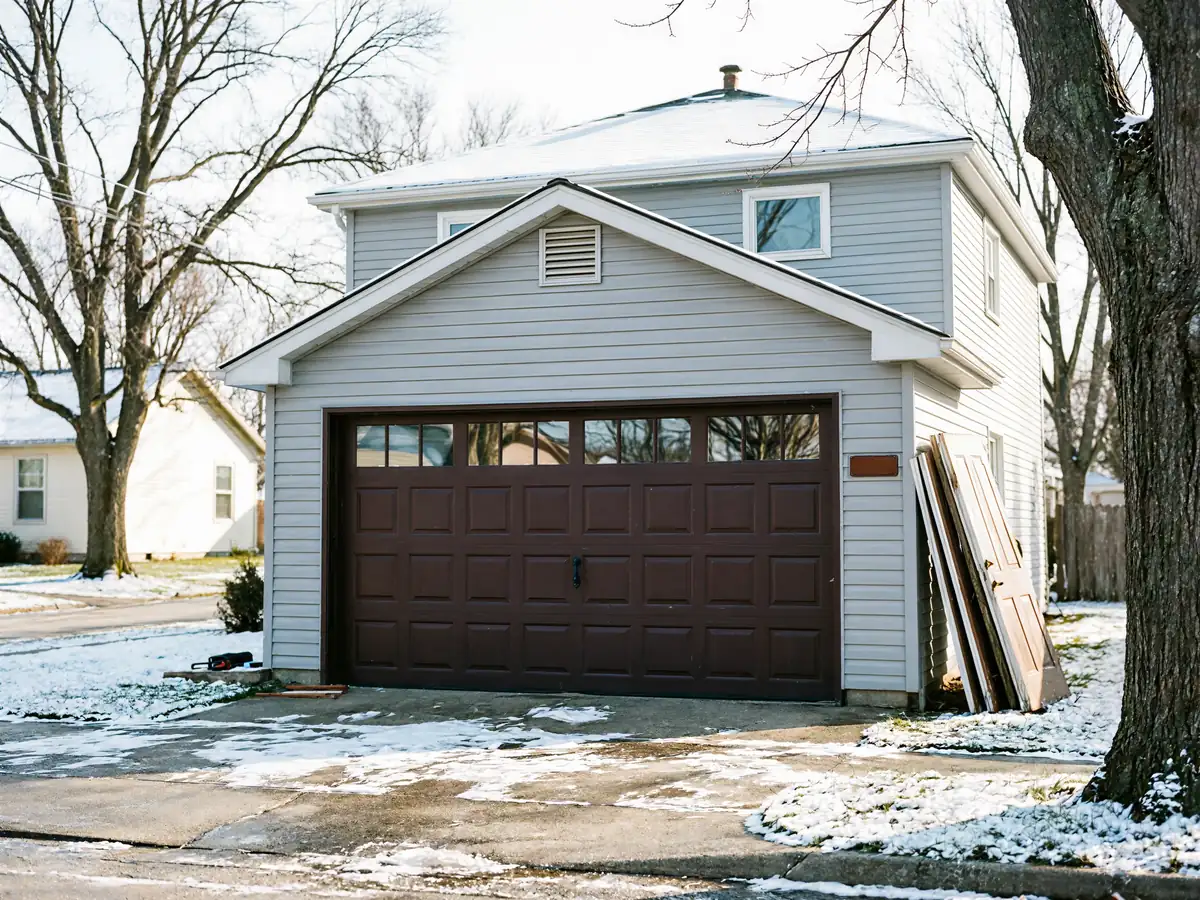
It's usually because the old door is past the point of fixing. On houses from the 1940s-1960s stock common around Macomb, that often looks like a wood panel door that's warped enough to leave daylight at the seams, or a steel door with rust-through at the bottom panel from decades of condensation in an unheated garage.
Other owners come to us after a repair quote on the old door costs more than it's worth
A cracked panel on a 1950s-era door with no matching replacement part available, for instance. And some are simply tired of a door that never sealed well against a Macomb winter: cold air pooling along the floor, a garage that never gets above freezing even with the house heated. None of that is a spring or cable fix. It's a door that's done its job for seventy years and is asking to be replaced.
What Causes It Around Here
The core reason installation jobs cluster the way they do here is simple: the housing stock is old and it's consistent. With most homes going up between 1940 and 1965 across the nine areas we serve near Macomb, a huge share of original garage doors were built for a different era of hardware and a different expectation of insulation. Nobody building in 1952 was thinking about R-value.
Layer the cold-moderate climate on top of that, and uninsulated or warped original doors become a real problem, not just a cosmetic one - they let cold straight into an attached garage, and sometimes into the house through a shared wall. With 2,638 owner-occupied houses among the 3,534 households in the service area, and a median household income of $54,306, we see a steady stream of owners choosing one solid insulated install over repeated patch repairs on a door that was never built for this climate in the first place.