When Waiting Is Fine
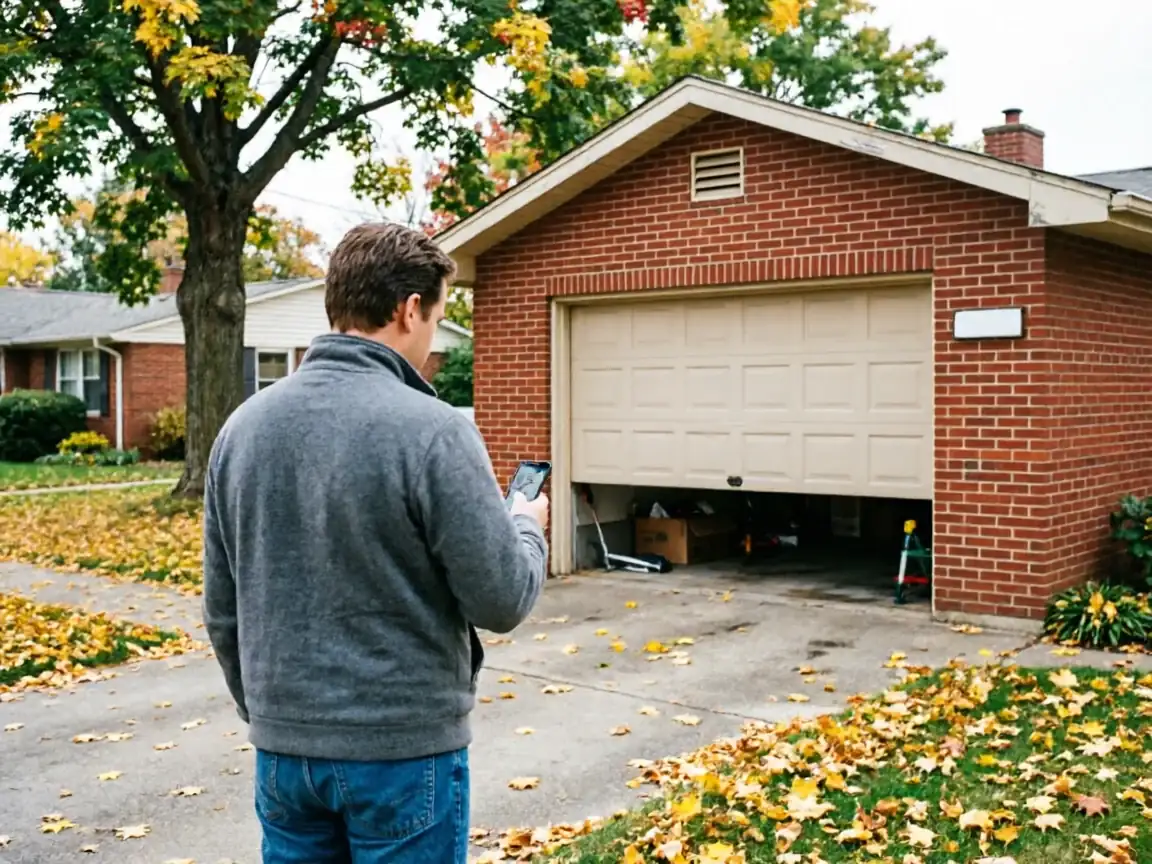
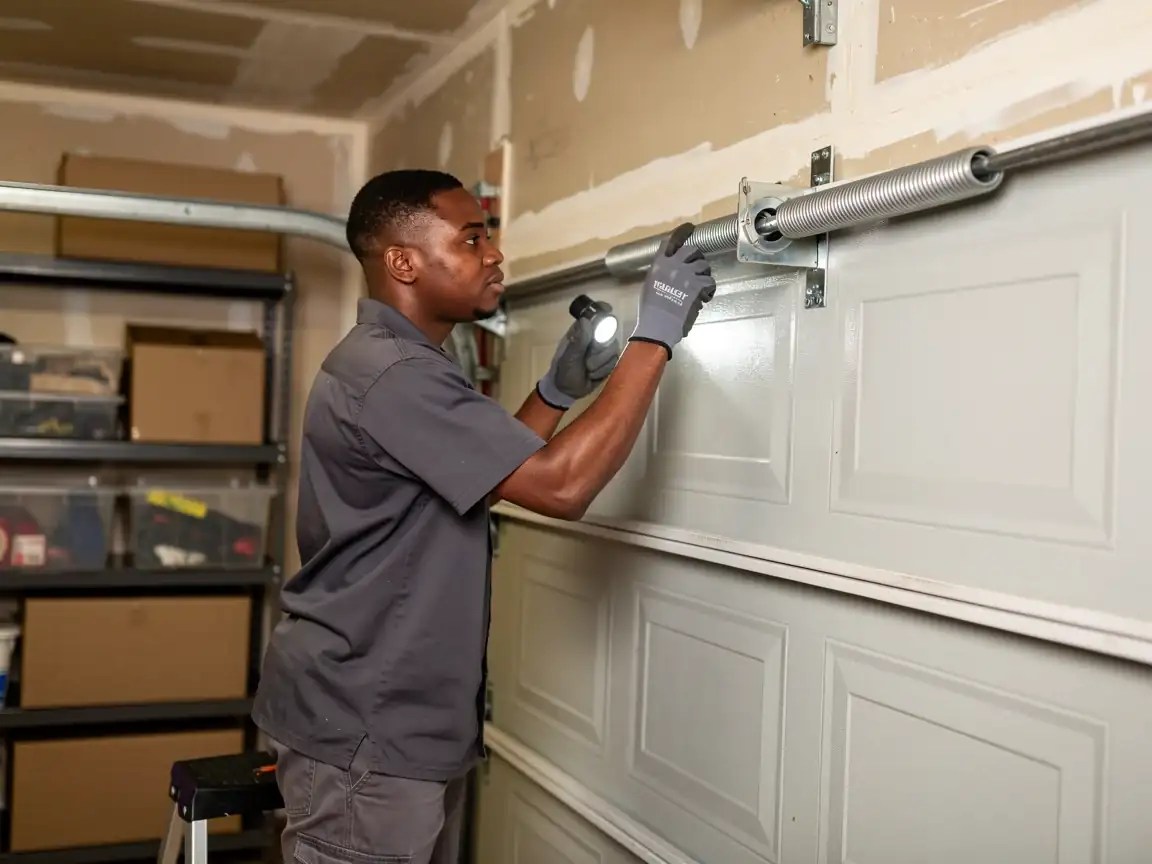
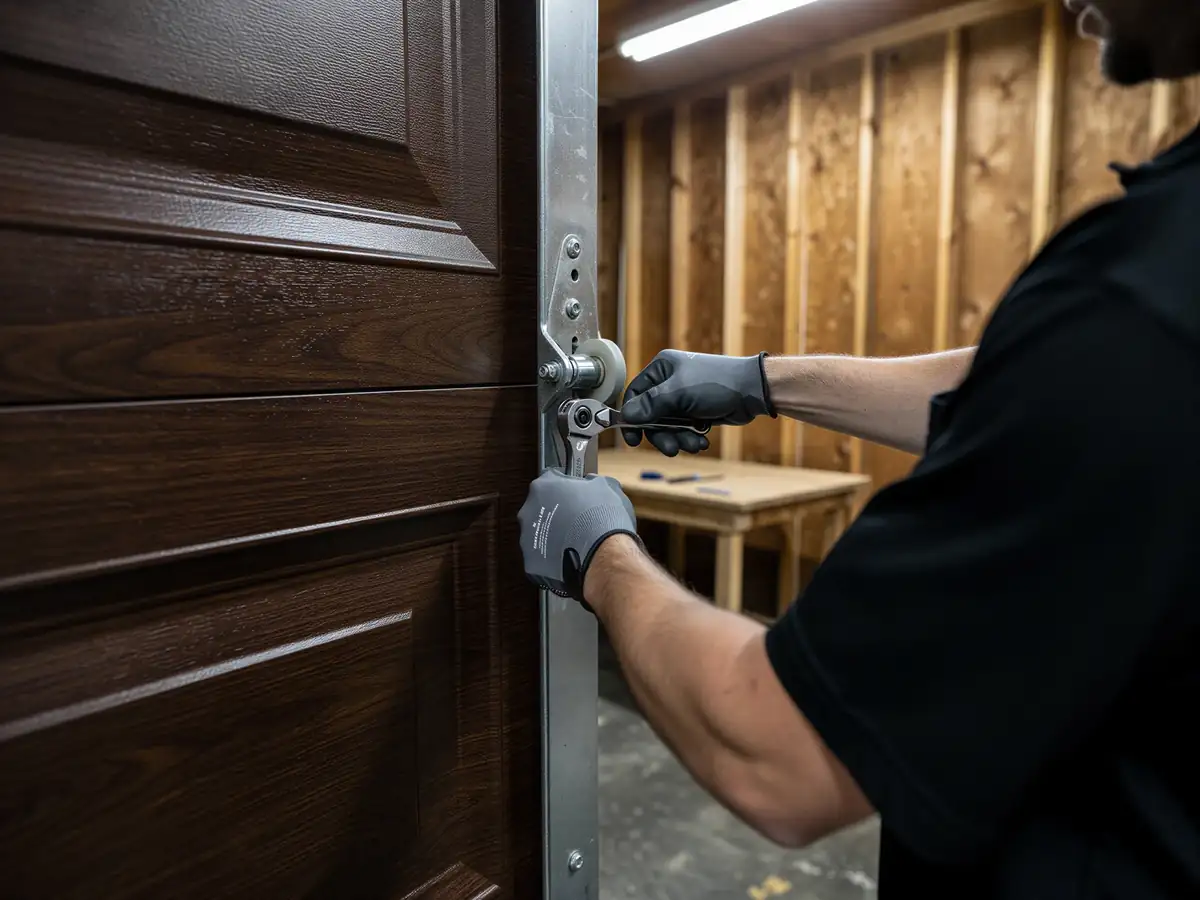
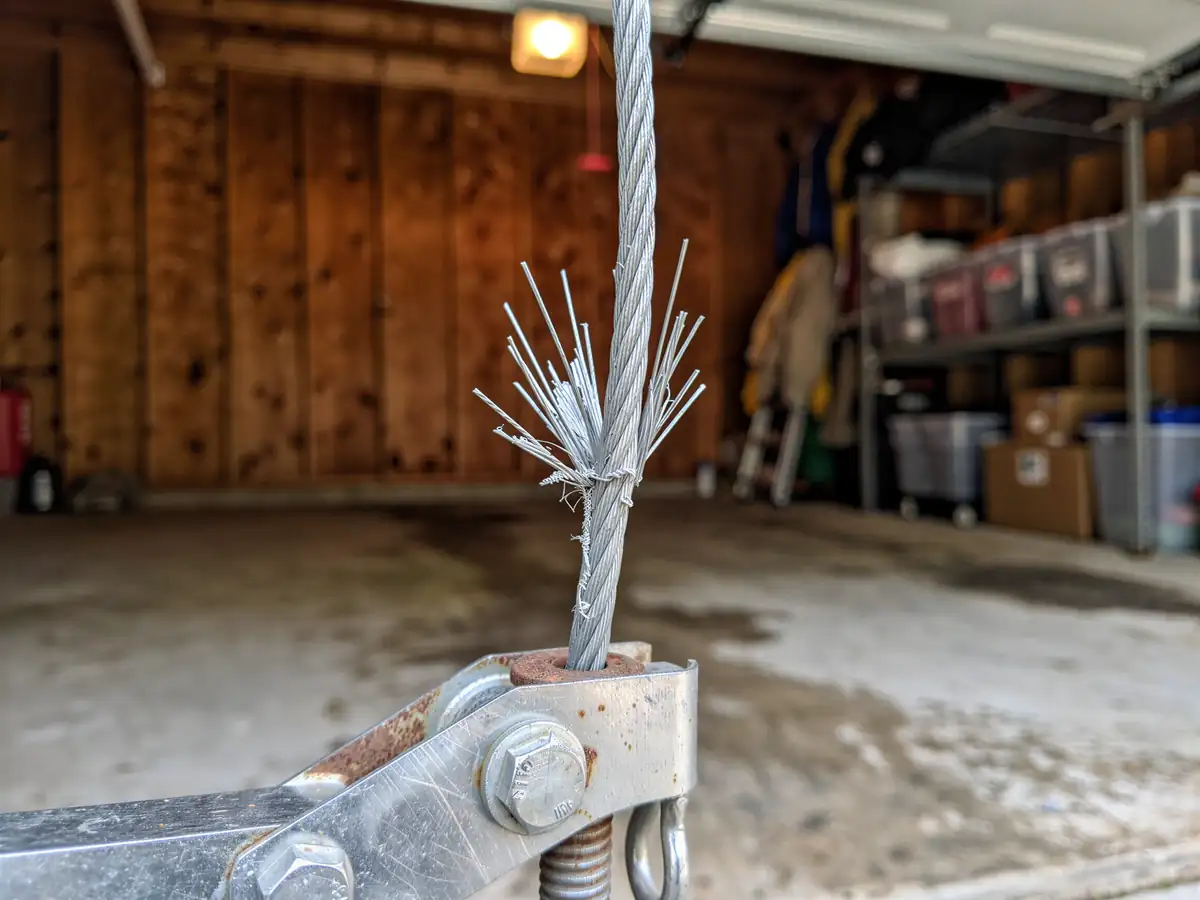
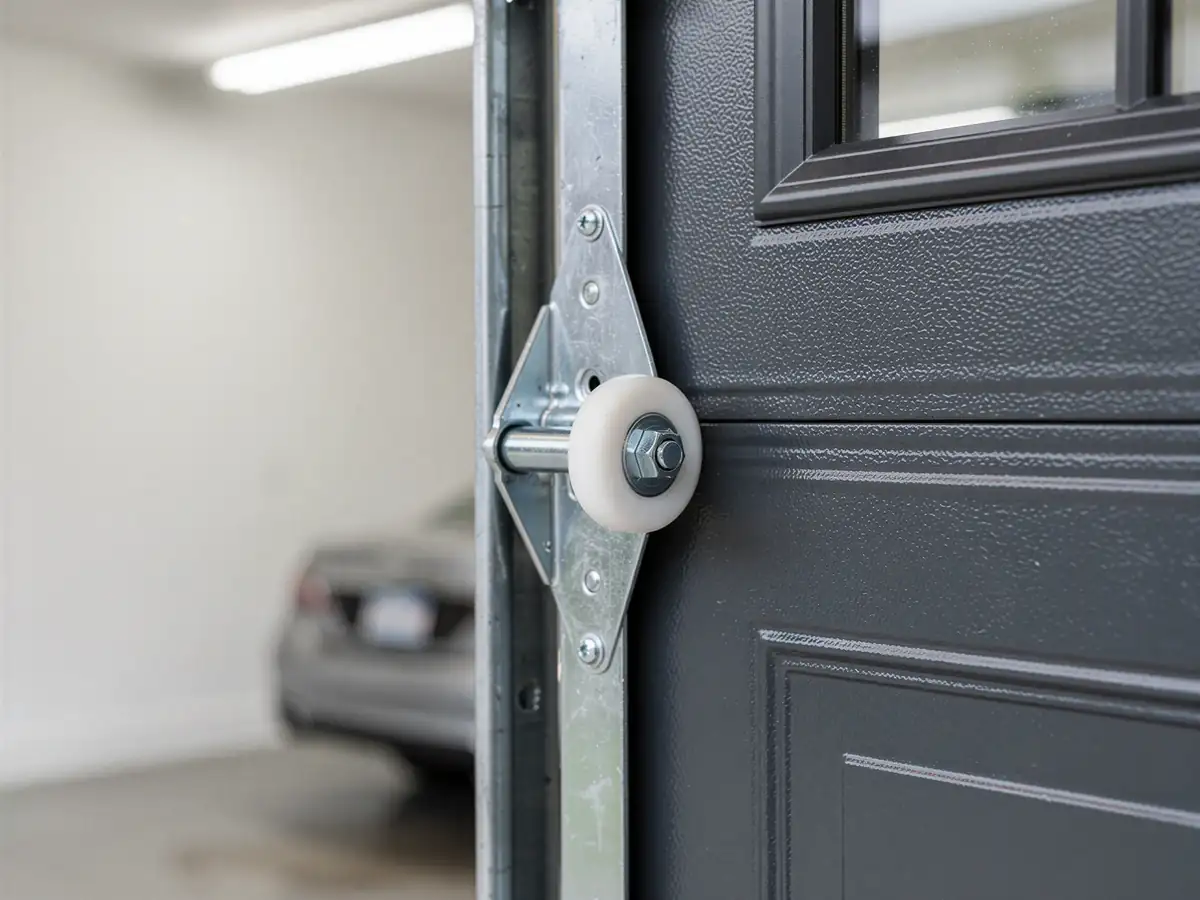
Not every noise or stiff panel means call today. If your door still opens and closes on command and the sound is a low groan rather than a bang, you can usually wait for a scheduled visit instead of an emergency one. Macomb's housing stock mostly dates to 1940-1965, and a lot of those doors run on torsion springs and hardware put in decades ago, or replaced once since. Hardware that old makes noise long before it fails outright - rollers chatter, hinges squeak, tracks hum. That's not an emergency, that's wear. Where you shouldn't wait: the door reverses on its own, the cable looks frayed or has come off the drum, or the spring has visibly separated. Those are safety issues, not maintenance items, and they get worse fast, especially once cold weather tightens up metal and grease. But a once-a-year adjustment call on a door built on original 1950s track doesn't need to happen the day you notice the sound. Schedule it for a week when you're not using the garage twice a day, and we'll have time to look at the whole system instead of racing one symptom.
What You Pay
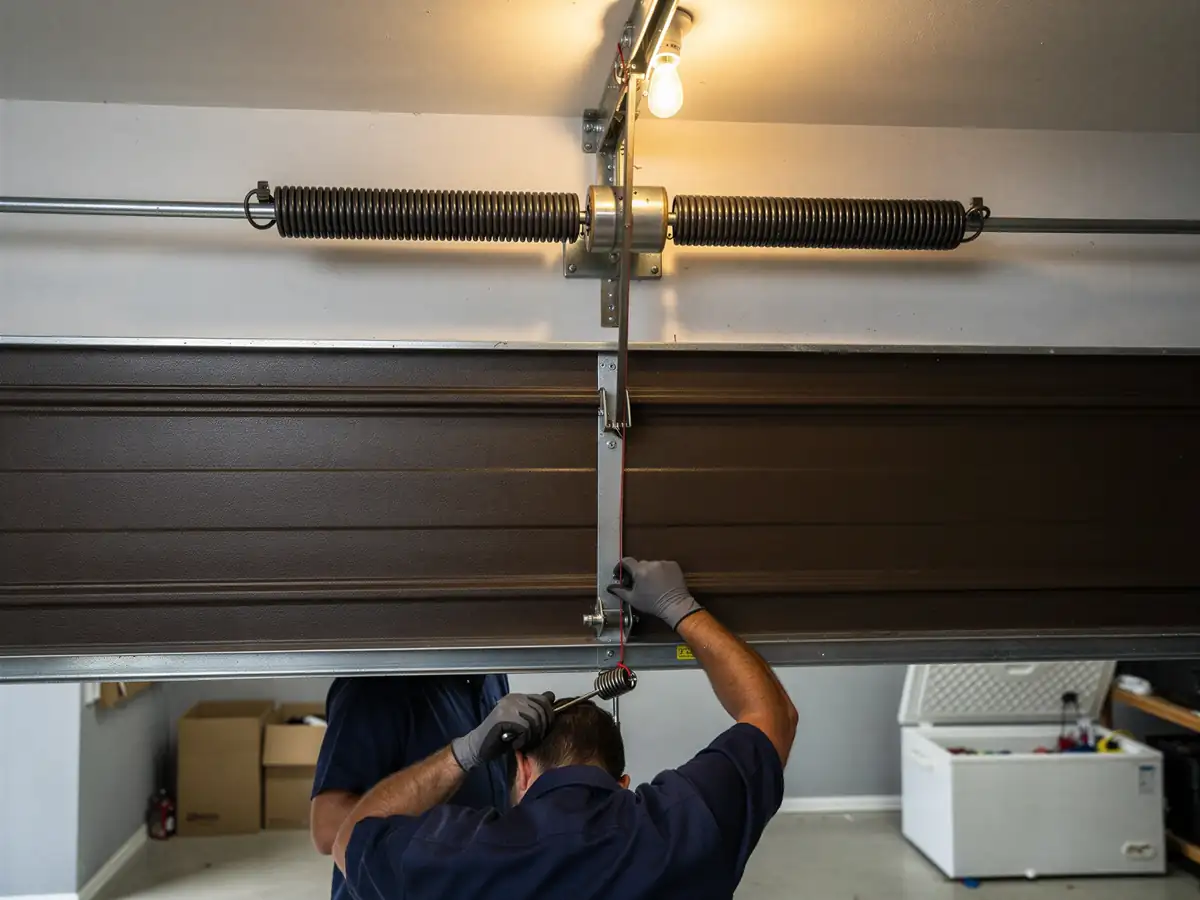
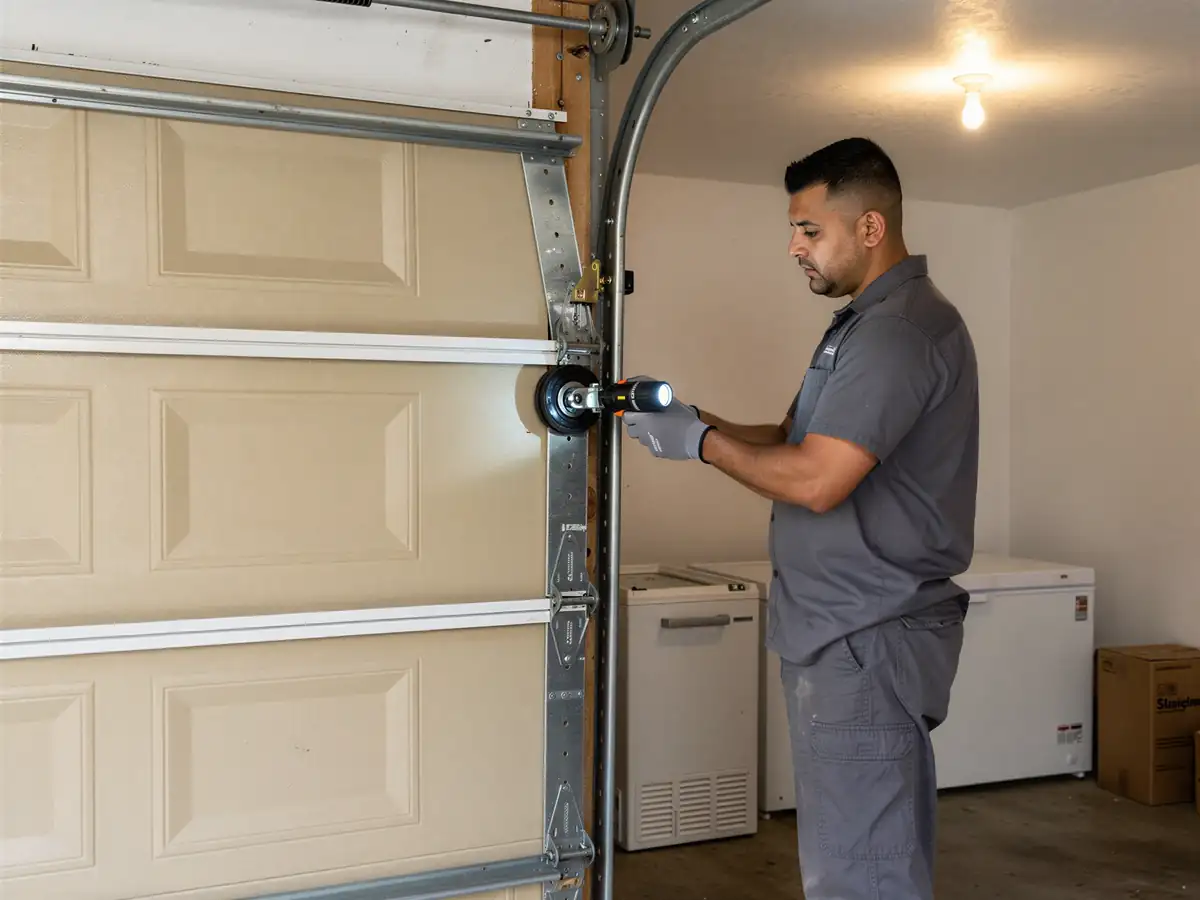
We don't post flat prices here because what a visit costs depends on what's actually wrong and what the door needs to fix it - and in a town where most garages were built in the 1940s through 1960s, that varies more than people expect. A lot of doors in Macomb are still running original-era hardware or a replacement from decades back, which means non-standard spring sizes, older drum styles, and panel dimensions that don't match what's on the truck. That adds time: a technician who could swap a modern torsion spring in minutes may need to source or special-order a part for an older setup. What you're actually paying for on any call is the diagnostic time to confirm what's wrong, the labor to do it safely - springs are under real tension and not a DIY job - and any parts beyond what's standard stock. If your door is newer or was already replaced with modern hardware, the call is usually straightforward. If it's original to a house built when the neighborhood went up, expect the visit to take a bit longer and possibly a return trip for a part.
What the Weather Here Does to It
Macomb sits in a cold moderate climate band, and that shows up in garage doors in specific ways. Steel contracts in the cold, which means a spring under tension works a little differently in January than it does in July - a weak spring often lets go on the first real cold snap of the season, not in summer. Grease and lubricant on rollers and hinges thickens up too, so a door that opened quiet in fall can start groaning once temperatures drop, even with nothing mechanically wrong yet. Photo-eye sensors near the floor are also more likely to catch condensation or frost on cold mornings and throw a false reversal. None of this is unique to one house - it's a function of the swings this area sees through the year, not just how old or new the door is. The honest answer is that nothing stops metal from reacting to temperature. What you can do is keep hardware lubricated going into the cold months and have a weak spring replaced before it fails on its own schedule instead of yours.