When Waiting Is Fine
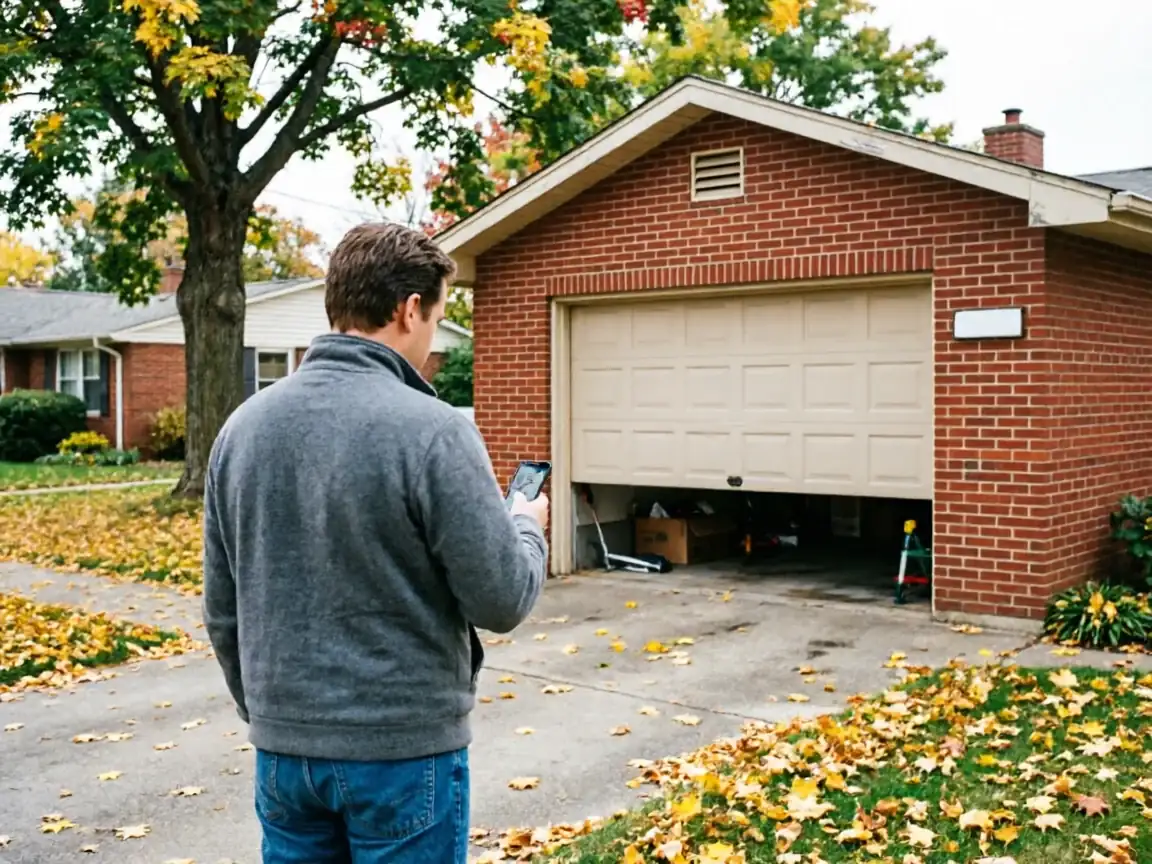
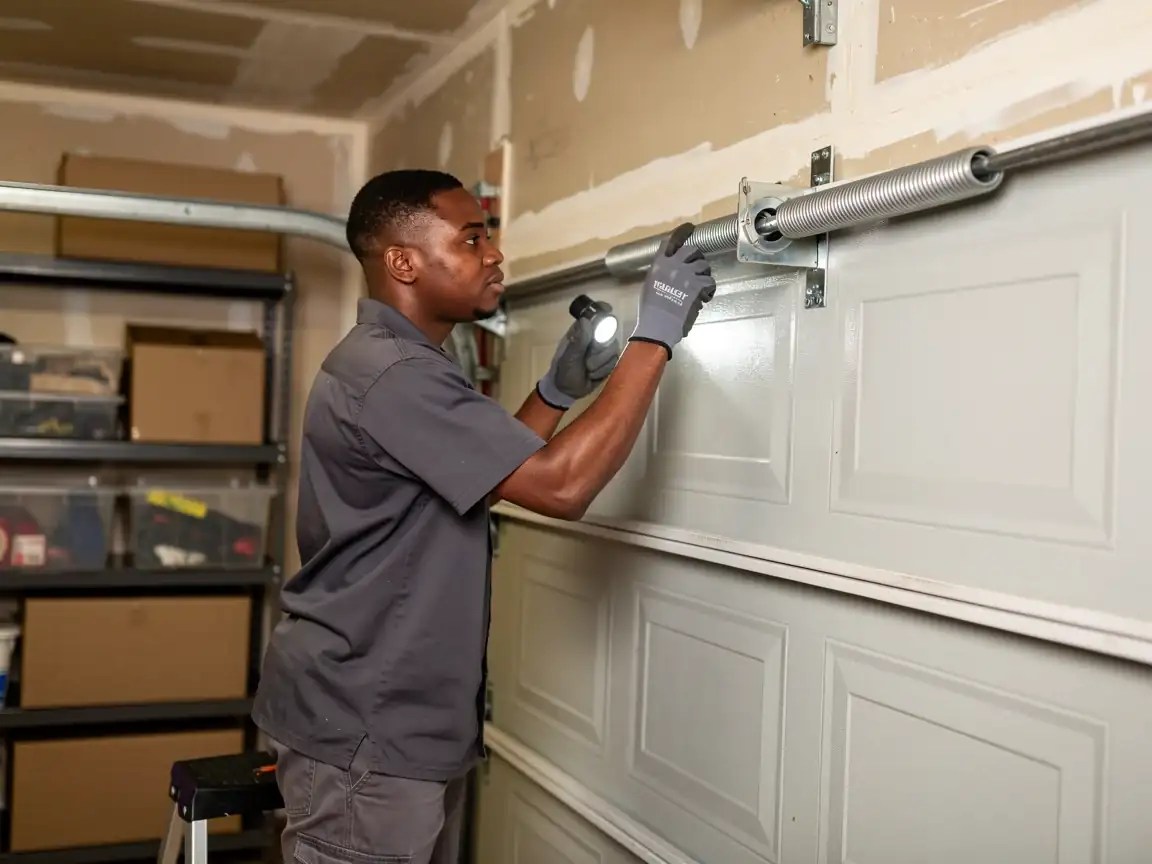
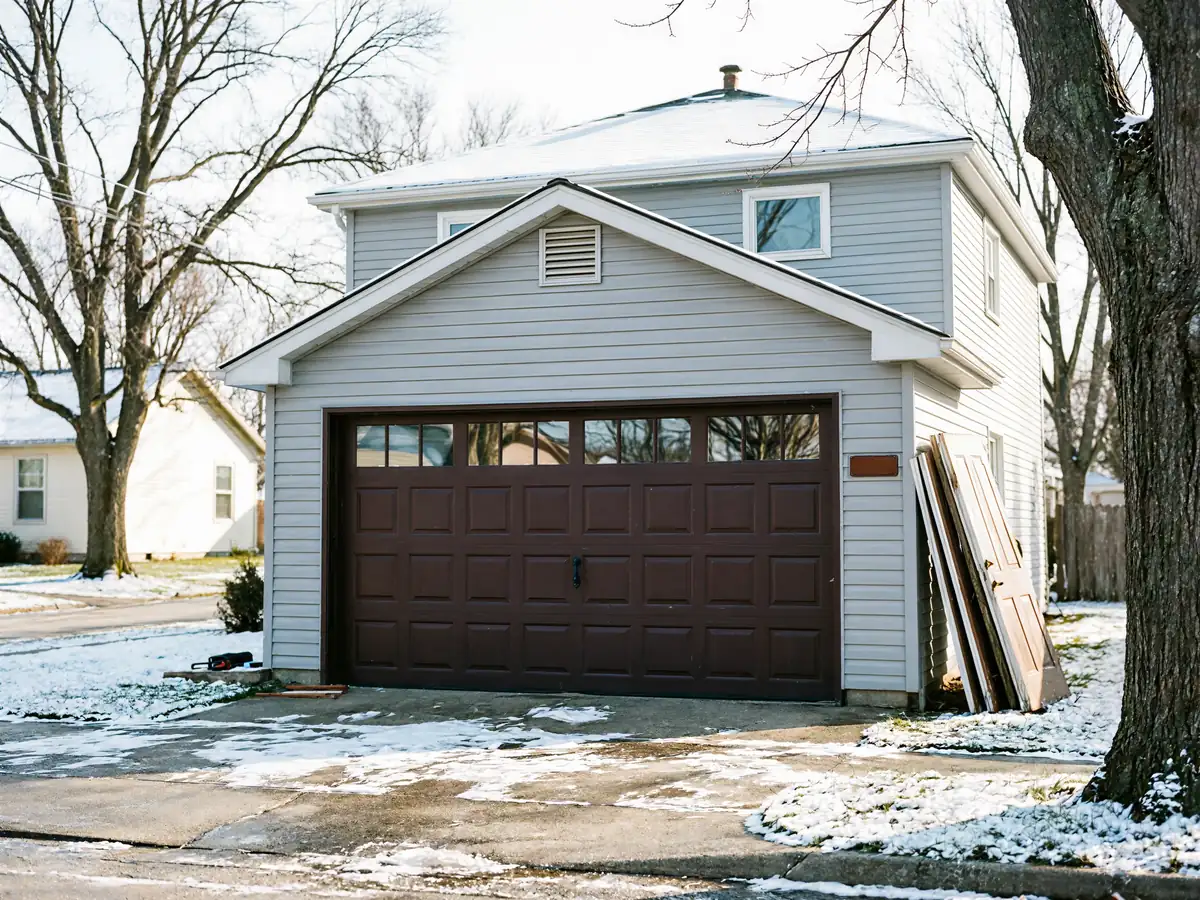
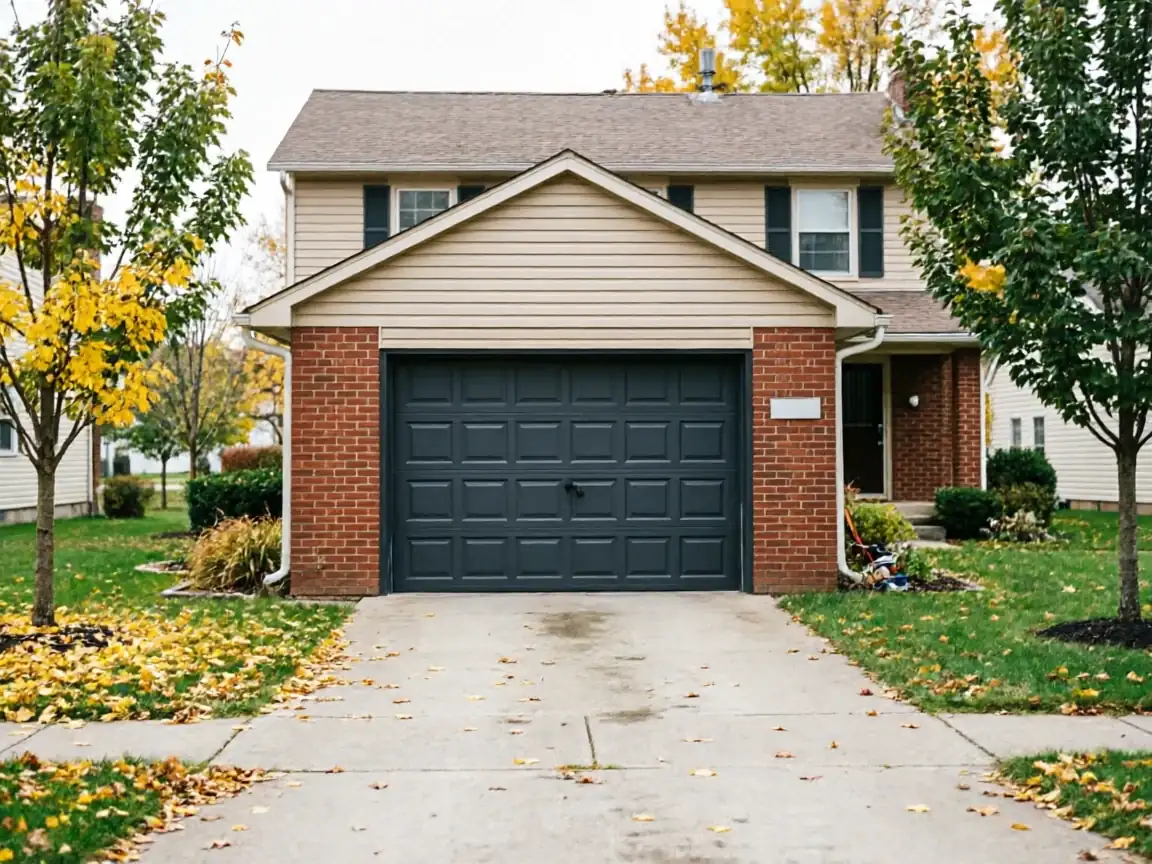
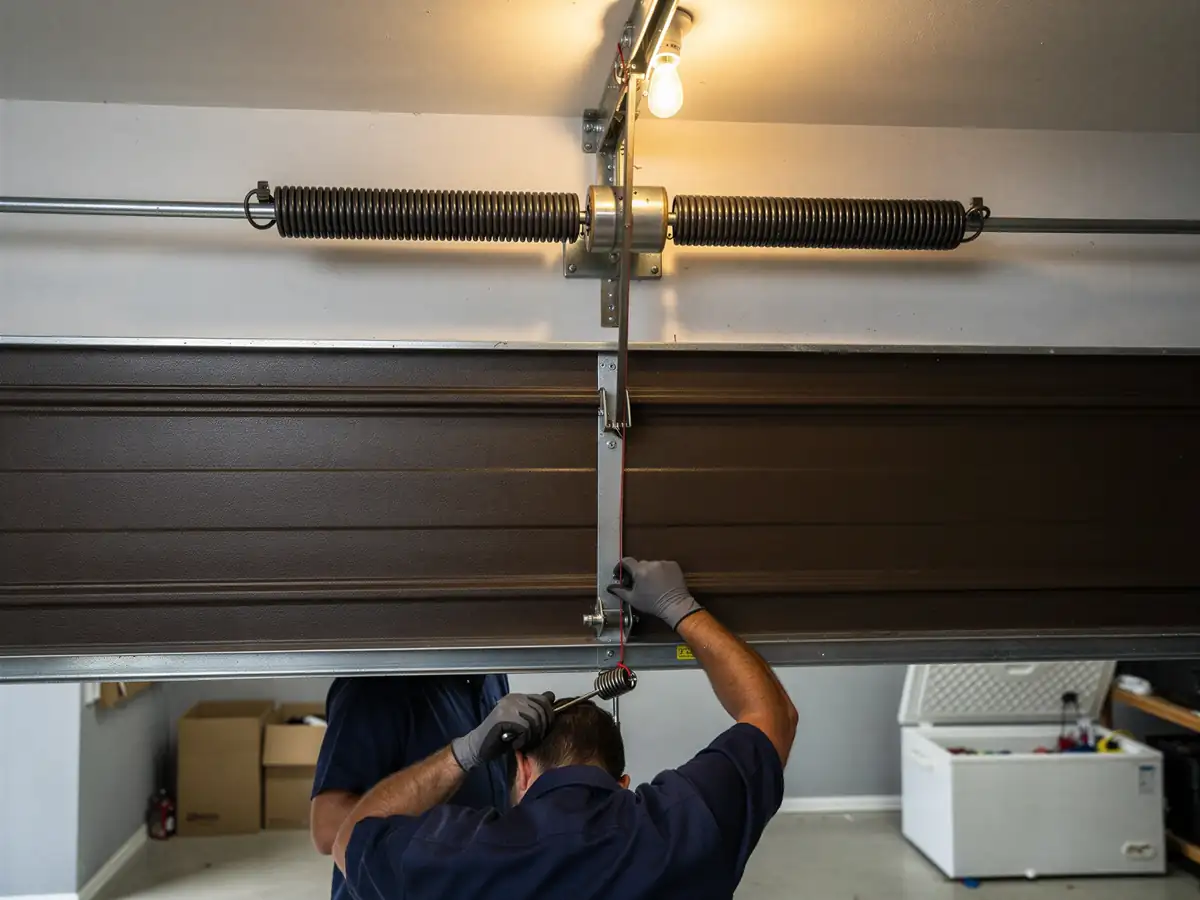
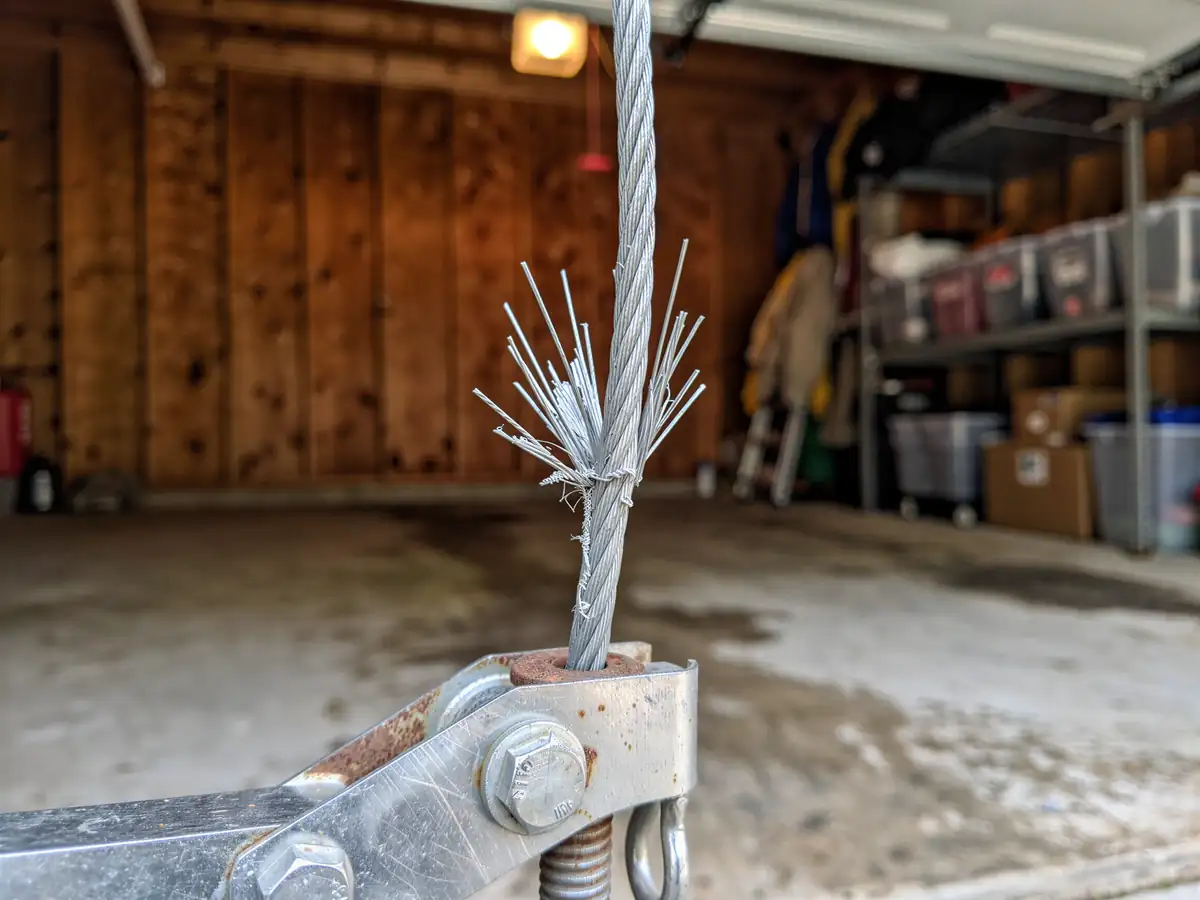
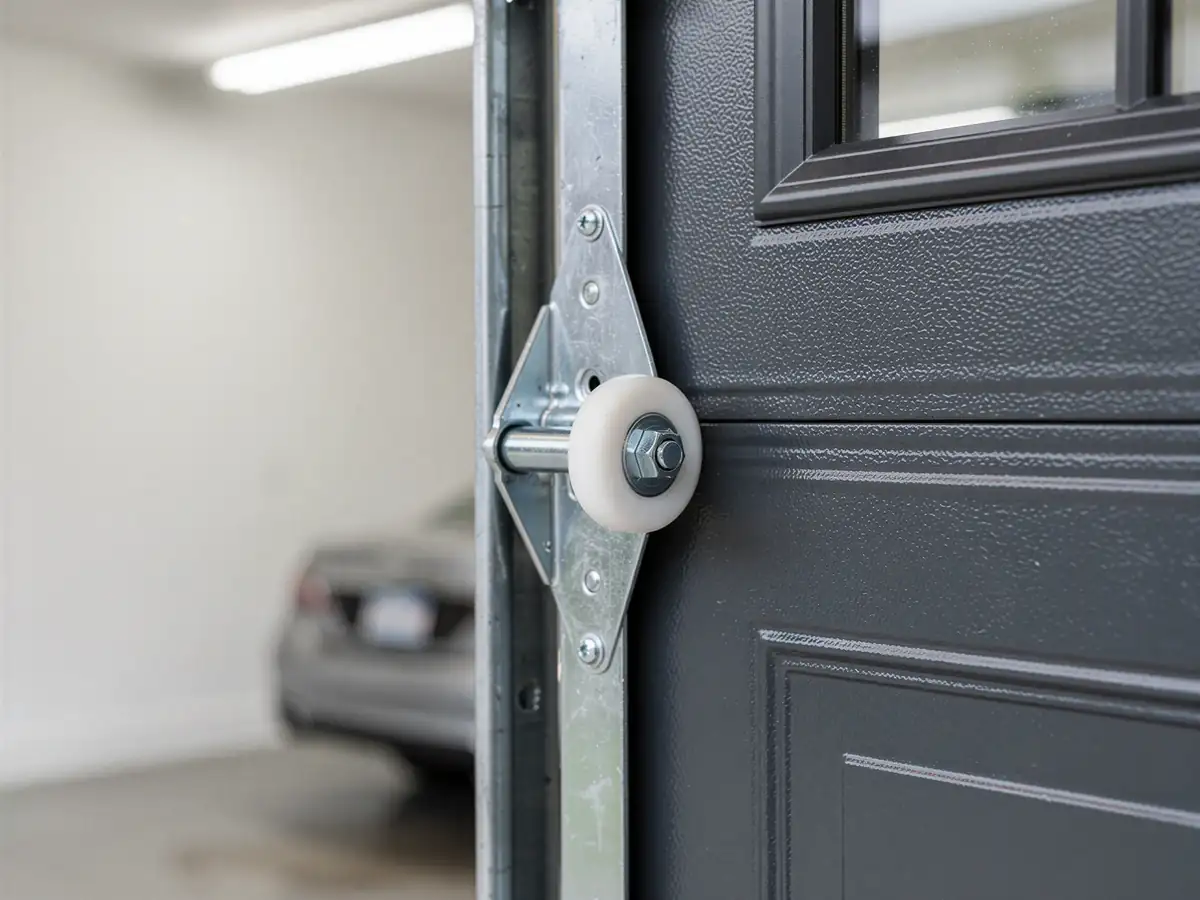
Not every noise is an emergency. If a door built when the house was built - and in this area that's usually somewhere around 1952 - is sticking a little on cold mornings but still closing all the way and reversing when it hits something, you can wait. A stiff track in January is common on houses from the 1940-1965 run that make up most of the stock here; the steel contracts, the rollers bind a little, and it loosens up by March most years. What you shouldn't wait on: a door that reverses unexpectedly, a cable that's frayed, or a spring that's visibly stretched or gapped. Those don't get better with warmer weather, they get worse, and they get worse fast. We also cover the smaller communities around Macomb - Colchester, Sciota, Industry, Bushnell, Table Grove, La Harpe, Plymouth, Roseville, Vermont - and the pattern holds in most of them too, since the housing ages the same way across this stretch of the county. If the door is doing its job, even clumsily, you have time to plan the repair instead of scrambling for it.
What You Pay
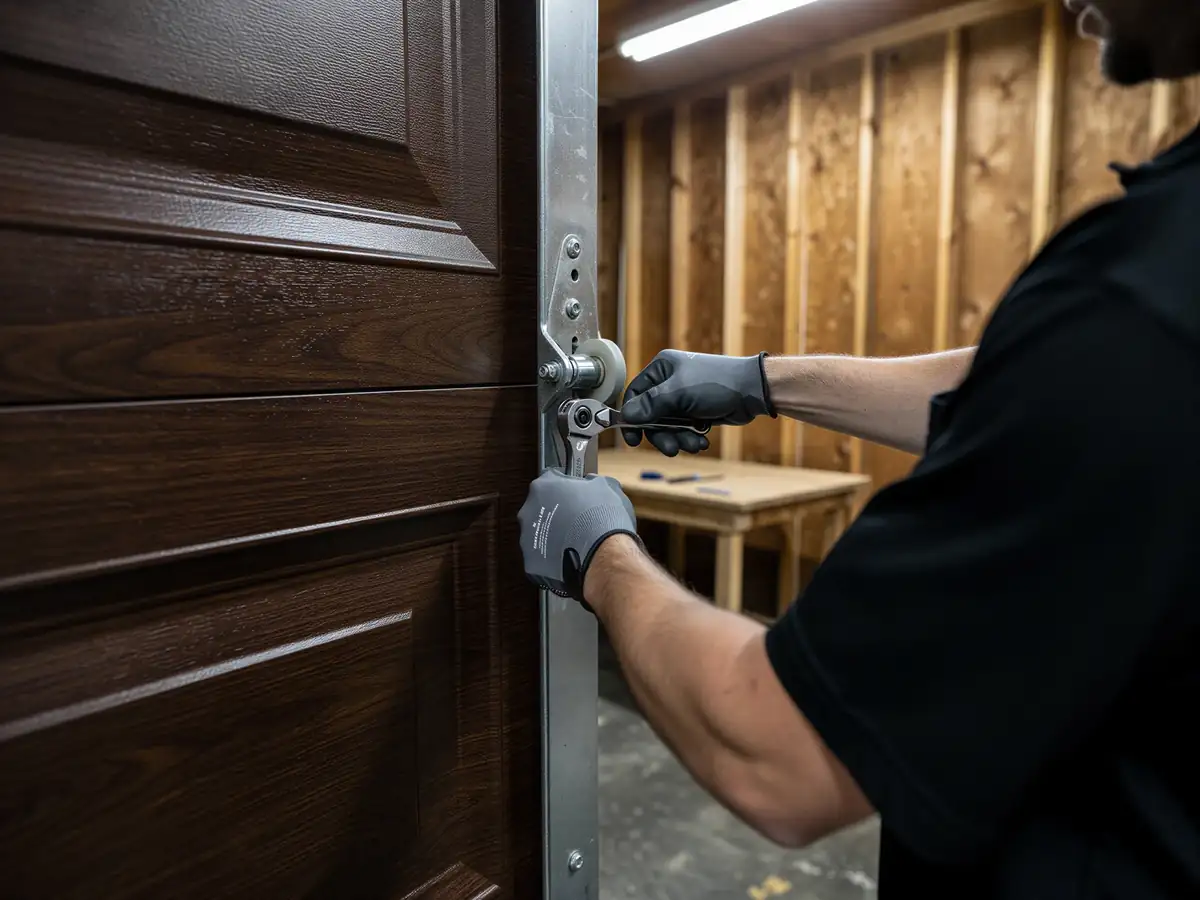
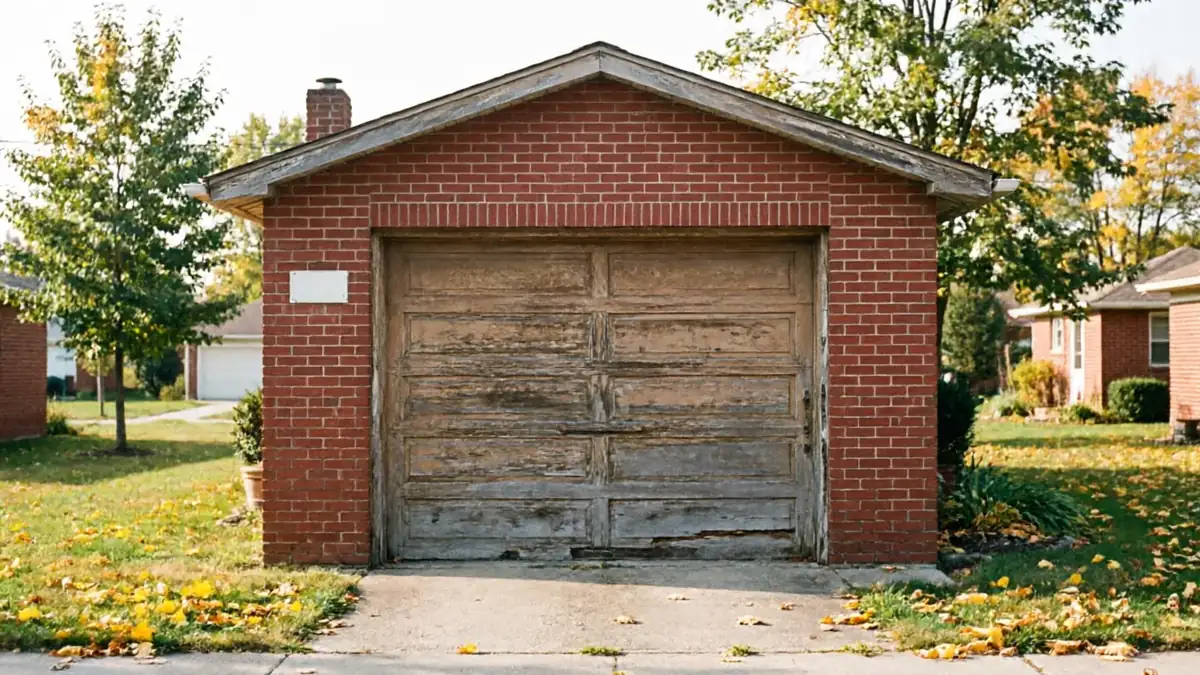
We don't publish flat prices here because what a job costs depends on what's actually on the door - torsion spring, extension spring, which opener, how old the track is. What we can tell you is how people around here tend to decide. Median household income in this area runs about $54,306, which means most of our calls aren't about whether to fix cheap versus fix right, they're about whether a repair makes sense at all versus a full swap. On a door that's original to a 1950s house, a new spring and a service call is usually worth it. A full teardown to the frame, where the track, hinges, and panels are all shot at once, is a different conversation, and we'll tell you straight if that's where you've landed instead of running the meter on patch jobs that won't hold.
What the Weather Here Does to It
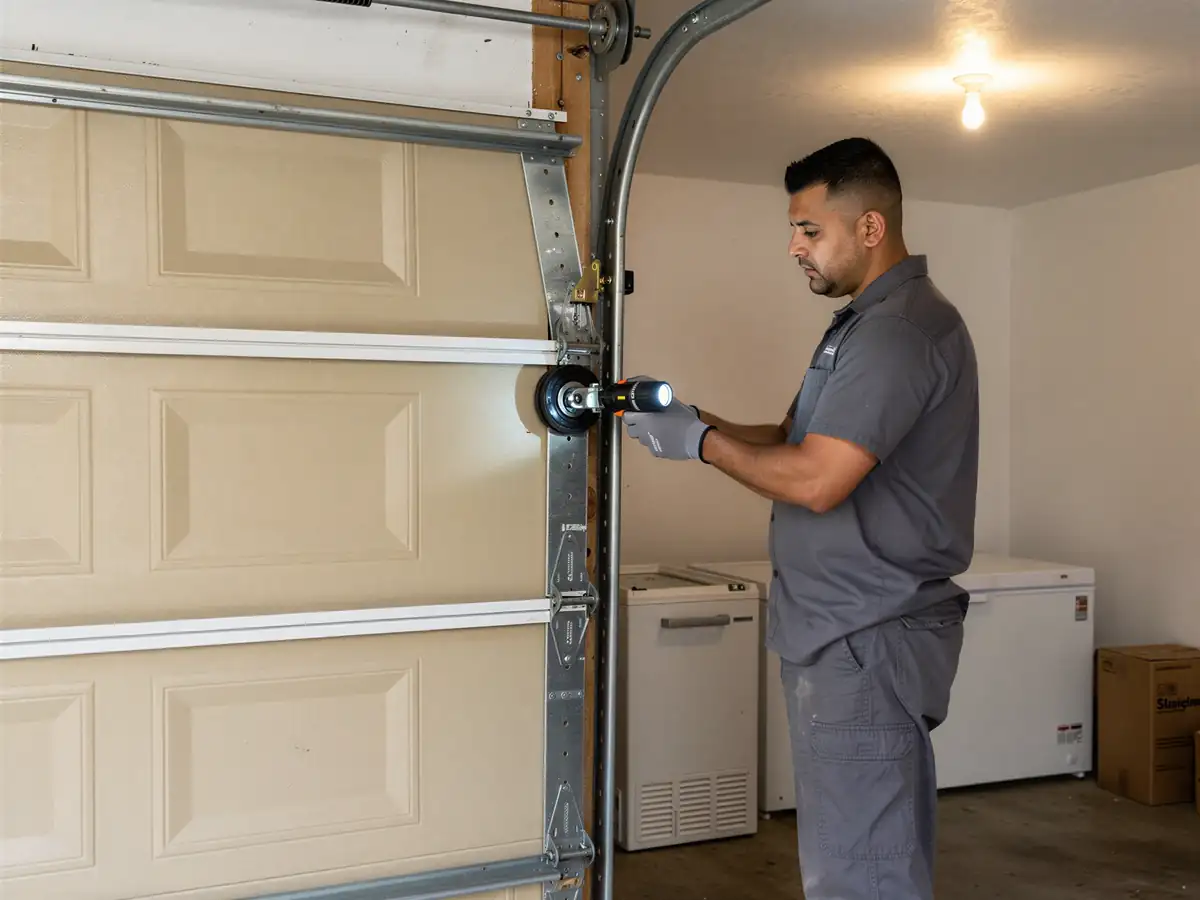
Macomb sits in a cold-moderate climate band, and that shows up in specific ways on an older door. Steel panels contract in winter and the gap at the bottom widens, which is why a door that sealed fine in October is letting a draft through by January. On doors without insulation - common on original 1950s-era installs - that gap also means the spring is doing more work holding tension through temperature swings than it was built for, which is part of why springs on older houses here tend to fail in the cold months rather than summer. None of that means the door is bad. It means the hardware was never built for sixty-plus years of freeze-thaw cycles, and a tune-up before winter catches most of what would otherwise turn into a dead spring on the coldest morning of the year. Of the roughly 3,534 households in this service area, 2,638 are owner-occupied houses, and a good share of those are carrying a door that's seen forty or more of these cycles without anyone touching it.