What Was Built Here
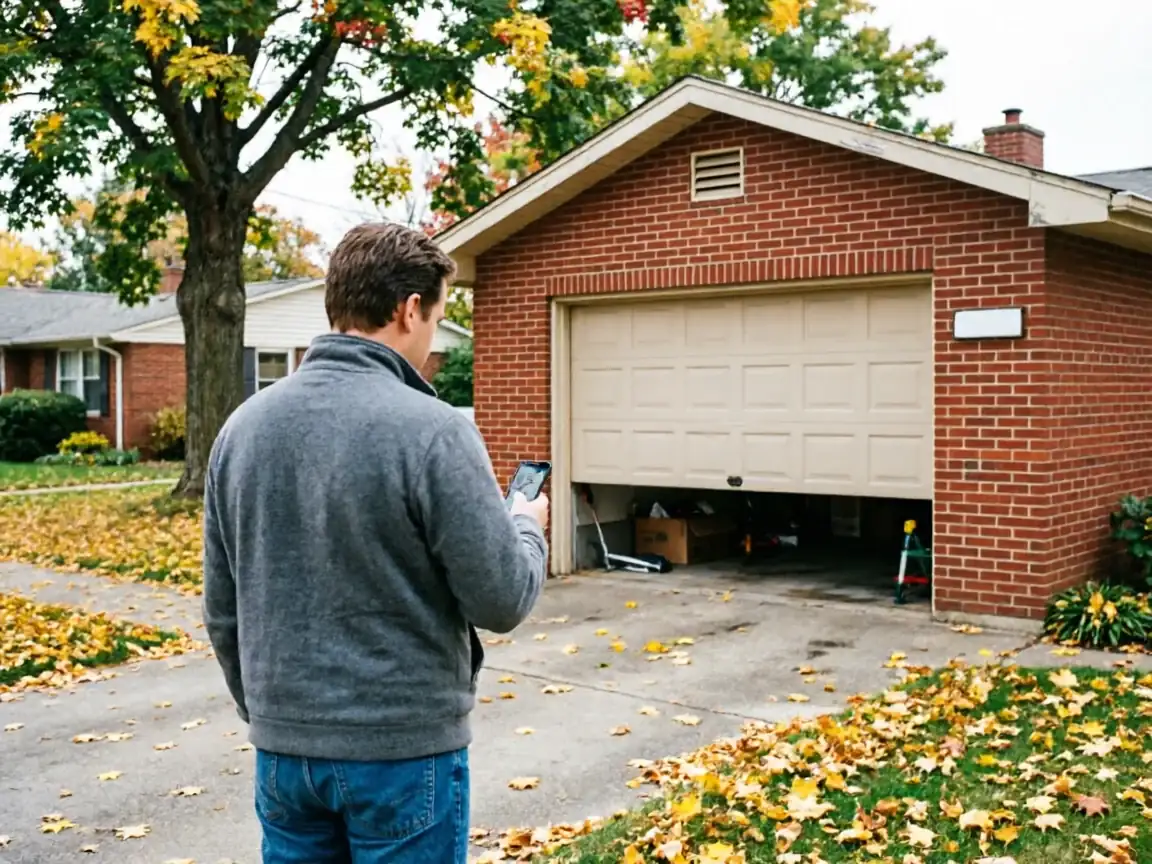
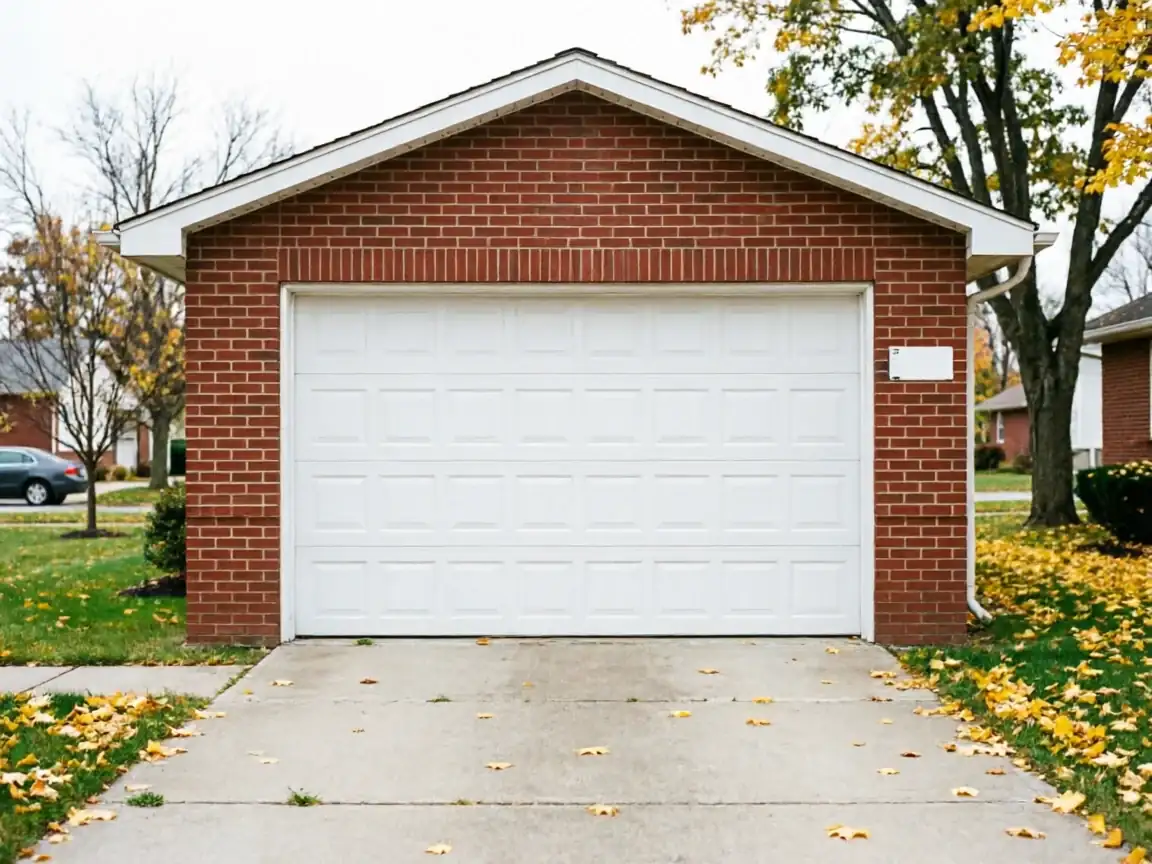
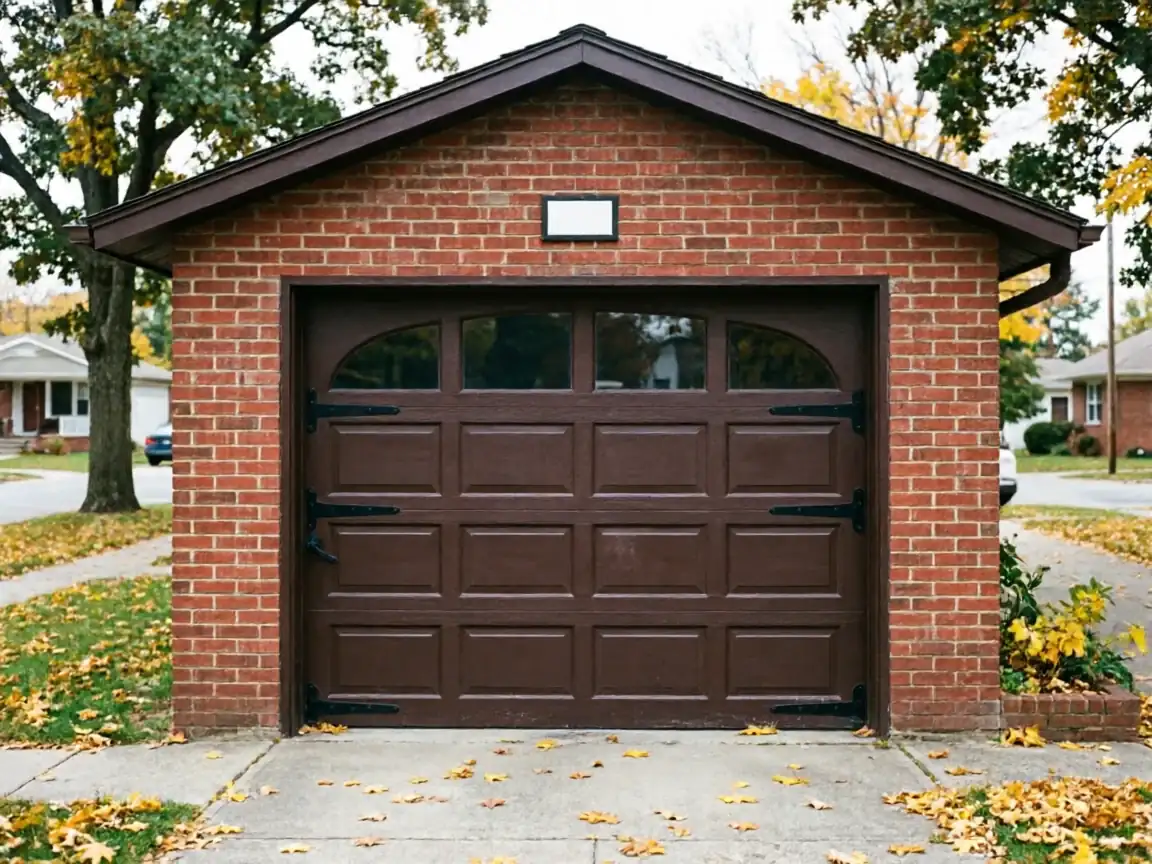
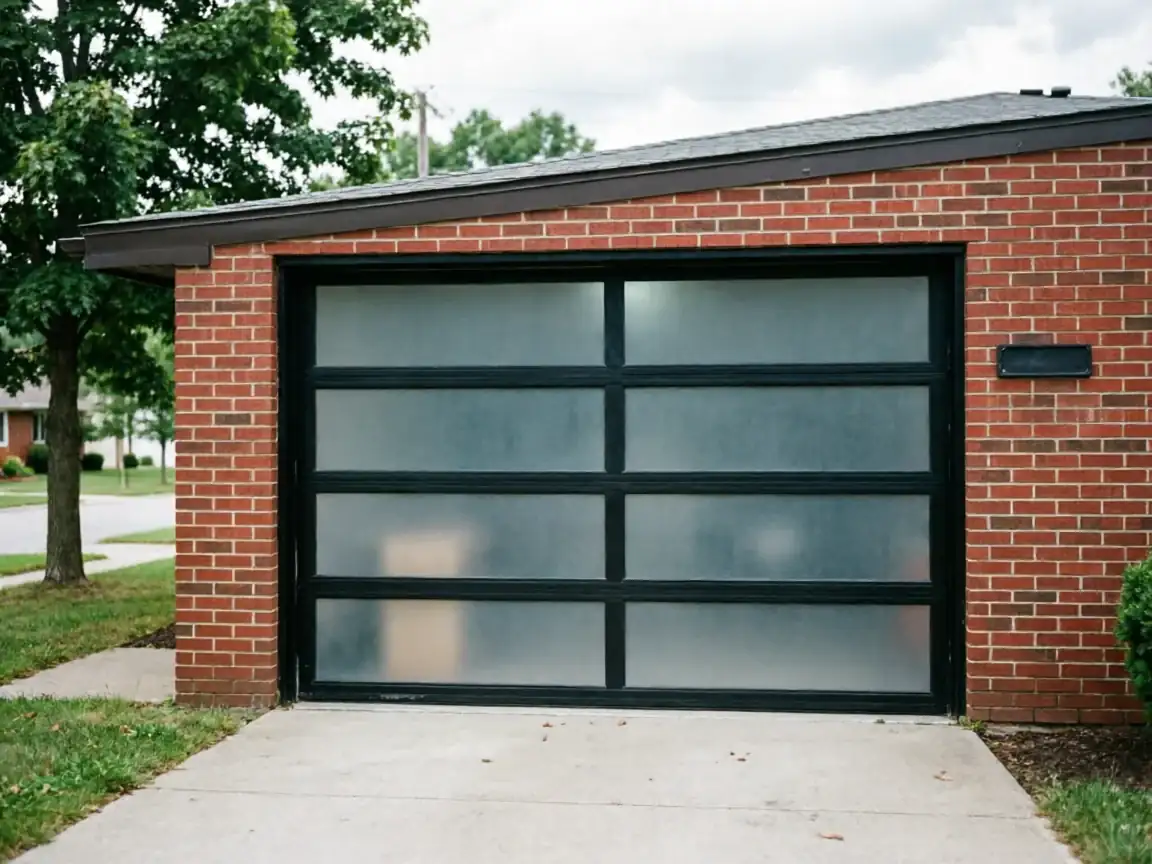
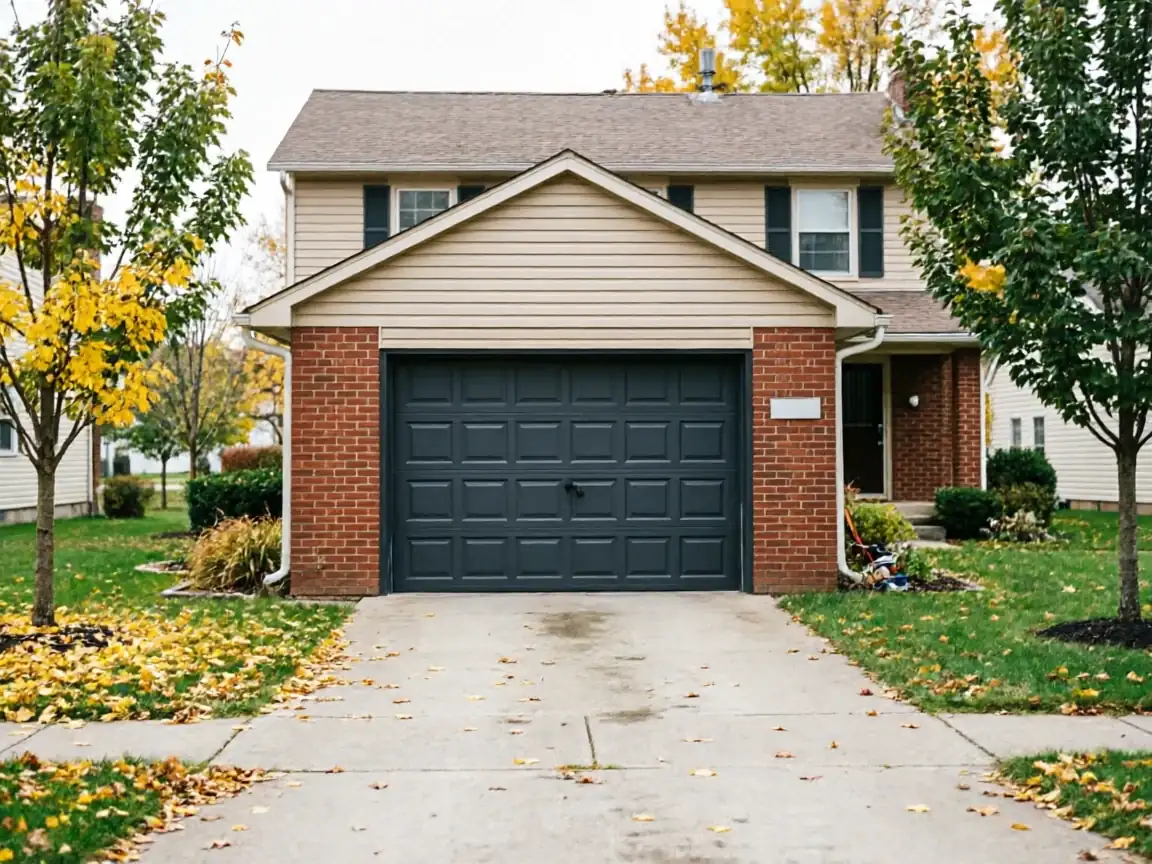
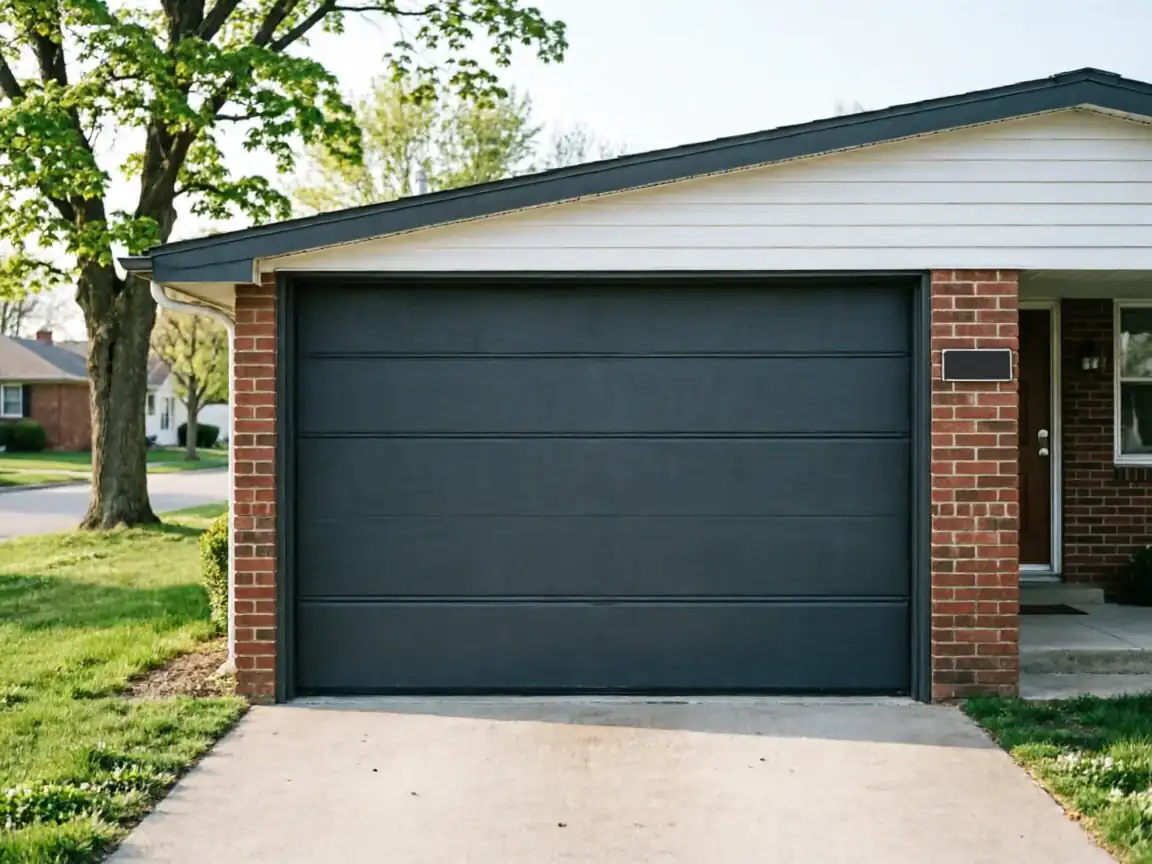
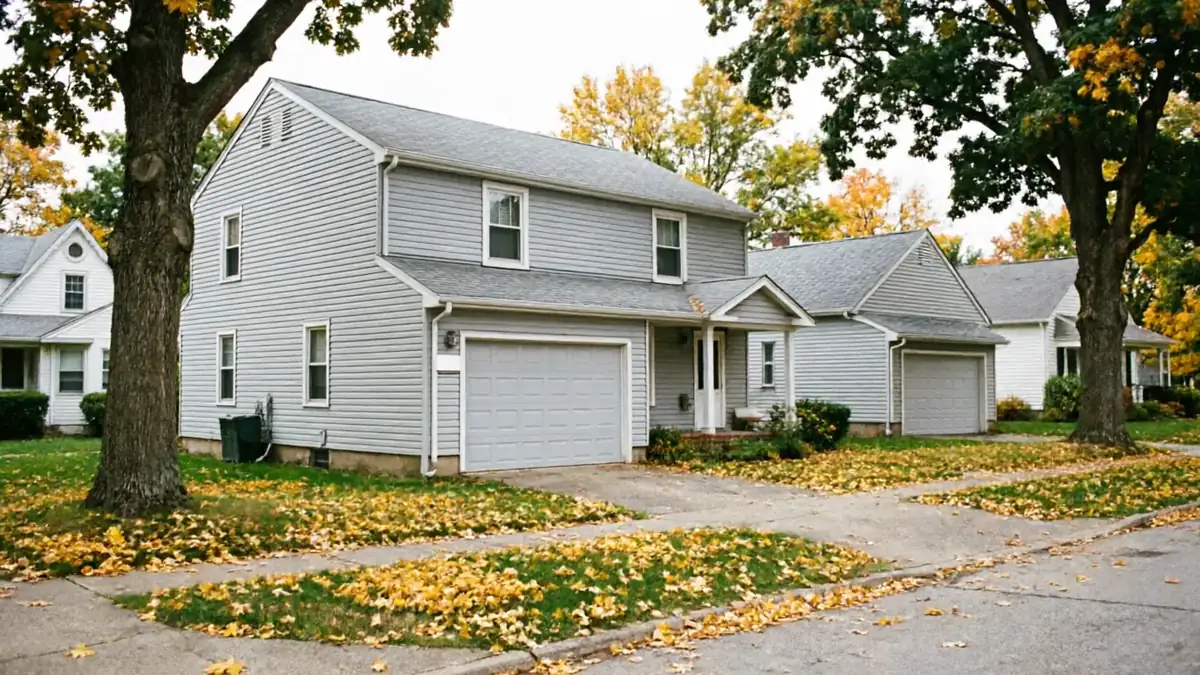
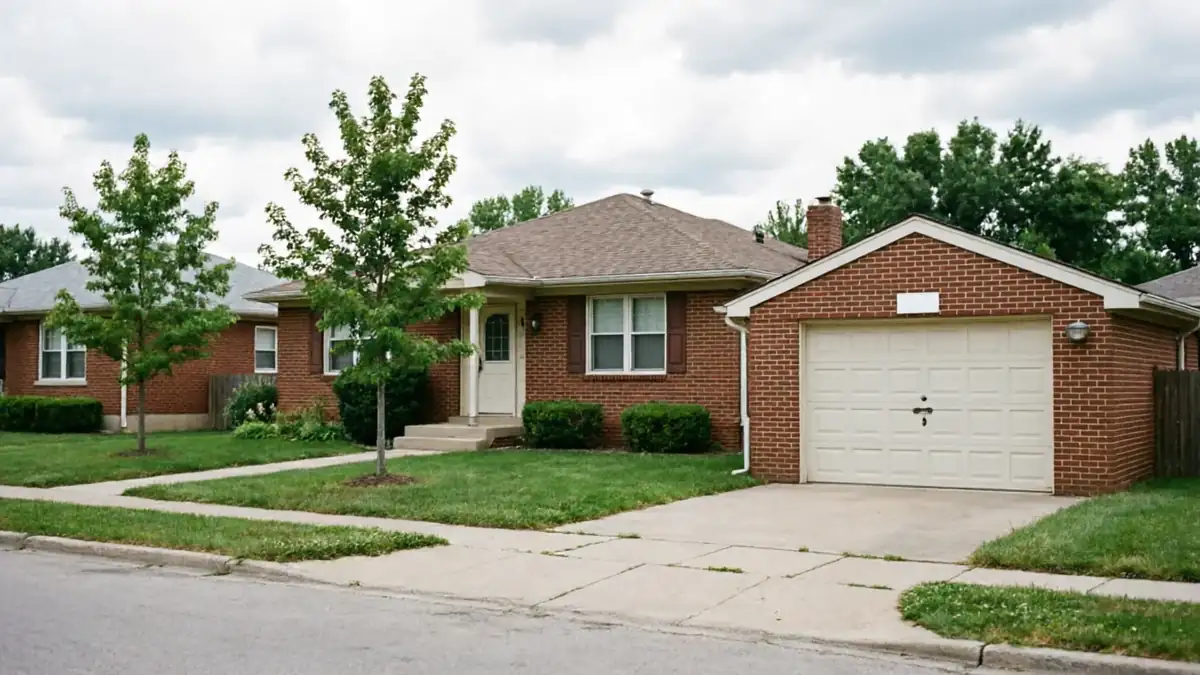
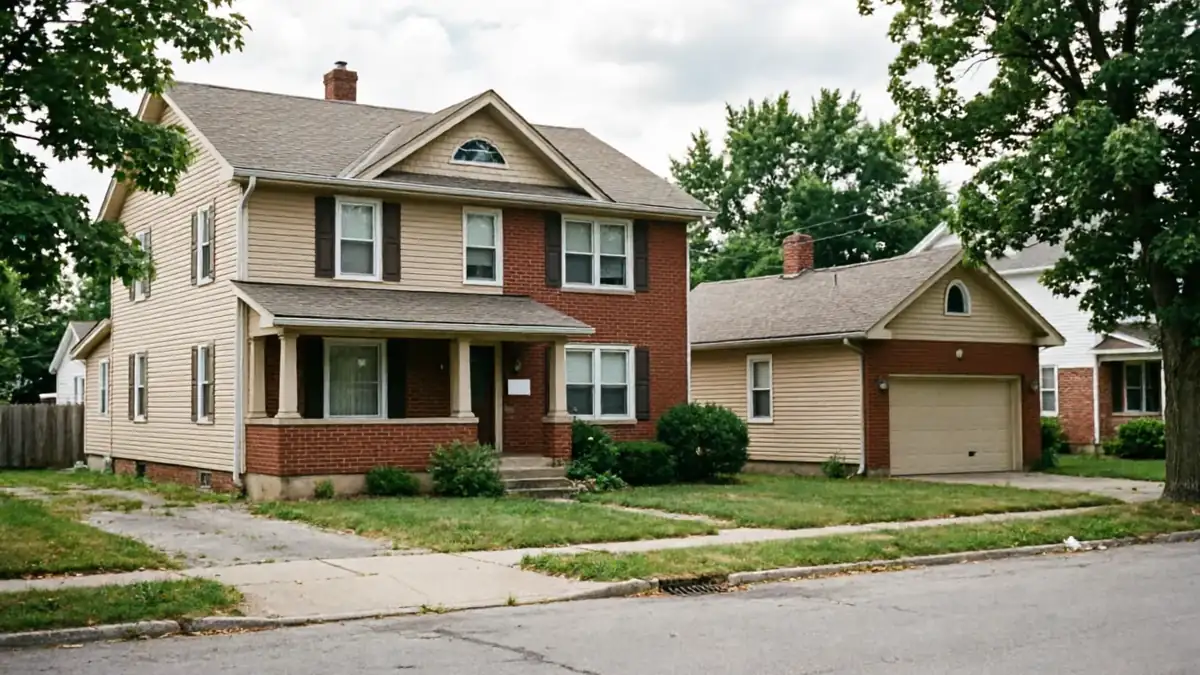
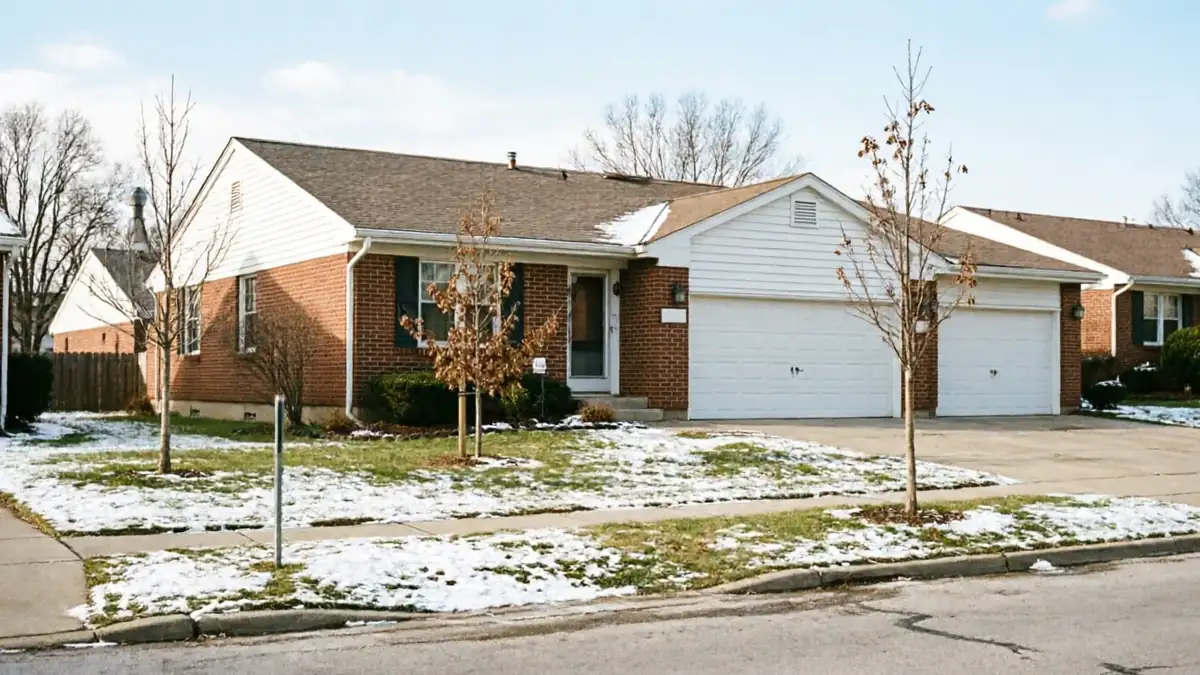
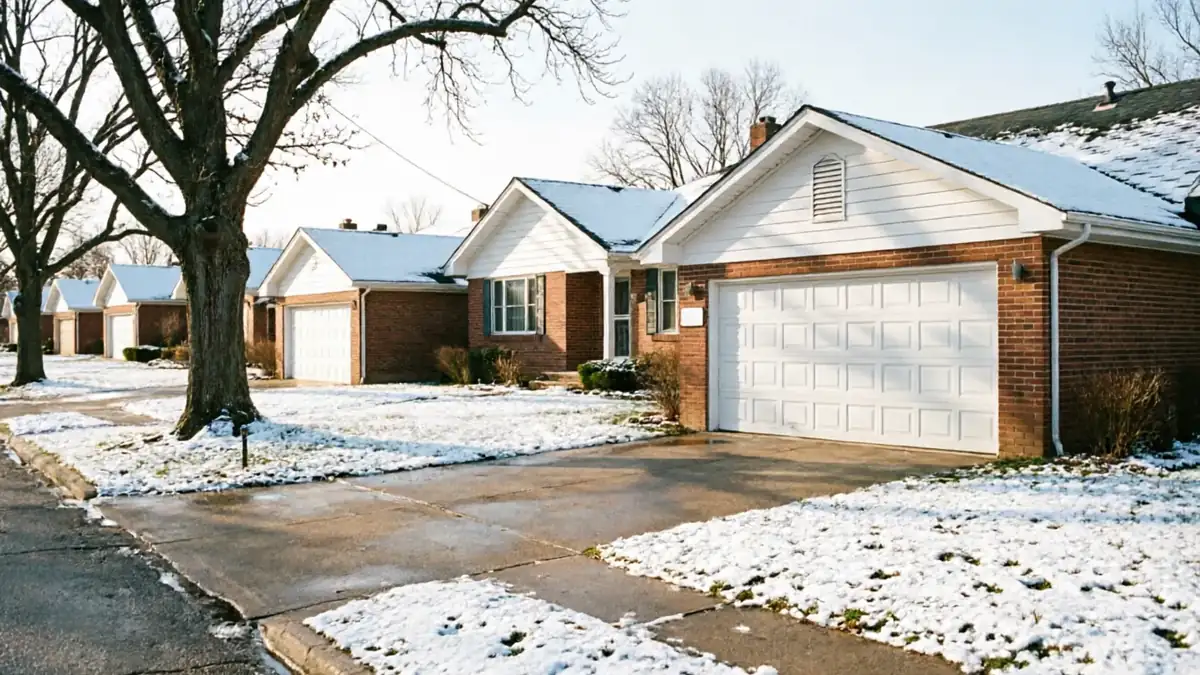
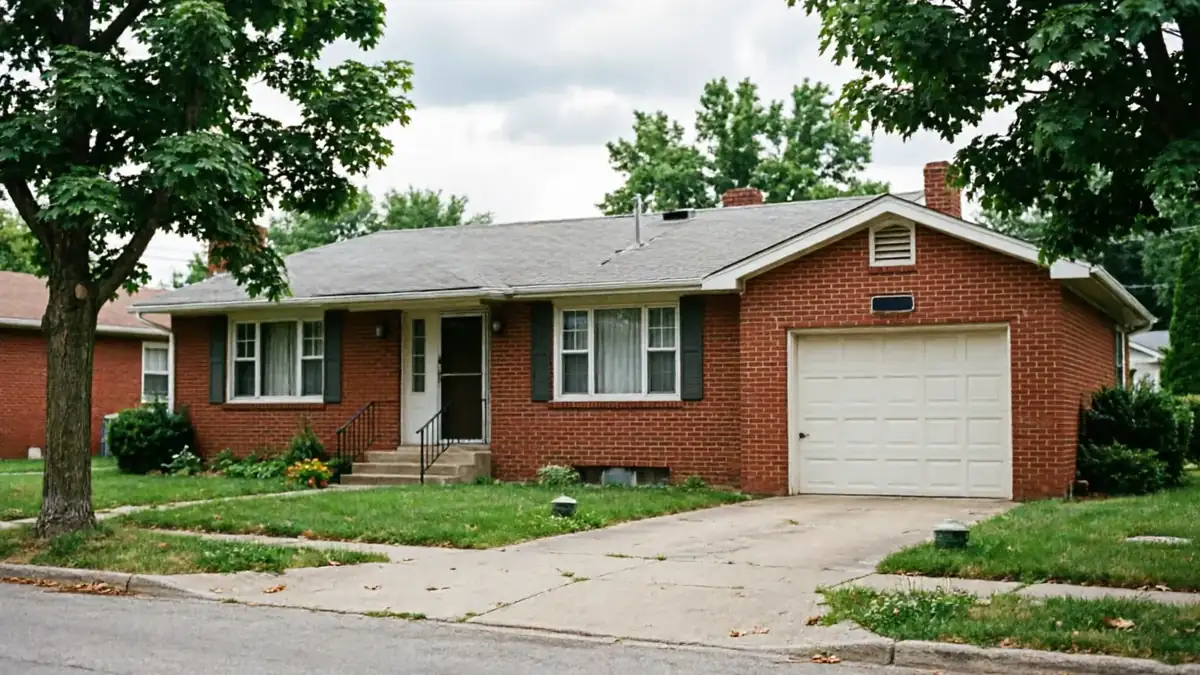
Roseville's housing stock centers on a 1952 median build year, which puts it squarely inside the 1940-to-1965 window that defines most of the homes across this part of the service area. With 358 households, it's one of the smaller towns we reach from Macomb, but the door problems aren't smaller - they're the same ones you find in any pocket of housing from that era. Original garage openings here were built for single doors or narrow two-car setups, often with hardware that was never meant to be opened by a wall button, let alone a phone app. Median household income in Roseville runs $56,029, a bit above the $54,306 figure for the wider nine-town area, which tends to mean more owners choosing to replace a door outright rather than patch it a third time. Still, plenty of original doors are standing, and plenty of torsion springs on those doors are original too. That's not a guess - it's what a build year that old implies about what's still hanging over the car.
The Split Between Old and New
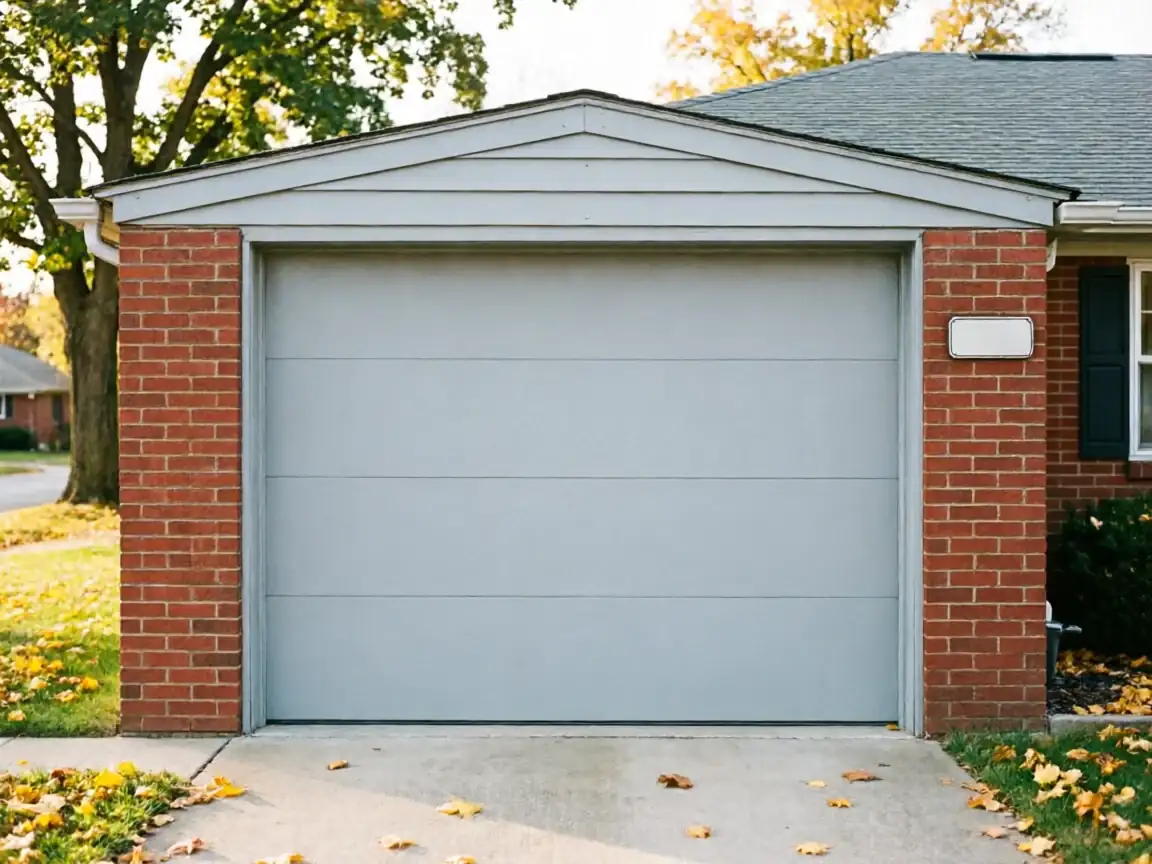
Unlike some towns in this coverage area where newer construction has crept in and changed the mix, Roseville doesn't show much of a split. The data we have points to a housing stock that's mostly pre-1960 across all nine towns we serve, Roseville included, and its own median year lines up right with that regional number instead of diverging from it. That matters for what we bring on the truck. A service area with a wide age spread means carrying parts for three generations of hardware. Roseville leans harder toward one generation: heavier doors, older track profiles, and spring systems sized for panel weights that newer doors don't carry. We don't see much call here for the kind of opener recalls or sensor-alignment issues that show up in newer subdivisions, because there aren't many newer subdivisions to speak of. What we do see is consistent - which, from a parts and diagnosis standpoint, is actually easier to plan around than a mixed bag.
How That Shows Up in the Door
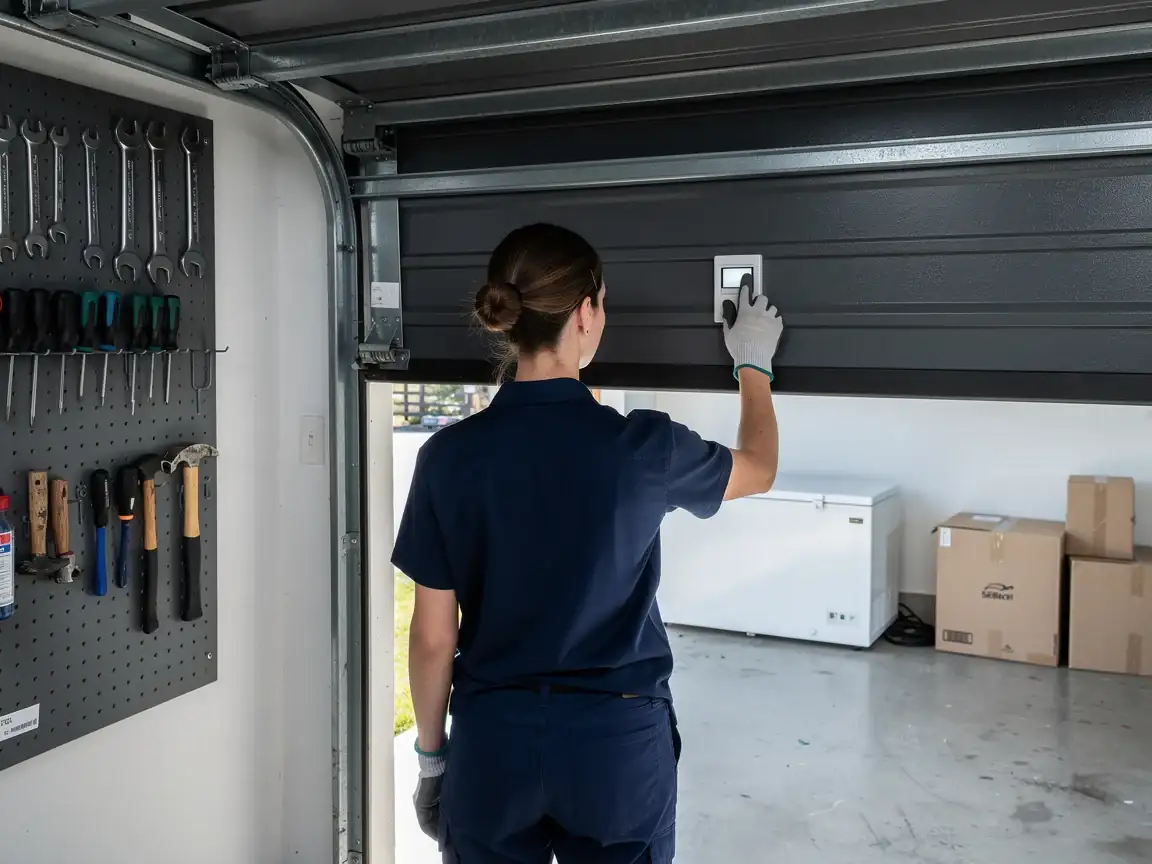
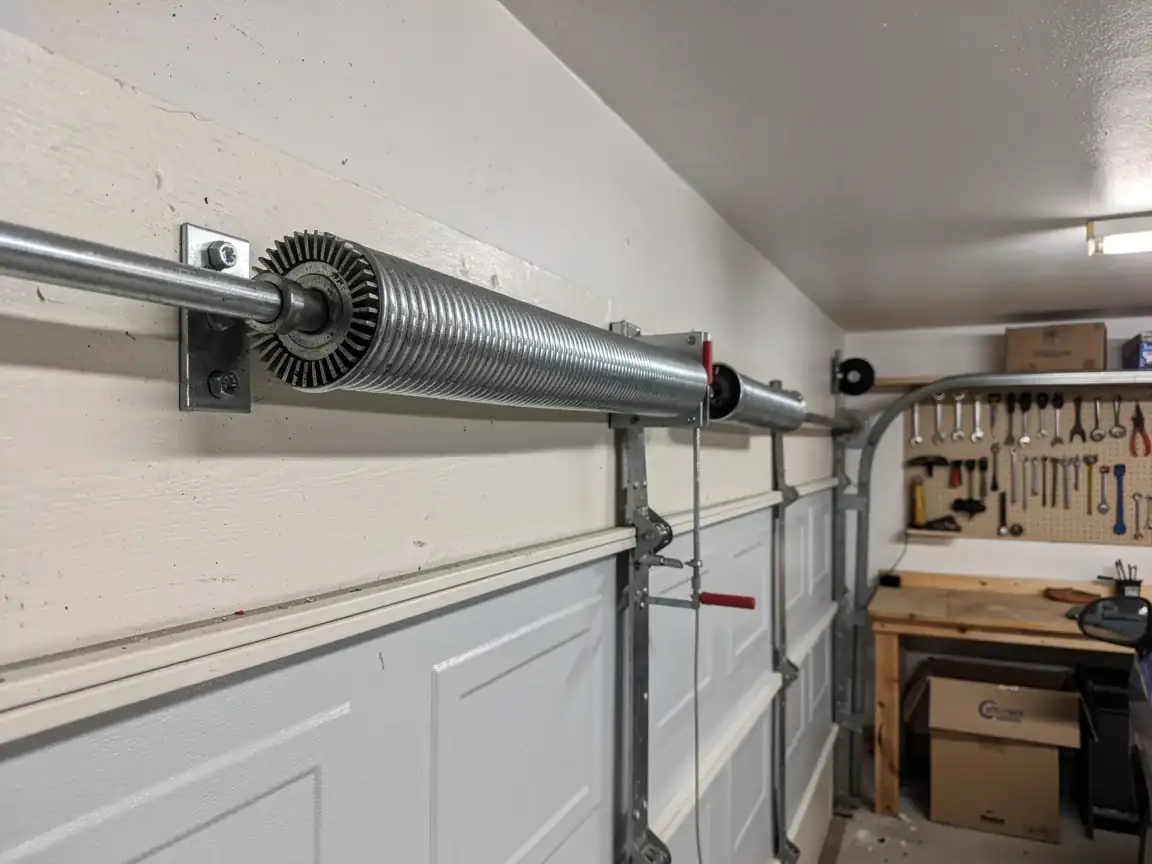
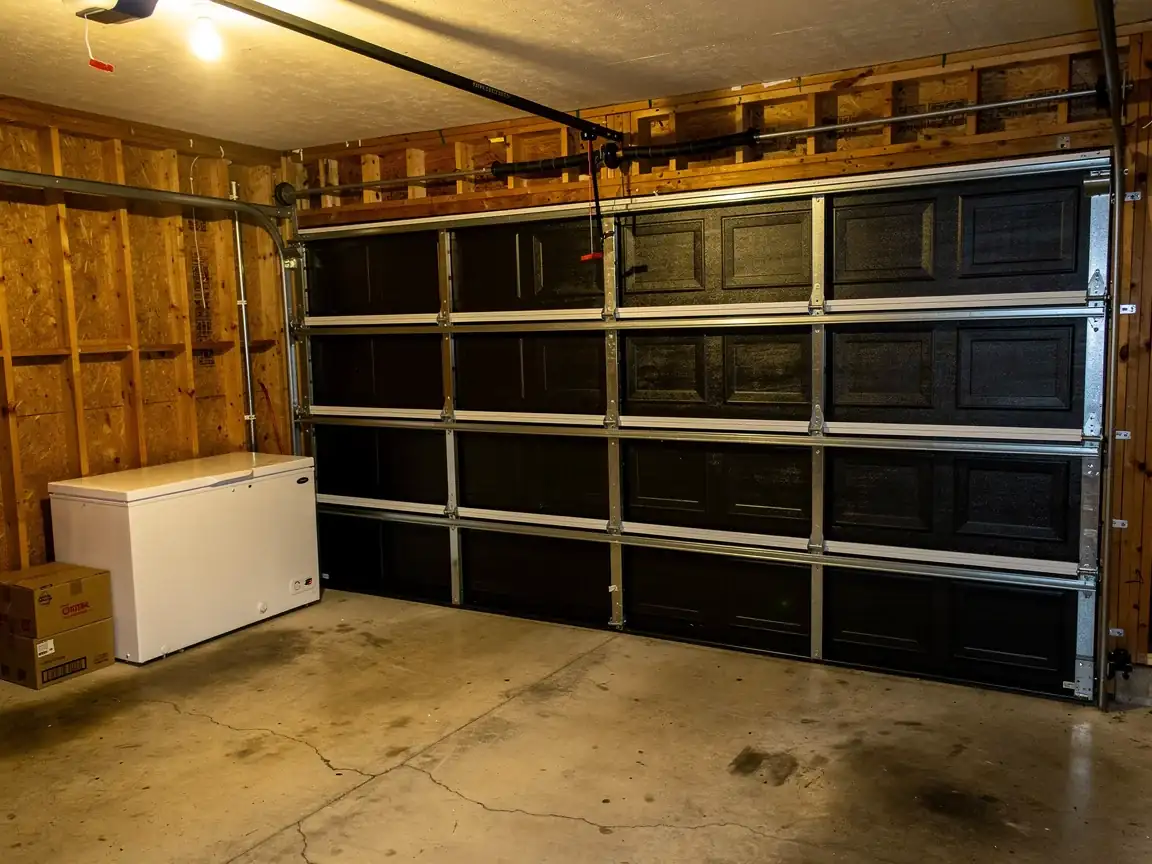
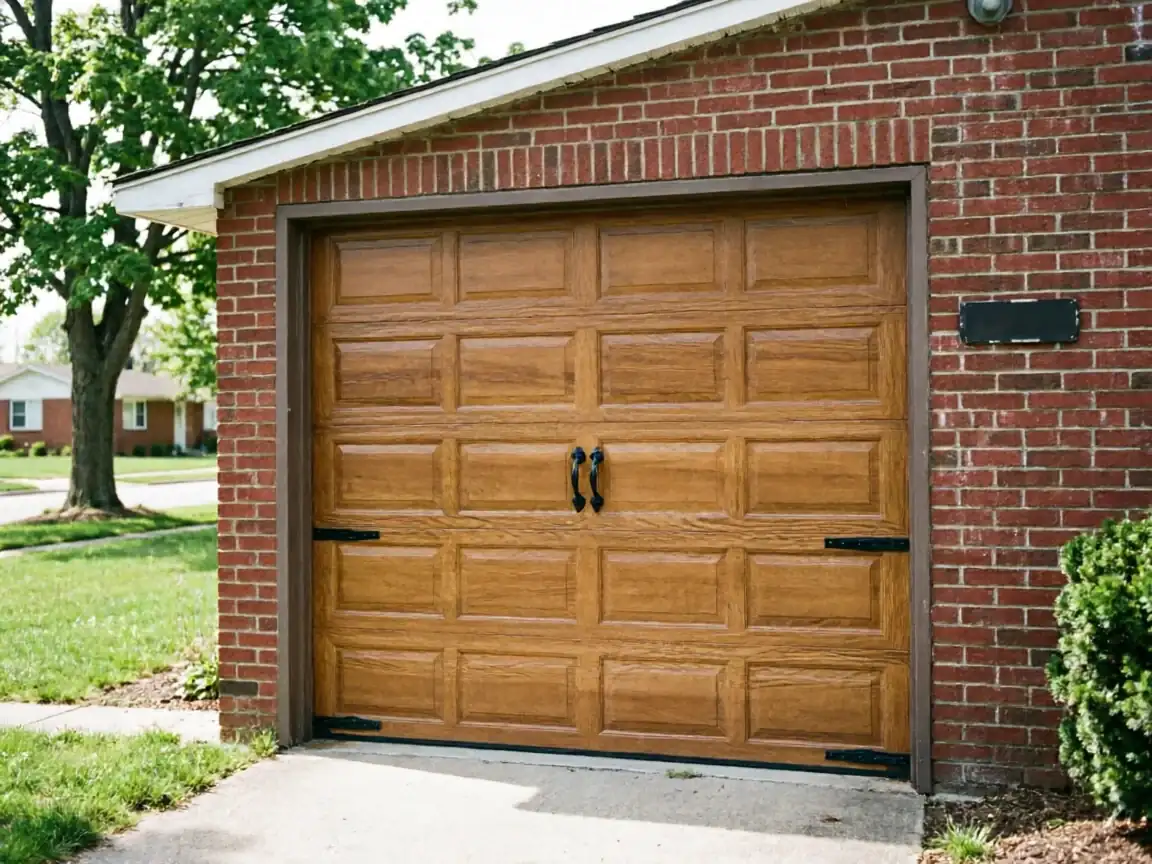
With most Roseville homes built between 1940 and 1965, a lot of the doors we find are either the originals or the first replacements put in during the 1970s and 80s - not the lighter steel sectional doors that became standard after 1990. That means heavier panels, which means torsion springs doing more work over more years, and springs that age out don't give much warning before they let go. The region's cold, moderate climate band adds its own wear on top of that: steel contracts in winter, lubricant thickens, and tracks that were never perfectly plumb to begin with get less forgiving. On a 1952-era door, a cable that's starting to fray or a bottom bracket that's loosening isn't an oddity - it's closer to schedule. We adjust what we check first based on that math before we even get the door open.