What Was Built Here
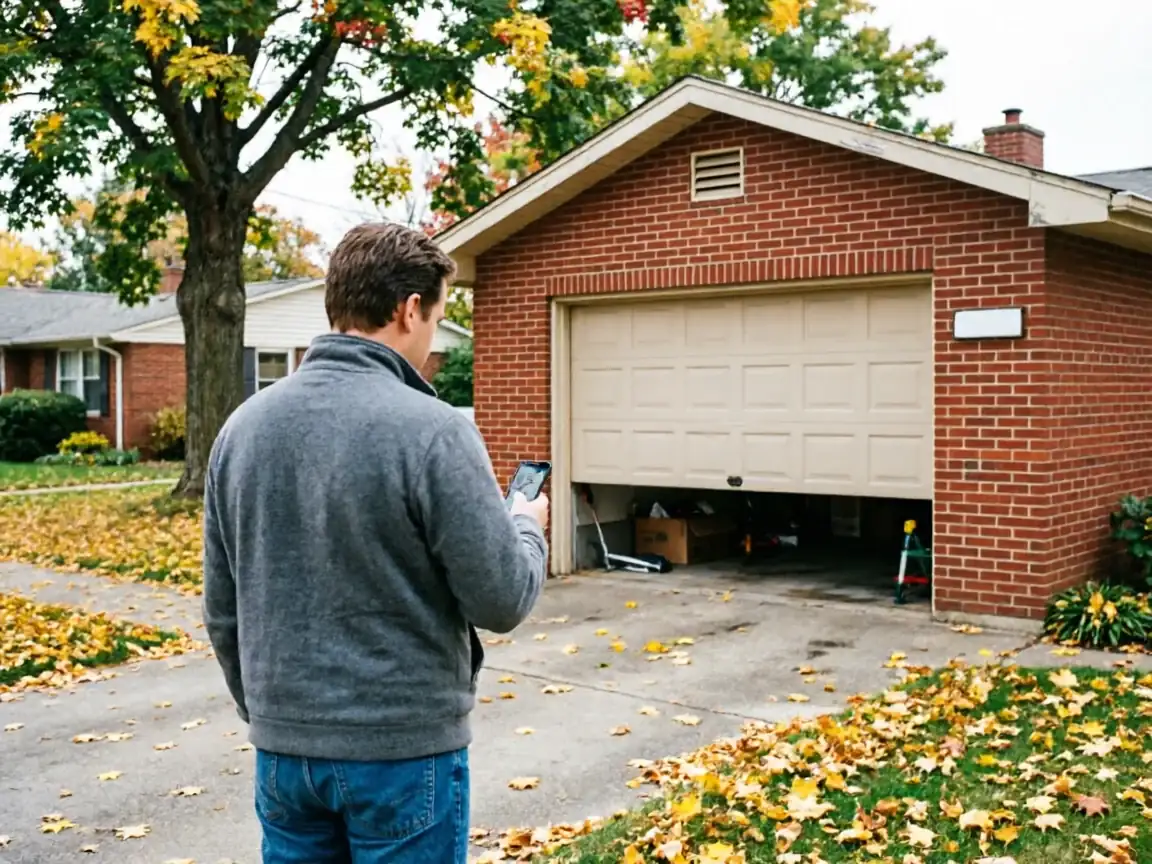
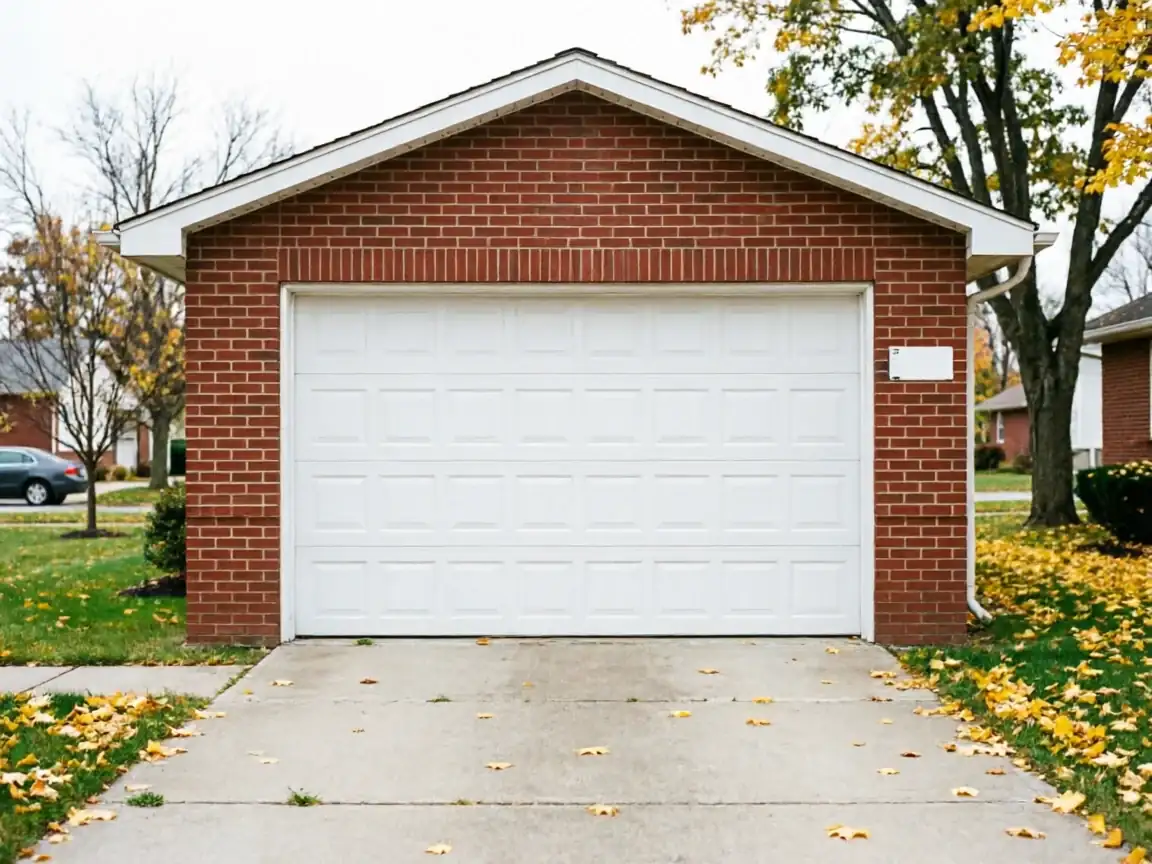
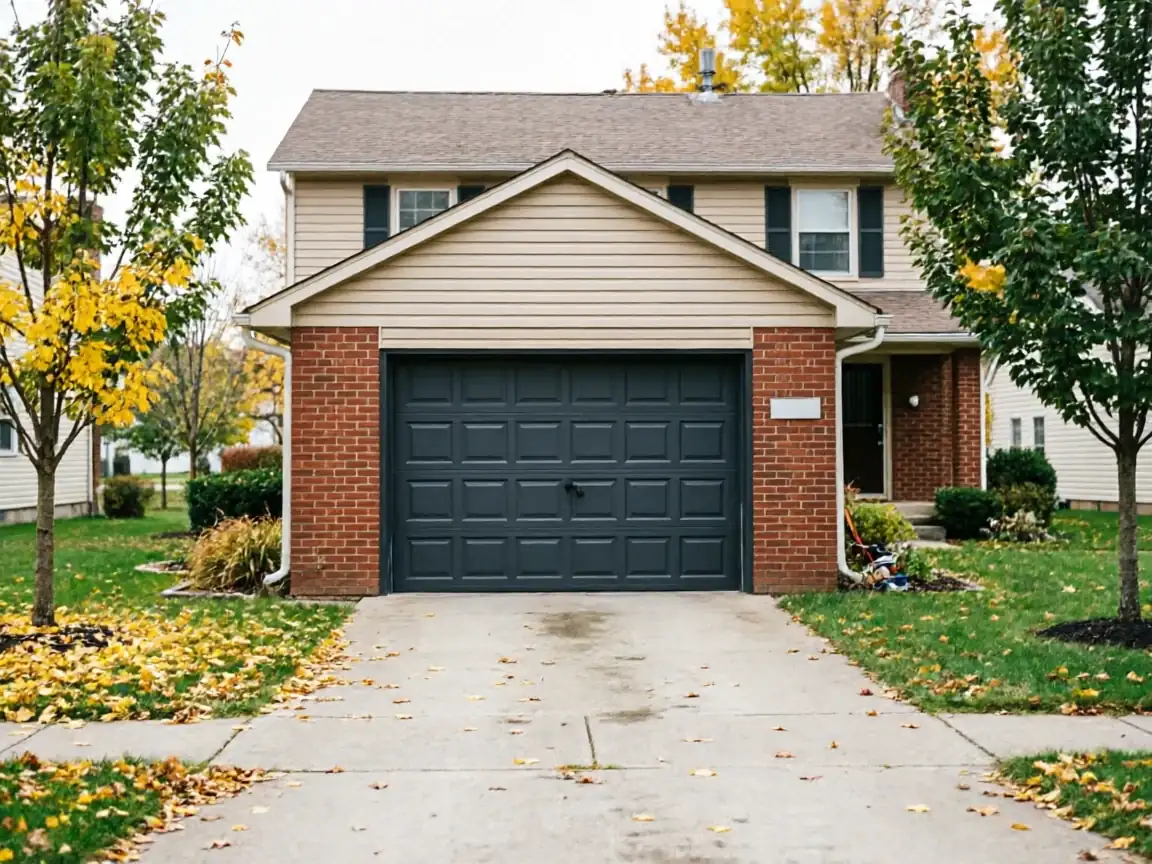
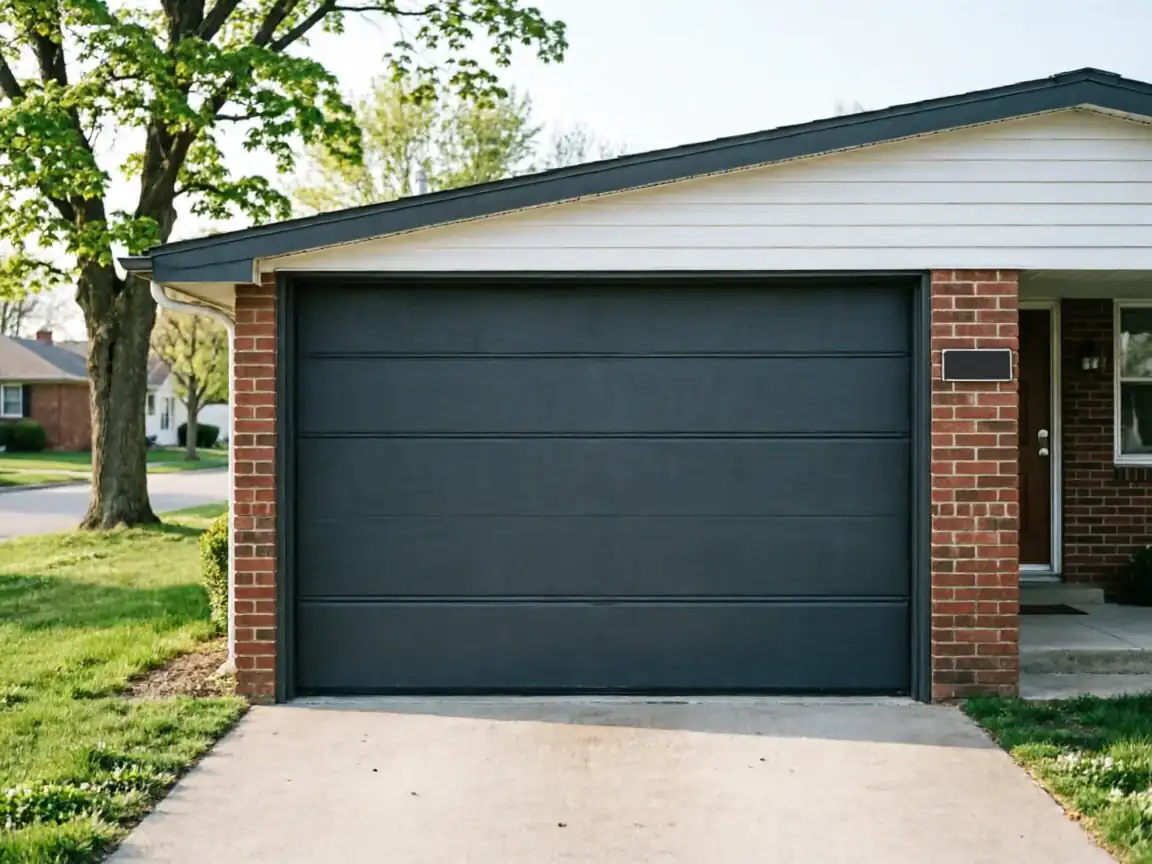
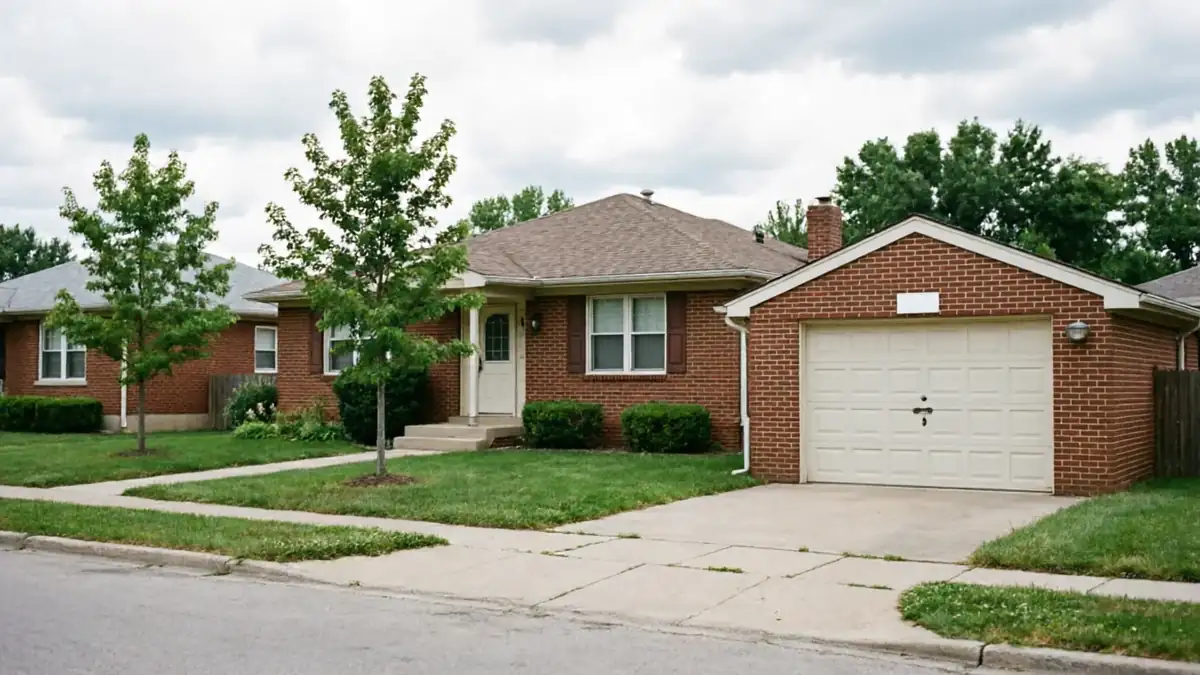
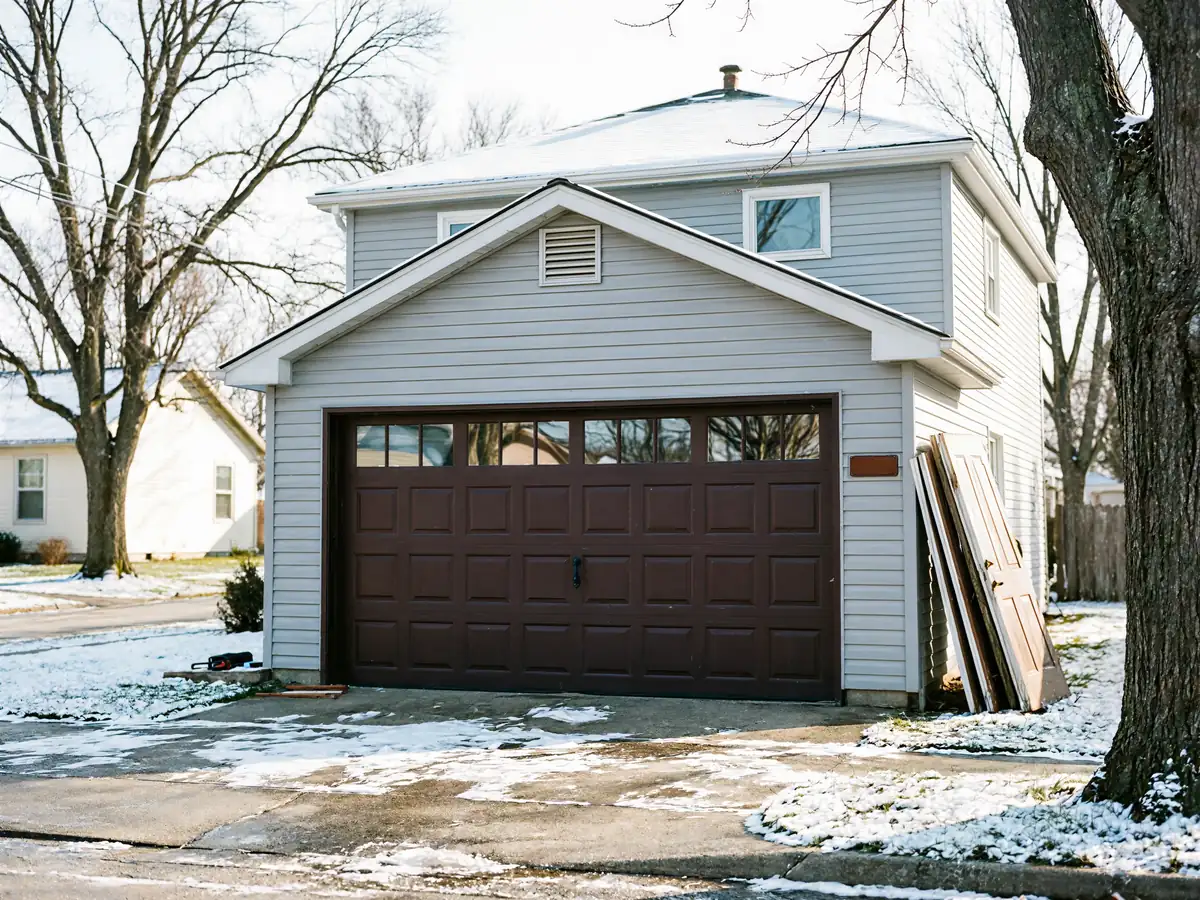
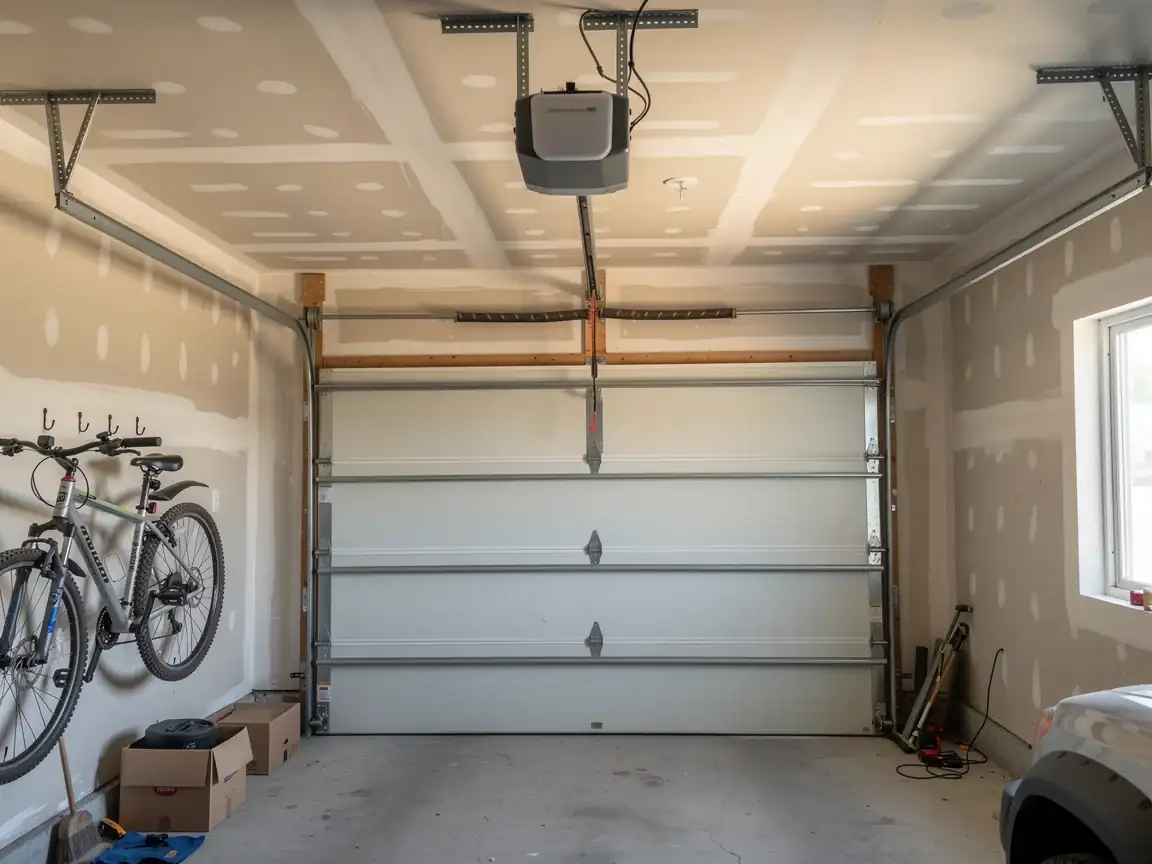
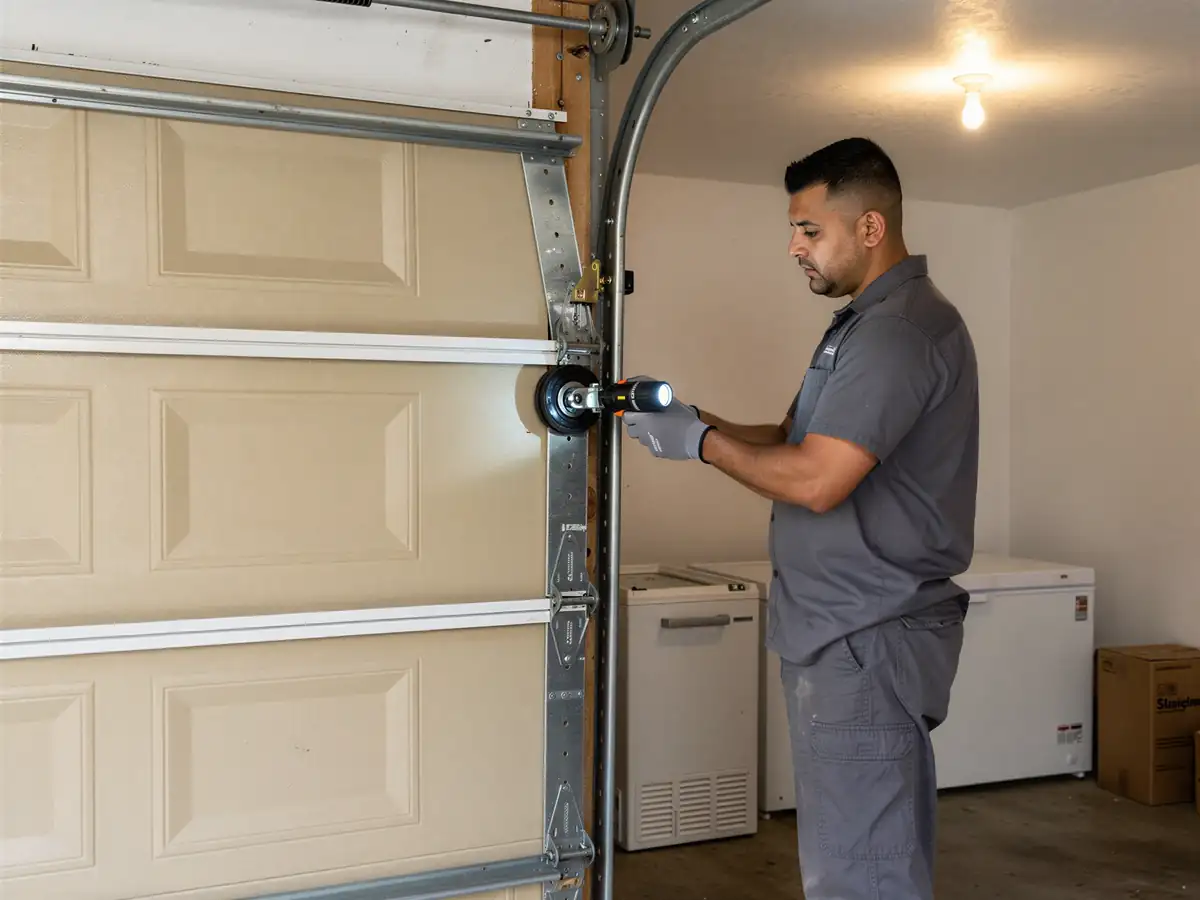
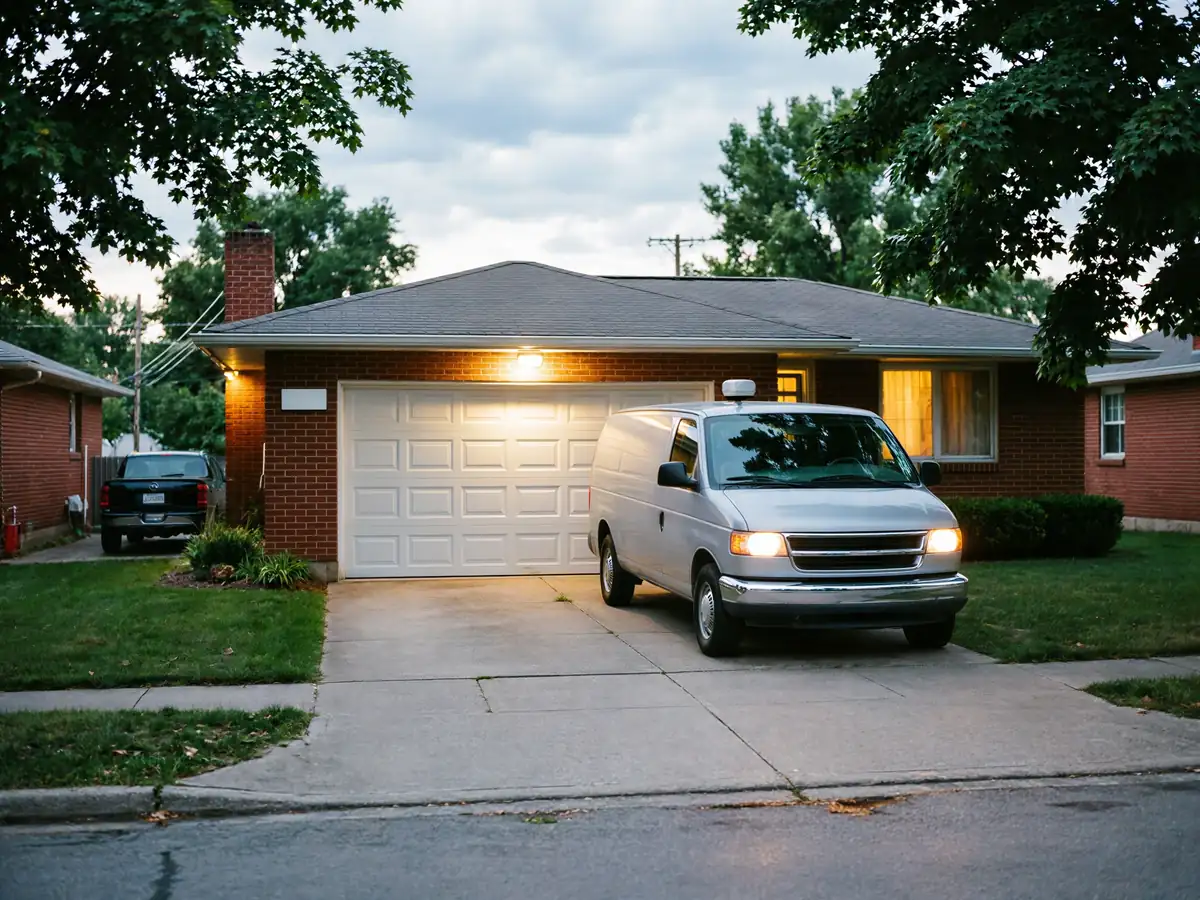
Bushnell's housing stock centers on 1951, right in the middle of the broader 1940-to-1965 window that shaped this part of the county. That one number matters more than it sounds like it should. A door hung in 1951 was almost always a single wide panel on steel tracks, paired with a torsion spring sized for wood construction, not the lighter insulated steel panels that came decades later. If your house dates from that build era, the opener bolted on later probably wasn't sized for the original door - it was sized for whatever the homeowner before you could get installed without tearing out the jamb. We see this pattern across the 1,177 households in the area: original hardware mixed with a newer opener that strains against it every time it runs. That mismatch is the single most common service call out here, more common than a clean spring failure on its own.
The Split Between Old and New
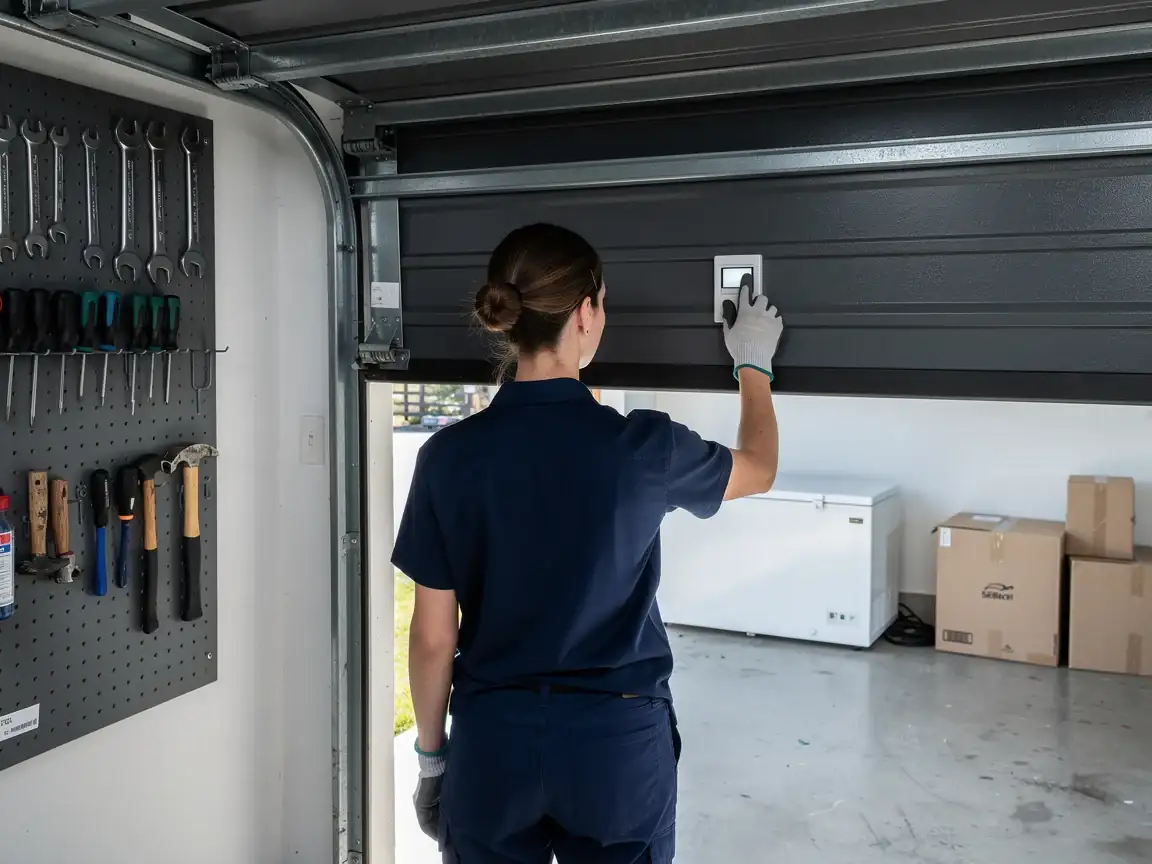
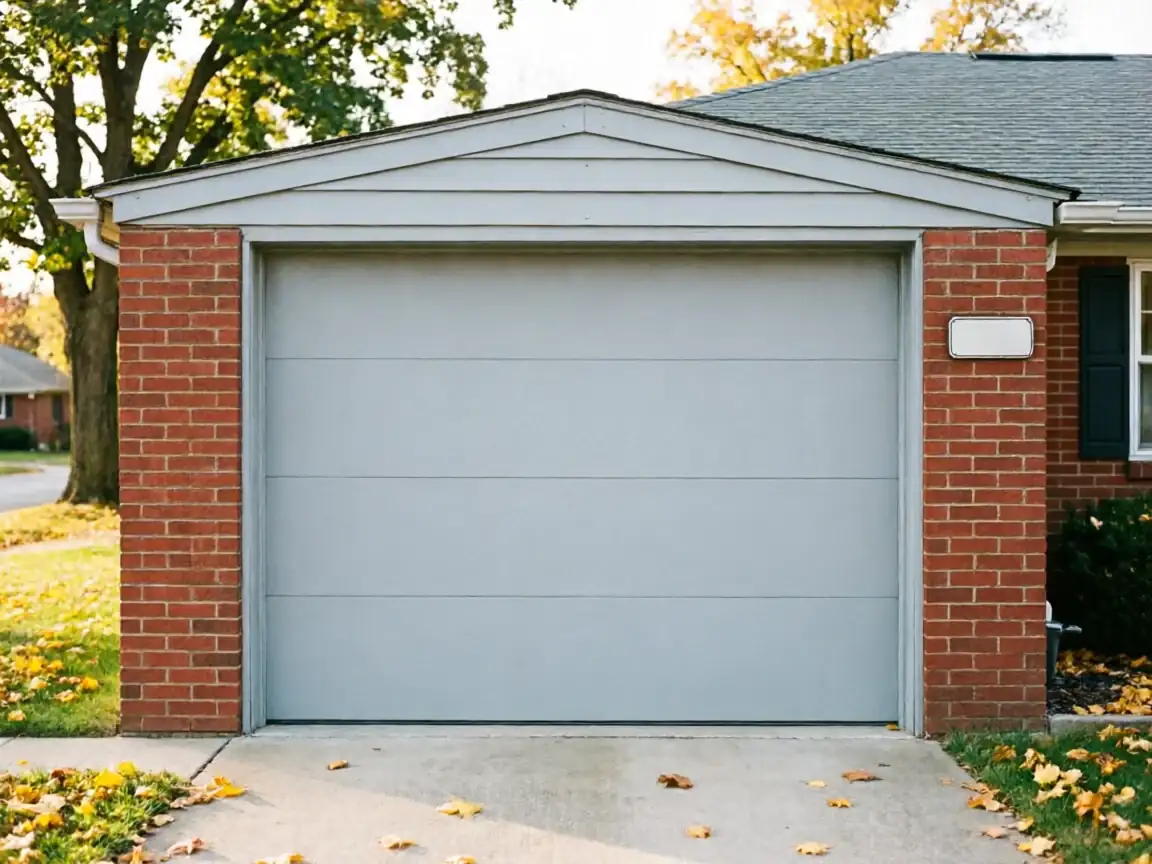
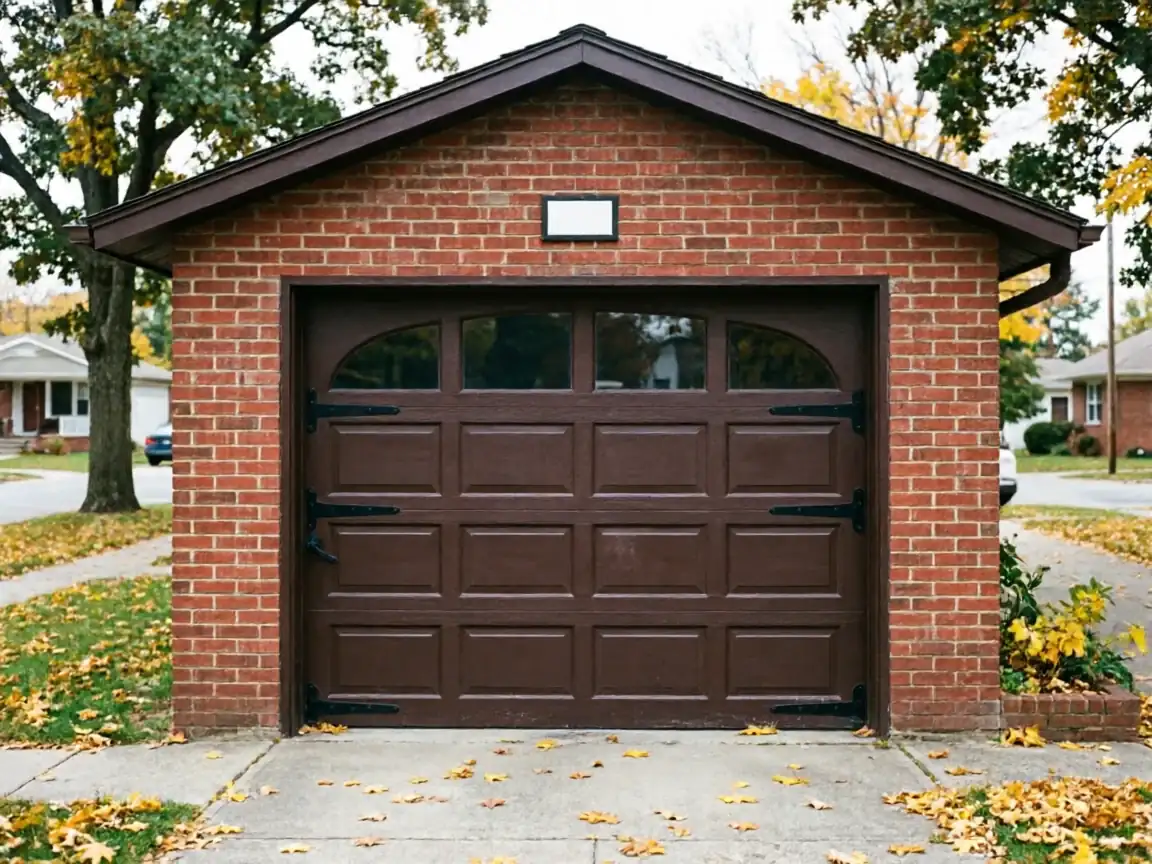
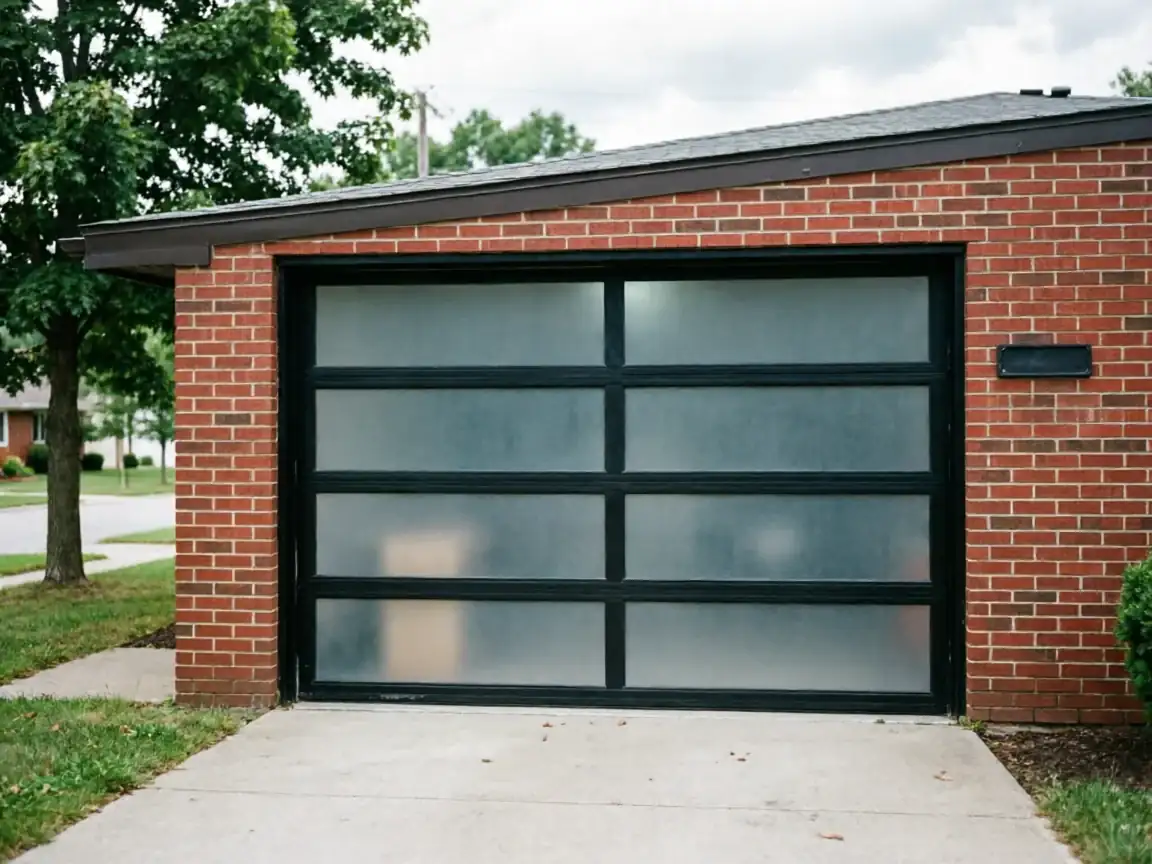
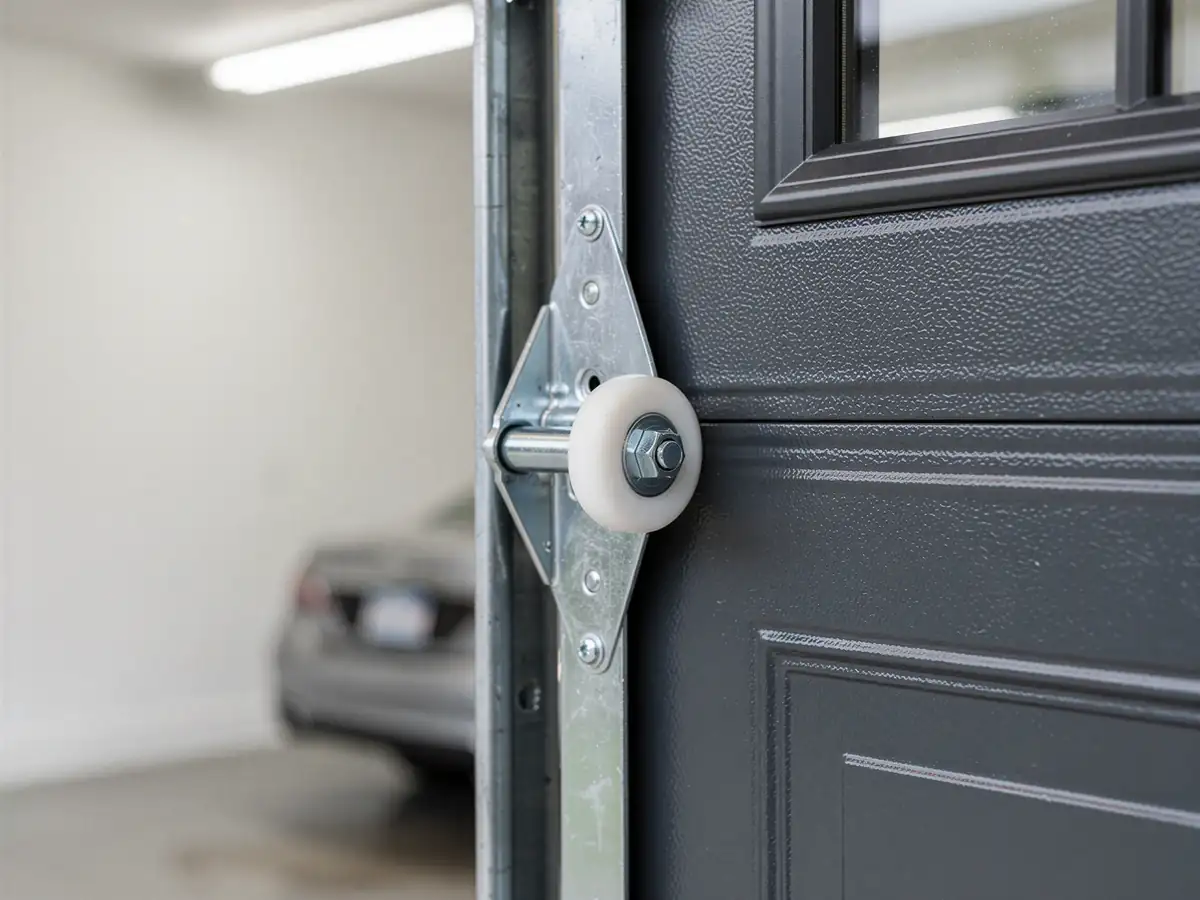
Not every house in Bushnell dates to 1951 - that's a median, not a rule - but the spread is narrow enough that the old-versus-new split shows up block by block rather than neighborhood by neighborhood. A door replaced in the last fifteen years runs on nylon rollers and a galvanized torsion spring rated for the door's actual weight. A door that's never been touched since the house was built is still running on steel rollers in a track that's been painted over more than once. Median household income here is $55,368, close to the wider service area's $54,306, and that number tends to track with how people handle an aging door: most owners here aren't replacing a door that still closes right, they're patching it until a spring breaks or a panel cracks. That's a reasonable call. It just means the parts on hand when we show up are often fifty-plus years old, and the fix has to account for that rather than assume a 2015-era door.
How That Shows Up in the Door
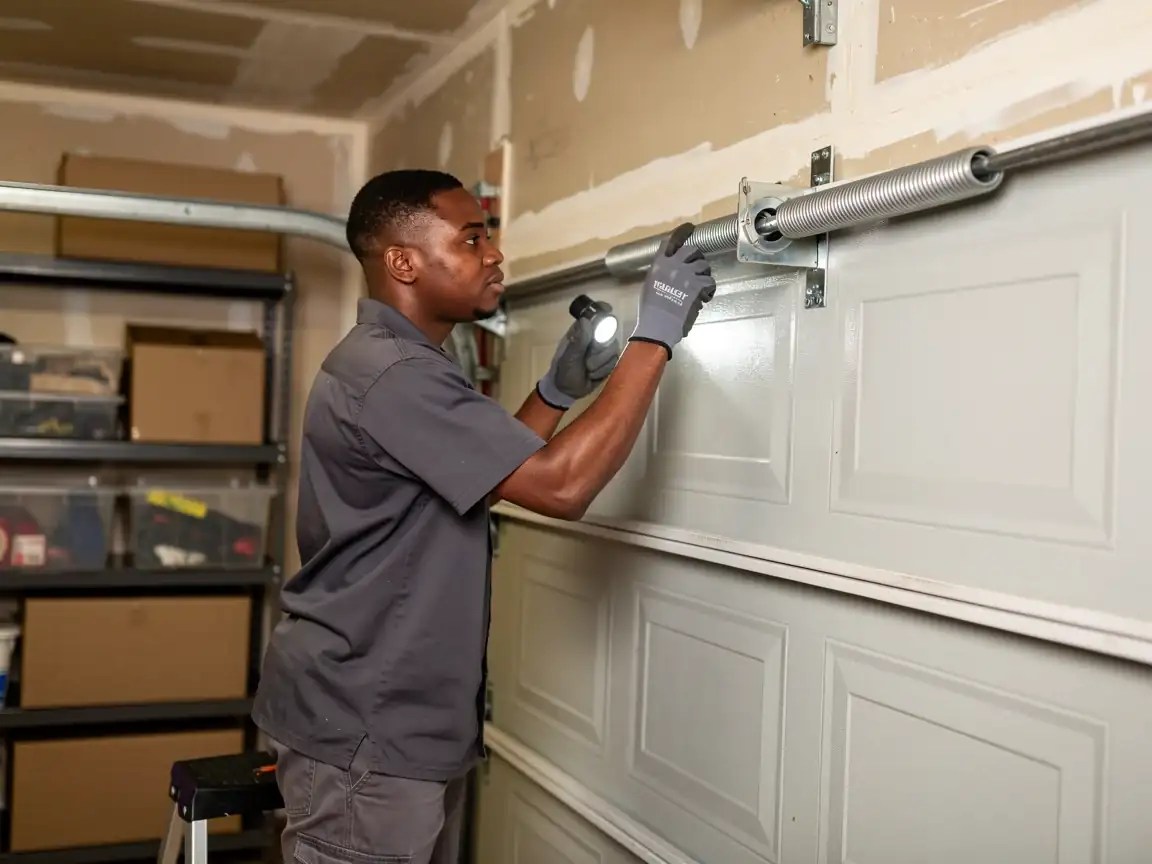
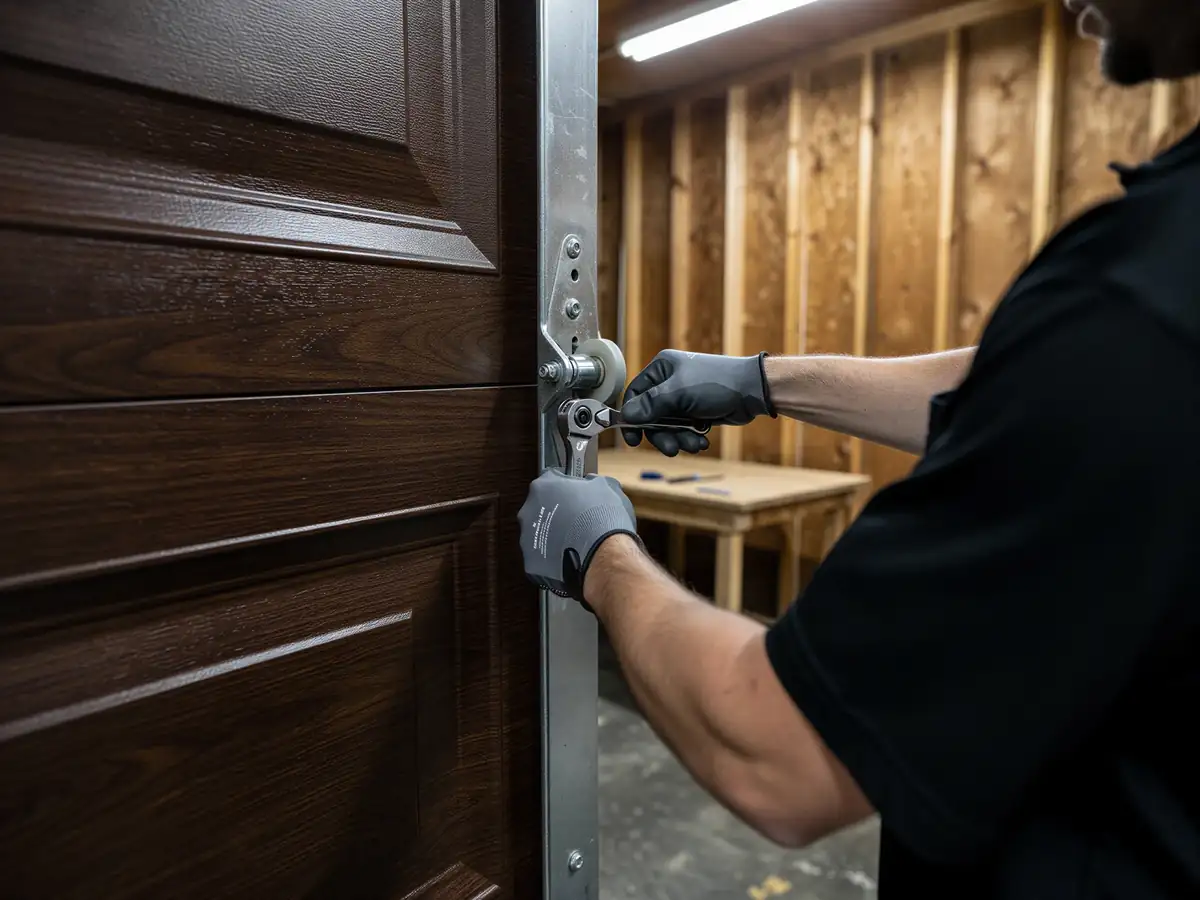
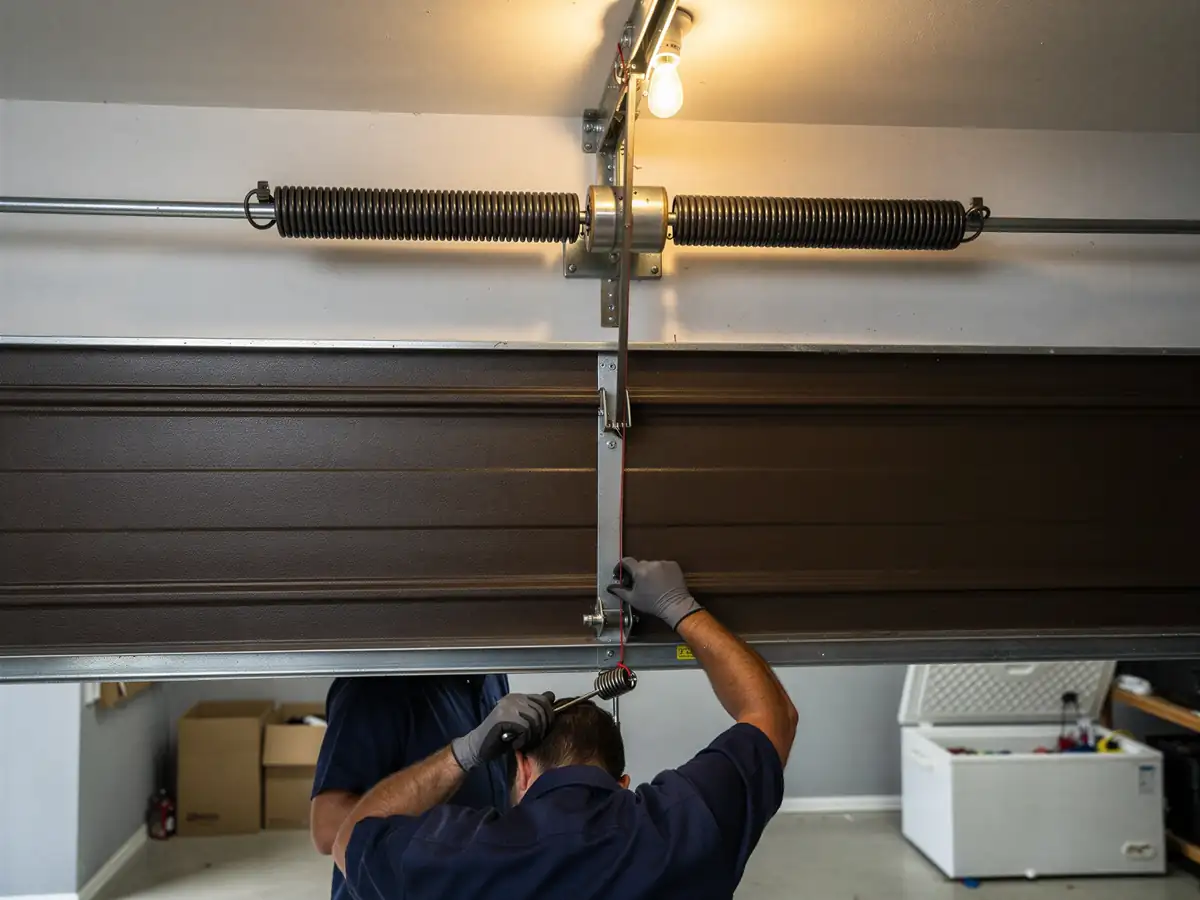
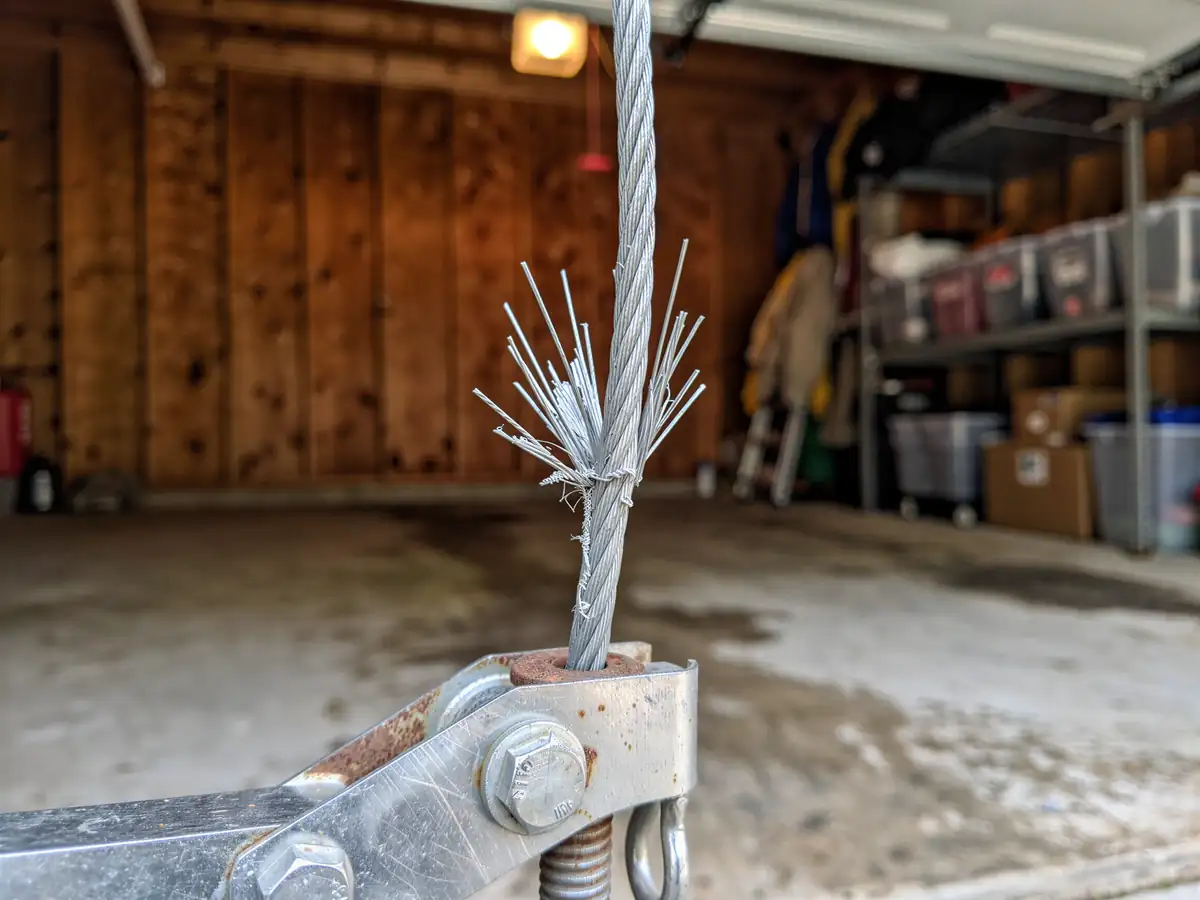
Cold winters here put real stress on old torsion springs - the service area sits in a moderate cold climate band, and metal fatigue from repeated temperature swings is what finally snaps a spring that's been stretching since 1951. On a house with original hardware, that failure usually takes the cable with it, since both parts age together. On a newer door, you're more likely to see an opener gear strip or a sensor go out of alignment before a spring ever lets go. Knowing which one you're dealing with before we get there - old torsion, old cable, strained newer opener - means we show up with the right spring on the truck instead of guessing. That's the practical payoff of knowing Bushnell's build year is 1951 and not treating every call here like a generic garage door problem.