What Was Built Here
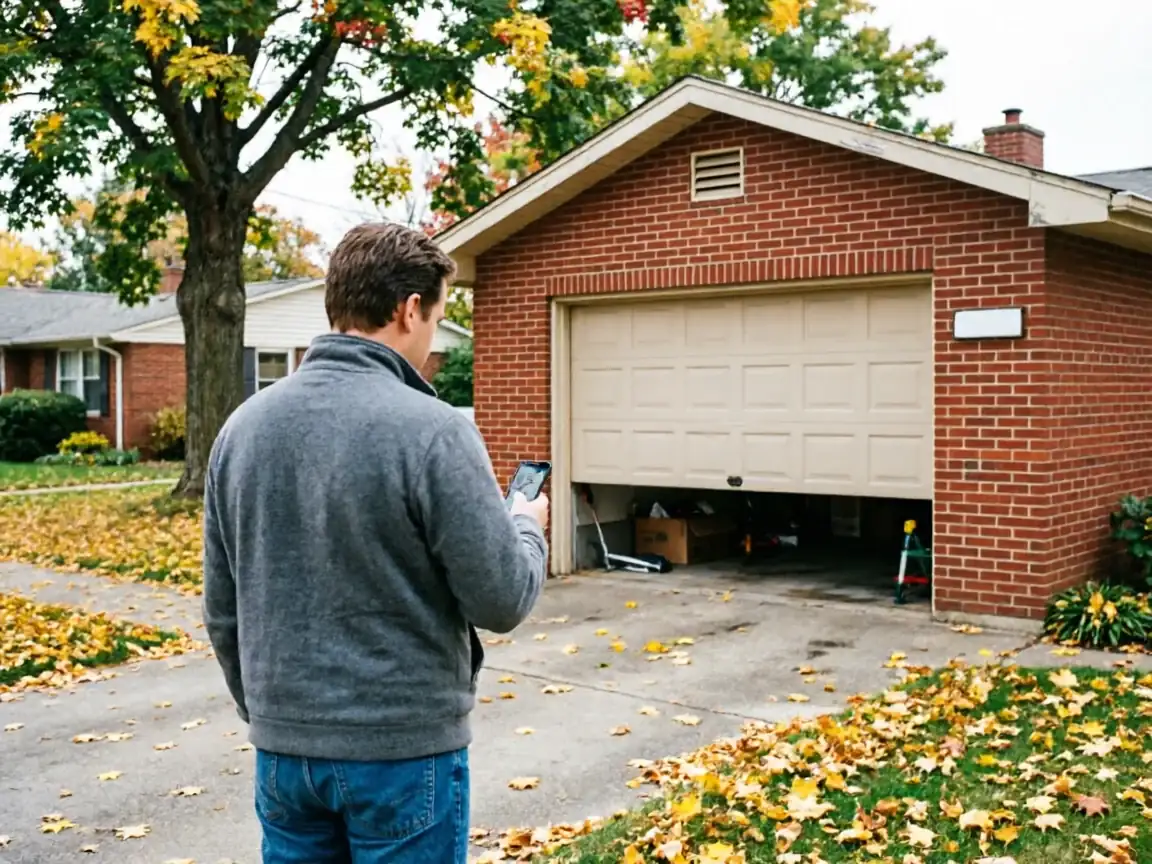
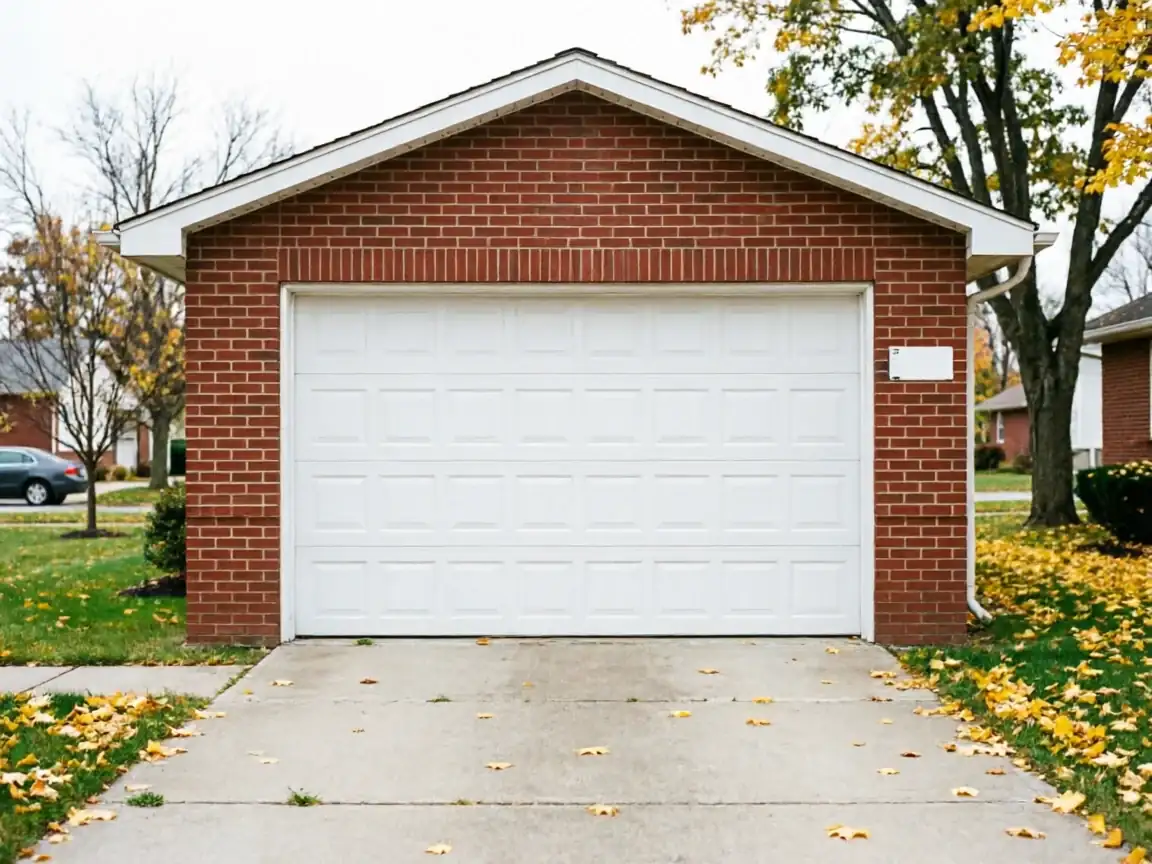
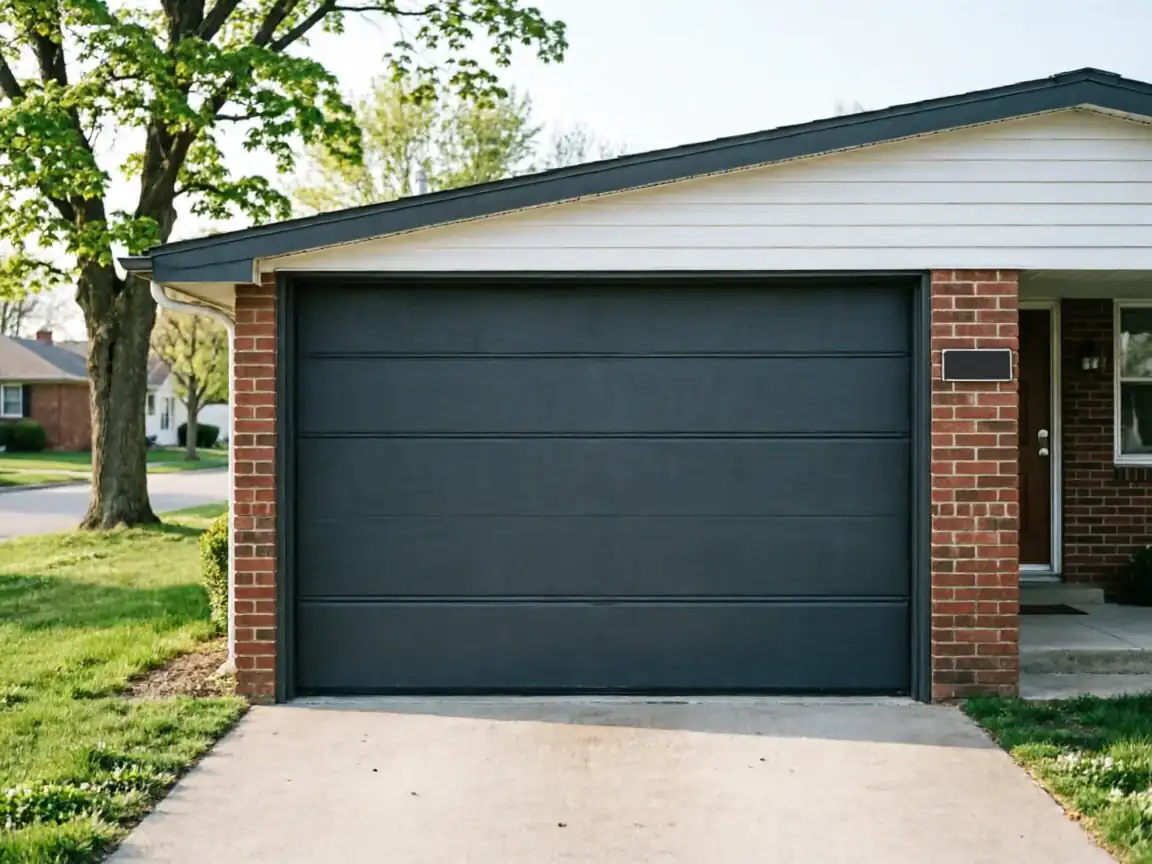
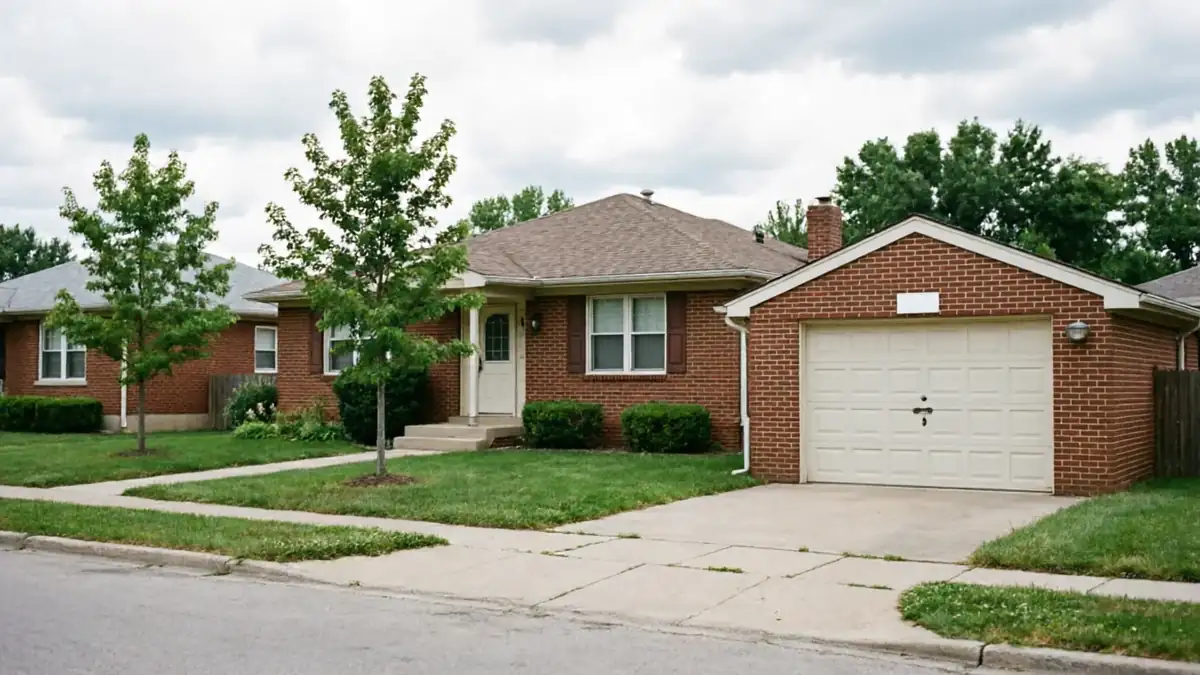
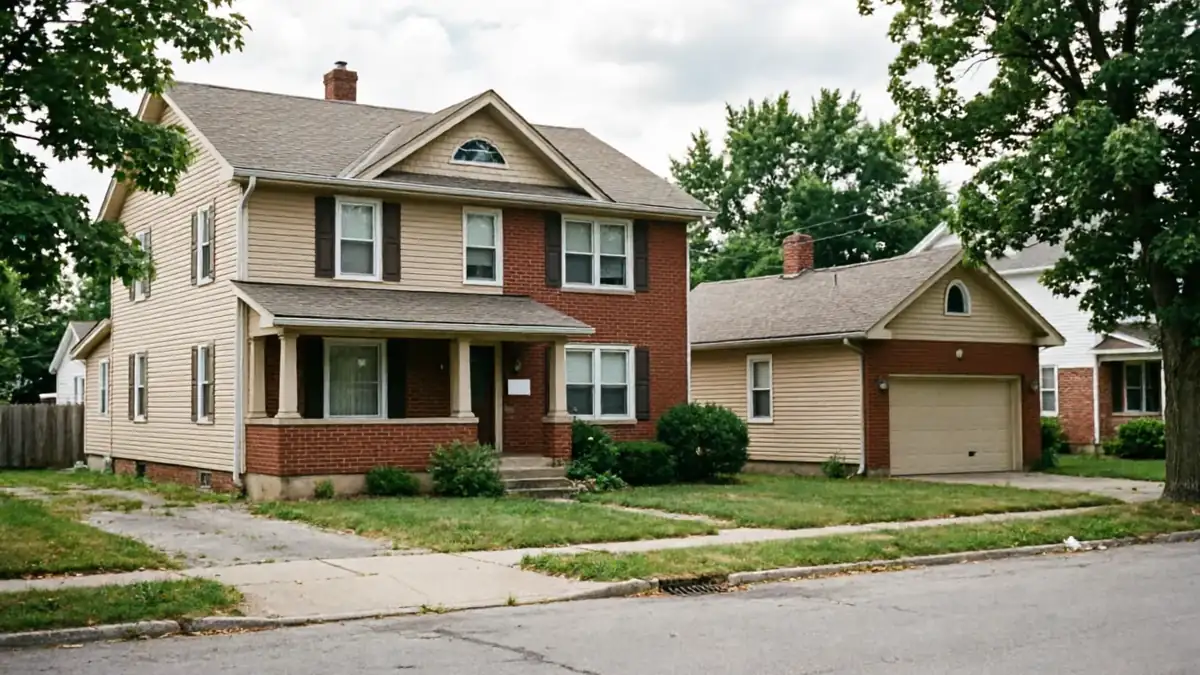
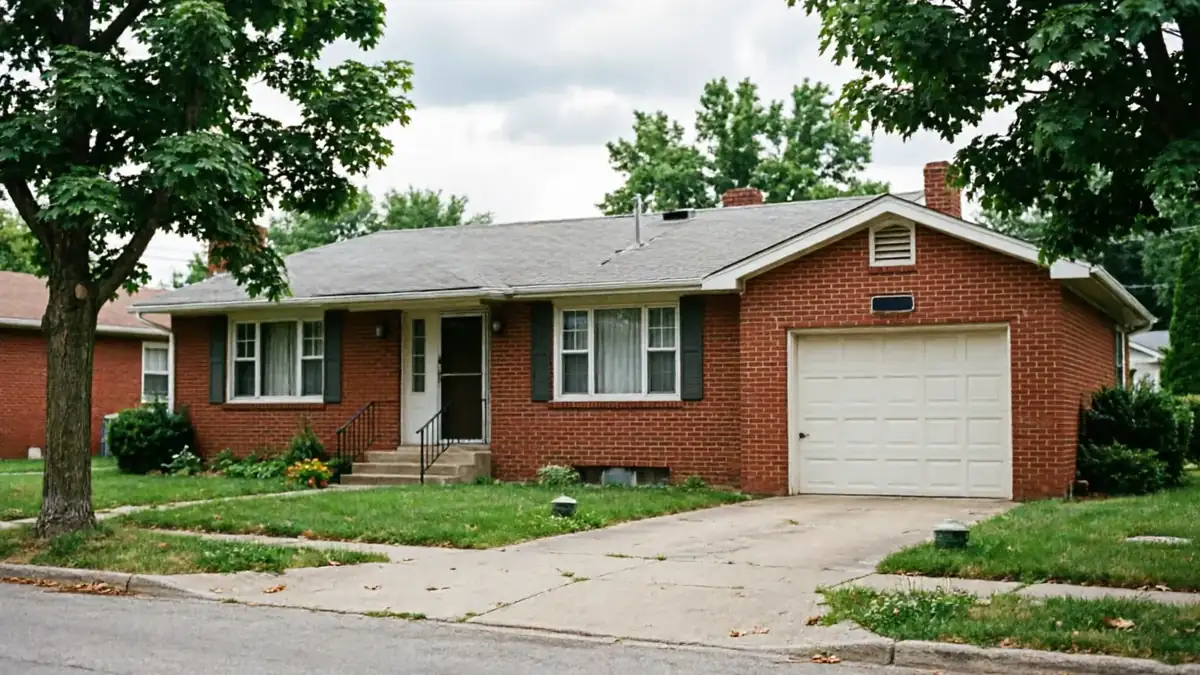
Vermont sits 18 miles from our shop in Macomb, and the houses here skew older than most of the towns we cover. Across the broader service area, homes went up between 1940 and 1965 with a median build year of 1952 - but Vermont's own median is 1940, a full decade ahead of that curve. That matters more than it sounds like it should. A house built in 1940 was framed before garage doors were standard equipment on most homes, which means a lot of the garage structures in Vermont were added on, retrofitted, or built with openings sized for doors that don't match what a hardware store carries today. With 306 households in town, this isn't a large area, but it's a consistent one - old framing, old openings, and doors that have usually been swapped out at least once since the house was built, not always to a size that fits cleanly.
The Split Between Old and New
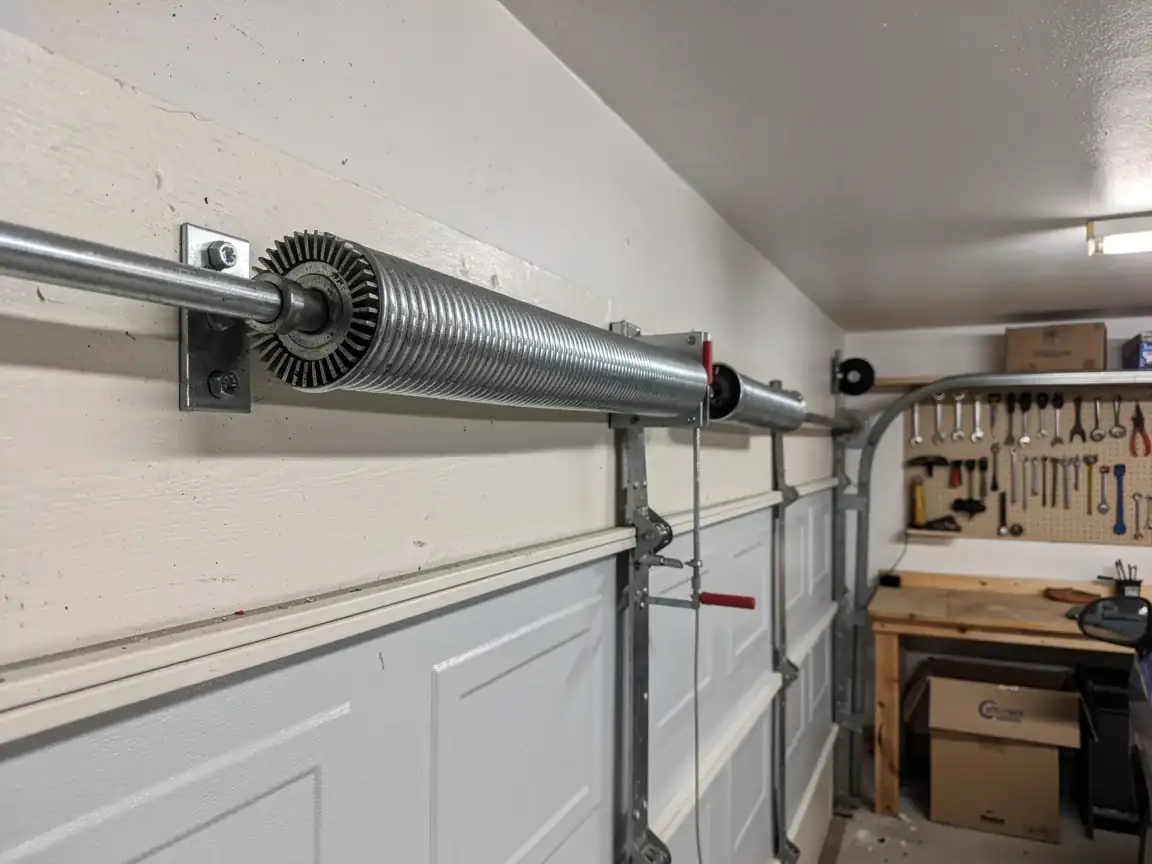
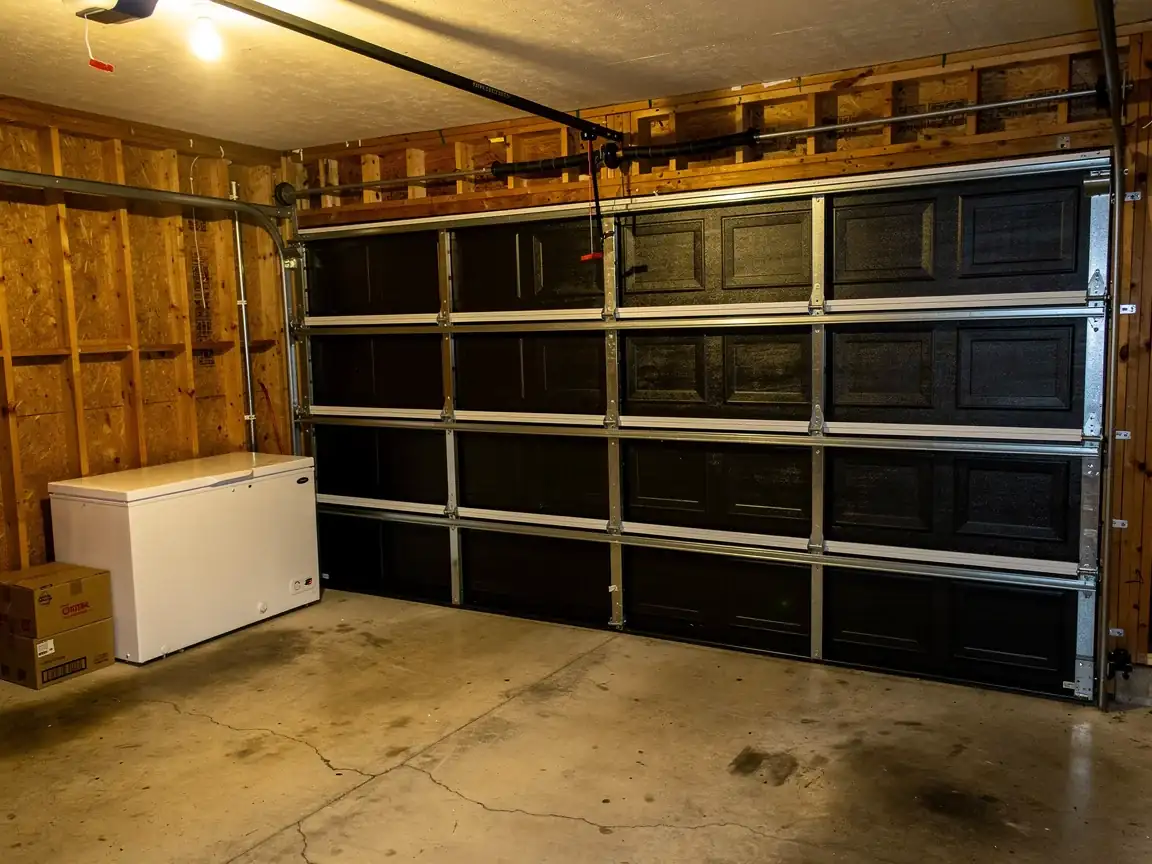
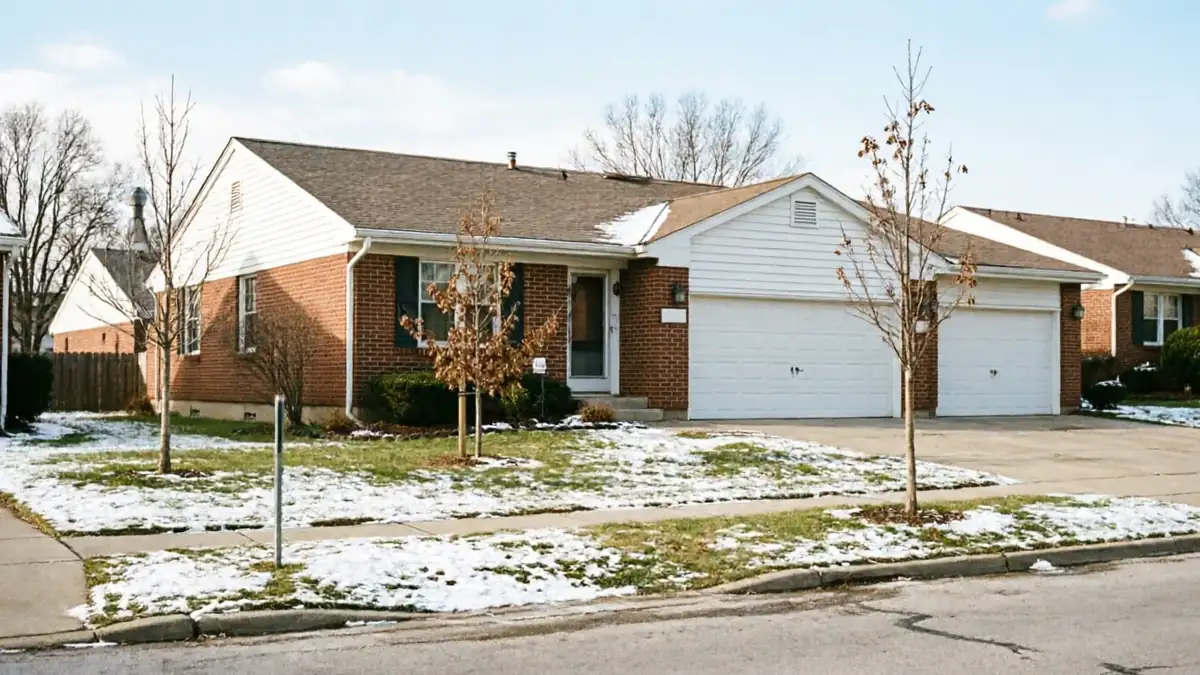
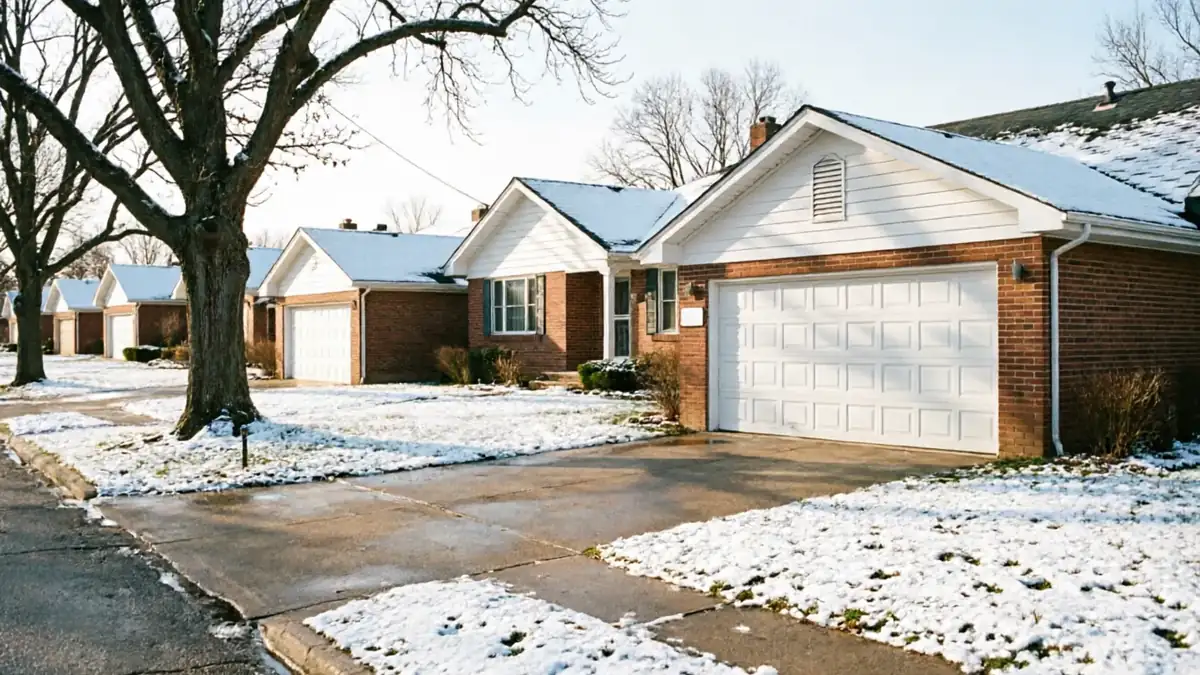
Across the nine communities we work in, the housing stock is mostly pre-1960, but Vermont sits at the older end of that range rather than the middle. That split shows up as two different kinds of calls. In towns with more mid-1950s and 1960s construction, we see a lot of factory-standard openings and torsion springs that were upgraded at some point without much trouble. In Vermont, with that 1940 median, we see more non-standard openings, more extension-spring setups that were never converted, and more doors that were clearly cut or framed to fit an opening rather than the other way around. Median household income here is $47,115, below the area median of $54,306, and that tends to track with how these homes get maintained - repairs over replacements, and doors kept running longer past the point where a newer house would've had the whole unit swapped.
How That Shows Up in the Door
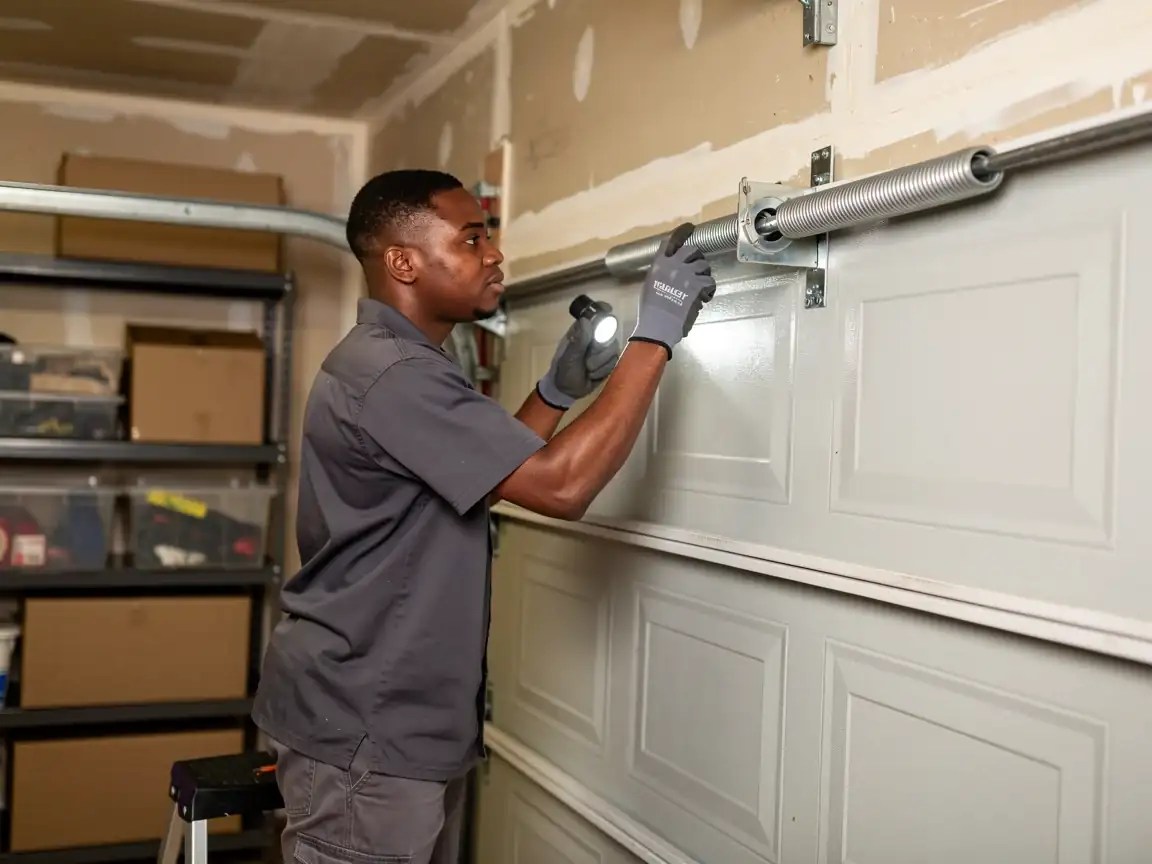
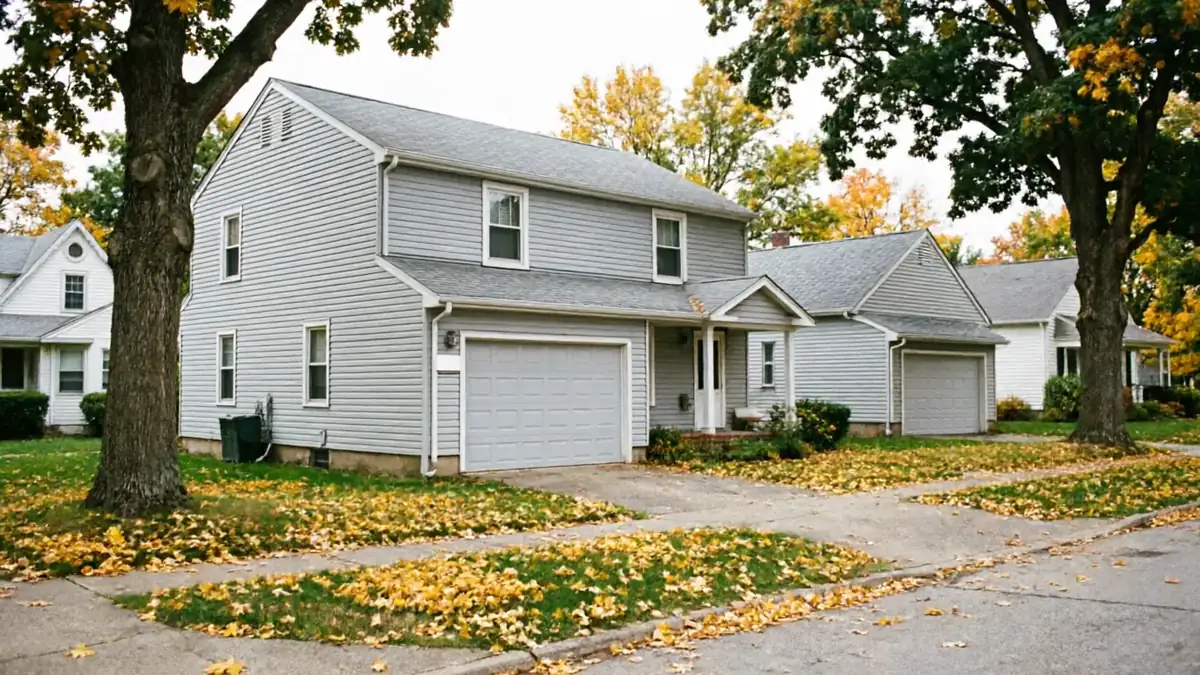
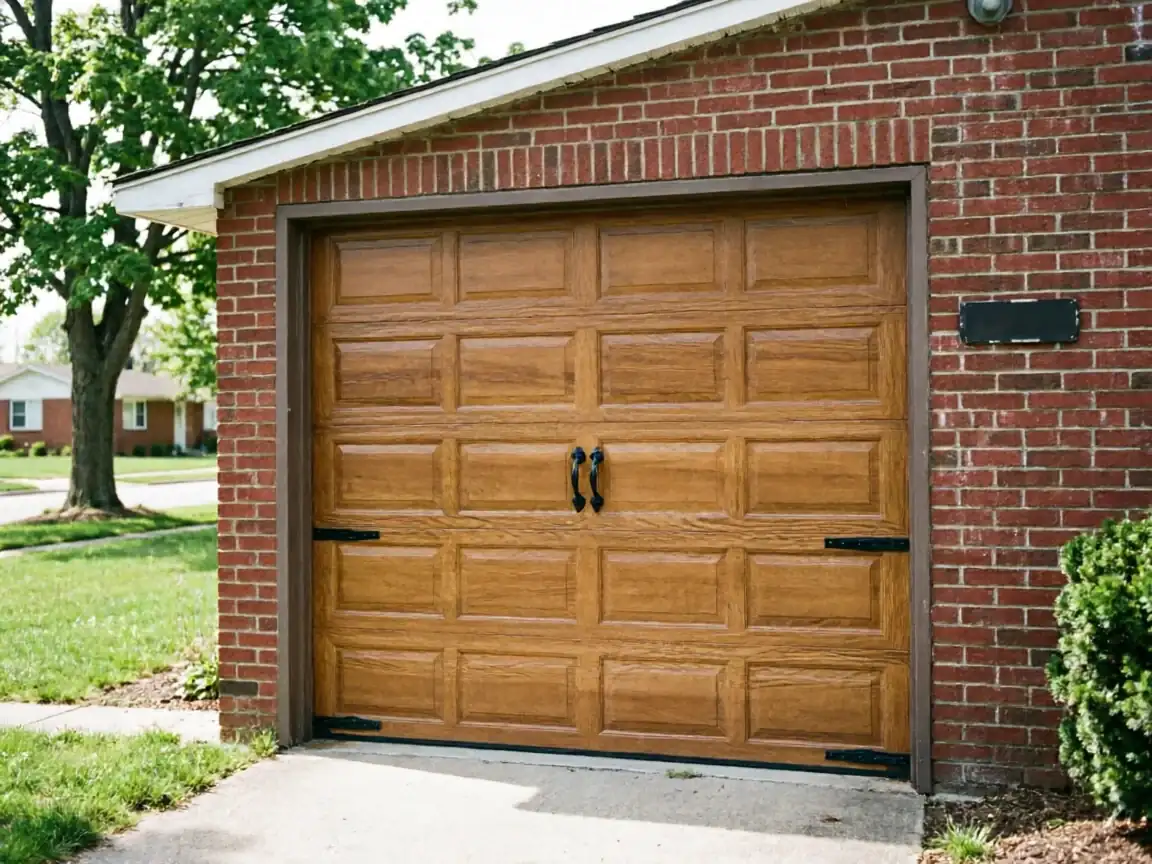
With the cold moderate climate this area sits in, winter is the season that exposes weak hardware fastest - steel contracts, old lubrication gums up, and springs that were already fatigued from decades of extension-spring cycling tend to let go on the first hard cold snap rather than gradually. In a town where the housing median is 1940, that's not a rare call, it's a pattern. We see it most on doors that were never converted to torsion hardware and on openings that don't match a modern standard size, which is common enough in Vermont that we expect it before we even get the address. None of that means every old door in town is a problem waiting to happen - plenty of these setups have run fine for years with basic upkeep. It just means when something does go, the fix usually isn't a parts-store special order; it's matching old hardware to a door that was built for a house, not the other way around.