What the Fix Involves
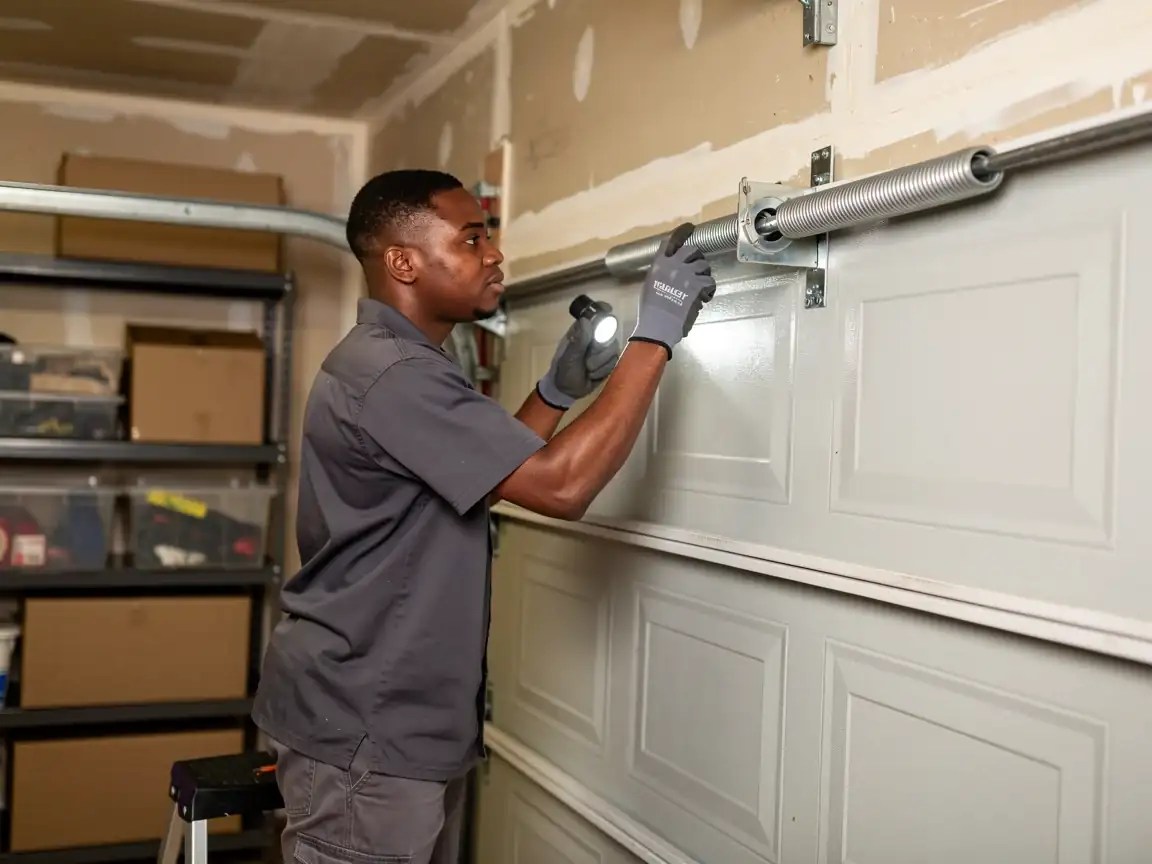
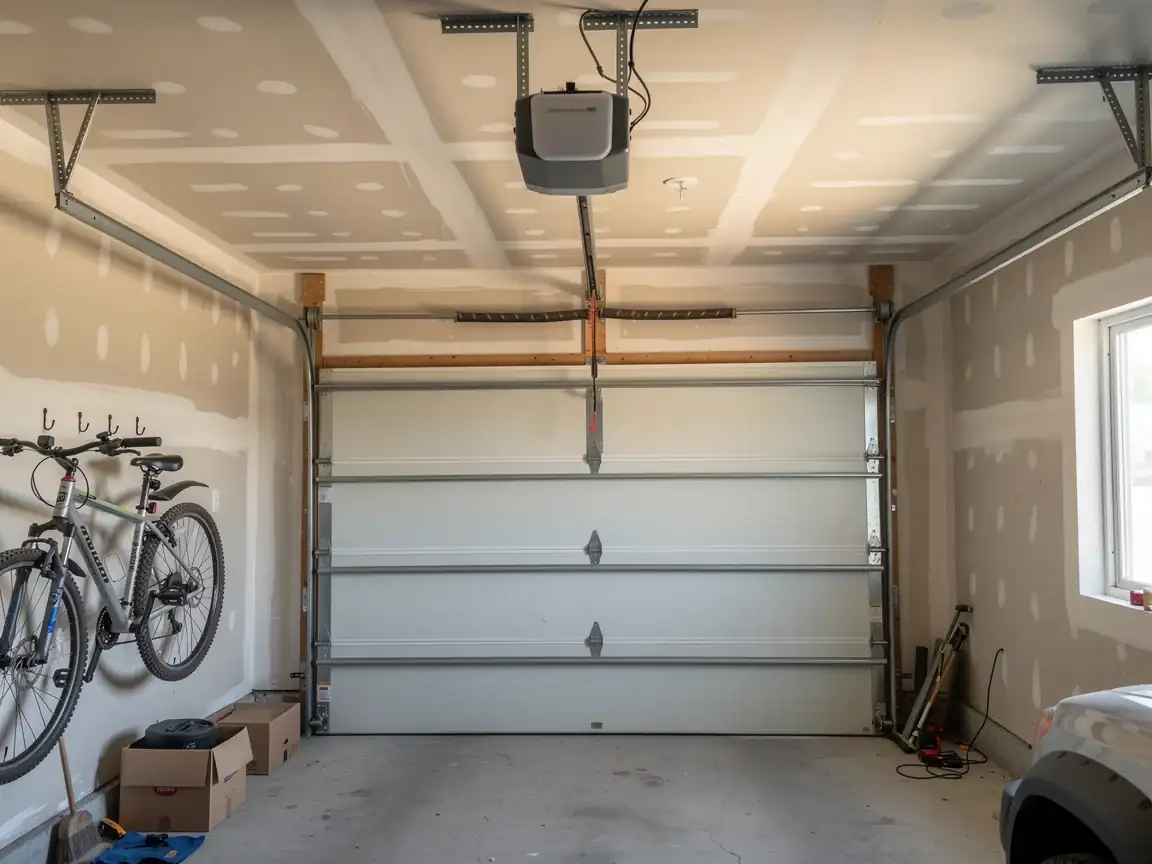
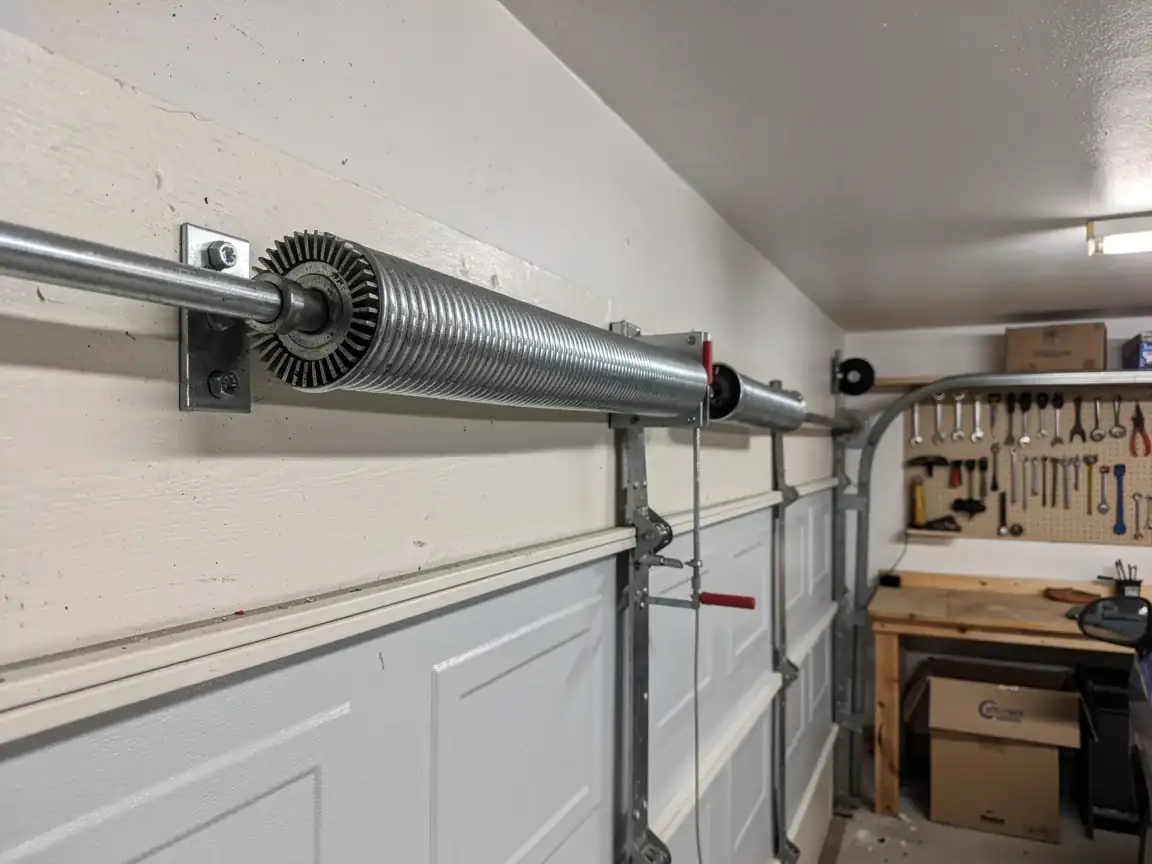
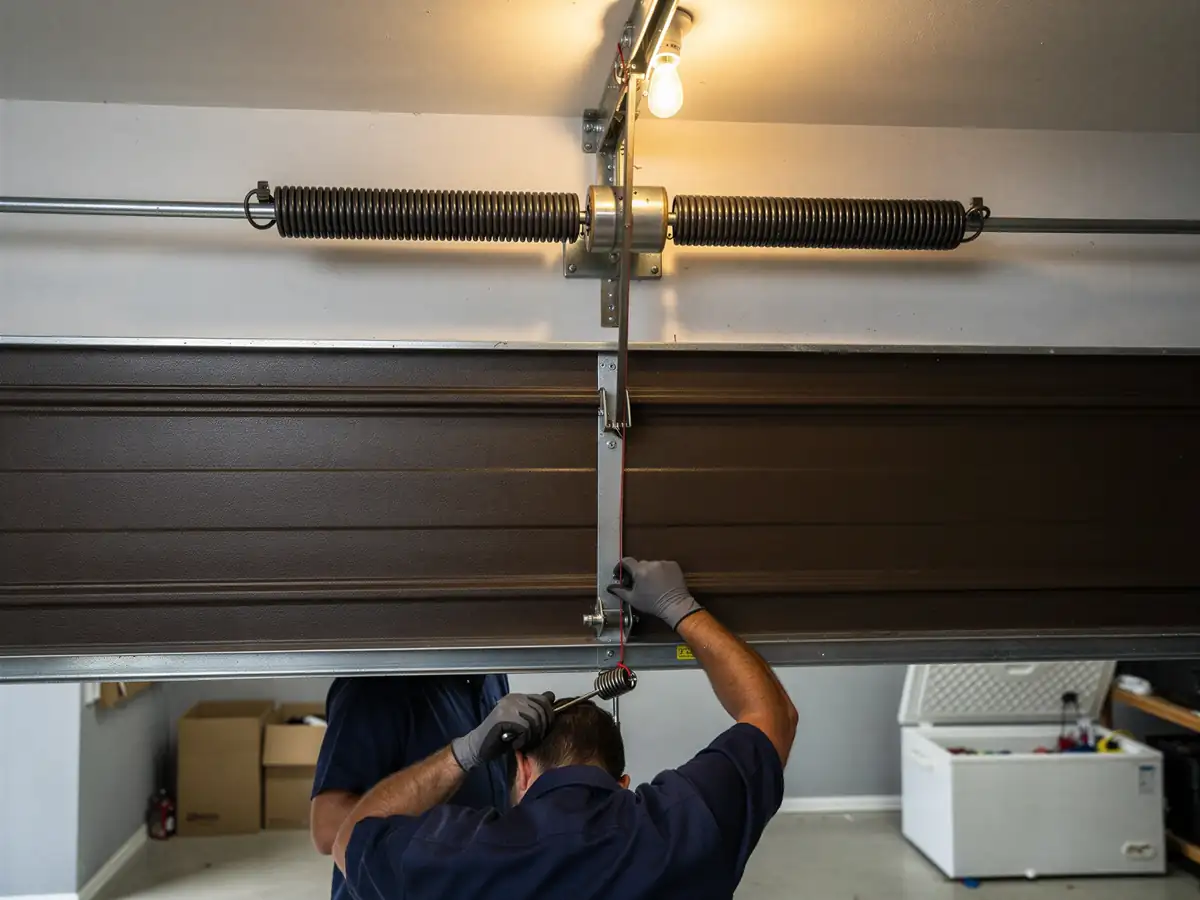
Most calls start the same way: a door that won't open, or one that opens and slams back down. On a torsion spring repair, we unwind and remove the broken spring, measure the wire gauge and wind count against the door weight, and install a matched pair rated for that specific door. We don't guess at spring size from a chart - we weigh the door if the old hardware is too worn to read.
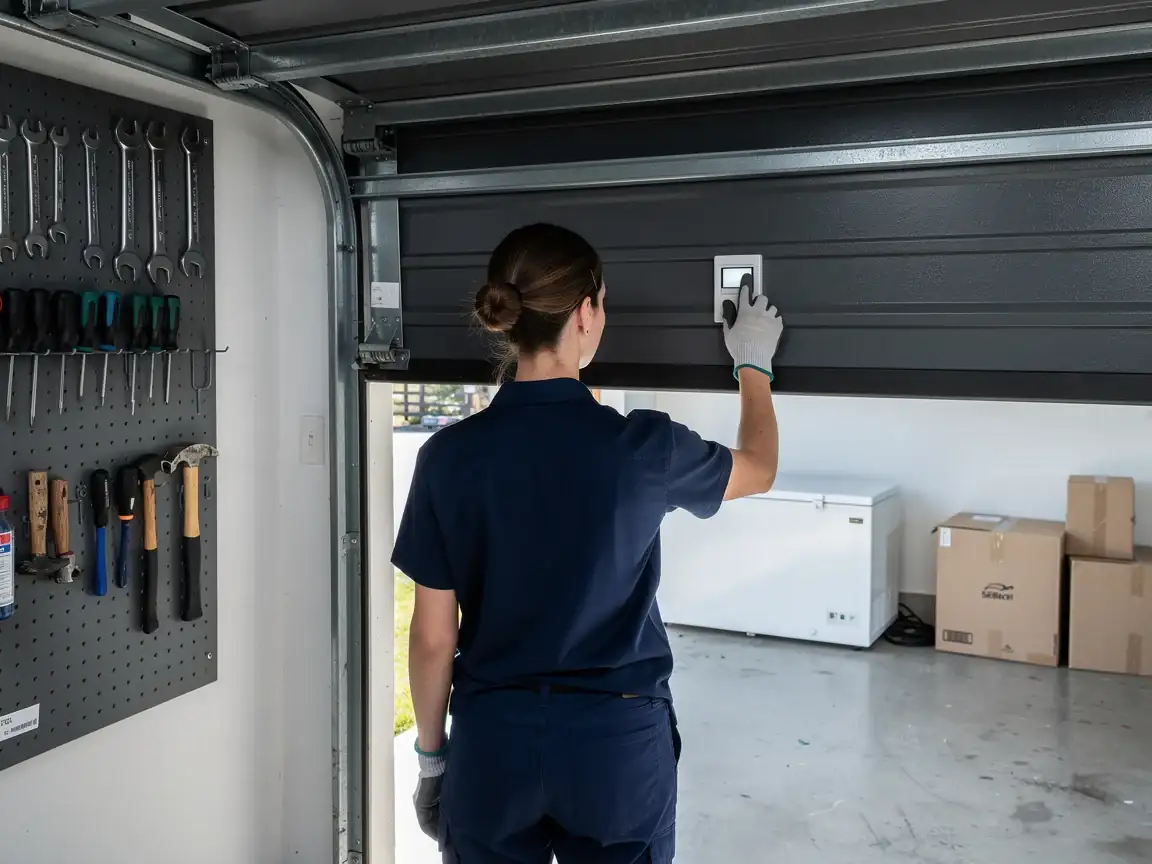
On opener repairs, we check the logic board, the drive gear, and the safety sensors before we touch anything else, because half the "dead opener" calls turn out to be a tripped sensor or a worn drive gear, not a motor failure.
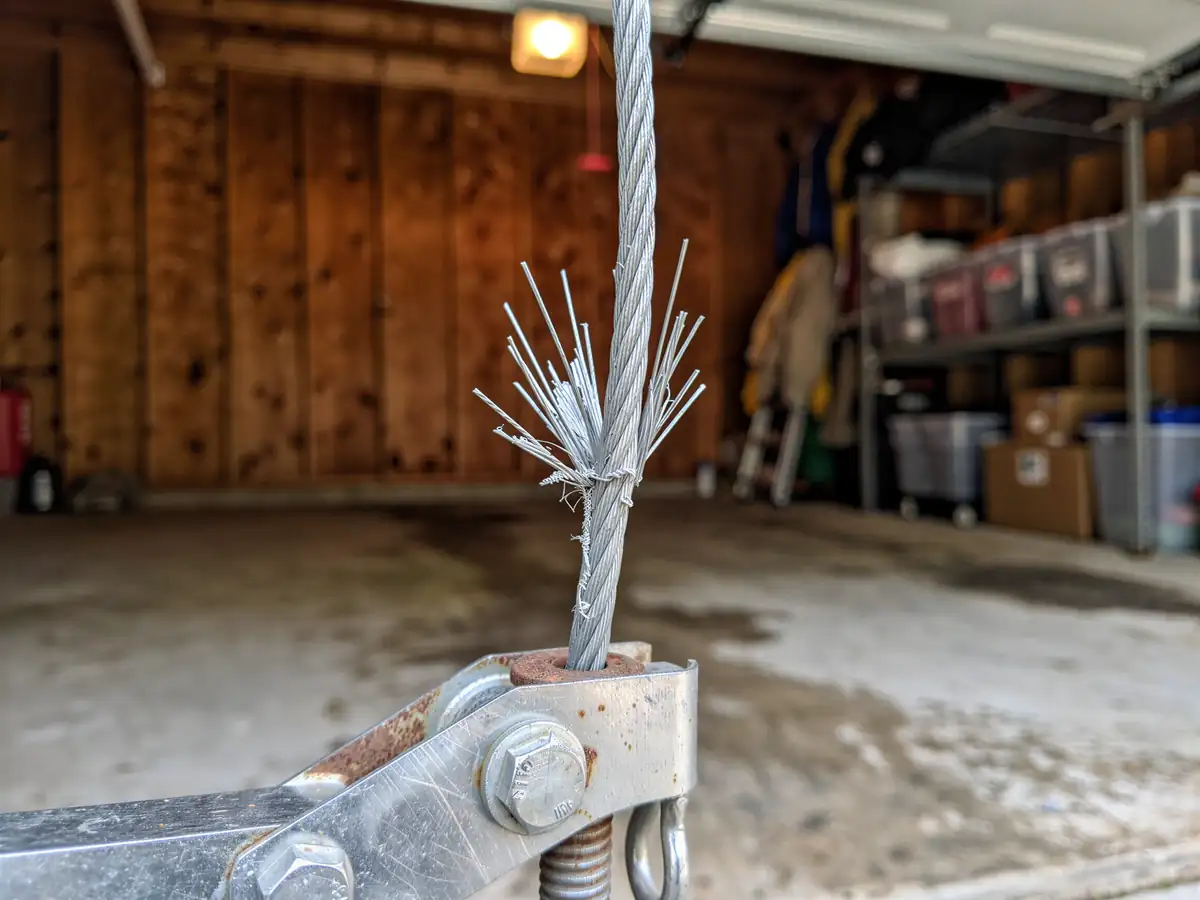
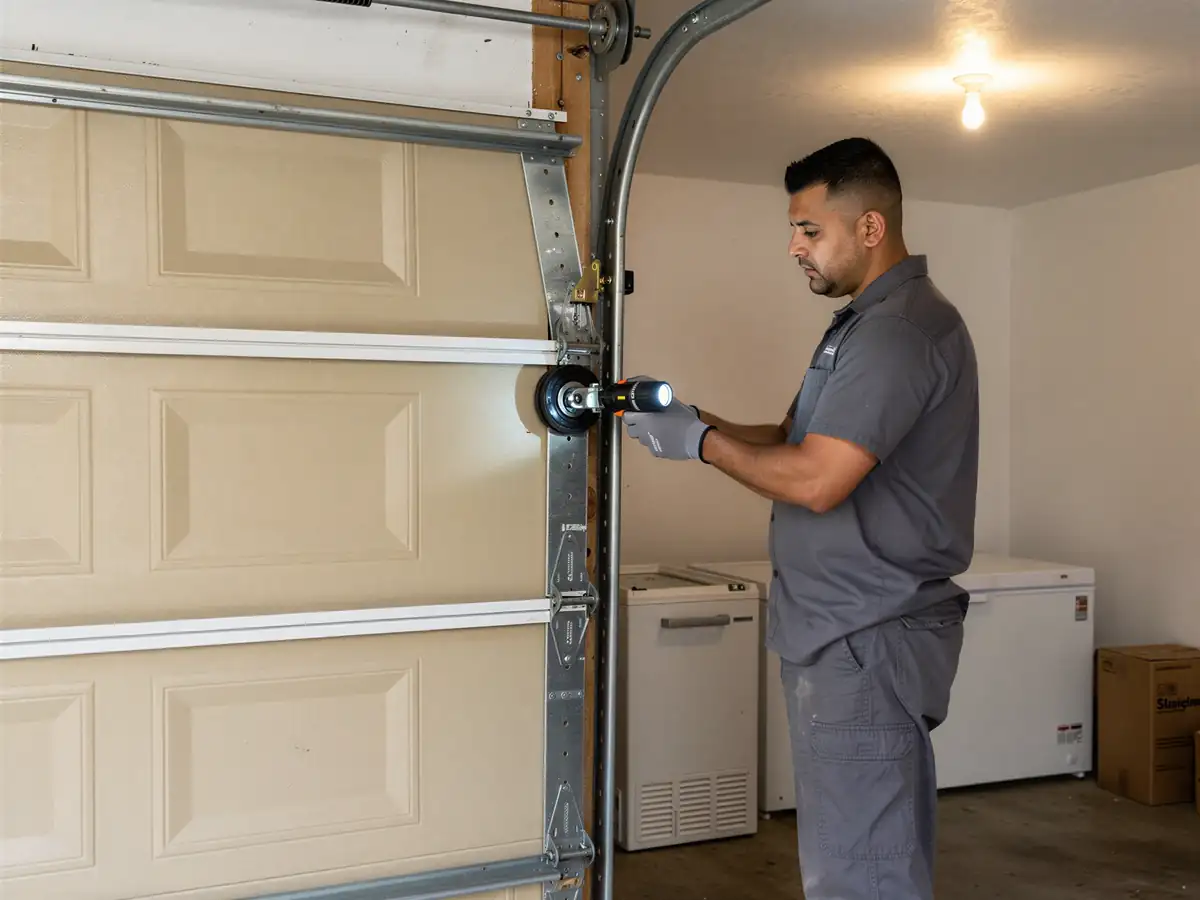
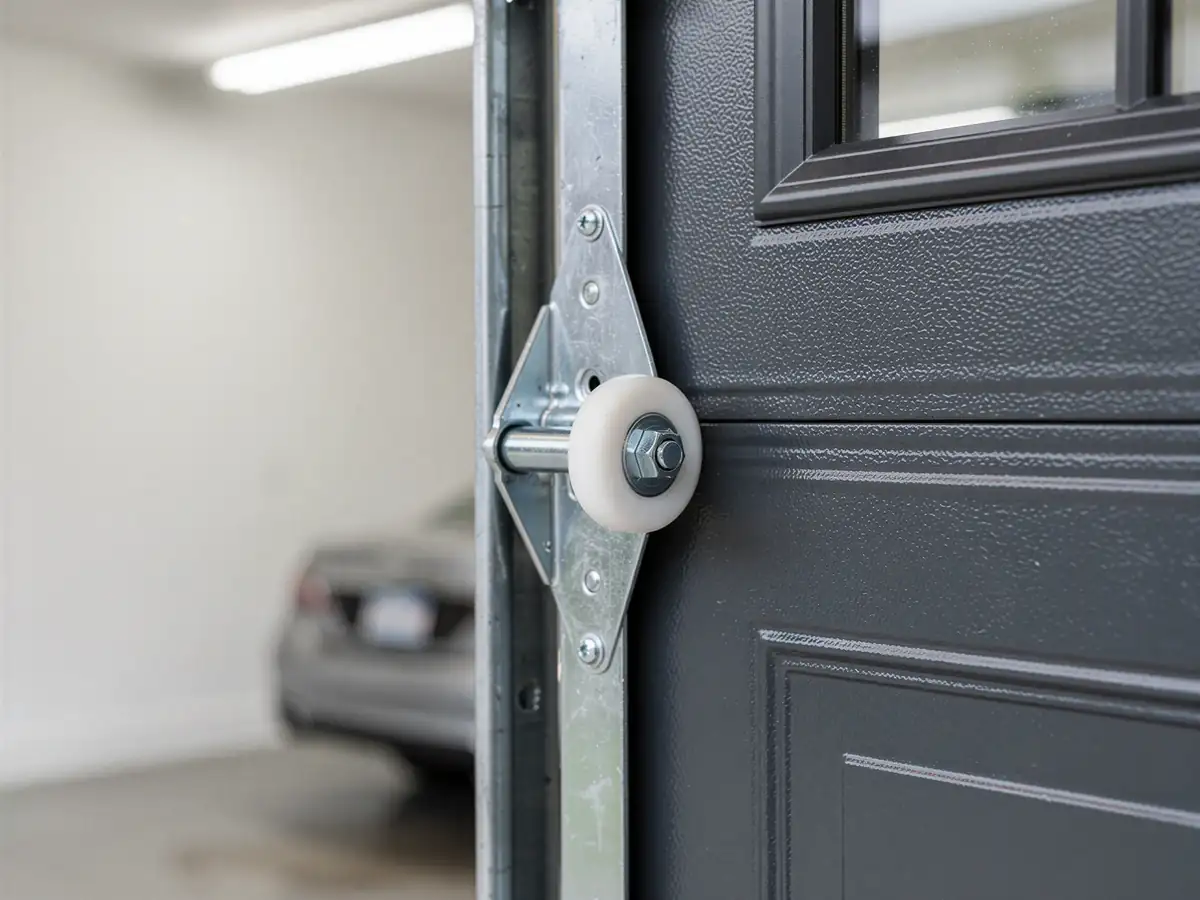
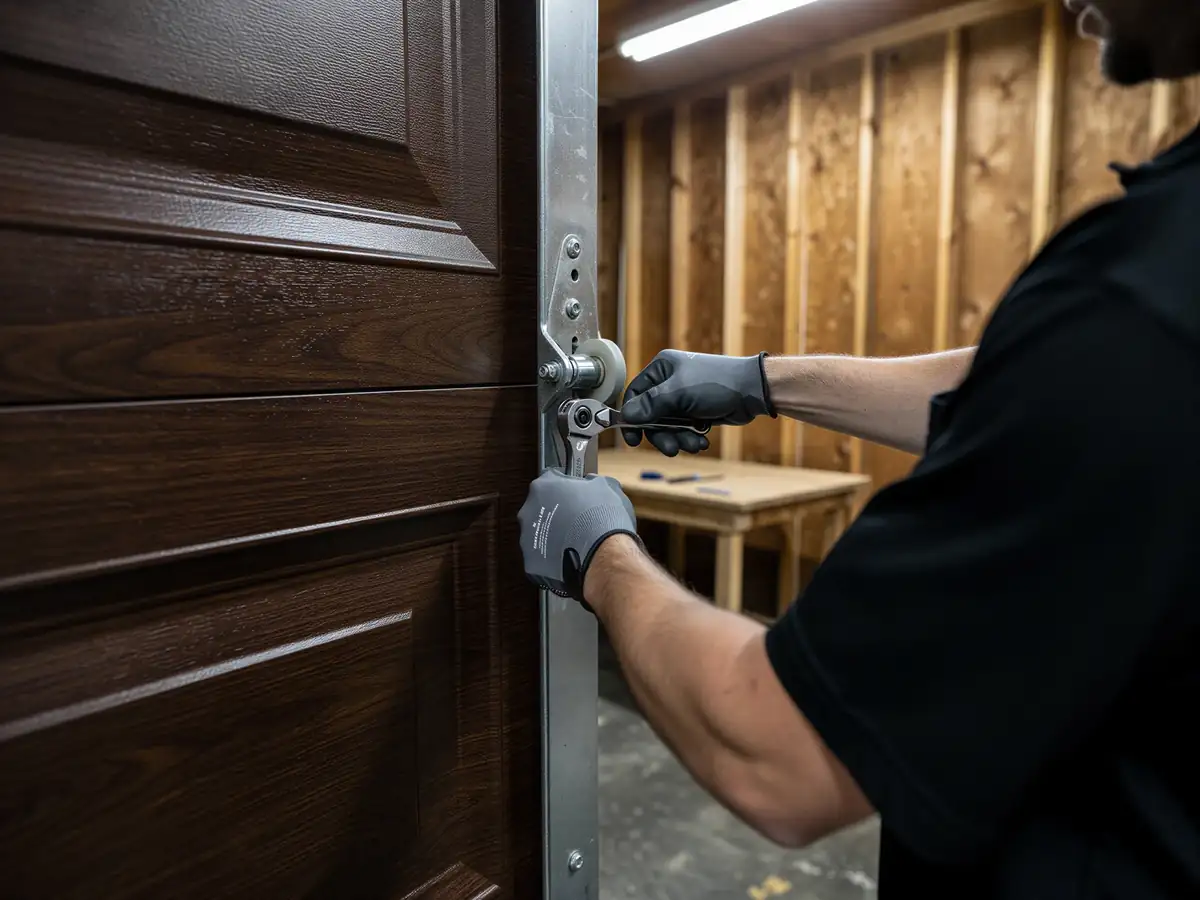
Track and roller work is its own job. If the track is bent from an impact, we pull it and reset it rather than hammering it straight, because a hammered track throws the door off-square again within a year. Cable replacement is a same-visit job once we're on site, since we carry stock sizes for the door counts common in this area.
We price the repair, not the visit, so you know before we start whether it's a $200 fix or a door that's better off replaced.
Parts We Carry
We stock torsion springs in the wire gauges that match doors built for homes from the 1940s through the 1960s - the era that makes up most of the housing stock across Macomb's named areas. That era used single-door torsion setups and steel panel doors that are heavier per square foot than newer insulated models, which matters when we're matching spring tension.
We also carry standard-lift cables, nylon and steel rollers, and center and end bearings sized for side-mounted torsion hardware, which is still common on houses from that build period. Openers are a different story - we carry the commonly replaced drive gears and sensor kits, but if your opener is an older chain-drive unit with a discontinued logic board, the honest answer is sometimes a new opener costs less than hunting down the part.
We don't stock every panel style or every custom window-insert option. If a full door replacement is what you need, we'll tell you that up front rather than patching a door that's past the point of patching.
What You Are Seeing
A door that drops fast on the way down
Or one that someone has to muscle up by hand, points to a broken or weakening torsion spring - normal wear on a spring that's been cycling for decades on an older door. A door that reverses right after the floor, or stops a few inches up, usually means a sensor that's dirty, knocked out of alignment, or wired loose.
Grinding or popping when the door moves is almost always a roller or bearing problem
And on original hardware from the 1950s build era, that noise often means steel rollers that were never swapped for nylon. A door that runs off-track or binds on one side, especially after the coldest stretch of winter, points to a bent track or a cable that's stretched and jumped its drum.
If the opener hums but the door doesn't move, that's a drive gear worn down
A common failure on units that have been running the same door for a long stretch of years.
What Causes It Around Here
Macomb's housing stock, like the nine named areas in this service territory, was mostly built between 1940 and 1965, with a median build year around 1952. That means a lot of original torsion hardware, side-mounted springs, and steel panel doors still in service decades past when the springs inside them were rated to last. Spring failure here isn't random - it's the predictable end of hardware that's older than most of the people calling us.
The cold-moderate climate band this area sits in adds a second stress. Steel contracts in winter cold, which tightens tolerances on tracks and rollers that were already loose from age, and that combination is what turns a quiet squeak into a jammed door on the coldest morning of the year. Lubricant that worked fine in October gets stiff by January, and hardware that's been fine for months suddenly isn't.
With 2,638 owner-occupied houses in a service area of 3,534 households, and a median household income of $54,306, most of what we see is homeowners repairing hardware that's earned its wear rather than replacing a door on a whim. That's the job, and it's most of our calls.