What You Are Seeing
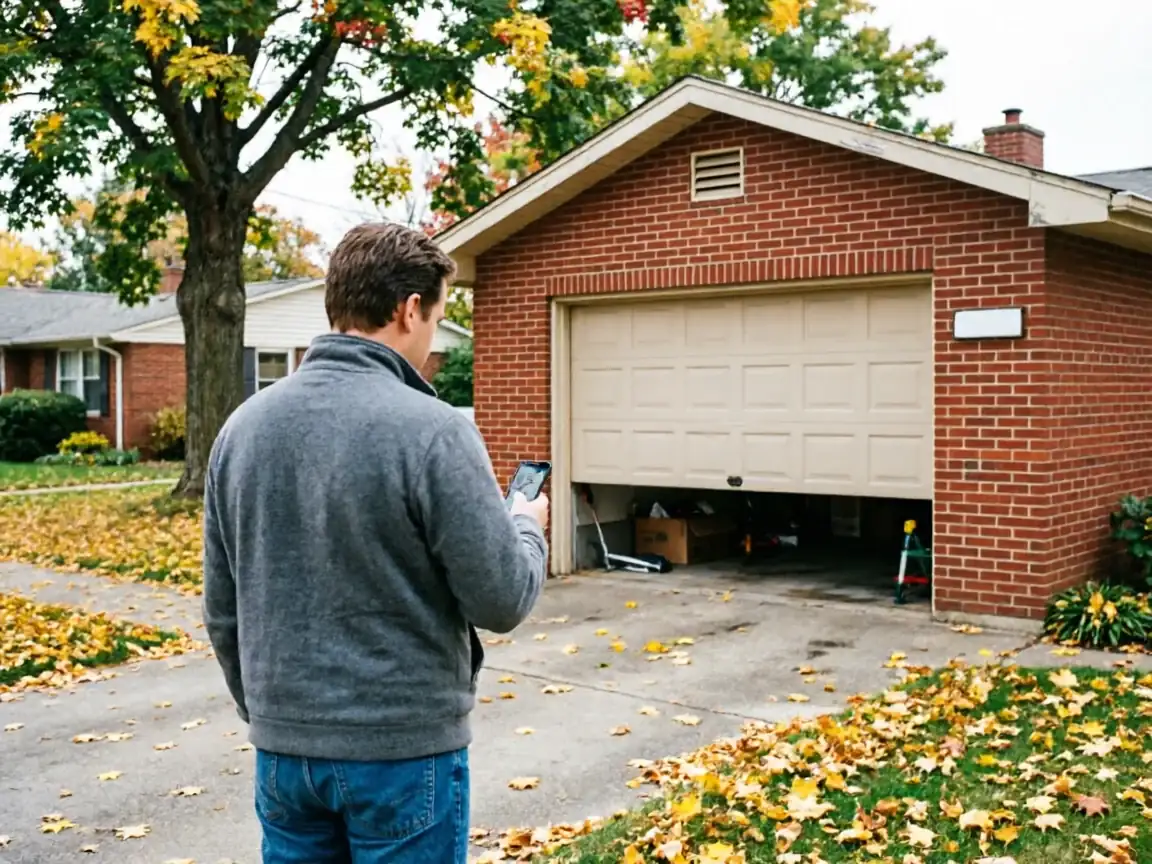
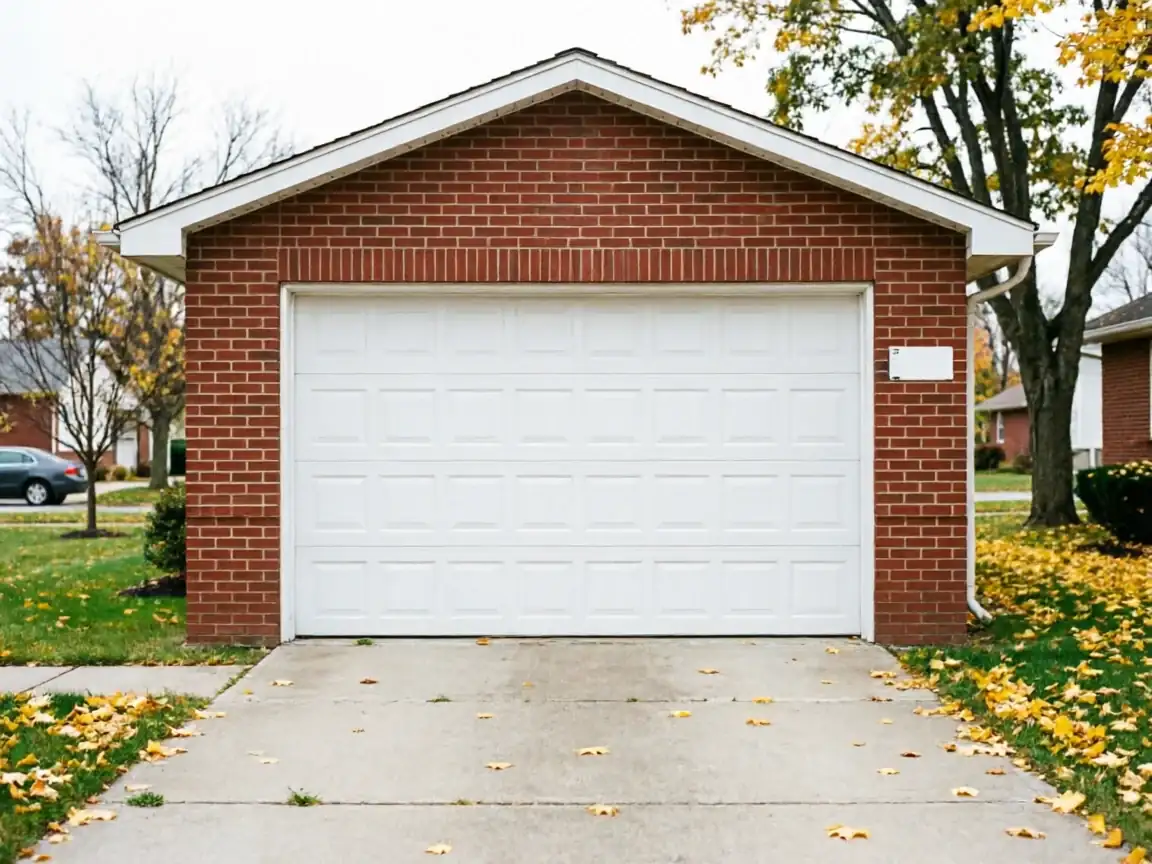
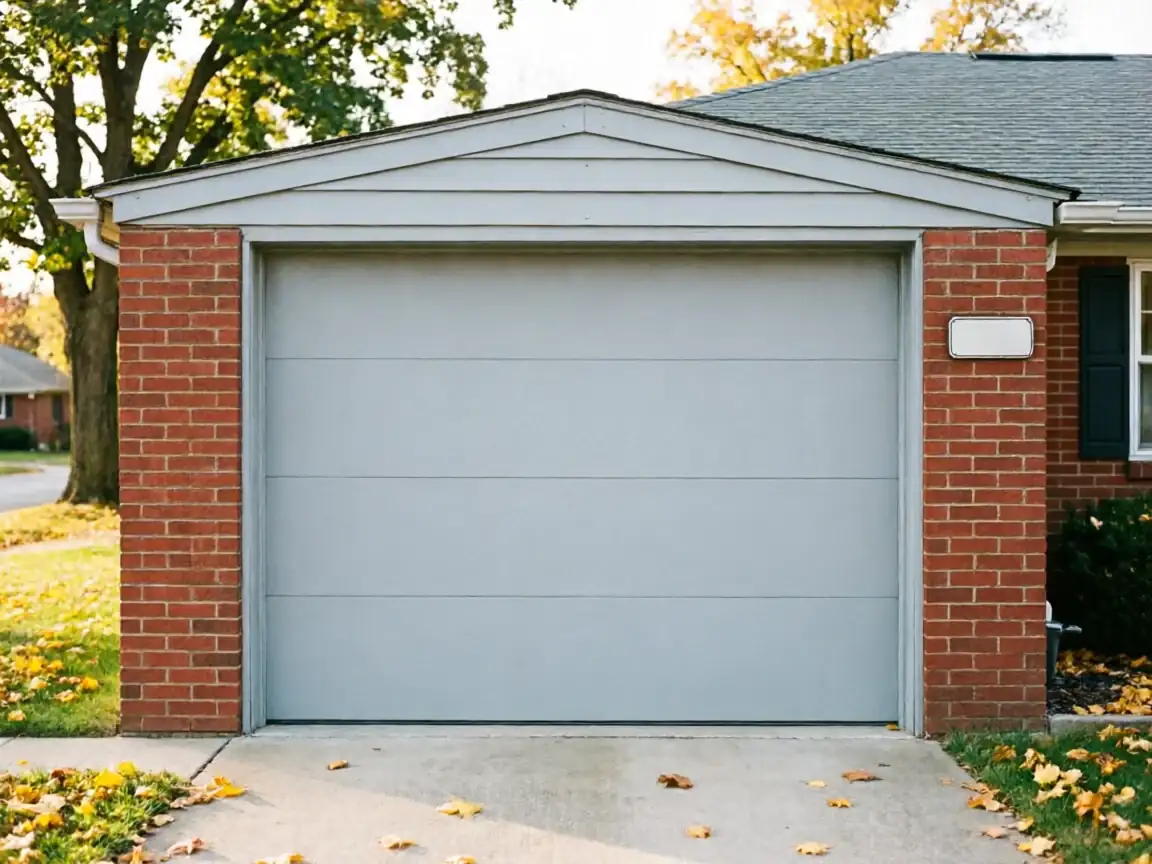
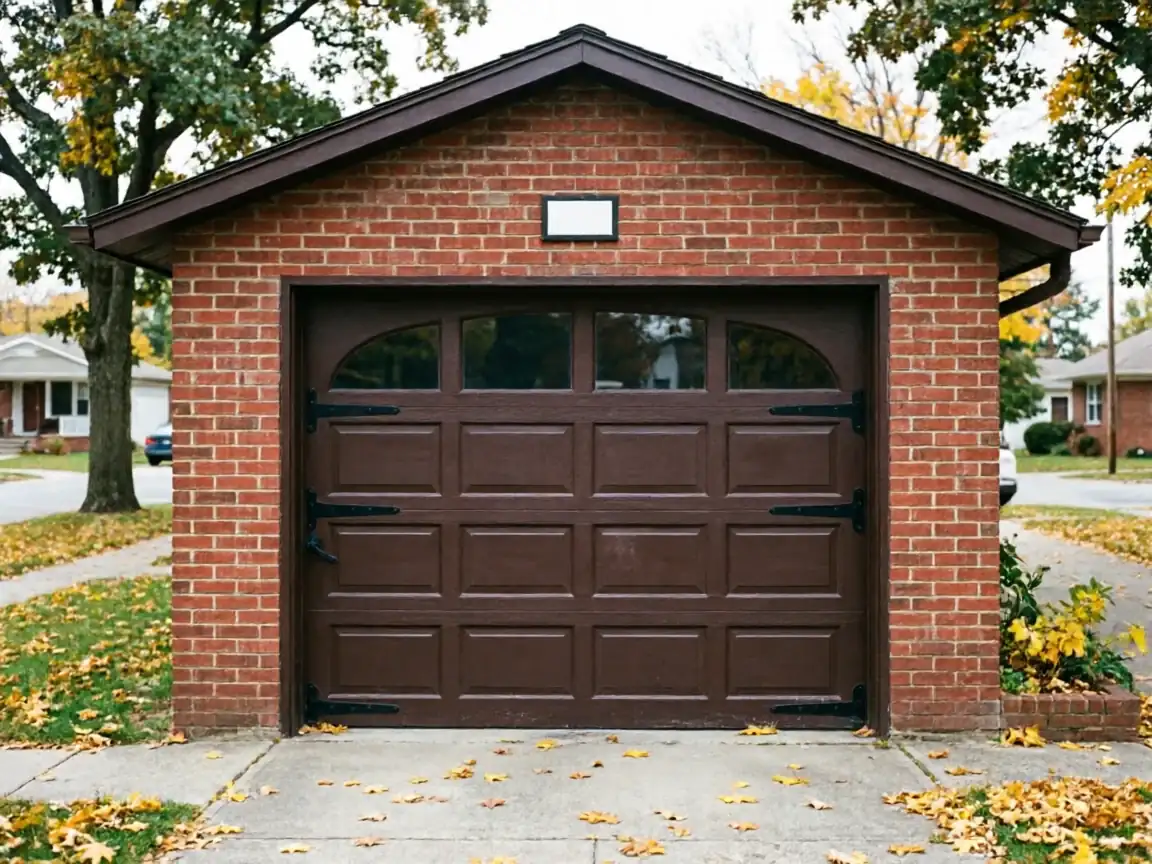
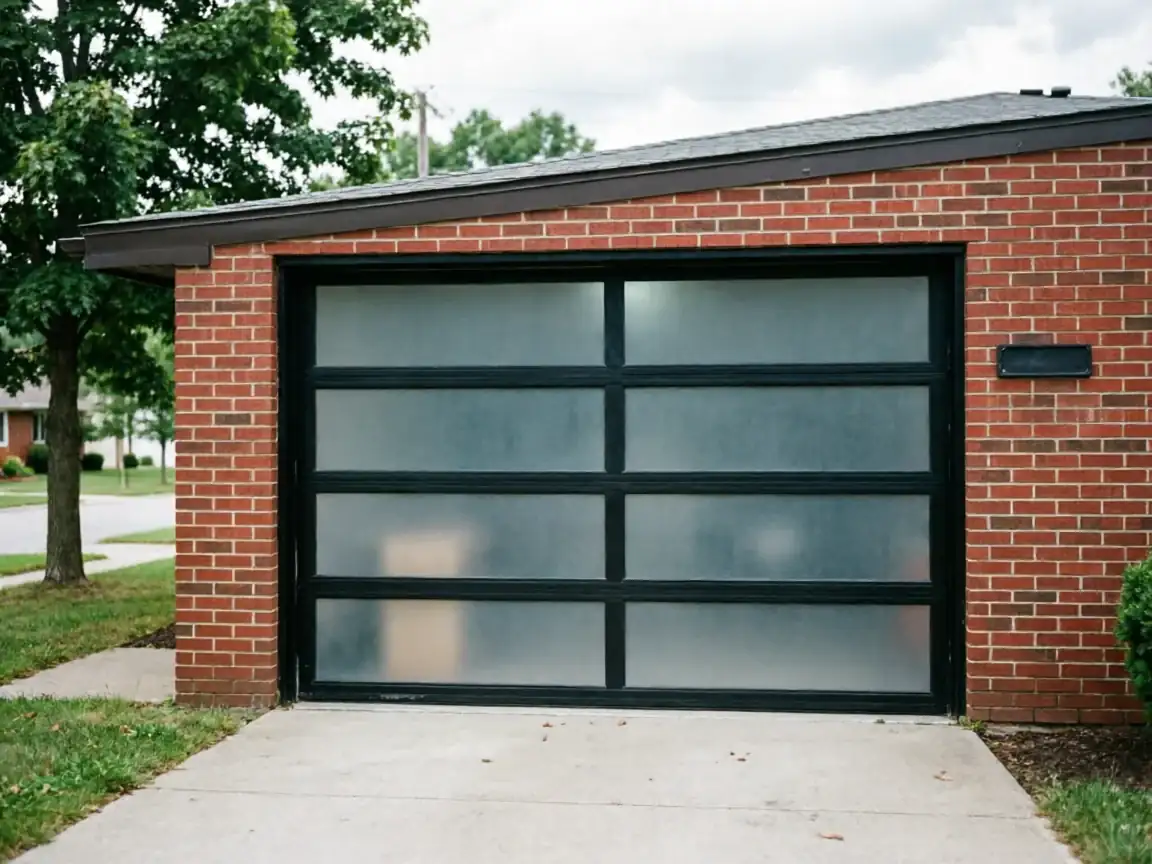
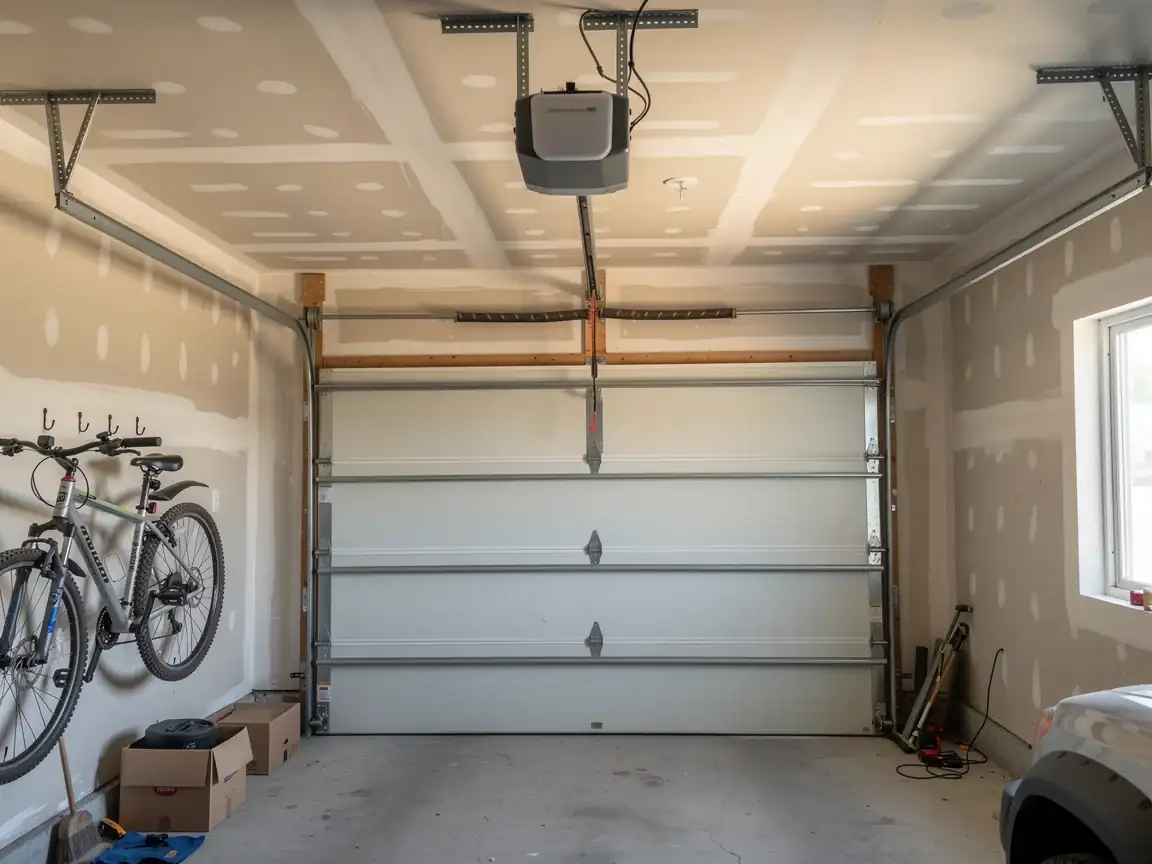
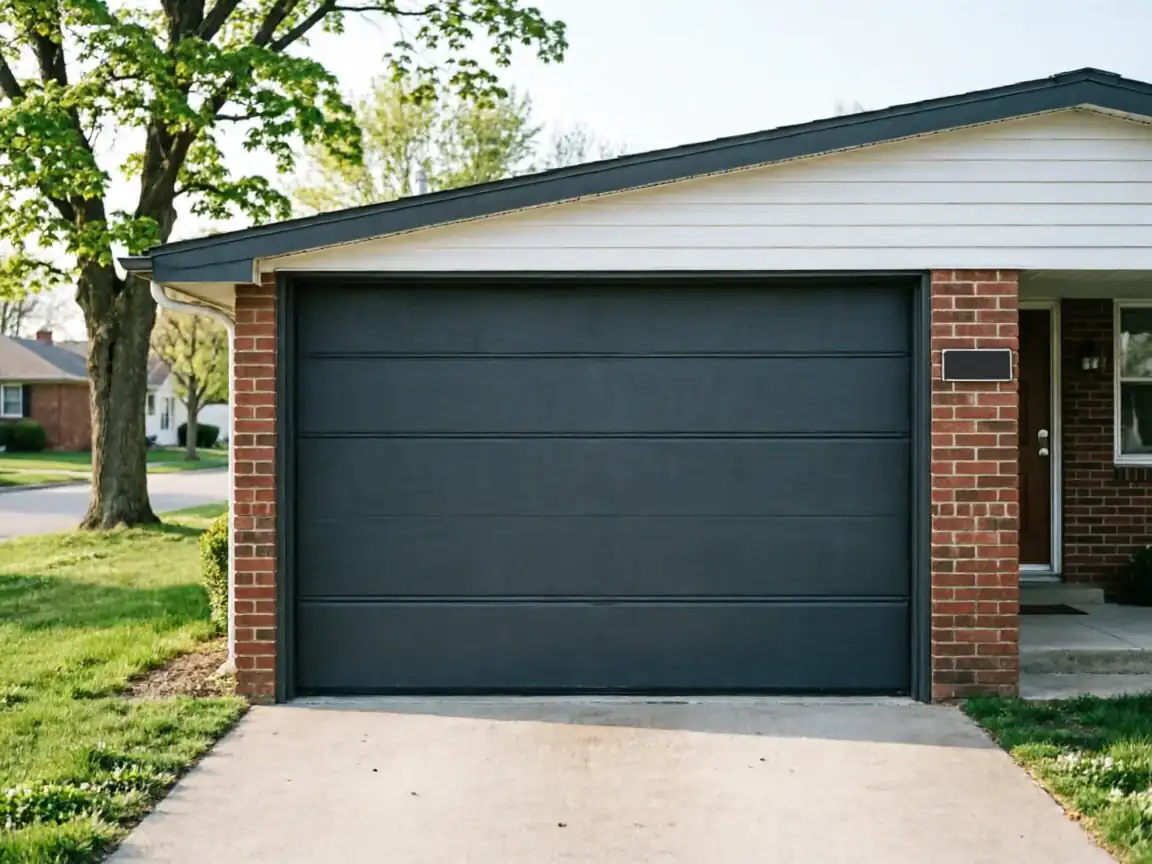
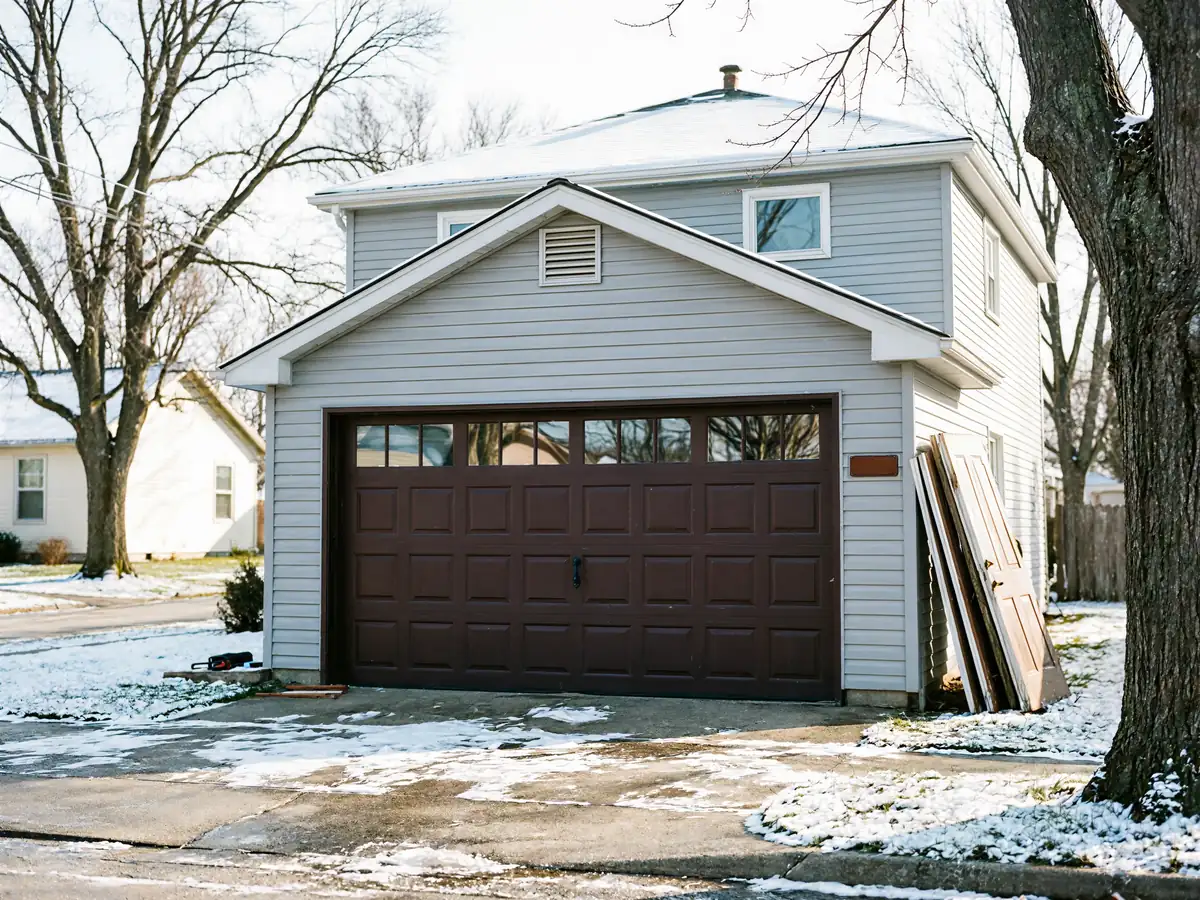
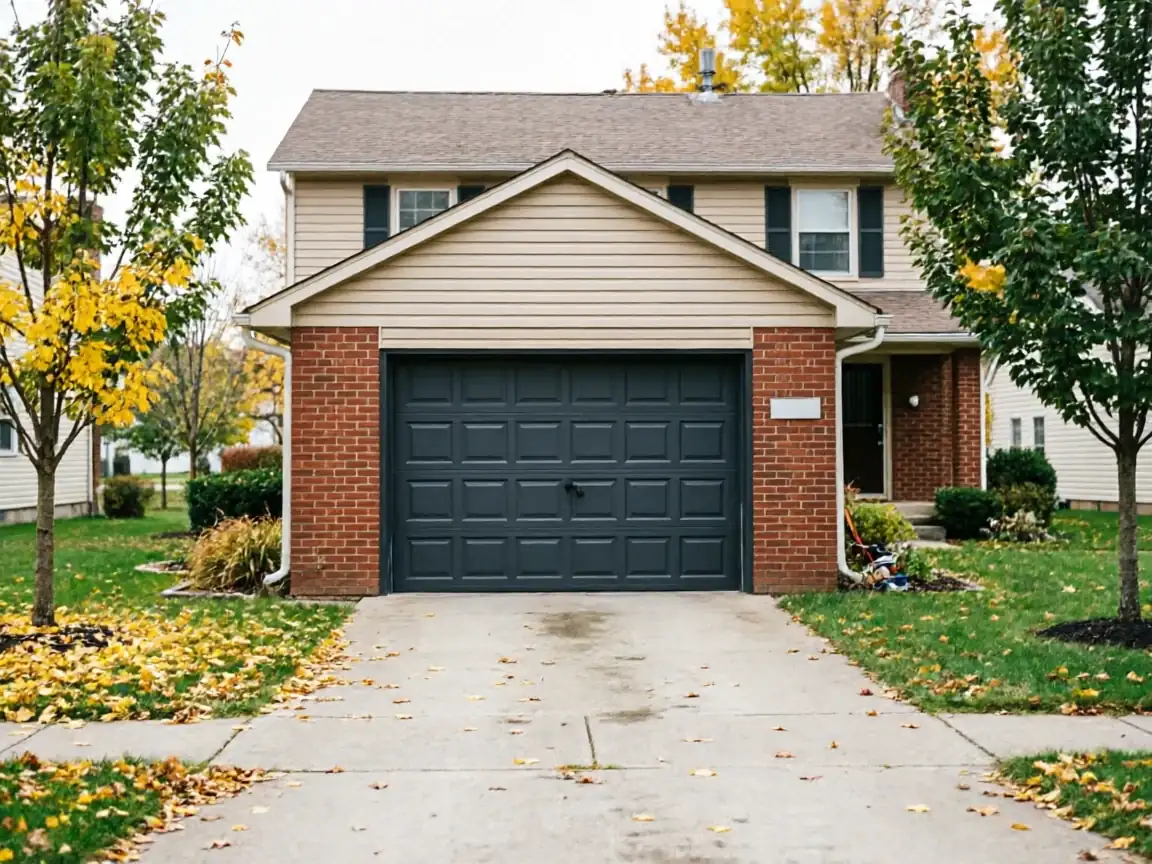
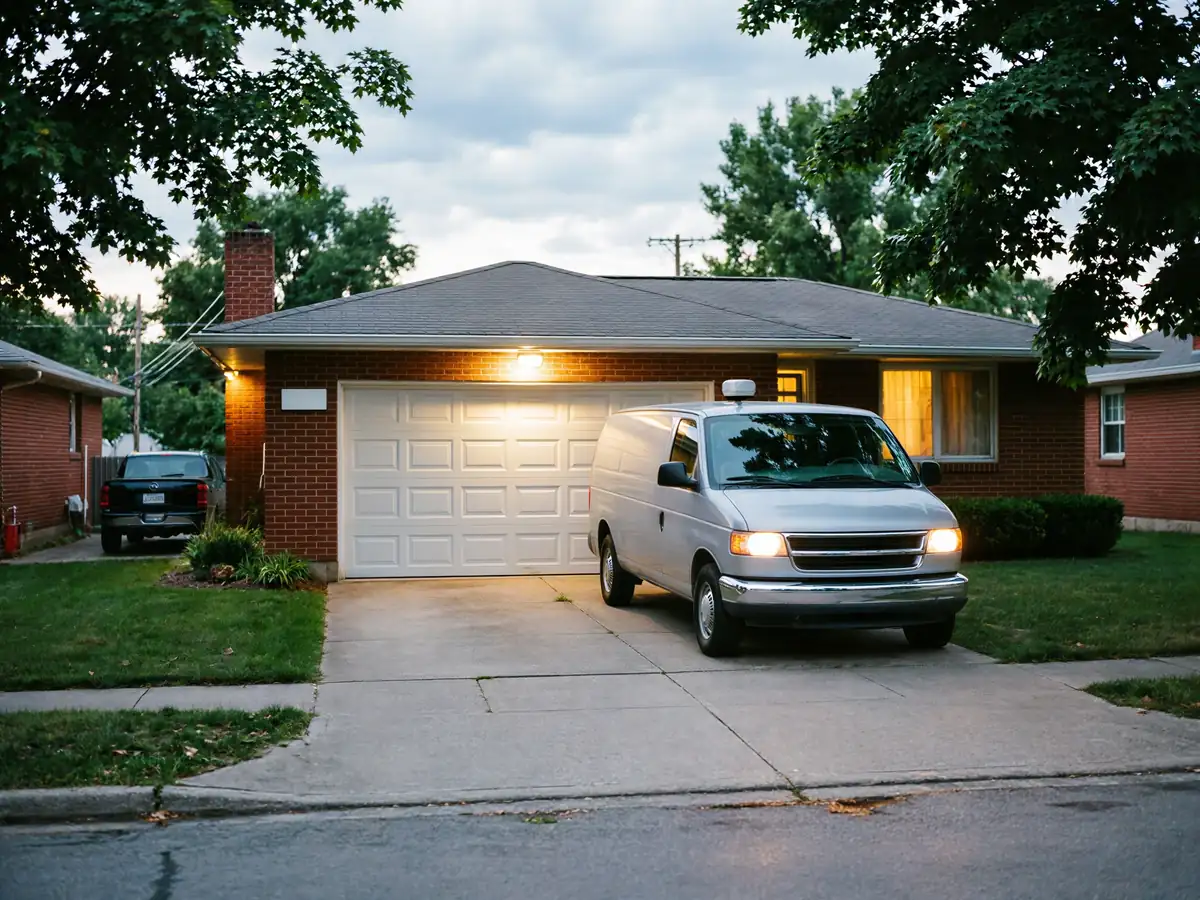
Most houses in Plymouth went up around 1948, a few years ahead of the 1952 median across the wider service area. That matters more than it sounds like it should. A door built for a house from that era was almost never put up on a torsion spring over the header the way doors are now. It was far more common to see a pair of extension springs running along the horizontal tracks on either side of the door, sometimes still with the old wood-lift hardware behind them if nobody's replaced the opener system since. When a spring lets go on one of these setups, the door usually drops unevenly or jams a few inches up, because the two side springs rarely fail at exactly the same time. If you're hearing a loud bang from the garage and now the door won't lift, or lifts crooked, that's almost certainly one of a pair of extension springs giving out, not the opener motor.
The DIY Question
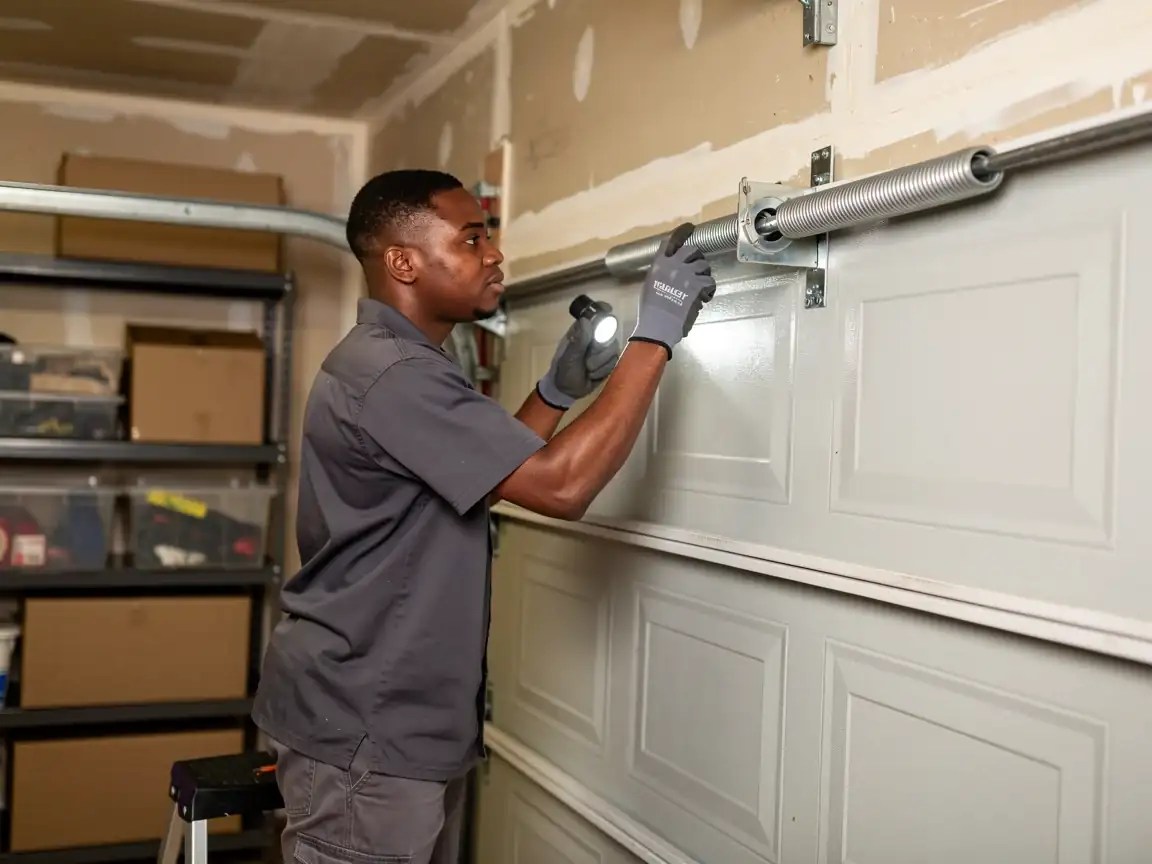
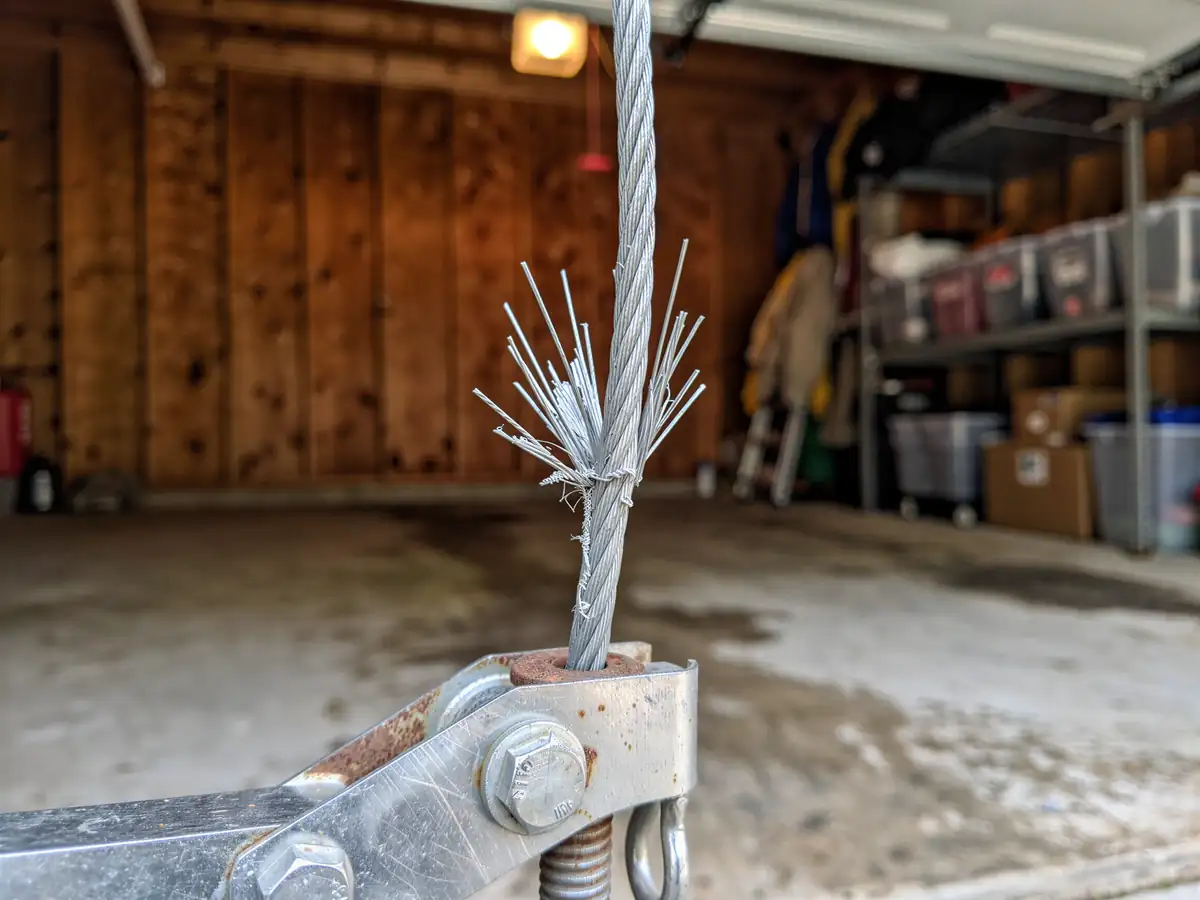
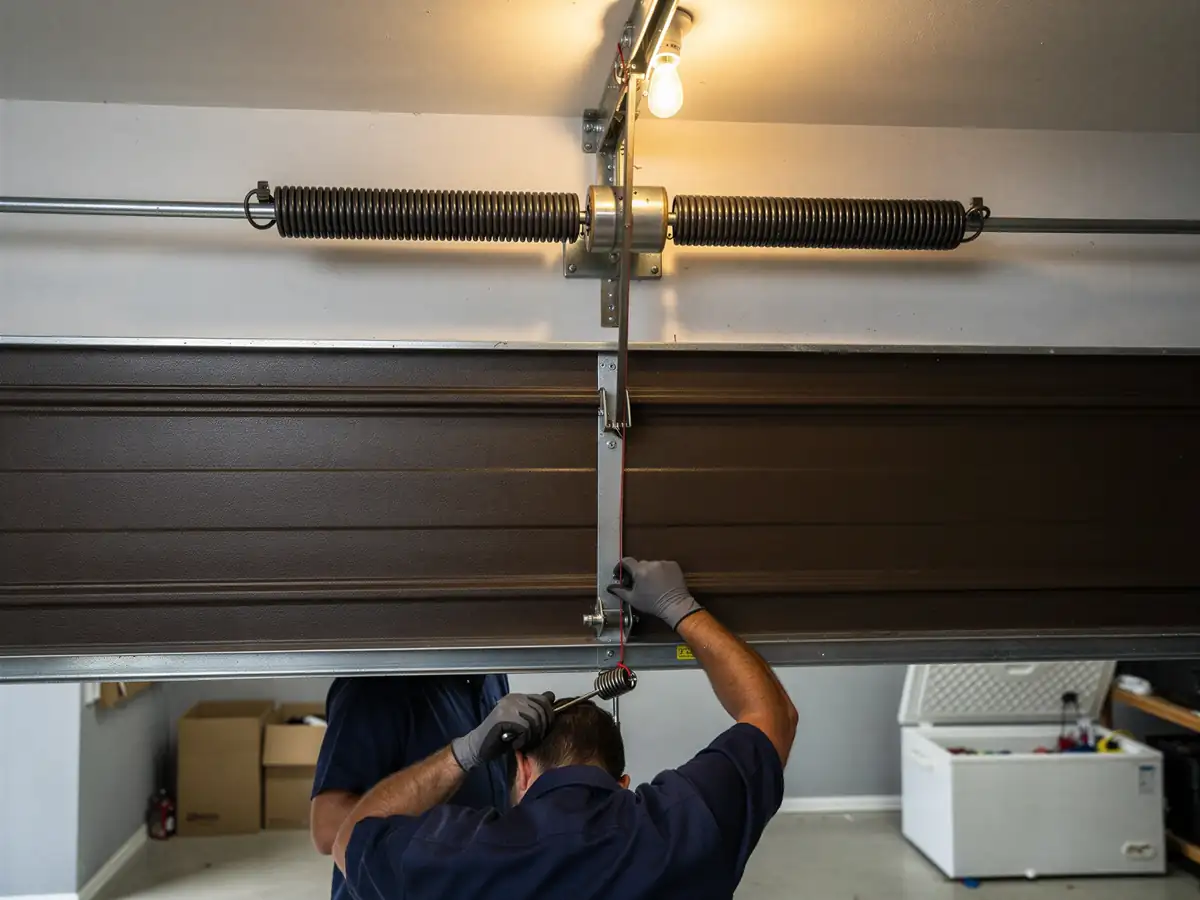
Extension springs are under less stored tension than a torsion spring, which is why a lot of old how-to guides treat them as a safer weekend job. They're still not. A spring under load that snaps while you're holding it can take a finger with it, and the safety cables that are supposed to catch a broken spring and keep it from flying across the garage are often missing entirely on doors this old, because they weren't required hardware when these doors were installed. If your door is one of Plymouth's 1948-era setups, assume there's no containment cable unless someone's added one, and don't put your hands near the springs while the door is under tension. That's the honest limit here: we'll walk you through what's broken over the phone, but we won't talk anyone through doing this one themselves.
What the Fix Involves
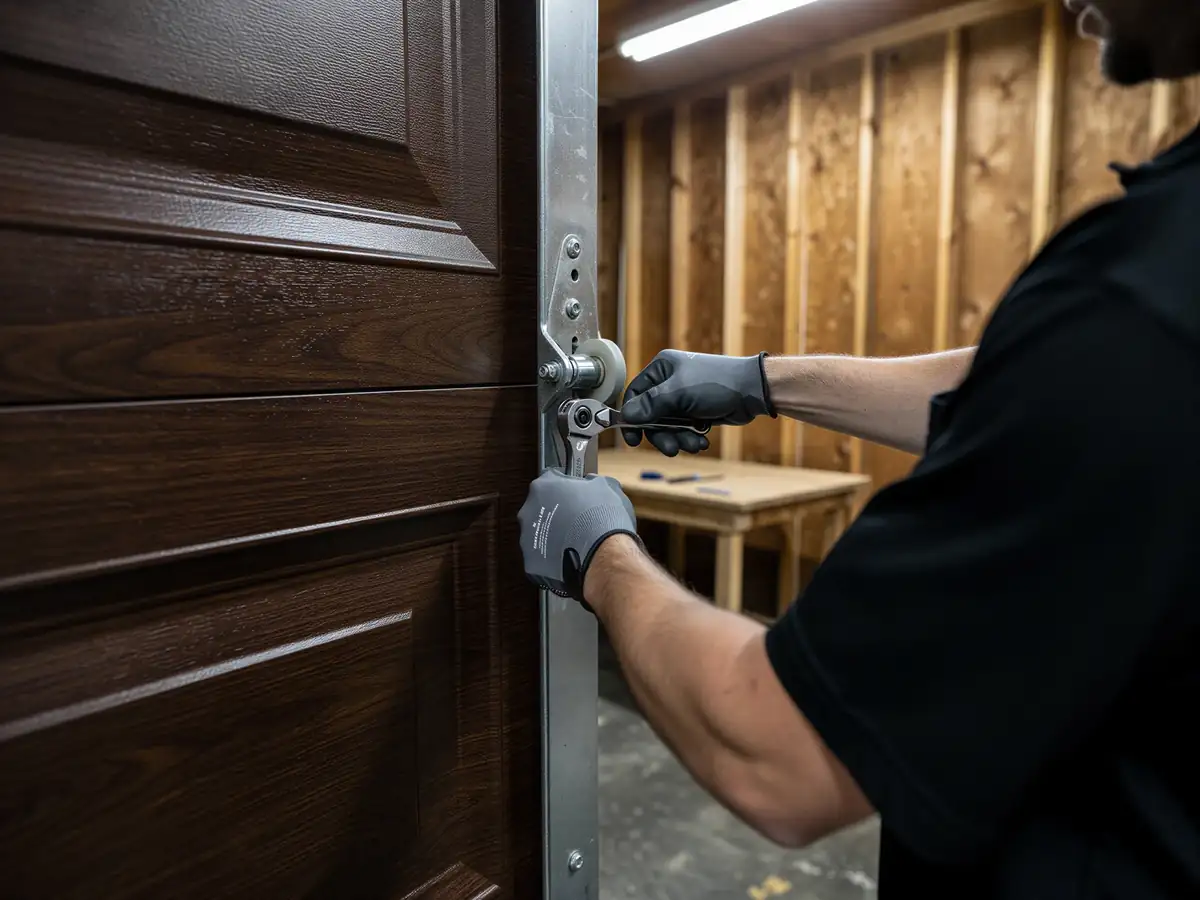
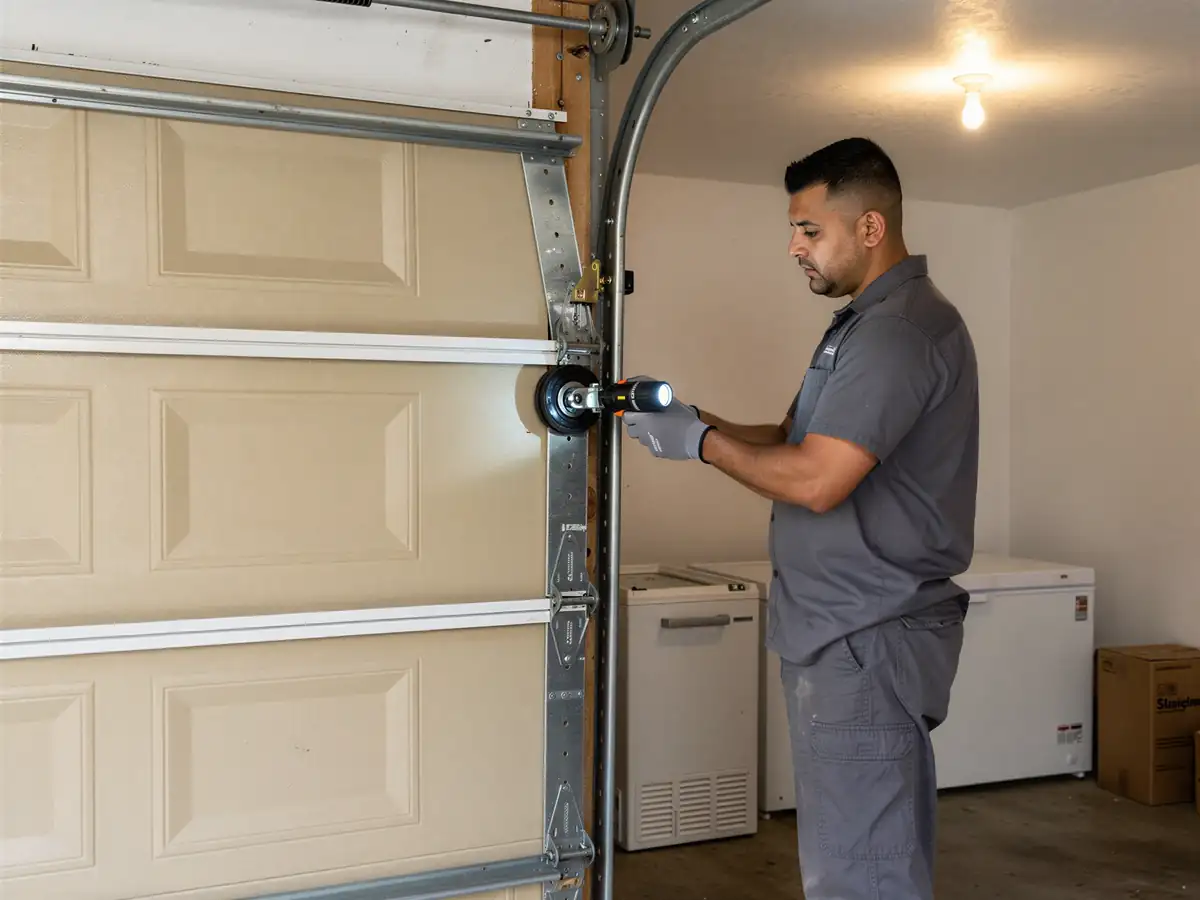
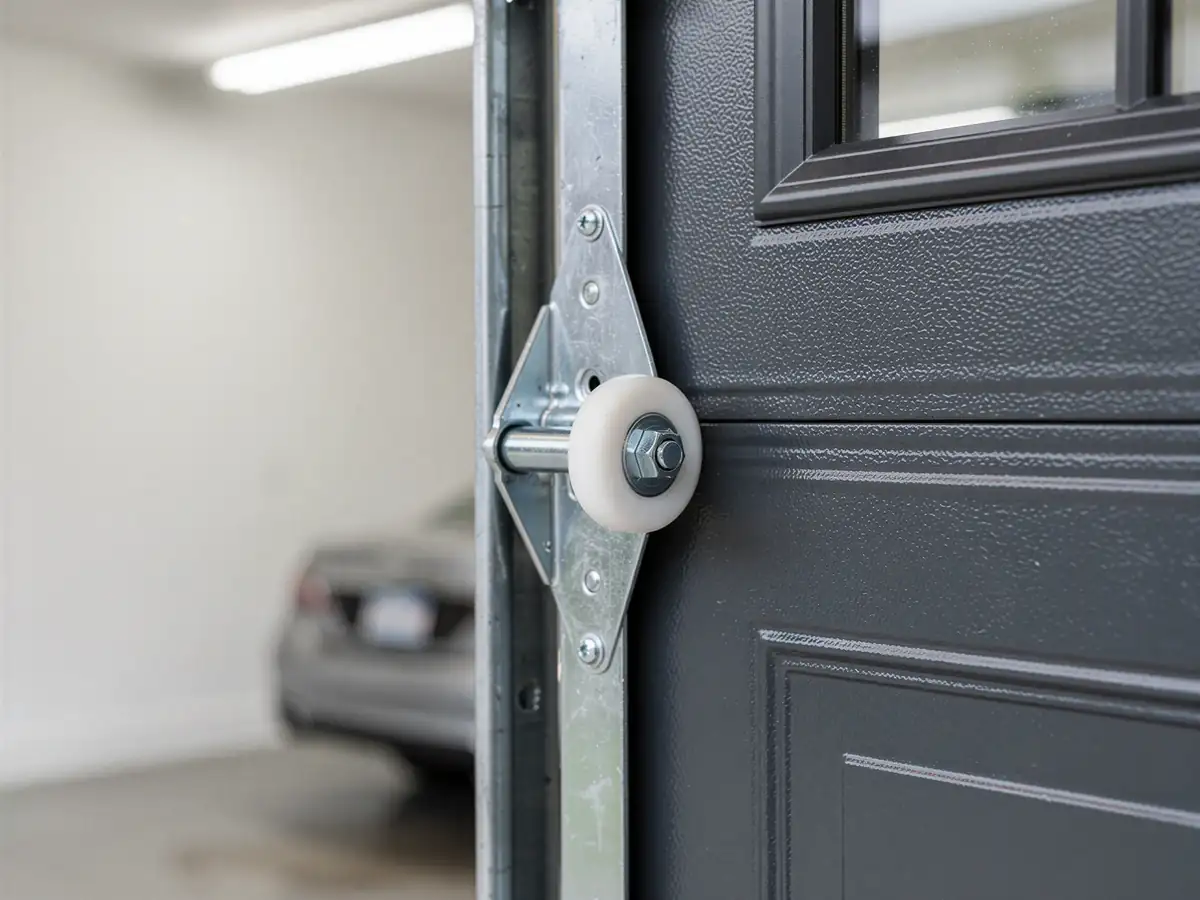
On a Plymouth-era setup, the fix is almost always replacing both extension springs as a pair, even if only one has broken - the surviving one is the same age and close behind. We also check the pulleys, the stationary cones at the back of the track, and the lift cables while we're in there, because on hardware this old, one worn part usually means its neighbors aren't far off either. If there's no containment cable, we add one. Given that Plymouth is about 17 miles out from the Macomb shop, we schedule the trip rather than treat every call as a drop-everything dispatch, so expect a set appointment window instead of a same-day promise.
What Can Go Wrong
The biggest risk on these older doors is the track and roller system reacting badly once the spring tension changes. If the track has shifted or rusted over the decades - which happens on houses this age - a new spring can pull the door into a track that's no longer square, and the door binds instead of running smooth. At that point, replacing the spring alone doesn't fix the problem; the track needs attention too, and sometimes the whole door section is warped enough that spring work won't solve what's really a door-replacement situation. With median household income in Plymouth running well below the service area's overall $54,306, we'll always tell you plainly when a repair isn't worth the money compared to a new door, rather than stacking repairs on hardware that's past its useful life.