What Was Built Here
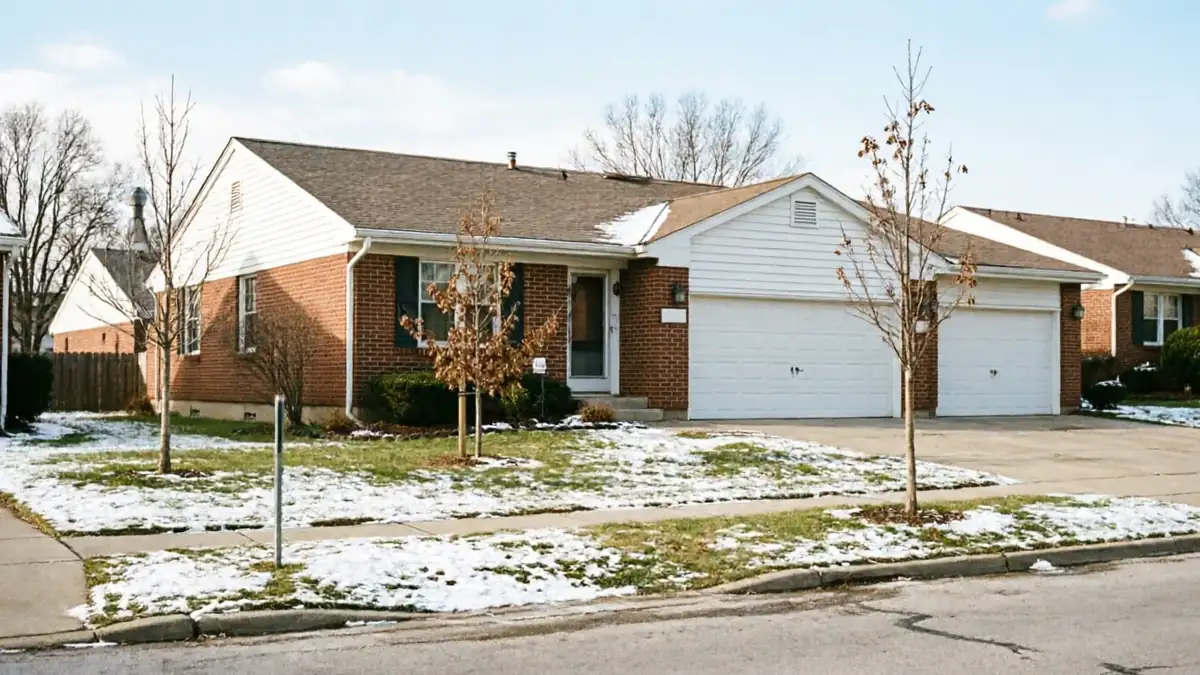
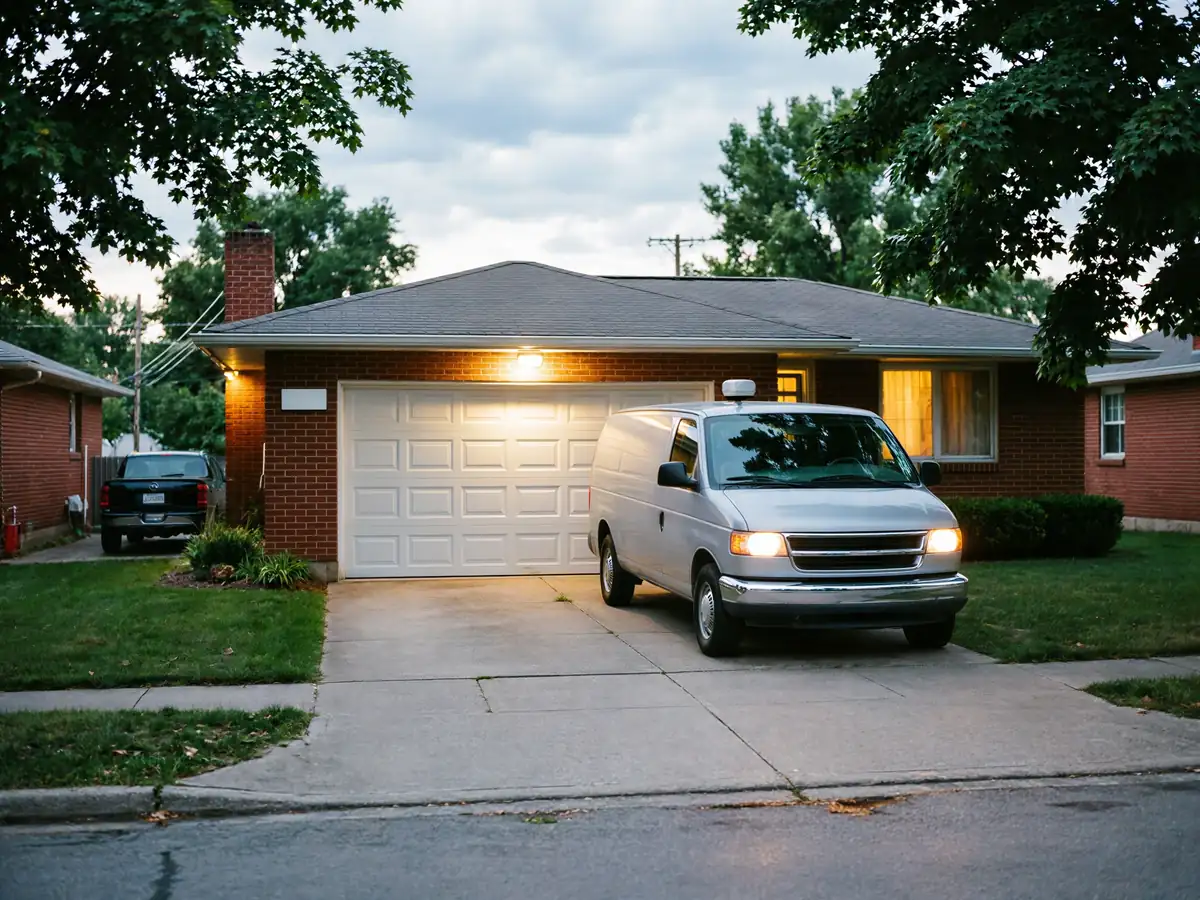
Across the wider Macomb service area, most houses went up between 1940 and 1965, with a median build year around 1952. Industry runs later than that. The homes here cluster closer to 1963, which puts this town on the newer edge of that range rather than the old one. That decade gap matters more than it sounds like it should. A house framed in the early 1950s usually got a one-piece or early sectional door on side-mounted torsion hardware. A house built in 1963 is more likely to have come with an early extension-spring sectional door, or had one added not long after, since that style was taking over by the mid-1960s. Same region, same cold winters, different hardware generation. With only 253 households in Industry, there isn't a single dominant door type the way there might be in a tract built in one construction run, but the 1963 median tells us which era's parts problems to expect more of here. We don't guess at this from the outside - it's why we ask the build year before we ask what's wrong with the door.
The Split Between Old and New
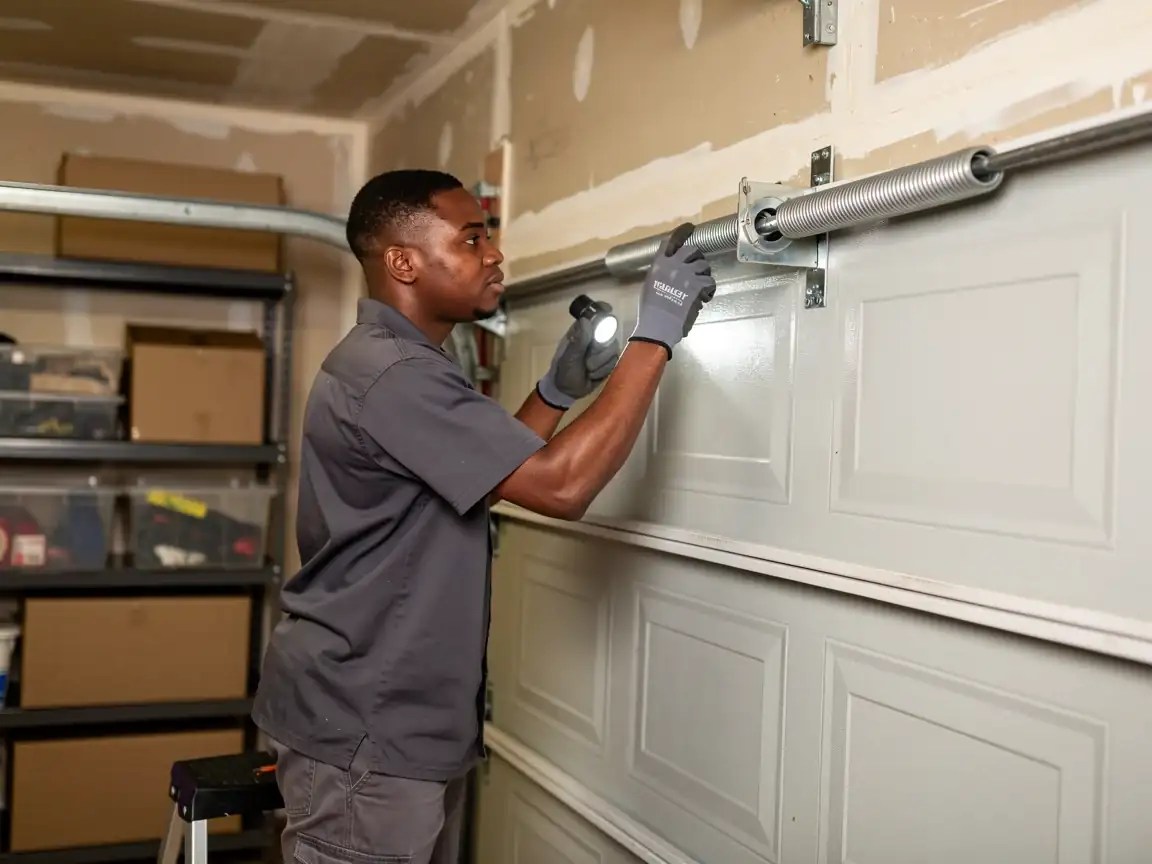
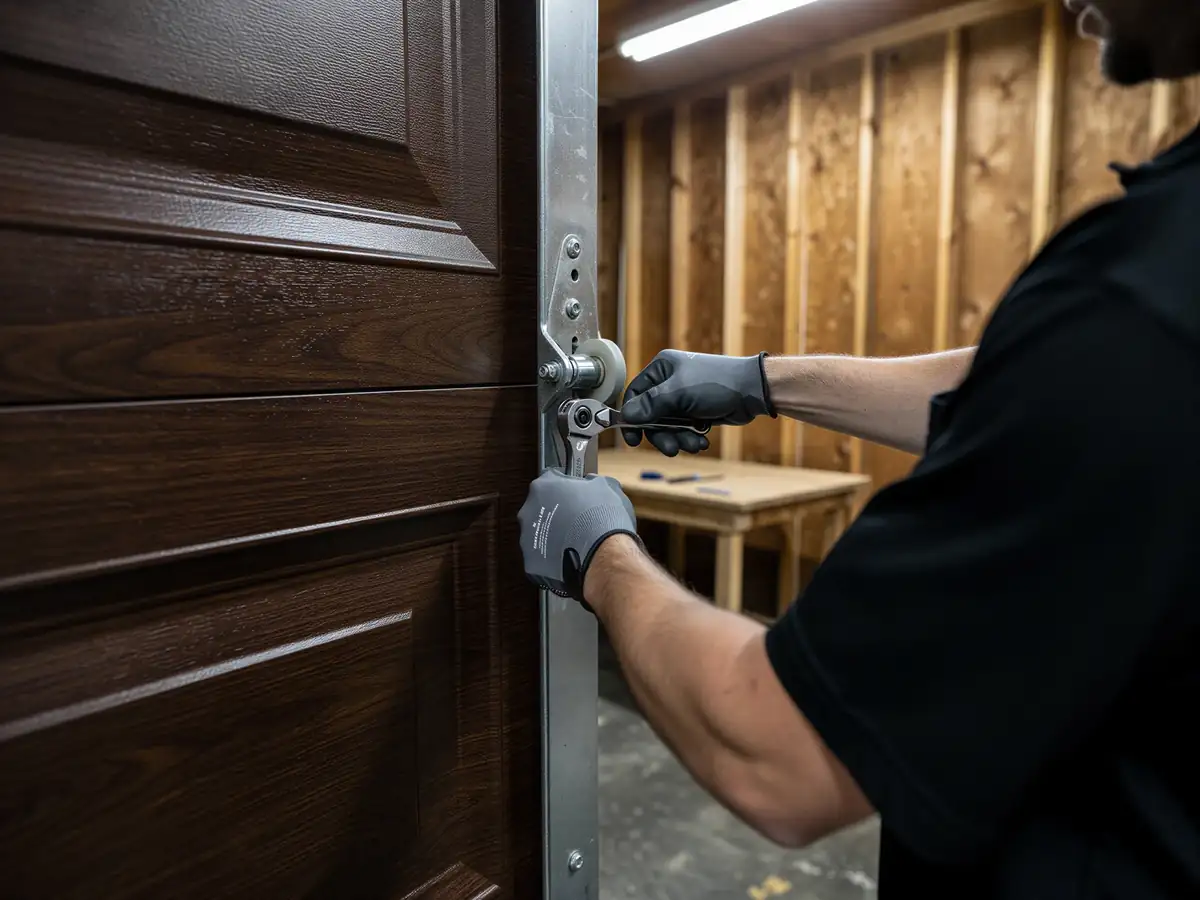
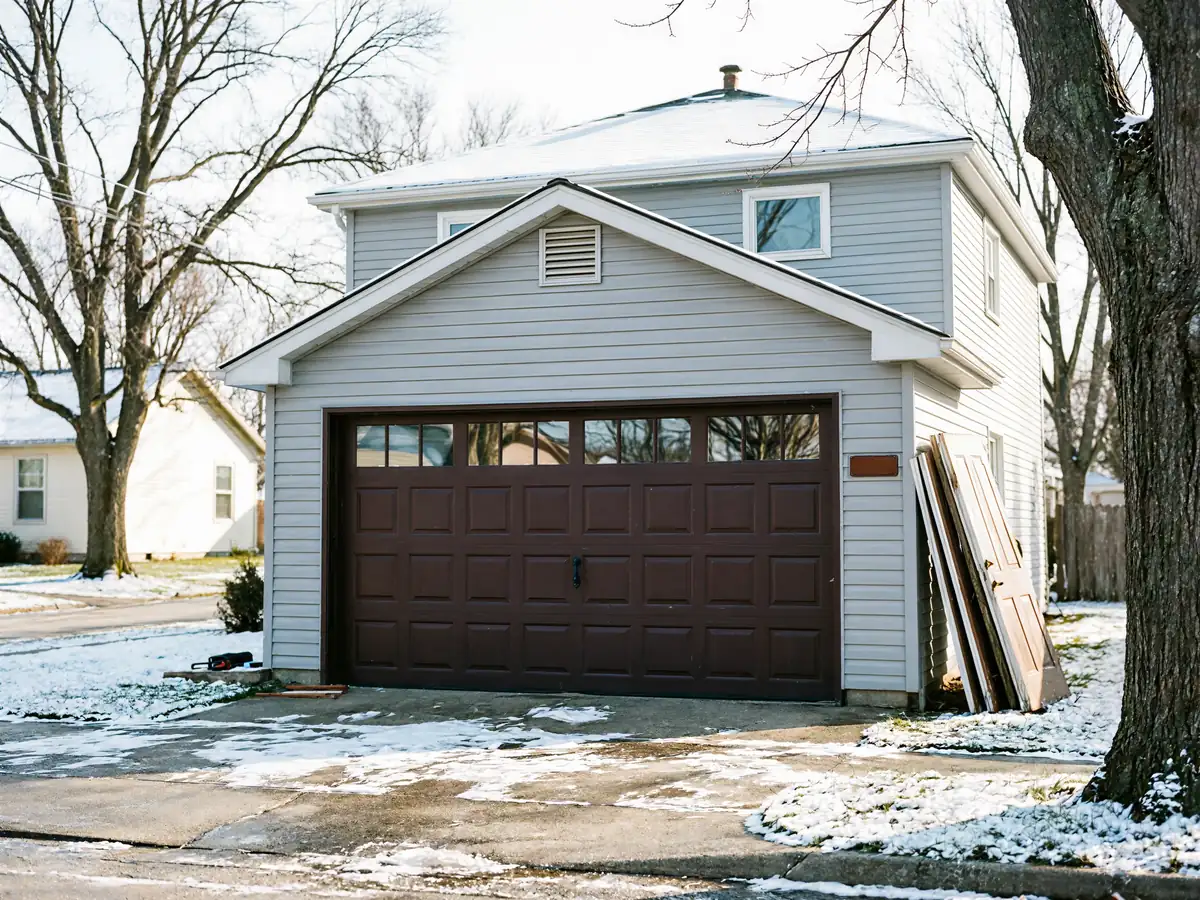
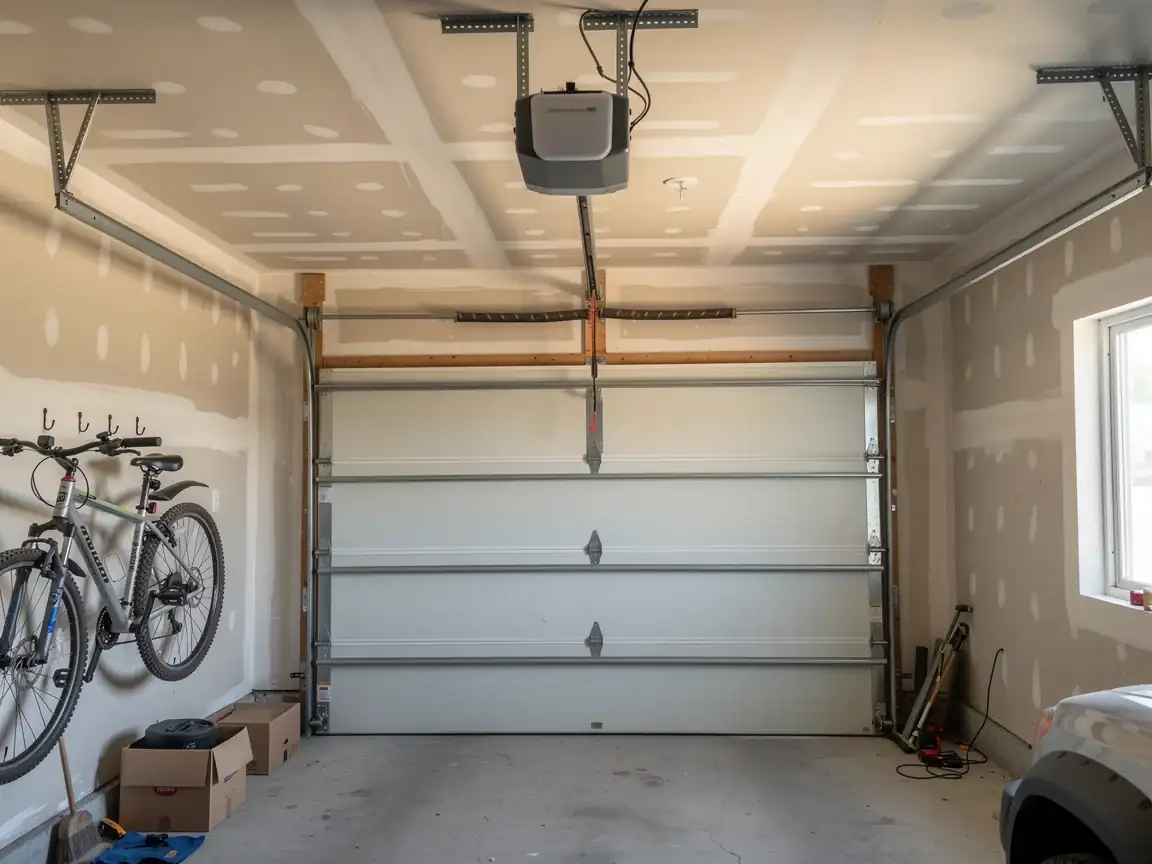
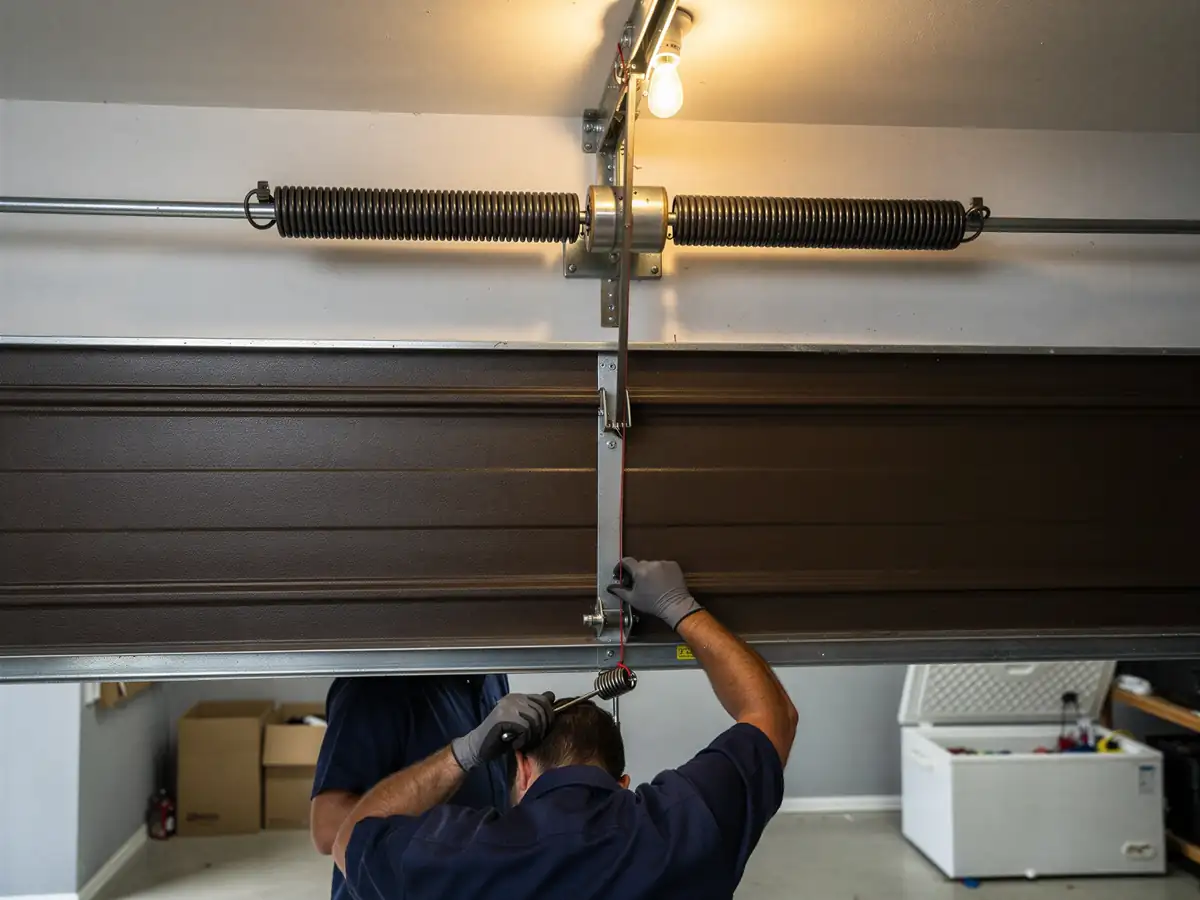
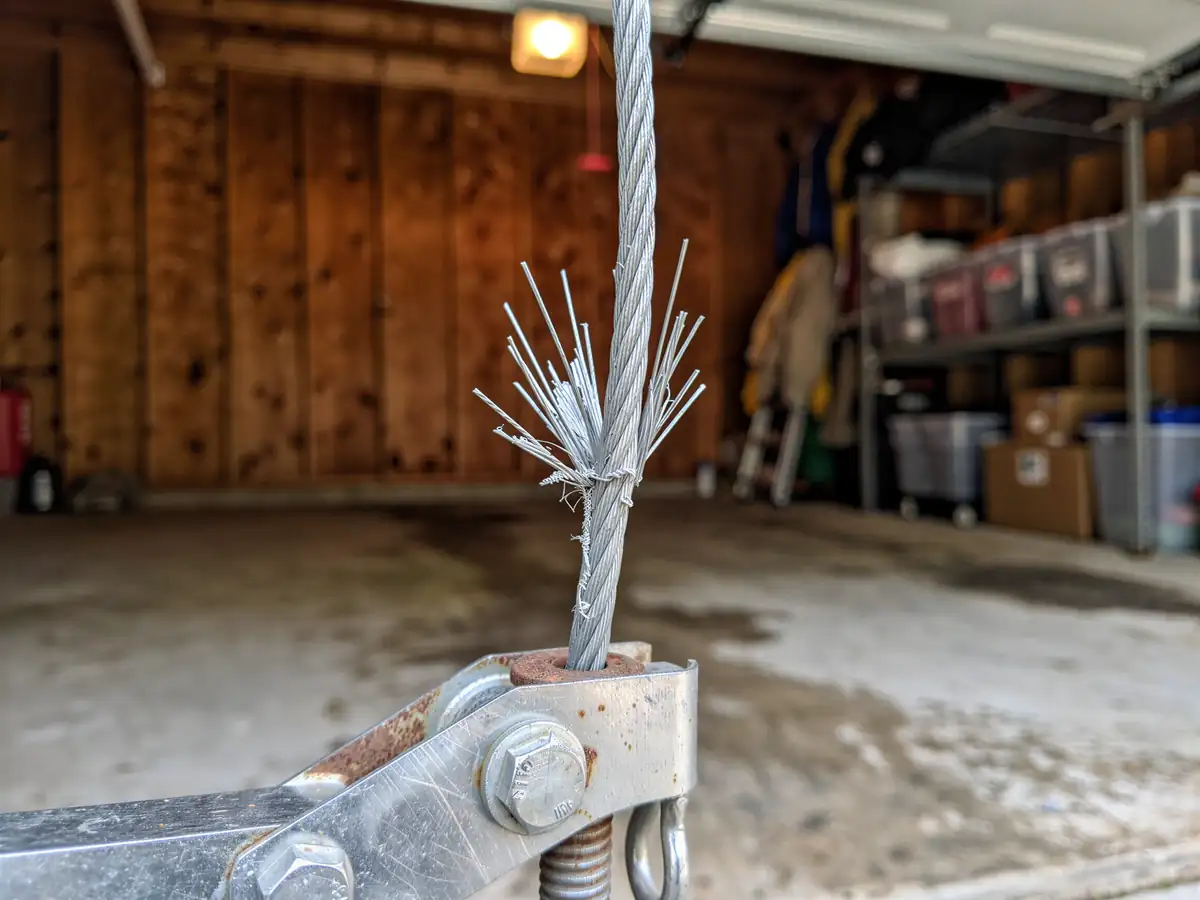
In a town with a median build year of 1963, you get two populations of doors rather than one. The first is original or near-original hardware from that era - extension springs on wall-mounted brackets, steel tracks that have been repainted more than once, openers that were added decades after the door itself. The second is doors that have already been replaced once, often in the 1990s or 2000s, which brings torsion springs and insulated steel panels into the mix. Neither group is wrong, but they fail differently. The older extension-spring setups tend to go out at the pulley or the safety cable, not the spring itself. The newer torsion setups more often lose a spring outright or wear through a bottom bracket. When we get a call from Industry we're listening for which generation we're dealing with before we load the truck, because the fix and the parts aren't the same.
How That Shows Up in the Door
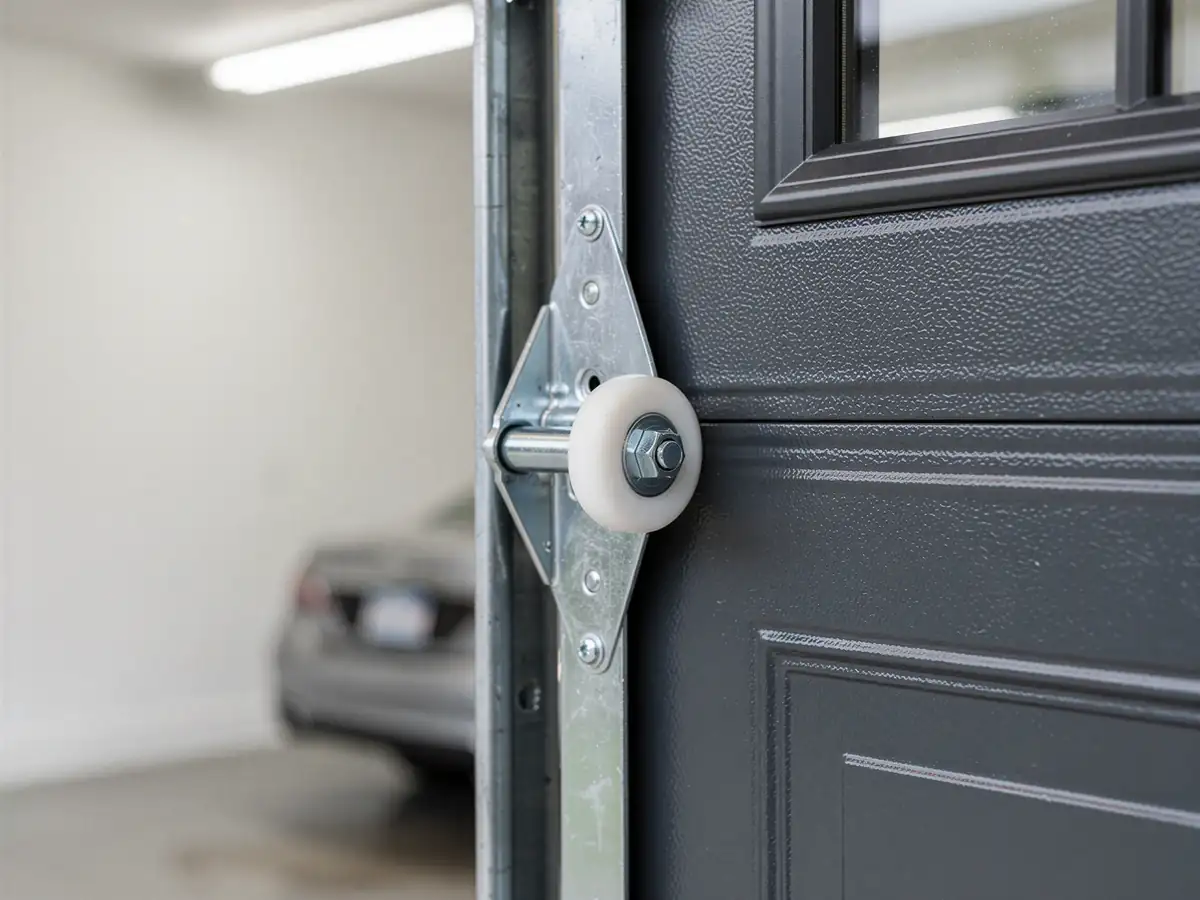
The practical upshot for a homeowner in Industry: if your door still has its original hardware, expect the failure to be slow and mechanical - a frayed cable, a seized roller, a pulley that's worn a groove - rather than a sudden spring snap. If it's already been replaced once, a torsion spring giving out with no warning is more likely. Cold matters here too. This part of Illinois sits in a moderate-cold climate band, and steel track and springs stiffen and lose tolerance in hard winter cold the same way anywhere else in that band does. A door that's a little tight in July can bind hard in January. Knowing which generation of hardware you're starting with, before the cold sets in, is most of the job.