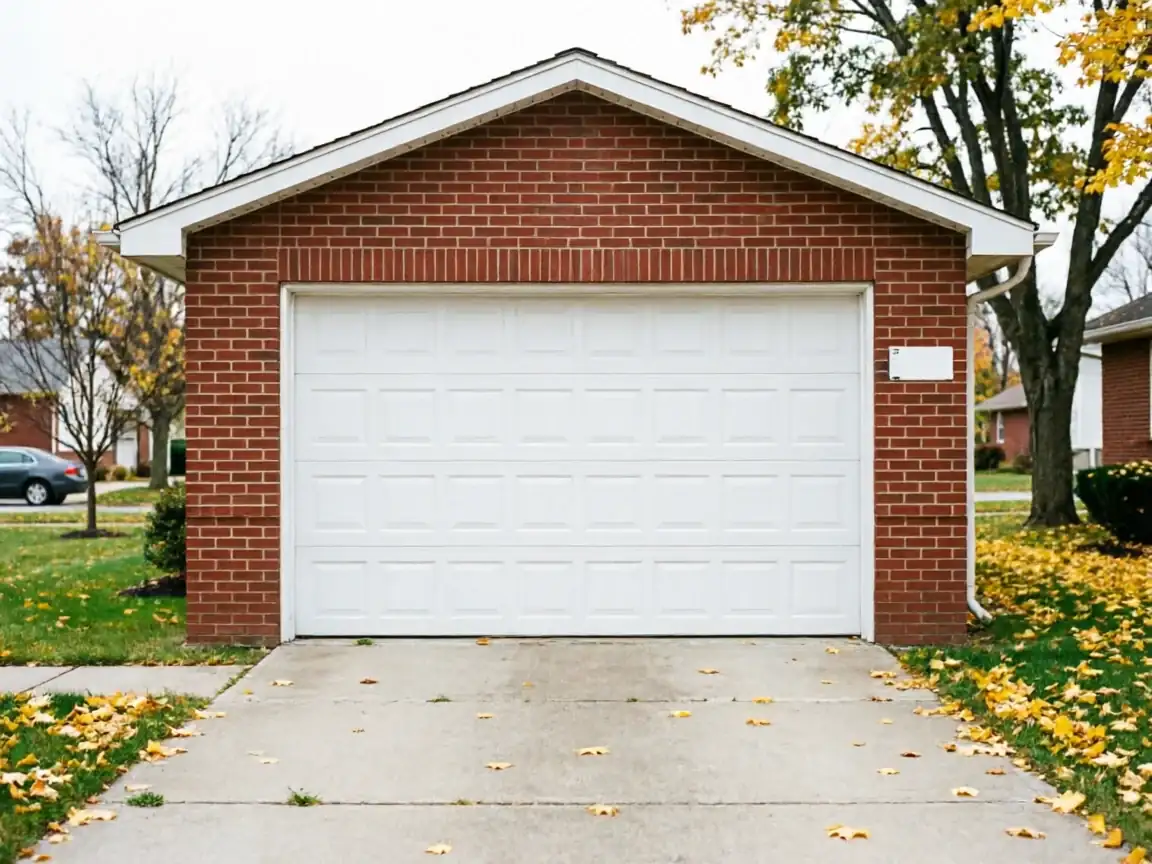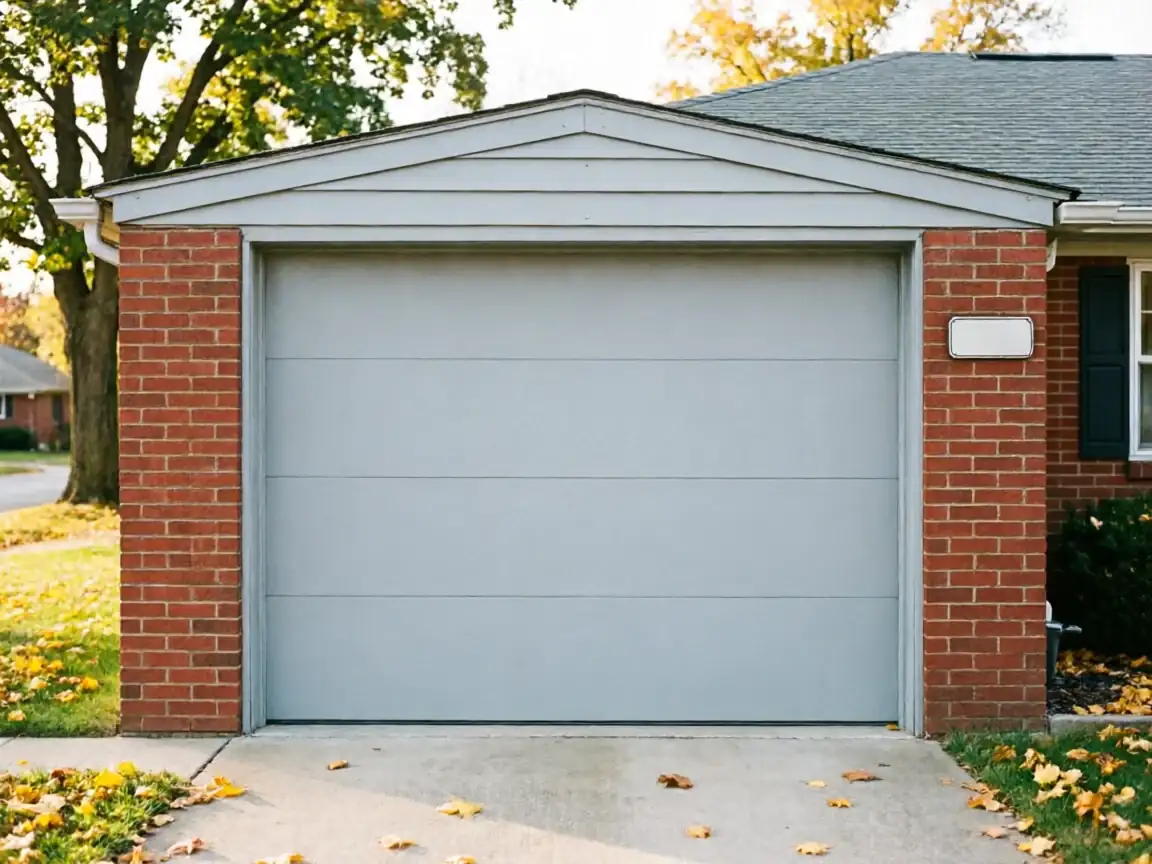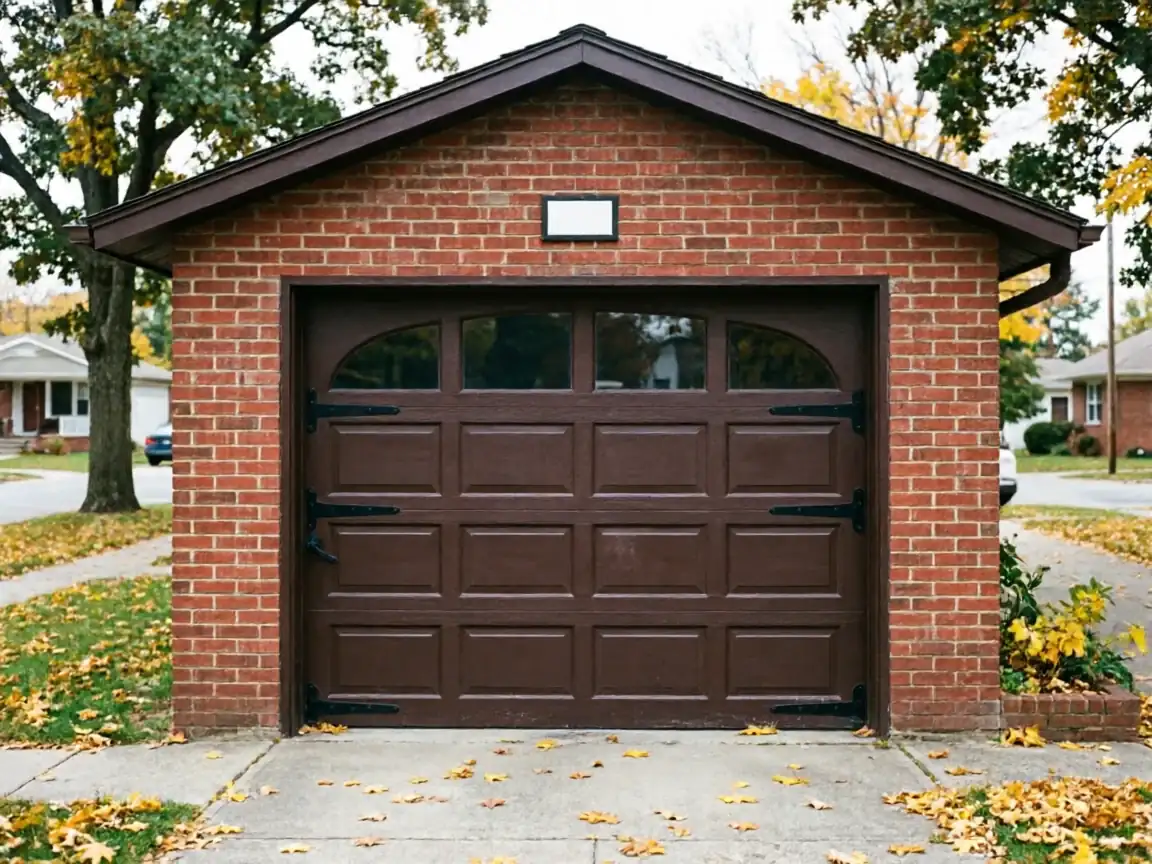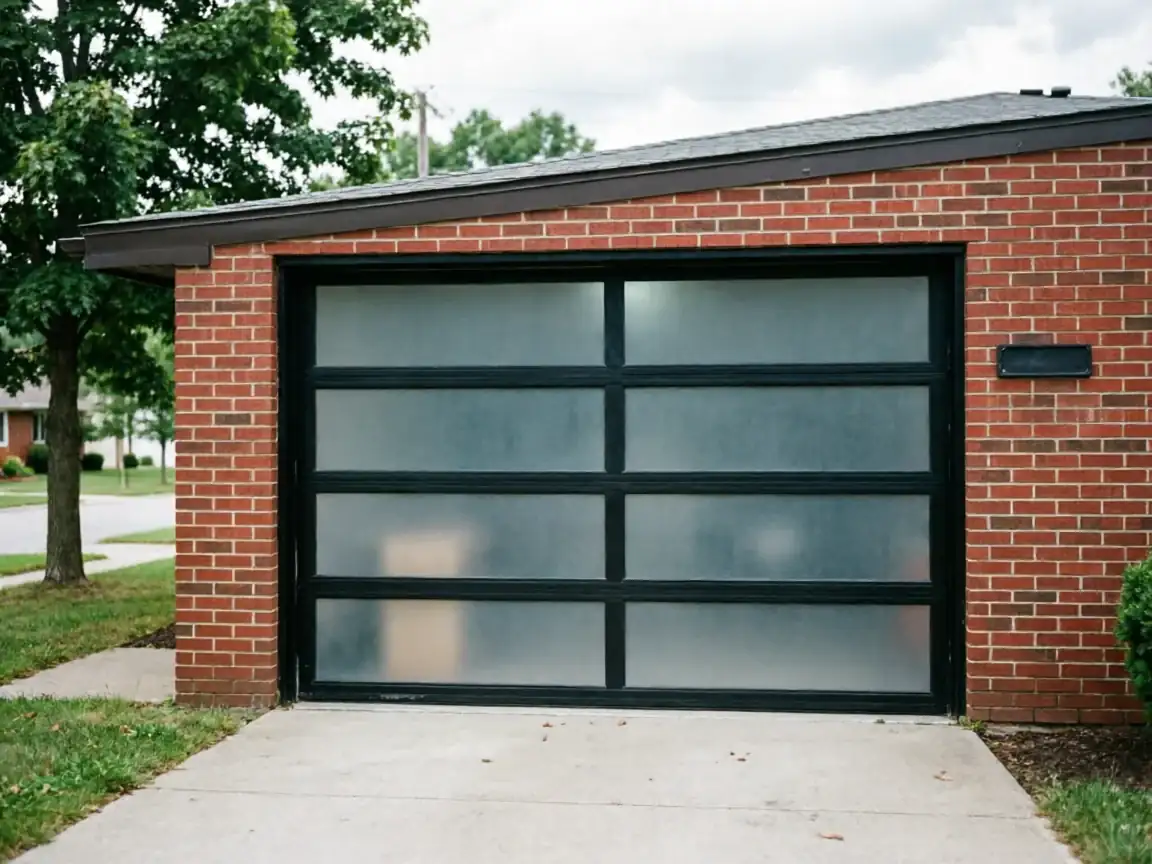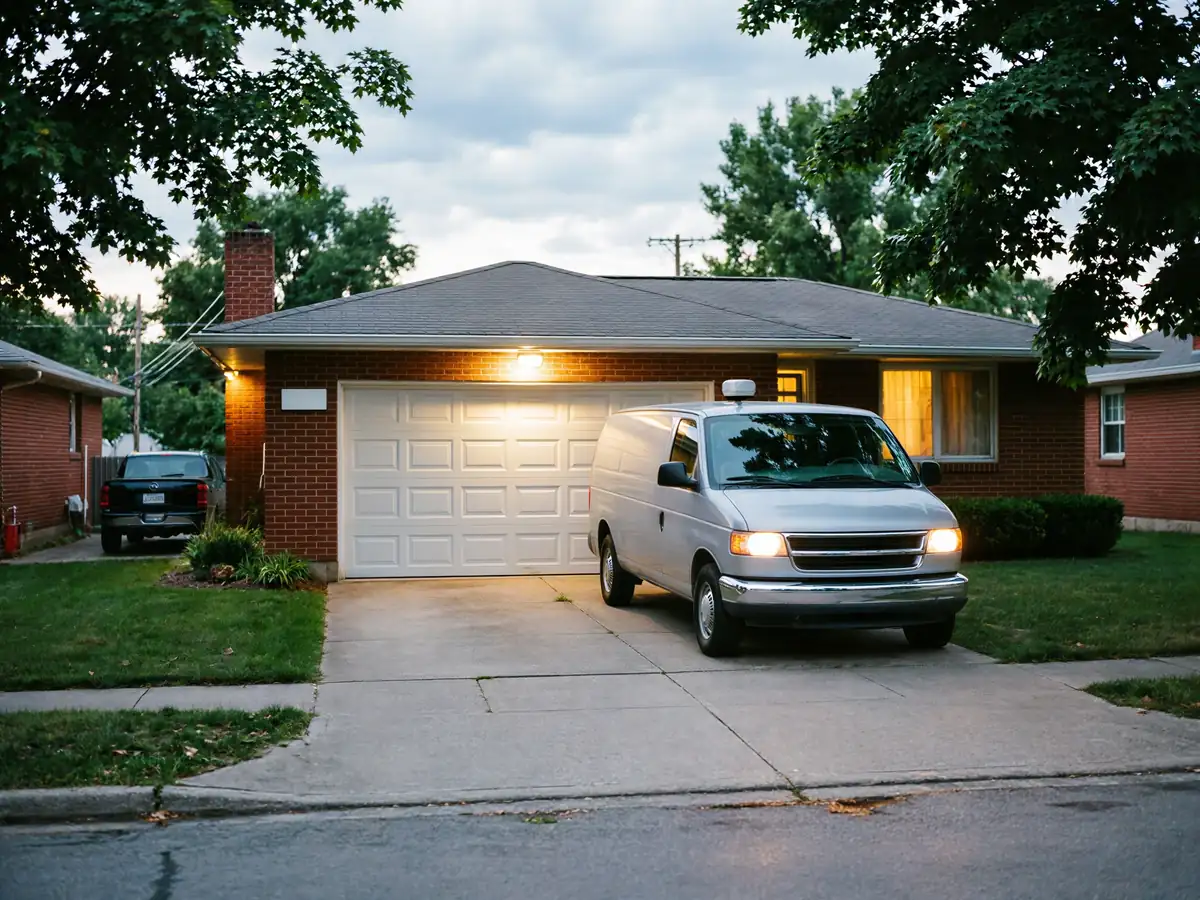
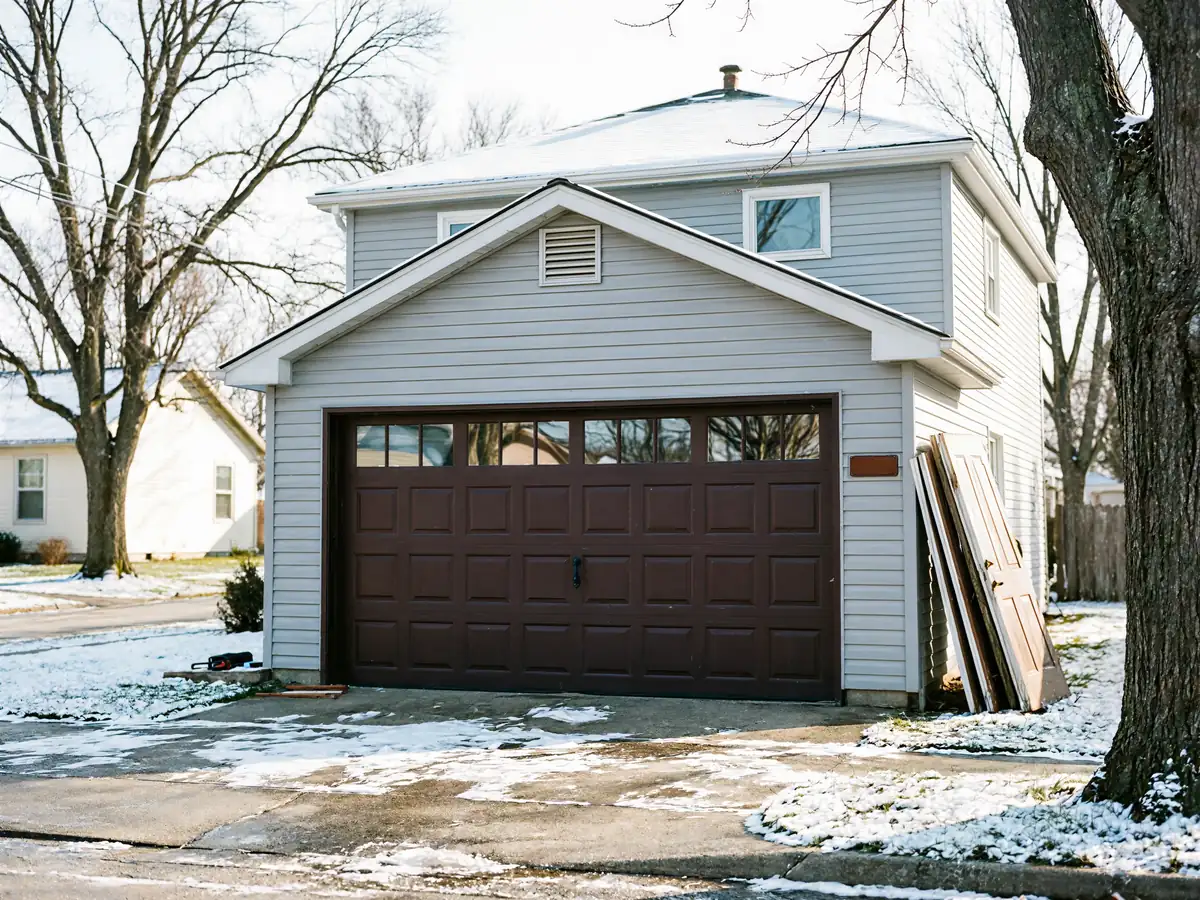
What You Are Seeing
Start with the number that actually decides most jobs here: Plymouth's median household income is $39,750, well under the $54,306 median for the wider Macomb service area. That gap matters before you even talk about doors, because it sets where the repair-or-replace line falls. A $2,200 insulated steel door with a new opener is a bigger bite of a $39,750 household budget than it is elsewhere in the area, so the question isn't just "does this door need replacing" - it's "does it need replacing now, or can one more repair buy a few years."
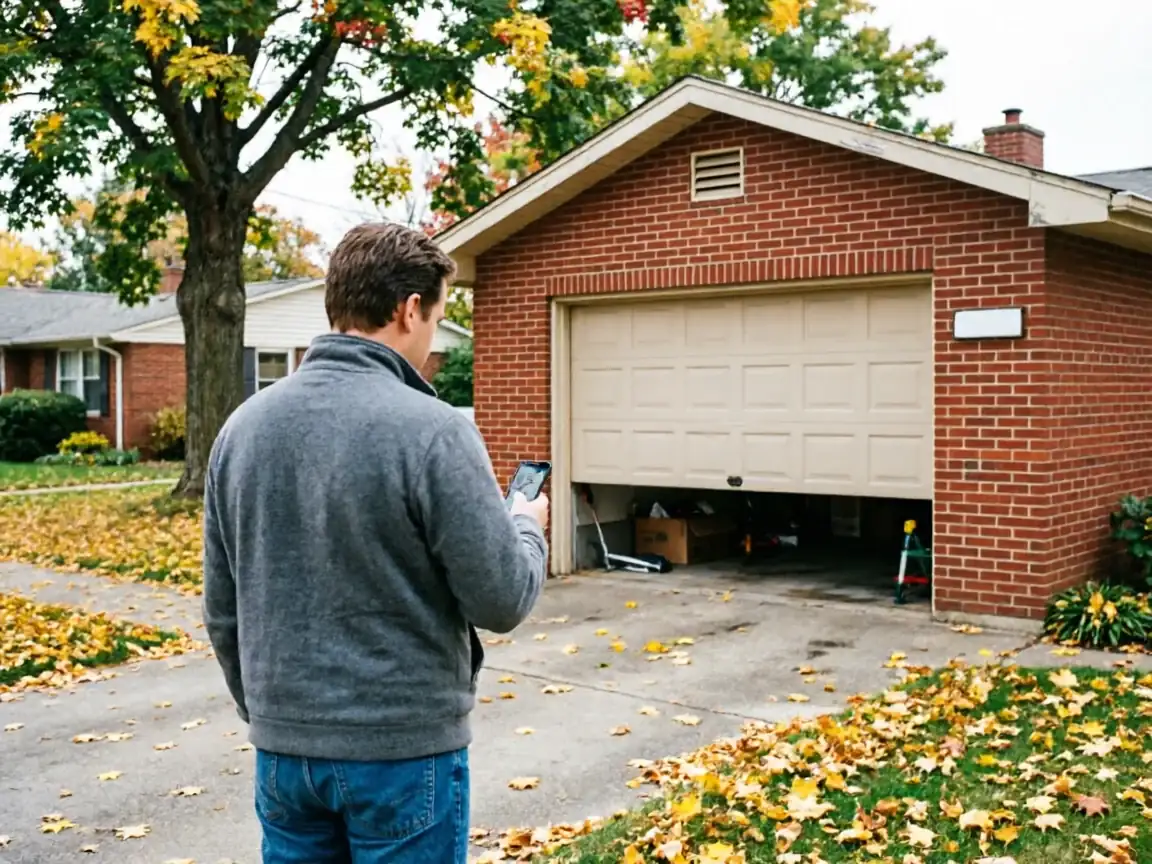
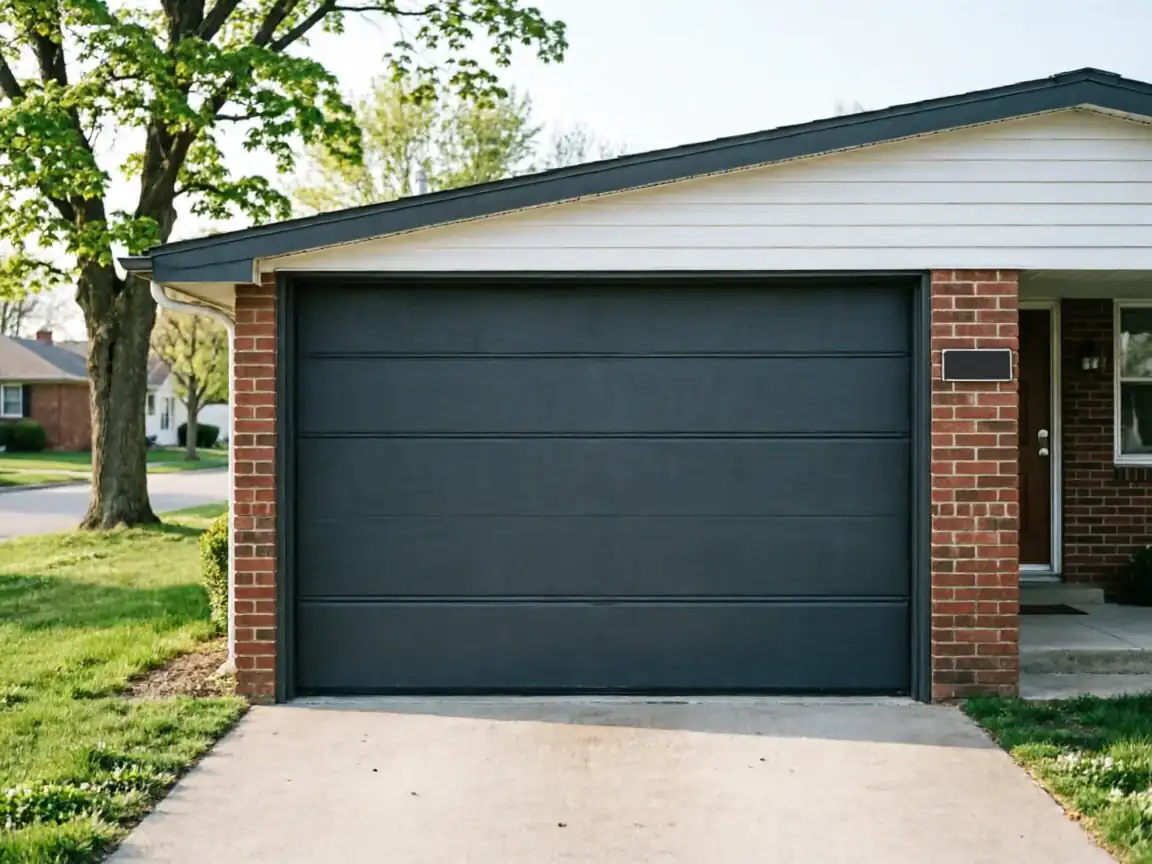
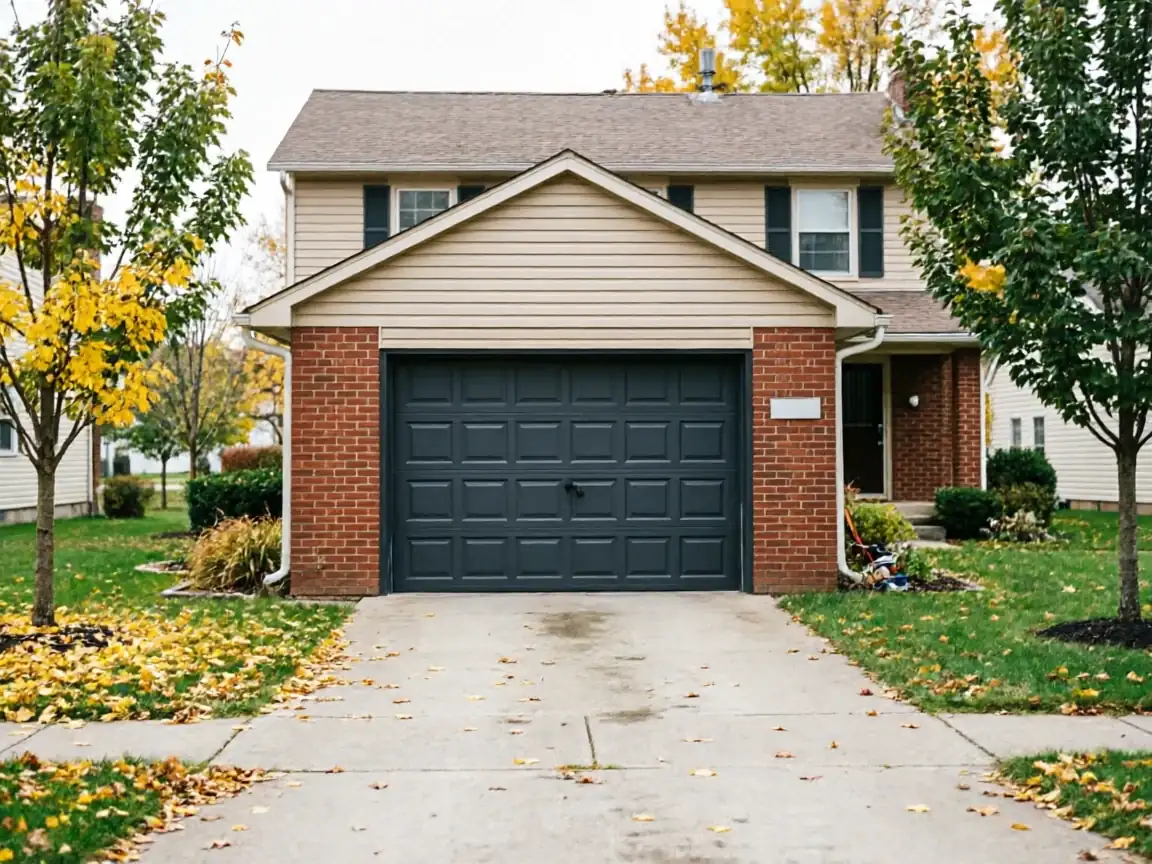
The houses themselves push the same direction. Plymouth sits inside a service area where housing mostly went up between 1940 and 1965, median 1952, and the local build year here runs close to 1948. That means a lot of these 224 households still have the original opening, sized for a door style nobody's making new anymore, often on hardware that was never upgraded past the first owner. When we quote new installation in Plymouth, we're usually sizing against an opening that's older than the Macomb-area median, not newer.
The DIY Question
A new garage door install is not a weekend project, and I'll say plainly where the DIY line sits: swapping a torsion spring or wrestling a 16-foot door section into a track by yourself is how people end up in the ER, not how they save money. Measuring your own opening, pulling photos of your current track and header, and deciding on insulation level ahead of time - that part you can absolutely do before anyone drives out.
What you can't really DIY on an older opening like the ones common here is squaring a frame that's shifted over 70-plus years. A door built in 1948 wasn't framed to today's standard sizes, and forcing a modern door into an opening that's out of square just moves the problem from the door to the opener six months later. That's the one honest limitation worth stating up front: on a lot of these Plymouth openings, part of the job is carpentry before it's ever a door job, and that's not something a box-store install kit is set up to handle.
What Causes It Around Here
This area sits in a cold moderate climate band
Which doesn't sound dramatic until you put it against a door and opening built in the late 1940s. Original doors from that era were single-layer, uninsulated, and never meant to seal against a modern heating bill. Combine that with 70-plus years of freeze-thaw cycling on the slab and the header, and you get openings that have racked slightly out of true - not enough to notice walking past, but enough that a new door won't seat right without some adjustment first.
Across the nine named areas this company covers, most of the stock is pre-1960
And Plymouth's 1948 median puts it on the older end of that range, not the middle. That's the real cause behind most new-installation calls here: not a dramatic failure, but a door and frame that have simply aged out of being worth another patch.
What the Fix Involves
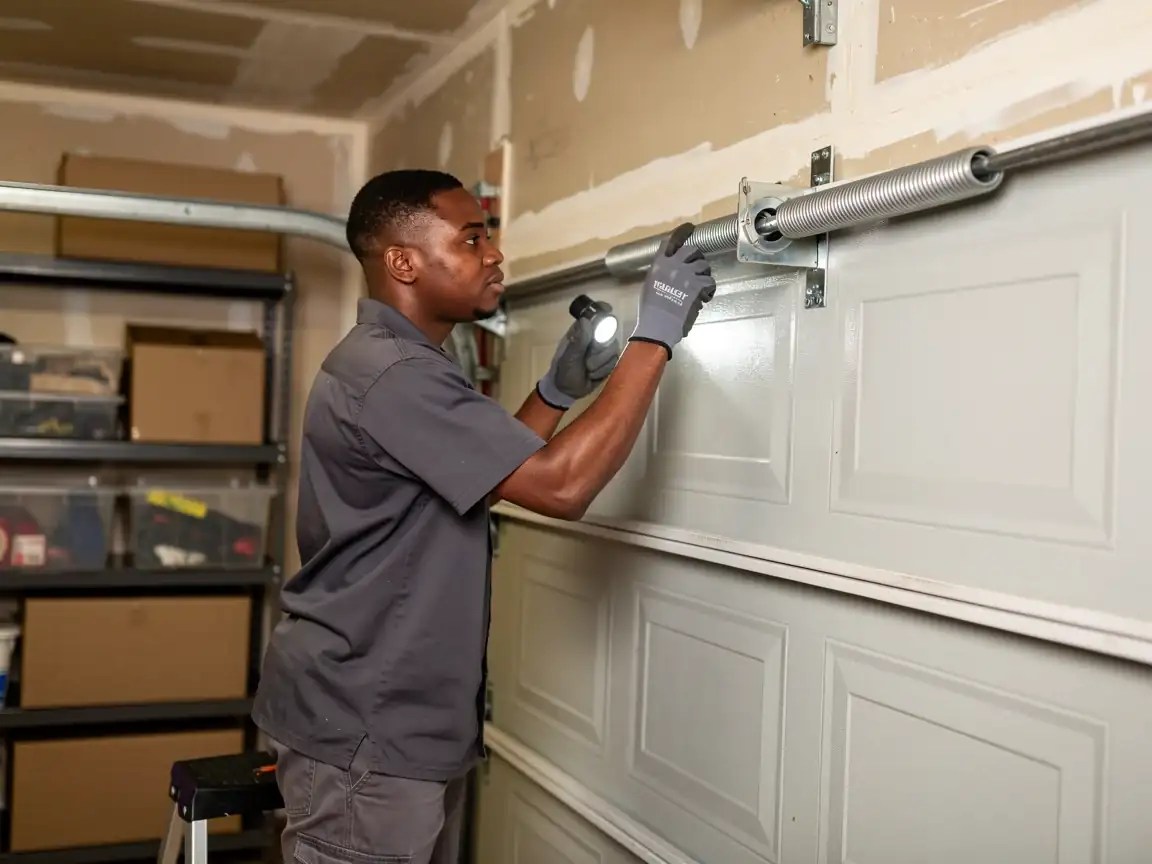
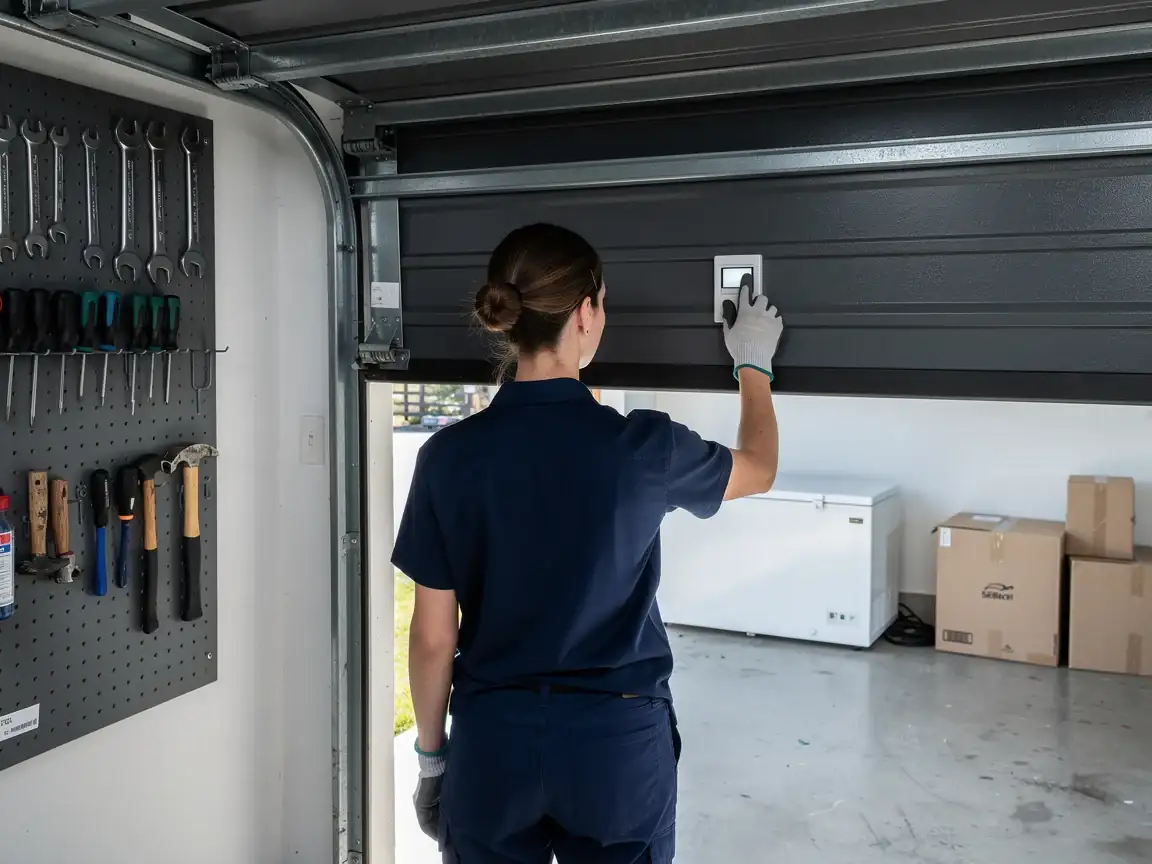
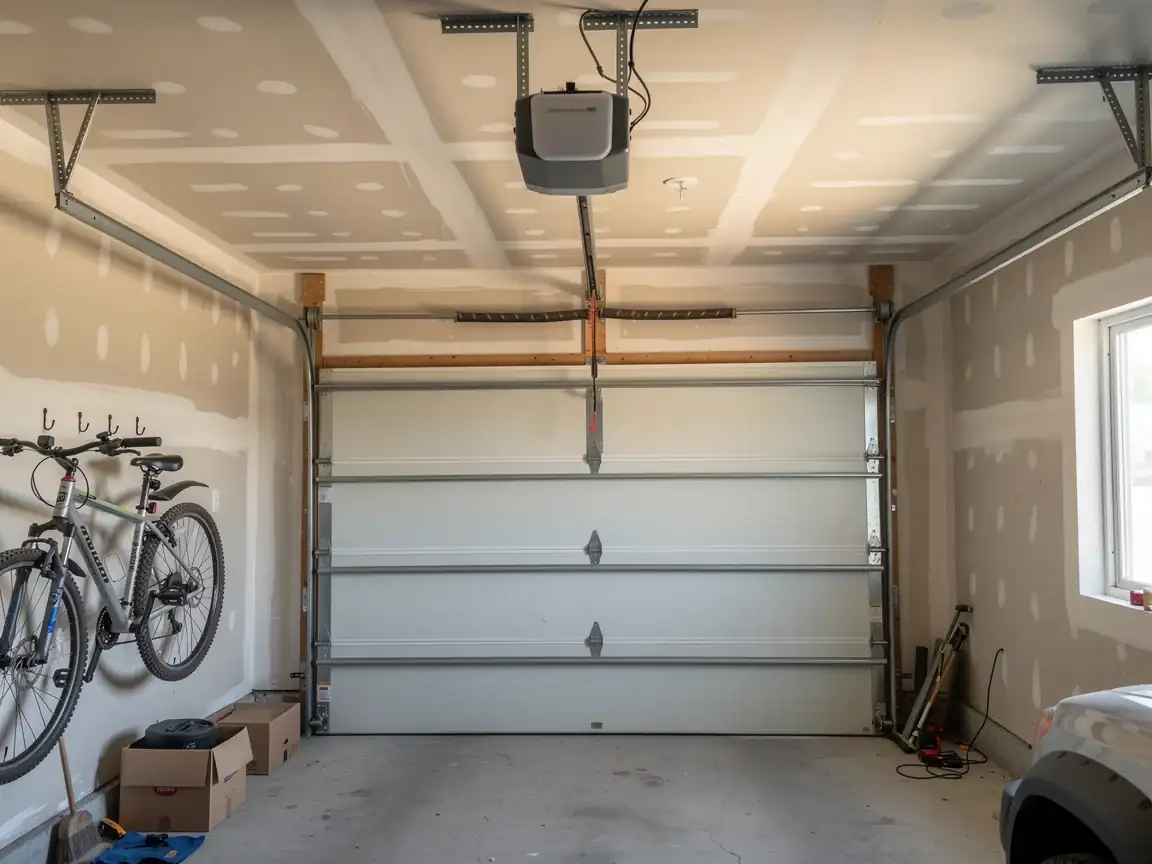
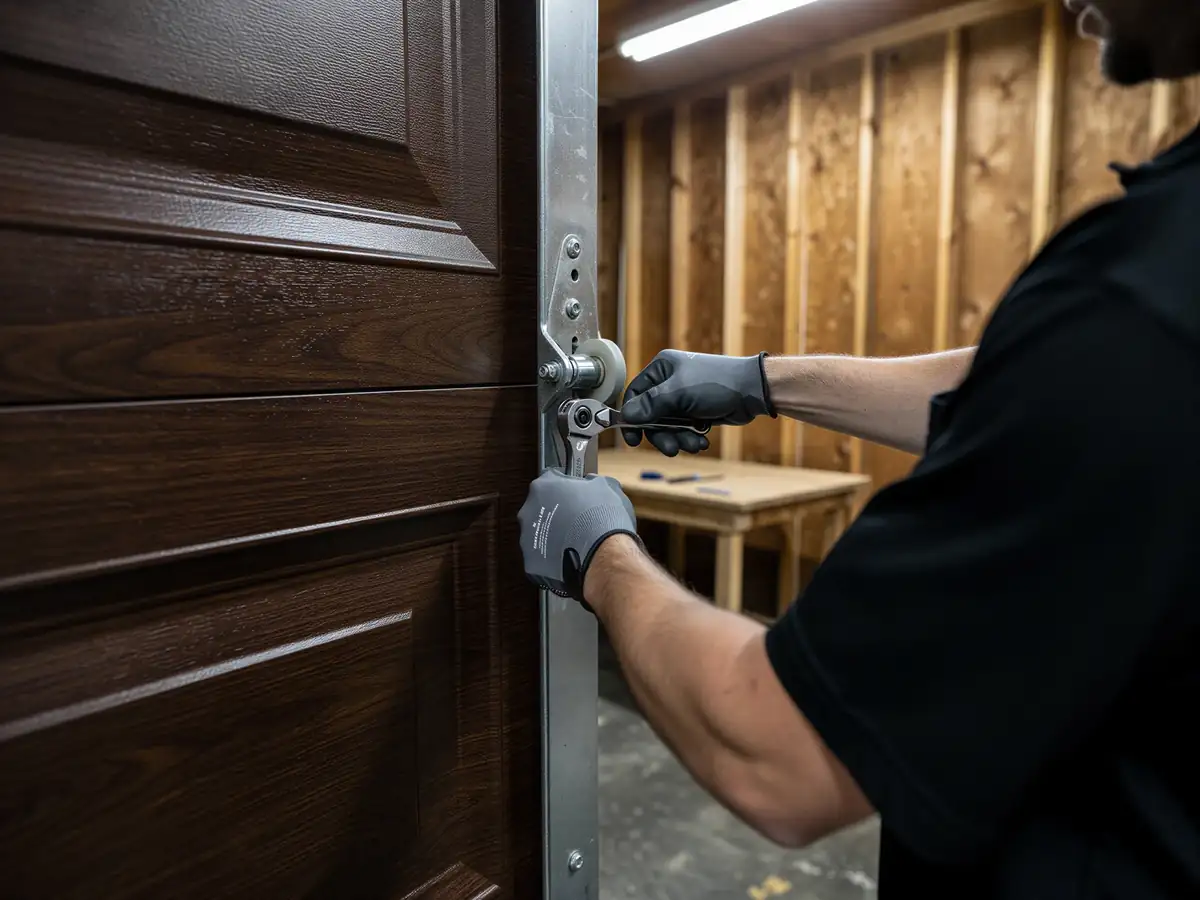
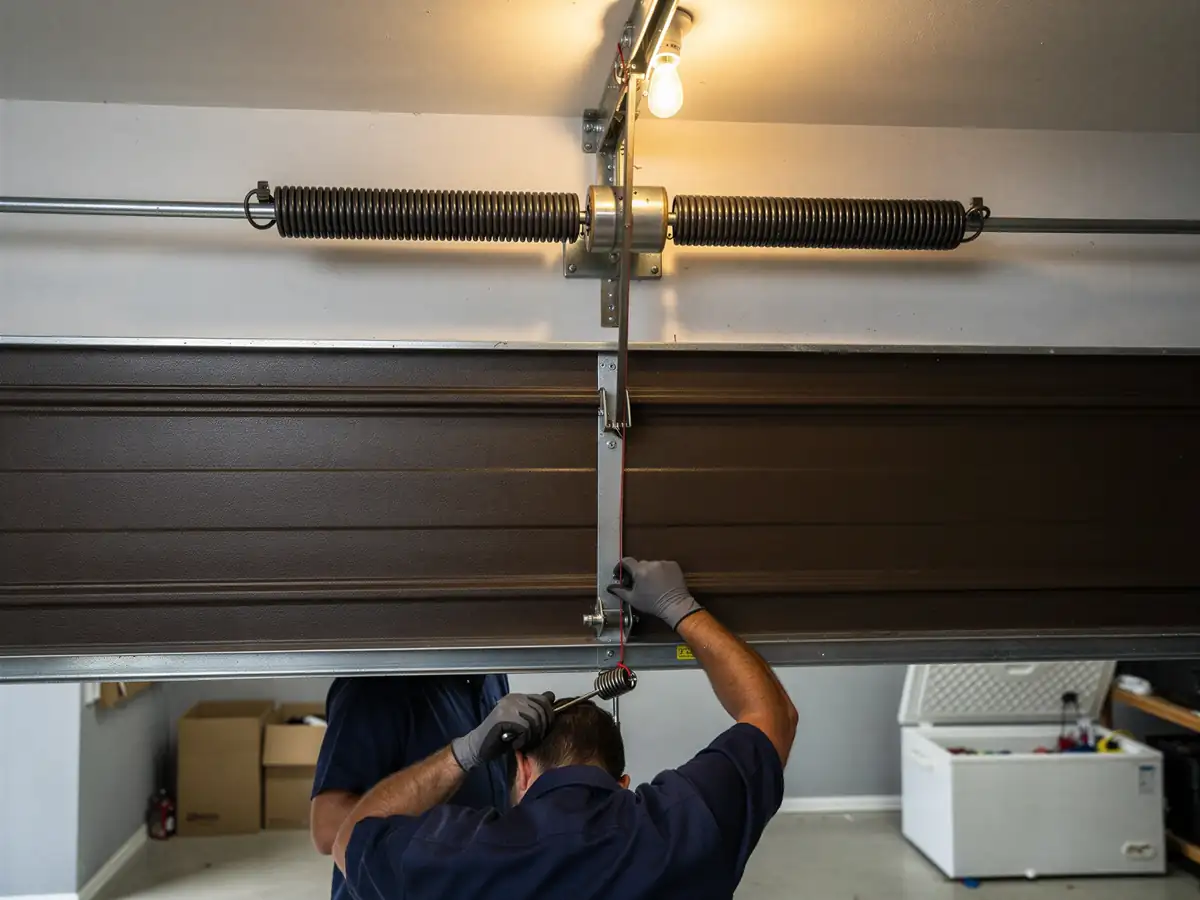
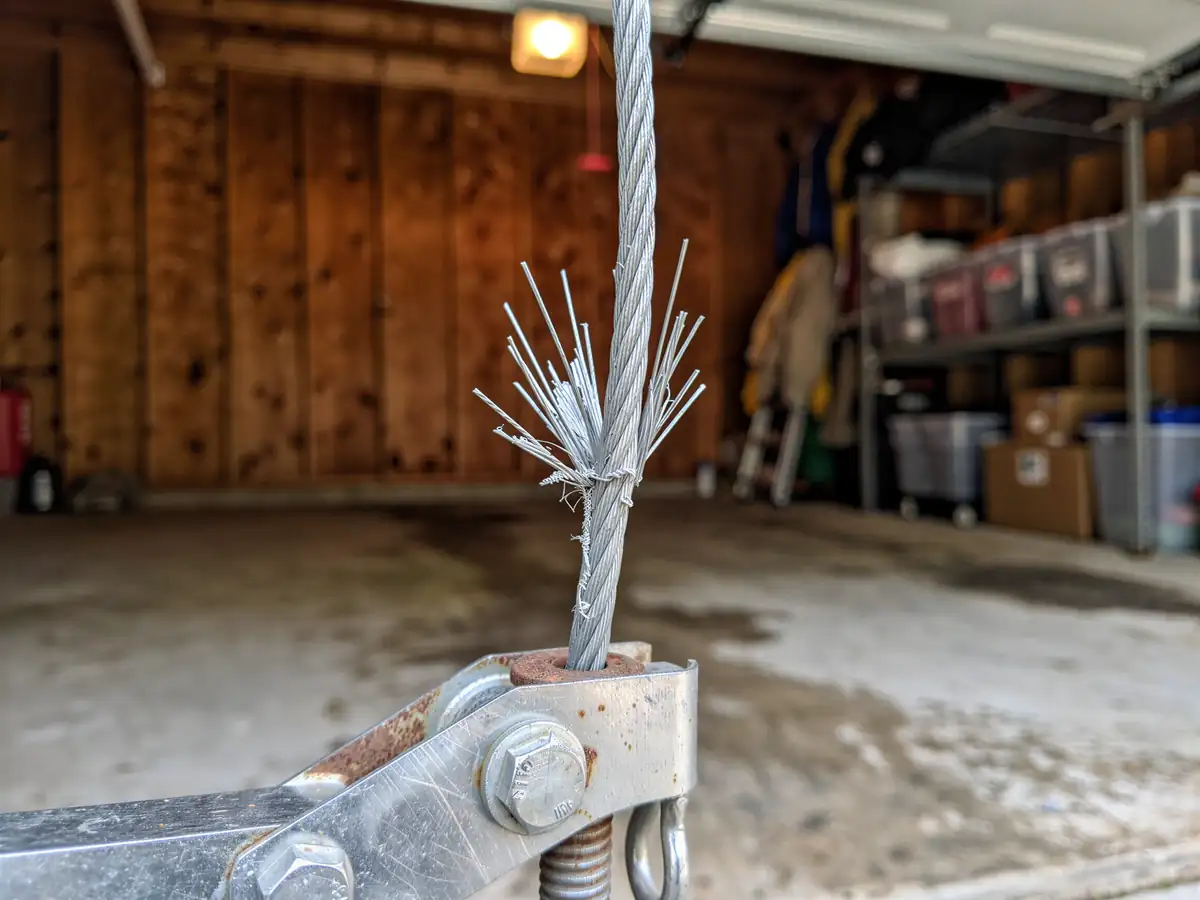
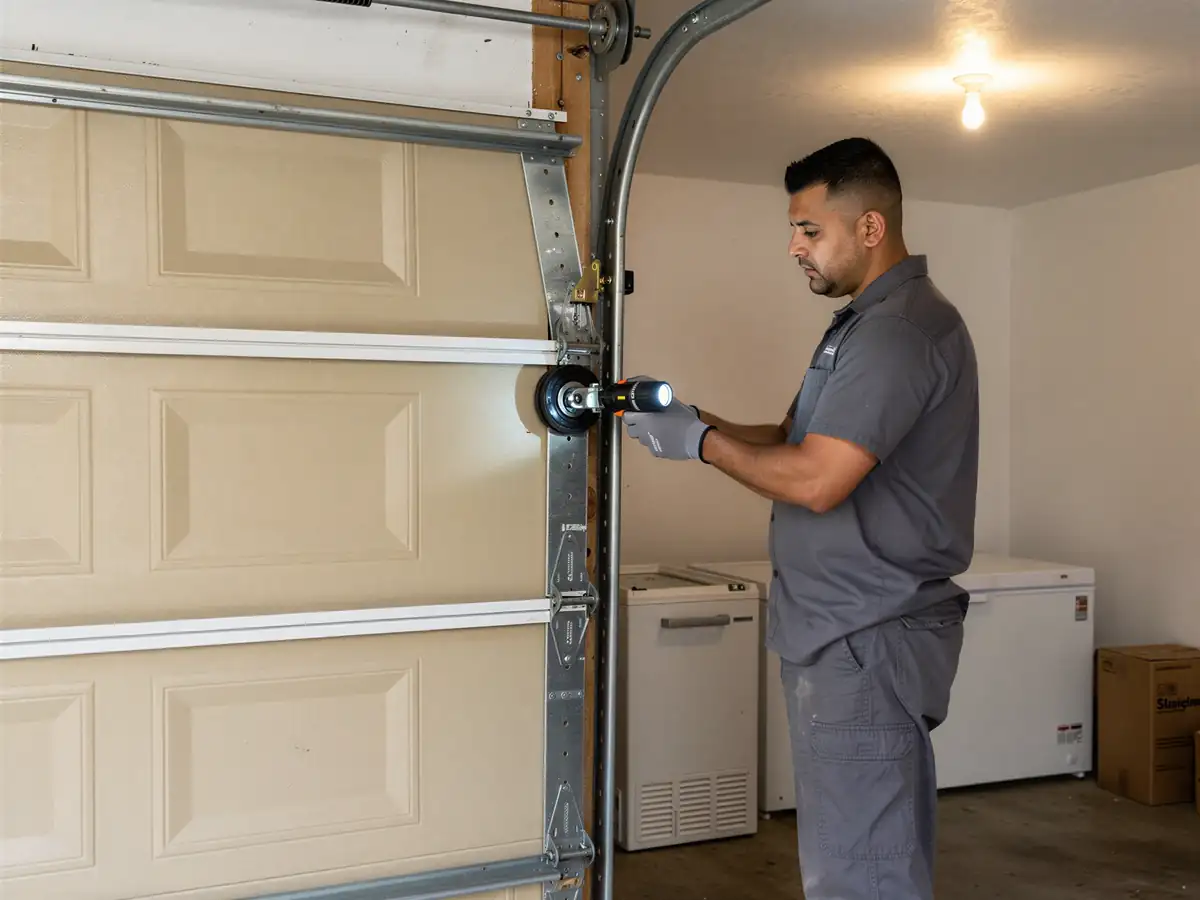
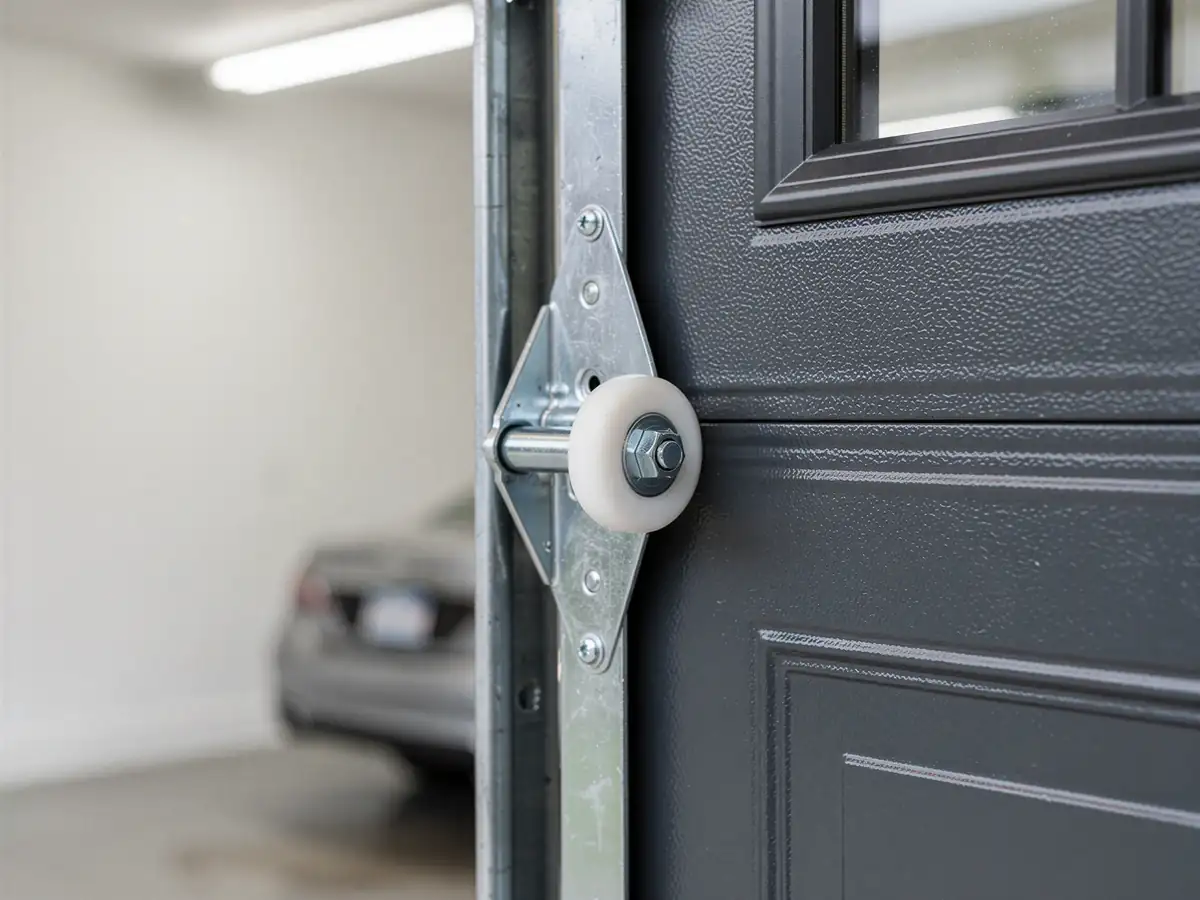
A new install starts with squaring the opening, not hanging the door. On a 1948-era frame that usually means checking the header and jambs before anything goes in, then setting new track to match - not just bolting new hardware to old alignment and hoping. From there it's the door itself, sized and insulated to fit a cold moderate climate, a new opener rated for the door's weight, and new lift cables and rollers rather than reusing anything off the old setup.
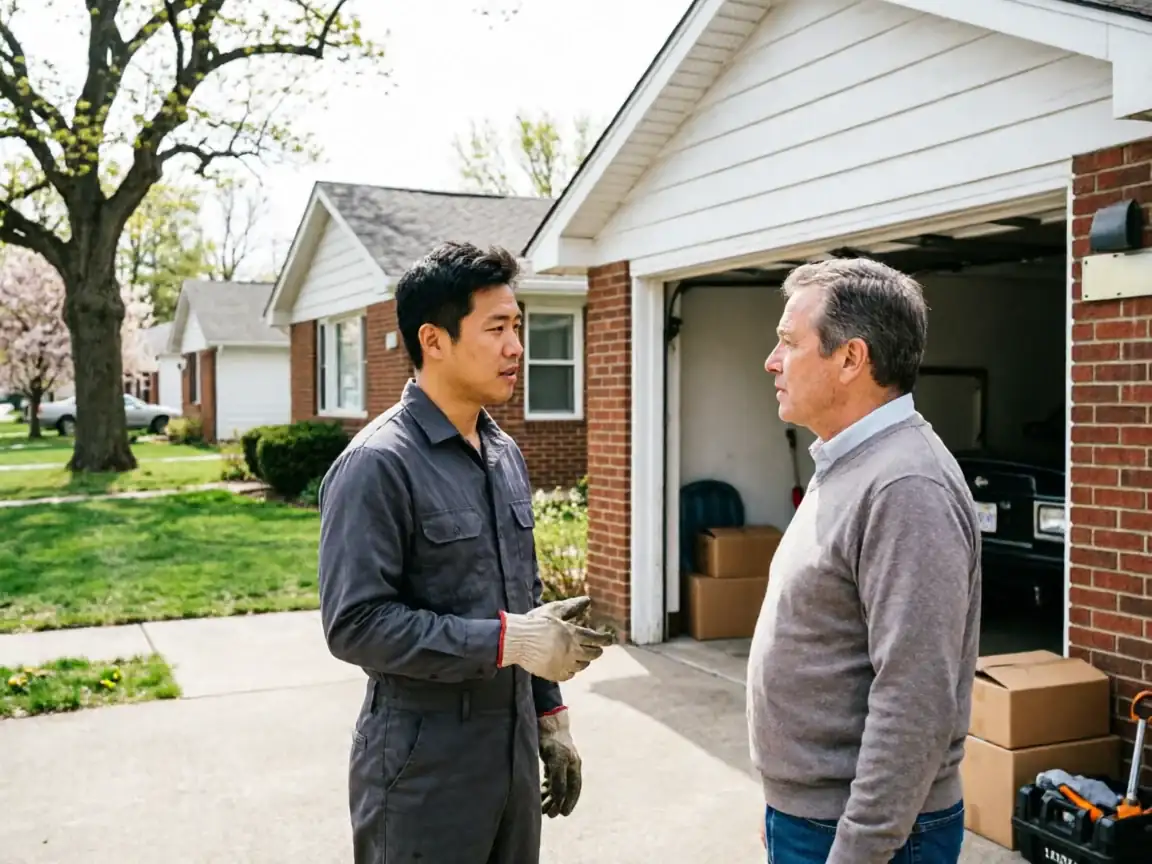
Given the income profile here, we walk through the cost split plainly: door panel, track and hardware, opener, and labor, so a Plymouth homeowner can see where the money goes and where there's room to adjust - a heavier insulated door versus a standard one, a basic chain-drive opener versus a quieter belt-drive. None of that is a package deal; it's a line-item quote, because at $39,750 median income, a line-item quote is what actually lets someone decide.
What Can Go Wrong
The most common surprise on a job like this isn't the door - it's what the old opening was hiding. Pull a 1948 door off its track and you sometimes find a header that's been carrying more than it should, or framing that was patched decades ago in a way that won't hold new hardware without extra work. That adds cost partway through a job, and it's the kind of thing that can't always be seen until the old door is out.
The other risk is mismatched expectations on size. Original openings from this era don't always match today's standard door widths, so a stock door sometimes needs a custom width or a built-up frame to fit - which changes both price and timeline. We'll flag it at the estimate if the opening looks non-standard, but it's worth knowing going in that a 70-year-old opening in Plymouth isn't guaranteed to take an off-the-shelf door without adjustment.