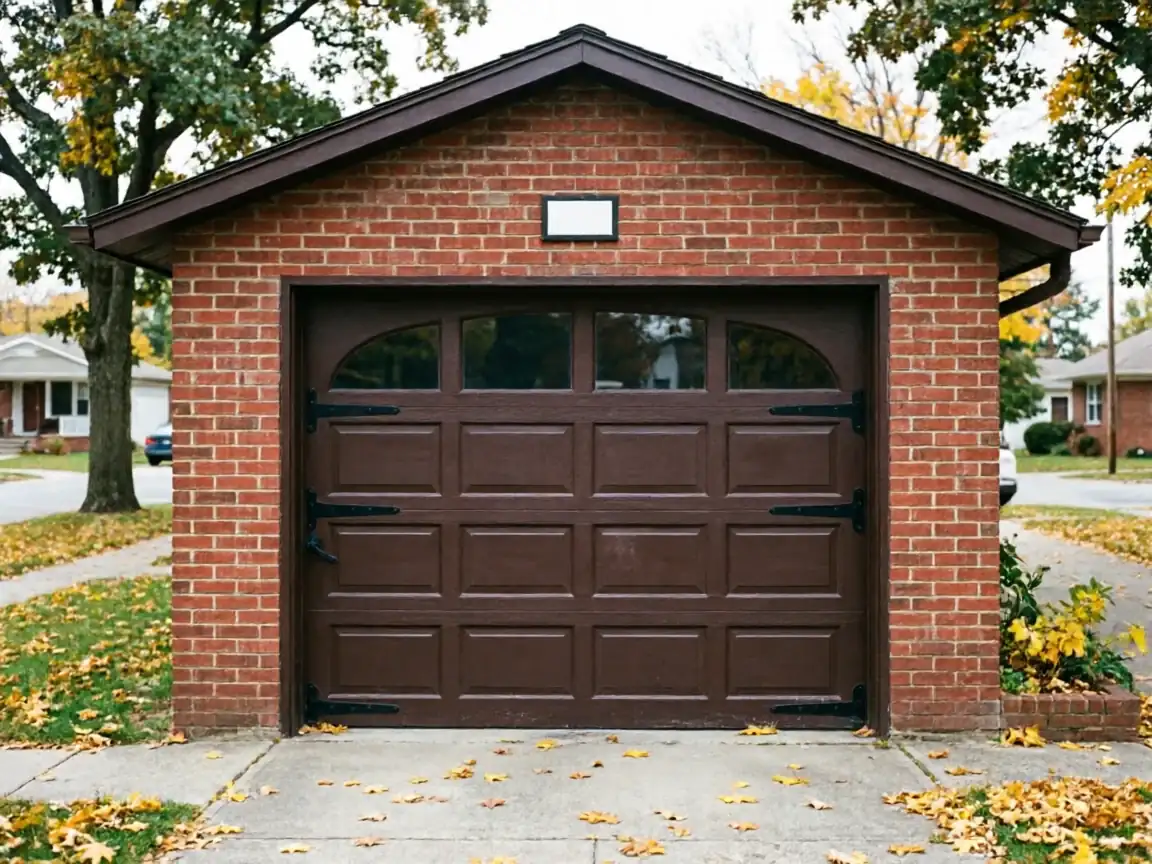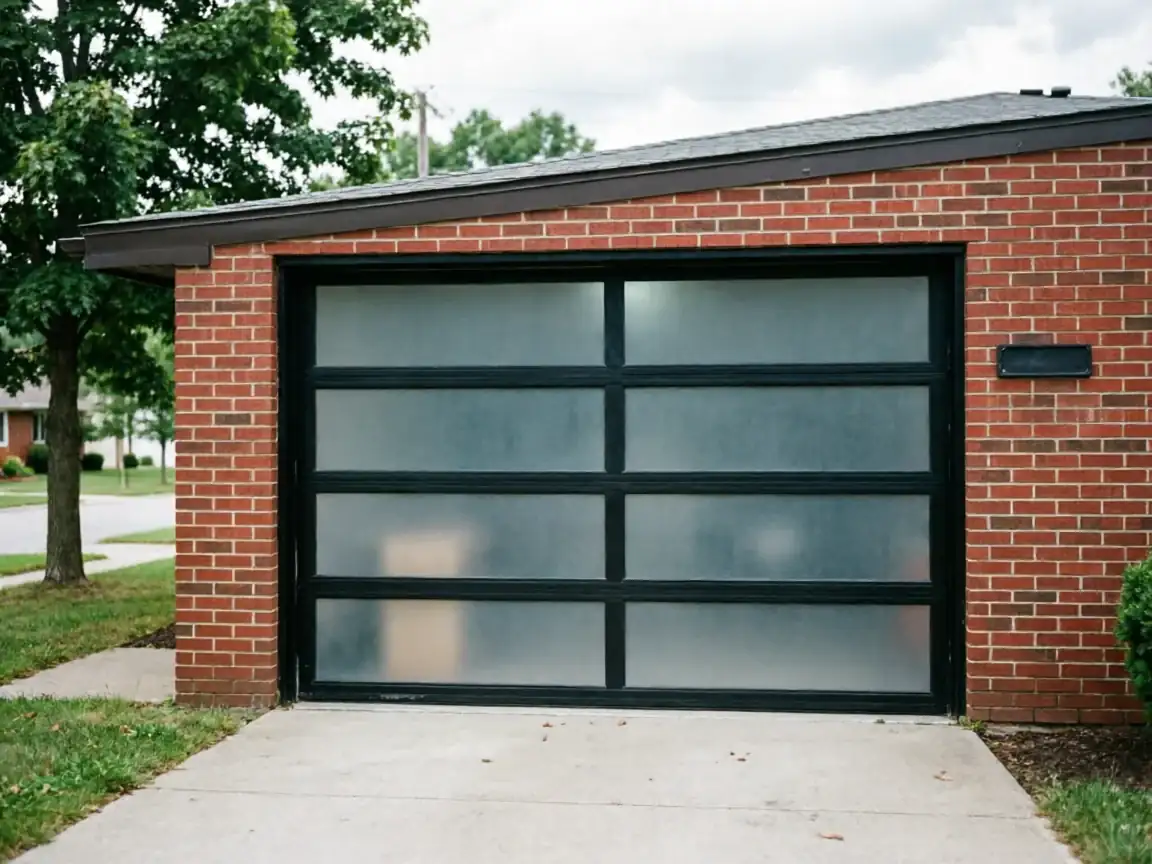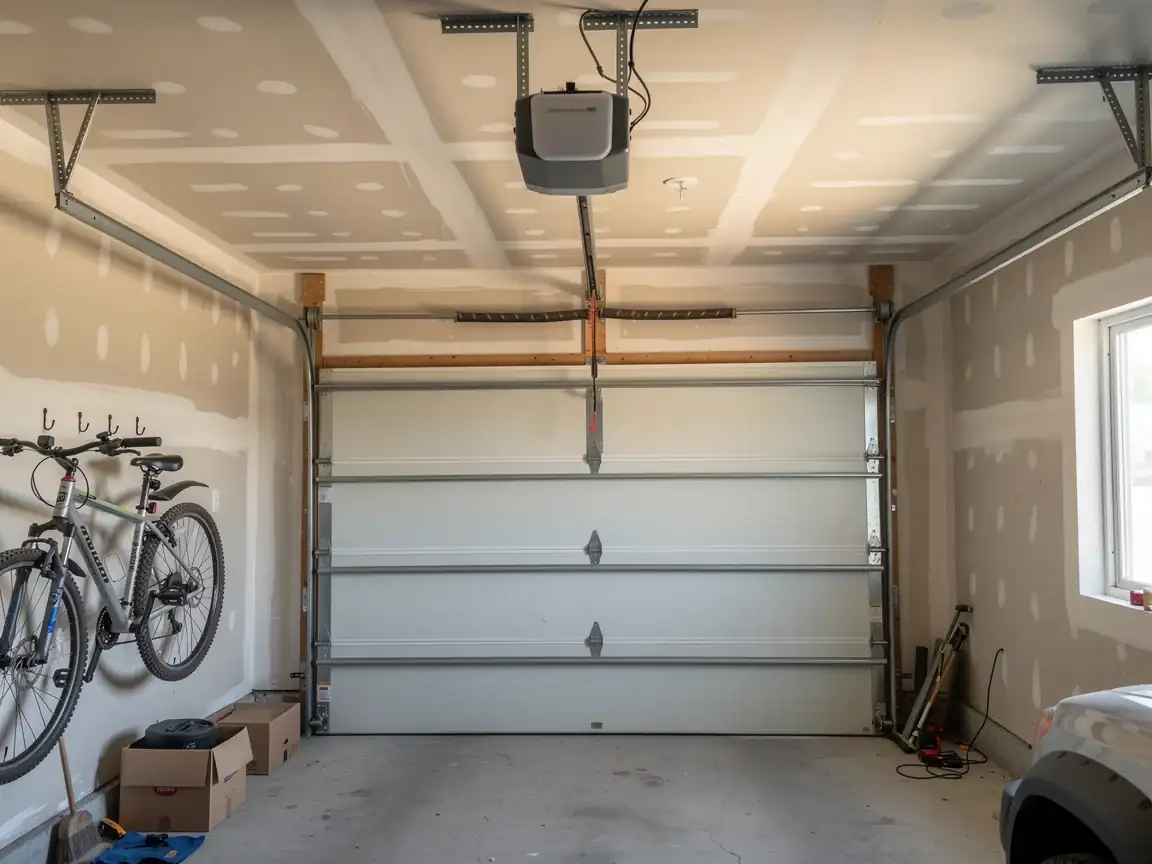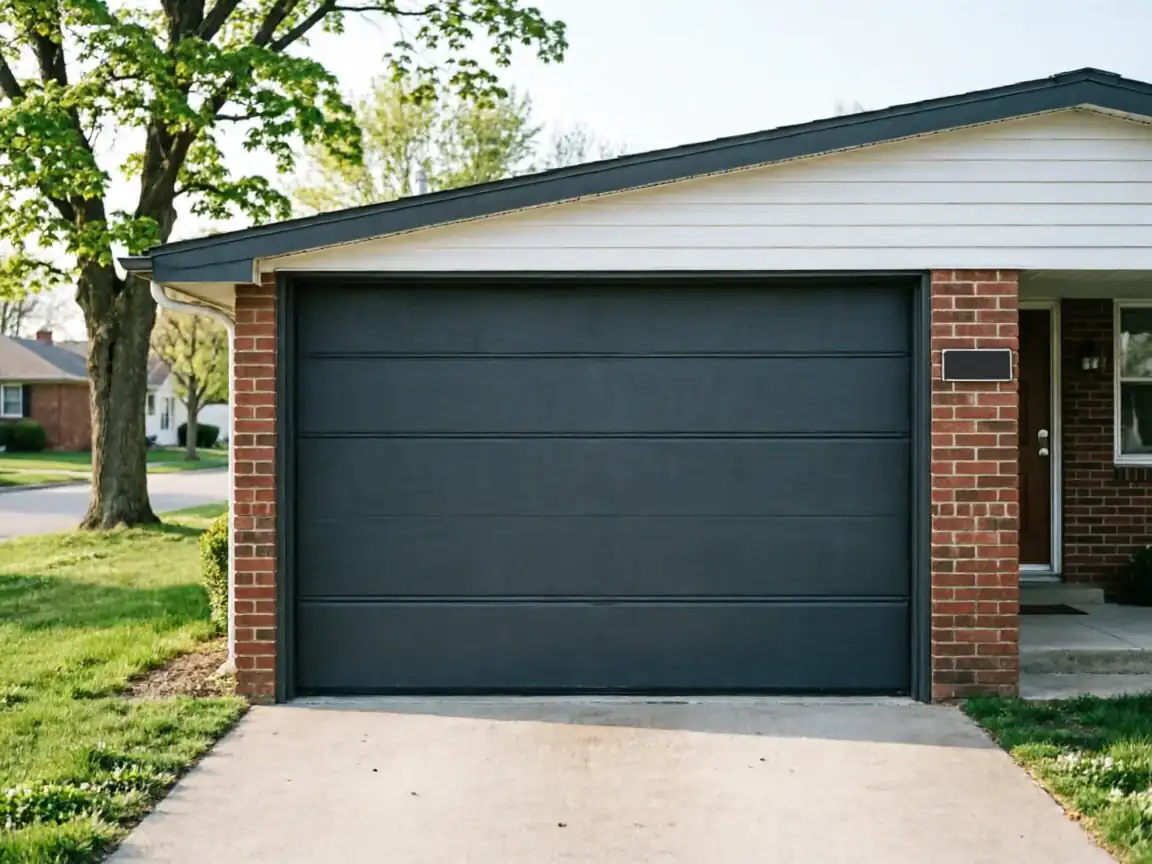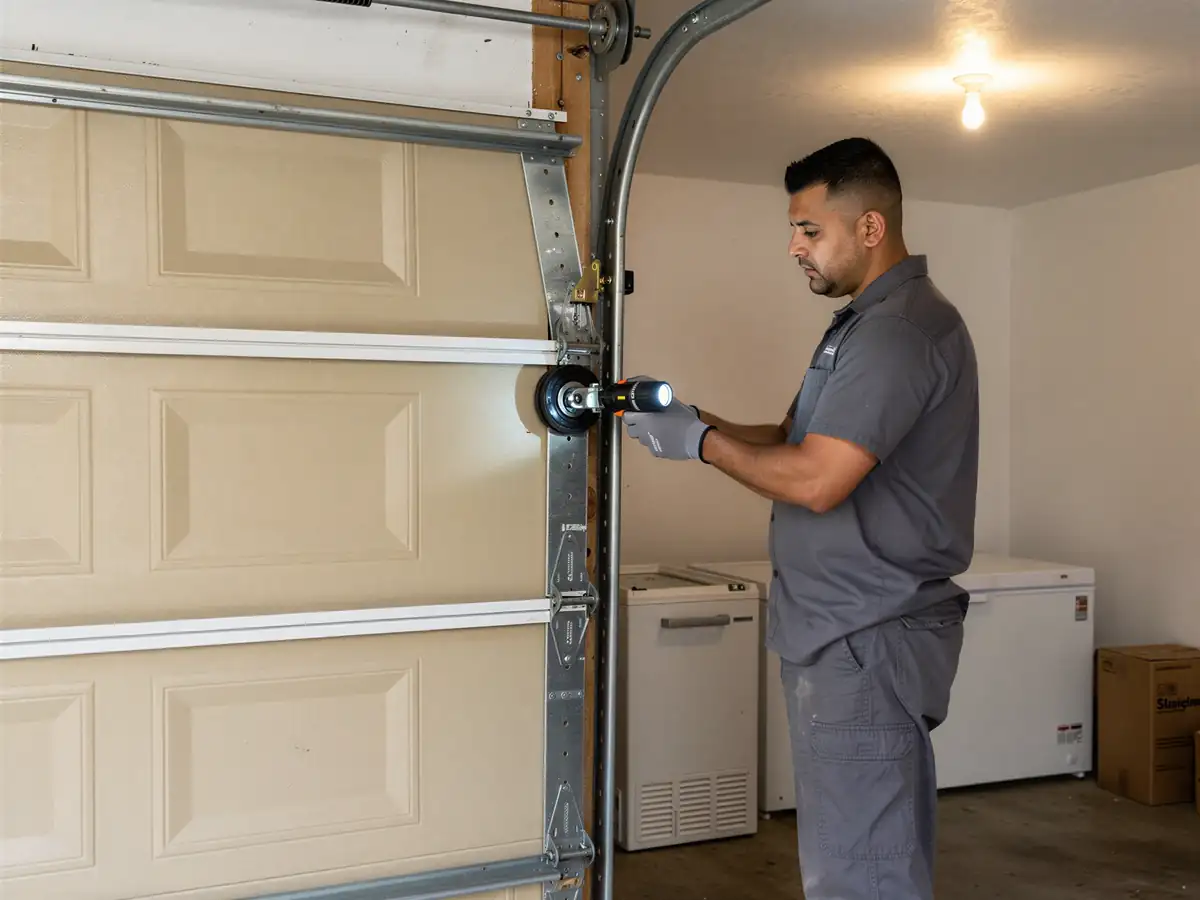
What You Are Seeing
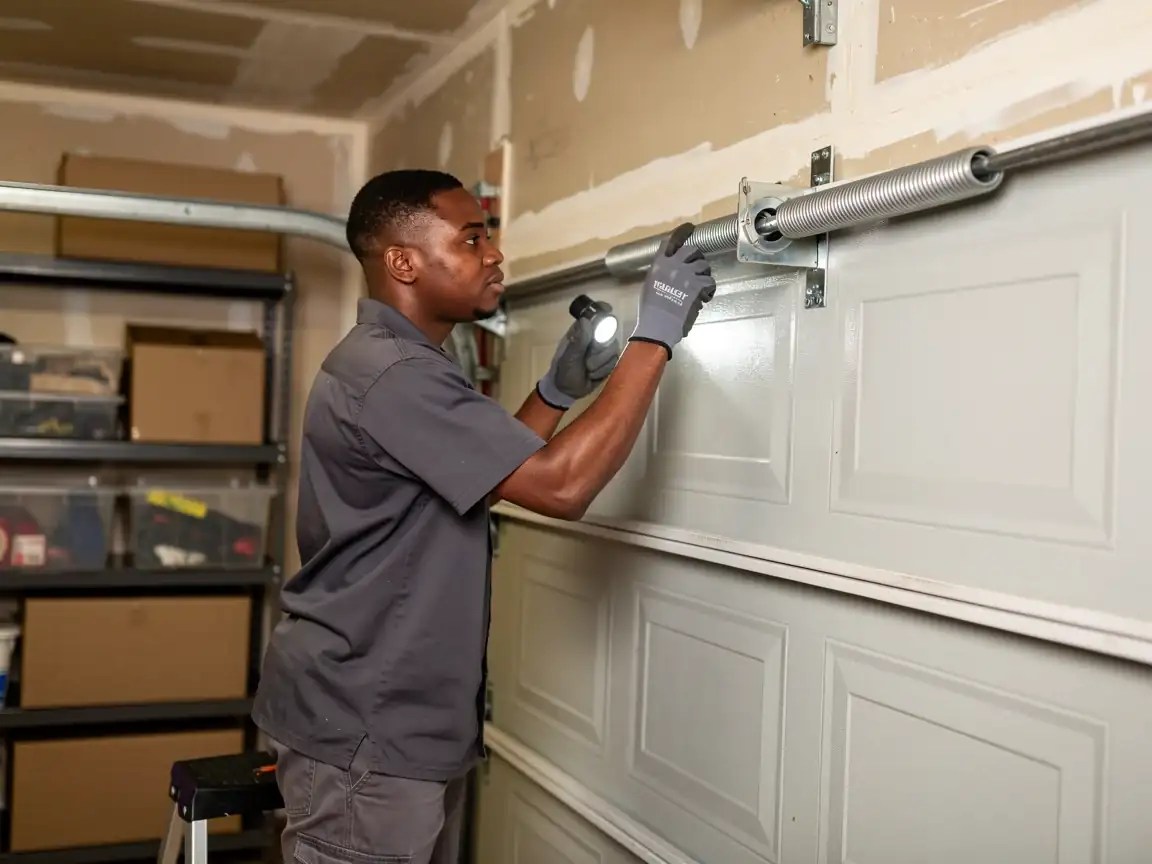
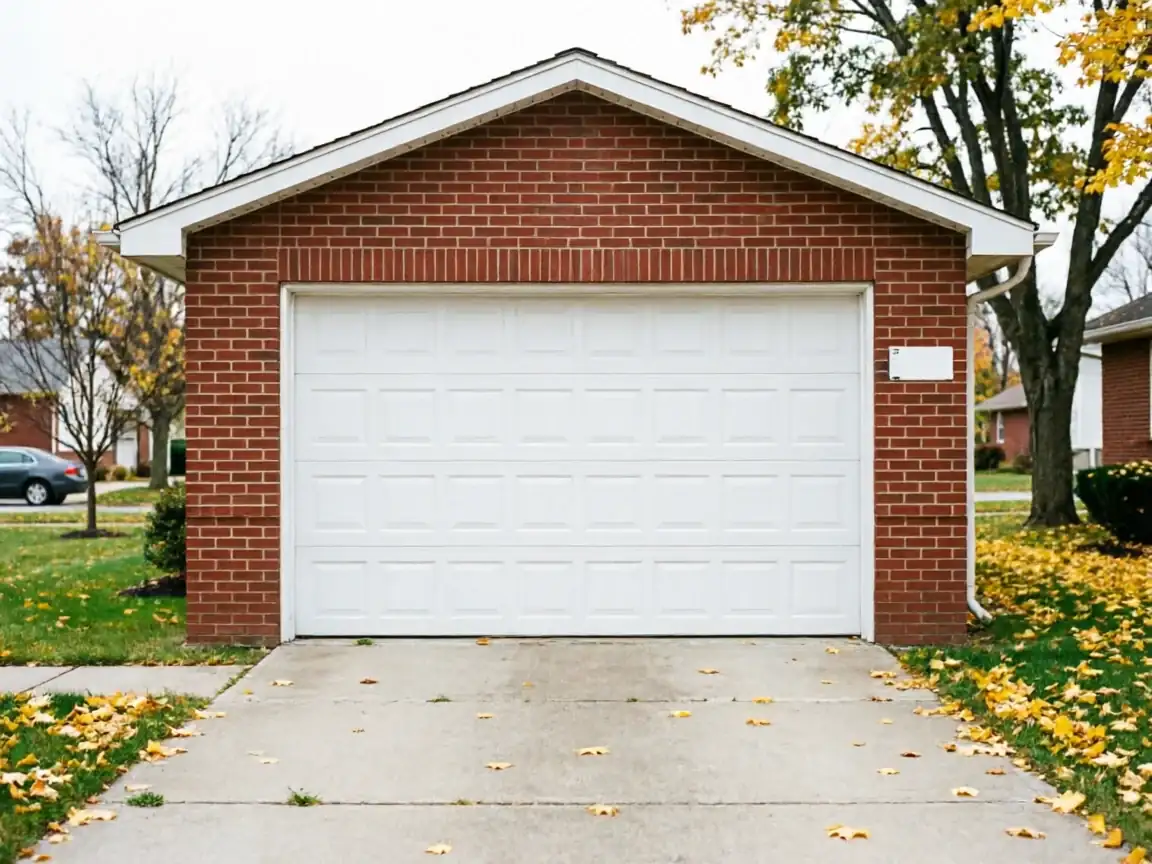
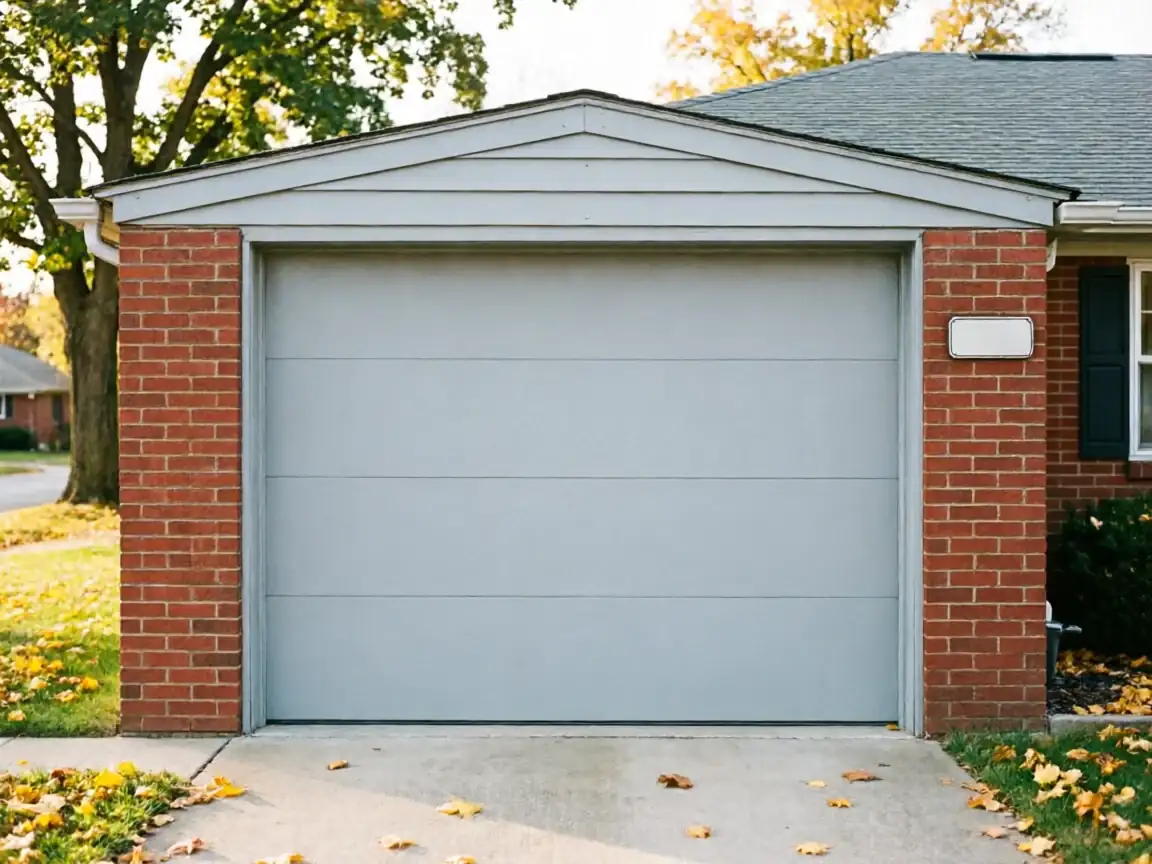
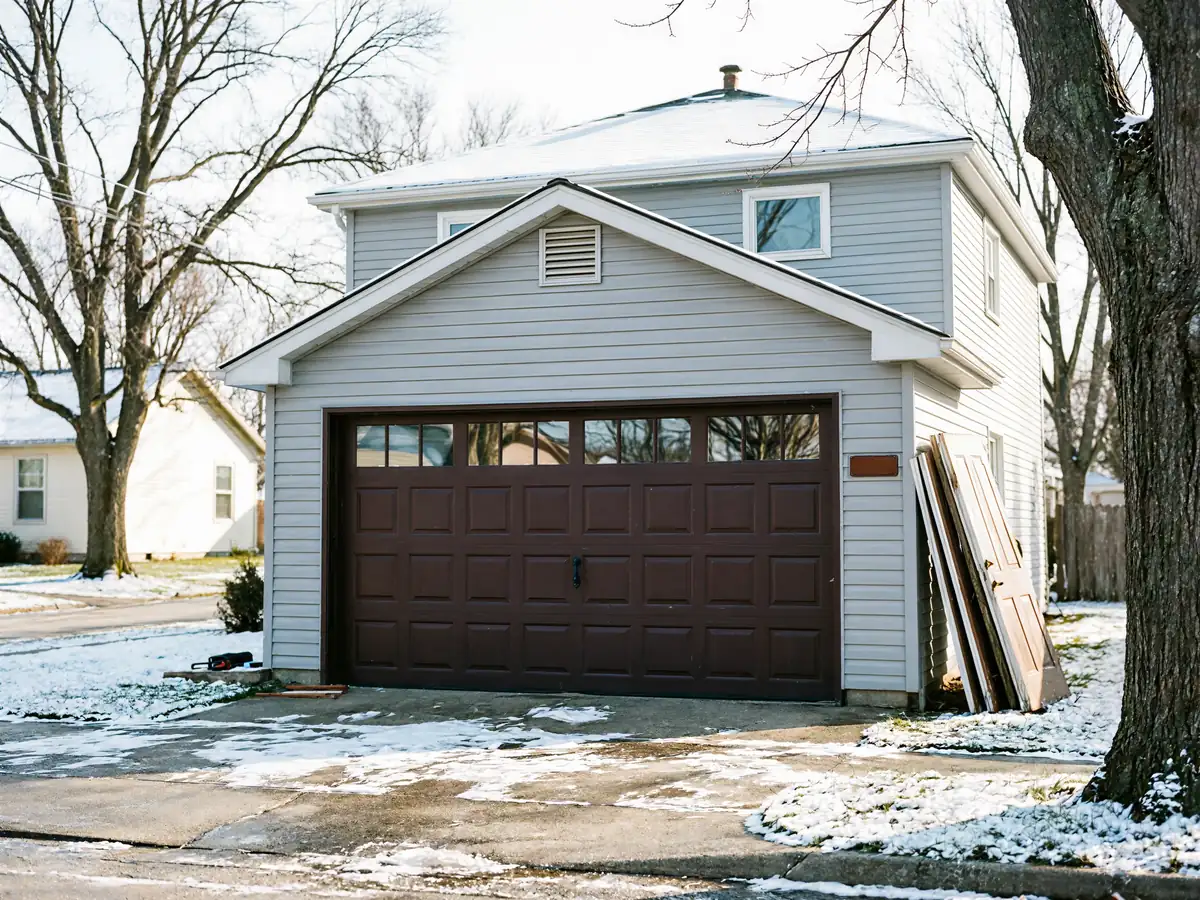
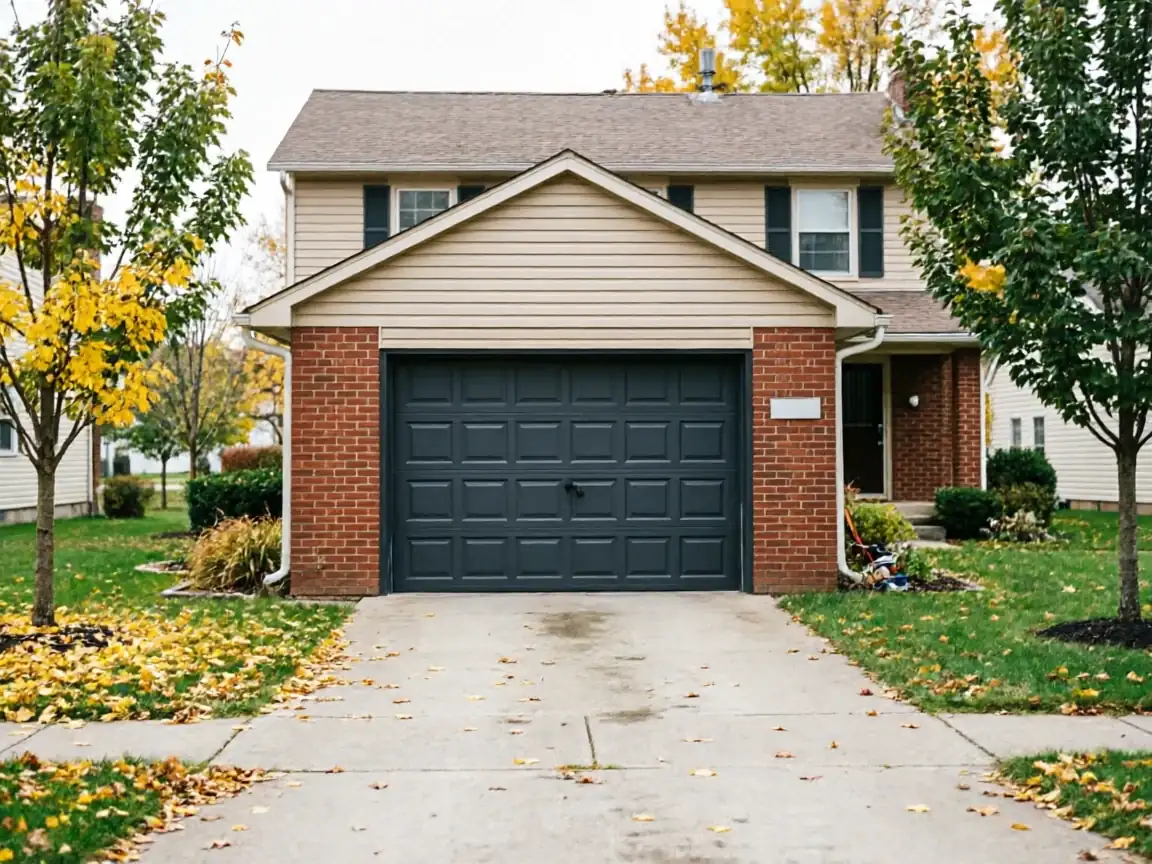
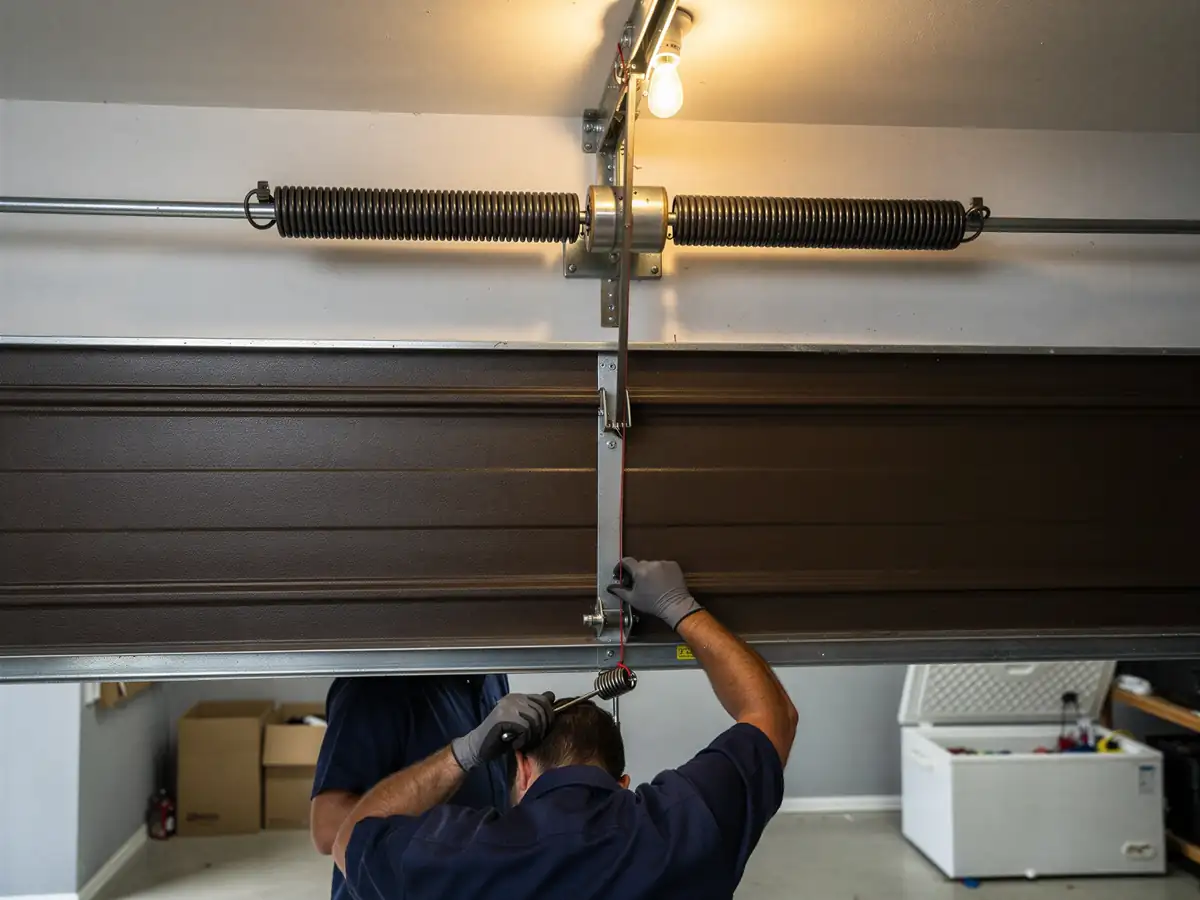
Across the areas we cover out of Macomb, the typical house went up around 1952. Plymouth runs a little ahead of that curve, with most homes dating to around 1948. Those few years matter more than you'd think for a garage door. Houses built in the late 1940s were far more likely to get a single-door opener setup with extension springs running along both horizontal tracks, with cables looping through pulleys at the back of the door. That's a different animal from the torsion-spring, center-shaft setup that shows up more in homes built through the 1950s and 60s elsewhere in the service area.
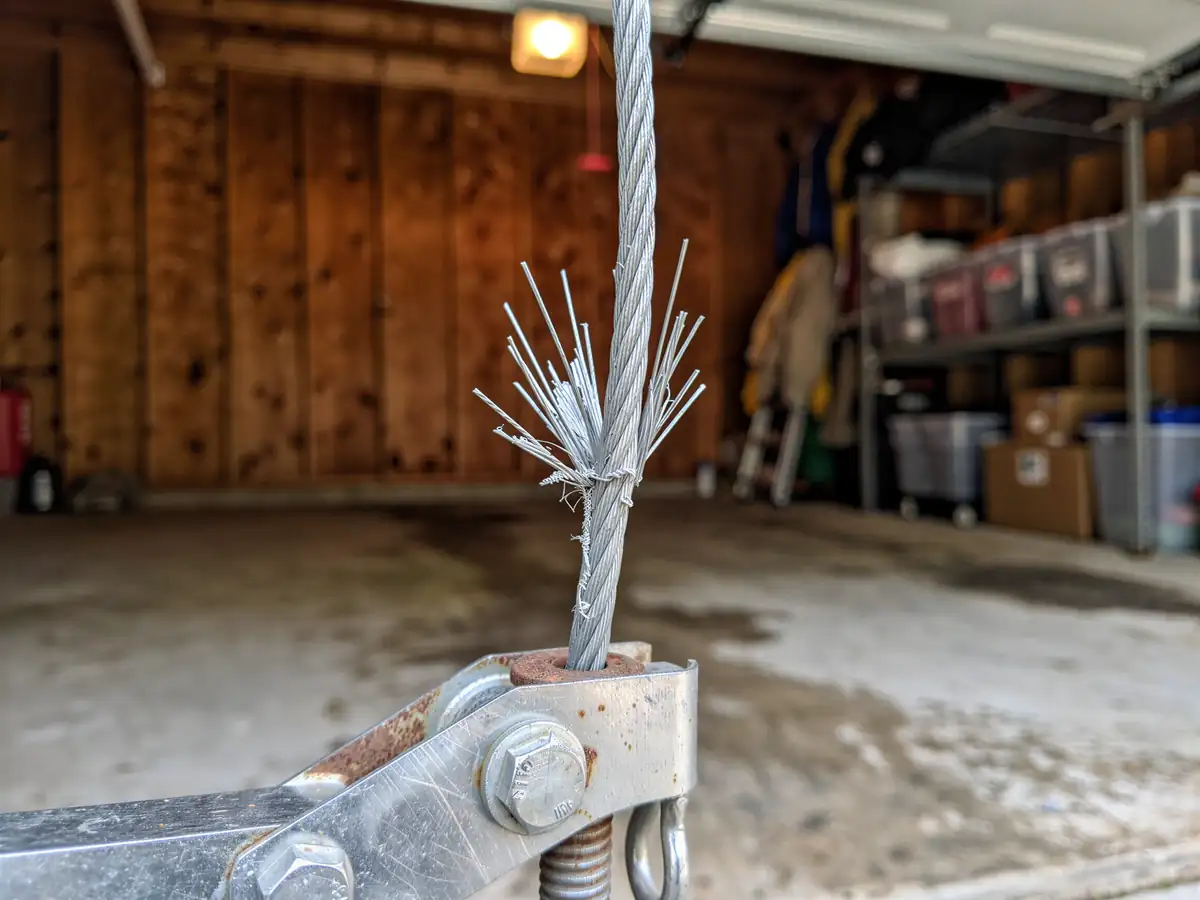
If your cable has snapped or is fraying, you'll usually notice the door drops unevenly, won't lift past a few inches, or the opener strains and reverses. On an extension-spring door, a broken cable often lets one side of the door sag or jump off the track entirely, since there's no center shaft holding tension evenly across the door. That's the pattern we see most in a town built when Plymouth was.
The DIY Question
A cable under tension is not a part to wing on your own. On an extension-spring door, the cable is tied into a stretched spring holding real force, and a slip while you're unhooking it can snap your fingers or send the pulley flying. We won't talk anyone through doing this one themselves.
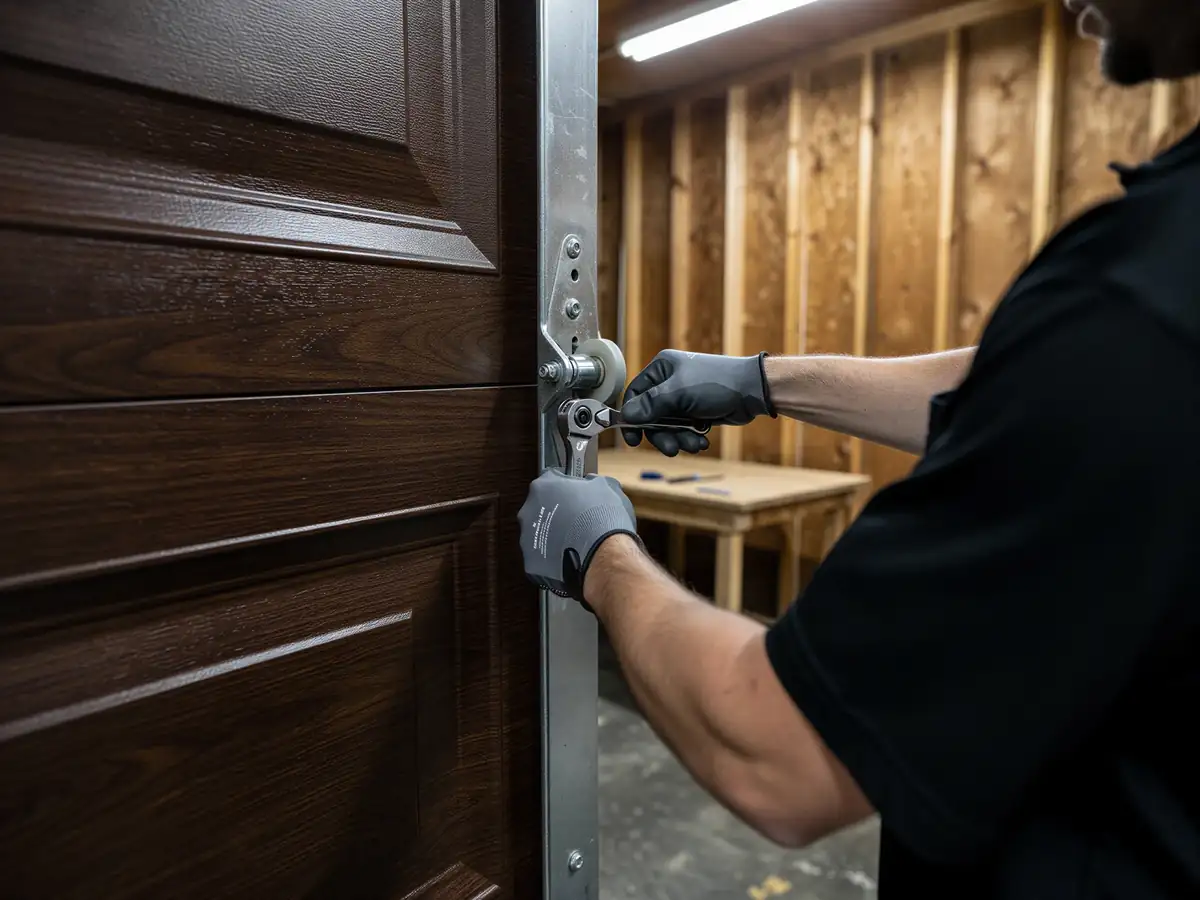
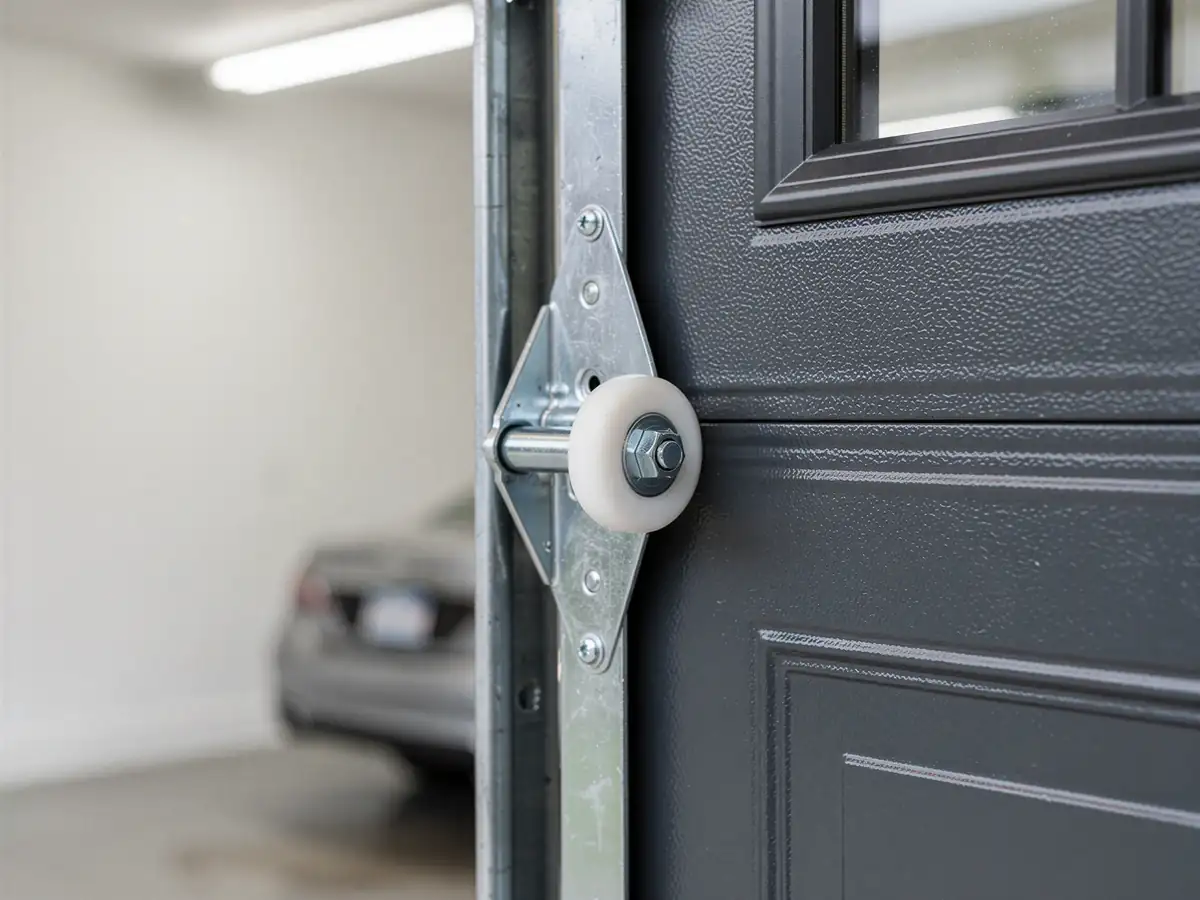
What you can safely do before a call: look at the cable where it wraps the bottom bracket and the pulley, and note whether it's frayed, kinked, or fully separated. That tells whoever comes out what to bring. Beyond that, leave the door alone - don't try to force it up or down, and don't run the opener again until someone's looked at it. Running a door on a partially failed cable is how a $150 repair turns into a $600 one, because the drum or the track takes damage too.
What Causes It Around Here
Plymouth sits in a cold-moderate climate band
Which means the cable and spring hardware on a late-1940s door has gone through a lot of freeze-thaw cycles. Galvanized aircraft cable holds up fine for years, but the fittings around it - the pulleys, the bottom brackets, the drum - corrode and seize over decades of cold winters and humid summers. On a door this old, we also find a lot of cable wear from a drum or pulley that was never replaced when the cable was, which just grinds a new cable down faster.
Median household income here runs lower than the rest of the service area
And we see that reflected in the hardware - a lot of Plymouth doors are still running original 1948-era tracks and brackets rather than updated setups, because nobody's replaced the whole system. That's not a knock on anyone; it just means the fix usually involves working with older parts, not swapping in a modern kit and calling it done.
What the Fix Involves
On most of the extension-spring doors we find in Plymouth, a cable repair means replacing both cables as a pair, even if only one failed - the other one is the same age and under the same stress, and it's not worth a second trip. We also check the pulleys and bottom brackets while we're in there, since on a door this old those parts are usually the reason the cable wore unevenly in the first place.
We travel out from Macomb for this call, about 17 miles each way, so we try to get everything that needs doing done in one visit rather than coming back for a part we could have swapped the first time. If the drum or track shows real wear, we'll say so before we start, not after we've already got the door open.
What Can Go Wrong
The honest limitation here: on a door this old, sometimes the cable isn't the only thing that's shot. If the bottom brackets are rusted through or the track is bent from years of an uneven pull, a cable swap alone won't fix the door - it'll just fail again in a few months. We'll tell you straight if that's what we're looking at rather than selling a cable repair that won't hold.
The other thing that goes wrong on these older setups: mismatched replacement parts from a past repair. If a previous fix used a cable or pulley sized for a different door, it wears unevenly and snaps sooner than it should. We check for that before quoting anything, because replacing a mismatched part with another mismatched part just repeats the problem.