When Waiting Is Fine
Not every noise is an emergency. If your door still opens and closes on command and the track isn't bent, a slow spring or a worn roller can wait a few days for a scheduled visit instead of an after-hours call. Across Macomb's service area, most homes went up between 1940 and 1965, with a median build year around 1952 - that's a lot of original hardware still doing its job decades past when anyone expected it to. A squeak from a 70-year-old roller track is often just that: a squeak, not a failure.
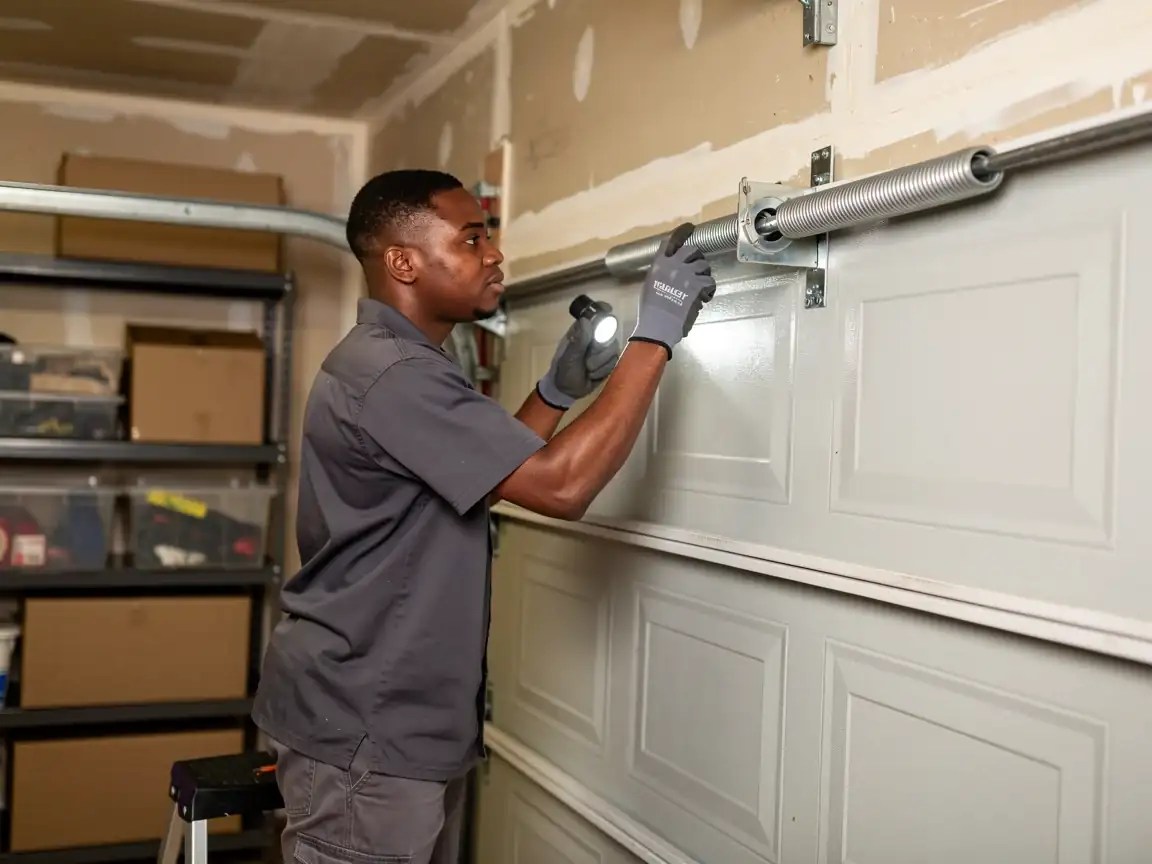
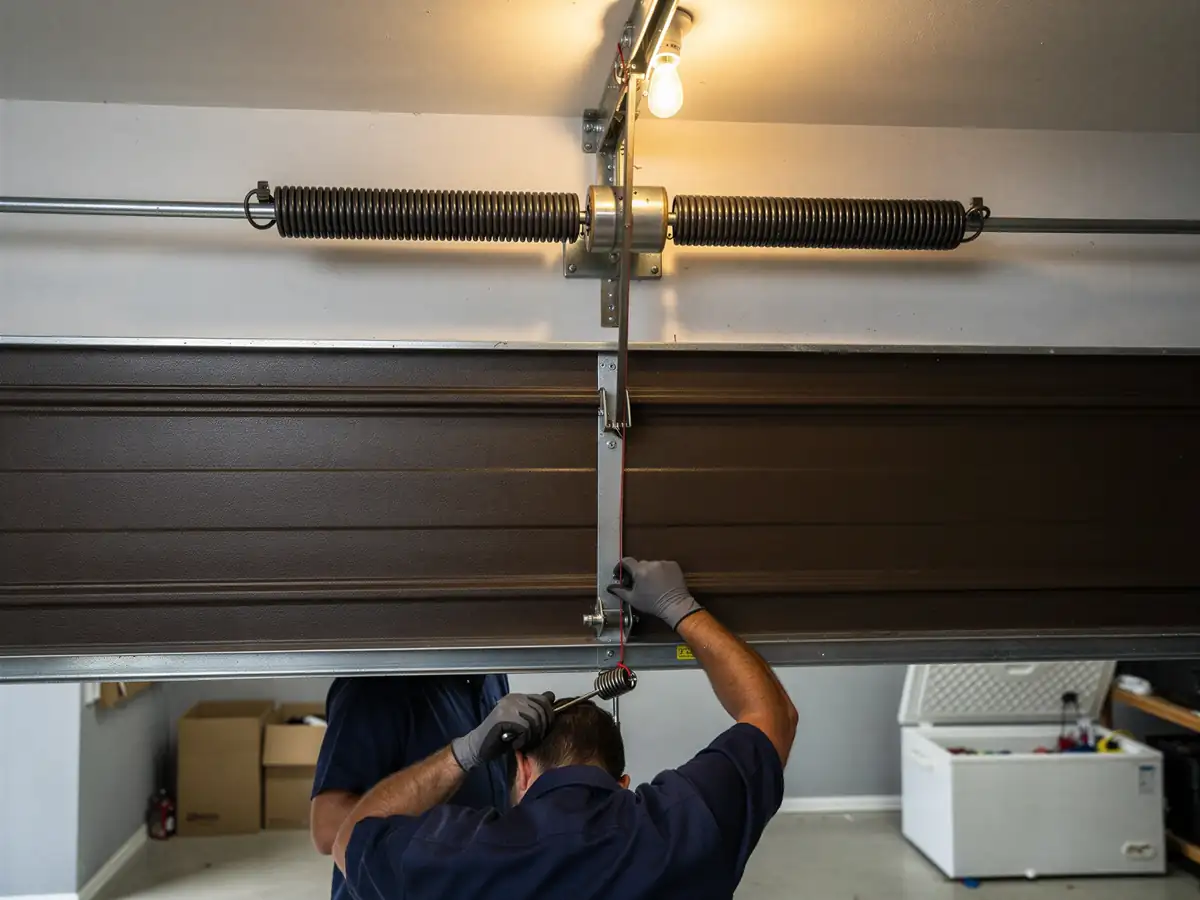
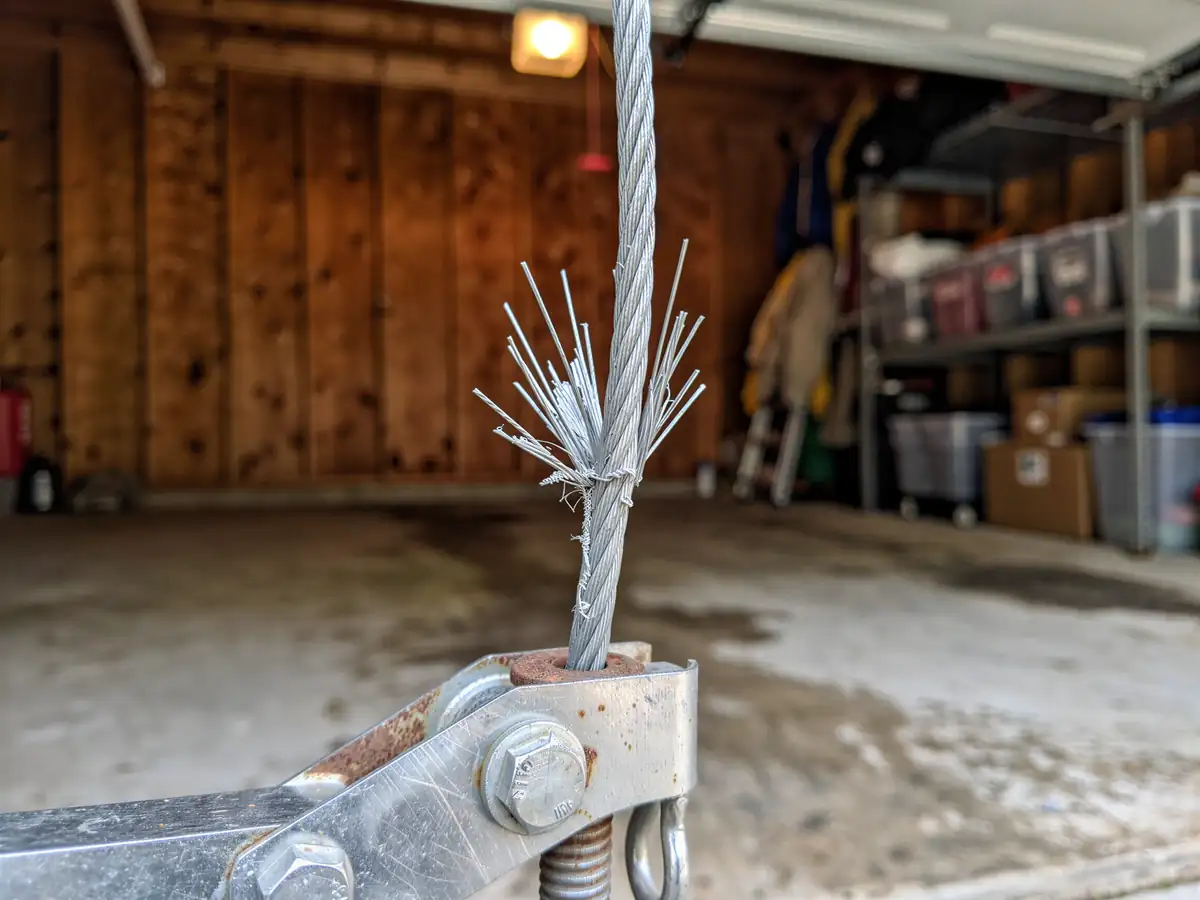
What shouldn't wait: a door that's off one track, a spring that's visibly snapped, or a cable that's frayed and under tension. On the older one-piece and sectional doors common in these nine named areas, a failed spring under load can drop a door fast, and that's not something to leave overnight.
The honest limit here: we can't tell you over the phone whether your specific noise is a wait-it-out problem or a today problem. Hardware this old wears unevenly, and guessing wrong costs more than the service call would have.
What You Pay
We don't post a flat price list, because a torsion spring swap on a door from the 1950s isn't the same job as replacing an opener on a 1990s addition, and the parts involved aren't always sitting on the truck. What we can tell you is that the median household income across this service area is $54,306, and most of the 2,638 owner-occupied houses here were built before modern insulation and energy codes existed - which shapes what a repair actually involves. A door built to match a 1952 opening often needs hardware sized to that opening, not a stock panel off a big-box shelf.
Give us the door's age, or the approximate age of the house, and we'll give you a real number before we start, not after.
The Problem
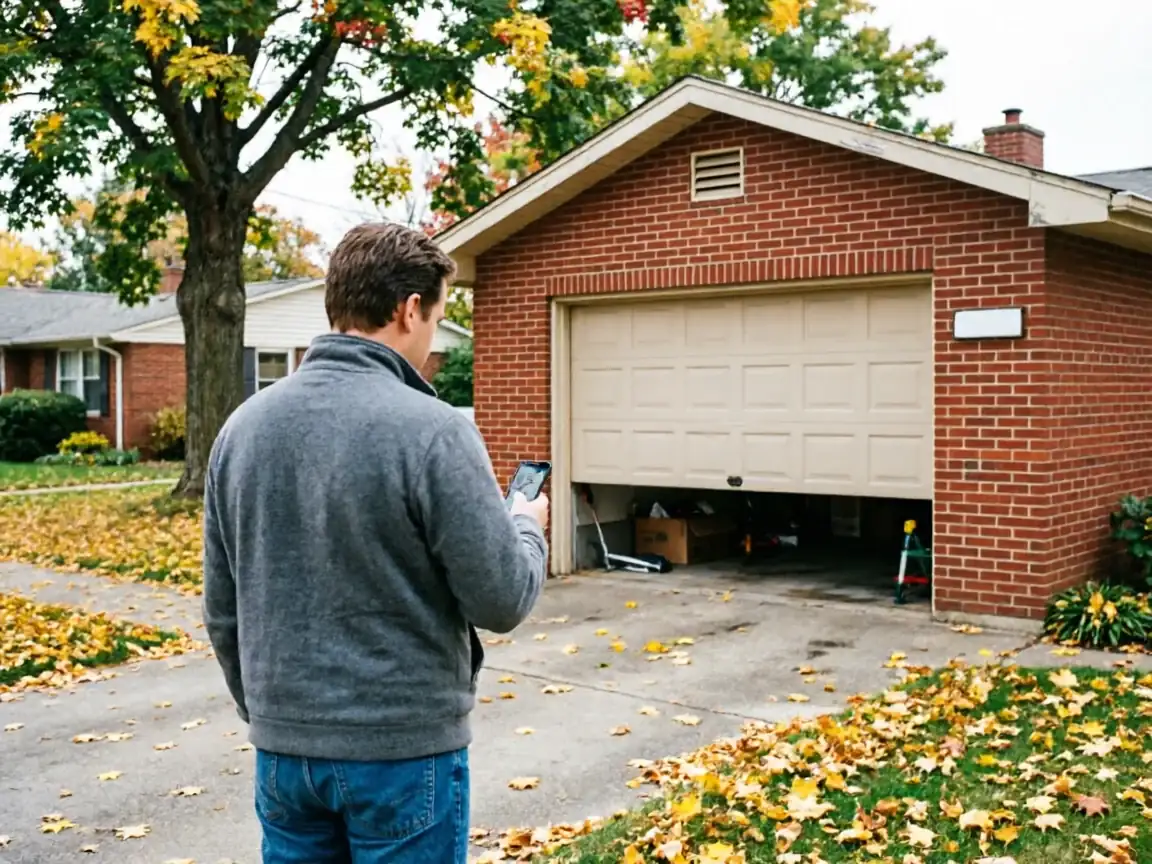
The core issue with housing this age isn't neglect - it's mismatch
A garage built in 1948 or 1955 wasn't built to any insulation standard, because those standards didn't exist yet. The doors on these openings are often original hardware, or a replacement door hung on original track and jamb dimensions that don't match anything sold today. Springs get swapped out over the decades, openers get bolted onto mounts never designed for an opener's torque, and track gets reshaped by hand to fit.
Across the 9 named areas that make up most of Macomb's pre-1960 stock
This shows up as doors that are technically functional but structurally compromised - panels thinned by decades of temperature swings, hinges stretched past their rated flex. It's not dangerous by itself. It becomes a problem when someone adds a modern opener to an old door and expects modern reliability.
What the Weather Here Does to It
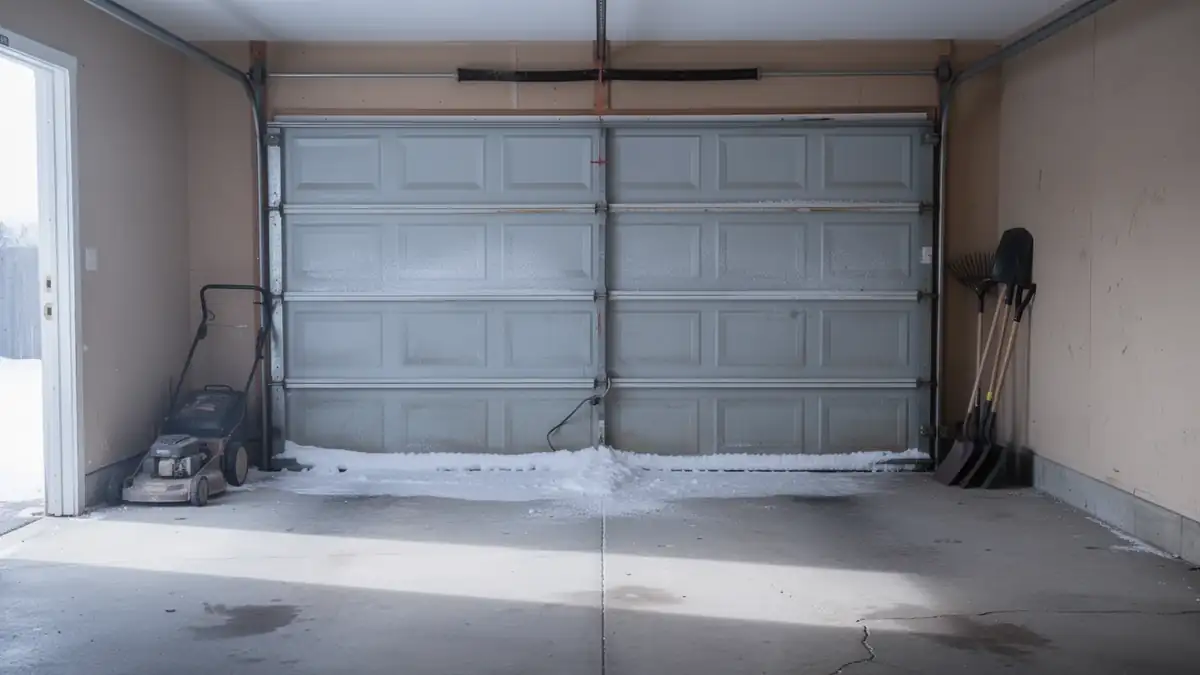
Macomb sits in a moderate-cold climate band, which means real winter cold, real seasonal temperature swings, and hardware that expands and contracts every year whether it's rated for it or not. On a house built before 1960, with no insulation behind the door panel, that swing hits the steel and the wood trim directly - no buffer. Springs lose tension faster in cold steel. Nylon rollers on older track get brittle and crack in a hard freeze. Panel seams that were fine in August can gap by January.
This is the single biggest reason a door that worked all summer suddenly won't open on the first real cold snap: the spring was already near the end of its cycle count, and cold steel just finished the job. It's not a defect, it's physics acting on hardware that's had seventy winters to wear down.
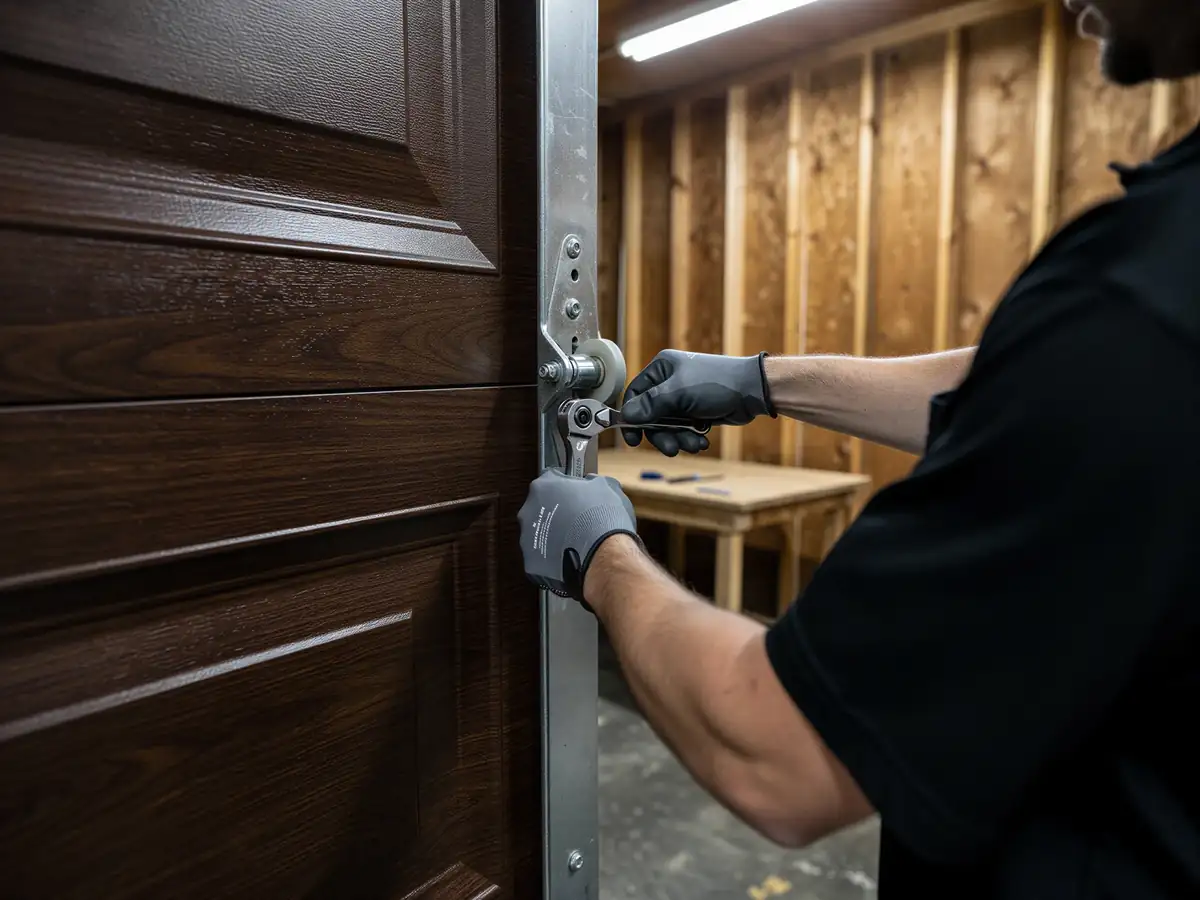
The fix usually isn't full replacement. Most of these doors can take new springs and rollers rated for the cold without touching the panel itself, which is the cheaper and more honest repair when the panel's still straight.