What Was Built Here
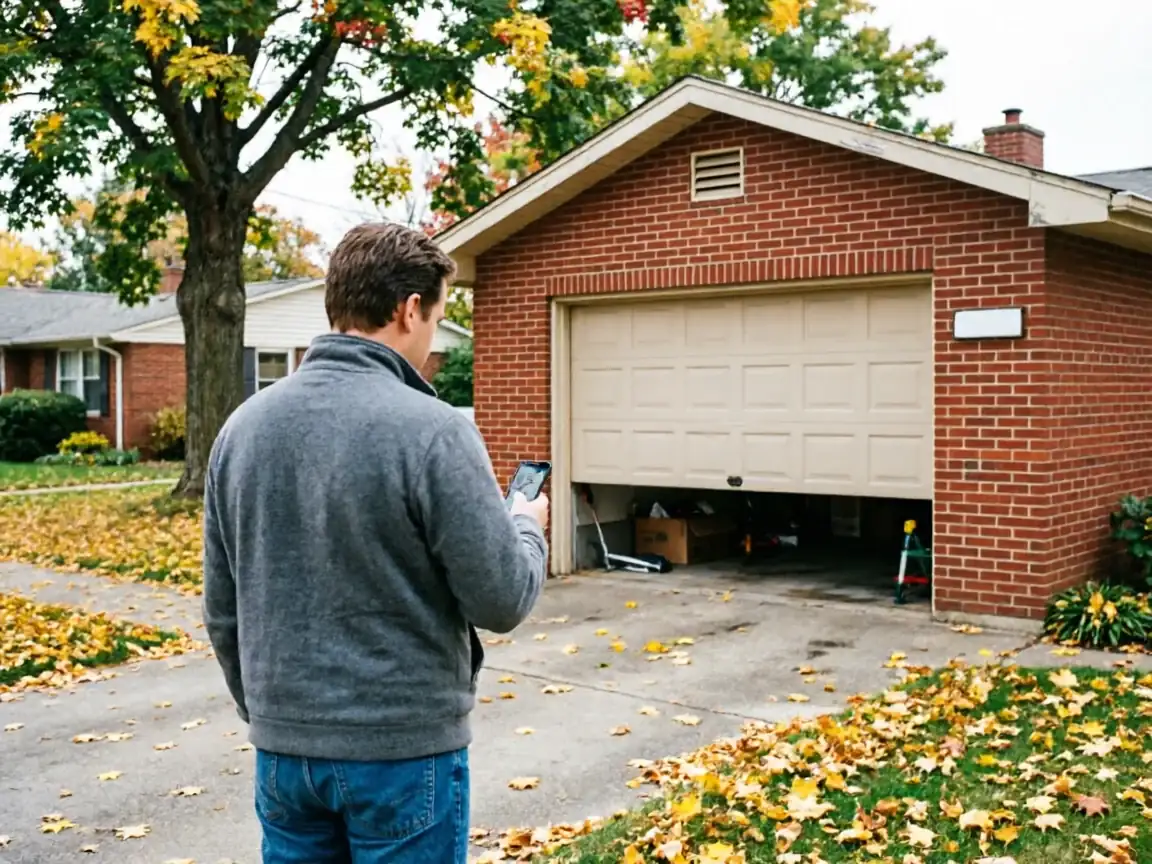
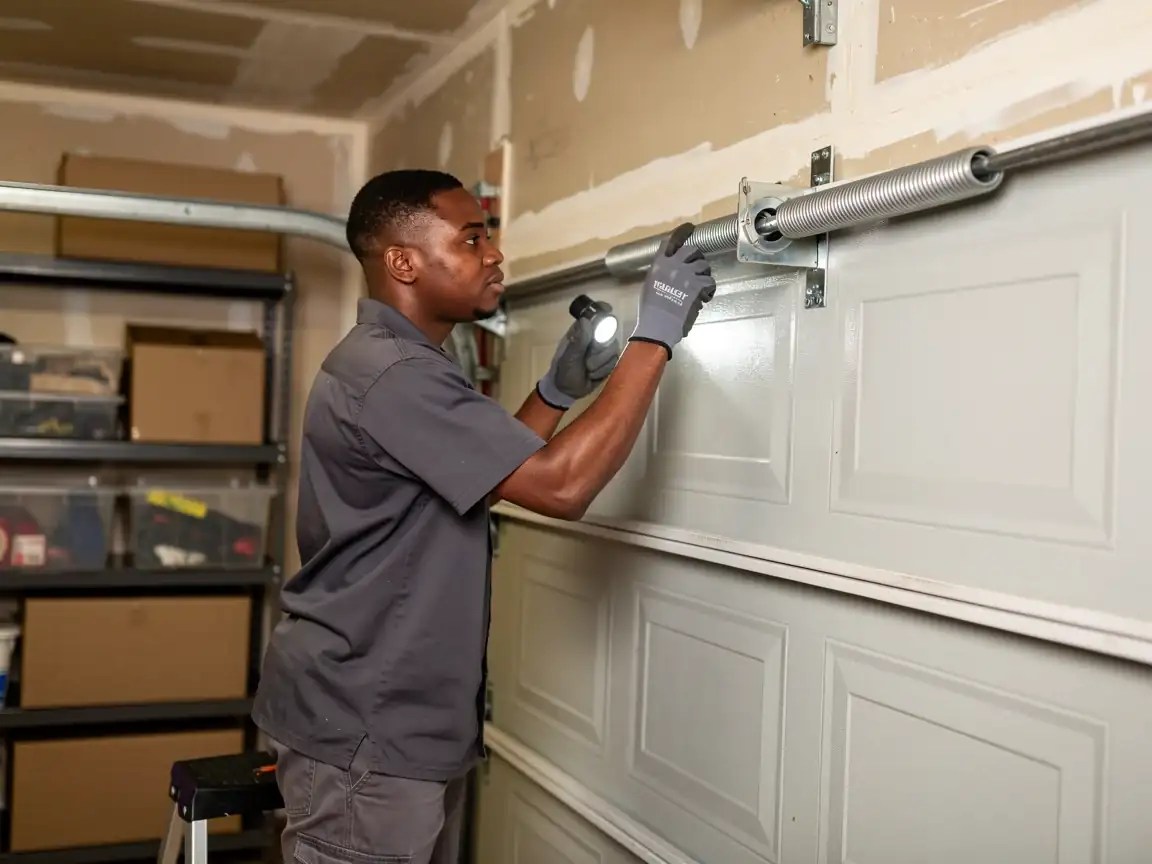
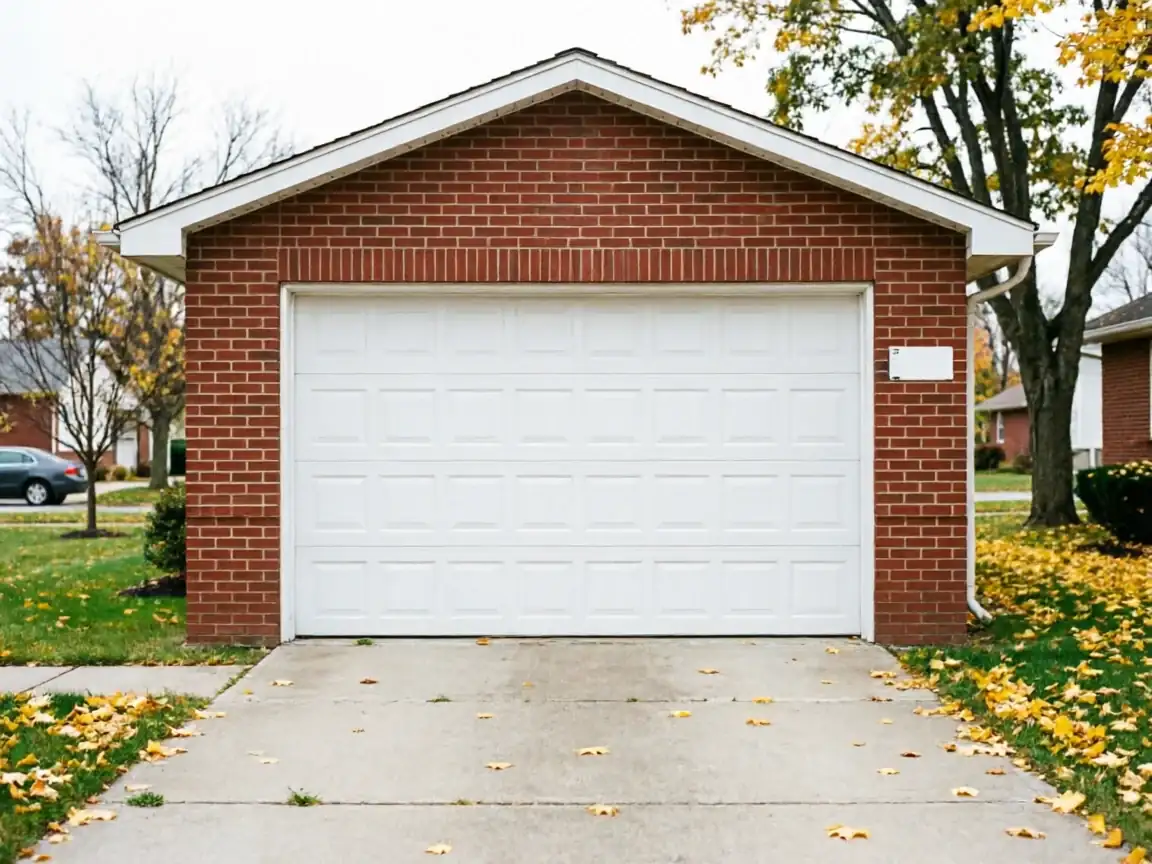
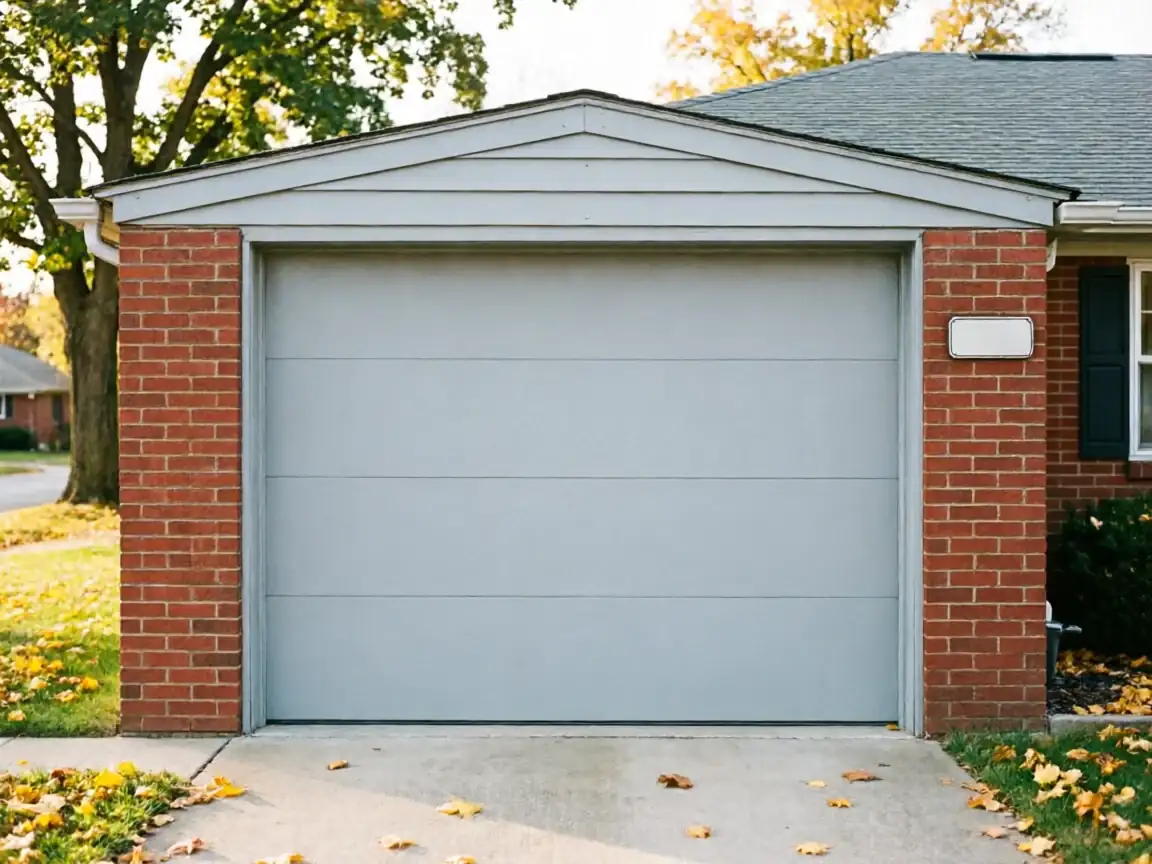
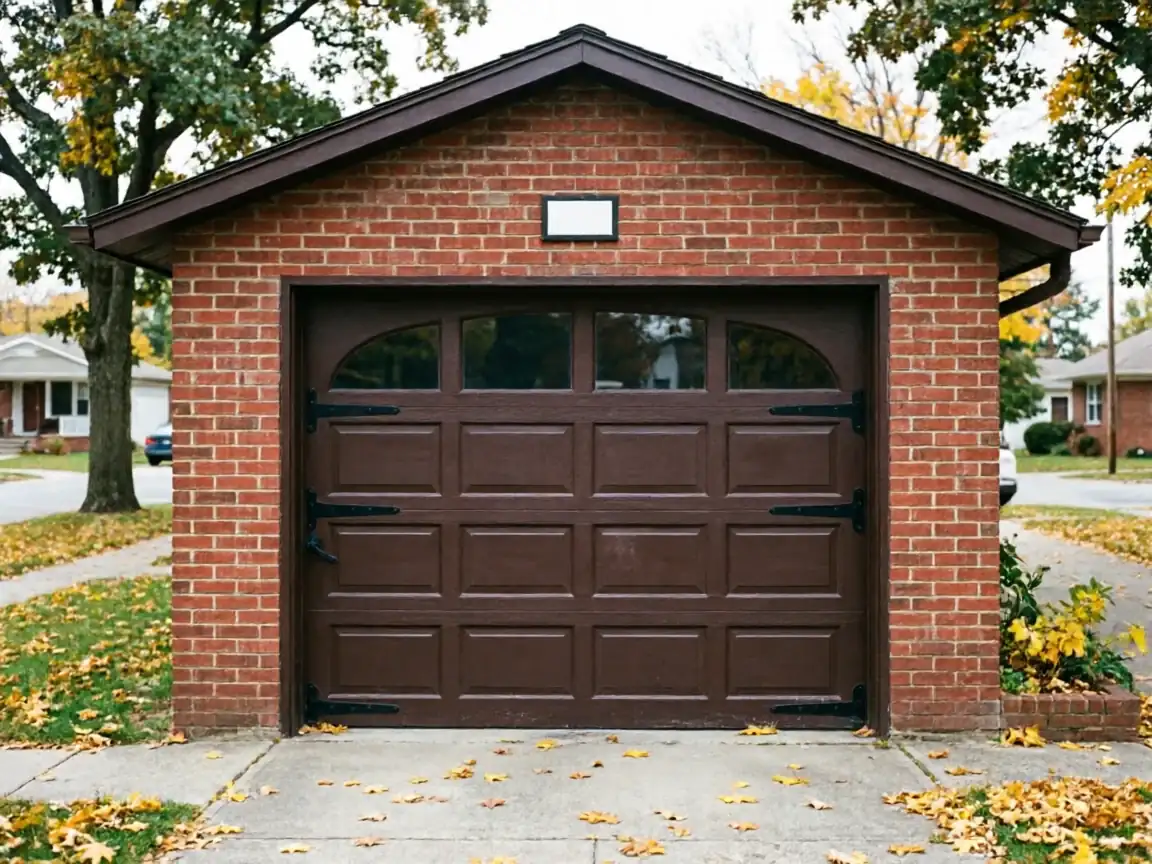
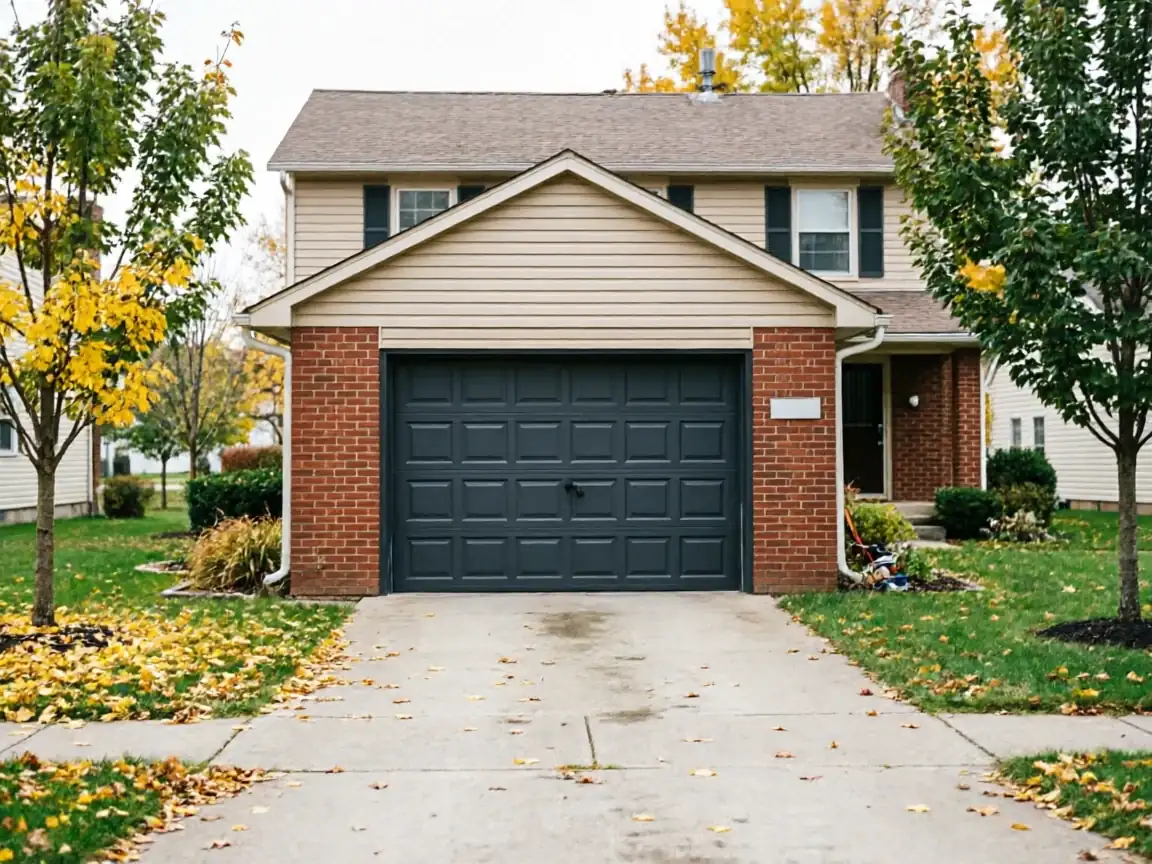
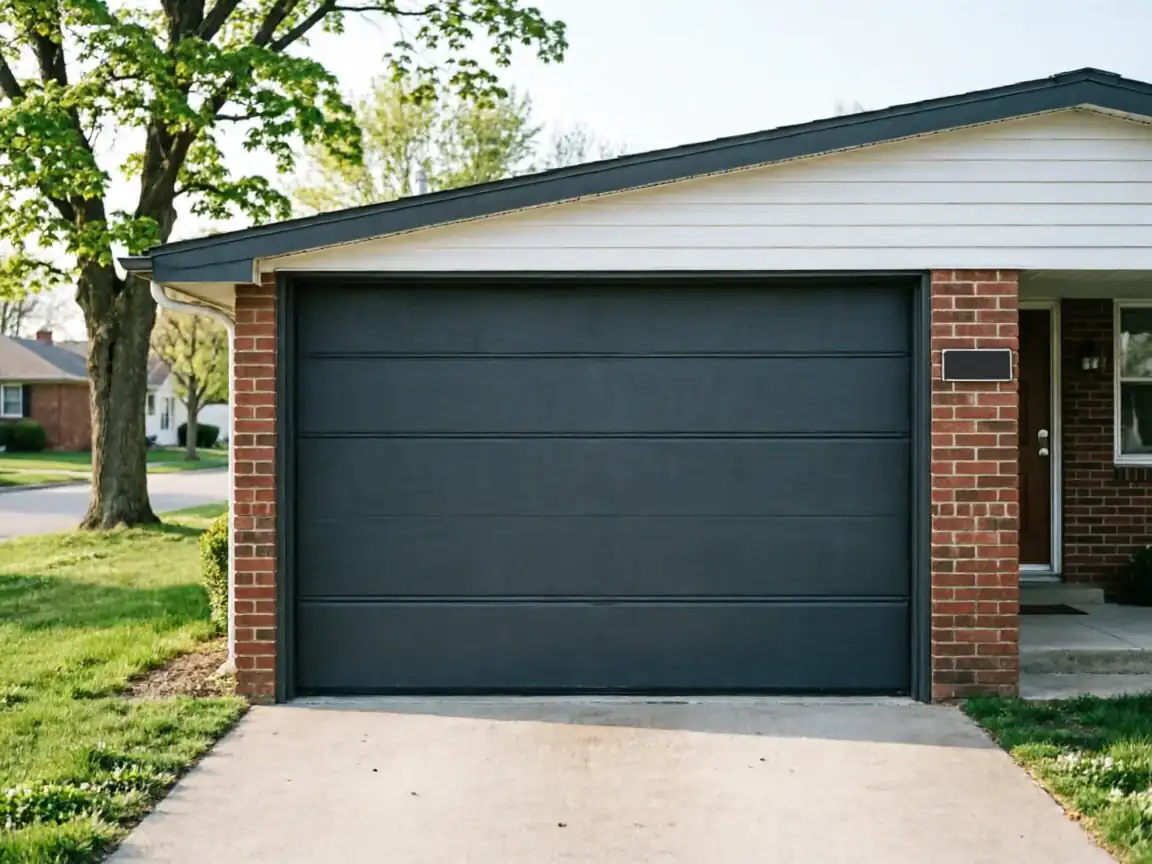
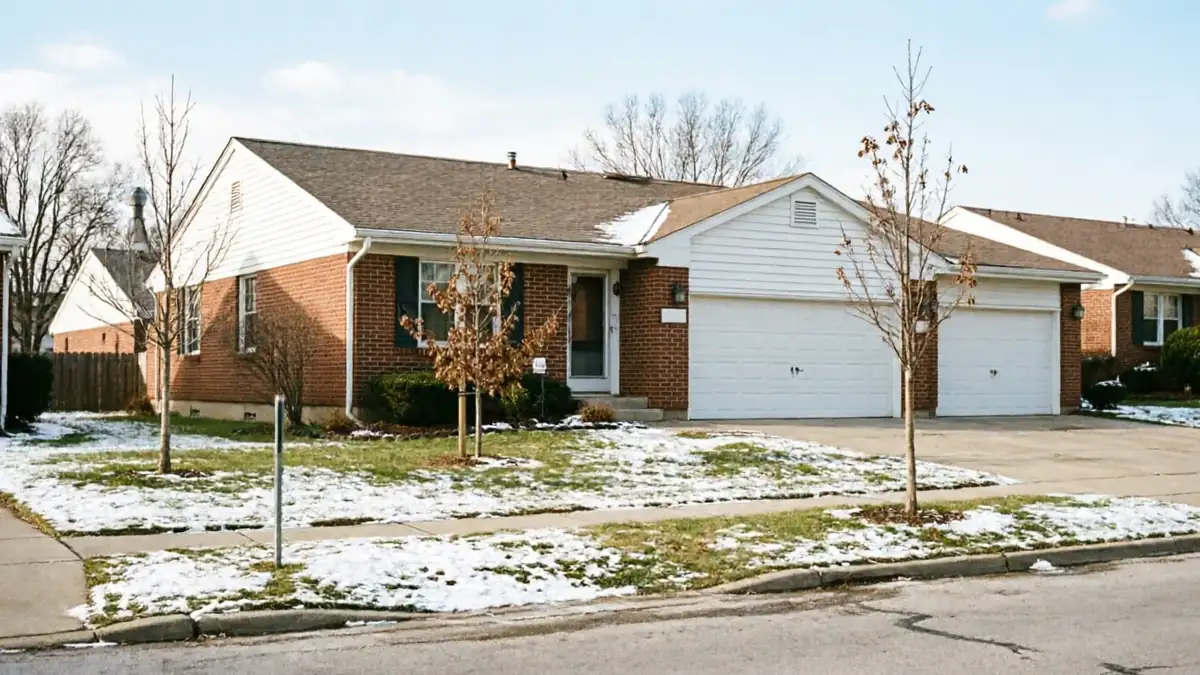
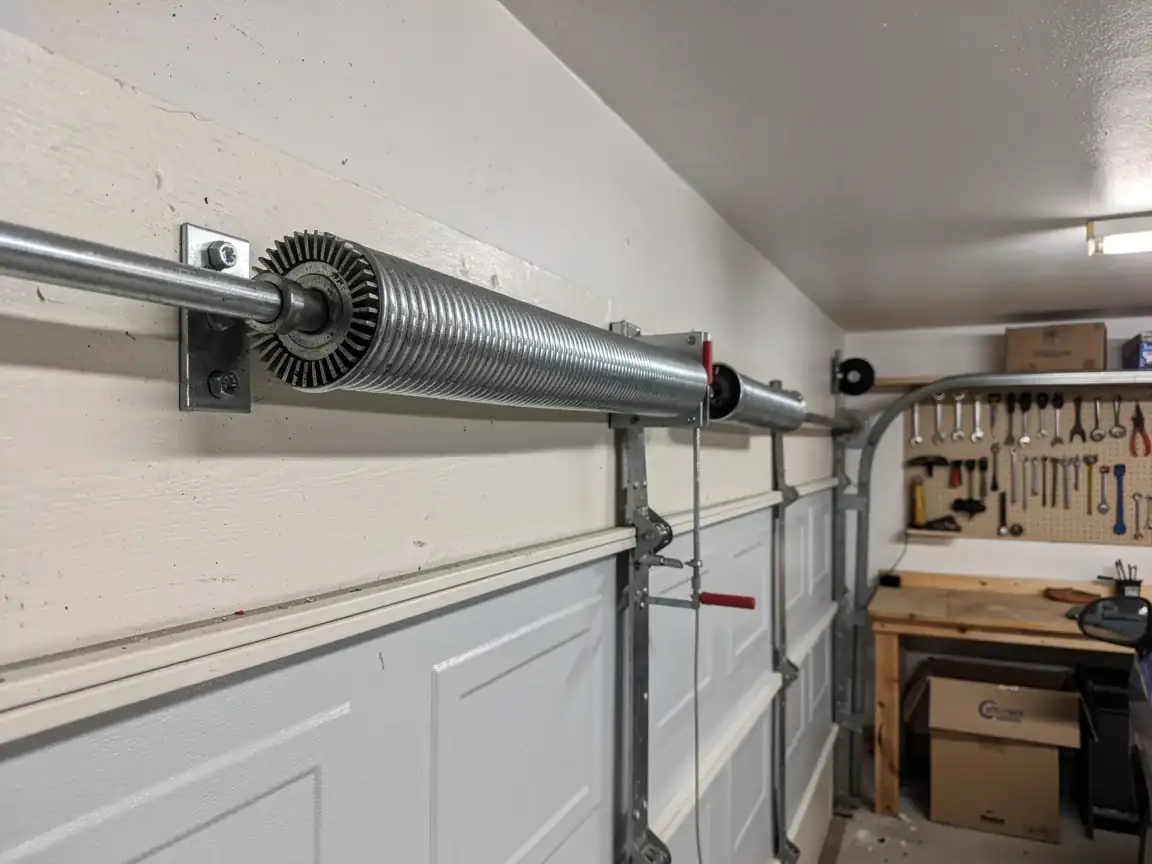
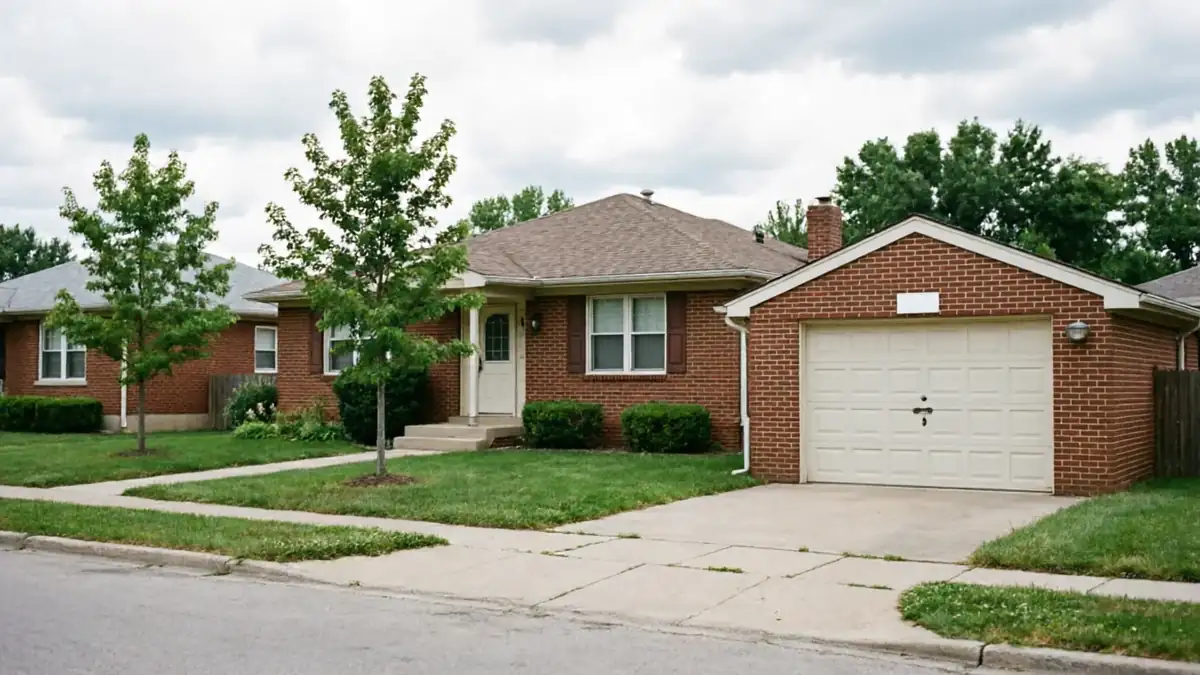
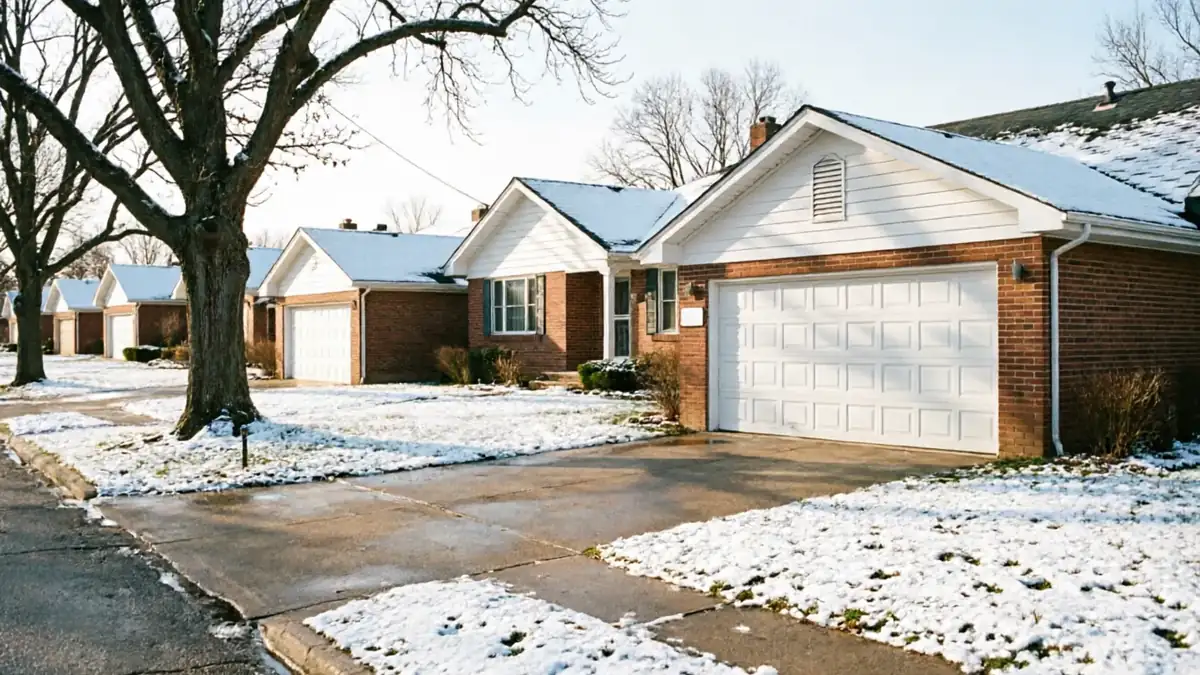
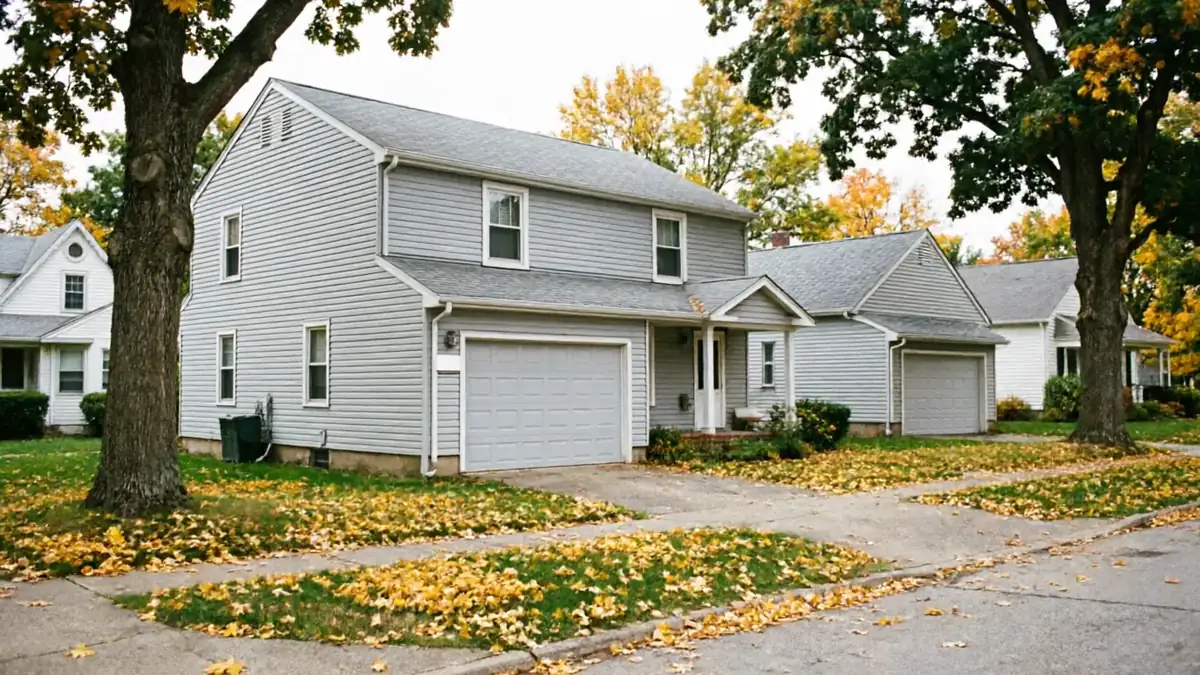
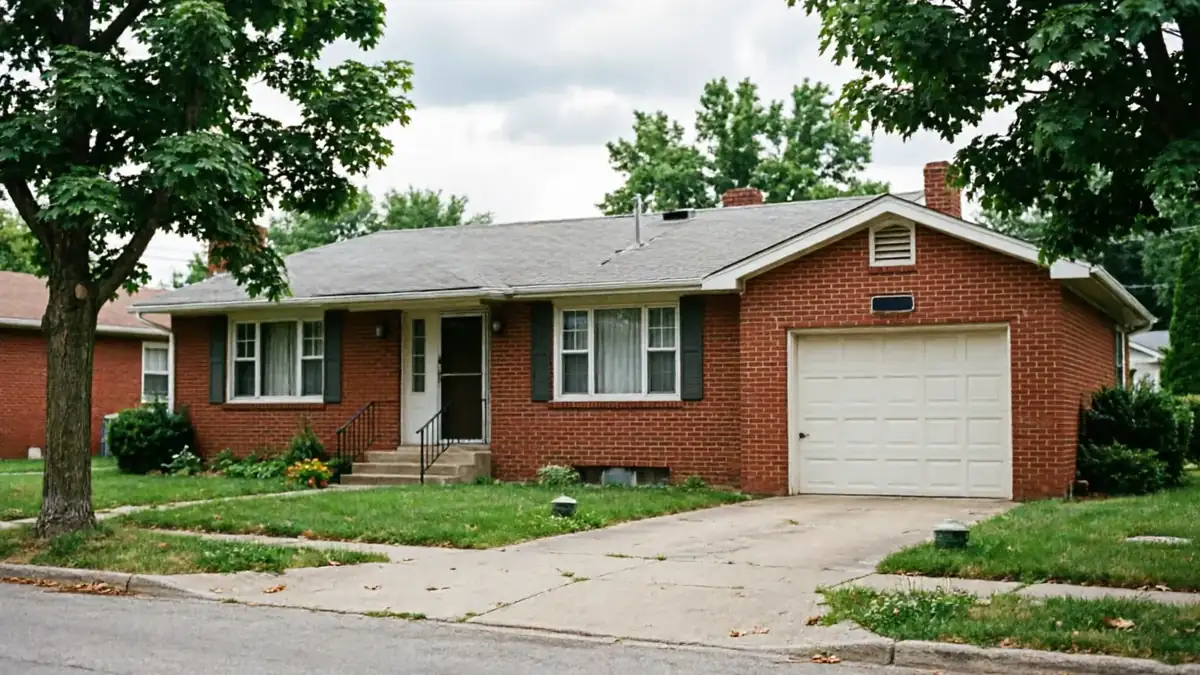
La Harpe's housing stock runs newer than a lot of what we see closer to Macomb. The median year built out here lands around 1965, which puts it toward the tail end of the 1940-1965 window that defines most of this service area, where the broader median sits closer to 1952. That thirteen-year gap matters more than it sounds. Garages built in the early 1960s started showing up with wider single-car openings and the first wave of lighter steel sectional doors, replacing the heavier one-piece swing-up styles common in homes from the late 1940s. If your house in La Harpe dates to that mid-60s run, you're more likely to have an early sectional door on overhead track than the older tilt-up style we still find in some of the pre-1960 pockets elsewhere in the area. The hardware generation is different too - torsion springs sized for those openings, and bearing plates that were a step up from what came before, though still nowhere near what's installed in new construction today.
The Split Between Old and New
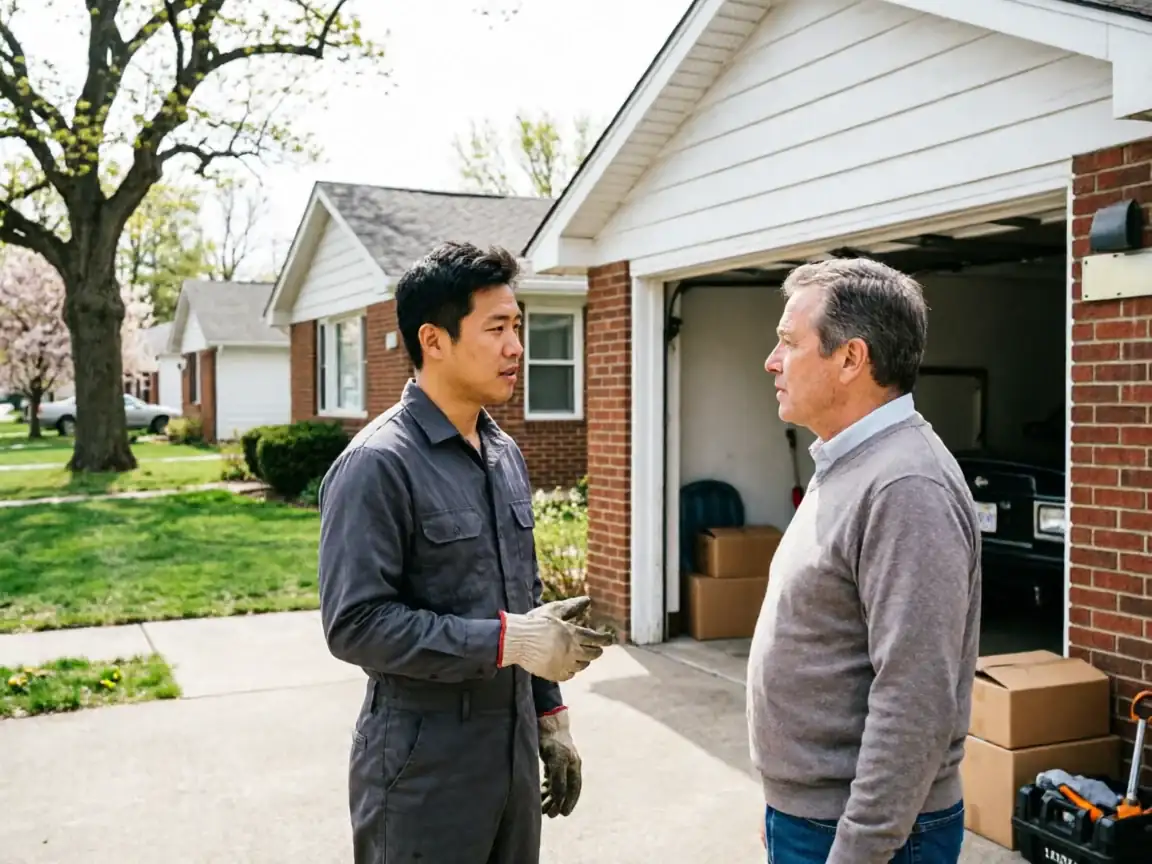
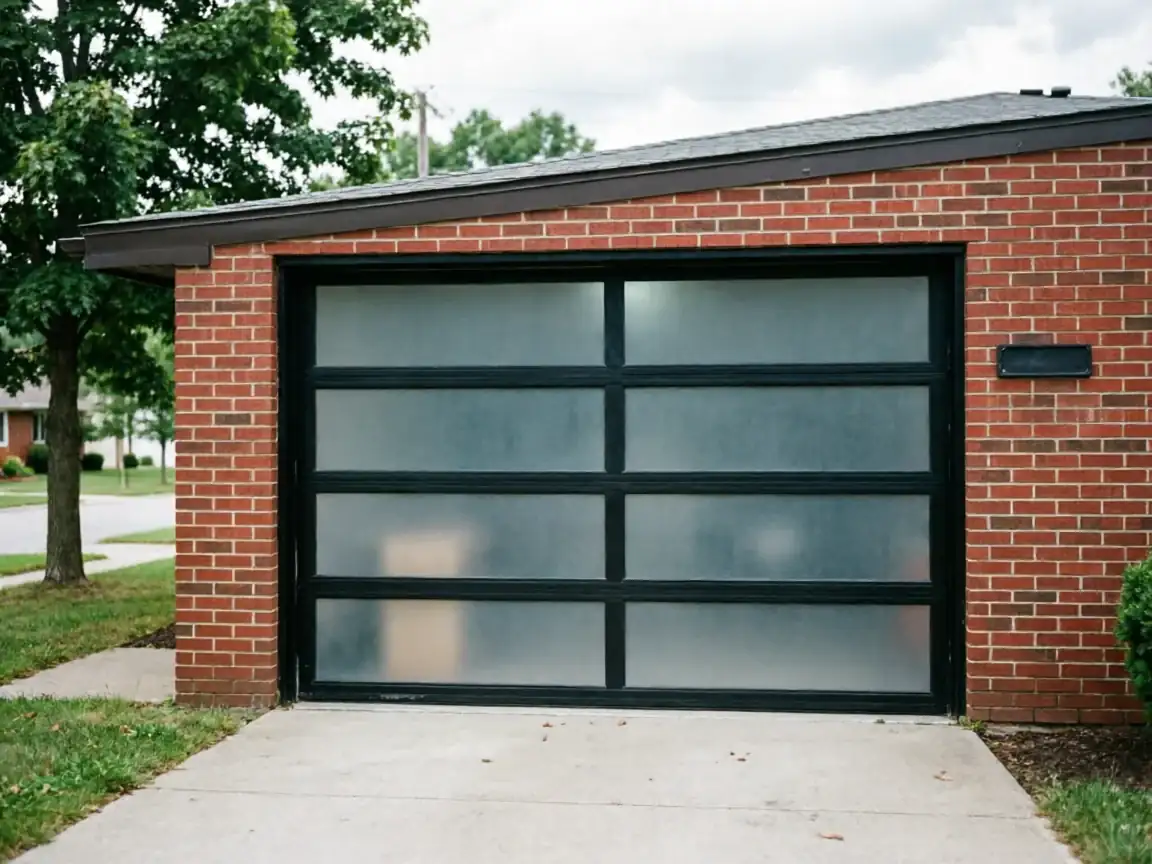
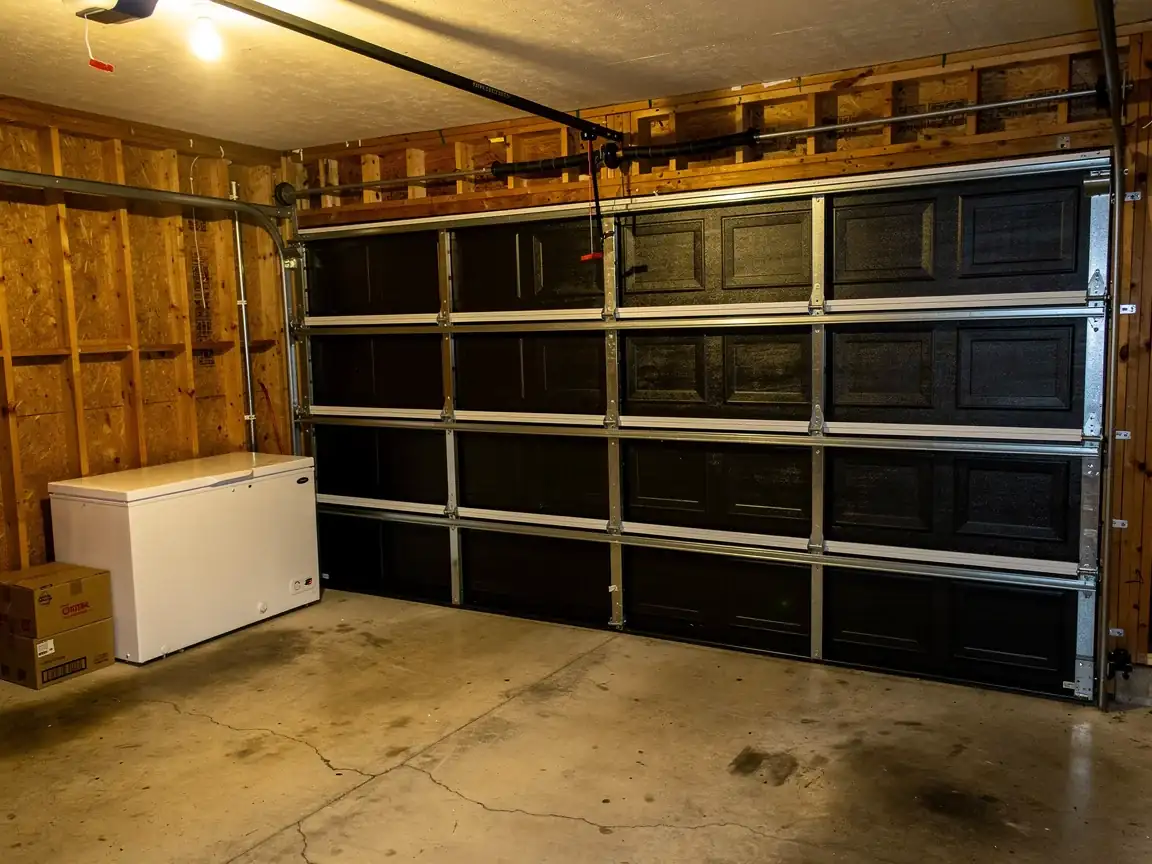
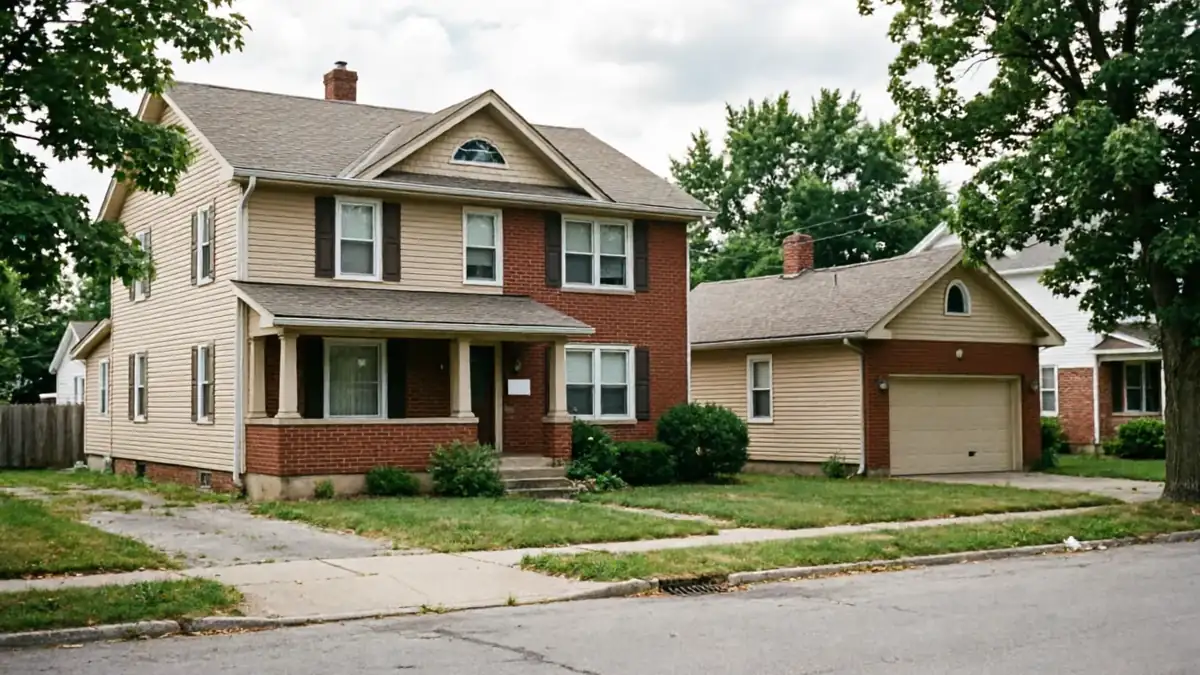
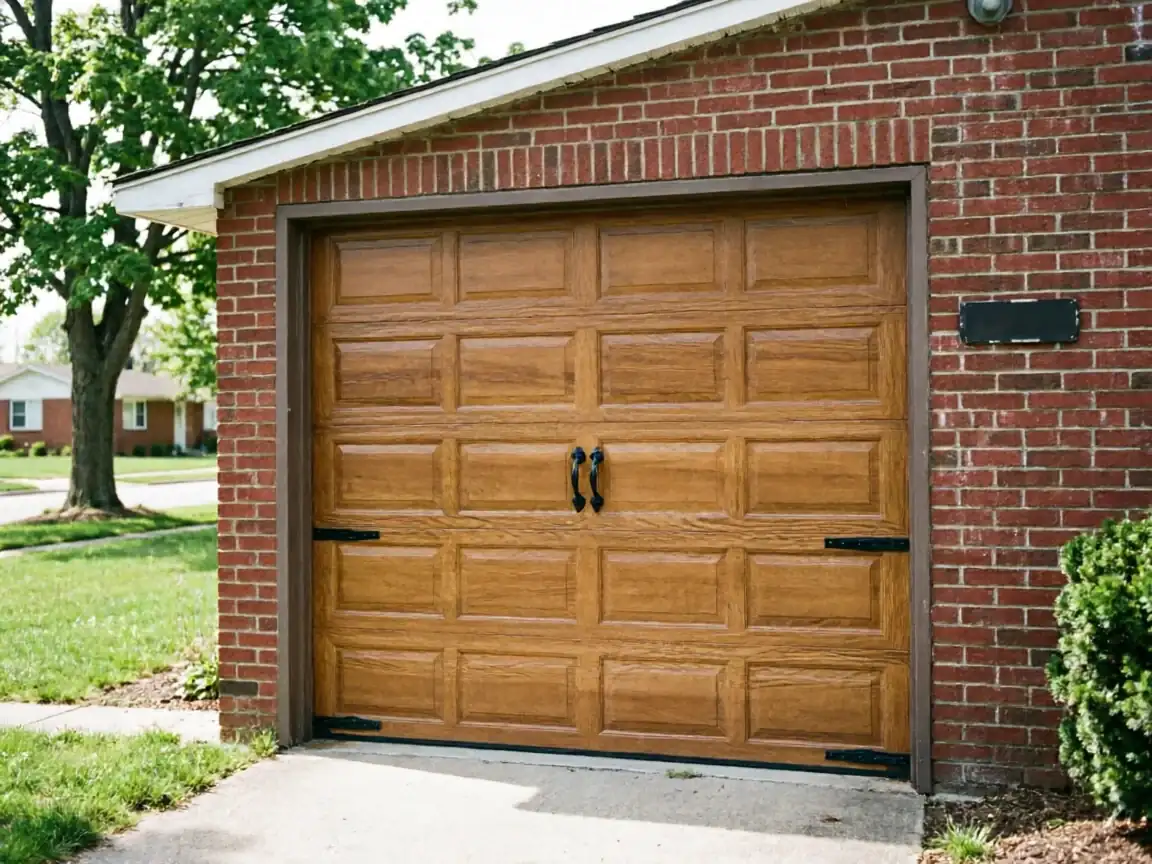
With 531 households in La Harpe, you get a tighter mix than you'd find across the full service area's 2,638 owner-occupied houses. That smaller number means less variety - most garages here fall into one of two camps: original 1960s construction with its original or first-replacement door, or a later remodel where someone swapped in a modern steel door on the same 1960s-width opening. We don't see much pre-1950 stock in La Harpe itself; that's more common in the older sections closer to Macomb and in a few of the other nine named areas we cover. What that means for a service call: when we come out, we're usually diagnosing a door that's 40 to 60 years into its life, not 80. Springs have usually been replaced at least once. Openers, if original, are long past due.
How That Shows Up in the Door
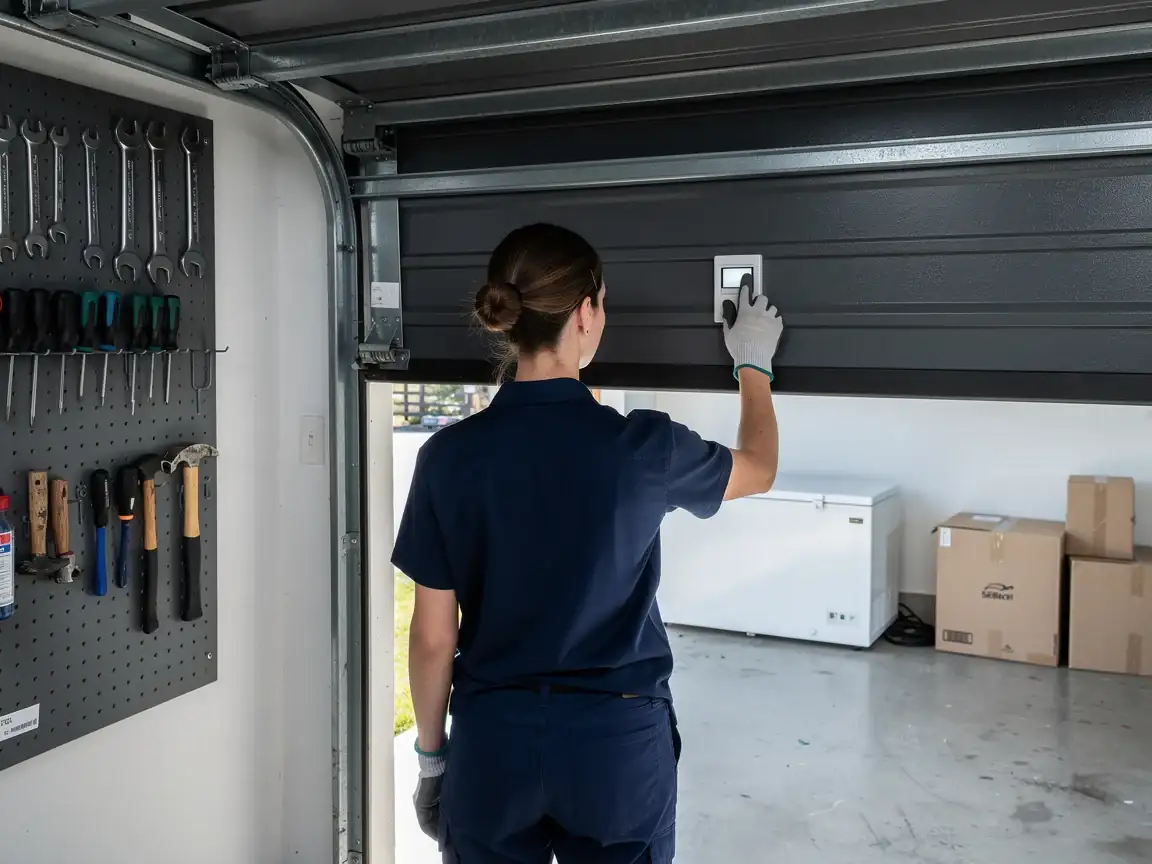
Median household income in La Harpe runs about $49,028, a bit under the wider service area's $54,306, and that tends to track with what we see on service calls: more owners stretching a repair as far as it'll go before replacing the whole unit, which is often the right math on a door from the 1960s rather than the 1940s. The cold winters here put real strain on steel panels and torsion springs alike - moderate cold-climate cycling is hard on galvanized coil springs regardless of the door's age, but a 60-year-old door with worn rollers and a tired opener feels that strain faster than a newer one. If you're hearing a grinding sound on the way up, or the door shudders a few inches off the slab before catching, that's usually rollers or a spring losing tension, not something that needs a whole new door.