Work We Turn Down
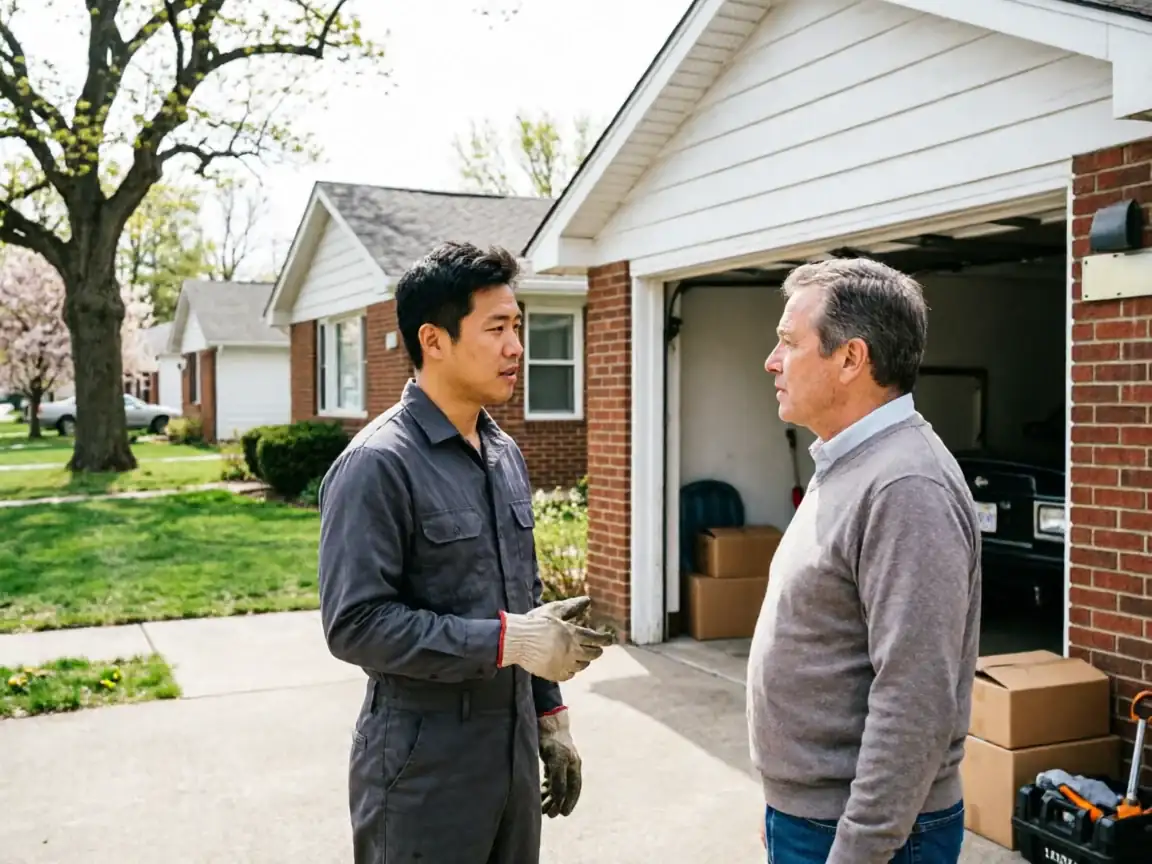
We don't frame new garage openings or pour slabs - that's a contractor job, not ours. If a door needs a structural header changed or the opening resized, we'll tell you so up front instead of taking the call and figuring it out on-site.
We also don't chase calls far past our territory. We run out to Colchester (6 miles), Sciota (7 miles), Industry and Bushnell (11 miles), Table Grove (15 miles), La Harpe and Plymouth (17 miles), and Roseville and Vermont (18 miles). Past that ring, drive time eats the job and we'd rather send you to someone closer than show up late with a half-stocked truck.
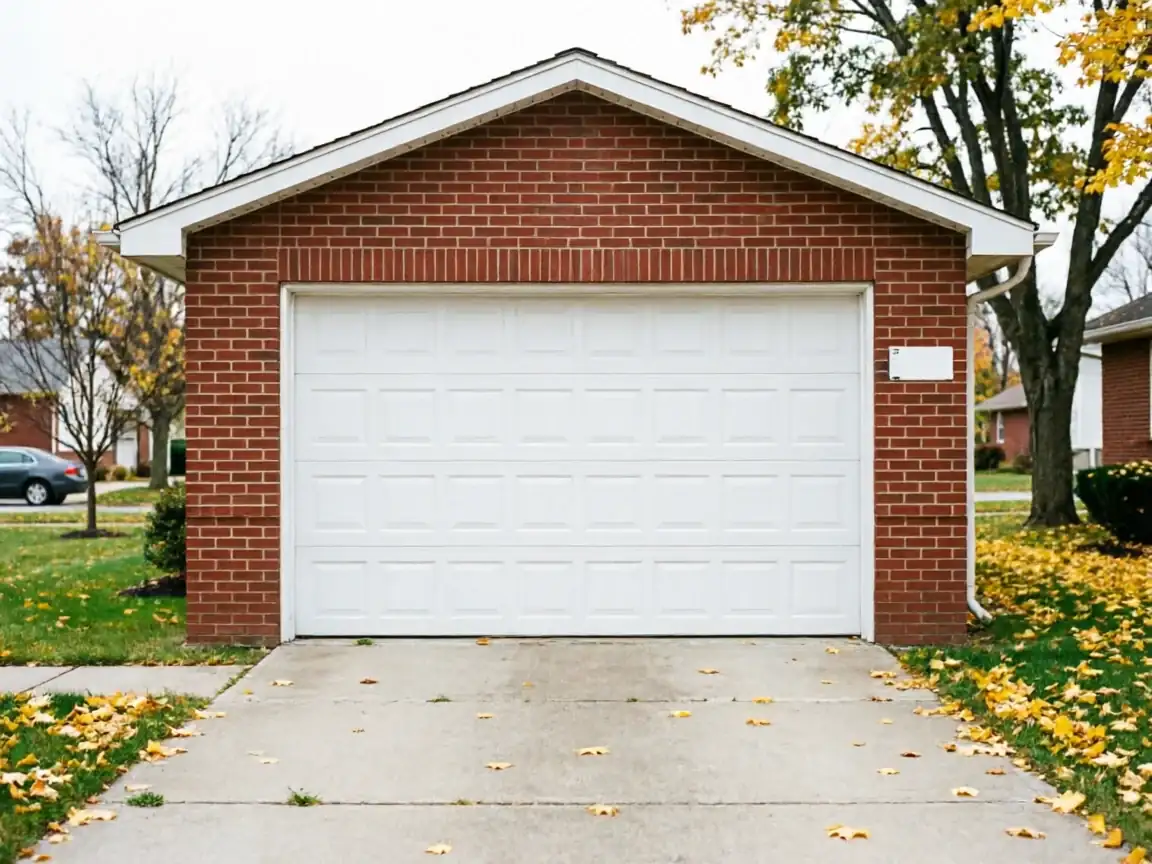
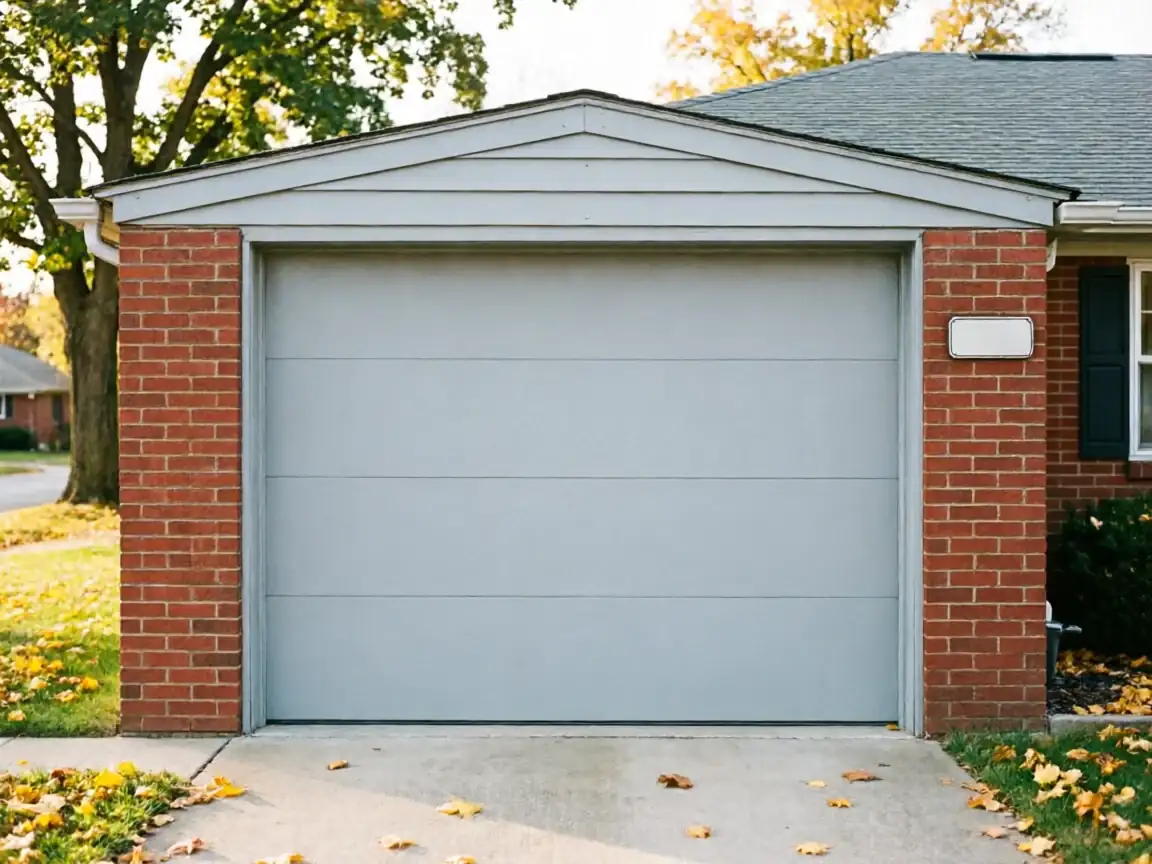
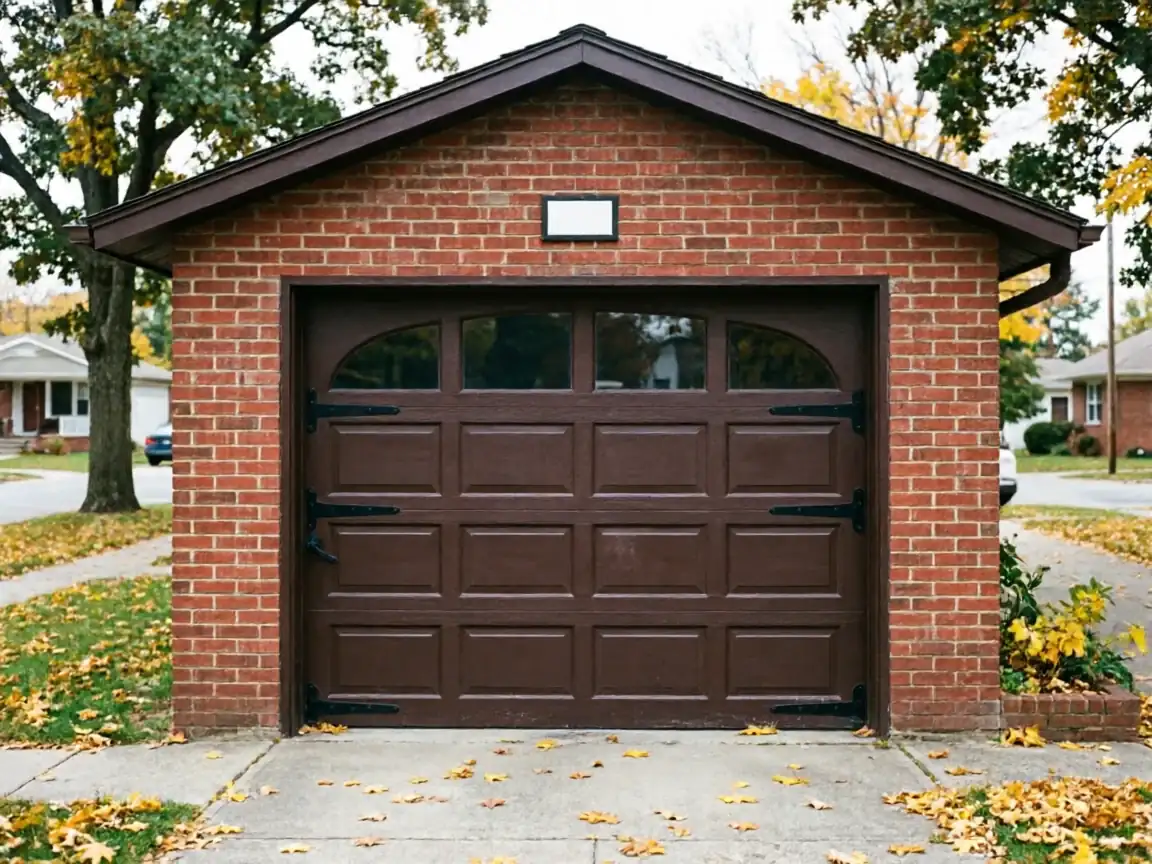
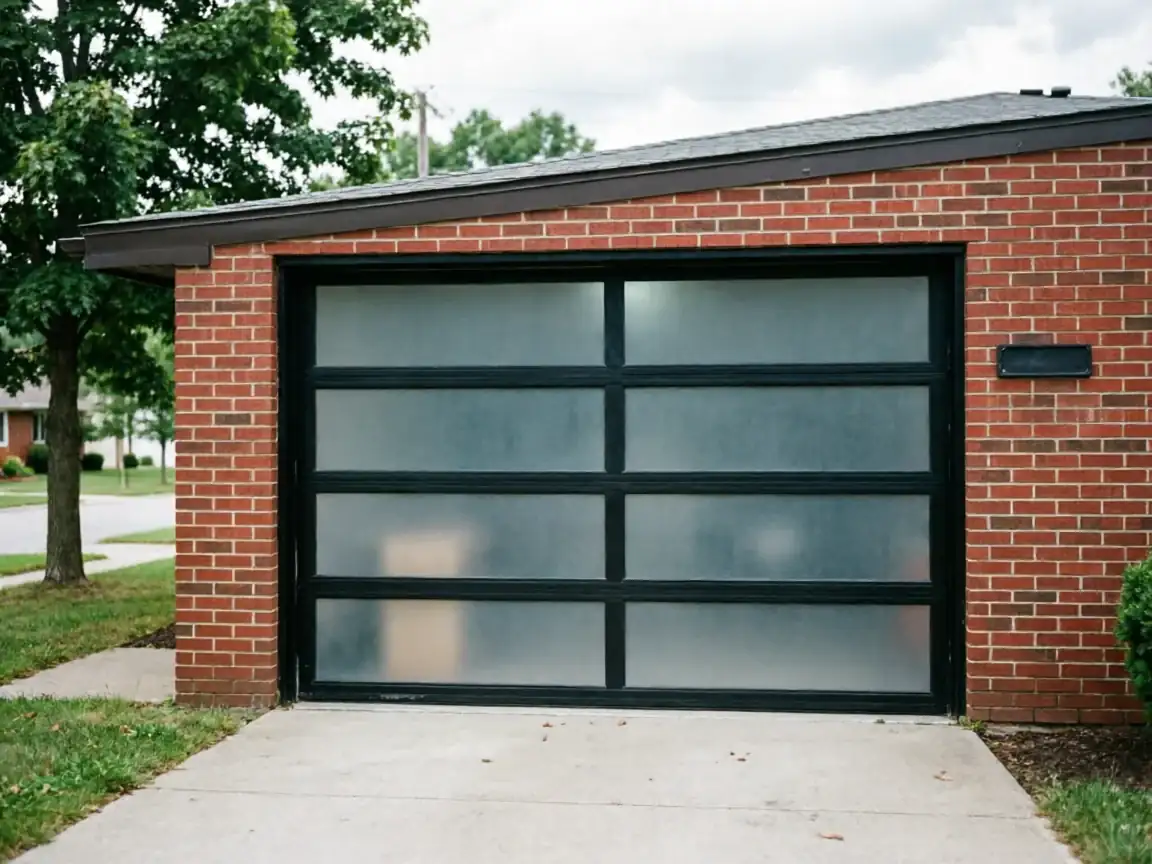
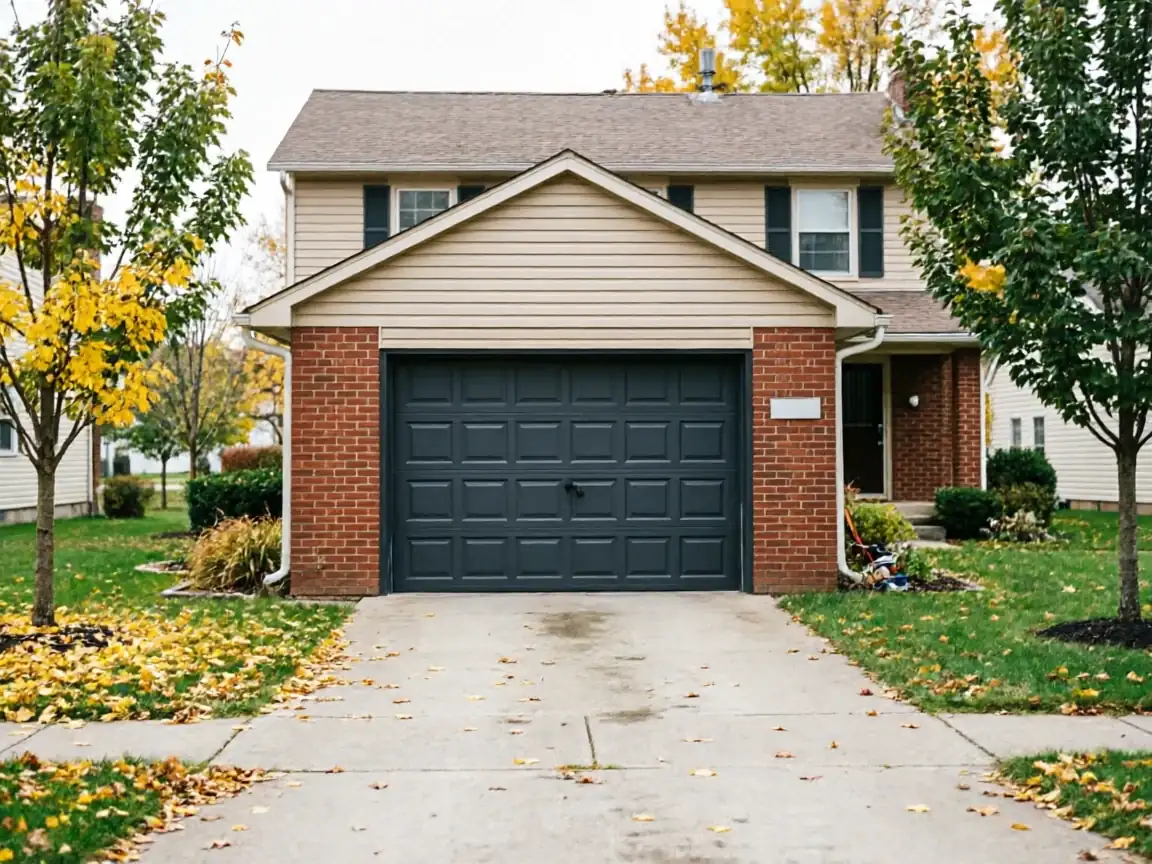
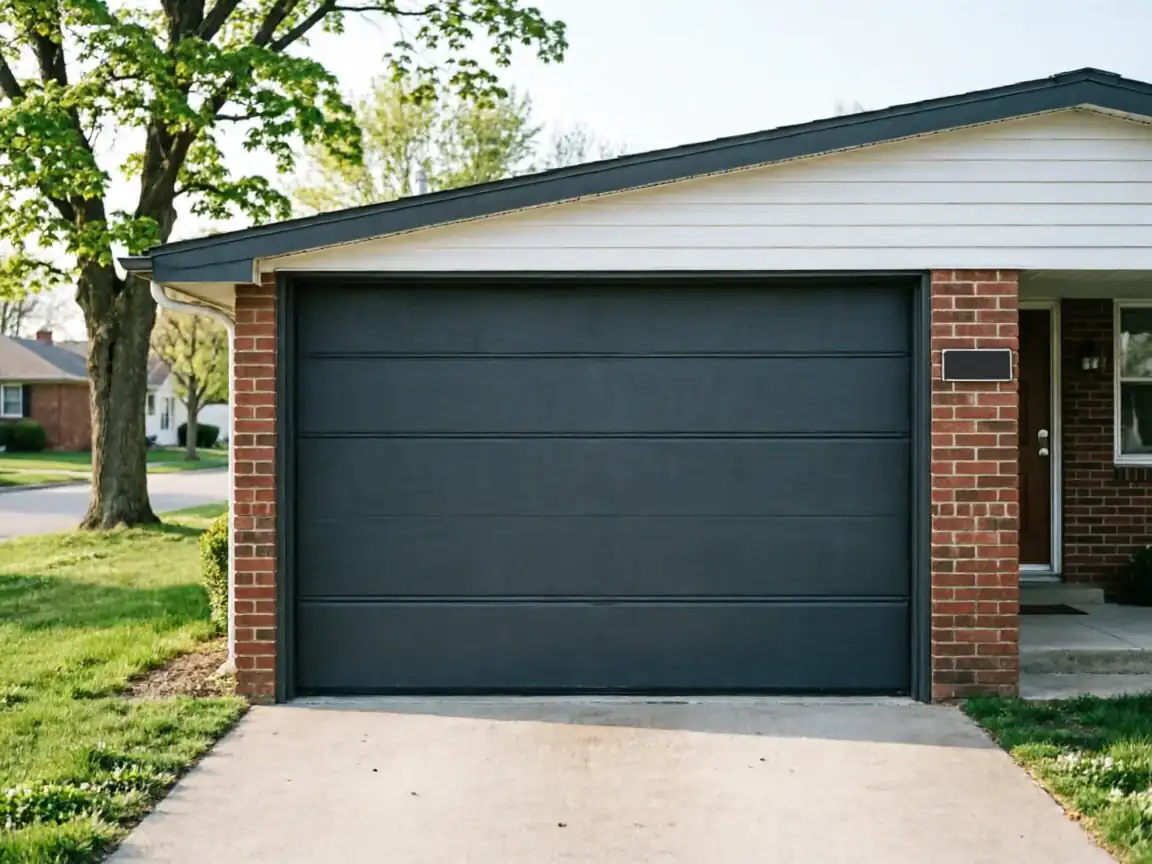
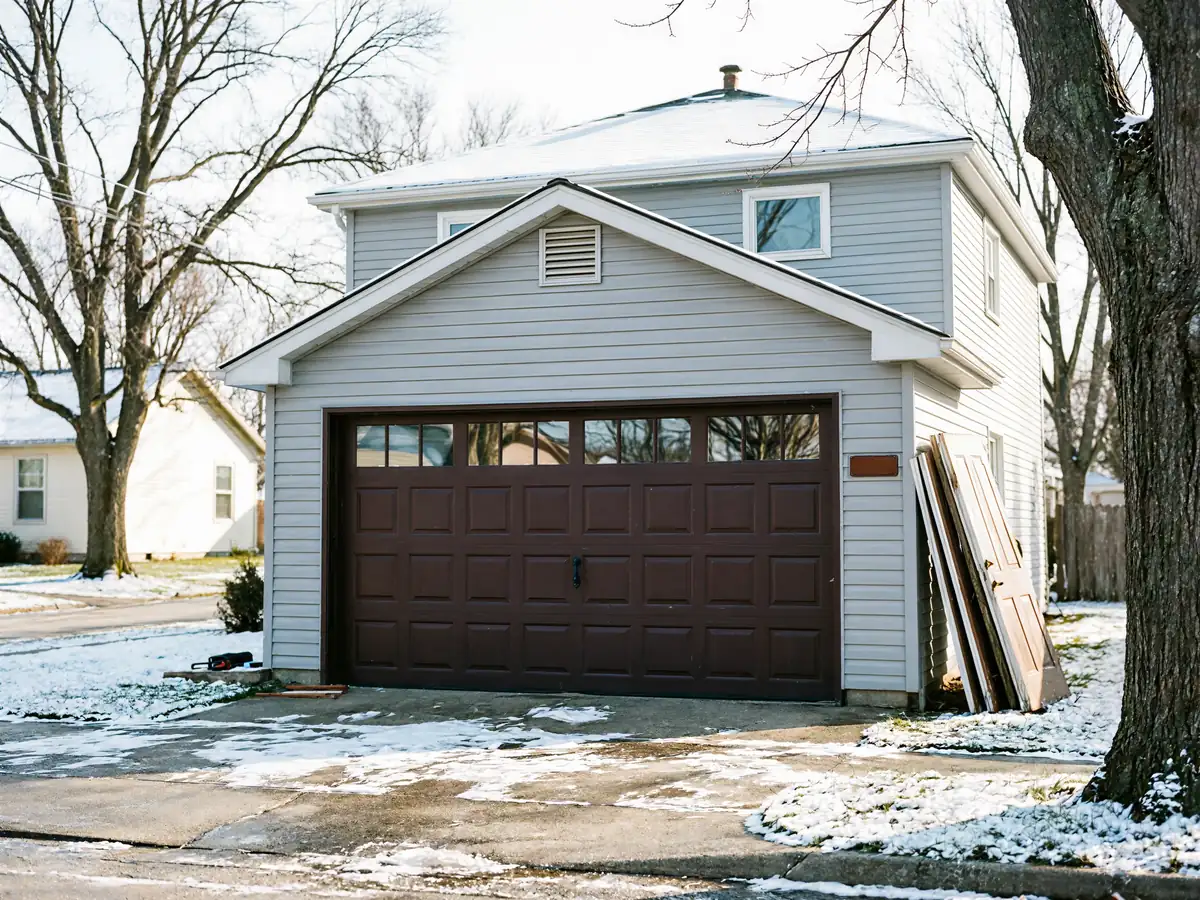
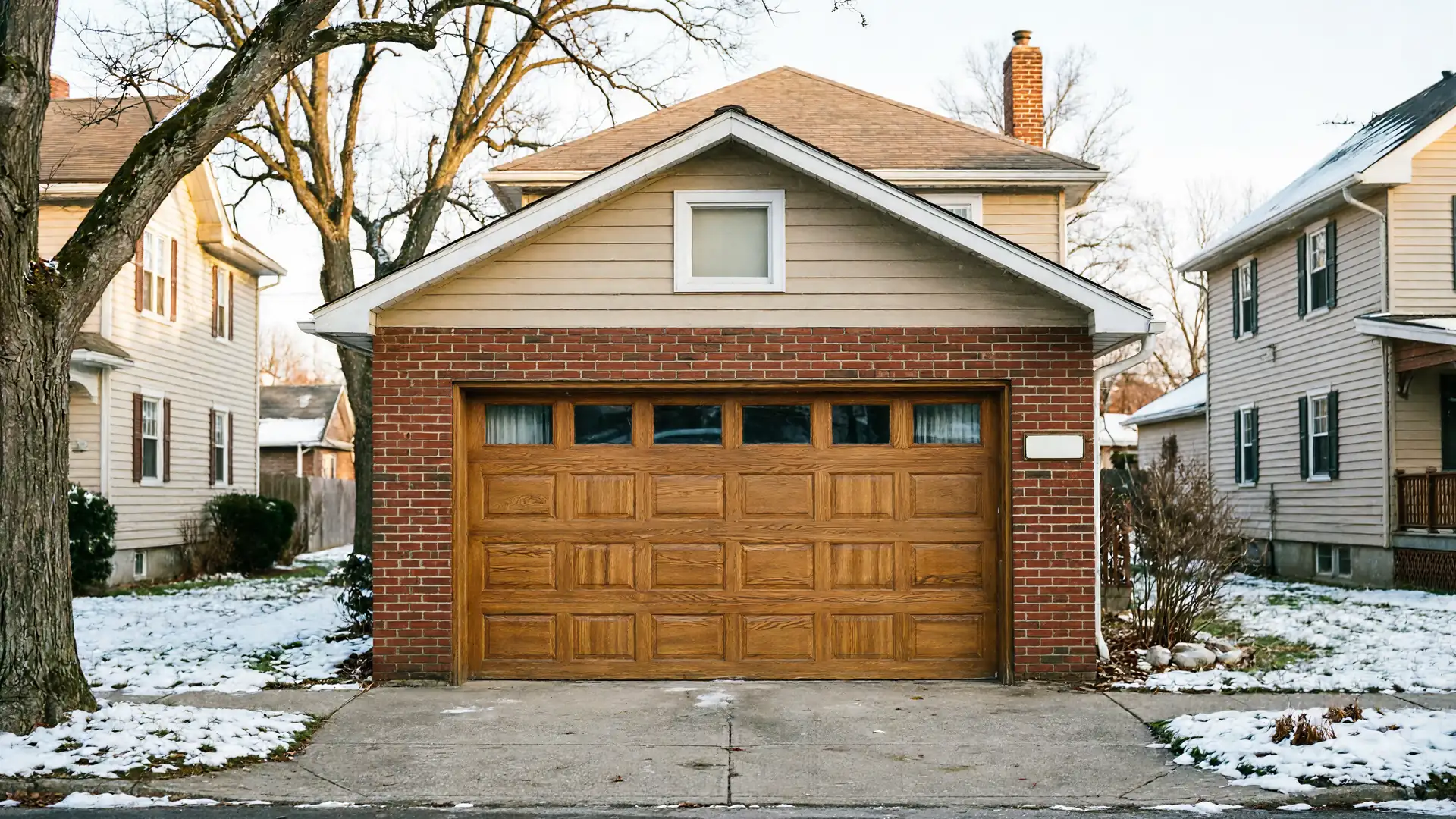
A lot of the housing around here dates to 1940-1965, median build year 1952, and some of those original doors and tracks are worn past the point of a clean repair. When a door's frame is racked or the track is bent beyond adjustment, we'll say replace instead of patch. Fixing a door that should be replaced just means you pay twice - once for the patch, once for the door when it fails again. We'd rather tell you that on the first visit than the second.
What Happens After You Call
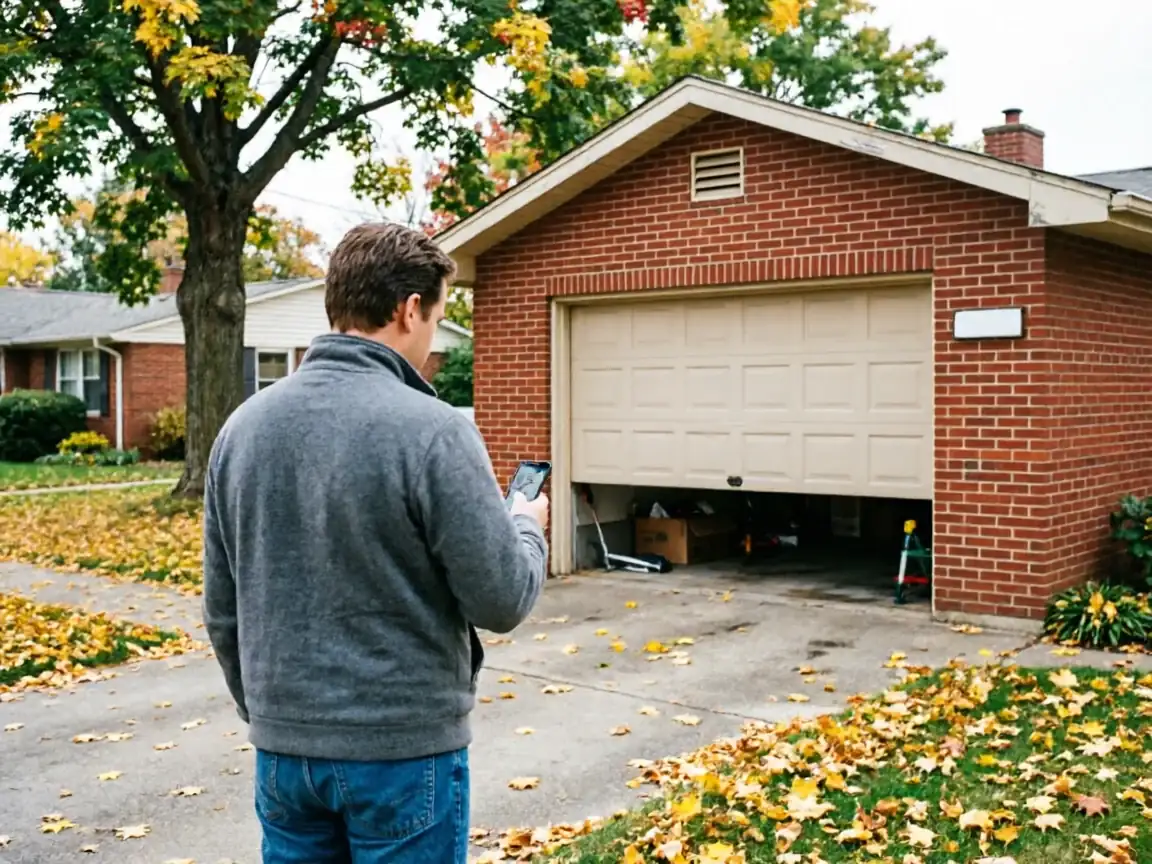
Call 1-309-217-9696 and describe what the door is doing - won't open, makes a grinding noise, one side hangs lower than the other, opener runs but the door doesn't move. That tells us roughly what's broken before anyone drives out: spring, cable, opener, or track.
We ask where you're located since the service area stretches from town out past Colchester and Sciota to Vermont, and drive time varies a lot depending on which side of the county you're on. We give you a window, not a guess dressed up as a promise.
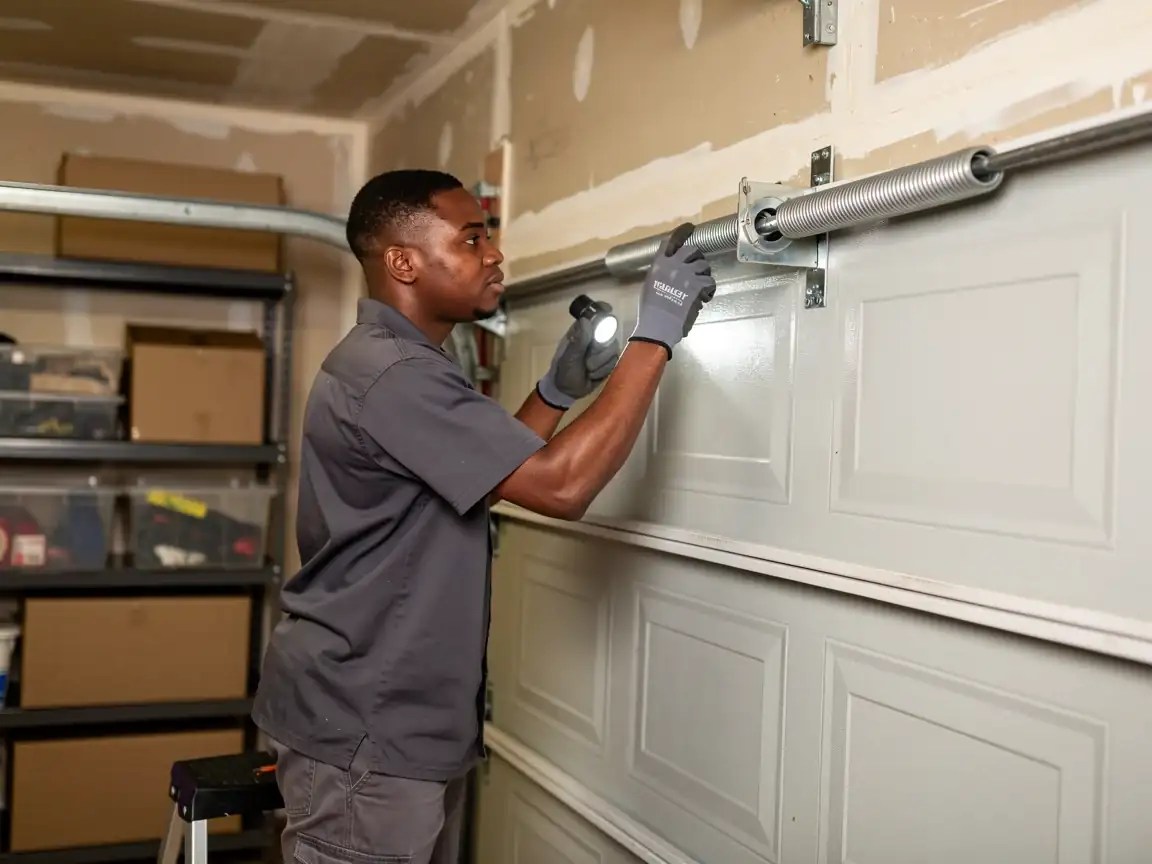
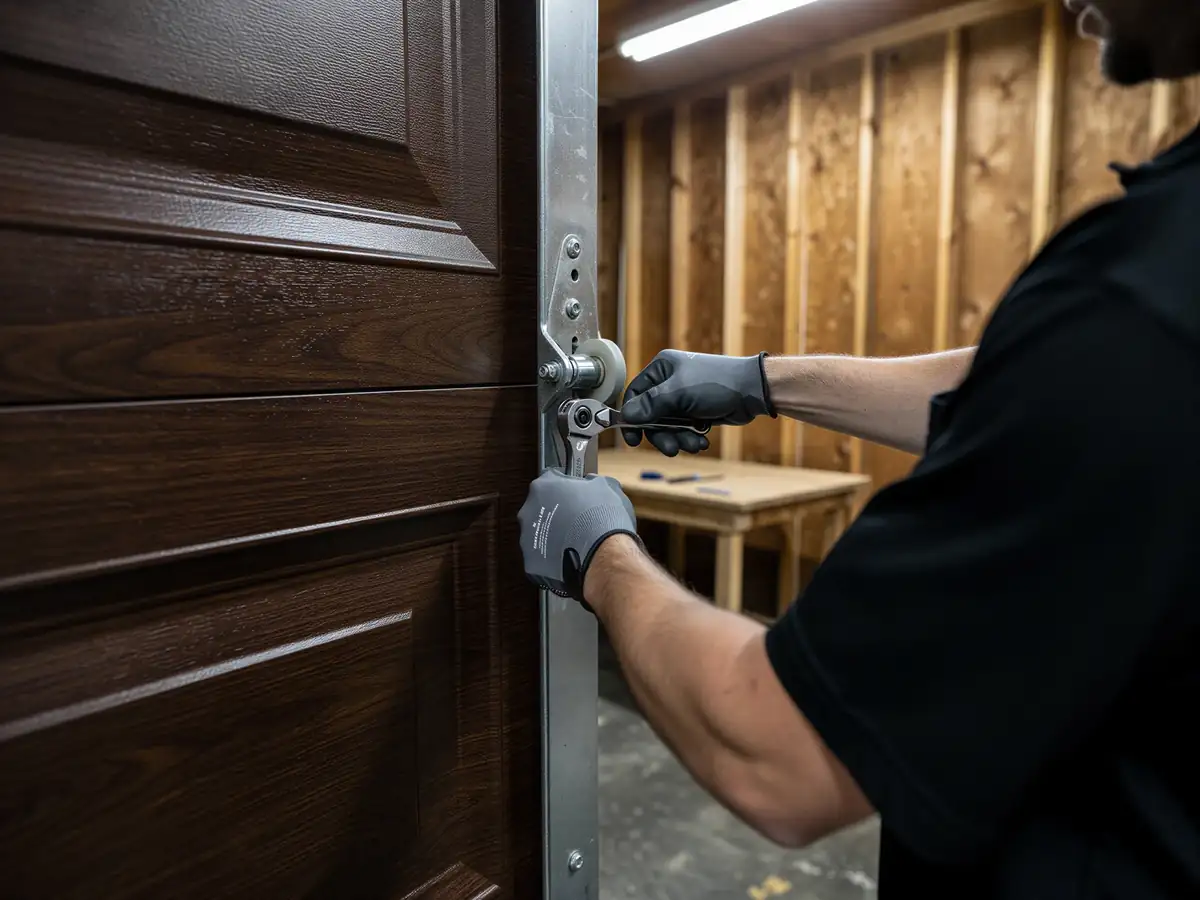
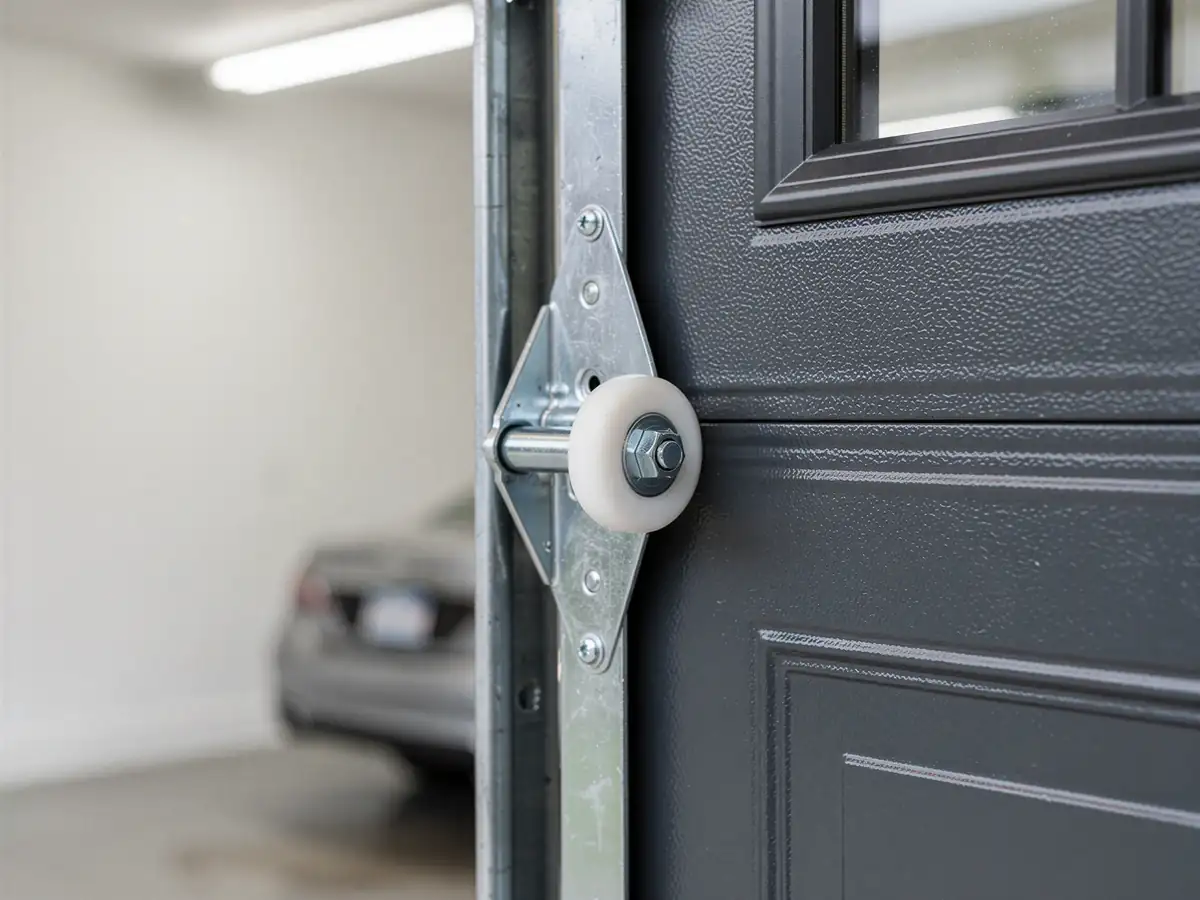
On site, we check the obvious first - spring tension, cable wear, track alignment, roller condition - before opening anything up. On a lot of the older houses in this area, the original hardware is side-mounted torsion on a door built for a lighter panel than what's sometimes been swapped in over the years, so we check what's actually installed rather than assuming it matches the house's age. We quote the fix before we start it, not after. If the repair isn't worth it against a new door, we say that too, and let you decide.
The Work We Take On
Most of what we see traces back to houses built between 1940 and 1965
A lot of them sitting right at the median year of 1952 - spread across nine named areas of pre-1960 stock in the service territory. That means original one-piece doors, side-mounted torsion springs, and hardware sized for panel weights that don't match what's on newer steel doors.
Springs are the bulk of the call volume
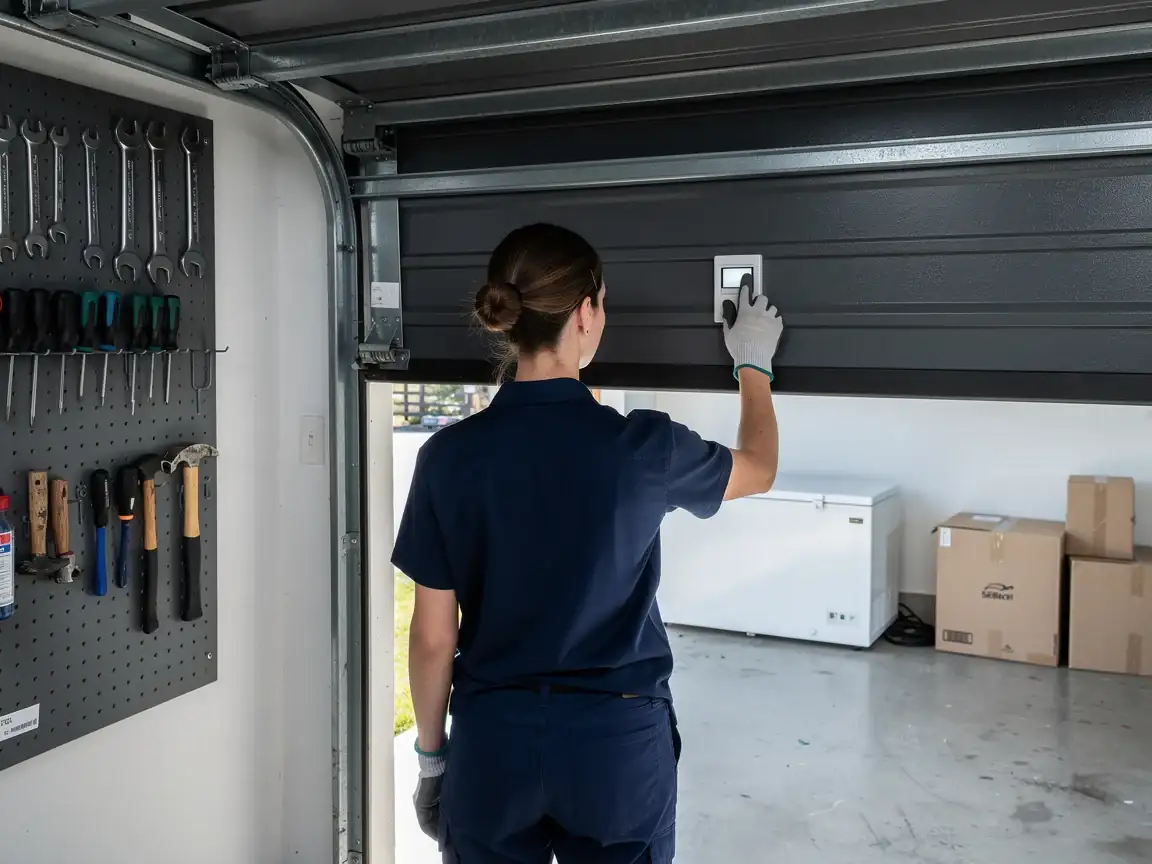
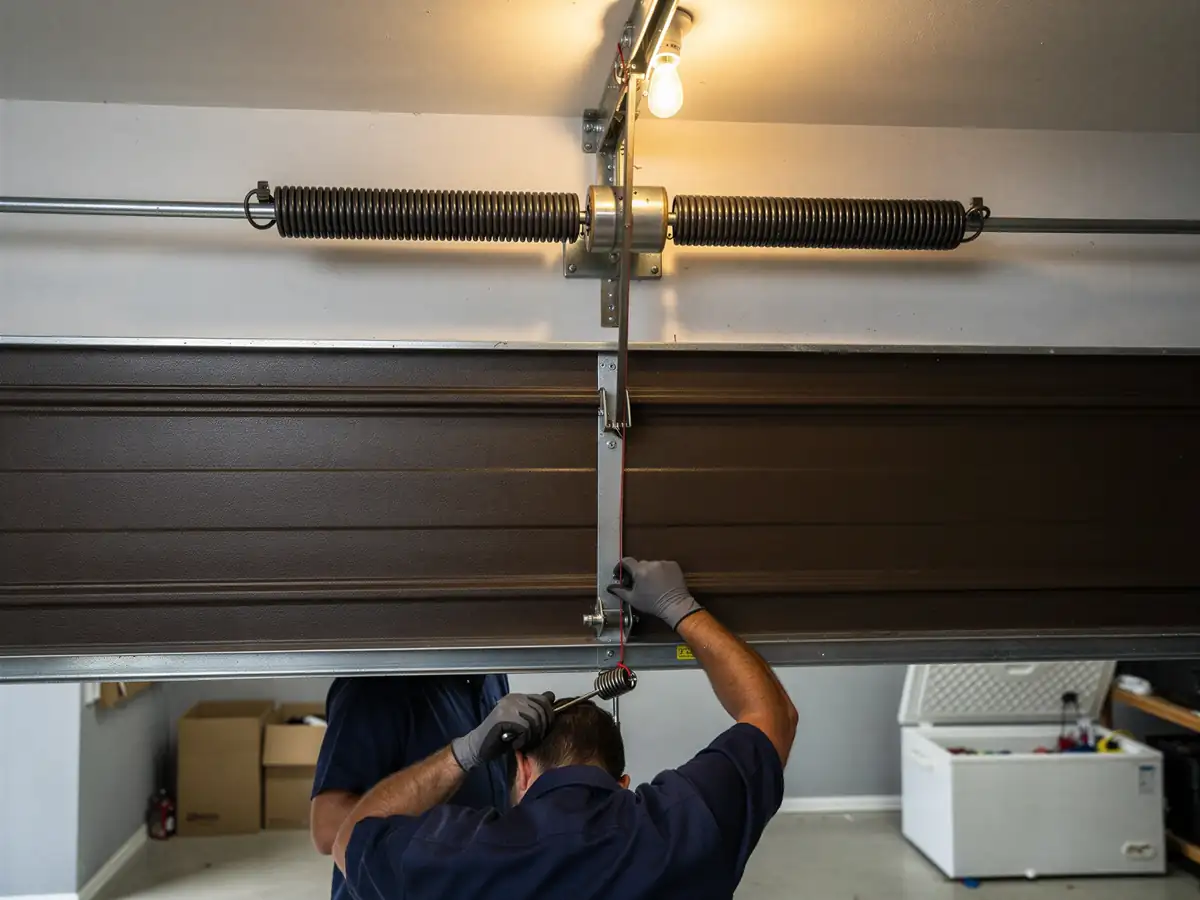
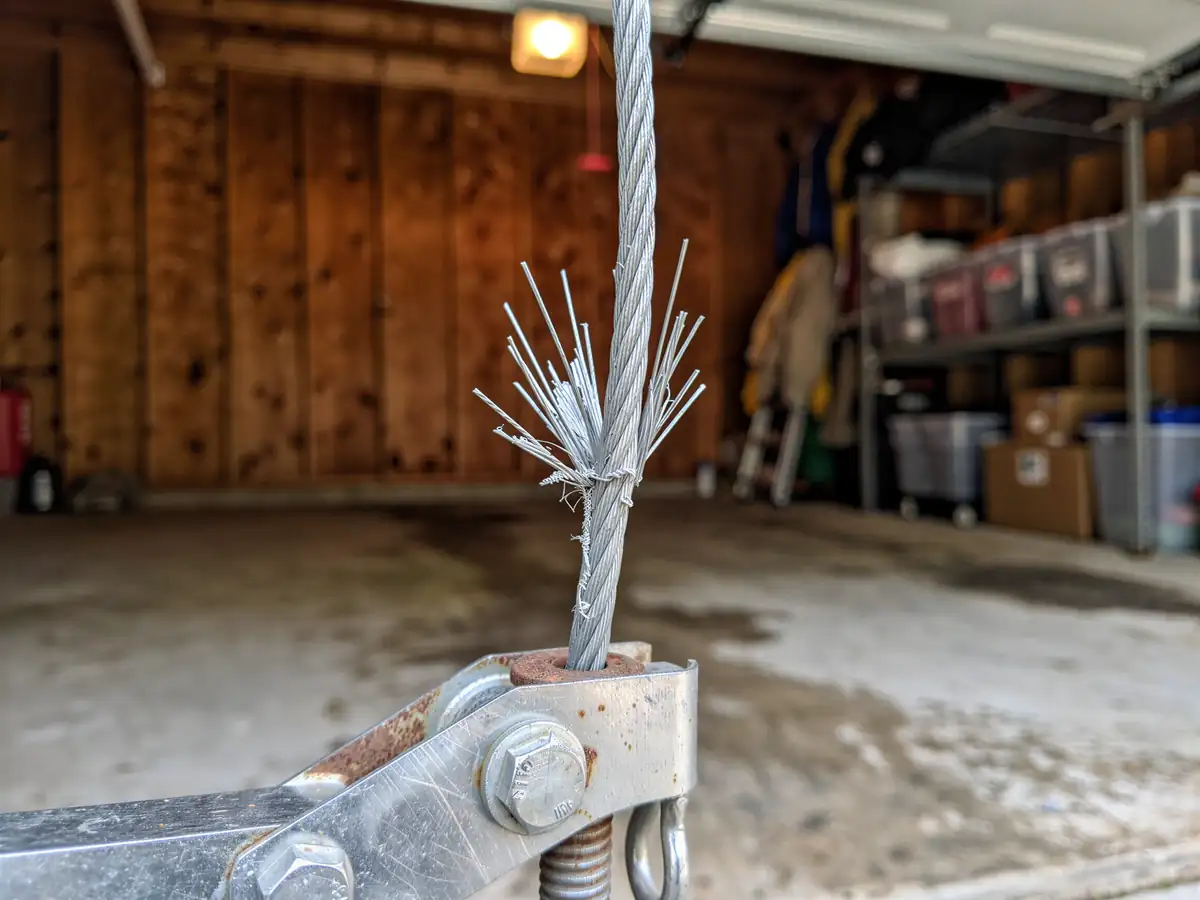
Broken torsion springs on doors that have cycled thousands of times since whichever decade they went up, extension springs on older two-piece doors, and cables that fray where they wrap the drum. We work on openers too - chain and belt drive units, travel limits that drift, safety sensors knocked out of alignment.
The climate here is cold enough that steel contracts and expands through the winter
Which is part of why tracks on older installs work loose at the brackets over time. We check bracket fasteners on every service call for that reason, not just when someone calls about noise.
The area covers about 3,534 households and 2,638 owner-occupied houses
And median household income runs $54,306 - numbers that shape how we quote jobs: straight parts-and-labor pricing, no upsell toward a door nobody asked for.
- 3,534 households
- 2,638 owner-occupied
- $54,306 median household income