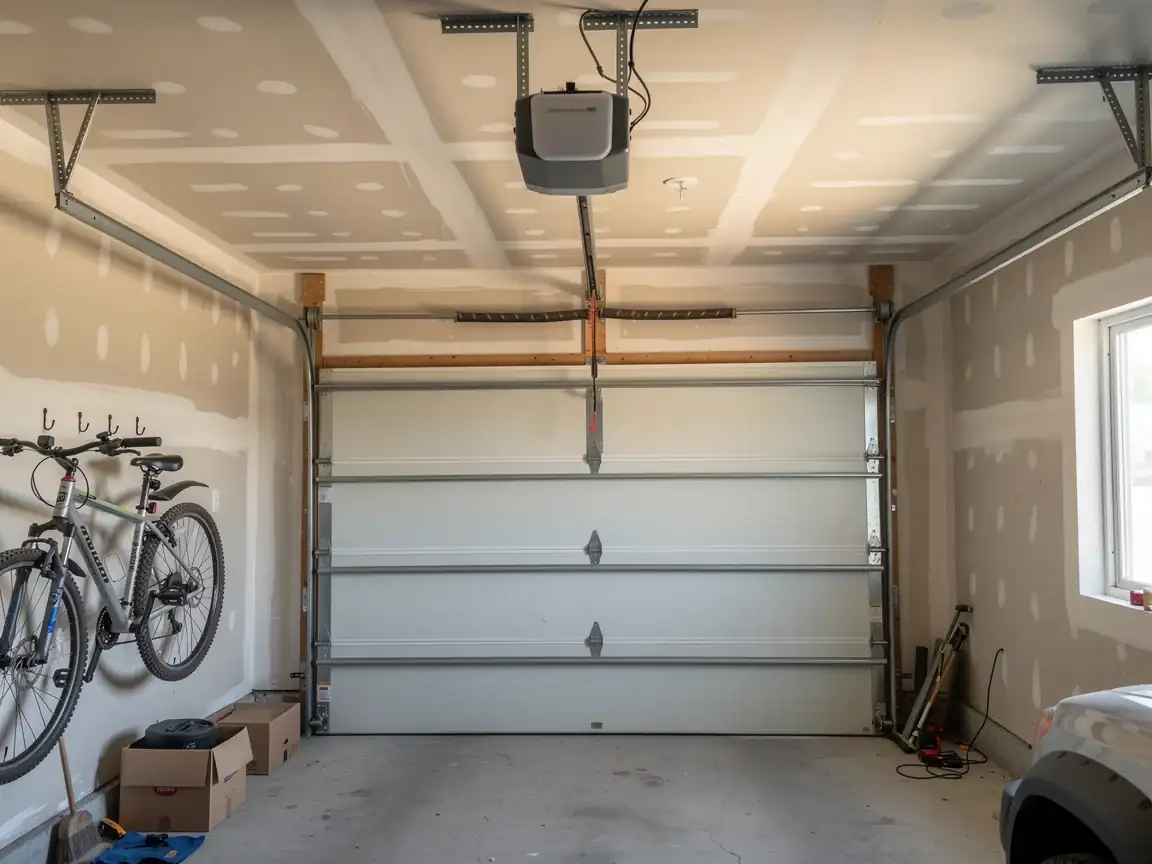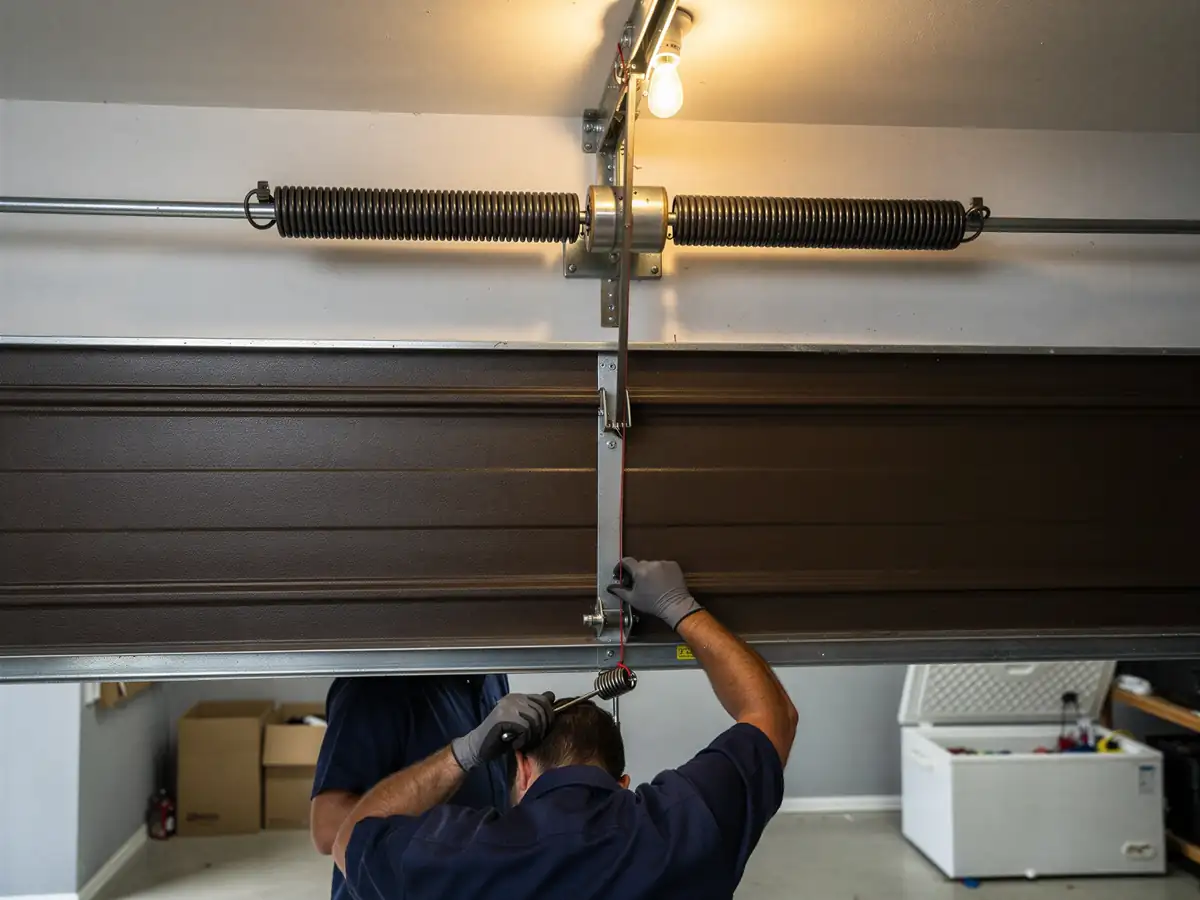
What the Fix Involves
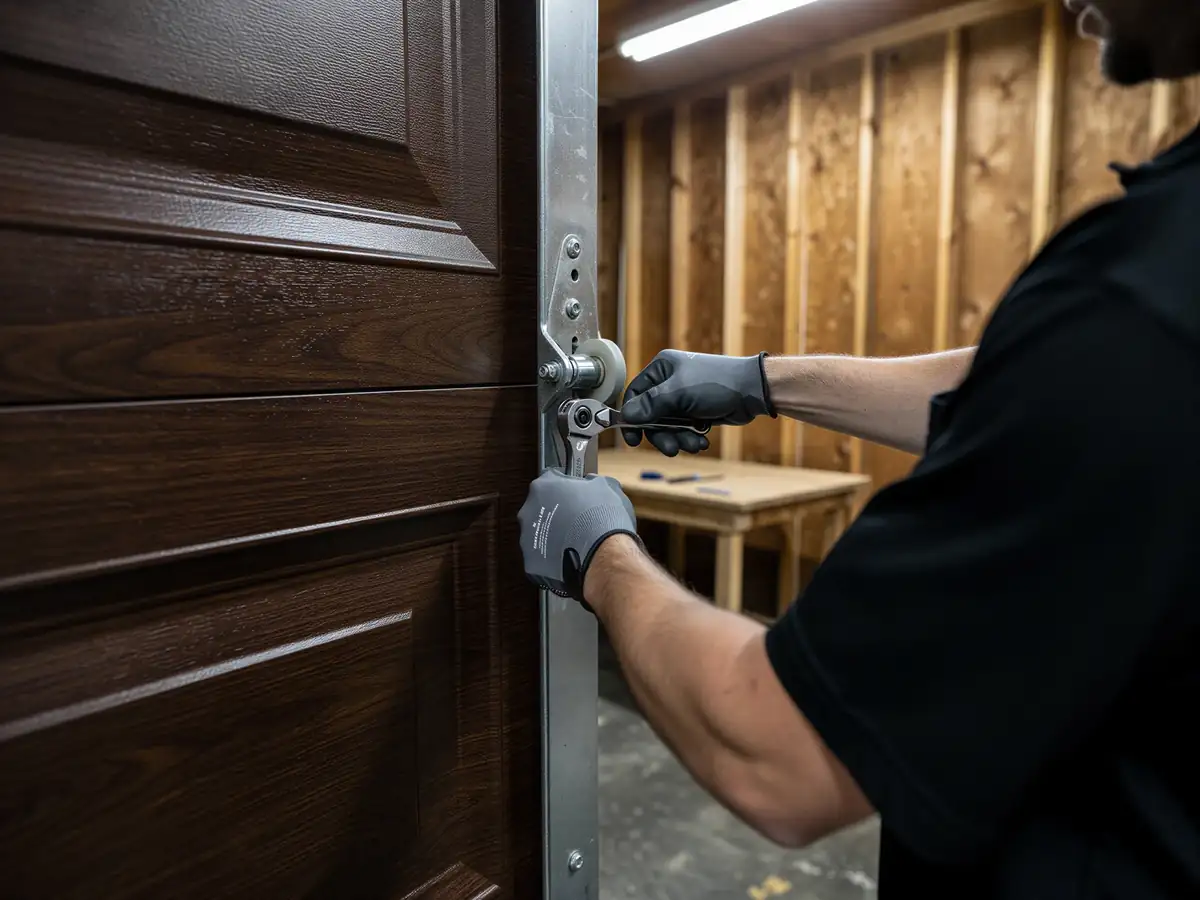
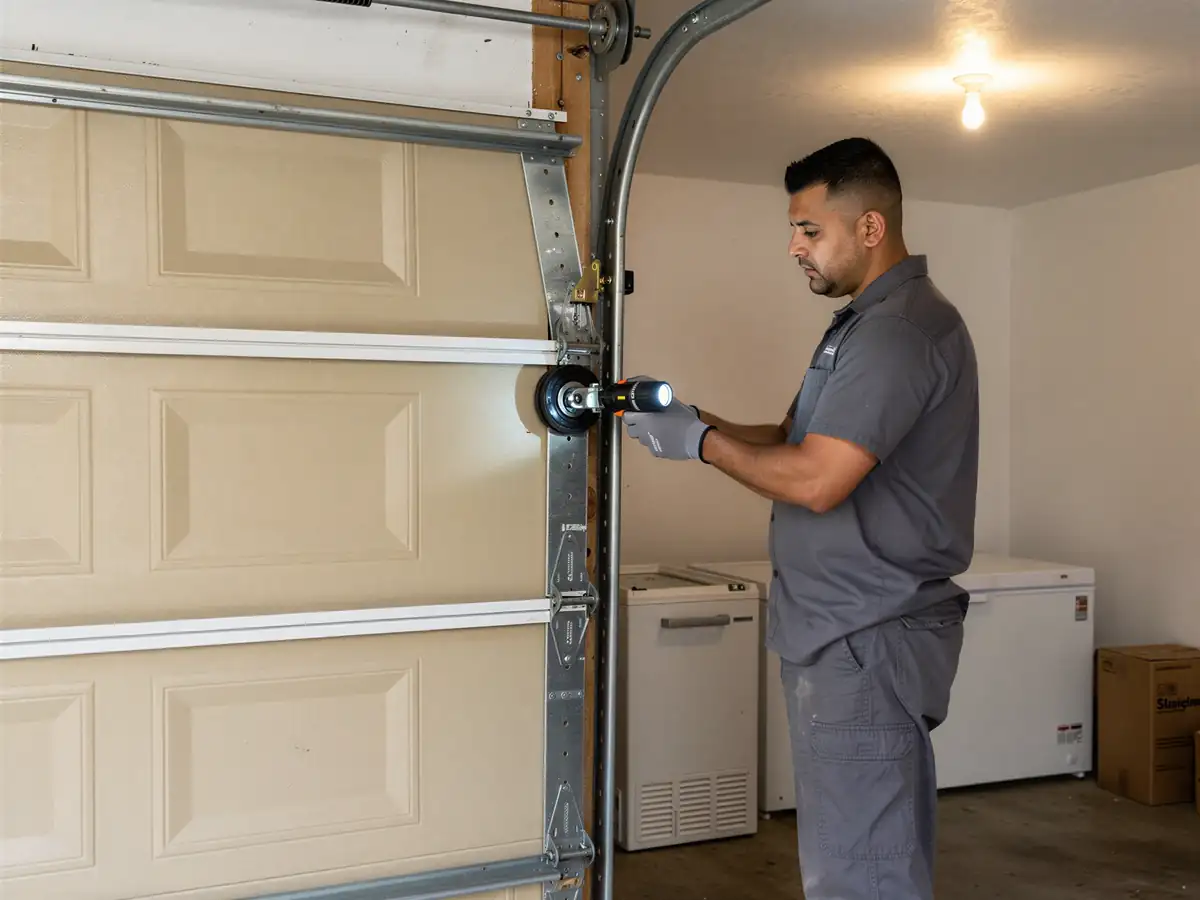
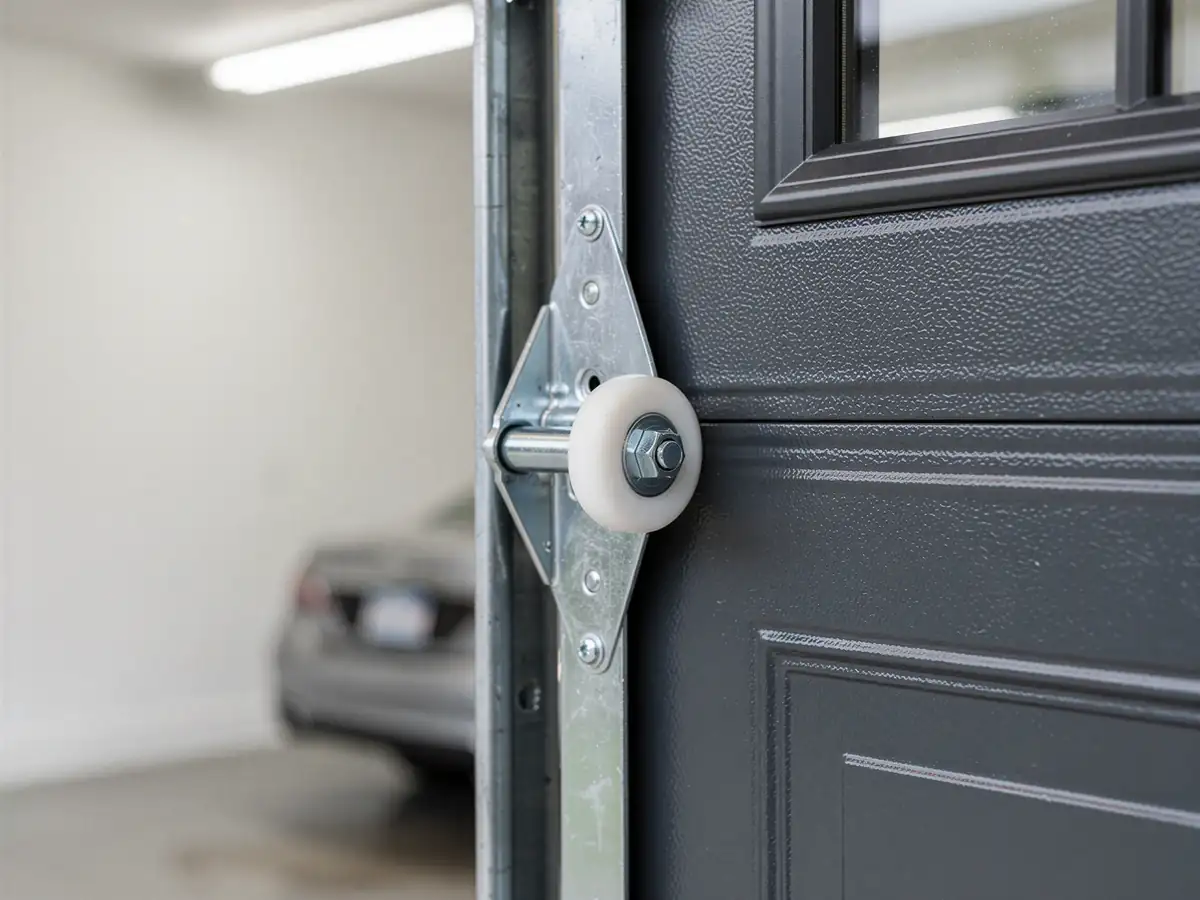
Roller replacement is not a full teardown. We pull the old rollers off the track one at a time, starting at the bottom bracket and working up, so the door never comes off its hinges and you're not without a garage for the day. Each roller rides in a hinge bracket, and if a stem is bent or a bearing has seized, that bracket often needs a quick straighten or swap too before the new roller goes in.
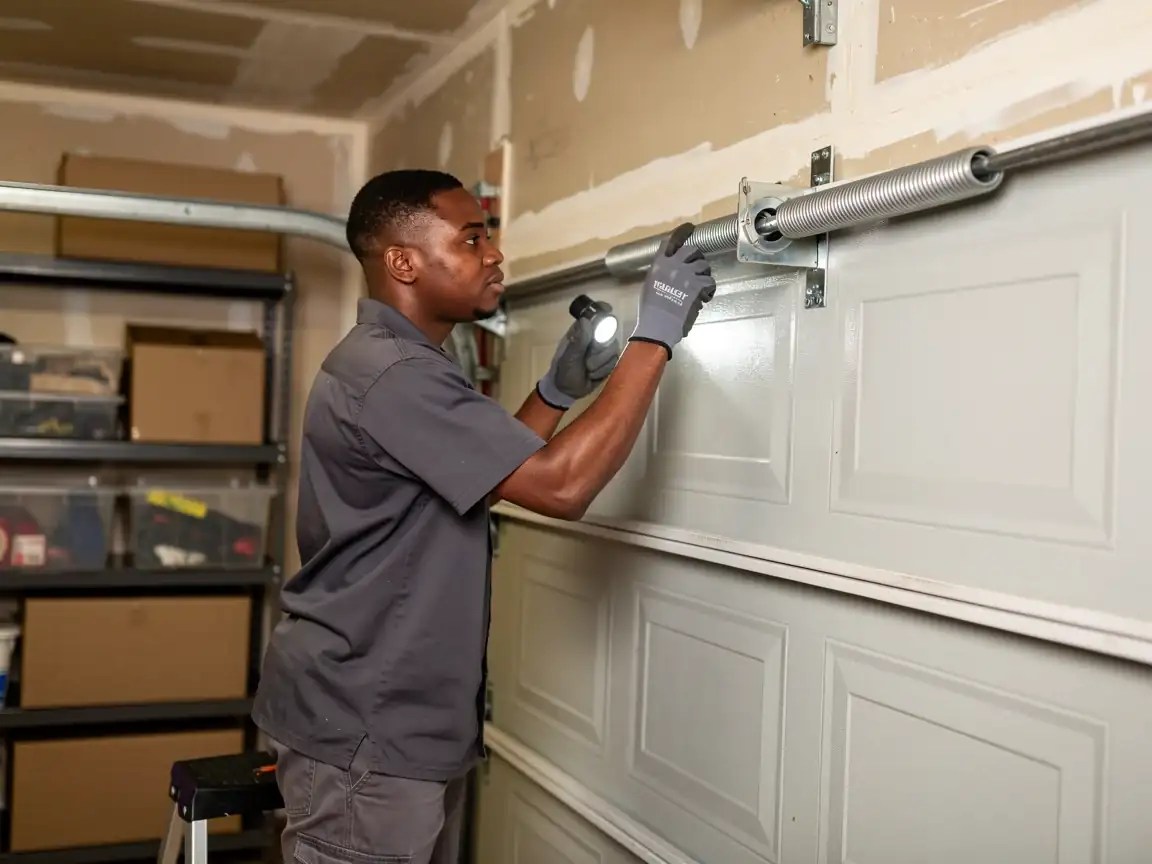
Most jobs on a standard double door take under an hour once we're on site, because the hard part is diagnosis, not installation. We check the whole run of track while we're in there - a roller problem on one panel is often the result of a track that's pulled slightly out of alignment somewhere else, and replacing rollers without fixing that just buys you a few more months before the same noise comes back.
If the track itself is bent or the door is badly out of square, roller replacement alone won't hold. That's the honest limit here: new rollers on a warped track is a short-term patch, and we'll tell you if that's what you're looking at instead of just swapping parts and sending an invoice.
Parts We Carry
We stock steel rollers with sealed bearings and nylon rollers for people who want quieter operation, in the stem lengths that fit the torsion and extension hardware common on the older door frames around here. Across the roughly 2,638 owner-occupied houses in this service area, the bulk of the stock predates 1960, and that older hardware takes a specific stem length and bracket style that newer big-box rollers don't always match.
We carry the hinge brackets and center hinges that pair with those rollers, since a cracked or bent bracket is usually what killed the original roller in the first place. We don't keep every specialty roller for every obscure opener brand on the truck - some odd European or commercial-grade hardware has to be special-ordered, and we'll tell you up front if that's the case rather than guessing at a fit.
With a median household income of $54,306 across this area, most of the calls we get ask for the steel roller instead of the pricier nylon upgrade, and steel does the job fine on a residential door that isn't opened dozens of times a day.
What You Are Seeing
A grinding or scraping sound as the door moves
Usually worse near the top or bottom of the travel, is the most common sign. That's metal-on-metal where a bearing has worn out and the roller stem is riding directly against the track instead of rolling smoothly through it.
A door that jerks or hesitates at the same spot every time it opens is another tell
That's a flat spot worn into one roller, or a roller that's cracked and no longer round. You might also see a door that sags slightly to one side when it's down, which happens when rollers on one track have worn faster than the other, often because that side gets more sun or more moisture.
If you can see daylight between a roller and its track
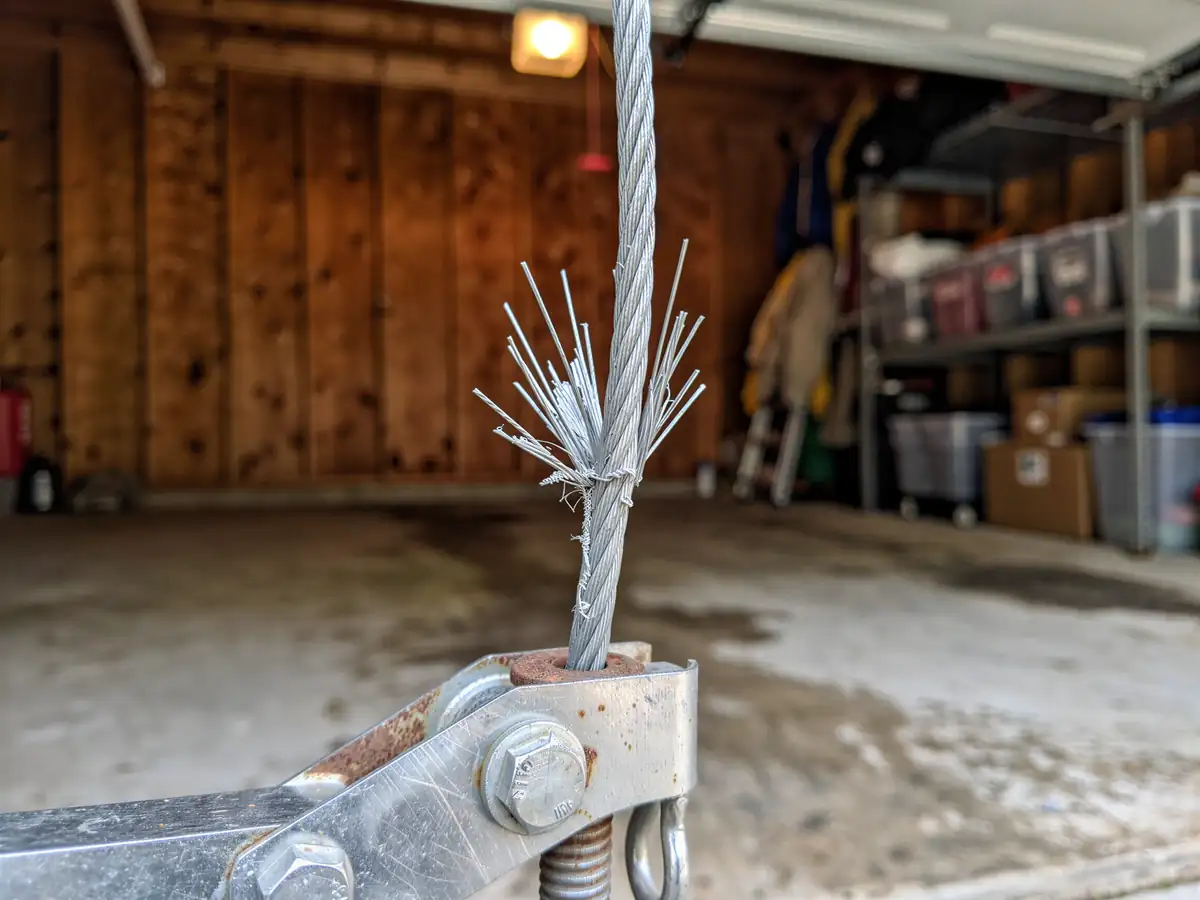
Or the roller wobbles when you nudge the door by hand, it's past due. Left alone, a failing roller puts extra load on the cable and spring on that side, and that's a more expensive repair than the roller itself.
What Causes It Around Here
Most houses across this service area went up between 1940 and 1965, median 1952, which put steel rollers on tracks that have been flexing for seven decades, long before sealed bearings and nylon rollers were standard equipment. A lot of those original doors have been replaced over the years, but the track and roller hardware often gets reused or matched to the old dimensions, which means older roller styles are still common even on newer door panels.
Winters here sit in the cold-moderate band, so the steel in old roller stems contracts and cracks instead of just getting stiff, and that cracking shows up as a sudden failure rather than a slow decline you'd notice coming. Add in a garage that isn't heated - which describes most of the older garages tied to that pre-1960 housing stock - and the metal goes through that contract-and-expand cycle every day the temperature swings.
We carry rollers for towns from Colchester, six miles out, to Vermont, eighteen miles out, and the roller wear pattern is consistent across that stretch because the housing ages and the winters track together, not because any one town's garages are built differently.