When Waiting Is Fine
Not every sound is an emergency. A door that groans once on a cold morning and then runs fine the rest of the day is usually just old grease gone stiff - common on houses from the 1940s and 1950s, which is most of what you'll find across this service area. A single hard-to-close day after a hard freeze isn't a reason to call anyone.
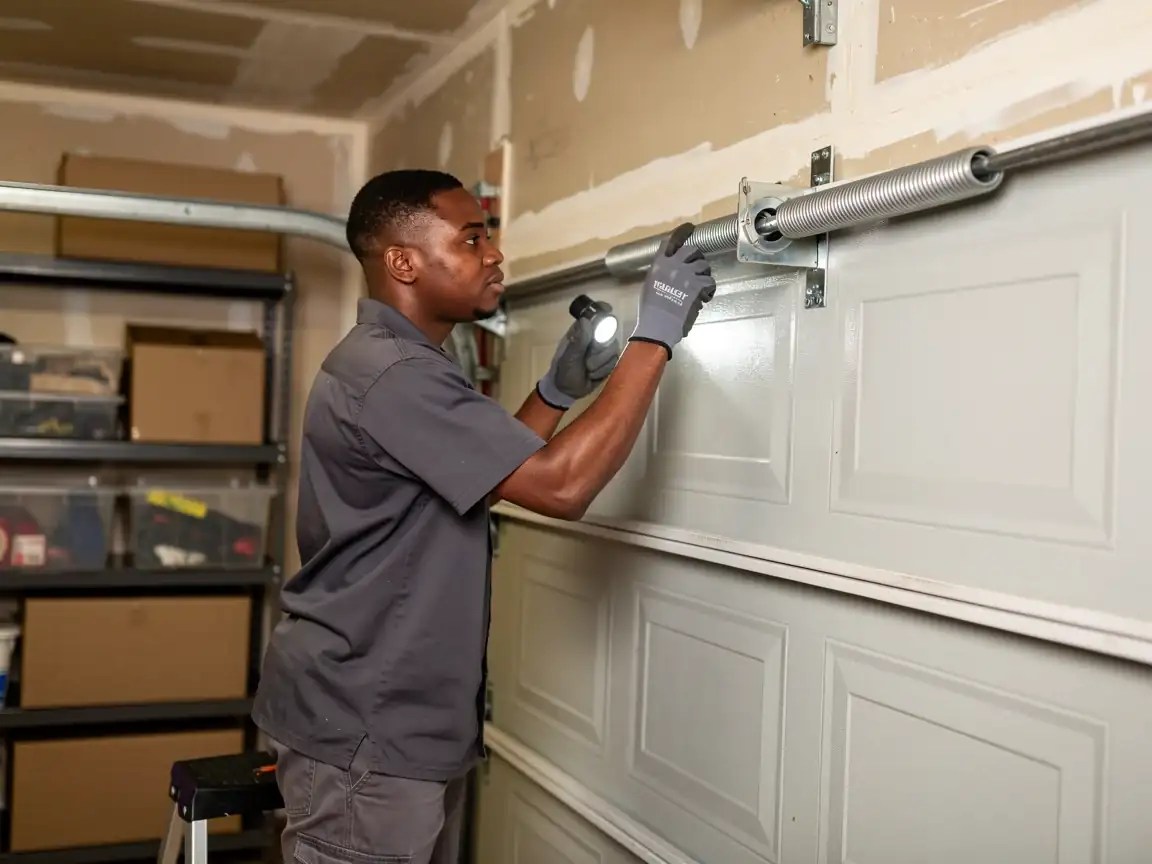
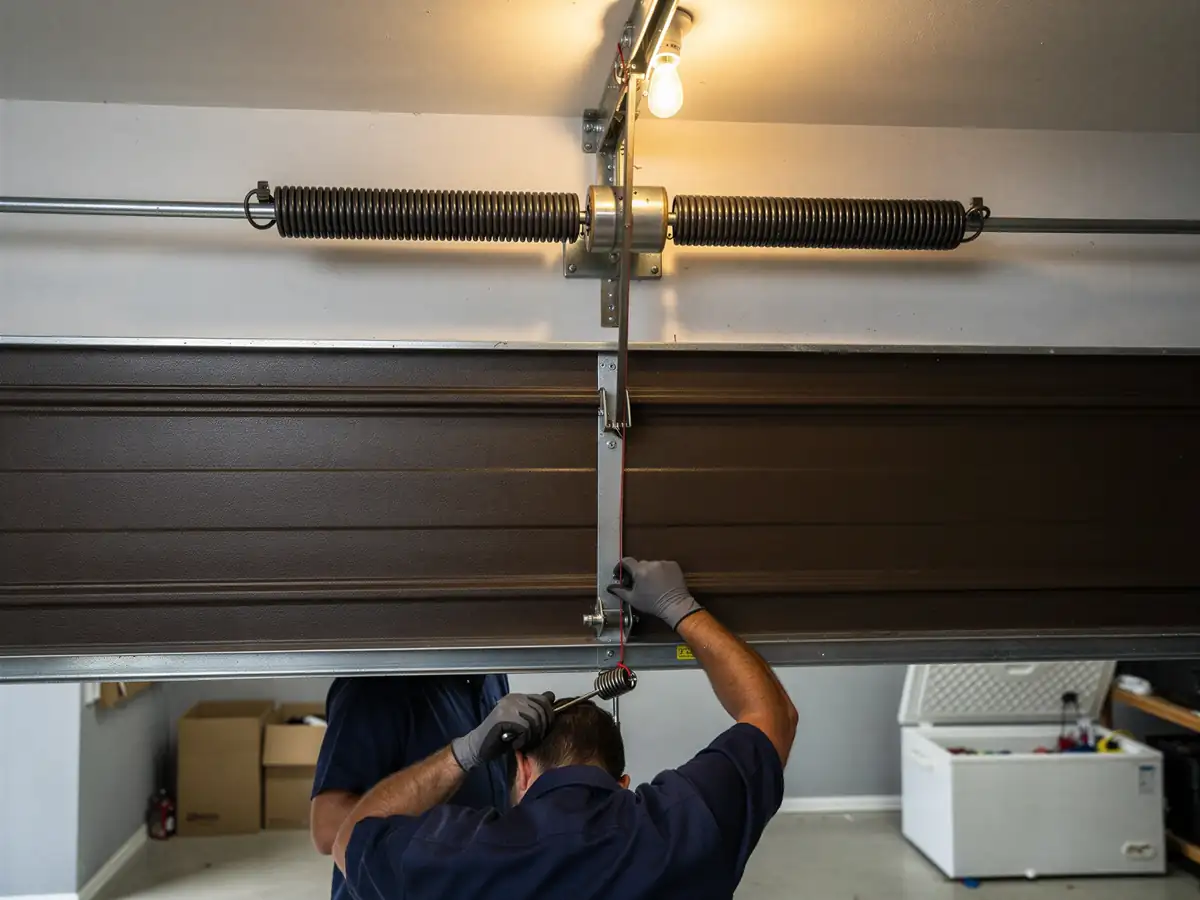
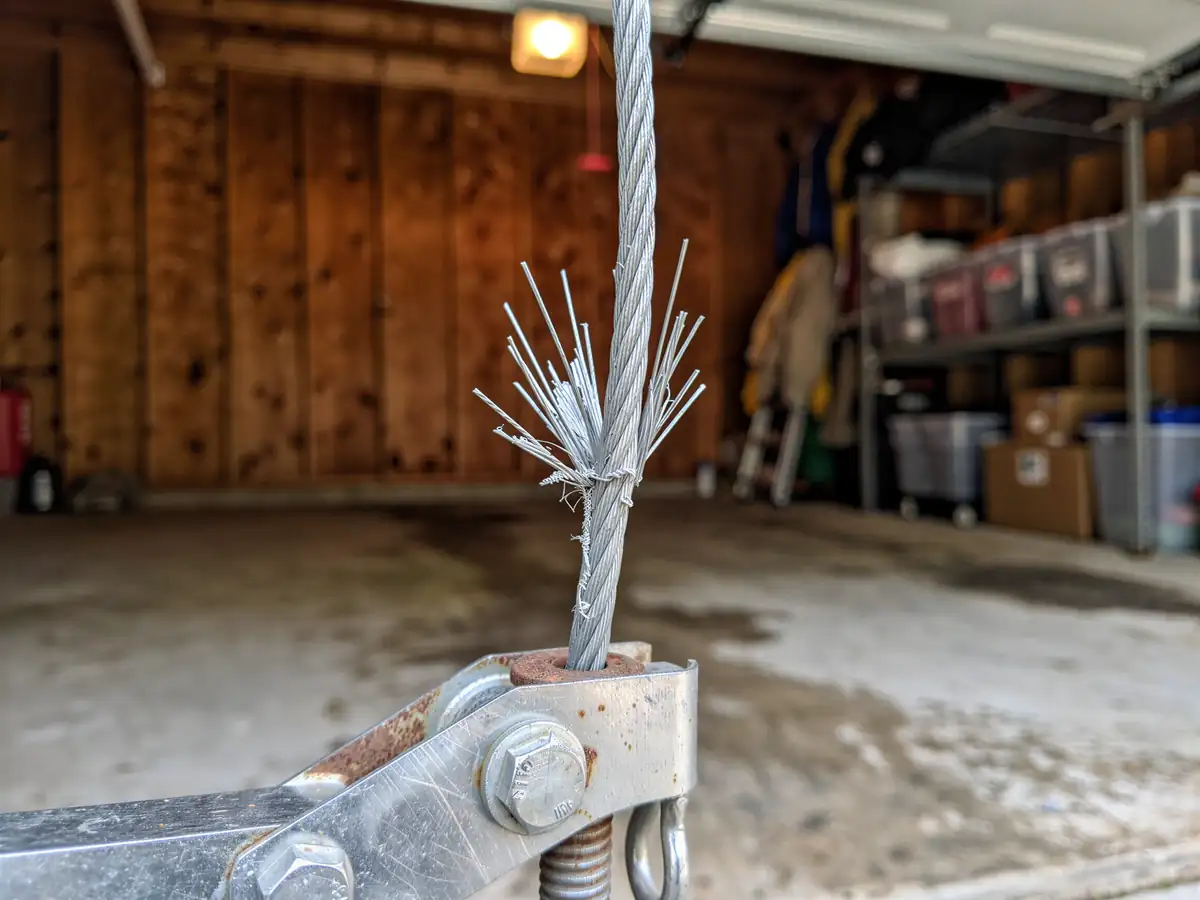
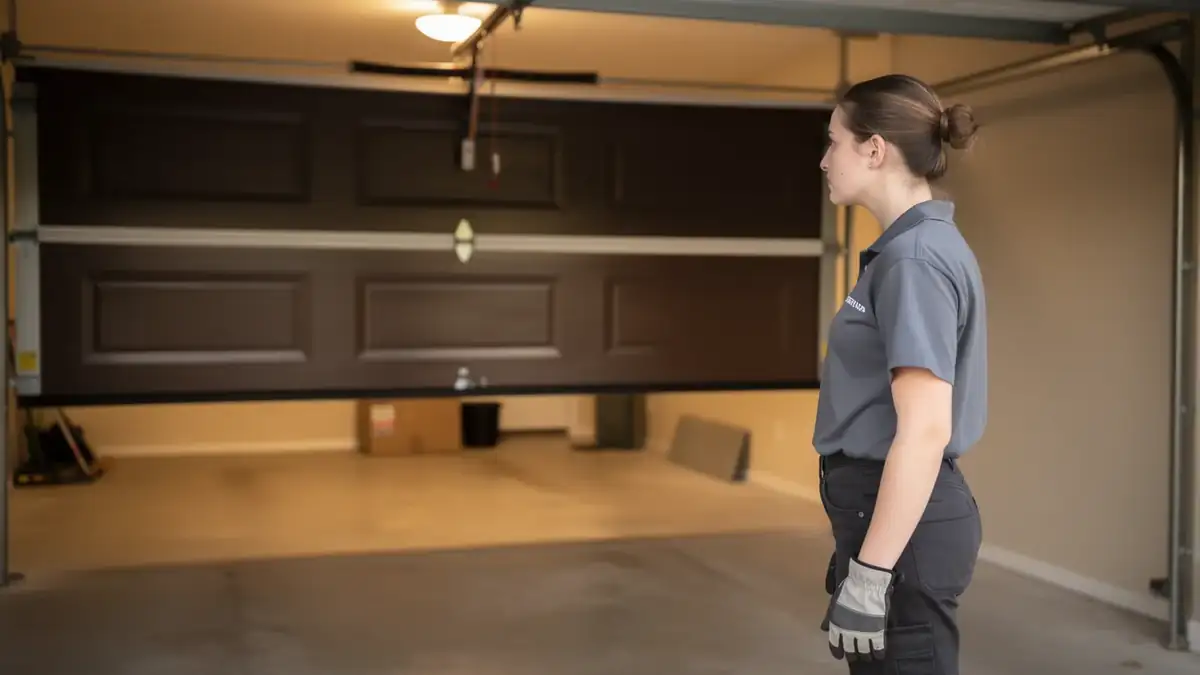
What you shouldn't wait on: a bang on the way up or down, a cable that's visibly frayed, or a door that drops instead of lowering smoothly. Those are spring and cable symptoms, and on houses this old, the spring is frequently original or close to it. Waiting on that one can mean a cable whipping loose under tension, which is a different and worse repair than the one you'd have had.
If the door is slow but consistent - same stiff spot every time, same time of year - that's wear, not failure. Keep an eye on it. If it starts changing week to week, that's the signal to stop waiting.
What You Pay
We don't post flat prices here because what a door needs depends on what's actually wrong with it, and on houses built in the 1940s through 1960s that can be almost anything - original hardware, a mismatched replacement spring from twenty years ago, track that's been bent and re-bent. What we can tell you is how people in this area tend to decide.
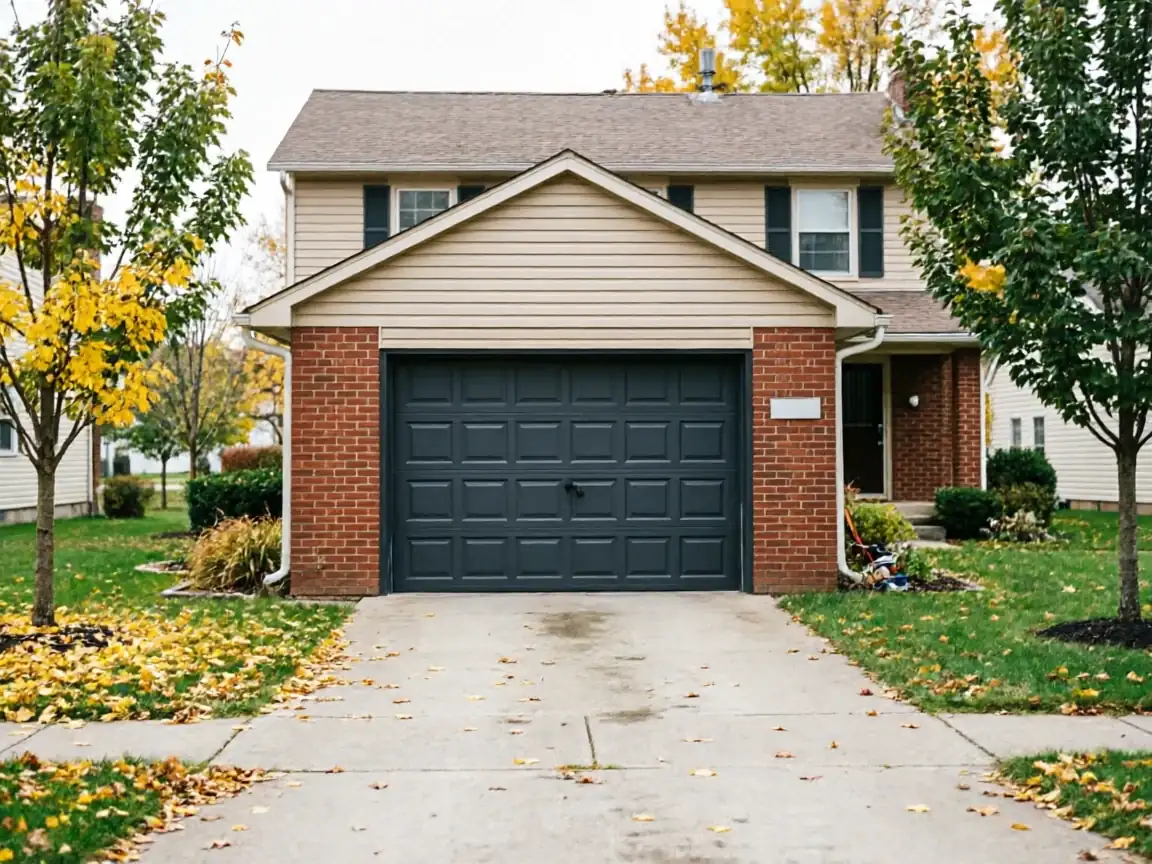
Across the service area, median household income sits around $54,306, and most of the 2,638 owner-occupied houses here were bought with a fixed budget in mind. That means most owners want a straight answer on repair versus replace before we touch anything, not an upsell. A spring job is a spring job. A full door replacement is a bigger decision, and on a door that's original to a 1952-built house, sometimes replacement really is the honest answer because parts for it don't exist anymore.
We won't quote a number without seeing the door. Anyone who does, on a house this old, is guessing.
The Problem
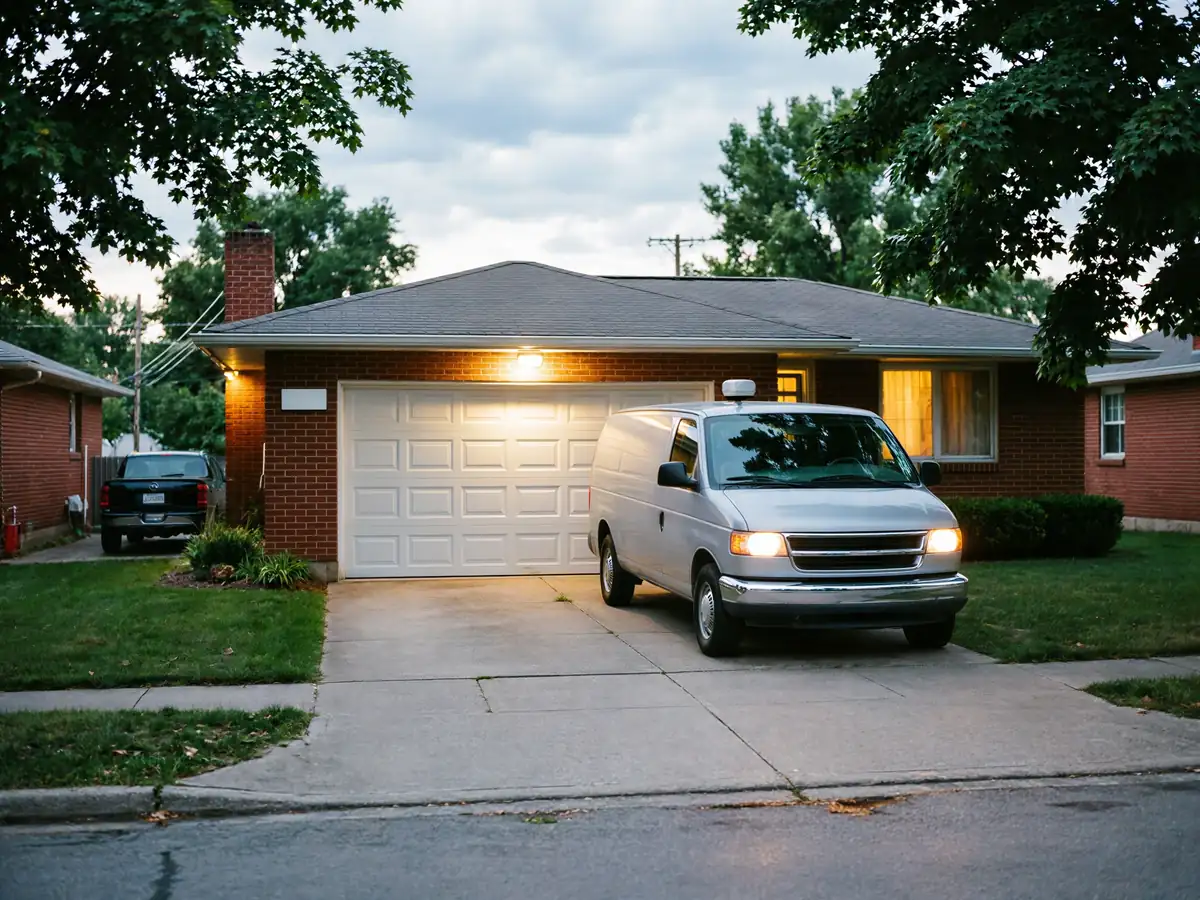
Nine named areas in this service territory are still mostly pre-1960 housing stock
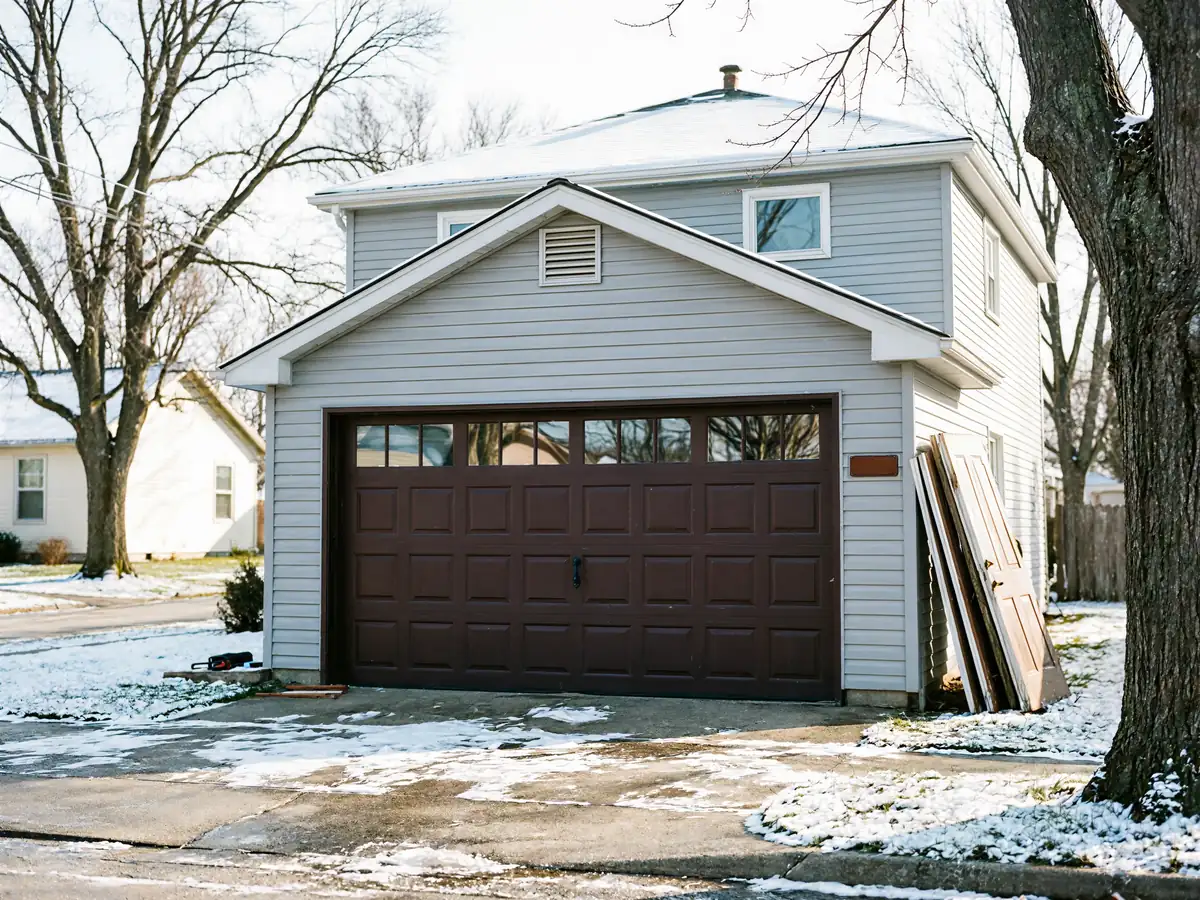
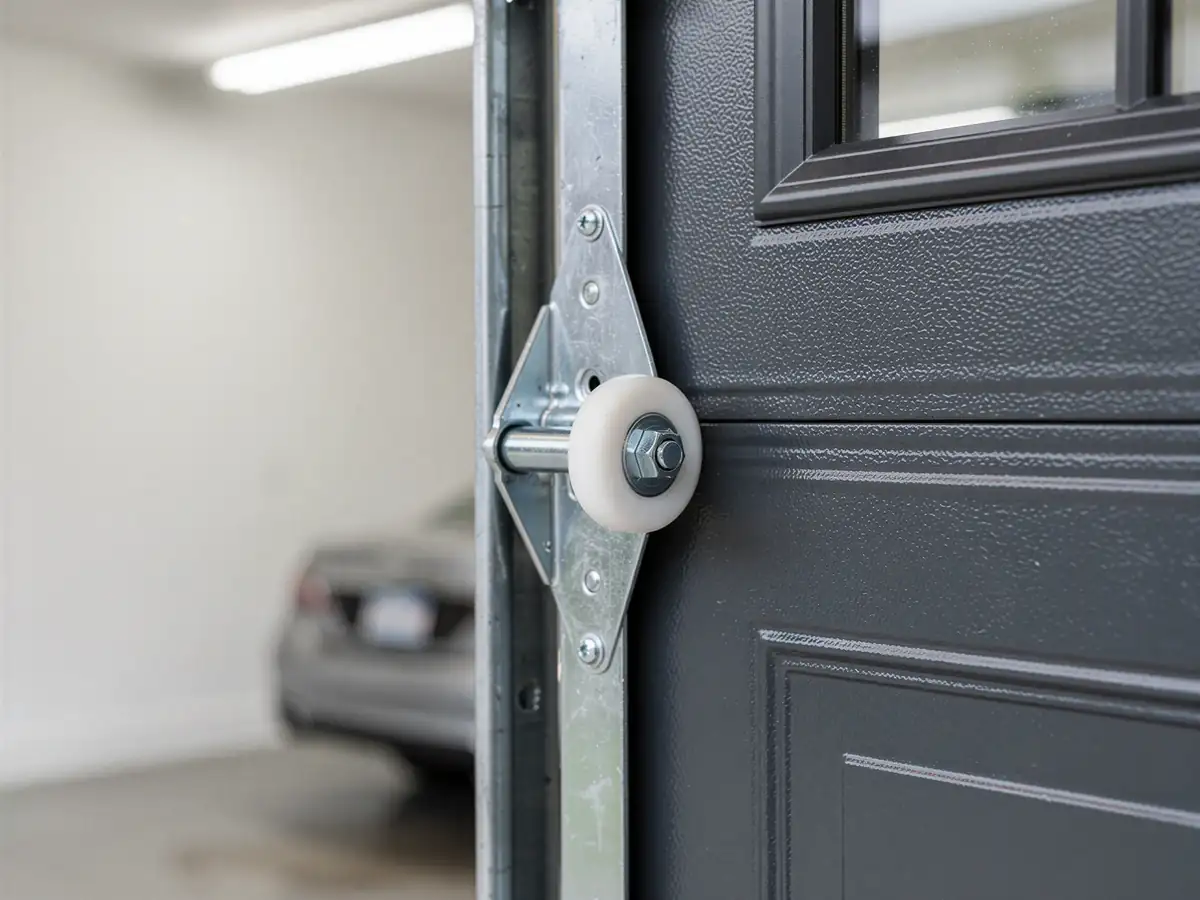
That's not a minor detail - it means a large share of the garage doors out there are either original or were replaced once, decades ago, with whatever matched the opening at the time. Track widths, spring sizes, and panel dimensions from that era don't always match what's on the shelf today.
The practical effect
A repair on one of these doors sometimes takes longer than it would on a newer house, because the part has to be sourced or adapted rather than grabbed off a truck shelf. We're upfront about that when it comes up - it's a real limitation of working on housing this old, not something we can wish away with a different brand of hardware.
The upside is these doors were often built heavier than what goes in today
A well-maintained original from this era can outlast two cheaper replacements, if the spring and cable are kept in front of real wear instead of pushed past it.
What the Weather Here Does to It
This area sits in a cold-moderate climate band - not the harshest freeze-thaw country, but enough swing through the year to work on steel, wood, and the lubricant holding moving parts together. Houses built between 1940 and 1965 weren't built with insulated doors or weatherstripping standards in mind, so a lot of what's out there is single-layer steel or original wood panels taking that swing directly.
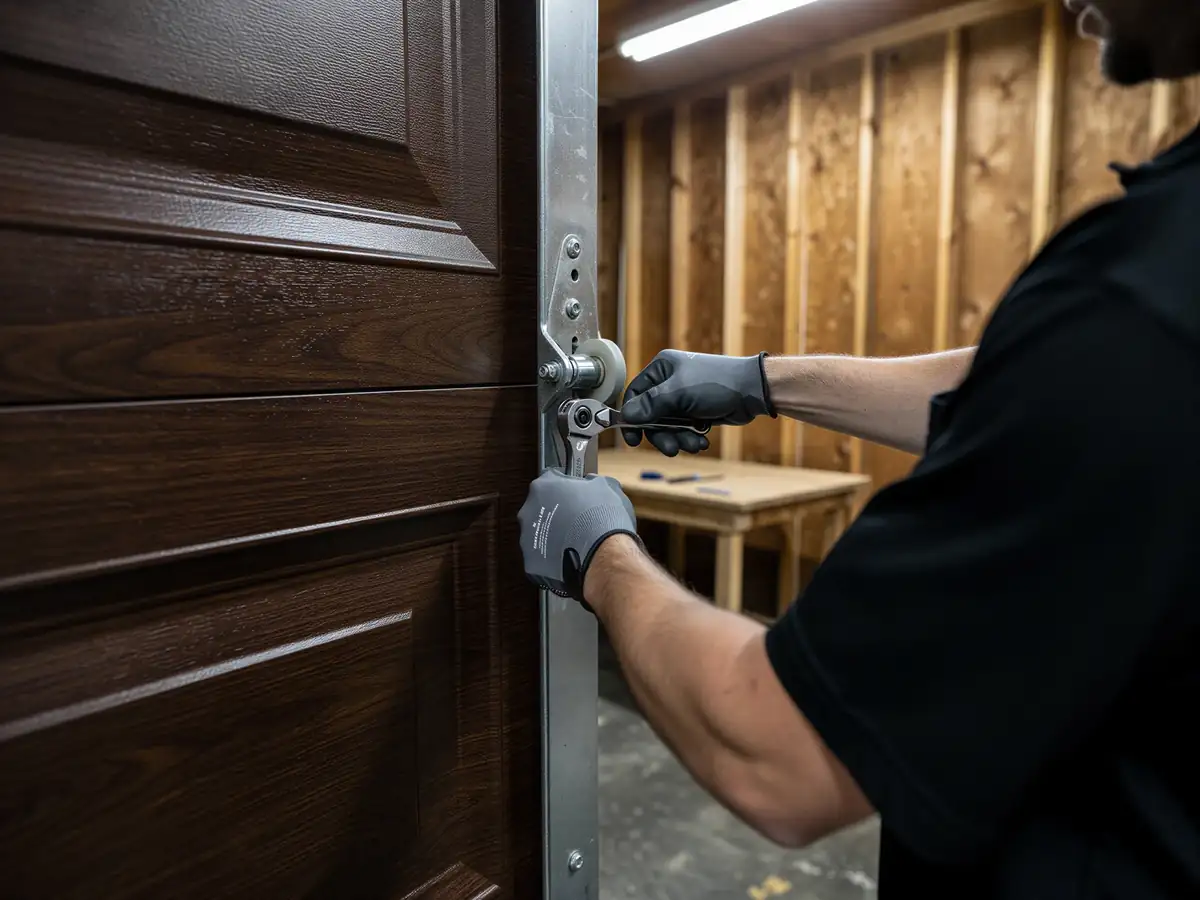
What that does in practice: metal contracts in cold weather and track alignment that was fine in August can bind in January. Grease that worked all summer turns thick. None of this is dramatic, but it's the reason a door that ran quiet all year suddenly starts grinding the first cold snap - it's not a new problem, it's an old tolerance finally showing itself.
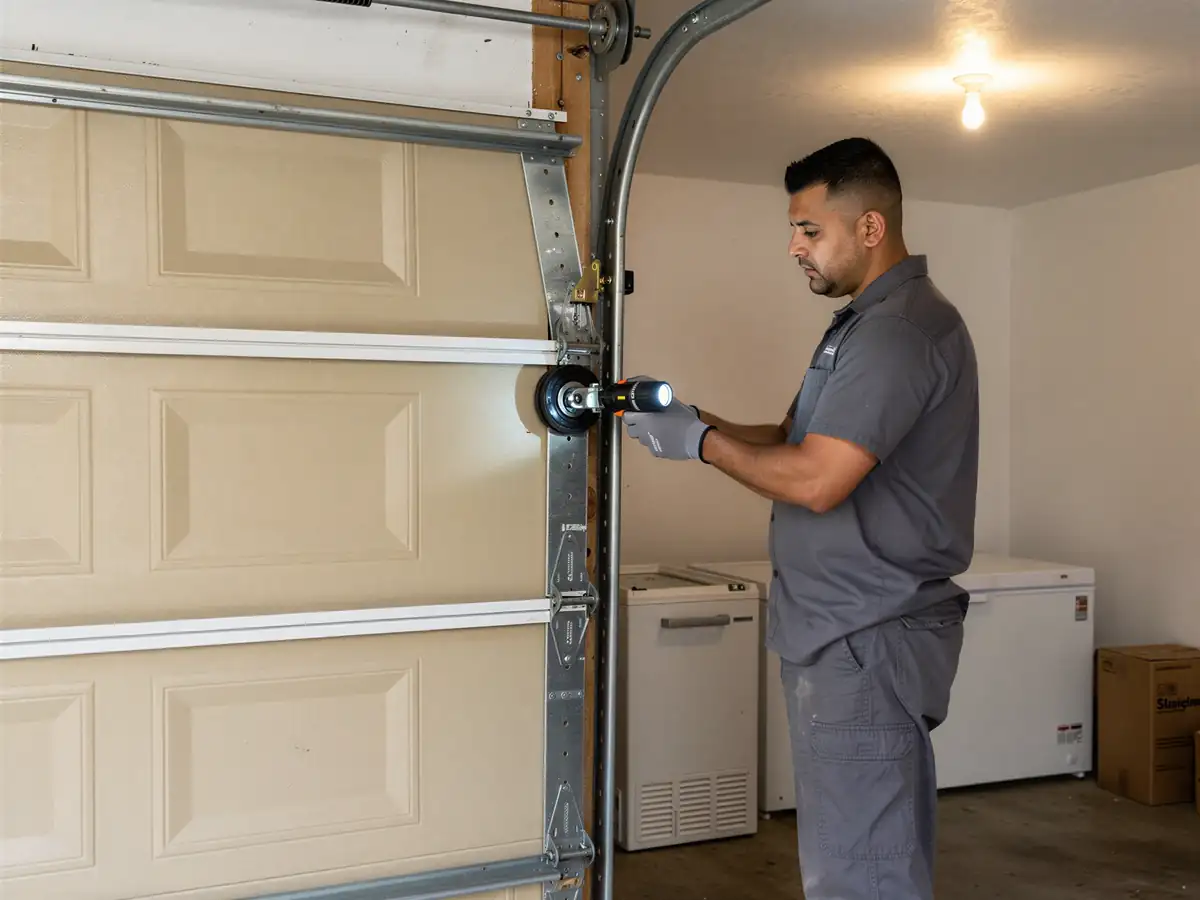
We don't tell people to re-lubricate every door every season; on a well-sealed newer door that's overkill. On original hardware from this era, in this climate, it's the one piece of maintenance that actually buys you time before a bigger repair.