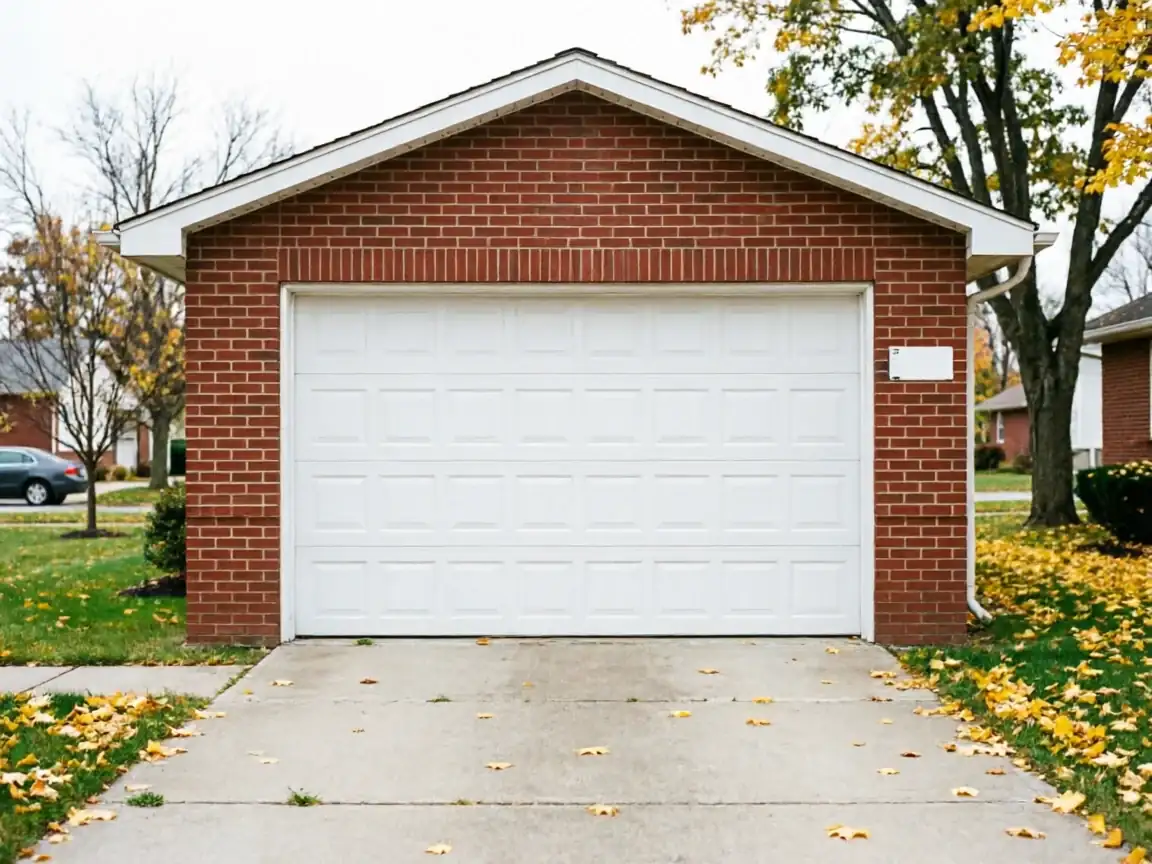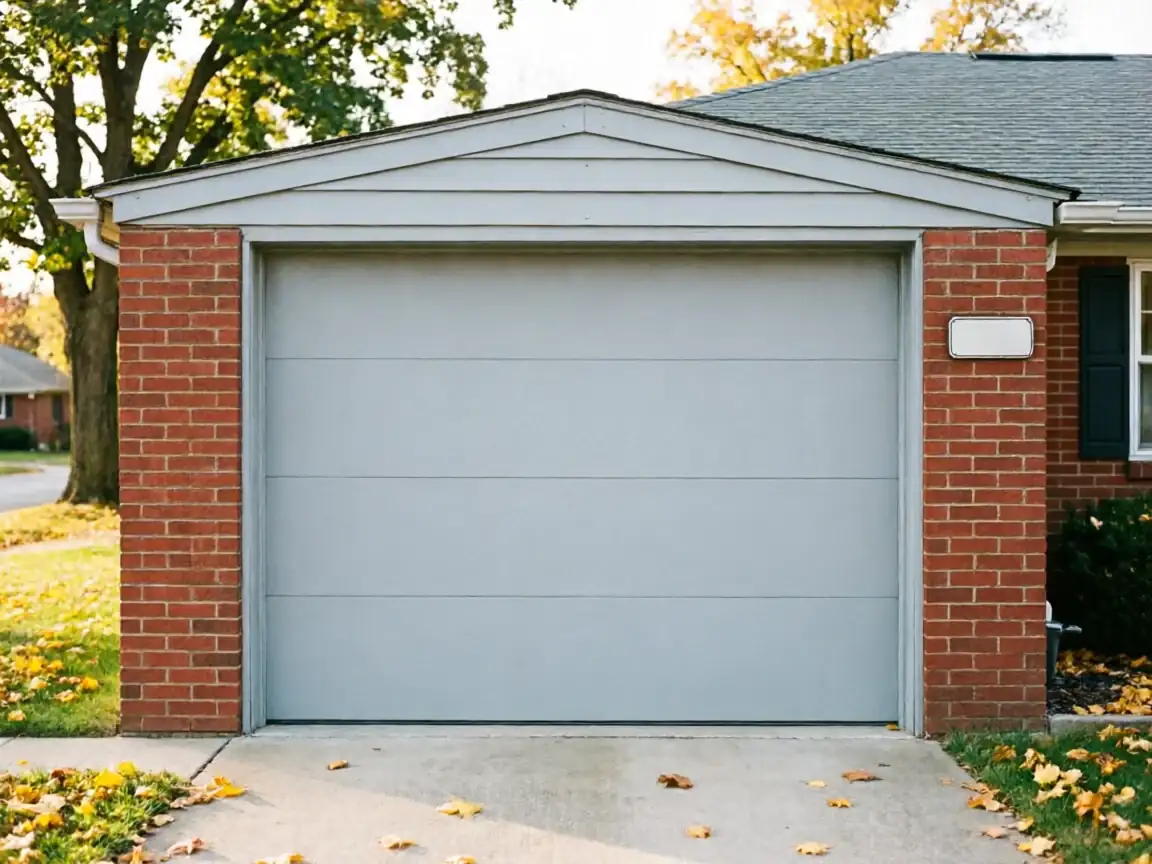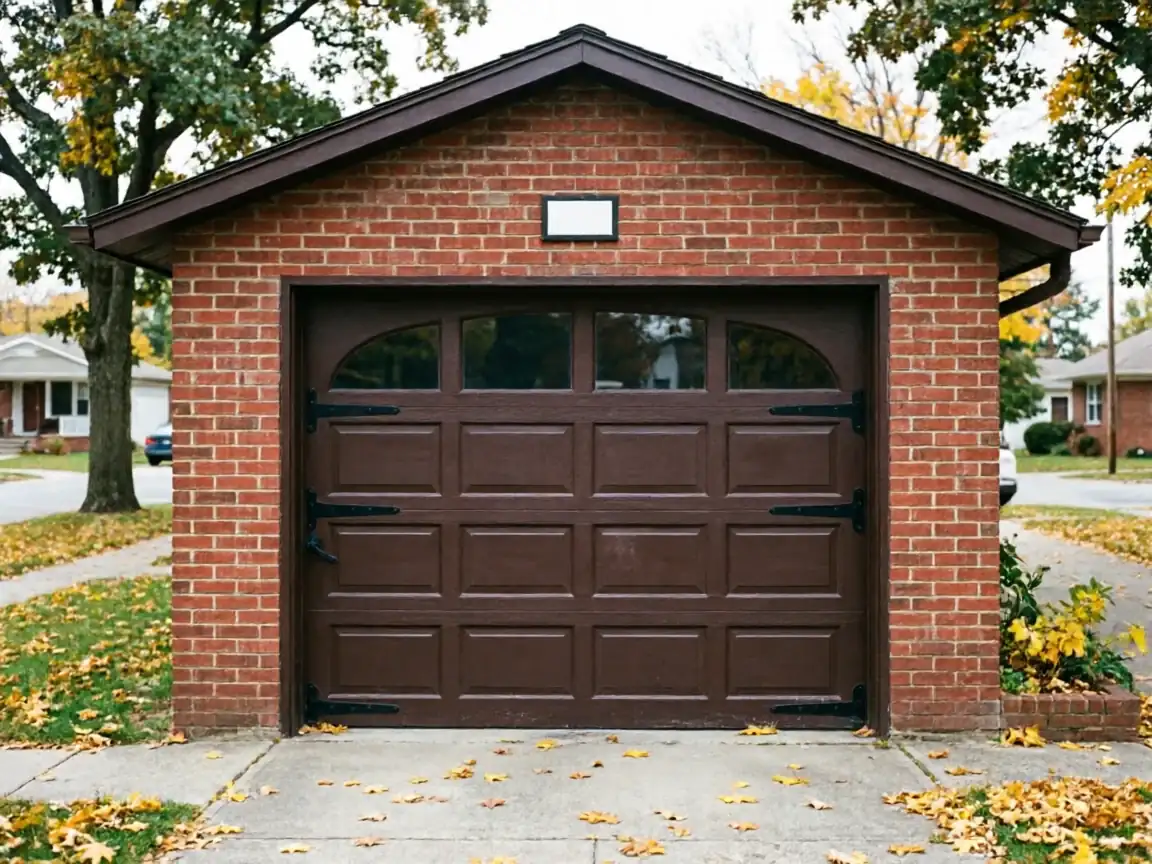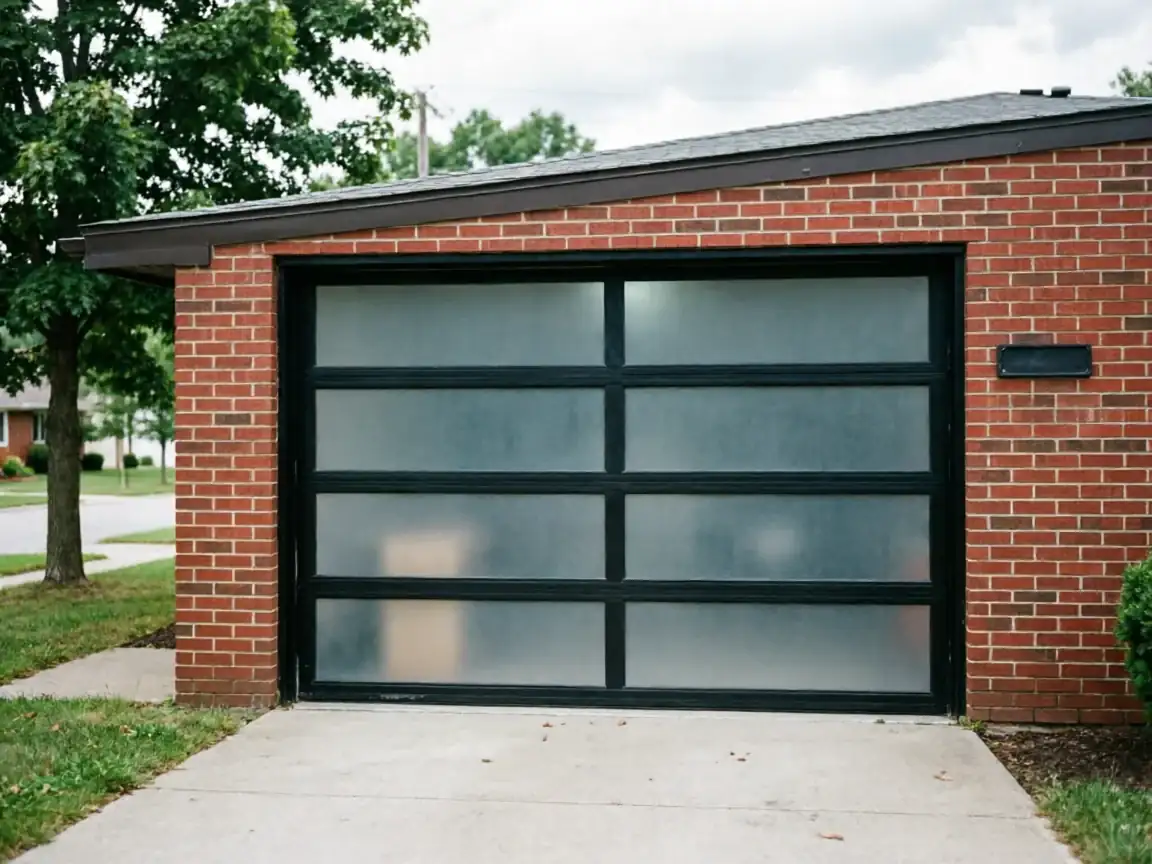
What You Are Seeing
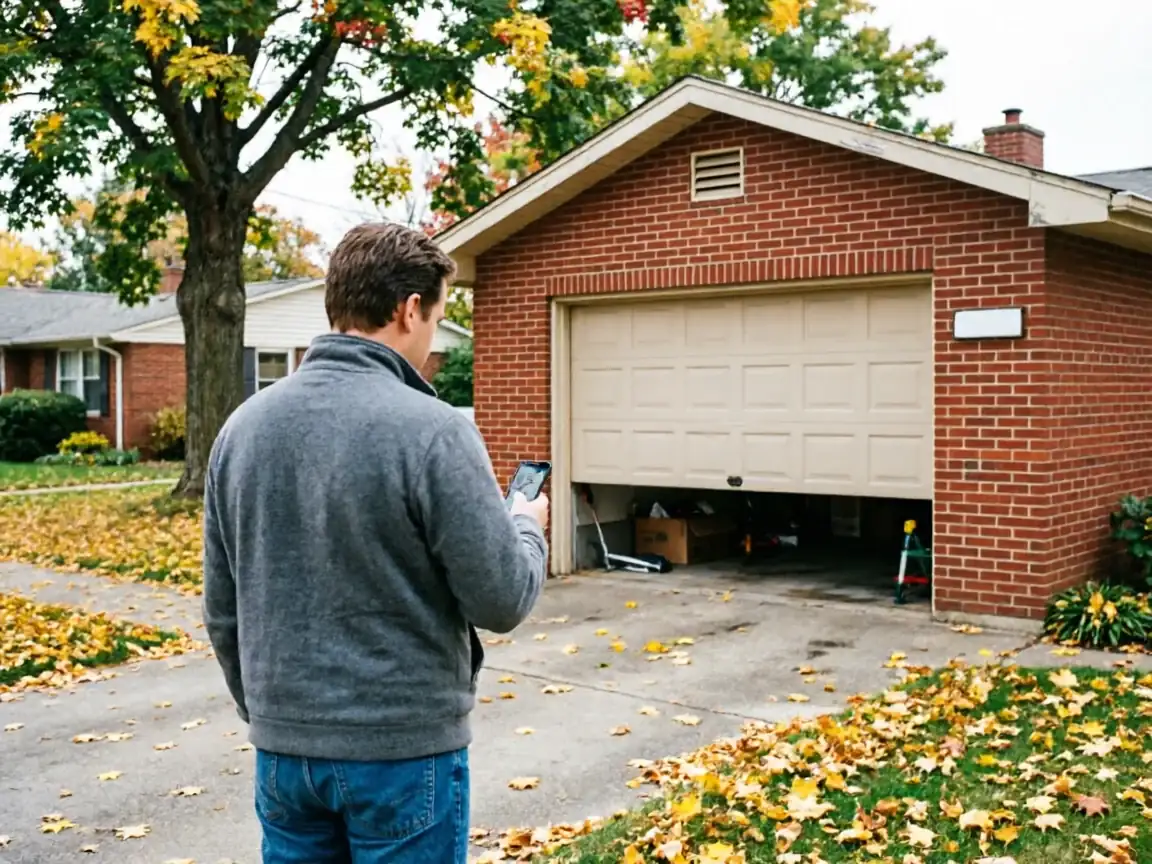
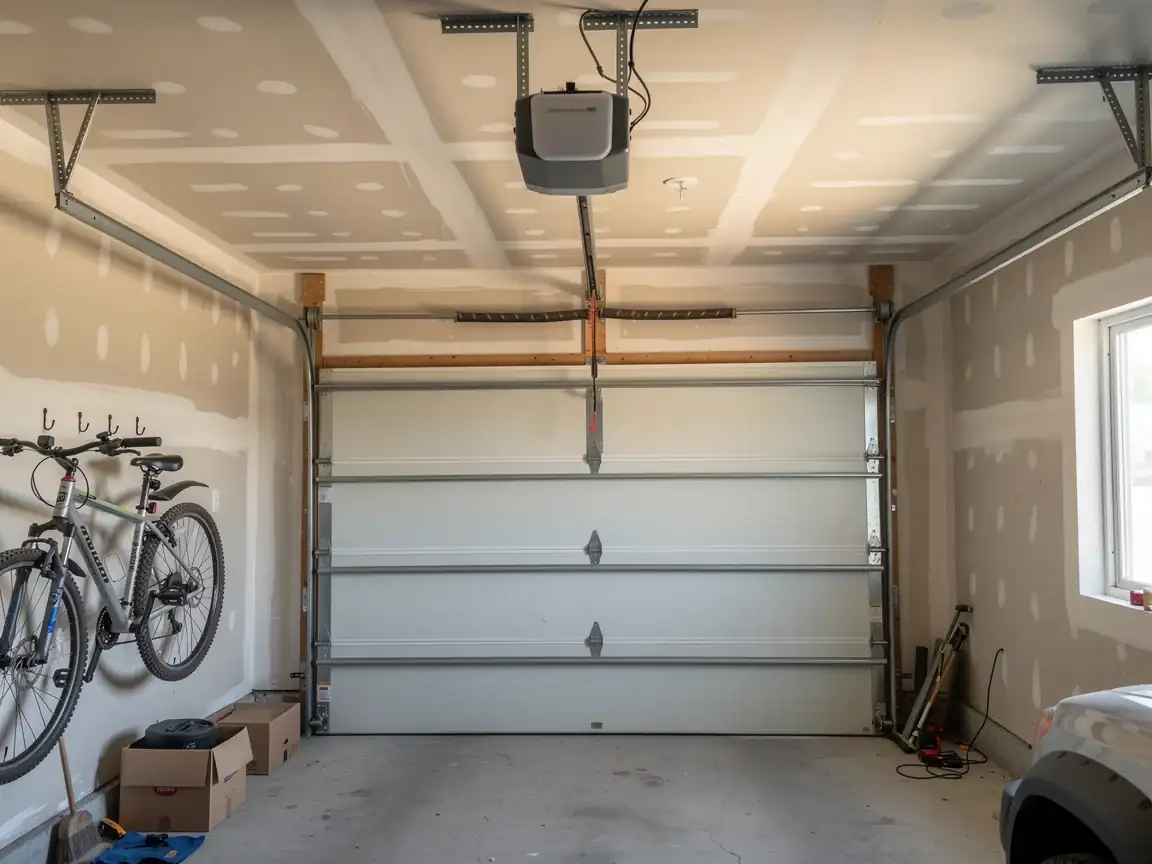
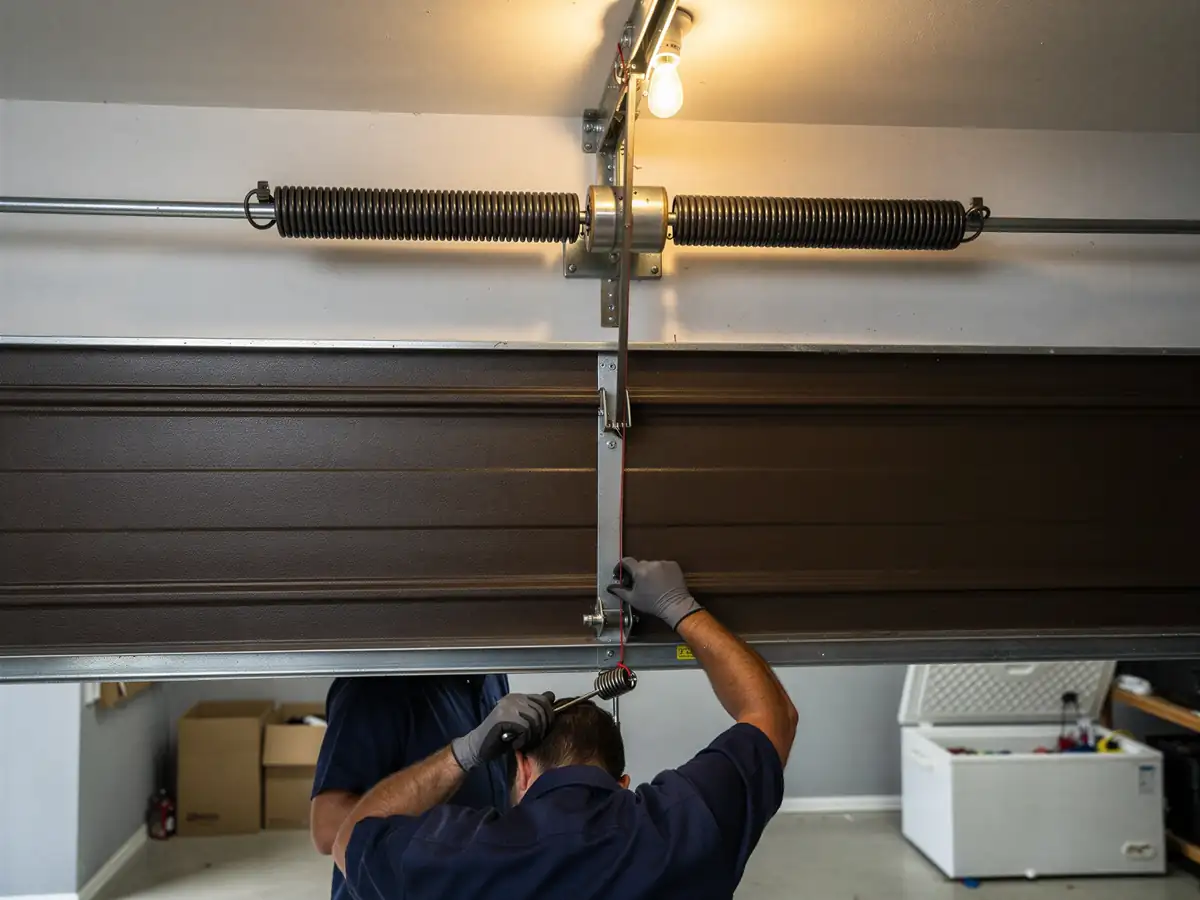
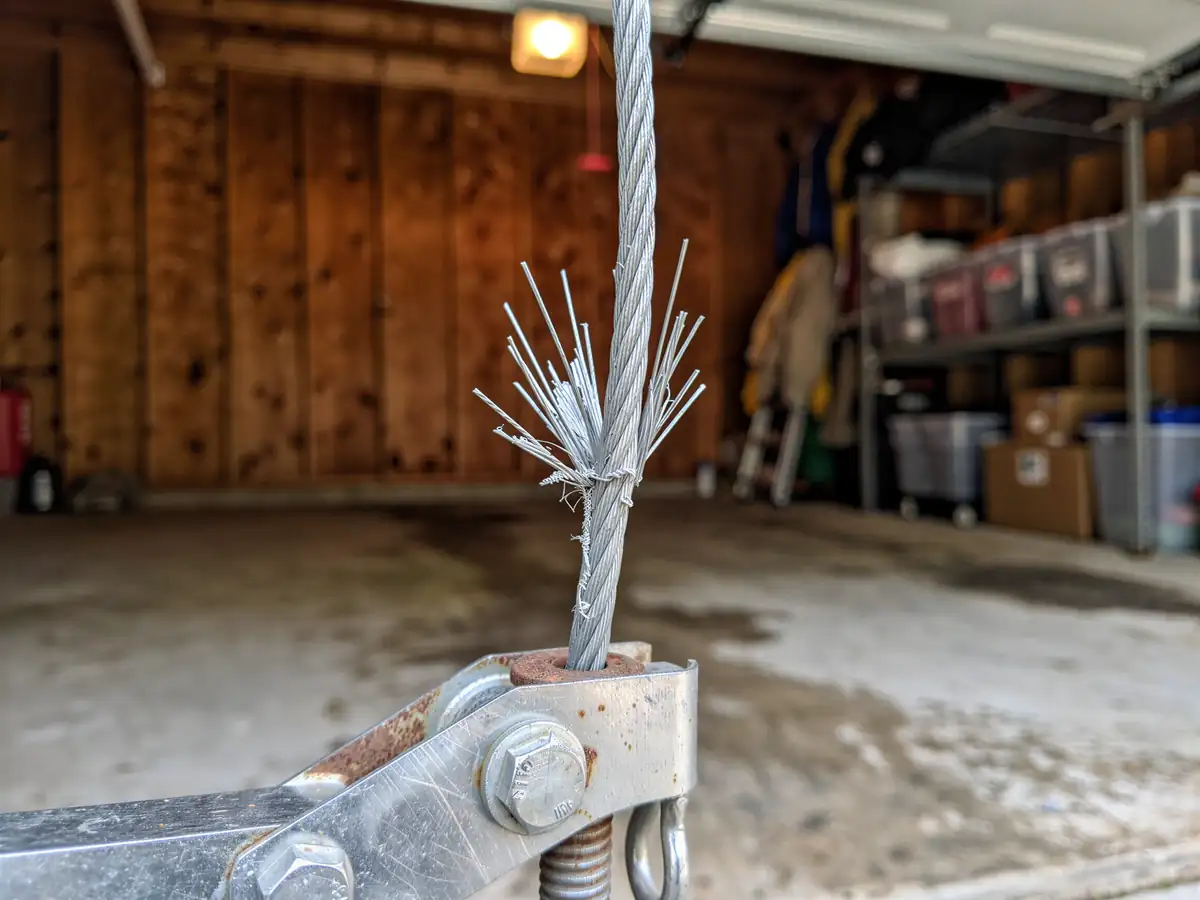
The call usually starts the same way: the door won't move, or it moves wrong. One side drops faster than the other, the opener strains and reverses, or a spring has let go with a bang loud enough that someone from two houses down asks about it later. On a double door with worn flat extension springs, that bang often means both cables are now loose on the drum and the door is sitting on whatever is underneath it.
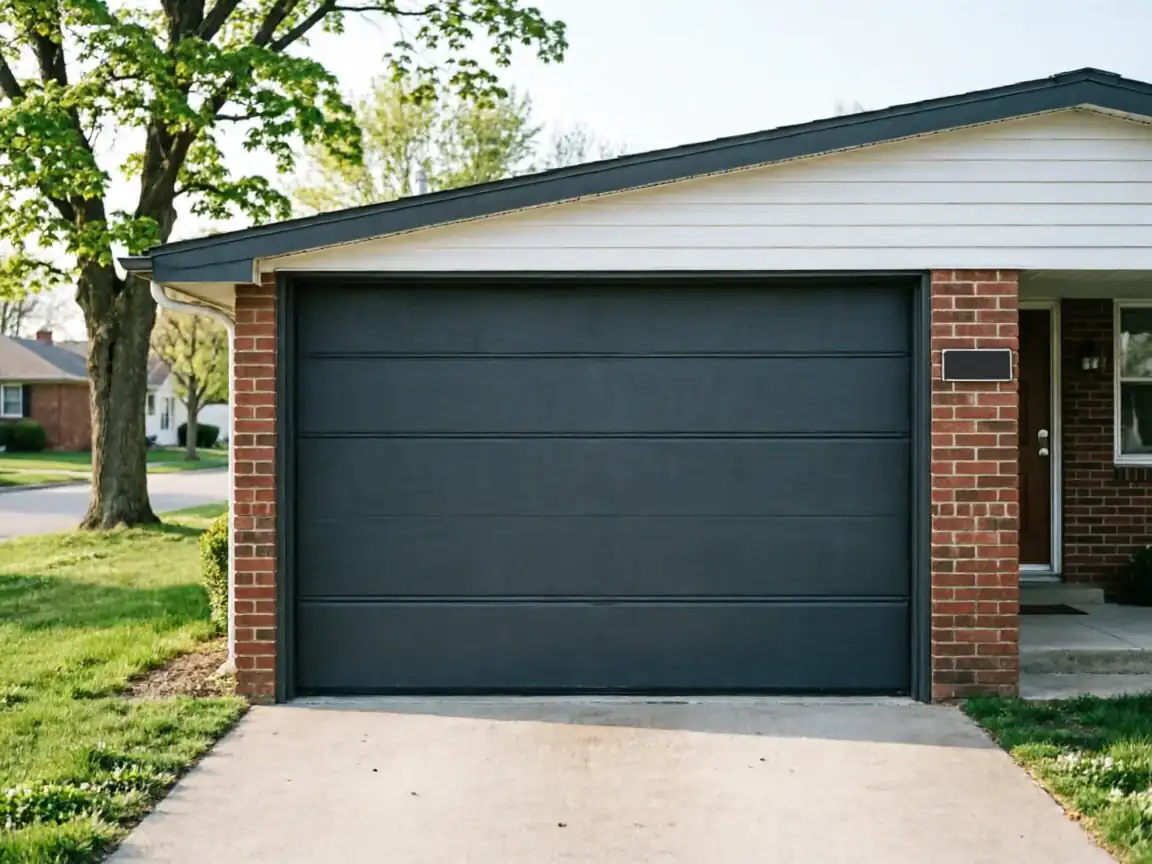
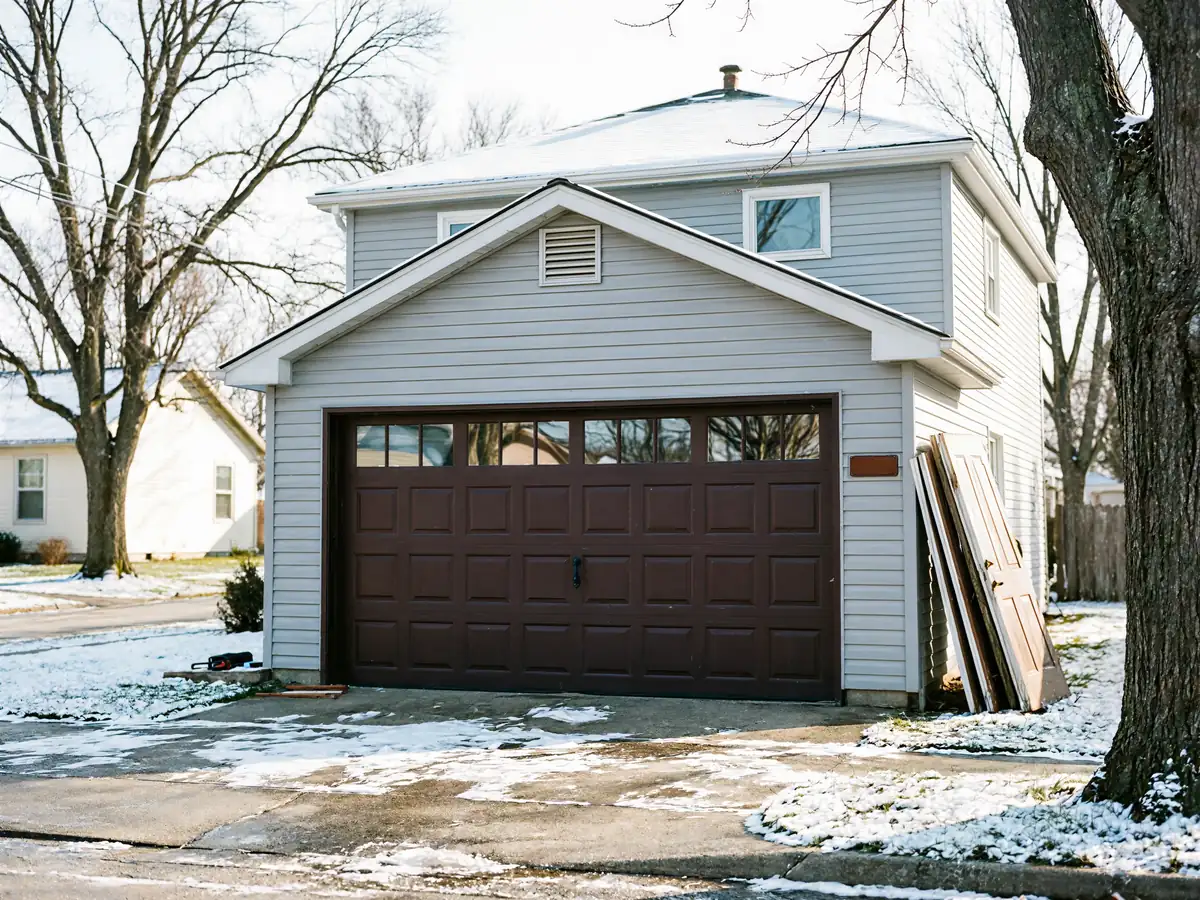
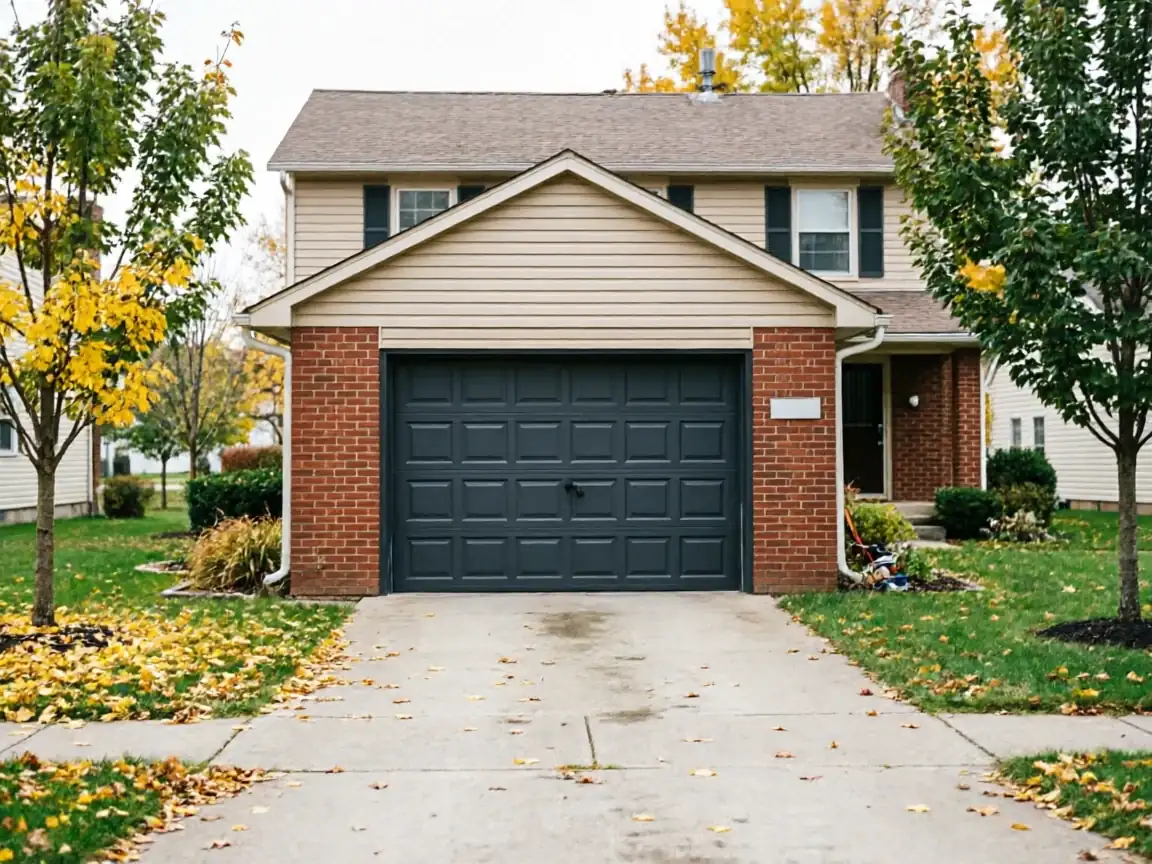
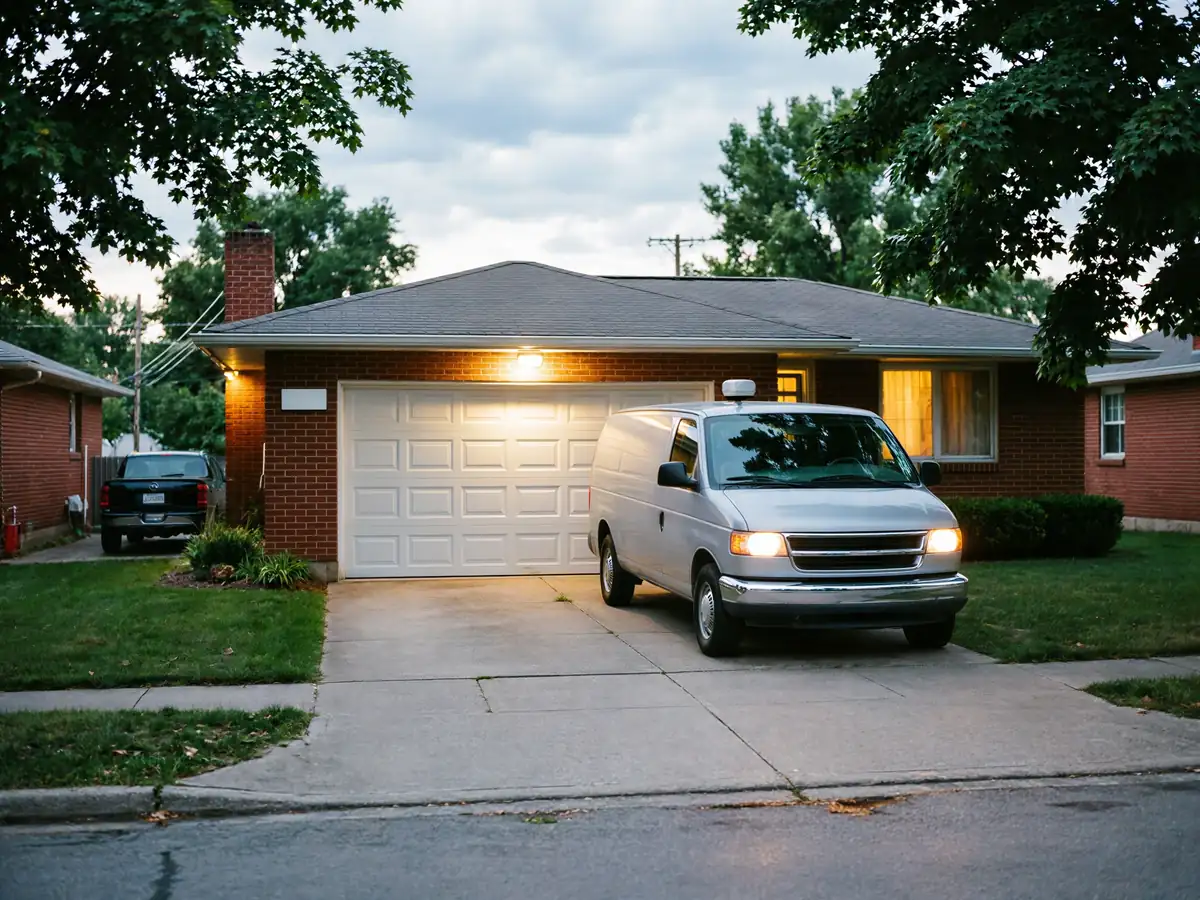
Most houses in Plymouth went up around 1948, a few years ahead of the area's overall median of 1952. A door and track system from that era, even if it's been replaced once since, usually still carries the old jamb hardware and the short headroom that builders used back then. That combination is why a stuck door here isn't the same repair as a stuck door on a house built in 1995 - the parts, the spacing, and the spring type are often different, and a tech needs to see which version is on the house before quoting anything.
The DIY Question
A torsion spring under tension can break a hand or worse, and most homeowners have never touched one before the day it fails. That one's not a judgment call - leave it alone and make the call.
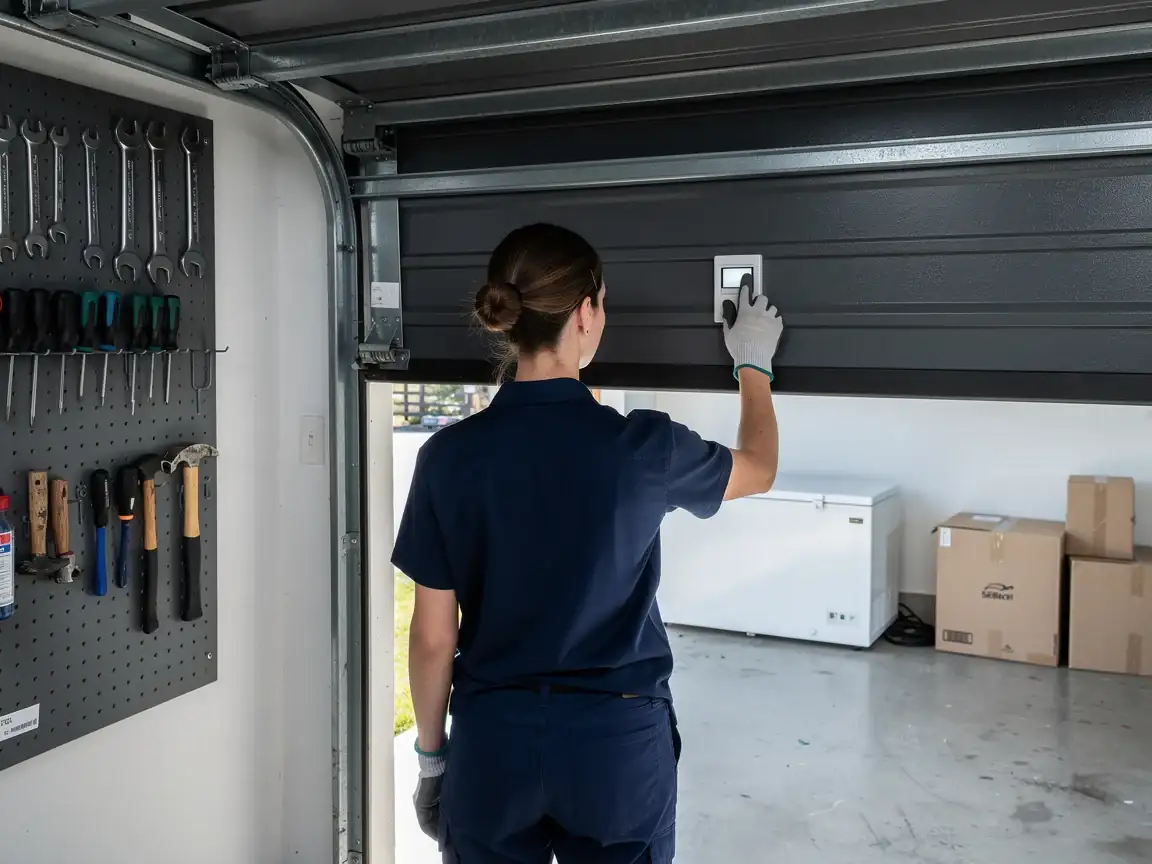
There are smaller things worth checking yourself first: a sensor knocked out of alignment, a track with an obvious bent spot, a remote with a dead battery. None of those need a truck.
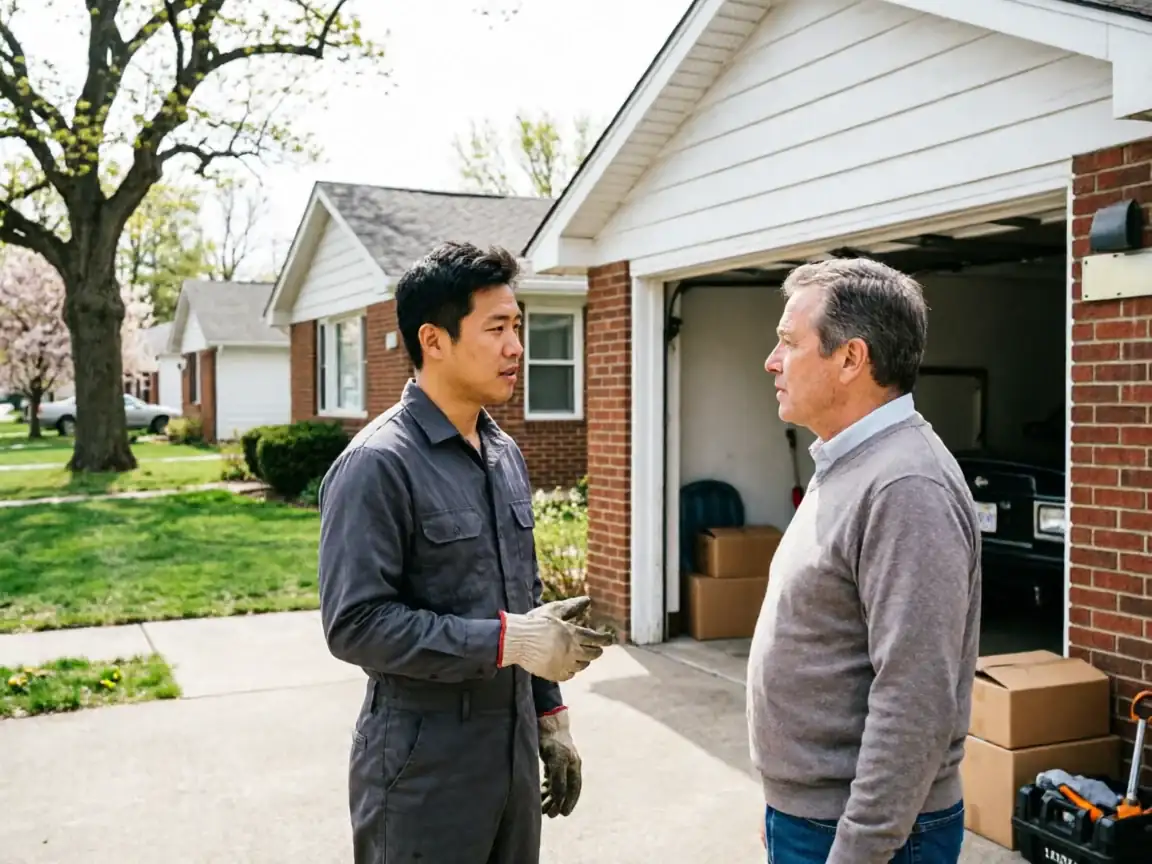
The honest limit here is this - we're coming from Macomb, 17 miles out, so we're not the people to call if the door is merely cosmetic-sticky and you want someone standing in your driveway in twenty minutes. If it's safe to leave overnight, say so when you call, and we'll schedule it rather than treat it as an emergency. If the door won't close and the opening is exposed, that's different, and we'll say that too.
What Causes It Around Here
With 224 households spread across Plymouth
There isn't a dense cluster of calls the way there is near Macomb's 2,638 owner-occupied houses - but the failures that do happen here tend to run in the same direction: age-related hardware fatigue rather than accident damage.
- 224 households
- 2,638 owner-occupied
The area sits in a cold-moderate climate band
And that matters more for garage doors than people expect. Steel contracts in low temperatures, and a spring that's been stretching and relaxing since the Eisenhower administration doesn't have much fatigue life left once a hard freeze adds extra load to the first lift of the morning. Nine named areas nearby share this same pre-1960 housing pattern, so a rebuilt torsion conversion or an exact-match replacement spring is a repair we see on a regular rotation, not a rare one.
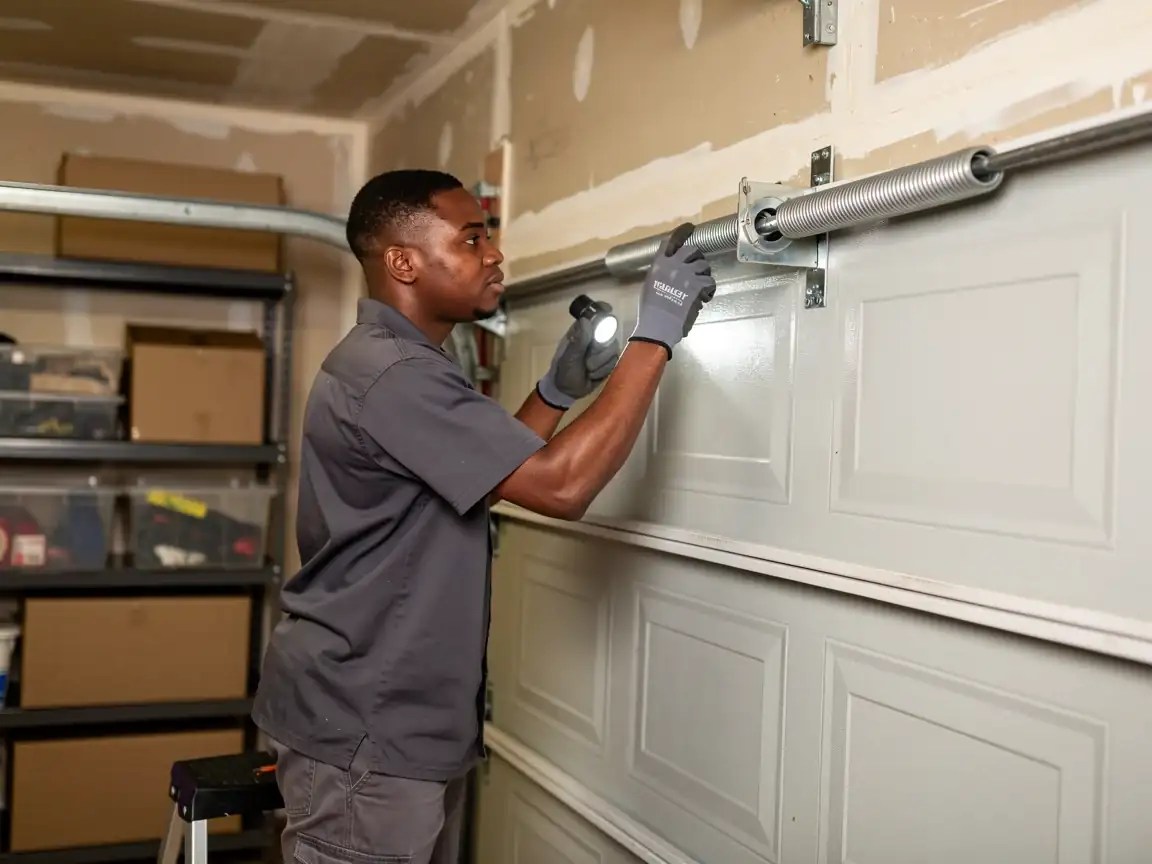
Doors built around 1948 in this cold climate band often run flat extension springs instead of torsion
Which fail differently and need different hardware than what's on a newer house.
What the Fix Involves
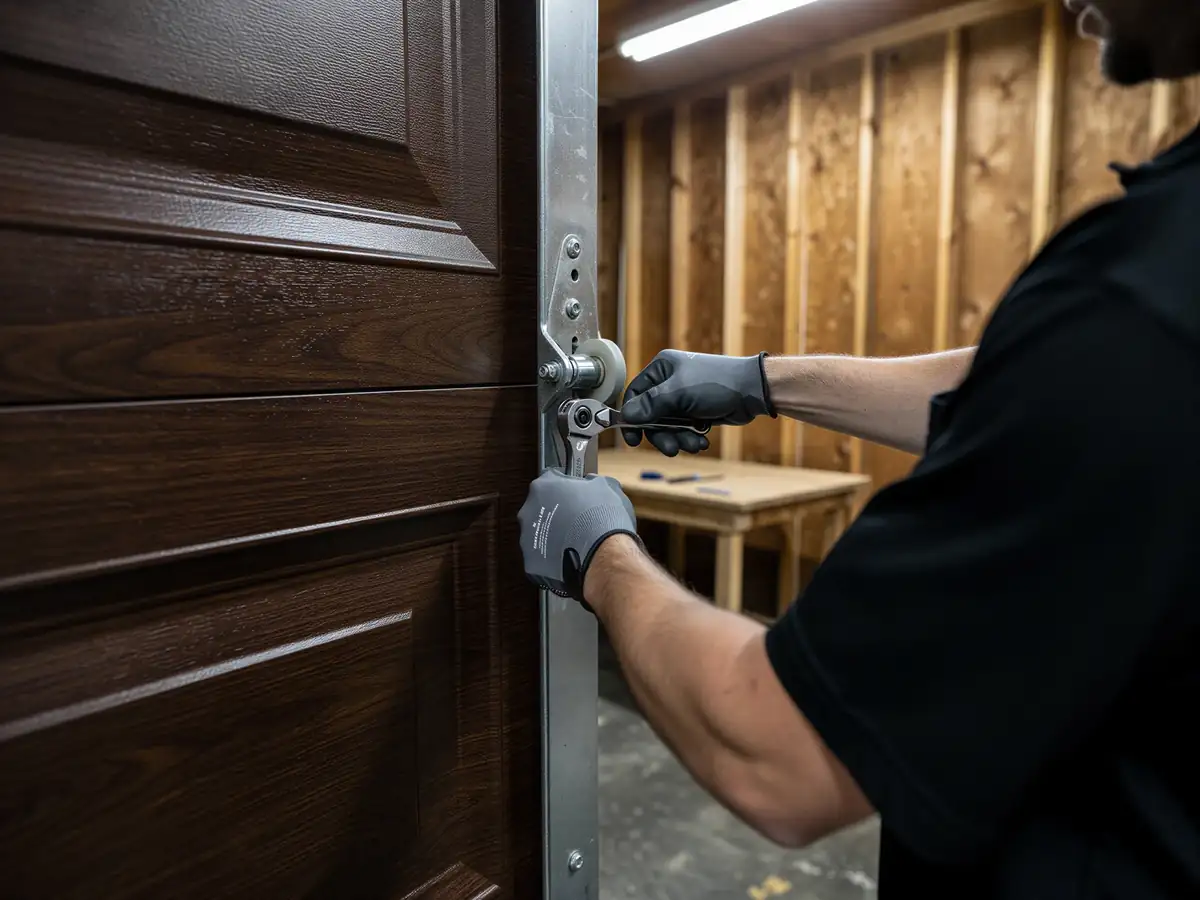
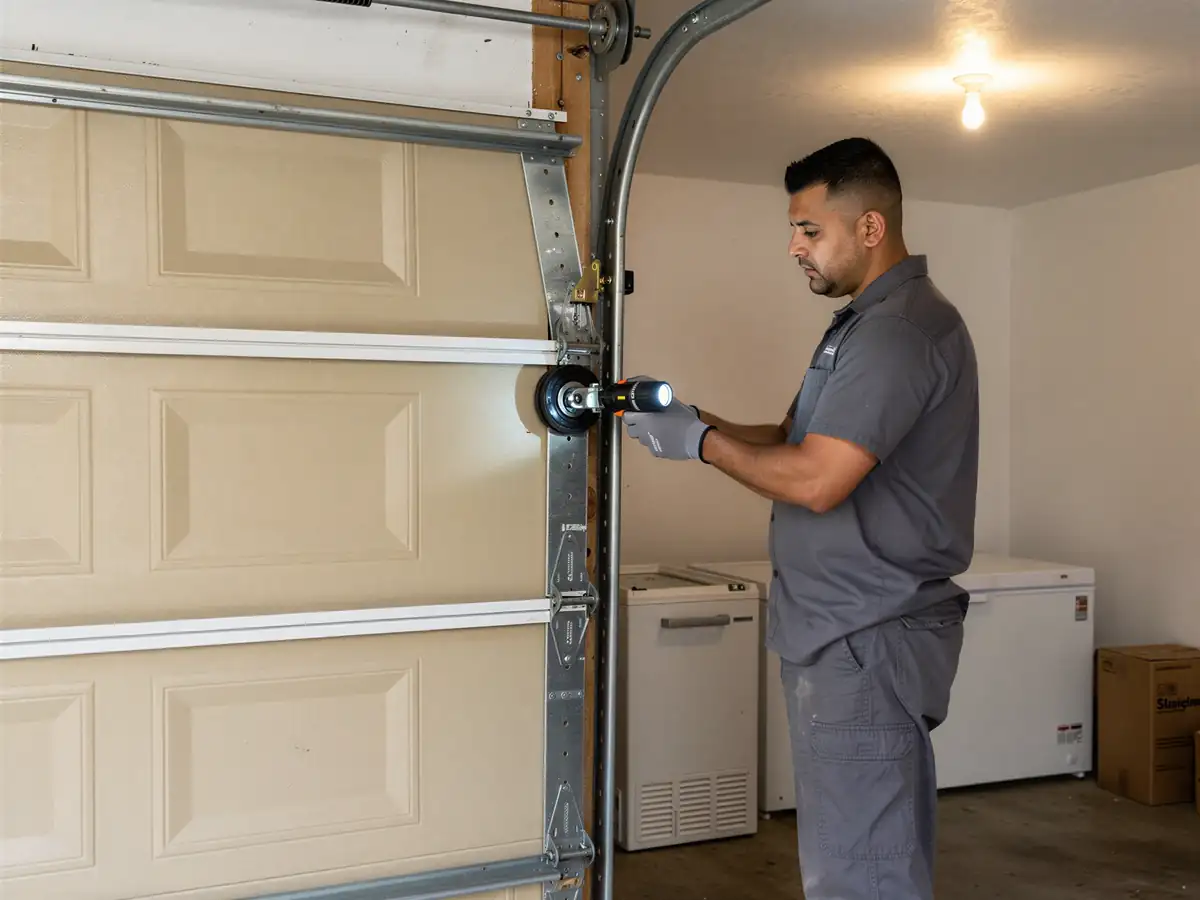
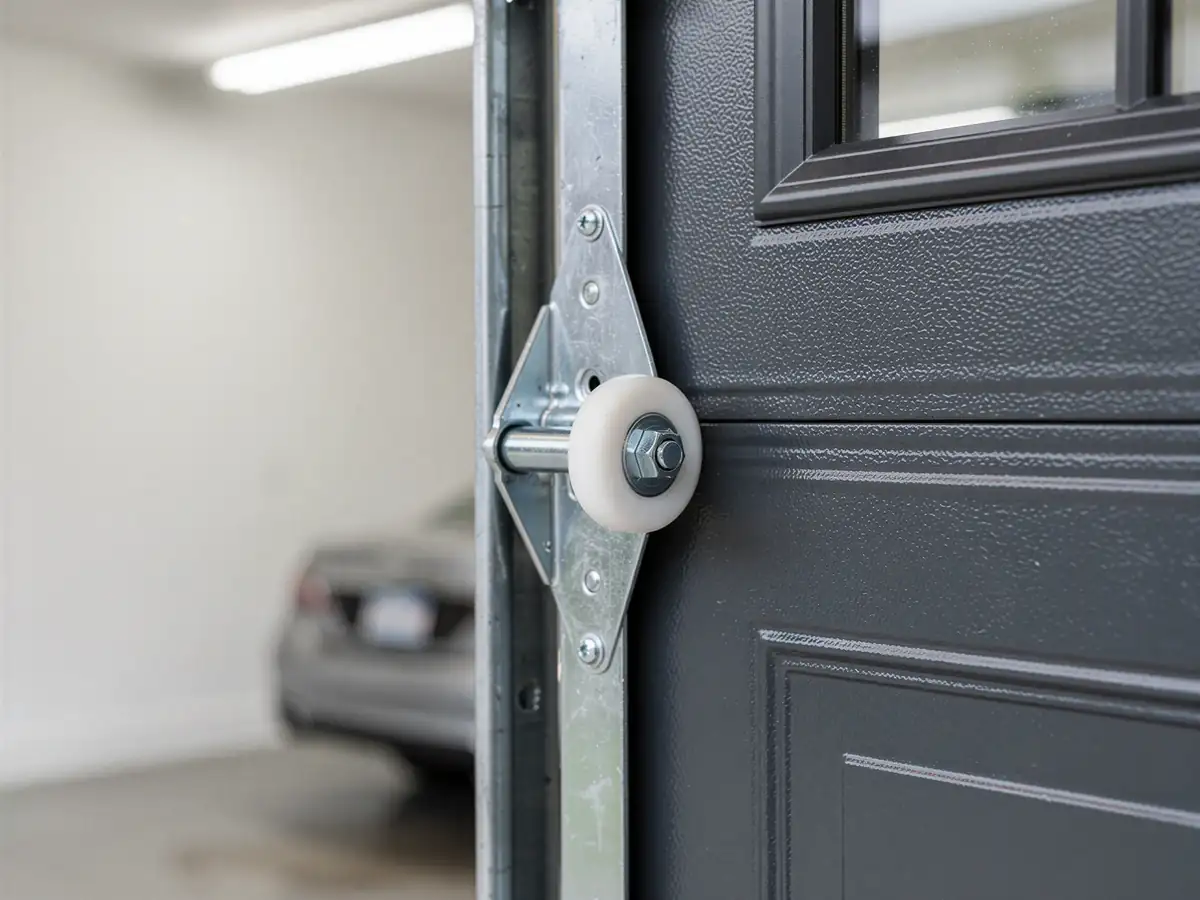
First step is figuring out what's actually original on the door versus what's been patched over the years - a lot of these houses have had at least one opener swap that didn't touch the spring or track. We check the spring type, the drum and cable condition, the track alignment, and the panel seams before touching anything.
If it's a broken spring, that gets replaced - sized to the door, not just swapped for whatever's closest on the shelf, since an undersized spring on an old heavy wood-panel door will fail again fast. If the track is bent from the door dropping, that gets straightened or replaced depending on how bad it is. Cables, rollers, and the bottom bracket get checked at the same time, since they take the same stress the spring did.
At a median income of $39,750, a full new door and opener is a bigger decision here than the area average of $54,306 might suggest, so we quote the repair first and only bring up full replacement if the door itself is beyond saving.
What Can Go Wrong
The honest limitation: on doors this old, the original hardware is sometimes discontinued, and a rebuild with compatible parts takes longer to source than a same-day swap would. We won't promise a part we don't have in the truck, and sometimes that means a second trip.
The other risk is a door that looks fixable but isn't - a wood panel door from the late 1940s that's been painted over cracks for decades can split along the bottom rail the first time real tension goes back on it. When that happens mid-repair, replacement is the safer call even if it wasn't the plan walking in.
Finally, a door that's been forced open or closed while broken - which happens more than people admit, usually trying to get a car out before work - can bend the track hard enough that a straightened fix won't hold for long. That's worth mentioning on the phone before we drive out, not after.