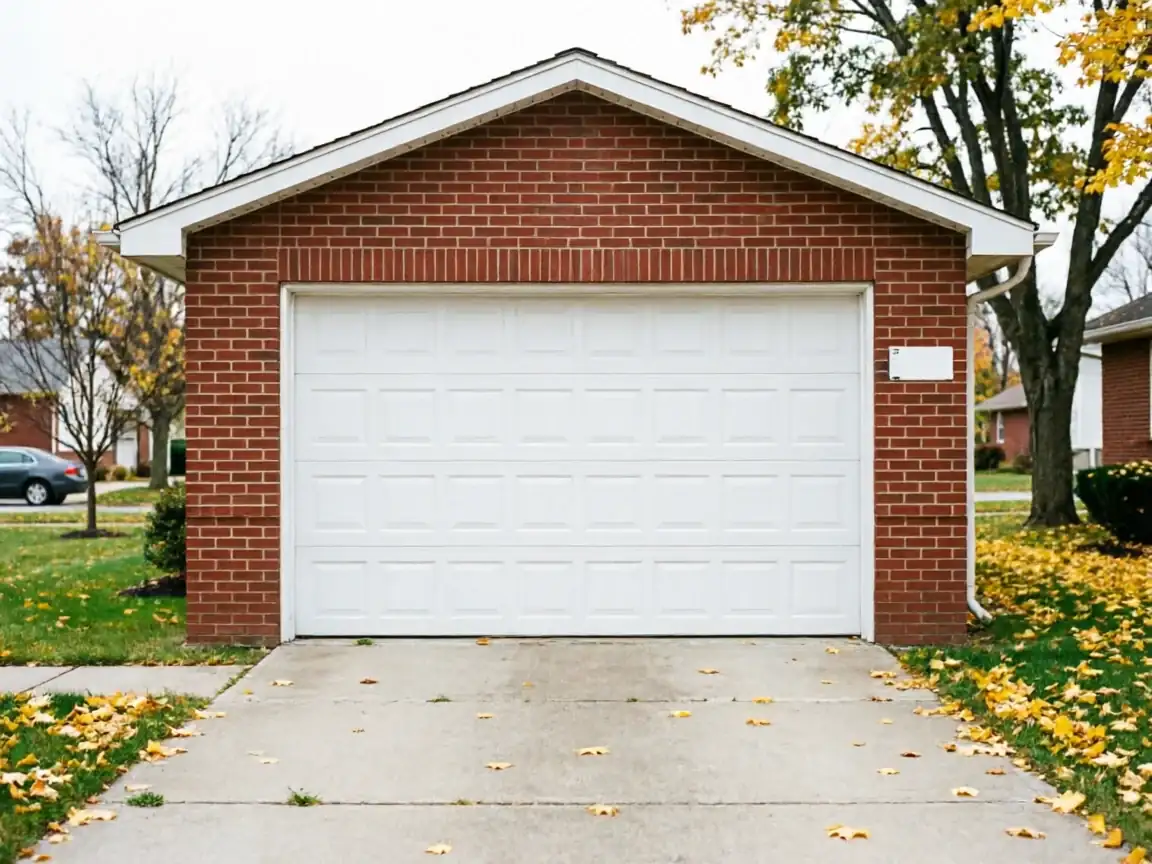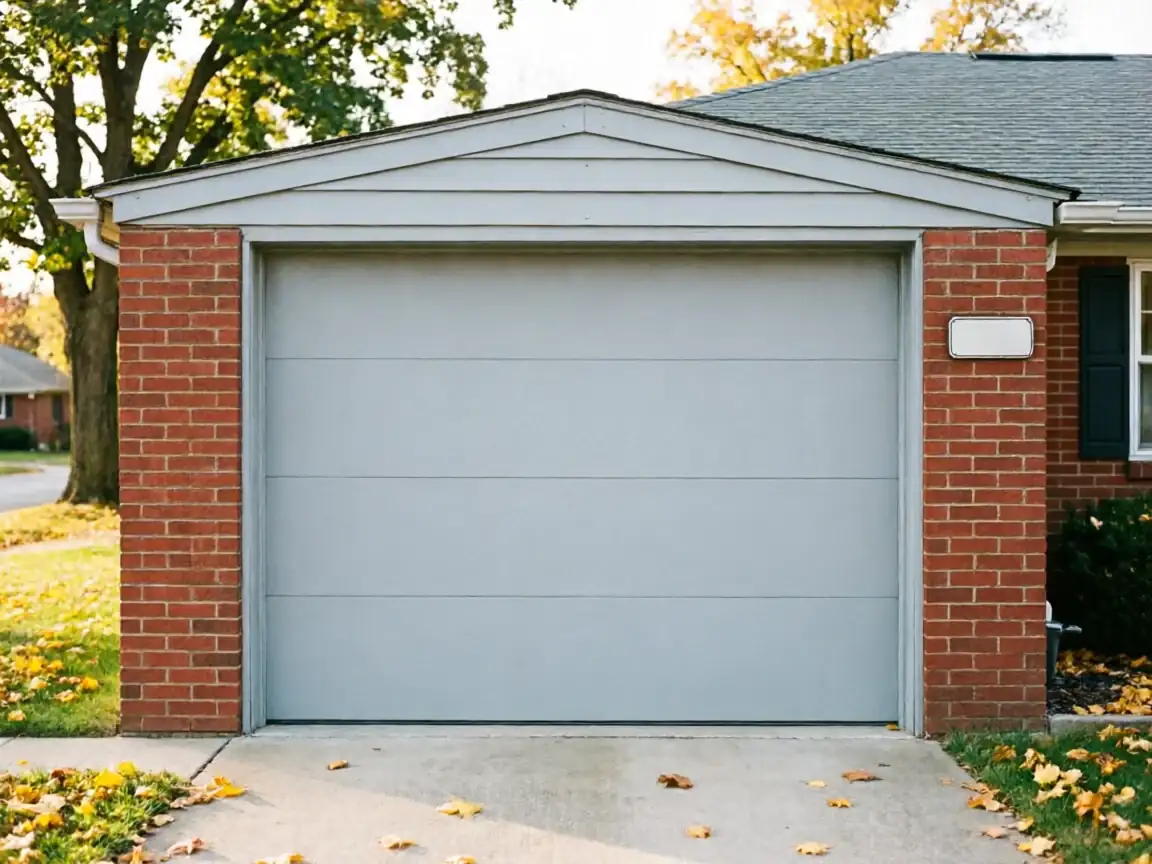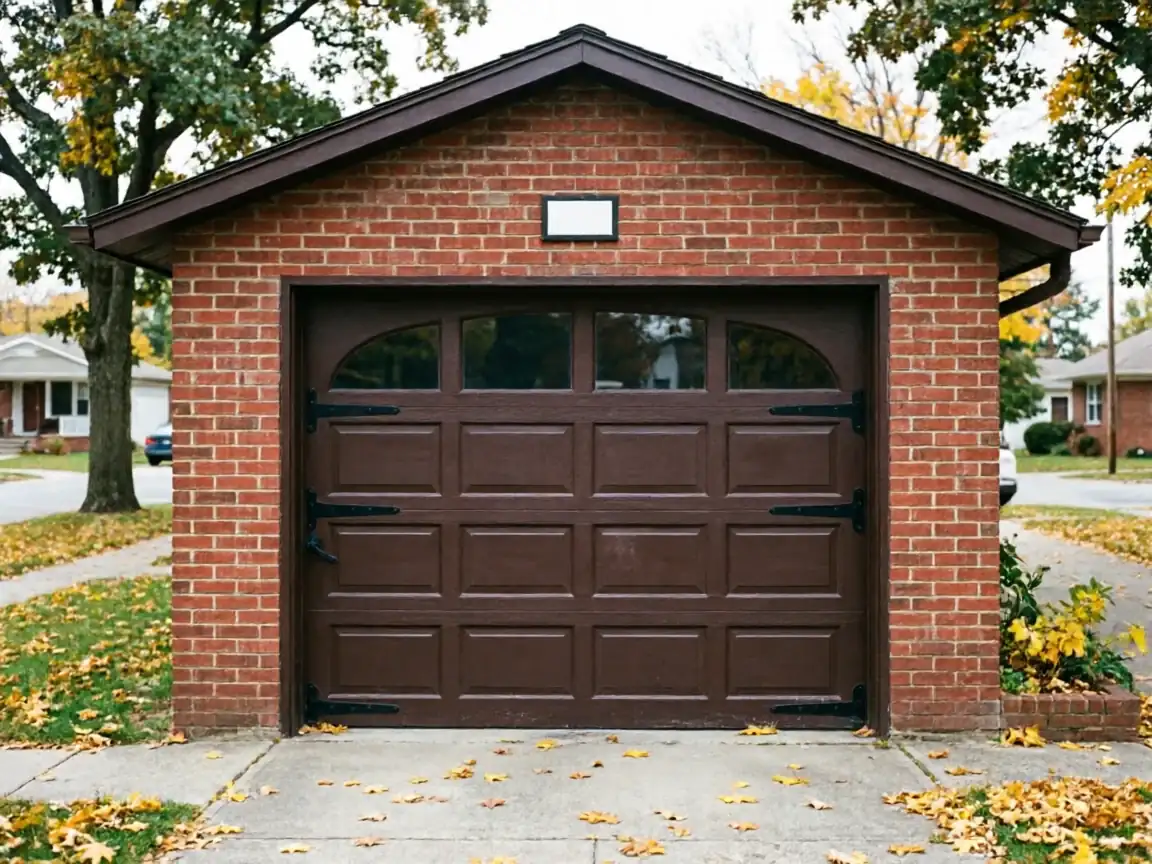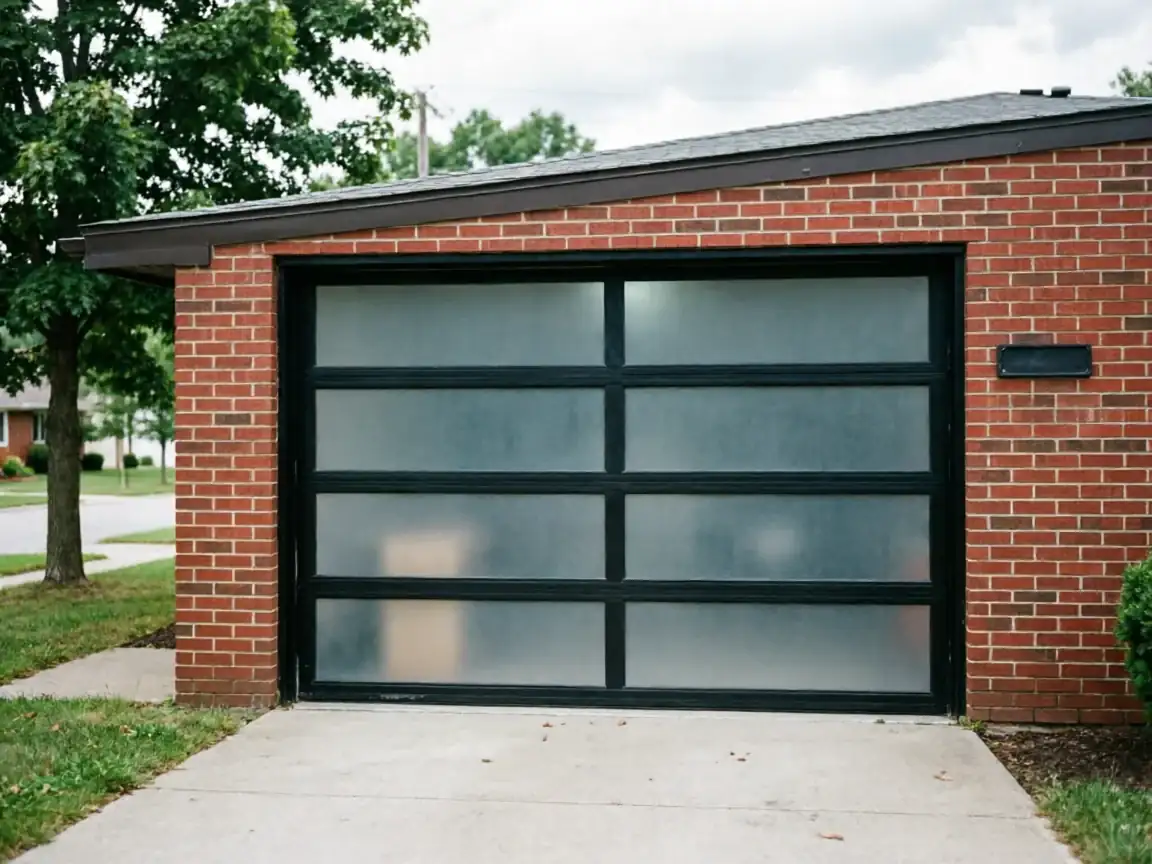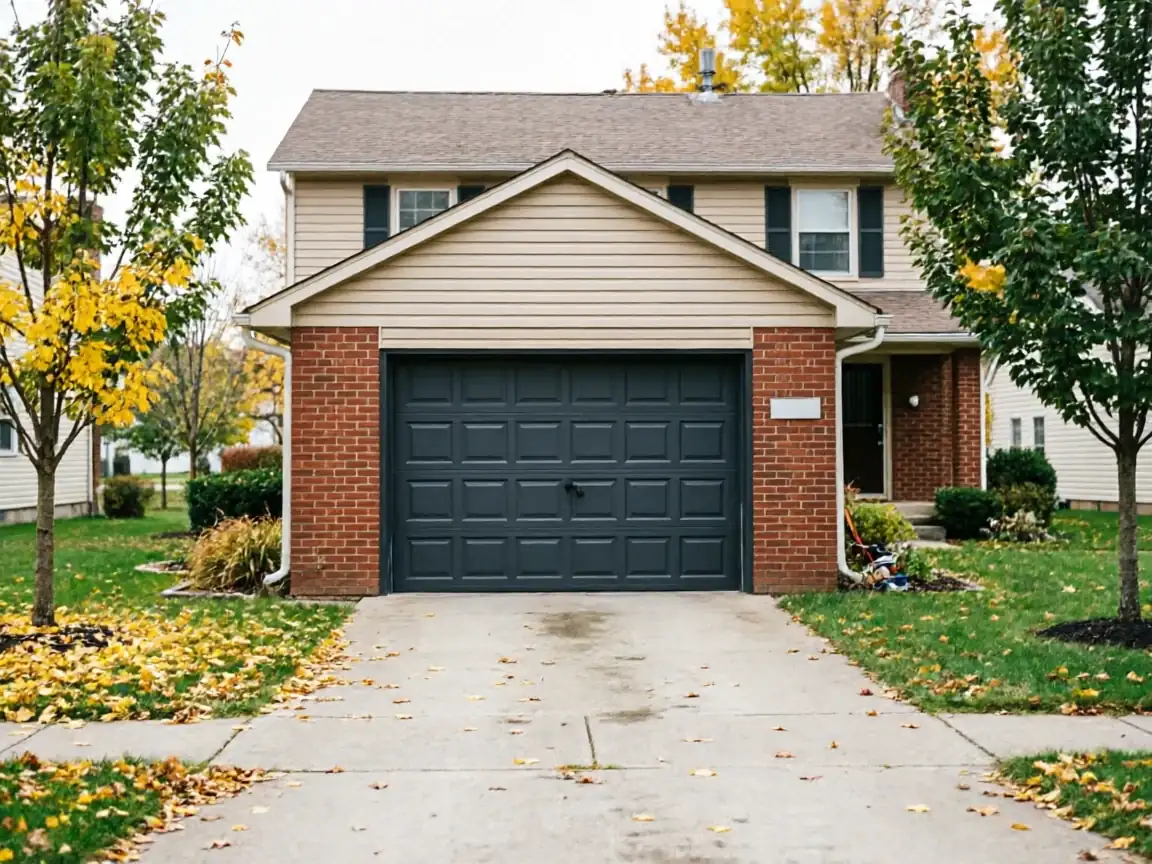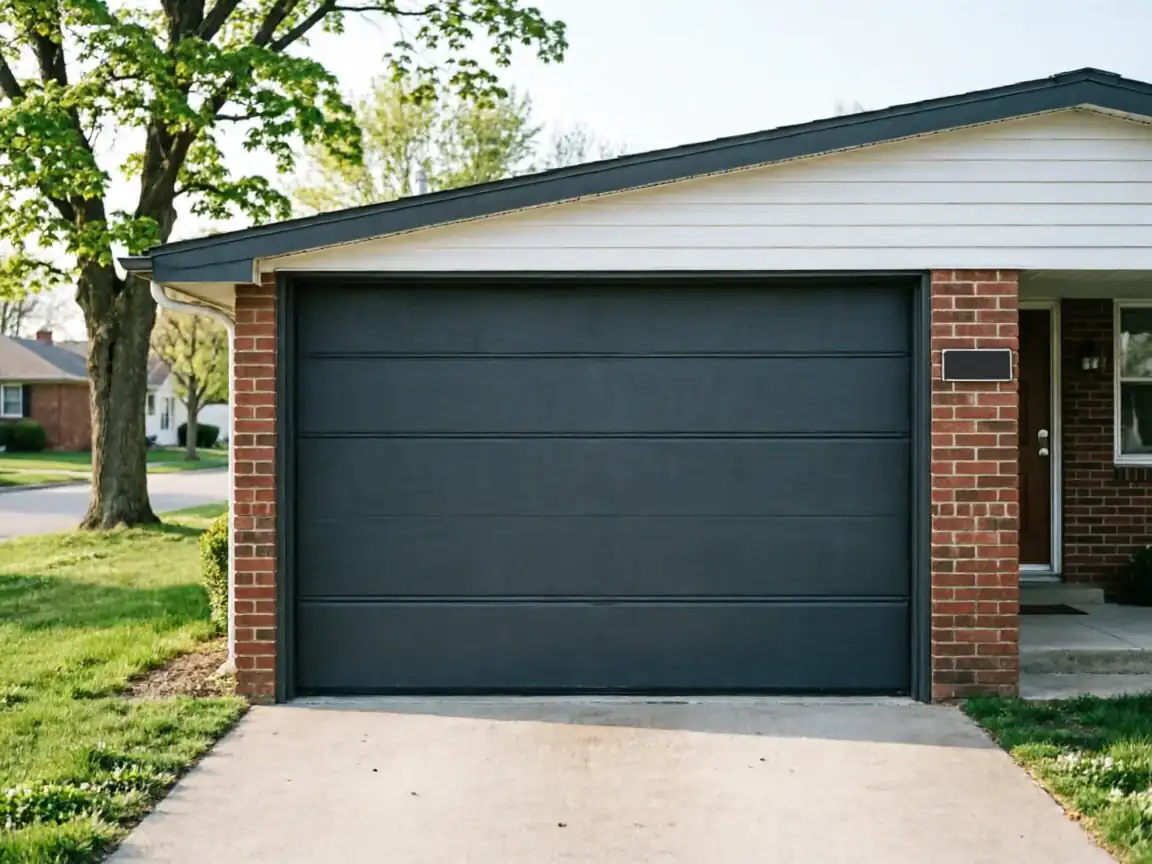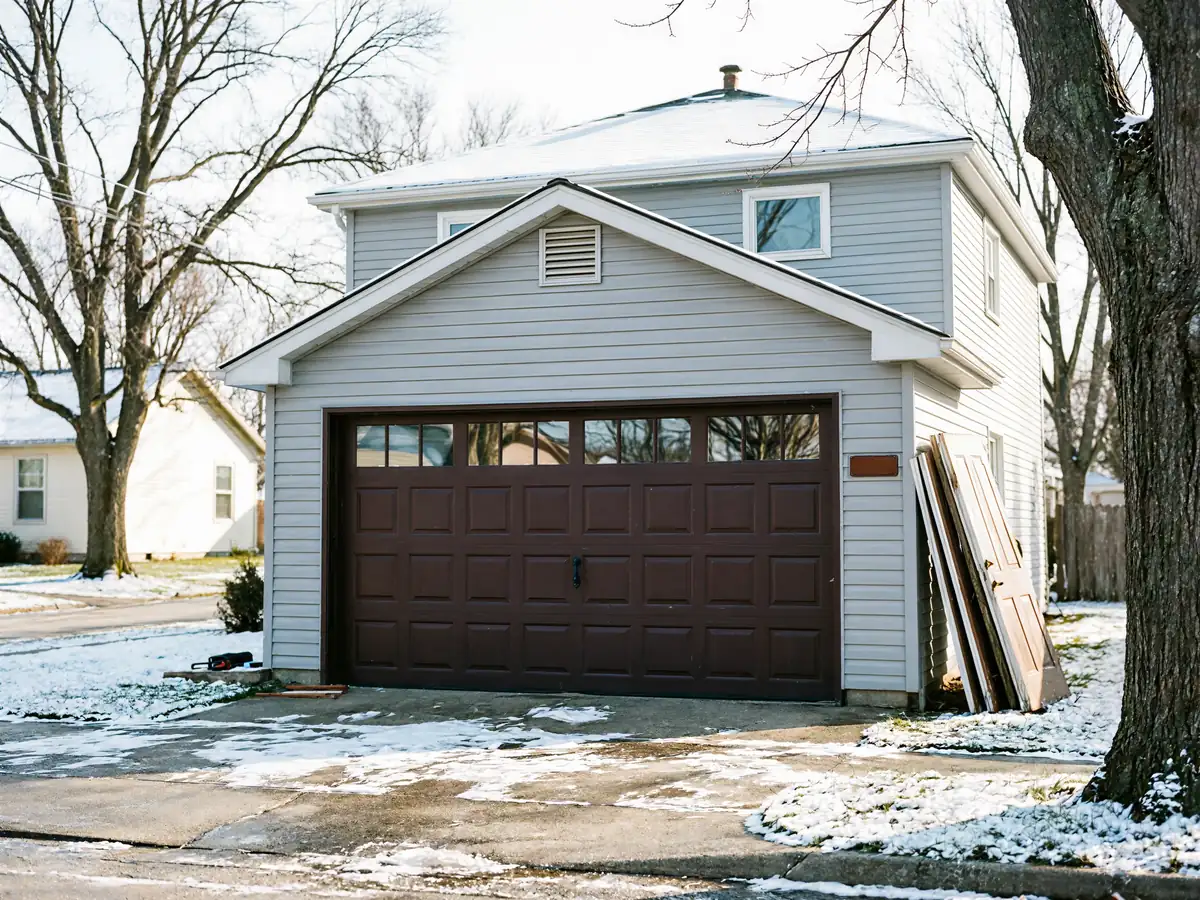
What the Fix Involves
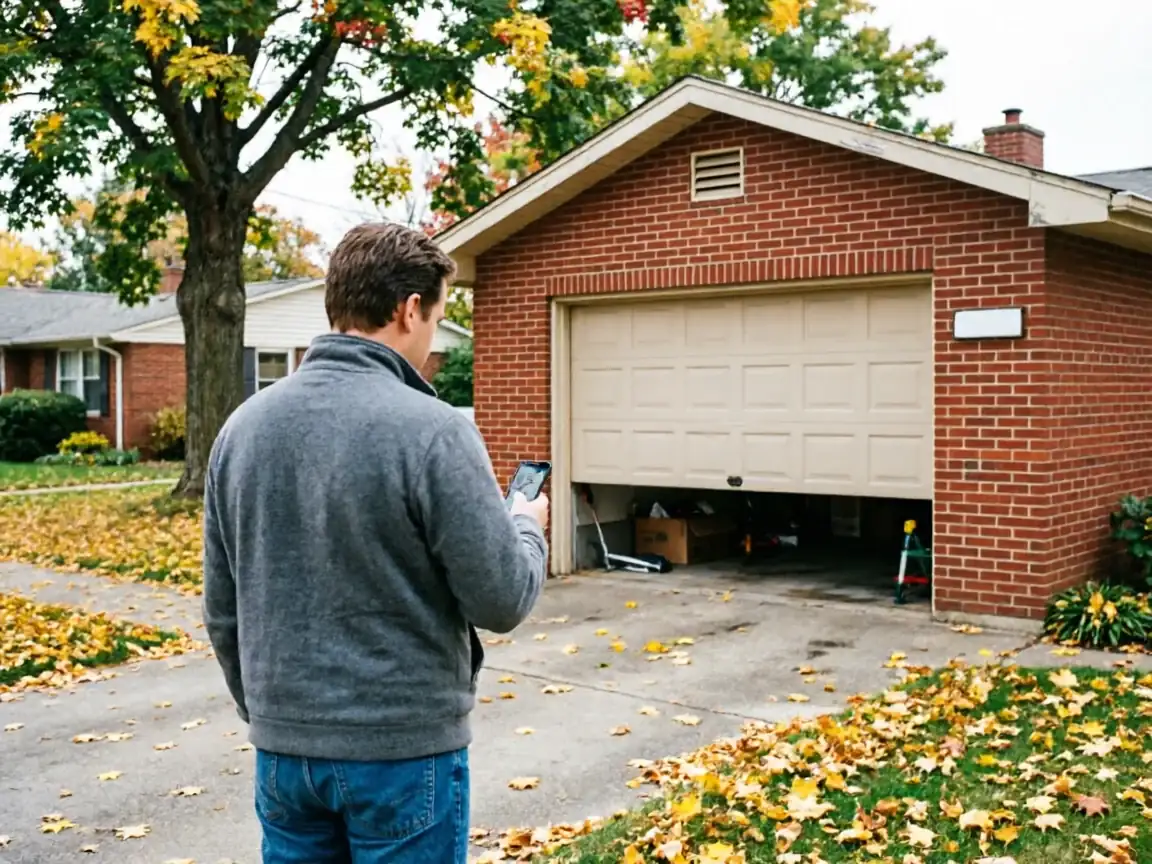
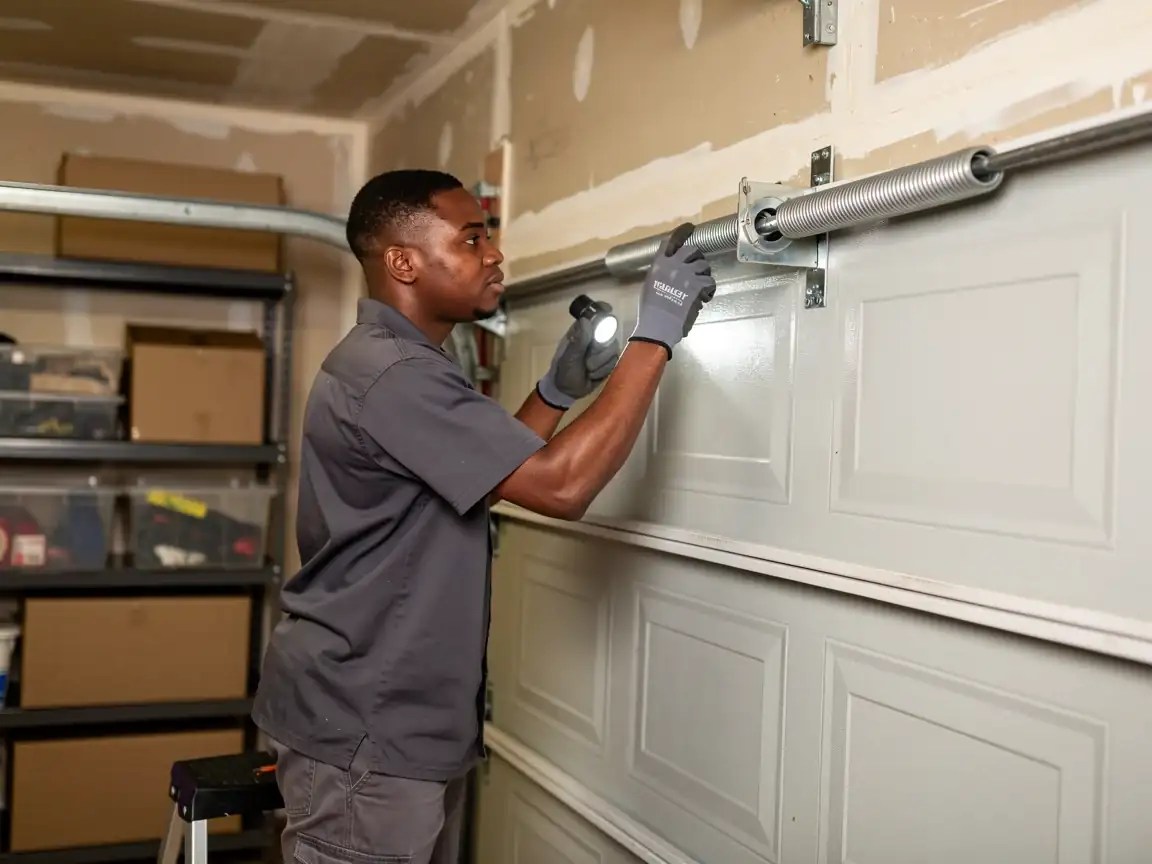
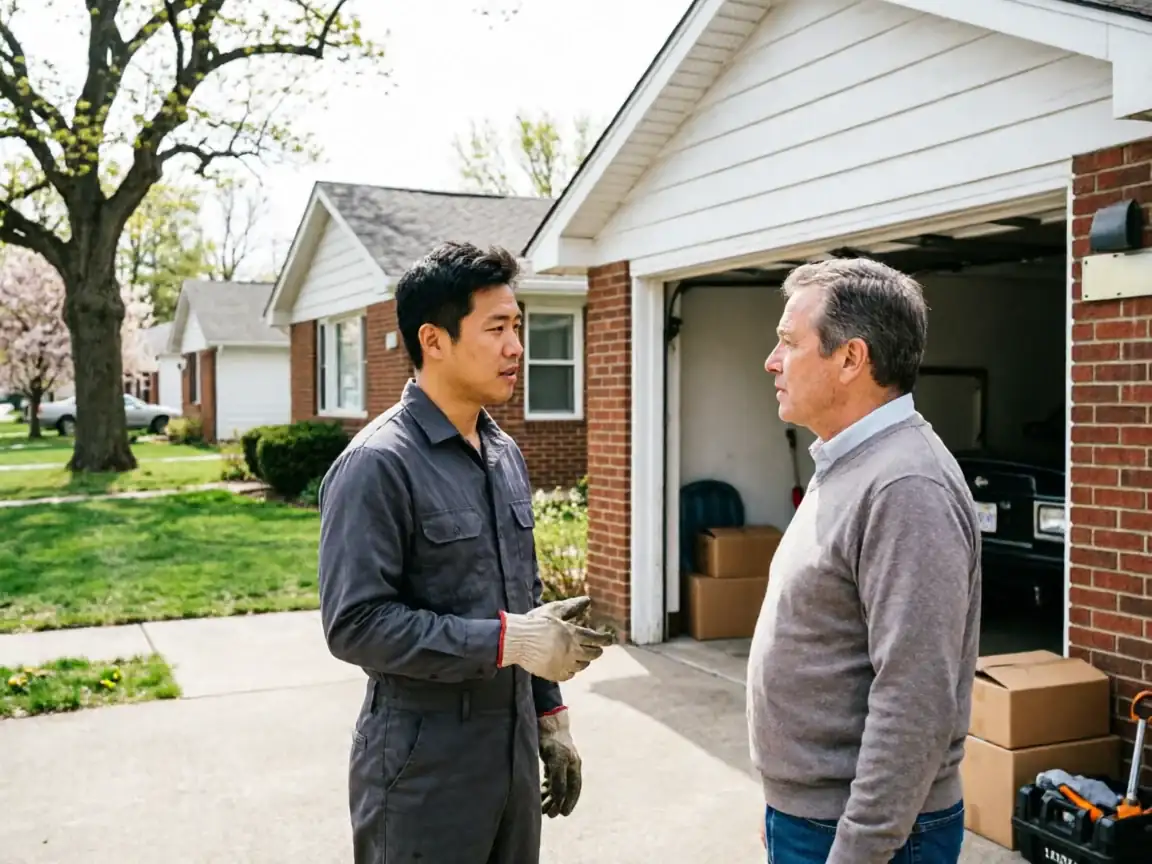
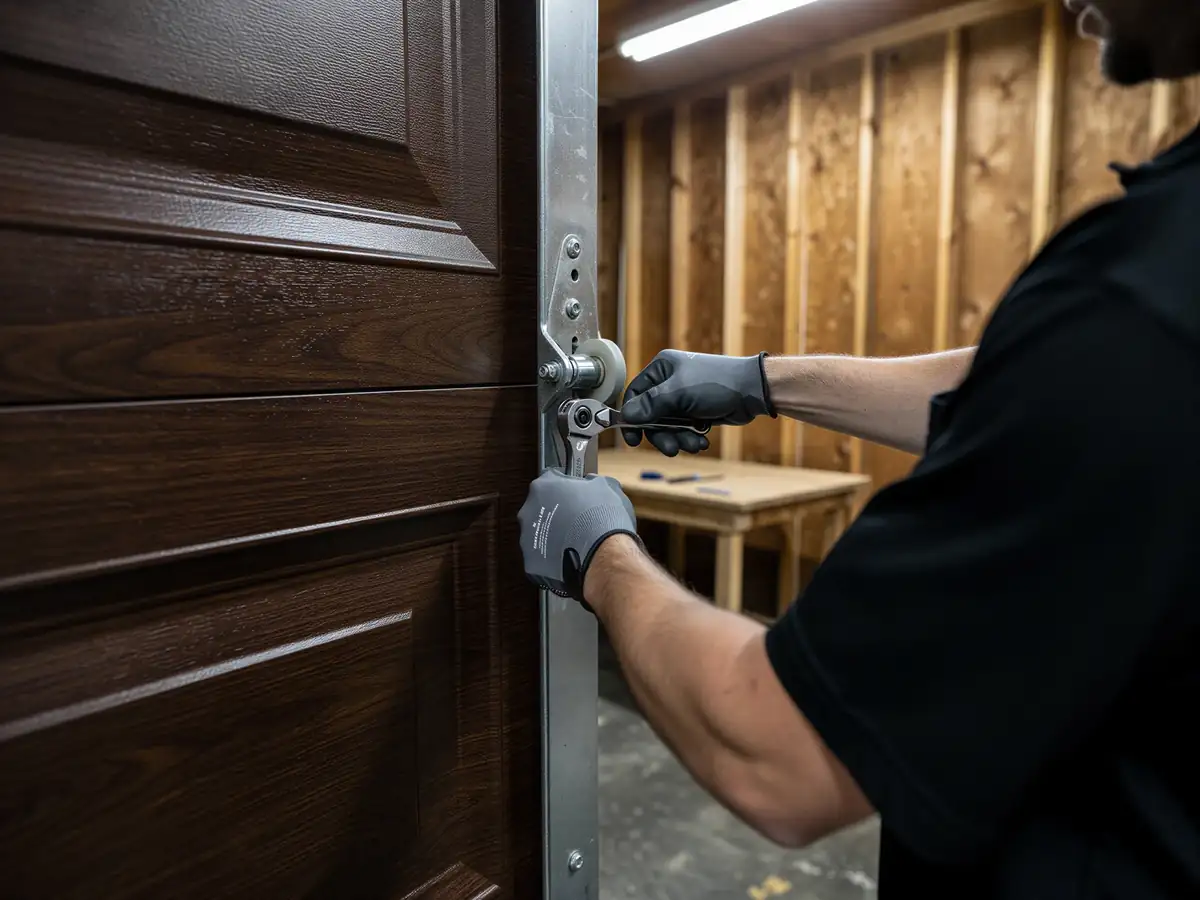
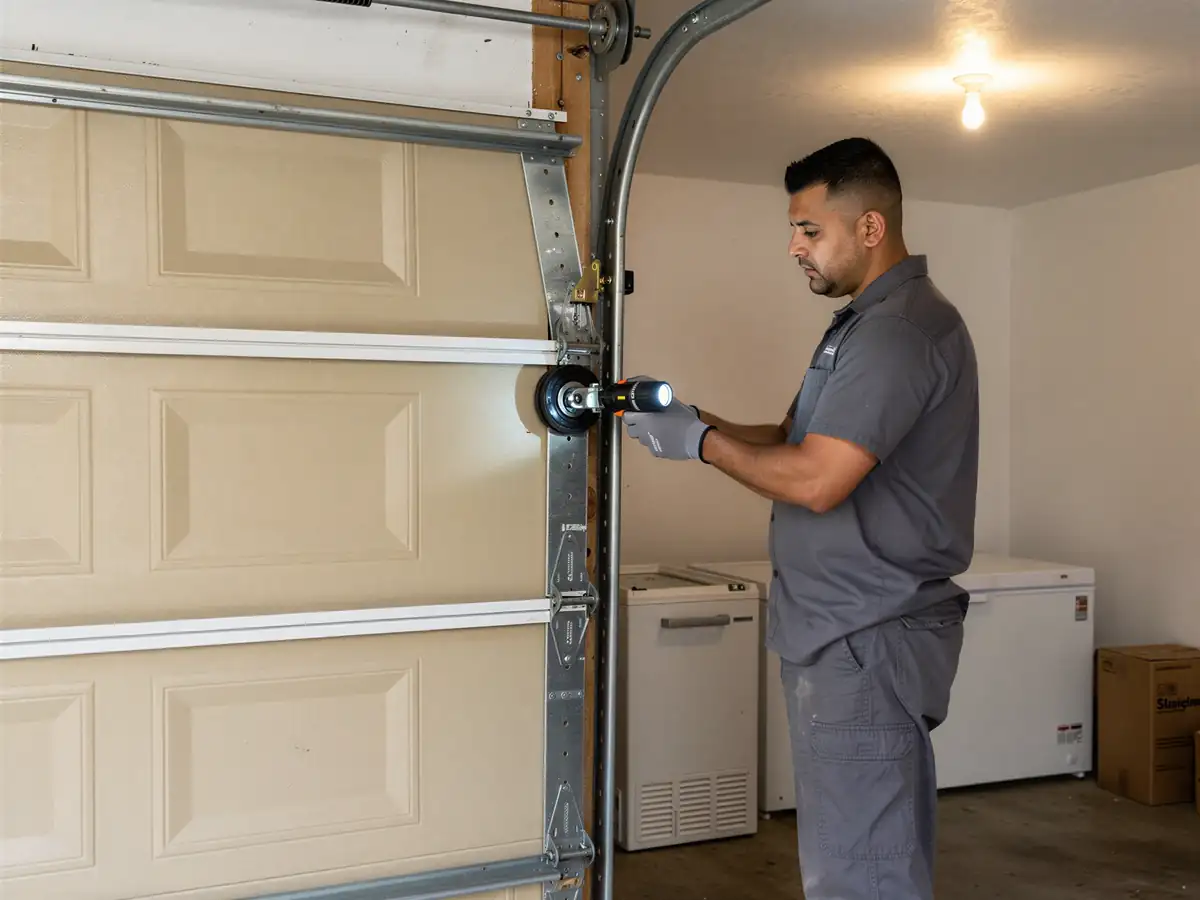
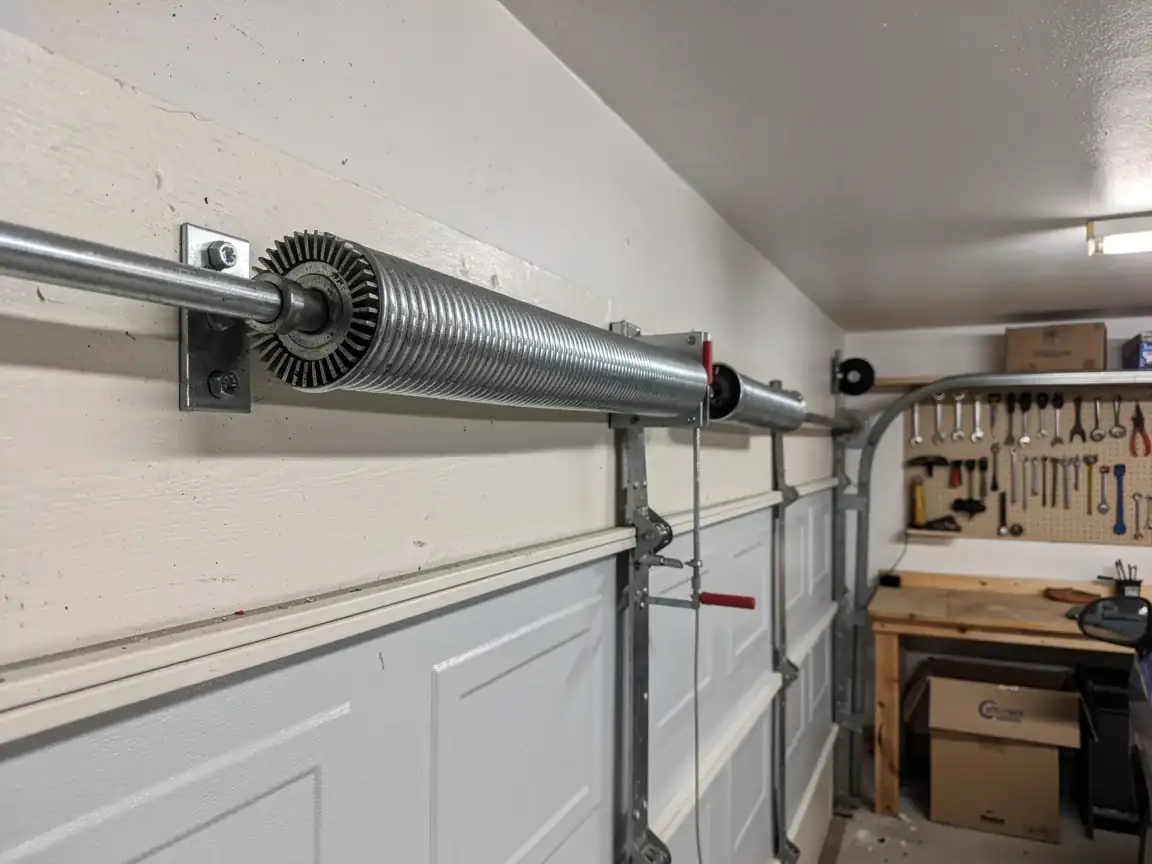
A service call starts with the door itself, not a script. We run the door by hand first, off the opener, to feel where the drag is - a bent track, a dry roller, a spring that's lost tension. Most houses in Macomb's service area went up between 1940 and 1965, with a median build year of 1952, so a lot of the original torsion hardware is still hanging in these garages, sometimes replaced once, sometimes never.
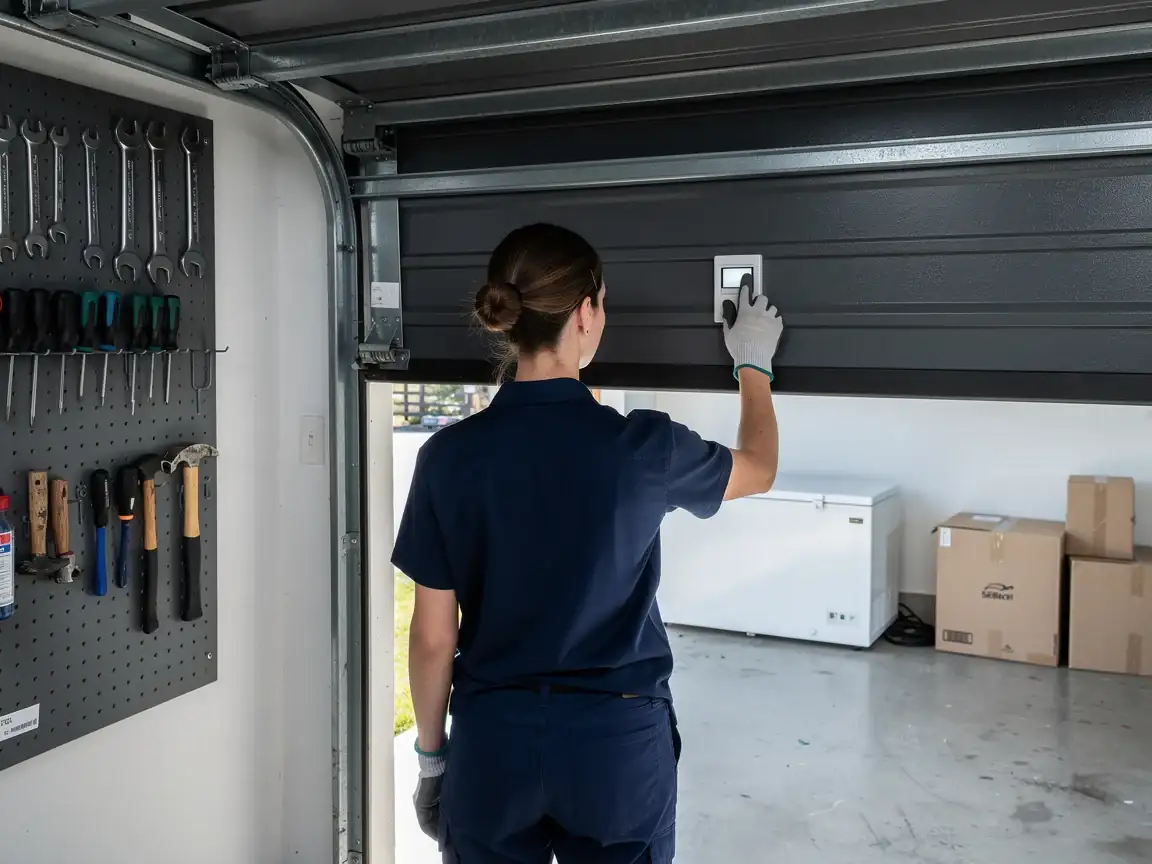
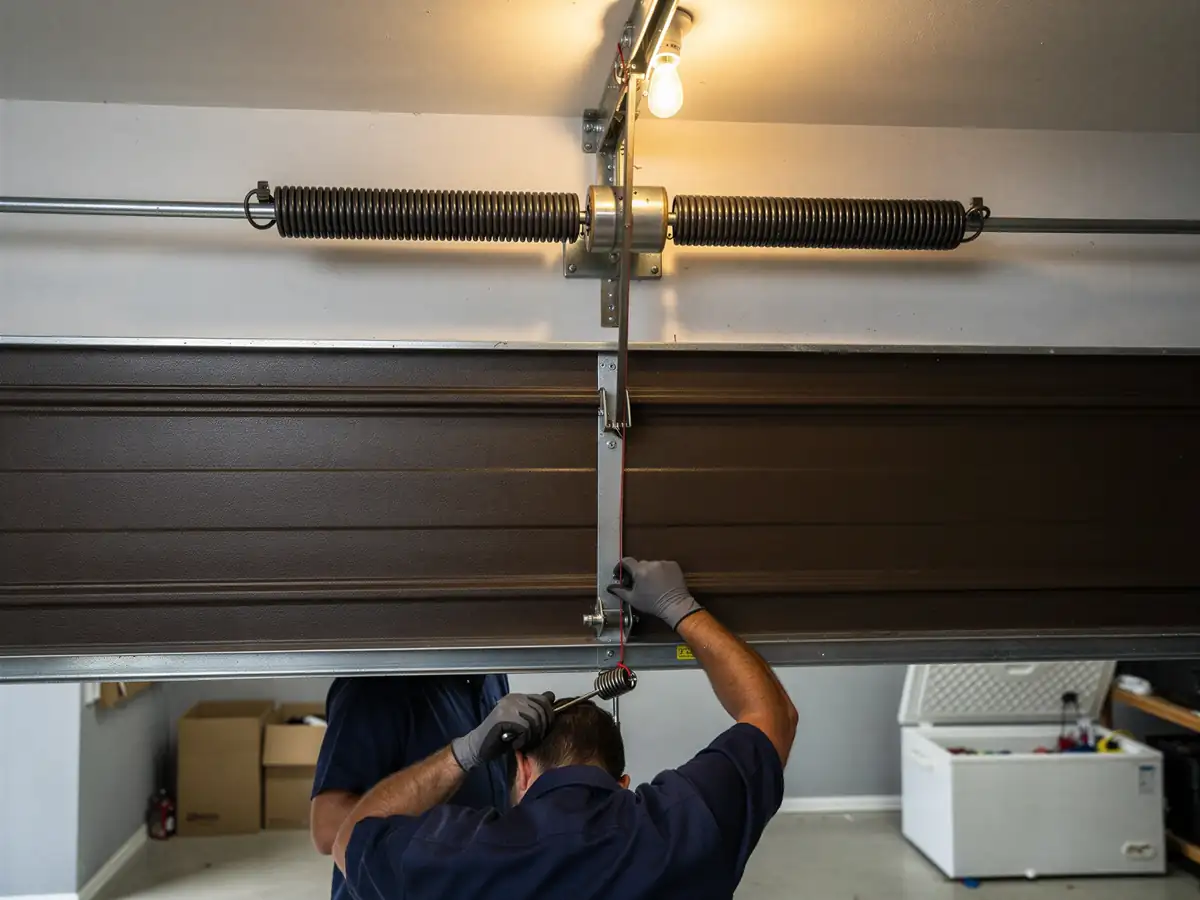
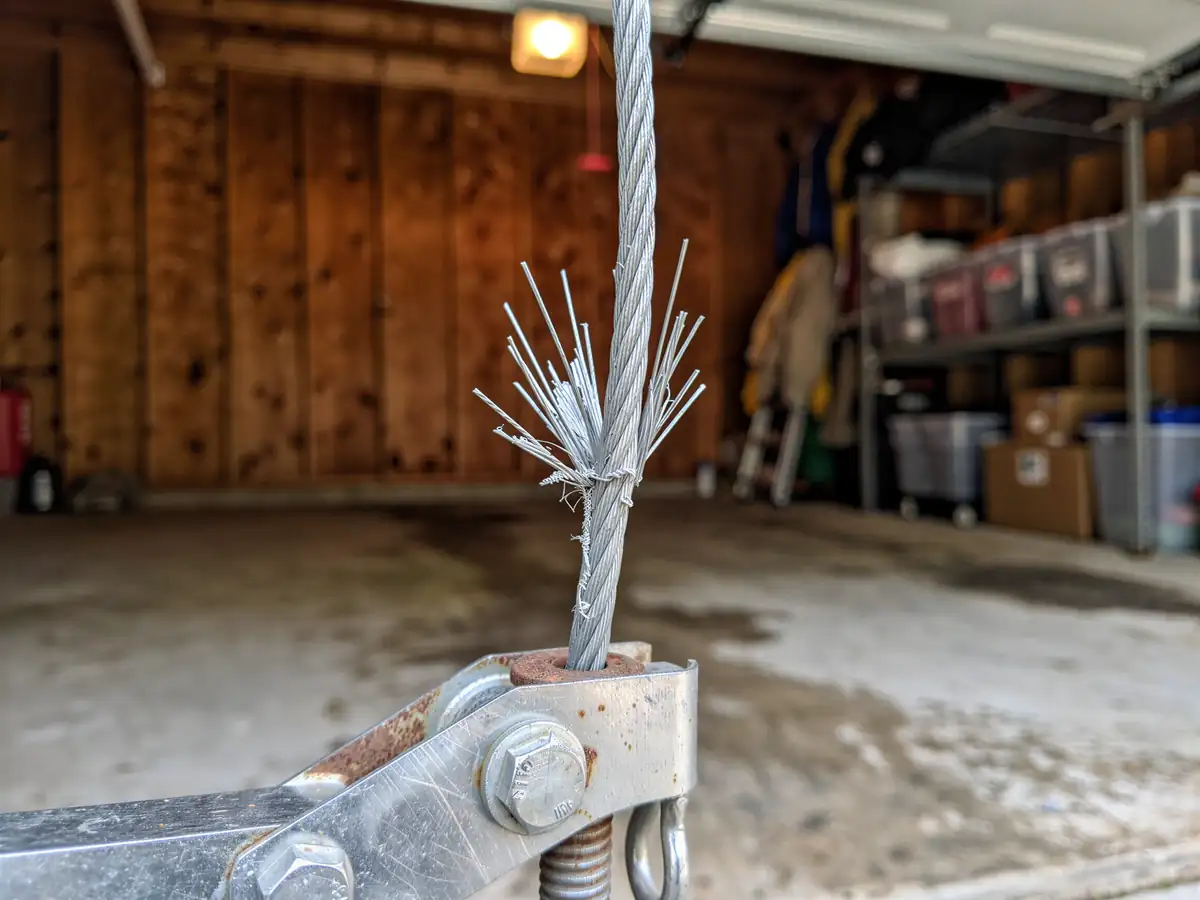
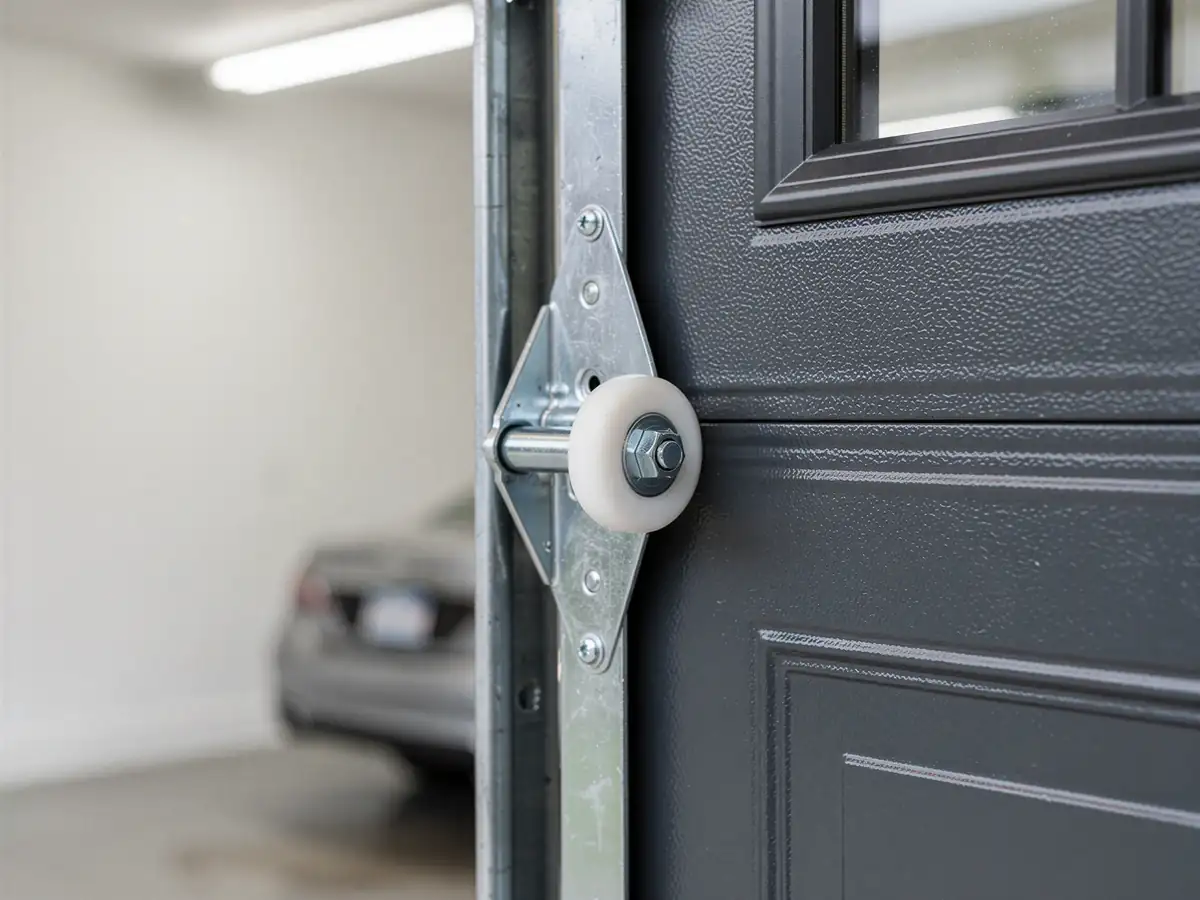
Once we find the fault, the fix is usually one of a short list: torsion spring replacement, cable re-seating, roller and hinge swap, track realignment, or opener gear and sensor work. We balance the door before we leave - an unbalanced door is what tears up a new opener in a year instead of ten. If the panel itself is the problem, steel fatigue or rust-through at the bottom section, we'll say so plainly rather than patching around it.
We don't pull a door off and guess. If the fix needs a part we don't have on the truck, we'll tell you the lead time instead of improvising with the wrong-size spring, which is a worse problem than the one you called about.
Parts We Carry
We stock torsion springs in the sizes that fit single and double openings common to this area's 1940s-60s garages, along with standard rollers, lift cables, hinges, and bottom brackets. These cover the bulk of what fails on a door that's been in service for decades.
What we don't always have on the truck is matching hardware for a non-standard or custom panel - some of the older one-piece doors in this area were installed with mounting hardware that isn't made anymore. When we hit one of those, we'll source the closest match or talk through replacing the section instead of chasing an exact part that may take weeks to find.
Opener parts - gear kits, circuit boards, safety sensors - we carry for the common brands we see most on calls here. If your opener is an older model no longer supported by its manufacturer, repair isn't always possible, and we'll say that upfront rather than billing for a part swap that won't hold.
What You Are Seeing
The calls we get usually sound similar
The door is heavy to lift by hand, or it jerks partway up and stalls. Sometimes it's a grinding or popping sound from overhead when the opener runs - that's often a spring under uneven tension, not the opener motor itself. A door that reverses right after it starts closing is almost always a sensor or cable issue, not something wrong with the remote.
Other times it's quieter
A gap along the bottom seal that wasn't there last winter, or a door that sits crooked in the frame. On older steel doors, that's frequently the track pulling slightly out of alignment as the slab settles, which happens gradually enough that nobody notices until the door starts scraping.
If your door won't move at all and the opener light is on, check the manual release cord before you call
It's a common and easy fix we see more than you'd think.
What Causes It Around Here
Macomb sits in a cold moderate climate band, and that matters more for garage doors than most people expect. Steel contracts in cold and expands in heat, and a torsion spring wound to spec decades ago under different seasonal swings loses consistency faster than people assume. Across the nine communities we reach - from Colchester six miles out to Vermont eighteen miles out - nearly all the housing stock predates 1960, so this is a shared problem, not a one-house issue.
With roughly 2,638 owner-occupied houses out of 3,534 households in the service area, a good share of them are still running springs, cables, and tracks that came with a 1950s build or a first replacement from long before smart openers existed. That hardware was built for the loads and temperatures of its day, and after enough freeze-thaw cycles the metal fatigues at a predictable rate regardless of how well it was installed.
A household here earning the area's median $54,306 is often weighing a full opener or door replacement against another repair that buys a decade more out of what's already there. We'll give you a straight read on which side of that line your door is on.