When Waiting Is Fine
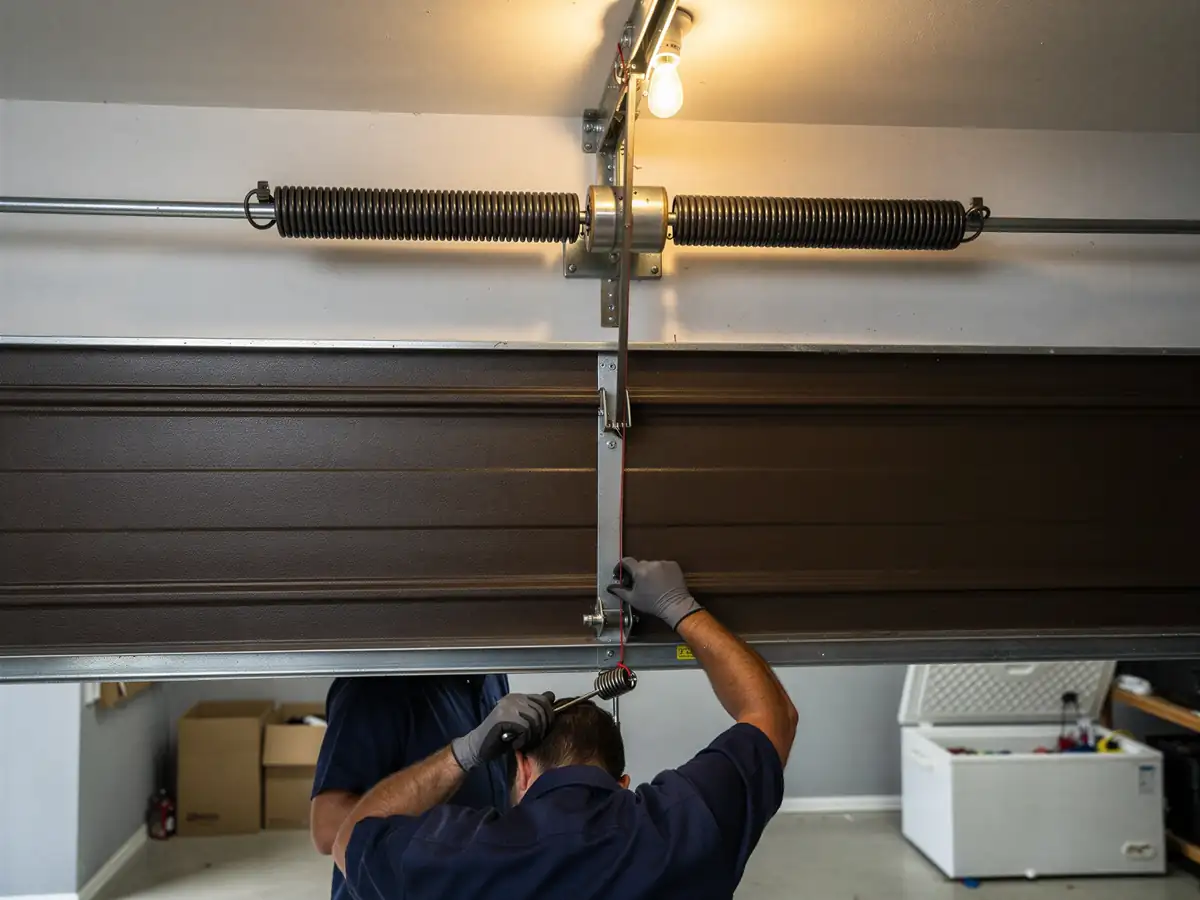
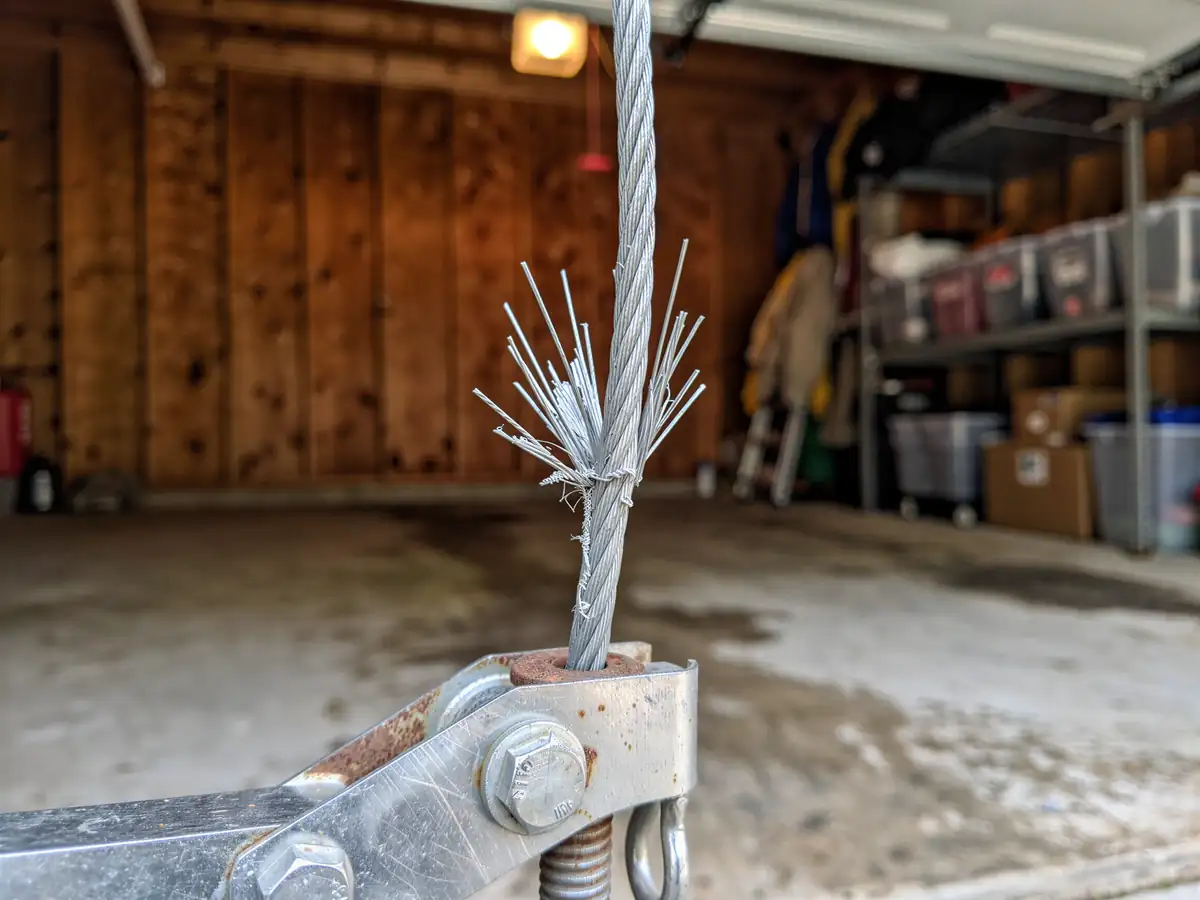
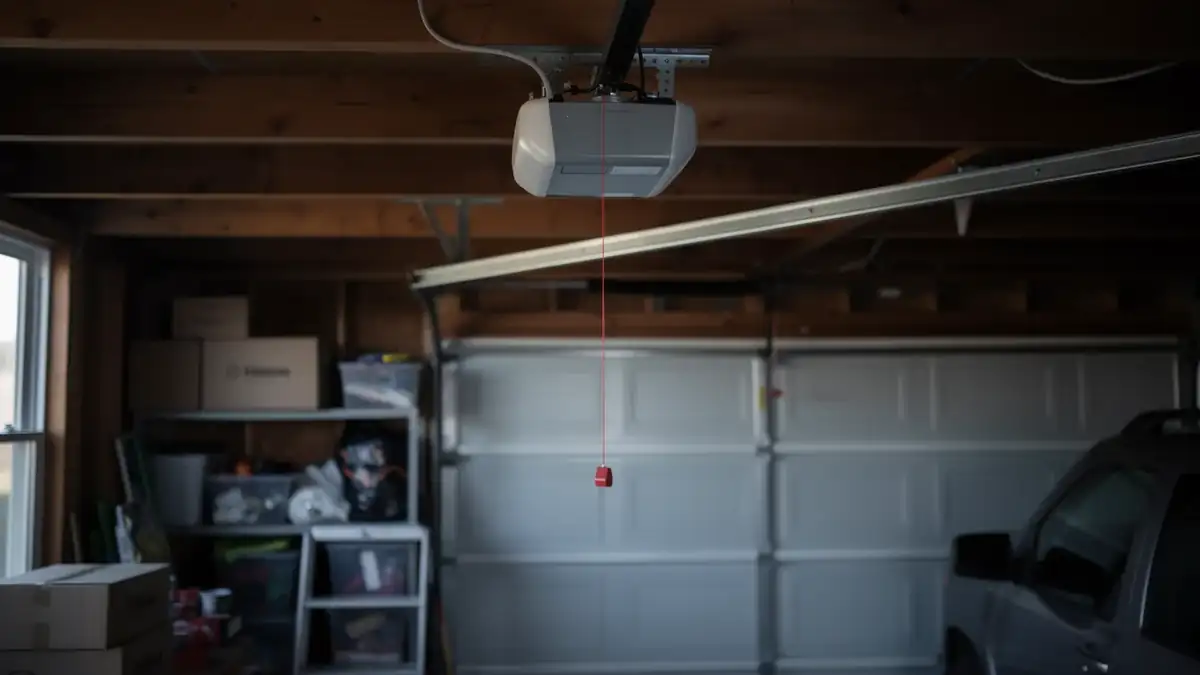
Not every noise or stiff spot means a call today. If your door still opens and closes on its own power and the opener isn't straining, you can usually wait a week or two to get it looked at - especially if the house is one of the many here built between 1940 and 1965, where a slow track or a dry hinge is often just age catching up with itself. What you can't wait on is a door that's stuck halfway, a cable that's frayed and visibly loose, or a door that slams down instead of lowering under control - that's a spring problem, and springs under tension don't give you a grace period. Openers and power cuts are a separate issue: if the opener loses power and the door won't release from the carriage, that's usually a release mechanism issue, not an emergency, and it can wait for a scheduled visit. The honest rule: anything that's slow but steady can wait. Anything that's sudden, off-balance, or under load needs a same-week look, not a same-day panic.
What You Pay
We don't publish flat prices here because the two biggest cost drivers - what's actually wrong and what parts your door needs - vary house to house, especially across housing built mostly before 1960. A torsion spring job on a door with original 1950s hardware can cost more simply because the spring size or drum isn't something every supplier stocks anymore, and that's a real limitation: if your door still has its original springs, expect us to need a day or two to source the right part rather than finish same-visit. With median household income in this area at $54,306, we try to be upfront early about whether a repair is worth doing versus whether the door's age means replacement saves money over another five years of patch jobs. We'll tell you straight when a fix isn't worth it. What we won't do is quote a number before we've seen the door - a one-piece door from the 1950s and a sectional door from the 1990s on the same street can need completely different parts and completely different labor.
What the Weather Here Does to It
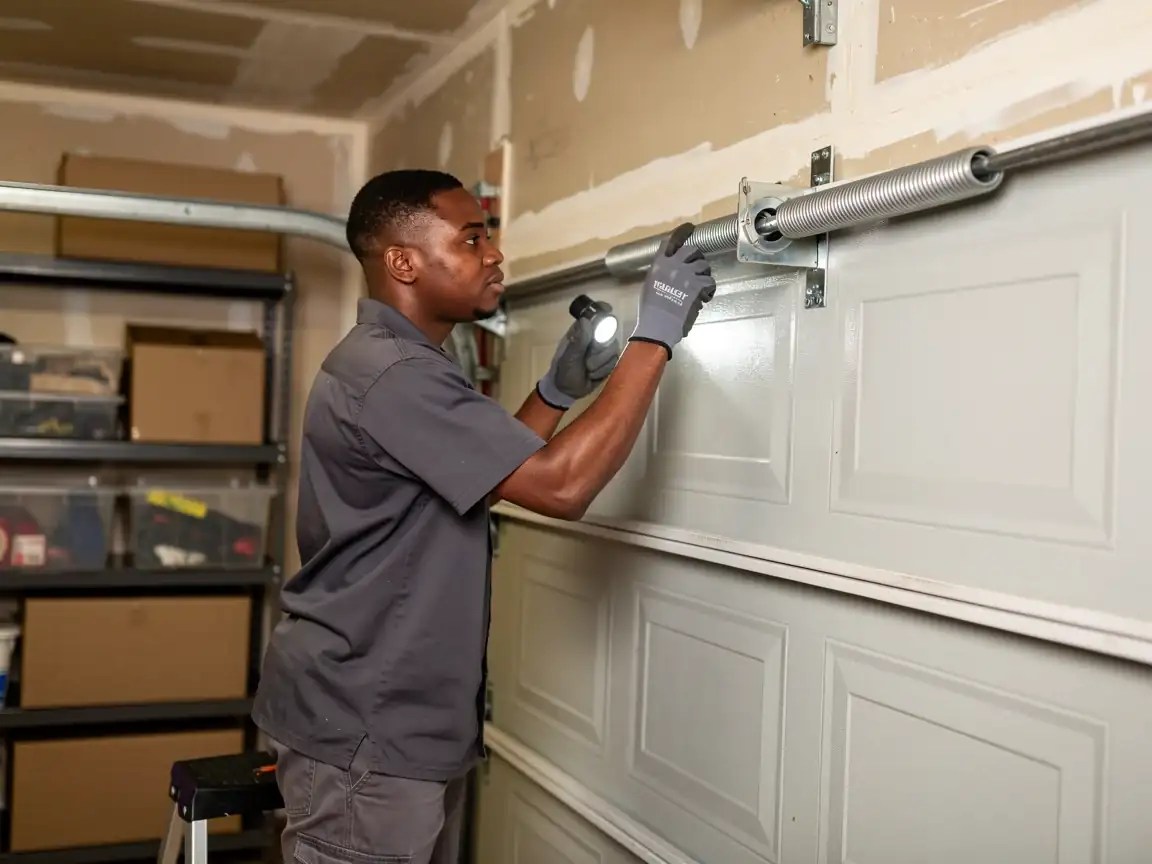
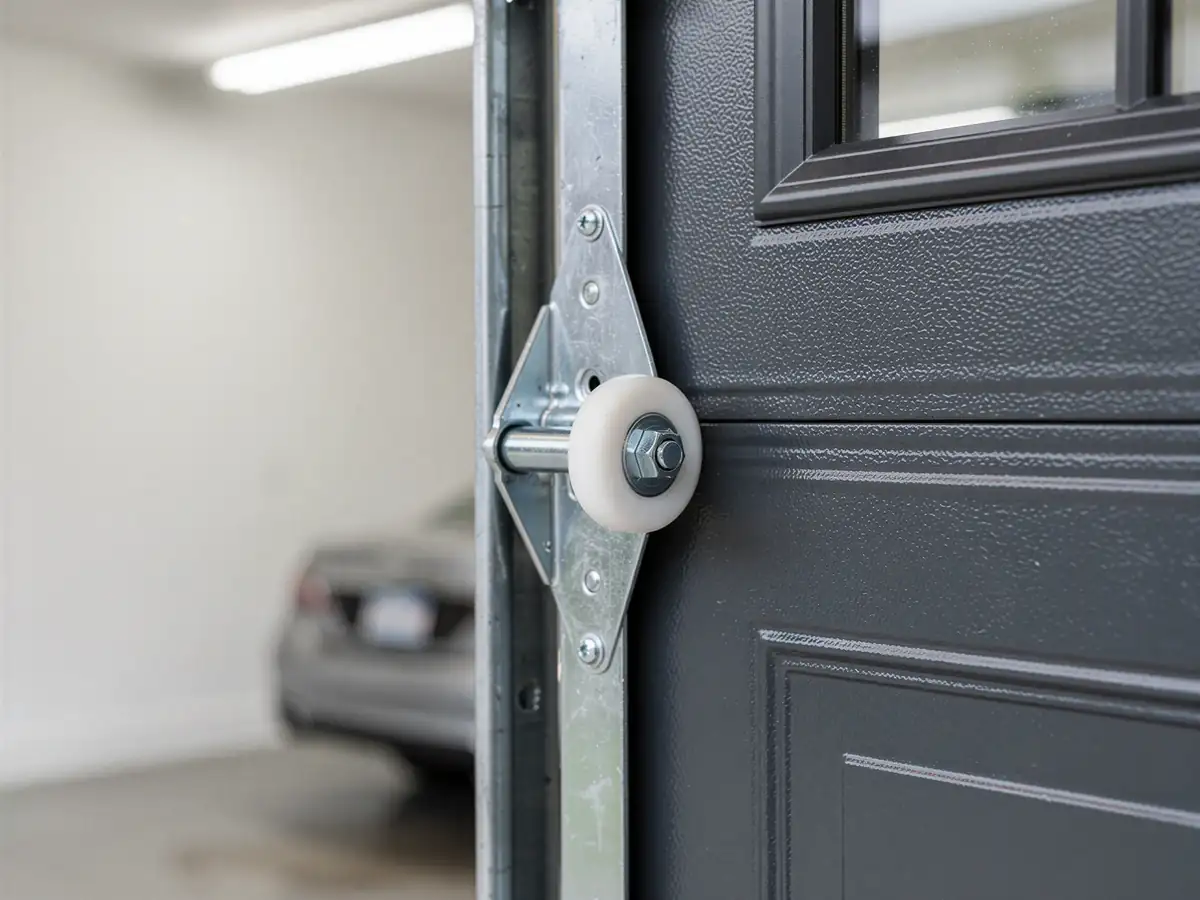
This area sits in a cold moderate climate band, which means steel springs, tracks, and cables go through real temperature swings every winter, not just a few cold mornings. Steel contracts in the cold, which tightens tolerances on tracks and rollers that were already loose from decades of use on pre-1960 housing stock. Grease and lubricant thicken in low temperatures too, so an opener that strains in January isn't necessarily failing - it might just be fighting stiff, cold hardware. The bigger risk is a spring that's already fatigued from age snapping under the added strain of cold steel; that's a seasonal pattern we see more in winter than any other time of year. We don't recommend against using your door in cold weather, but we do recommend getting hardware checked before winter if it's been years since anyone looked at the springs and cables - catching fatigue before the cold makes it worse is cheaper than an emergency call once it's already failed.