What You Are Seeing
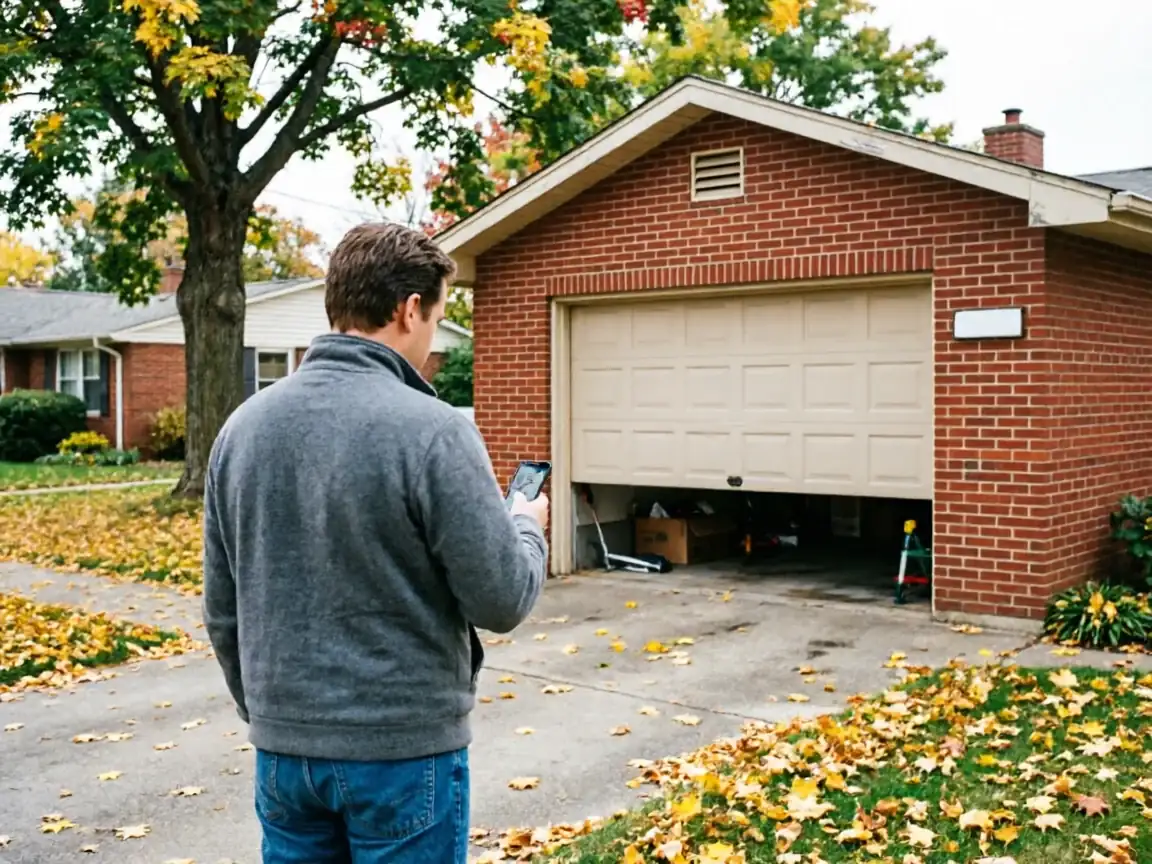
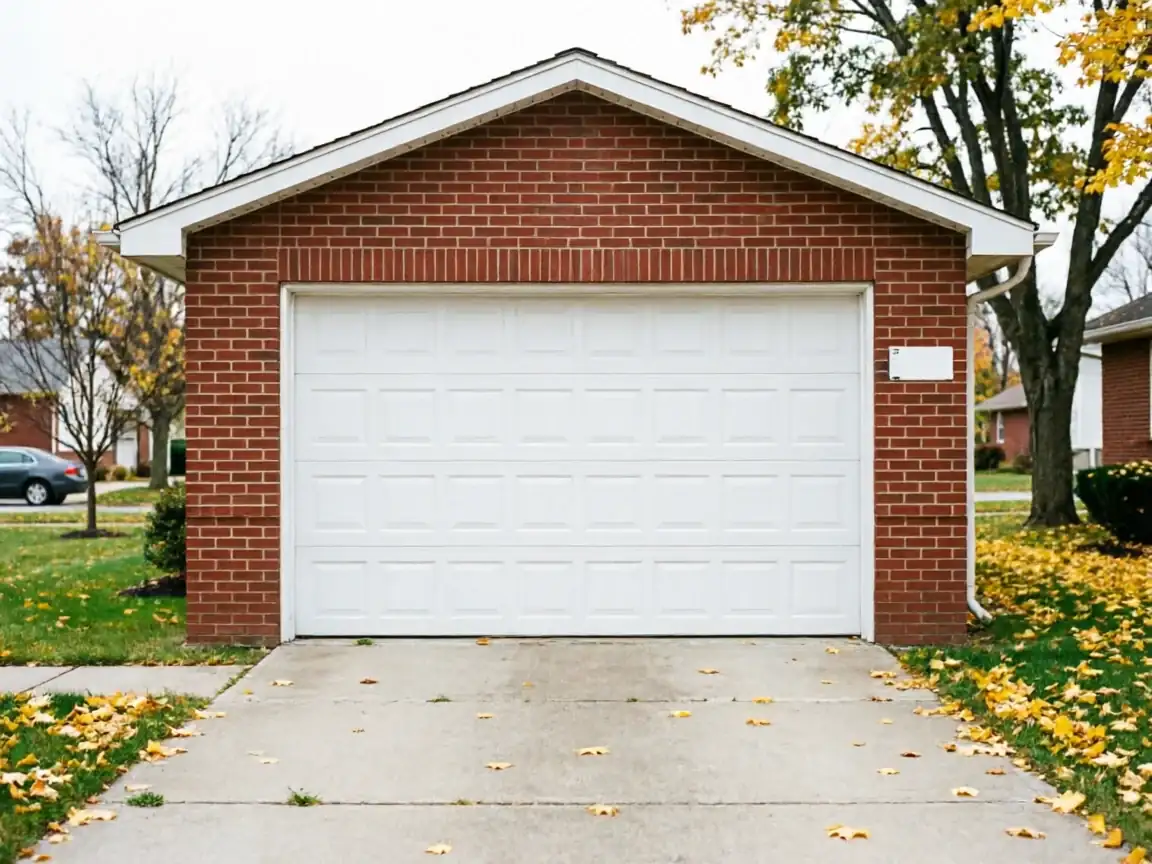
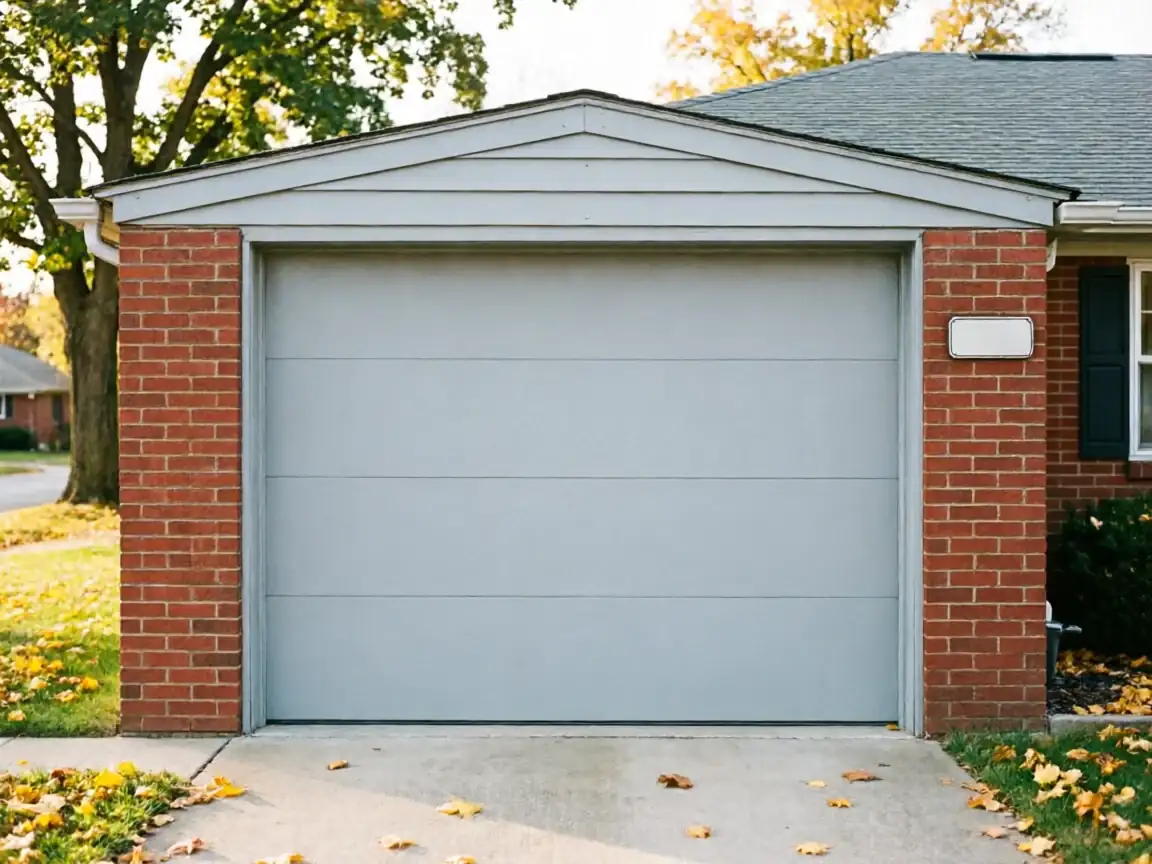
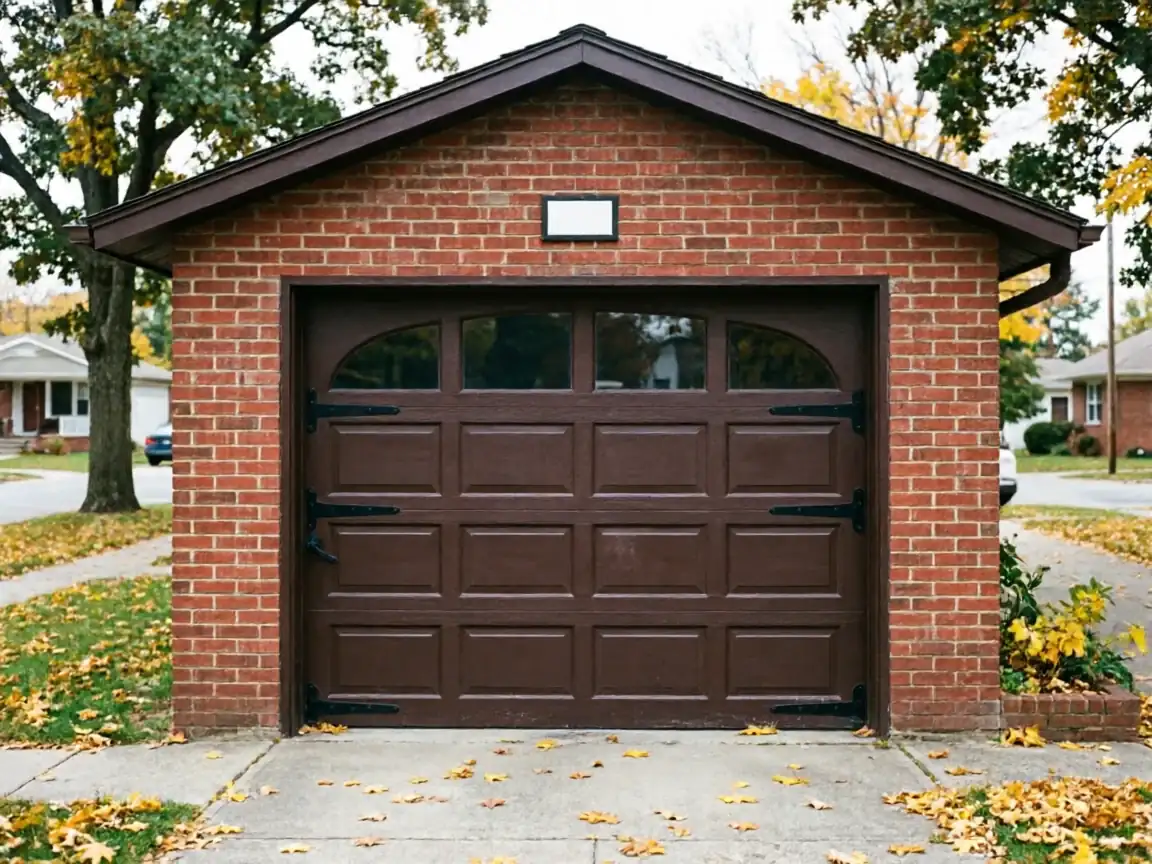
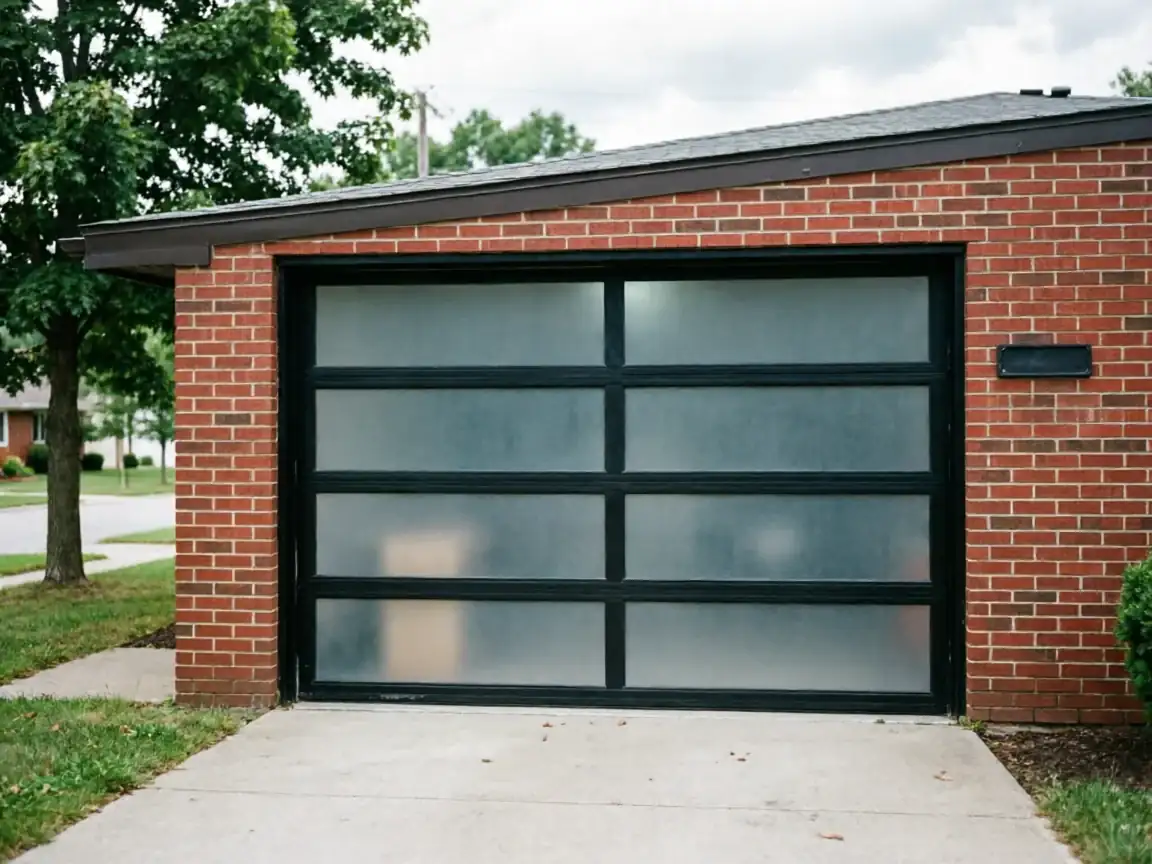
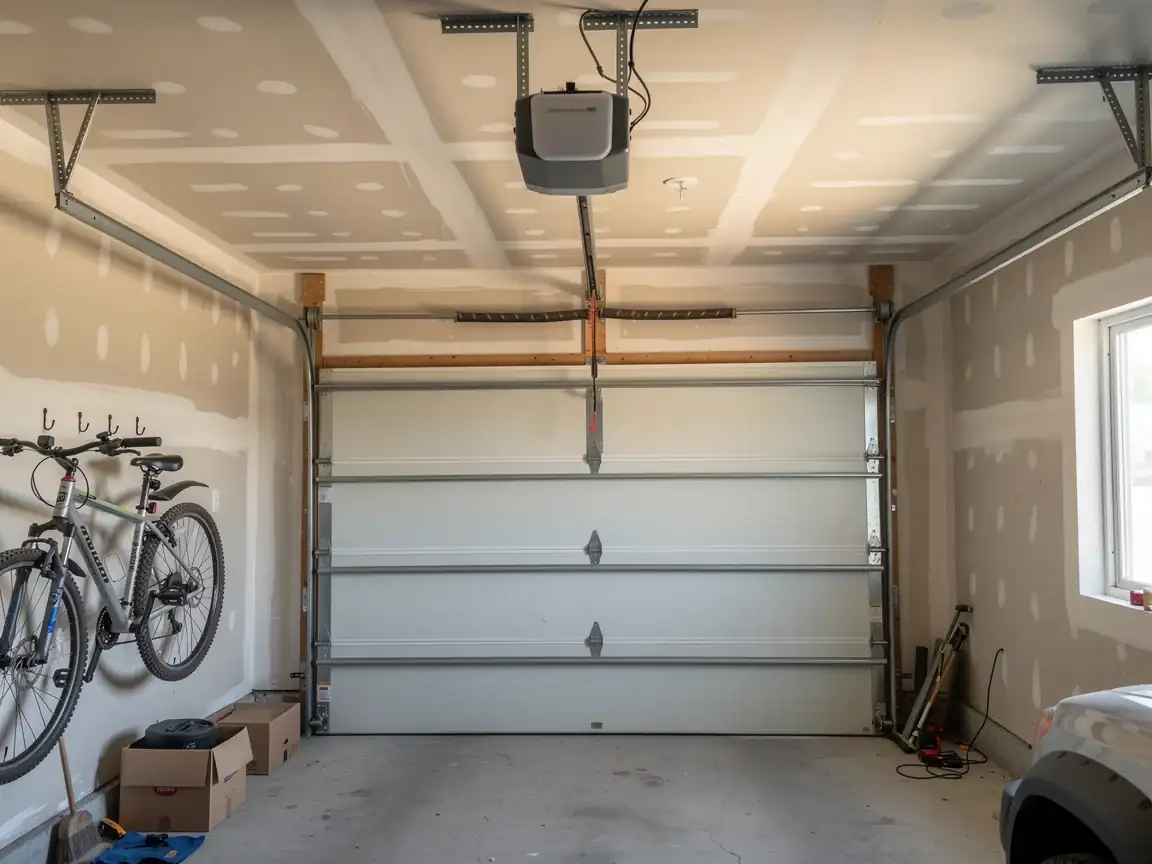
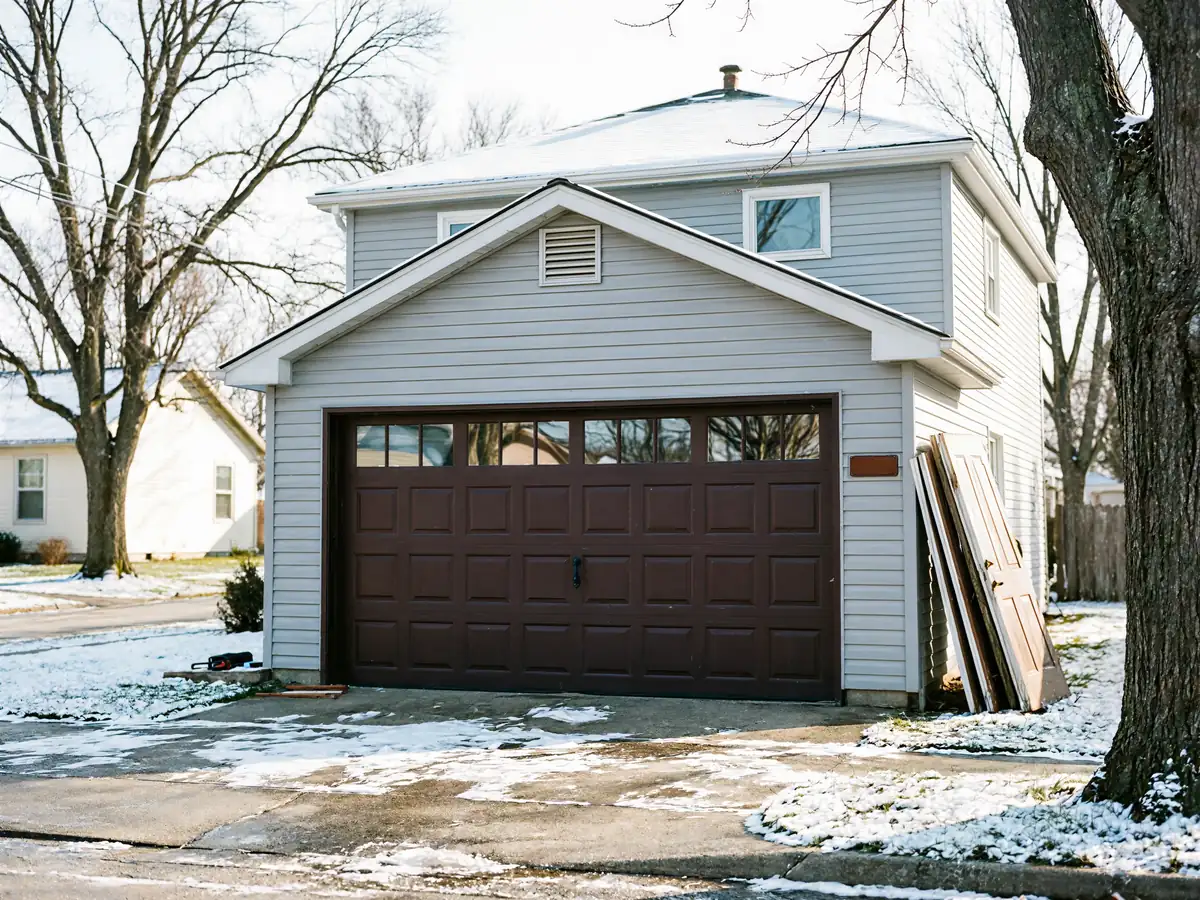
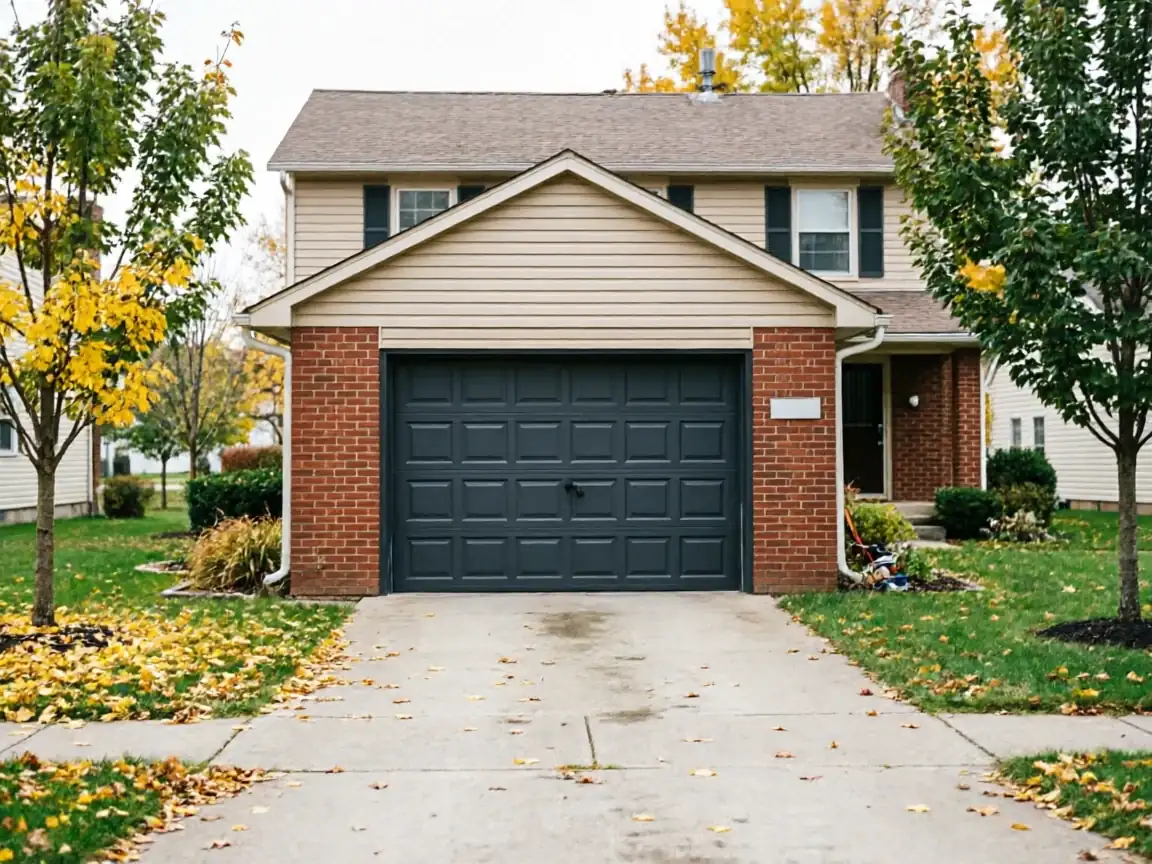
Most of the garage doors we open up in Plymouth are the same age as the houses behind them, and that means right around 1948. That's a single-layer steel or wood-panel door, usually a one-piece or an early sectional, hung on steel tracks that were never meant to carry seventy years of use. The rollers on these doors are often the original stamped-steel kind, sometimes with stem rollers that have worn down to a nub where they ride the track. You'll hear it before you see it: a grinding or popping sound every time the door passes a certain point, usually near the curve where the track turns from vertical to horizontal. On a door this old, that noise is the roller telling you it's down to bare metal on metal. Left alone, a dragging roller puts side load on the track hangers, and those hangers are often just as original as the roller. We drive the 17 miles out from Macomb for calls like this regularly enough to know the pattern repeats house after house in this part of the county - it's not bad luck, it's the hardware's age catching up with it.
The DIY Question
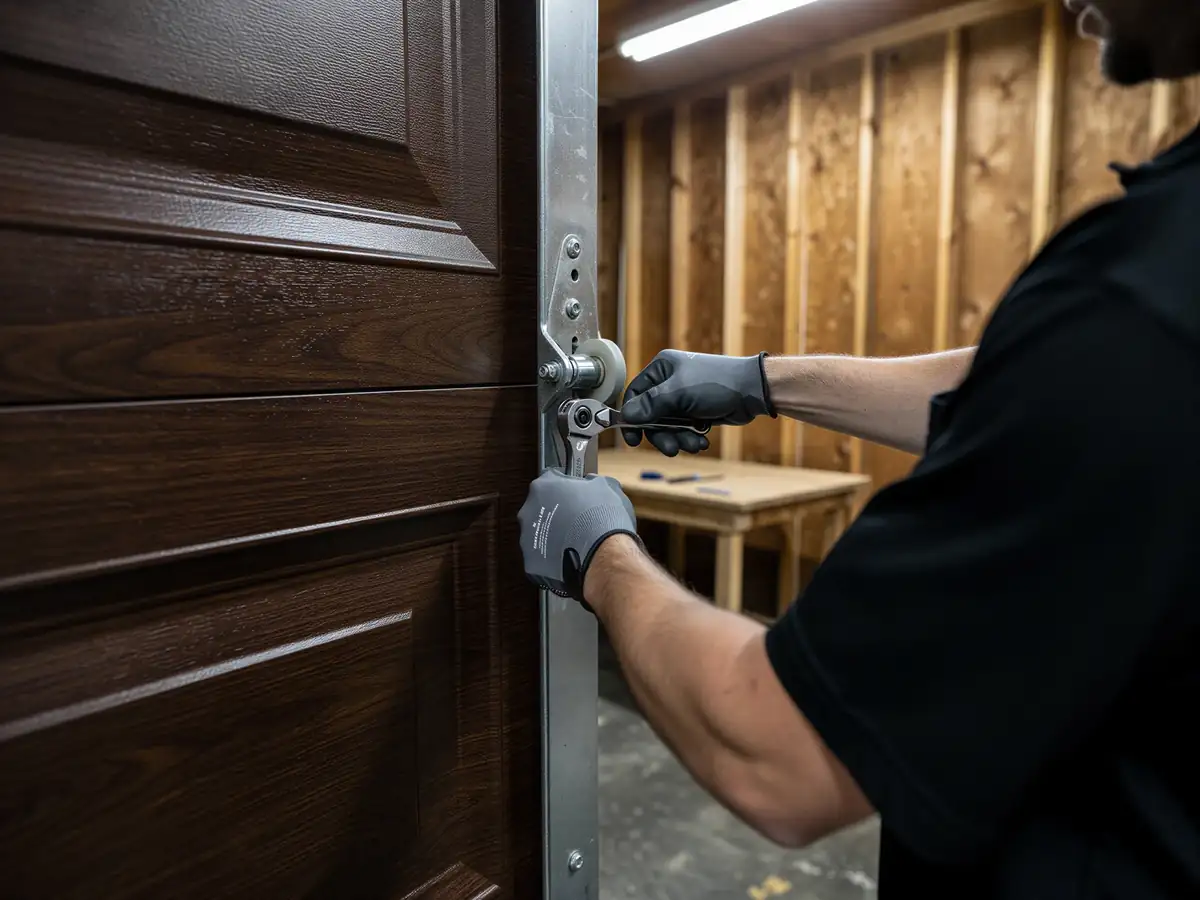
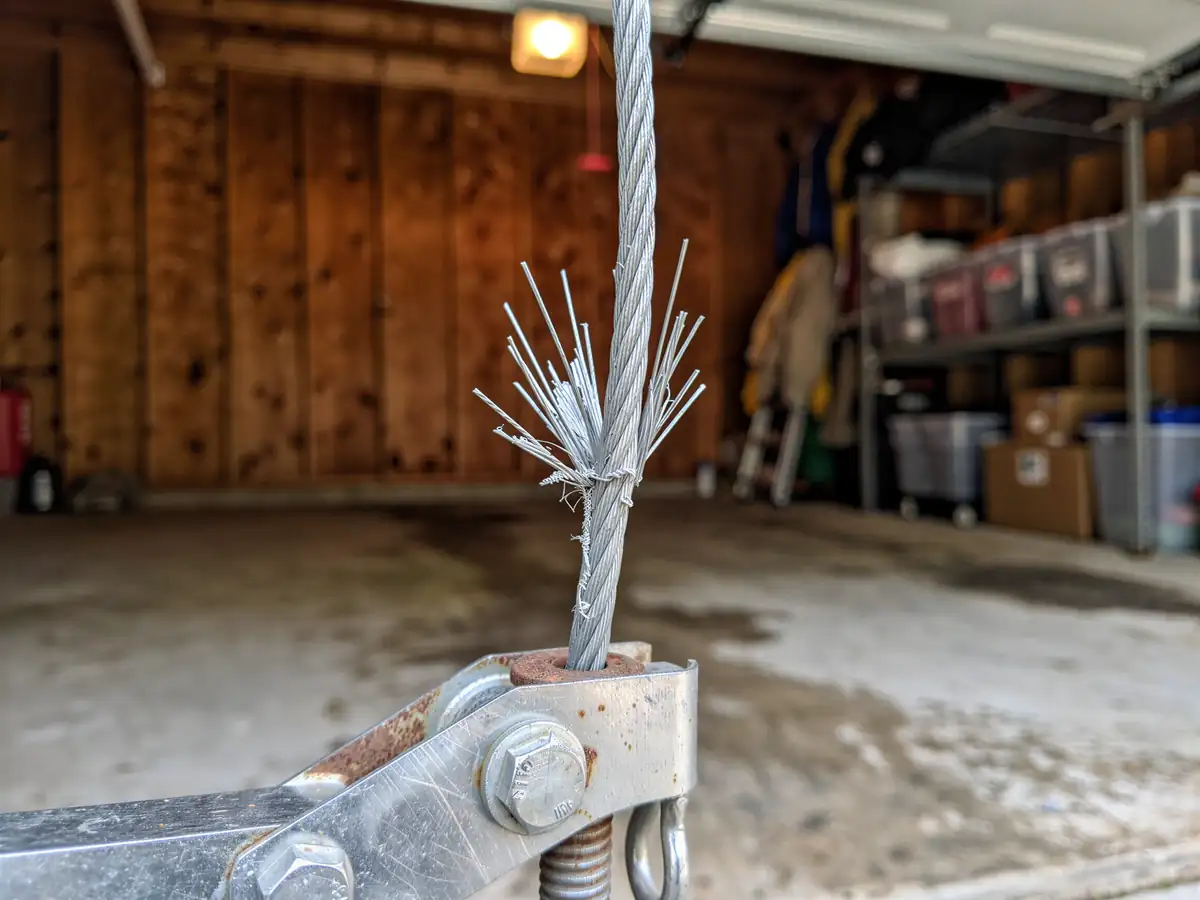
Swapping a roller sounds like a job you can do on a Saturday, and on some doors it is. If your door has nylon rollers on a newer track and you're only replacing one or two, you can usually do that with the door down, a vise grip clamped to the track below the roller you're pulling, and a little patience. Where it stops being a weekend job is on the older steel-rollered doors common in Plymouth, because the track hangers and the jamb brackets holding the whole rail to the framing are frequently as old as the roller itself. Pull one roller out and you may find the bracket underneath is rusted through or the lag screws have backed halfway out of softened wood. At that point you're not swapping a part, you're rebuilding the whole track assembly, and that's not a one-person, one-afternoon fix. If the door is original to a house built in 1948, we'd rather you call before you start pulling hardware loose, than call after a track section lets go.
What the Fix Involves
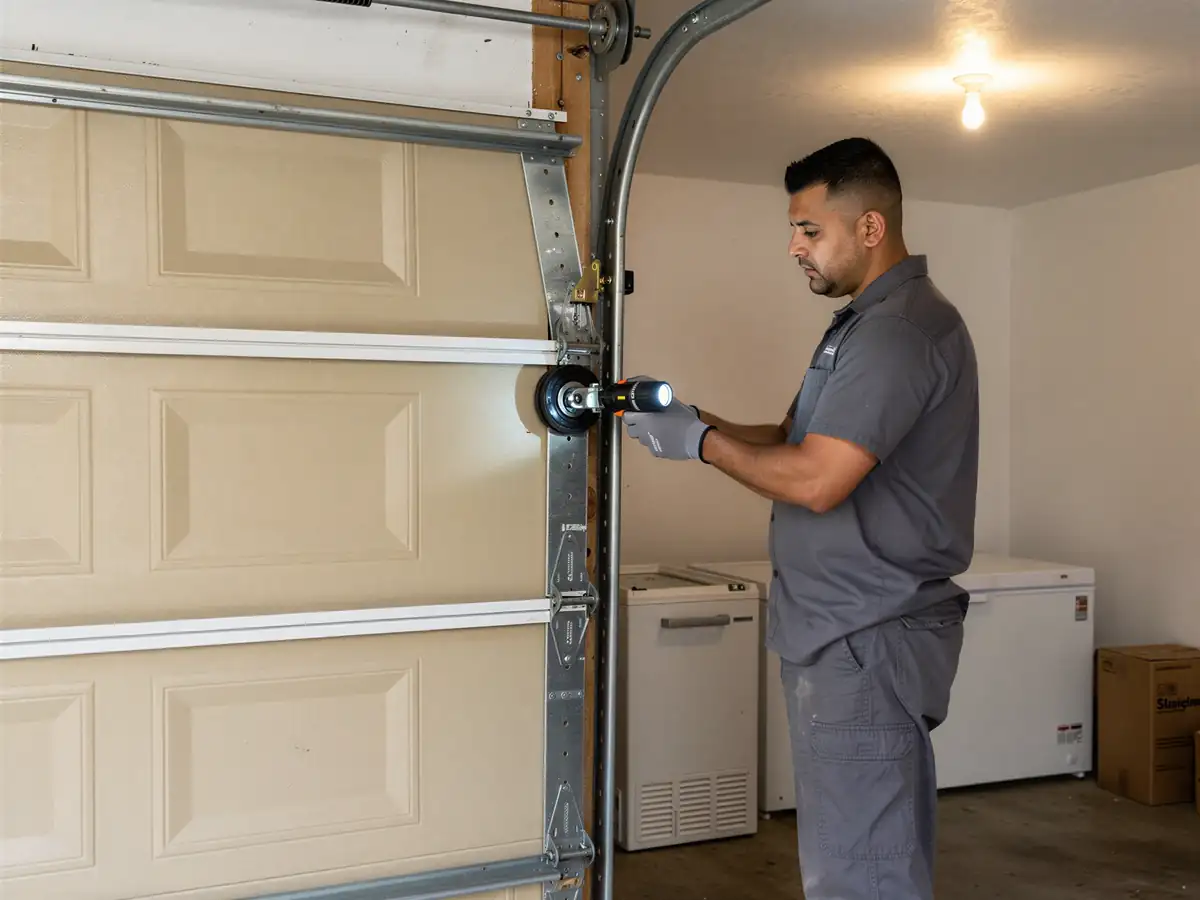
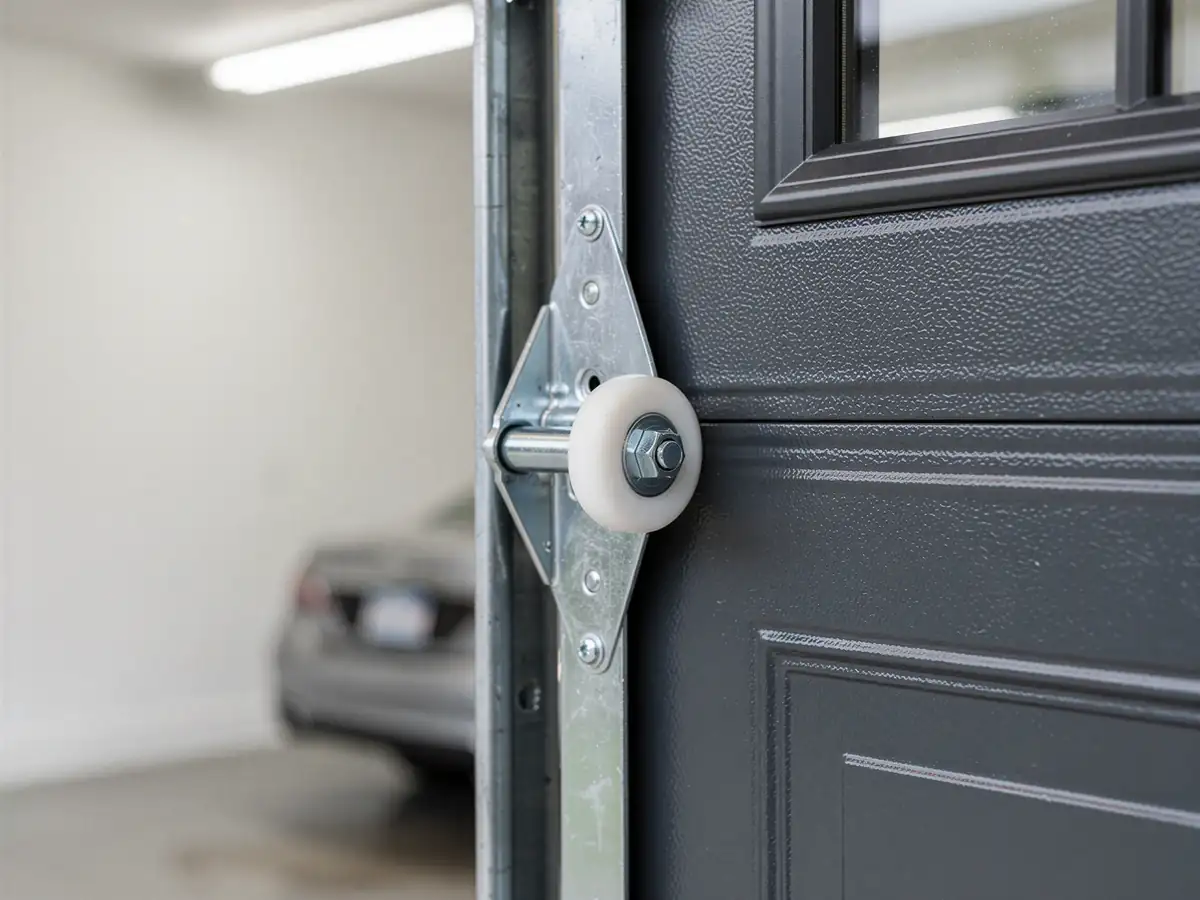
We pull the door, check every roller and stem for wear, and replace what's worn rather than the whole set if the rest still has life in it - there's no reason to charge for parts that are fine. On an original 1948-era door we also check the track hangers and jamb brackets while we're in there, because a new roller on a loose or rusted hanger just fails again in a year. If the track itself is bent or pitted from the old roller grinding through it, we'll say so before we start, not after. Nylon rollers are the standard replacement now - quieter, no lubrication needed, and they don't wear flat the way steel ones do in the cold. One honest limit: if the door panel itself is rotted or the track is bowed beyond a certain point, roller replacement won't fix the underlying problem, and we'll tell you that a section or full door replacement is the better money, not more roller work on hardware that's already failing elsewhere.
What Can Go Wrong
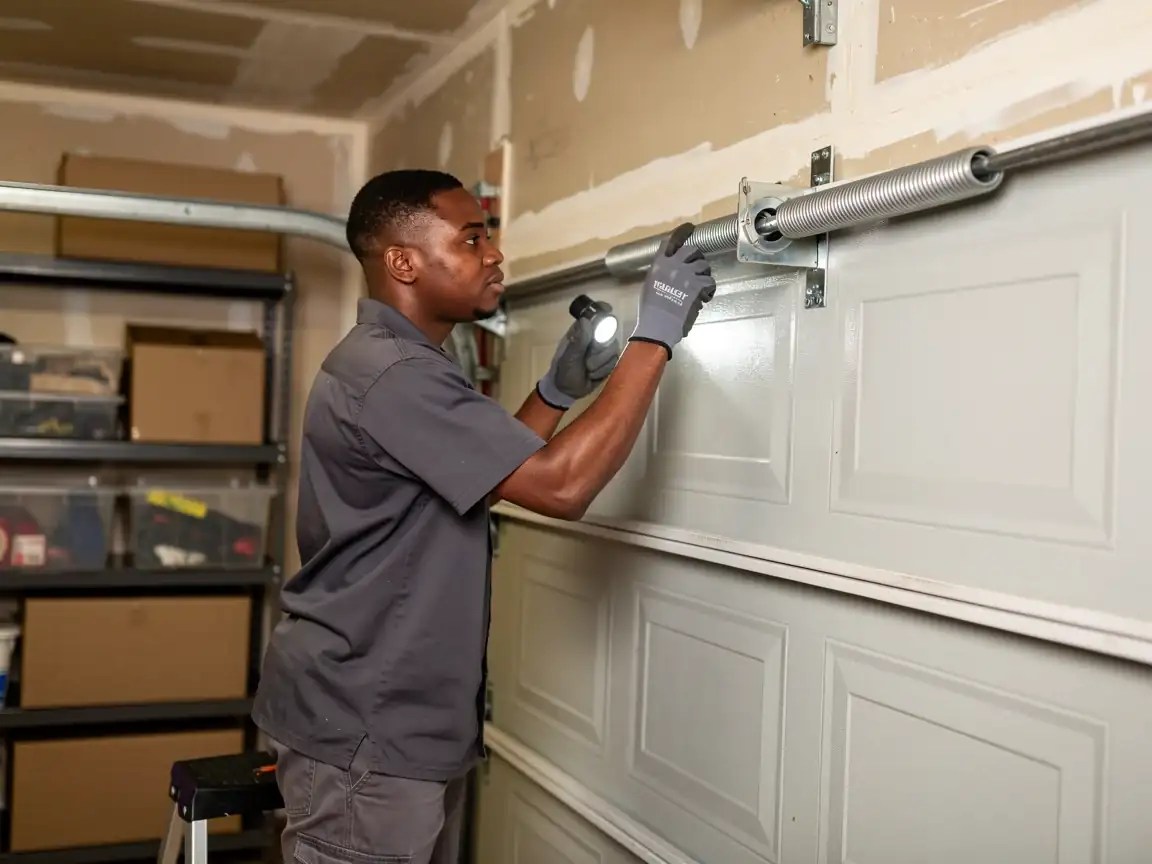
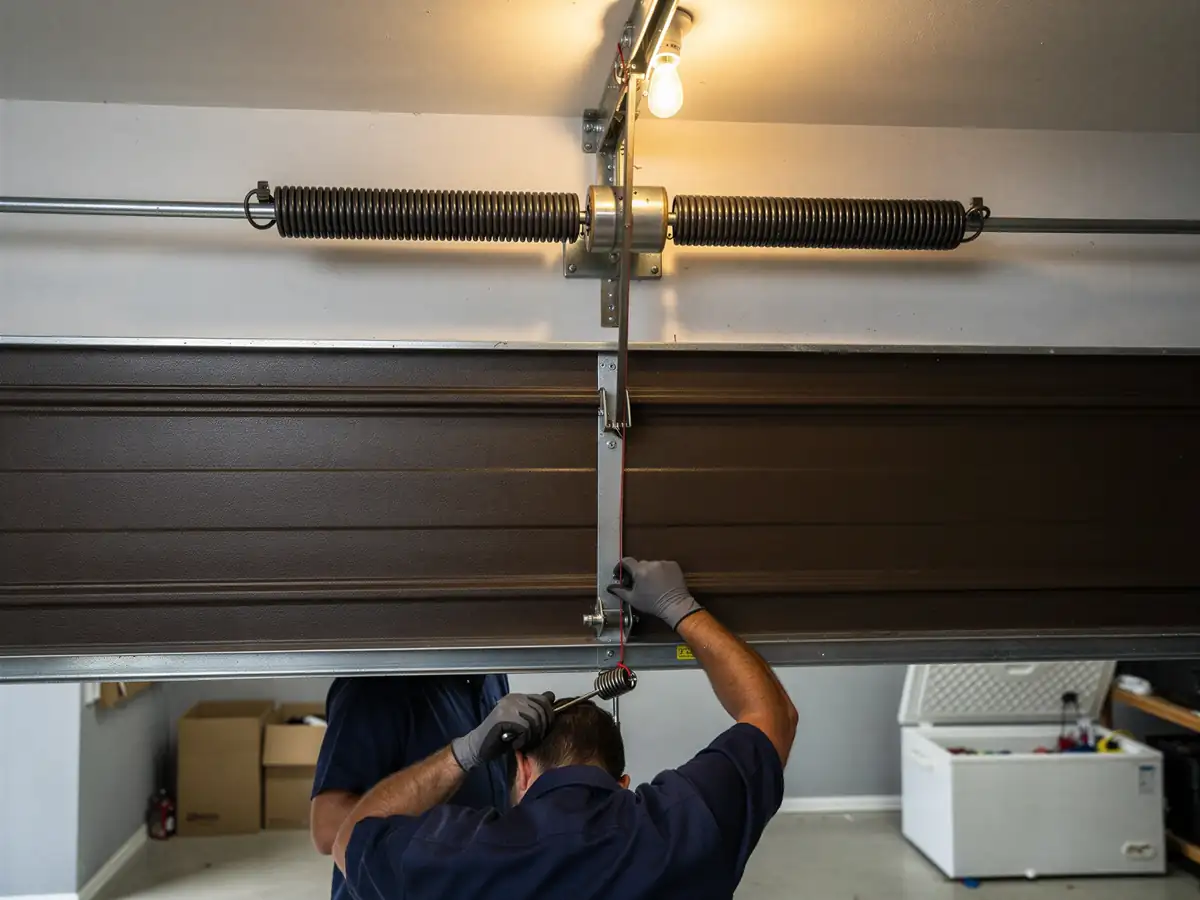
The biggest risk on these older doors is finding out mid-job that the track hanger or jamb bracket is too far gone to hold a new roller securely - that turns a roller swap into a bracket and track repair, which costs more and takes longer than the call started as. Another is a spring that's been compensating for a dragging roller; once the roller's fixed and the door moves freely again, a spring that was already near the end of its life can show its age fast. We see this often enough on houses from the 1948 era that we check spring tension as part of any roller call, rather than treat it as a separate problem later. With median household income in this area running around $39,750 and a lot of these houses holding their original hardware, we try to fix what's actually broken and leave the rest alone - but we won't quietly skip telling you if something else is close to failing.