What Was Built Here
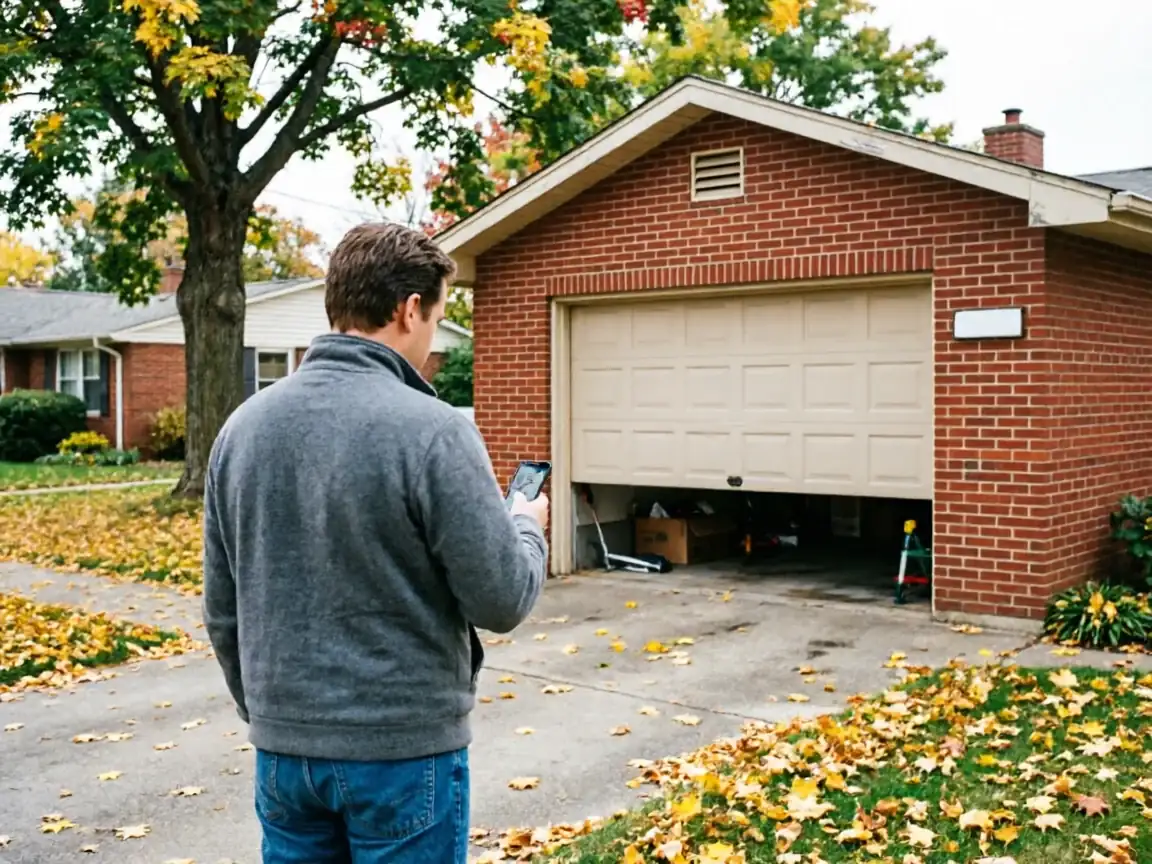
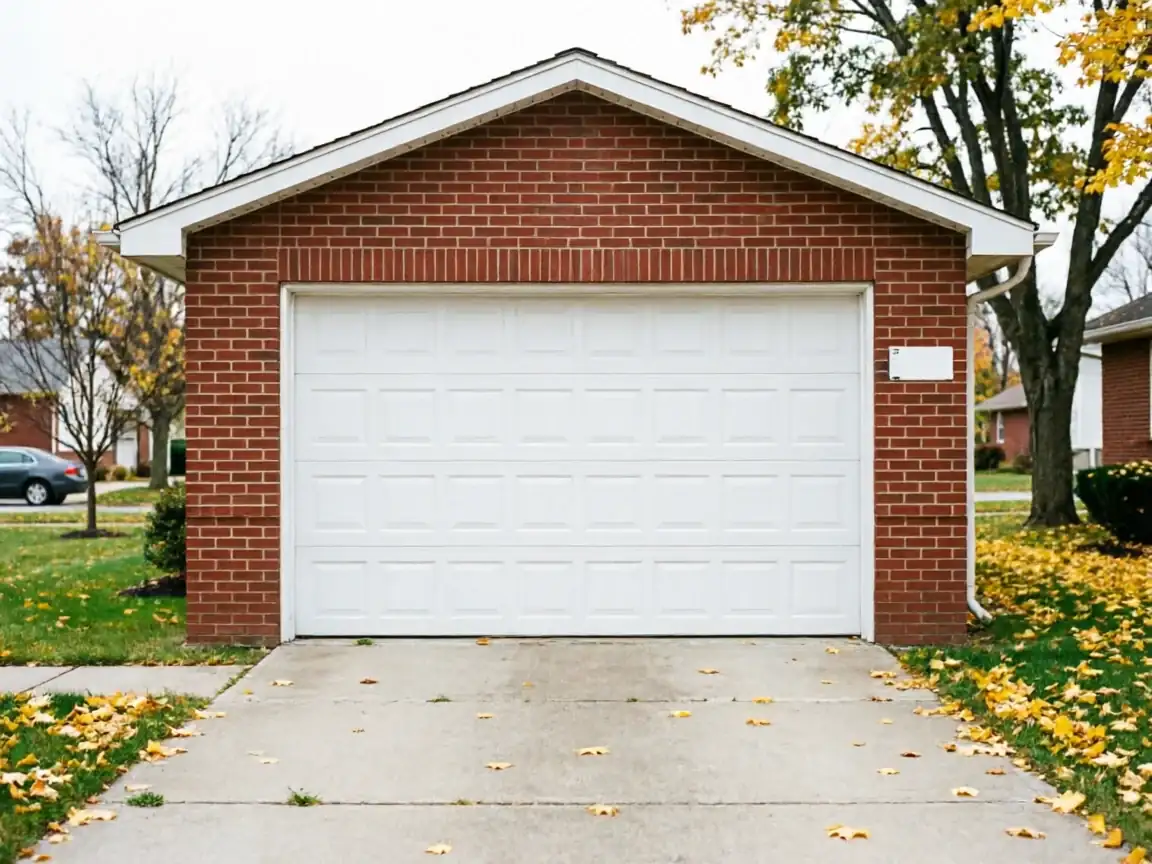
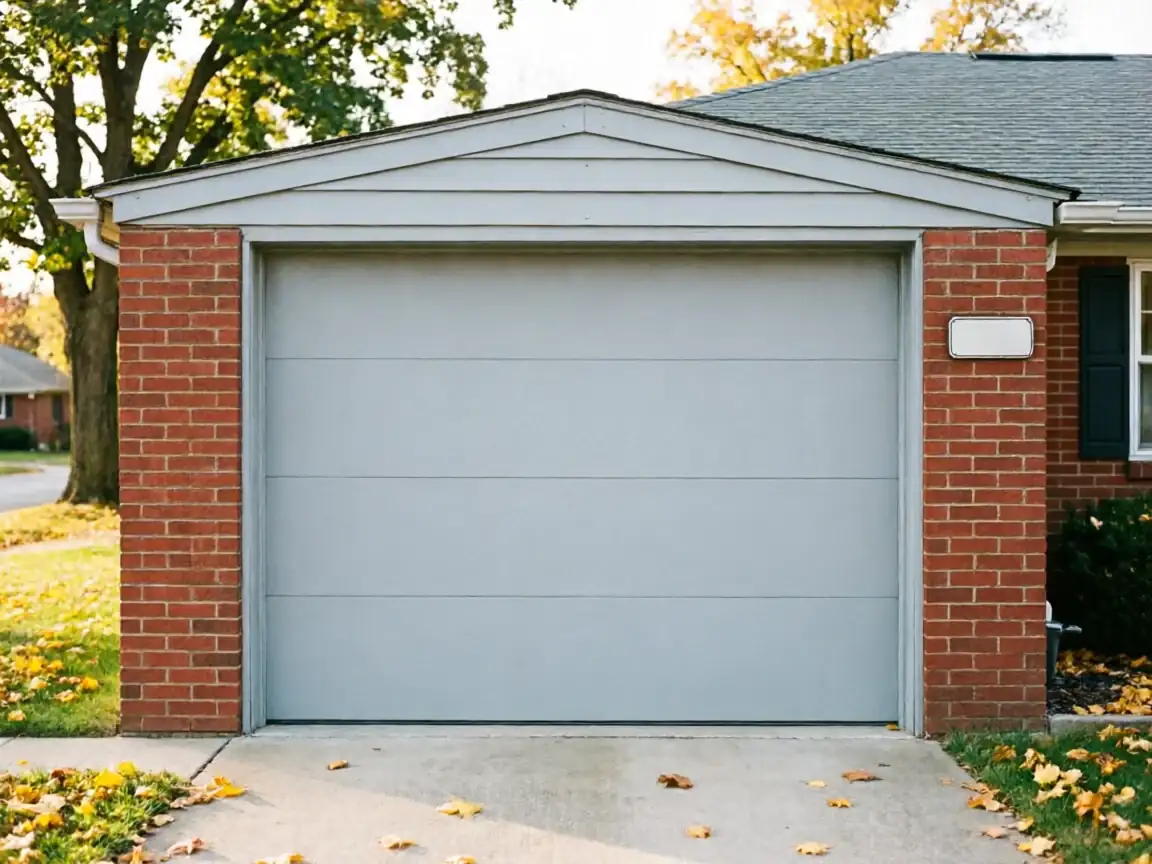
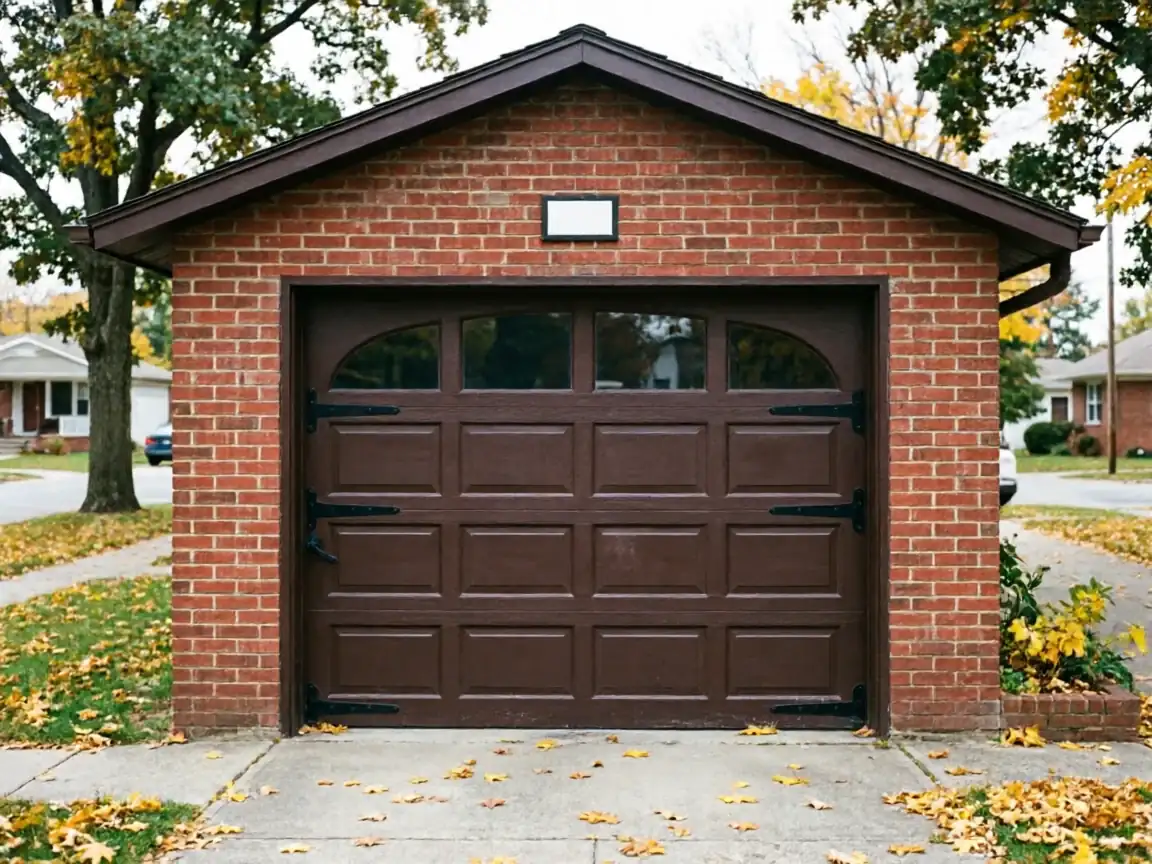
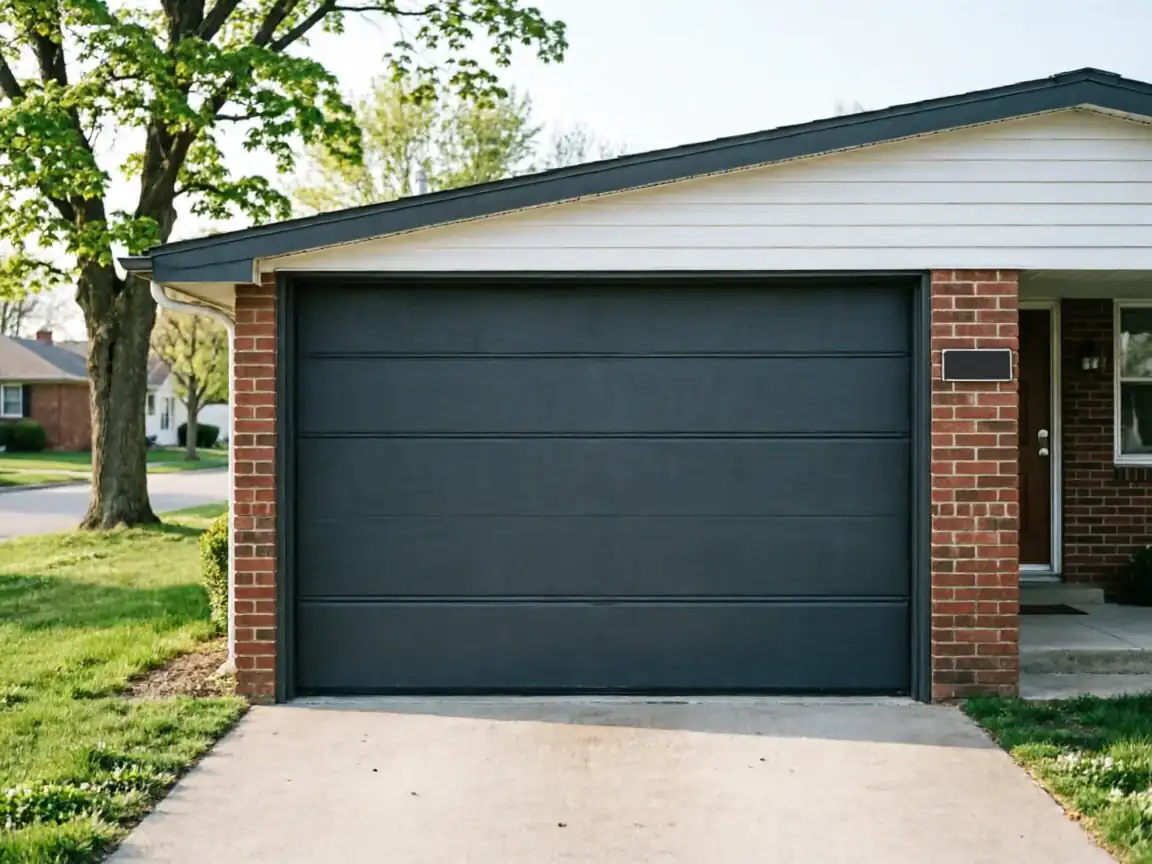
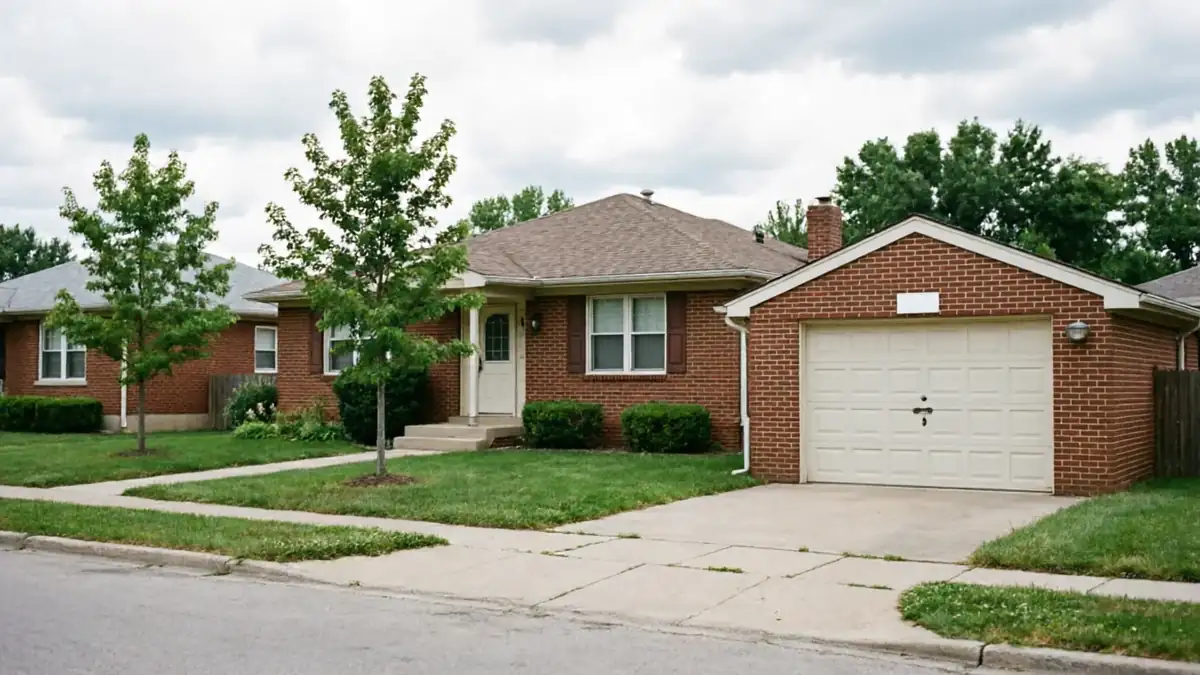
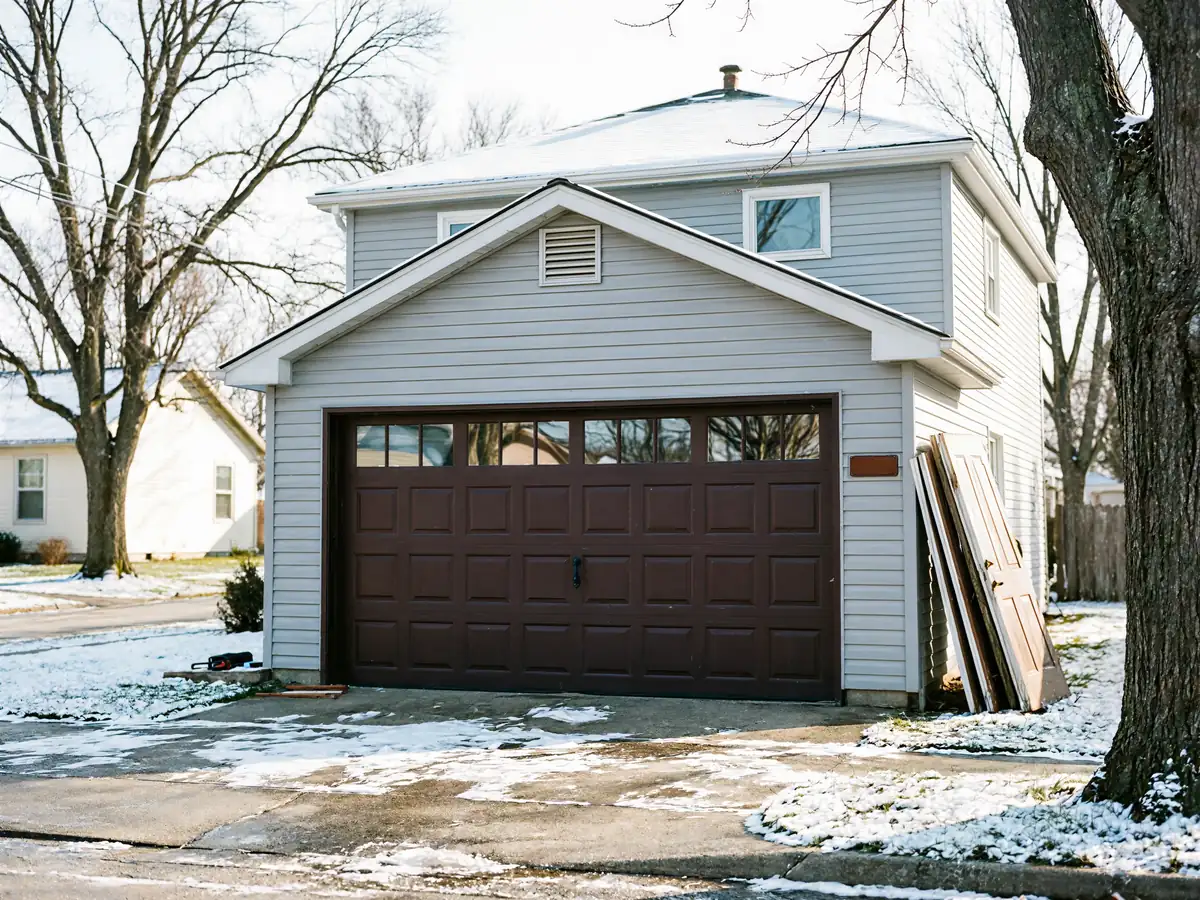
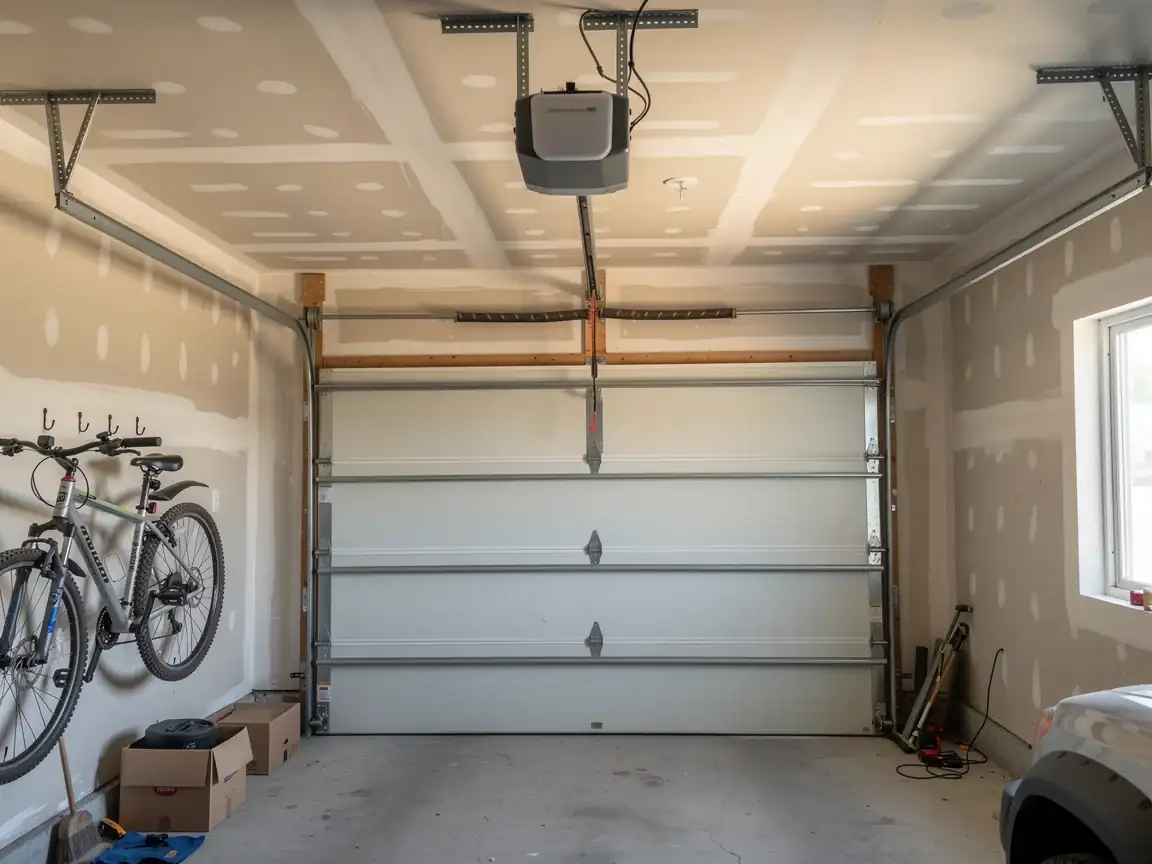
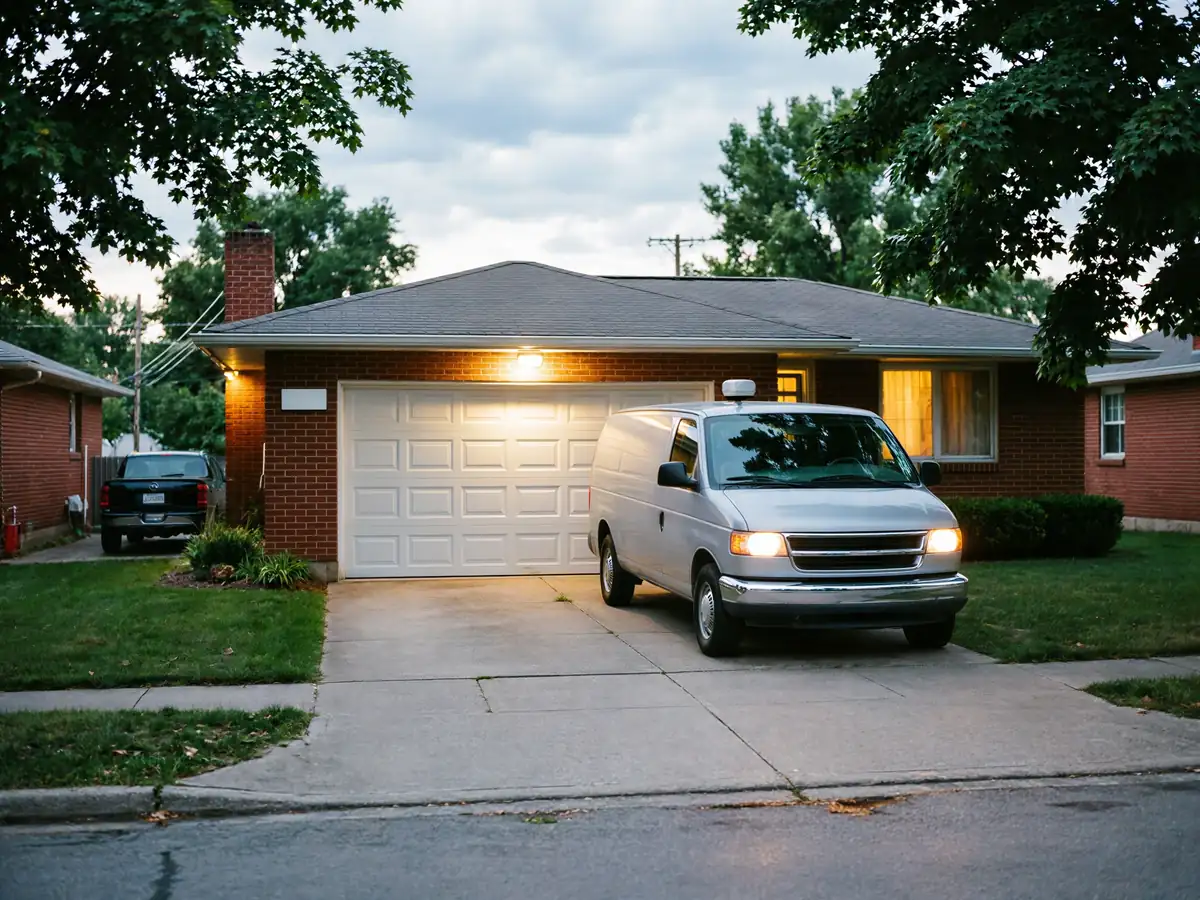
Table Grove's houses went up mostly around 1946, which puts this town on the early edge of the broader build-out that shaped the Macomb service area between 1940 and 1965. That six-year gap sounds small until you're standing in front of the door. A garage built in the mid-1940s usually came with a single wood-frame opening, narrow by today's standard, hung on hardware that predates the torsion springs most shops stock now. Some of these openings were added later as separate structures rather than built-in with the house, which means the header, the track mounts, and the slab underneath don't always match what you'd expect from a postwar frame. We see this pattern across the small towns out this way, but Table Grove's housing sits a notch older than the service-area median of 1952, so the hardware problems show up a little sooner and a little more often. If your door still has the original wood jamb, that's the first thing we check before we talk about replacing anything.
The Split Between Old and New
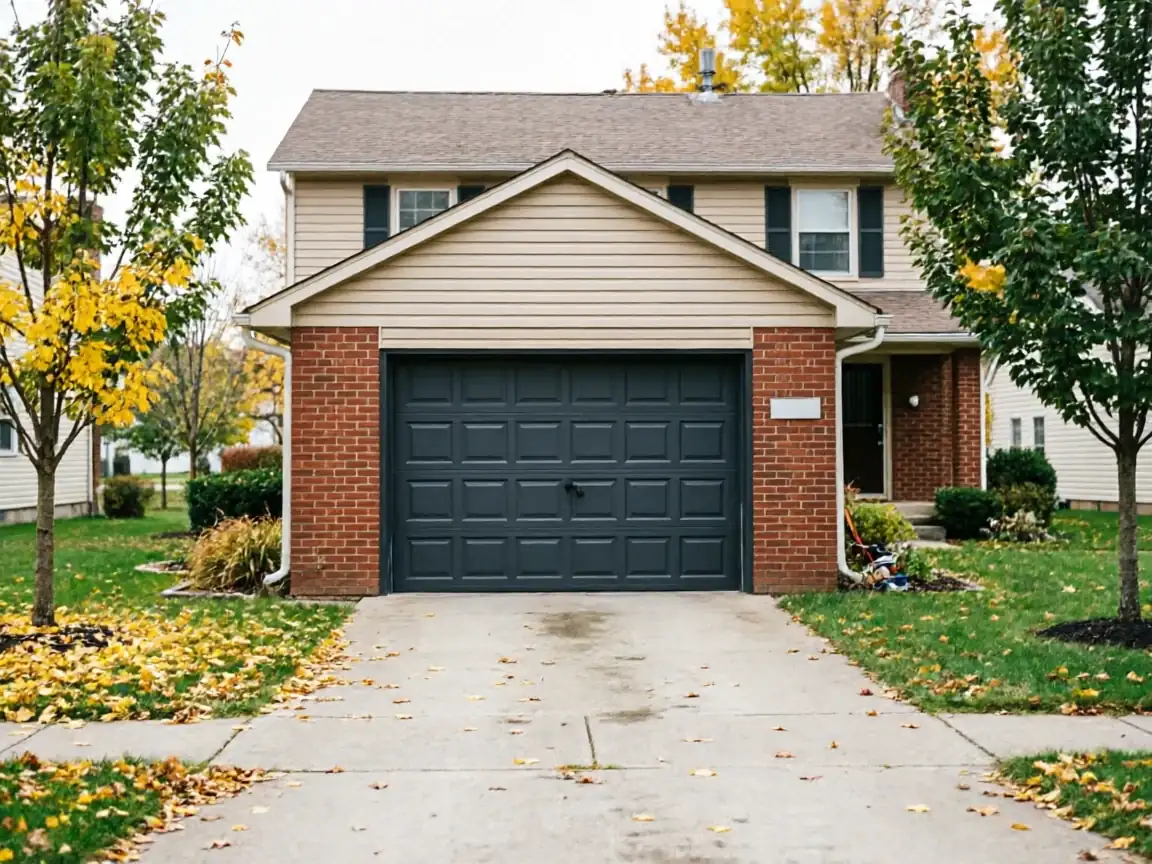
Table Grove has 147 households, a small fraction of the 3,534 across the whole area we cover out of Macomb. That size matters for what's actually in the garages here - there isn't much new construction mixed in to balance out the old stock, so the split leans heavily toward original or first-replacement doors rather than modern steel sectional units. Median household income in Table Grove runs $52,083, a little under the $54,306 median for the wider service area, which tends to mean repair gets chosen over replacement more often than it does in towns with newer housing and higher budgets. We don't say that as a knock - a torsion spring swap or a track realignment on an older door is often the right call, not a compromise. What it does mean is that when we get a call from Table Grove, we come expecting to work with hardware that's older and more worn than the area average, and we price the visit with that in mind rather than assuming a newer door that just needs an opener reset.
How That Shows Up in the Door
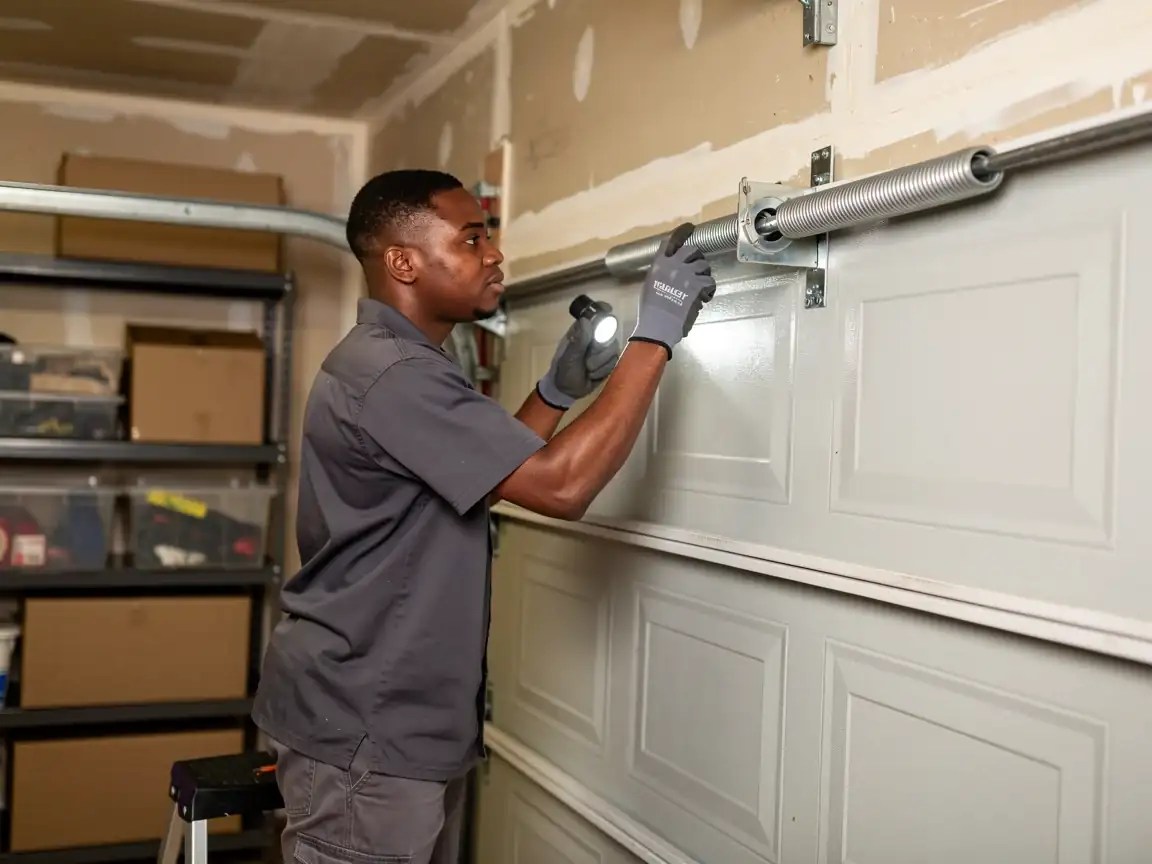
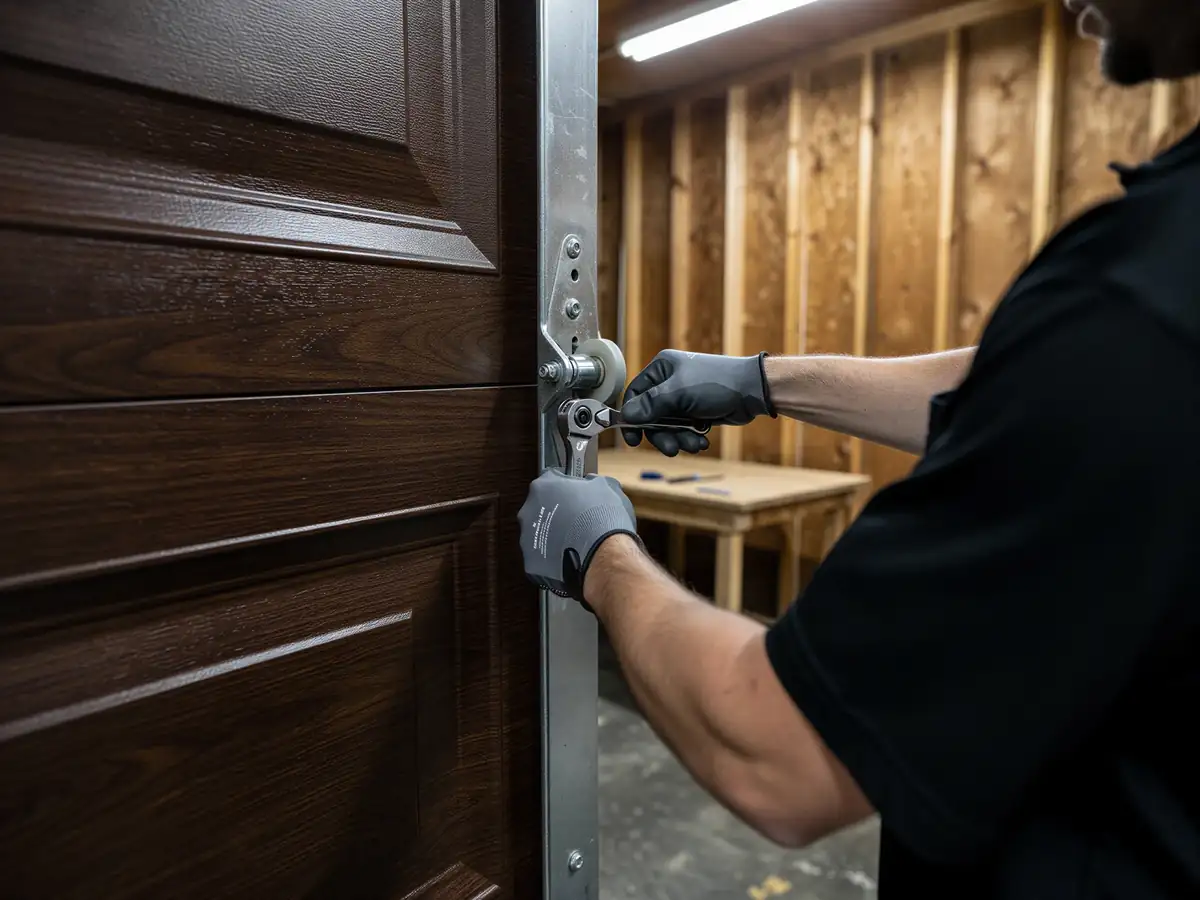
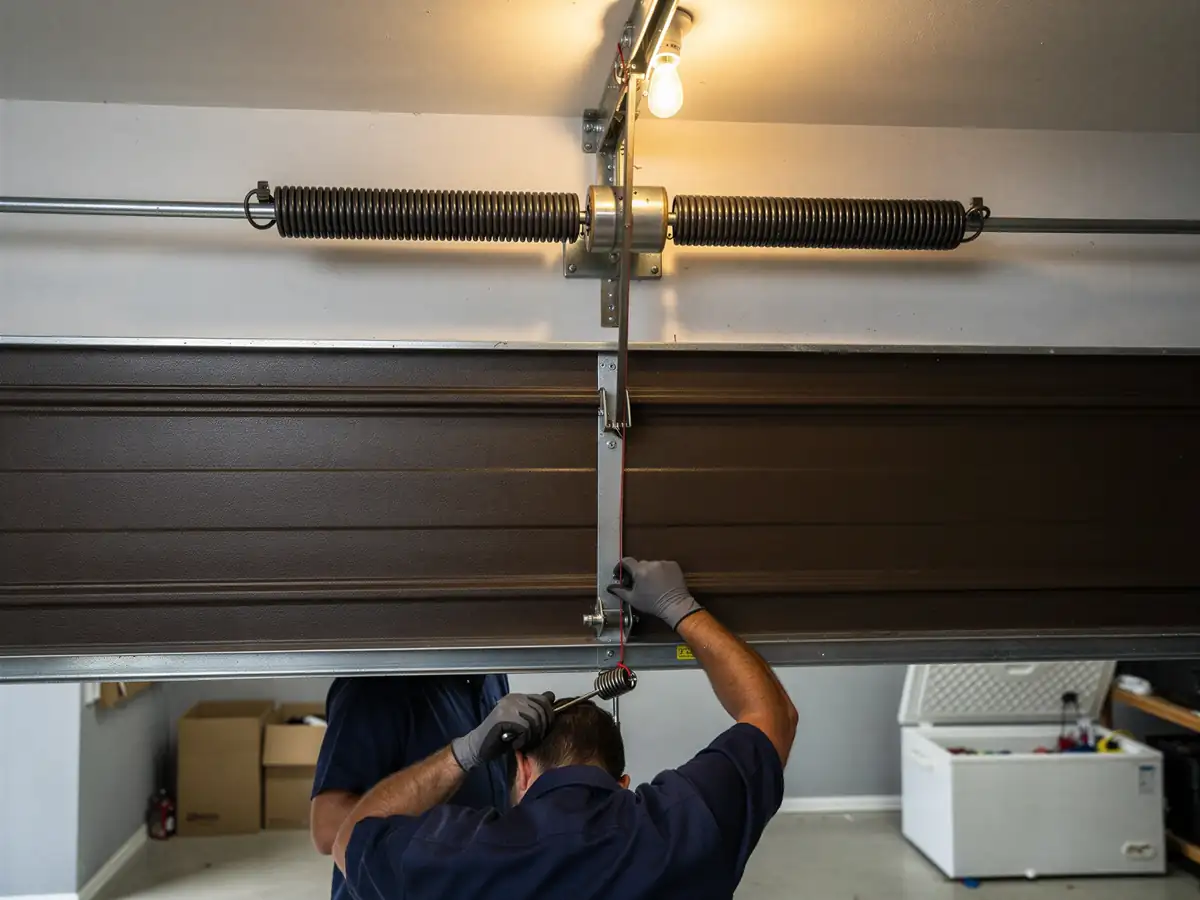
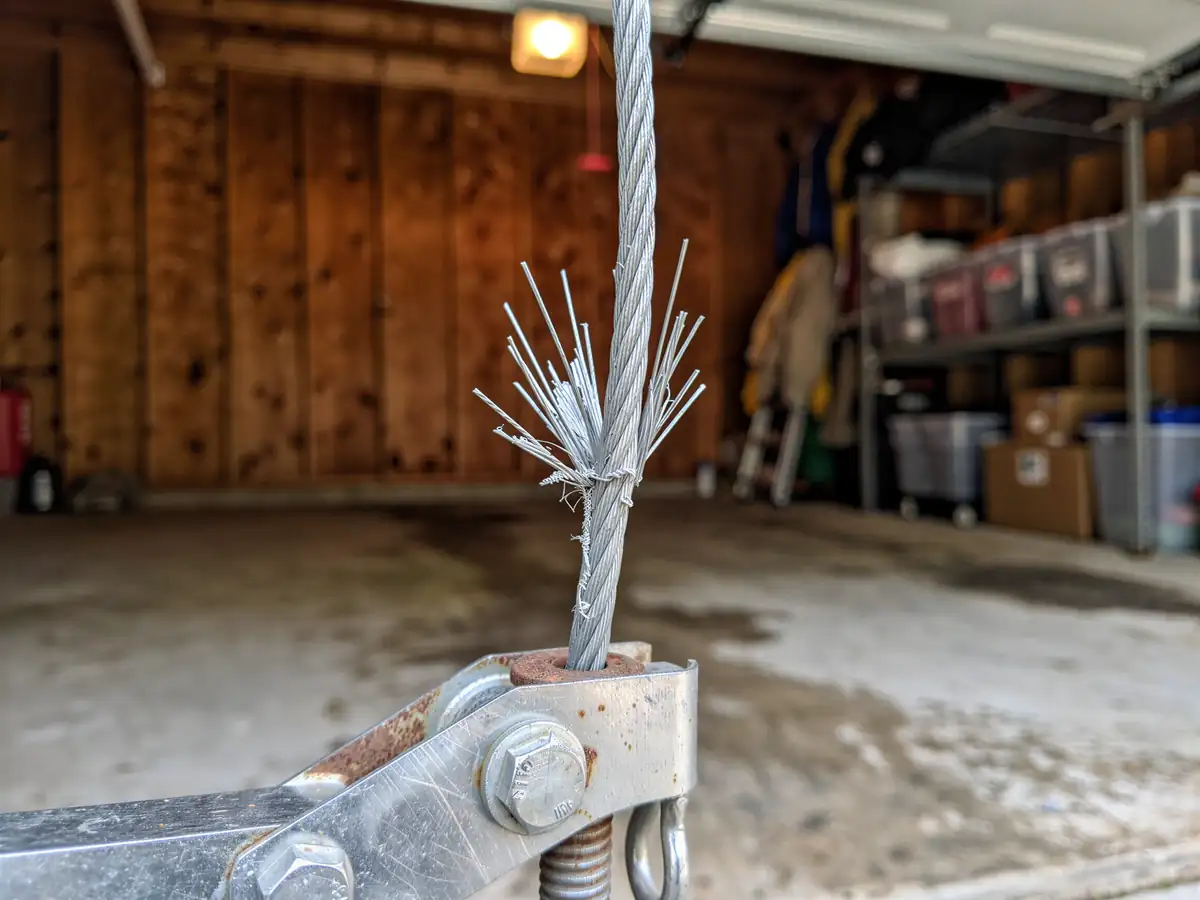
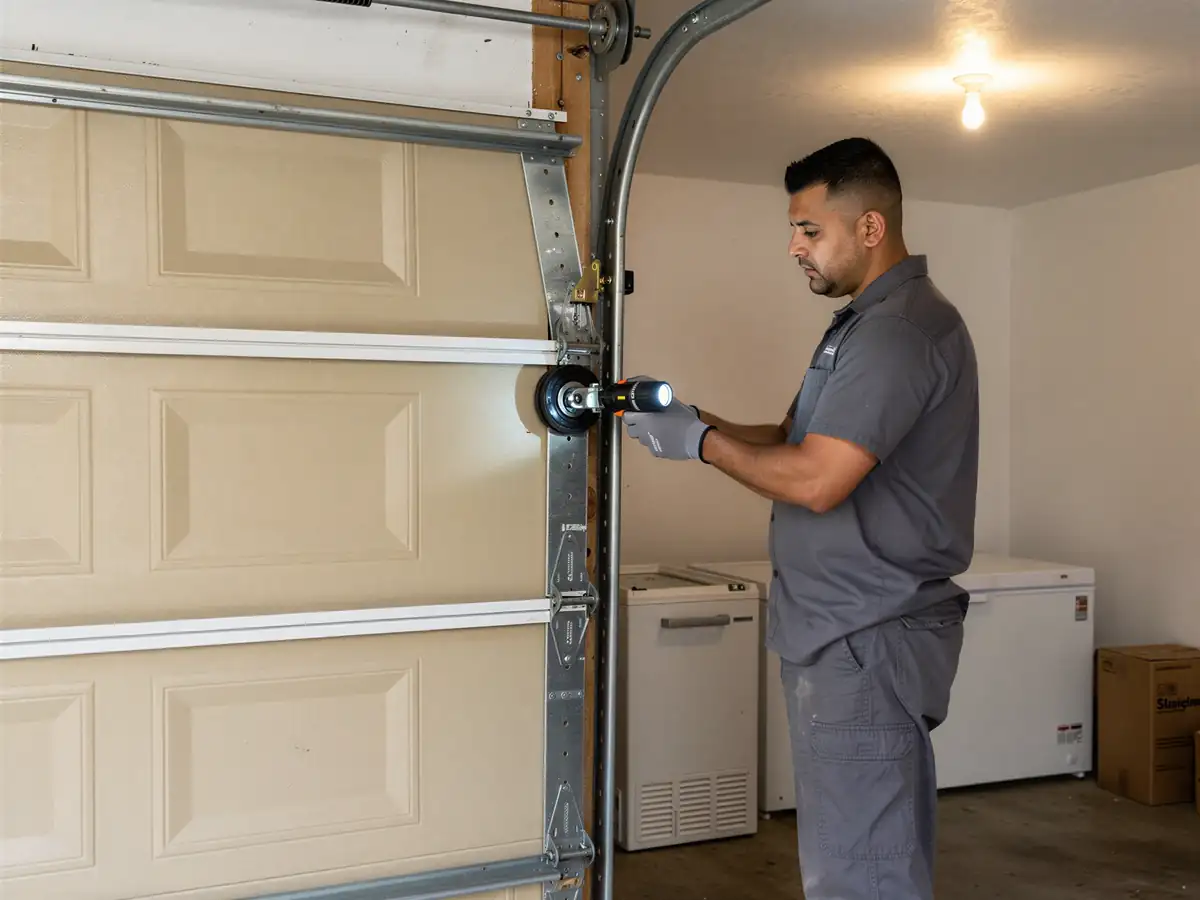
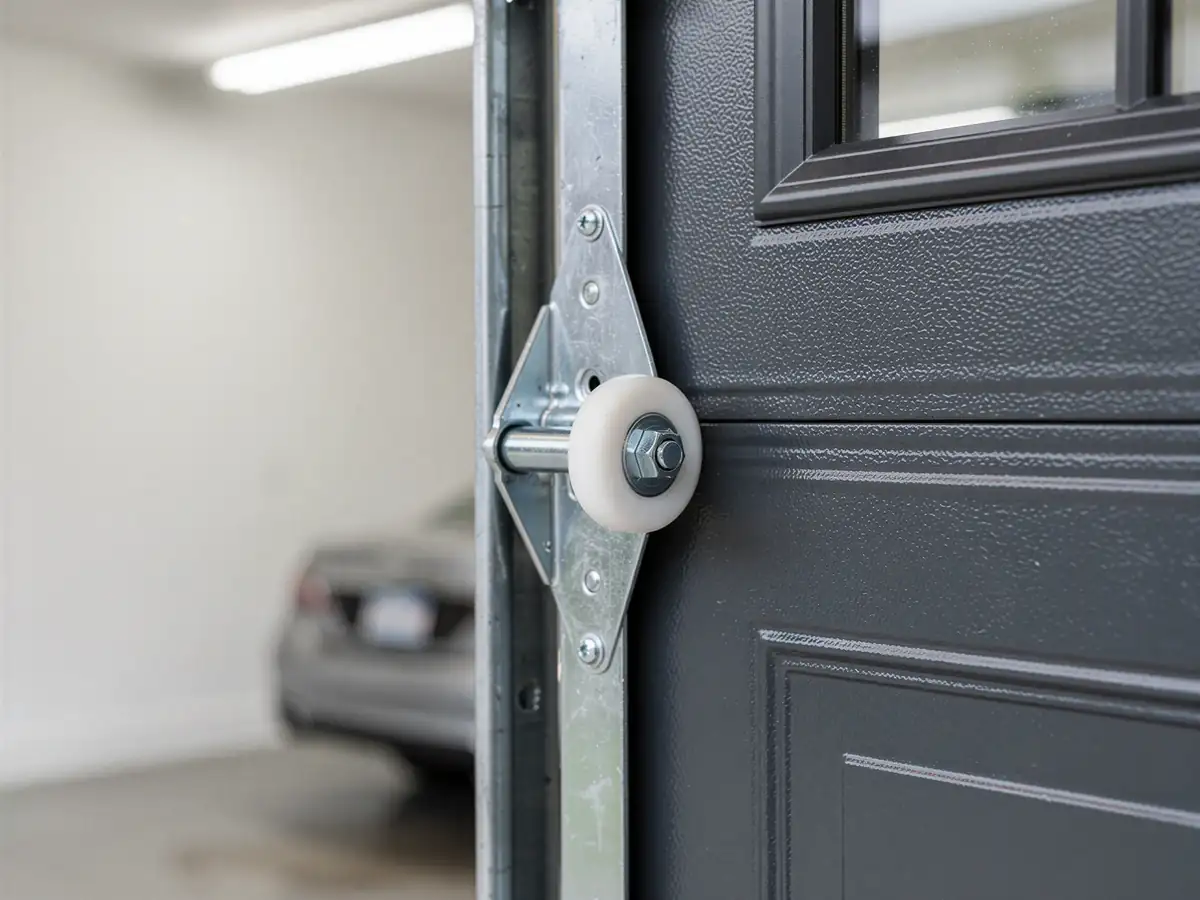
On a door built around 1946, the most common call is a torsion spring that's seized or snapped from decades of cold-weather cycling - the Macomb area sits in a cold, moderate climate band, and repeated freeze-thaw swings are hard on old steel coils and the brackets holding them. The second most common issue is a track that's drifted out of plumb because the original wood jamb has shifted with the foundation over the years; that's a hardware fix, not a door replacement, most of the time. Rollers on these older setups are often the original steel type rather than nylon, which means more noise and faster wear, especially once the lubrication has dried out completely. None of this is unique to Table Grove, but given the town's build year sits ahead of the area median, we expect to find these faults a bit more often here than on newer streets closer to Macomb. If you're hearing a grinding sound on open or the door's sticking halfway up, that combination usually points straight at the spring and the track together.