Serving Macomb, IL & nearby
(309) 217-9696
Macomb, IL

Garage Door Repair for Macomb's Older Housing Stock

Garage door help for Macomb's mostly pre-1960 housing stock, built with cold-weather reality in mind. Honest advice on what can wait and what can't.

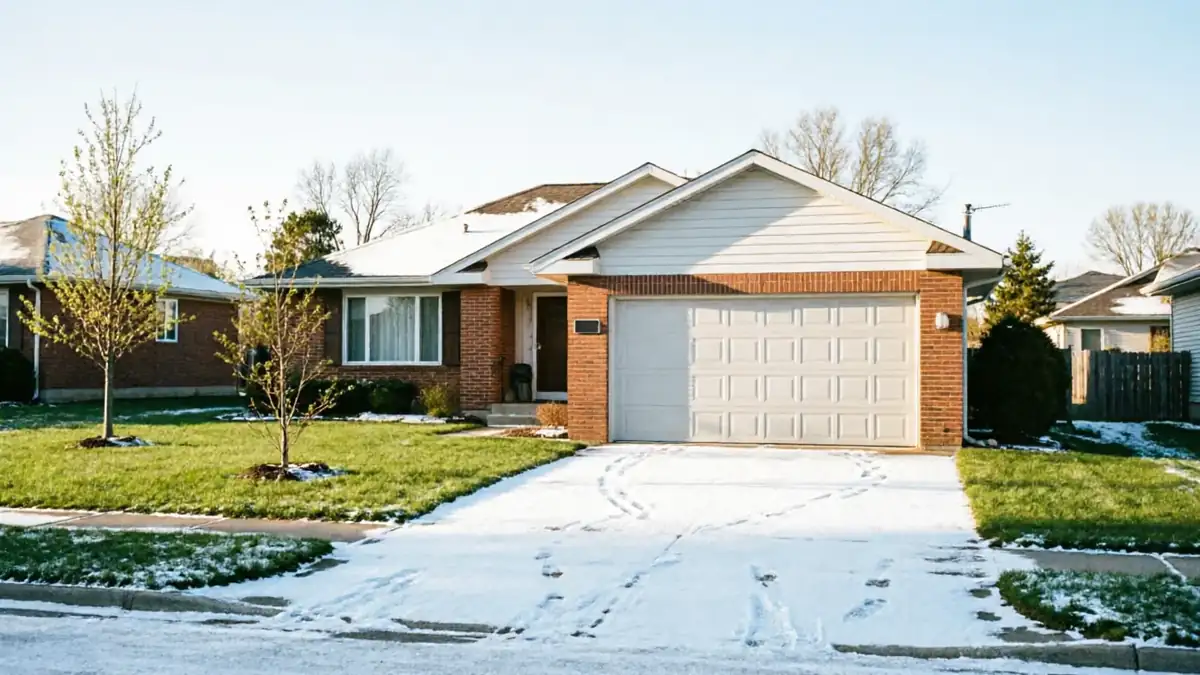
A house with a white garage door and a snow-covered driveway.

When Waiting Is Fine

Not every noise or wobble needs a truck out today. Houses in this area mostly went up between 1940 and 1965, with the median landing around 1952, and a lot of that original hardware is still doing its job, just loudly. A roller that squeaks but rolls straight, a torsion spring that's a little slack but still lifting the door evenly, a weatherstrip that's cracked but sealing - none of that is an emergency.

What you're listening for is a change in behavior, not just age. A door that's always been a bit noisy and stays that way isn't getting worse. One that starts grinding, or catches at the same spot in the track every time, is telling you something different. On the older single-wall steel sections common in houses from this era, dents and rust spots are cosmetic until they start affecting how the panel sits in the track.

Our honest limitation here: we can't tell you over the phone whether your situation is a wait-and-see or a today problem. Original hardware from the 1950s doesn't always fail the way newer parts do, and guessing wrong in either direction costs you money or safety. If something changed suddenly, that's worth a call. If it's been the same for years, it probably can wait.

What You Pay

We're not going to list prices here that don't match what's actually wrong with your door, so we won't quote numbers we don't have in front of us. What we can tell you is what drives the cost up or down in this area specifically.

With a median household income of $54,306 across the service area, most of the calls we take are about repairing what's already on the house rather than a full replacement - and that's usually the right call financially too, as long as the track and frame are still square. A torsion spring swap on a door from the 1950s era costs less than hunting down matching panels for a style nobody makes anymore.

What pushes a job toward replacement instead of repair is usually the opener or the track hardware being original to a house built decades ago - parts that were never designed to be swapped individually, so one failure means the whole assembly. That's not true of every house in the area, but it's common enough in this age of housing stock that we check for it before quoting anything.

The honest answer is: we price the job after we see the door, not before. Anyone quoting you a number sight unseen on a house this old is guessing.

The Problem

  1. With roughly 2,638 owner-occupied houses out of 3,534 households across the area

    A lot of garage doors here are original to construction that happened between 1940 and 1965. That's not automatically bad, but it does mean specific, predictable failure points.

    • 2,638 owner-occupied
    • 3,534 households
  2. The biggest one: extension springs without safety containment cables

    Which were standard practice when these houses were built and are now the first thing we flag on an older door. If one of those springs lets go, it has nowhere to go but loose, and that's a real hazard in a garage people walk through daily.

  3. The second is single-wall steel panels with no insulation layer

    Which were normal for the era but don't hold up the same way modern doors do against dents, rust at the bottom corners, and flex over a wide double-door opening. Across the nine named areas this stock shows up in, the pattern repeats: original door, original opener, original hardware, none of it upgraded since install.

  4. We don't replace a whole door just because it's old

    Plenty of these hold up fine with the right spring and a cable retrofit. But we'll tell you plainly when the frame or track has gone soft enough that patching it is just delaying the inevitable.

What the Weather Here Does to It

This area sits in a cold moderate climate band, and that matters more to a garage door than most people think. Steel contracts in the cold, and a torsion spring that's been carrying a door's weight fine all summer can lose enough tension in a hard freeze to snap under the strain of a normal lift. We see this spike every winter, and it's almost always a spring that was already near the end of its life, not a brand-new failure.

Cold also affects the opener. Chain-drive units common on older installs in this area slow down and can bind when the grease inside thickens up in low temperatures, which looks like a dying motor but is often just cold grease fighting the chain.

The door panels themselves react too. On the single-wall steel common to houses built before 1960, cold makes the metal more brittle at impact points - a bump that would just dent the door in summer can crack a weak seam in January.

None of this means you need a heated garage. It means spring tension and opener lubrication are worth checking before the first hard freeze, not after a door won't open at 6 a.m. and you're already late.
How it works

From “it’s stuck” to “it’s fixed”

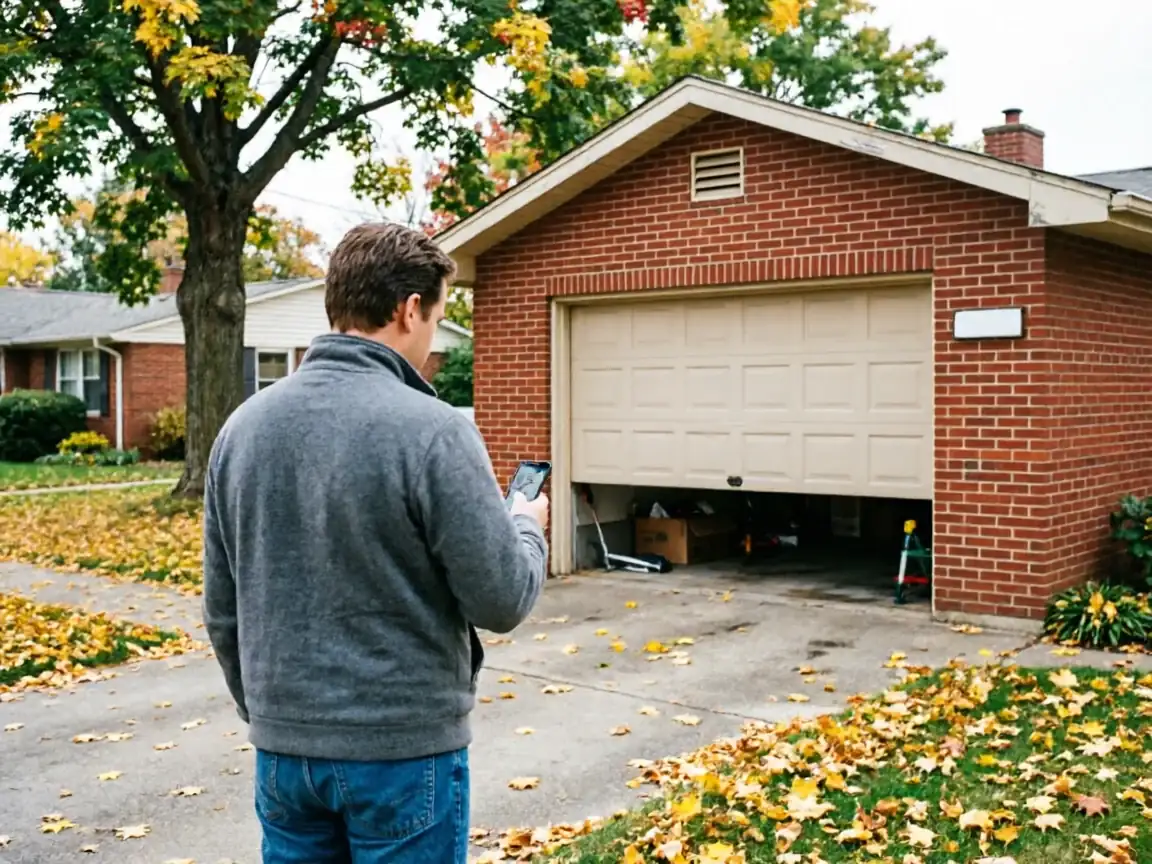
A man stands in a driveway looking at his phone, with a partially open garage door behind him.
1

Tell us what’s wrong

Describe the symptom - won’t open, loud bang, opener runs but the door won’t move.

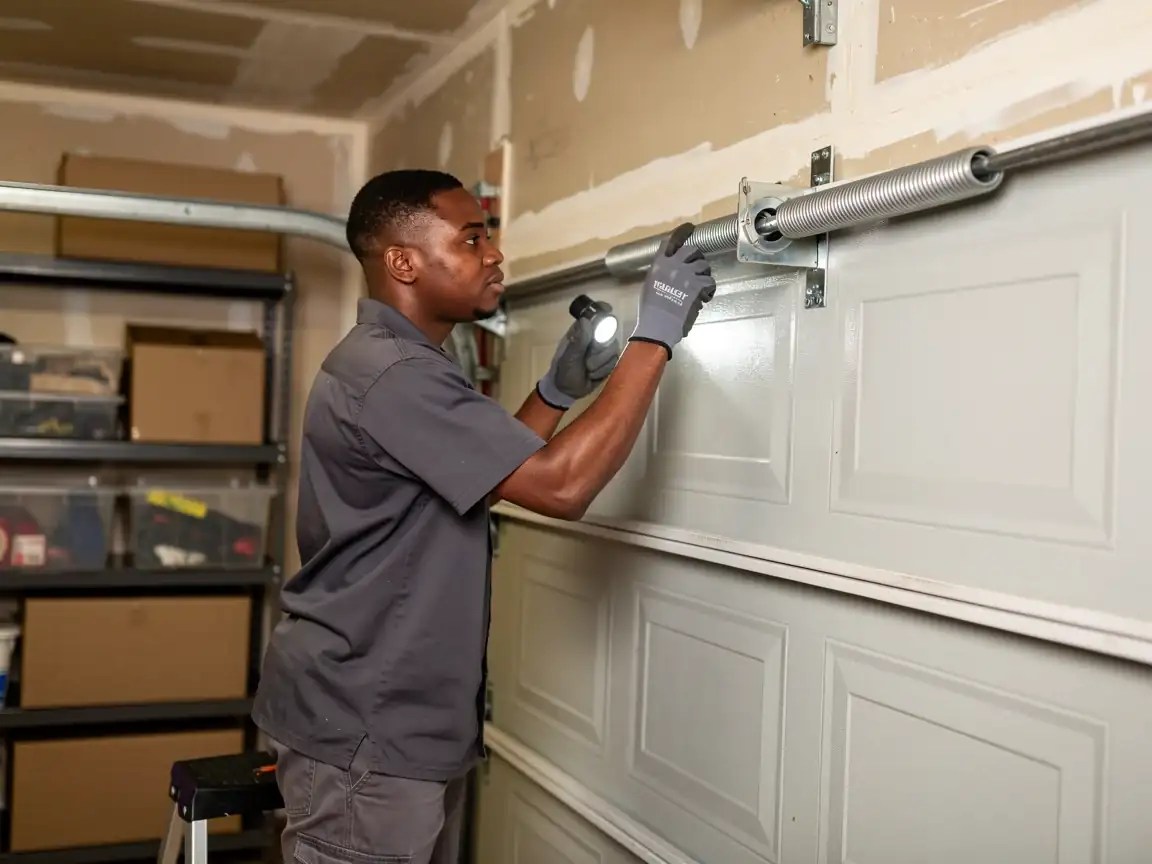
A technician holds a flashlight and examines a garage door torsion spring.
2

On-site diagnosis

A technician tests the door under power and by hand and finds what actually failed.

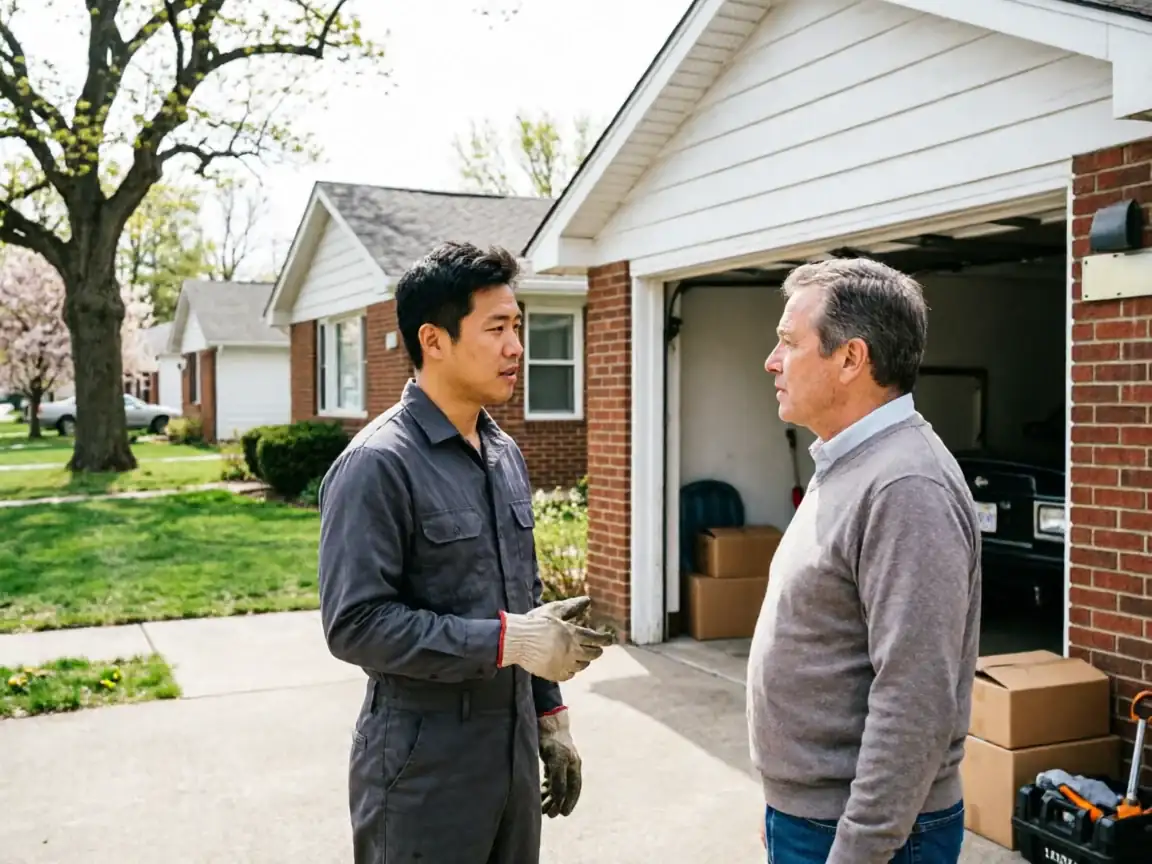
A technician in a gray jumpsuit talks to a man in a gray sweater in a driveway.
3

Clear, up-front plan

You get the fix that’s needed and what drives the cost - before any work starts.

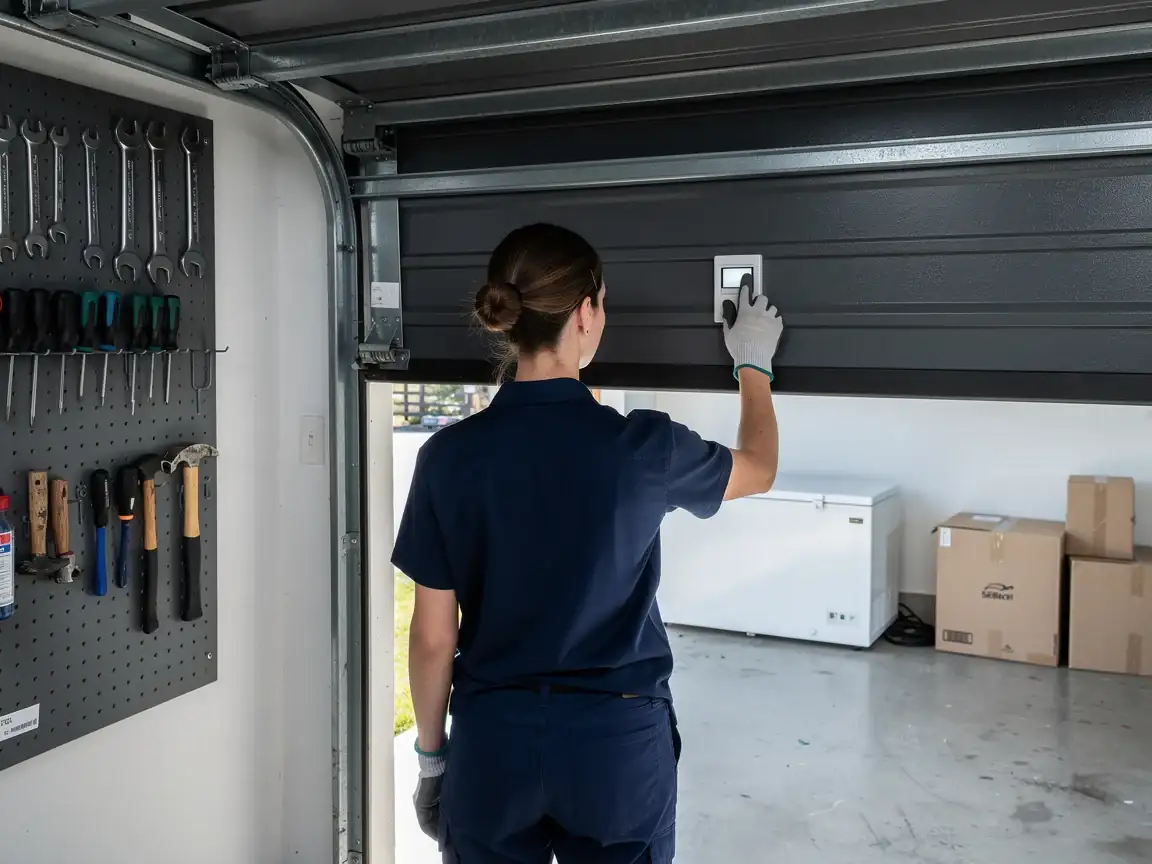
A technician in a blue uniform adjusts a wall-mounted control panel on a gray garage door.
4

Repaired & tested

The repair is done, the door is set true and tested, and the work area left clean.

Not sure which repair your door needs in Macomb, IL? Describe what it’s doing - every job starts with a diagnosis.

How we work

What to expect

Diagnosis firstEvery visit starts by finding what actually failed - not a pre-written parts list.
The right part for the doorSprings and openers matched to the door’s weight and age, so the fix holds up.
Straight answersWhen a repair makes more sense than a replacement - or the reverse - you hear it plainly.
Clean, careful workTension released safely, hardware set true, the door tested under power before we leave.
What we do

Garage Door Services

Repair and installation work for Macomb homes and businesses.

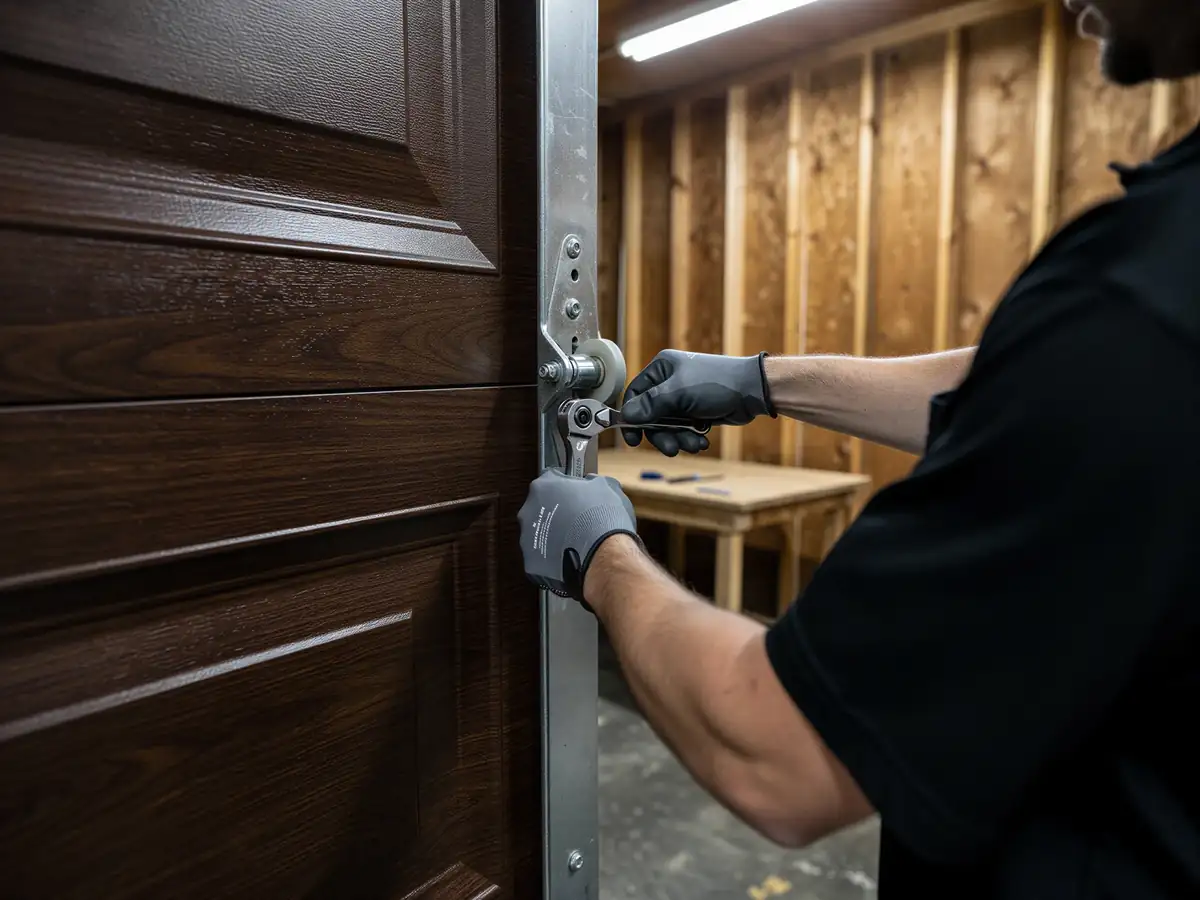
A technician in gloves adjusts a garage door roller with a wrench.

Garage Door Repair

Torsion spring, opener, and track repair for Macomb's pre-1960 housing stock. We know the hardware on homes built 1940-1965 across the service area.

Learn more
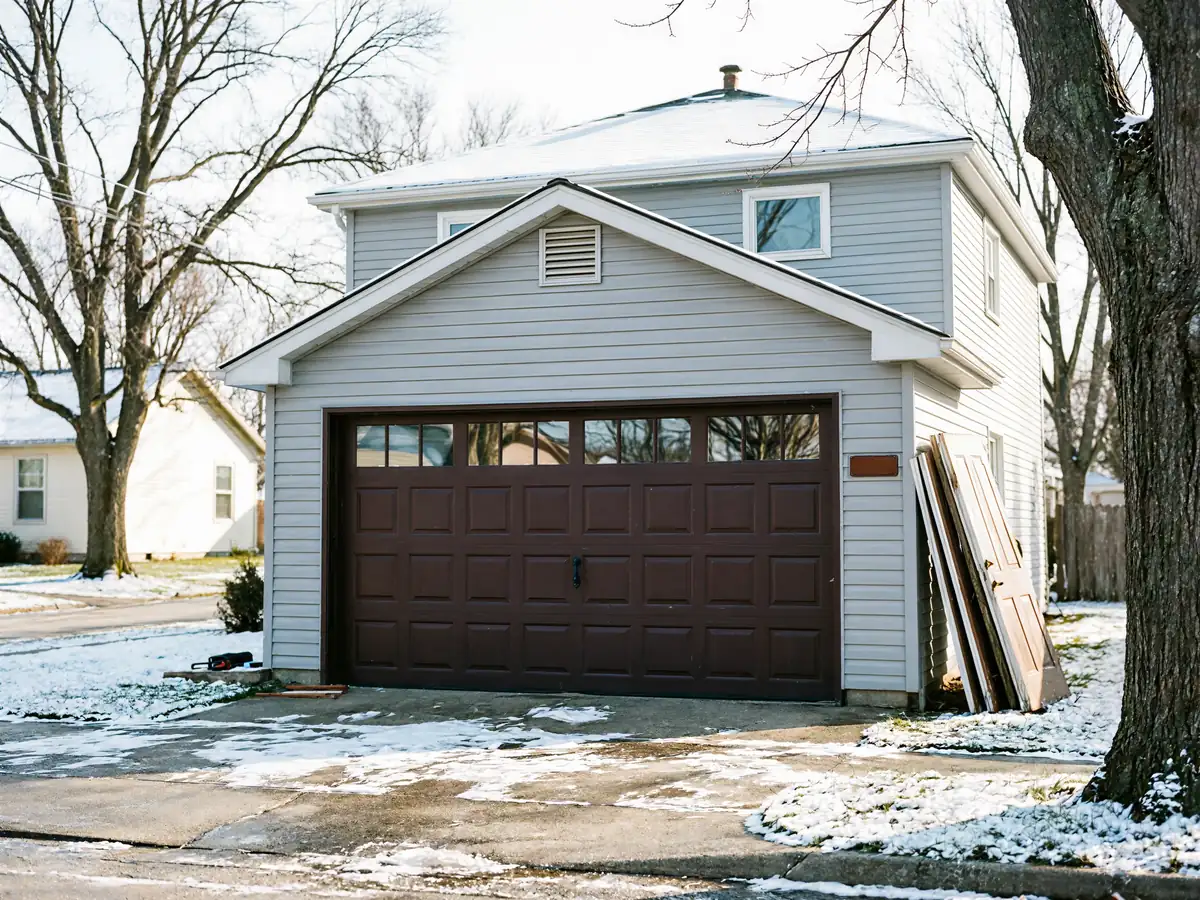
A two-story house with a brown garage door and old doors leaning against the wall.

Garage Door Installation

Installing a new garage door on a Macomb home built between 1940 and 1965 means matching an older opening, not just picking a door off a shelf. Here's what that job involves.

Learn more
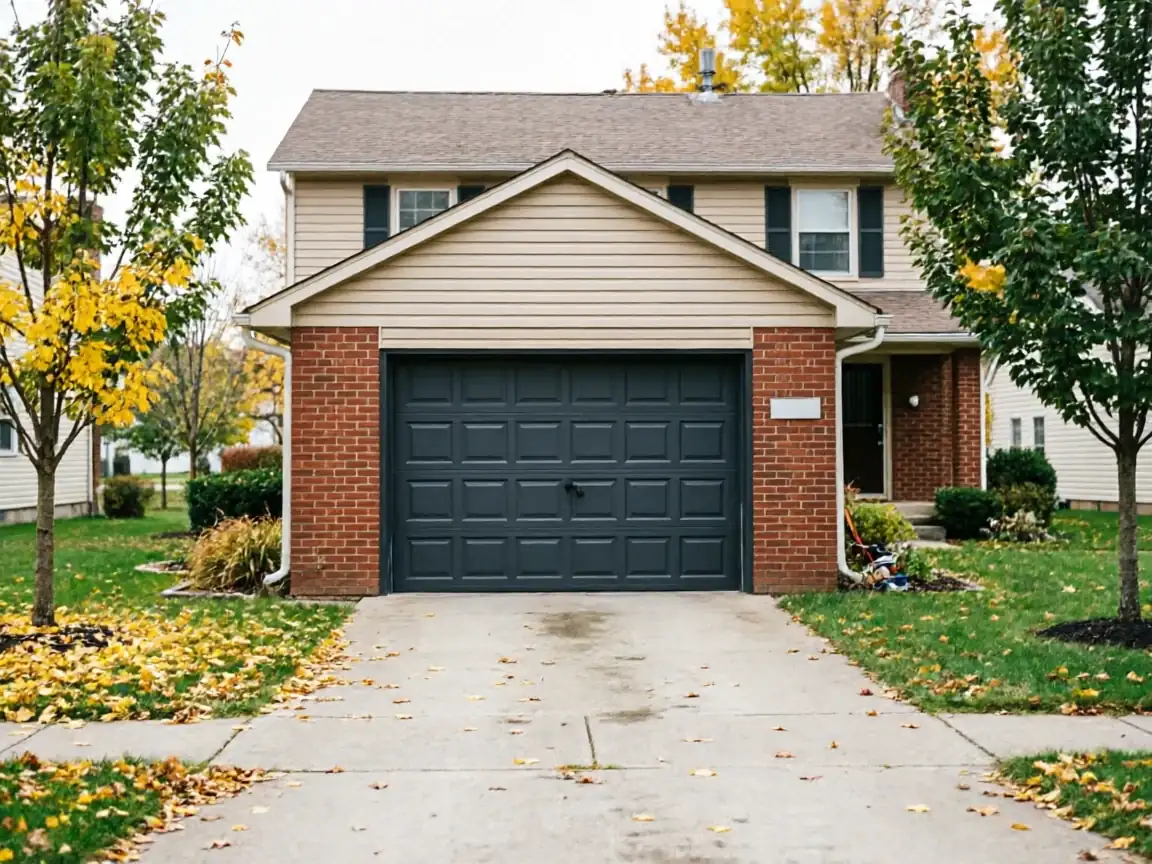
The house has a dark gray garage door, brick and tan siding, and a brown roof.

Garage Door Service

Garage door repair and tune-up service for Macomb, IL homes, built to match the torsion hardware and steel doors common in houses from the 1940s and 50s.

Learn more
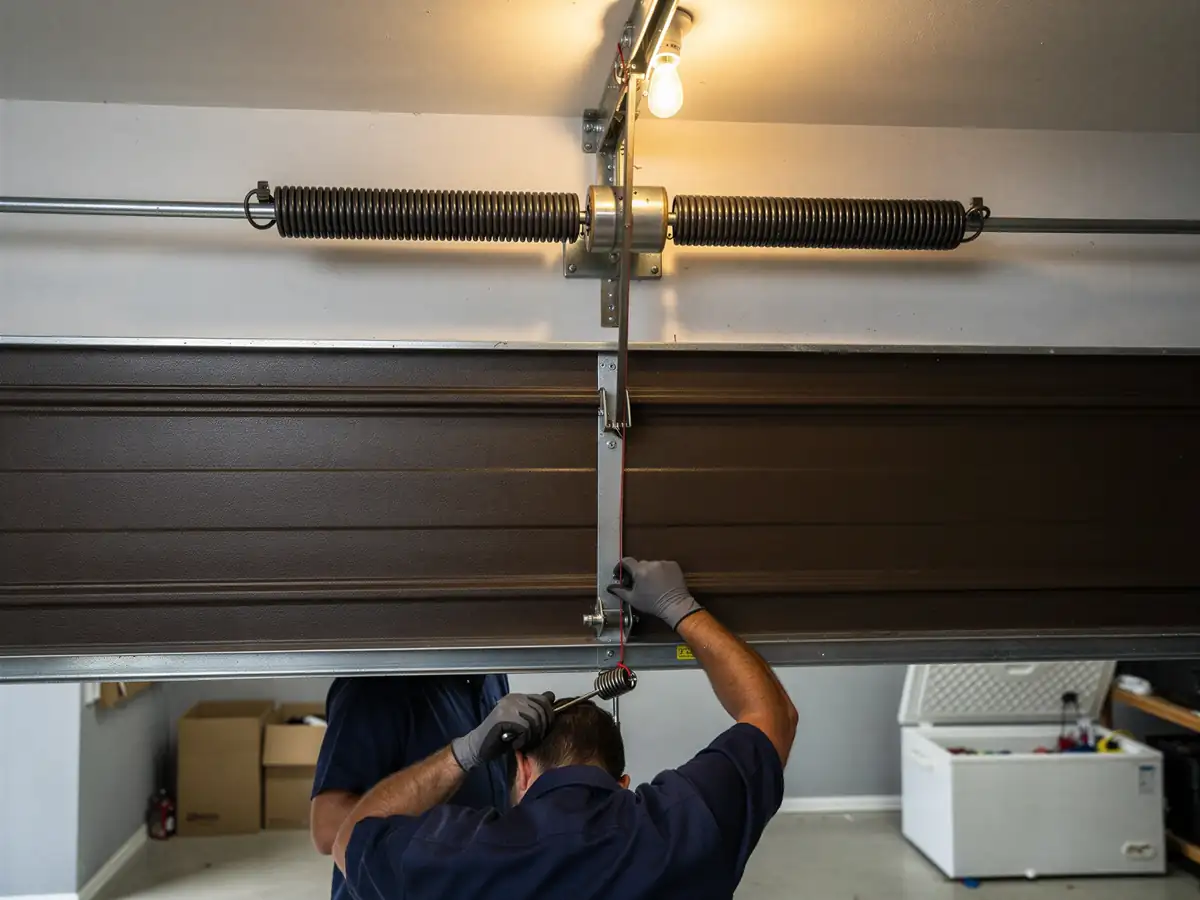
A technician in gray gloves works on a brown garage door with a torsion spring.

Spring Repair

Torsion and extension spring repair for Macomb's pre-1960 housing stock. We carry springs sized for older doors and explain what fails and why in cold-climate winters.

Learn more
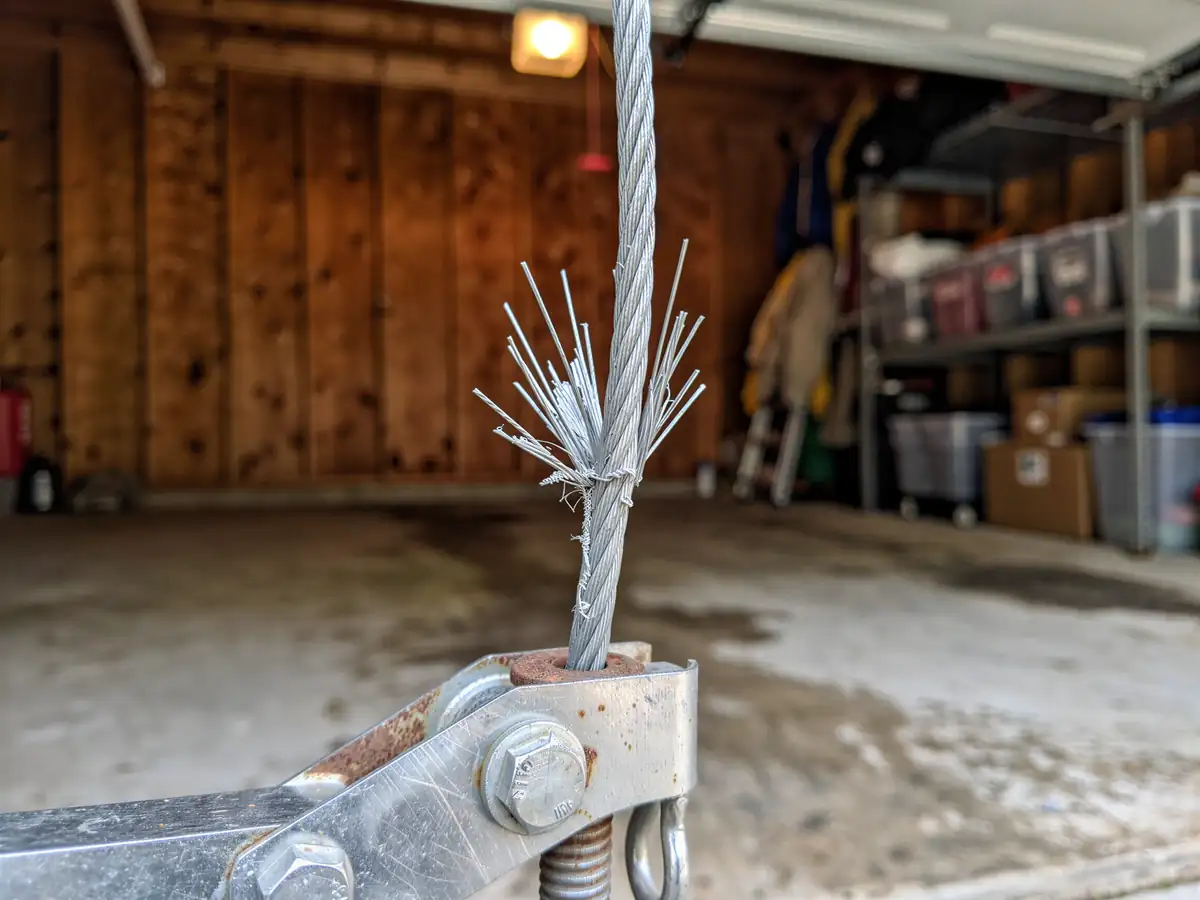
The frayed garage door cable is attached to a metal bracket in a garage.

Cable Repair

Broken or frayed garage door cables are common on Macomb's pre-1960 housing stock. We carry the drums, cable, and fittings for original torsion and extension setups.

Learn more
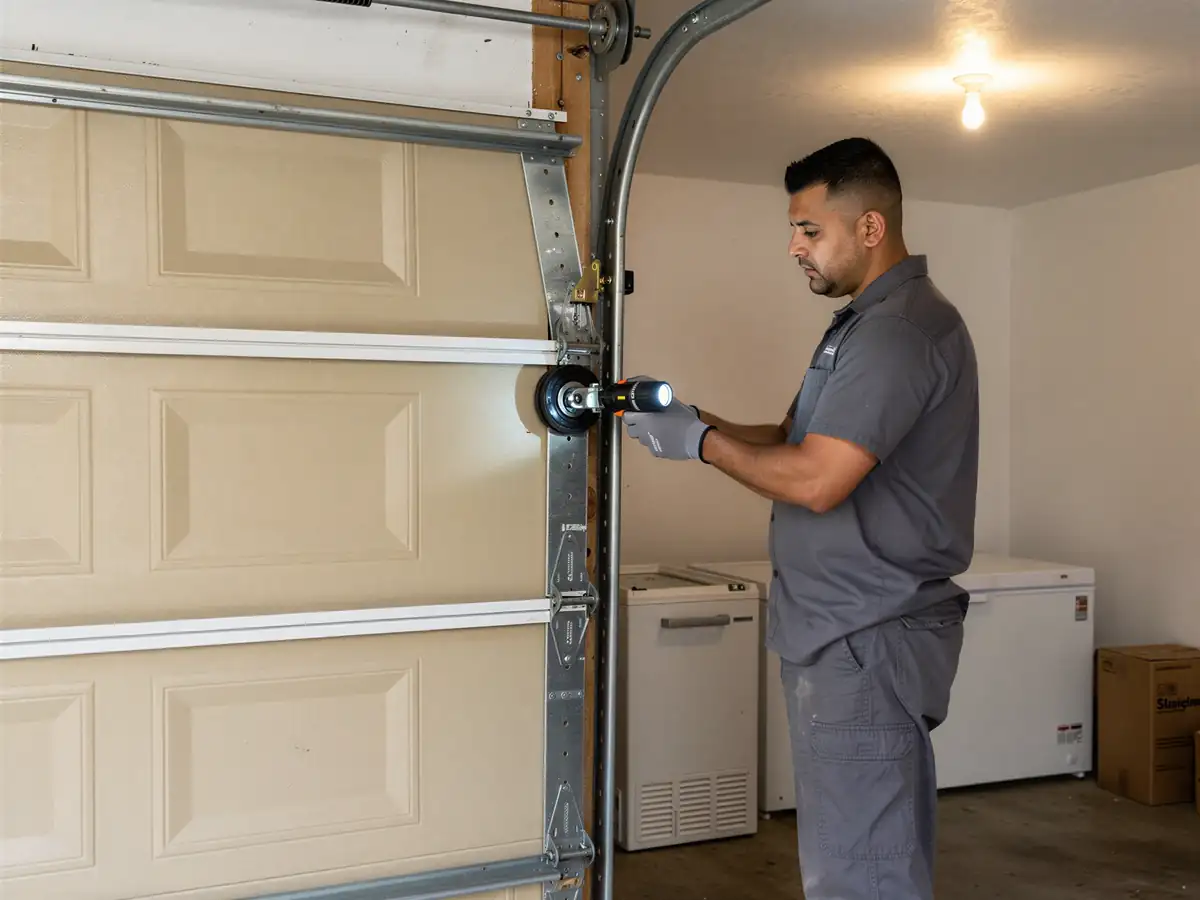
A technician shines a flashlight on a beige garage door track and roller.

Off-Track Repair

A door that's jumped its rollers is common in Macomb's pre-1960 housing stock. We fix bent track, worn rollers, and cable issues on original hardware.

Learn more
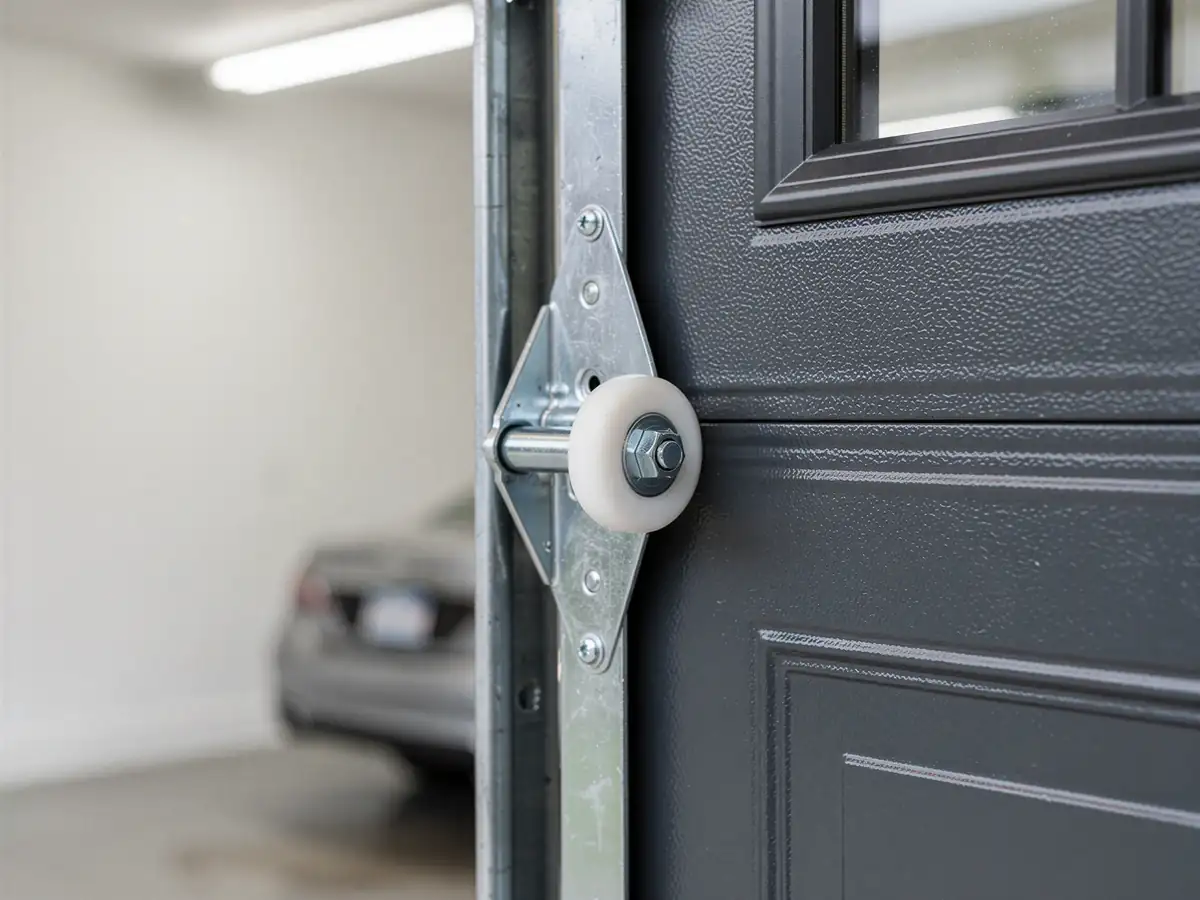
A white roller is attached to a gray garage door track.

Roller Replacement

Worn or bent garage door rollers are common on Macomb's pre-1960 housing stock. See what roller replacement involves, what we carry, and what to watch for.

Learn more
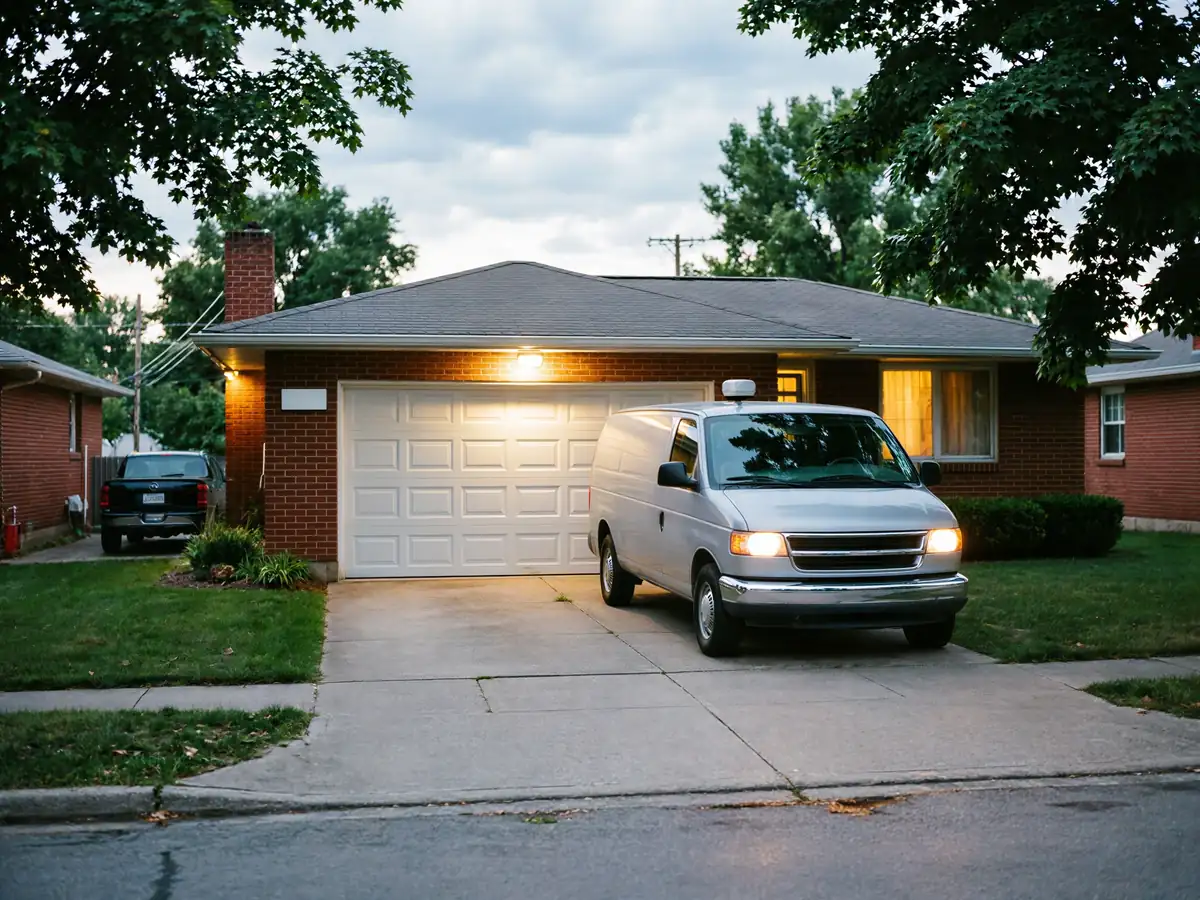
A silver van is parked in the driveway of a brick house with a white garage door.

Emergency Garage Door Repair

Broken spring, off-track door, or opener that won't budge. Macomb Garage Door Pros handles emergency repair for the homes built across this service area between 1940 and 1965.

Learn more
Questions

Frequently asked

Straight answers about garage door repair in Macomb. Still unsure? Ask us directly.

Is it worth replacing my garage door if the house was built in the 1950s?

Not automatically. A lot of houses in this area from that era still have doors and tracks in decent shape. We look at whether the frame is square and the hardware can be safely upgraded - extension springs without safety cables, for instance - before we ever recommend full replacement over repair.

Why did my spring snap in cold weather when it was fine all summer?

Steel loses flexibility as it gets colder, and a spring that's already near the end of its rated cycles has less give to work with. In this climate band, that's usually when an aging spring finally lets go - the cold doesn't cause the wear, it just reveals it.

Do you give quotes over the phone?

Not accurate ones. Pricing depends on what's actually installed on your door, and houses in this area range from original 1950s hardware to newer replacements. We'd rather see it and tell you a real number than guess and be wrong.

Ready to get your garage door sorted?

Tell us what it’s doing and where you are in Macomb - we’ll take it from there.

Request a QuoteCall