What You Are Seeing
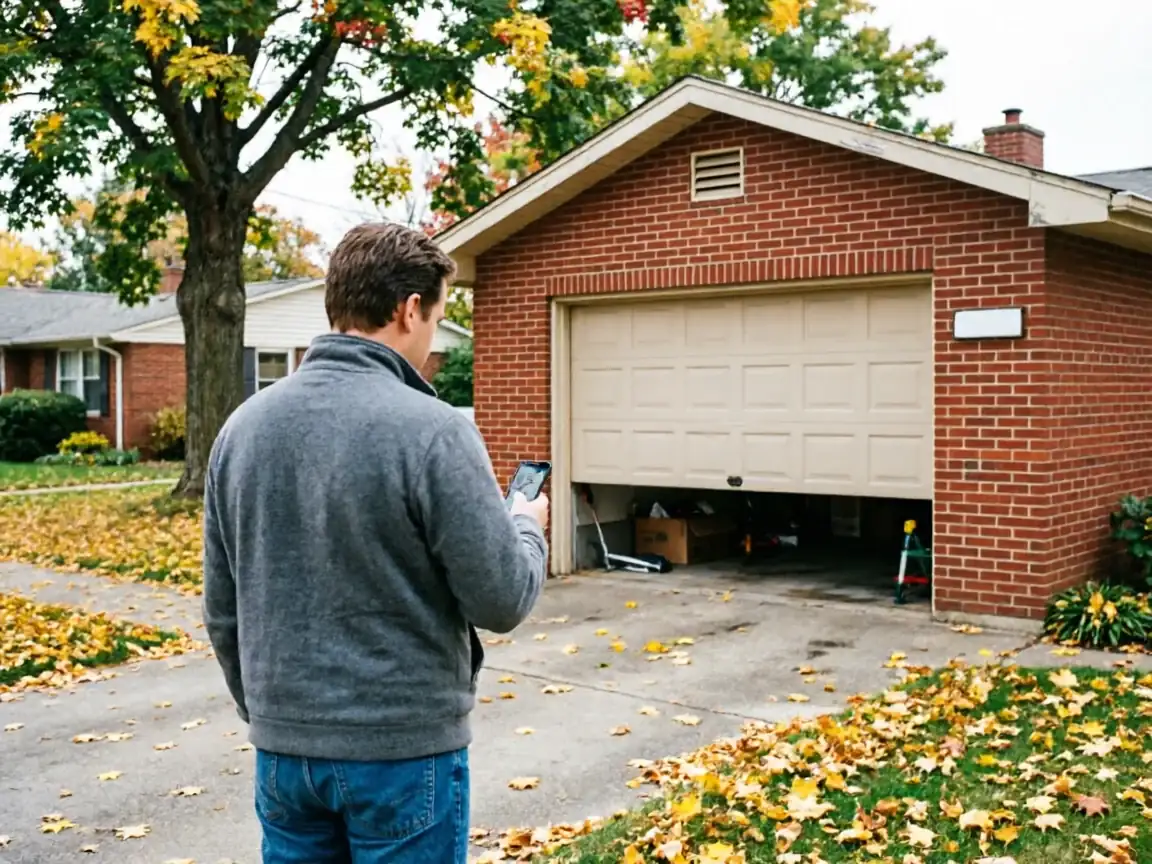
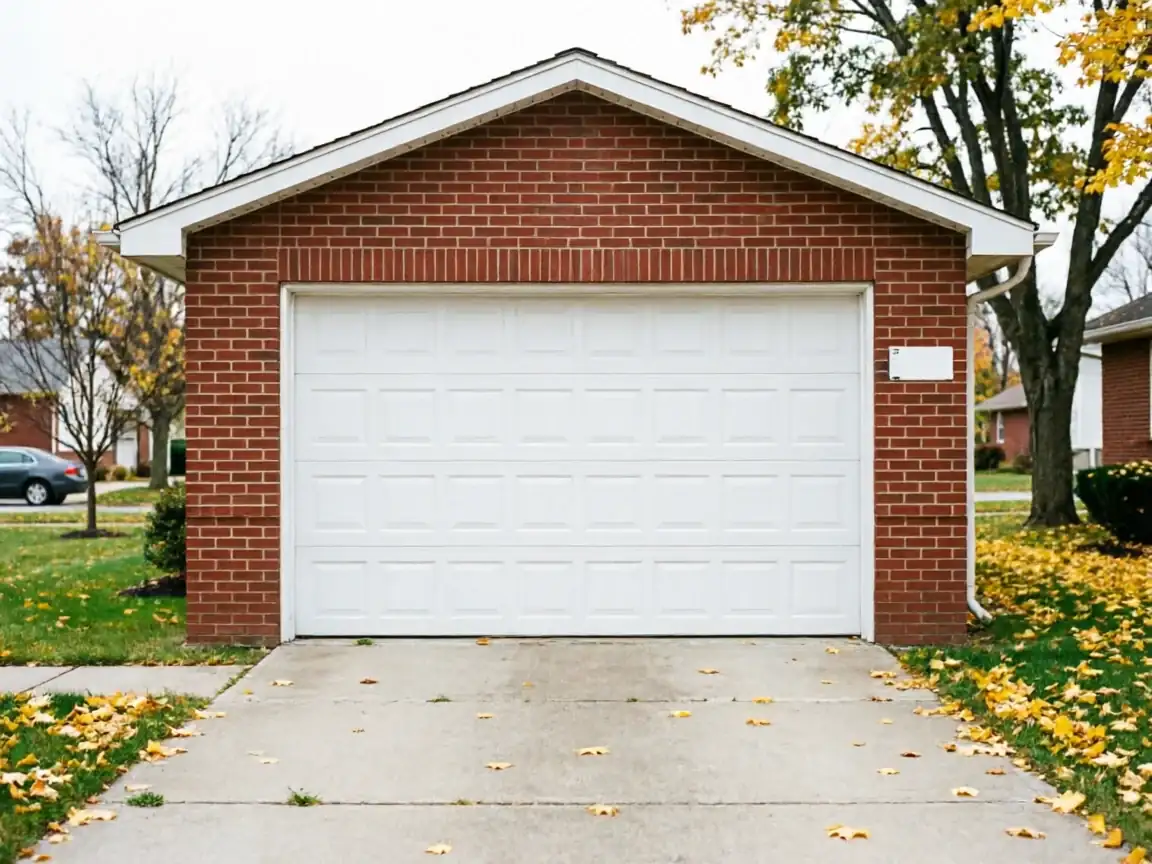
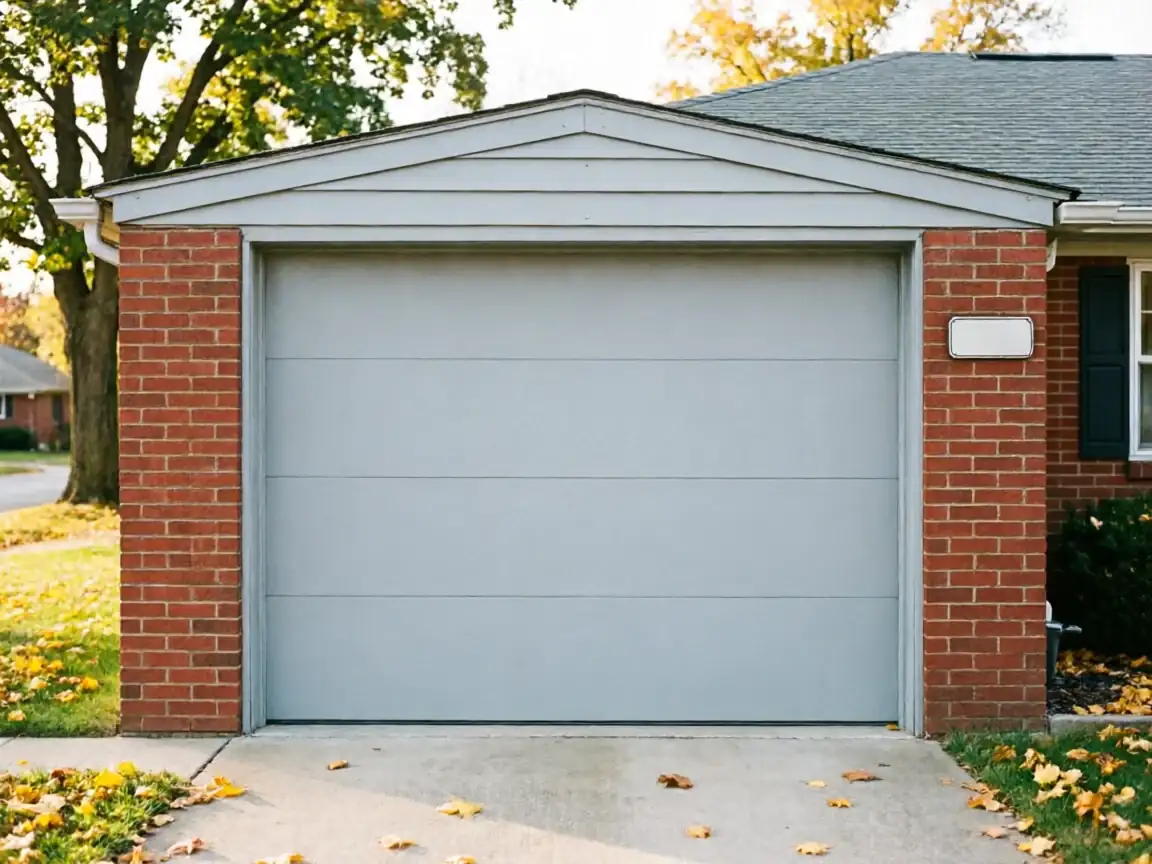
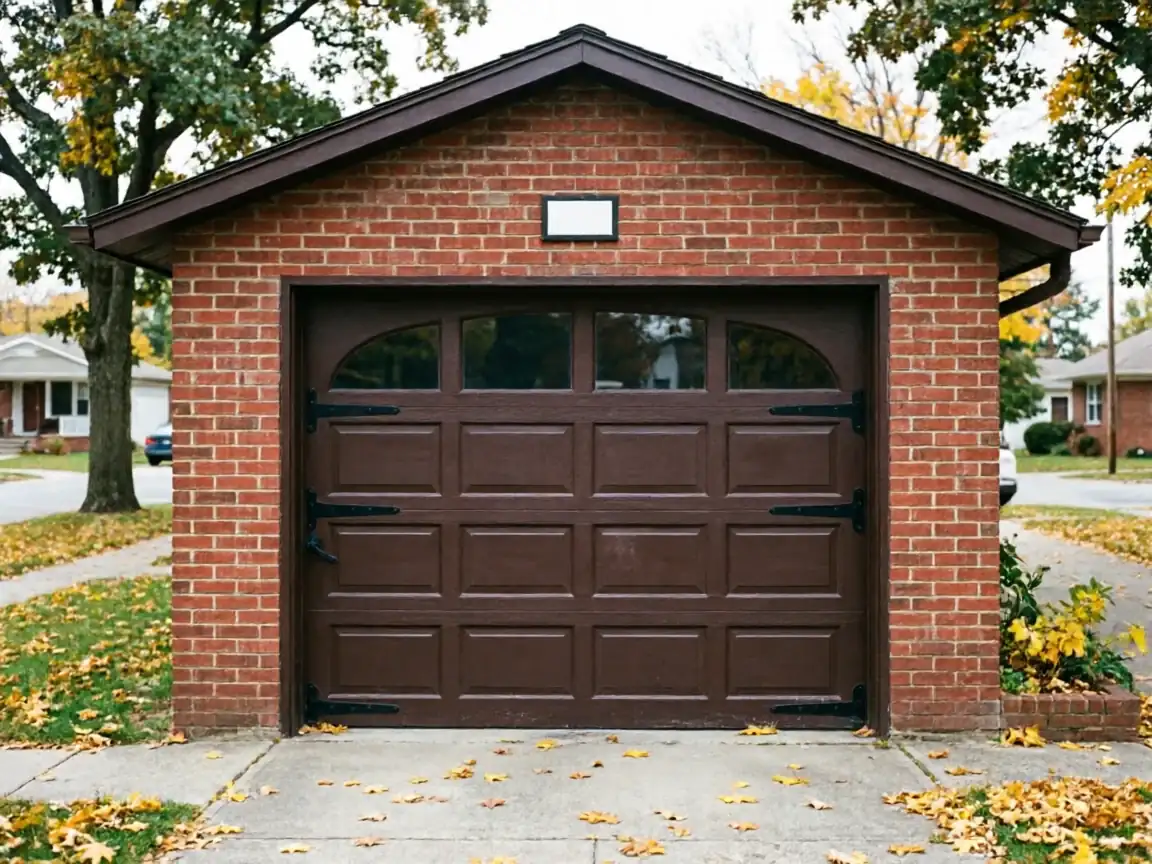
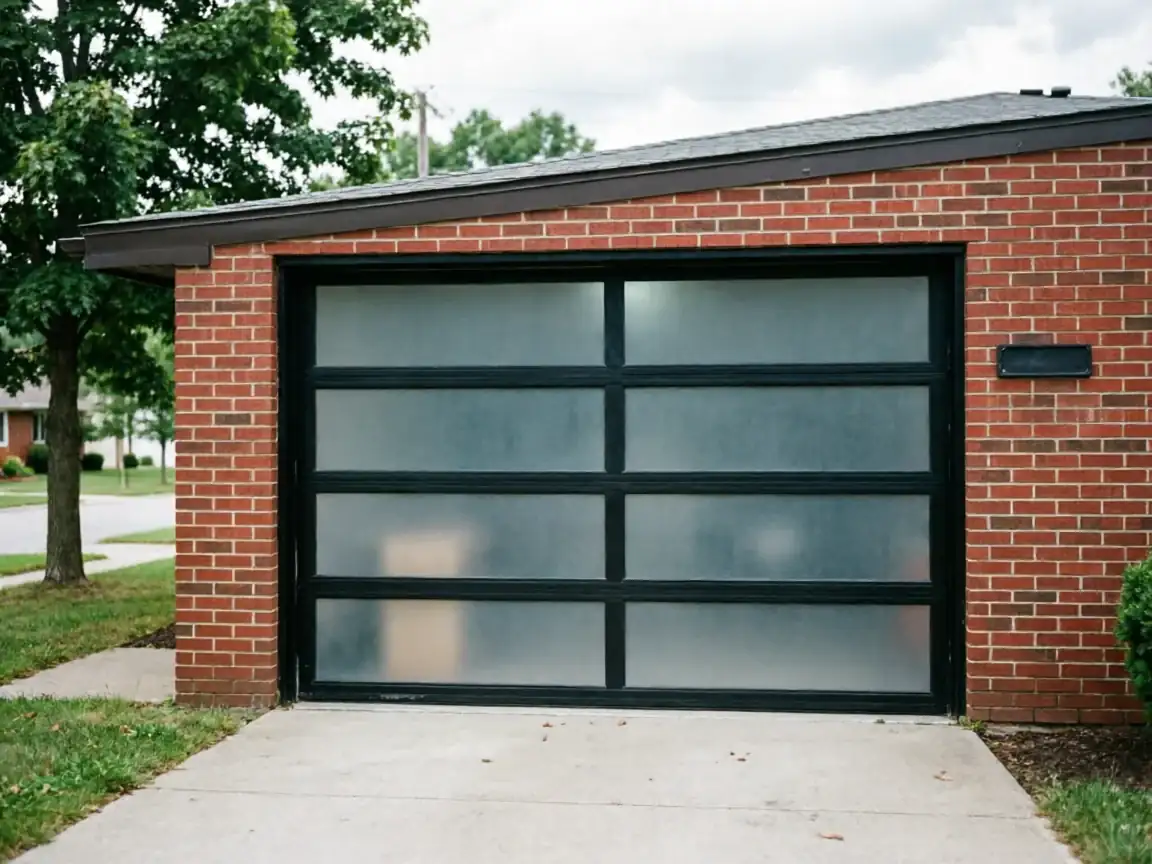
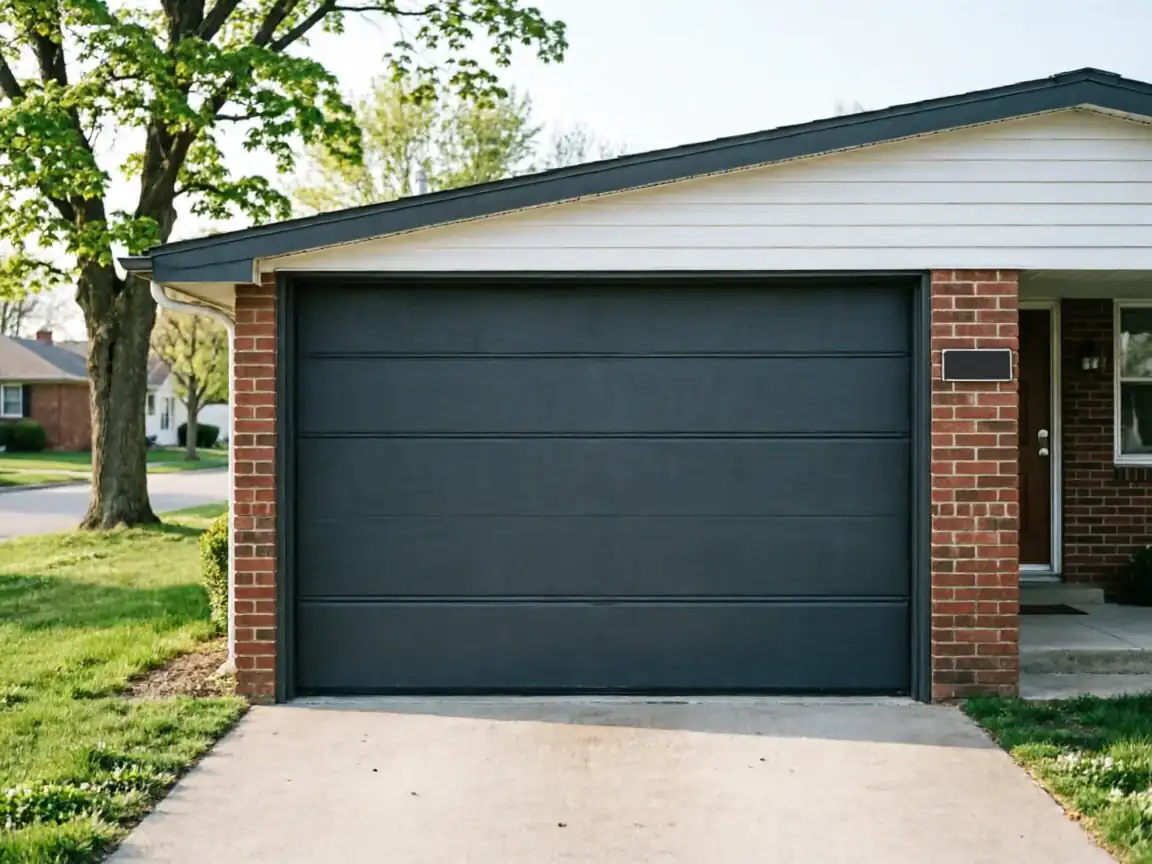
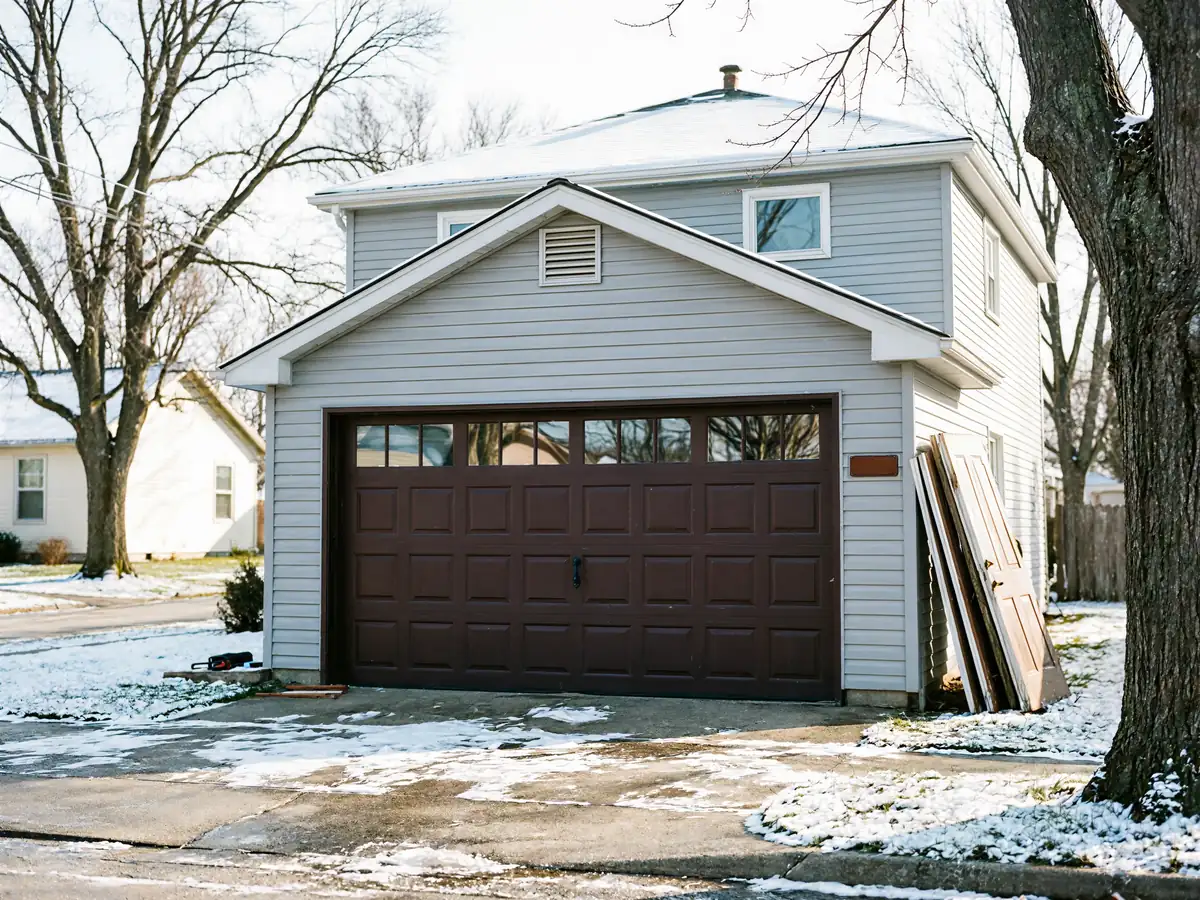
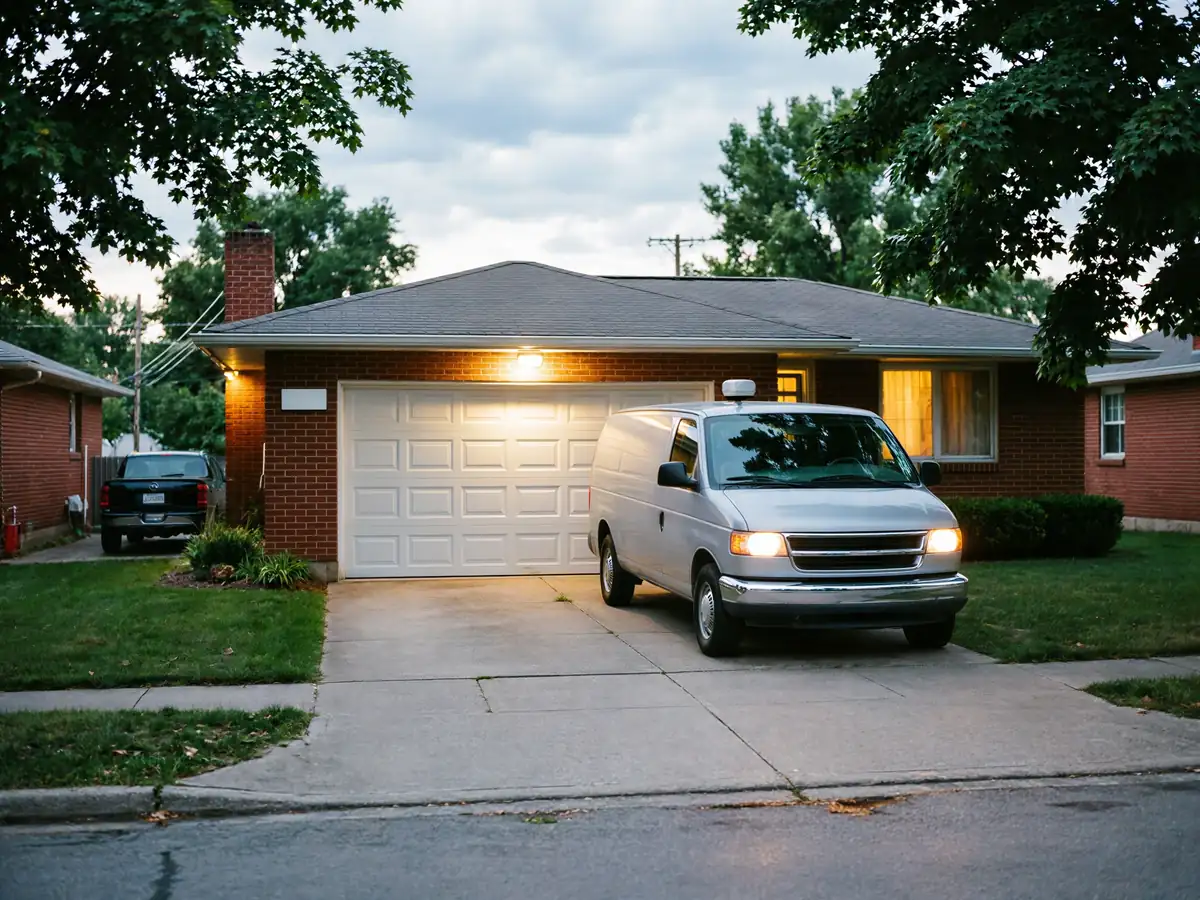
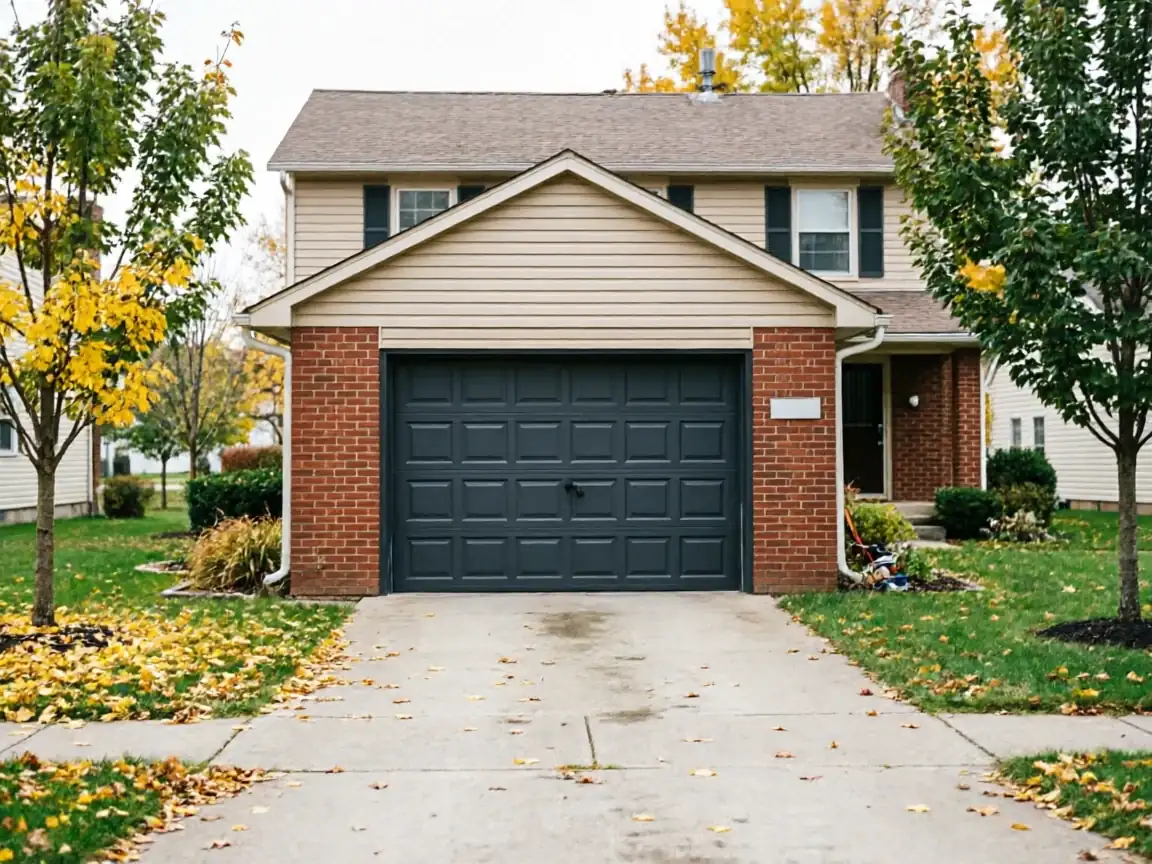
Plymouth is a small town - 224 households, by the last count - and that size shapes what kind of garage door calls come out of it. You don't get the mix of eras you'd find in a bigger place. Most of the housing here went up around 1948, which puts it squarely in the same post-war building wave as a lot of the small towns in this part of the county. That means the doors we see on a Plymouth call tend to look alike: older single-car and narrow double openings, built for garages that were framed before anyone was installing electric openers as standard. A town this size doesn't support its own dedicated garage door shop, which is why the work here gets covered out of Macomb, 17 miles up the road. It's not a long haul, but it does mean we're not driving past your house twice a day the way we might in Macomb proper - so when something's off, it's worth getting it looked at before it turns into a door that won't open at all.
The DIY Question
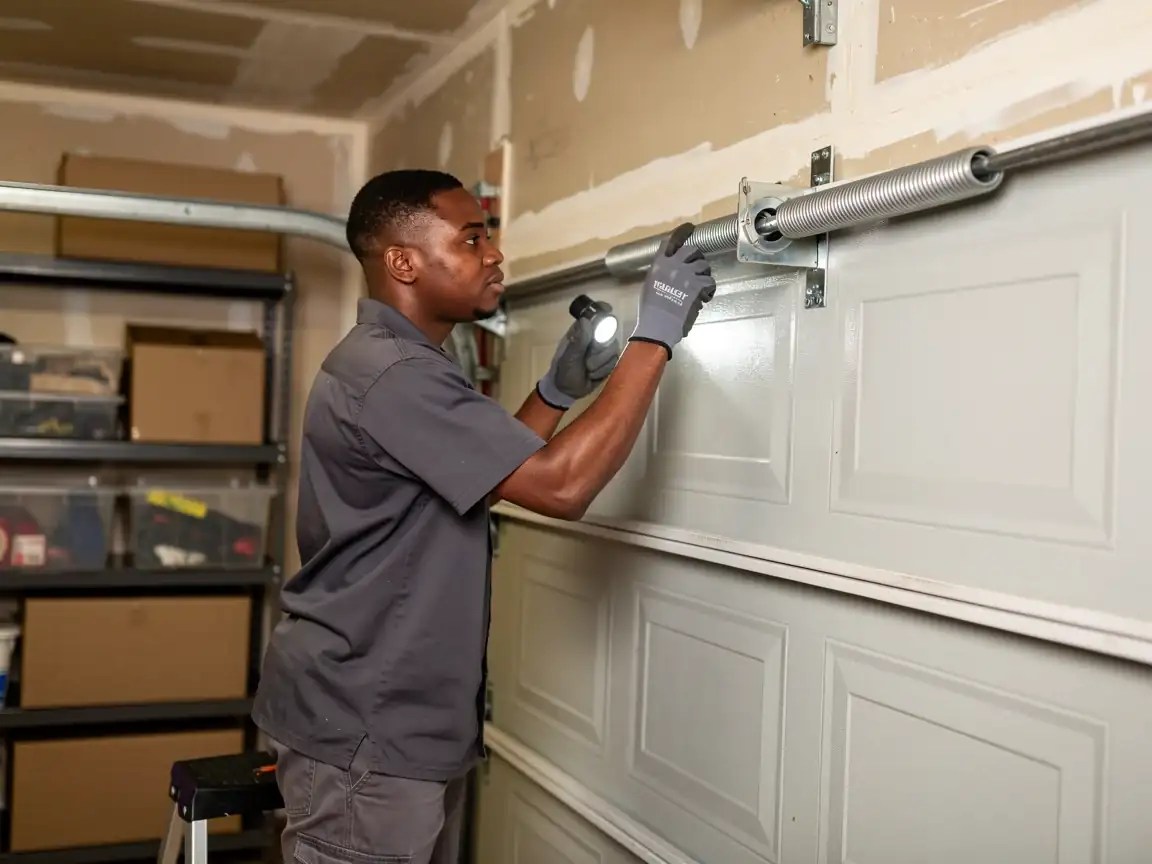
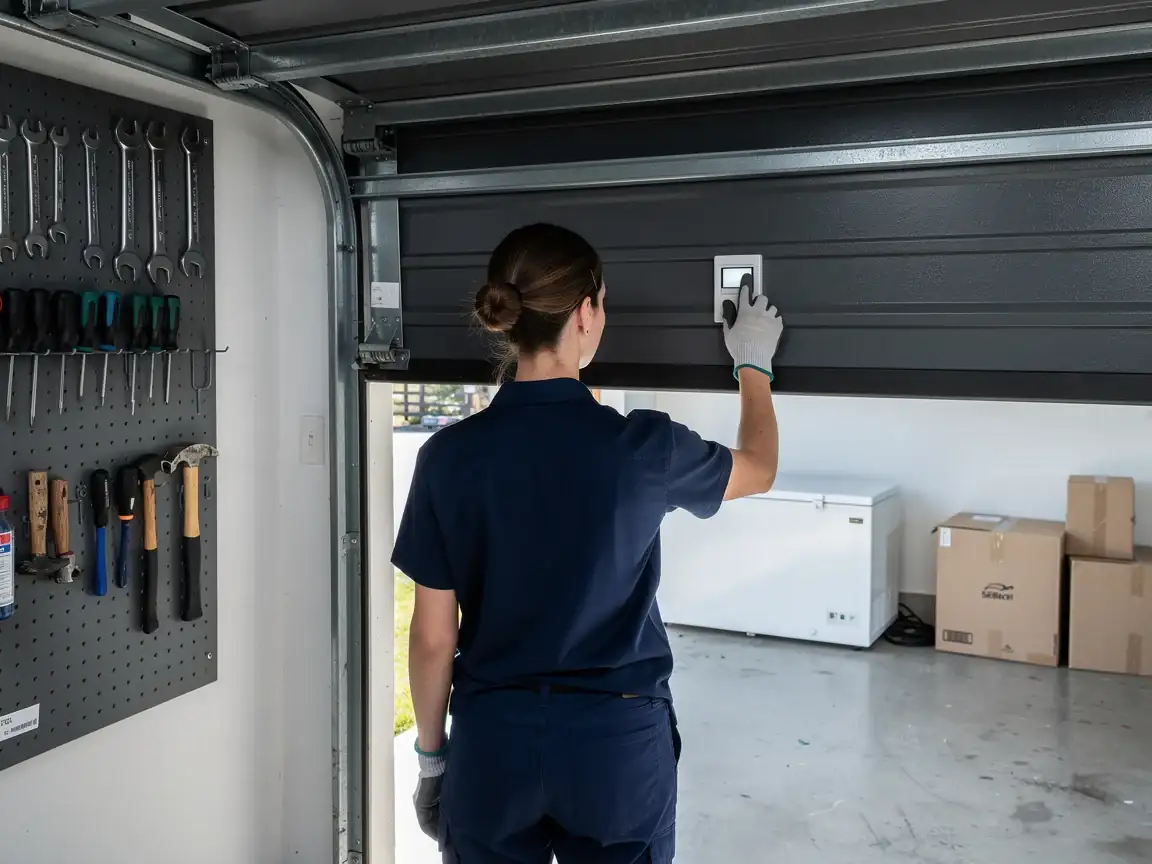
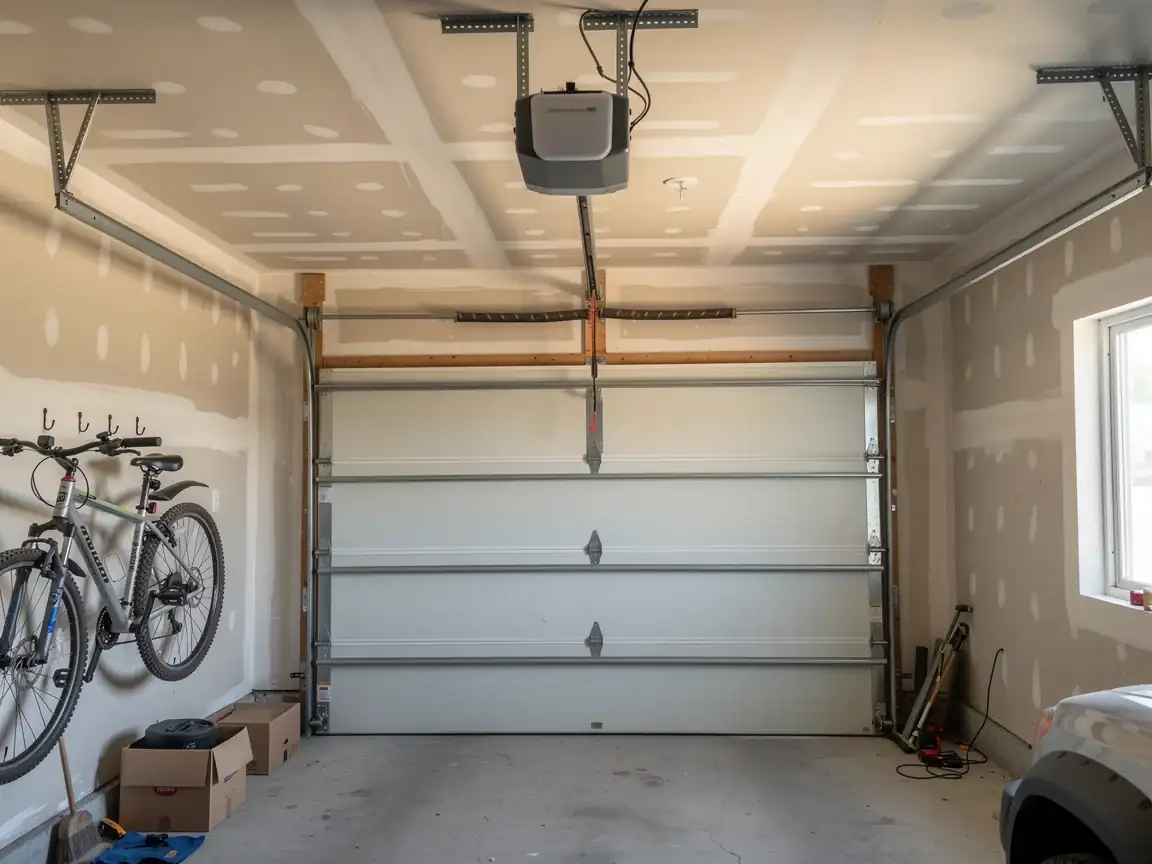
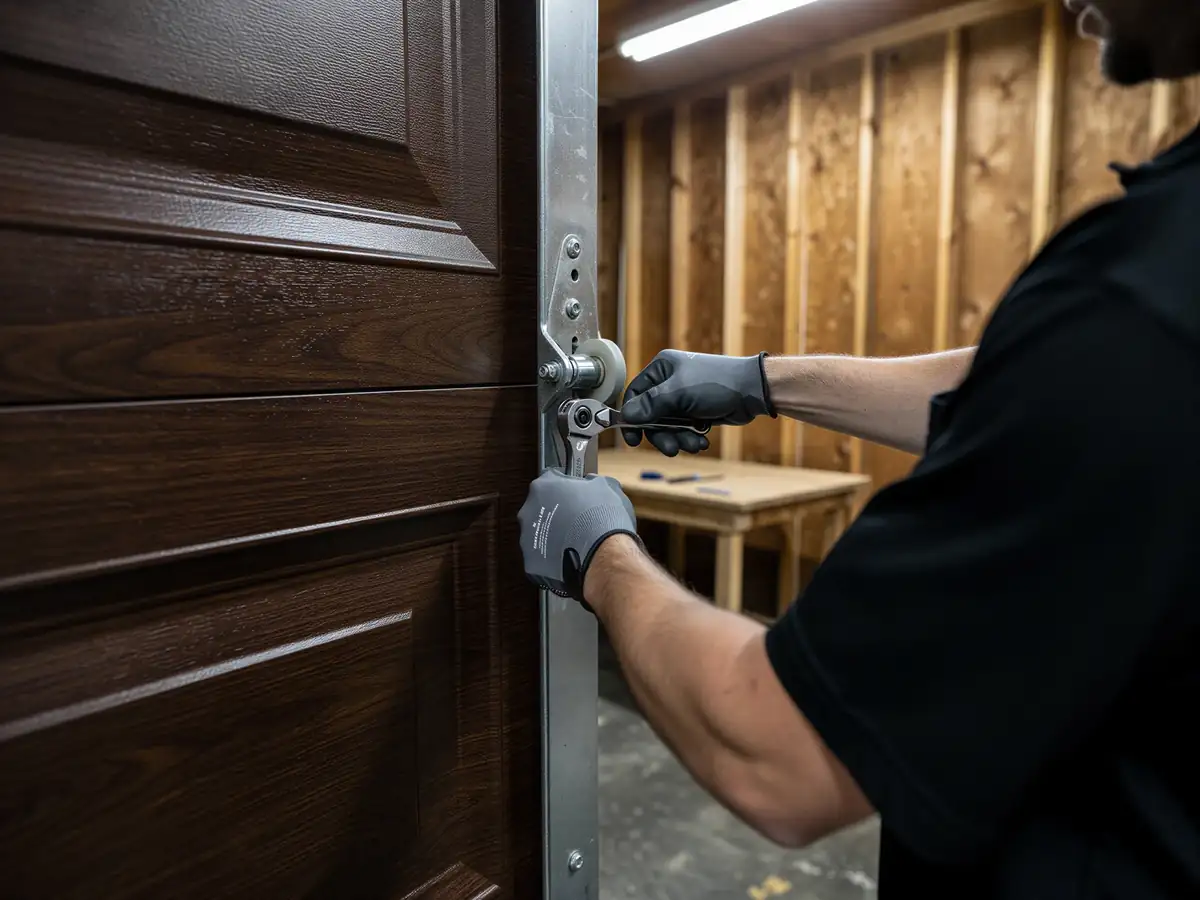
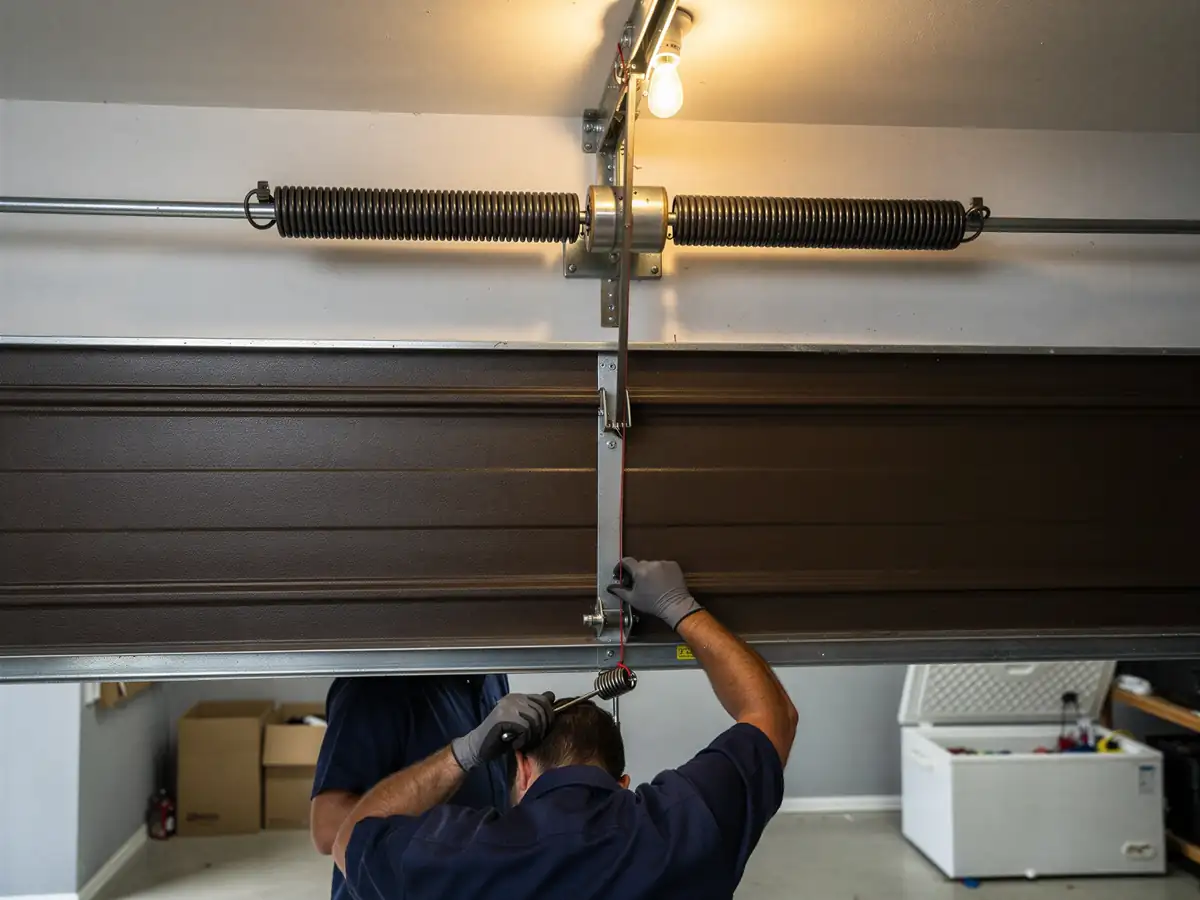
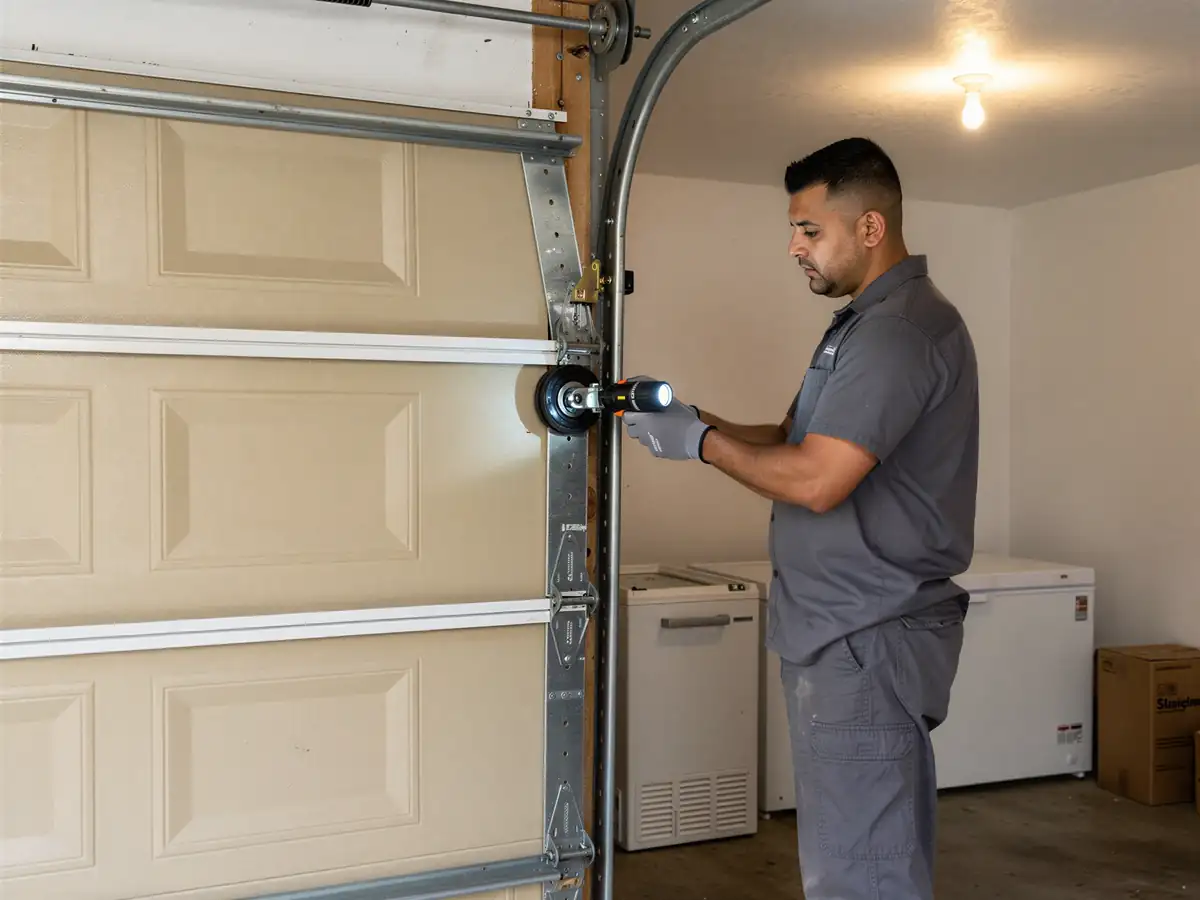
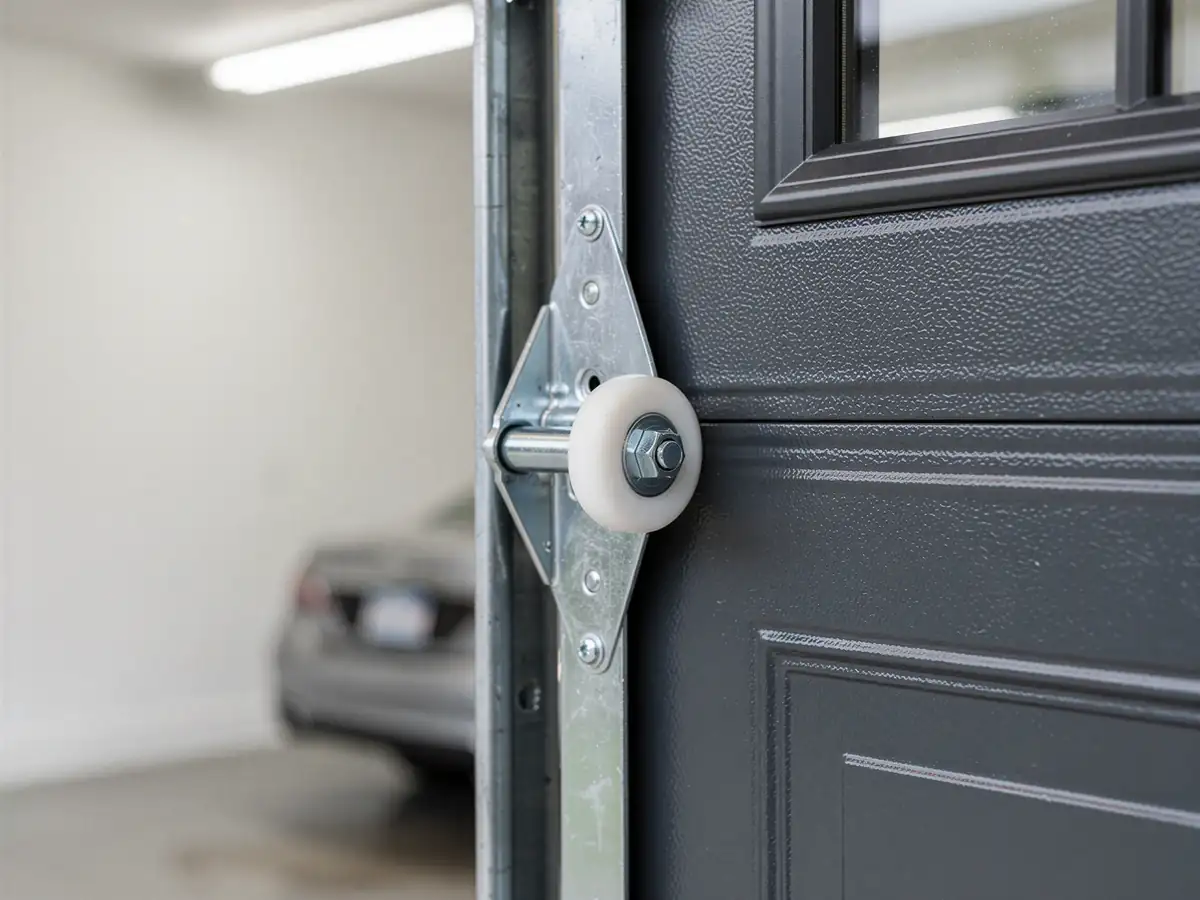
A lot of what goes wrong on a 1948-era door is simple enough that a homeowner can judge it without a truck showing up. If a door is noisy but still opens and closes square, lubricating the rollers and tightening loose hardware is a fair weekend job. If the door is binding, dropping unevenly, or the opener strains and reverses partway through the cycle, stop there. On houses this age, the spring and track hardware is often original or a mismatched replacement from decades back, and torsion springs under load are not a safe DIY repair - they carry enough stored tension to cause a real injury if the wind or cable lets go. With only 224 households in town, there isn't a steady flow of parts suppliers or spare hardware sitting around locally either, so guessing wrong on a part means a second trip. Call it in for anything involving the spring, the cable, or a door that's come off track.
What the Fix Involves
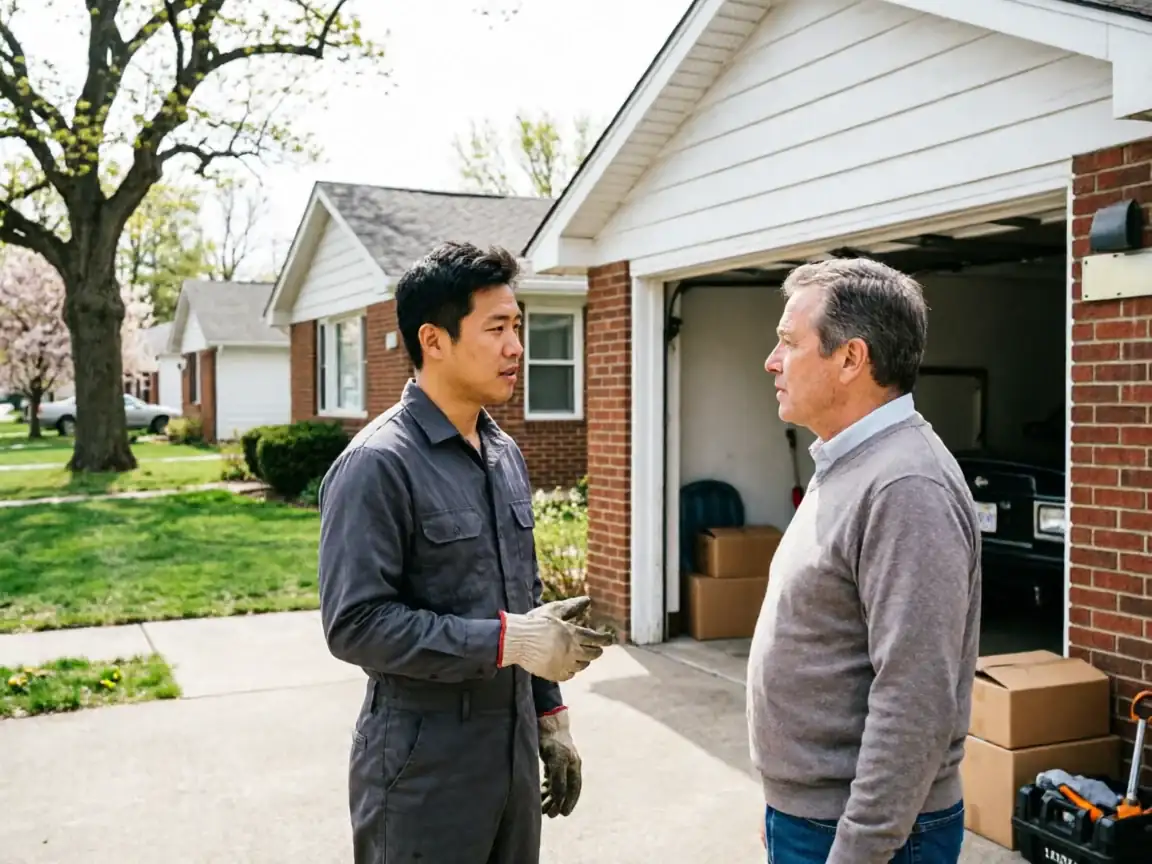
Because the housing stock here skews so old, a repair call in Plymouth often starts with sizing up the opening before we can even quote the part. Original 1948 framing doesn't always match modern standard door widths, so a straightforward spring swap can turn into a conversation about whether the track needs adjusting to fit a readily-stocked replacement door, versus special-ordering something closer to the original dimensions. We bring what a typical cold-climate repair needs - torsion springs, cables, rollers, hinges - on the truck from Macomb, but a non-standard size or an opener model that's been discontinued can mean a short wait on a part. That's the honest limit here: we're not holding Plymouth-specific inventory in town, so if your door turns out to need something unusual, it adds a day or two versus a same-day fix. Worth knowing going in, especially if the door is down and the car's inside.
What Can Go Wrong
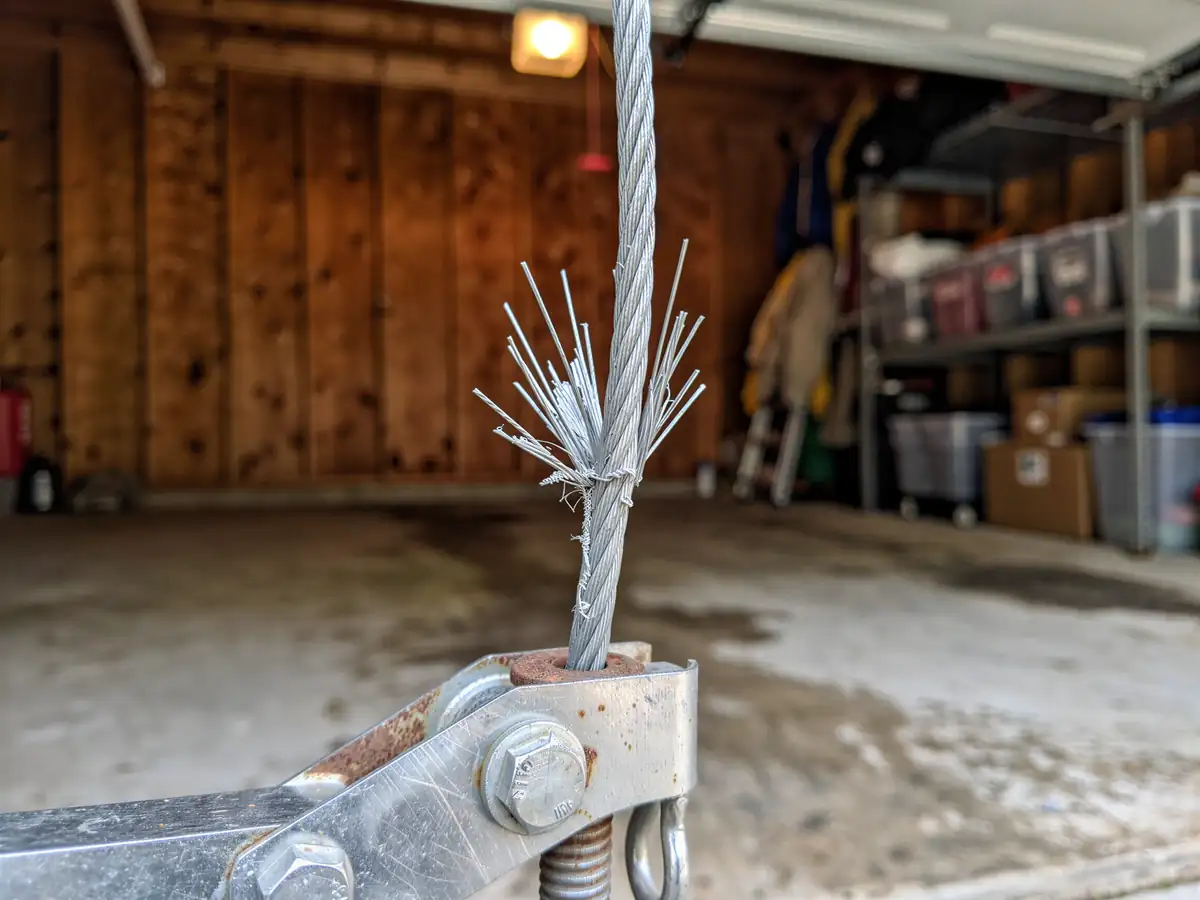
The failure we see most in a town built up around 1948 is a spring that finally gives out after one too many cold mornings - usually with a loud bang and a door that won't budge. Close behind that is a cable fraying on original or long-replaced track that's never been properly aligned, which can let the door drop unevenly on one side. With a household count this small, income levels here run lower than the wider service area's median, and that sometimes means a door gets patched one more time instead of replaced when replacement is really the better call - a bent panel on an old wood or early steel door can often be worked around for a while, but once the track and spring both need attention at the same time, repair costs start closing in on what a new door would run. We'll tell you straight which side of that line your door is on.