Booking a Visit
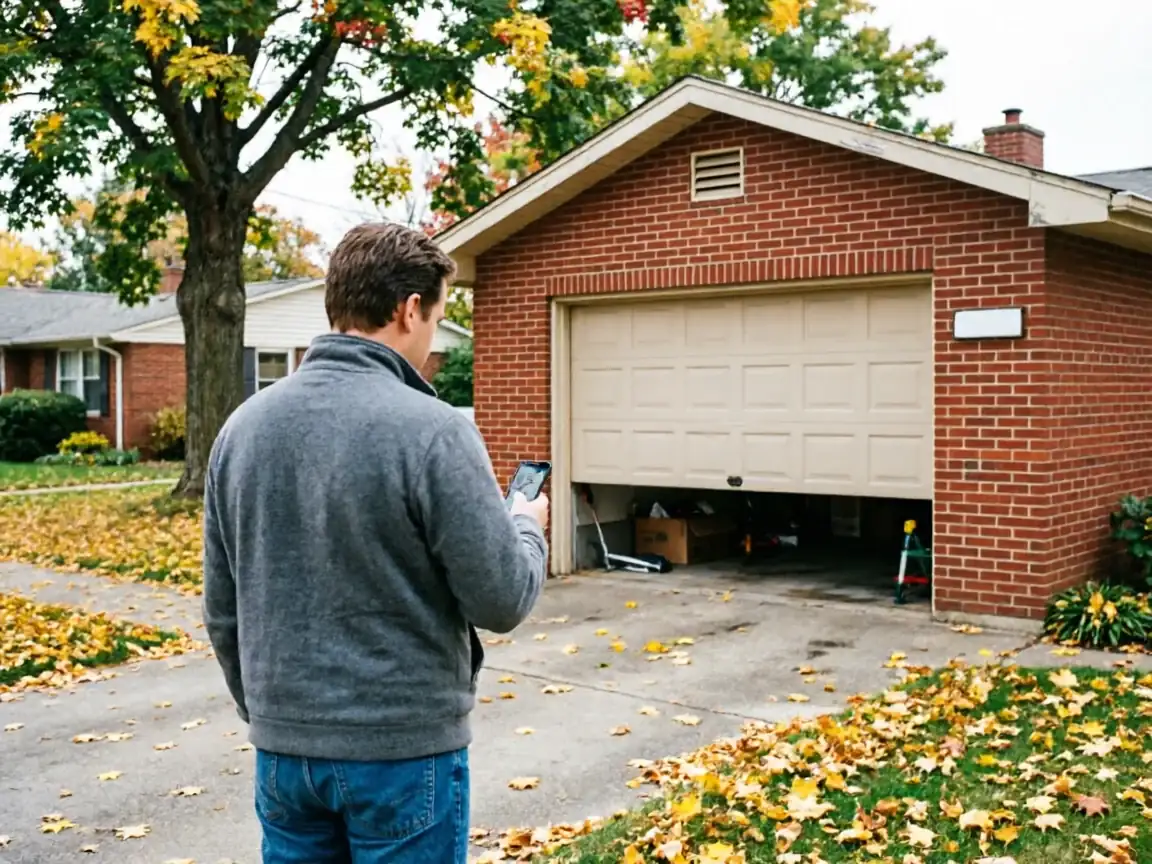
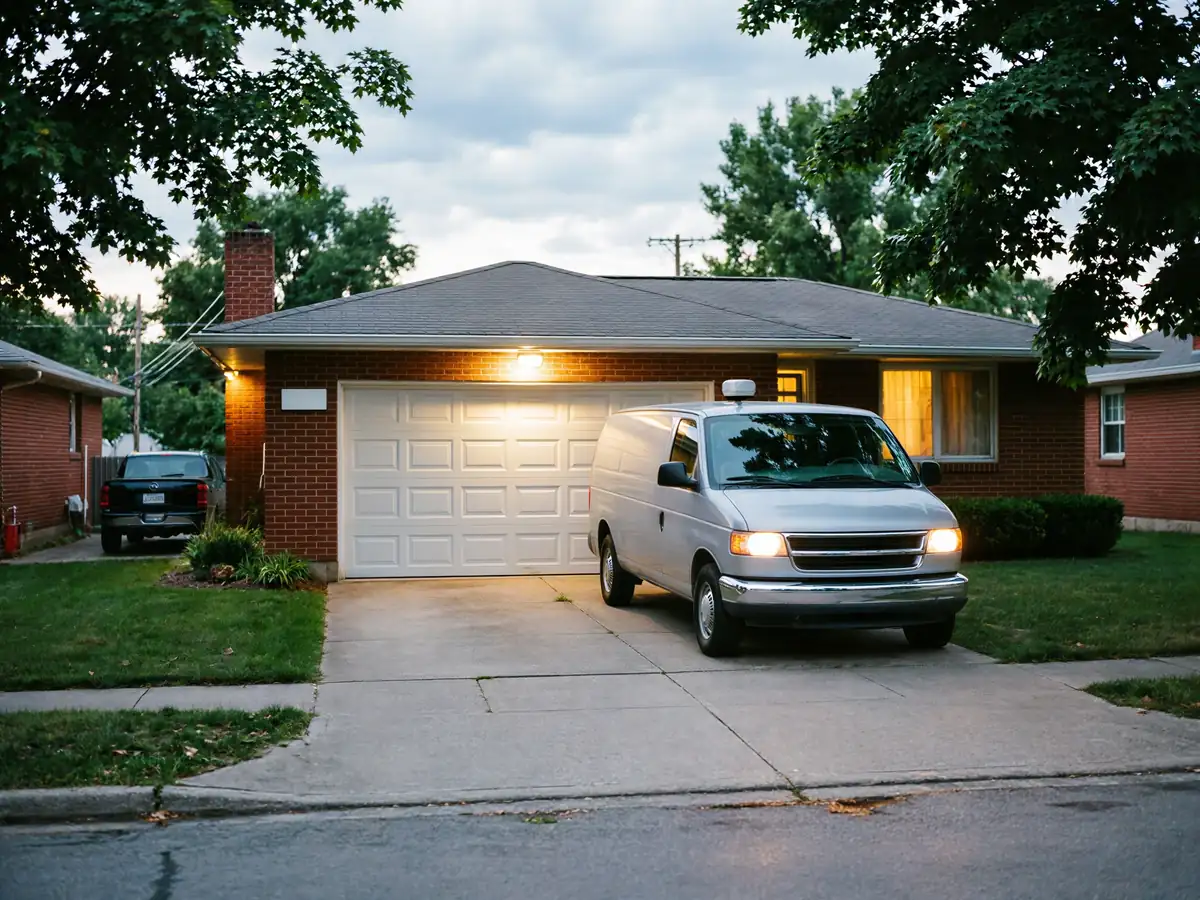
Vermont sits 18 miles out from Macomb, which changes how a roller call gets handled compared to a job five minutes from the shop. There's no running back for a part that didn't make it onto the truck - whoever comes out has to leave with the right roller type already loaded, because turning around costs the better part of an hour each way. That means a few extra questions on the phone before anyone drives: how old the door is, whether the rollers are steel or already nylon, whether the track is bent or just worn. We're not guessing at the fix once we're on the road; we're confirming it before we leave so the visit is one trip, not two. If you can send a photo of the roller and track ahead of time, it saves everyone the second drive.We don't keep a branch in Vermont - every job here is covered from Macomb, so the prep work on the phone matters more than it would for a town next door.
What You Are Seeing
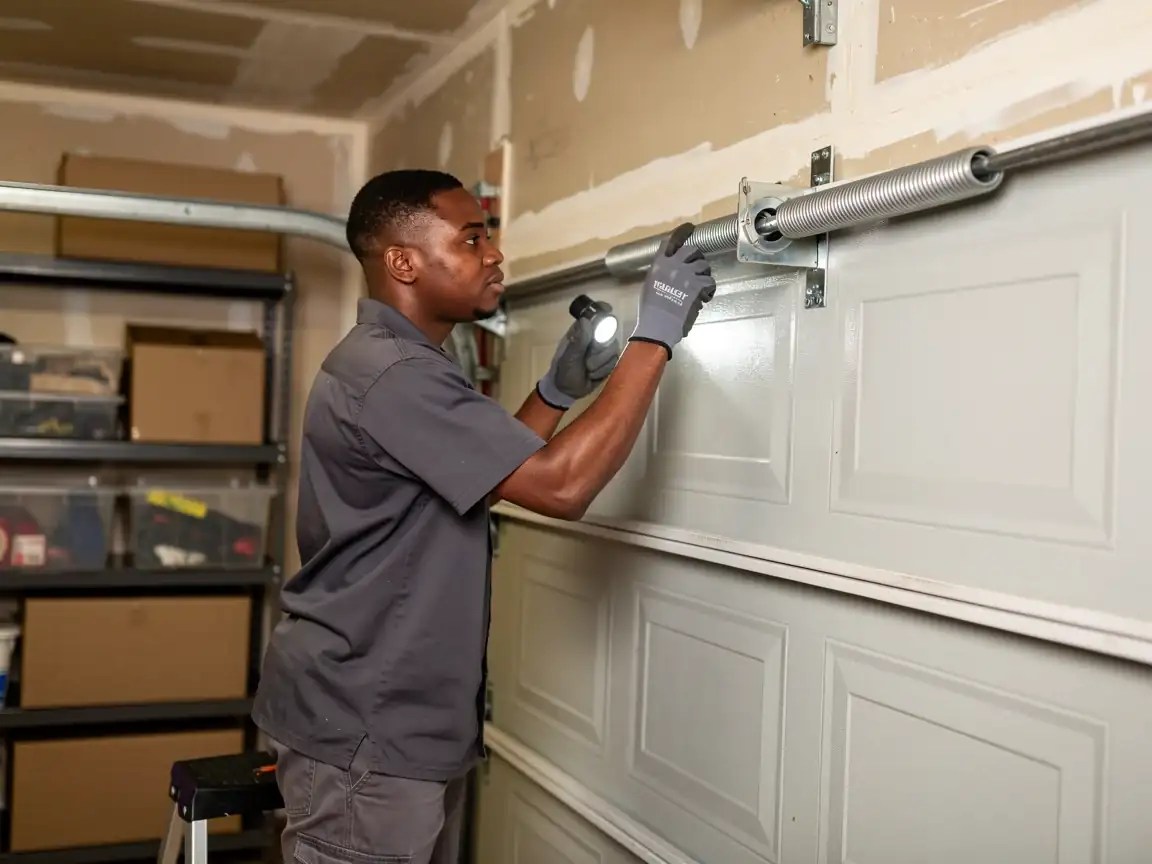
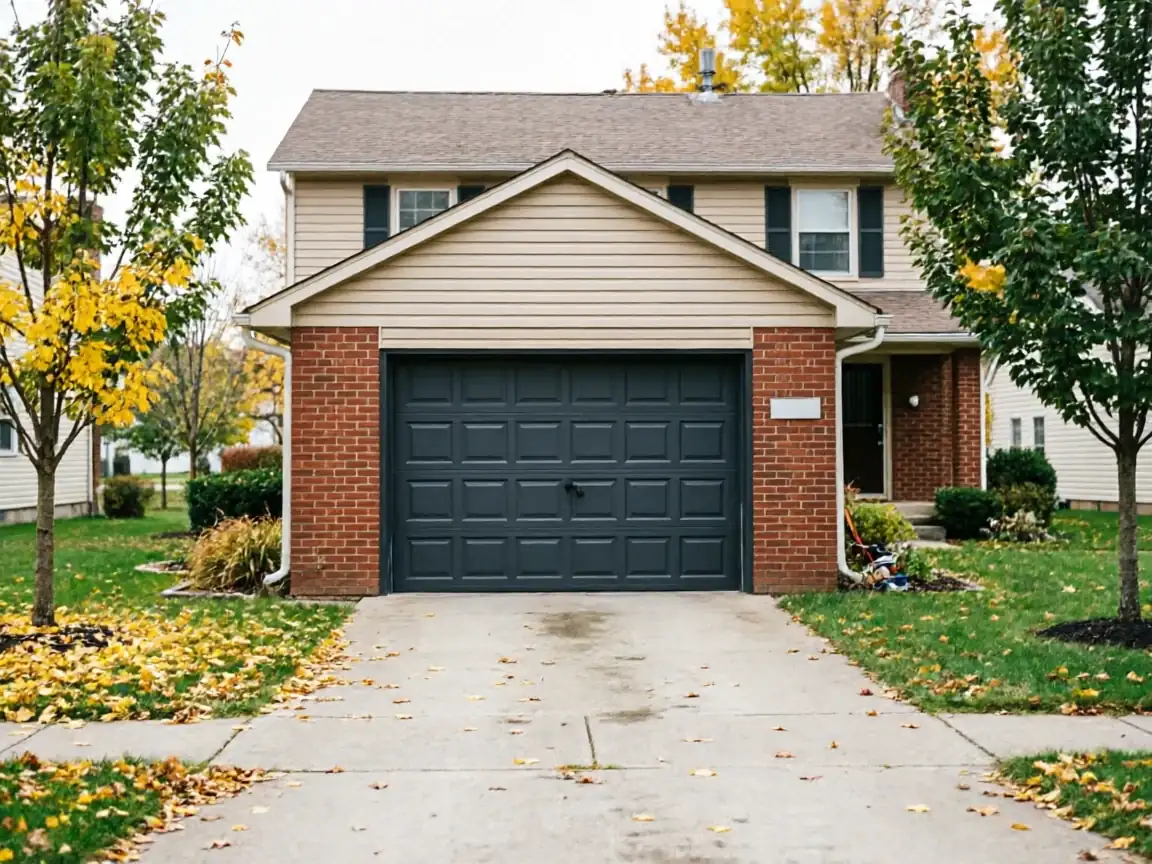
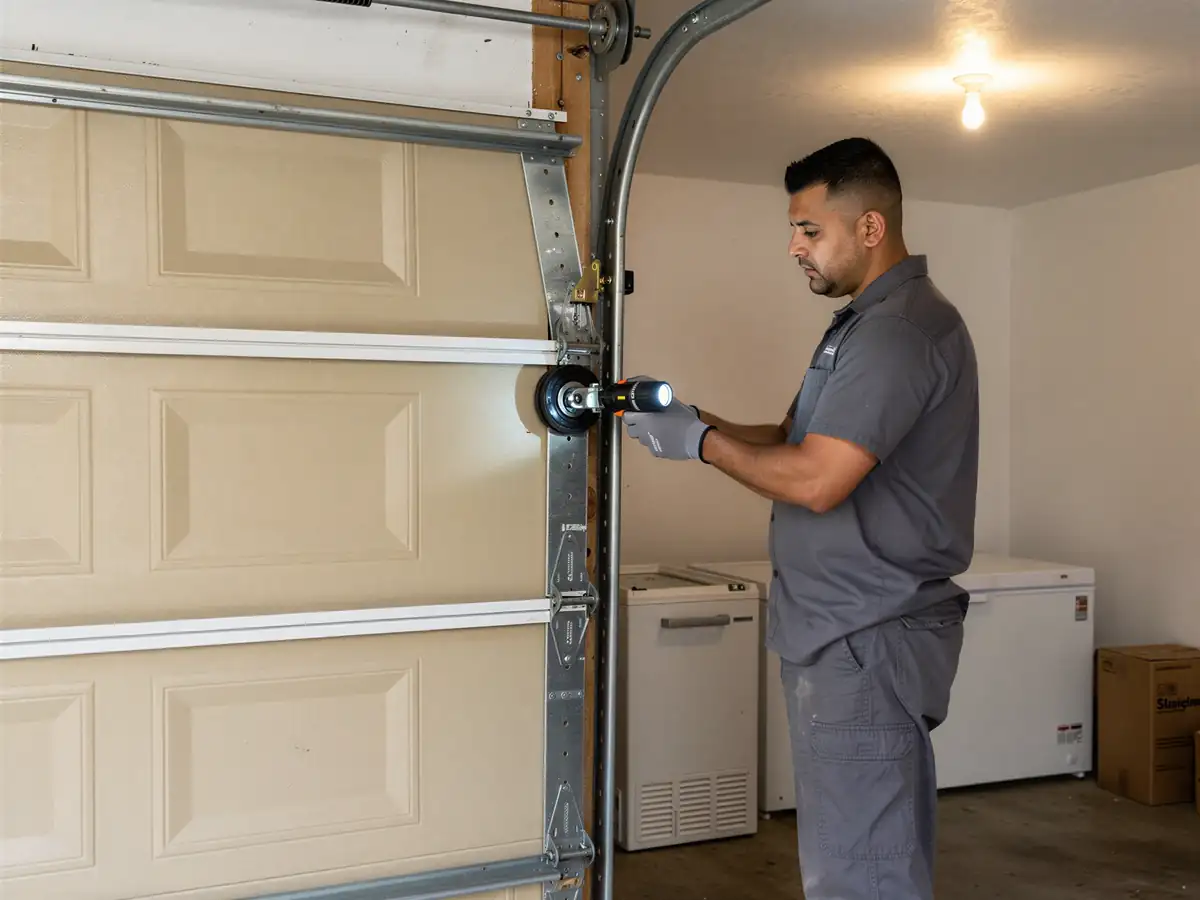
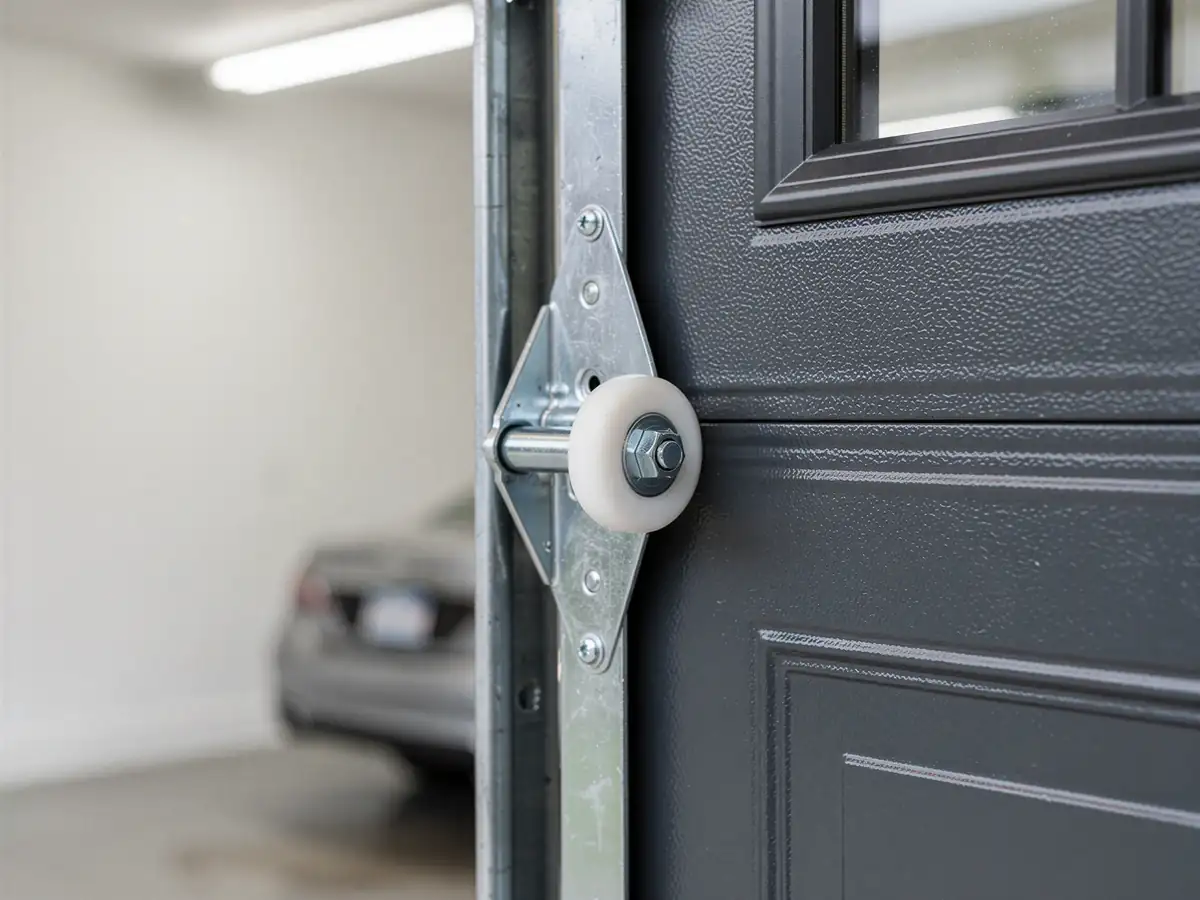
Most of the housing stock in this part of the service area went up around 1952, but Vermont's homes skew older still, with a median build year of 1940. That matters for rollers specifically: doors from that era were built for steel rollers running in narrow steel track, often with no ball bearing at all - just a stem and a sleeve. After eighty-plus years those rollers don't just squeak, they flatten on one side and start binding in the rail, which is why the door jerks instead of sliding. If your door grinds, hesitates at the same spot every time, or sounds like a shopping cart with a bad wheel, that's the roller, not the spring and not the opener. On a door this old the track itself is also worth checking - narrow rail from the 1940s wasn't built to hold today's nylon rollers without an upgrade, so sometimes the fix is the roller and a track swap together, not the roller alone.
The DIY Question
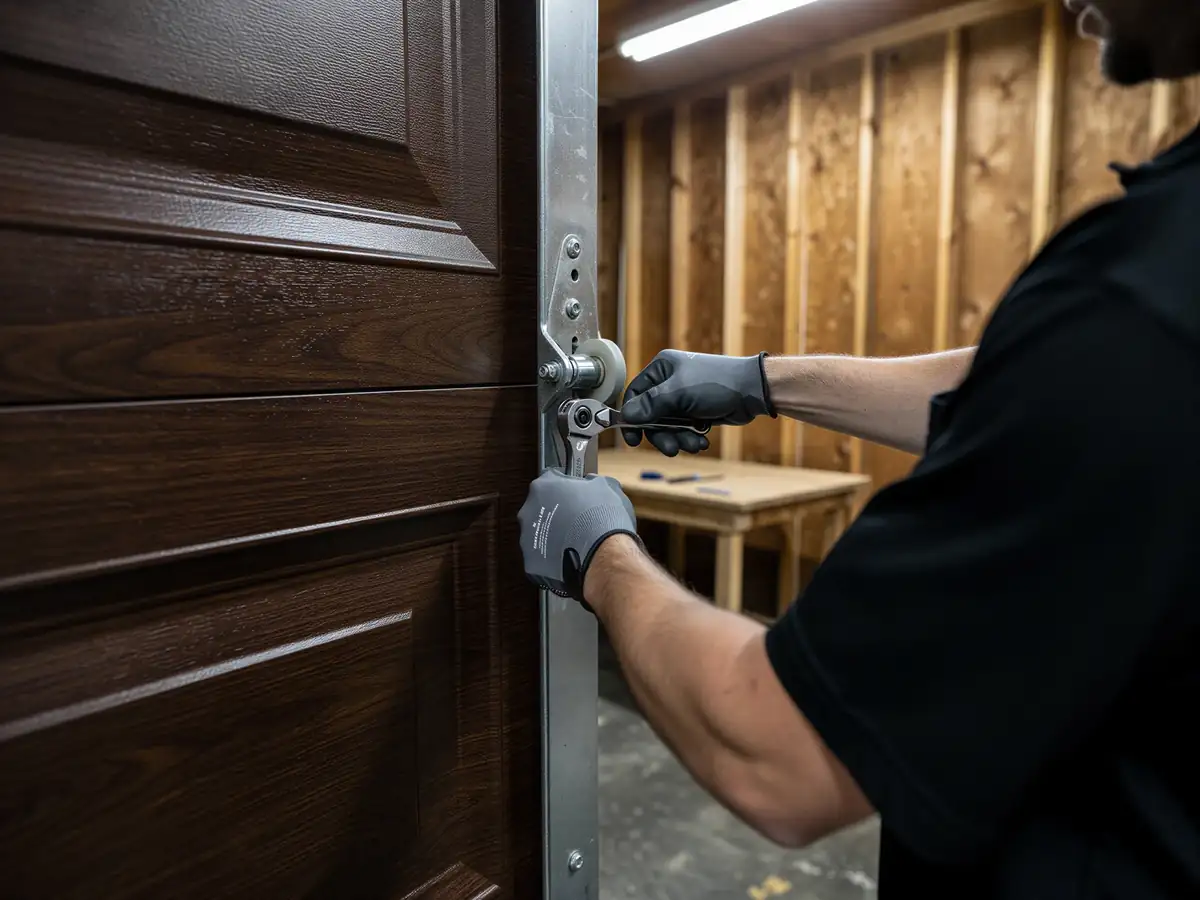
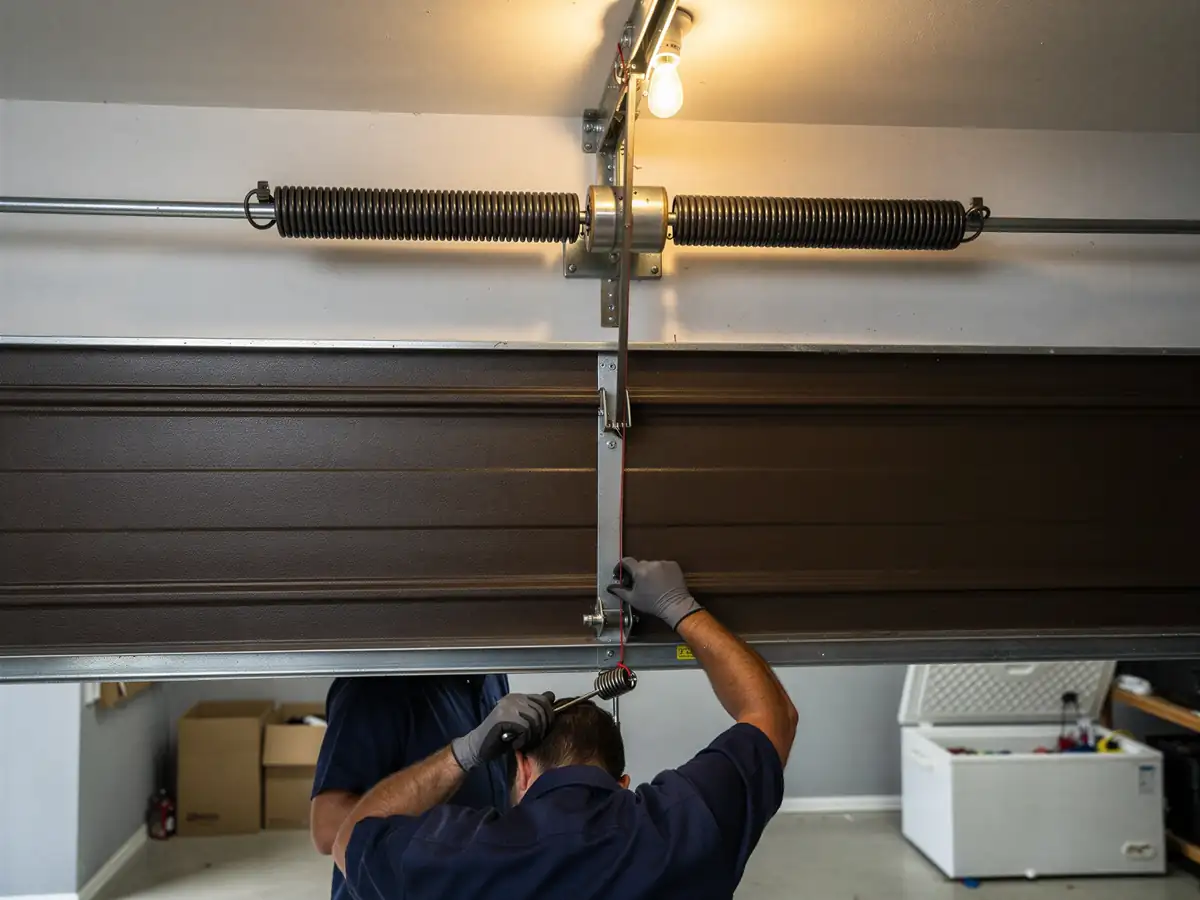
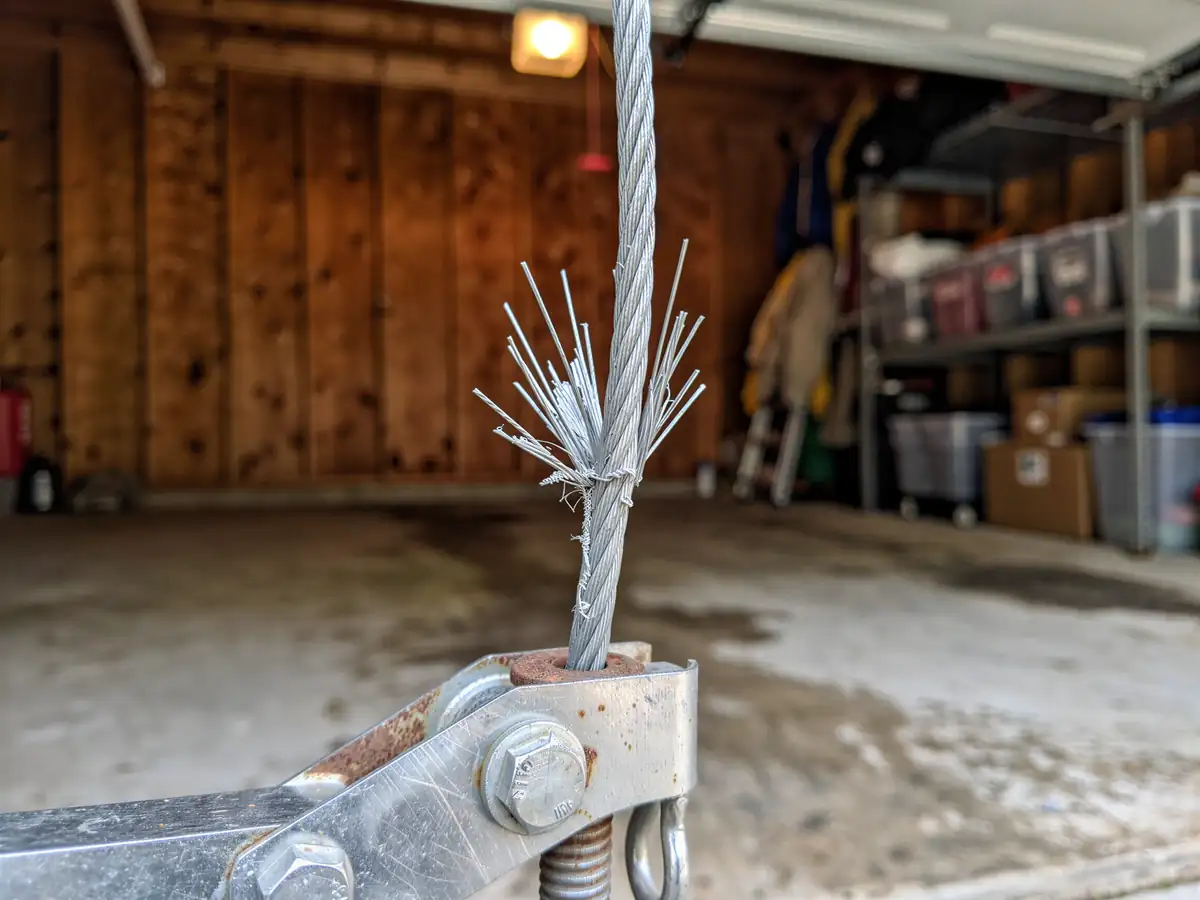
Swapping the bottom rollers on a double door yourself isn't unreasonable if the cables are relaxed and you know to keep your fingers off the bracket near the cable. Where people get hurt is going after the rollers nearest the bottom bracket without releasing spring tension first, or prying a flattened roller out of track that's already bent - the roller comes out fine and the track gets worse. On a door built in 1940, I'd also be honest that this isn't always a roller-only fix: if the track is narrow, galvanized, and pitted, a new nylon roller can bind worse than the old steel one did. That's the case where paying for an inspection before you buy parts saves you from buying the wrong part twice.