Booking a Visit
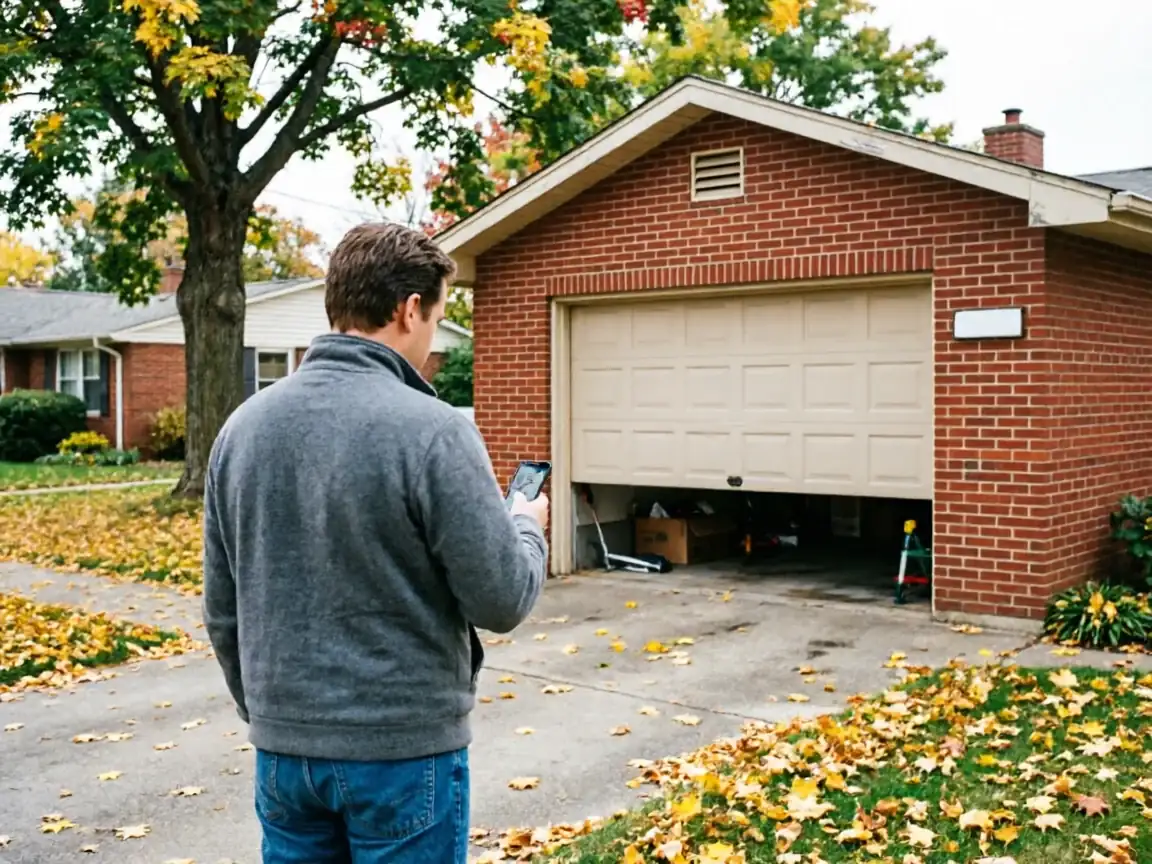
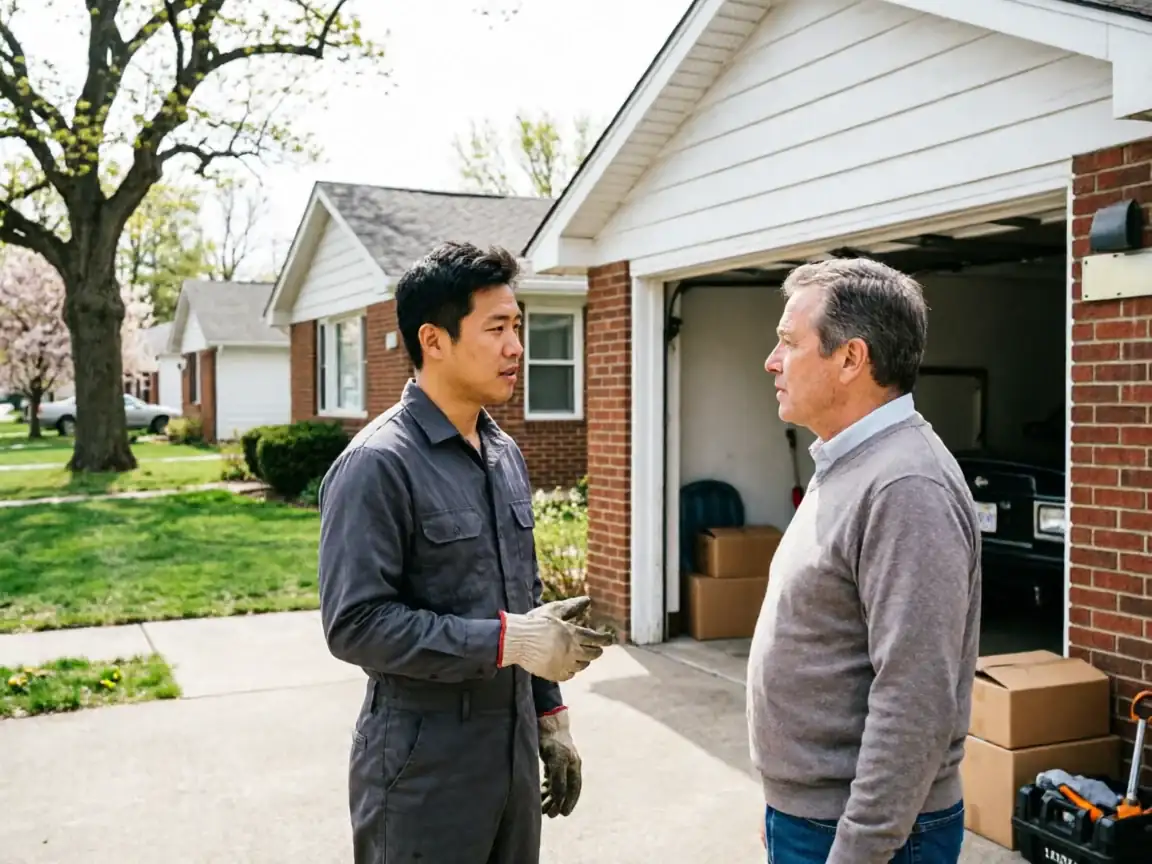
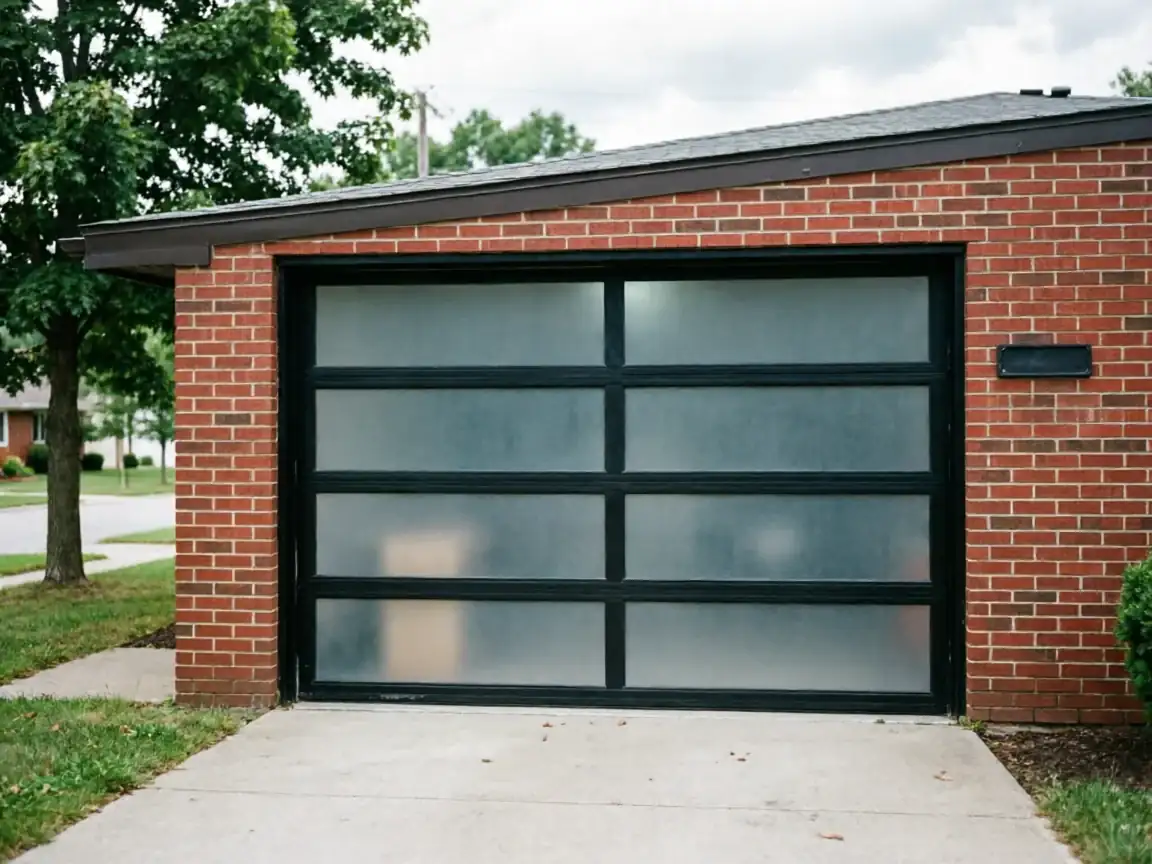
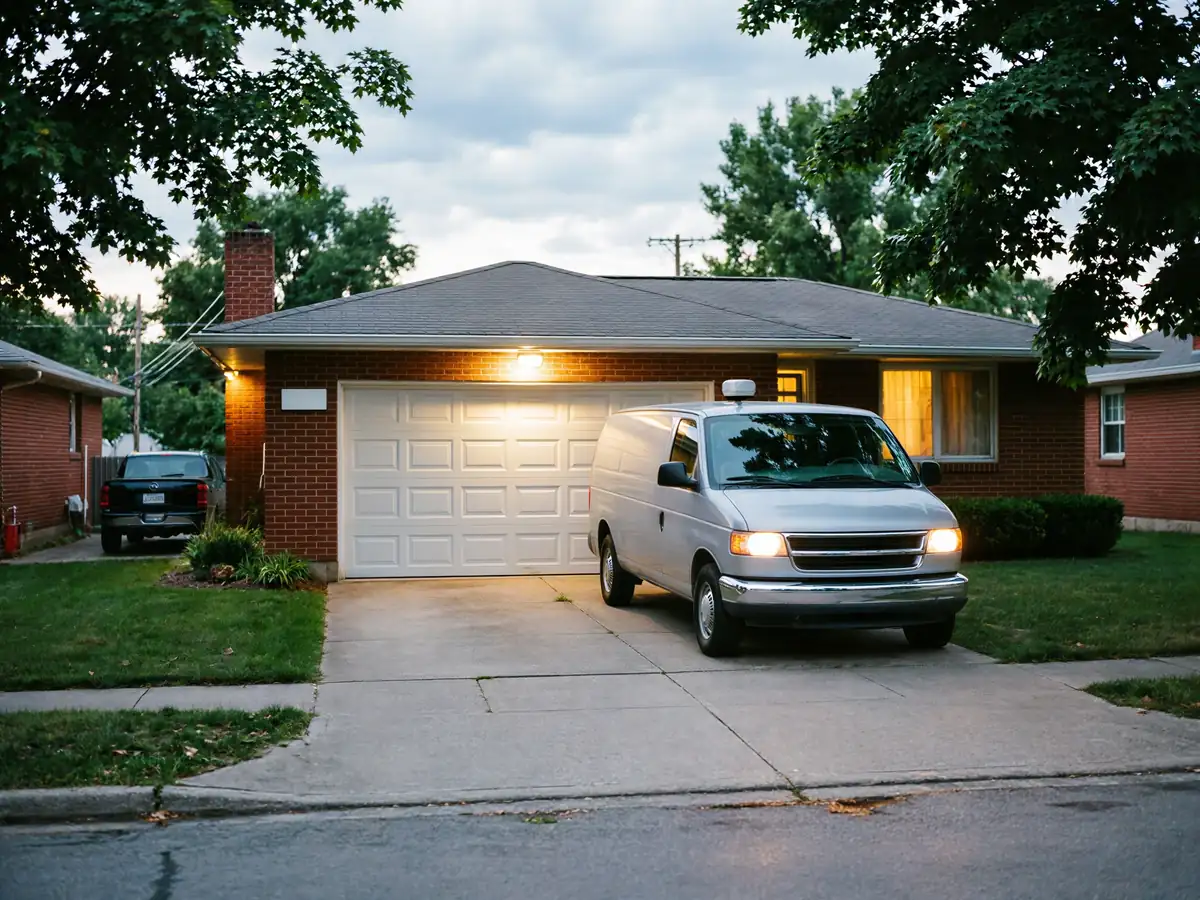
We cover Vermont out of our Macomb shop, about 18 miles up the road. There's no branch office here, so a new install starts with a call to schedule a measure-and-quote visit - we bring the tape measure and the door line-up to your driveway rather than asking you to guess dimensions over the phone.
Because the drive is part of the job, we batch Vermont visits where we can, so give us a little lead time rather than expecting a same-day slot. If you're also weighing a repair instead of a full install, say so when you call - sometimes a 70-year-old opening needs a new door and new framing hardware together, not one without the other, and that changes what we load on the truck before we leave Macomb.
What You Are Seeing
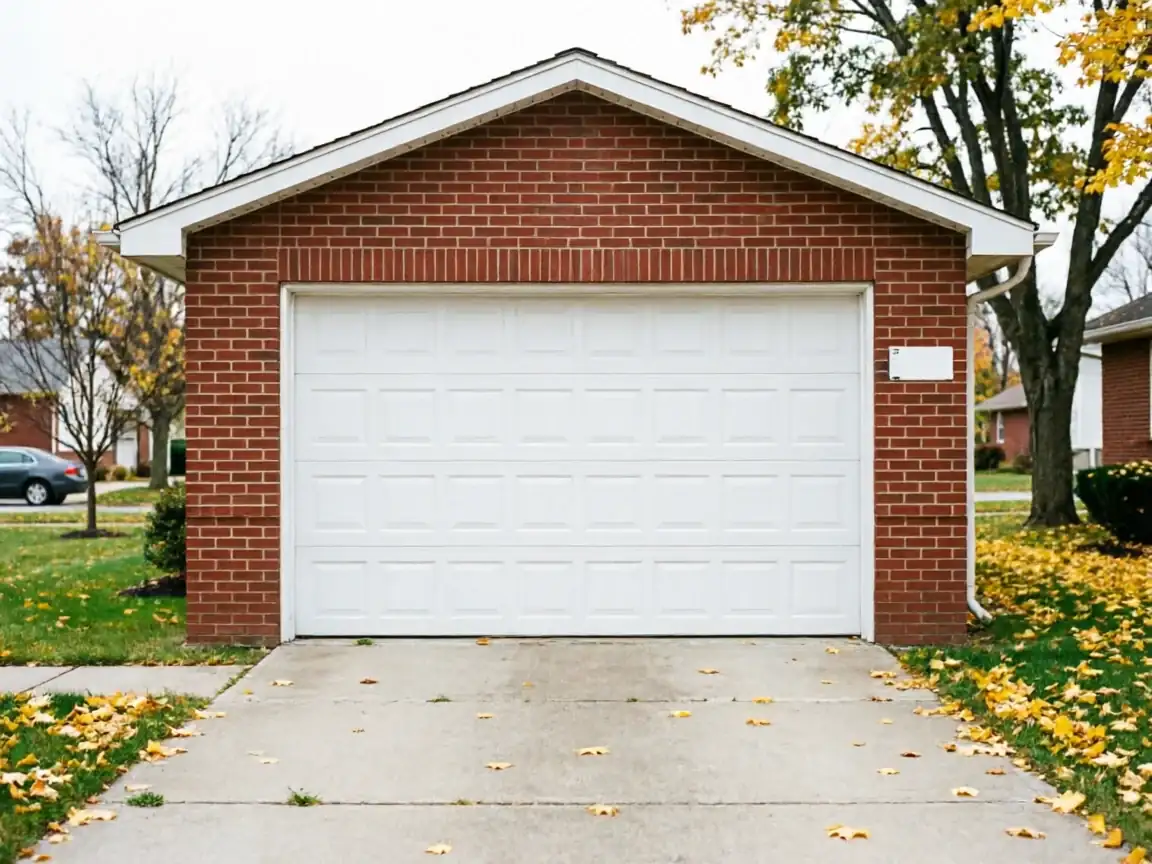
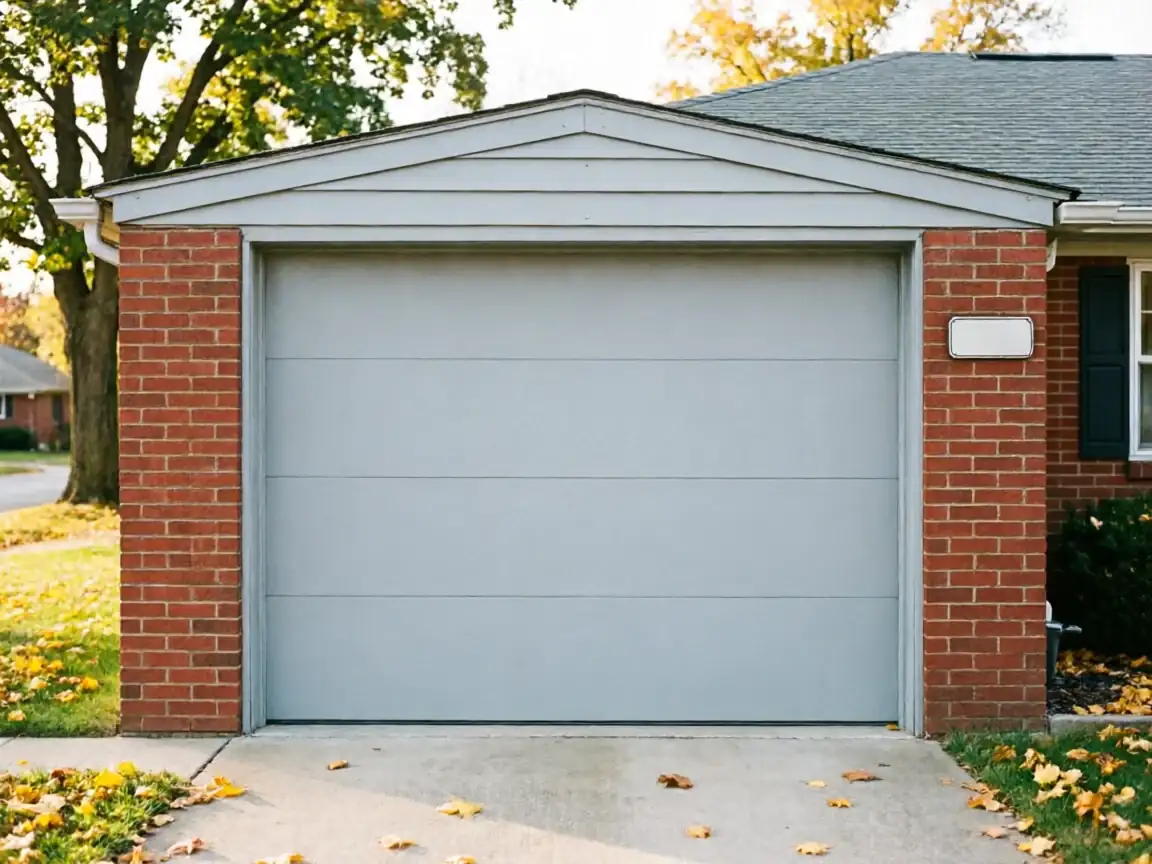
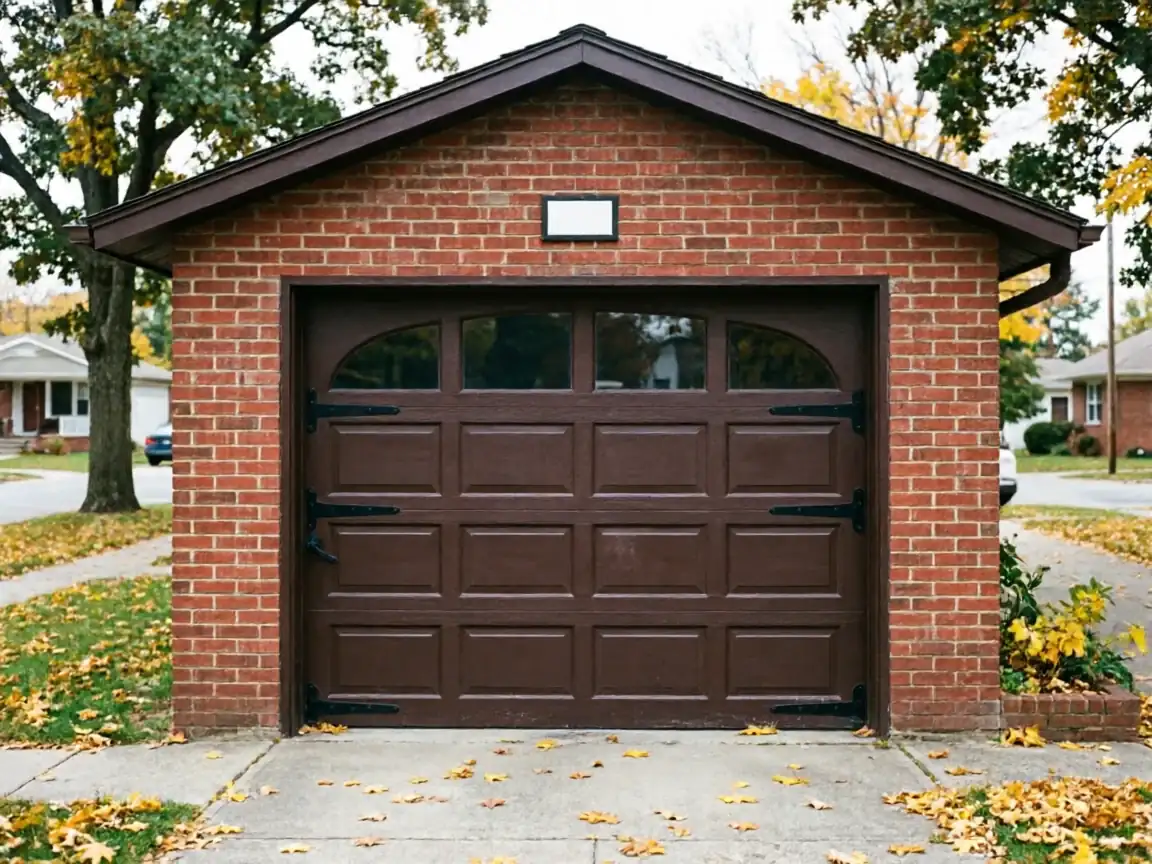
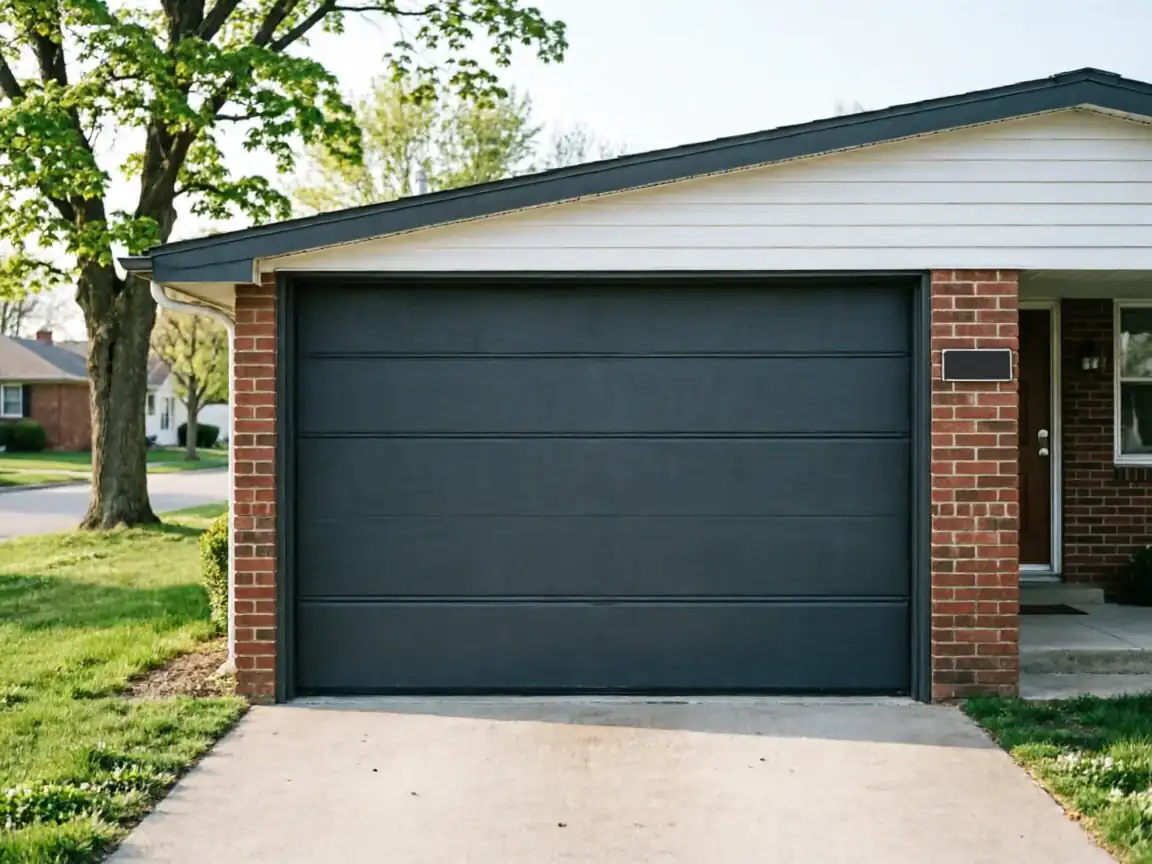
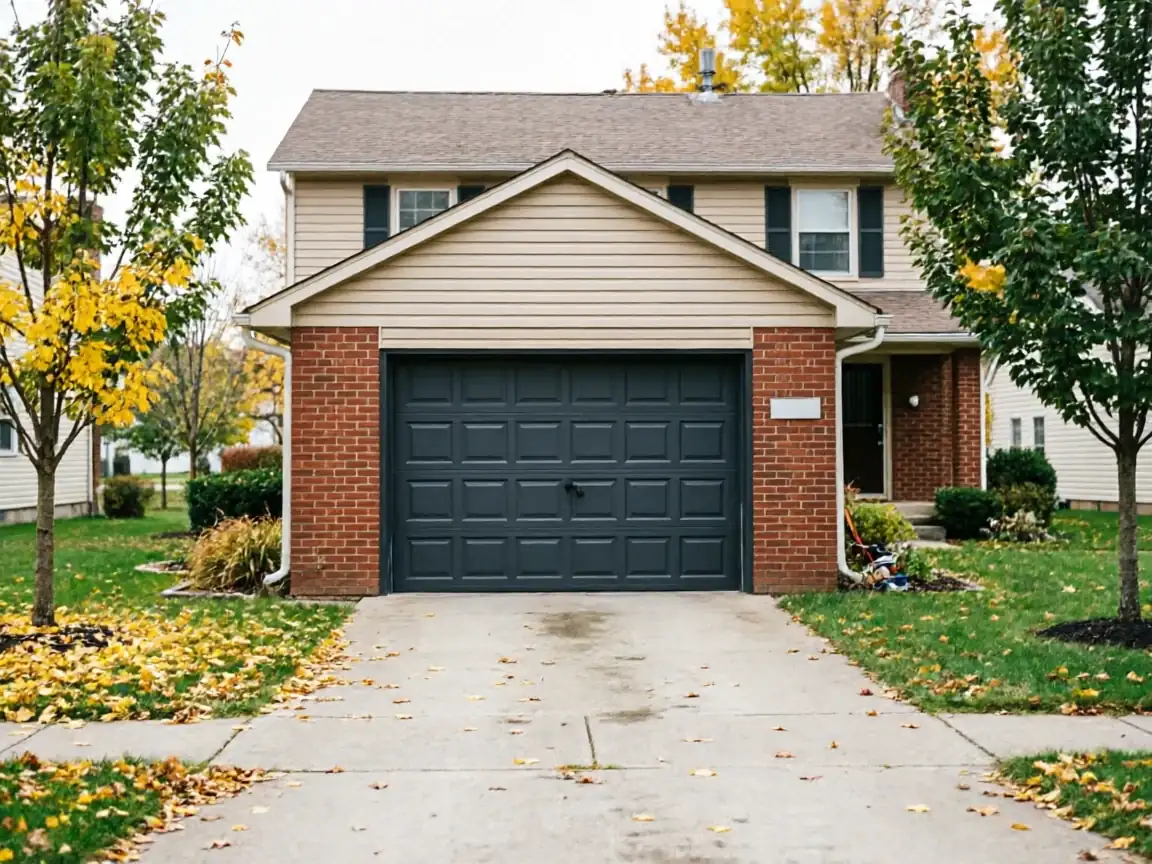
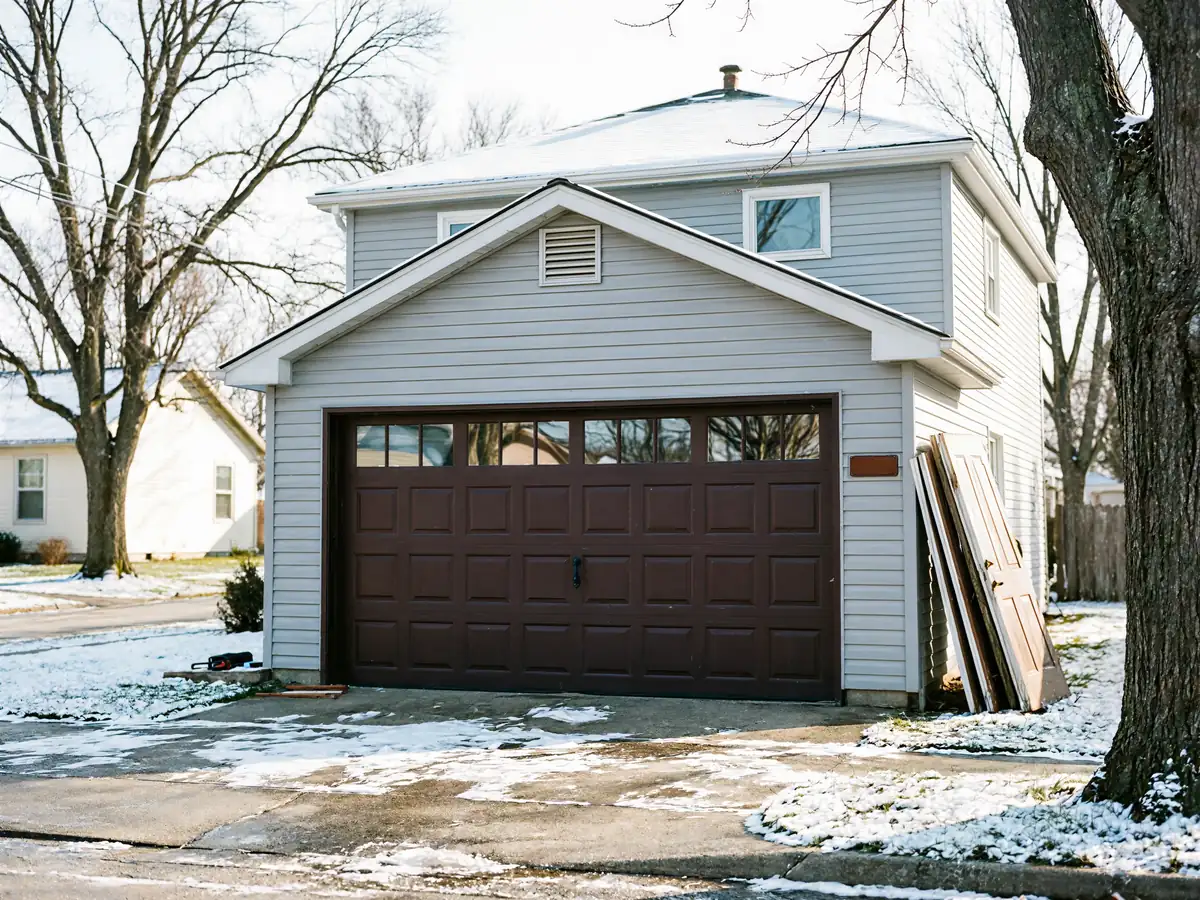
Vermont's housing stock centers on 1940, which puts it at the older edge of the 1940-1965 build window that defines most of this part of the service area. A door going up on a house built in 1940 is often going into an opening that was framed for a single wood panel door, not a sectional steel one - narrower, sometimes slightly out of square after eight decades of settling.
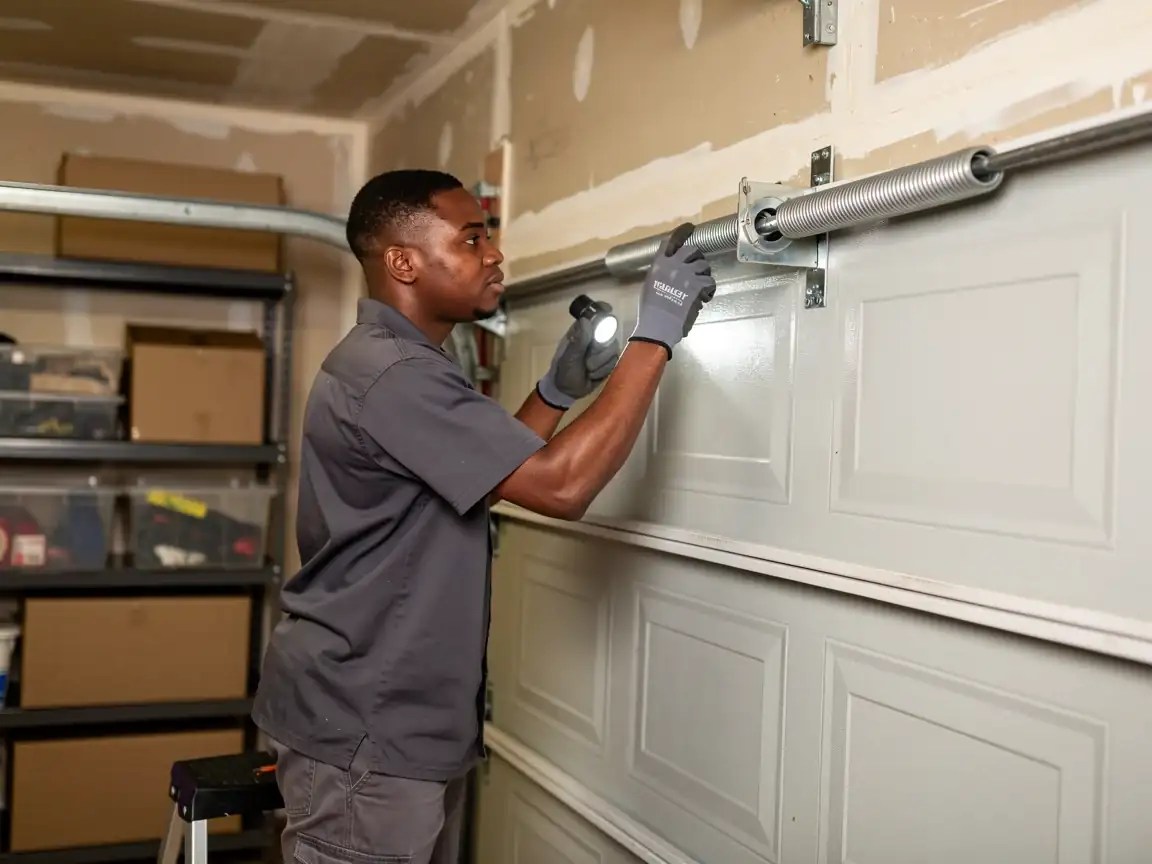
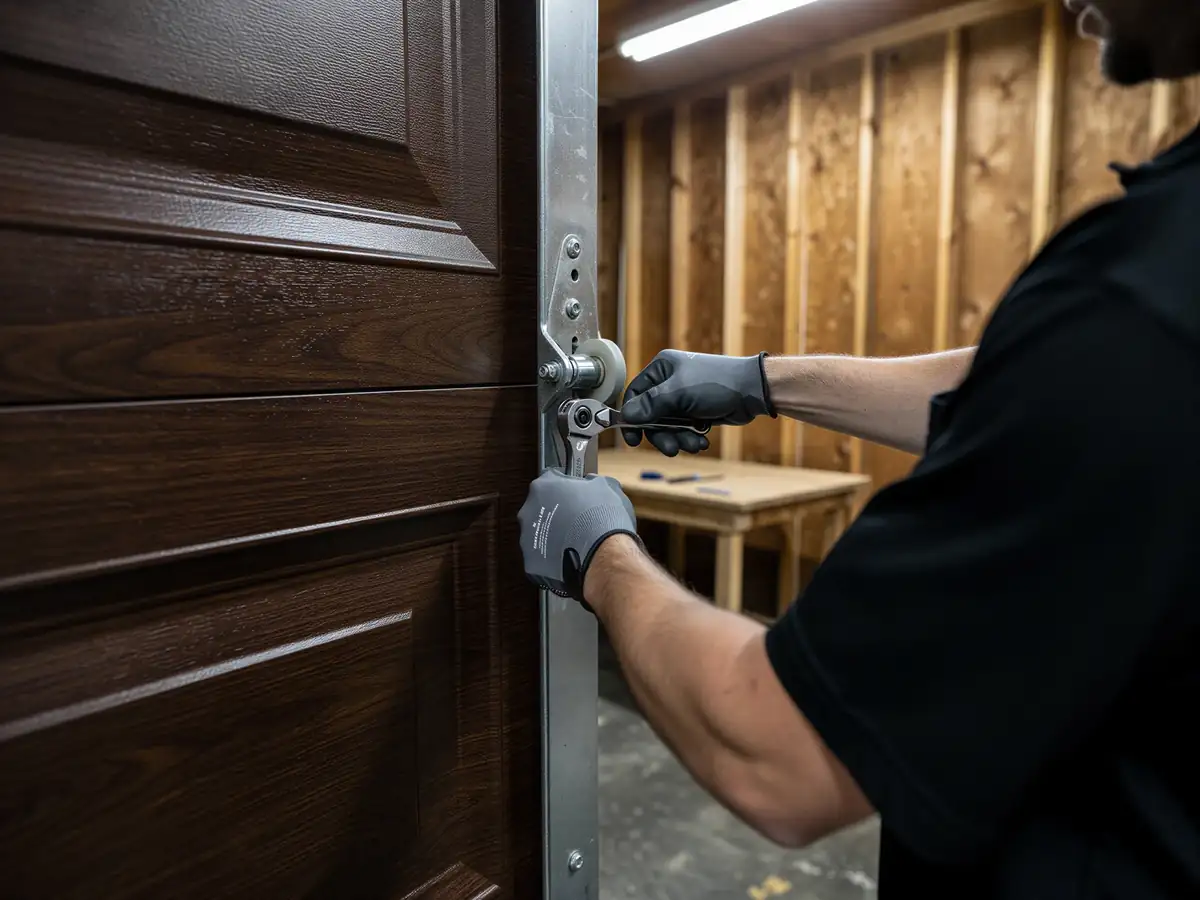
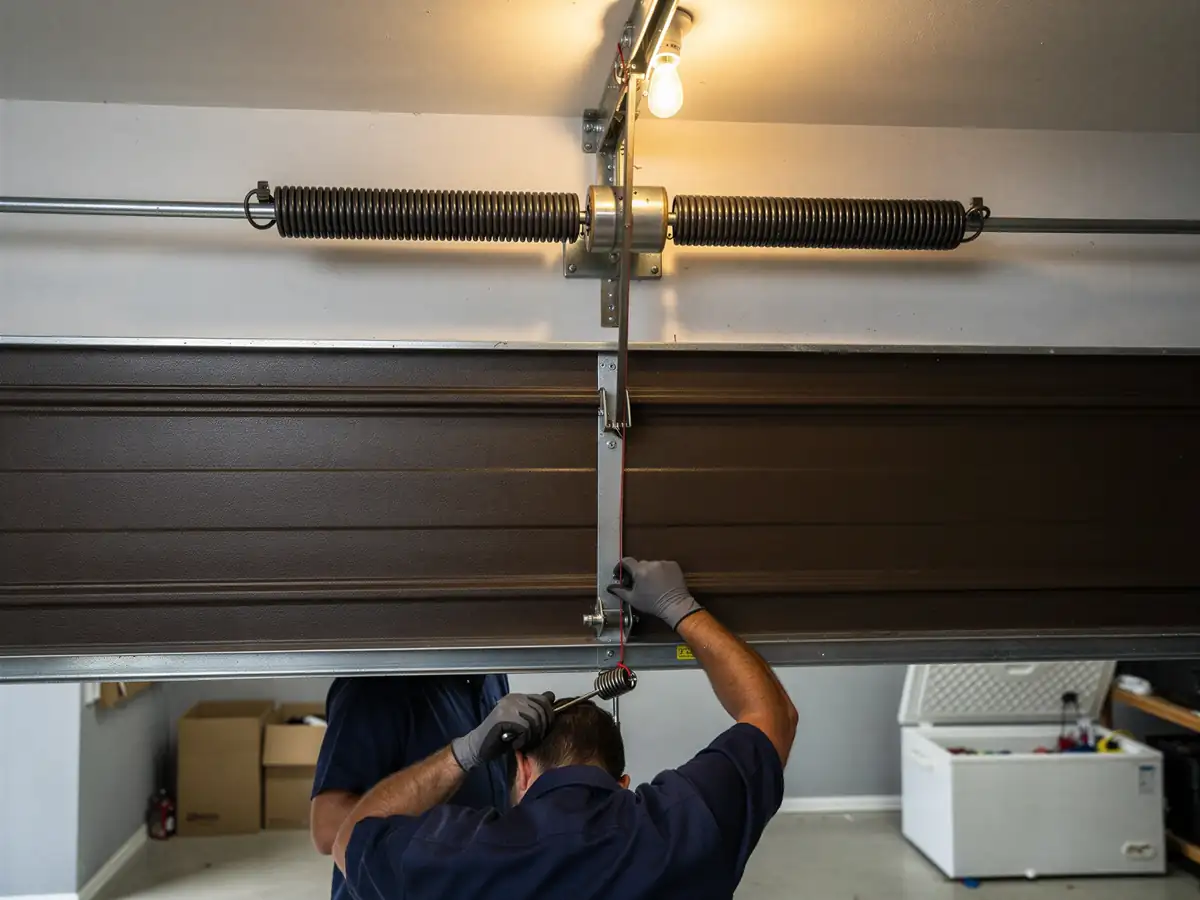
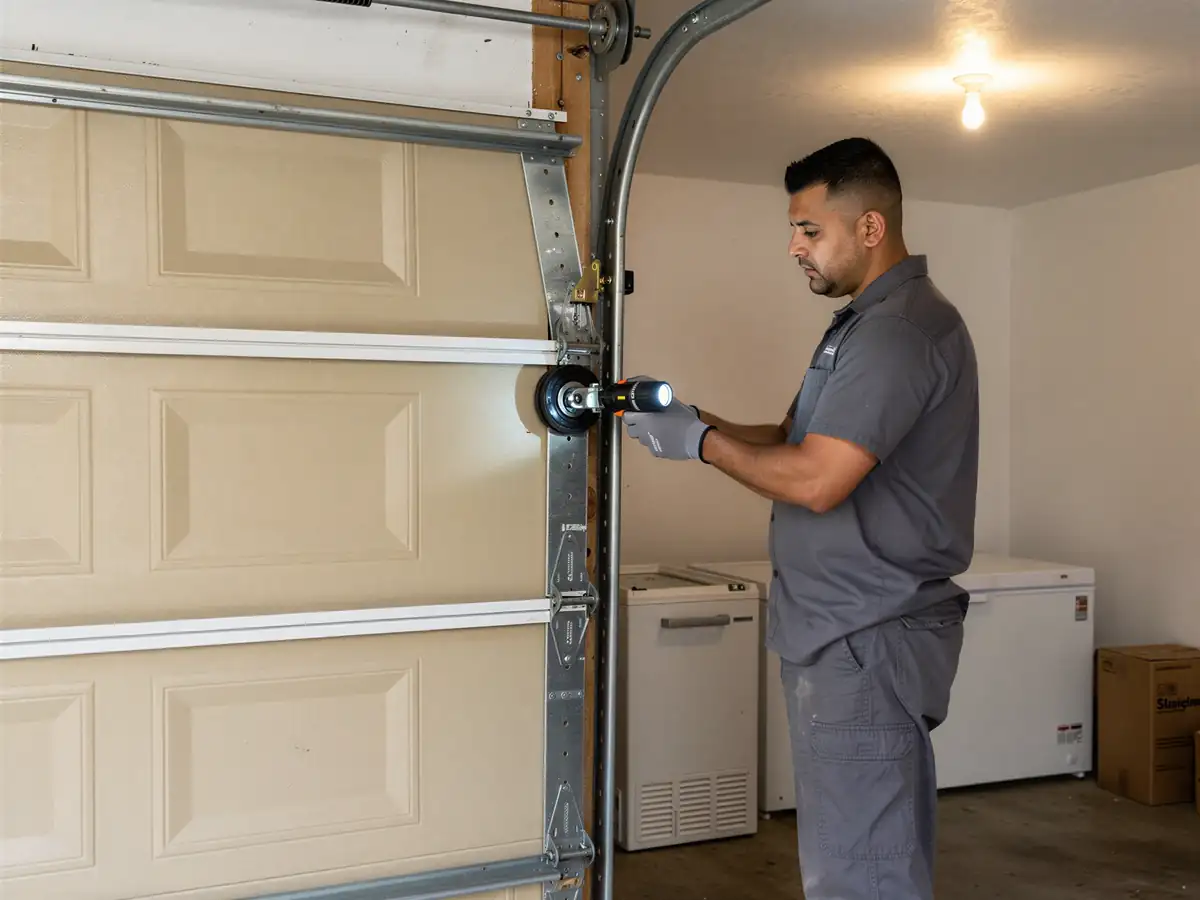
That matters for new installation more than for repair. We're not just bolting a new door onto old track; we're checking jamb width, head room, and whether the opening needs new framing lumber before a modern sectional door with torsion springs will even clear the header. Vermont sits among the nine older-stock communities in this service area where pre-1960 construction is the rule rather than the exception, so this isn't a one-off - it's close to what we expect to find before we ever measure.
How Long It Takes
A straightforward swap
Same rough opening, new sectional door and opener - usually runs a half day once we're on site, door panels permitting. Add framing repair for an out-of-square 1940s opening and you're looking at a full day, sometimes split across two visits if lumber needs to be cut to fit rather than ordered to spec.
The climate here is the cold-moderate band that covers this whole region
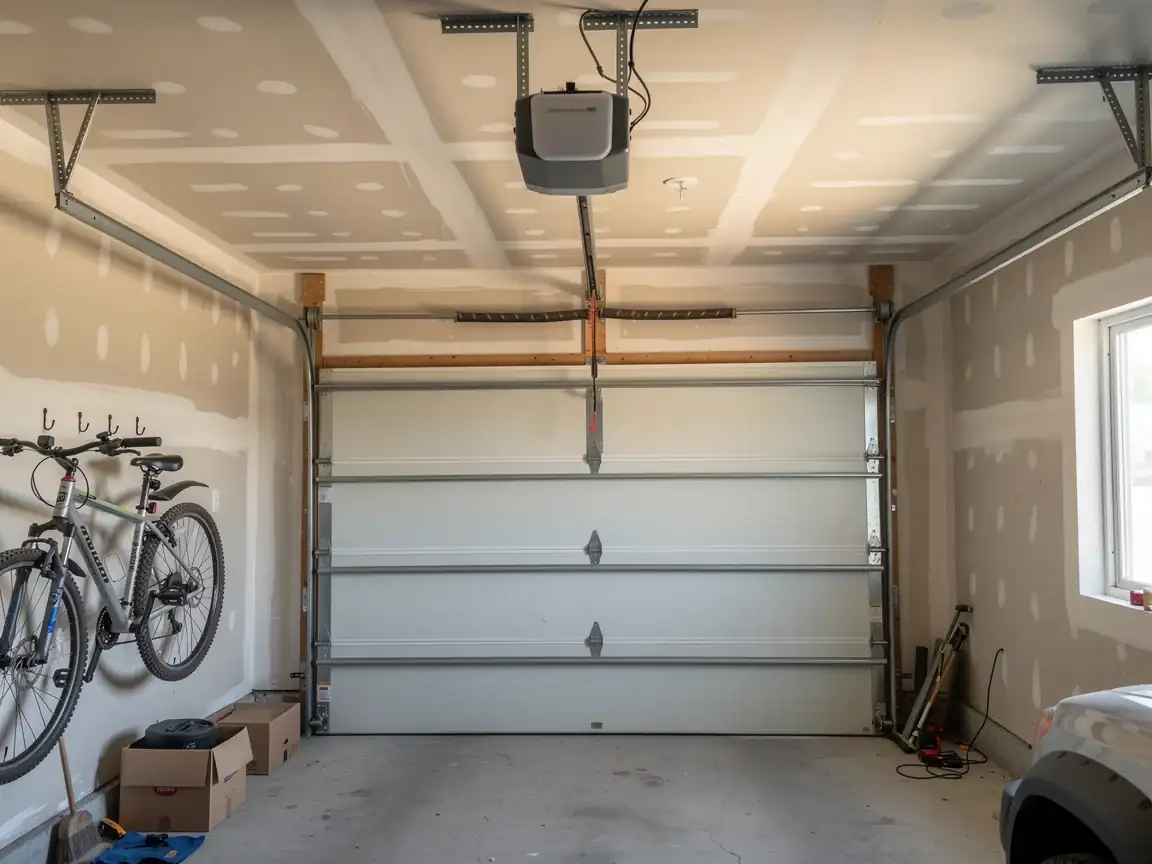
Which pushes most homeowners toward an insulated door rather than a bare steel panel. Insulation doesn't slow down the install itself, but it does mean we're setting a heavier door, and heavier doors need the spring tension calculated correctly for that specific weight - get that wrong and the opener strains from day one.
The DIY Question
Ordering a door online and installing it yourself is possible on a newer, square opening. It is a worse idea on a house built in 1940, where the rough opening has often moved slightly out of true over the decades and a factory-standard door frame won't sit right without shimming or framing work most kits don't account for.
Here's the honest limit: we don't do framing carpentry beyond what's needed to hang the door square - if your jamb has rot or structural damage, that's a job for a carpenter first, us second. We'd rather tell you that up front than install a door against bad wood and have it fail in a year. For most Vermont homes the install itself is routine; it's the opening underneath it that needs the real look.