Booking a Visit
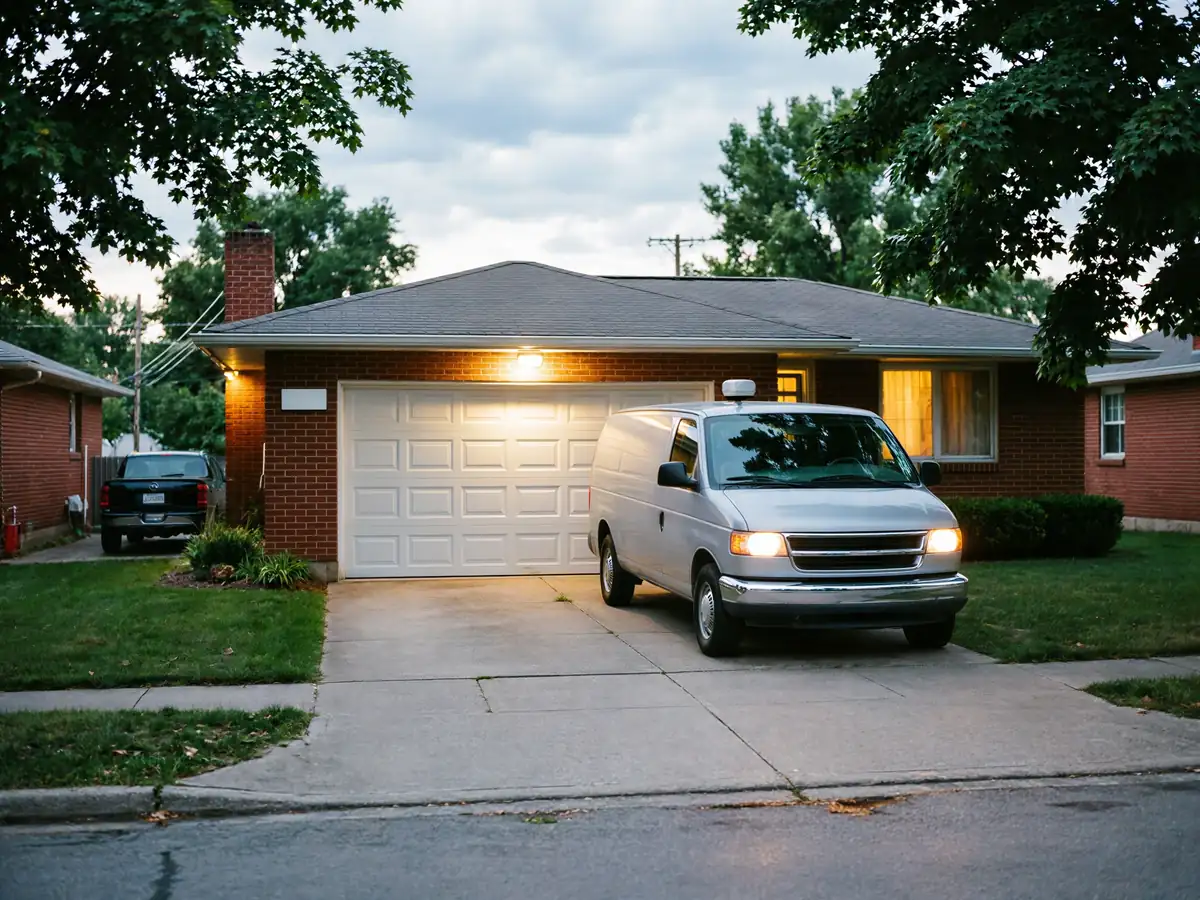
We cover Vermont from our Macomb shop, about 18 miles out. There's no branch office here and no crew staged nearby, so when you call, you're scheduling a truck that's driving in from Macomb rather than one that's already around the corner. That's worth knowing up front because it means we ask more questions before we load the truck - door width, panel count, whether the opener is chain or belt - so the tech shows up with the right spring and the right bracket instead of making two trips.
Vermont is a small place. With roughly 306 households in town, we're not running a daily route through here the way we might through a bigger pocket of the service area, so booking a specific day rather than a same-day walk-in tends to work better for both of us. Tell us what you're seeing on the phone - a door that won't lift, a cable that's jumped the drum, an opener that grinds but doesn't move the door - and we'll bring the parts that match what houses here actually have.
We don't do emergency dispatch out of a Vermont depot, because there isn't one. If your door is stuck open overnight, we'll walk you through making it secure until the truck can get there.
What You Are Seeing
Here's the part that actually changes the job: homes in Vermont run older than the Macomb-area average. Median build year in town is around 1940, while the broader service area's housing stock spans 1940 to 1965 with a median closer to 1952. That ten-to-twelve-year gap matters on a garage door call, because it's roughly the window between one generation of hardware and the next.
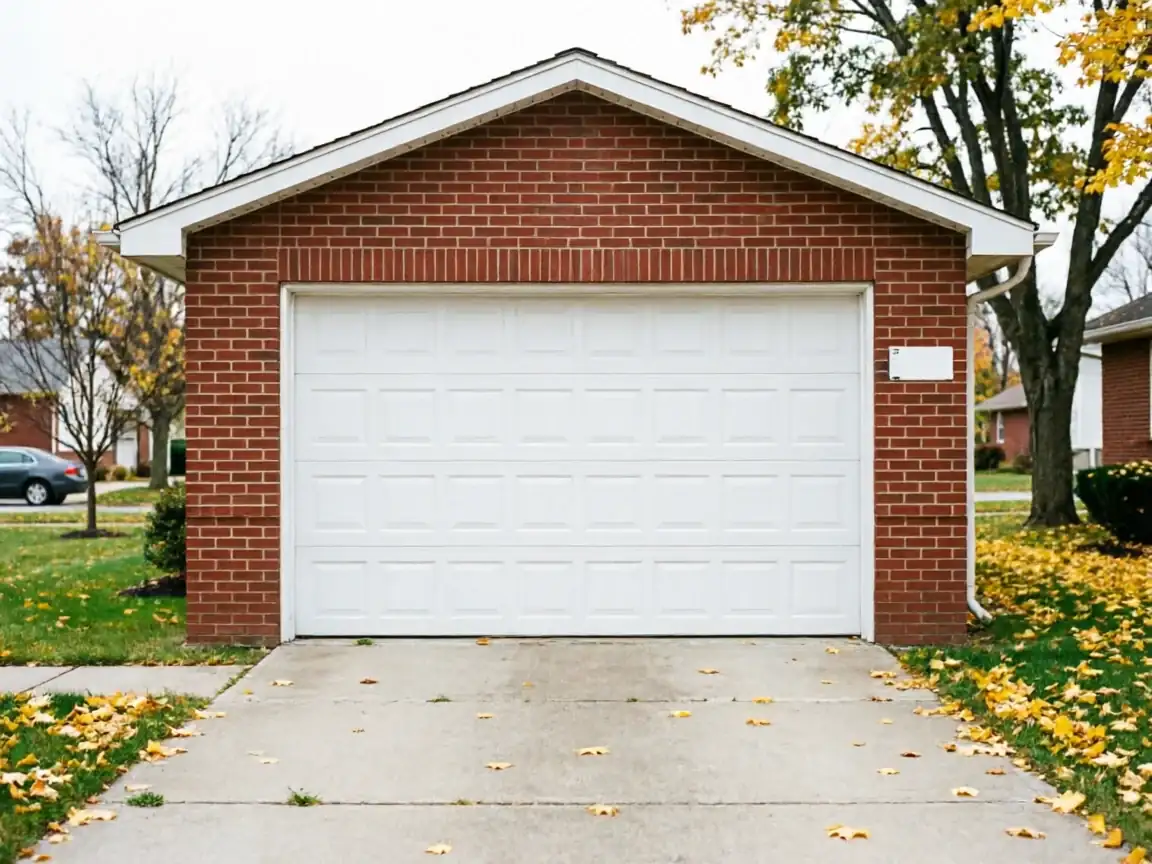
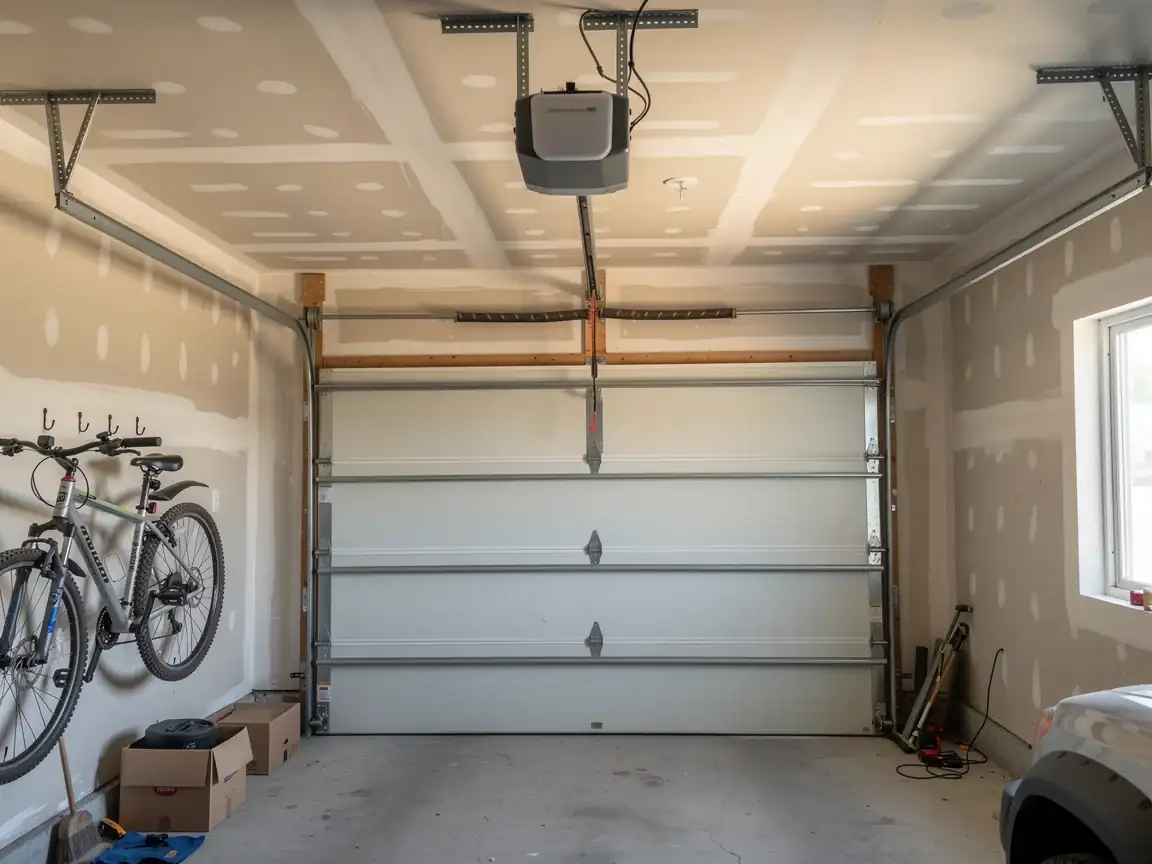
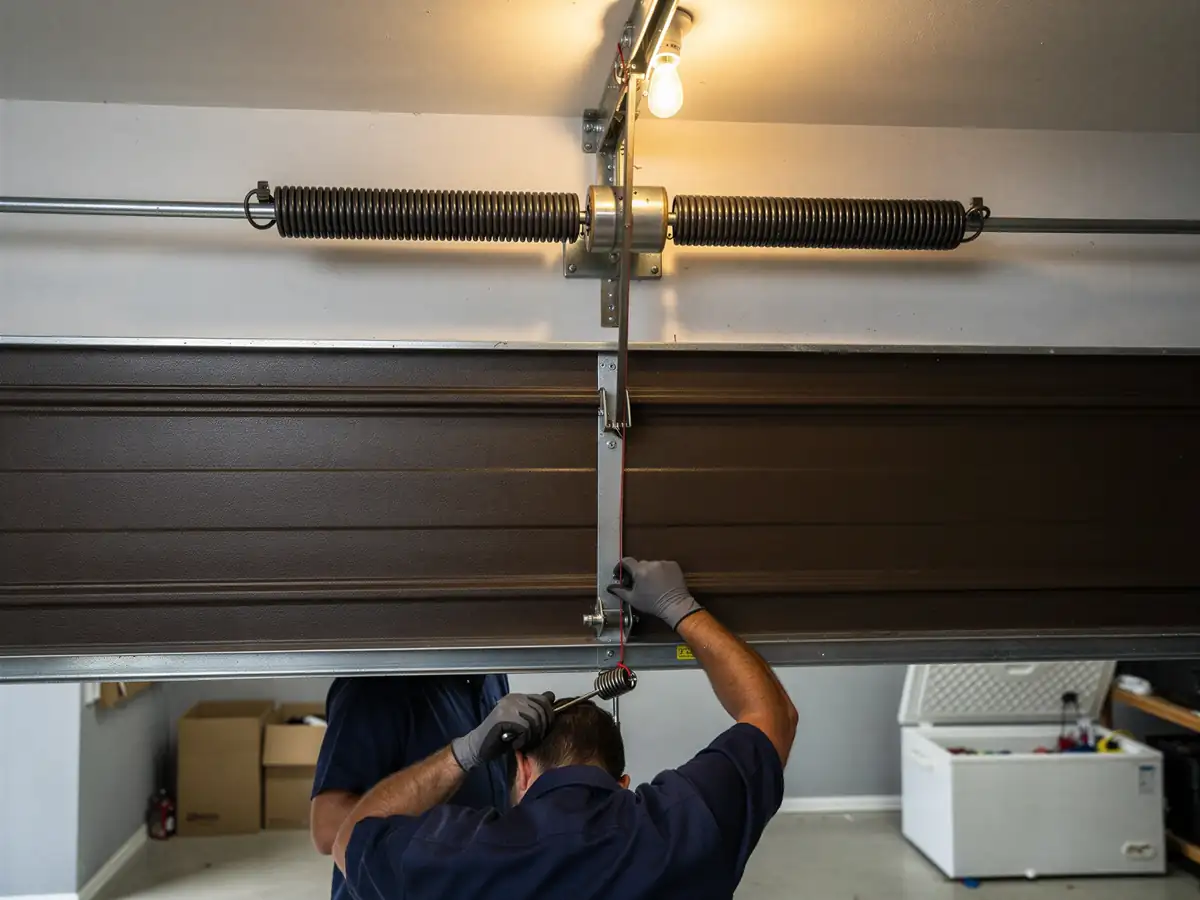
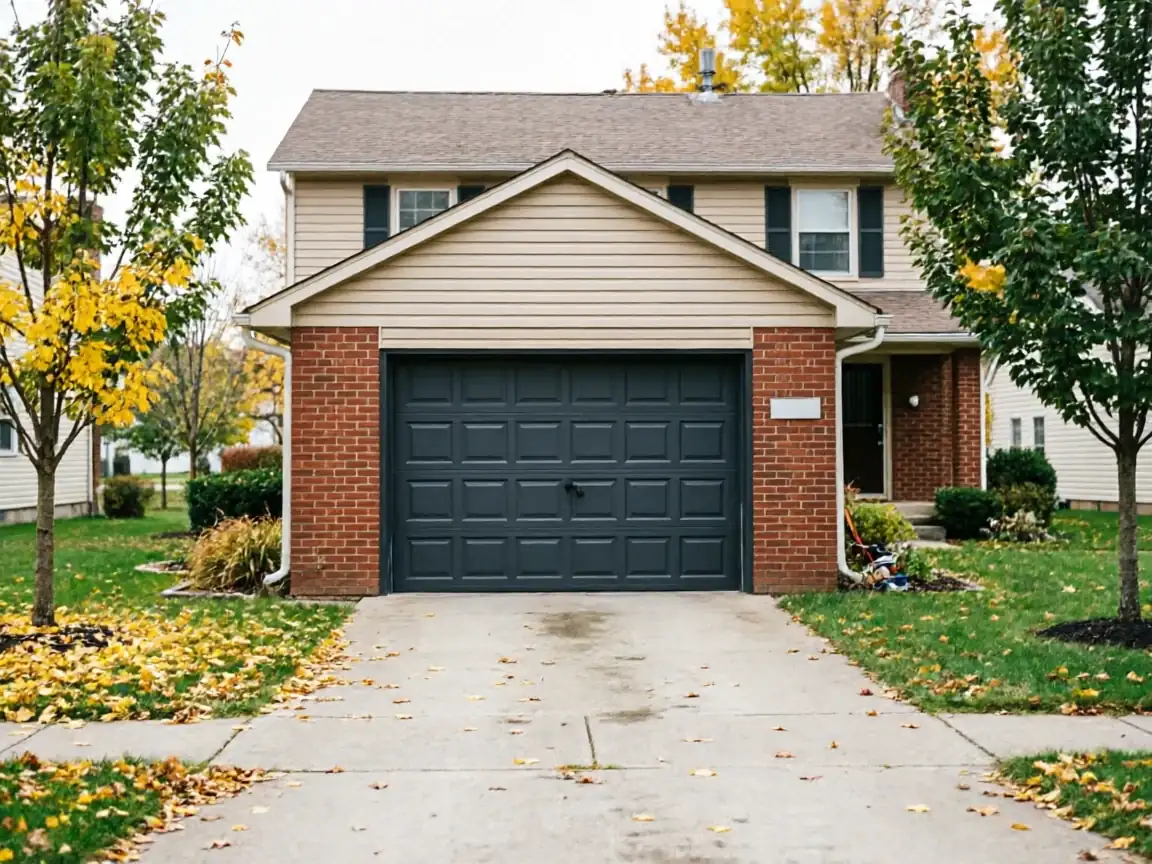
A door built when the house went up in 1940 is more likely to be a single wide panel on a heavy extension spring setup, sometimes retrofitted later with a torsion conversion that doesn't quite match the original header. Houses from the 1950s and 60s, which make up more of the rest of the area, tend to have factory torsion bars from the start. When a Vermont job comes in, we're not assuming torsion-and-center-bearing the way we might on a newer street elsewhere - we're checking, because the odds of finding an older extension-spring system here are higher.
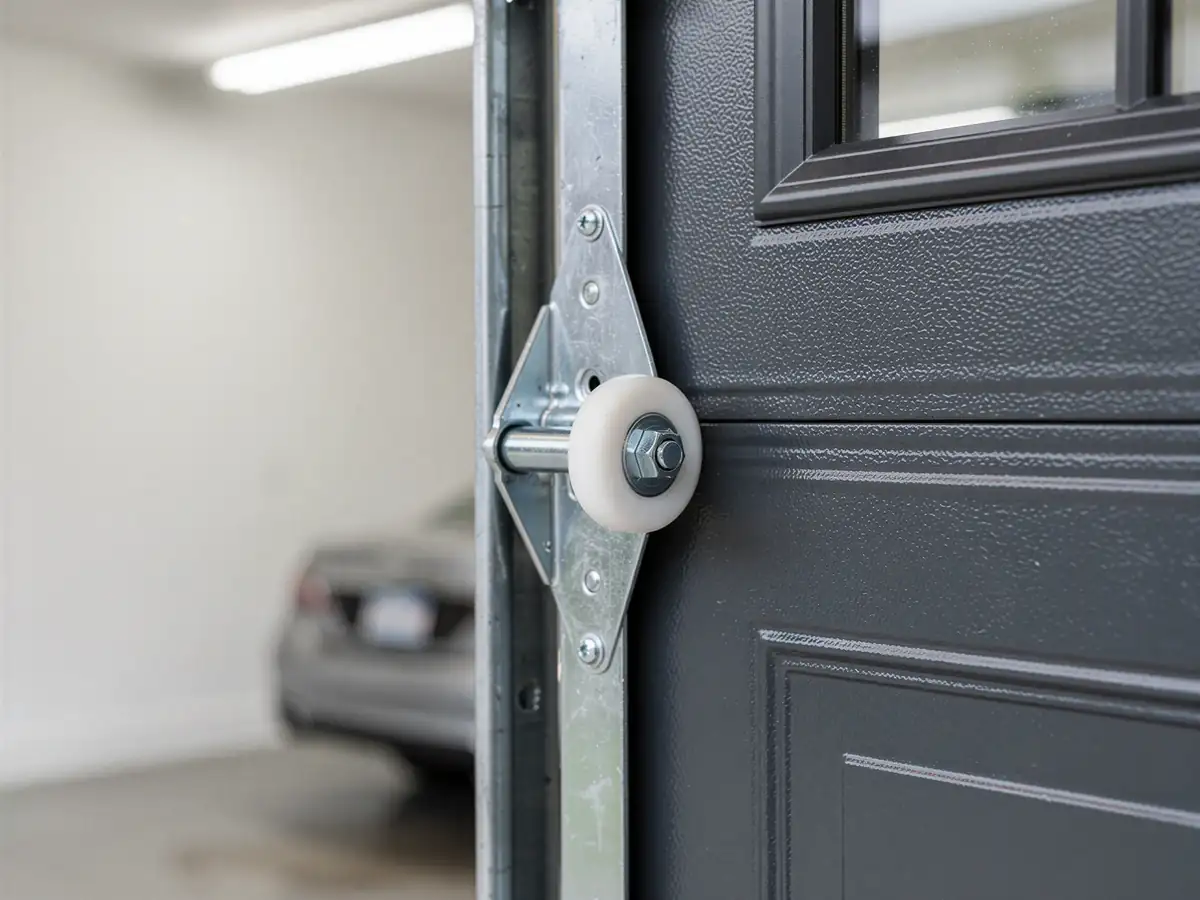
The honest limitation: we can't always get a drop-in replacement part for a door this old off the truck. Some original hardware from 1940s construction isn't made anymore, and matching track width or a hinge pattern sometimes means a short parts wait rather than a same-visit fix.
How Long It Takes
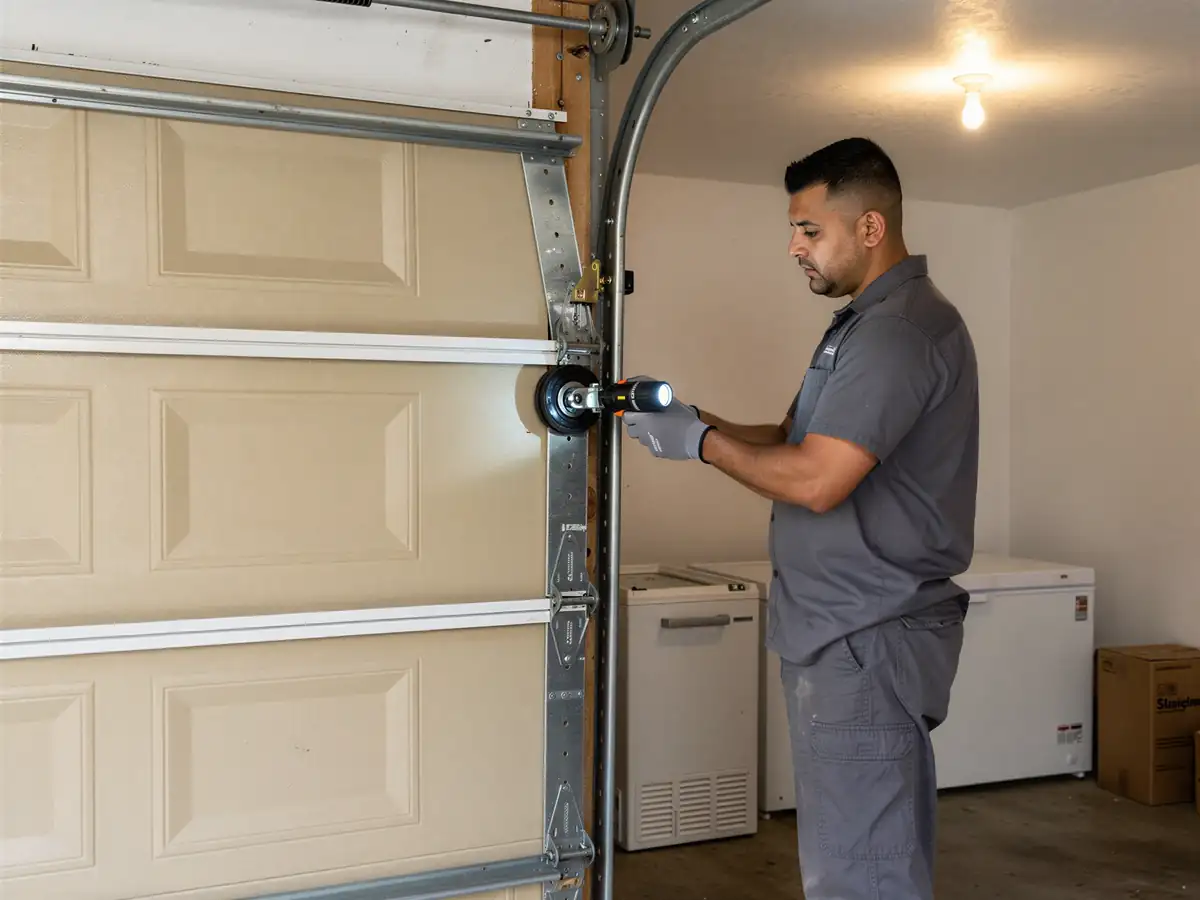
Most of the jobs we see in this part of the service area are straightforward once the tech is standing in front of the door
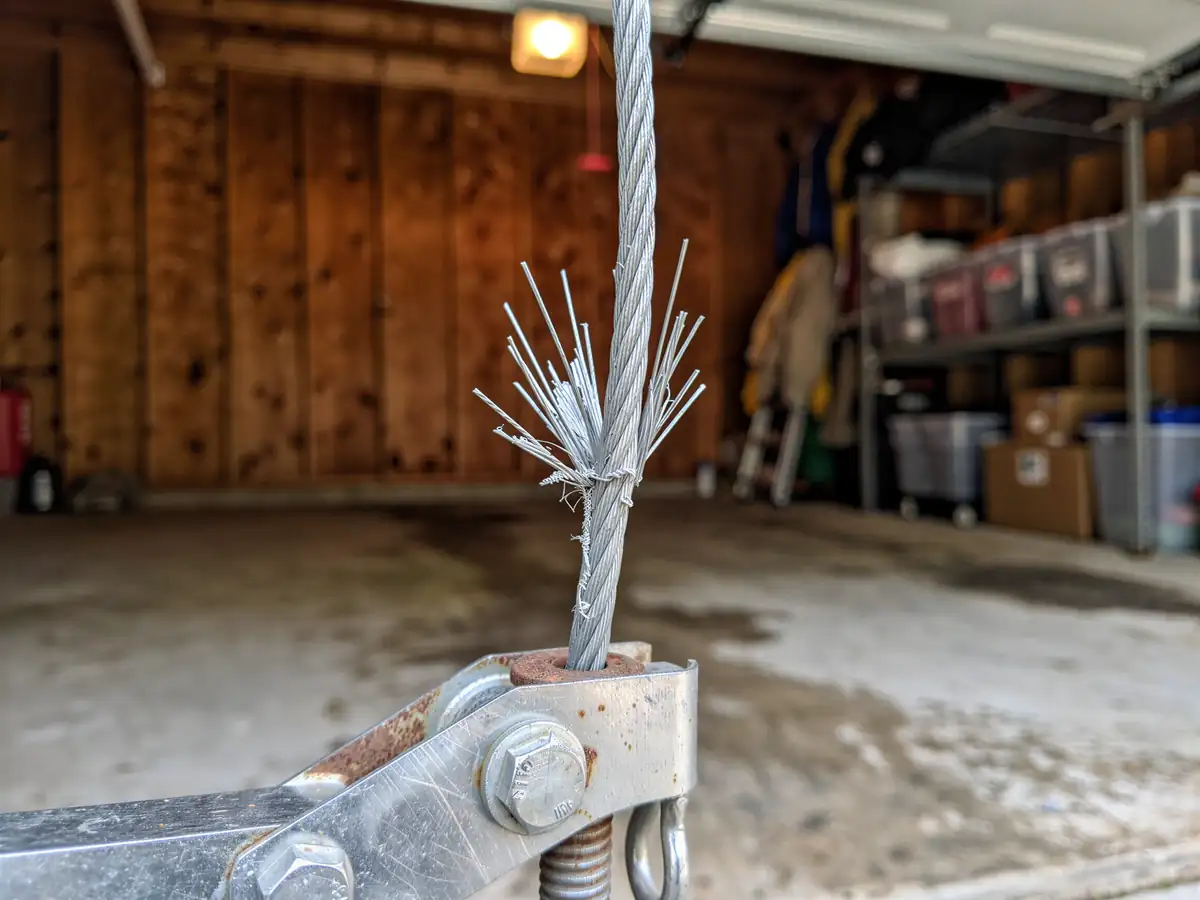
A spring swap, a cable replacement, an opener board that's failed. What adds time in Vermont specifically is travel and, occasionally, hardware age.
At 18 miles from Macomb, drive time is part of every visit here
Which is one reason we try to bundle Vermont calls when we can rather than treating each one as a solo round trip. If a part turns out to be nonstandard - which happens more with pre-1950 track or header mounts than with the newer end of the area's housing stock - we may need to order rather than pull from the truck, and that adds a return visit rather than extending the first one.
- 18 miles
We don't quote a fixed number of hours here
Because a torsion spring swap on a standard door and a full extension-to-torsion conversion on an older one aren't the same job, and guessing a time before we've seen the door does nobody a favor. What we can tell you is that the work itself - once we're on site with the right parts - isn't dragged out by anything unusual to Vermont beyond the age of what's already installed.
The DIY Question
With a median household income around $47,115 in Vermont, noticeably below the roughly $54,306 median across the wider service area, we understand the pull toward handling a garage door problem yourself before calling anyone. Some of that is fine - lubricating rollers, tightening loose hardware, clearing a sensor that's caught dust.
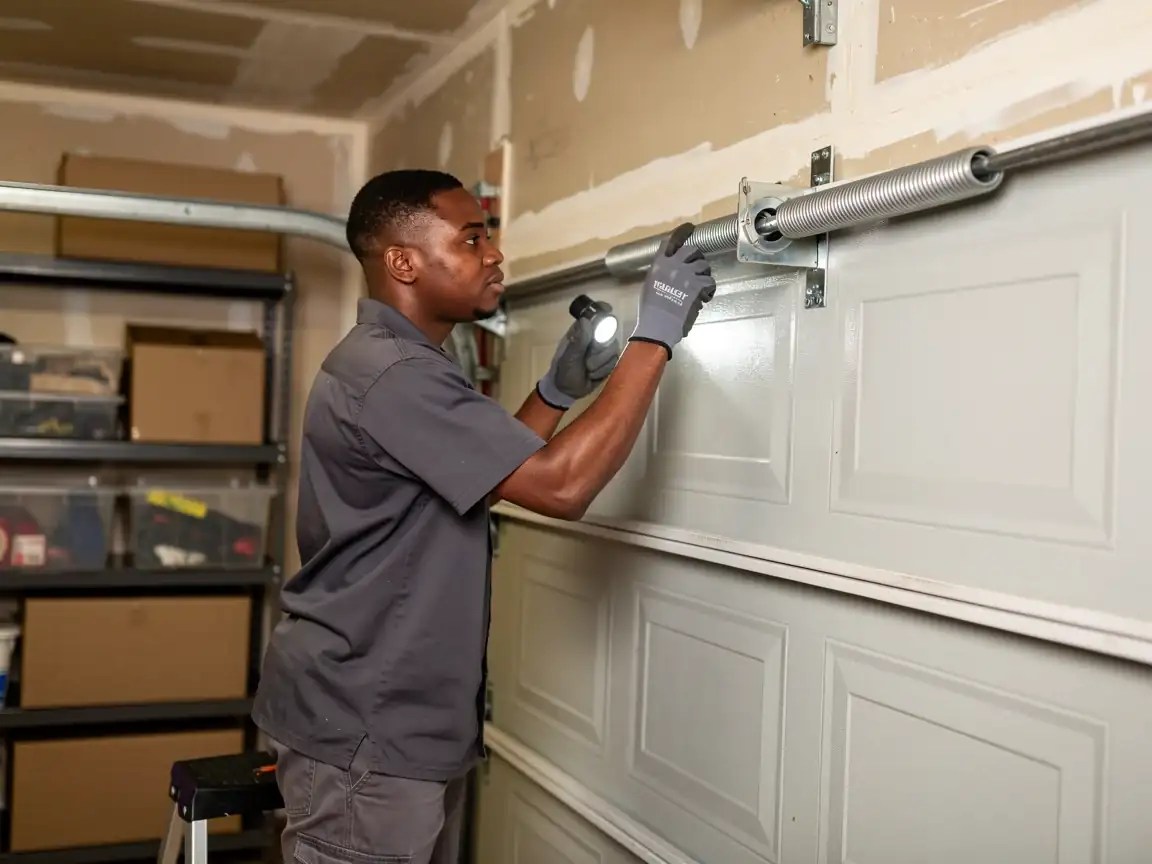
Where we'd stop you: springs, especially on older extension-spring setups common in homes built around 1940. These store enough force to cause a serious injury, and on a door this old the mounting brackets have usually never been inspected since installation. We also wouldn't recommend chasing a torsion conversion yourself if that's what an older Vermont door needs - matching the header load correctly isn't something to get wrong.
If the door is cosmetic-only trouble - a dent, a scrape, a panel that's started to sag but still operates - that's a case where a repair can genuinely outlast a full replacement, and we'll say so rather than push for the bigger job. A door from this era with sound hardware sometimes just needs one part, not a new system.