Booking a Visit
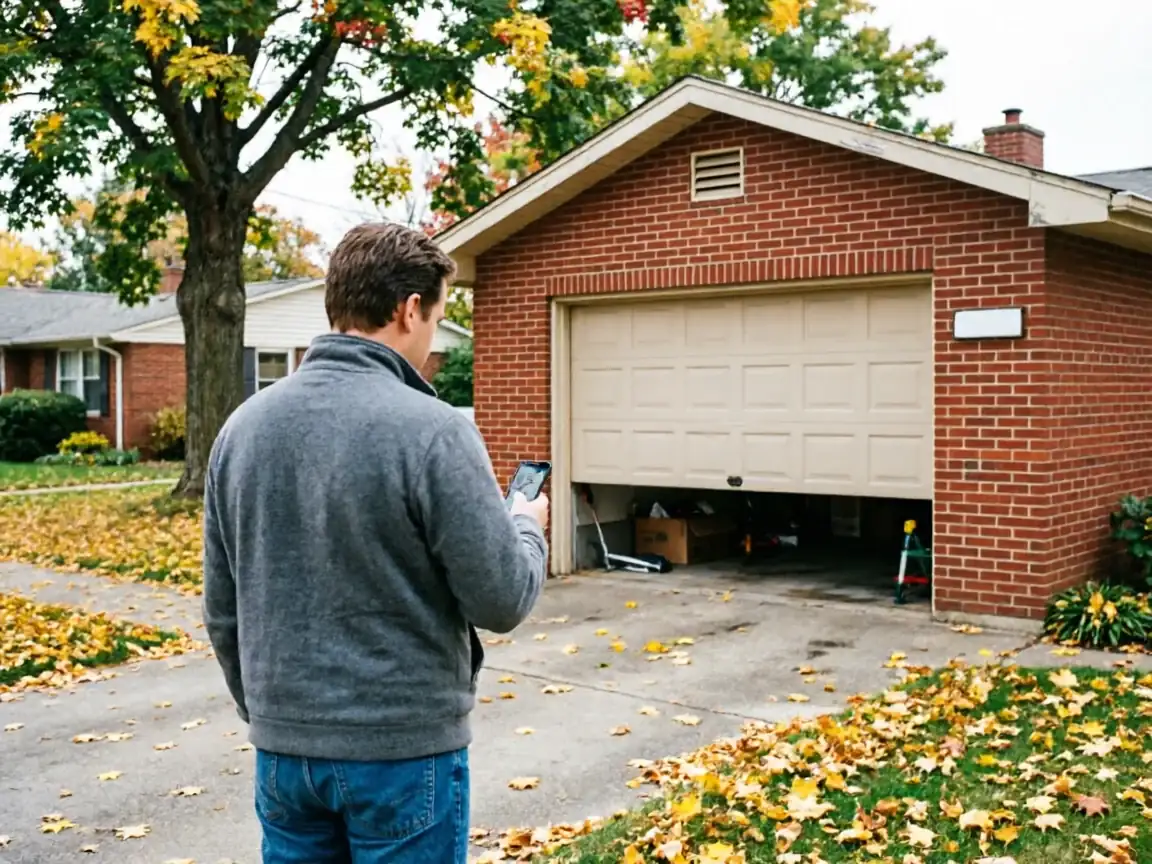
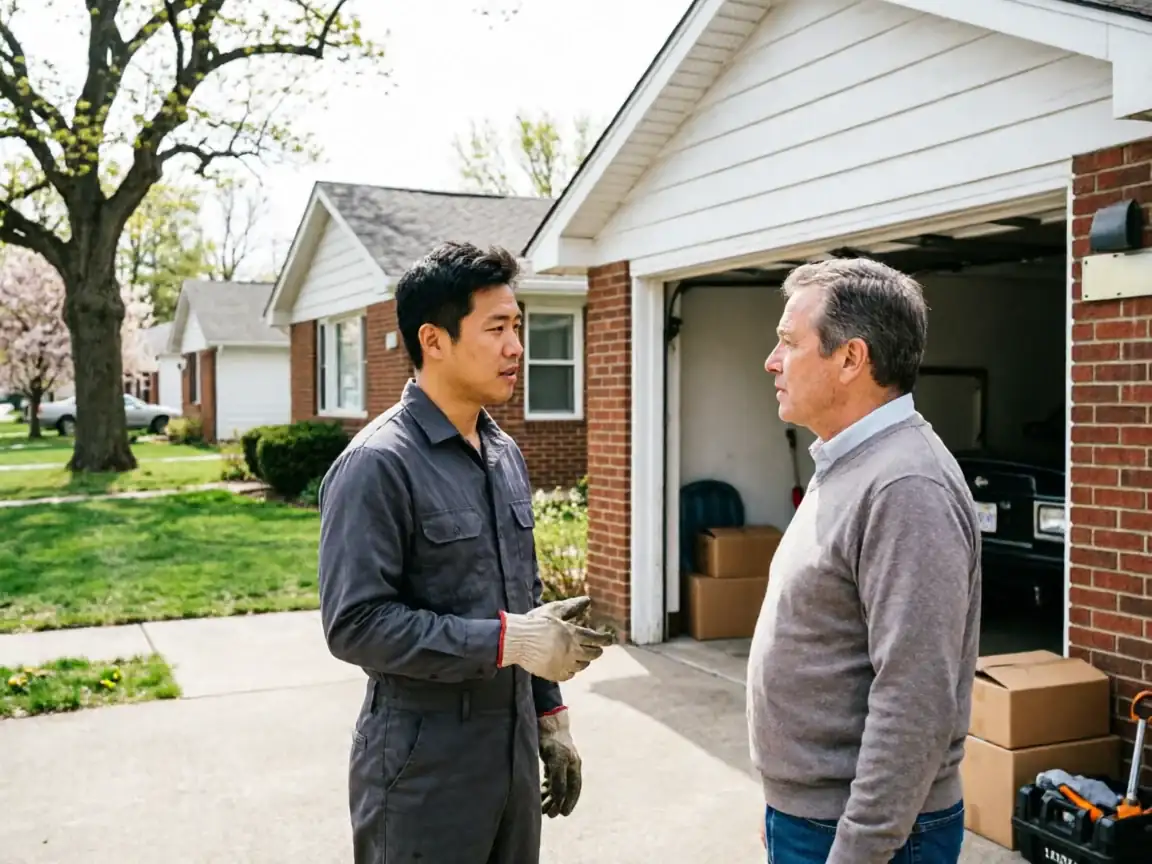
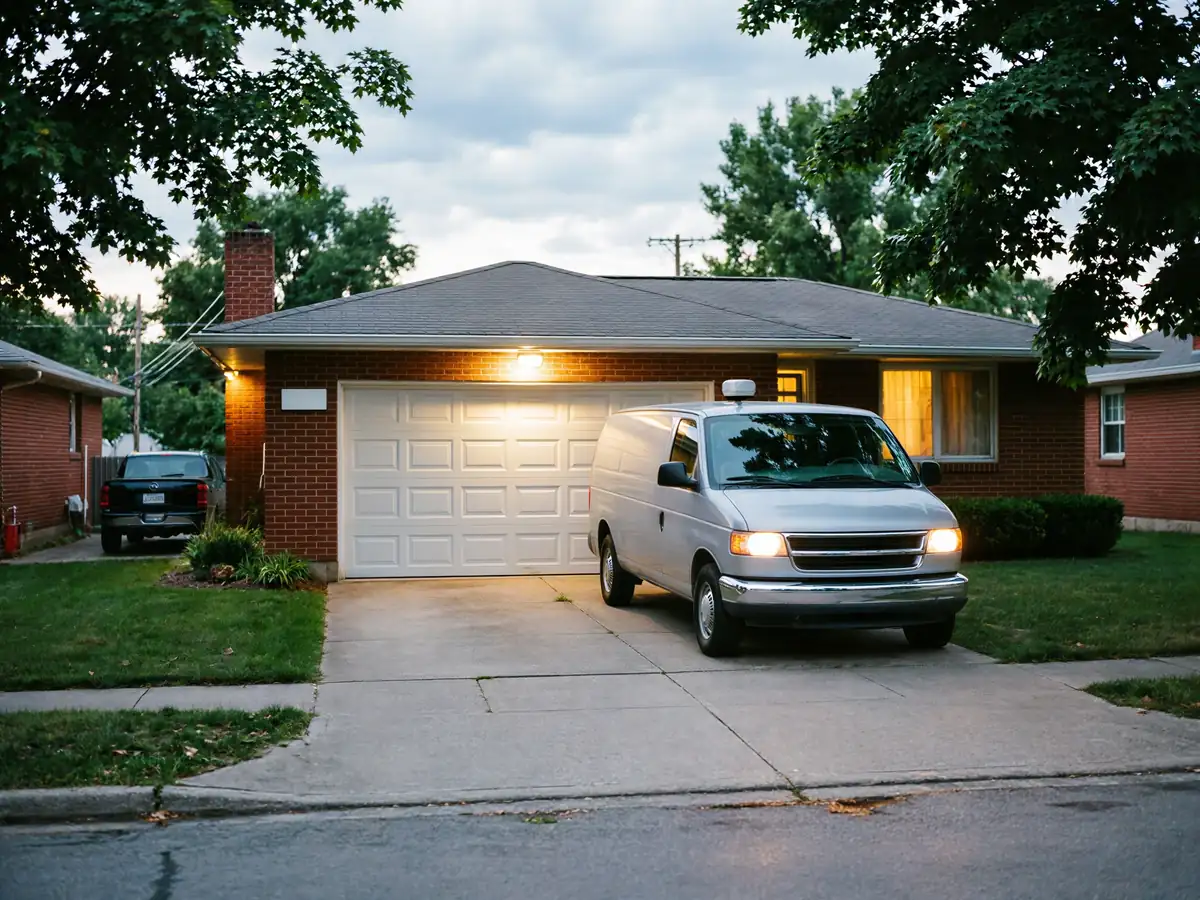
Vermont's median household income runs $47,115, noticeably below the $54,306 median across Macomb Garage Door Pros' full service area. That gap is worth knowing before you call, because it shapes the repair-or-replace conversation from the start - a lot of owners here are better served by fixing what's broken than by financing a full door swap. We don't keep a branch in Vermont. The truck comes out of Macomb, 18 miles away, which is the longest regular run we make - Colchester, six miles out, is the shortest. That distance doesn't change what the work itself costs, but it does mean calling ahead rather than expecting a same-day drop-in. Tell us the door's age, whether it's a torsion or extension spring setup, and what it's doing - won't open, grinding, off the track - when you call. That helps us bring the right spring and cable stock on the first trip instead of needing a second one. You can see what else we cover out of Macomb on the service area page or the Macomb repair page.
What You Are Seeing
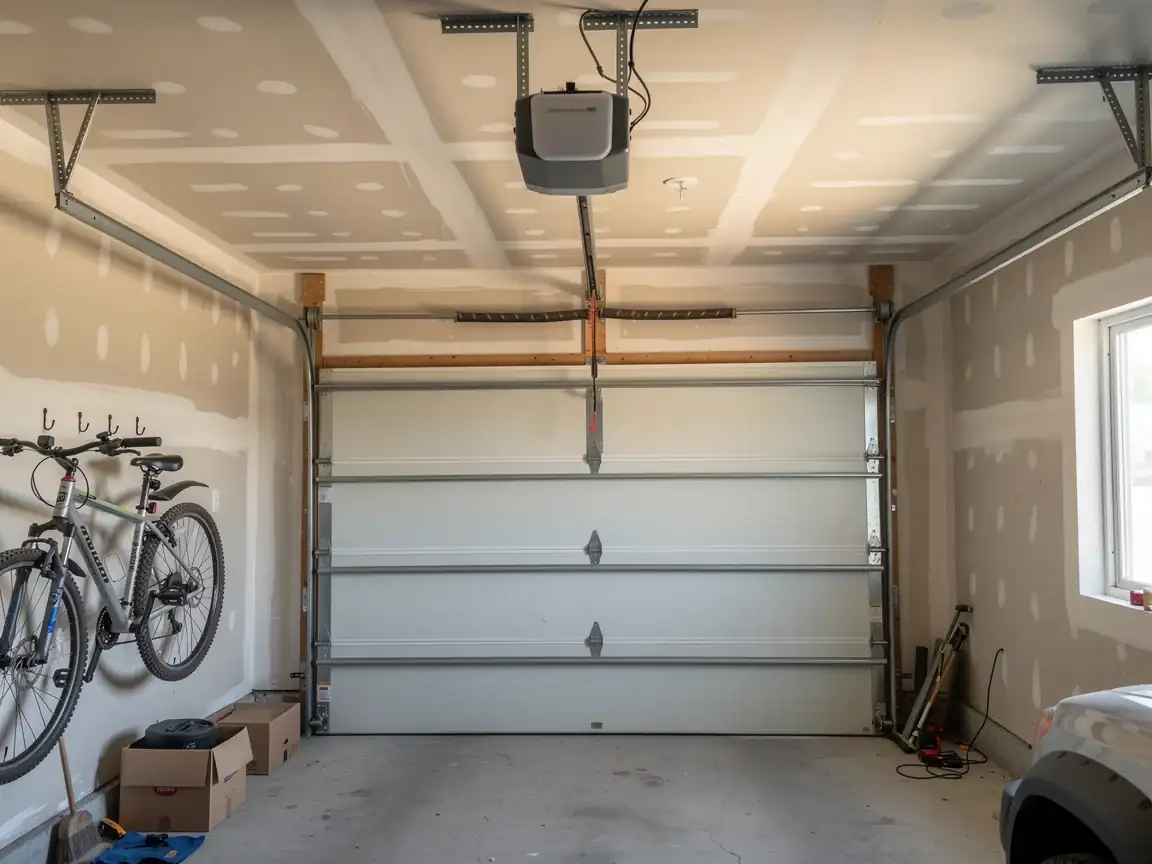
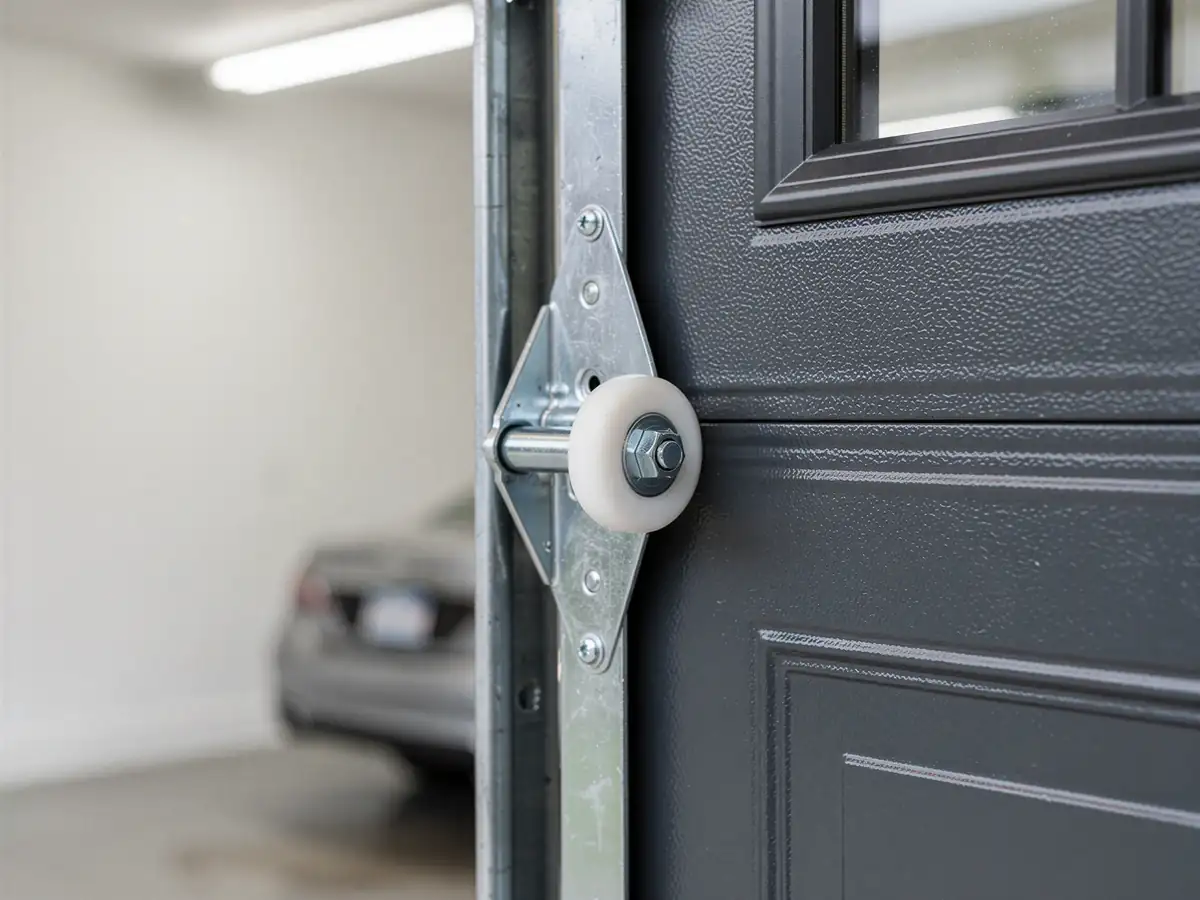
The median year a Vermont home went up is 1940, a full decade earlier than the 1952 median across the broader service area and solidly inside the pre-1960 stock that dominates the nine communities we cover. At that age, a lot of these garages still run original one-piece doors or early sectional doors on side-mounted torsion springs - hardware that predates the counterbalance systems and safety cables standard on anything built after the 1970s. The springs on a door that old have usually been swapped at least once already, sometimes with a mismatched size that never quite balanced the door right. Rollers tend to be steel, not nylon, and loud. Tracks are often narrower than current code calls for, which matters if you're planning to add an opener rather than just fix what's there. None of this means the door is unsafe to use day to day - it means the parts and the fix look different than they would on a house built in the 1990s.
The DIY Question
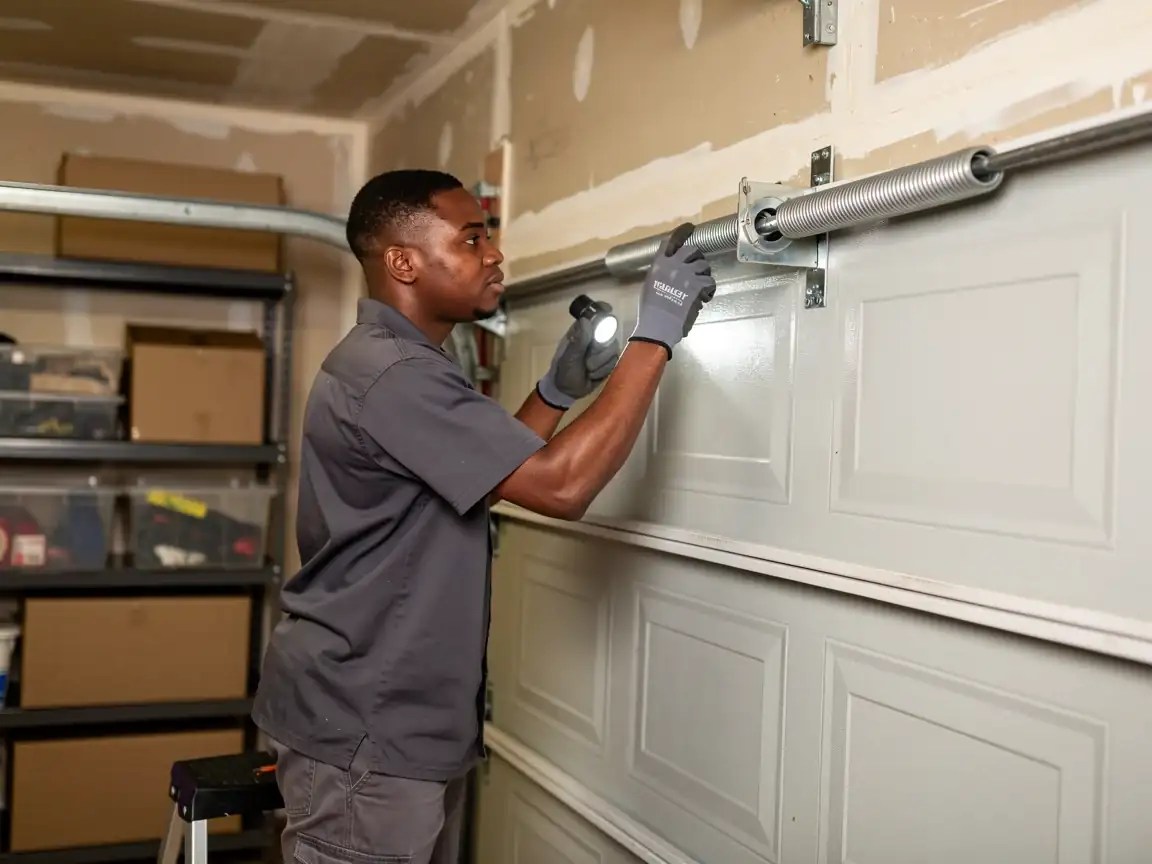
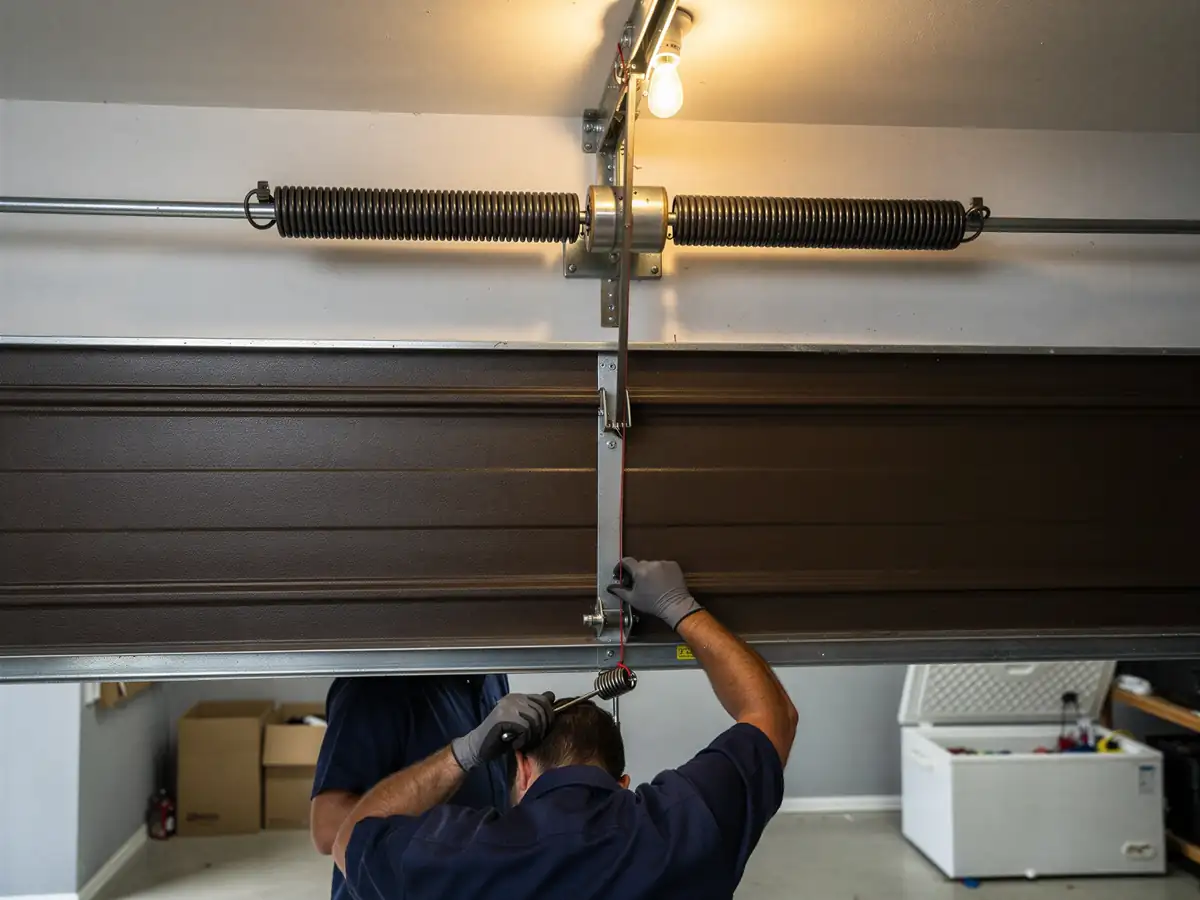
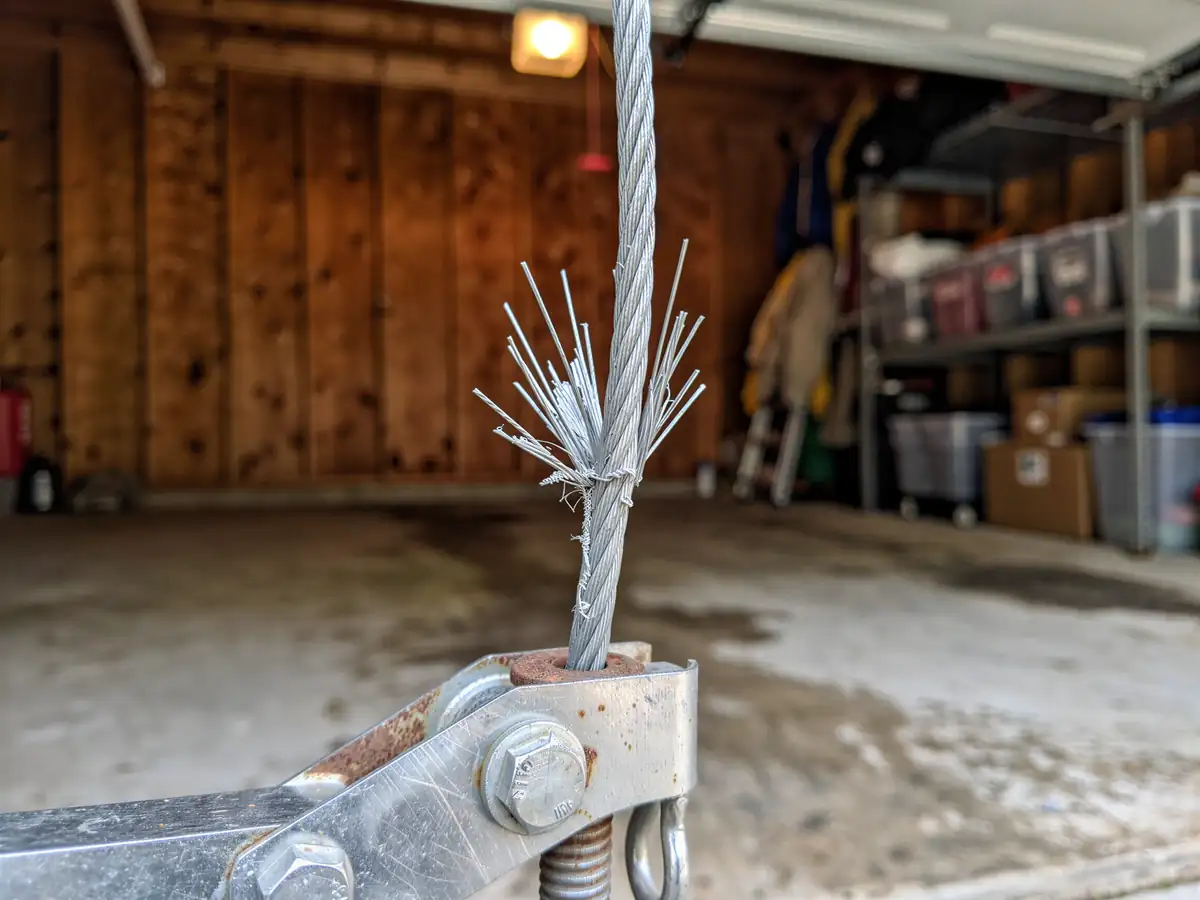
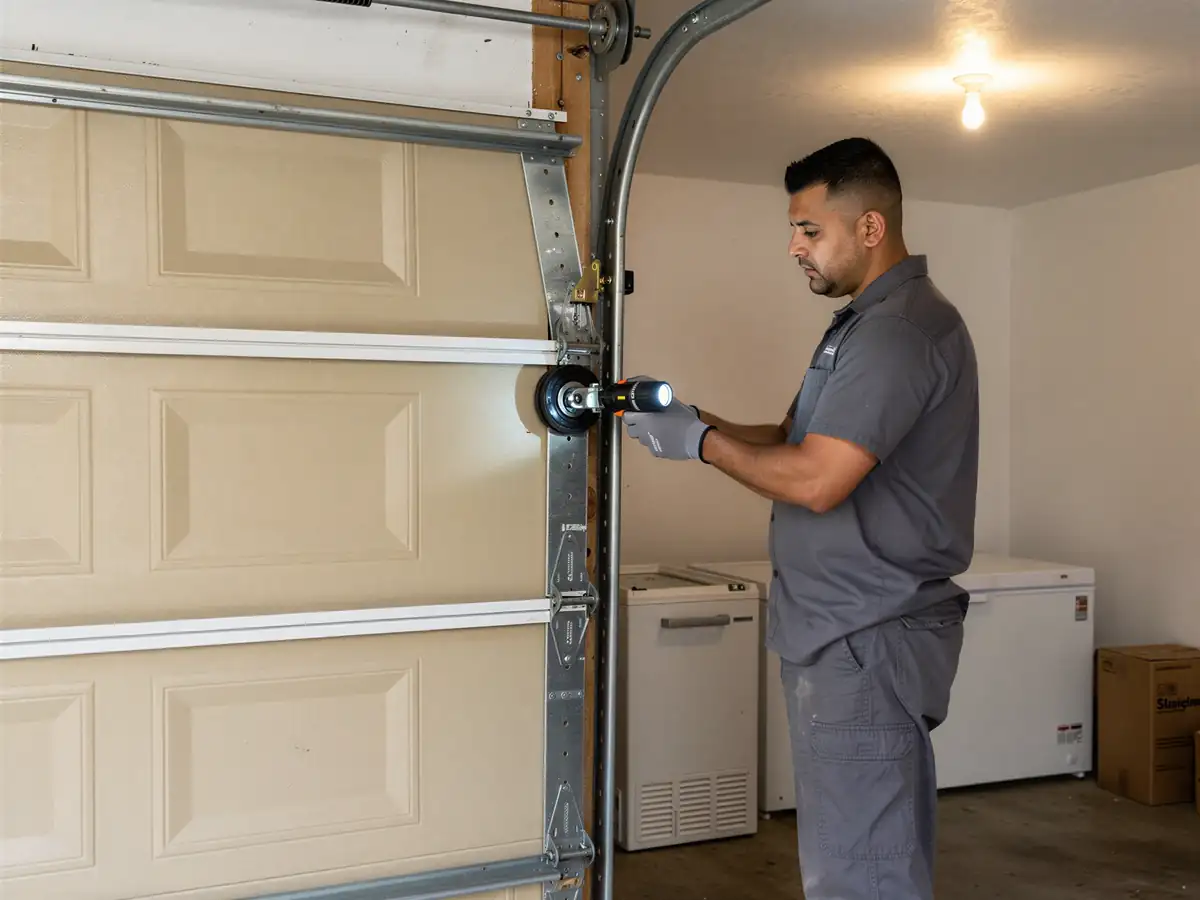
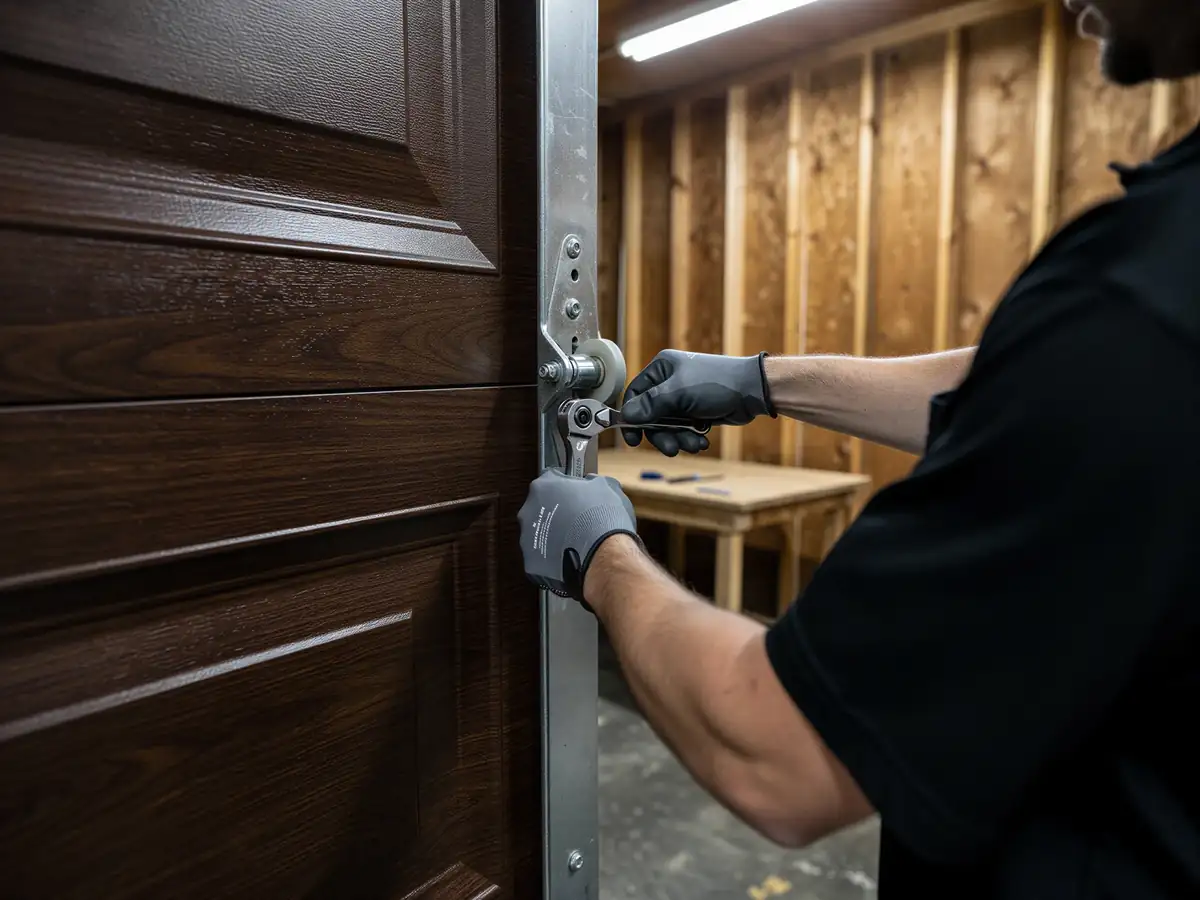
At a median income of $47,115, the math on repair versus replacement tends to land differently here than in higher-income parts of the service area. A full door replacement often isn't the right first move for a 306-household town where plenty of houses are running original hardware that's otherwise sound - fixing the spring or the opener keeps the door working without the bigger bill. That said, a torsion spring is not a DIY repair. It's under enough tension to cause real injury, and on a door from 1940 you're also dealing with hardware that may not match anything sold today, which makes a mismatched DIY fix worse than the original problem. Replacing a roller or tightening a loose bracket is reasonable to handle yourself. Winding a spring, or working on the cable paired with it, is not - that's the line we'd draw regardless of what the repair would cost.