Booking a Visit
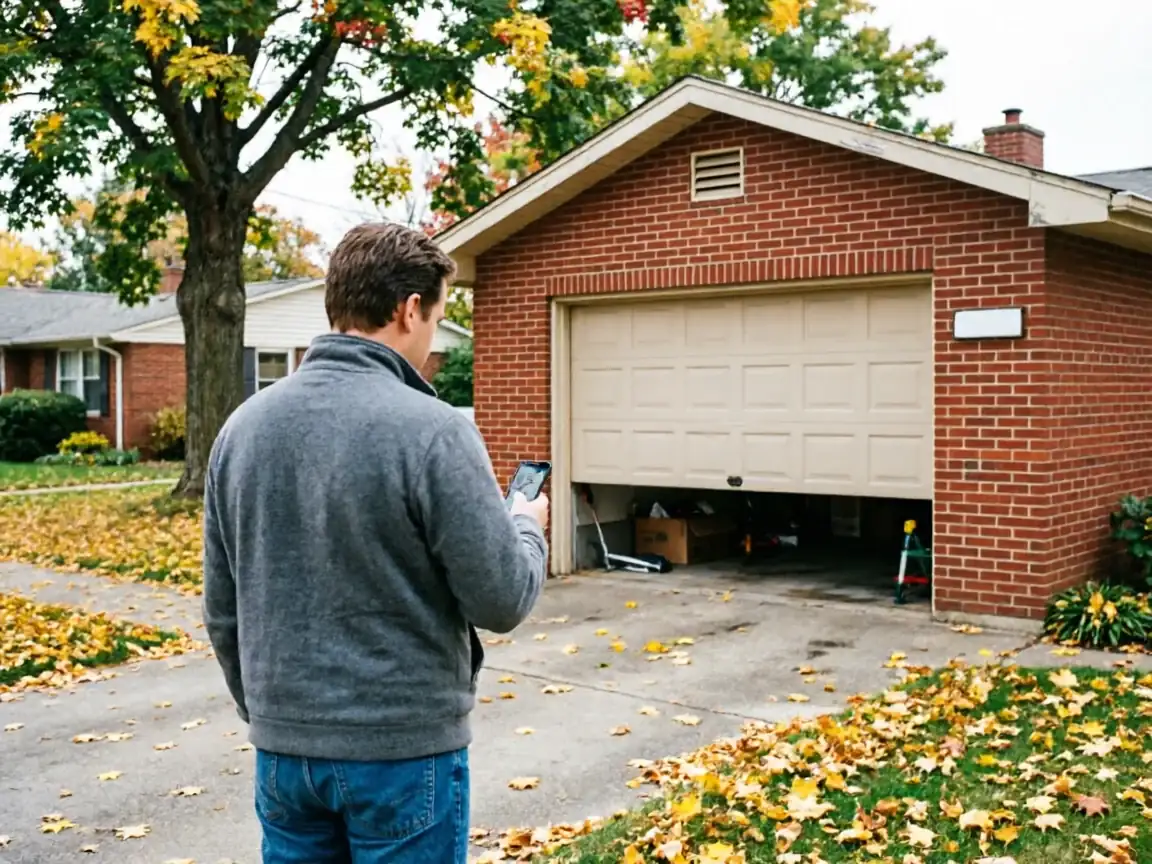
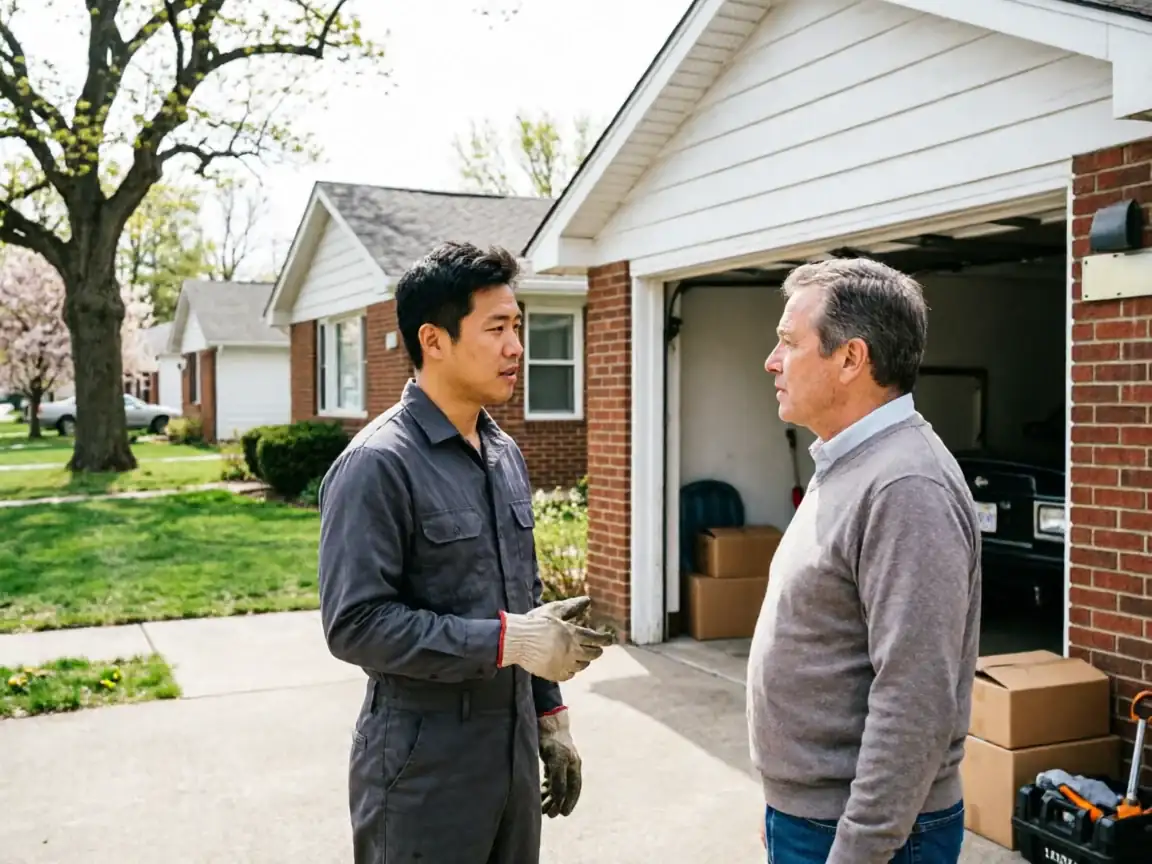
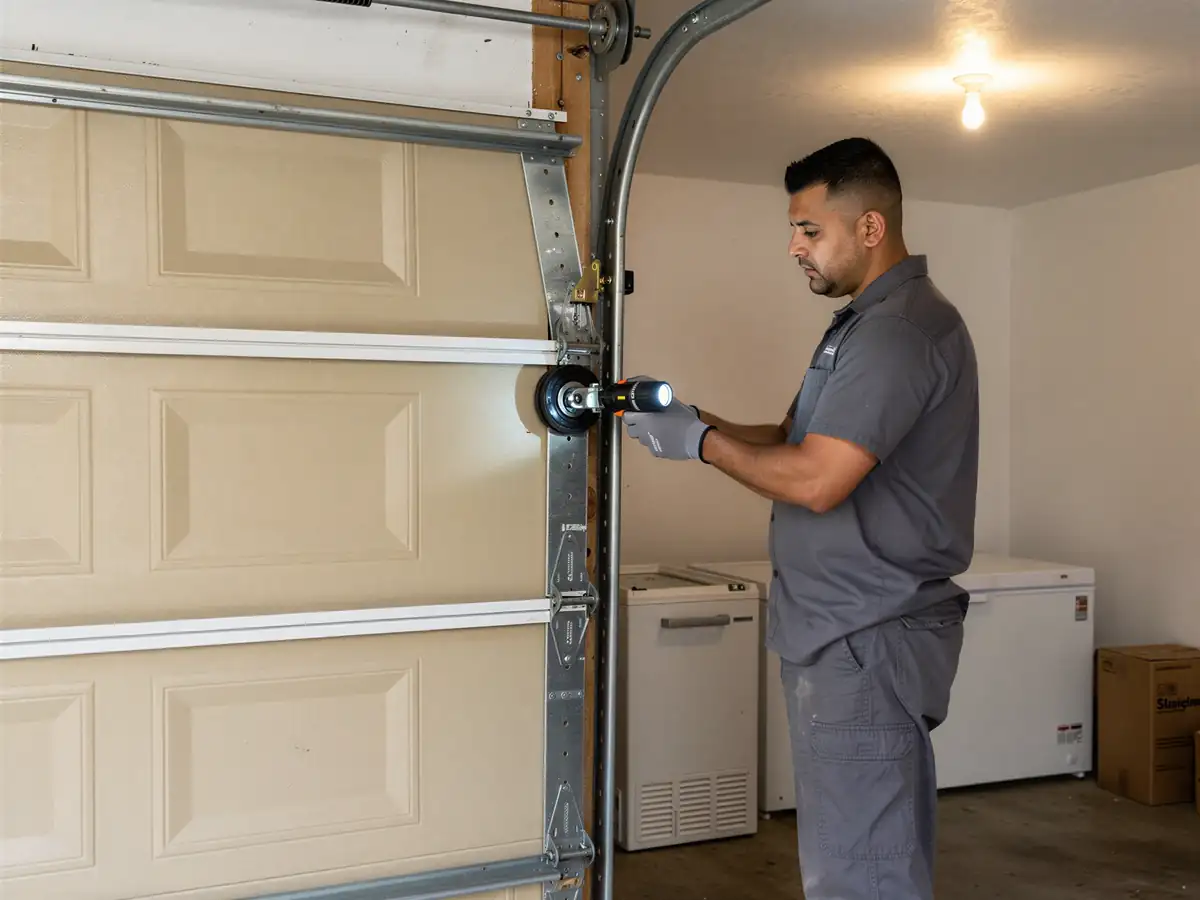
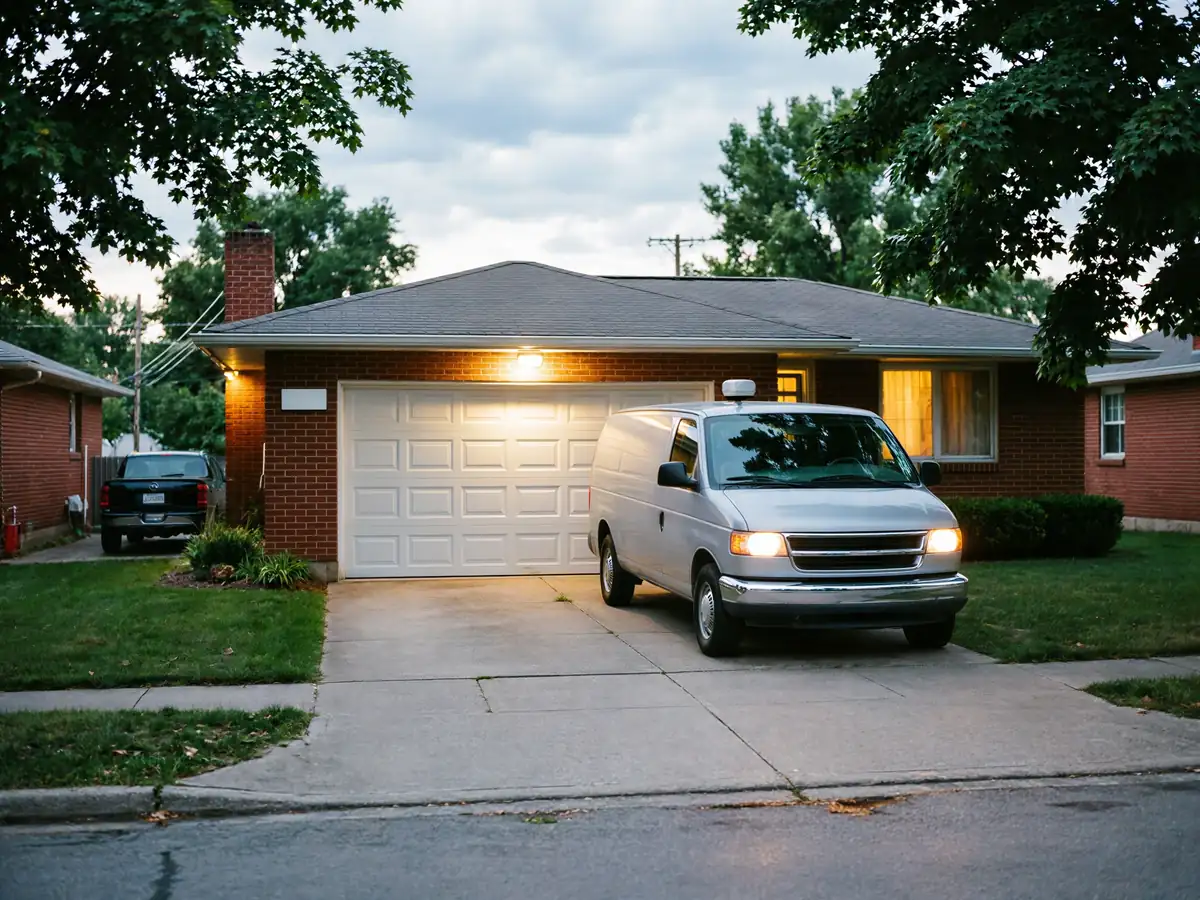
Vermont is a small place - about 306 households - which means we're not driving out for a dozen spring calls a month the way we might in a bigger pocket of the service area. When we do get the call, it's usually one of two things: a torsion spring that's snapped clean (you'll hear it, a loud bang from the garage) or a spring that's stretched and sagging so the door won't stay up on its own. We cover Vermont from Macomb, about 18 miles out, so we ask you to describe what you're seeing on the phone before we load the truck - spring size and door weight vary enough across this town's housing stock that it helps to know roughly what we're dealing with before we're standing in the driveway. We don't keep a branch or a depot in Vermont itself; every job here starts with that drive from Macomb, so the more we know ahead of time, the less time gets spent diagnosing once we arrive.
What You Are Seeing
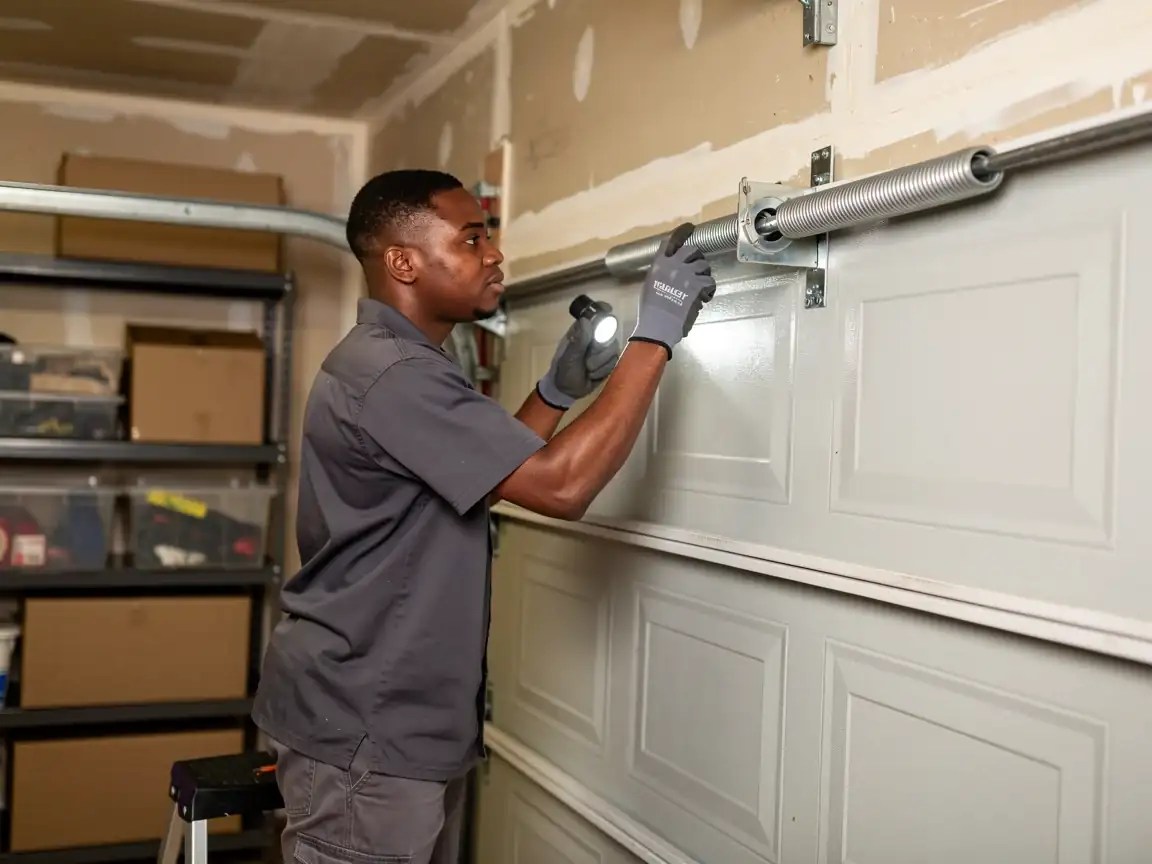
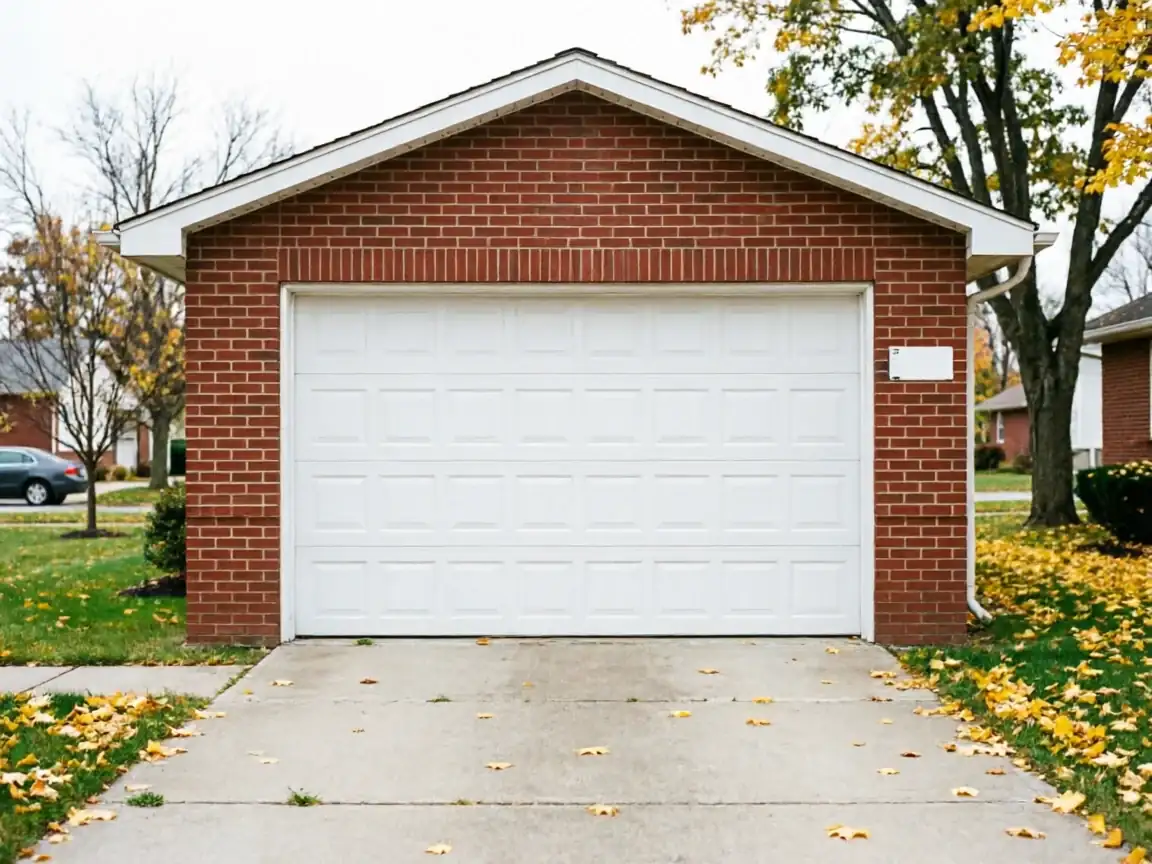
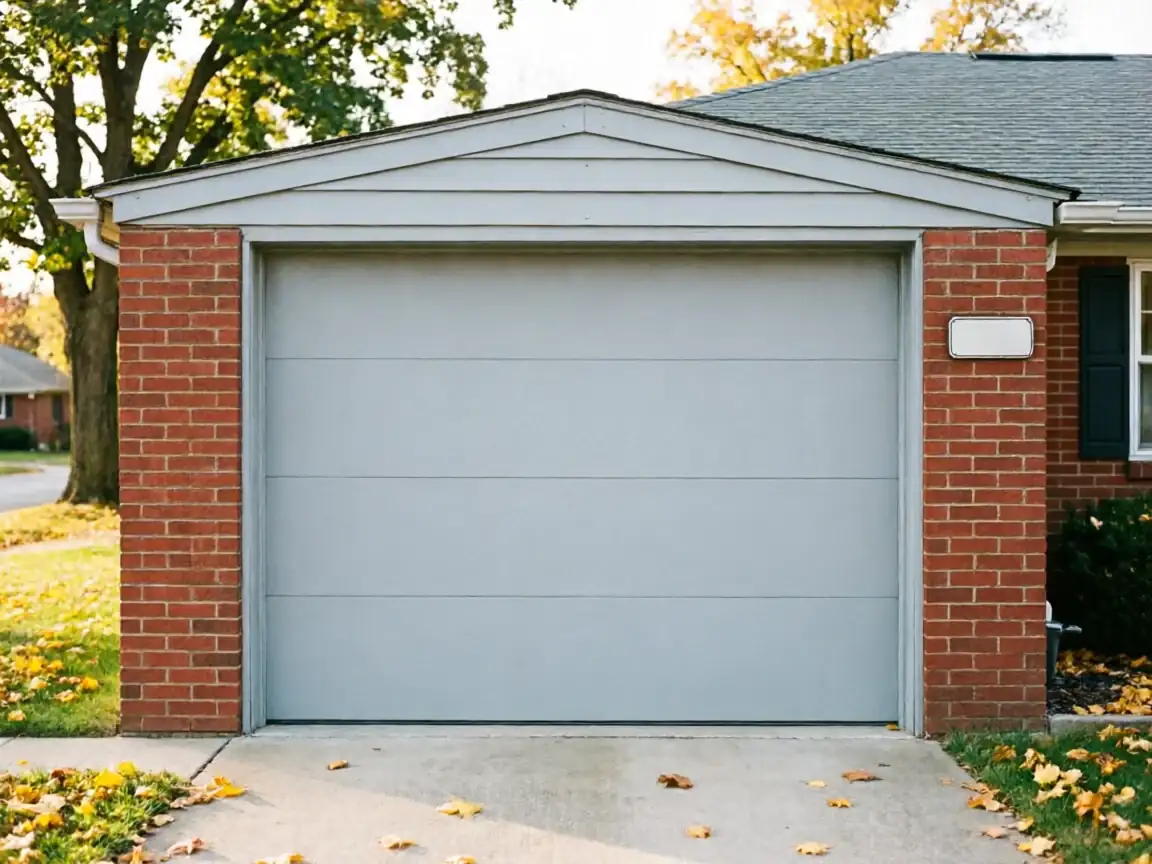
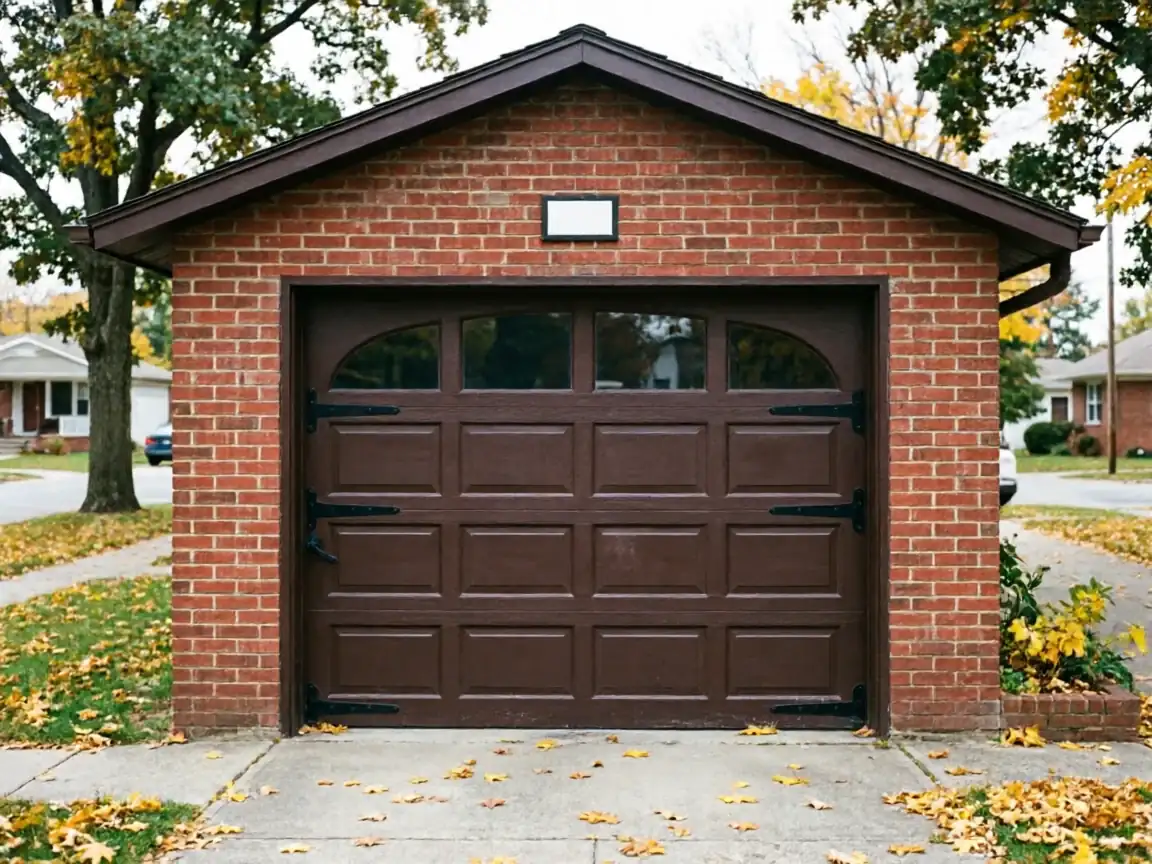
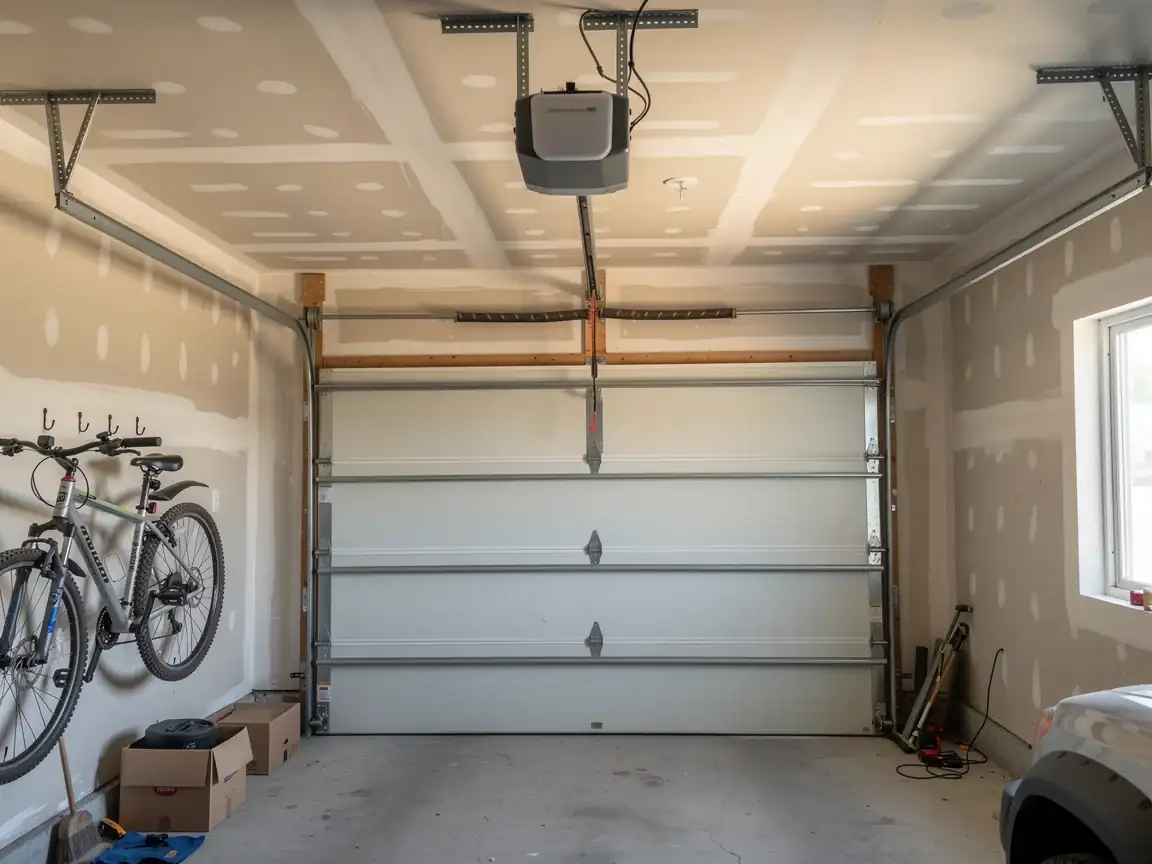
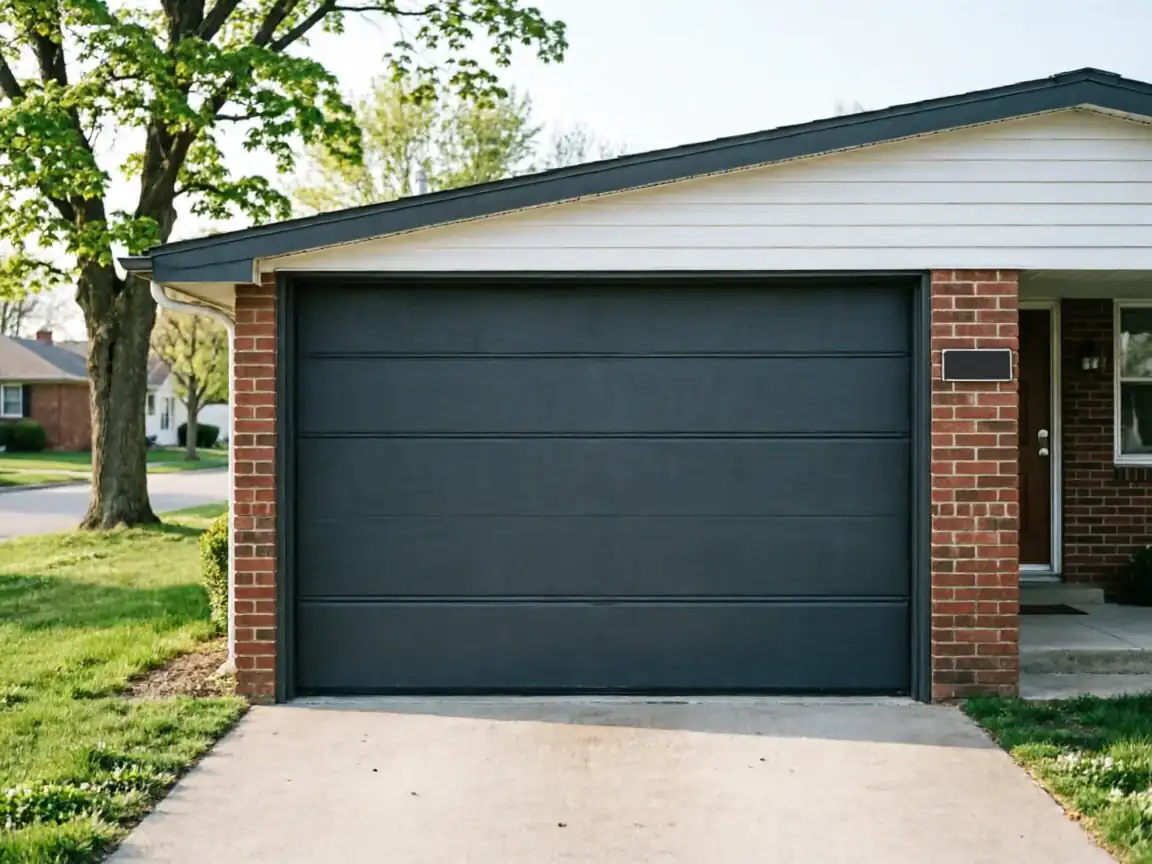
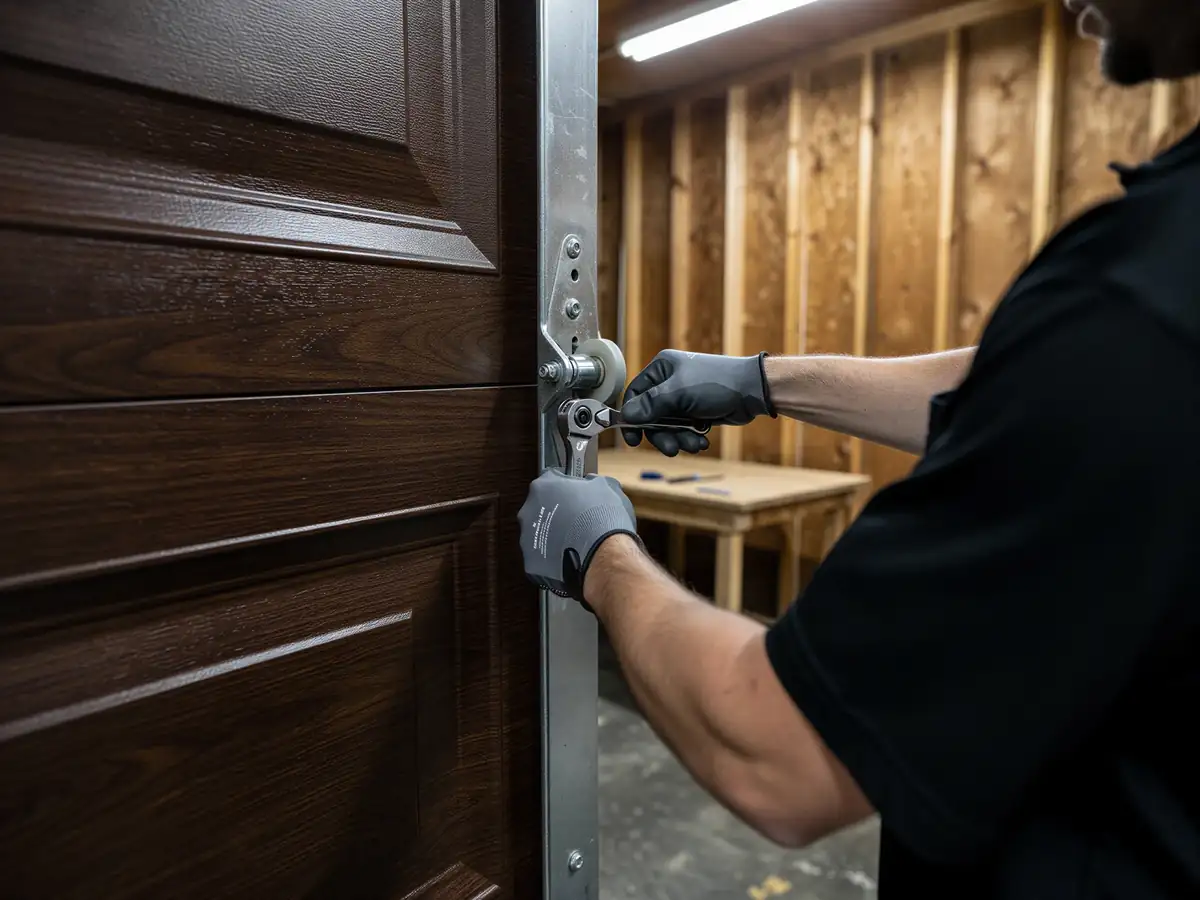
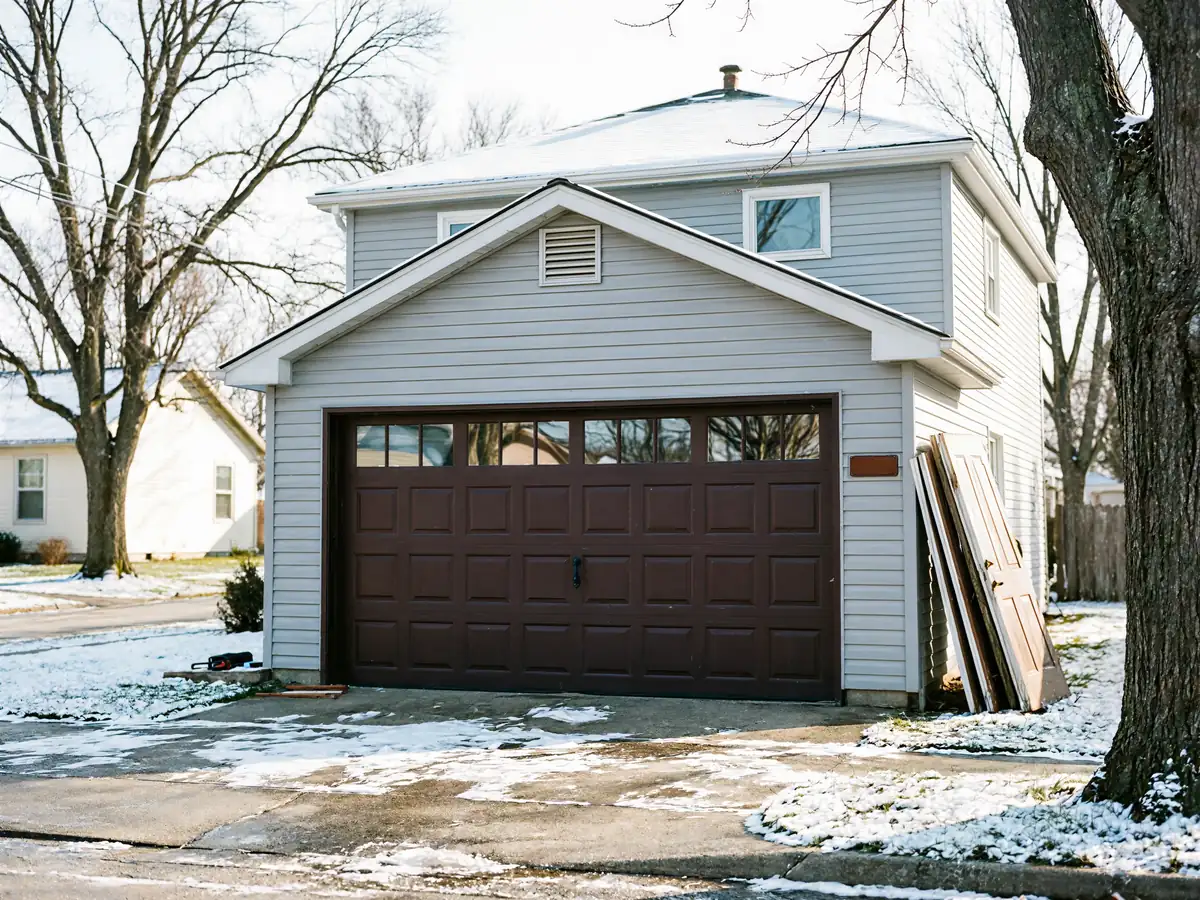
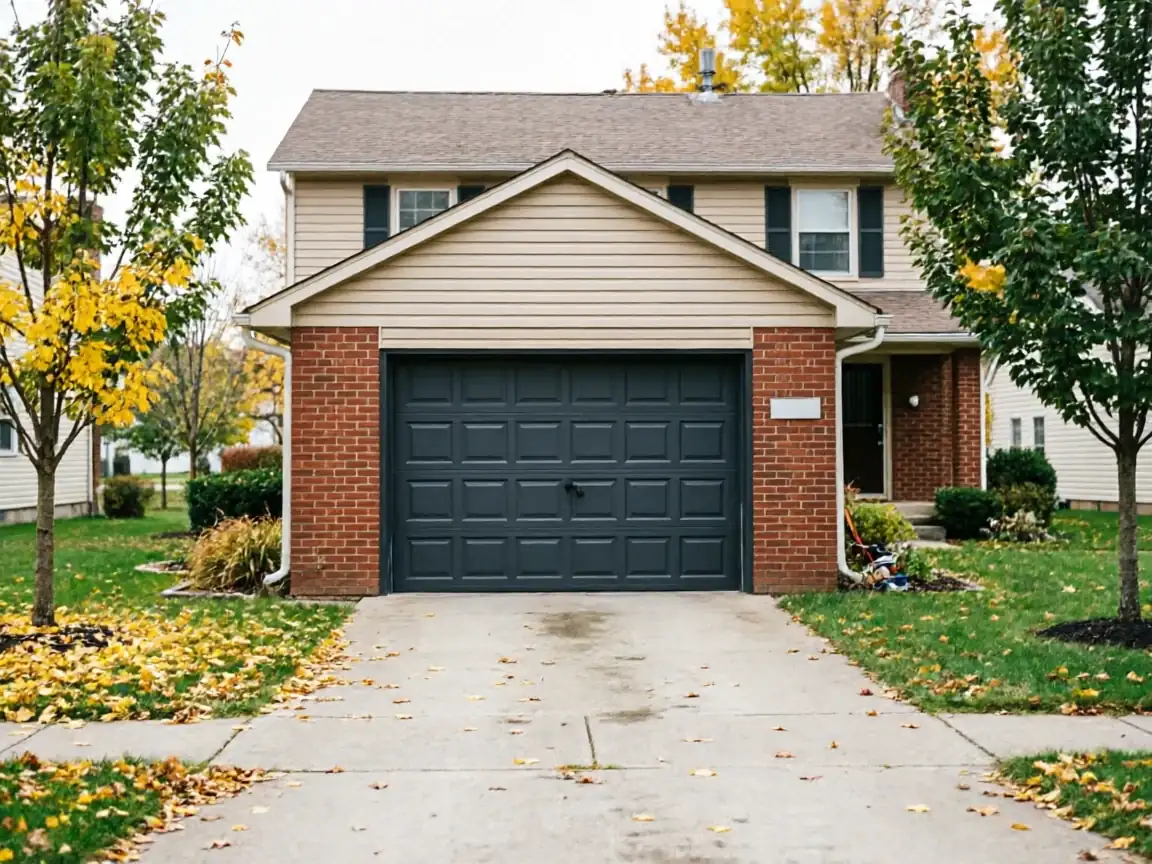
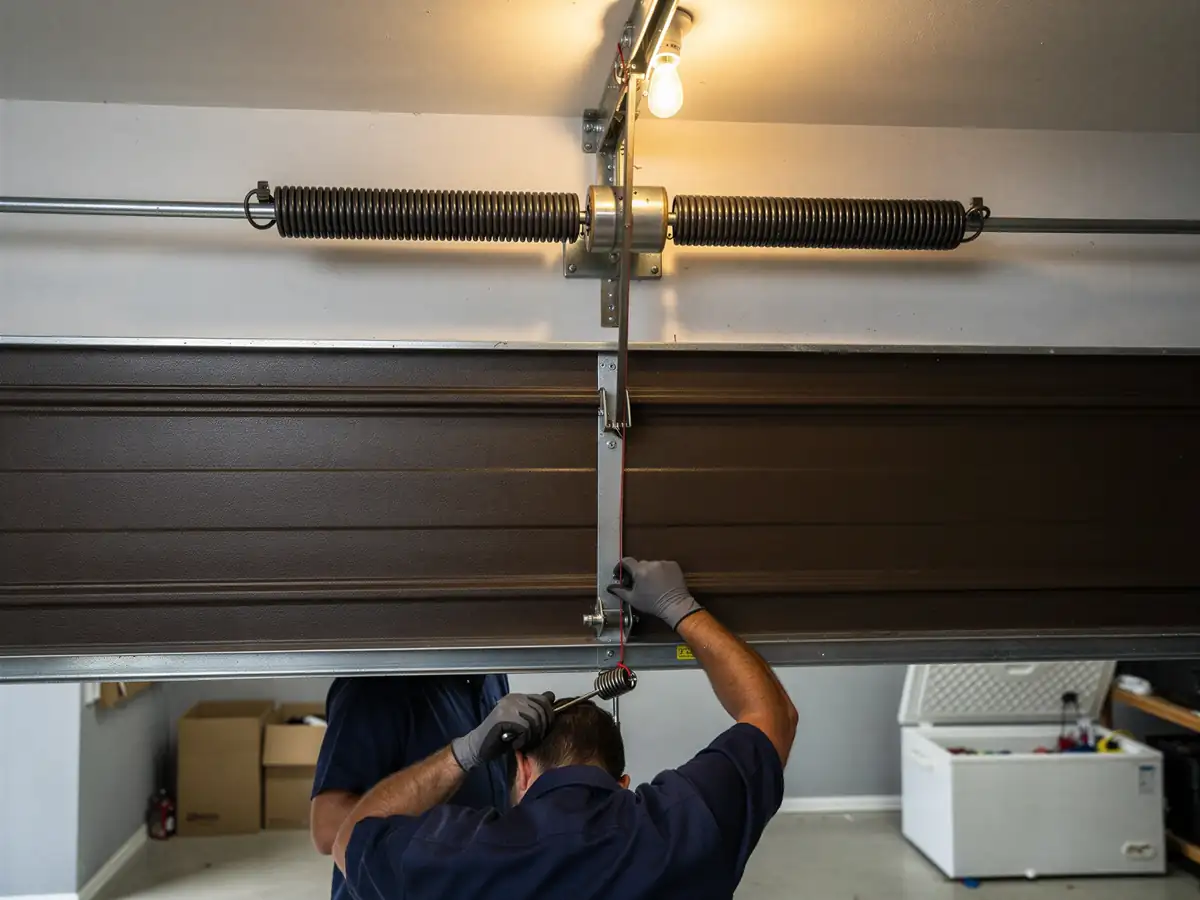
A lot of Vermont's houses date back to right around 1940, which puts this town at the older edge of the service area's housing - the broader area runs 1940 to 1965 with a median closer to 1952, but Vermont sits closer to that early end. Houses from that period were usually built with a single garage bay and, if the door's ever been updated, a torsion spring mounted above the opening rather than the extension springs you'd see on a lot of newer construction. Those older torsion setups use different winding cones and shaft diameters than what's sold today, so when a spring lets go, the fix isn't always a straight swap - sometimes the whole shaft assembly has to come out with it. If you've got a door that's never been touched since the house was built, don't be surprised if what looks like a simple spring job turns into a conversation about the bracket and shaft too.
The DIY Question
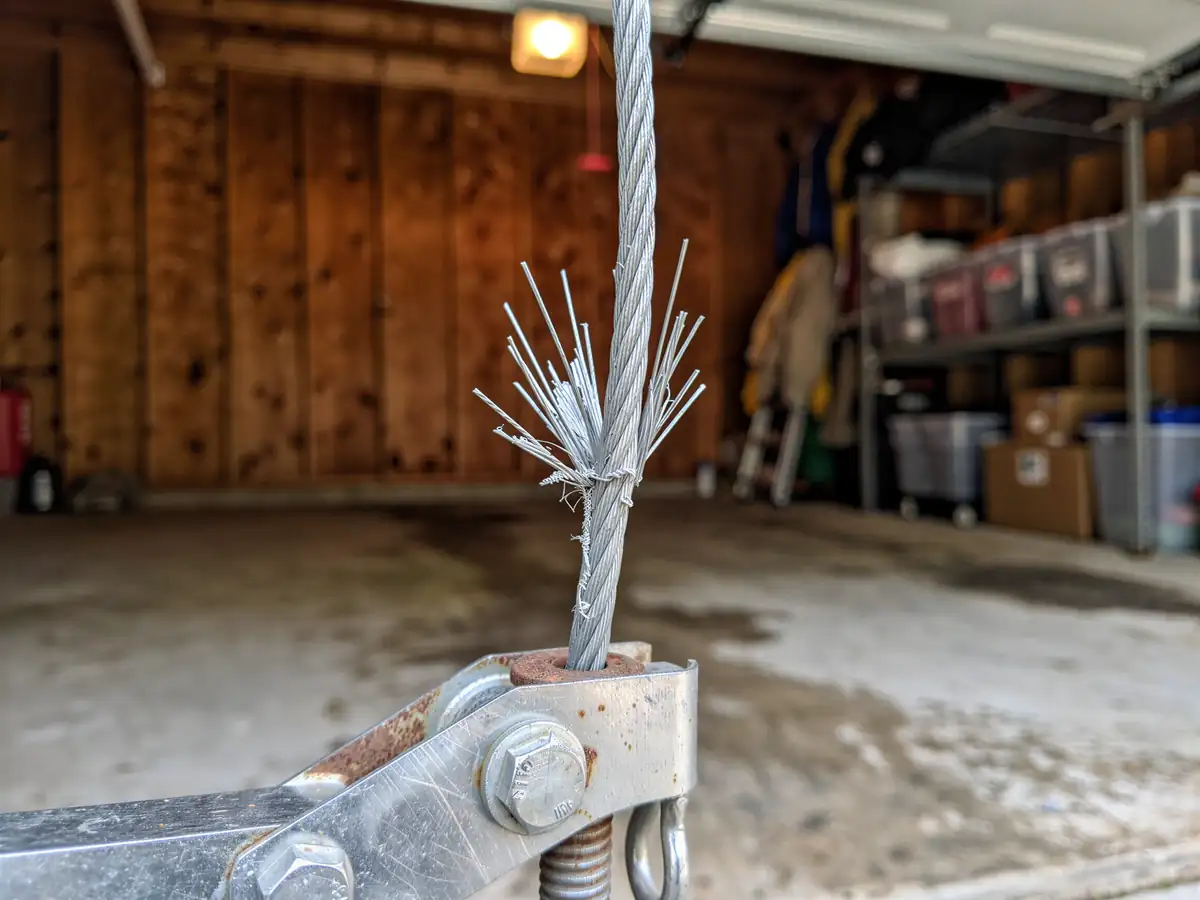
Don't wind a torsion spring yourself. It's loaded under enough tension to break a bone or worse, and that's true whether the spring is five years old or from a door installed in 1940. What you can safely do yourself: look at the spring for visible gaps or rust, check if the door is noticeably harder to lift by hand than it used to be, and note whether one side of the door looks lower than the other when it's open. All of that tells us something useful over the phone. Given that Vermont sits at the smaller end of the service area, with roughly 306 households and a median income lower than the wider region's, we understand not every repair makes sense to pursue if the door itself is near the end of its life - sometimes replacing an old single-bay door costs less in the long run than chasing original 1940s hardware piece by piece.