Booking a Visit
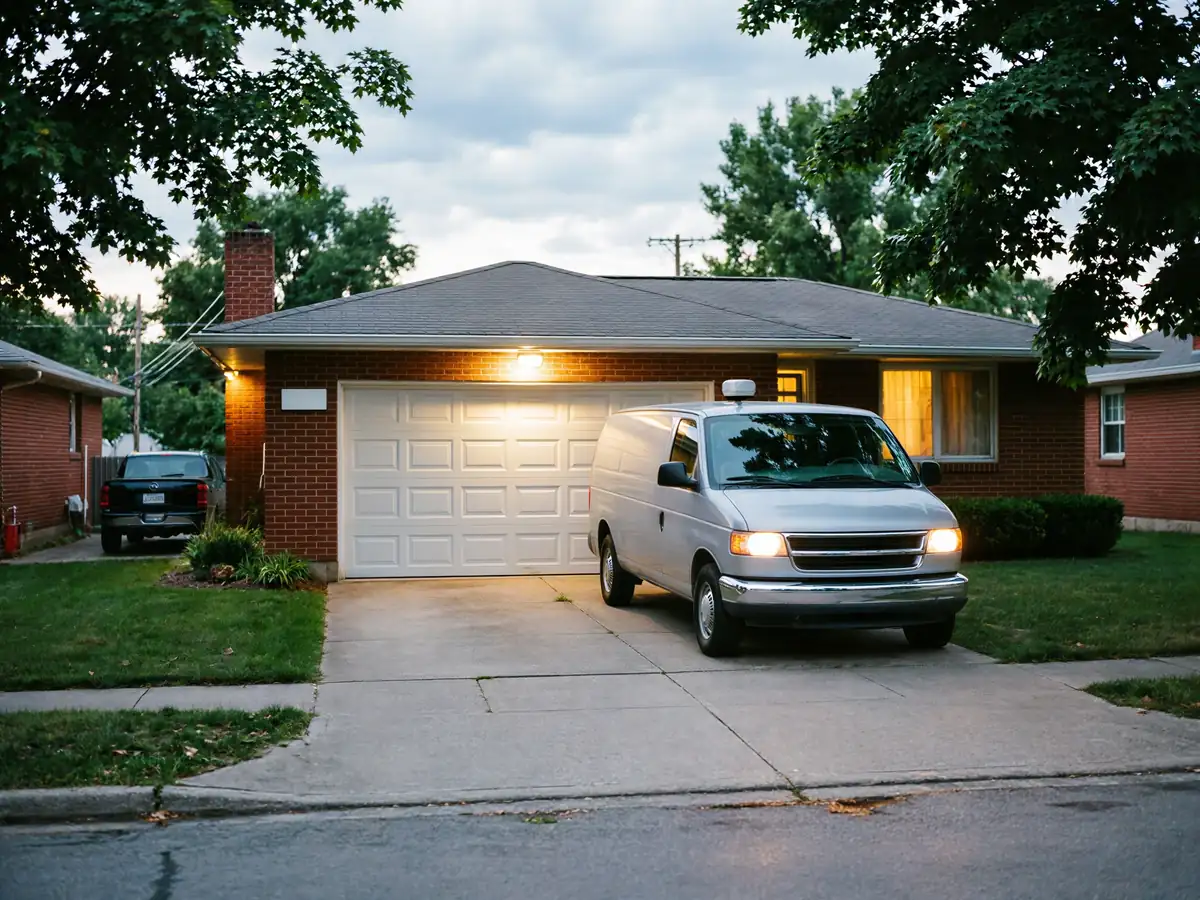
There's no Macomb Garage Door Pros branch in Vermont - we travel the 18 miles out from Macomb for every cable call here, same as we do for the other towns on this side of the county. That's worth saying plainly: we're not a crew sitting idle a few blocks from your driveway, so if you've got a cable that's already let go and the door is sitting crooked or jammed on its tracks, say so when you call, because that changes how we load the truck before we leave.
With only 306 households in Vermont, cable failures aren't something we see weekly here the way we might in a bigger town - which means when one does happen, it's usually hardware that's been running untouched for decades. We bring spare cable, drums, and the fittings that match older torsion setups, because showing up to a 1940s door with only the parts for a 1990s one wastes your afternoon and ours. If the job turns out to need something unusual - a drum size we don't carry on the truck that day - we'll tell you straight rather than guess and come back twice.
What You Are Seeing
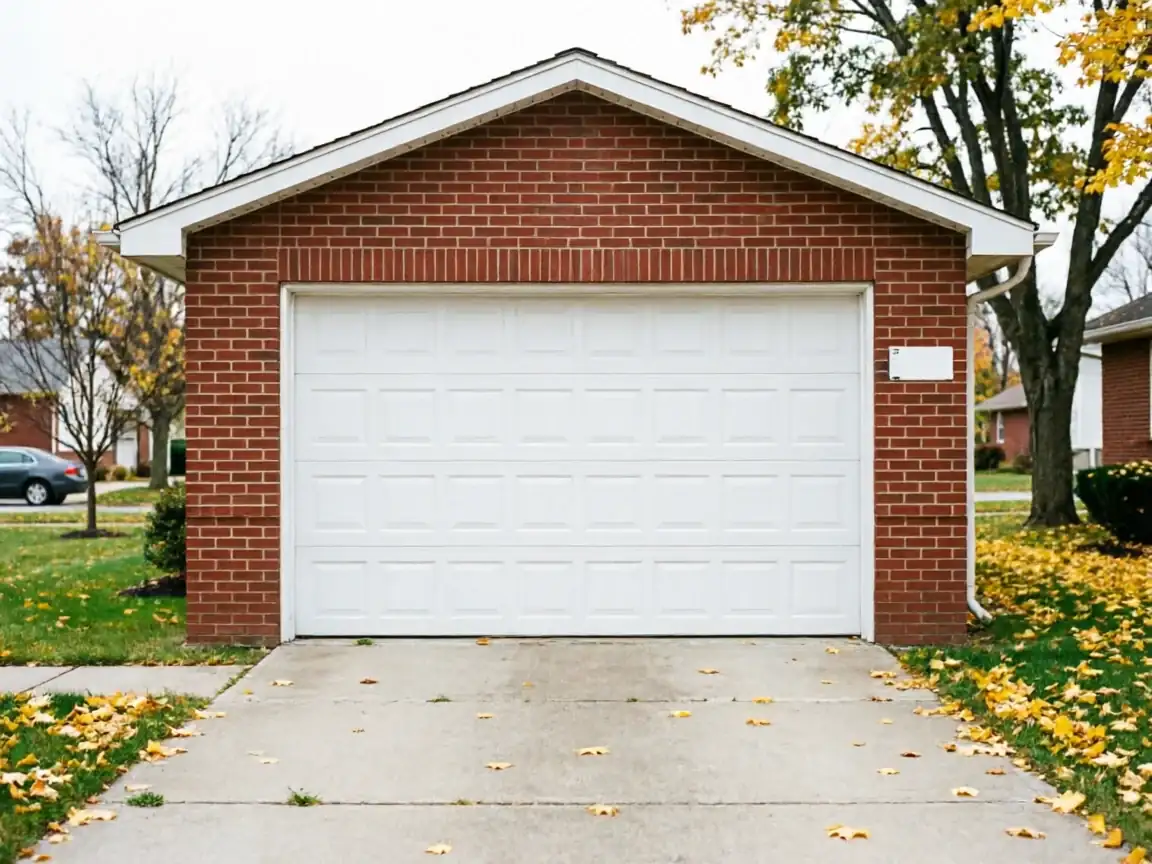
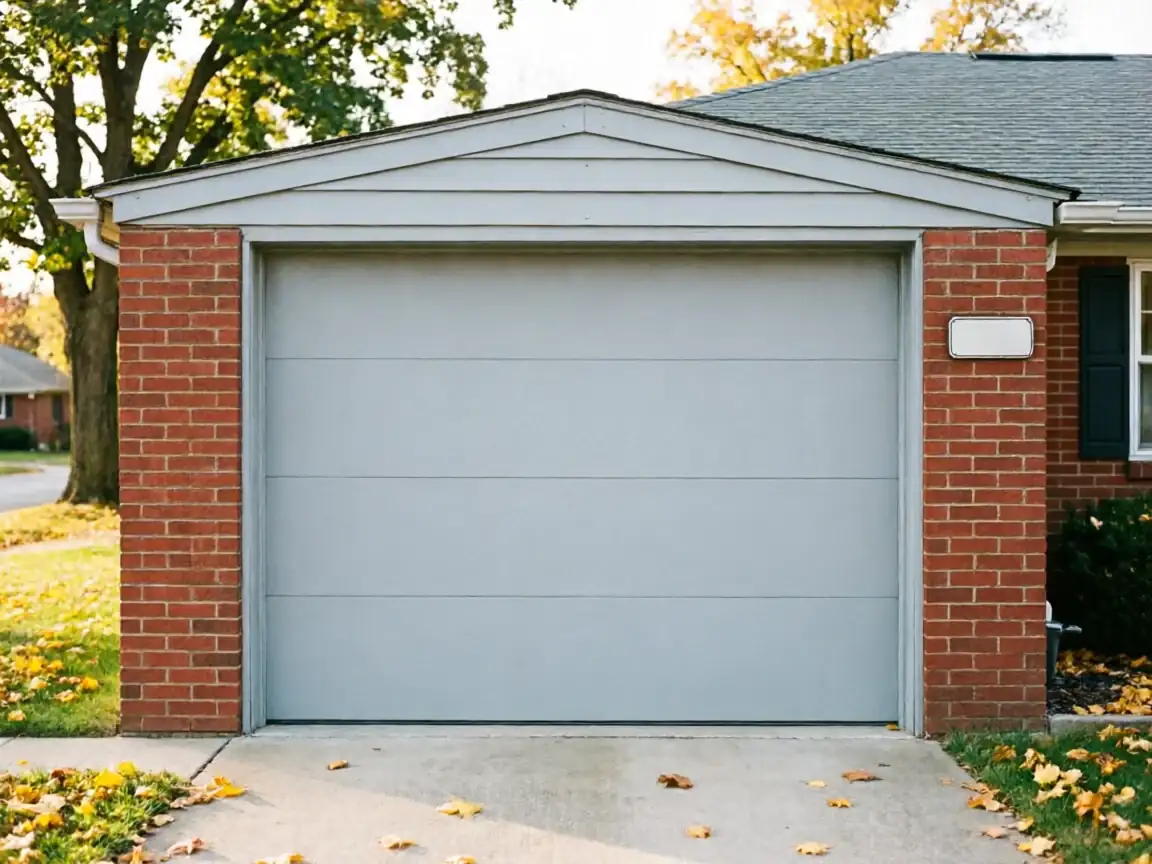
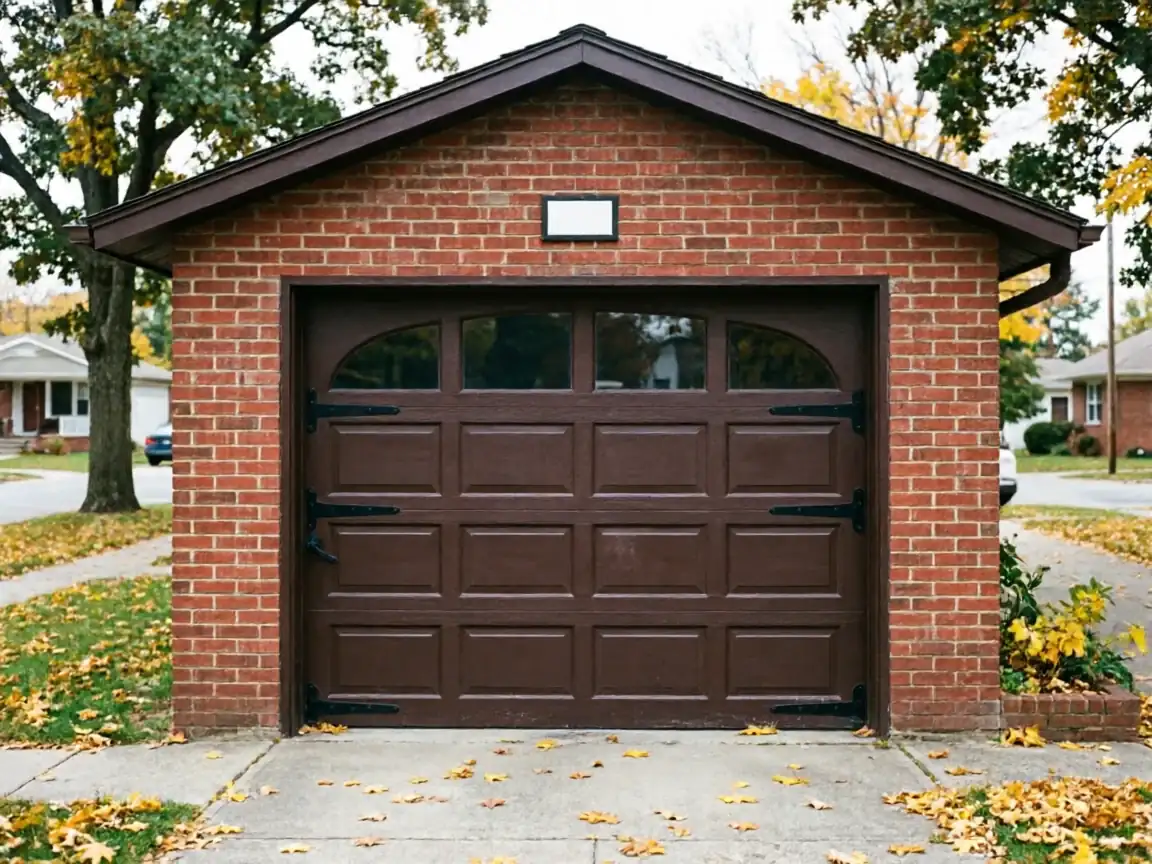
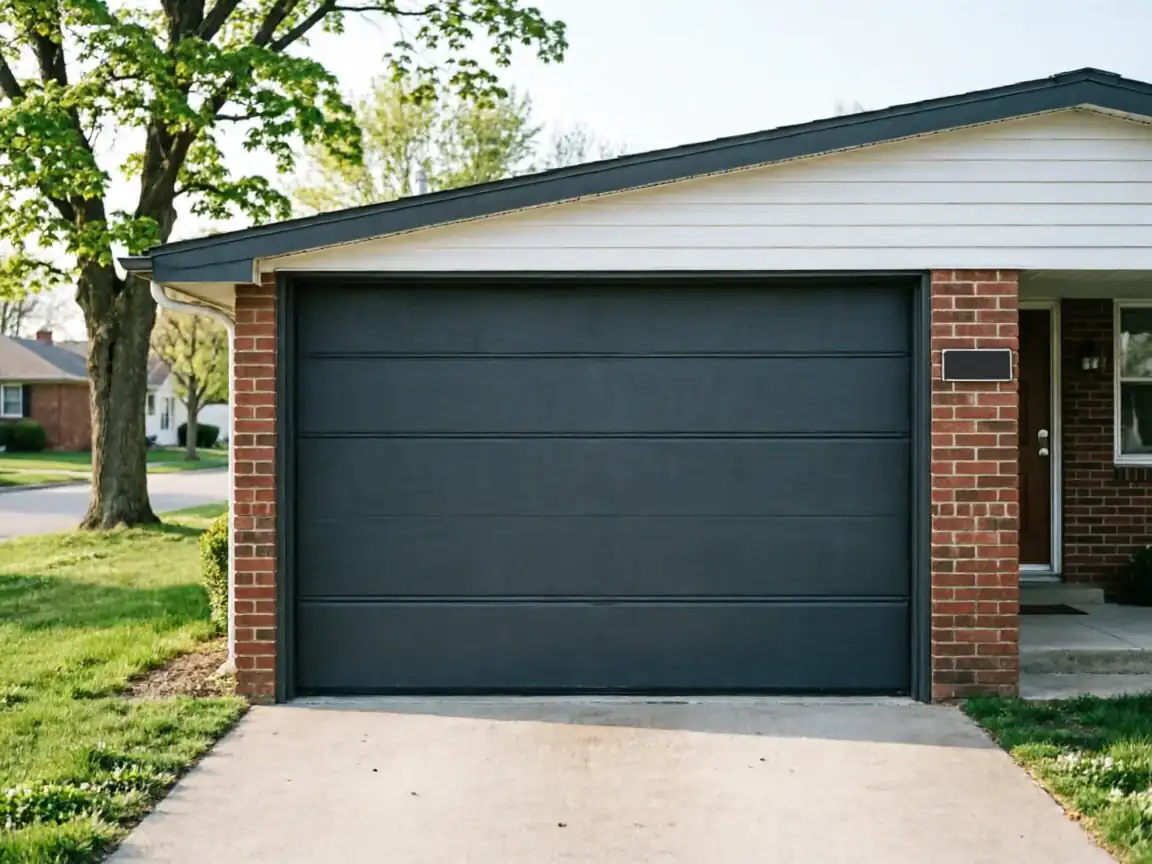
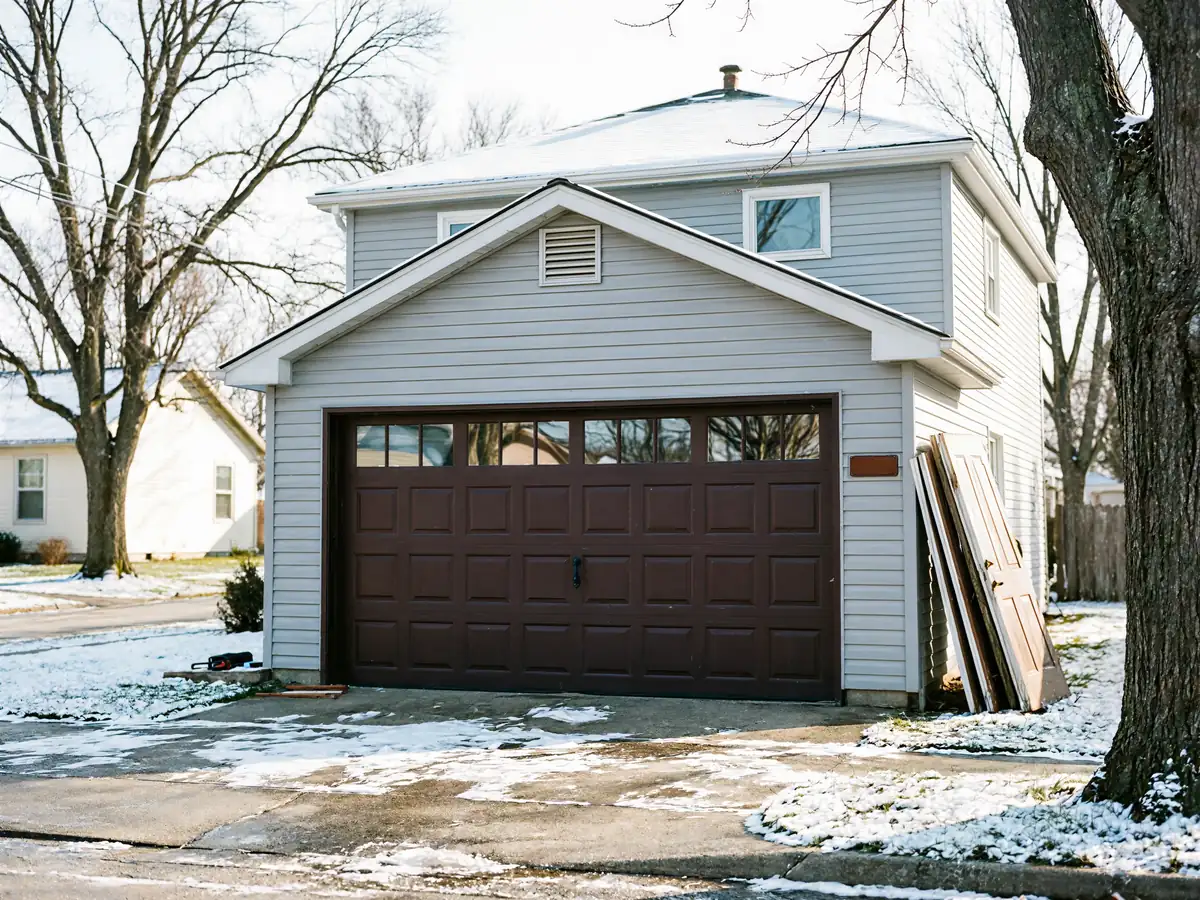
Vermont's median home was built in 1940, a full decade earlier than the 1952 median across the wider service area we cover from Macomb. That matters for cable repair specifically: a door installed, or at least hung on its original hardware, in the 1940s or 50s is running a cable drum, fixed-end bracket, and pulley setup that was never upgraded when galvanized coatings and nylon-sleeved cable became standard. A lot of what we find on these calls is still the original steel, just worn through.
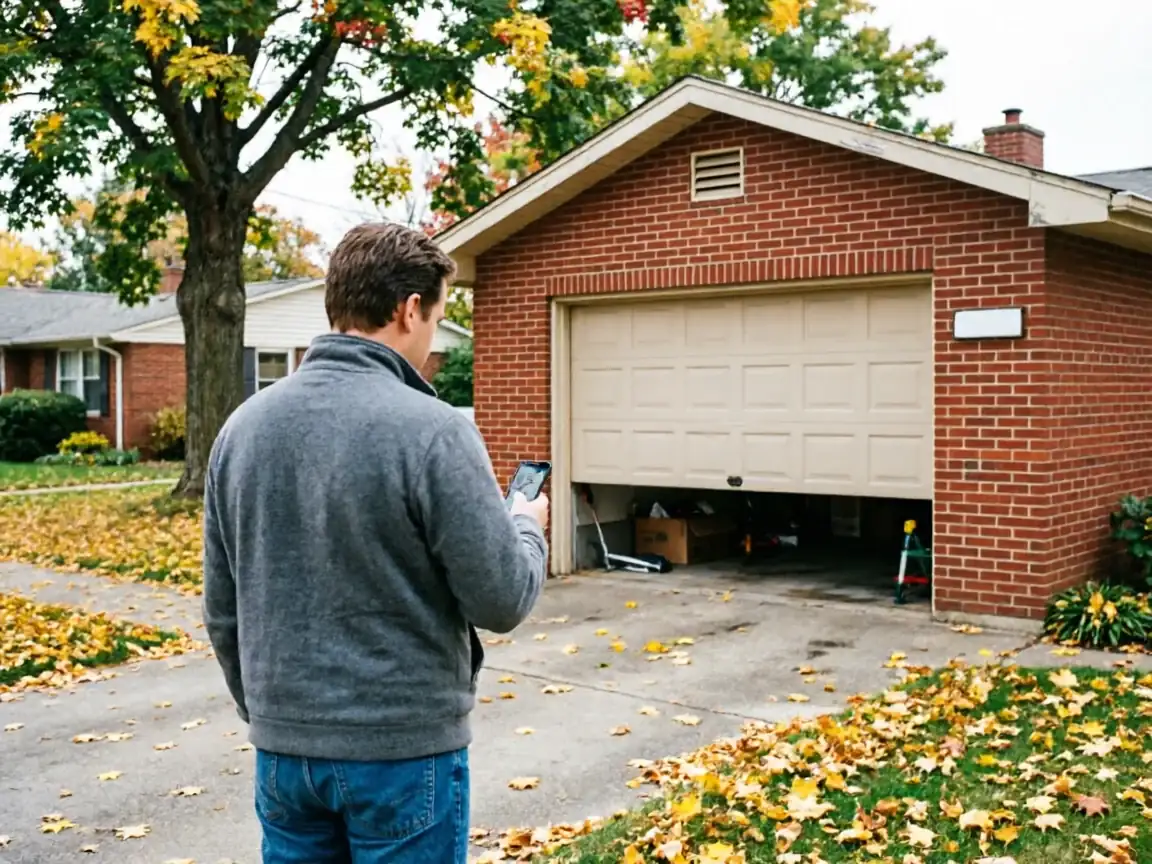
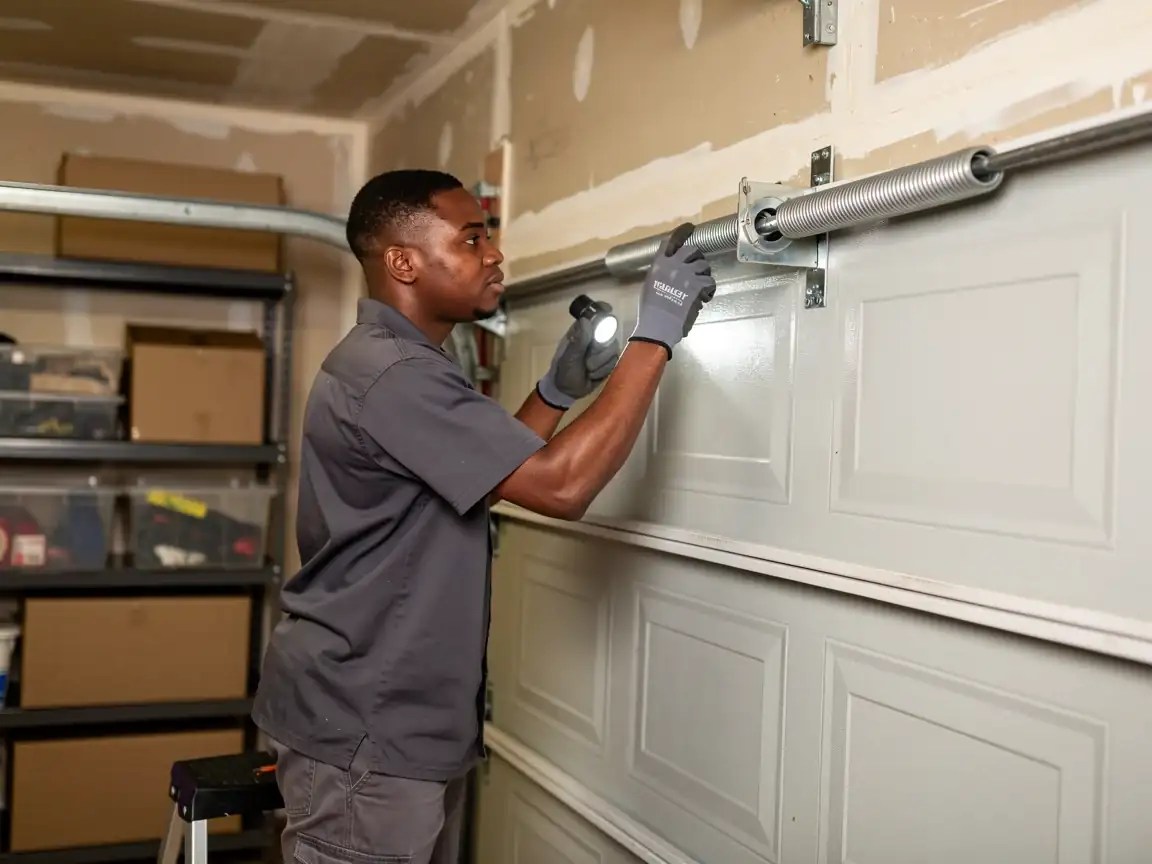
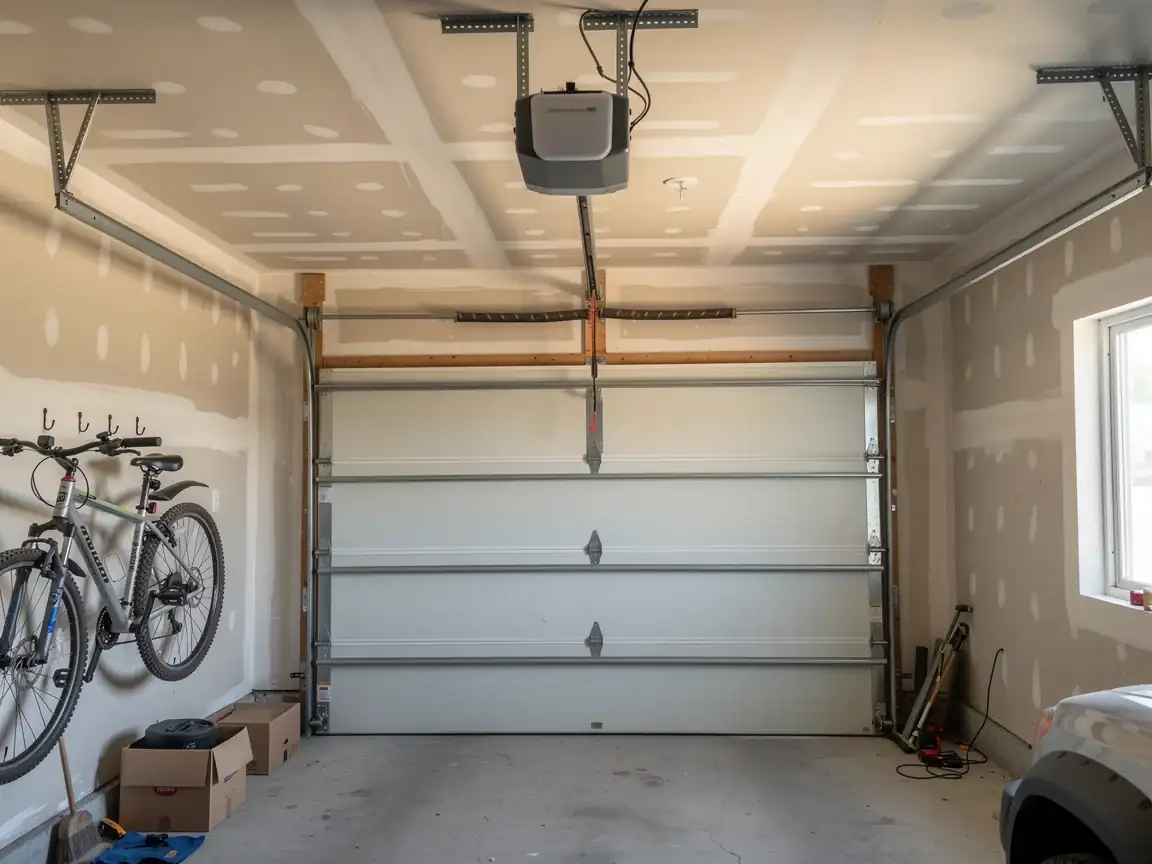
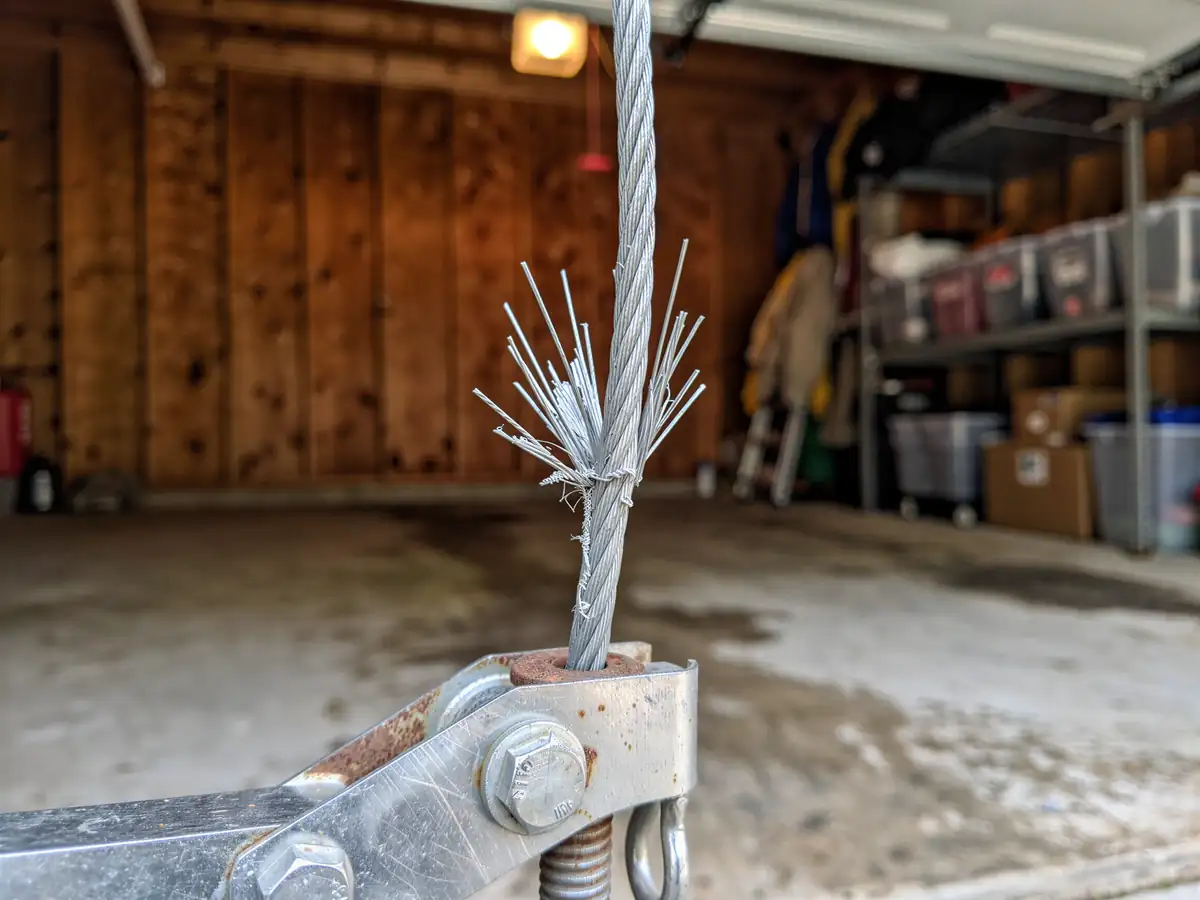
What you'll actually notice is one side of the door hanging lower than the other, a door that won't lift past a foot or two, or a loud bang followed by the door dropping fast on one corner. That's a snapped cable, not a spring in most cases, though the two fail together often enough that we check both before we call it. Fraying near the drum, rust streaks down the track, or a cable that's visibly unwound from its drum are all signs the strand gave out from age rather than a single bad lift. On original hardware this old, that's usually the honest explanation - not abuse, just the parts outliving their design life by thirty-plus years.
How Long It Takes
A straightforward broken-cable repair on a residential door
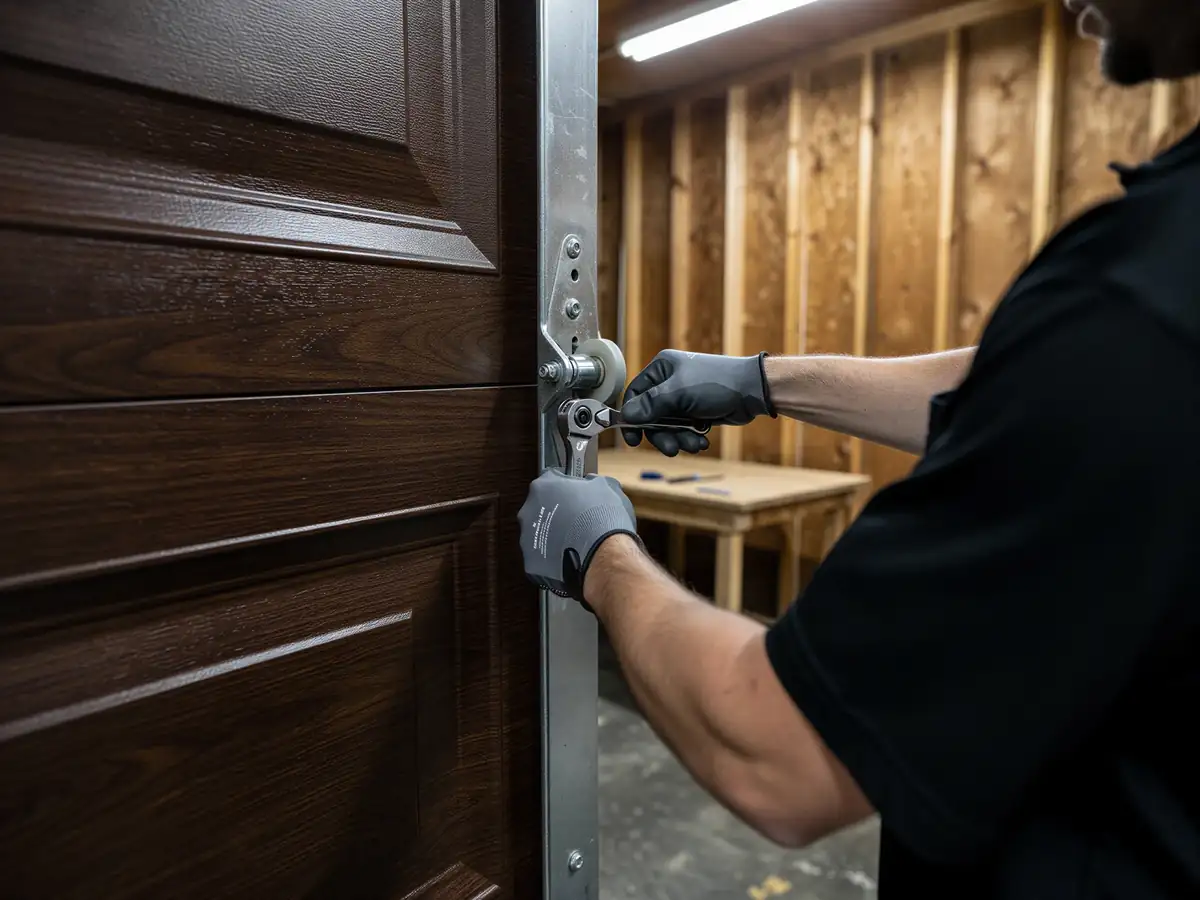
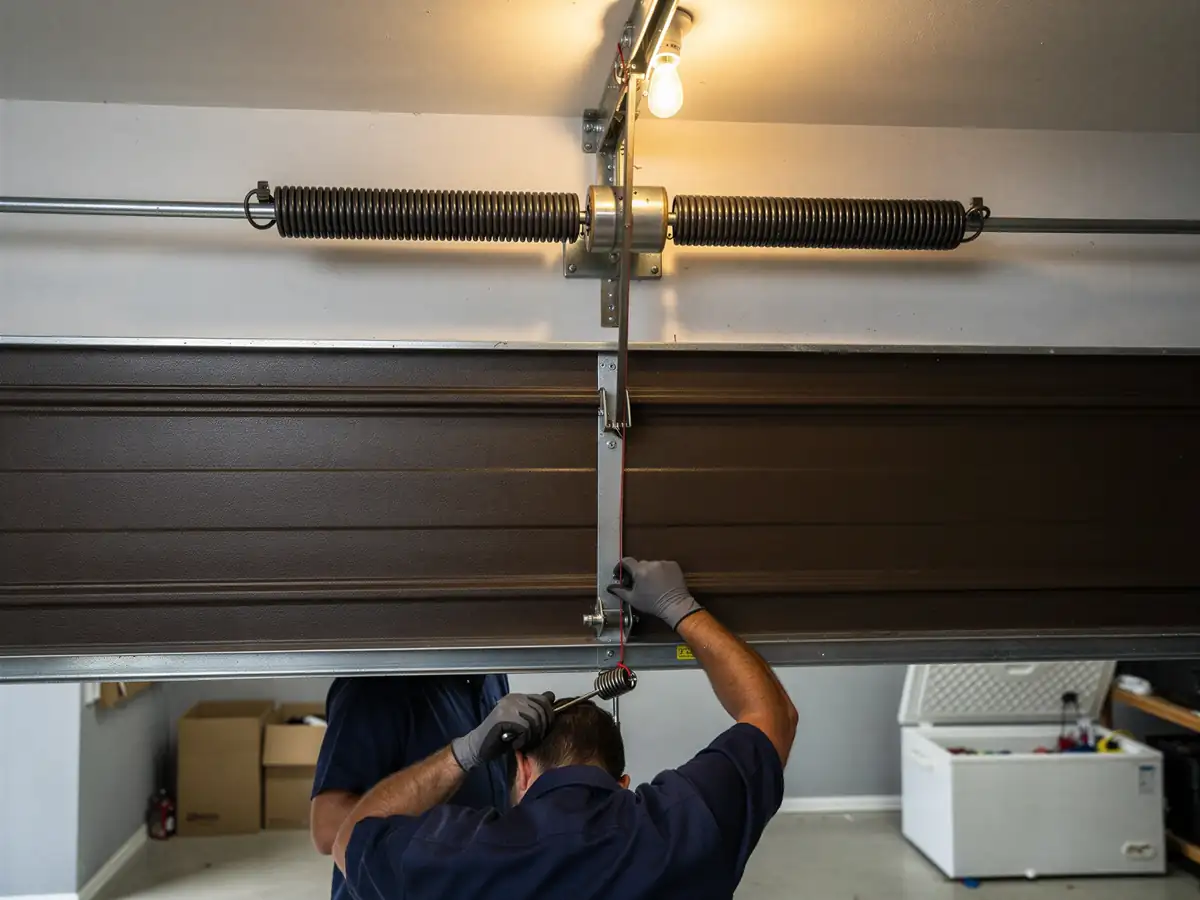
Replace both cables as a pair, reset drum tension, check the track - is a same-visit job once we're on site, assuming the drums and fittings aren't a size we don't carry that day. The drive itself is part of the math here: with Vermont sitting about 18 miles out, you're looking at travel time on either end of the appointment window, which is a real factor for towns this far from Macomb that doesn't apply the same way for calls closer in.
- 18 miles
We always replace cables in pairs, not just the broken one
Because the other side on a door this old is running the same mileage and the same brittleness - replacing one and leaving its twin is a callback waiting to happen, and we'd rather not ask you to pay for a second trip on a predictable failure. In the cold-moderate climate this area sits in, cable that's already fatigued gets stiffer and more likely to snap once temperatures drop, so winter calls on older hardware aren't unusual.
The DIY Question
A broken garage door cable is not a safe DIY repair, and we'll say that without hedging. The torsion spring that cable connects to is holding enough stored force to cause real injury if it releases while you're working near it, and on a door built around 1940 that spring has had eighty-some years to corrode, weaken, or get re-tensioned by hand at some point in its history - you don't know its condition until it's apart, and that's exactly the wrong moment to find out.
What you can safely check yourself: whether the door is binding on the track, whether the opener is still trying to run the door even though it won't move (turn it off at the wall if so, to stop the motor from grinding), and whether there's an obvious visual gap or slack in the cable near the bottom corner. That's useful information to give us on the phone. Beyond that, this is a job for someone who's handled wound torsion springs on older hardware before - and on a household budget, a cable job is cheap next to the cost of getting it wrong.