What the Fix Involves
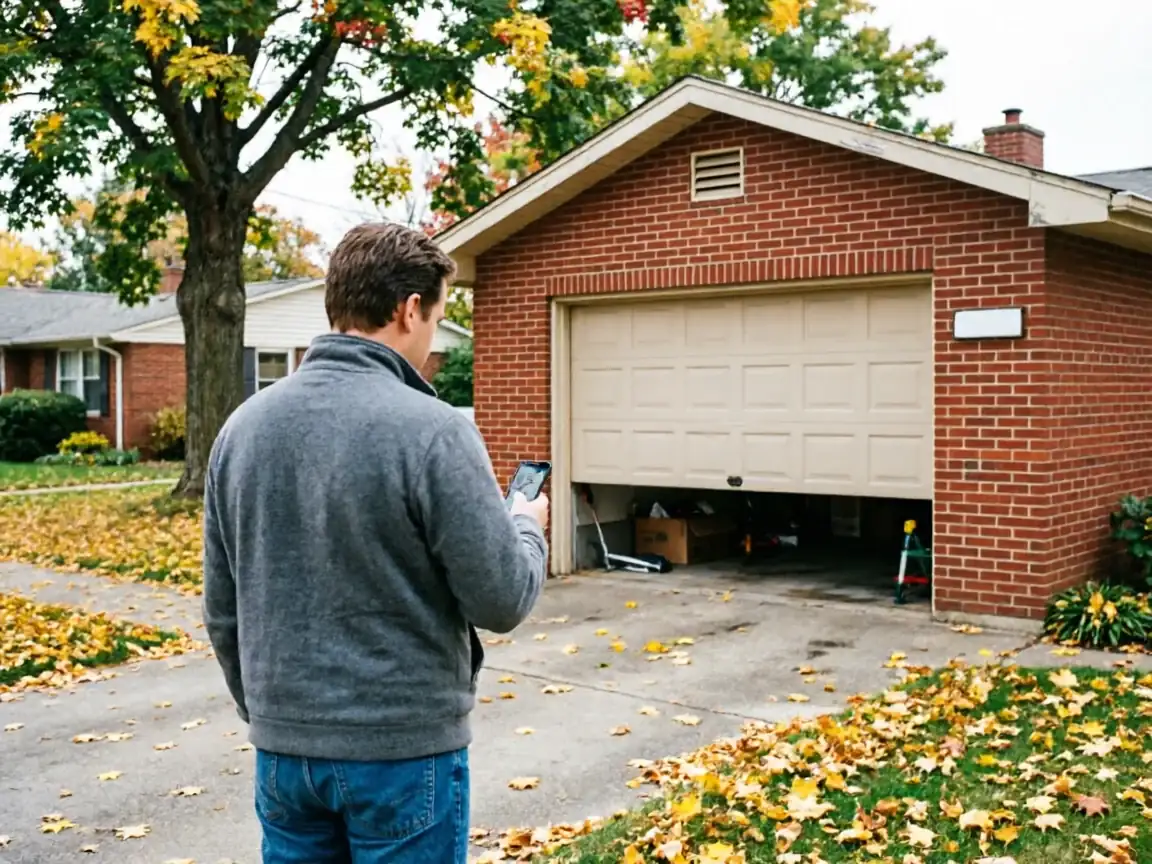
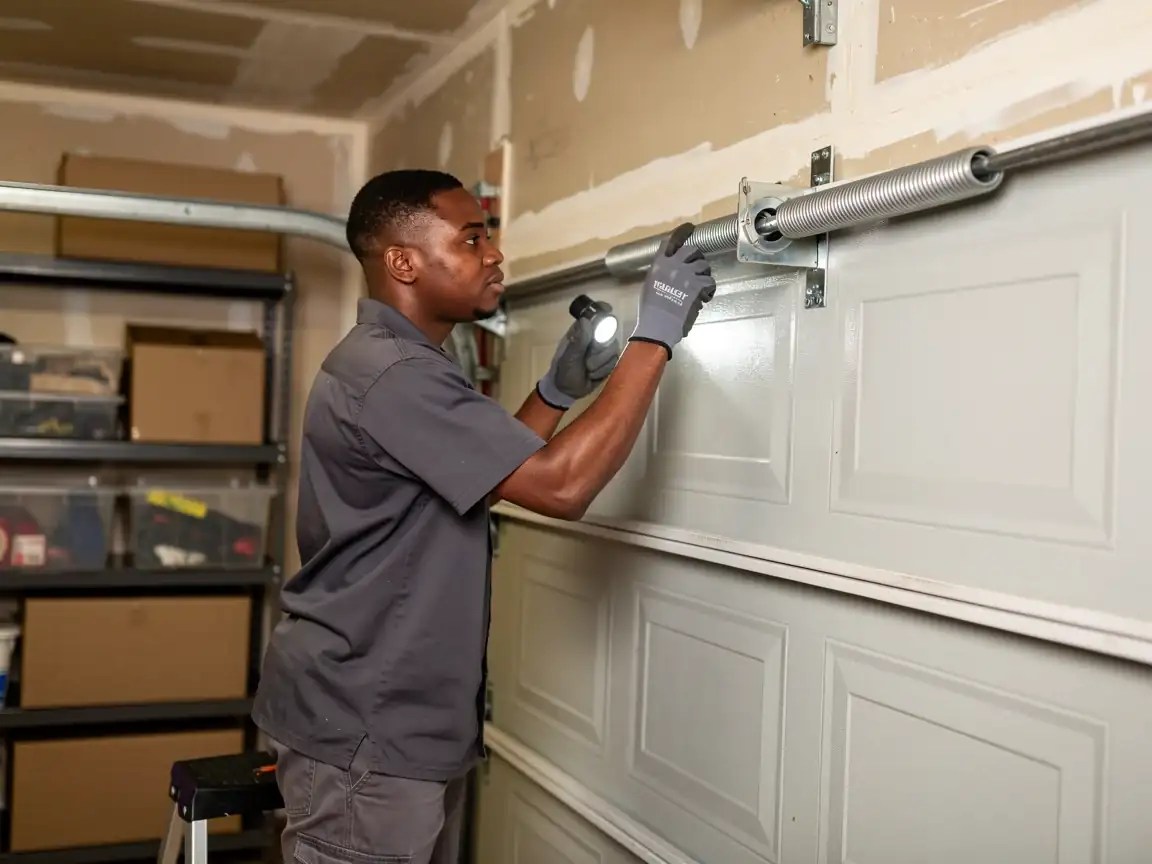
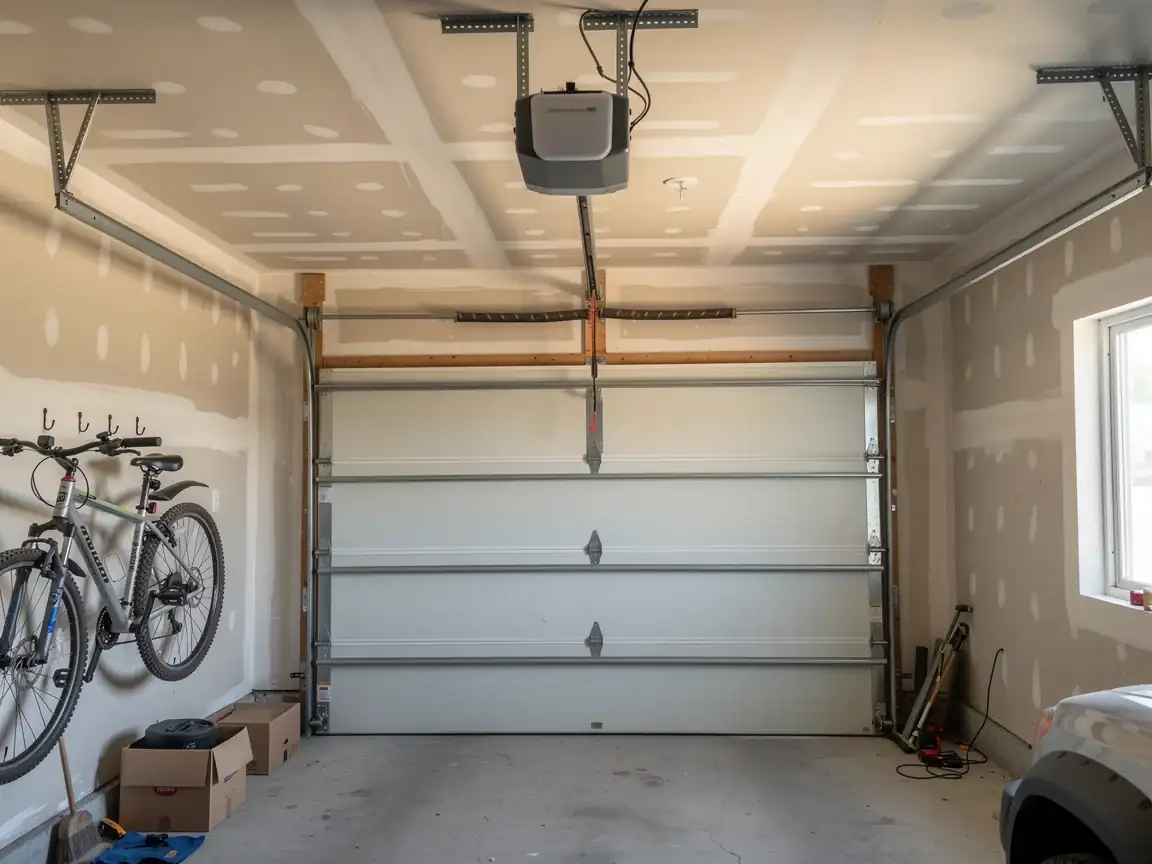
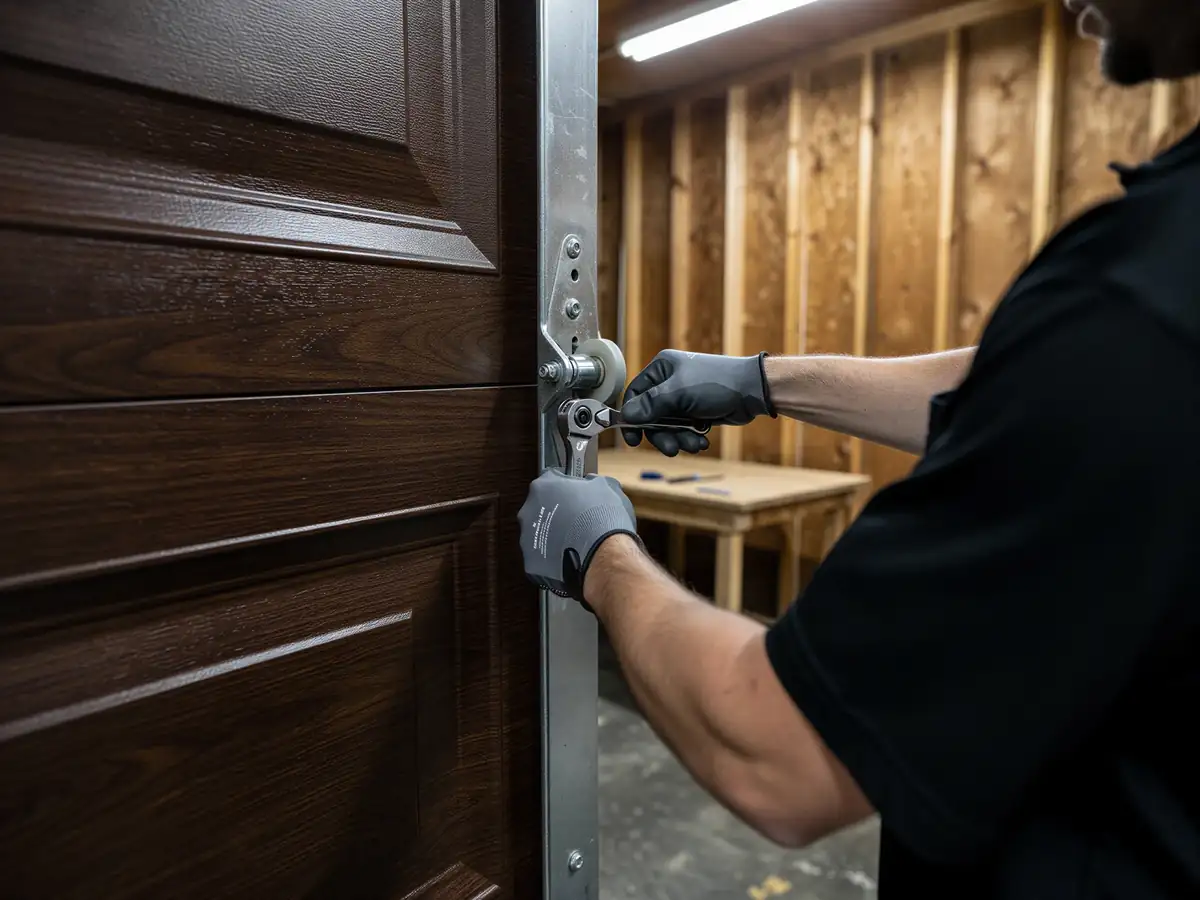
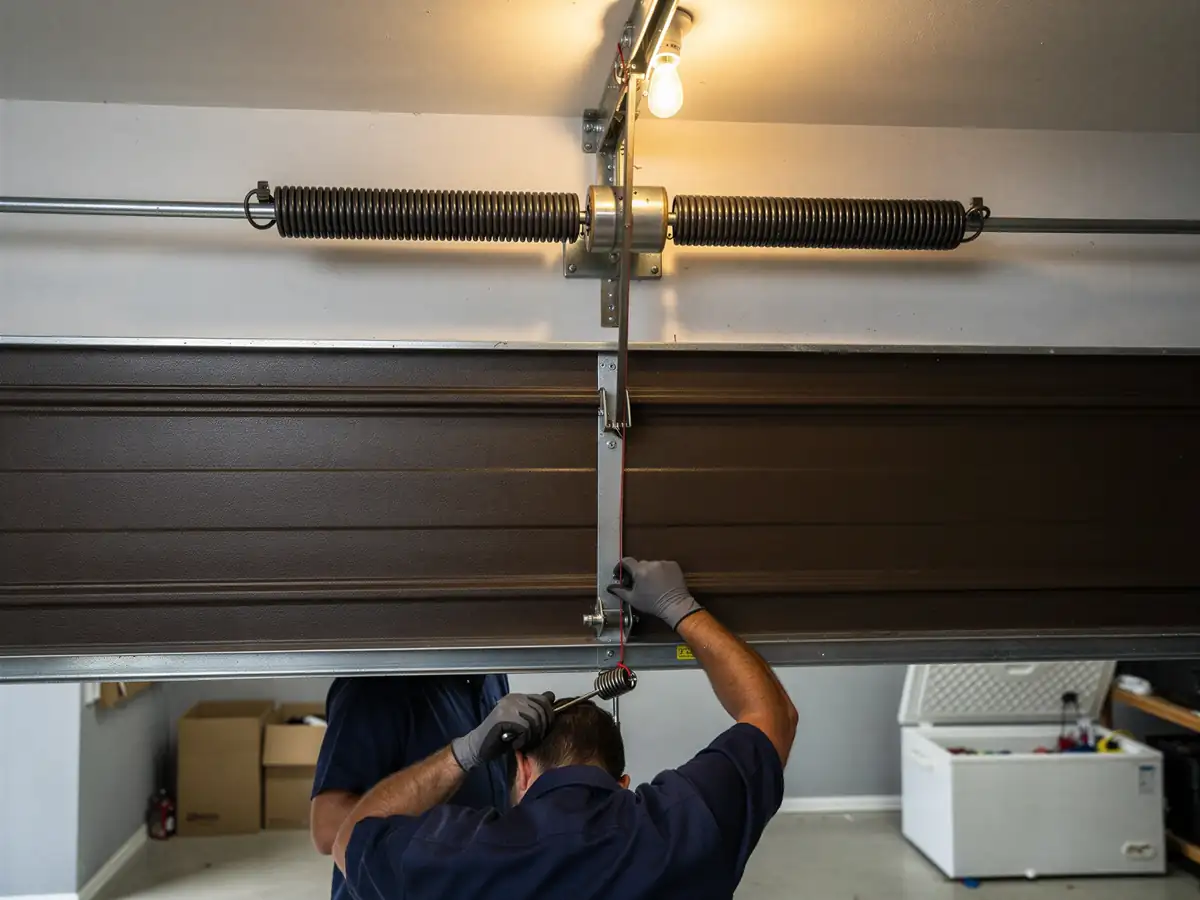
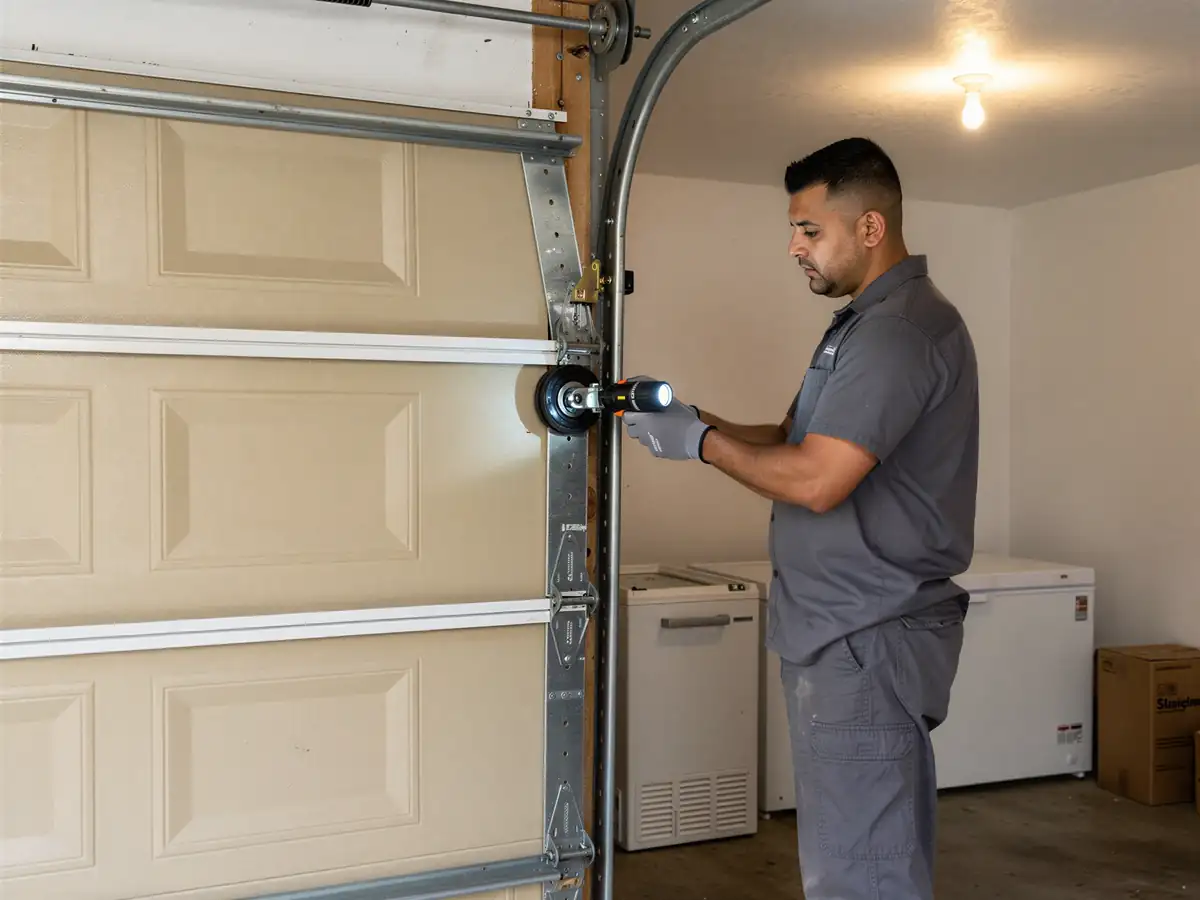
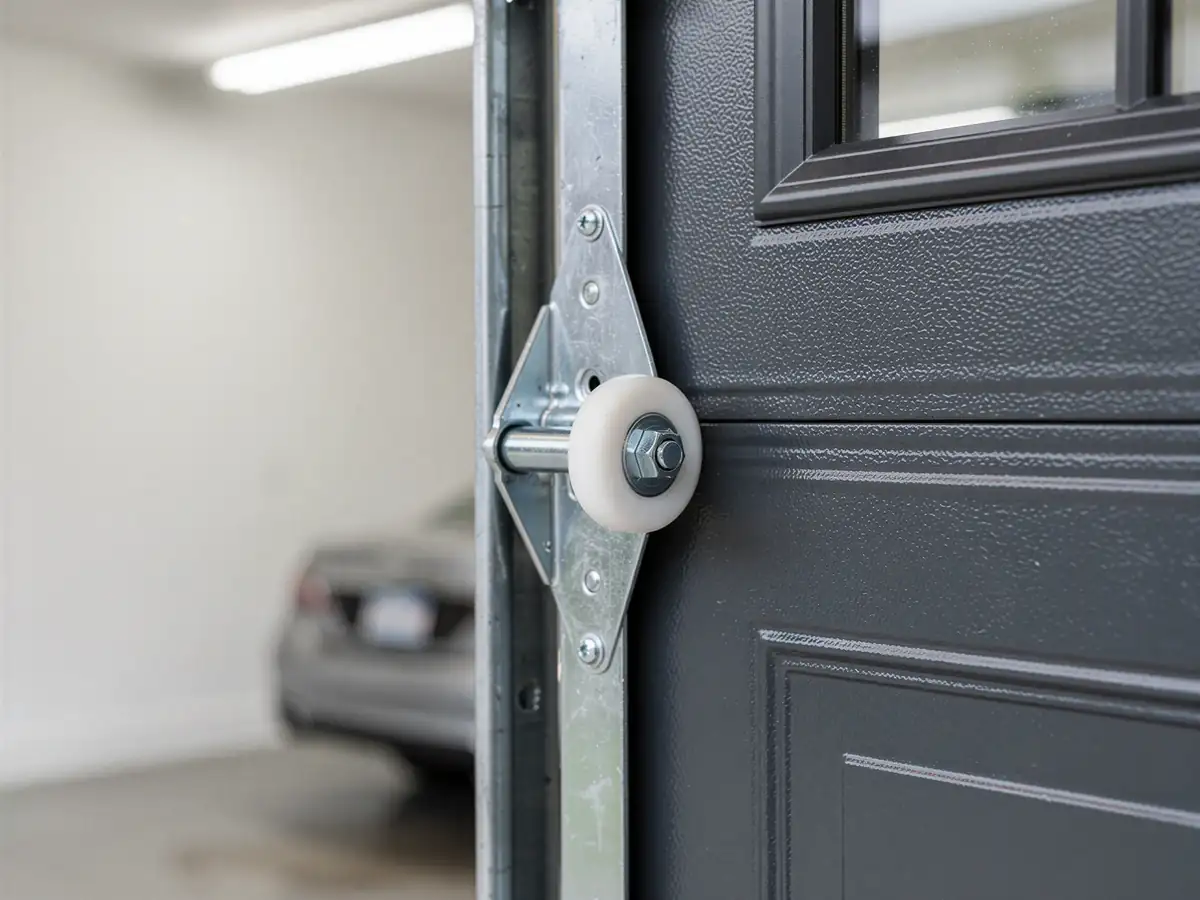
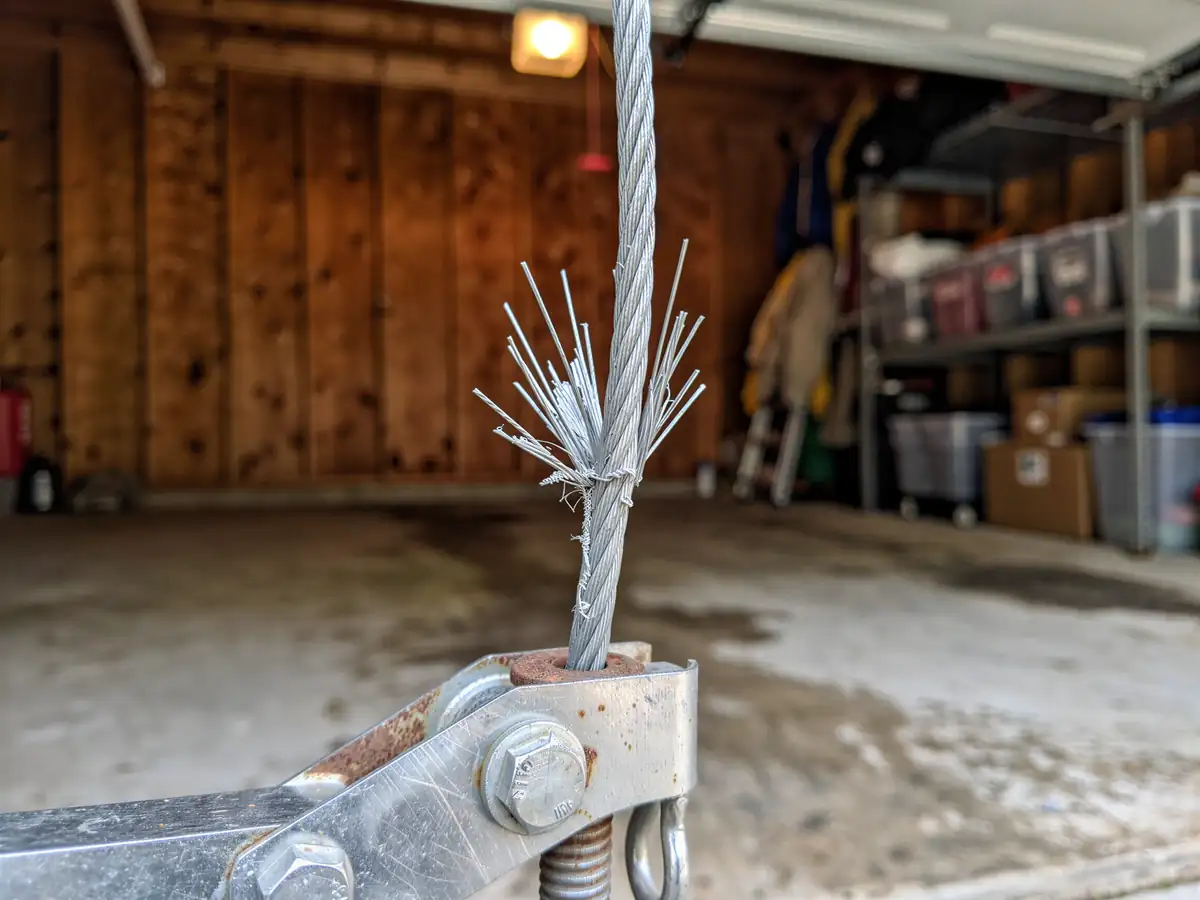
Table Grove's housing stock runs older than a lot of what we see closer to Macomb - the median year built out here is 1946, which puts a good share of these garage doors on hardware nobody has touched since the Truman administration. A cable repair starts with figuring out whether you've got a broken lift cable (the one that runs up the side of the door and over the drum) or a frayed one that's about to go. On a door this old, we're also checking the drum itself, since a worn or grooved drum will chew through a brand-new cable in a season. The fix is straightforward on paper: unwind the old cable under control, measure and cut the replacement to match the drum and track height, and reset the tension evenly on both sides so the door doesn't rack sideways when it travels. The part that takes longer than people expect is making sure the rest of the system - rollers, hinges, the track itself - hasn't been quietly failing alongside the cable. On a door built when Truman was in office, it usually has.
What Causes It Around Here
Three things wear a cable out: rust, friction, and age. Table Grove sits in the same cold-moderate climate band as the rest of the territory we cover, which means freeze-thaw cycles every winter that work moisture into any exposed steel. A cable that's been sitting on an original 1946-vintage drum for decades has usually seen enough winters that the galvanized coating is long gone in spots. Add in a door that's opened and closed a few thousand times without the cable ever being inspected, and you get fraying at the drum end first, since that's where the cable takes the sharpest bend under the most load. We also see cables fail faster on doors where the spring tension drifted out of balance over the years - one side carries more weight than it should, and the cable on that side pays for it. None of this is unique to any one house in town, but it's common enough here that when we get a cable call from this area, we're already expecting original hardware before we even see the door.
The DIY Question
A garage door is under spring tension whether the cable is broken or not, and that tension doesn't go away just because the door stopped moving. Releasing or adjusting a cable near a loaded torsion or extension spring is where most home injuries happen - it's not a car battery or a leaky faucet. If the cable snapped and the door is down and staying down, leave it there and call rather than trying to force it open or closed. There's also the practical issue: on a house this old, you often can't buy an exact-match cable off a shelf, so even a willing DIYer ends up needing to source the right gauge and length before touching anything. This is one of the jobs we'd rather talk you out of than walk you through over the phone.
Parts We Carry
We stock the lift cable sizes and lengths that cover most of the doors built in the 1940s through 1960s range, which is the bulk of what's out in this part of the territory. That includes standard galvanized aircraft cable in the gauges that match original drums from that era, plus the fittings and fasteners that tend to seize up on hardware this old. What we don't always have on the truck is an exact replacement drum for a door this specific - some of those were sized for openings that aren't standard today, and if yours needs one, that can mean a short order delay. We'll tell you up front if that's the situation rather than guessing at a fit.