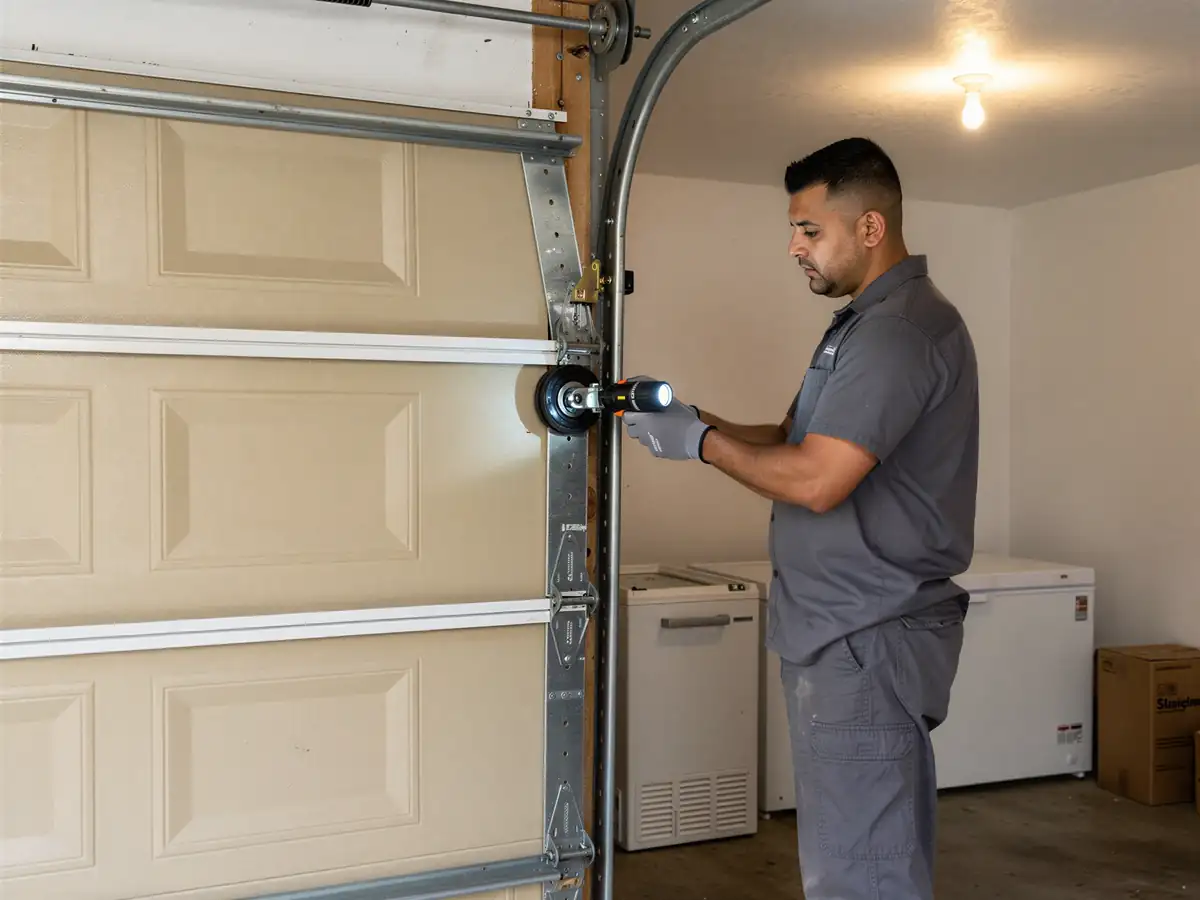
What the Fix Involves
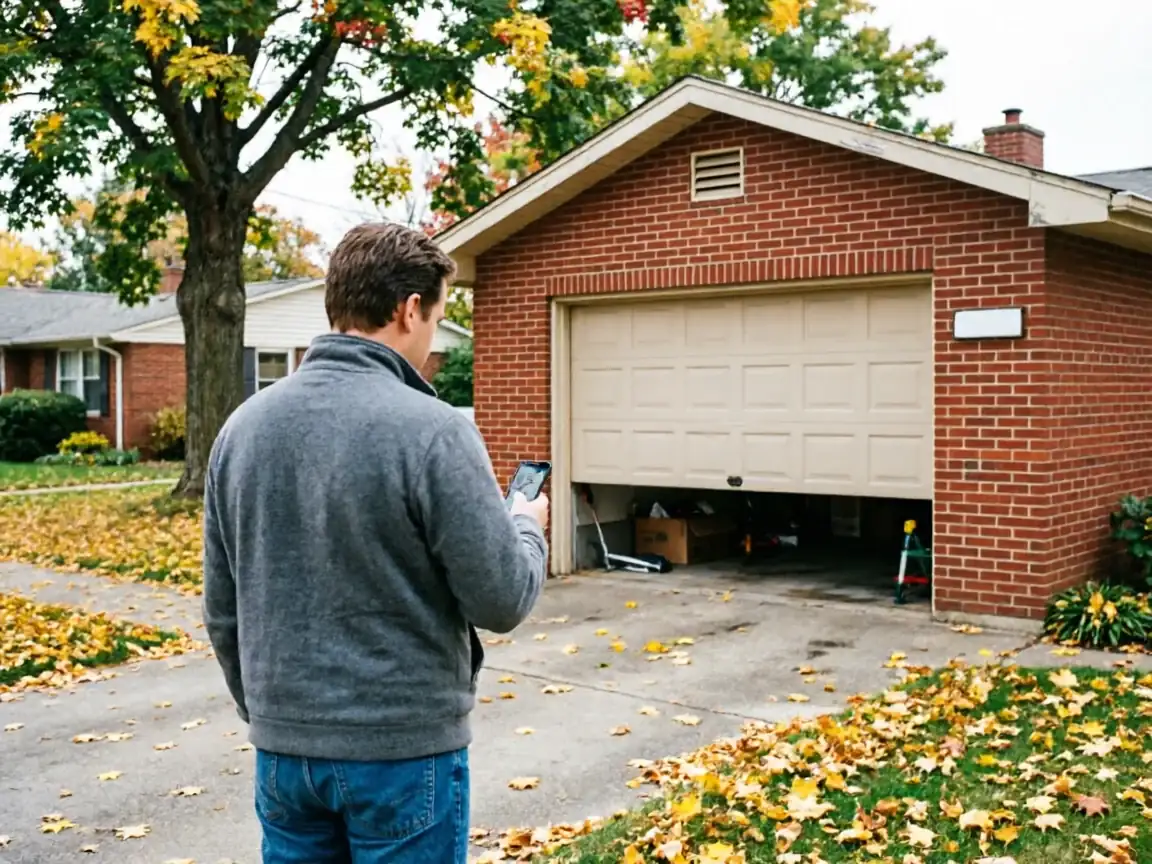
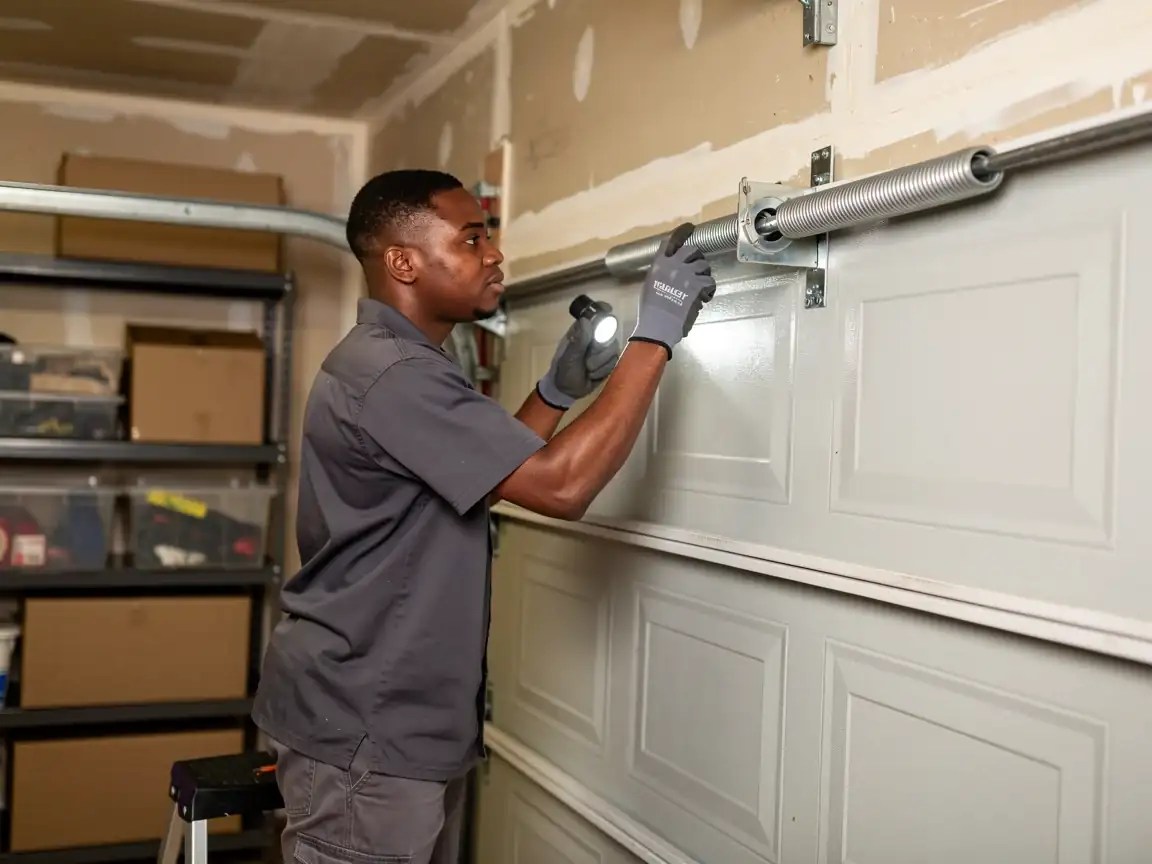
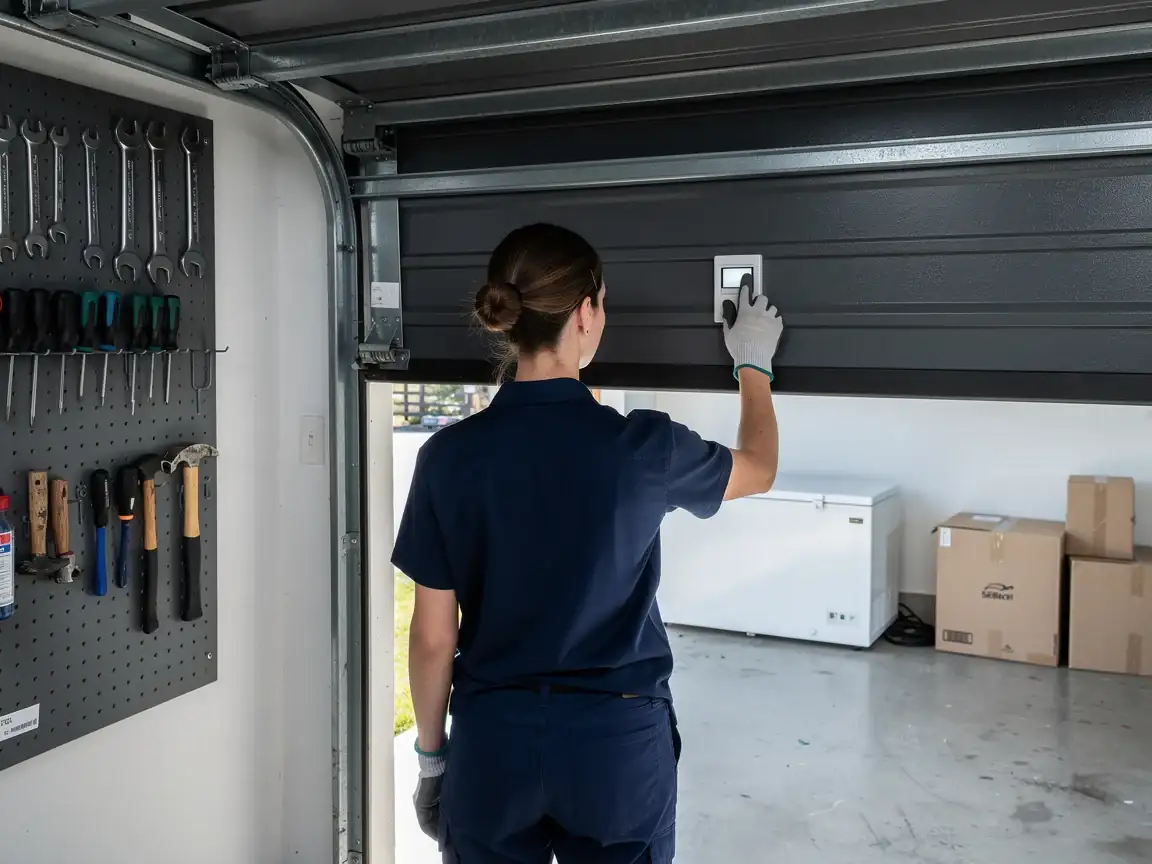
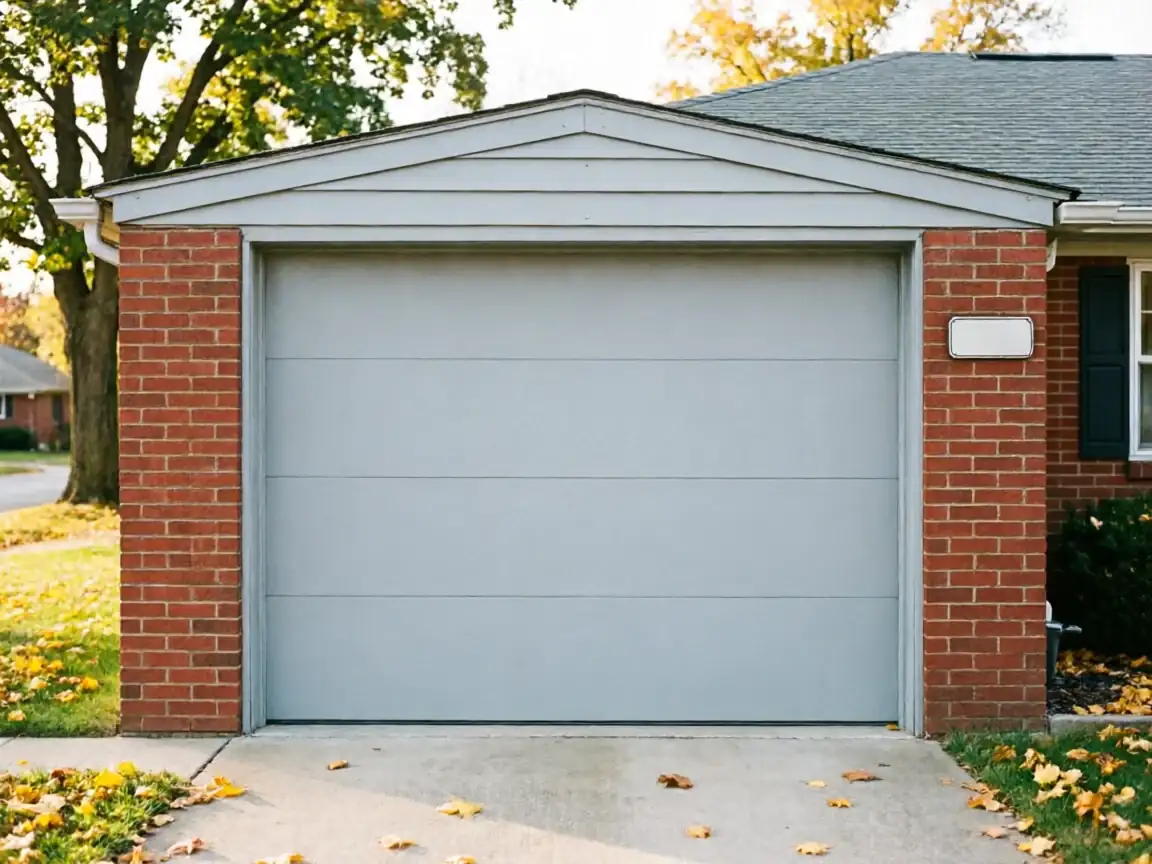
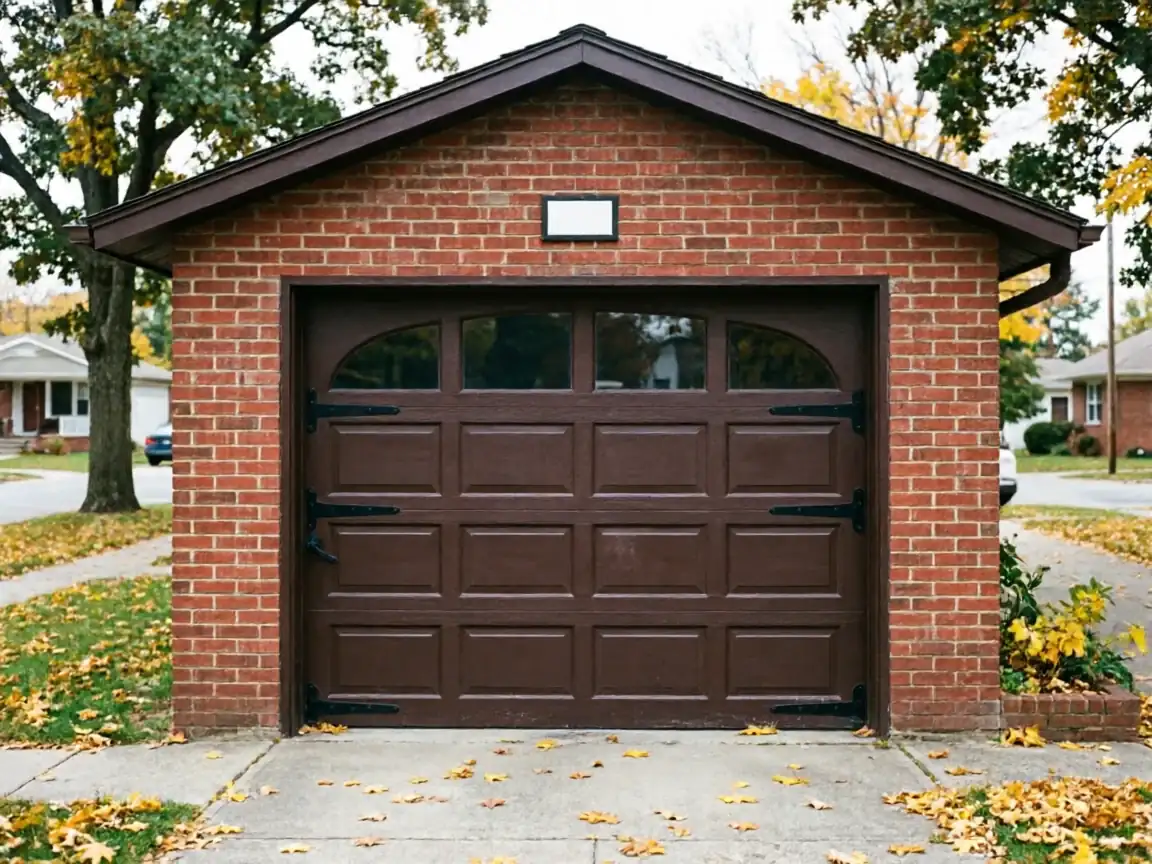
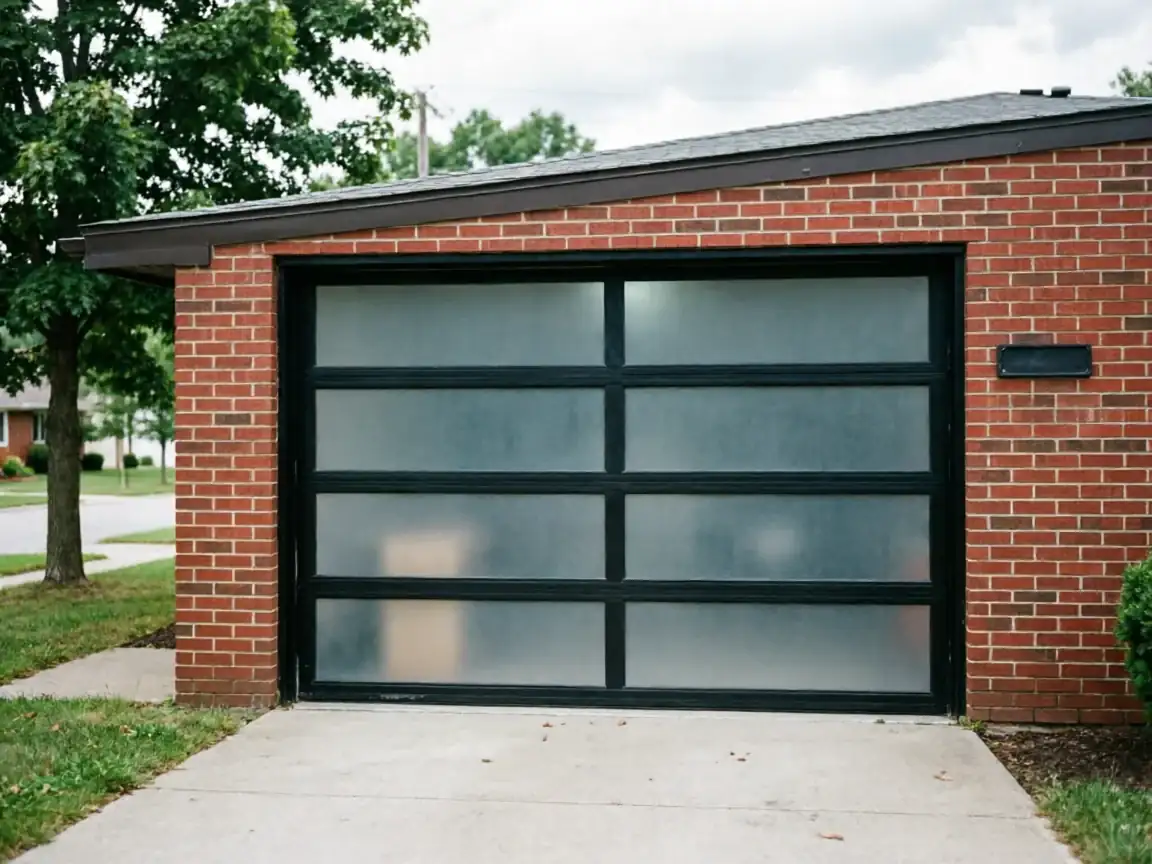
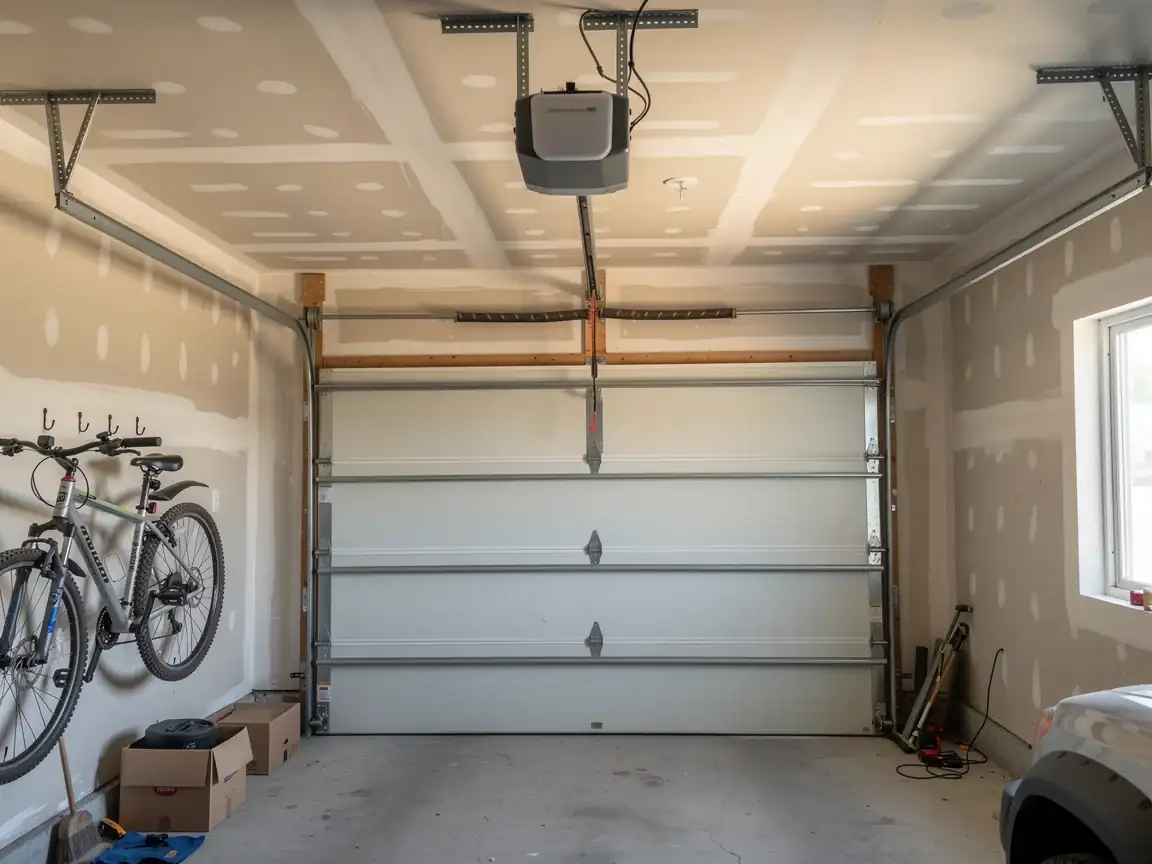
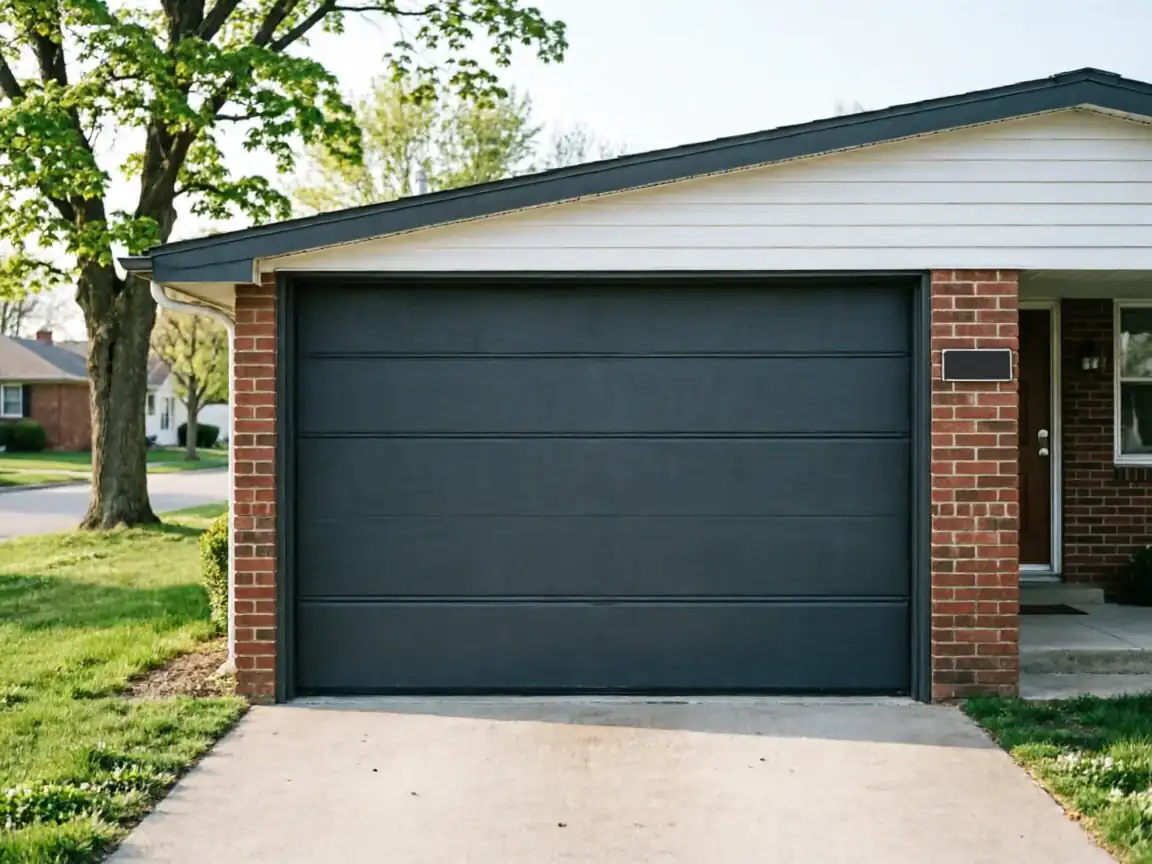
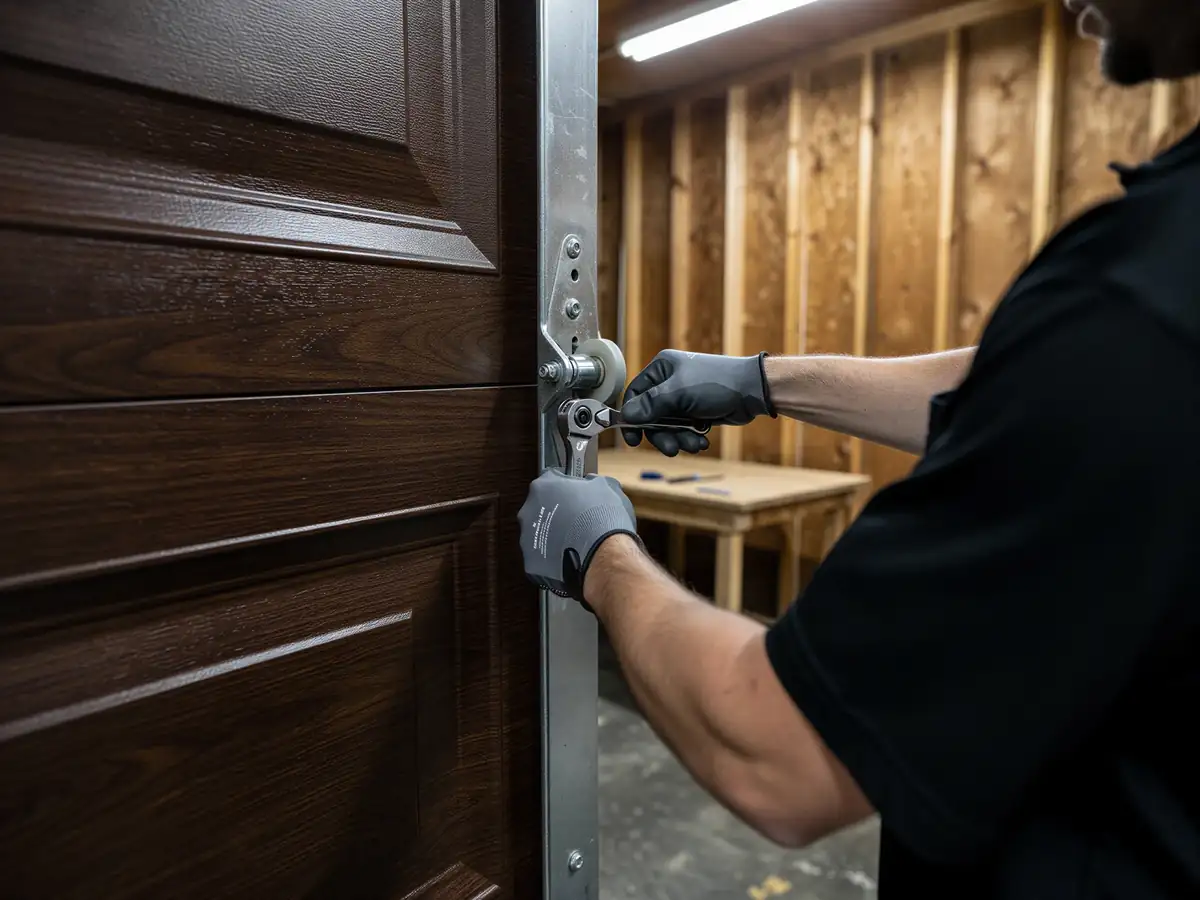
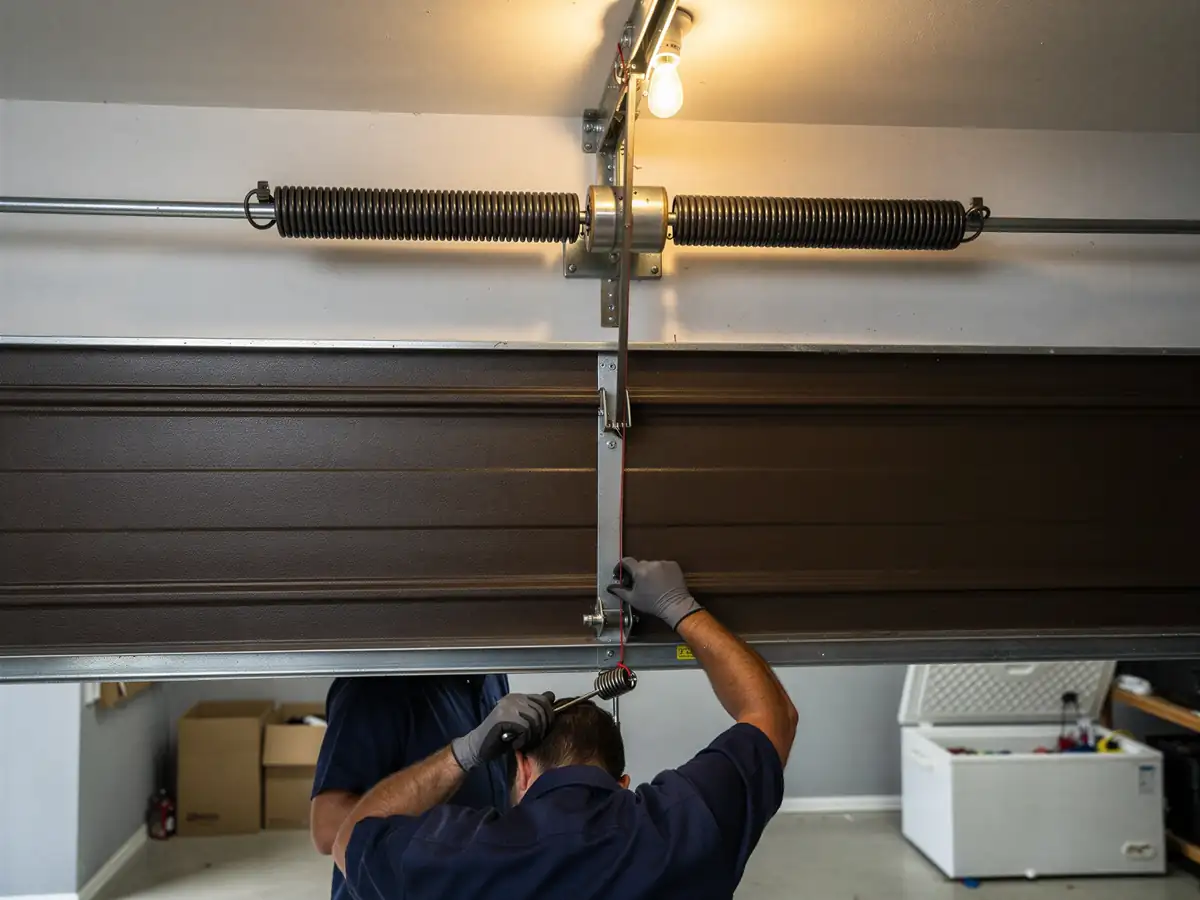
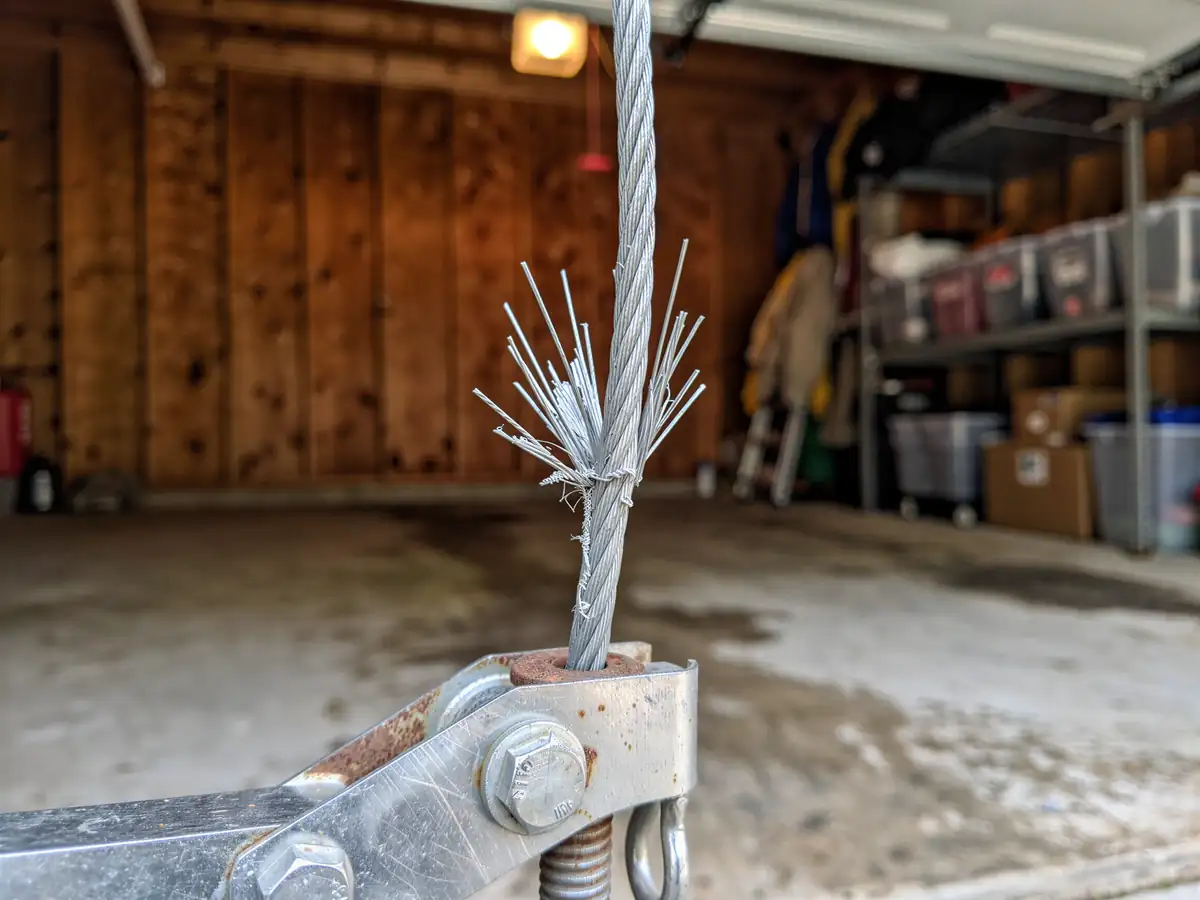
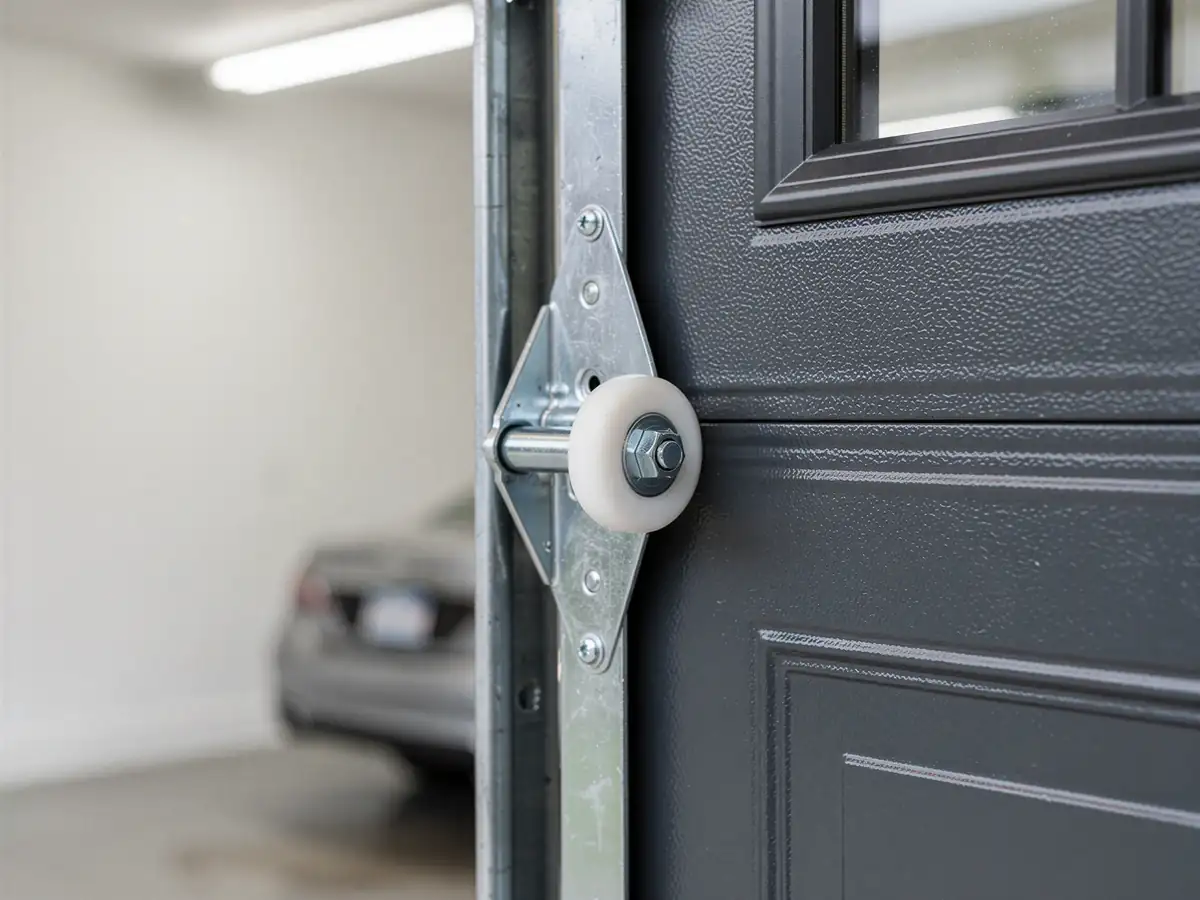
An off-track door means the rollers have come out of the channel that's supposed to guide them up and down. On a house built around 1946, which is typical for Table Grove, that channel is usually the original galvanized track or a direct replacement sized to match it - narrower than what goes into new construction today. The fix starts with releasing spring tension safely, then checking whether the track itself bent (common when a roller jumps and the door keeps moving) or whether it's just the rollers that came loose. If the track bent, it gets straightened or swapped section by section rather than replaced whole, since full-length track for these older openings isn't something you grab off a shelf everywhere. Once the track is true, the door gets reseated, rollers checked for wear, and the whole thing run through a few cycles to make sure it tracks straight and doesn't bind. On a lighter, older panel door this is usually a cleaner job than on a heavier insulated door, because there's less weight fighting the misalignment while we work. We also check the cable drums and bottom brackets while the door's open, since those usually show their age about the same time the track does.
What Causes It Around Here
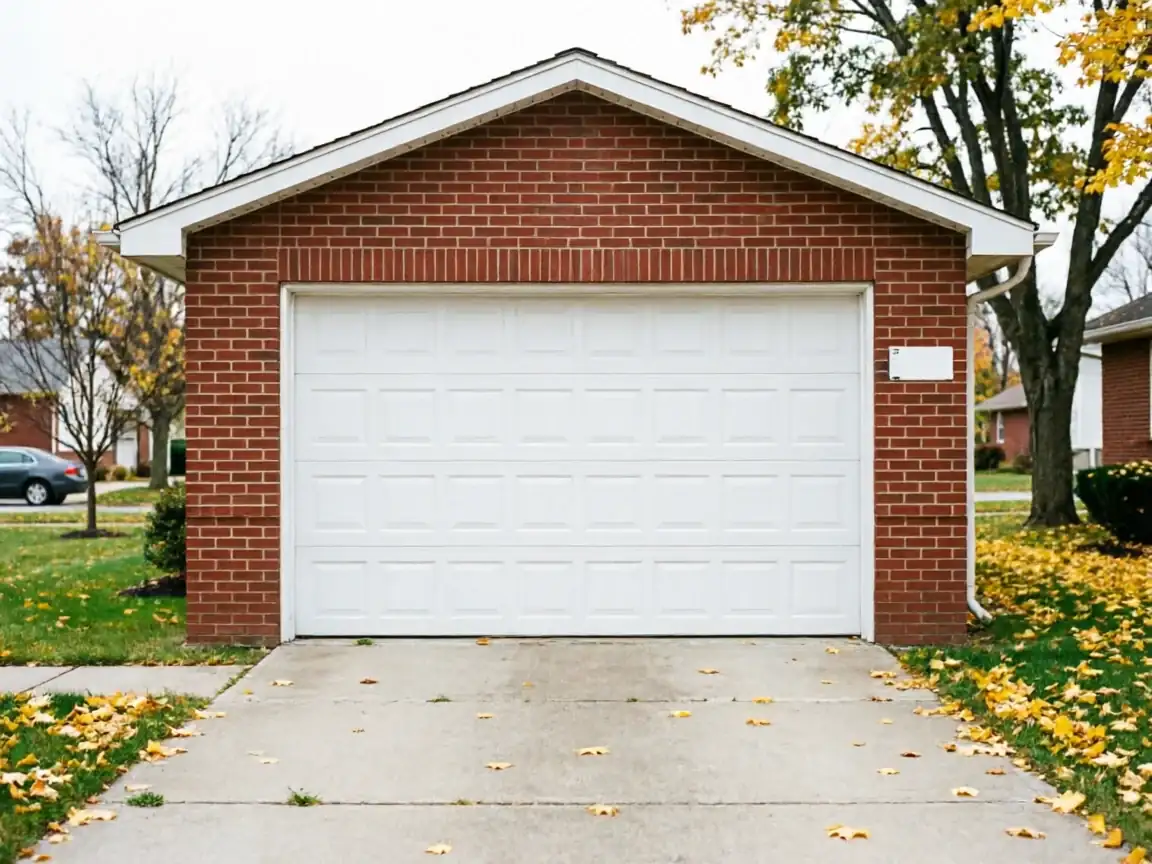
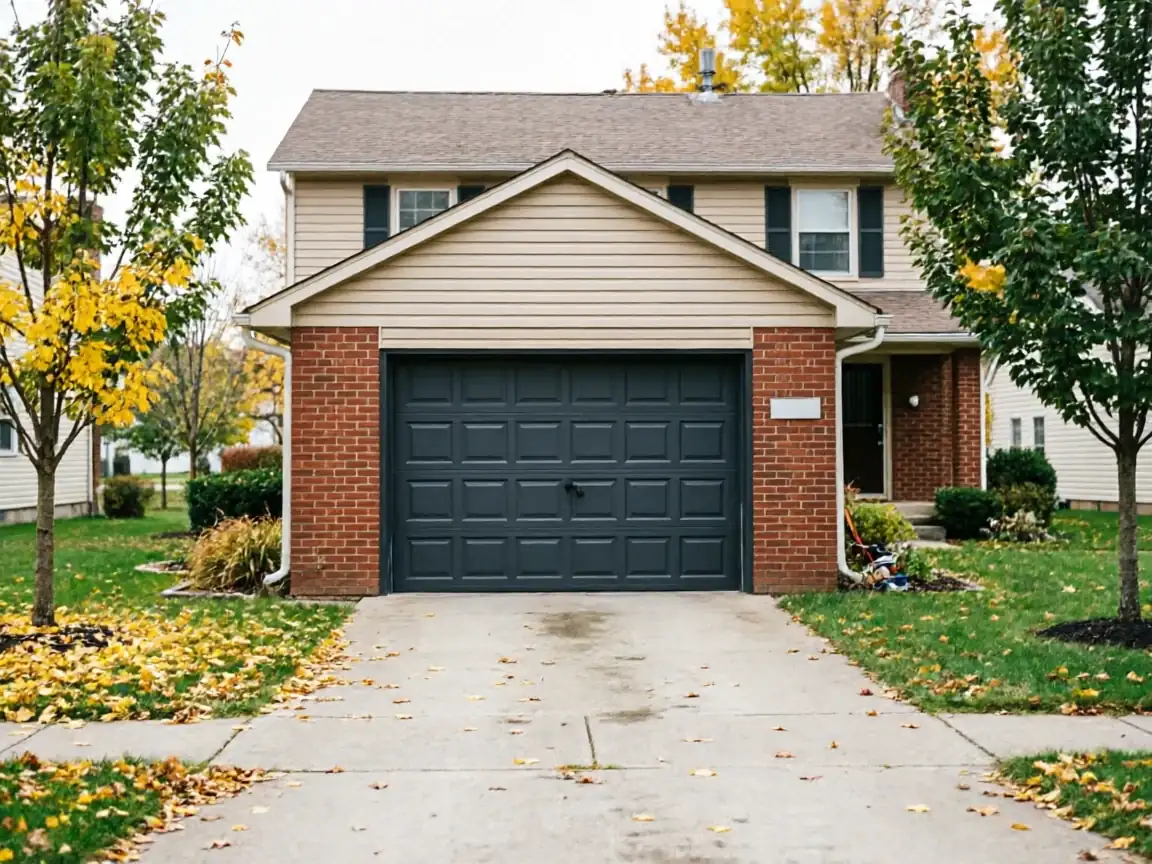
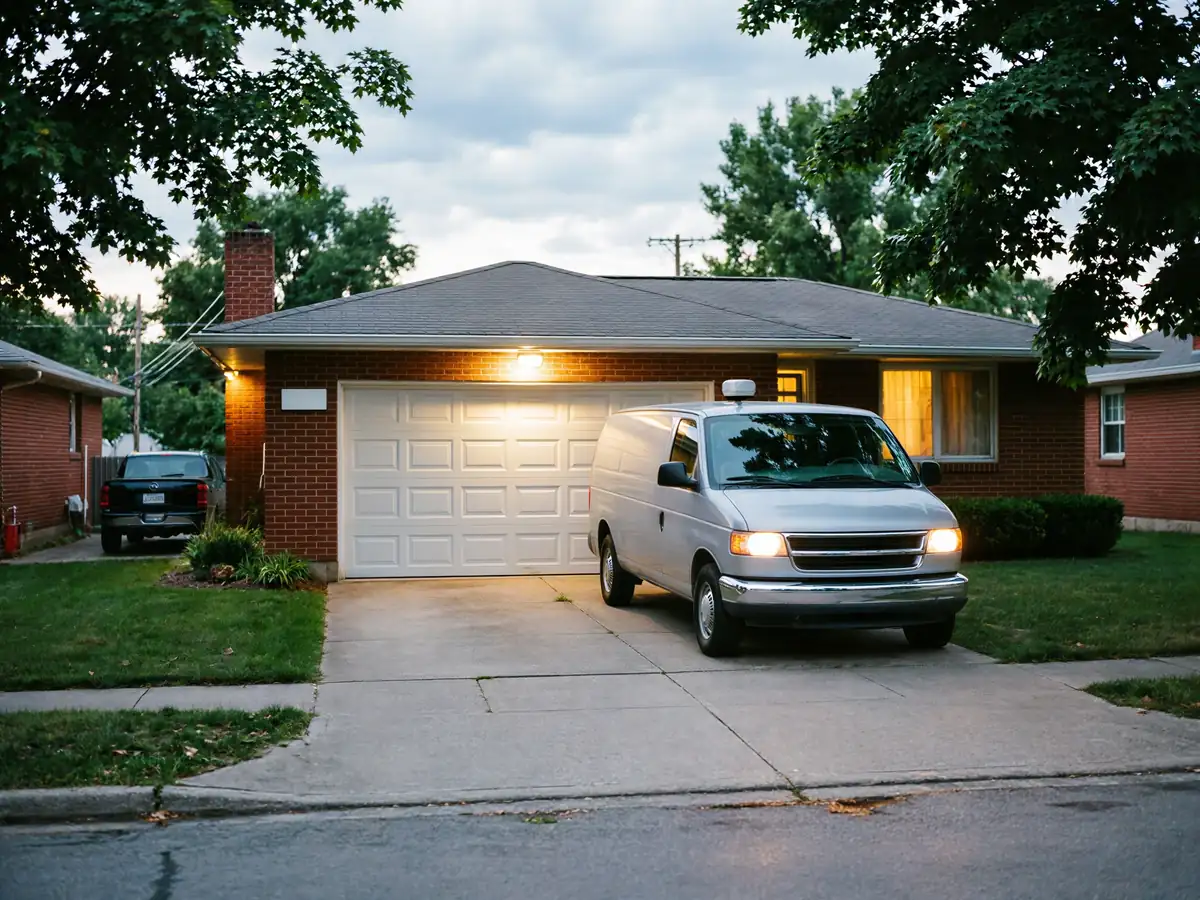
Table Grove sits in a cold-moderate climate band, and that matters more than people think for a town where most houses went up in the 1940s. Original track brackets were fastened to wood jambs that have had eighty-odd years to shift, dry out, or loosen at the lag screws - and once a bracket moves even a little, the rollers start running at an angle instead of straight up the channel. Freeze-thaw cycles work on that movement every winter, loosening what the fall already started. Across the wider service area, housing mostly predates 1960, so this isn't unique to Table Grove, but with a median build year here of 1946 - older than most of the surrounding towns - the hardware has had more years to work loose. A bent track from a car bumper or a dropped bike is still the most common single cause we see, but on a door this age, a track that's already slightly out of alignment from bracket movement is a lot more likely to jump when something hits it.
The DIY Question
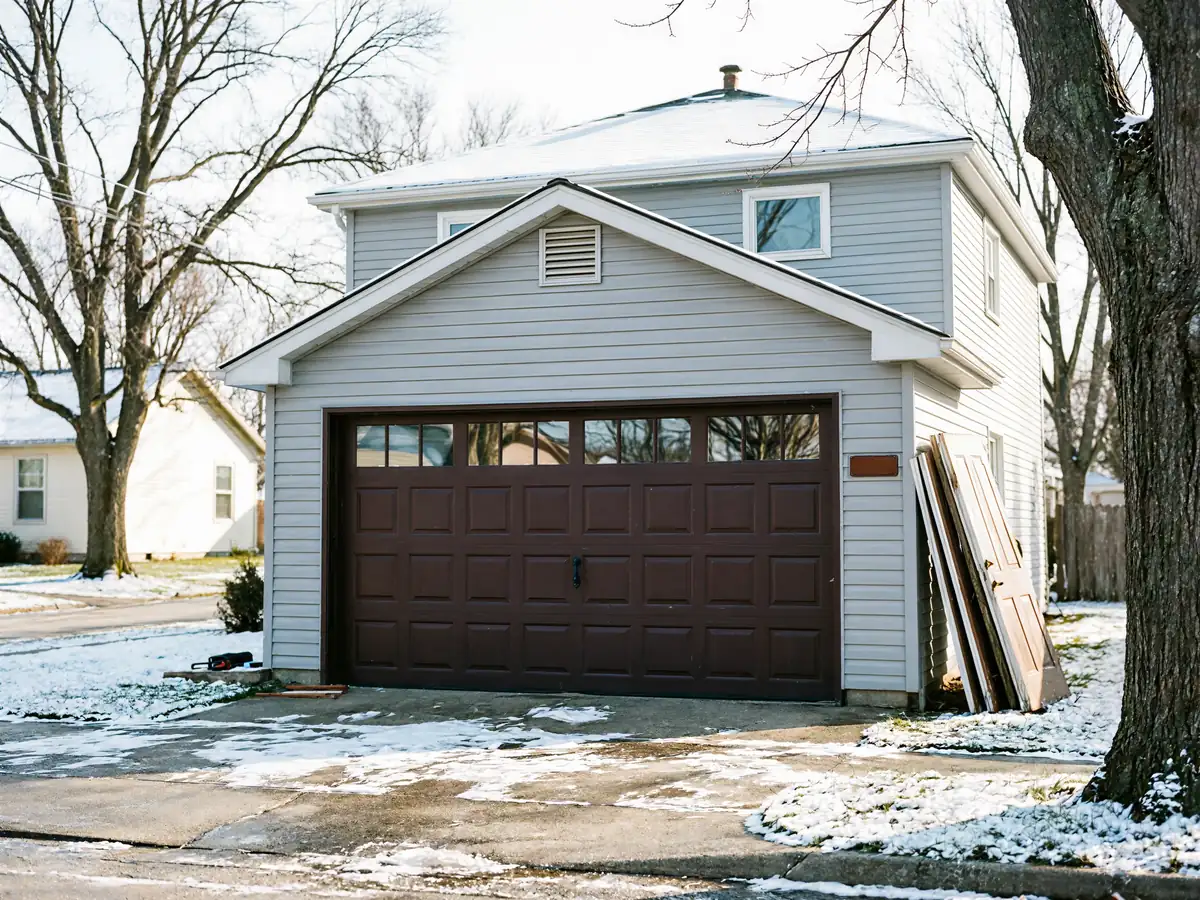
Reseating a roller that popped out clean, with the door otherwise sitting still, is sometimes within reach for someone comfortable with hand tools. Bending a track back, releasing spring tension, or doing anything with the door under load is not - a torsion spring under tension has enough stored force to cause a serious injury, and that doesn't change based on how old or small the door is. If the door moved more than an inch or two off the track, or if it's a double door (heavier, more spring tension, less margin for error), that's a call-it job, not a weekend job. One limitation worth saying plainly: if the track damage is bad enough that we're replacing long runs of it, parts for older openings can take longer to source than a standard modern size, so the repair window isn't always same-day even once we're on site.
Parts We Carry
For a town with a housing stock this age, the parts that get used most are standard-width track sections, replacement rollers (nylon and steel, depending on what's already on the door), hinges sized for older panel gauges, and cable sets for drums that don't match what's common in newer construction. We carry what fits the sizes still common on 1940s and 1950s doors, since that's most of what's in the ground across this part of the service area. We don't stock every obsolete bracket pattern - some of the oldest original hardware was custom-fit by whoever installed it originally, and in those cases the practical fix is a modern equivalent bracket rather than an exact match, which we'll walk through before doing the work.