What the Fix Involves
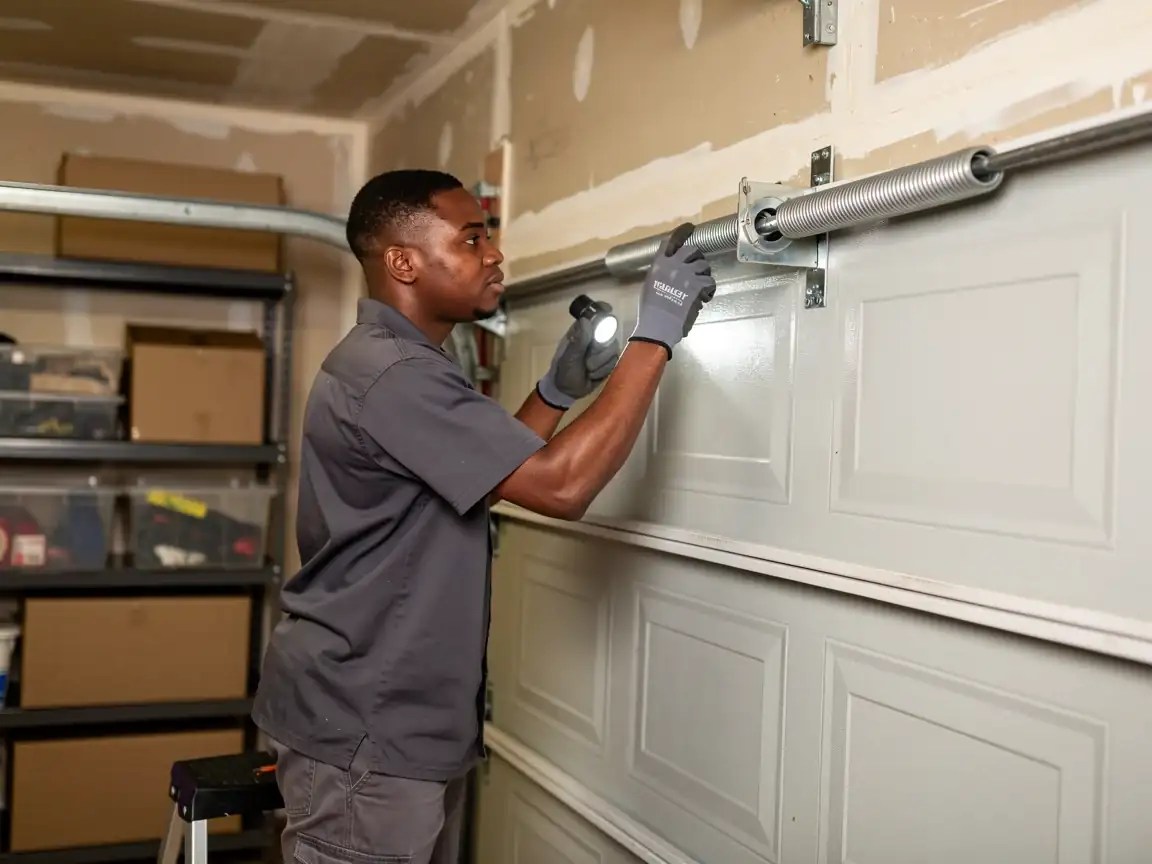
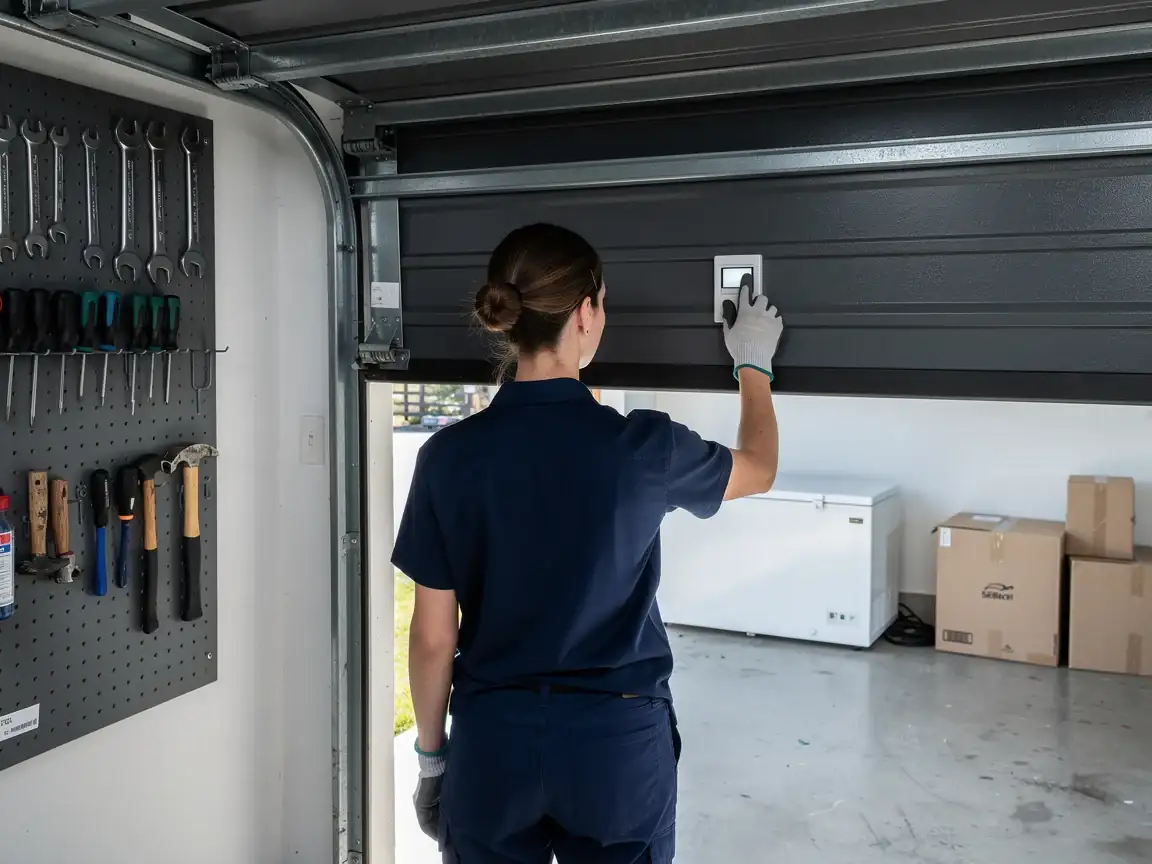
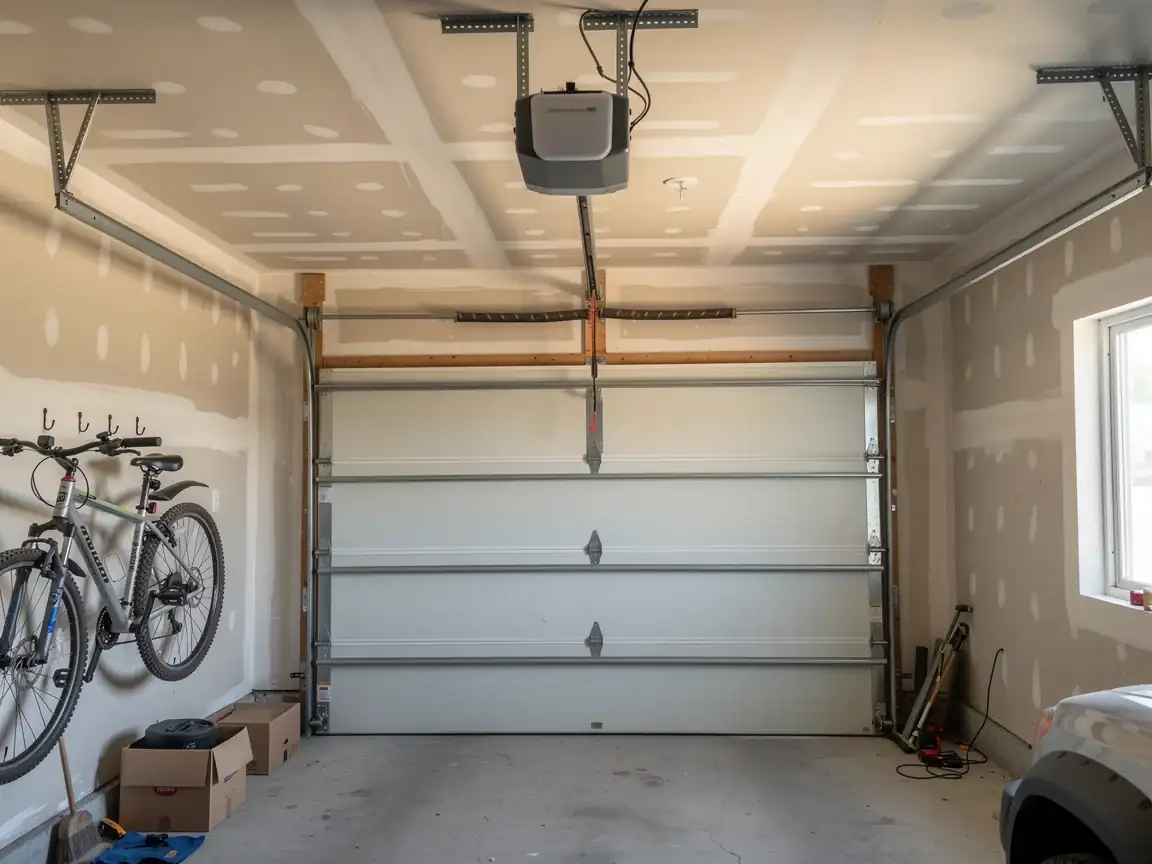
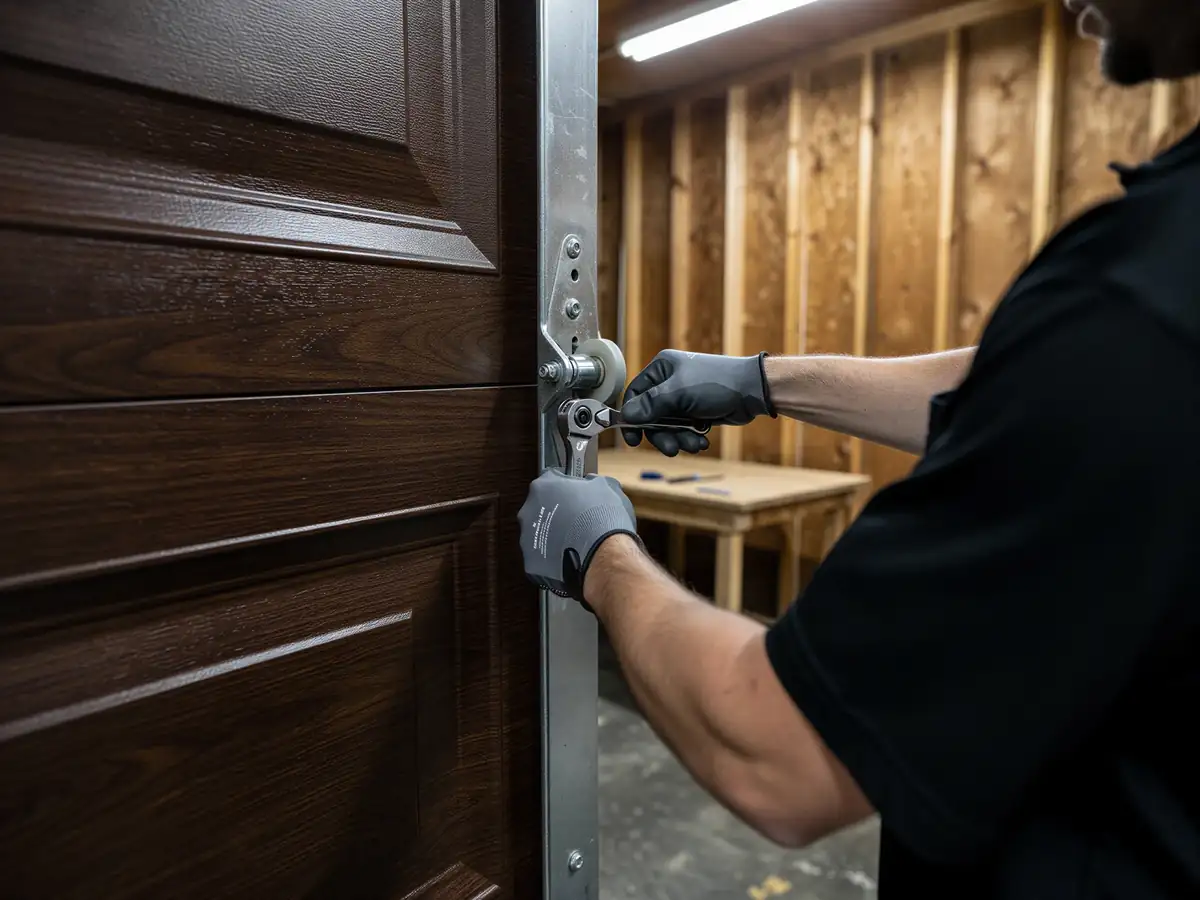
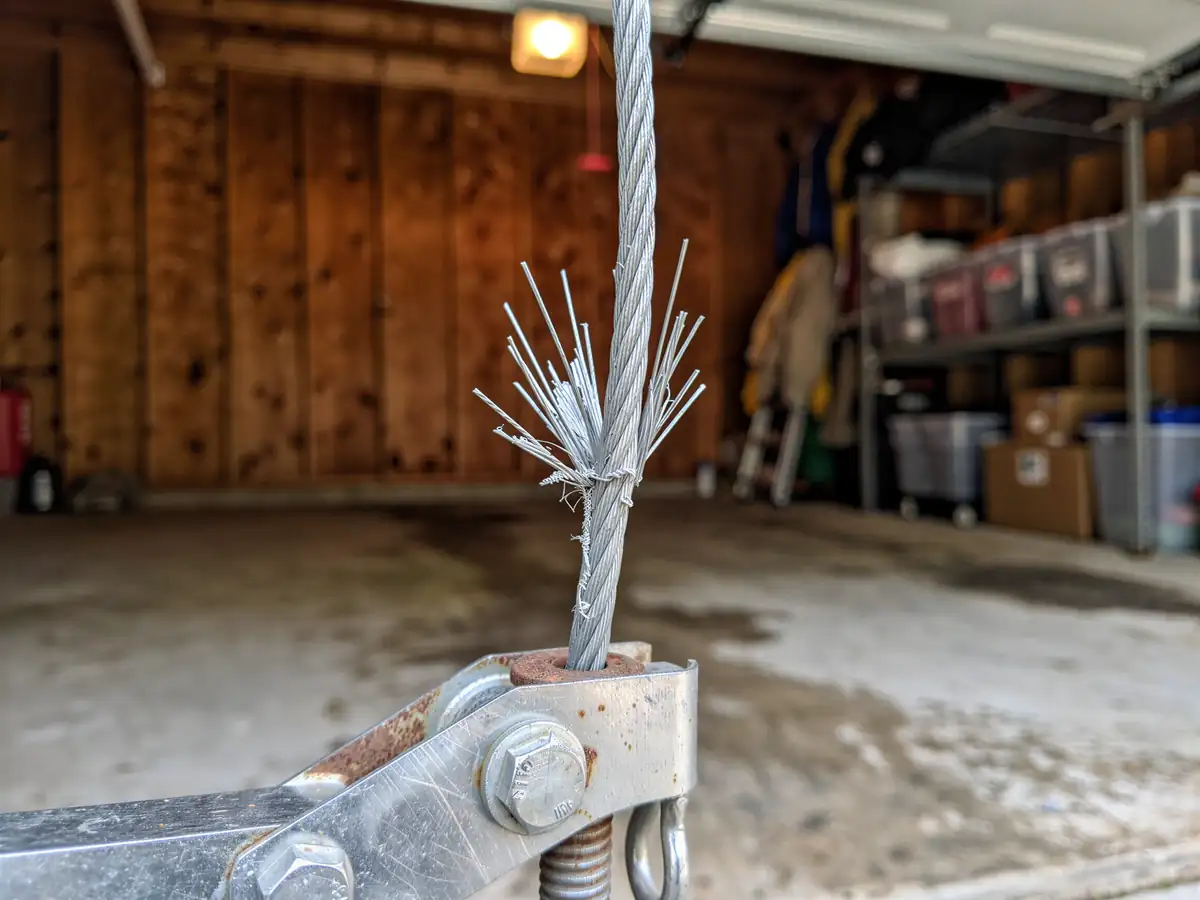
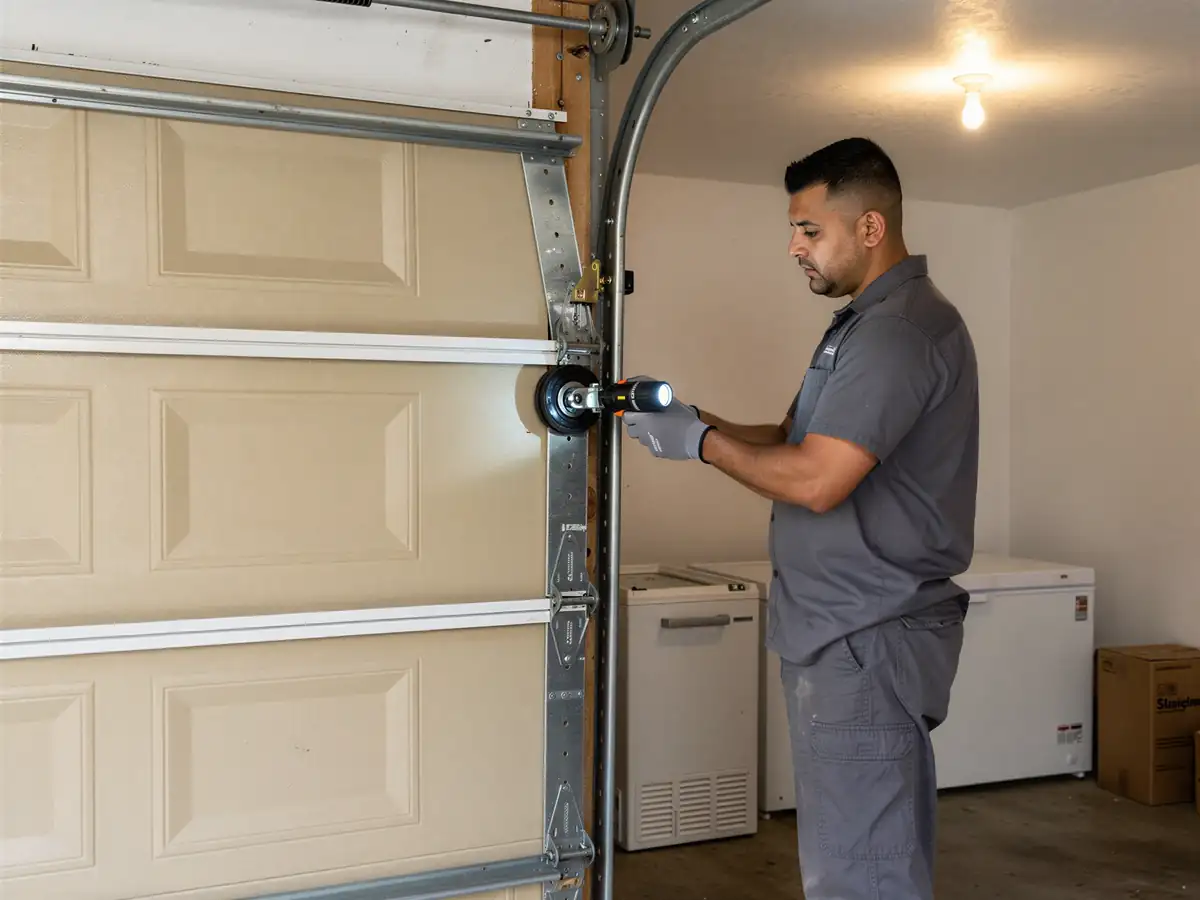
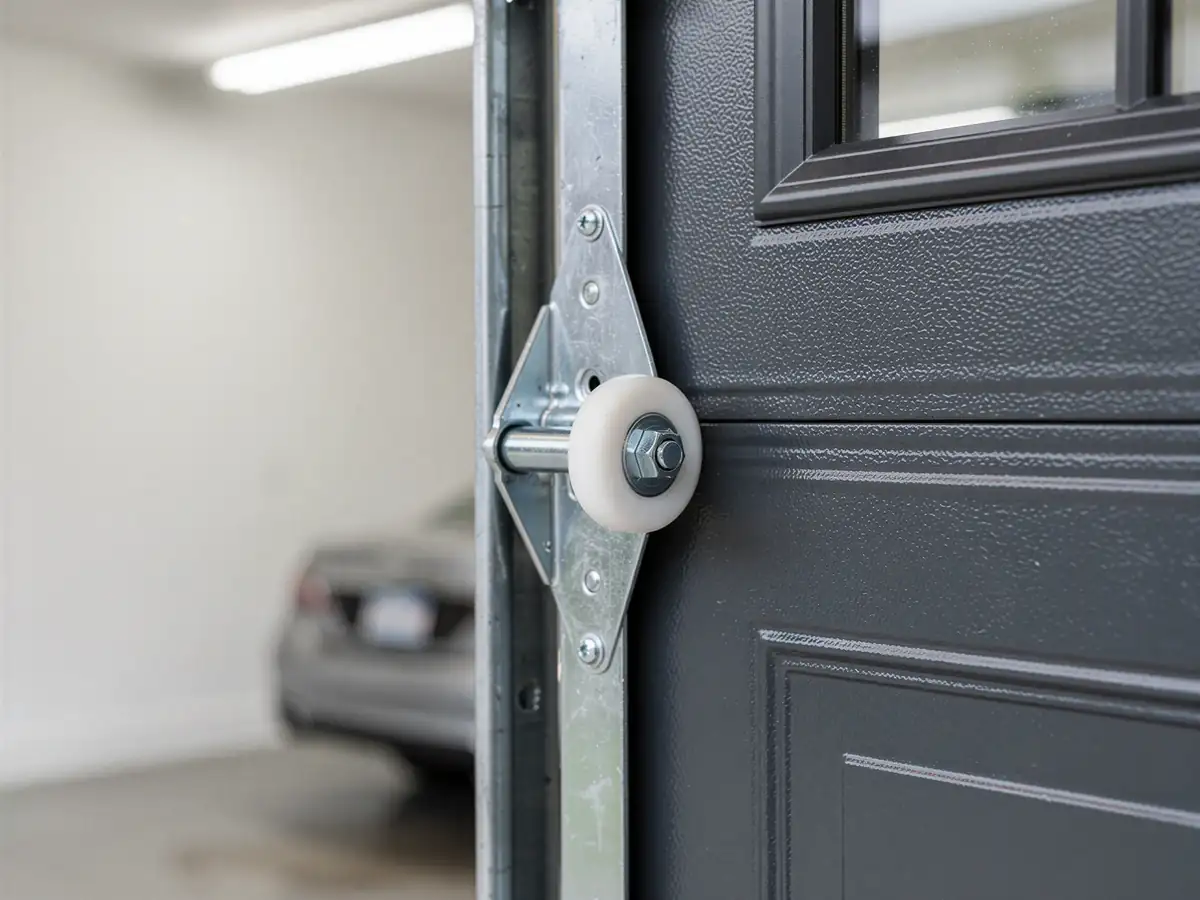
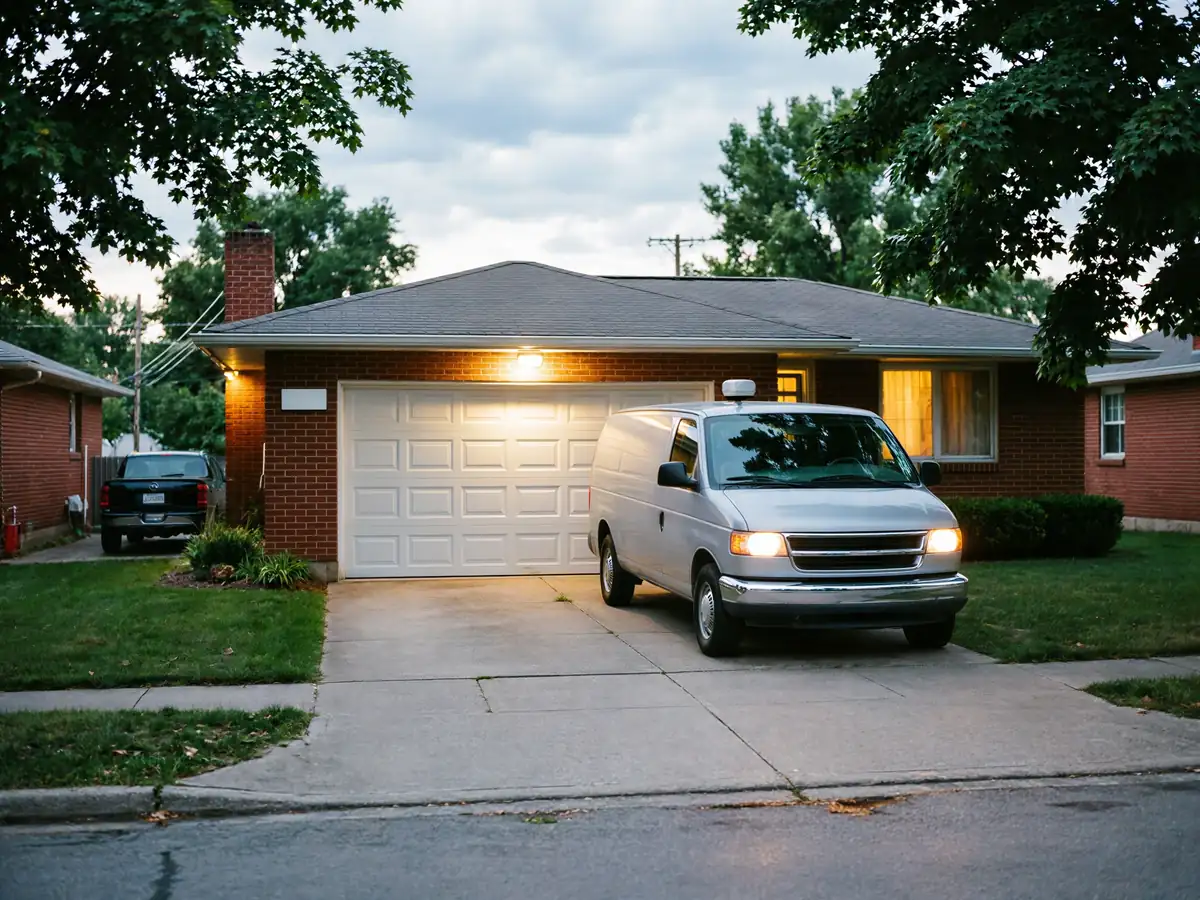
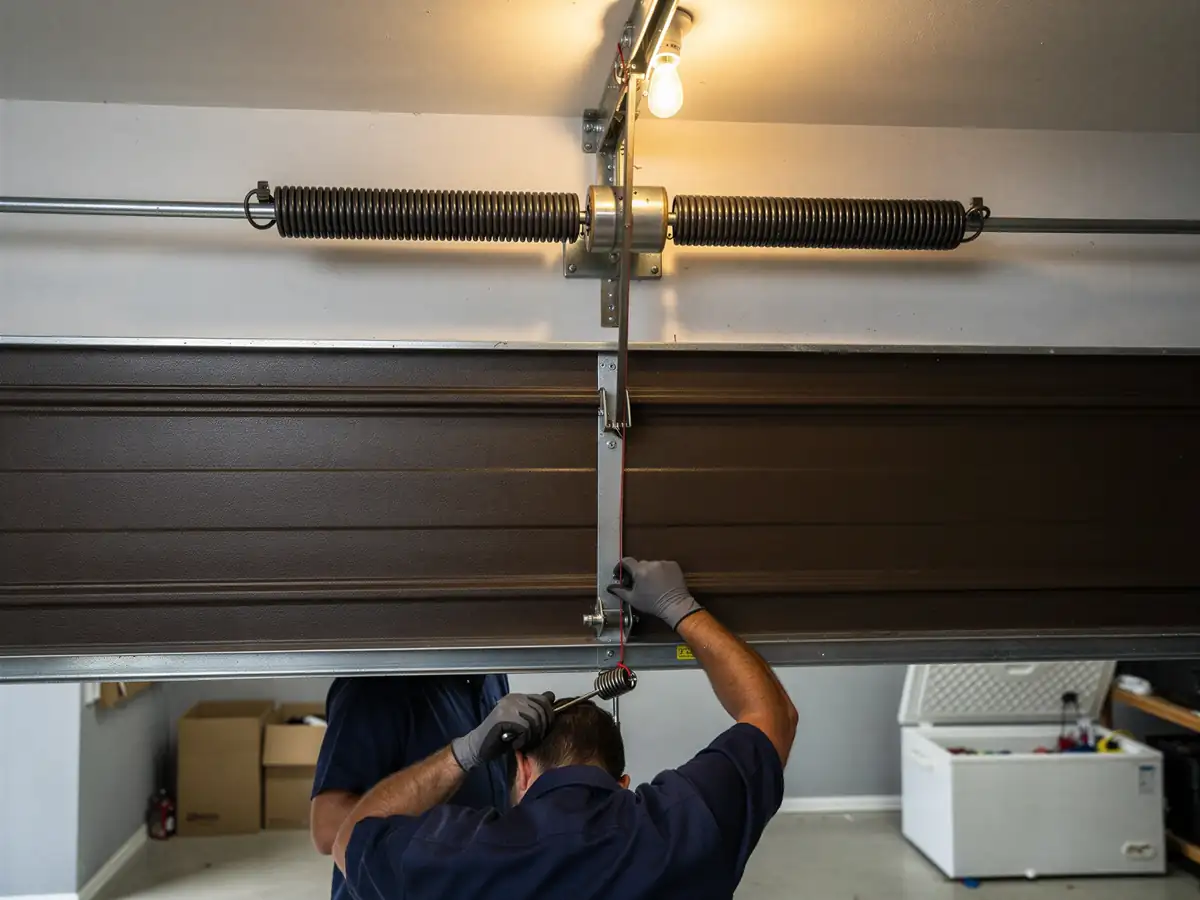
Table Grove has about 147 households, which makes it one of the smaller stops on our route out of Macomb. We don't run a branch here, so when a spring call comes in we load the truck in Macomb and drive the 15 miles out. The job itself is the same no matter the town: we unwind and remove the broken torsion spring, measure the door's wire size, inside diameter, and wind length against the old spring (or against the door itself if the spring is in pieces), set a matched replacement on a winding bar, and test the door's balance by hand before we touch the opener again. On a standard double door that's usually one to two hours of work once we're on site. We also check the cable drums, bearing plates, and the center bracket while the spring is off the shaft, since a spring failure often means those parts have been carrying extra stress too.
What Causes It Around Here
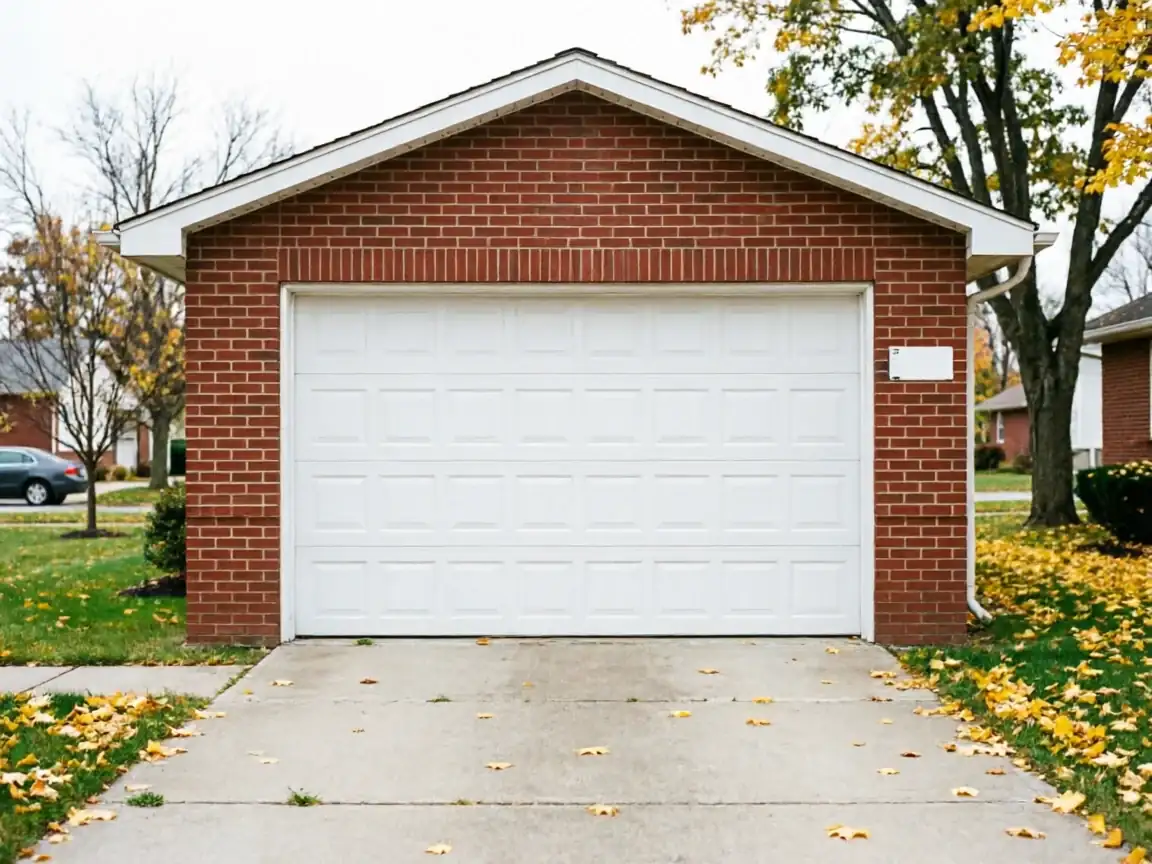
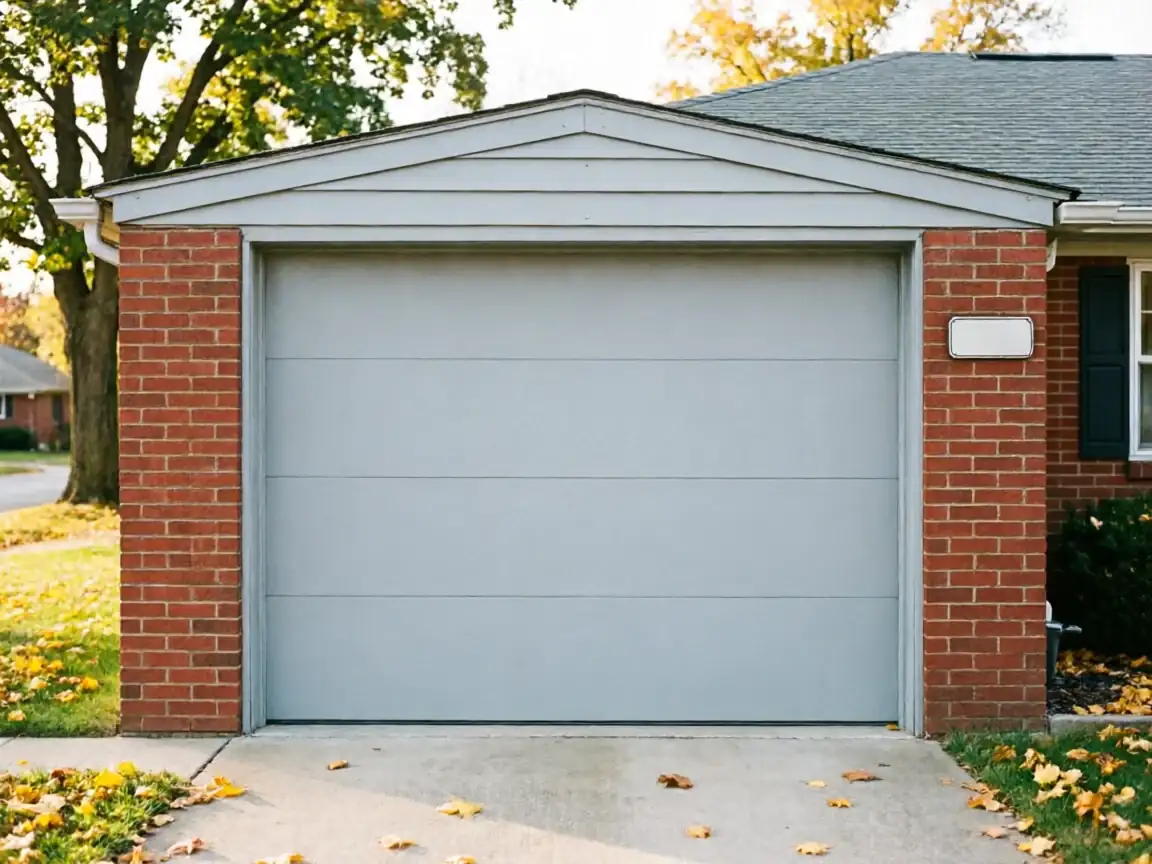
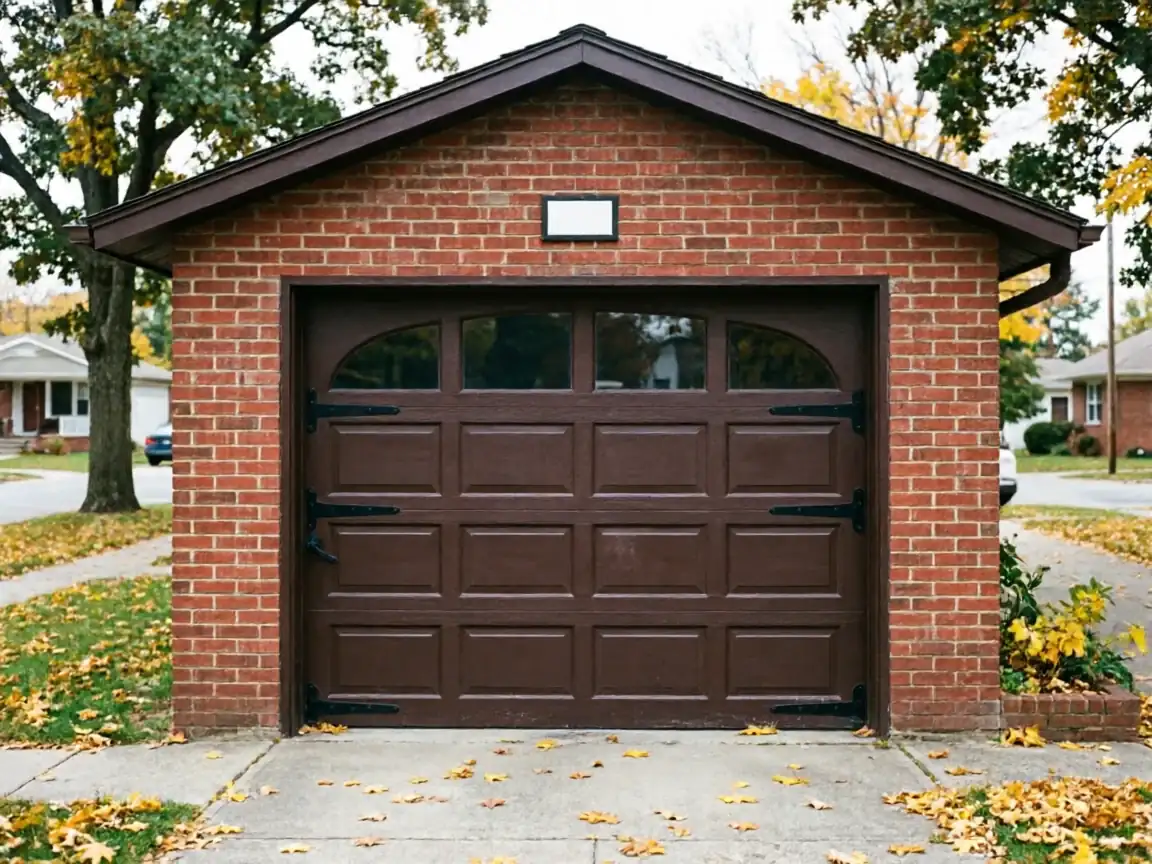
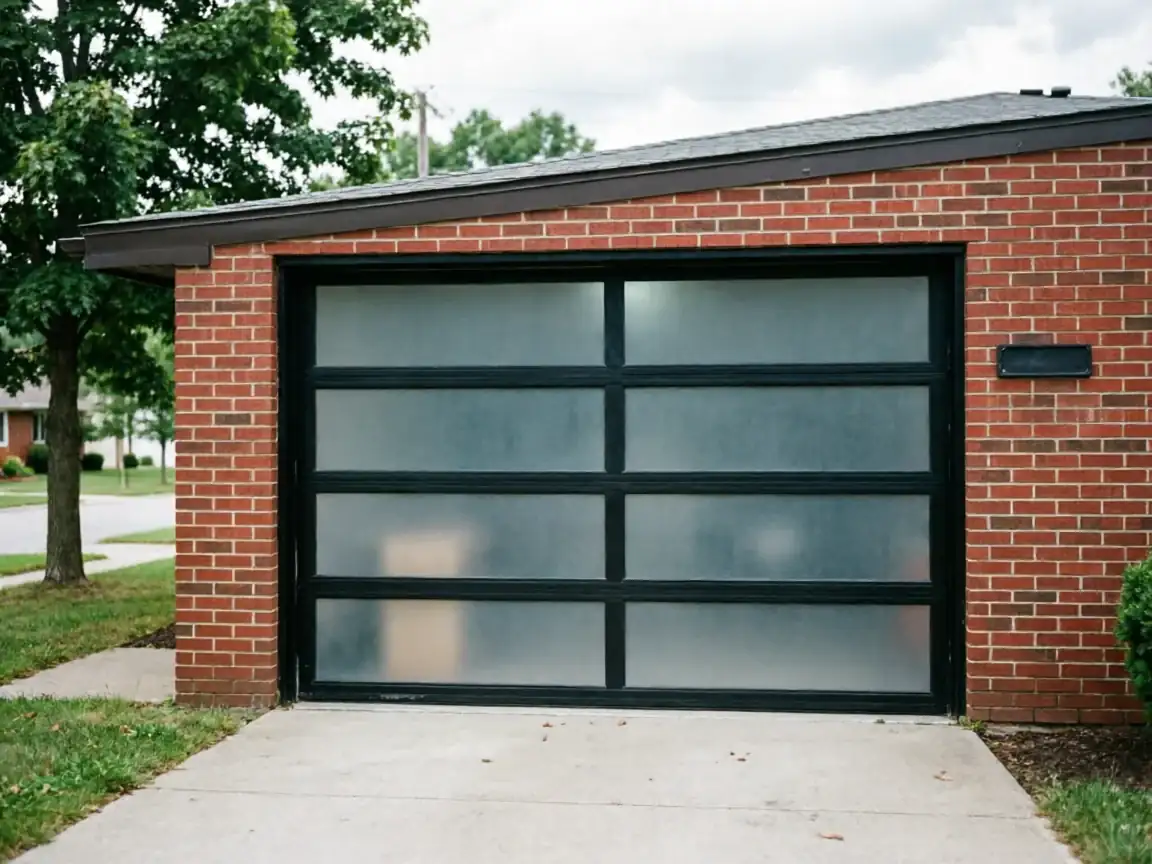
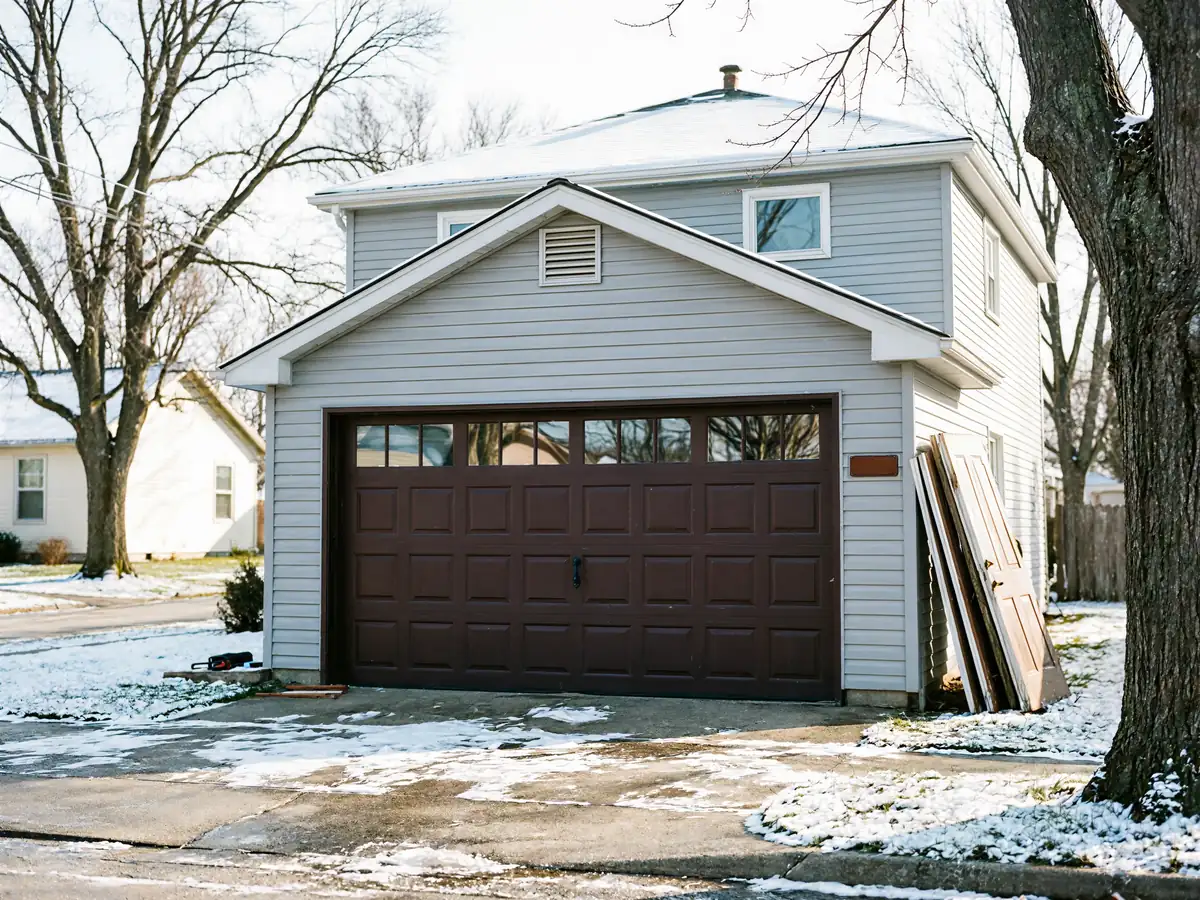
Table Grove's housing stock centers on 1946, part of the broader 1940-1965 wave that built most of the pre-1960 homes across this service area. A torsion spring on a door from that era has usually been wound and unwound tens of thousands of times by now, and steel fatigues whether or not anyone's kept track. The service area sits in a cold moderate climate band, and repeated temperature swings through the winter make a spring that's already near the end of its cycle count more likely to let go on a cold morning than a mild one. That combination - an old door and a cold snap - is the most common setup we see for a spring that finally snaps rather than just squeaks.
The DIY Question
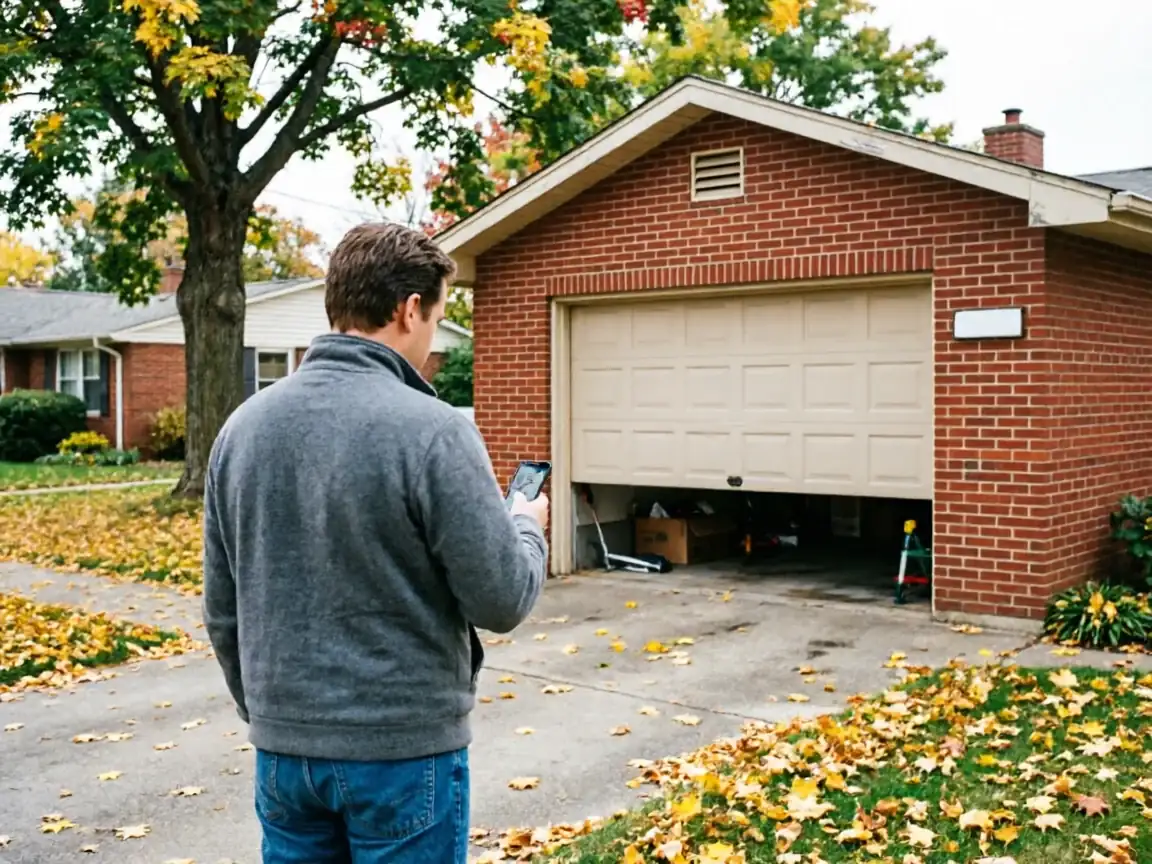
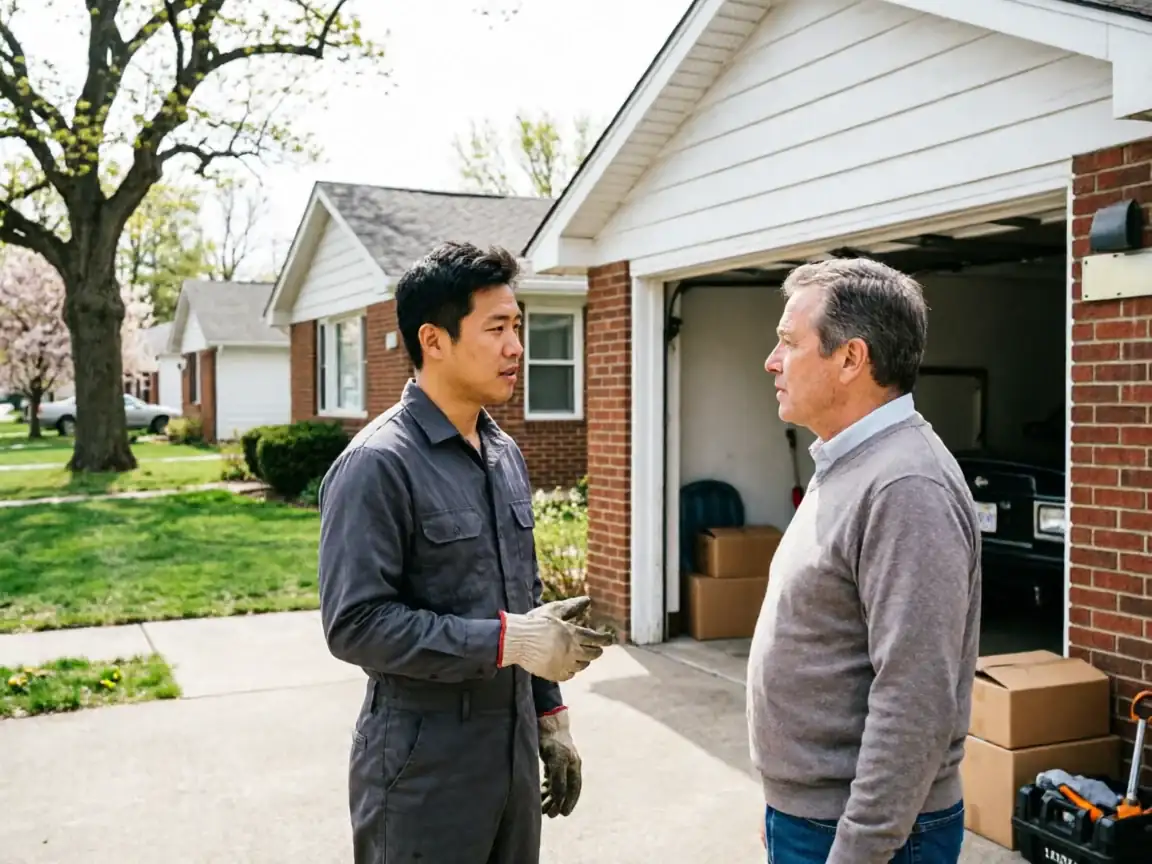
We'll say it plainly: a torsion spring under full tension can seriously hurt someone, and we don't recommend doing this one yourself. The spring on a typical residential door stores enough force to snap a winding bar out of your hands if you lose your grip, and the tools for doing it safely aren't things most homeowners keep in the garage. Where we do think DIY makes sense is in telling us what you're seeing before we arrive - whether the door dropped suddenly, whether you heard a bang, whether the opener is still trying to run the door. That saves time once we're there. Our honest limitation: if a door's track, panels, or opener are also damaged beyond the spring, a straight spring swap may not get the door fully back to normal, and we'll tell you that up front rather than quote a fix that won't hold.
Parts We Carry
We stock torsion springs in the common wire sizes and lengths that fit the door openings typical of homes built in the 1940s and 1950s, since that's most of what's out there in a town like Table Grove. Doors from that era tend to run narrower standard widths than newer construction, and the torsion hardware is often side-mounted rather than the center-mounted setups on later garages. If a door needs an uncommon spring size, an extension-spring conversion, or a part specific to an older opener bracket, that can mean a short wait while we order it rather than a same-visit fix. We'd rather tell you that than promise a part we don't have on the truck.