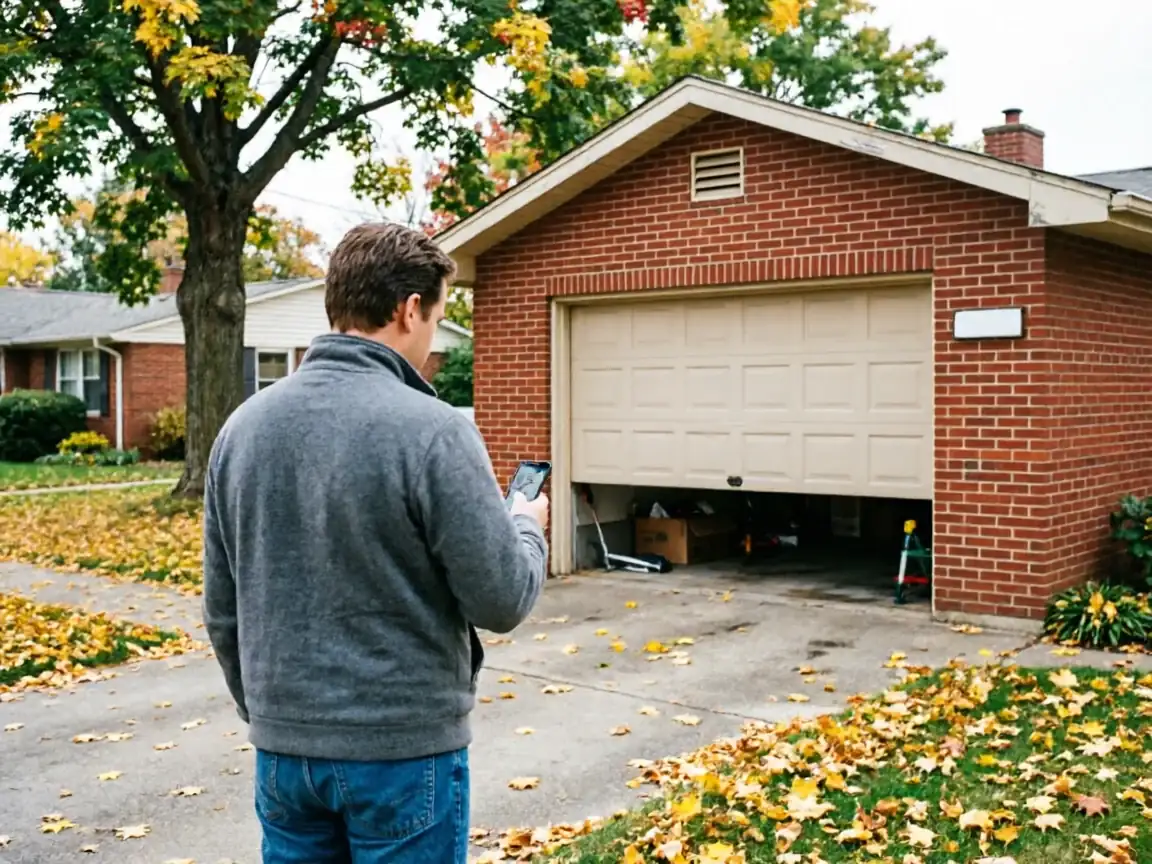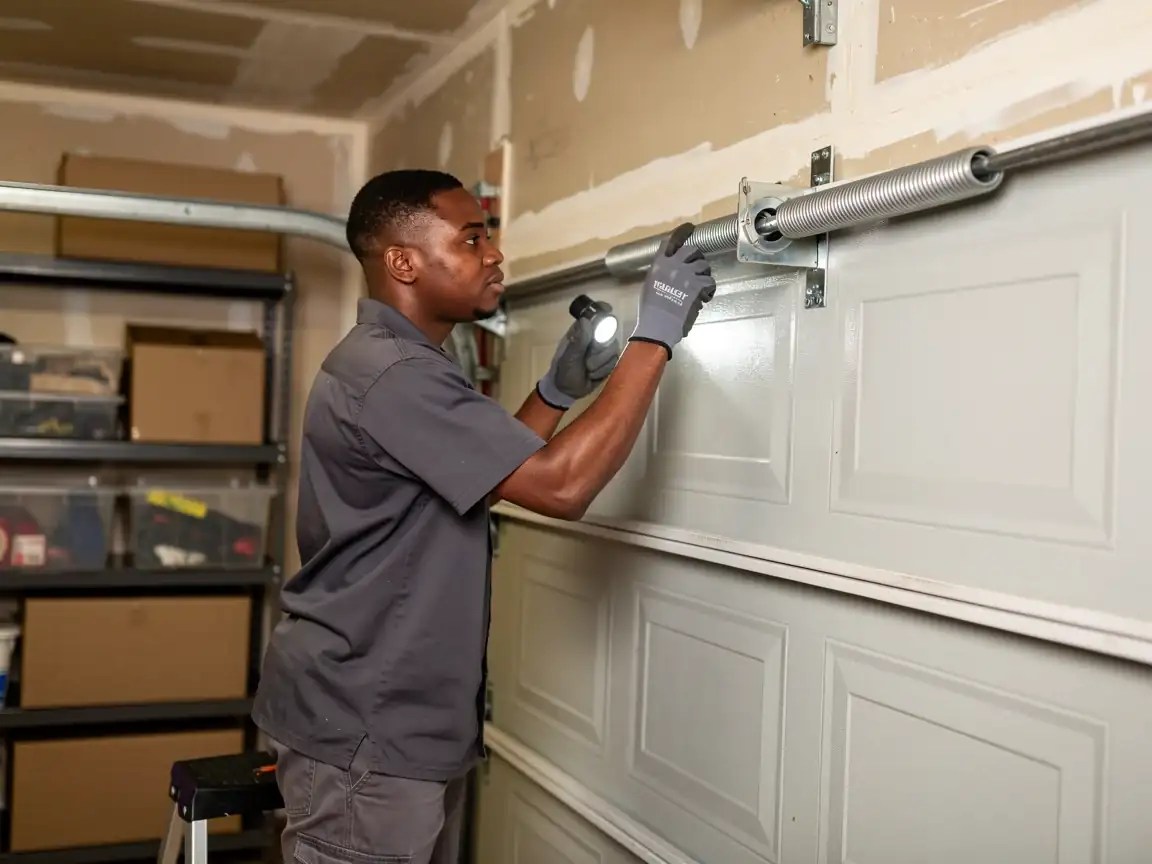
What the Fix Involves
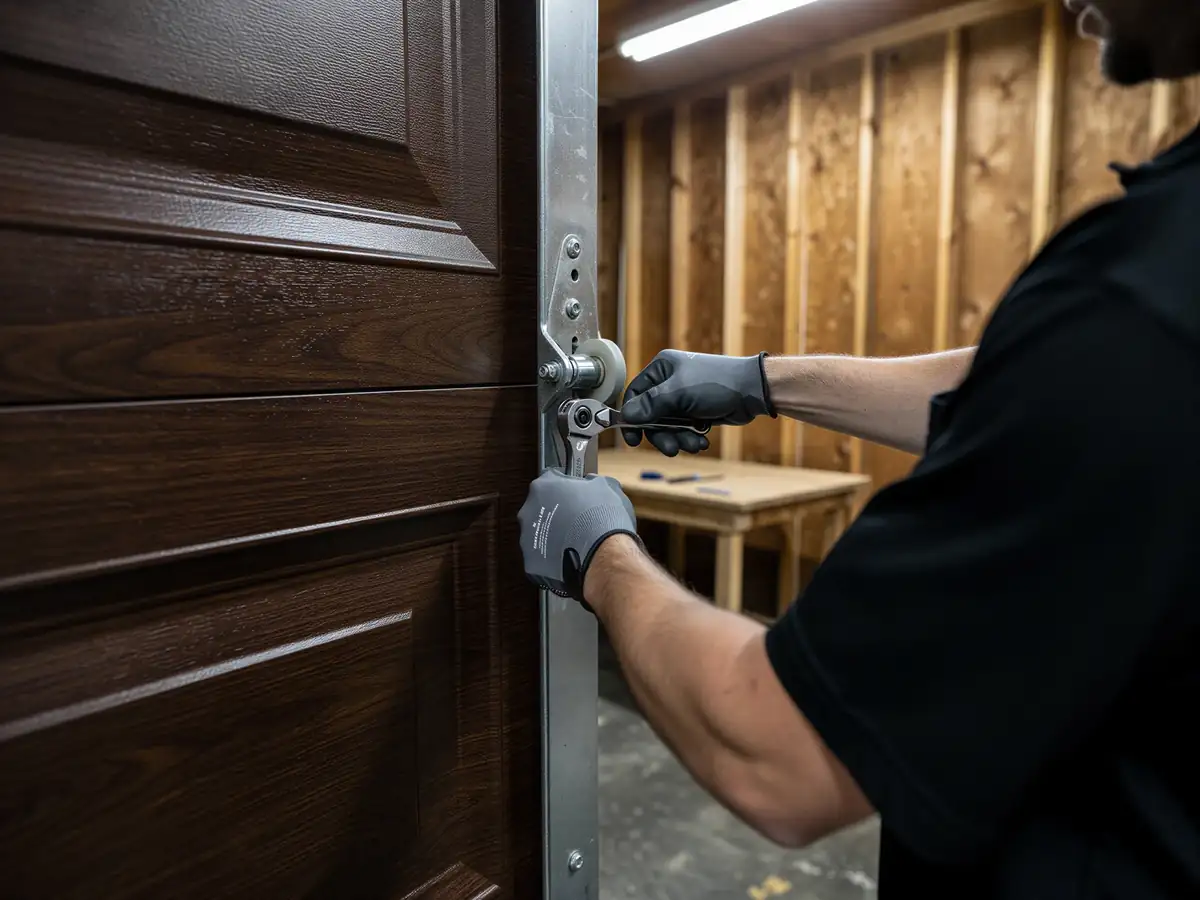
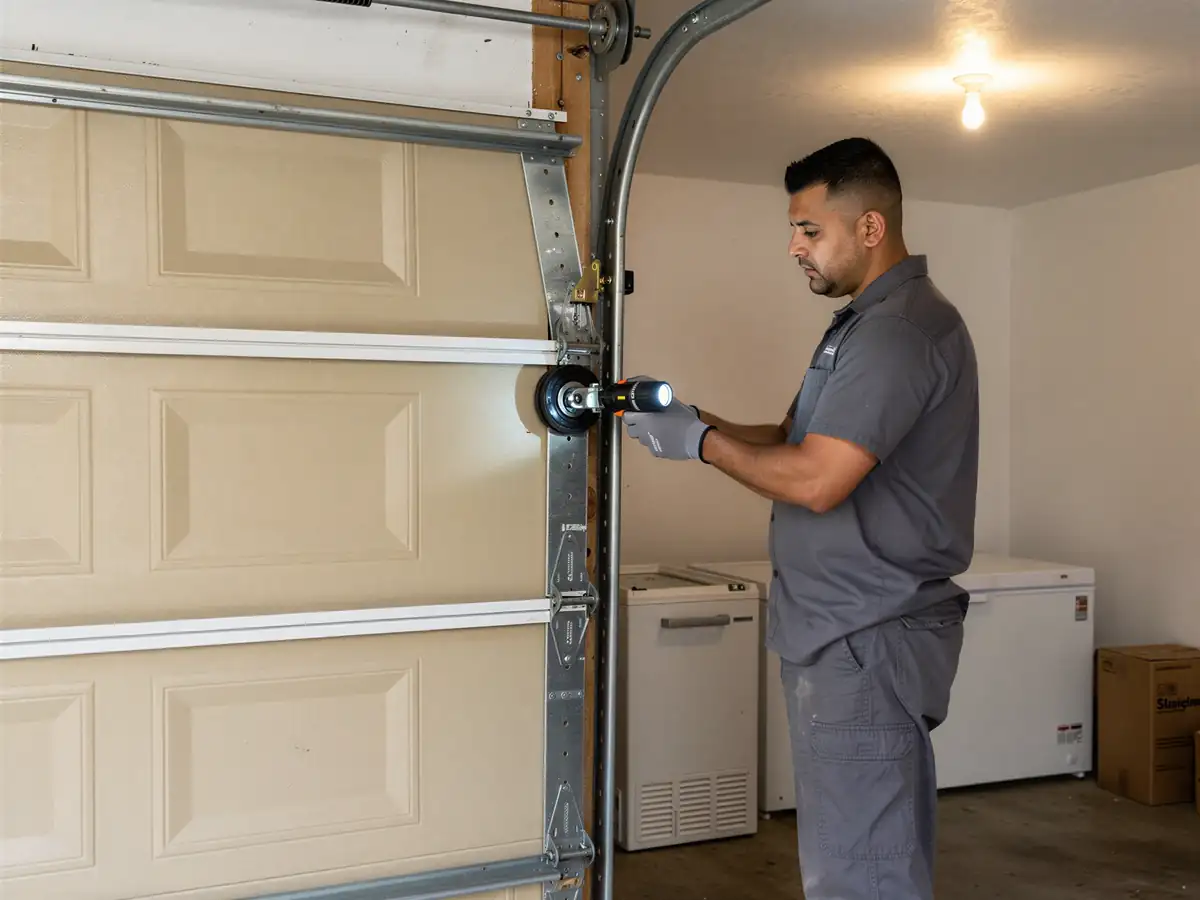
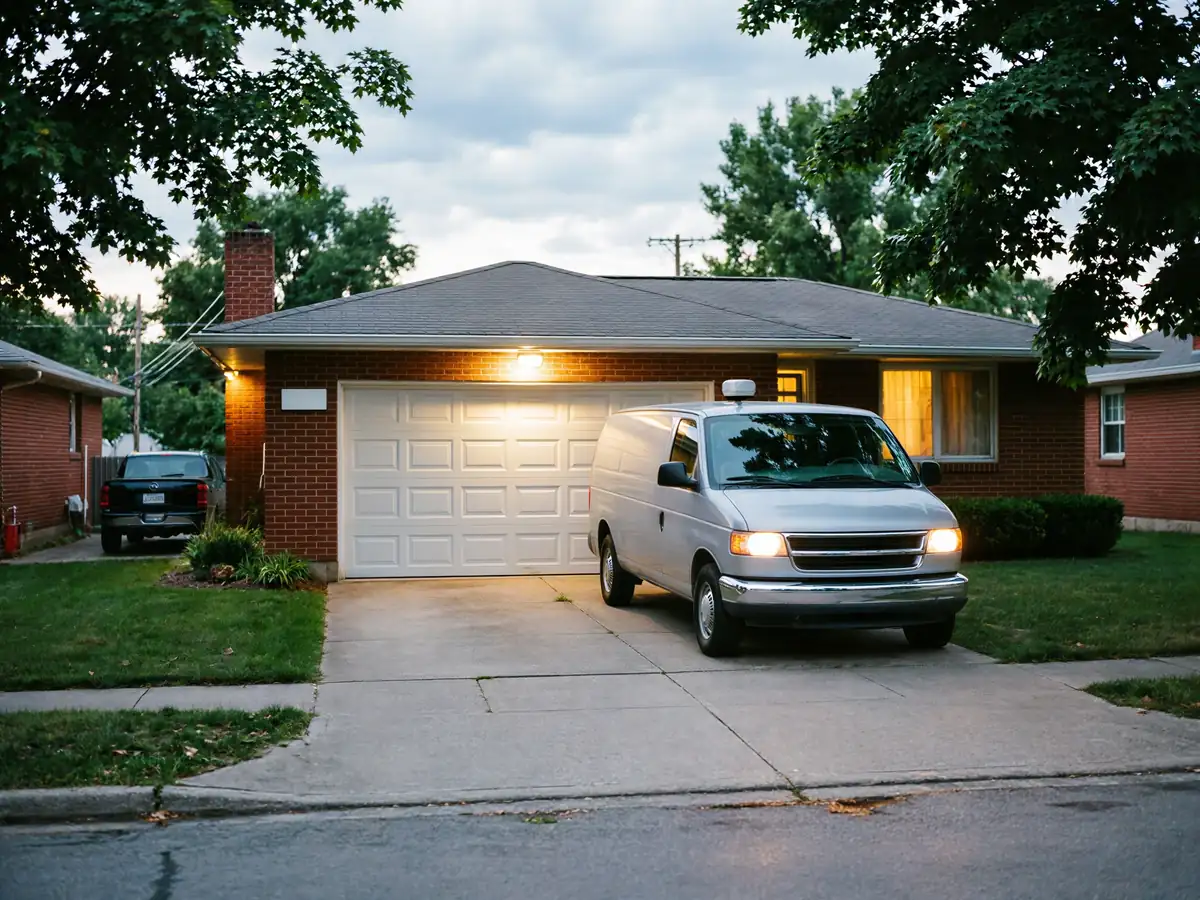
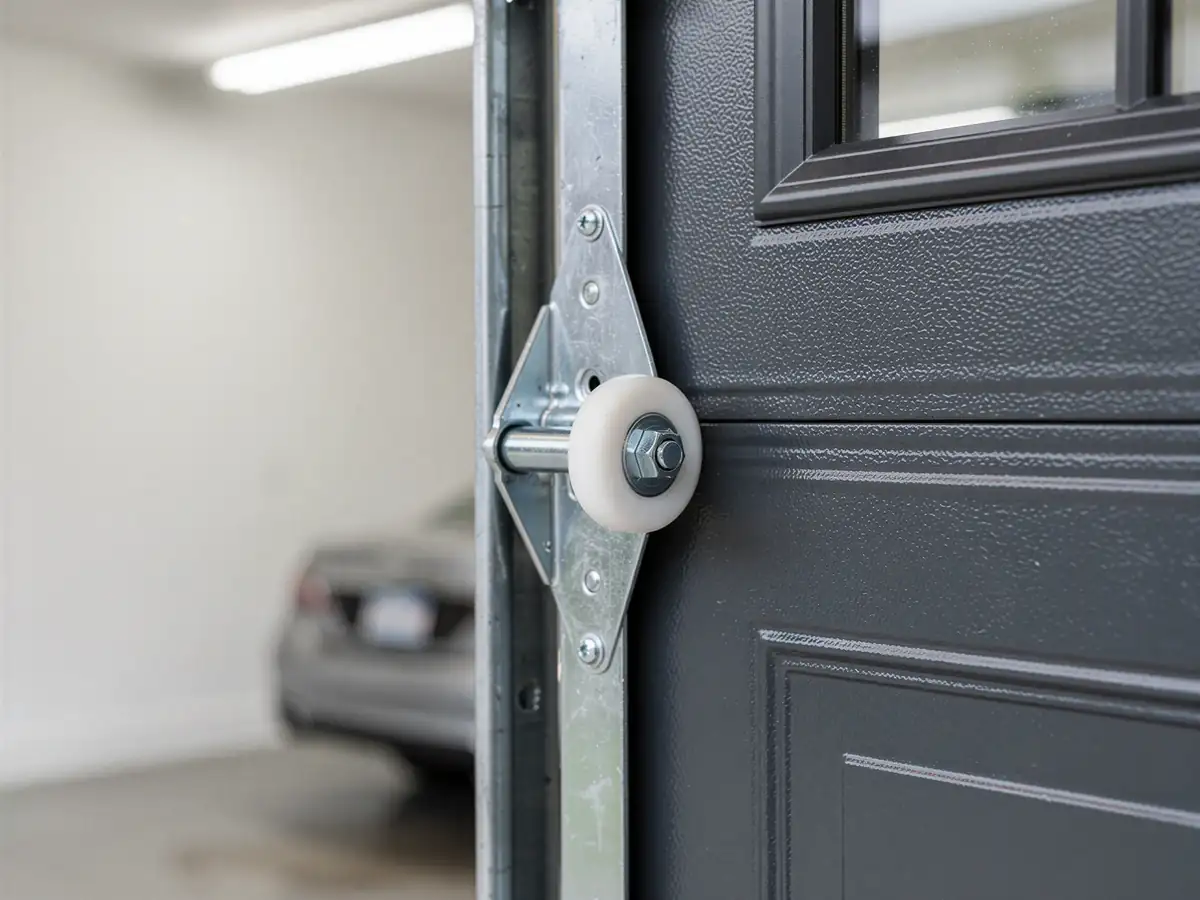
Table Grove sits 15 miles from our shop in Macomb, which is enough distance that we plan the trip rather than squeeze it between closer jobs. That doesn't change the work once the truck is parked - a roller job still means pulling the old rollers off the hinges, checking the track for the wear grooves rollers leave behind, and setting new rollers so the door runs quiet instead of grinding on every pass. What it does mean is we come prepared. On a 15-mile haul we're not running back to the shop for a part we forgot, so the truck carries a fuller kit of roller sizes and stems before we ever leave Macomb.
Most roller jobs run 45 minutes to an hour once we're on site, less if it's a straight swap and more if the track needs truing from years of a bent or dragging roller riding in it. We check both while we're there, because replacing rollers against a track that's already bowed just buys you another call in a year.
What Causes It Around Here
The houses we see calls from in Table Grove mostly date to the 1946 era, which lines up with the wider service area's 1940-to-1965 building stretch. Doors and track hardware from that period were built for steel rollers riding in narrower track than what's standard now, and steel wears a groove into the track lip faster than the nylon rollers common in newer installs. Once that groove is cut in, every roller you put through it wears a little faster than it should.
The cold here does the rest of the damage. This is a cold-moderate climate band, and steel rollers with sealed bearings don't like repeated freeze-thaw cycling - the grease inside stiffens, the bearing binds, and the roller stops turning smoothly on the stem. A roller that's dragging instead of rolling wears itself and the track at the same time, which is why so many of these calls come in as 'it's loud' months before anyone notices the roller itself is chewed up.
What Can Go Wrong
A worn roller rarely fails alone
By the time a steel roller is bad enough that you hear it, the track it's been grinding against usually has a groove or a flat spot that a new roller will immediately start wearing against too - so a roller-only fix on a track that's already damaged is a short-term patch, not a real repair. We tell people this up front rather than selling a roller swap we know won't hold.
The bigger risk is a roller that seizes completely rather than just wearing
A seized roller can jump the track on the next open or close, and if that happens with the door partway up or down, the door can bind hard enough to strain the opener or drop unevenly on one side. That's a heavier repair than a roller ever needed to be, which is the main argument for catching this while it's still just noise.
The DIY Question
Rollers are one of the more reasonable DIY jobs on a garage door - no springs to release tension on, no cables under load. If you can get the door secured open and the hinge bolts accessible, swapping a roller isn't beyond a homeowner with basic tools.
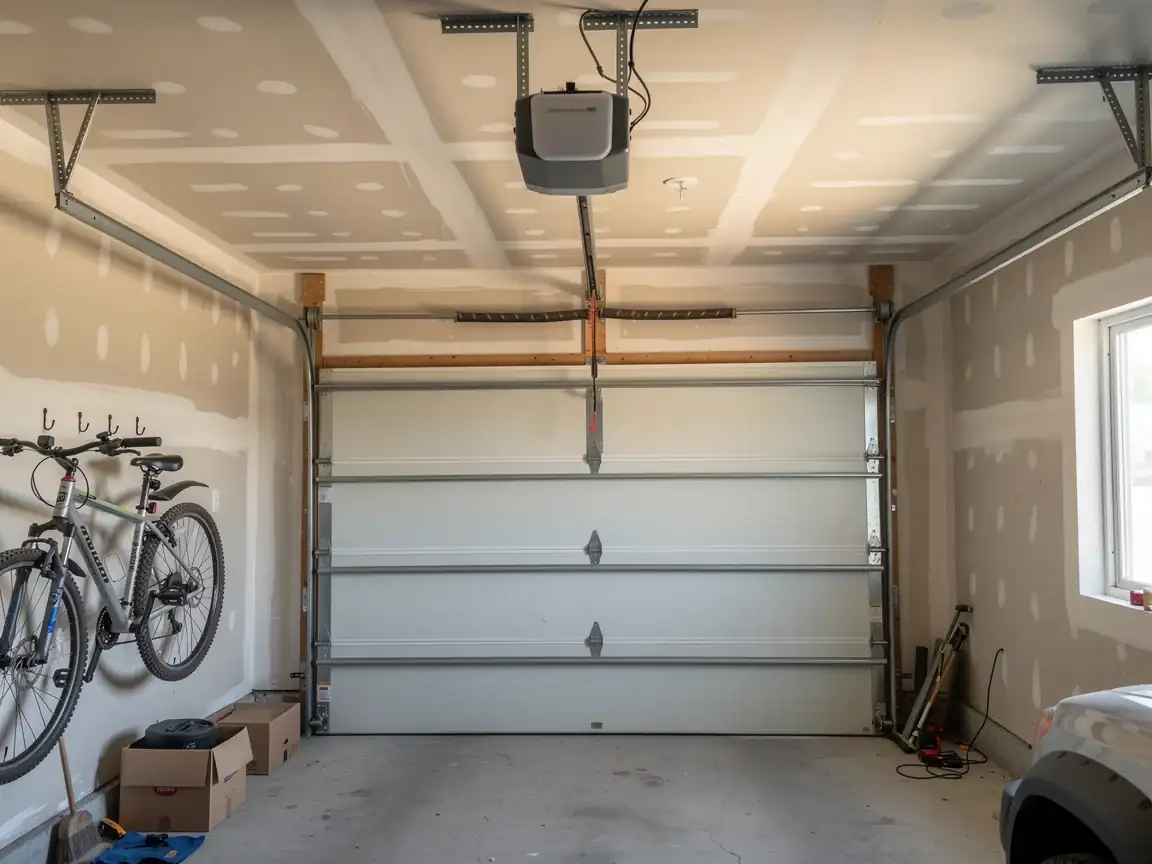
Where it gets harder is the bottom two rollers on each side, which sit in the track section closest to the spring and cable system. Working near that hardware with the door anywhere but fully open is where DIY roller jobs turn into a bigger repair than the one you started with. If it's just the top rollers, a careful homeowner can often handle it. If it's the bottom ones, or if the track is already grooved from the old roller, that's a call worth making before you start.
Parts We Carry
Because the truck is already making a 15-mile trip out to Table Grove, we stock for the hardware we actually find on these jobs rather than a generic assortment. That means steel rollers with sealed bearings sized for the narrower track common on 1940s-to-1960s doors, along with the nylon roller upgrades homeowners often ask for once they learn steel is what's been grinding their track down.
We carry standard roller stems and the common hinge sizes that pair with them. What we don't carry on the truck is specialty or oversized track hardware for doors that have been modified from their original spec - that's a special-order part, and if your door needs one, we'll tell you the lead time before you commit to the job rather than after.
What You Are Seeing
A grinding or rumbling sound as the door moves
Worse on one side than the other, is the most common sign. So is a door that shudders or jerks instead of gliding, especially near the top or bottom of its travel where worn rollers bind hardest in the track. If you can see the roller itself - the wheel part, not just the track - and it looks flattened on one edge instead of round, that roller is done.
A roller that's popped partway out of the track
Or a door that's visibly tilted to one side when it's open, means don't run the opener again until someone looks at it. That's not a wait-and-see situation.