What the Fix Involves
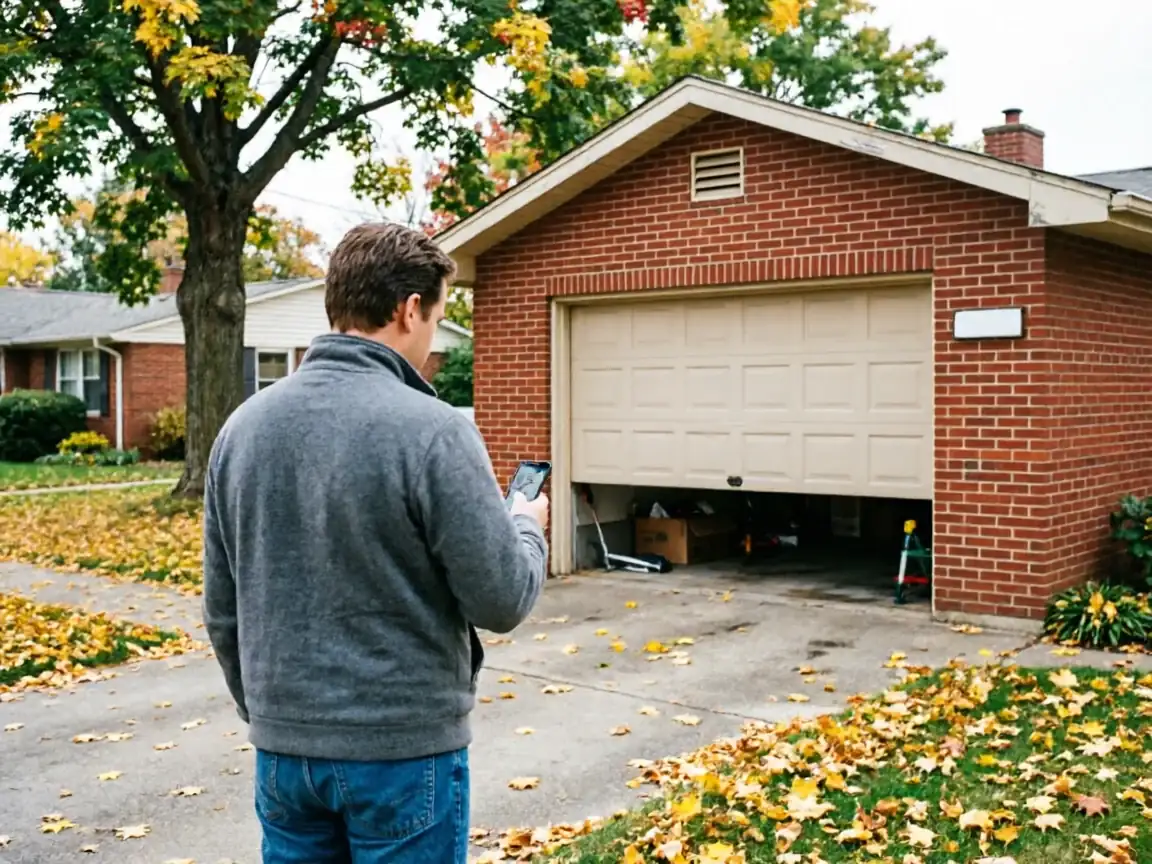
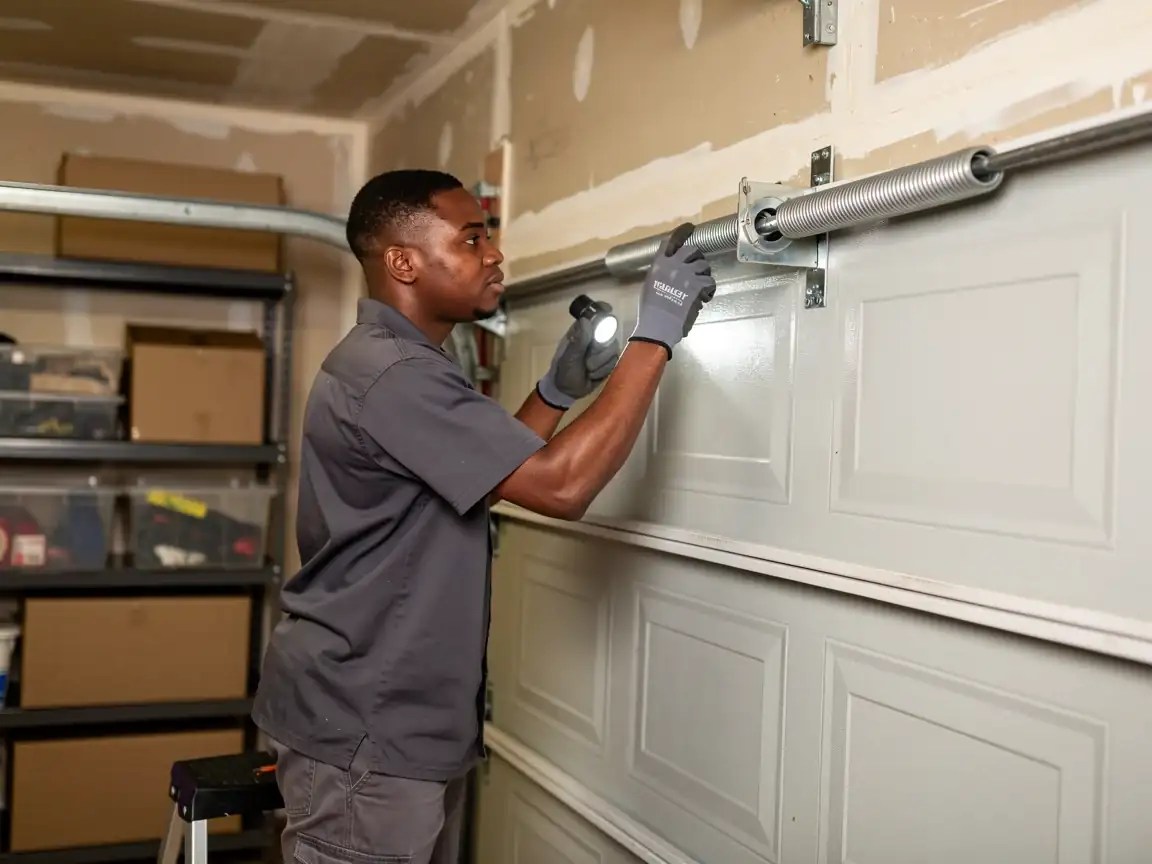
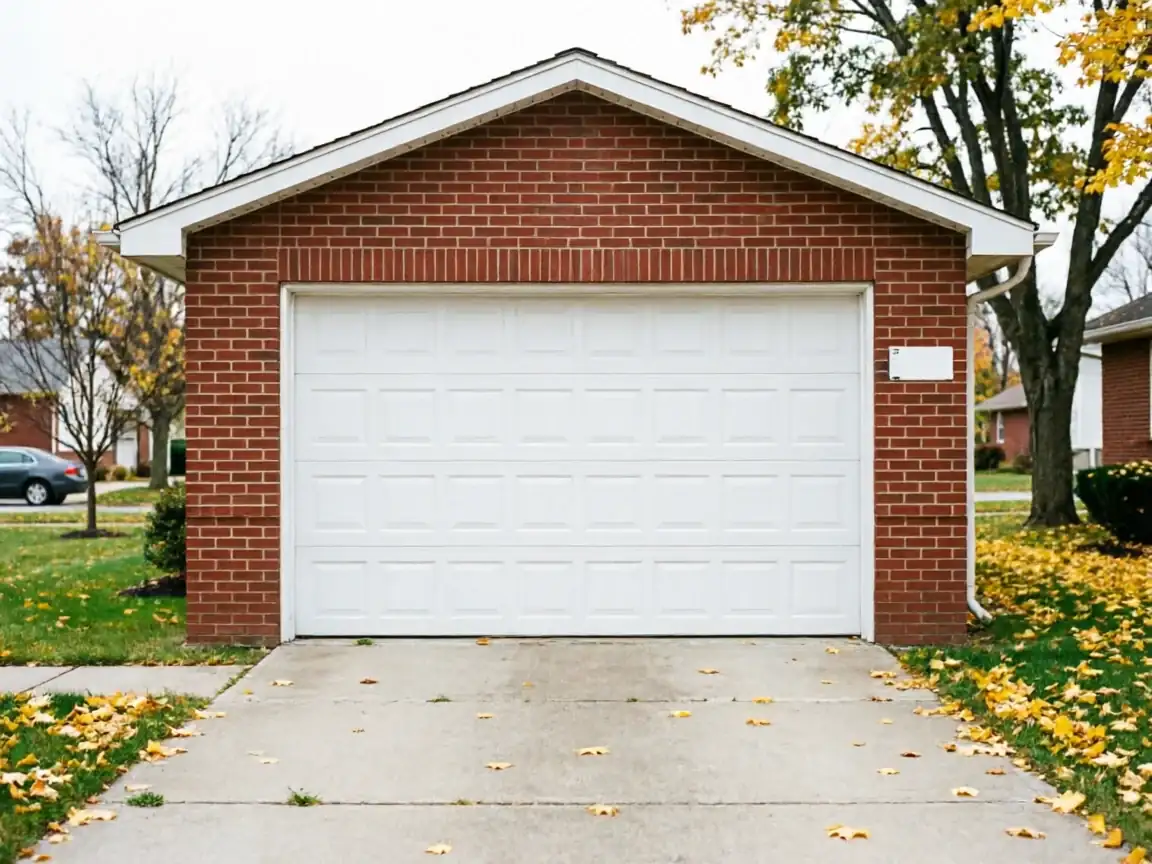
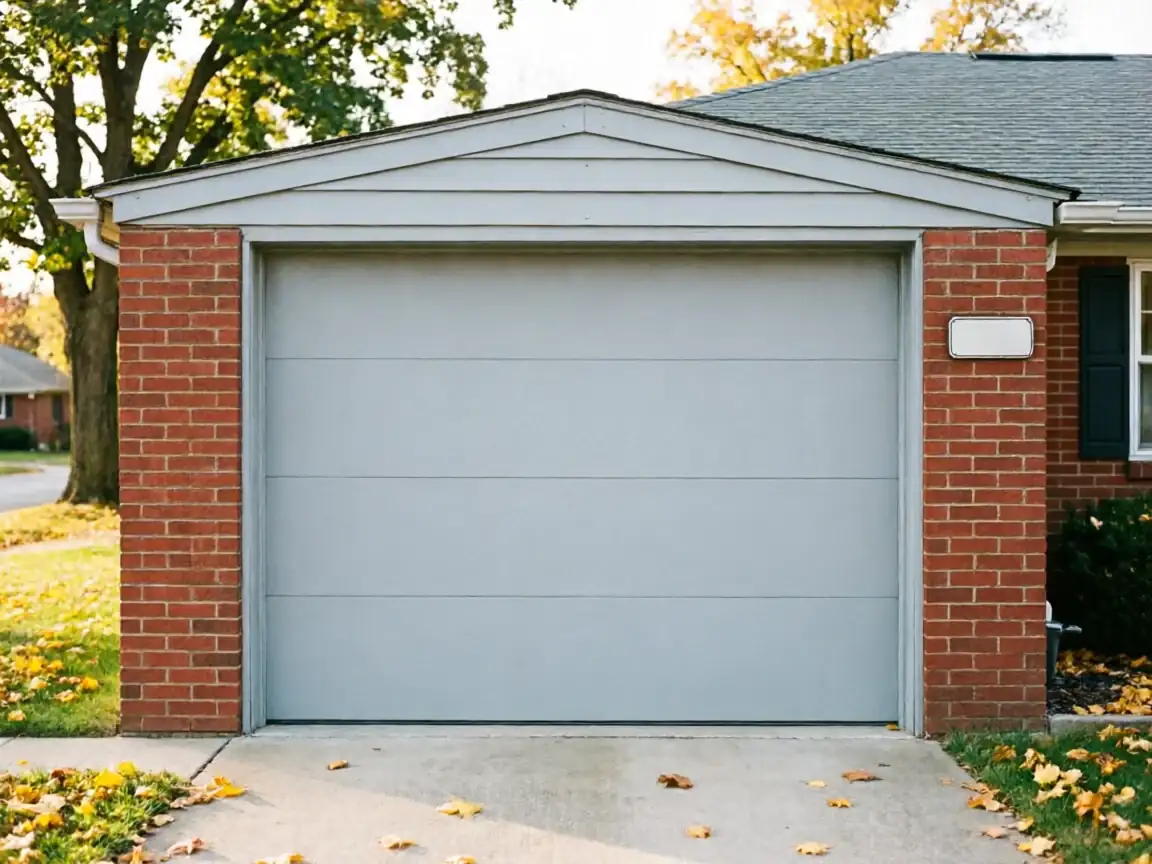
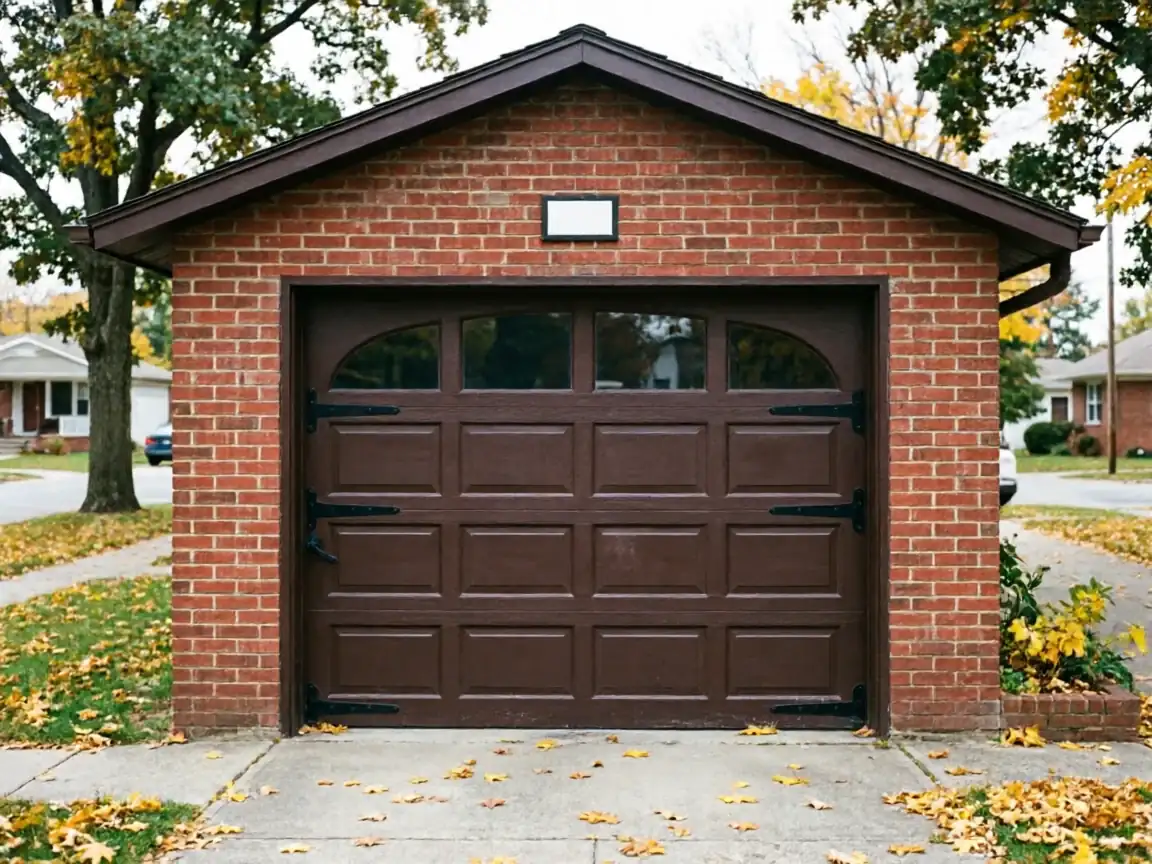
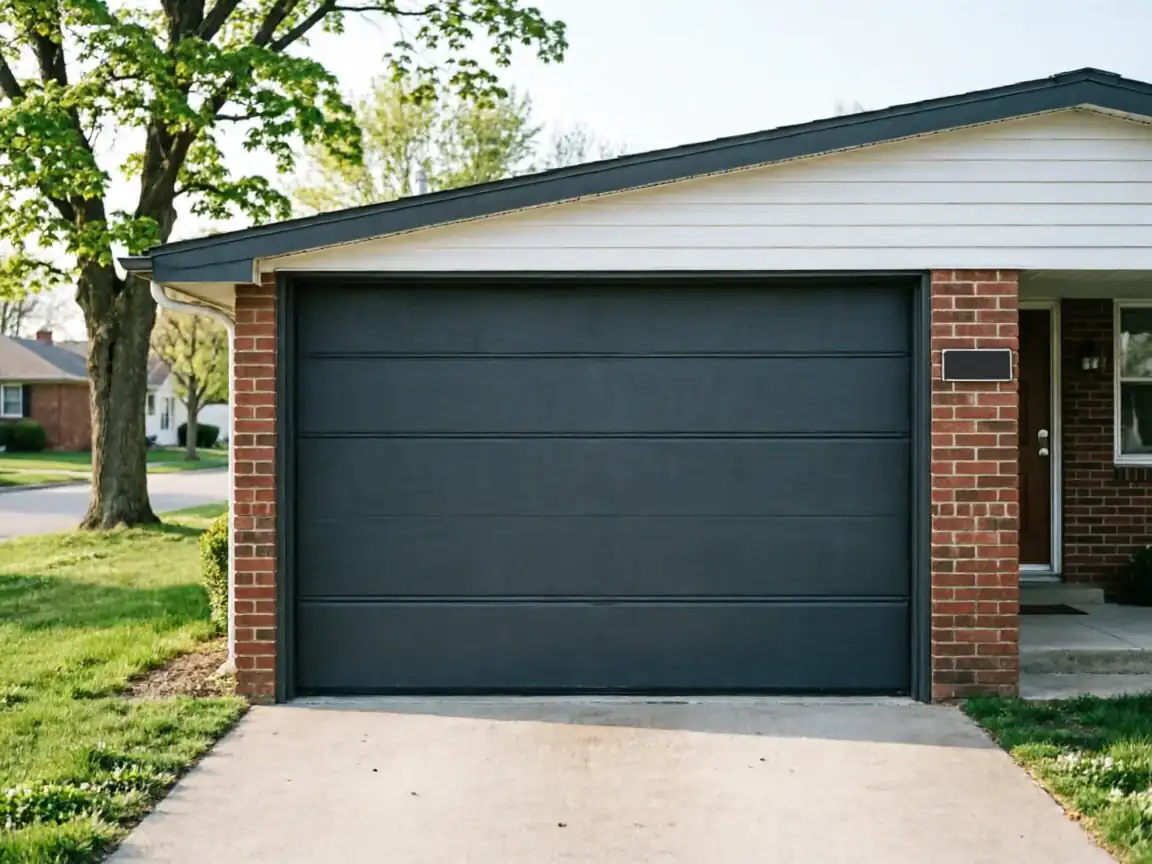
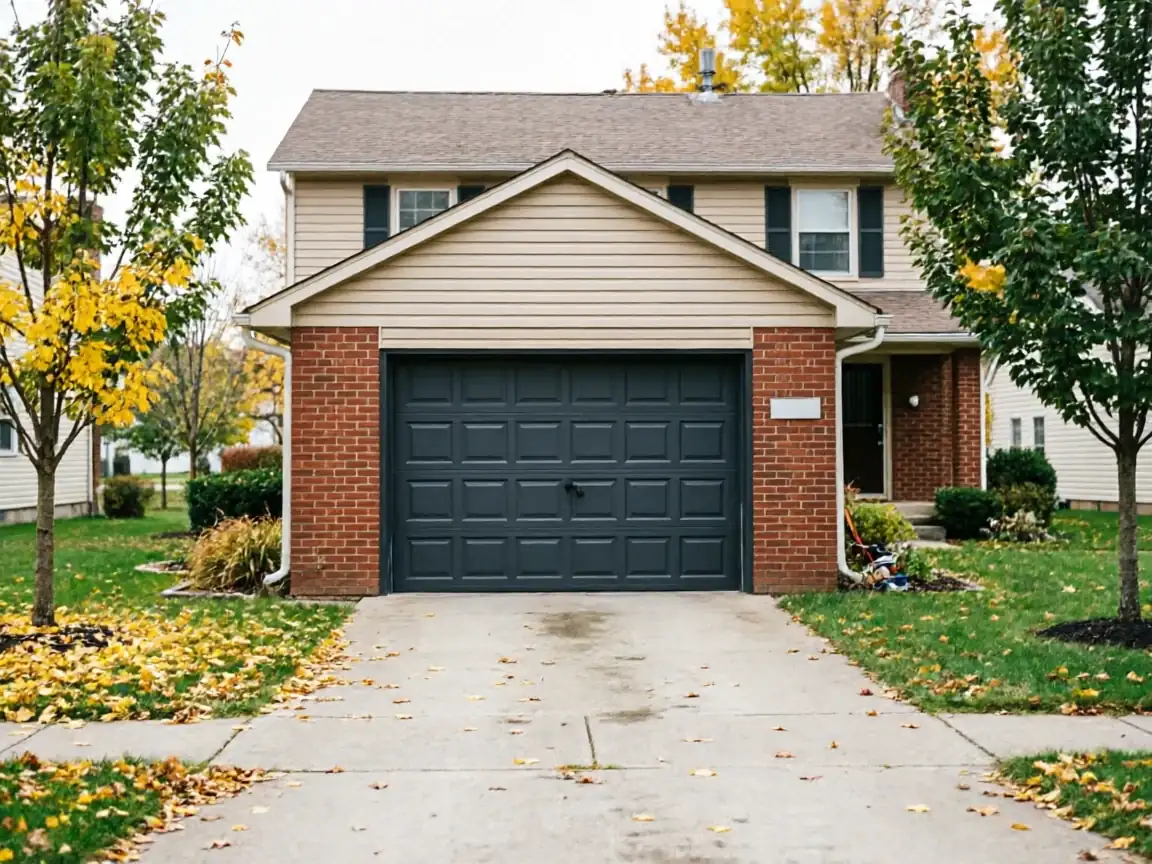
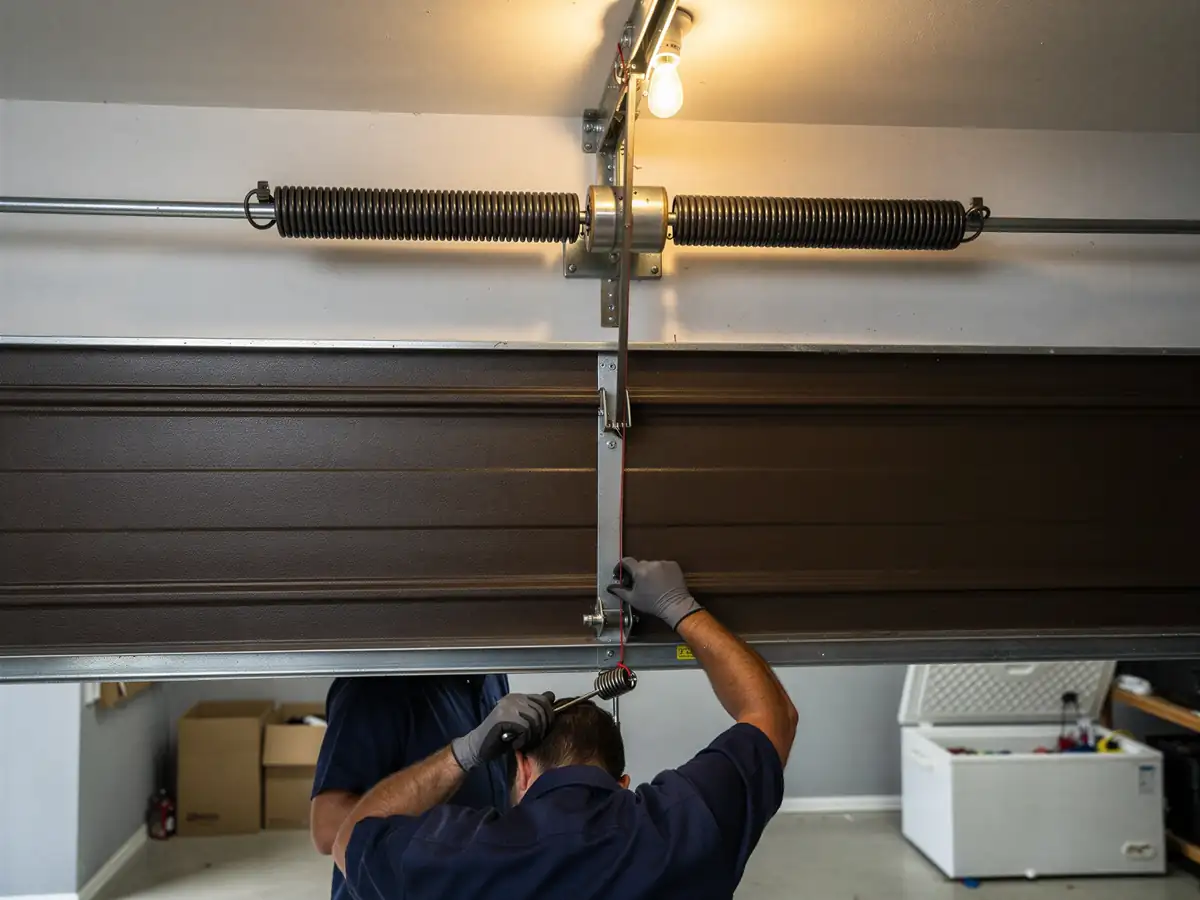
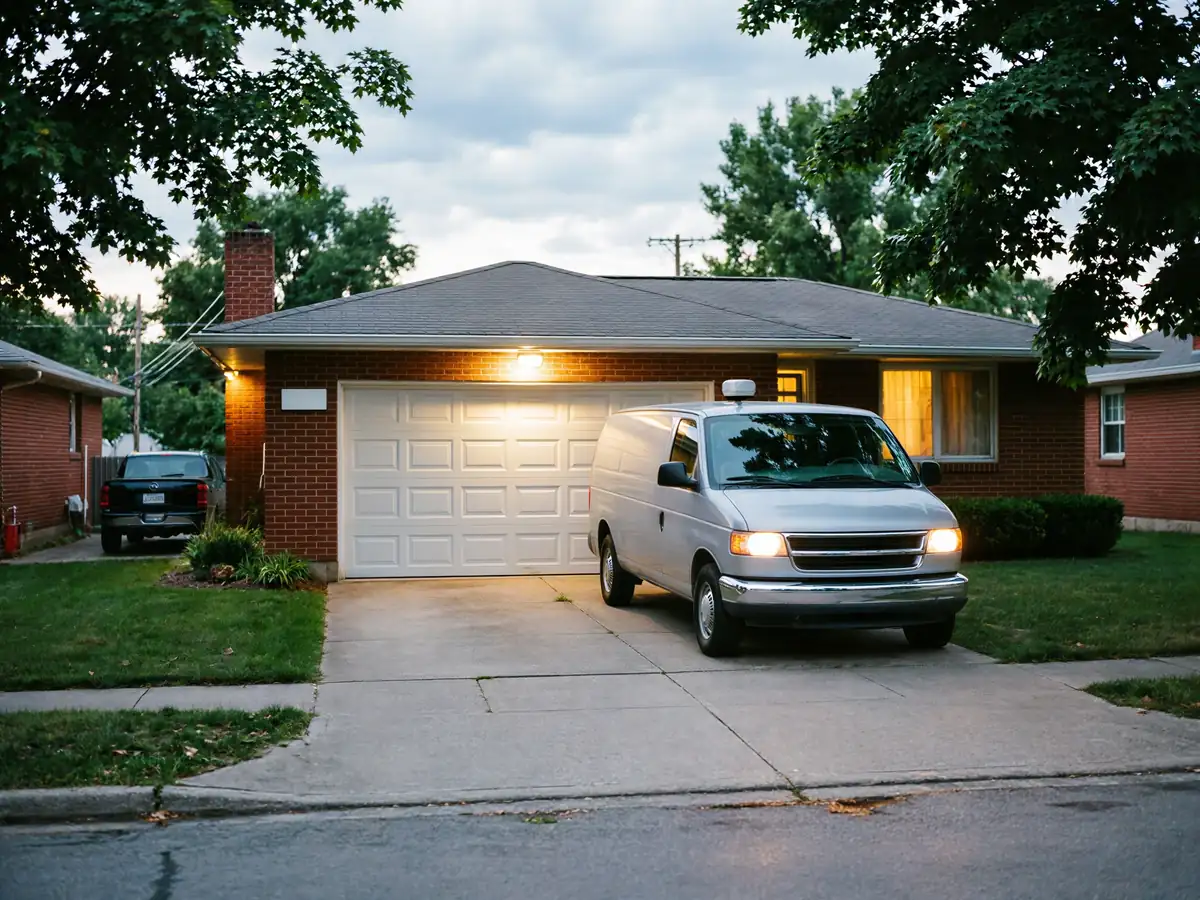
Most garages in Table Grove were built around 1946, which means the door hanging in front of you is almost never the lightweight steel sandwich panel you'd find on a house built in the last twenty years. It's more likely a heavier single-layer steel or wood-composite slab, sized for the narrower single-car openings that were standard when these houses went up. That width and weight matters when something breaks loose at 7pm on a Sunday: a torsion spring sized for a heavy, narrow door doesn't have a modern equivalent sitting on a shelf at a big-box store, and jack-of-all-trades repair isn't a safe DIY swap on this hardware. We come out from Macomb, about 15 miles east, and the fix starts with matching the door's actual weight and spring wind, not guessing from a generic size chart. For a broken spring, snapped cable, or opener that's quit mid-cycle, that match is what keeps the repair from becoming a second call next month.
What Causes It Around Here
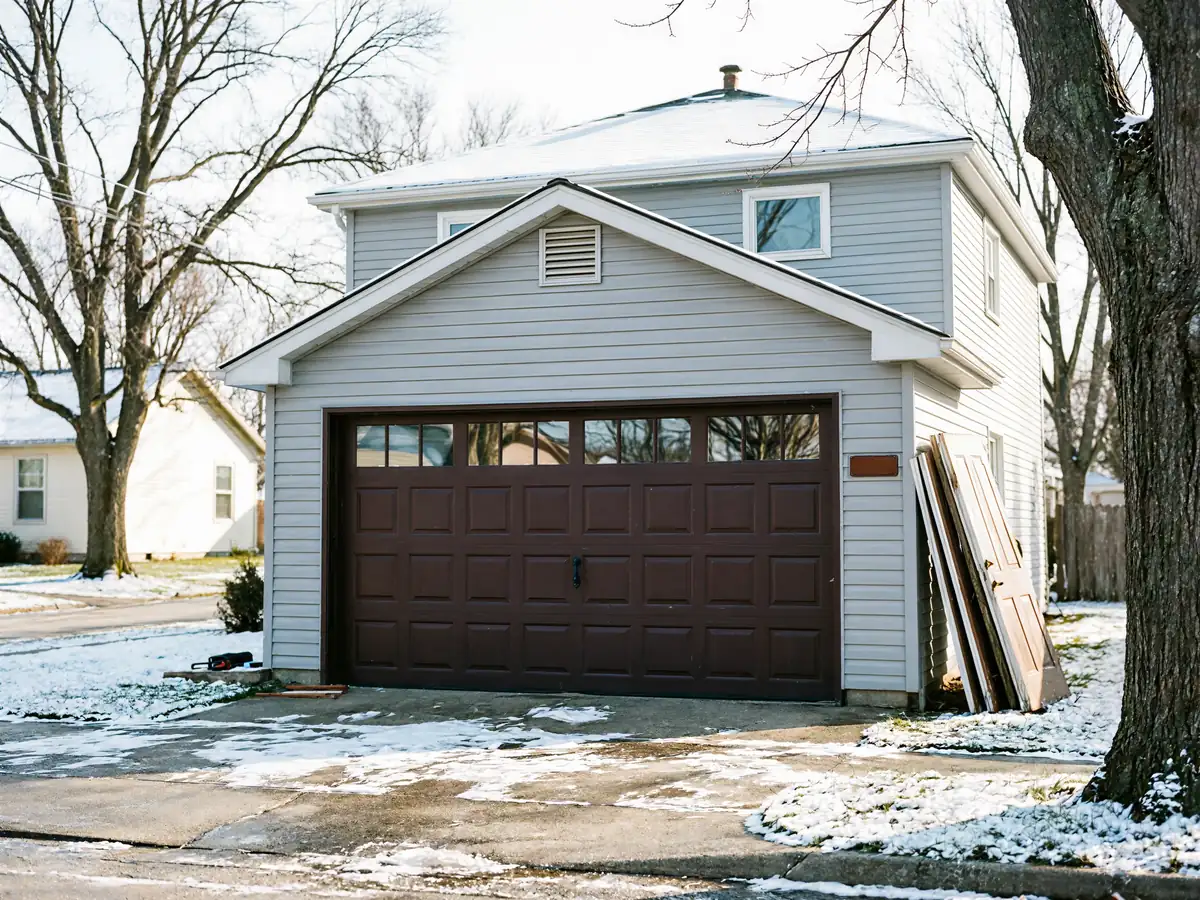
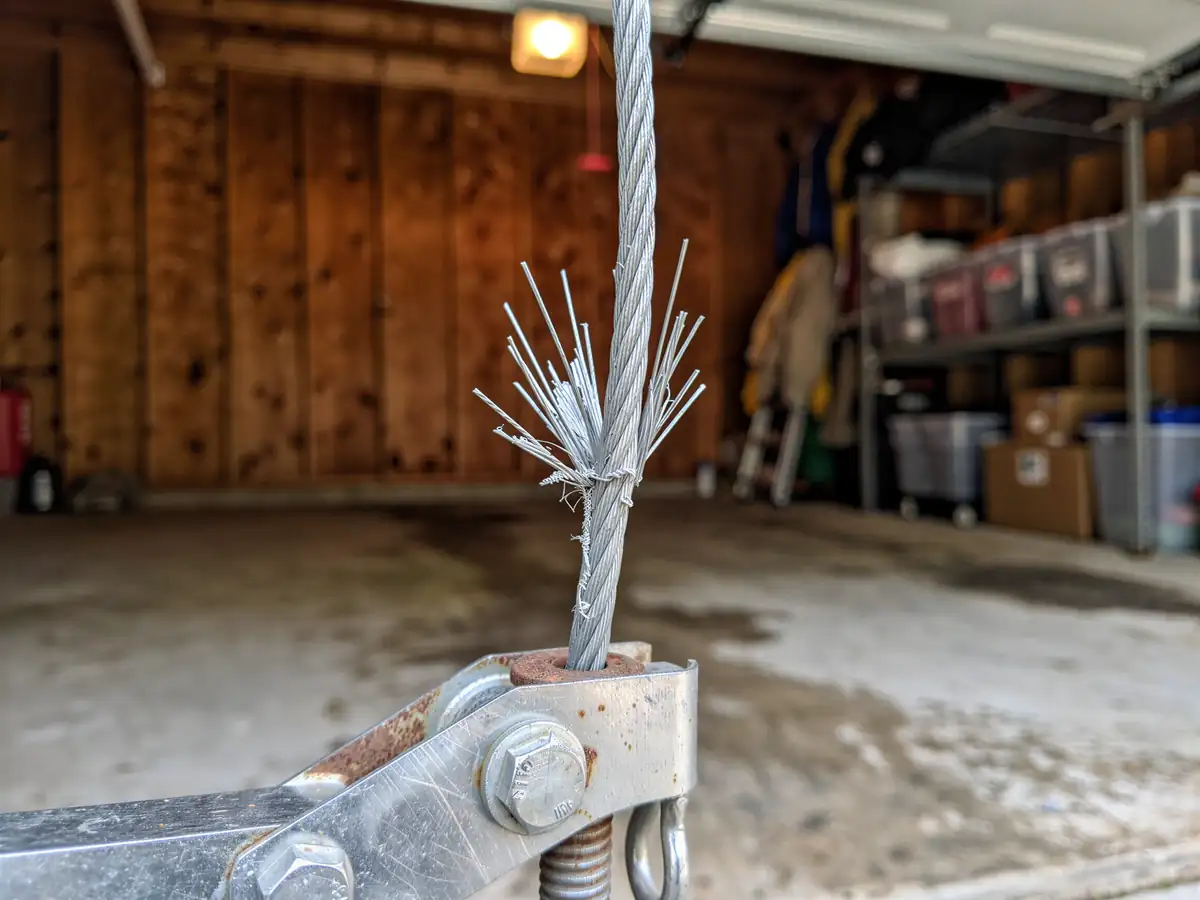
With a median build year of 1946, the housing stock across Table Grove and the wider service area skews pre-1960. Original torsion hardware on houses this age has had seven, eight decades of temperature swings to work on it. The climate here runs cold and sees real seasonal swing, and steel springs lose tension and galvanized cable starts to fray faster under that kind of cycling than people expect. On a town this size, with 147 households total, a lot of these garages have never had the spring or cable replaced since the house was built - there's just no reason to notice it until the day it lets go. Panels on original doors, especially wood ones, also take on moisture in a way newer insulated steel doors don't, and that adds weight the spring was never sized to carry long-term. None of this is unique to one address - it's what happens to a door built for 1946 that's still doing 1946's job eight decades later.
The DIY Question
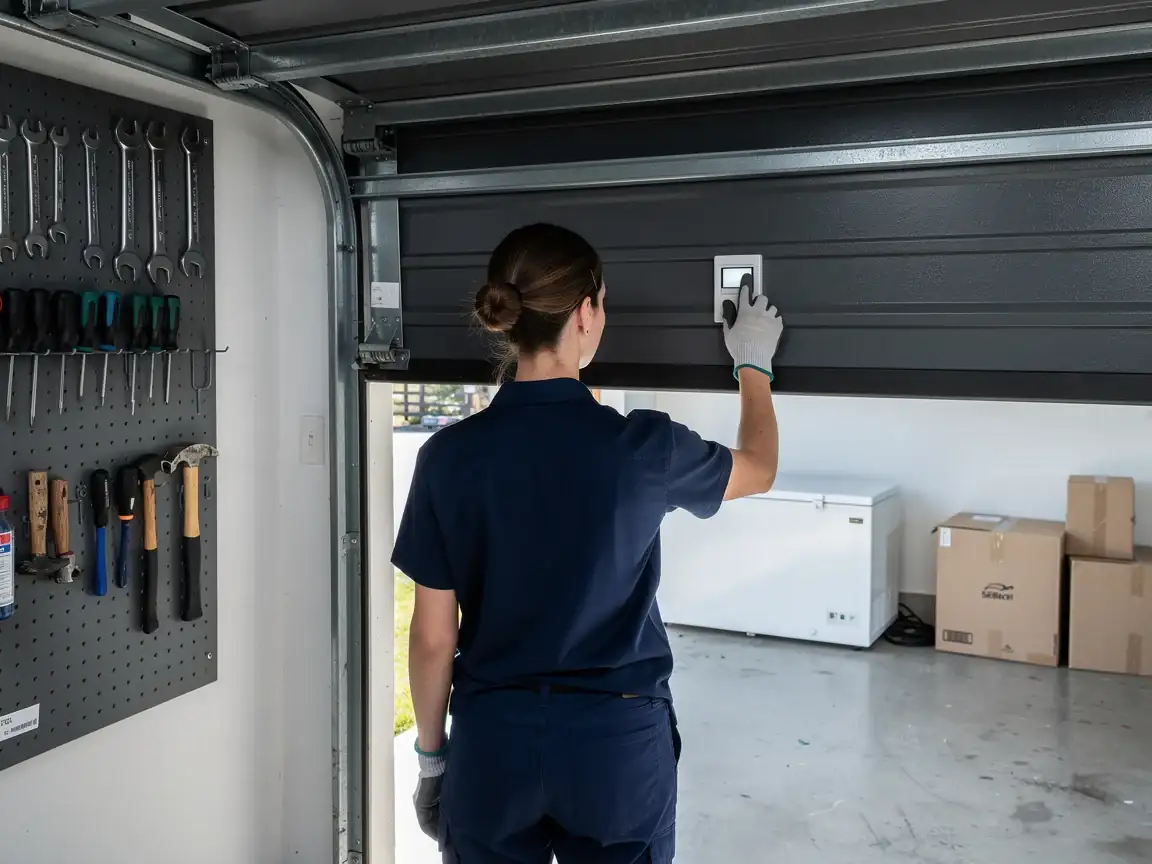
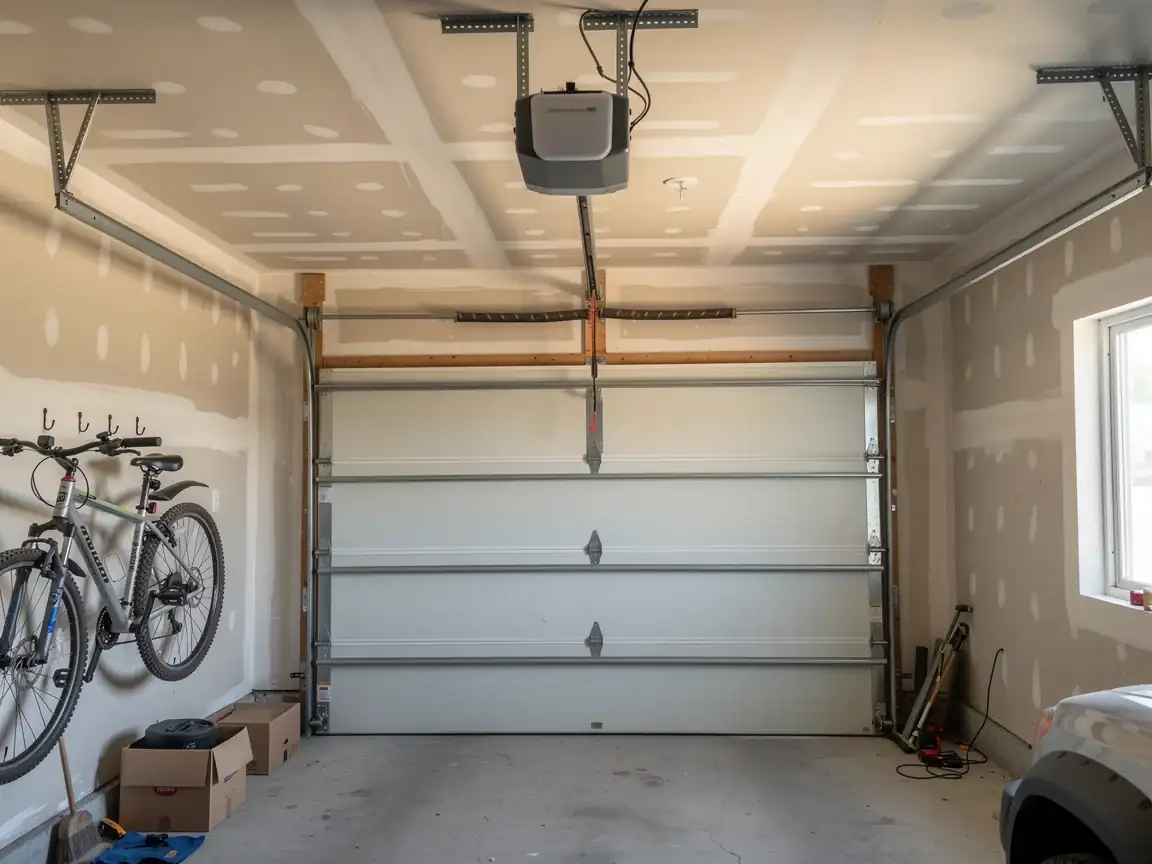
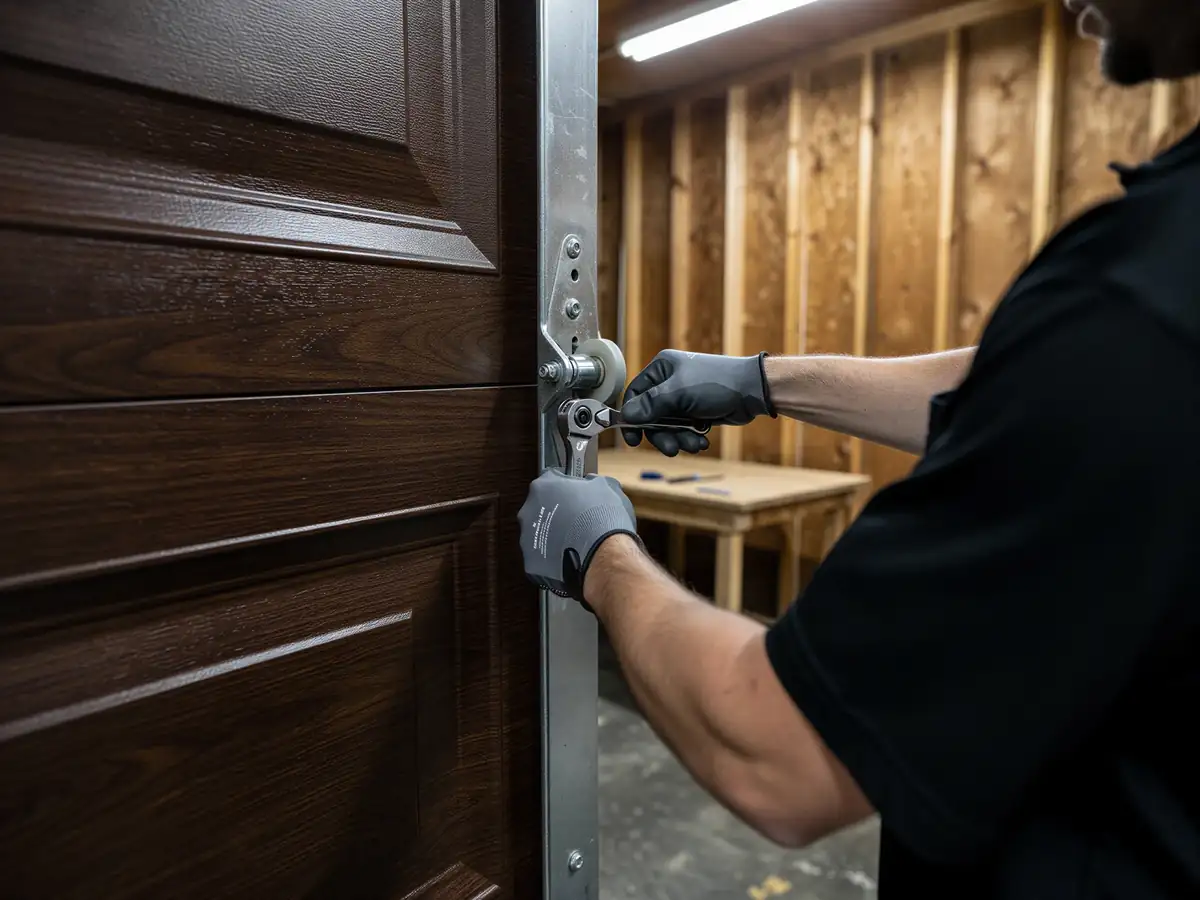
Loosening a torsion spring or pulling a cable off a drum under tension is not a job to learn on your own garage. The stored energy in a wound spring sized for a heavy single-layer door can break a hand or worse, and there's no safe way to eyeball that it's low enough to touch. What you can do yourself: check that the opener's travel limit and force settings aren't set too aggressively, clear and lubricate the track, and look at whether the door is binding on one side versus dropping straight. If the door won't move at all, or moves and drops hard, stop and call - that's a spring or cable problem, not an adjustment. One honest limit on our end: if a part for an original 1946-era door is genuinely obsolete and no longer made, full replacement is sometimes the faster and cheaper path over trying to source or fabricate a match.
Parts We Carry
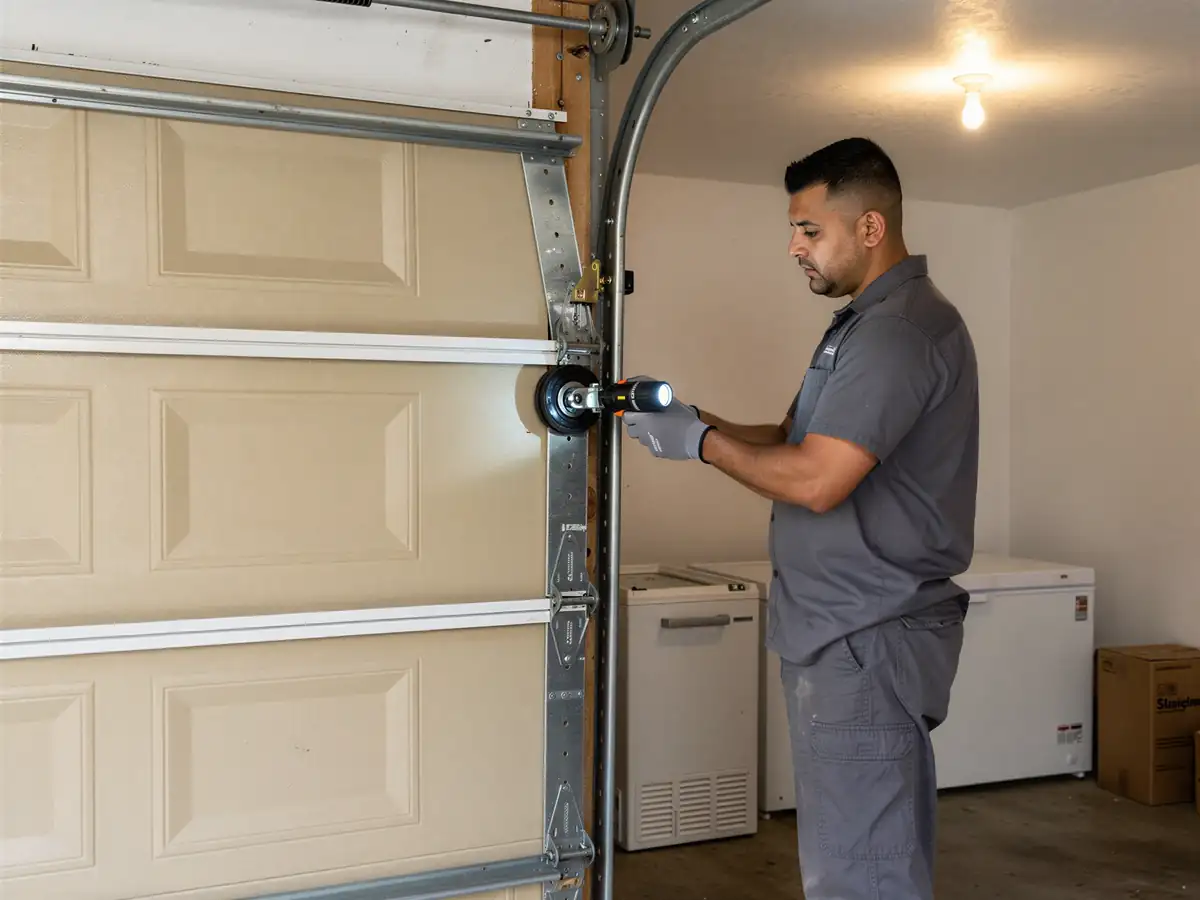
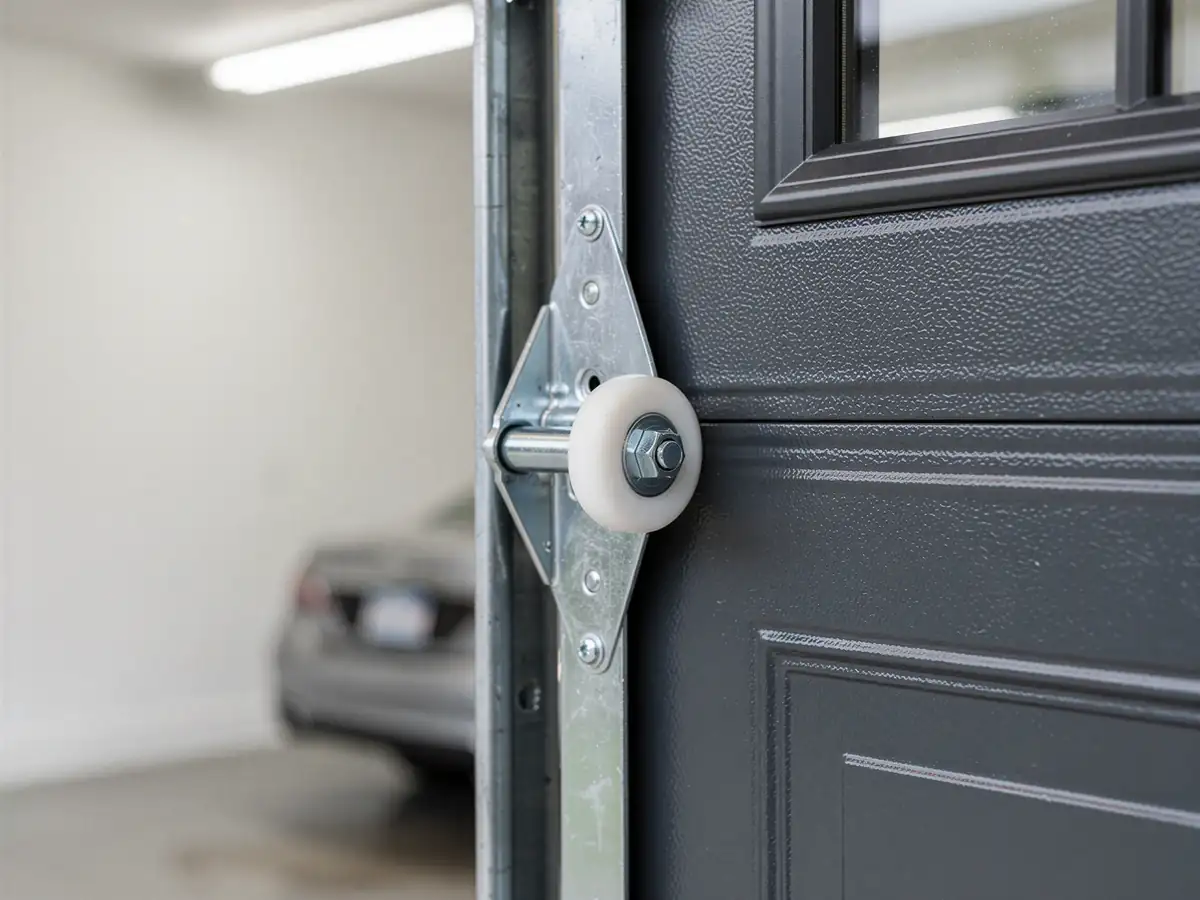
Because so much of the stock here predates modern door sizing, we carry torsion springs in the wind and wire gauges that fit the heavier, narrower single-car doors common on pre-1960 construction, not just the standard residential sizes sold for newer builds. We stock extension and torsion cable, steel drums, and both steel and nylon rollers sized for older track profiles. We also carry universal opener logic boards and safety sensor kits, since older openers bolted onto original doors are frequently the first thing to fail electrically even when the door itself is sound. What we don't keep on the truck is a match for every discontinued wood panel or custom-width slab - those sometimes need an order, and we'll tell you that up front rather than stall on site.