What Causes It Around Here
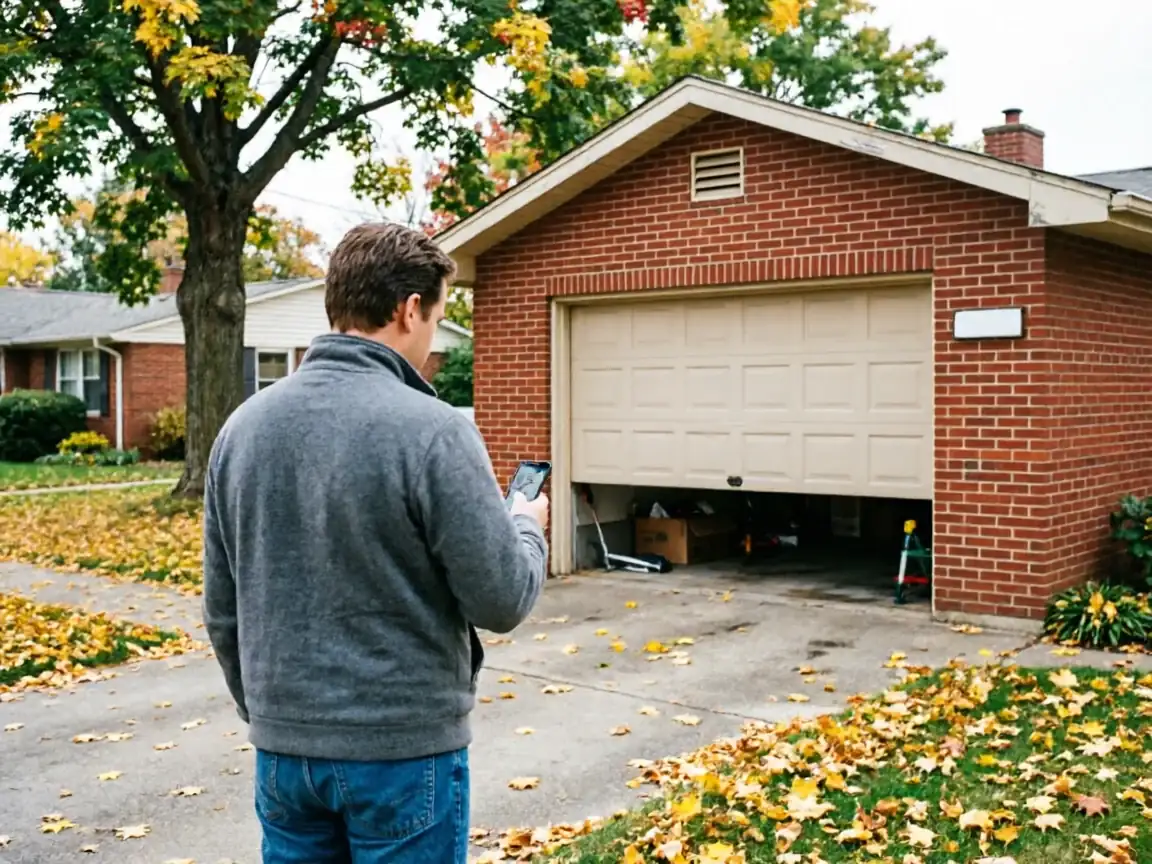
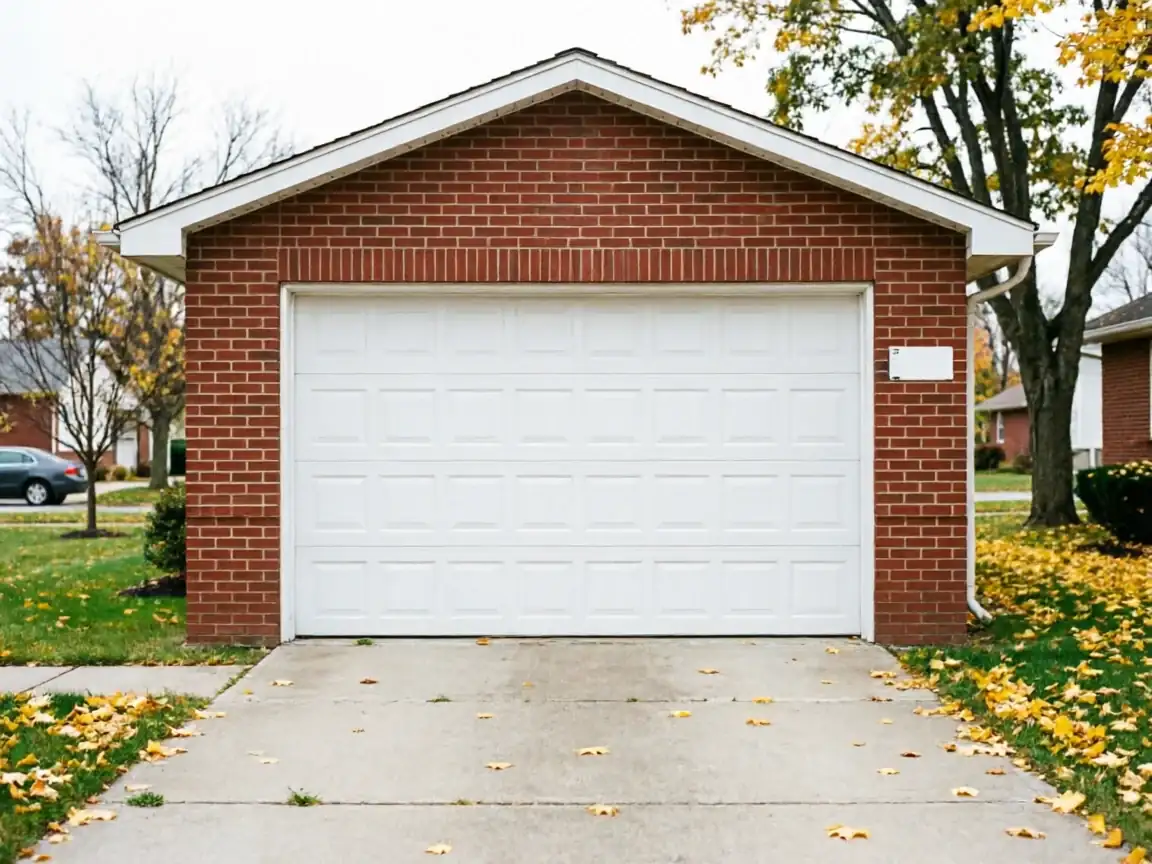
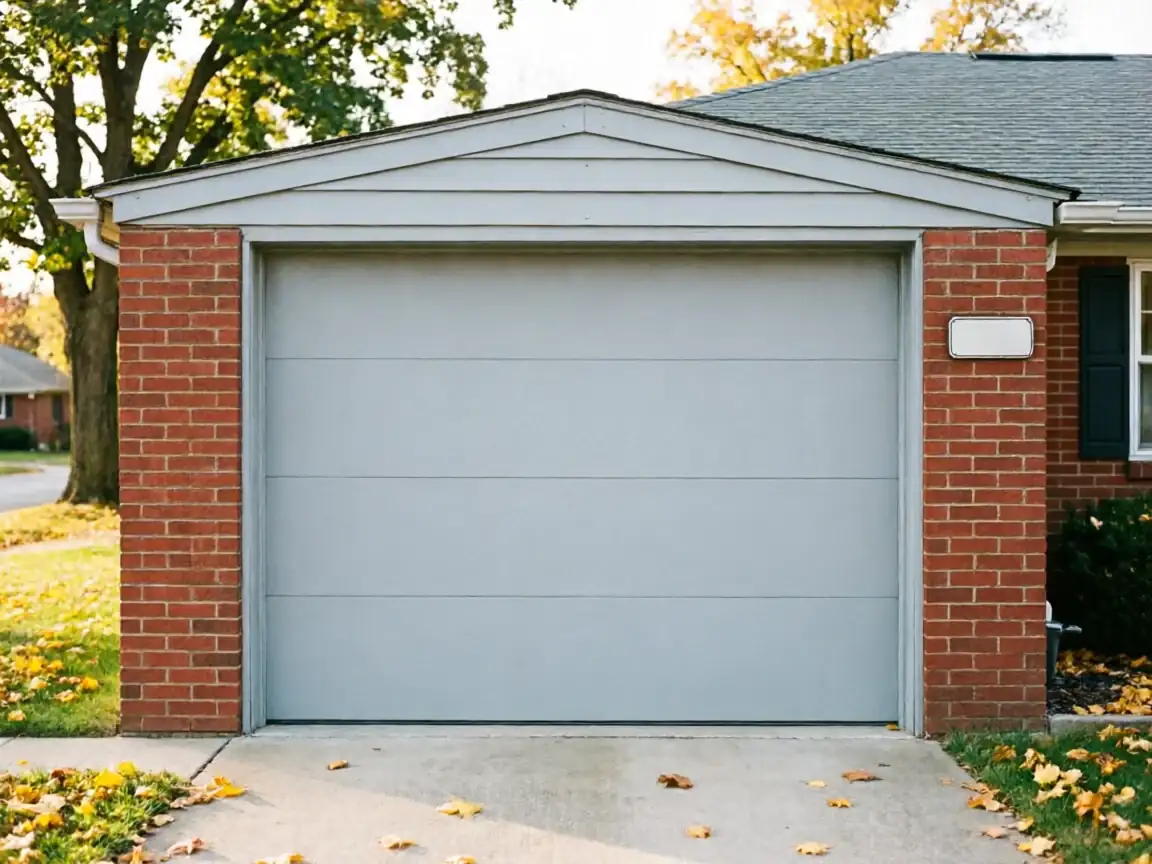
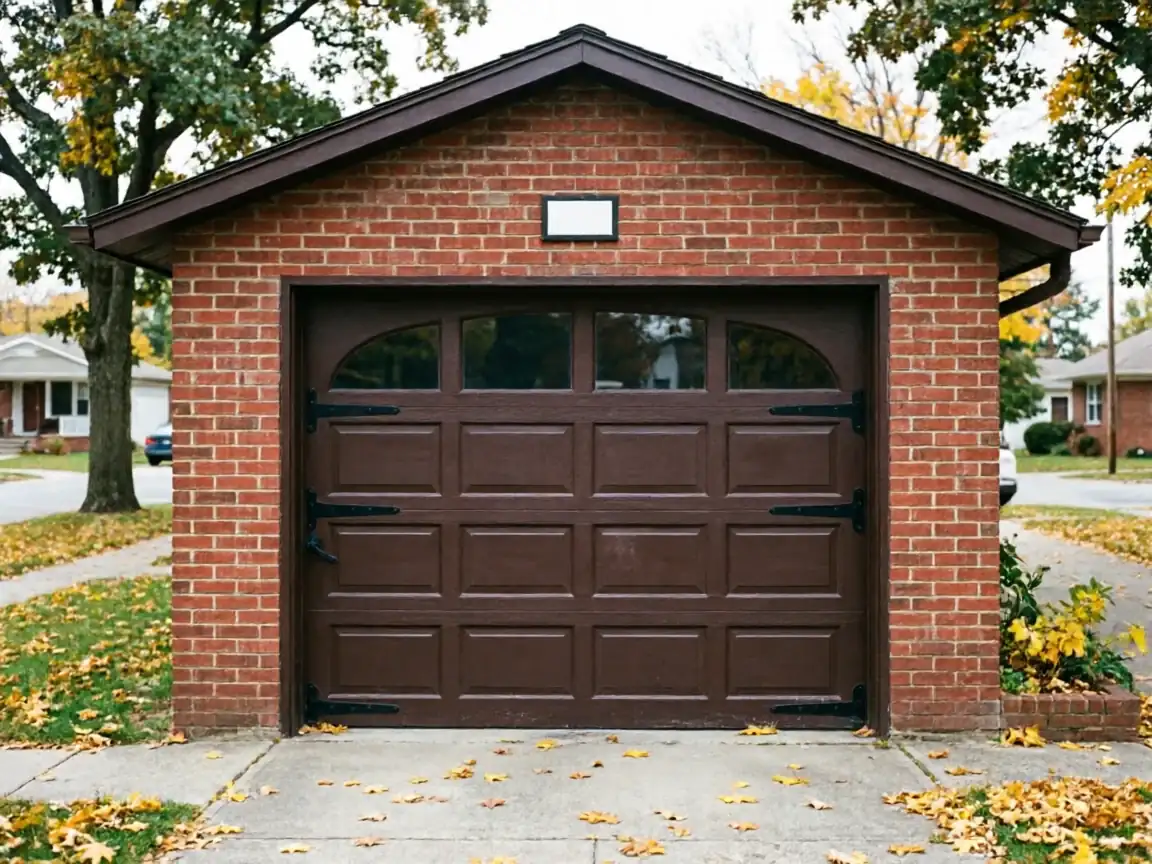
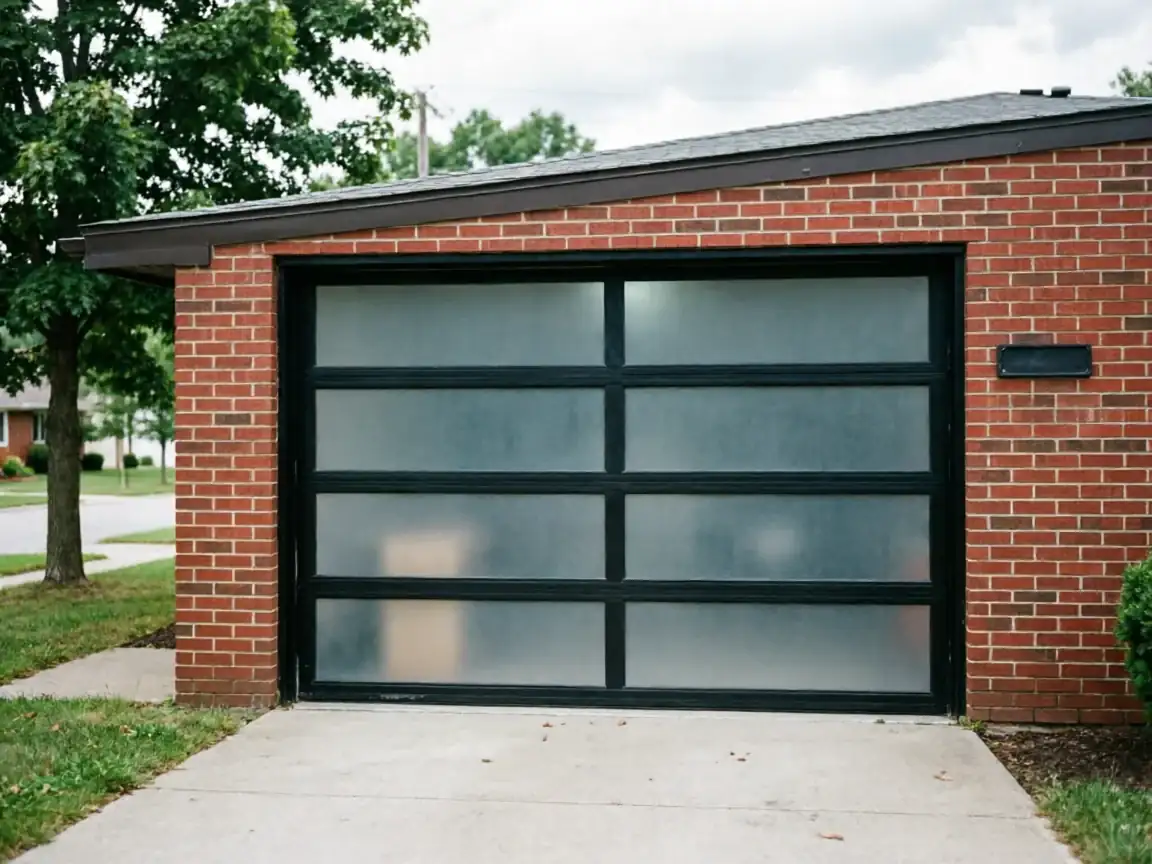
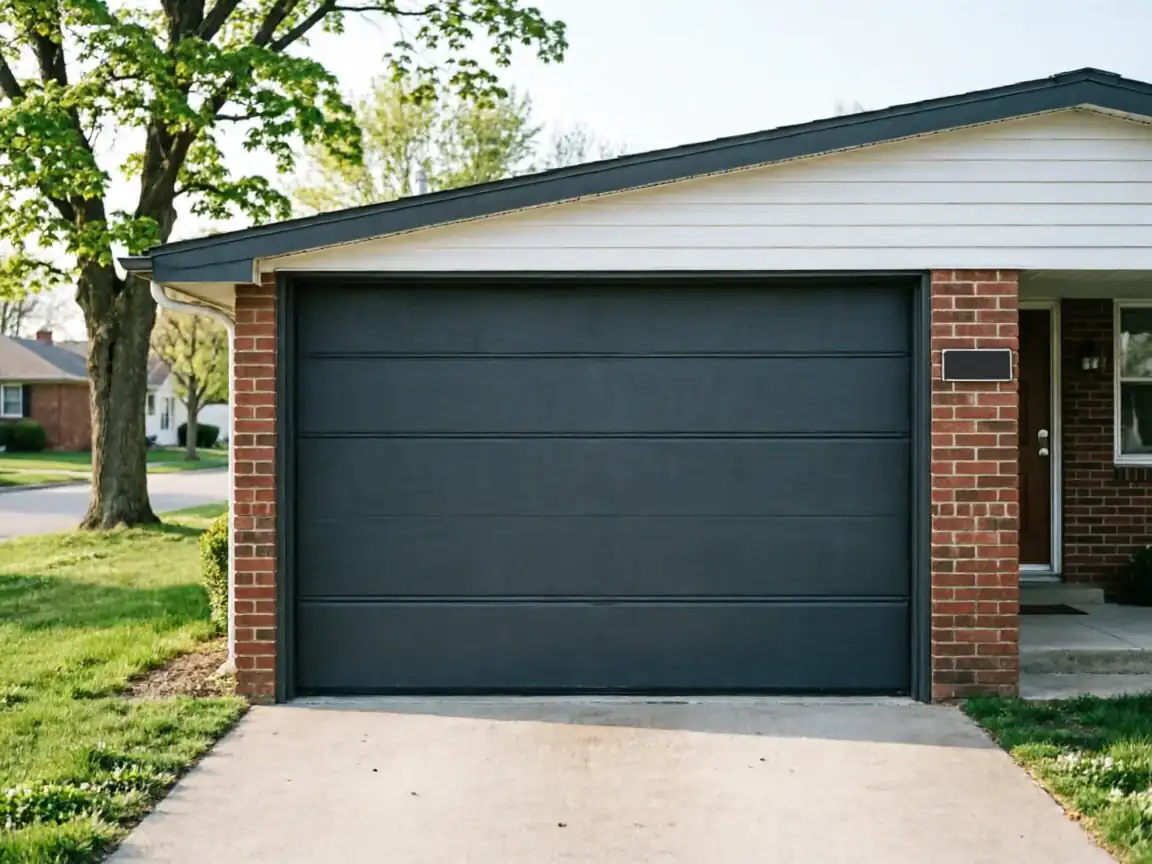
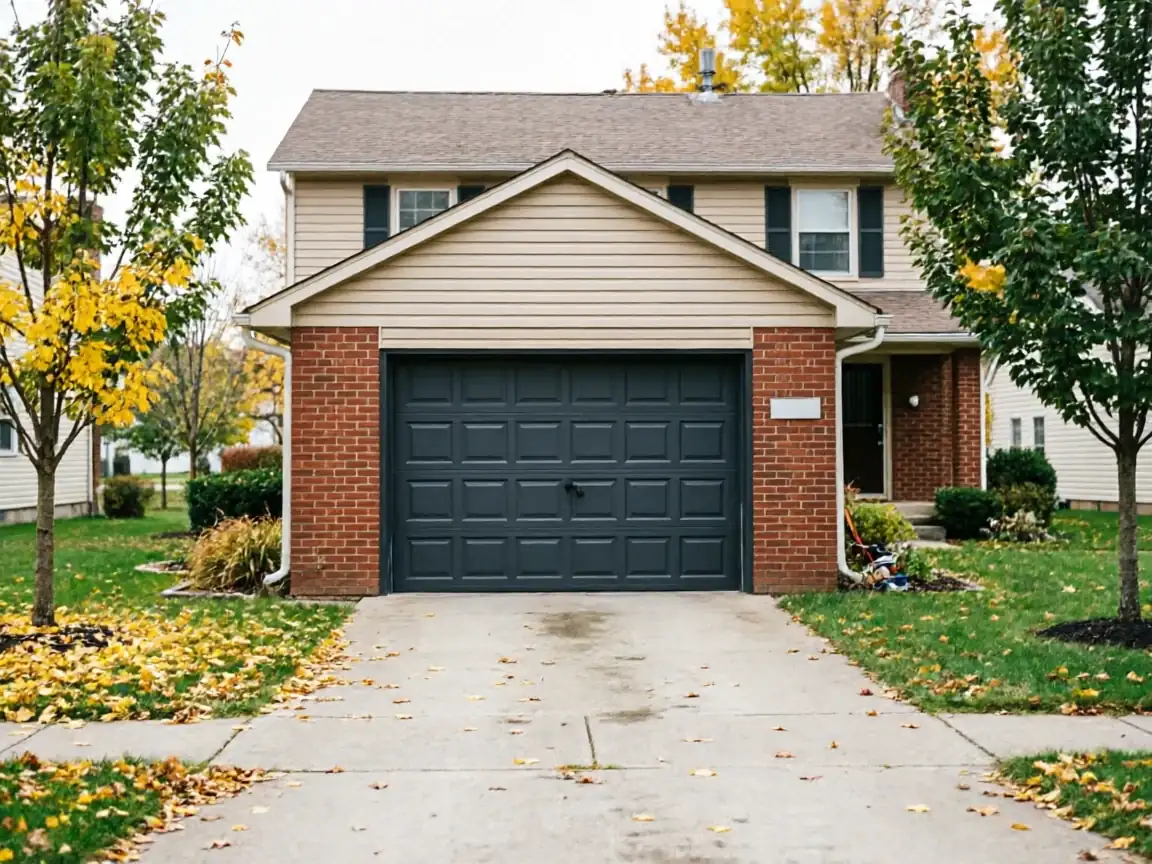
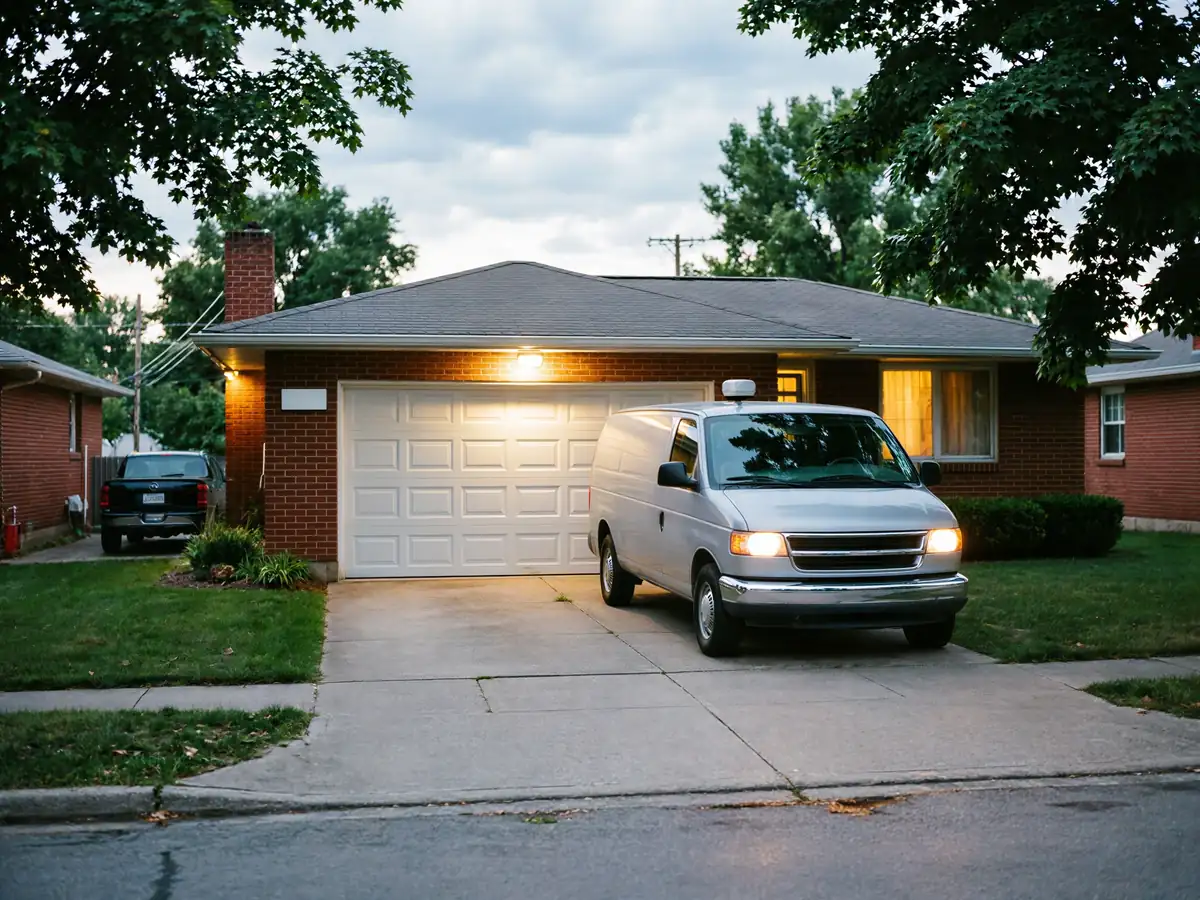
Roseville is a small place, something like 358 households, which means the garage door problems we see here aren't spread across a dozen builders and a dozen eras the way they might be in a bigger town. Most of the housing went up around 1952, and that one fact drives most of the emergency calls. Doors from that build era were hung on steel track with torsion springs sized for the lighter wood-panel doors of the time. Forty, fifty, sixty years of cycling later, those springs are past due, and when they let go on a cold morning the door either won't lift or drops hard on whoever's under it. We're coming from Macomb, about 18 miles out, so when a call comes in from Roseville we're already thinking about what that age of door usually needs before we load the truck. Winter makes it worse. The cold-moderate climate here means steel contracts, grease stiffens, and a spring that was already fatigued from age finally snaps on the day it's 10 degrees out. That combination - old hardware, small town, real cold - is what we plan around, not a generic 'doors break sometimes' story.
Parts We Carry
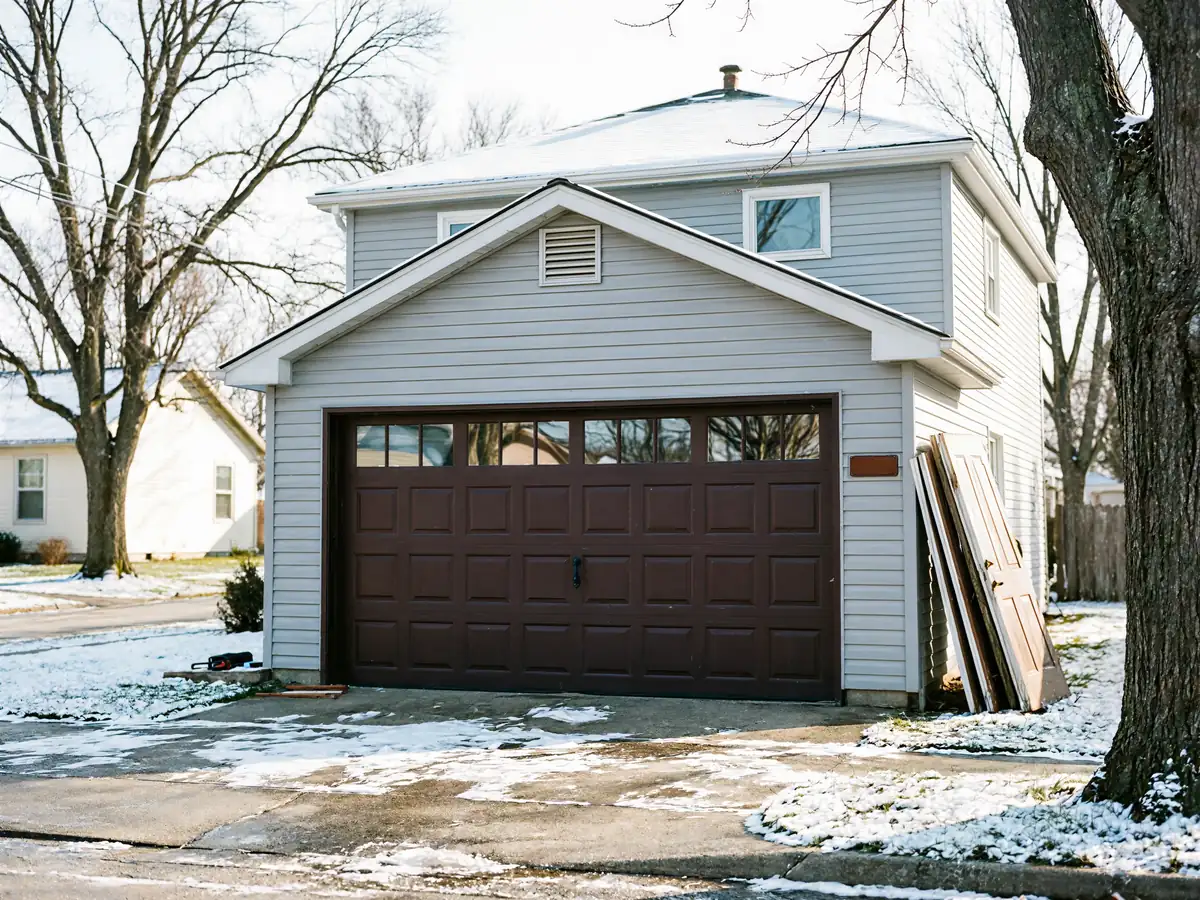
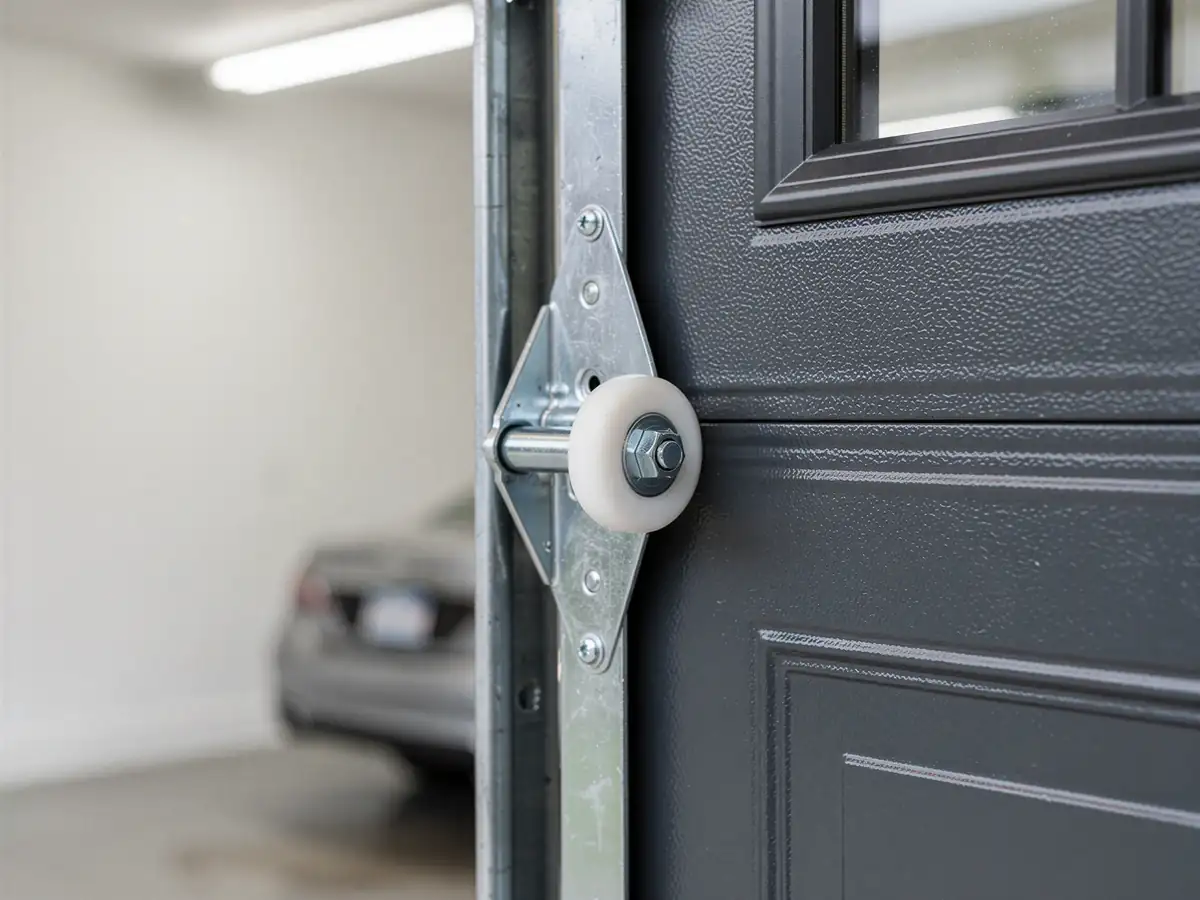
Because the housing stock in this part of the service area runs older - 1940s to 1960s construction is the norm here - we stock torsion springs and extension springs sized for the lighter original doors, not just the heavier insulated doors that have gone into new builds elsewhere. We carry standard rollers, cables, and center brackets that fit the galvanized track common to that era. One honest limit: if a door needs a specific replacement panel that matches a discontinued steel pattern from the 1950s, we may not have it on the truck. Full-panel color and rib matches on doors that old sometimes mean a short wait on the part, and we'll tell you that straight instead of promising same-day on something we can't carry.
What You Are Seeing
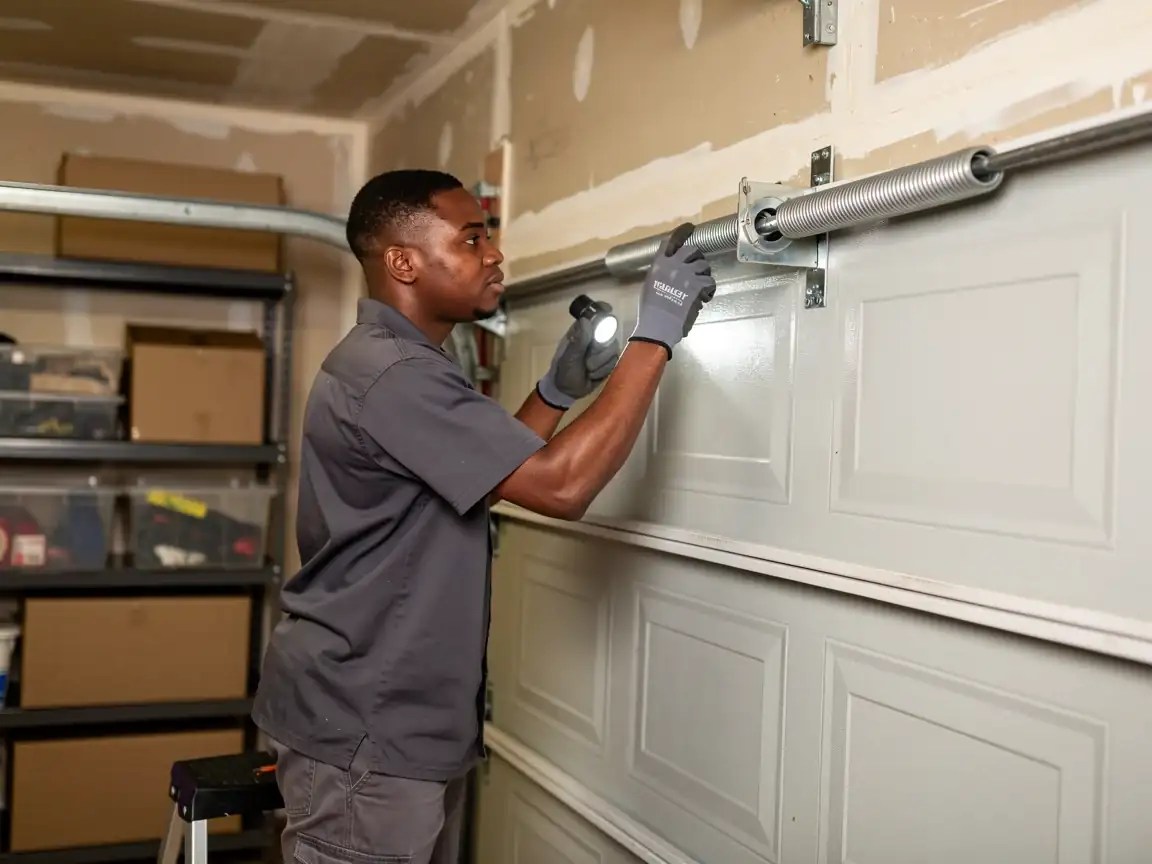
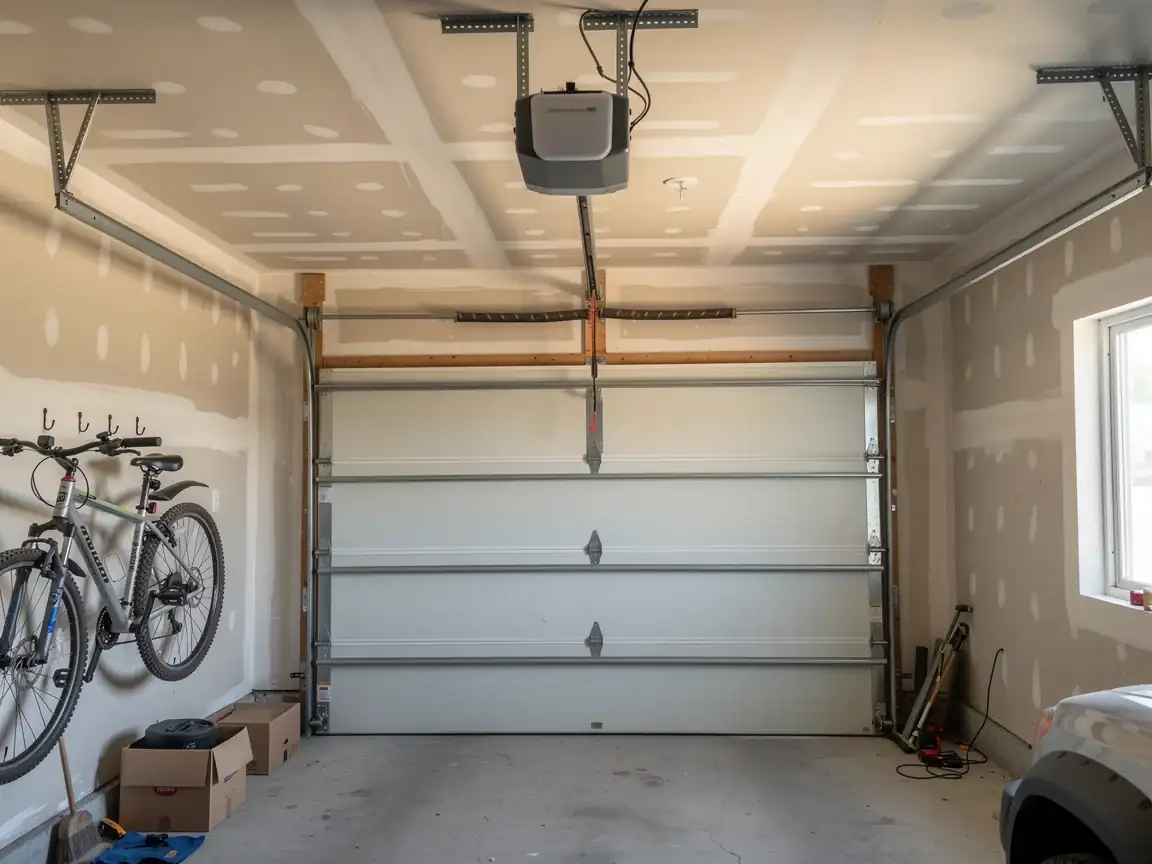
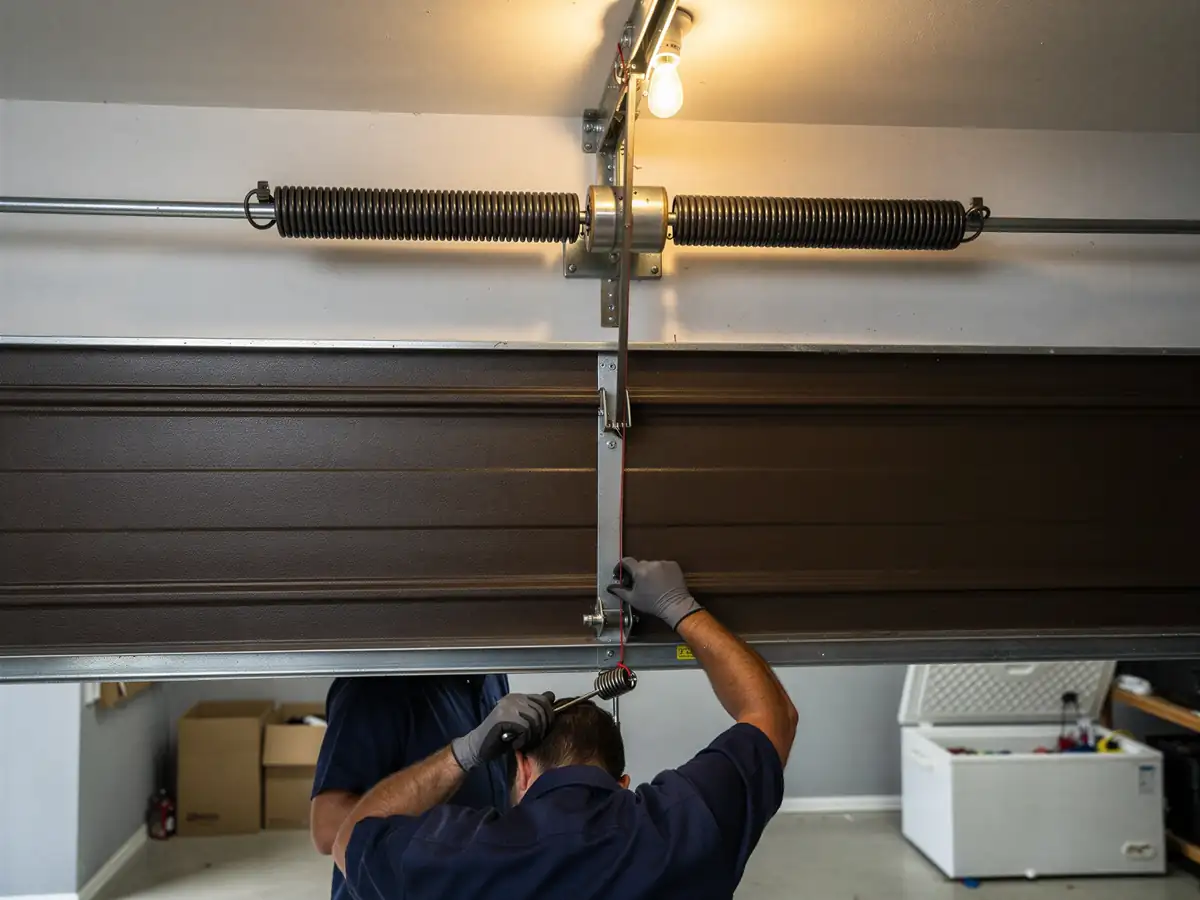
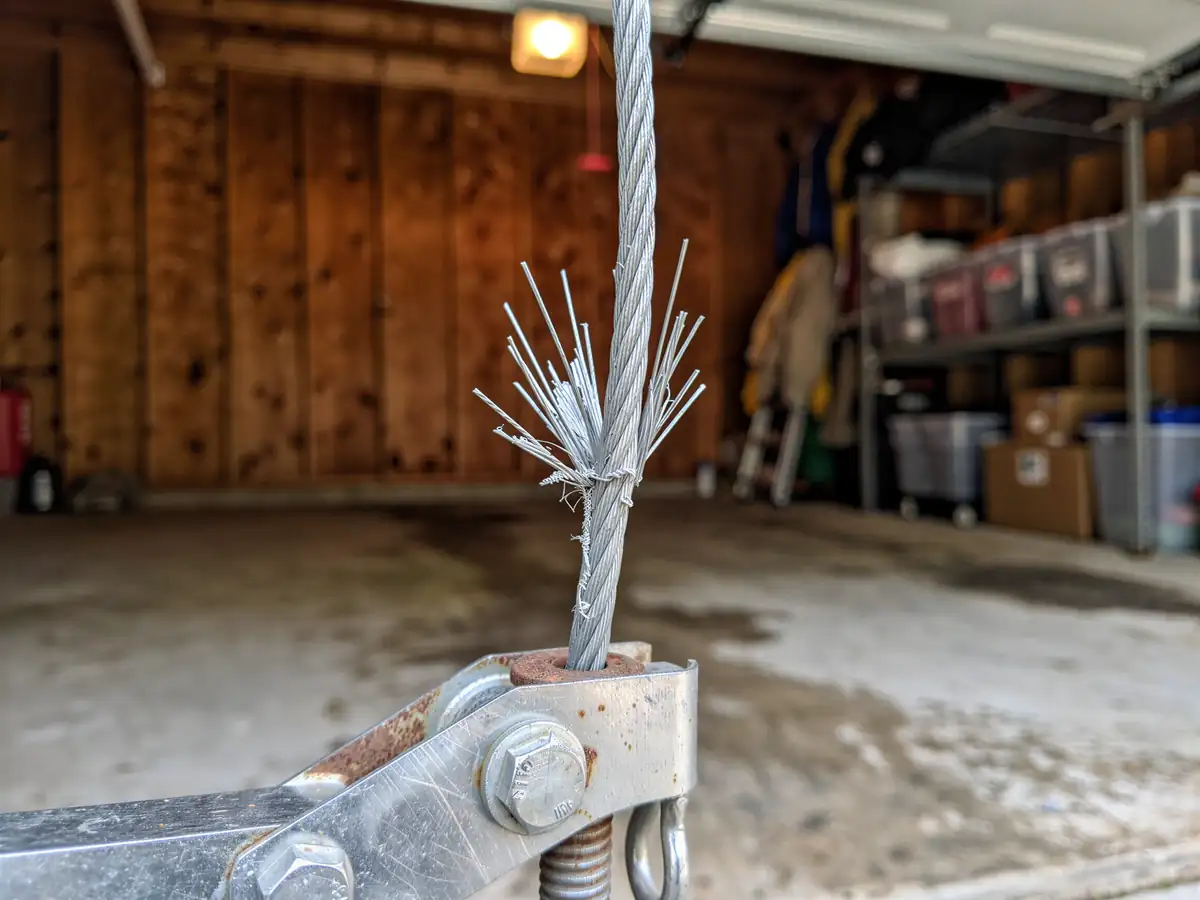
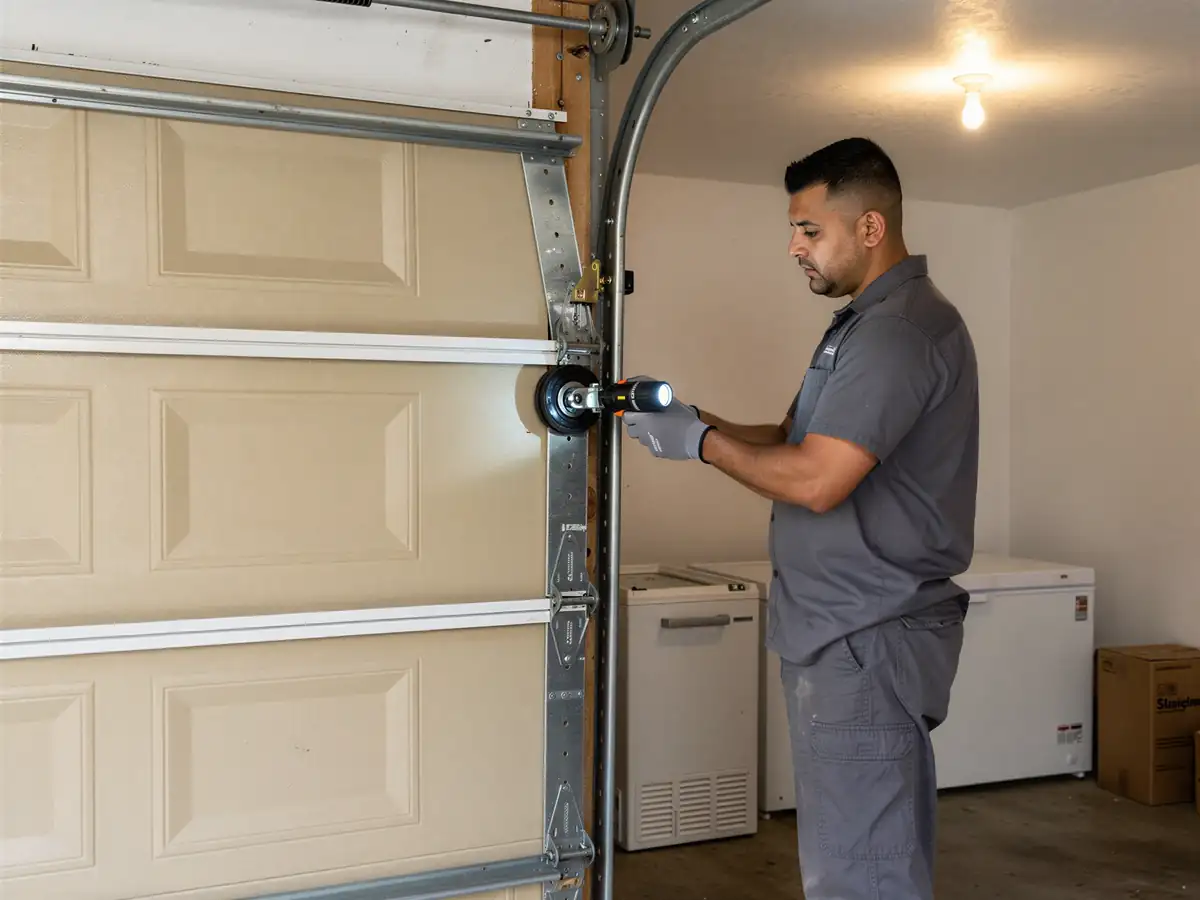
A door that won't budge and a garage full of cold air usually means a broken torsion spring - you'll often see the gap in the coil if you look up at the spring above the door. A door that opens a few inches and reverses, or one that sounds like it's grinding, often points to a roller or track issue, more common on original 1950s-era track that's never been replaced. Cables that have frayed or jumped the drum show up as a door hanging crooked on one side. If the opener motor runs but the door doesn't move, that's usually the drive mechanism, not the door itself - different problem, different fix.
What Can Go Wrong
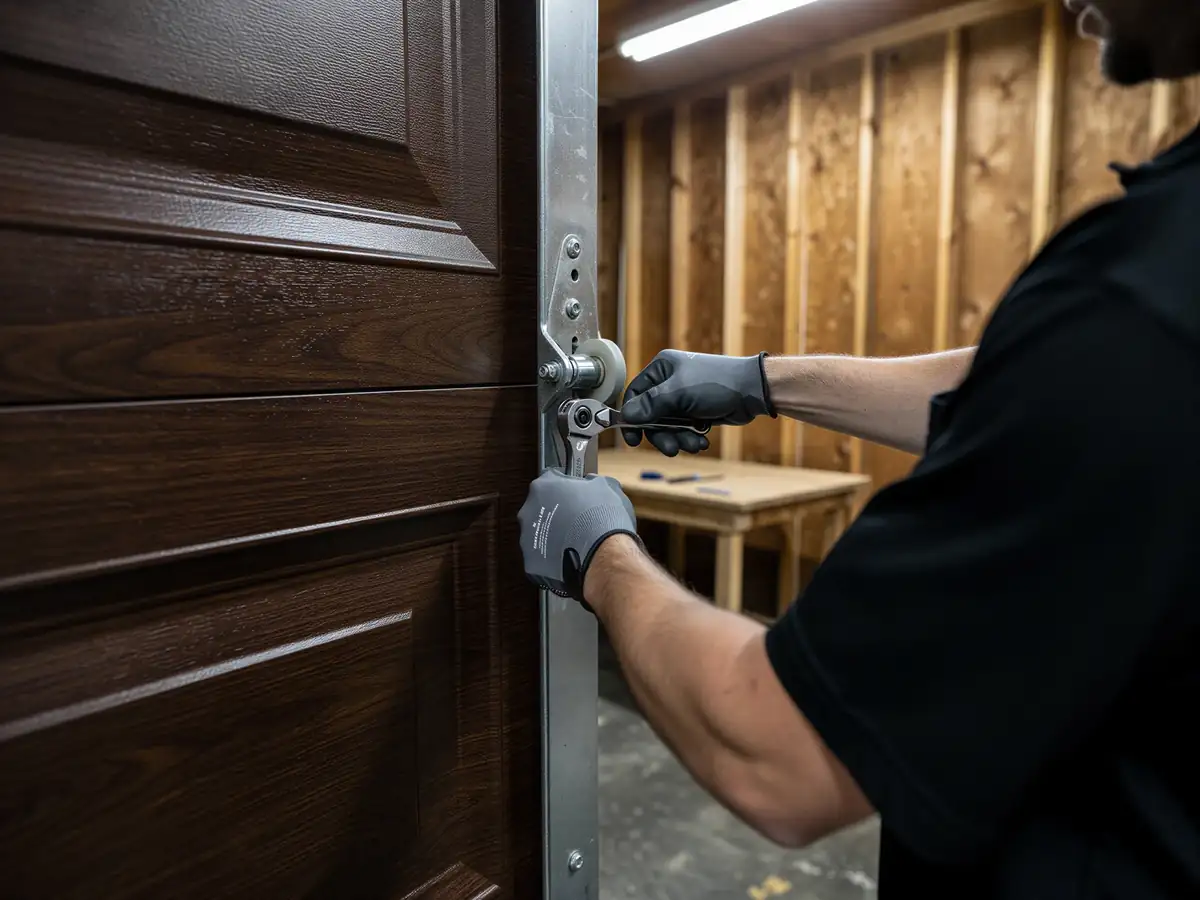
A broken spring is a known fix. What turns a simple call into a bigger one is a homeowner trying to force the door open or closed after a spring failure - that's how cables jump the drum or a track gets bent, and now you're paying for two repairs instead of one. On the older stock common here, we also see rust-seized hinges and brackets that look fine until you put torque on them, and they can crack during a routine repair if the metal's fatigued enough. With median household income here around $56,029, we try to be upfront about when a repair is worth doing versus when the door's old enough that patching one part just means the next part fails in six months.