What Causes It Around Here
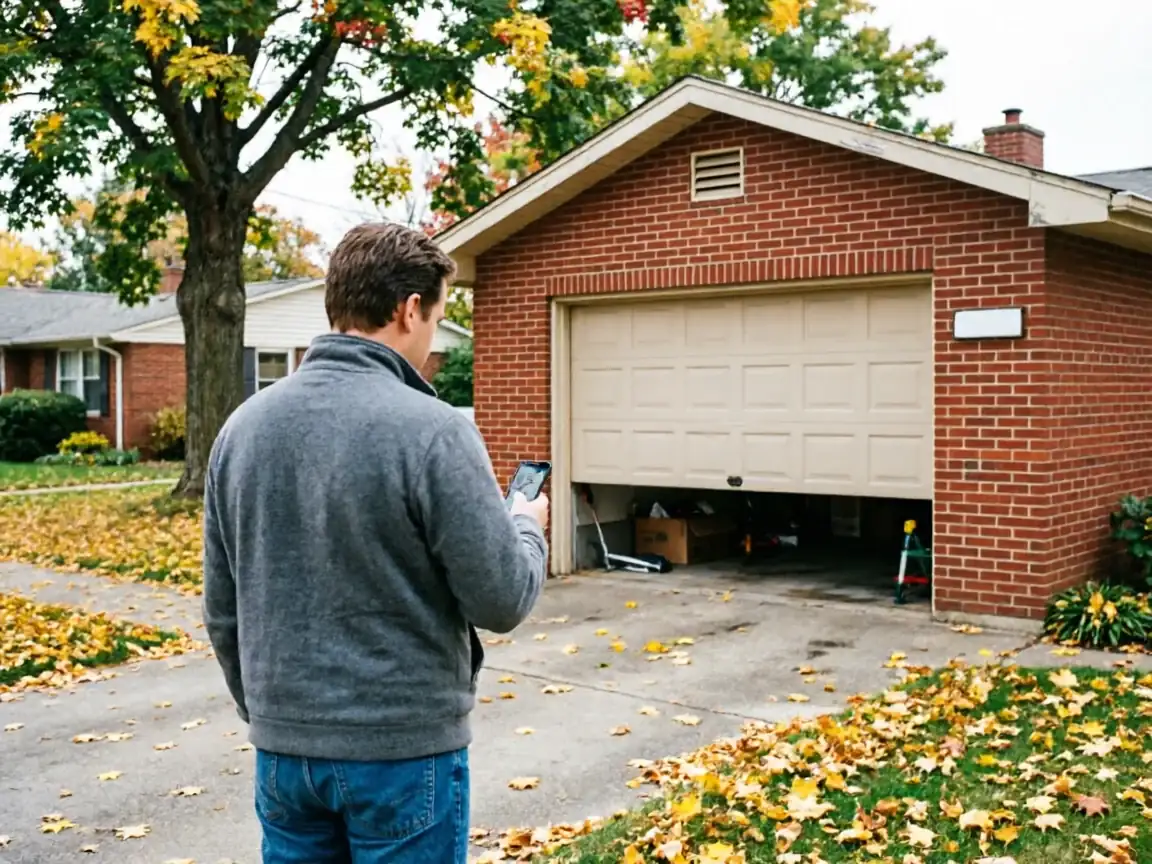
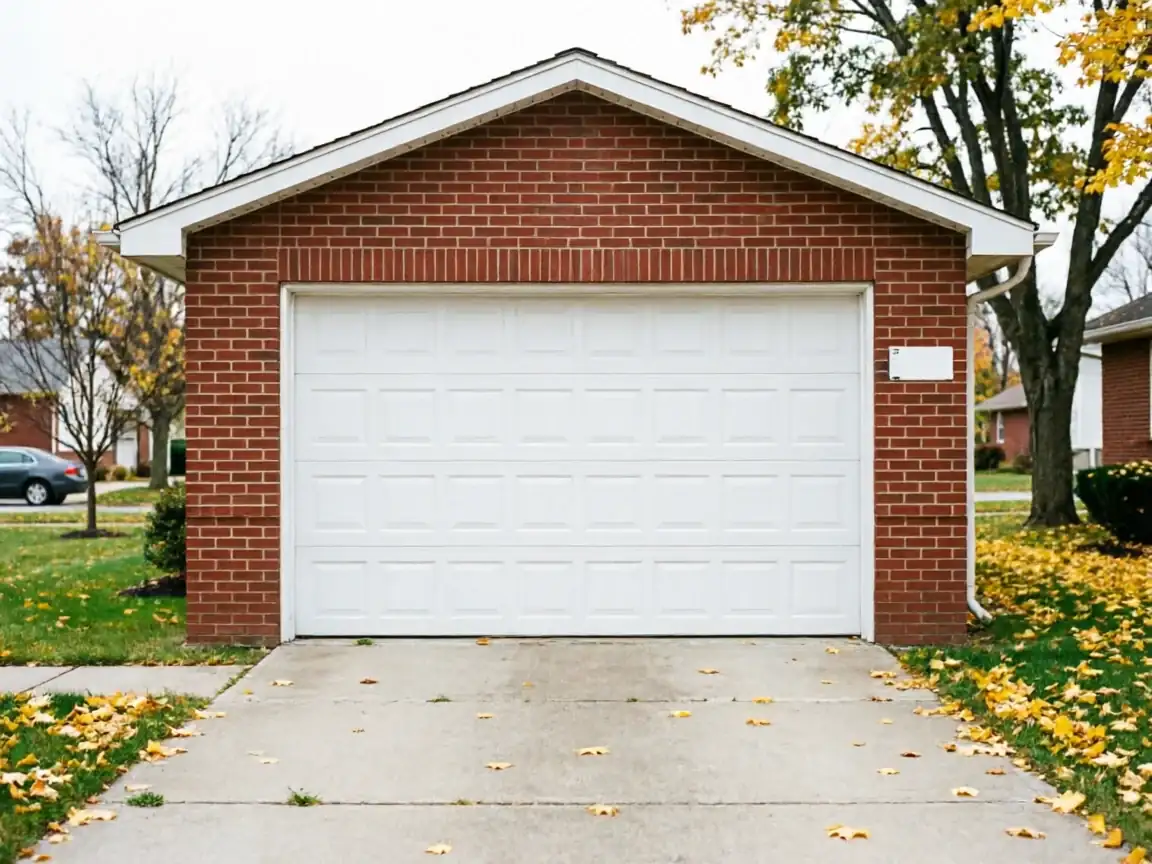
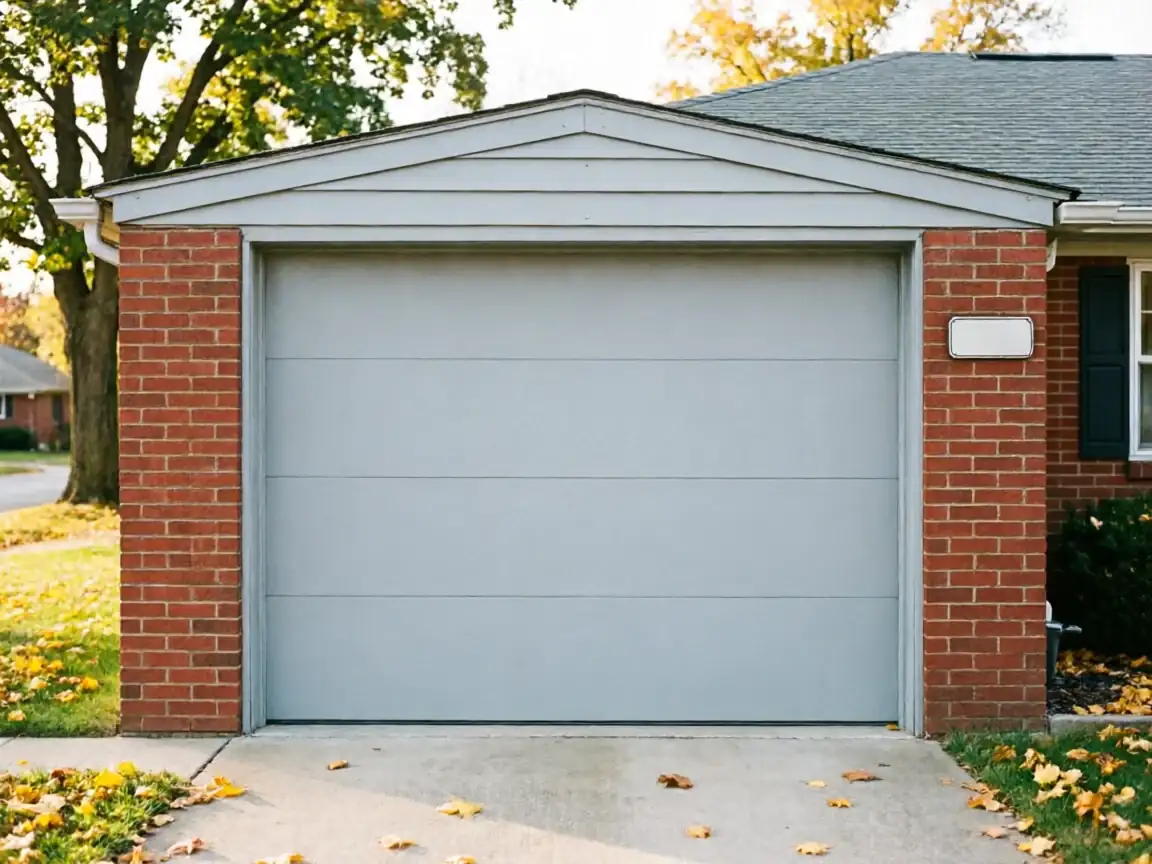
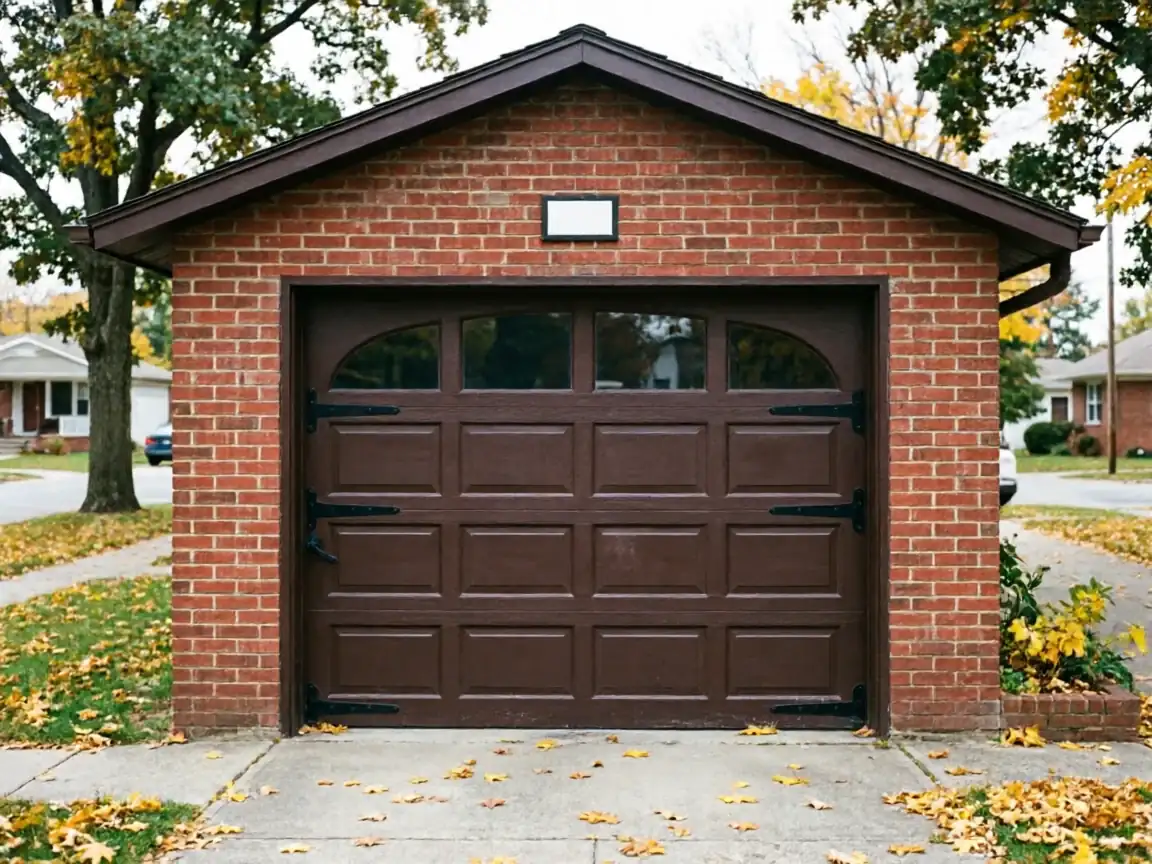
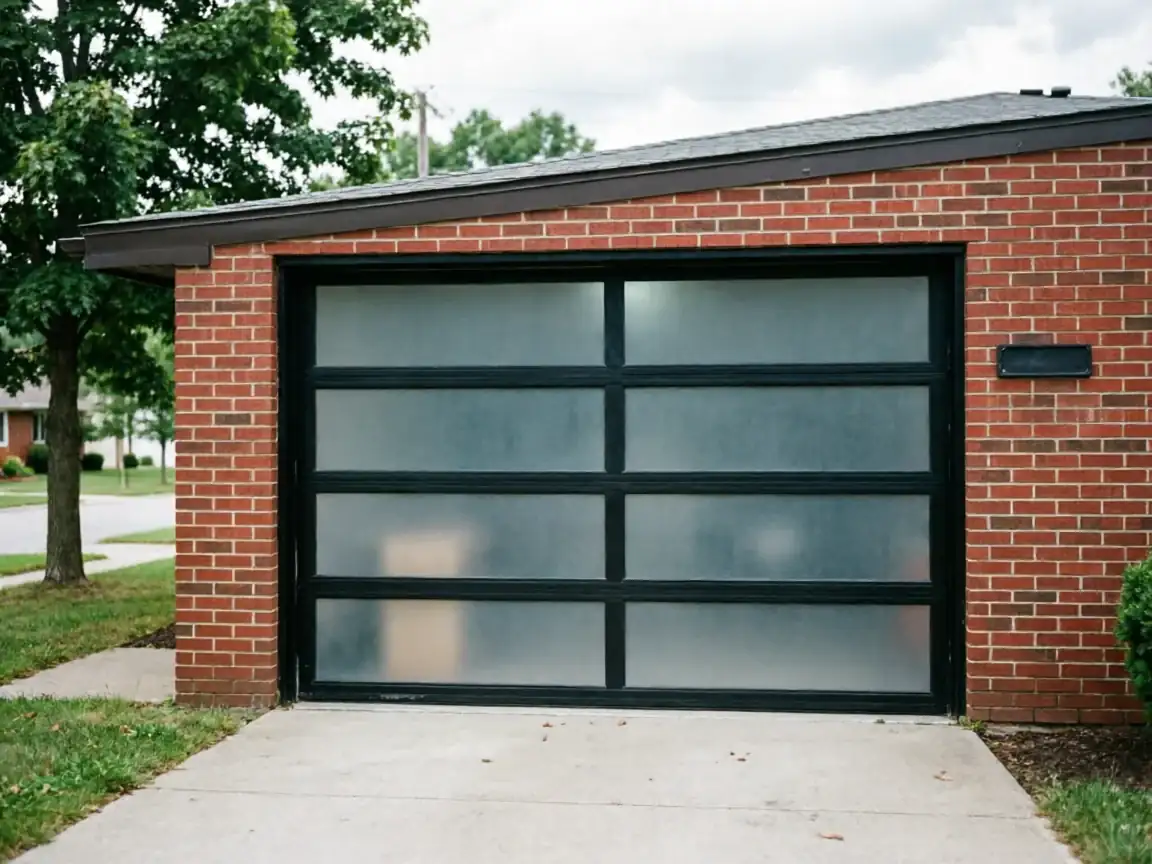
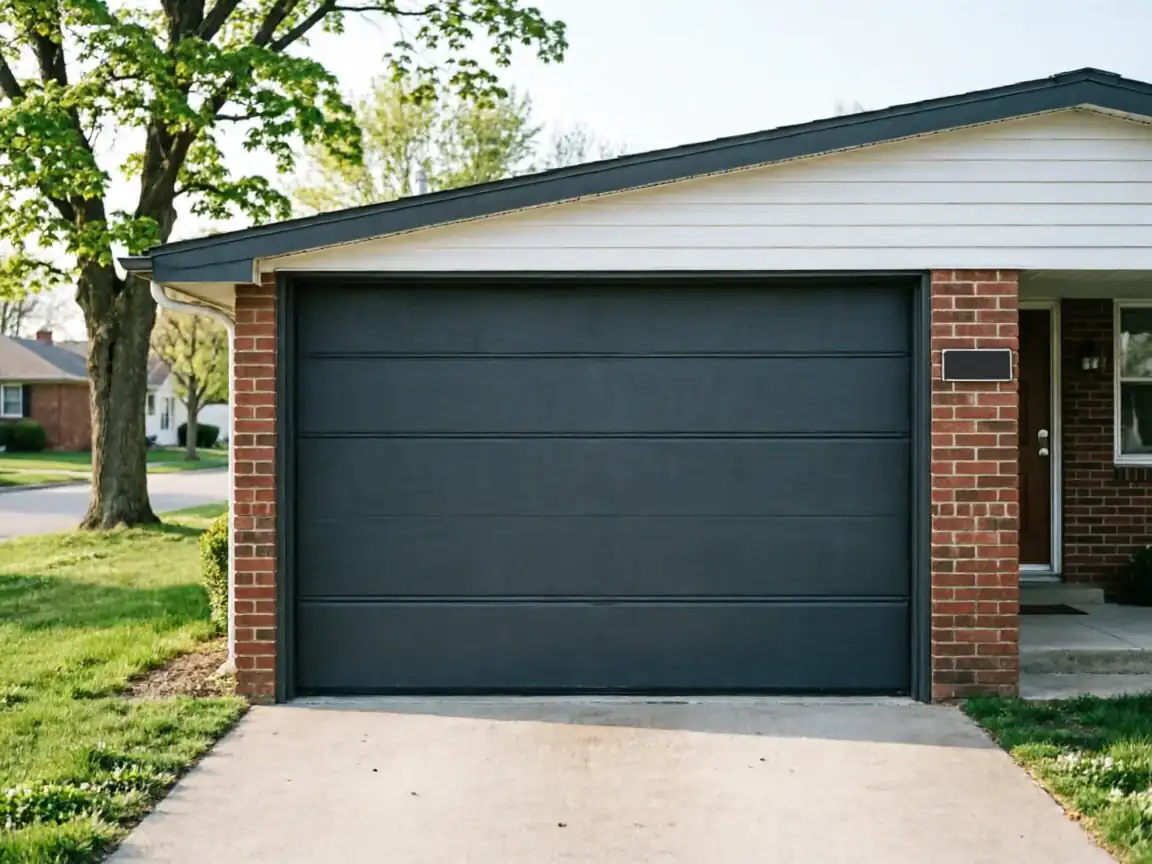
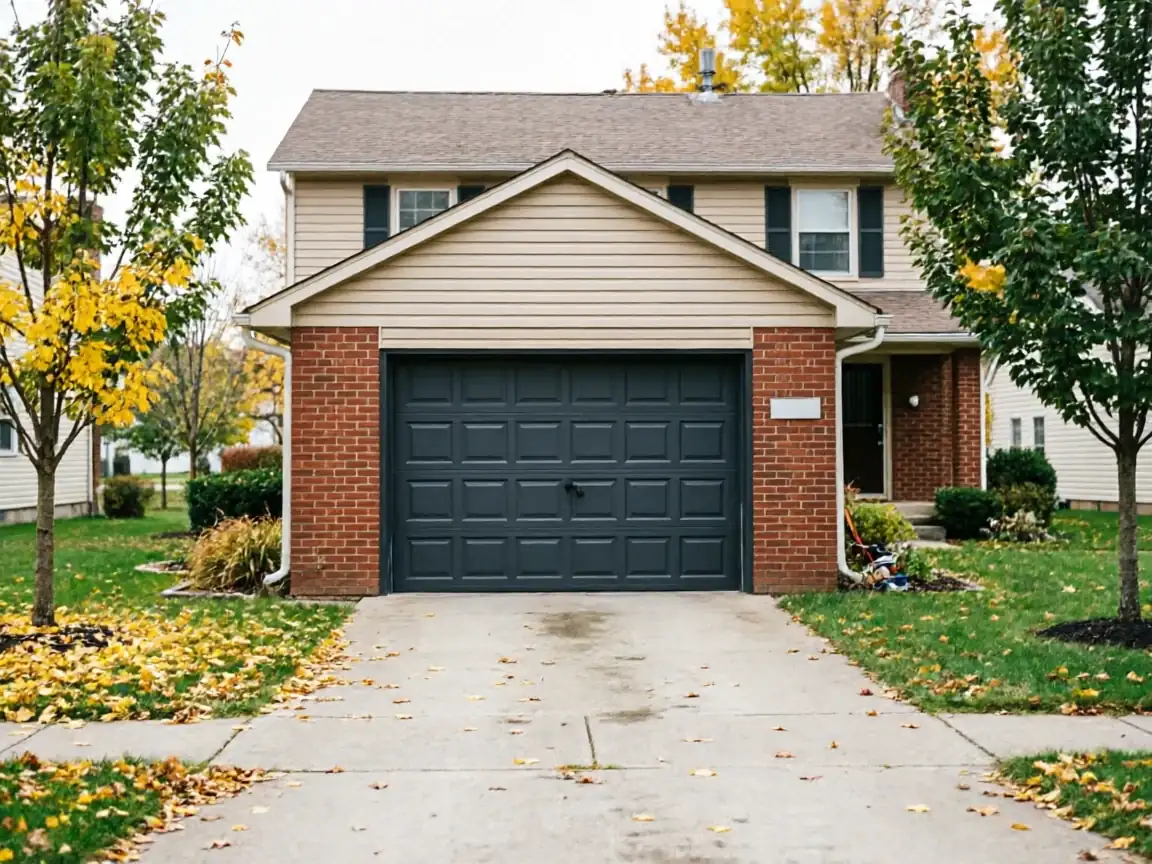
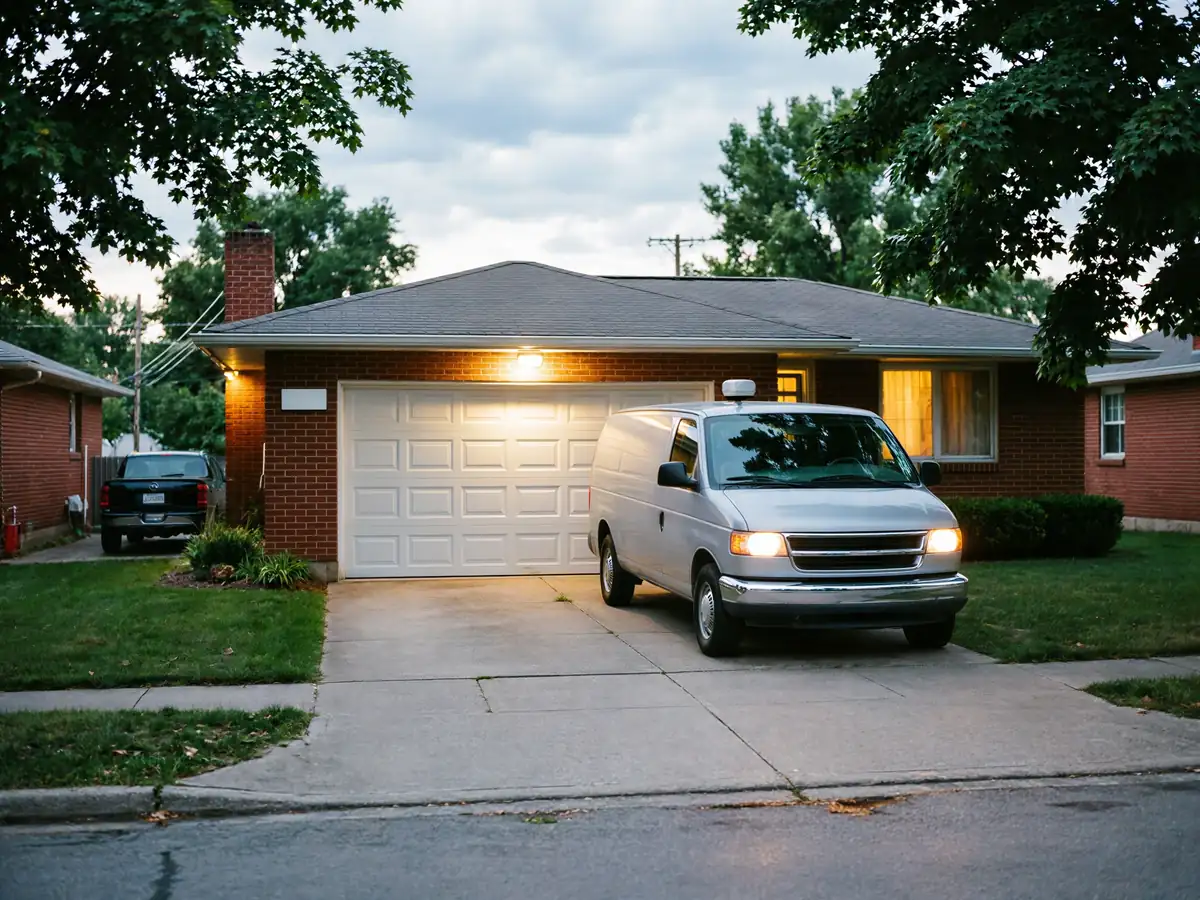
Roseville's housing stock centers on 1952, squarely inside the 1940-1965 window that defines most of this part of the service area. Houses from that era were built with single-car garages and narrower openings than what gets built today, usually framed for a door in the 7-foot range rather than the 8 or 9-foot doors that are now standard stock. That narrower framing is the root of most "why won't this fit" calls we get out this way. When an owner wants to upgrade to a wider door, or even just replace an old one with a modern insulated panel, the opening itself often needs new jamb work before a door will hang square. It's not a defect in the house - it's just what got built when these lots were platted, and it shows up every time someone tries to put 2024 hardware into a 1952 opening without checking the rough opening first.
Parts We Carry
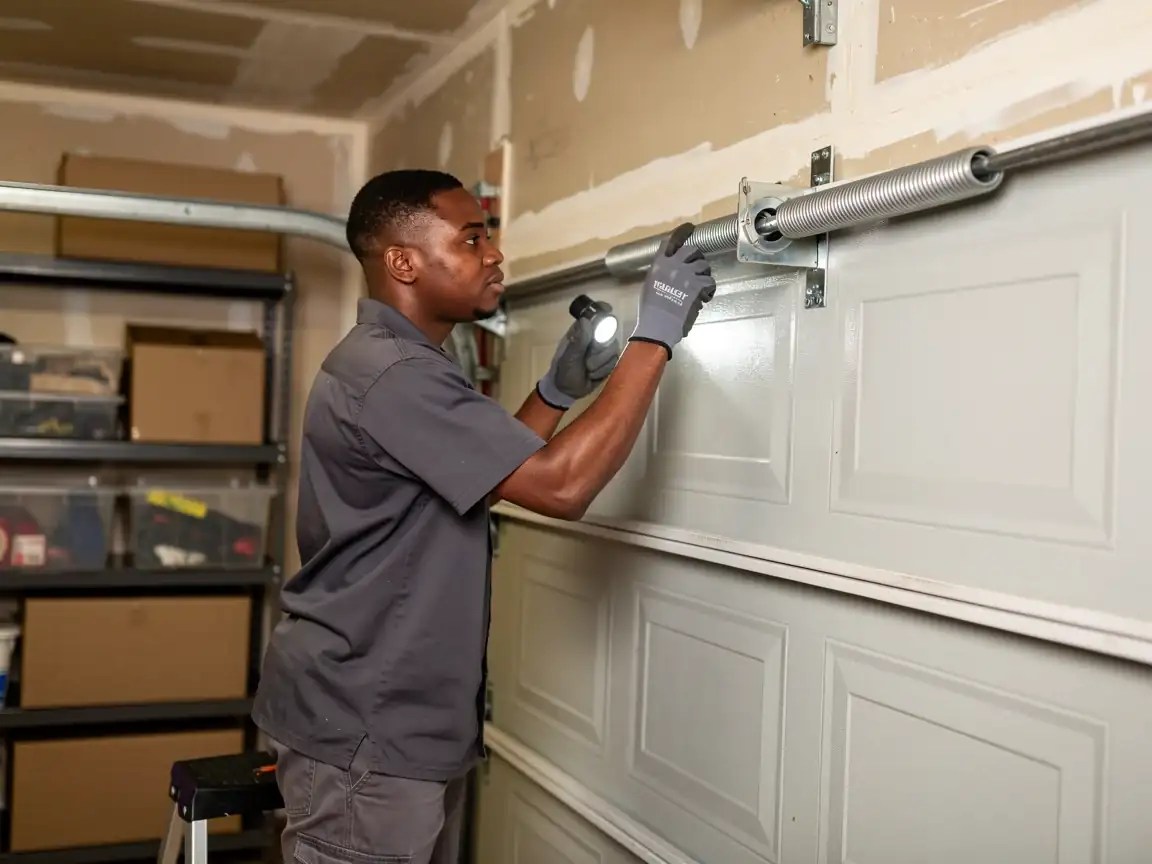
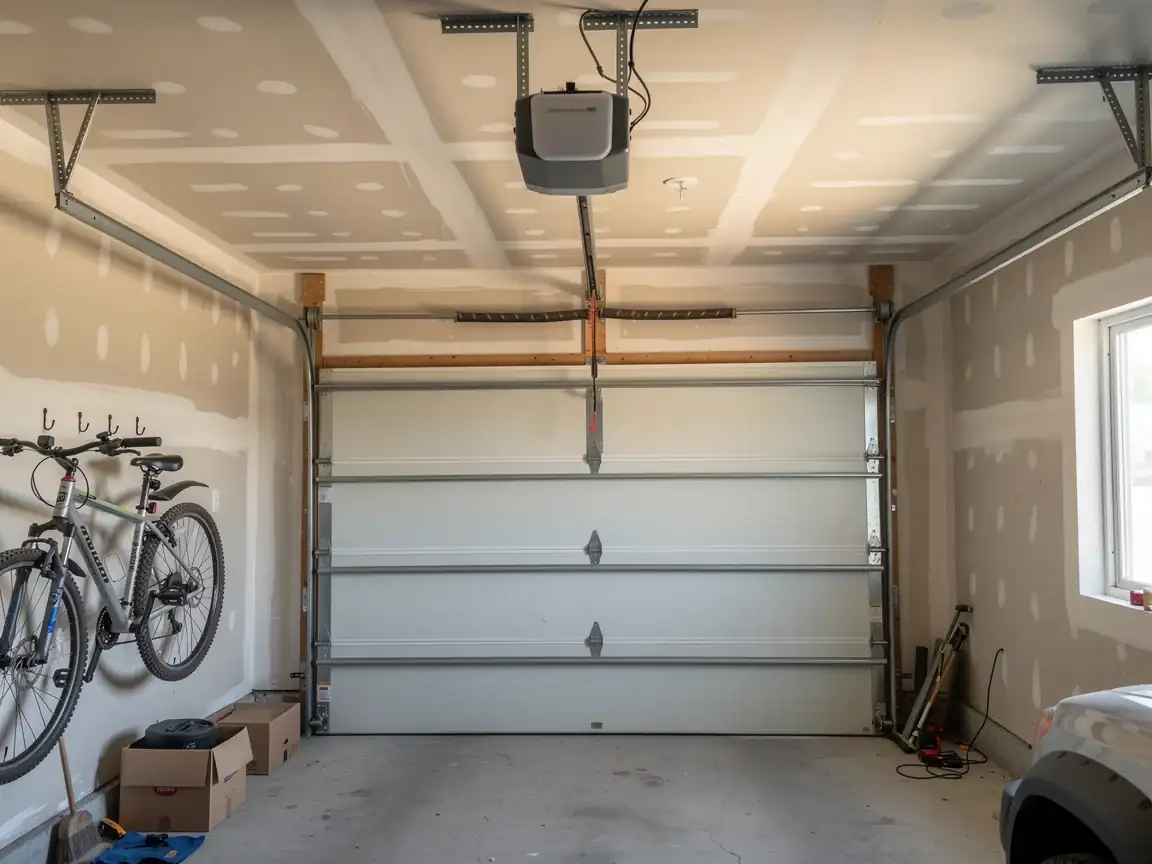
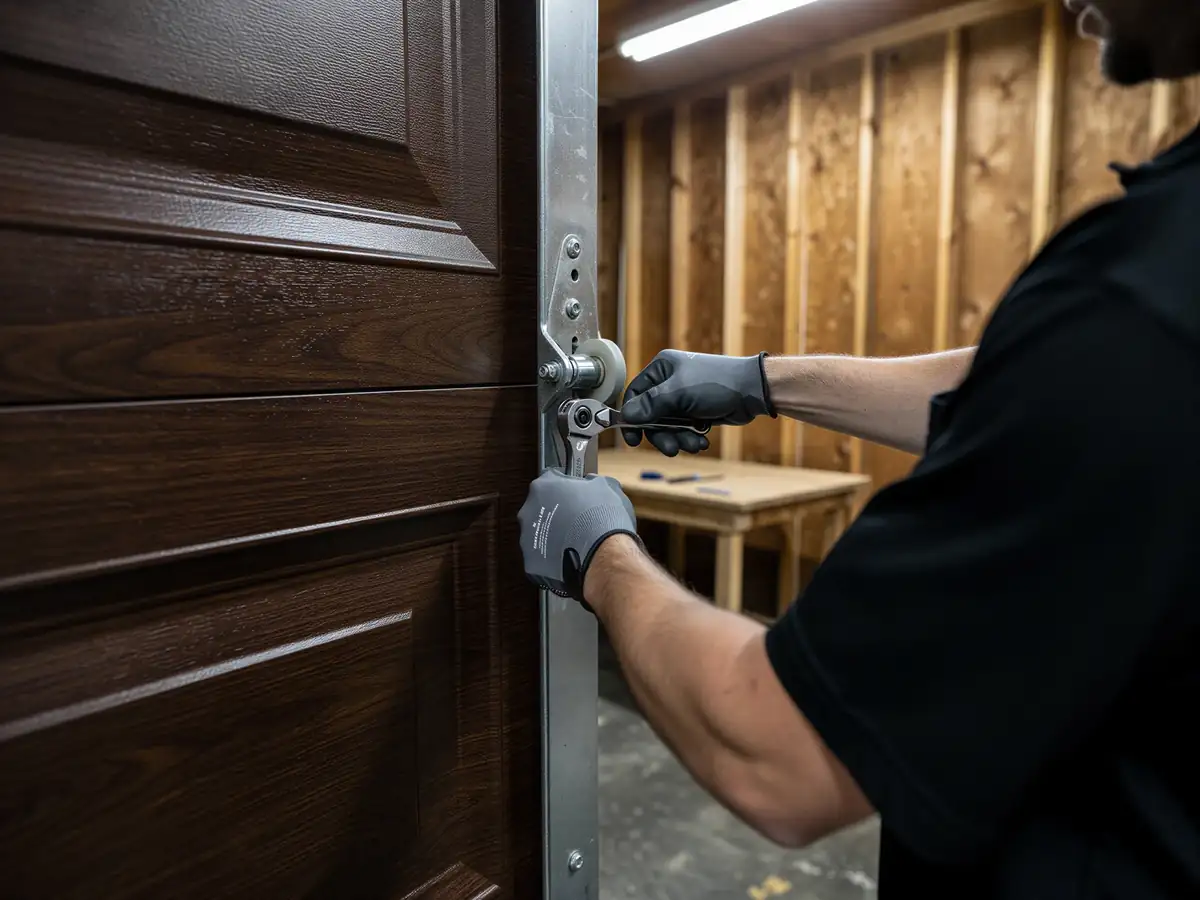
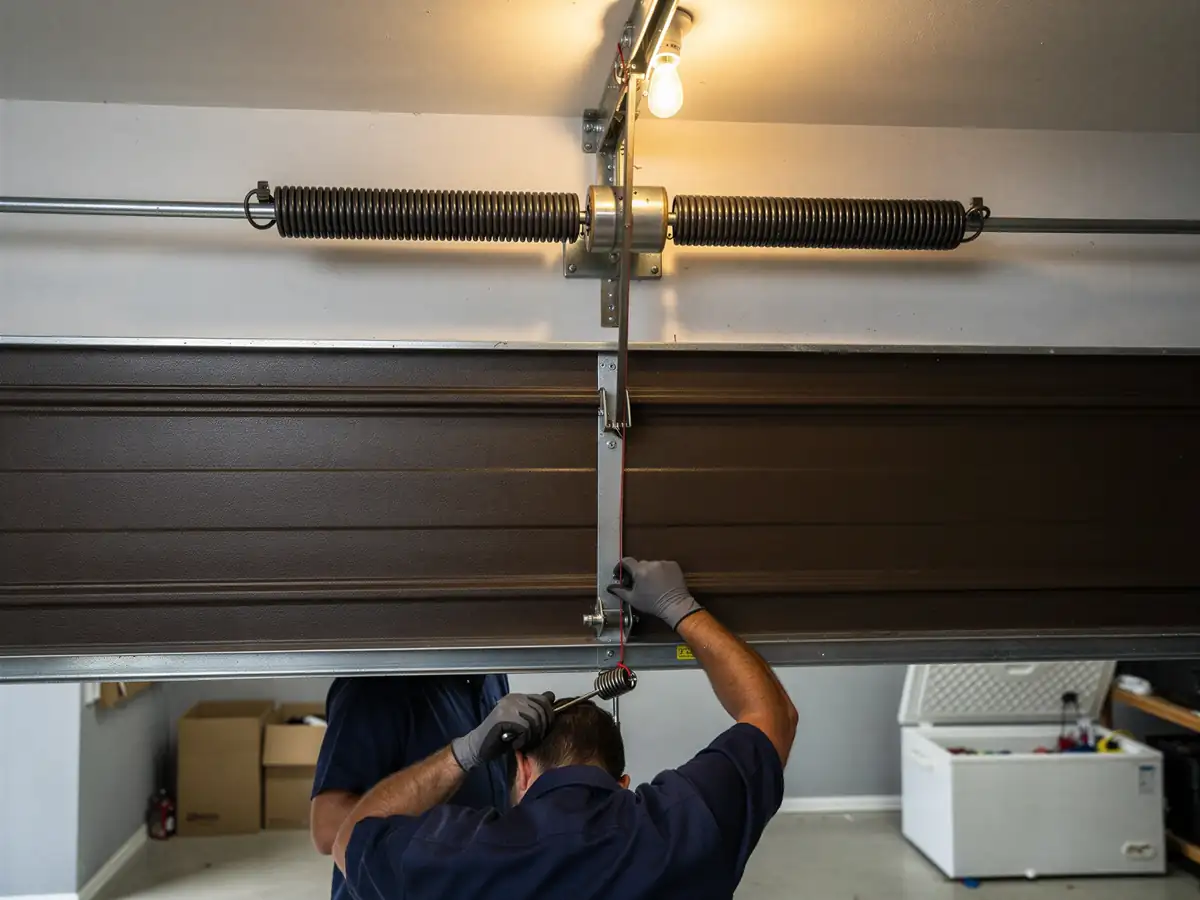
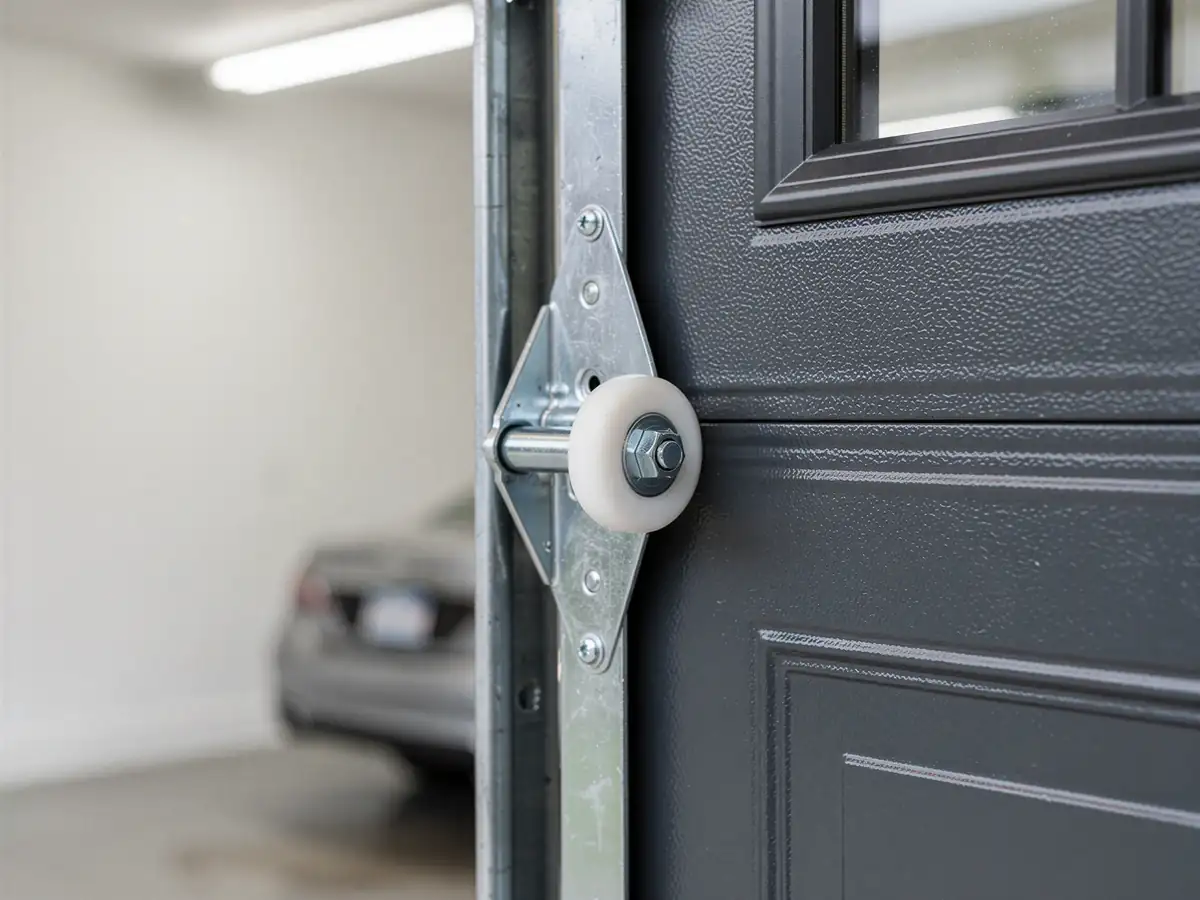
For Roseville jobs we size doors and hardware around two things: the age of the opening and the climate band this area sits in, which runs cold and favors an insulated panel over a single-layer steel door. That means steel doors with a foam core as the default recommendation rather than an upsell, since an uninsulated door in a cold-rated area loses more than it saves on upfront cost. We also carry torsion spring kits sized for heavier insulated doors, since a spring that was fine on a lightweight 1950s wood door will undersize fast once you hang 60-70 extra pounds of insulated steel on it. Track and roller hardware gets matched to the opening width rather than assumed, because a lot of these openings were never squared to a modern standard in the first place. We don't stock every custom size on the truck - a nonstandard width sometimes means a short order wait, and we'll tell you that up front rather than promise a door we don't have.
What You Are Seeing
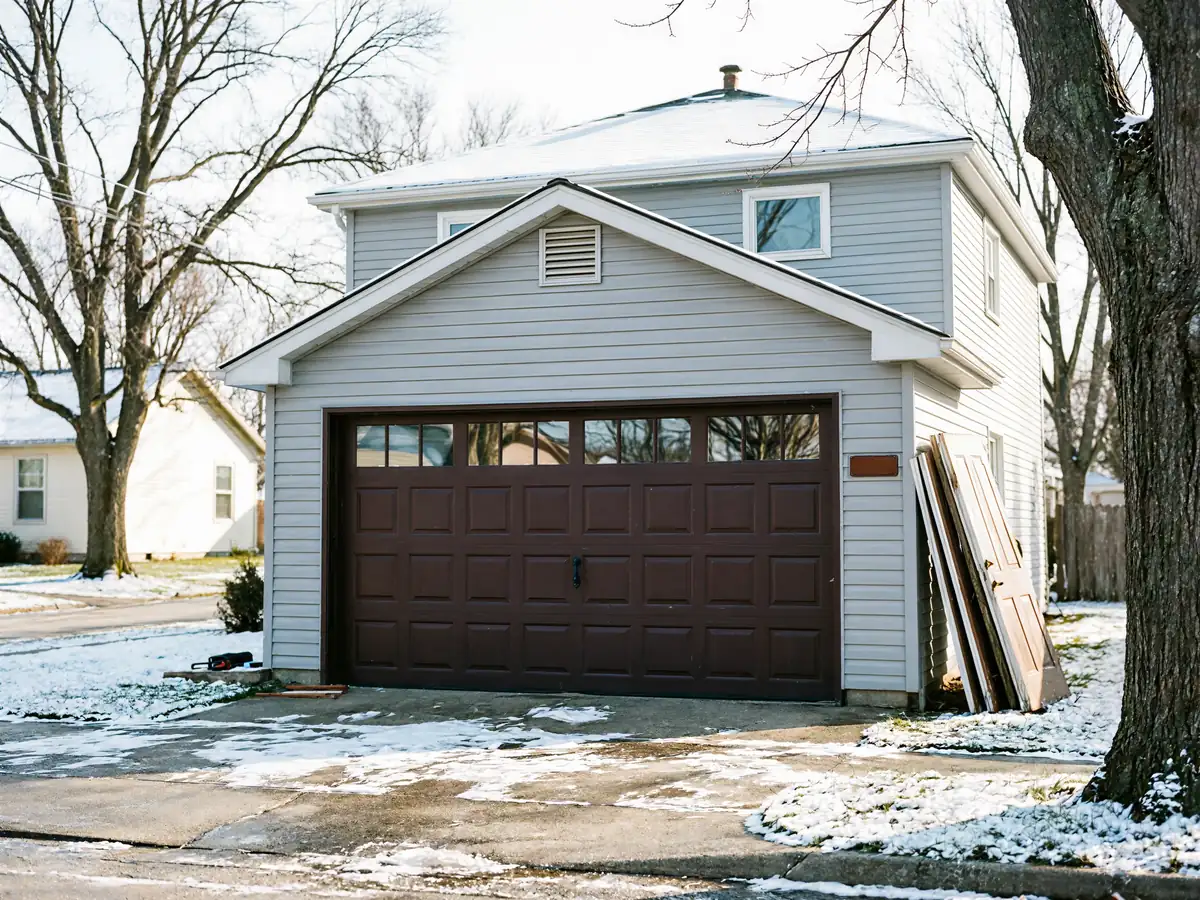
On a lot of Roseville houses built around 1952, the signs an install is coming instead of a repair are pretty consistent: a door that's been patched more than once, daylight visible along the top or side seams even when it's shut, a bottom panel that's gone soft or splintered if it's original wood, or a track that's been bent back into shape so many times it's started to rust at the bend points. None of that is unusual for a door pushing 70 years old. What's worth flagging is when the opening itself looks undersized next to your vehicle - that's the framing issue, not the door, and no amount of hardware shopping fixes it without carpentry.
What Can Go Wrong
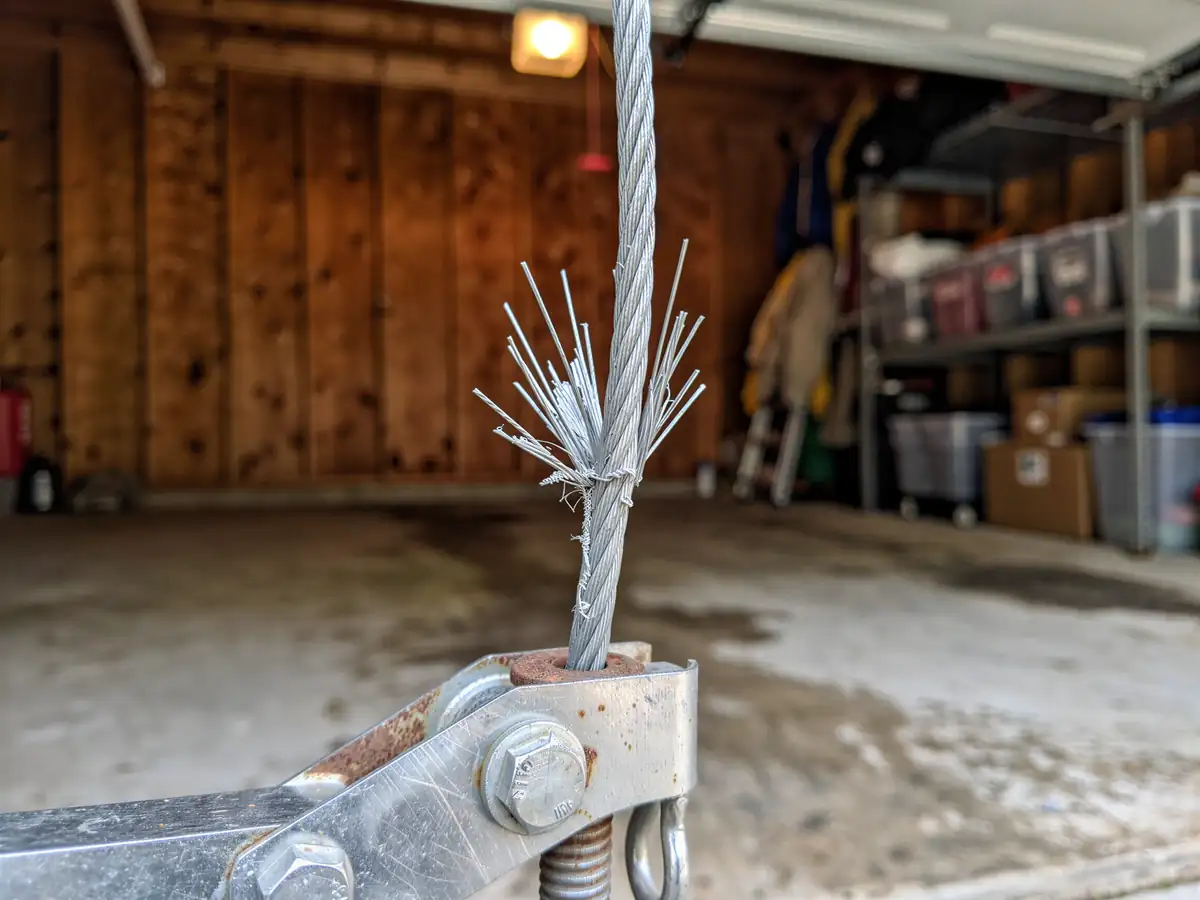
The most common misstep on a house this age is ordering a modern door by width alone and assuming the spring and track from the old setup will carry it. They won't, reliably - an insulated steel panel weighs meaningfully more than the wood or thin steel doors that went up when these houses were built, and a spring sized for the old door will wear out fast or snap under the new one. The second issue is framing: if the rough opening was never squared or has settled over seven decades, a new door can look installed but run rough, binding on one side or not sealing at the bottom. Being honest about our limitation here - if the framing is badly out of square or rotted through, that's carpentry work beyond a door install, and we'll say so rather than force a door into an opening that isn't ready for it.