What Causes It Around Here
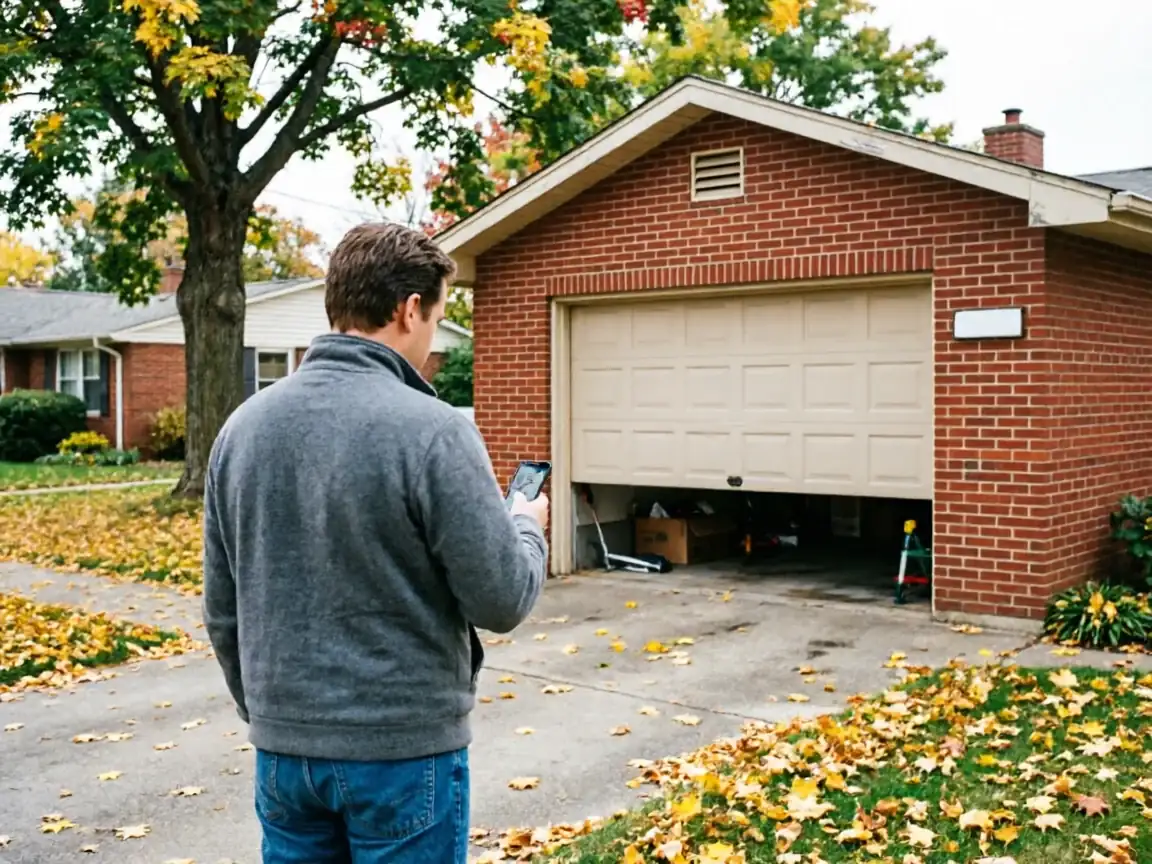
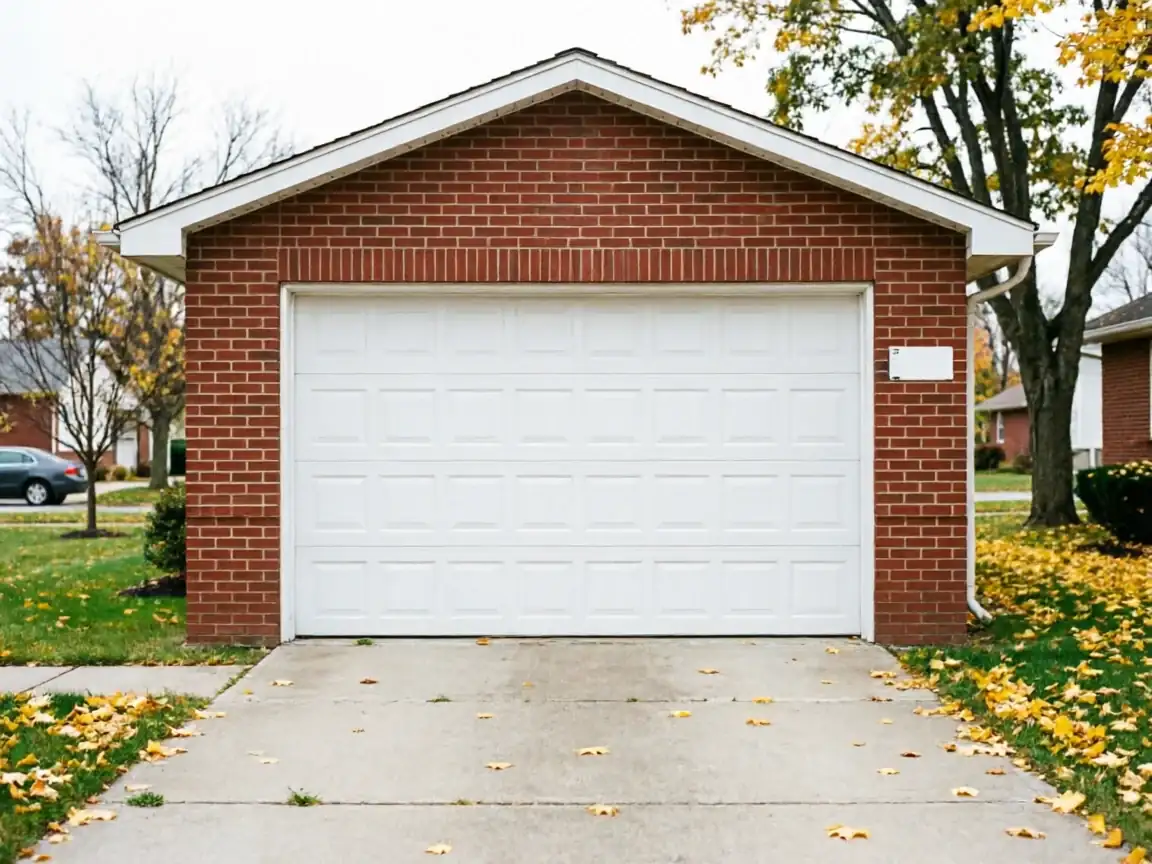
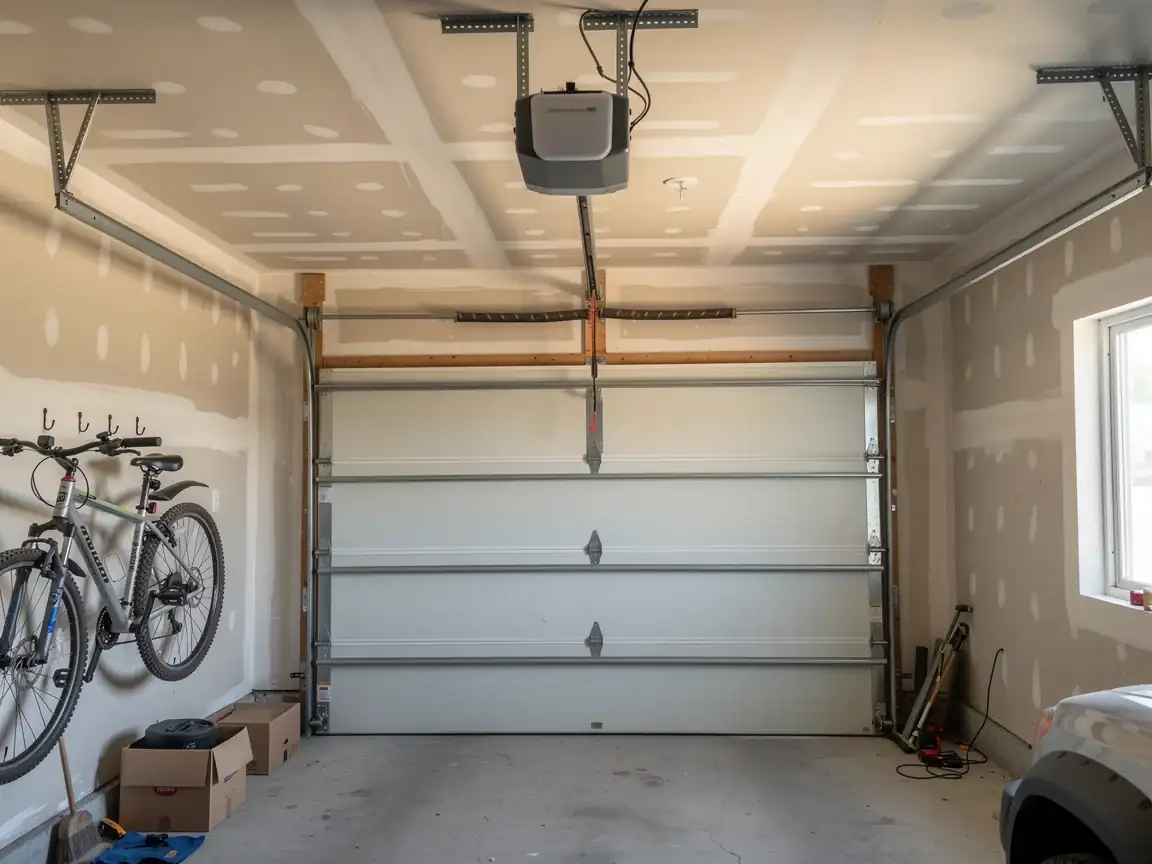
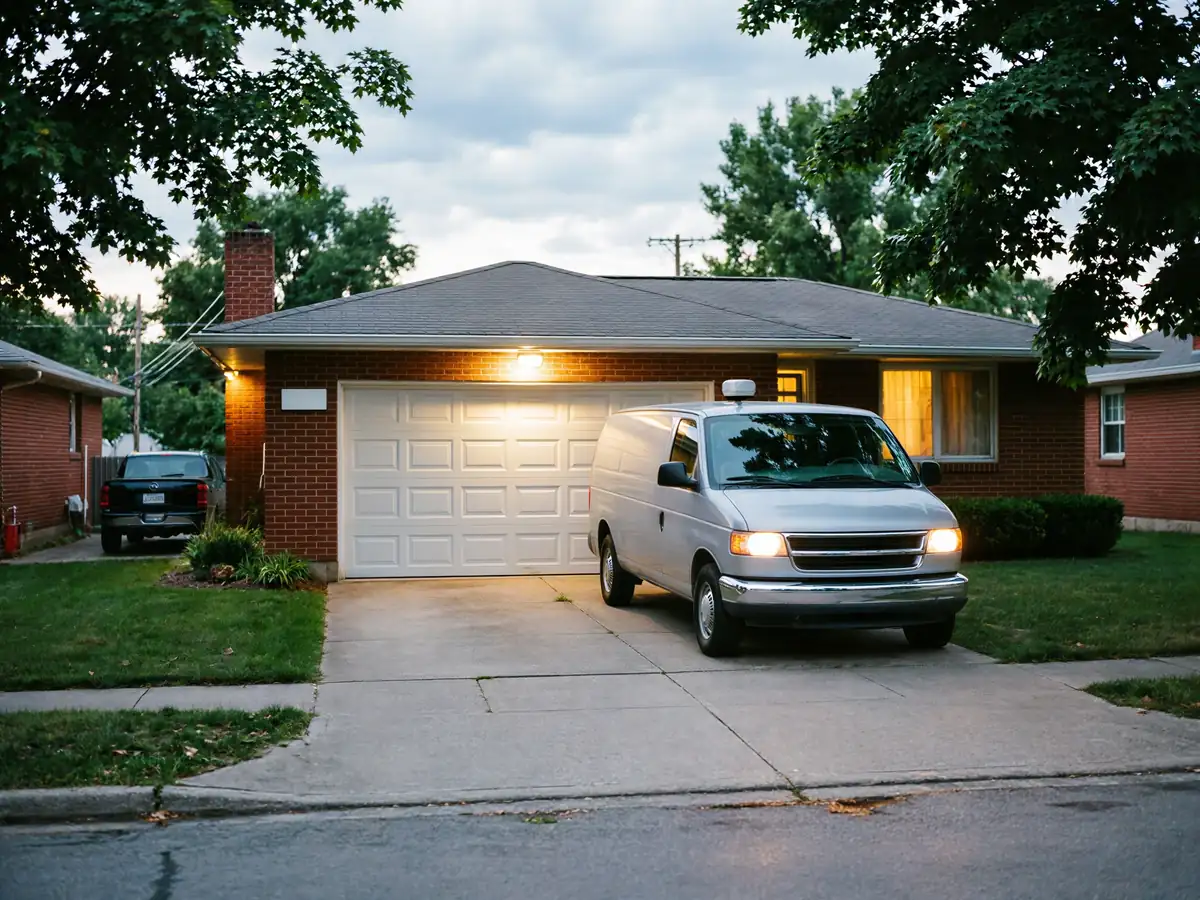
Roseville sits about 18 miles out from our shop in Macomb, and the houses out that way tell a story the city doesn't. With roughly 358 households in town, most sitting on doors that went up around 1952, you're looking at a housing stock that predates the nylon roller entirely. Those original steel rollers ride in tracks that were never cut to today's tolerances, so decades of freeze-thaw cycling in our cold climate band has worn the track edges unevenly. Steel-on-steel wear is loud and it's fast - once the roller stem starts to egg out, every open and close grinds a little more metal off the track. Add in condensation from cold nights followed by warm days, common for this build era's uninsulated garages, and you get rust pitting on top of mechanical wear. That combination - old steel rollers, worn tracks, rust - is what we see most in Roseville, more than the newer subdivisions closer to Macomb where ball-bearing nylon rollers from the factory are still doing fine.
Parts We Carry
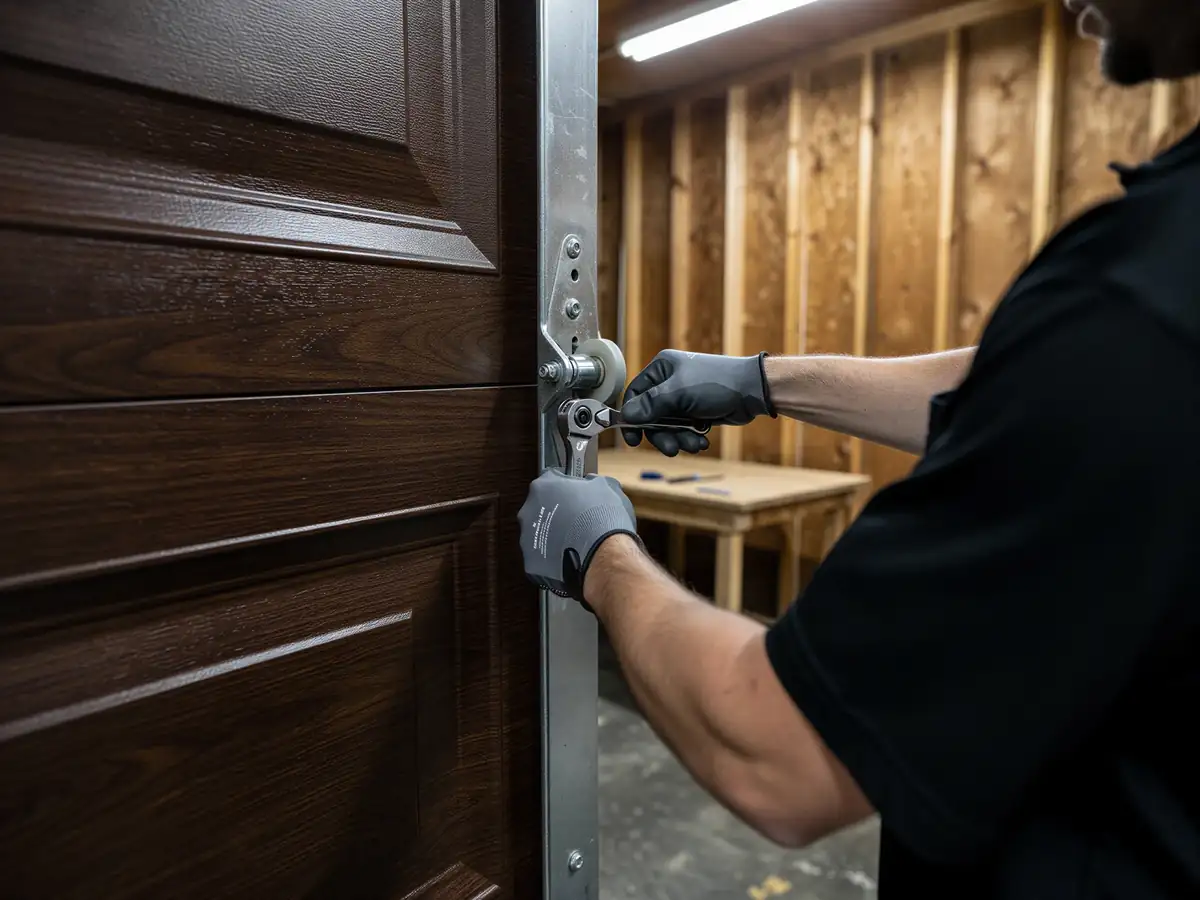
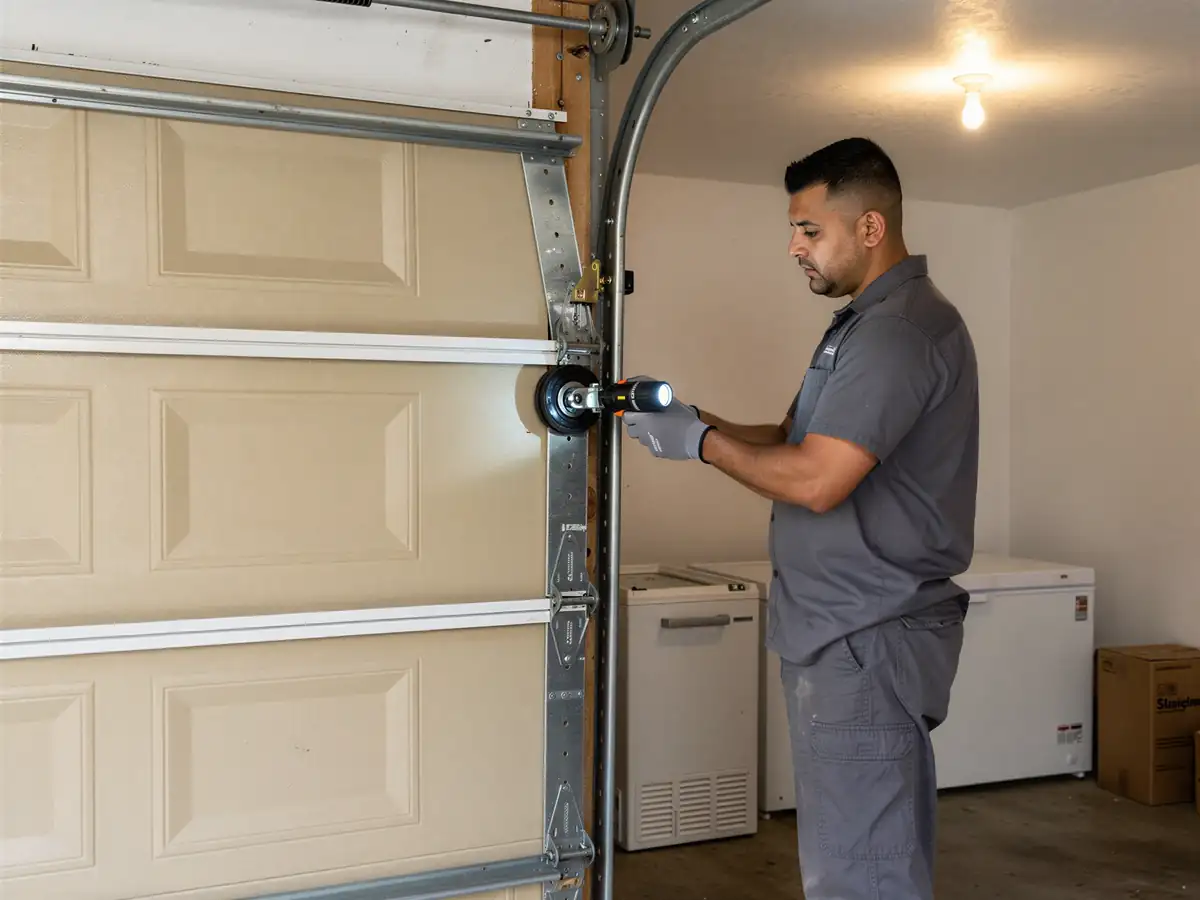
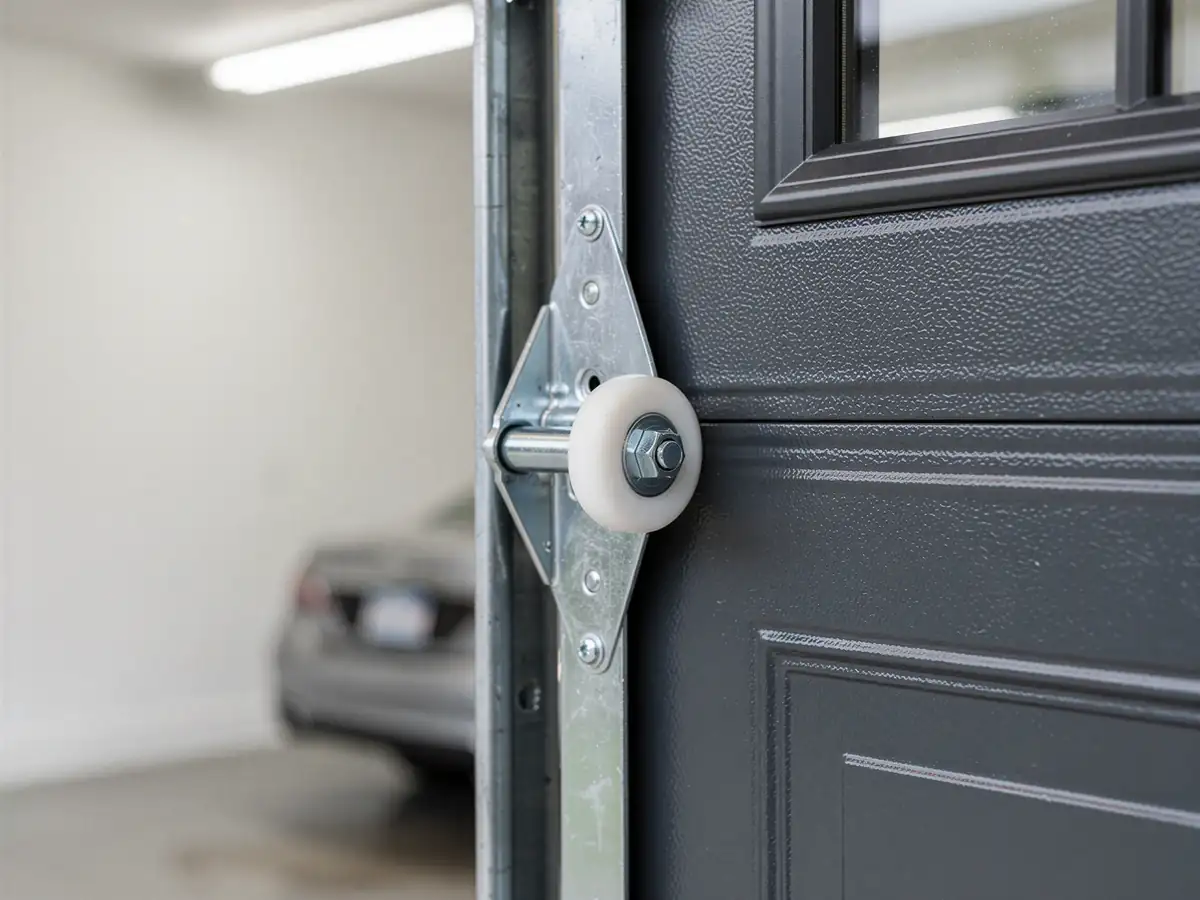
We stock nylon rollers in the stem lengths that fit 1950s-era track, both 7-inch and 4-inch stems, because that's what shows up on the doors out in Roseville. We also carry sealed ball-bearing rollers for owners who want a quieter upgrade rather than a like-for-like swap. What we don't carry on the truck is every obscure steel roller variant from that era - some of the original hardware was proprietary enough that if the stem is bent or the bracket is a non-standard gauge, we may need to order a part rather than finish in one trip. That's the honest limit: a 70-year-old bracket sometimes wins.
What You Are Seeing
If your door sounds like it's dragging a chain over gravel, or it jerks and catches at the same spot every time it opens, that's usually a roller that's worn flat on one side instead of staying round. On the older steel rollers common in Roseville's 1952-era housing, you'll also sometimes see a fine rust dust collecting in the track - that's the roller shedding metal as it wears. Doors that shudder near the top of the travel, right before the opener reverses, are often hitting a roller that's finally seized in its bracket.
What Can Go Wrong
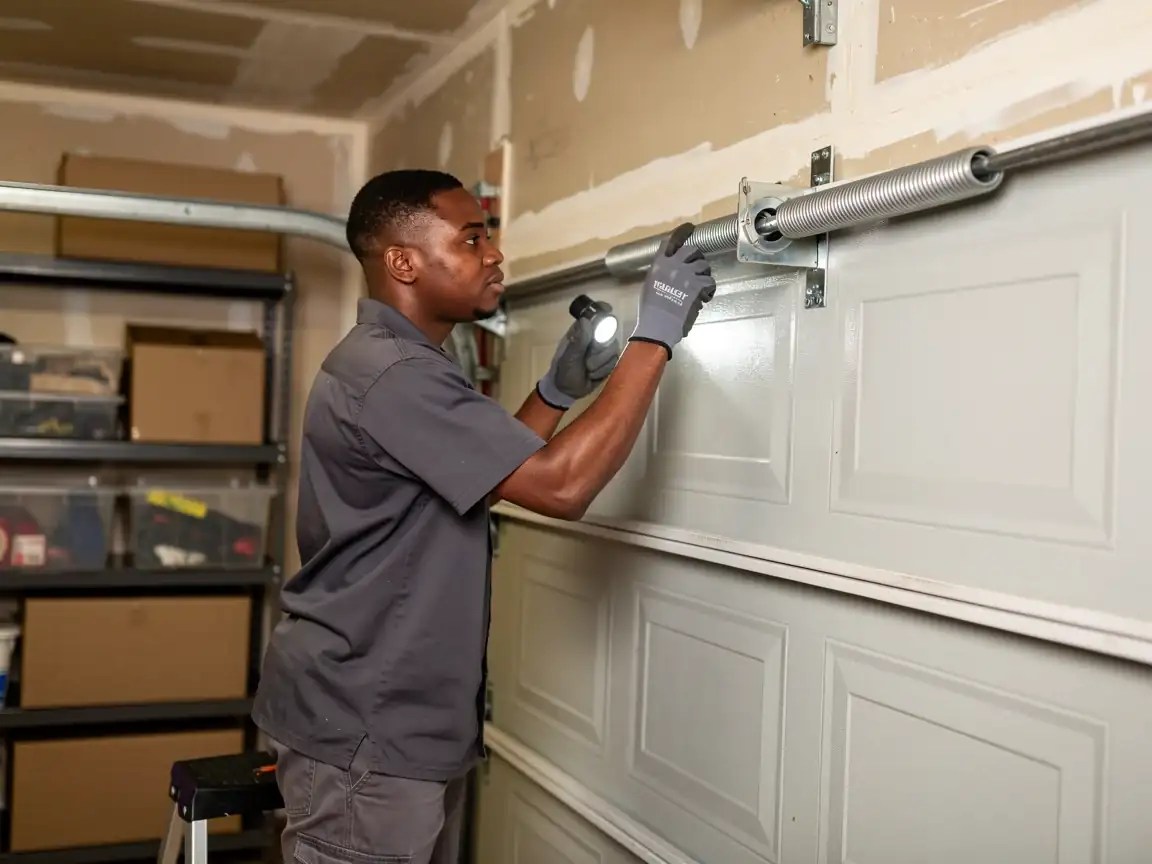
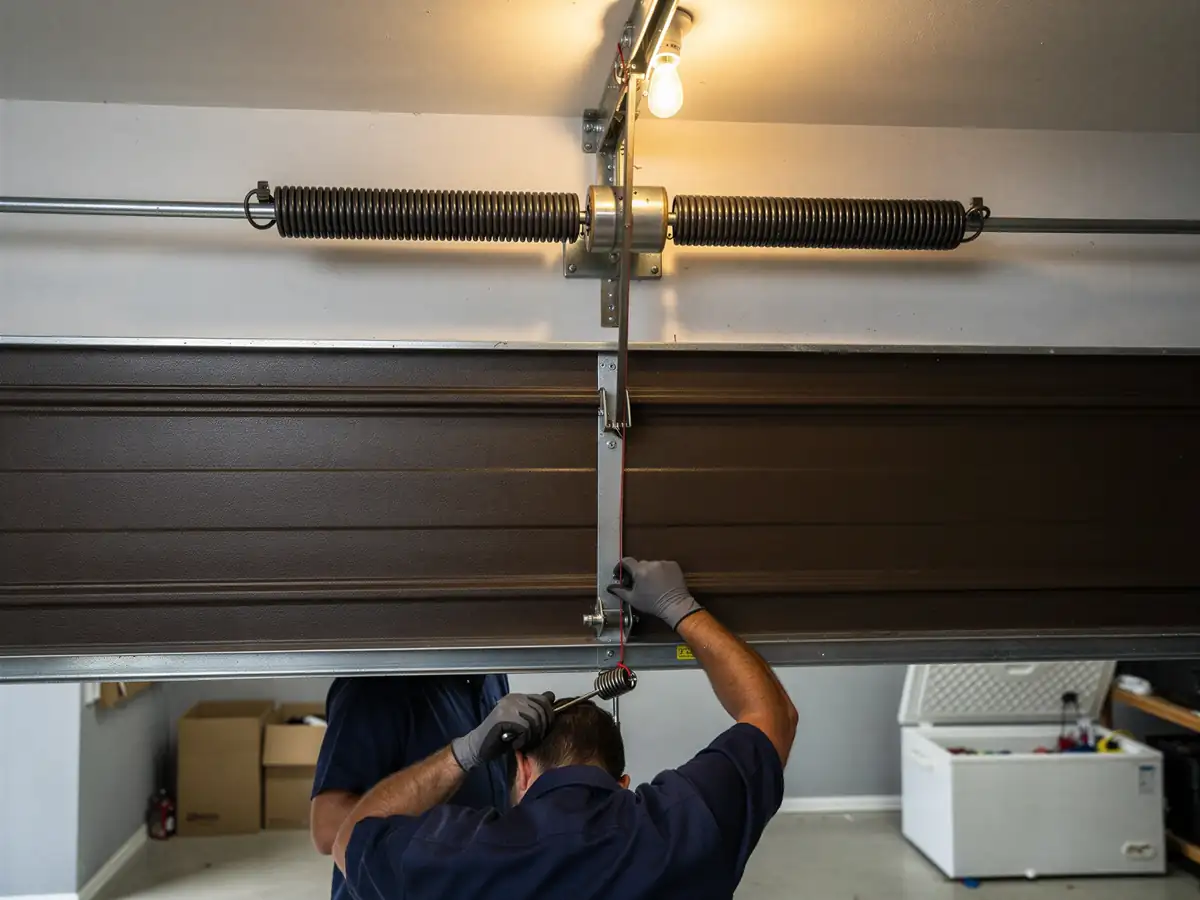
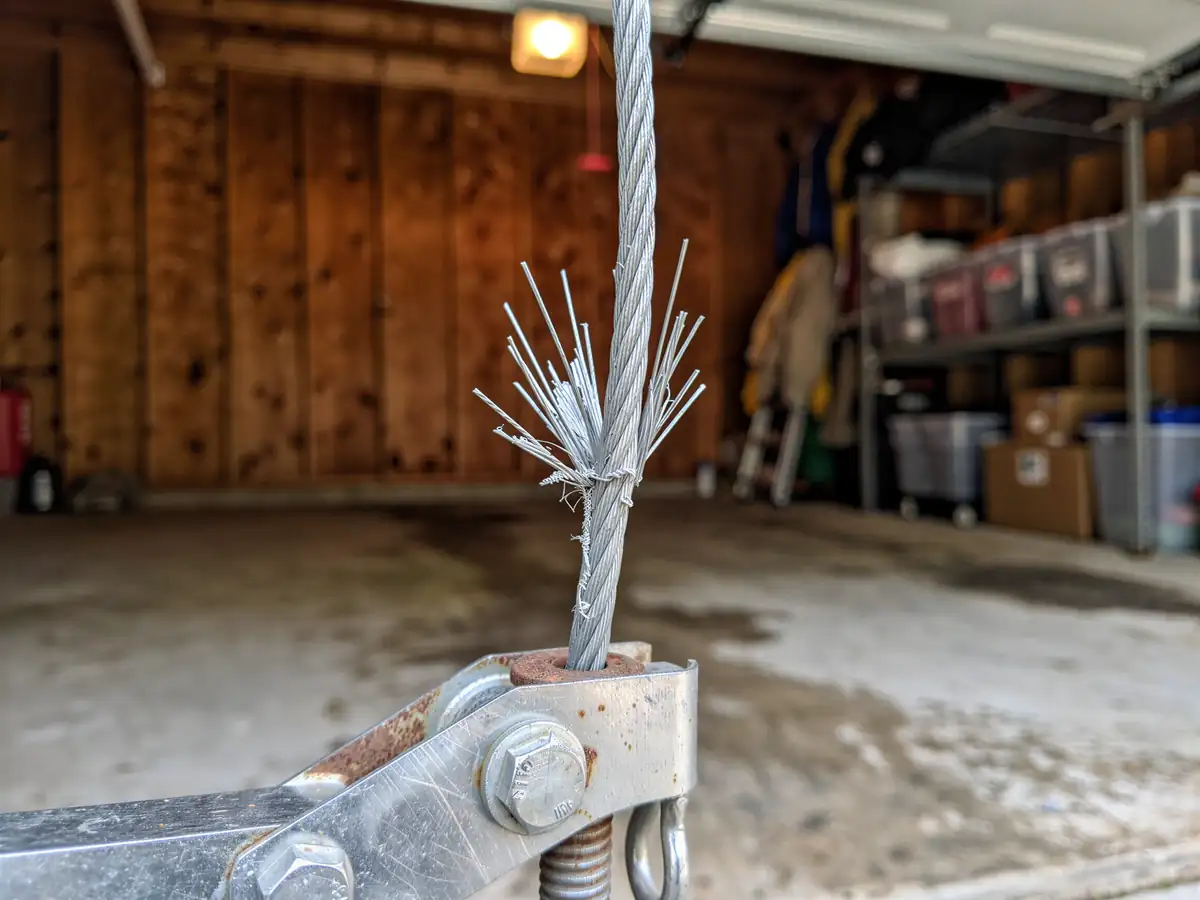
A seized roller doesn't just make noise - it puts side load on the opener's drive gear and on the cables, and that's where a $40 roller problem turns into a $300 cable or gear problem. On these older Roseville doors, the track is frequently mounted directly to garage framing that's also aged 70 years, so a roller that's been grinding for months can wallow out the track fasteners. We'll check the track mounting and the cable condition anytime we're replacing rollers here, because catching that early is cheaper than catching it after a cable snaps under load.