What Causes It Around Here
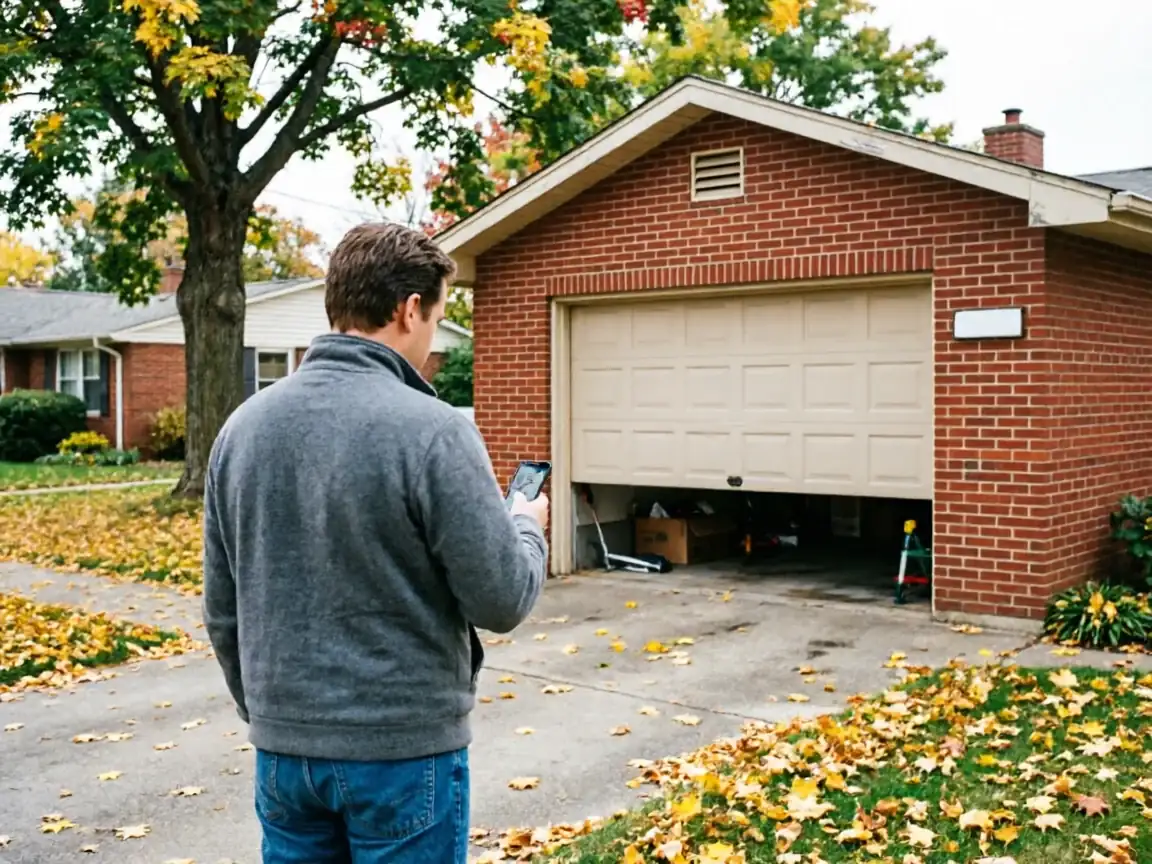
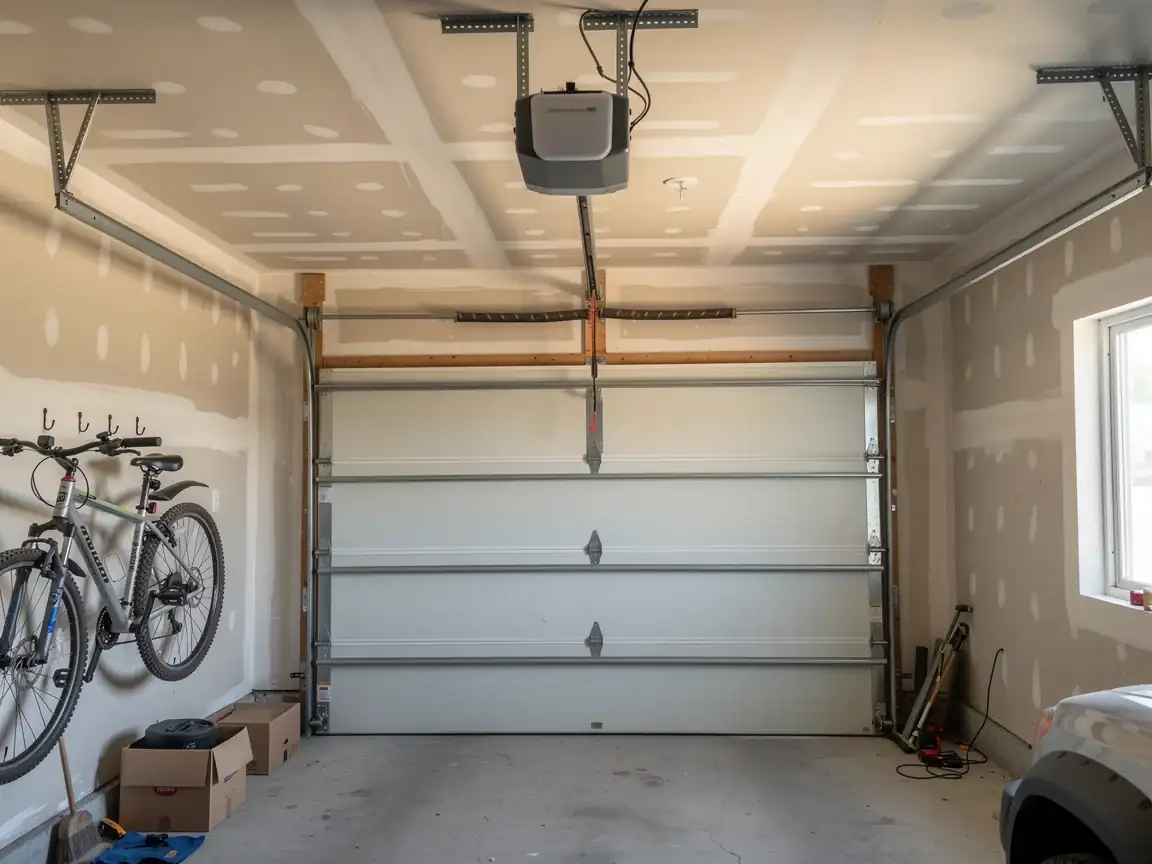
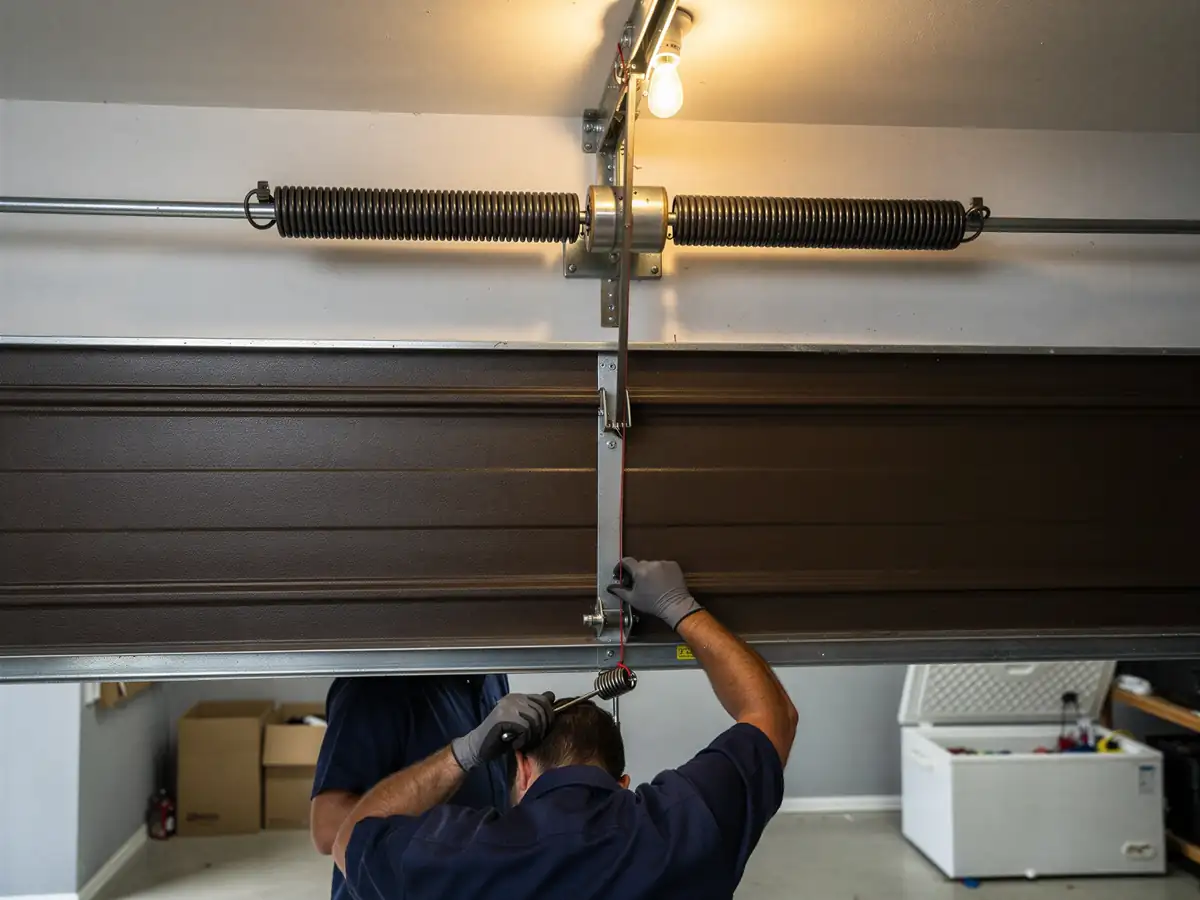
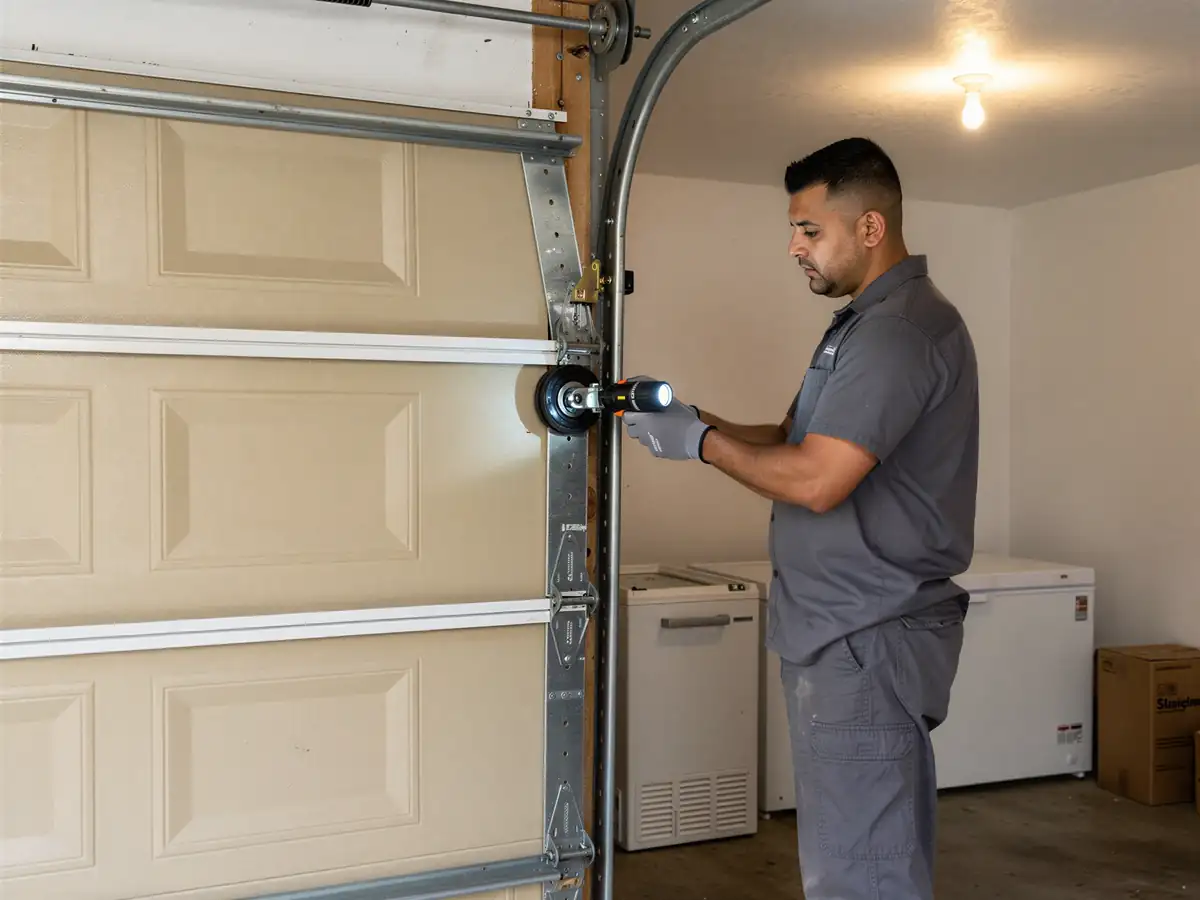
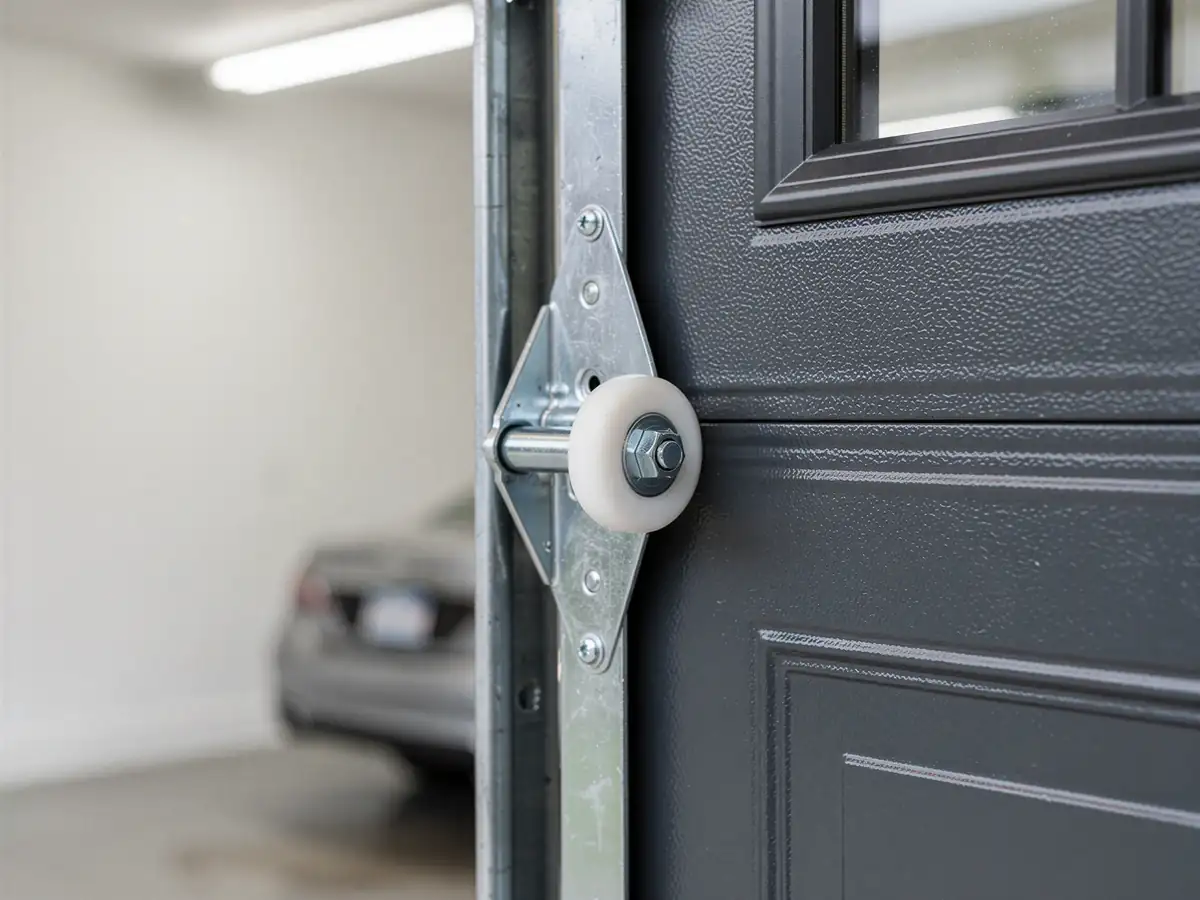
Roseville sits on the same build era as most of this part of the county - houses here went up around 1952, give or take, and a lot of garages still have the original torsion spring and the original track hanging on the same brackets the builder used. That hardware was never meant to run for seventy-plus years. Springs lose tension slowly, so a door that feels "a little heavy" today is usually three to six months from a full break. Track that's never been re-set sags at the joints, and rollers that are original to the house are almost always steel, not nylon, which means noise and wear nobody's replaced yet. We see this pattern across the small towns we cover from Macomb, but Roseville's housing is old enough that the odds of original hardware are higher than in newer pockets of the service area. Cold winters add to it - steel contracts, lubricant stiffens, and a spring that was already fatigued is the one that snaps on the coldest morning of the year. None of this is dramatic until the day it is, and that day is usually when you're already late for something.
Parts We Carry
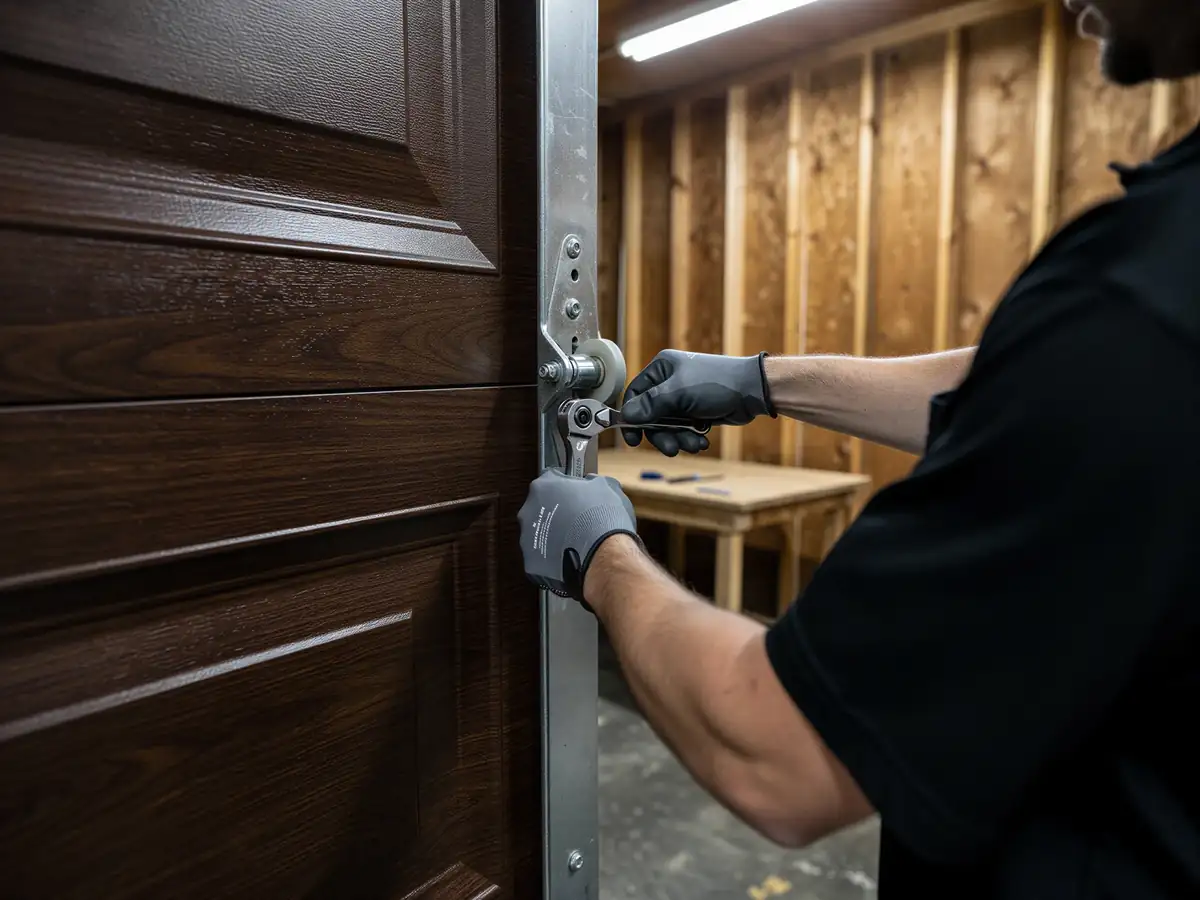
We carry the parts that actually fail on houses this age: torsion and extension springs in the sizes that fit older sectional doors, steel and nylon rollers, replacement cable, and track sections to match worn originals. What we don't carry on the truck is a part for every obscure opener model ever sold - if your door has a chain-drive opener from decades back with a dead circuit board, that part can take a special order, and we'll tell you straight if it's faster and cheaper to replace the opener than wait on it. We'd rather lose an hour of your time telling you that up front than have you wait a week for a part that costs more than a new unit.
What You Are Seeing
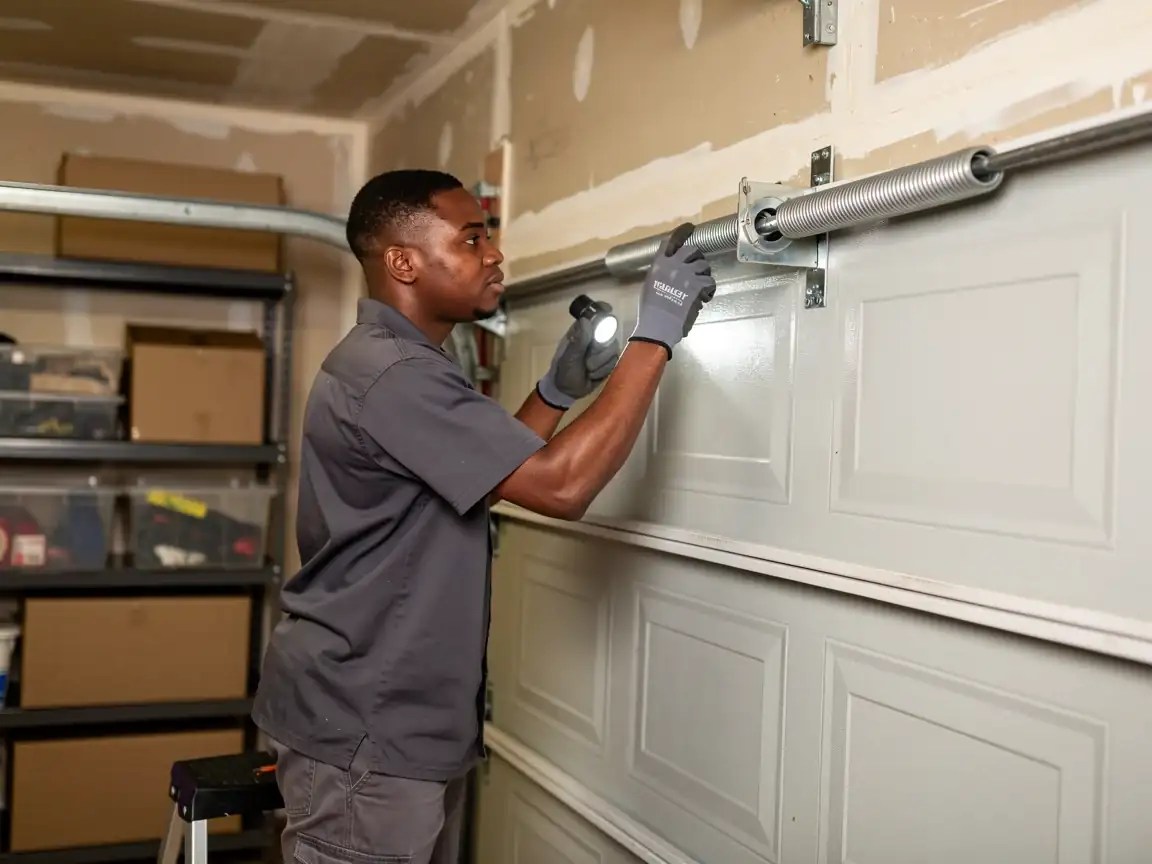
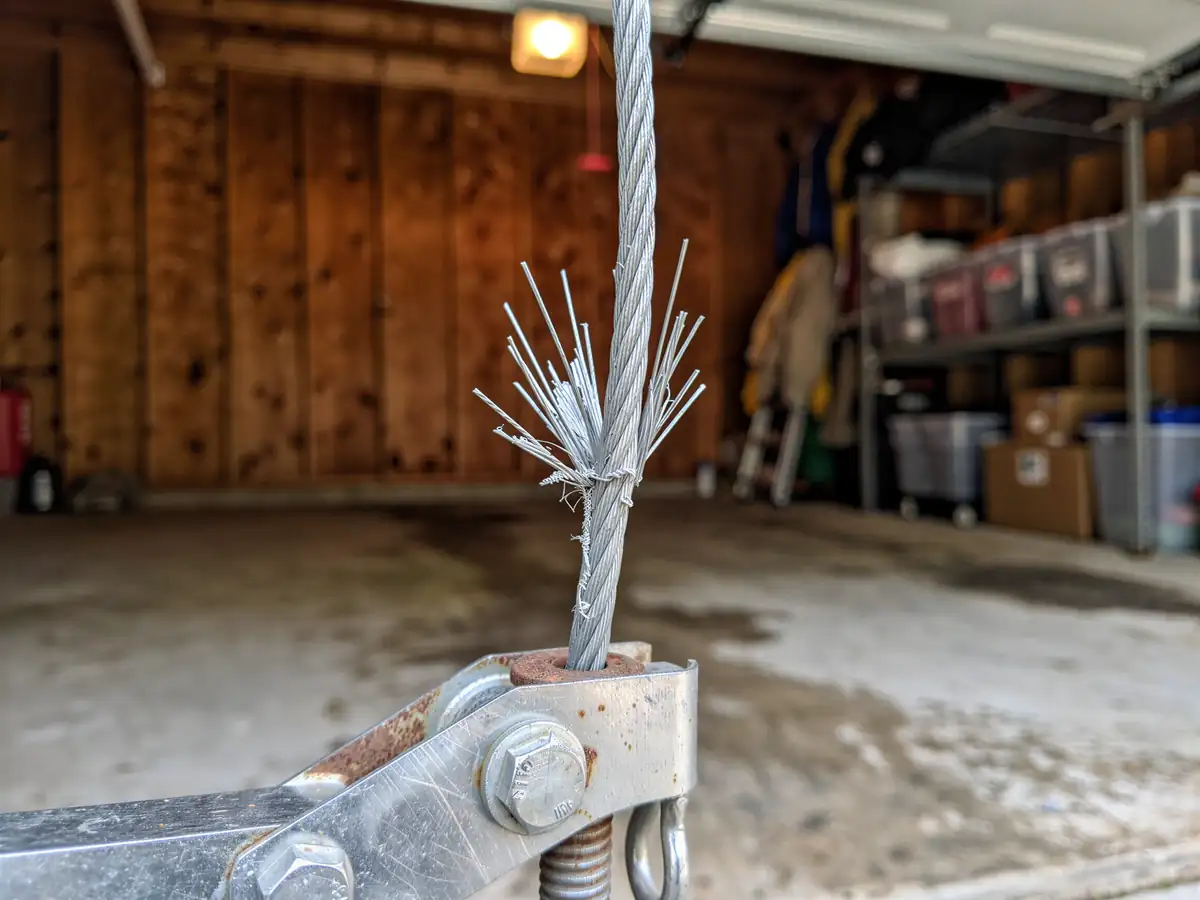
If your door is slow to open, drops the last foot on its own, or you hear a grinding or popping sound from the spring area, that's wear catching up to hardware that's been running since the house was built. A door that's gone crooked in the track, or that one side lifts faster than the other, usually means a cable has stretched or a roller's seized. If the opener strains and reverses before the door's fully up, that's often the spring doing less of the lifting than it should - the opener is trying to compensate for a spring that's lost tension, and it will keep losing ground until the spring's replaced.
What Can Go Wrong
The real risk with original 1950s-era hardware isn't that it fails - it's that it fails without warning. A torsion spring under tension that snaps can whip the bar it's mounted on, and a door that drops unexpectedly on a car, a pet, or a person is the outcome we're trying to prevent by catching worn springs before they go. Track that's sagged at the joints can let a roller jump the rail mid-cycle, which can bind the door hard enough to strain the opener's drive gear. None of this is reason to panic - it's reason to get a door that's showing these signs looked at before it picks its own time to fail.