What Causes It Around Here
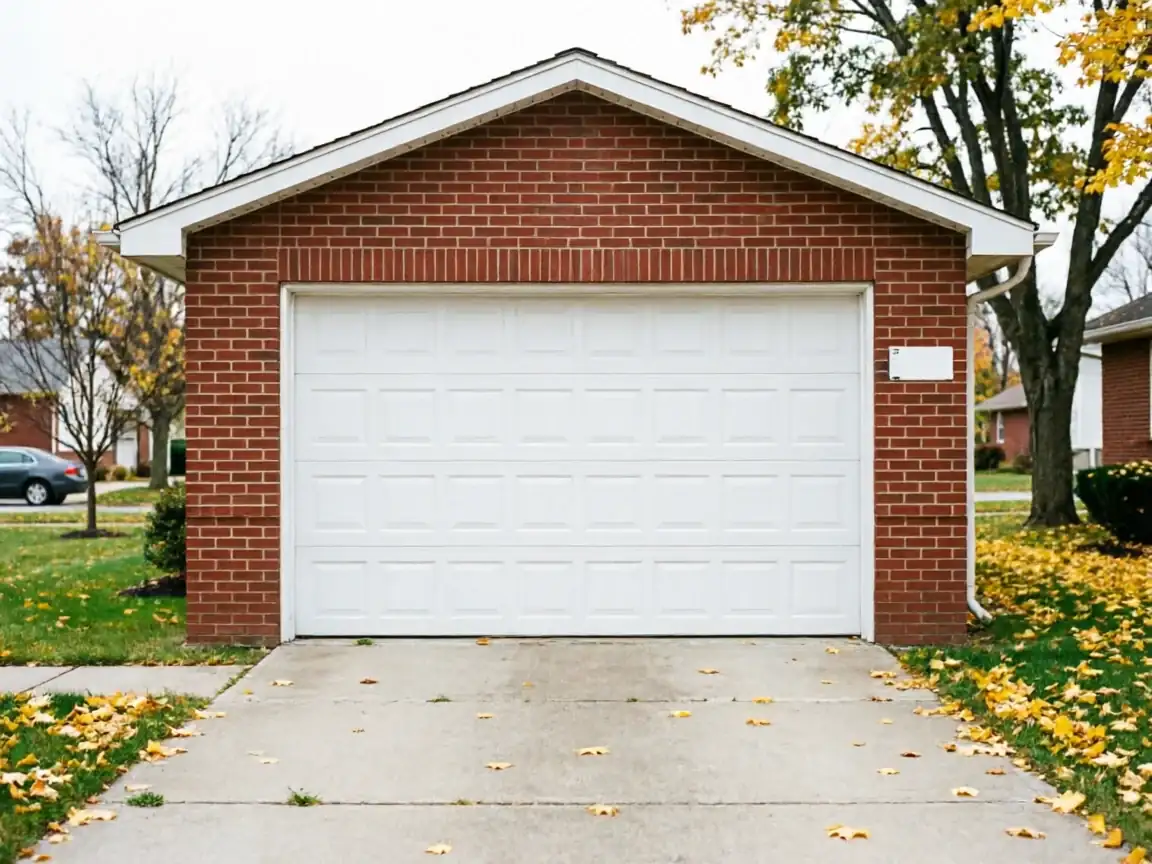
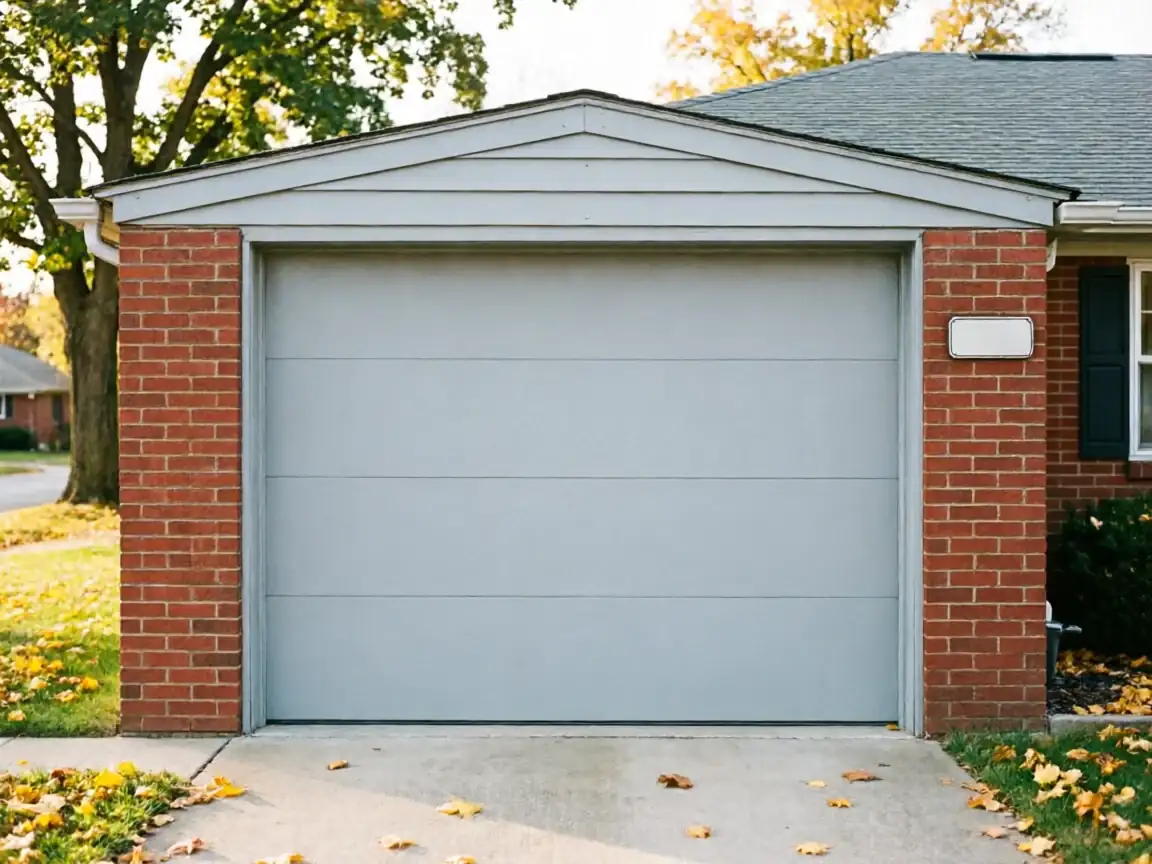
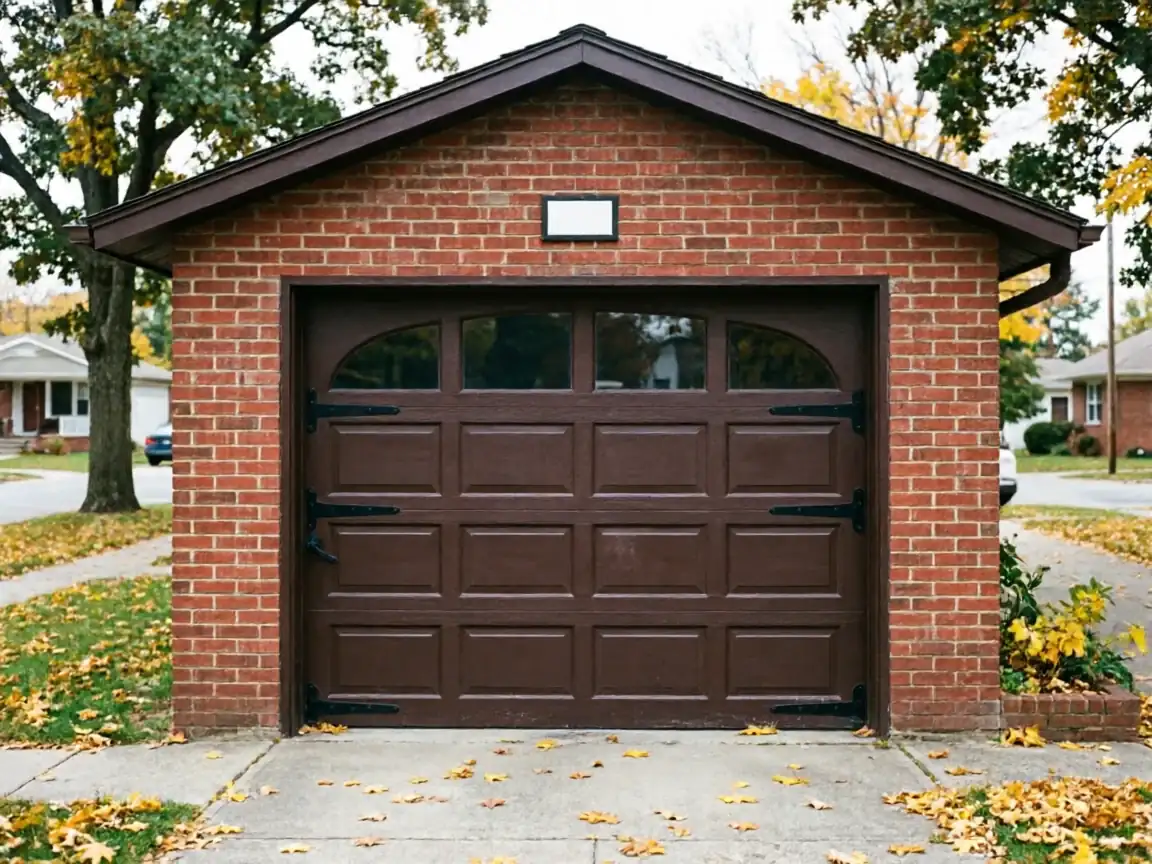
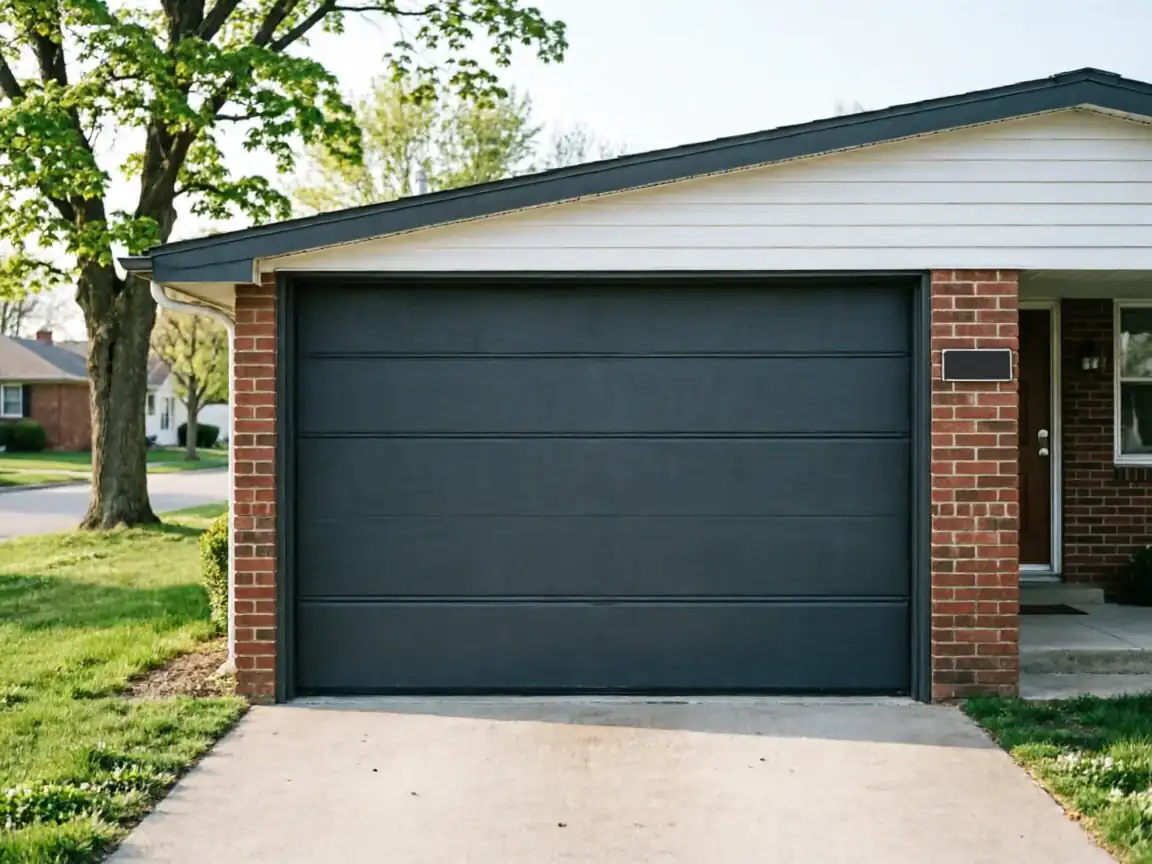
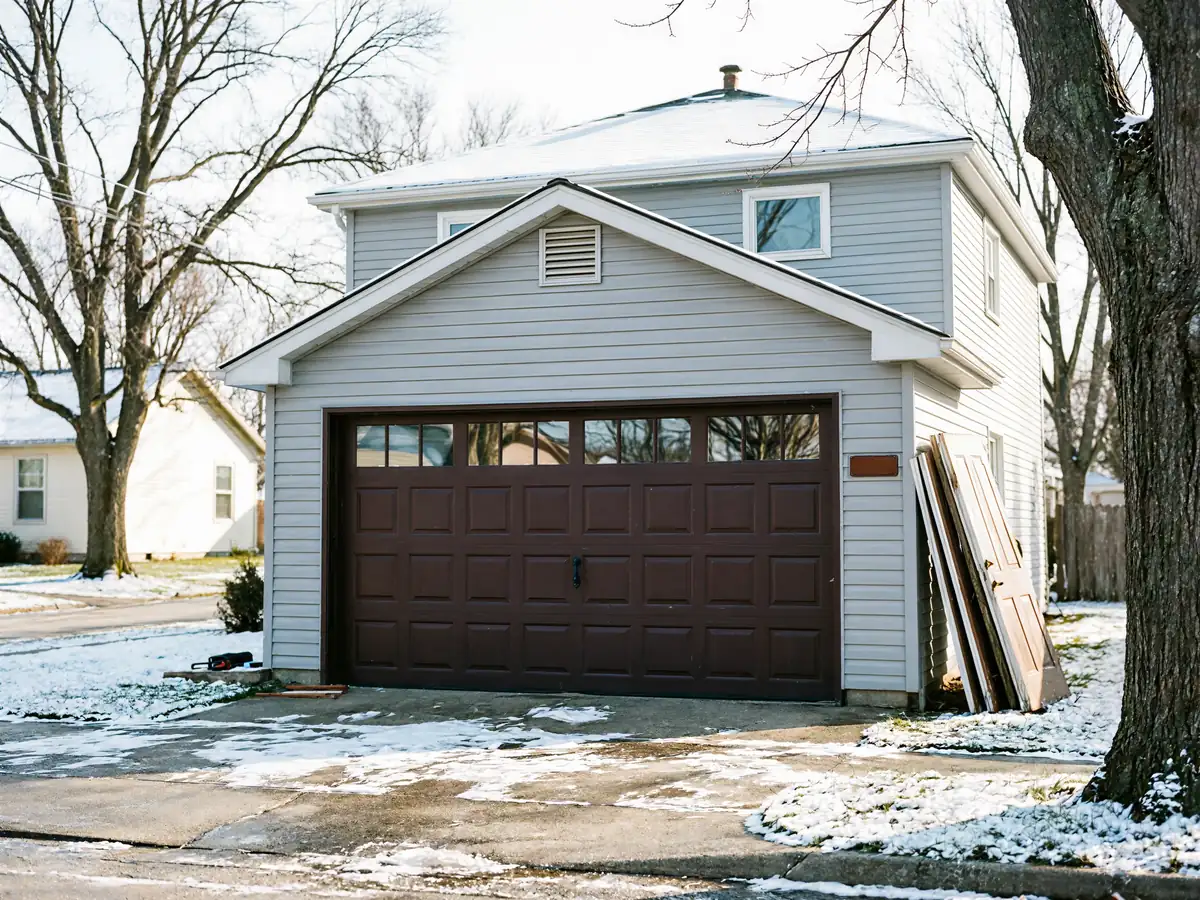
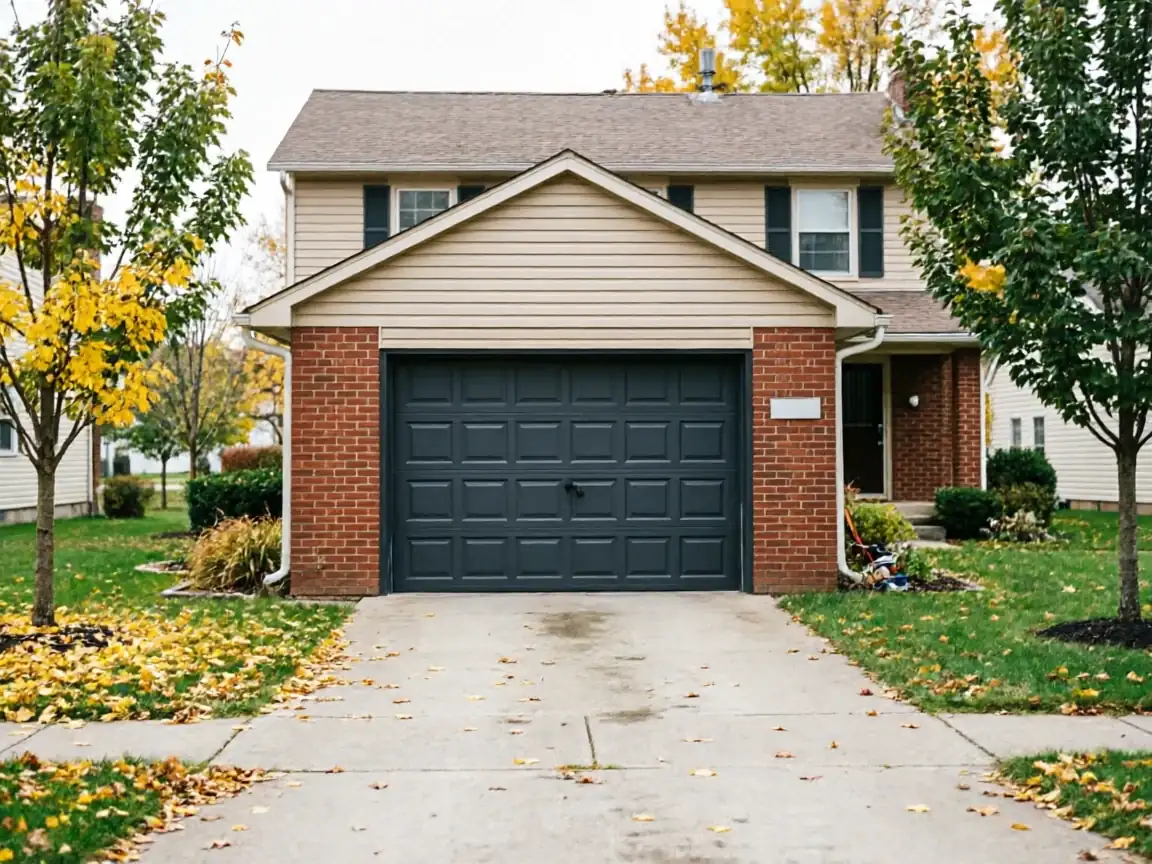
The spring failures we see out in Roseville almost always trace back to age, not abuse. Most of the houses in this part of the service area went up between 1940 and 1965, with a lot of them clustered right around 1952. A torsion spring on a door that old has usually been cycled tens of thousands of times past what the manufacturer ever rated it for, and nobody's replaced it since the Eisenhower administration.
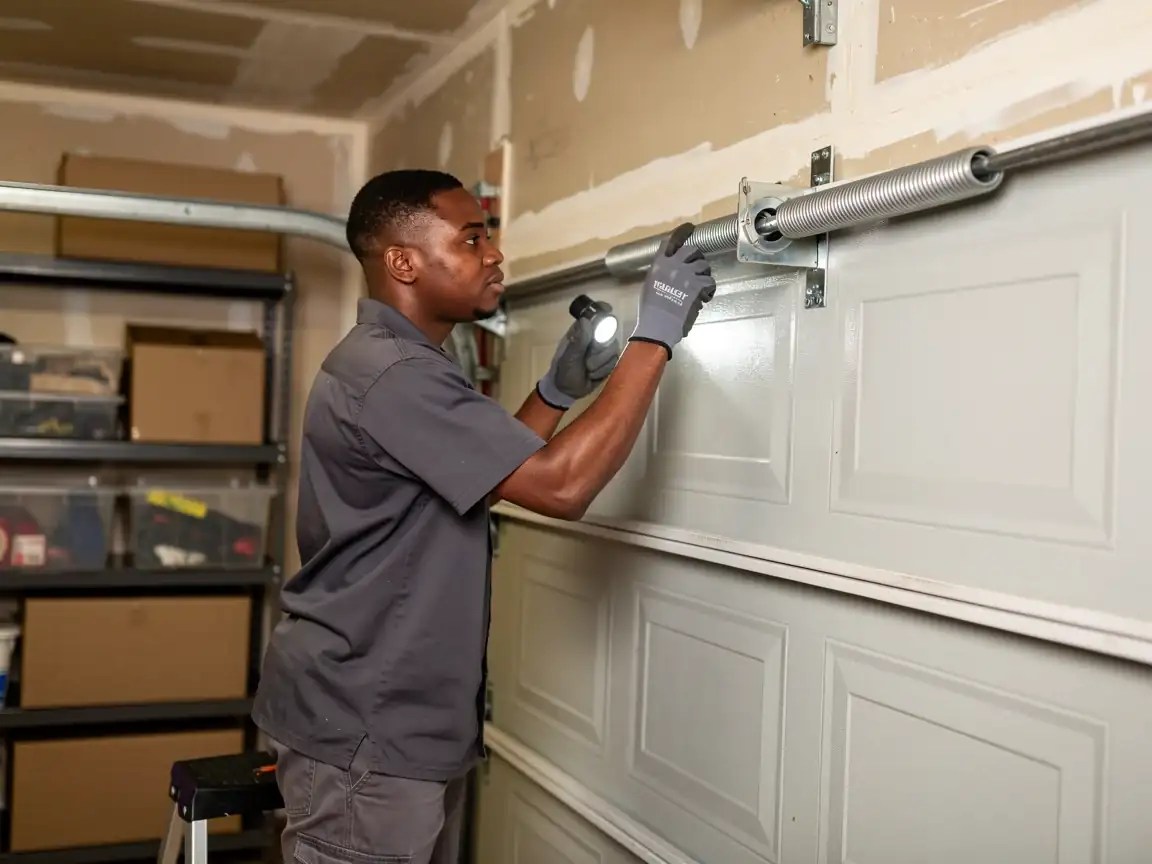
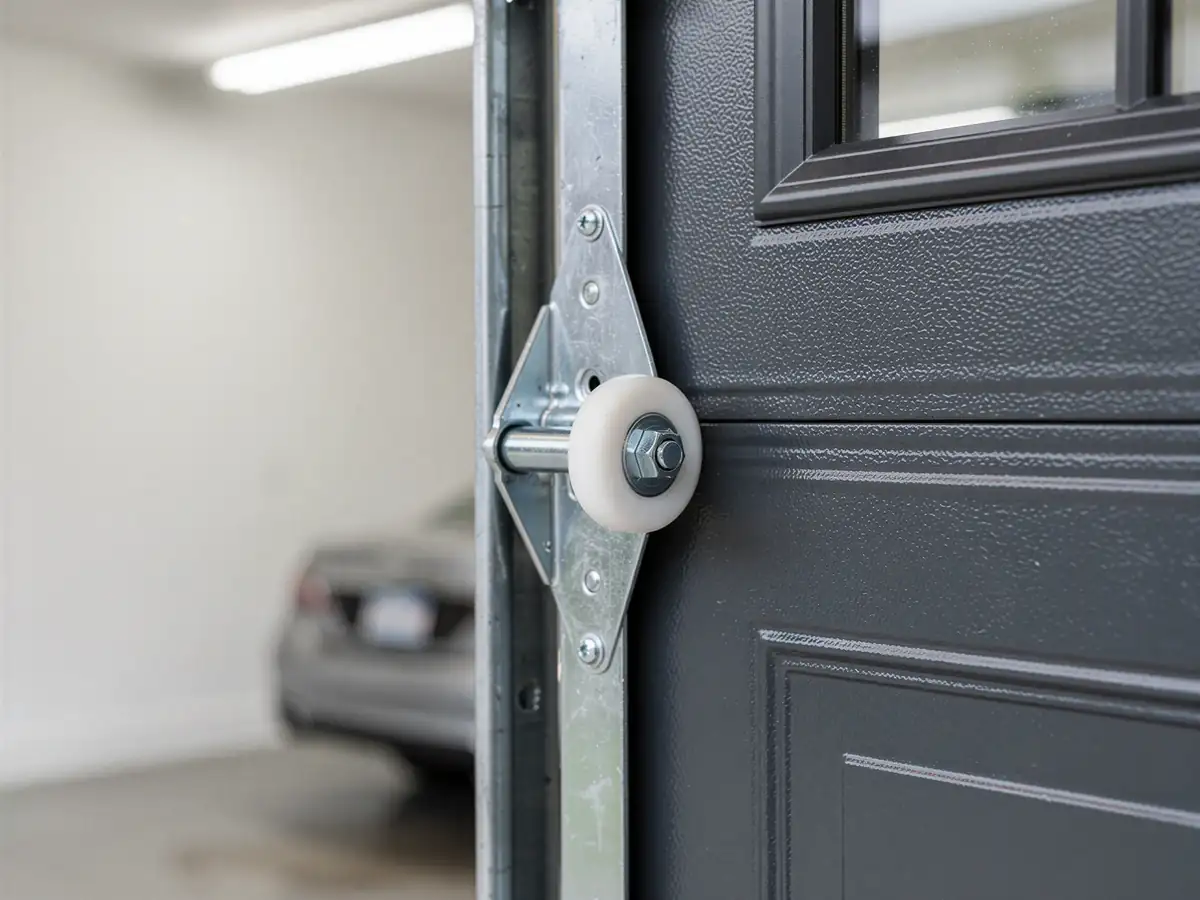
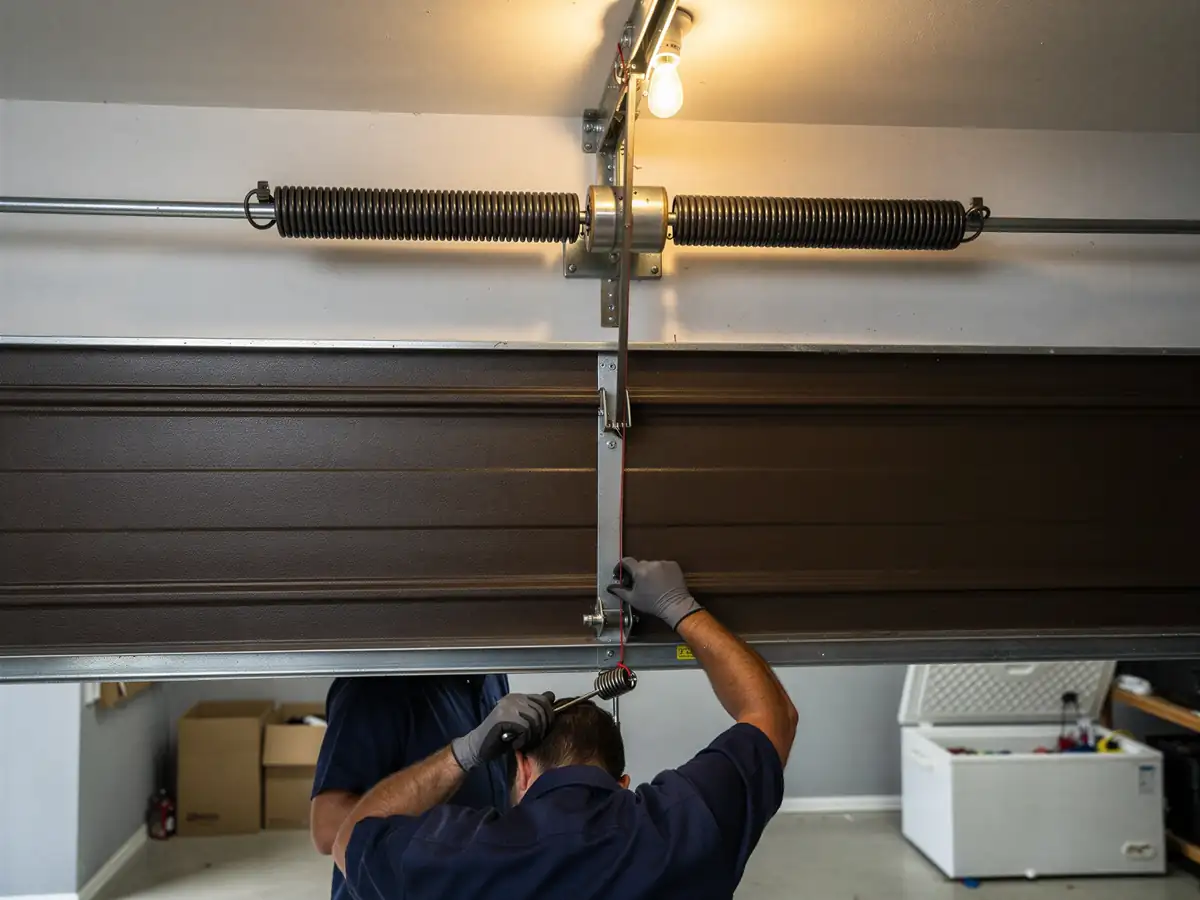
That build era matters because the hardware from that period is different from what goes into a house built in the 1990s. Lift mechanisms from the 1950s often used lighter-gauge springs sized for wood doors, which were heavier per square foot than today's steel or composite panels but didn't put the same twisting stress on a center bracket. When a homeowner swaps in a modern steel door without upgrading the spring to match, the old spring works harder than it was built for and snaps years before it should. We see that mismatch a lot in this area, and it's the single biggest reason a spring that looks fine in January is lying in two pieces on the garage floor by March.
Parts We Carry
We carry standard torsion and extension springs sized for the openings common to houses built in that 1940-1965 window: single doors and the narrower double openings that were standard before wider two-car garages became the norm. What we don't always have on the truck is a spring sized for an unusual wood door someone built custom decades ago, or a part for an opener model that hasn't been manufactured in years. If your setup is non-standard, we may need a day to source the right spring rather than force-fit something that's close enough.
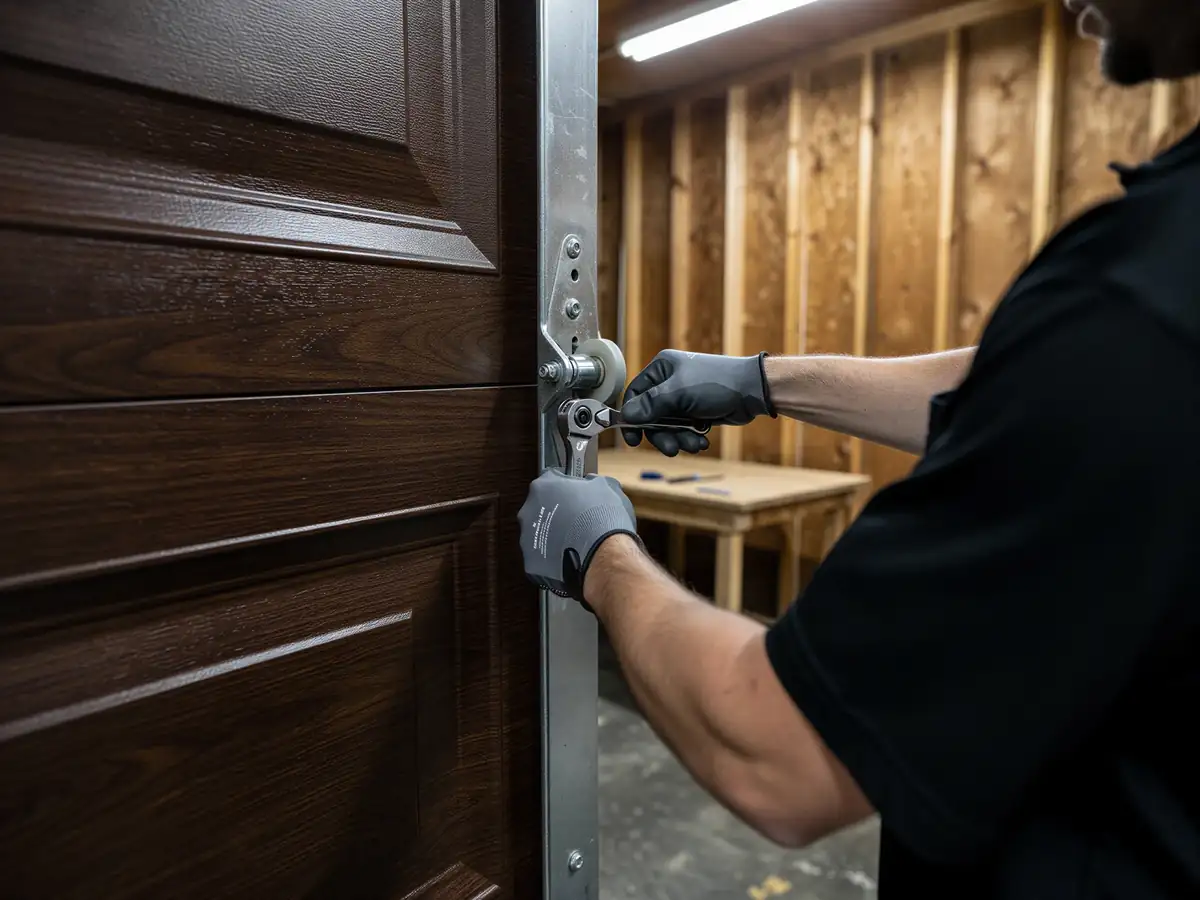
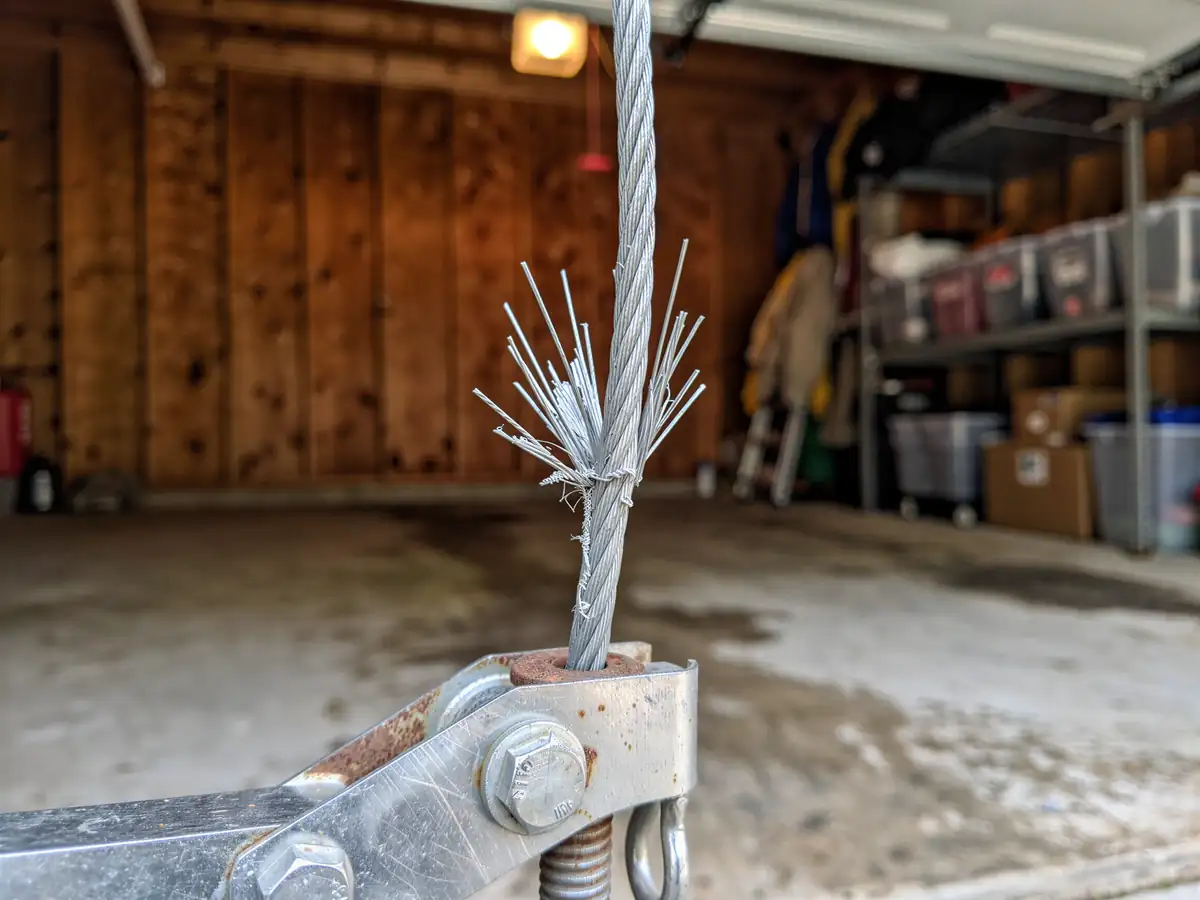
We also stock the matching hardware that tends to fail alongside an old spring - end bearing plates, cables, and the center support bracket - because replacing a spring without checking that hardware is how a second service call gets booked a month later.
How Long It Takes
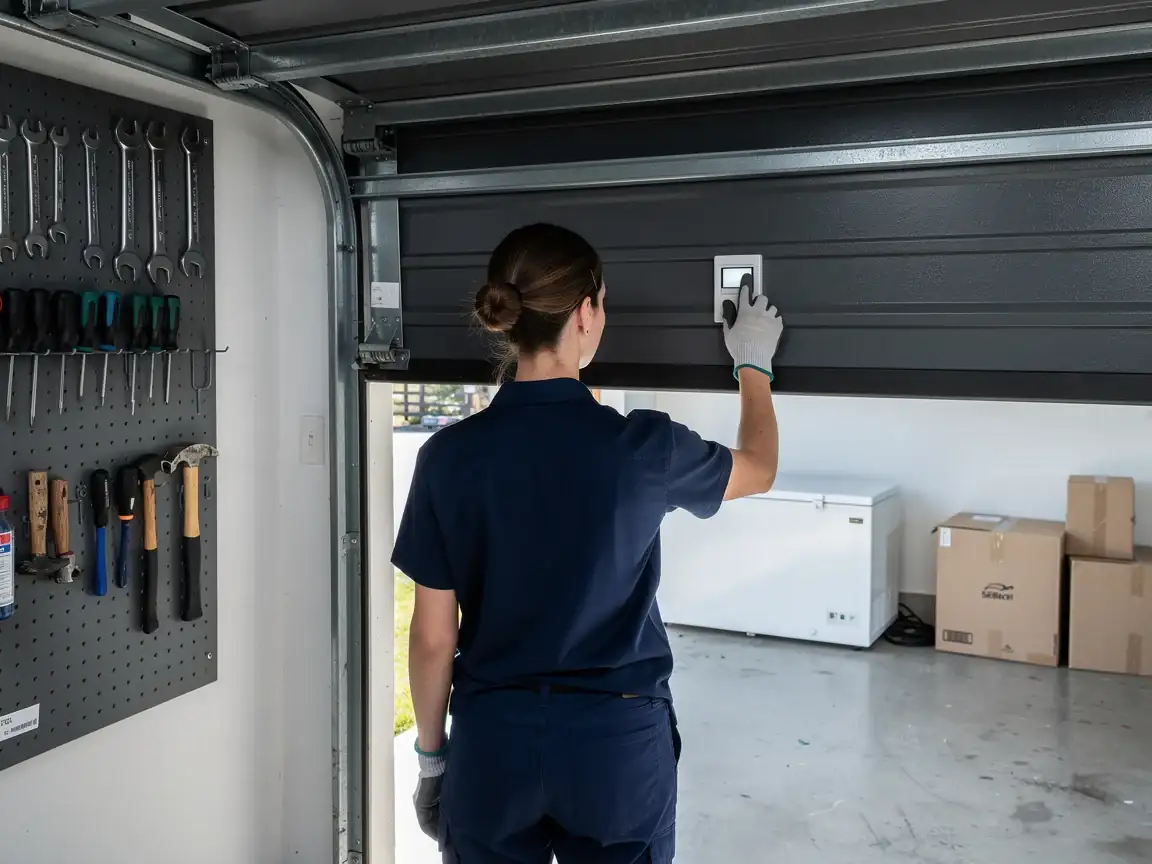
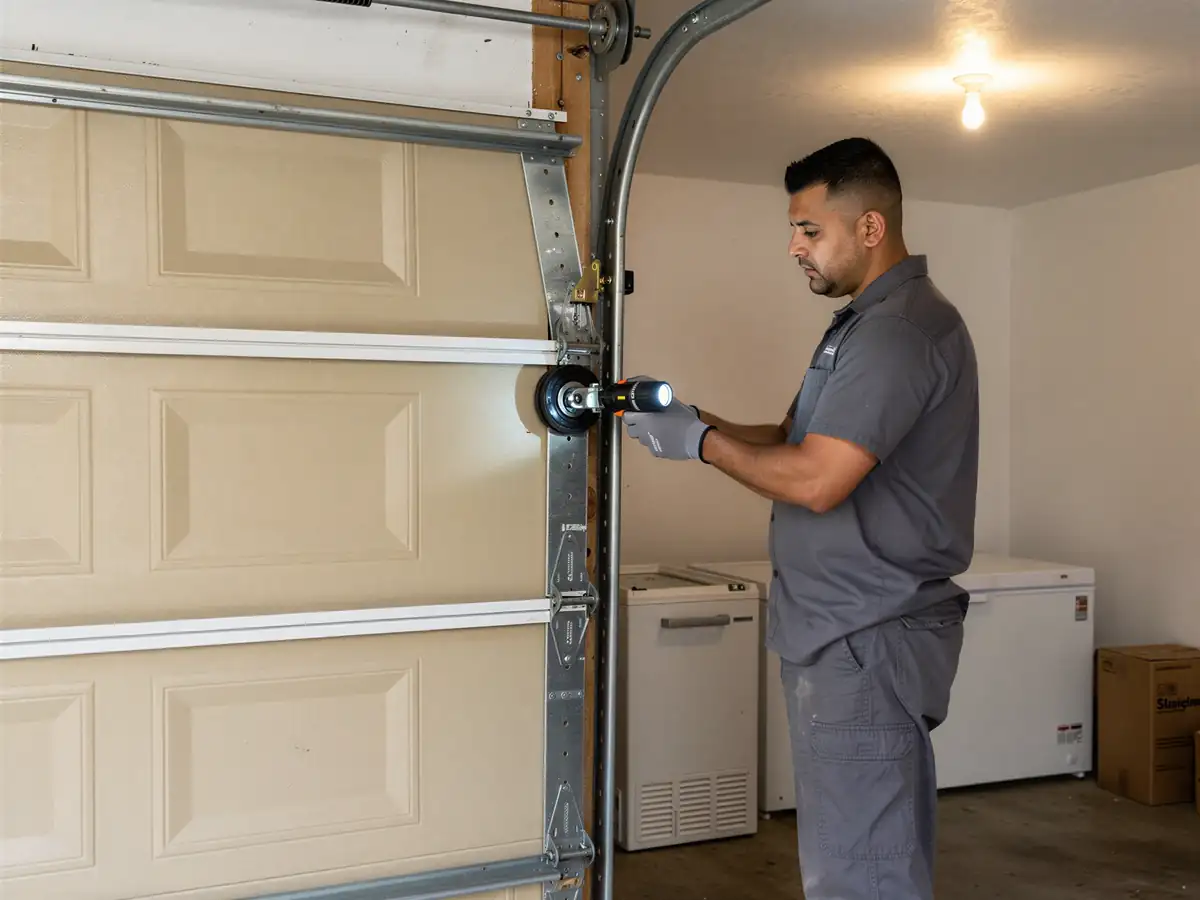
A straightforward torsion spring swap on a single-car door is usually a same-visit job once we're on site with the right part in hand
Double doors with two springs take a bit longer since both get replaced together - running one old spring next to one new one just means the old one fails again soon, and that's not a trip we want to make twice.
What changes the timeline is parts availability, not the drive
We're coming from Macomb, about 18 miles out, and that's built into how we schedule the day - it's not what adds time to the actual repair. If your door turns out to need a spring size we don't carry on the truck, that's the delay, not the distance.
- 18 miles
What You Are Seeing
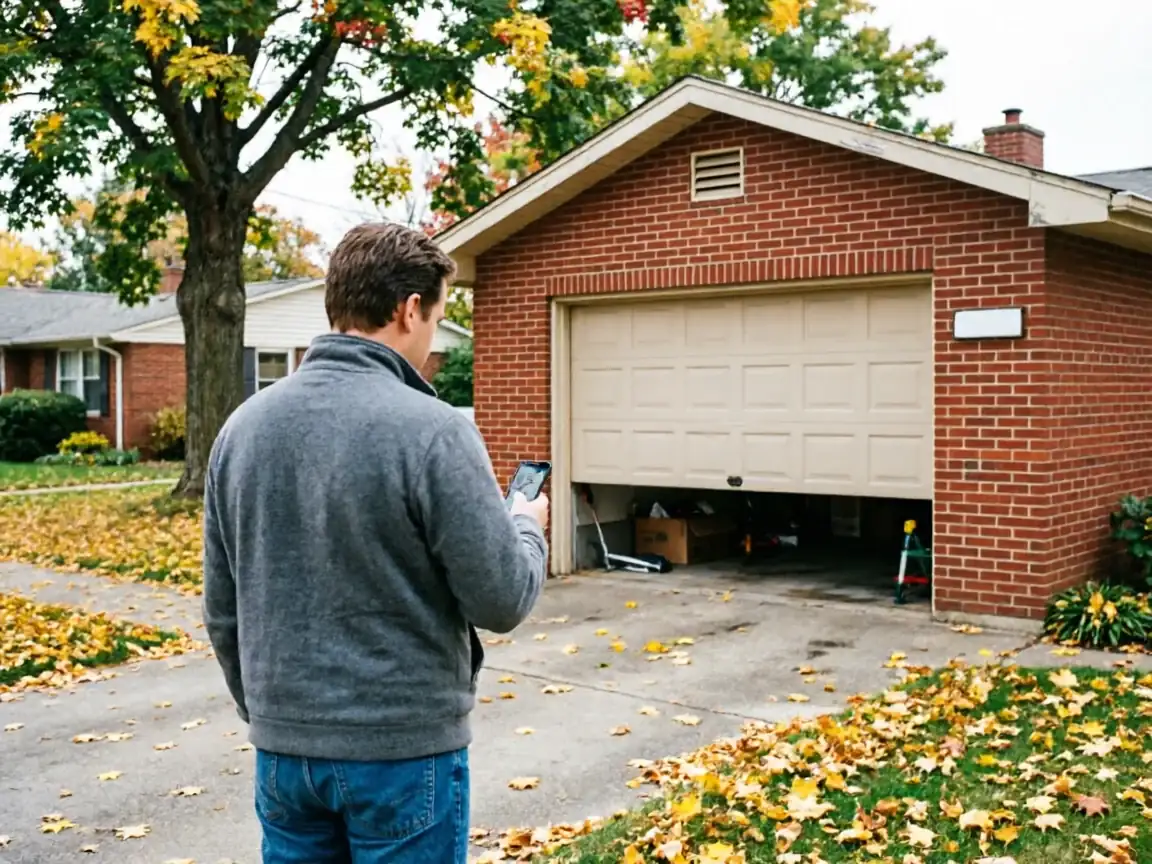
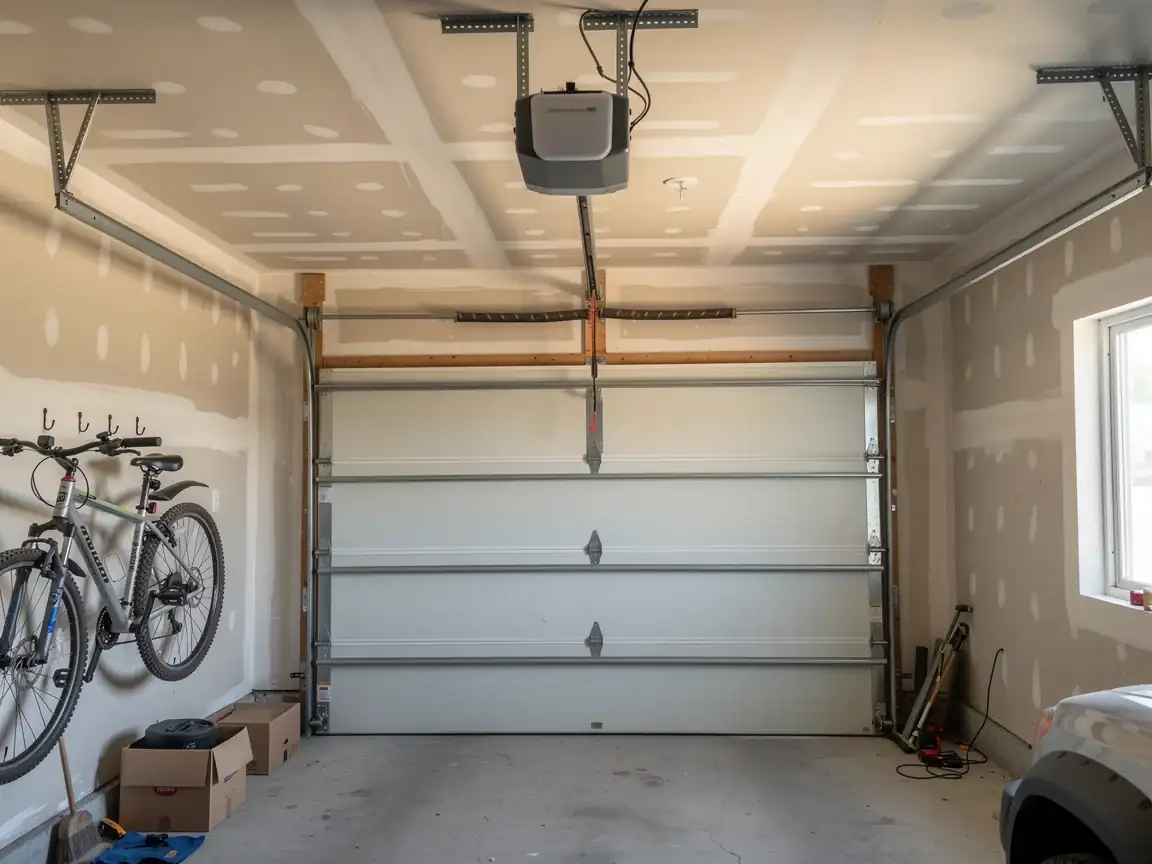
If the door won't lift past a few inches, or the opener strains and reverses itself, that's a broken spring more often than a motor problem. A loud bang from the garage - sometimes homeowners here mistake it for something outside - is usually the spring letting go, since torsion springs typically fail suddenly rather than gradually.
On the older doors common in this area, you might also notice the door hanging crooked, lower on one side than the other. That's one spring still holding while its partner has already failed, which happens on double-spring setups more than people expect.
What Can Go Wrong
A broken spring under tension is not a DIY fix, and we'd rather say that plainly than have someone get hurt saving a service call. Beyond the safety issue, mismatched springs cause real damage: if a replacement spring is sized wrong for the door's weight, it can strip opener gears or bend track over time, turning a $200 fix into a much bigger one.
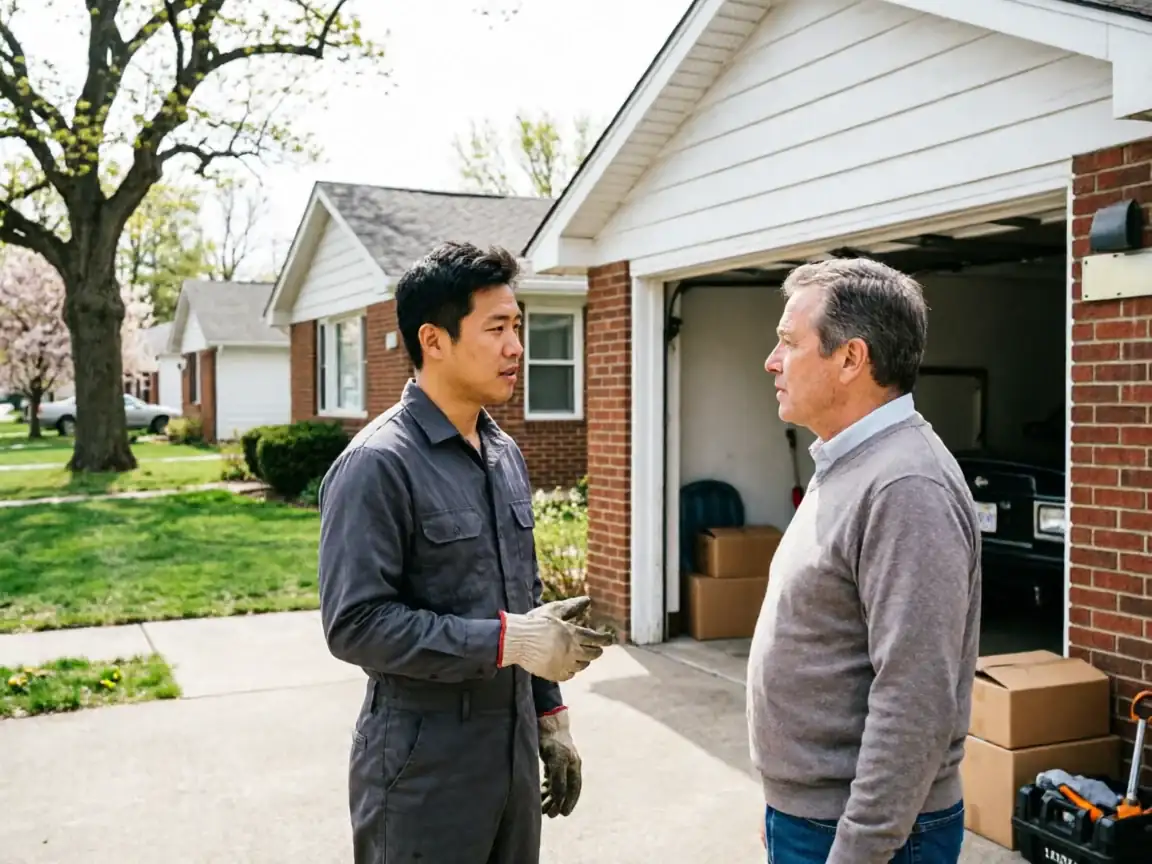
On the pre-1960 housing stock that makes up most of this area, we also sometimes find that a spring failure has already let a cable jump its drum or a panel warp from being forced. Those add to the job once we're inside the garage, and we'll tell you upfront if that's the case rather than quote blind over the phone.