What Causes It Around Here
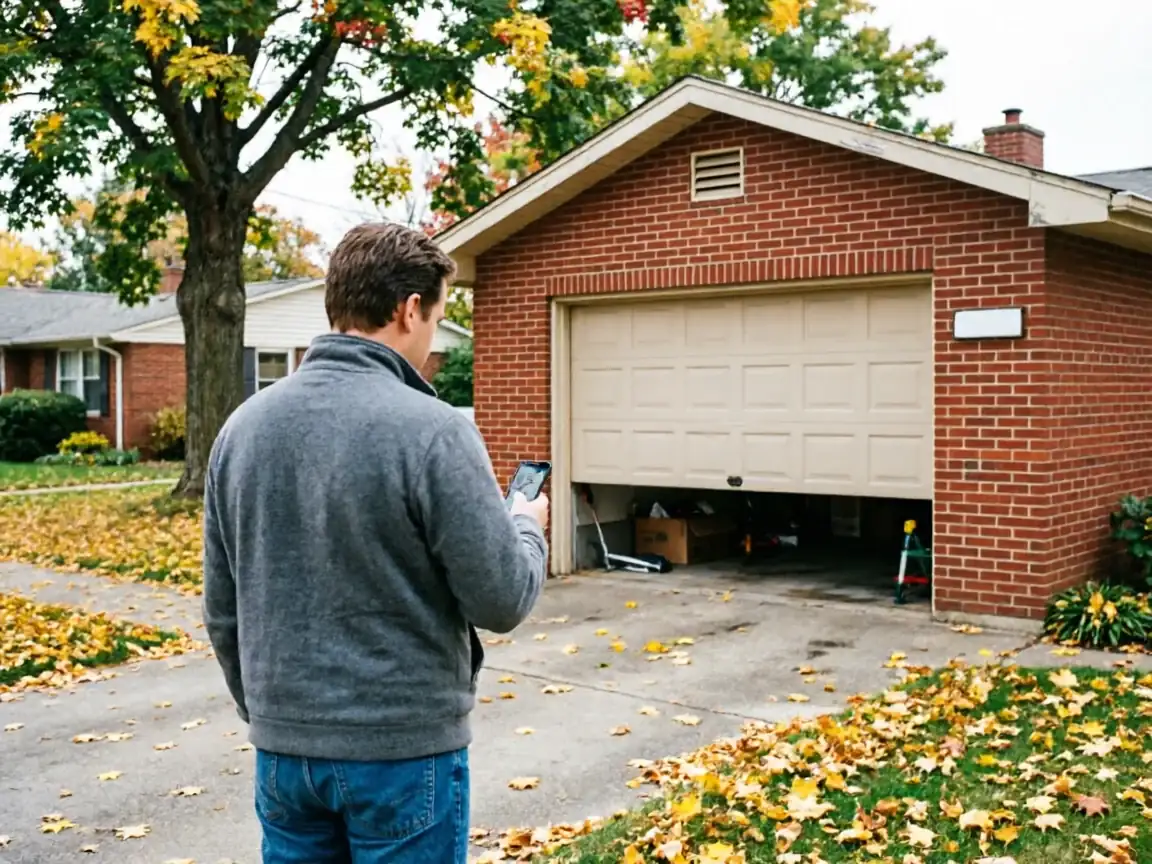
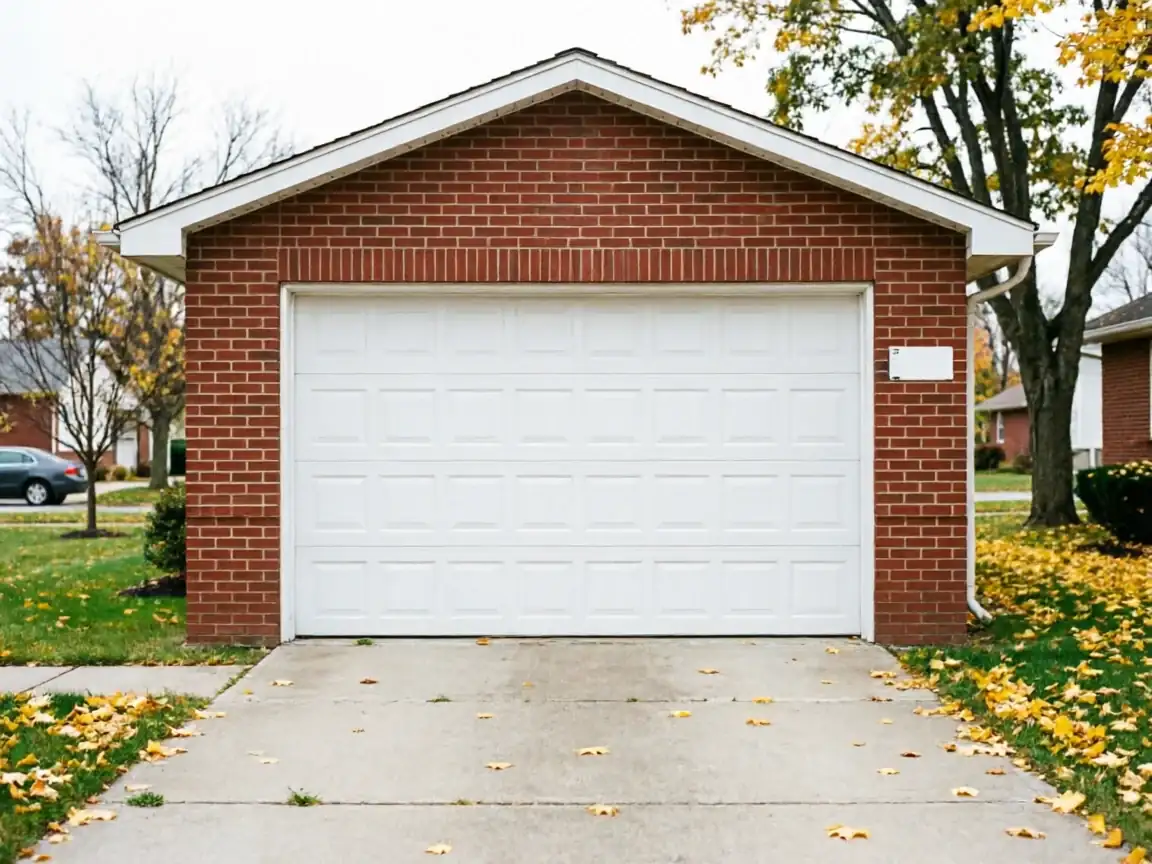
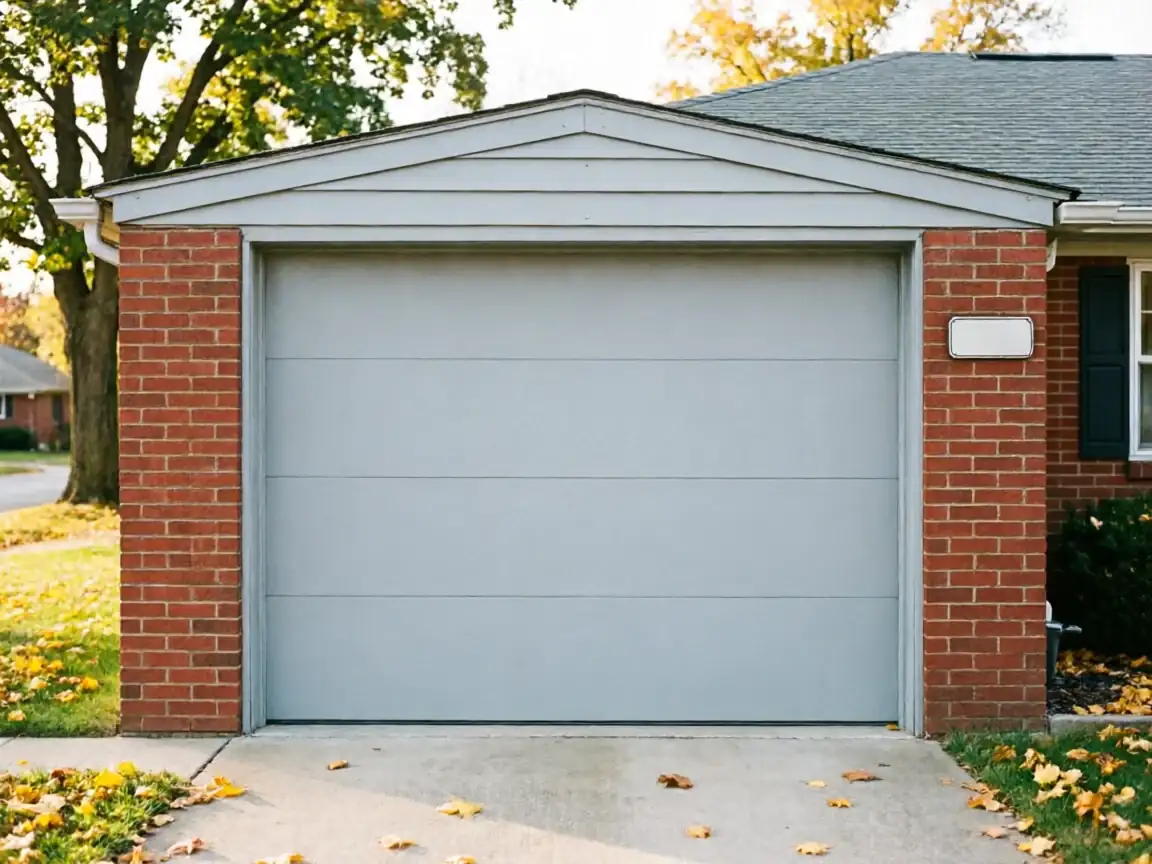
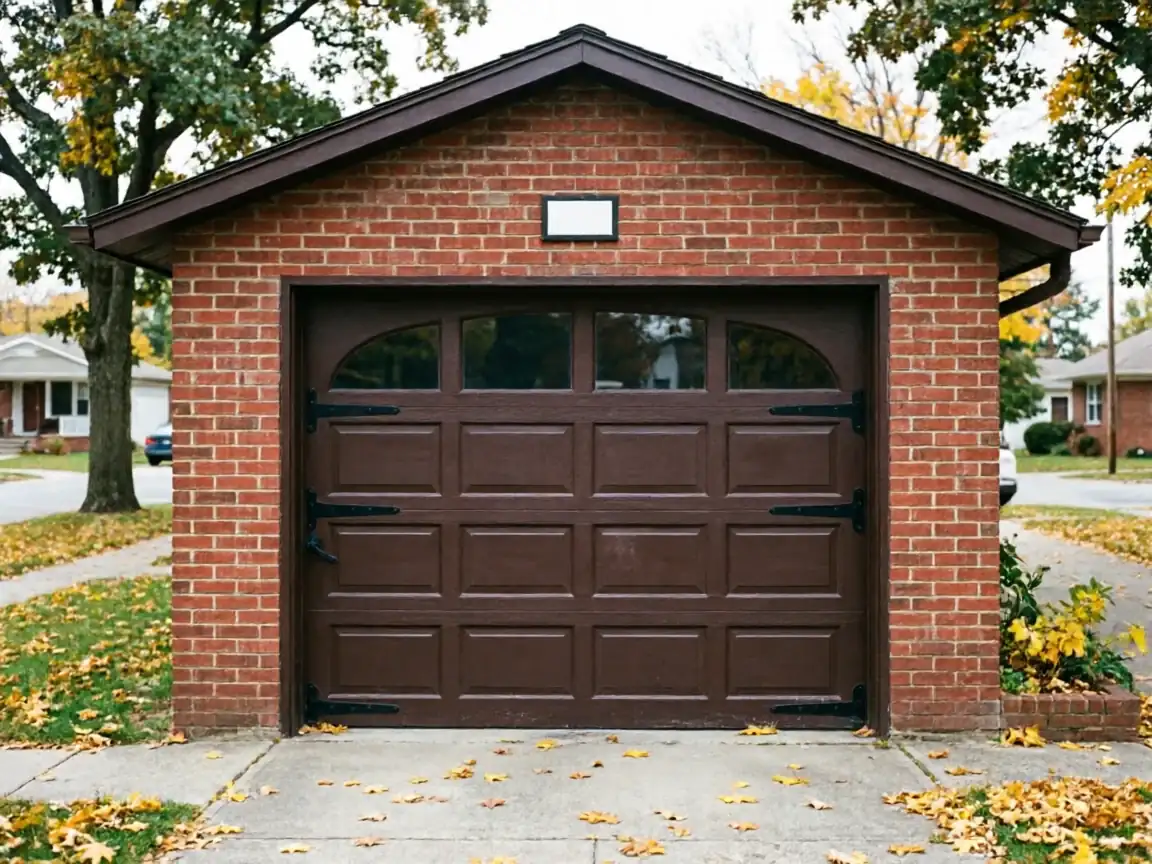
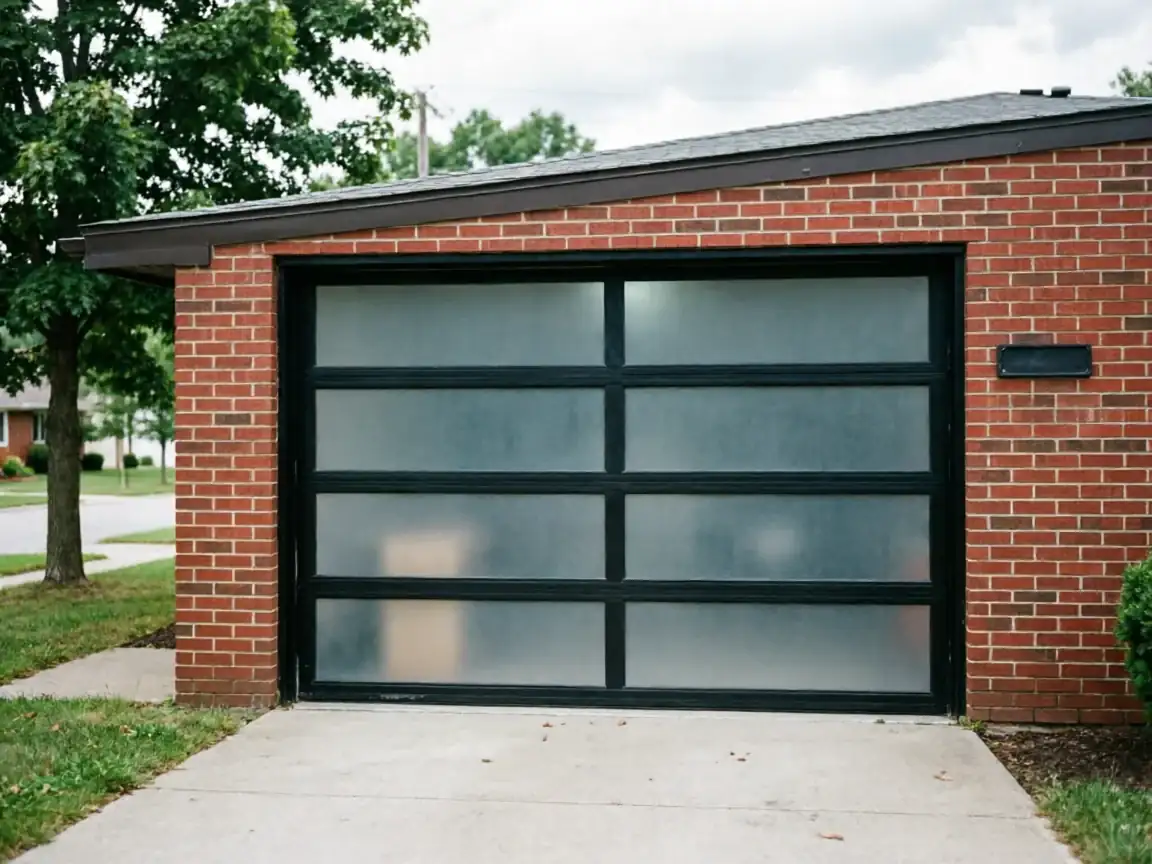
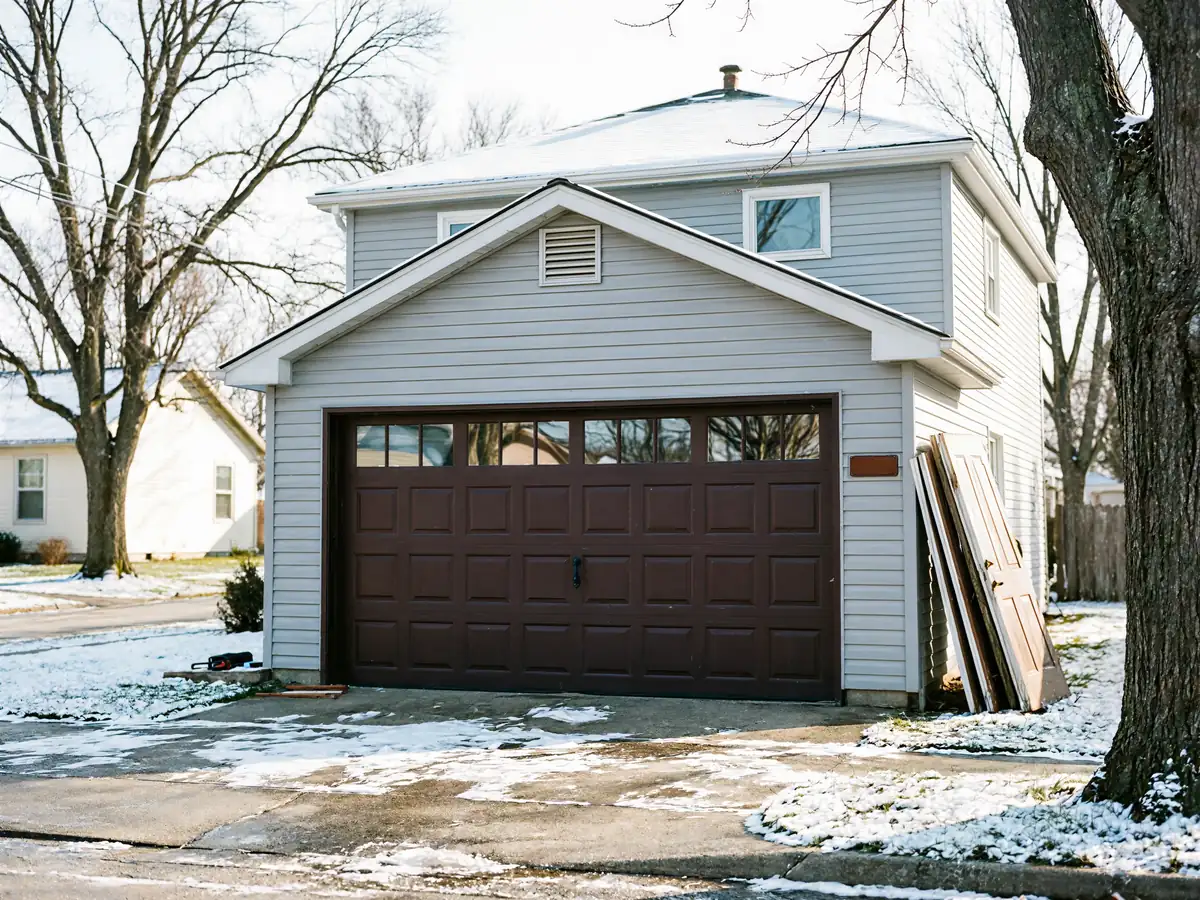
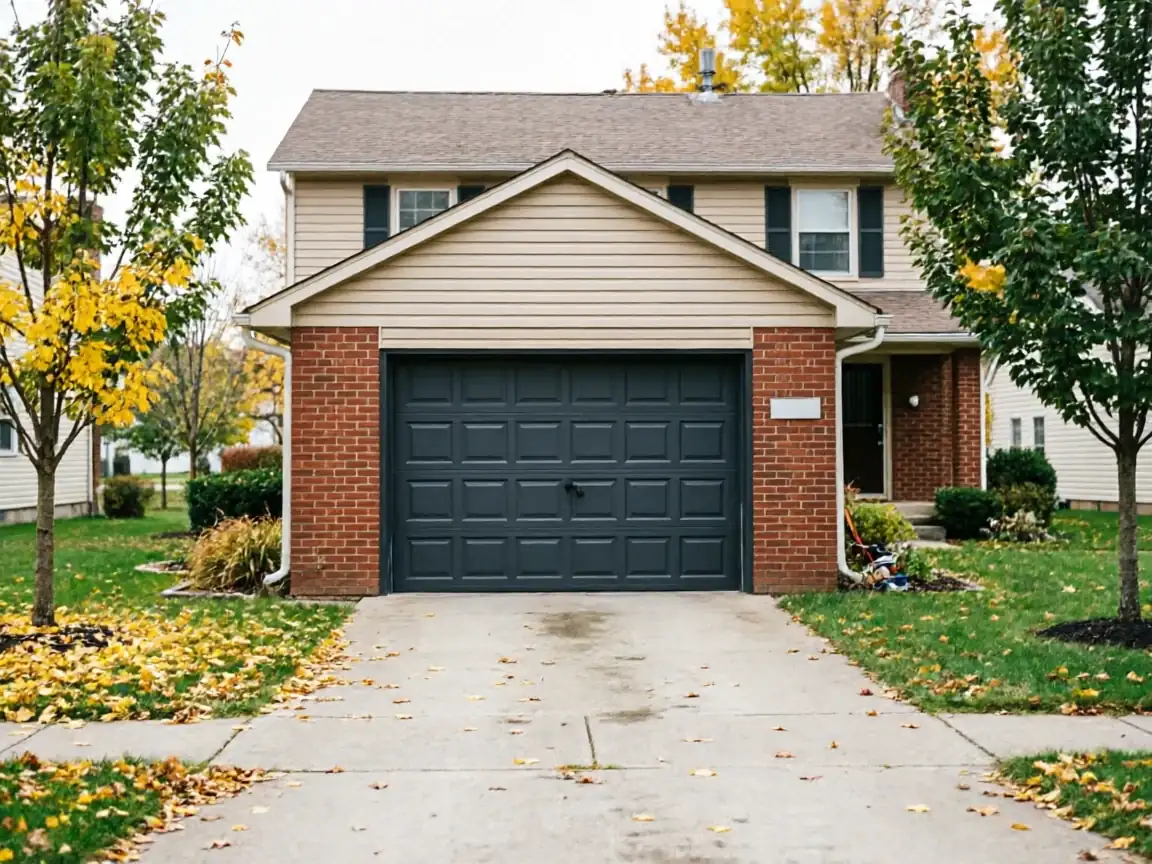
Roseville sits 18 miles out from our Macomb shop, far enough that we load the truck for a cable call expecting to need more than a replacement cable. Most houses in this part of the service area went up around 1952, and a lot of that original garage door hardware is still hanging in the tracks. The galvanized cables from that era corrode from the inside out, especially where they wrap the bottom bracket, and by the time you hear the telltale pop, the wire has usually been fraying for months. Cold matters too. This area sits in a cold-moderate climate band, and repeated freeze-thaw on a door that sat slightly misaligned all summer is enough to snap a cable that was already thin. We don't guess at this from a spec sheet - it's what we find when we open the panel on a house built in that window. A cable job out here is rarely just the cable; it's usually the cable plus whatever forty-some winters did to the drum and the bottom bracket it's wound around.
Parts We Carry
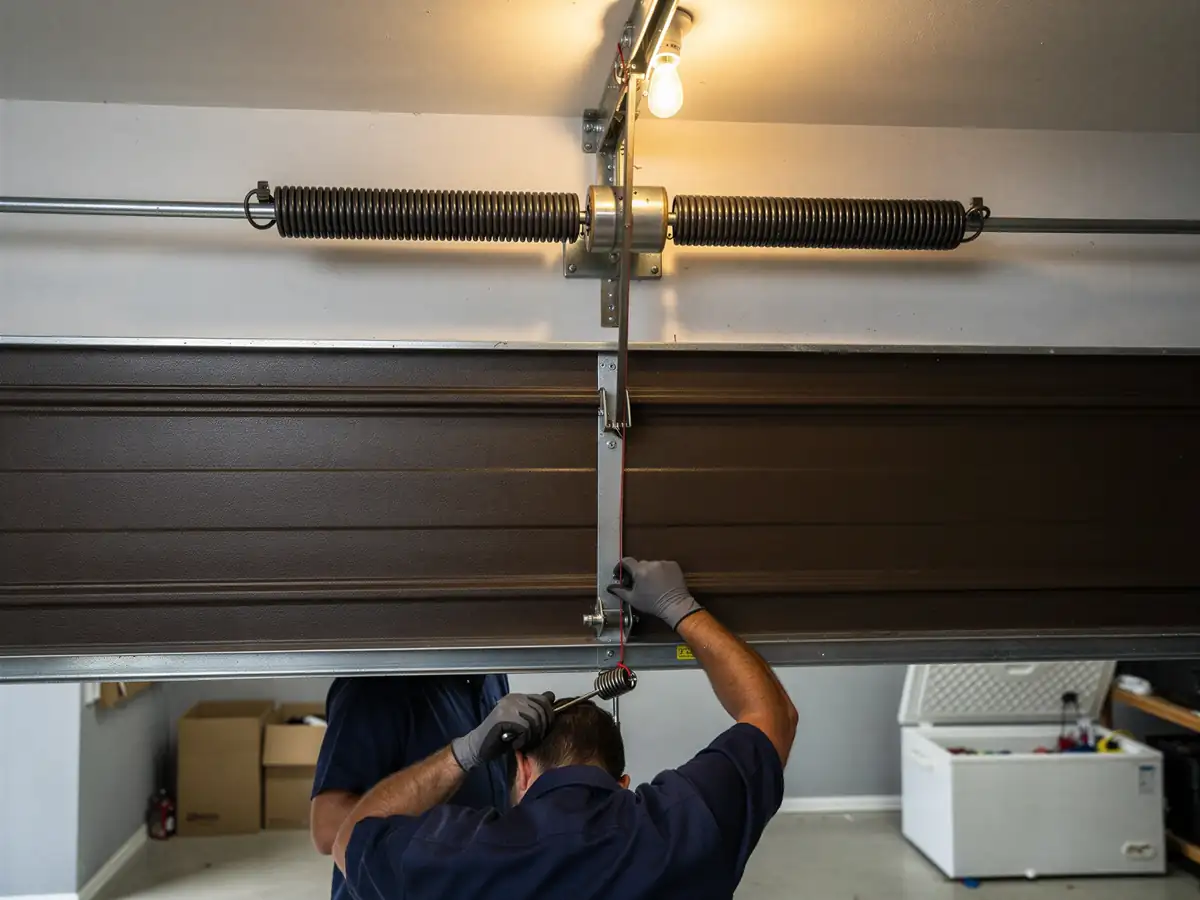
We stock the cable sizes and drum combinations that match 1-7/8 inch and 2-inch torsion setups, which covers the great majority of doors on houses built in Roseville's 1940-1965 range. What we don't carry on the truck is the obsolete stuff - some of the original cast bottom brackets from that era were sized to doors nobody makes anymore, and if yours is one of those, we may need to order a part rather than finish same-visit. We'll tell you straight if that's the case before we start, not after. For standard torsion and extension cable replacement, we carry enough stock to handle both doors on a double-car garage in one trip, which matters here since a second trip means another 18-mile drive before we can finish the job.
What You Are Seeing
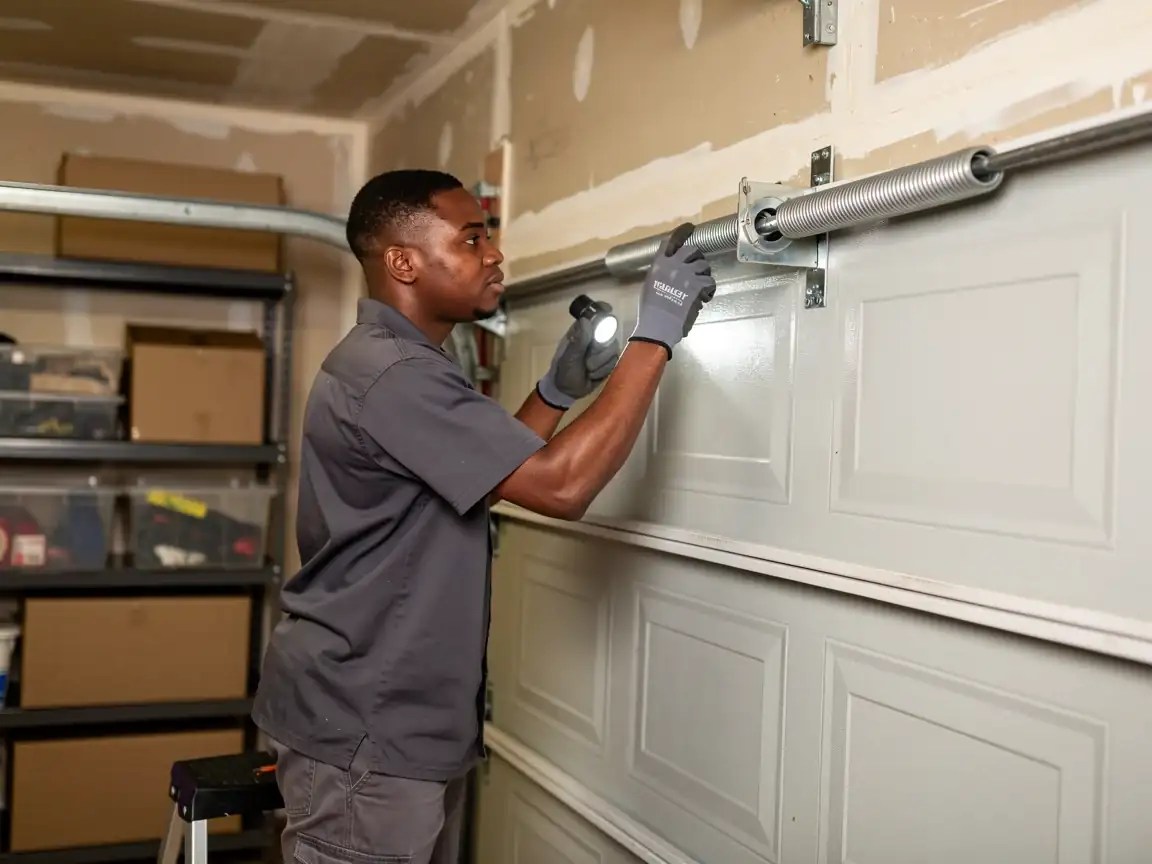
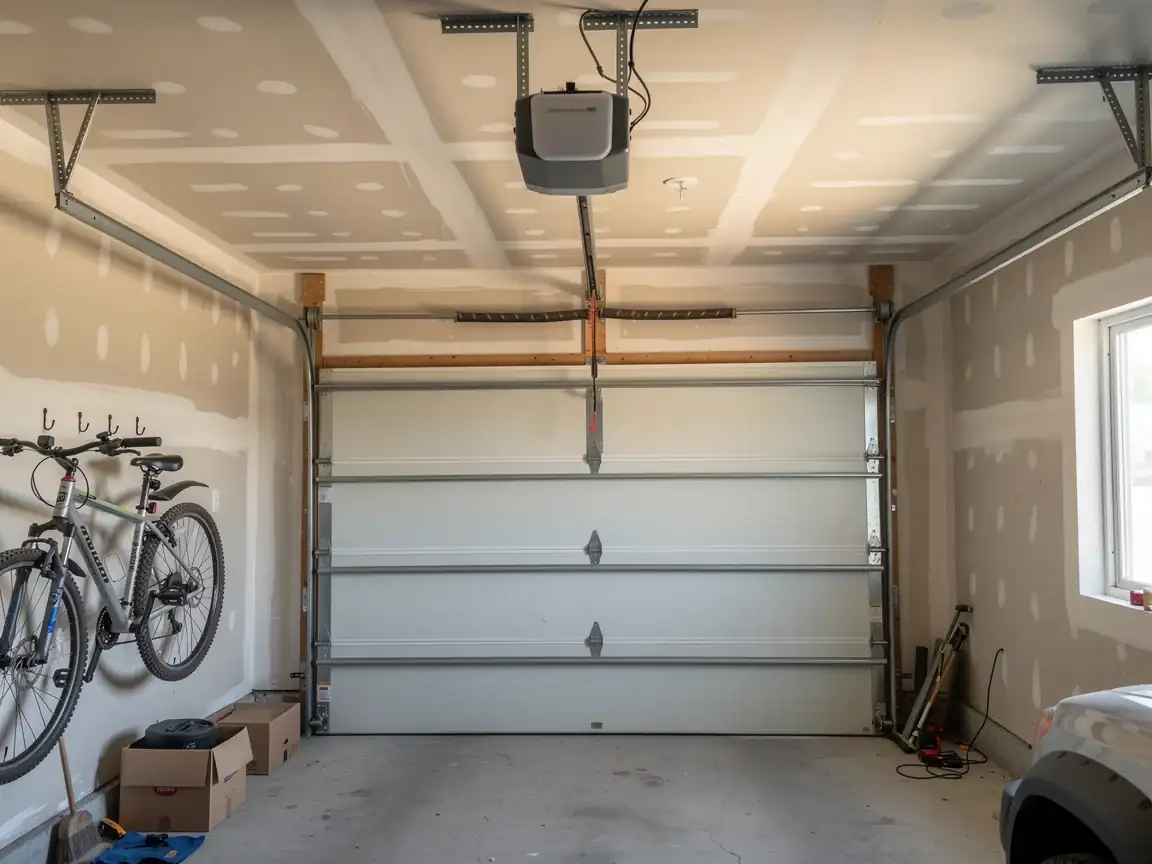
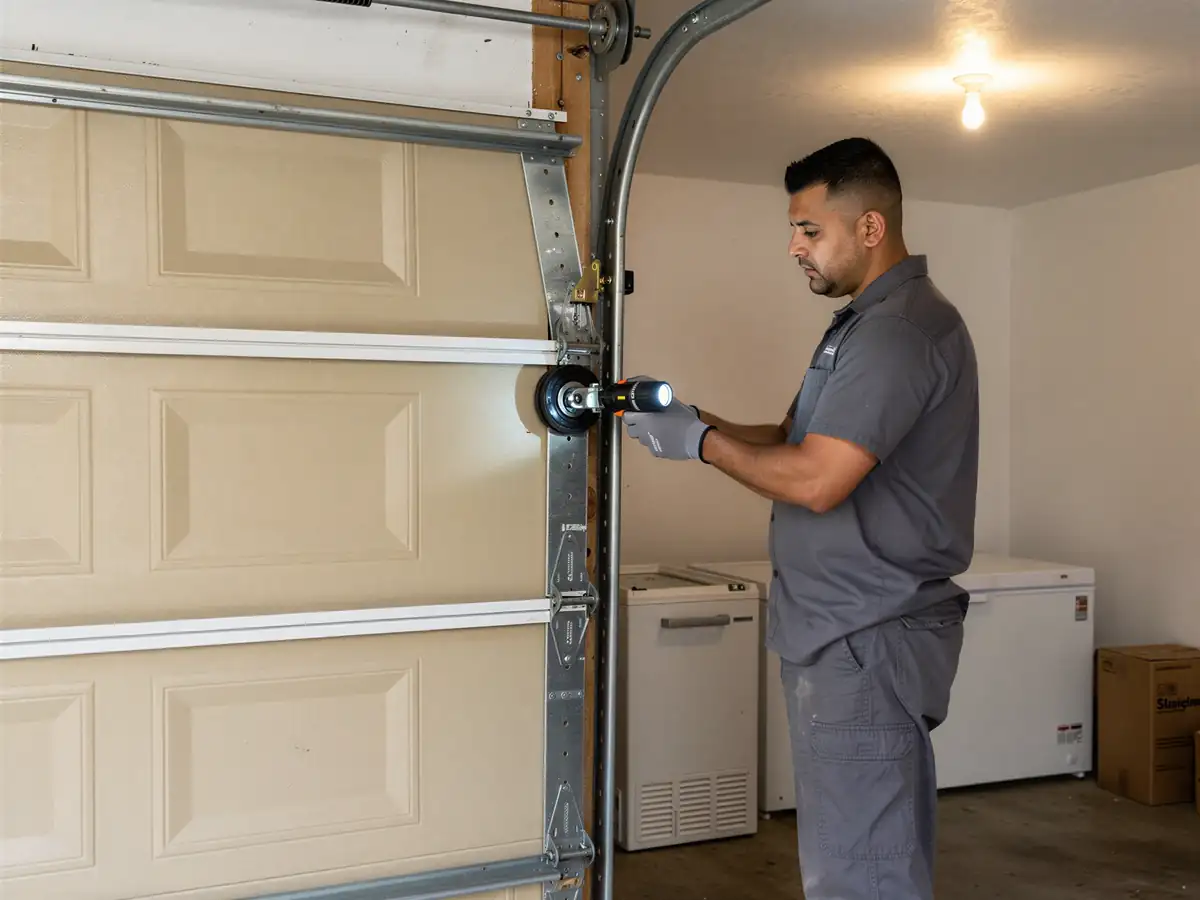
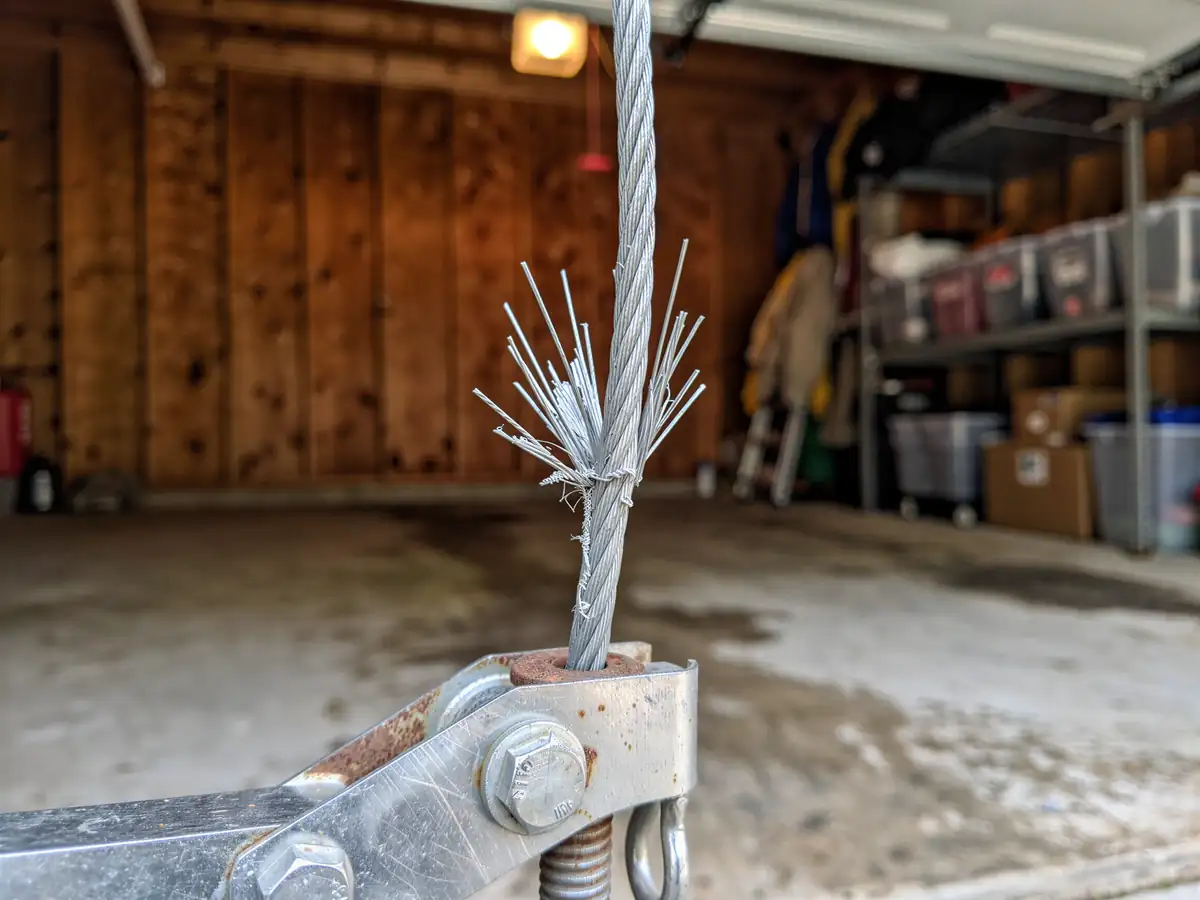
A frayed or snapped cable usually shows up one of two ways. Either the door won't move at all and you can see a loose or unspooled cable hanging off one side of the drum, or the door runs crooked - one side drops faster than the other and the whole panel racks in the tracks. On houses built in Roseville's 1950s window, we also see cables that look fine but have worked loose from the drum groove because the drum itself is worn from decades of use. If you hear a bang followed by the door refusing to open, do not try to force it with the opener - that's usually a snapped cable under spring tension, and forcing it can bend the track or the bracket further.
What Can Go Wrong
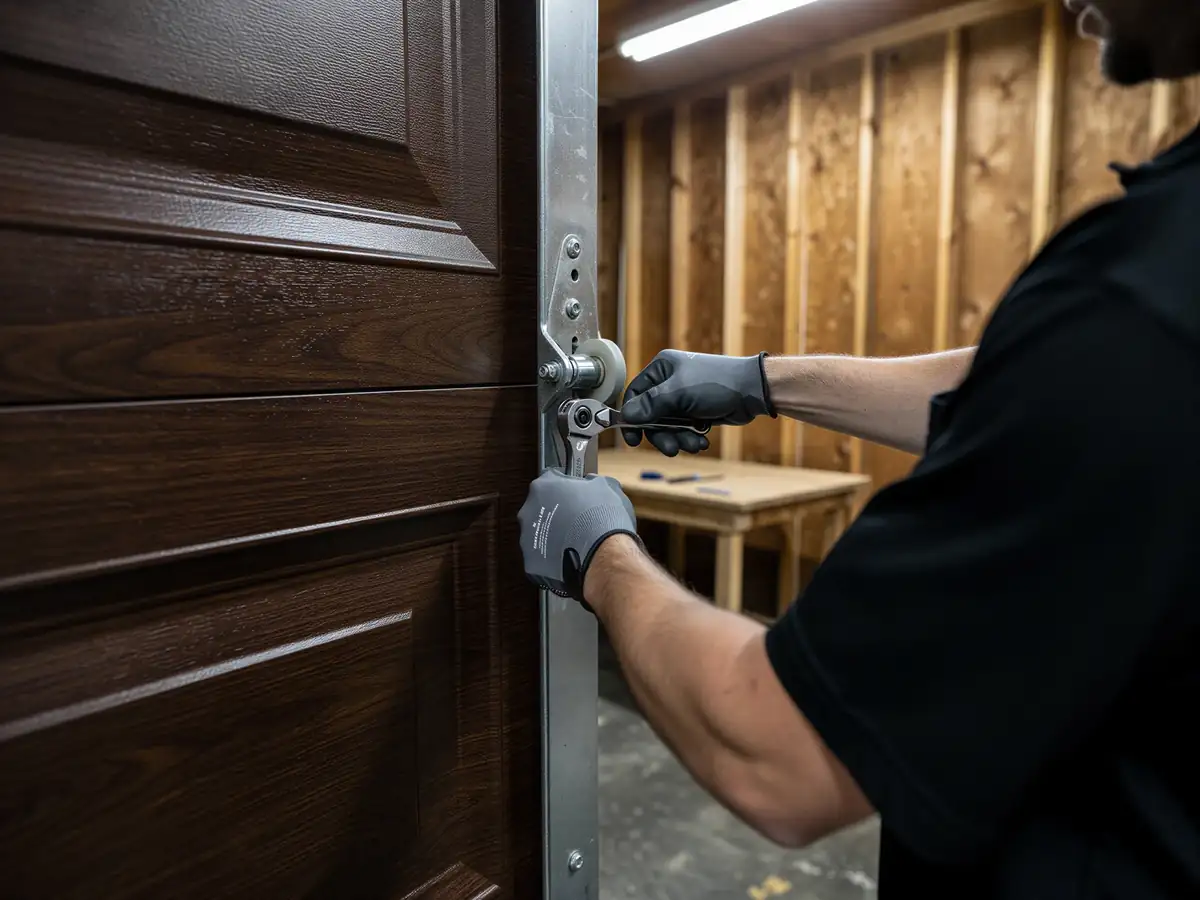
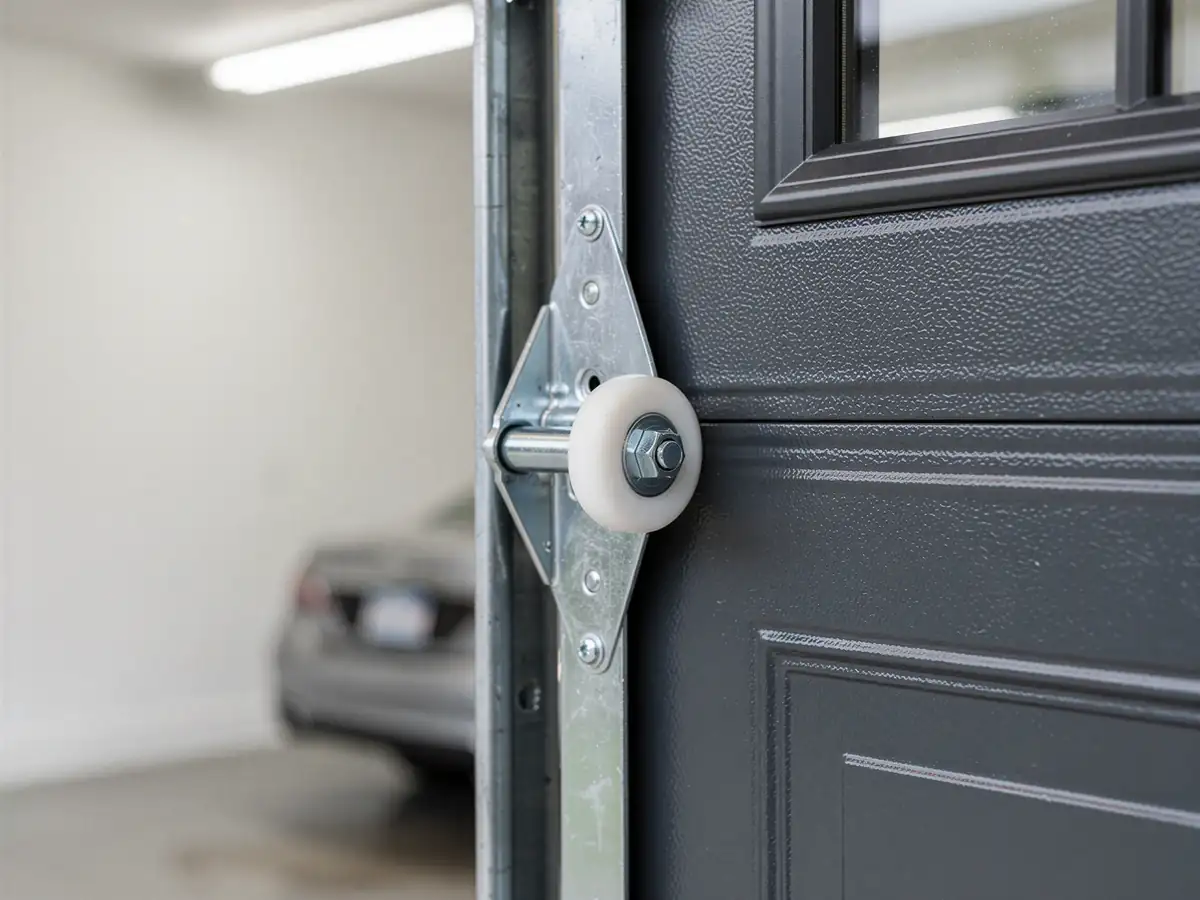
A cable rarely fails alone. On the older hardware common in this area, a snapped cable has often already let the door drop unevenly, which can bend the track, rack the bottom bracket, or put extra load on a torsion spring that was also original to the house. We check all three when we're already in there, because replacing just the cable on a door with a bent track means another call in a few weeks. Household budgets here run a bit under $56,000 median, so we also give you the honest version: if the drum, track, and spring are all worn past a clean fix, sometimes putting money into a full hardware upgrade costs less over two years than patching a 1950s setup piece by piece. We'll lay out both numbers and let you decide.