What the Fix Involves
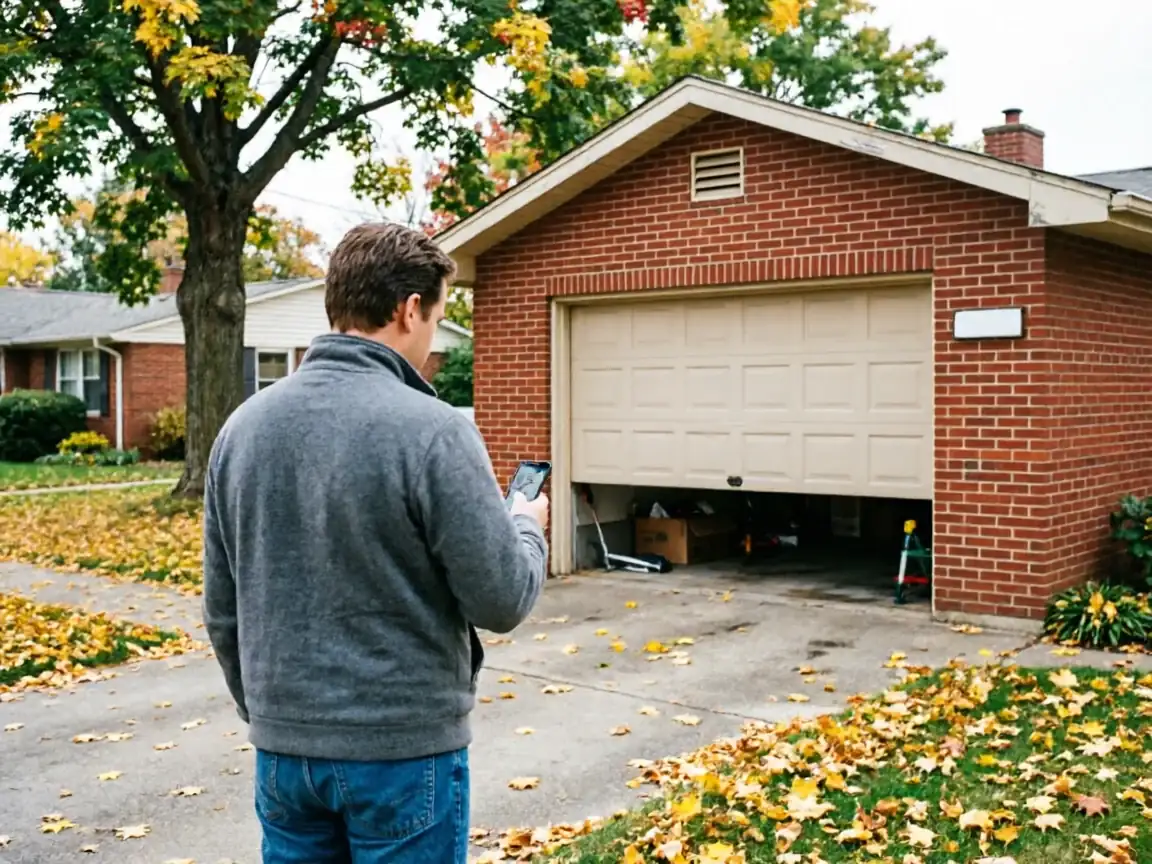
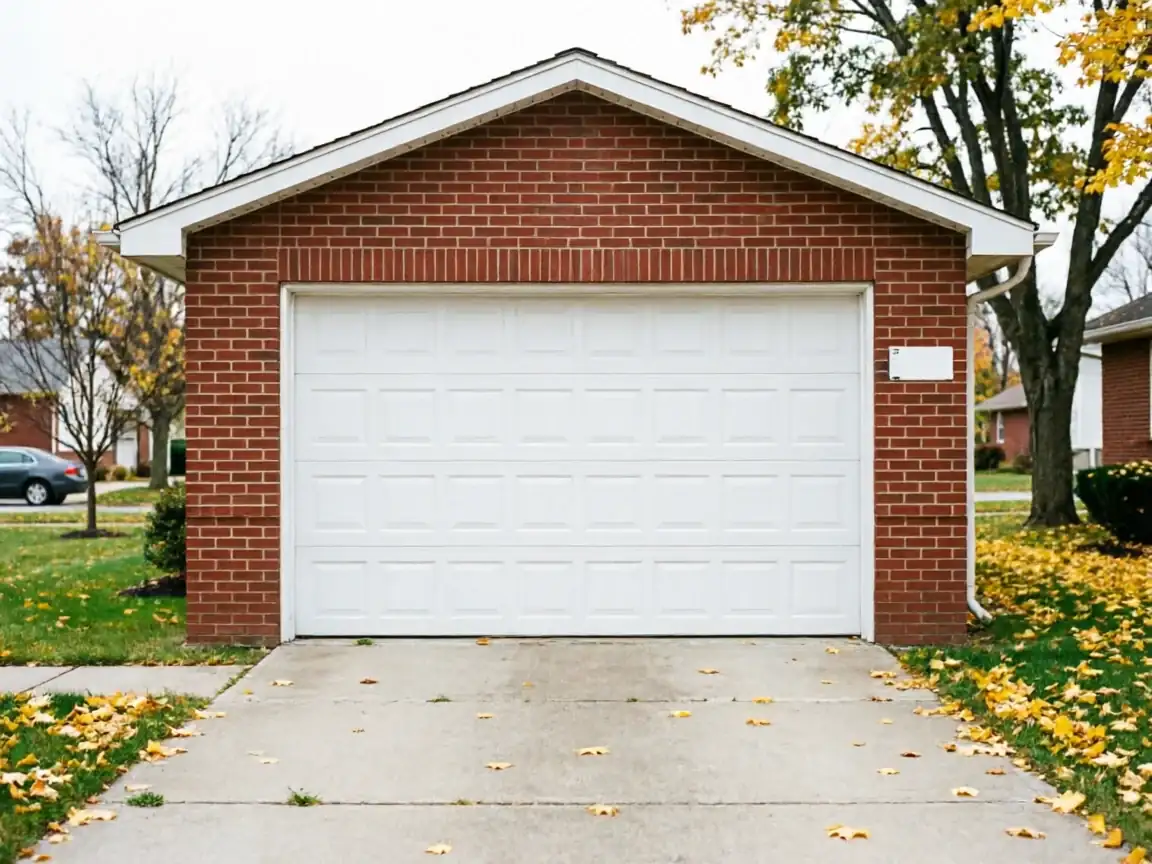
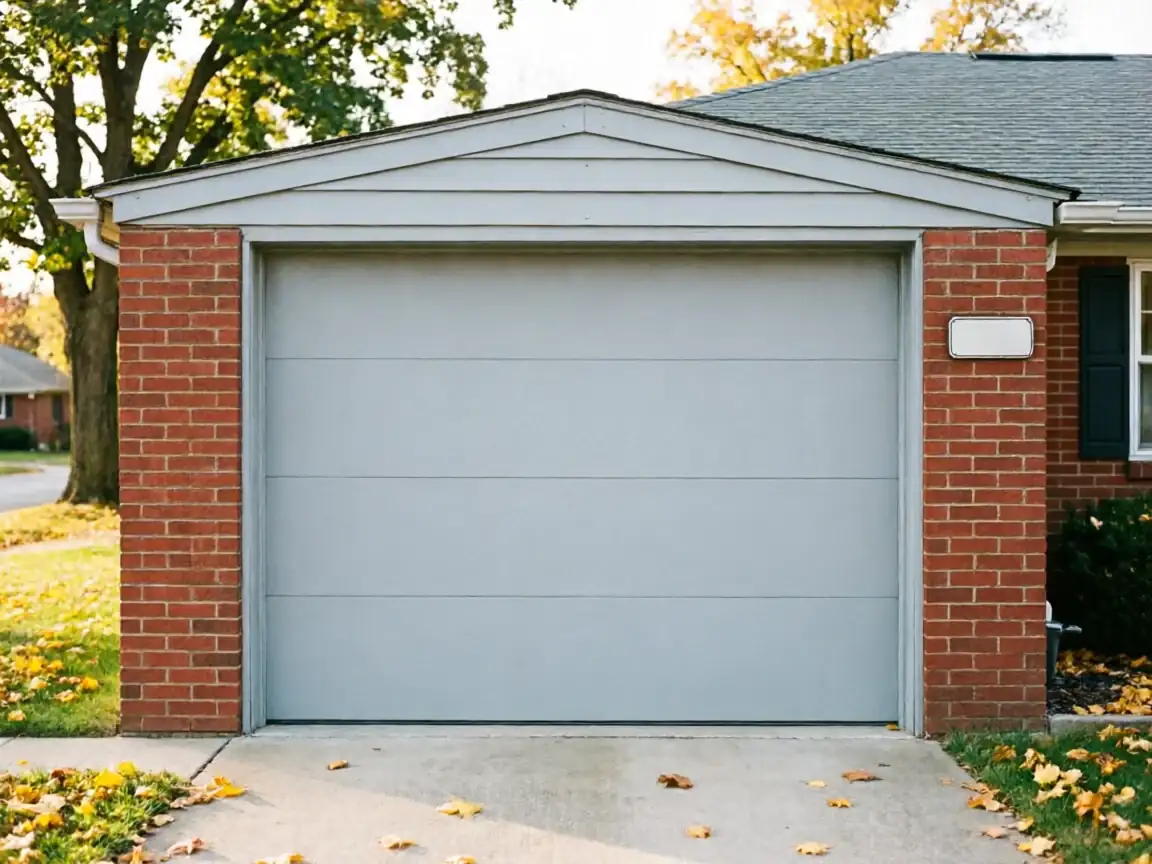
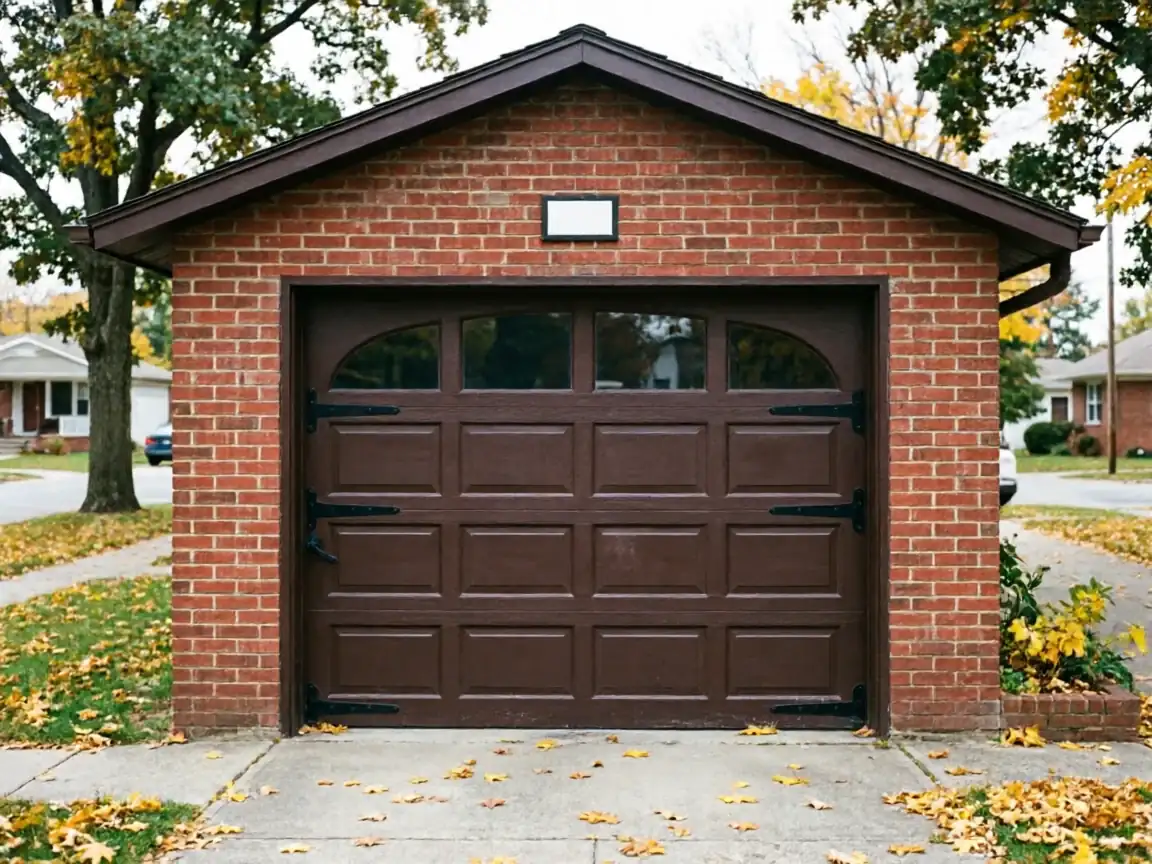
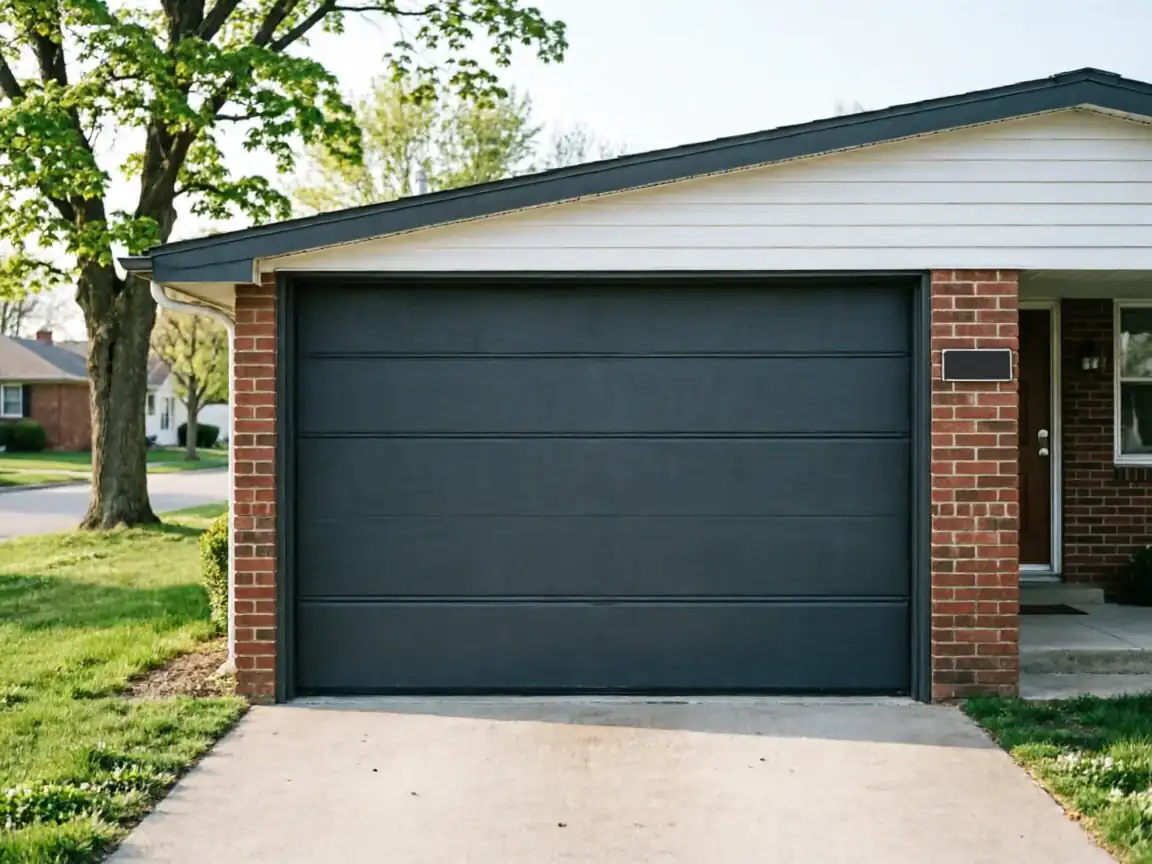
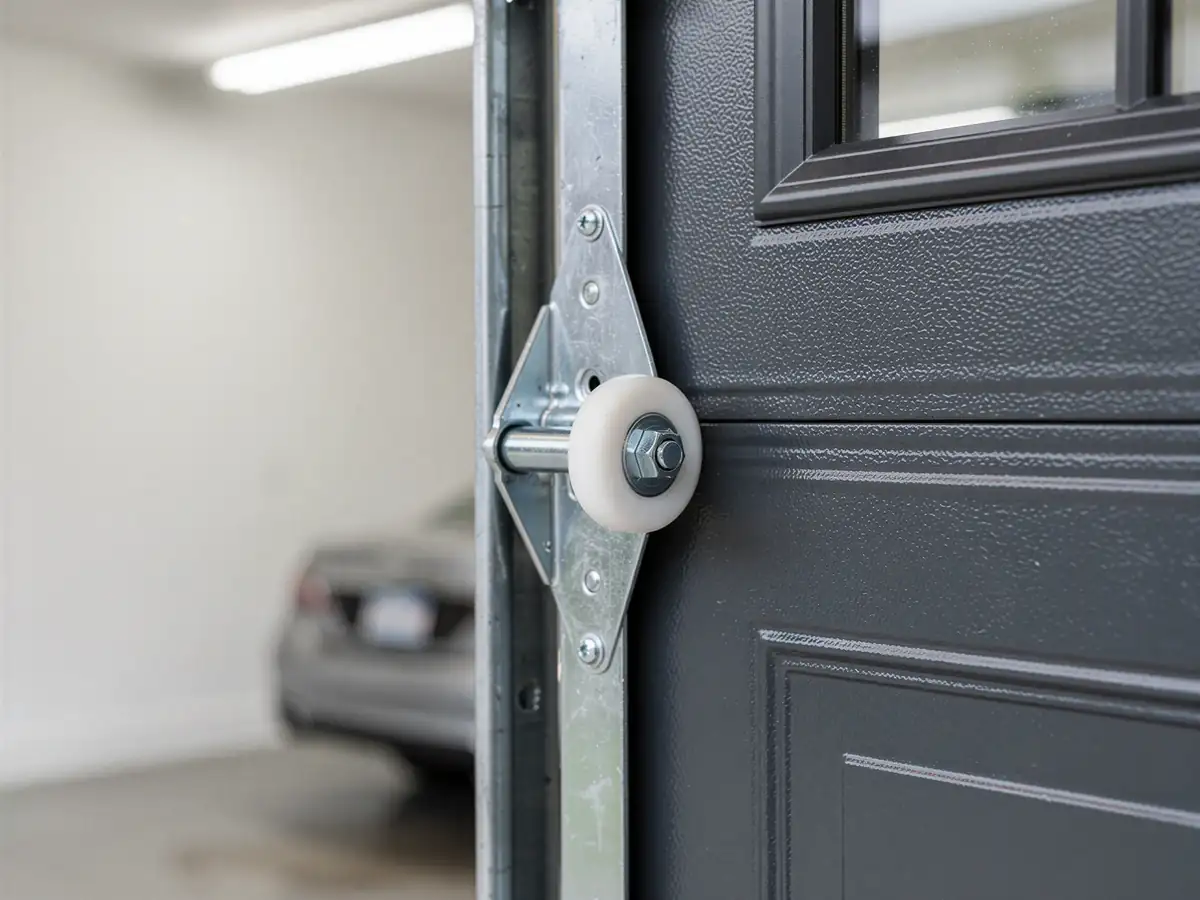
Most garage doors in Bushnell went up around 1951, when the standard setup was a steel panel door hung on narrow-gauge steel track with plain steel rollers - no nylon, no sealed bearing, just a stem riding bare metal. These doors are usually single-car width, built heavy, and still structurally sound even seventy-plus years in. The track width on these older installs is often tighter than what a big-box roller kit assumes, so a roller replacement here means matching the stem length and wheel diameter to track that was never standardized the way post-1980 track is.
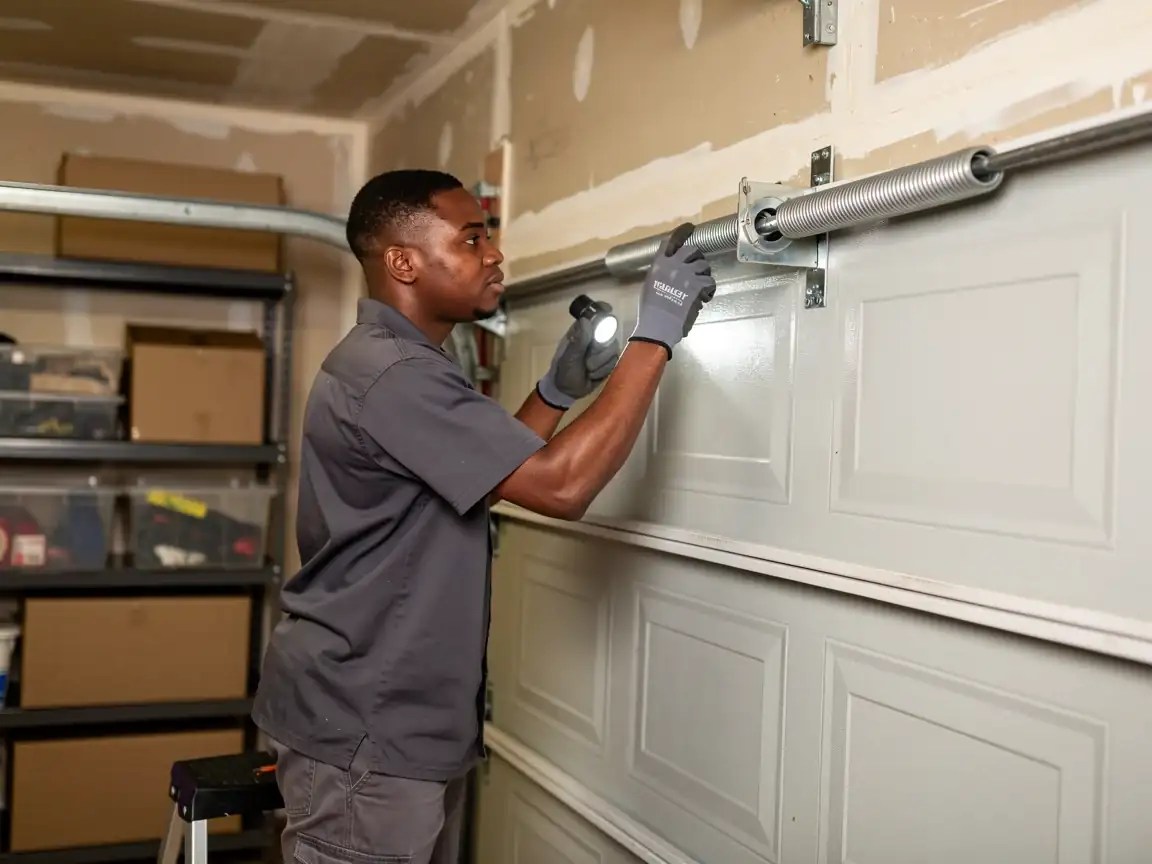
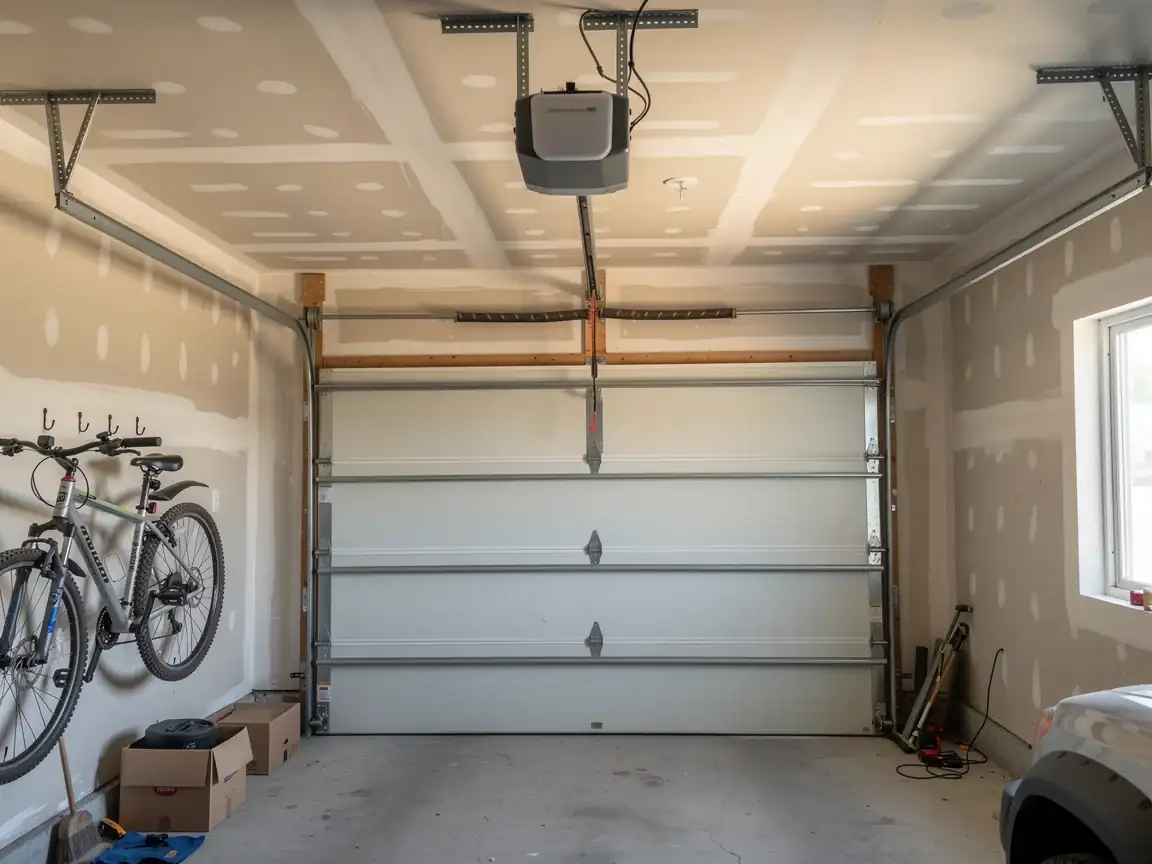
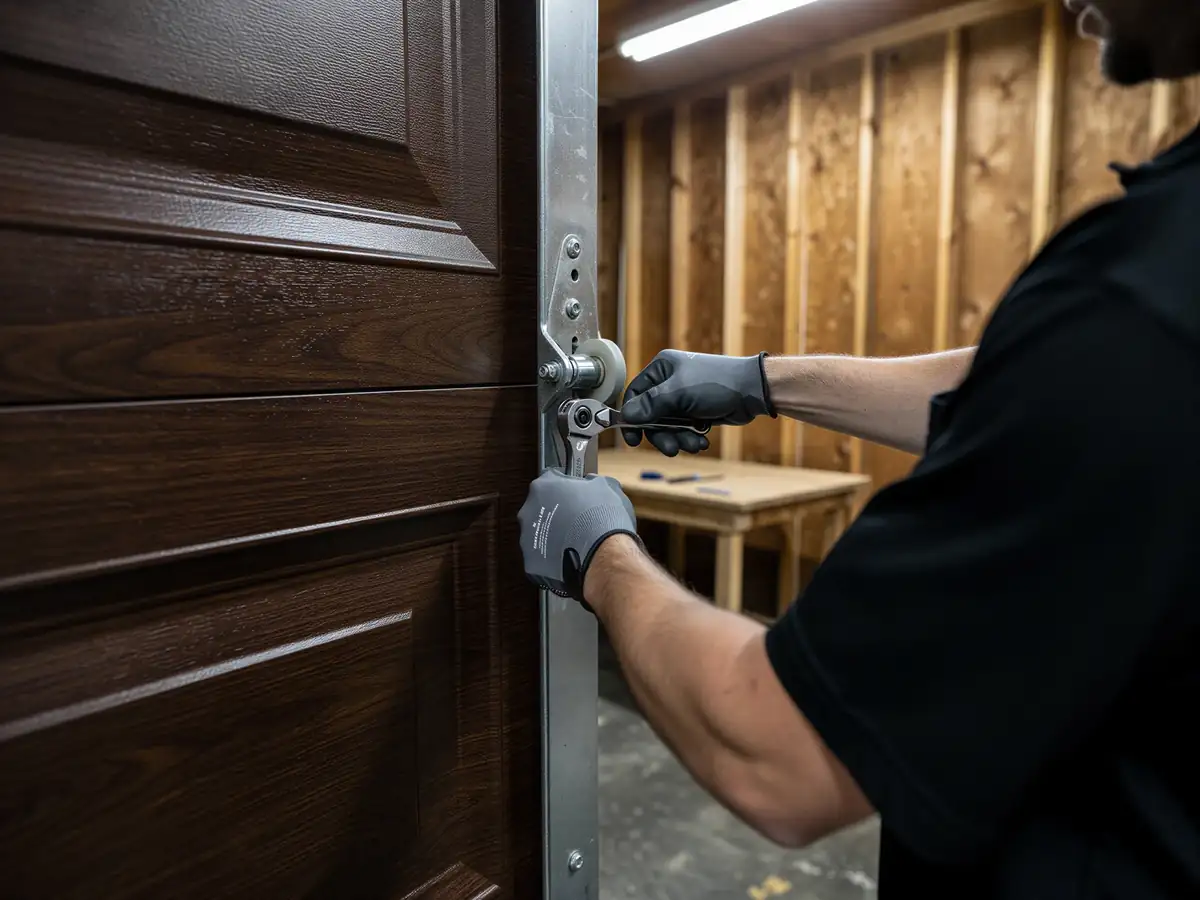
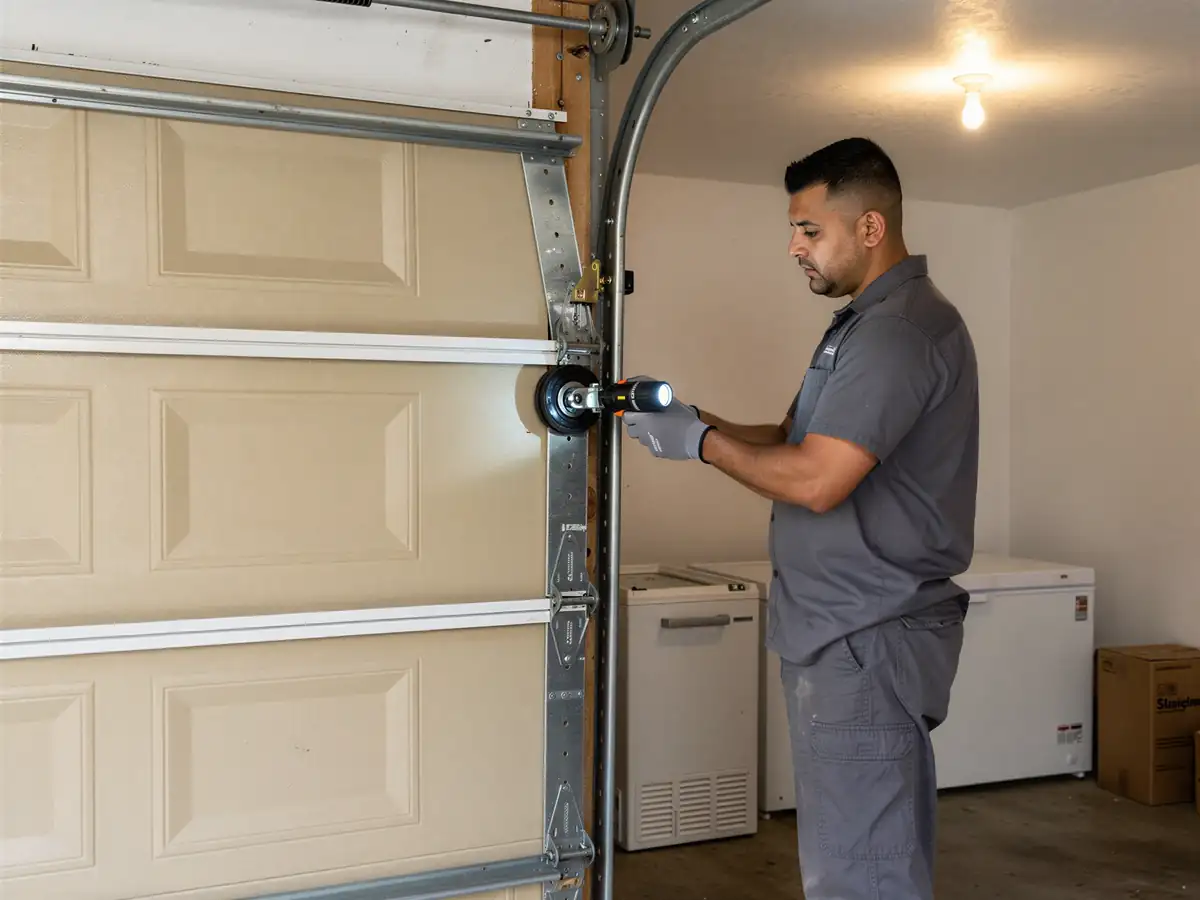
The job itself is straightforward once the right part is in hand: disconnect the opener, support the door, pull the old rollers out of the track one at a a time (bottom brackets need care since the cable's under tension), and set new rollers in. On a door this old we also check the track mounting brackets, which on a 1951 install are often lag-bolted directly into framing that's shifted slightly over seven decades - sometimes that's the actual source of the binding, not the roller at all.
We do this work traveling from Macomb, about 11 miles out, so we bring the roller stock with us rather than guessing and making a second trip.
What Can Go Wrong
Steel rollers on original track wear two ways: the wheel surface flat-spots from decades of the same contact point, or the stem wears loose in the bracket and the roller starts walking sideways in the track. Either way you get the grinding, jumping sound instead of a smooth roll. On a door this old, we also see rollers that were already replaced once with a mismatched size - a slightly oversized wheel binds in narrow original track, which looks like a roller problem but is really a fit problem.
The other failure mode on these older setups is the track itself flaring where the brackets have loosened. New rollers dropped into flared track will wear out again within a year or two, so replacing the roller without checking the track first just delays the same call.
One limitation worth saying plainly: if the track on a door this age is rusted through or bent rather than just worn, roller replacement alone won't fix the noise or the binding - at that point you're looking at a track swap, and depending on the door's overall condition, sometimes a full door replacement makes more financial sense than patching a seventy-year-old track section by section.
What Causes It Around Here
Bushnell sits in a cold, moderate climate band with real winter swings
And steel rollers on unsealed stems don't like that. Cold contracts the metal slightly and dries out whatever lubrication was last applied, so the wheel starts riding rougher right when the opener's working hardest to pull a cold, stiff door. We see the complaint spike through the coldest stretch of winter for exactly that reason.
Add to that the age of the housing stock
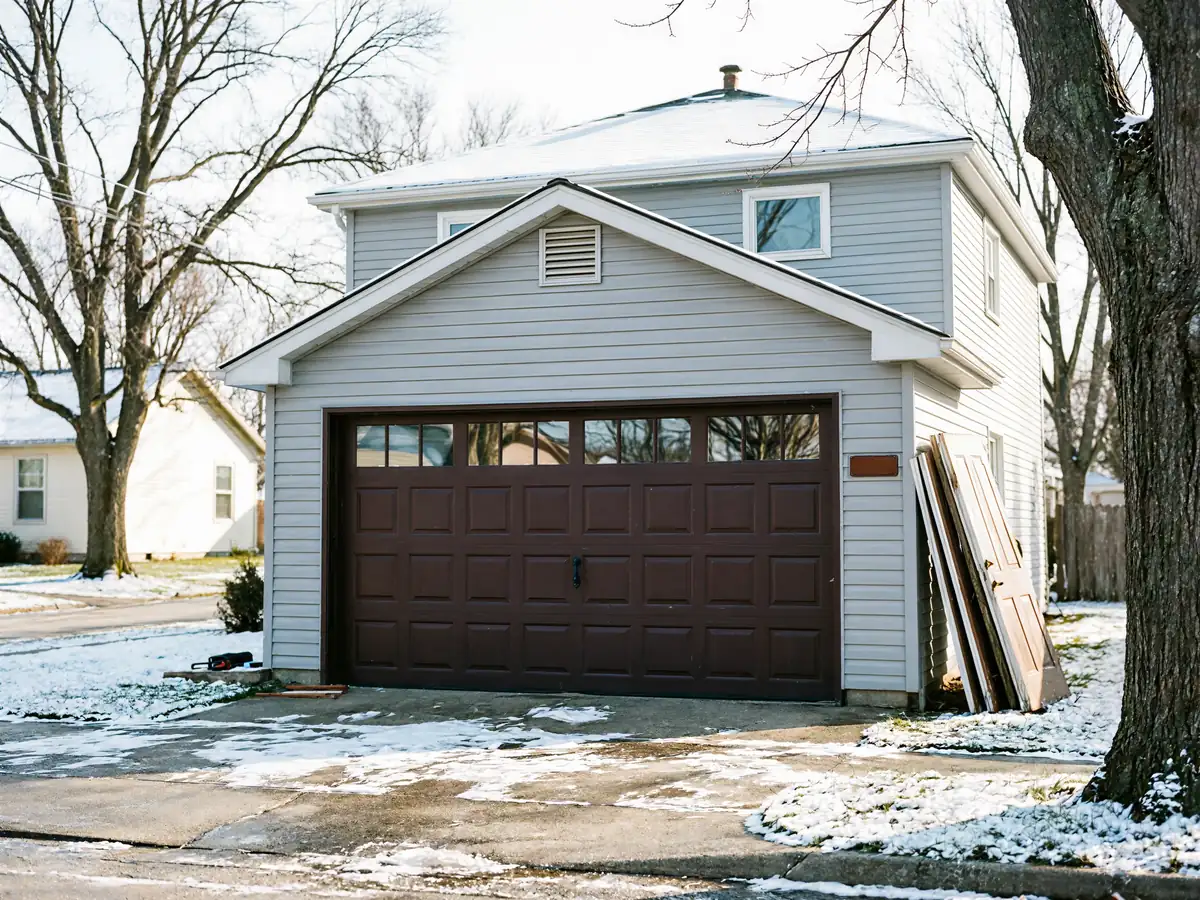
A median build year of 1951 means a lot of these doors have never had the track re-set since it was installed, and lag bolts into old framing loosen gradually rather than failing all at once. A roller that's binding slightly for months finally seizes or snaps a stem during a hard cold spell, and that's the call we get.
This isn't a Bushnell-specific defect
It's what happens to original hardware of this era anywhere it's installed - but it does mean that in a town where most garage doors share that same 1951 vintage, roller wear shows up on a predictable schedule rather than as a random fluke.
Booking a Visit
We cover Bushnell from Macomb, about 11 miles away, and we bring roller stock sized for older narrow track as well as the standard sizes current doors use. If you've got a steel door from the early 1950s that's grinding, hopping, or dragging in one spot of the track, tell us the door's rough age when you call - it helps us bring the right roller size the first trip instead of a second one.
See our service area page for how we cover Bushnell and the towns around it, or check the Macomb roller replacement page for the broader rundown of what this repair involves across the whole area we serve.