What the Fix Involves
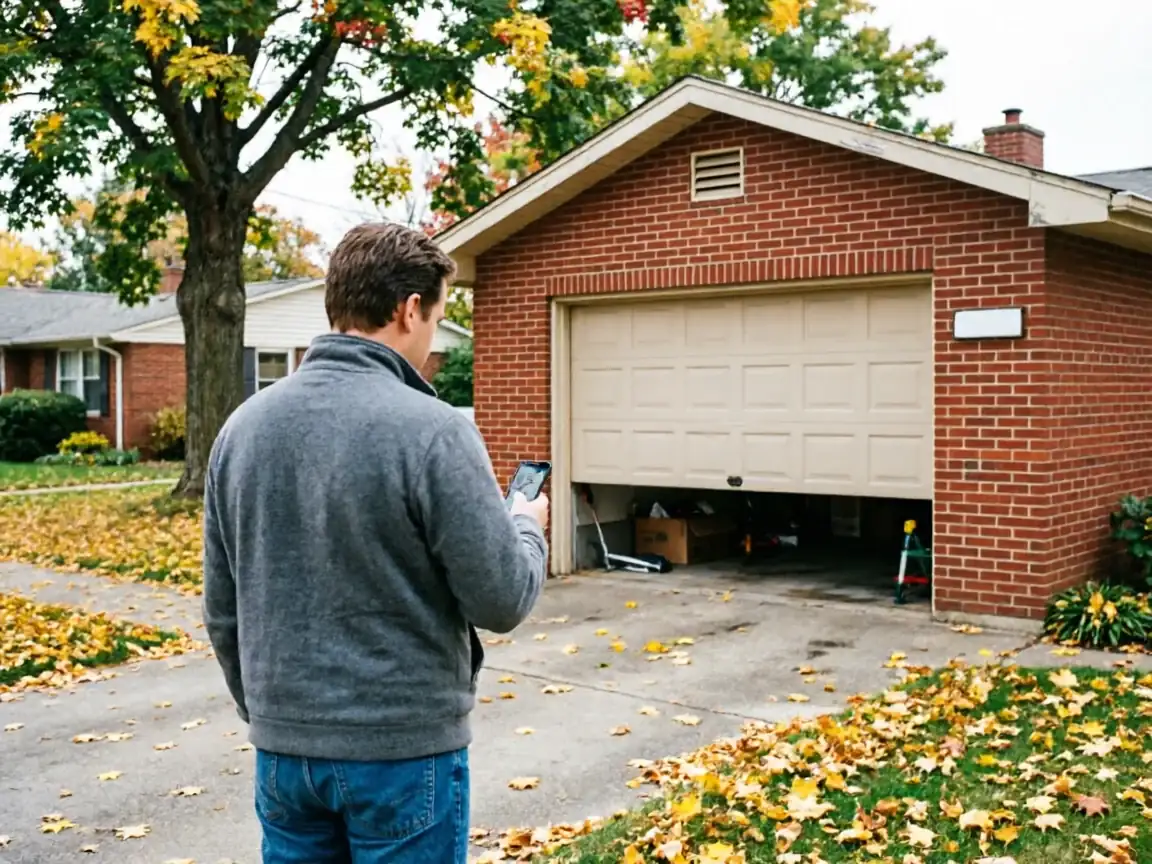
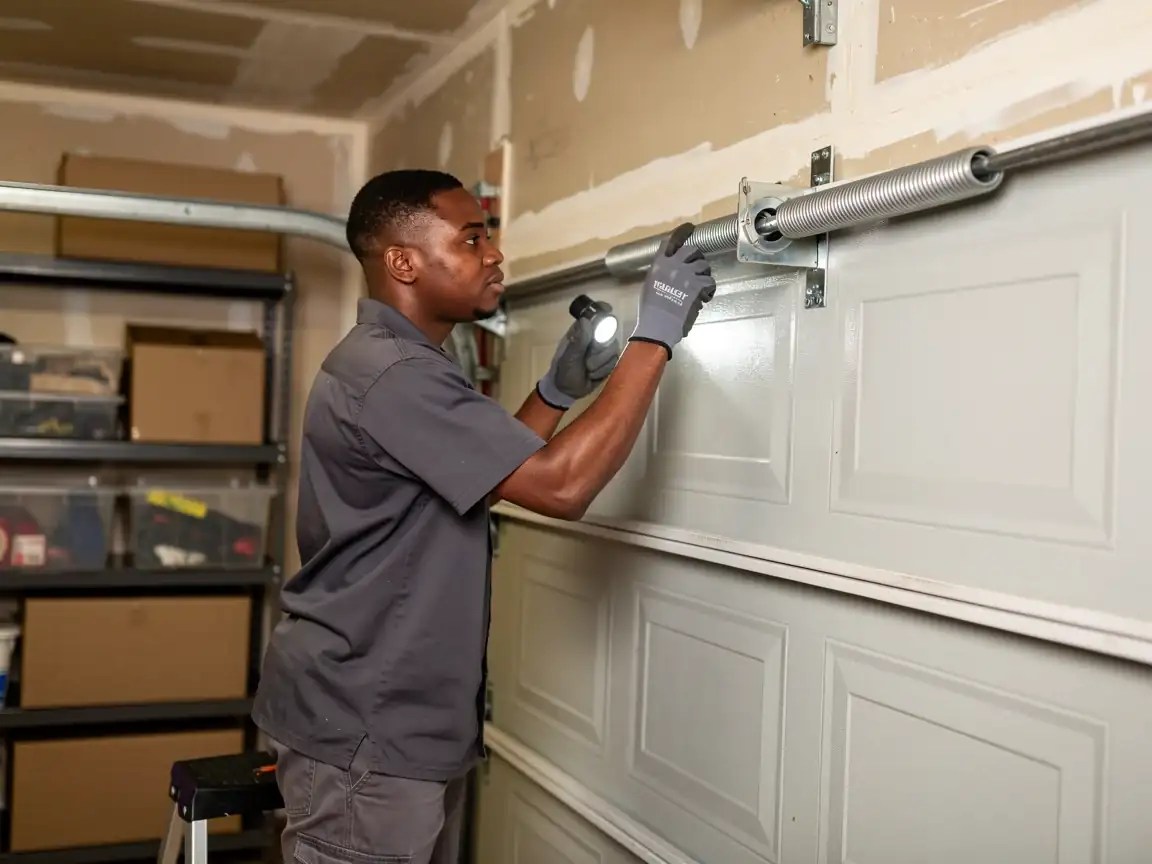
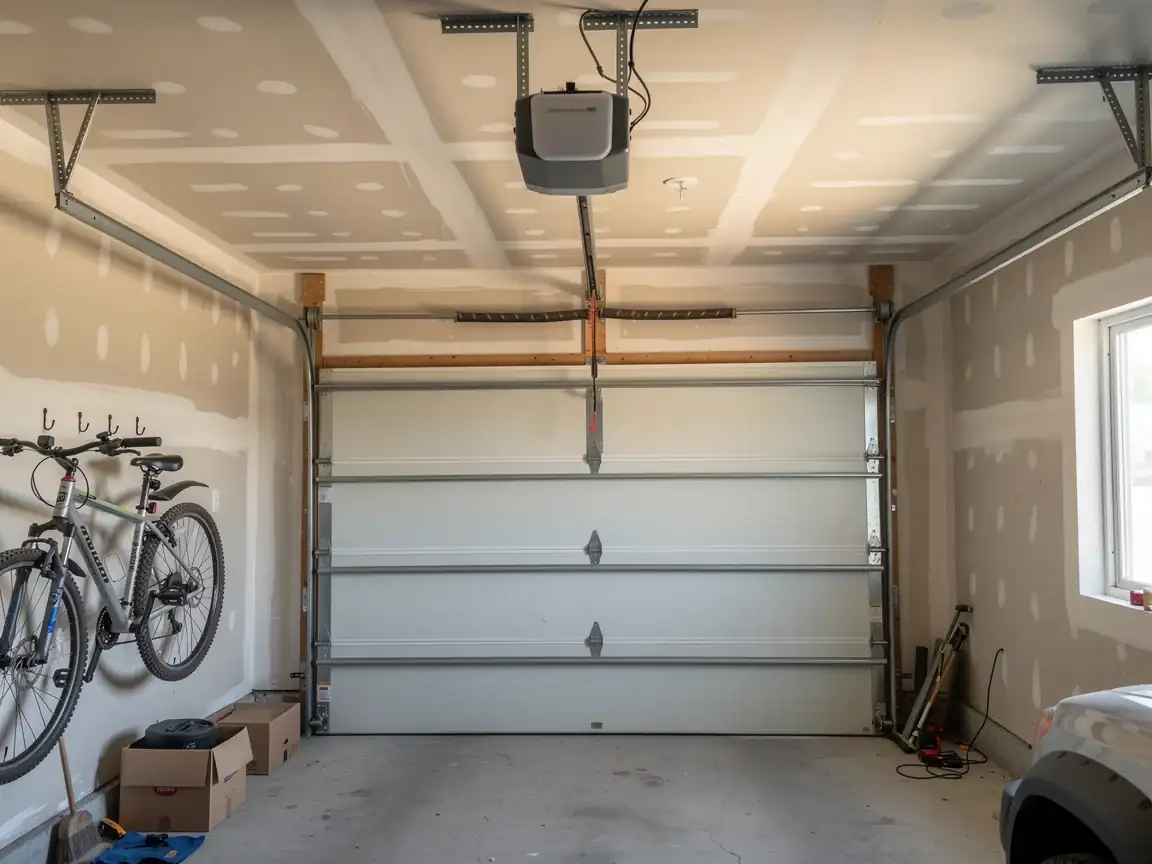
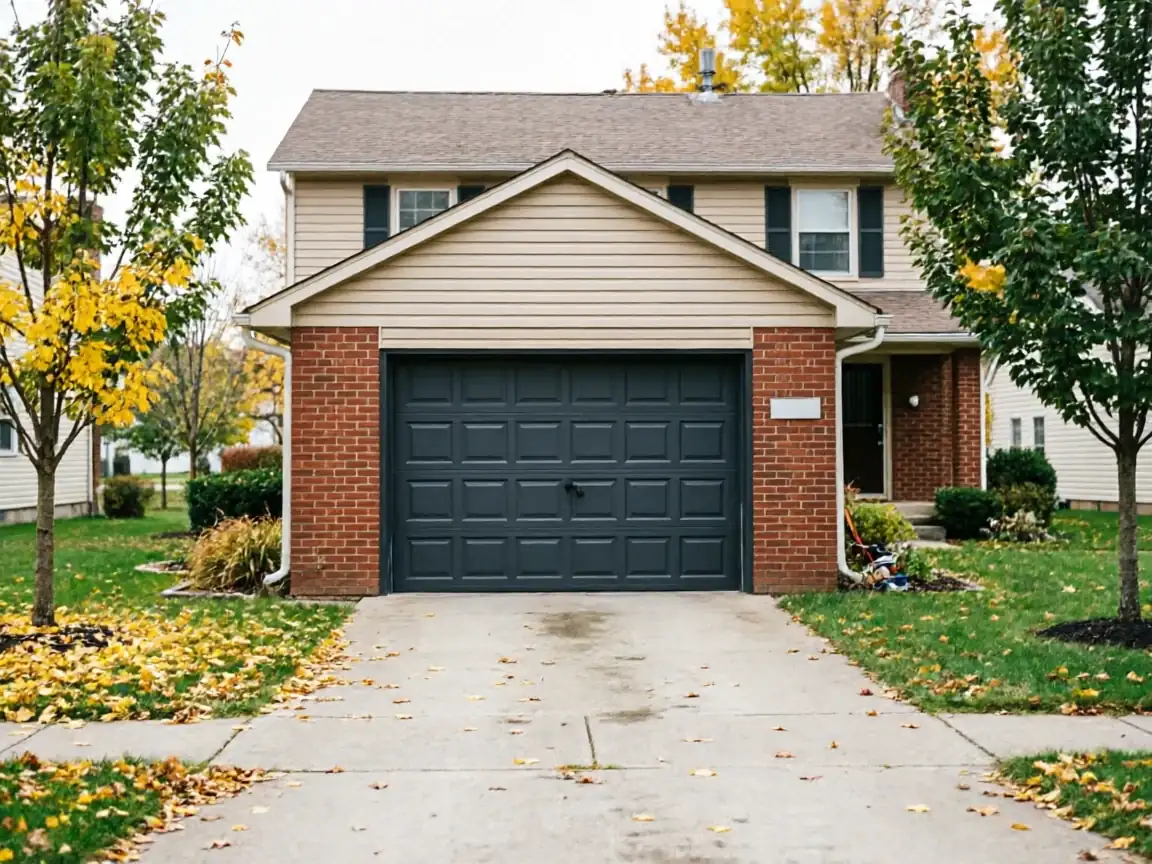
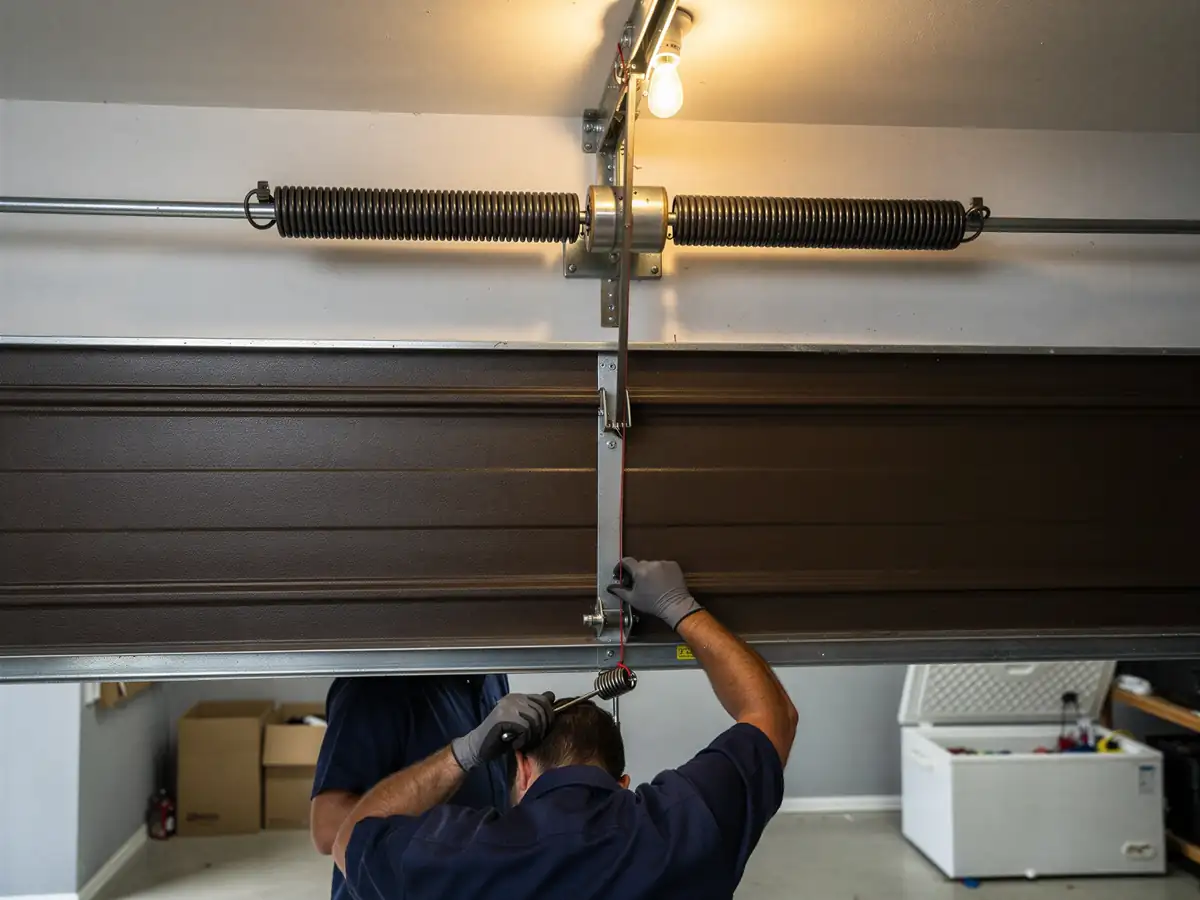
Most houses in Bushnell went up around 1951, which puts the typical garage here squarely in the postwar build-out - a single bay, often with a door and hardware that's been swapped out once or twice since, but still sitting on the original jamb and track spacing from that era. A spring repair on a house like that usually means pulling the old torsion spring off the header bracket (or, on the ones that never got upgraded, dealing with a pair of extension springs over the side rails) and matching wire size and wind to the door's actual weight, not just whatever's on the shelf.
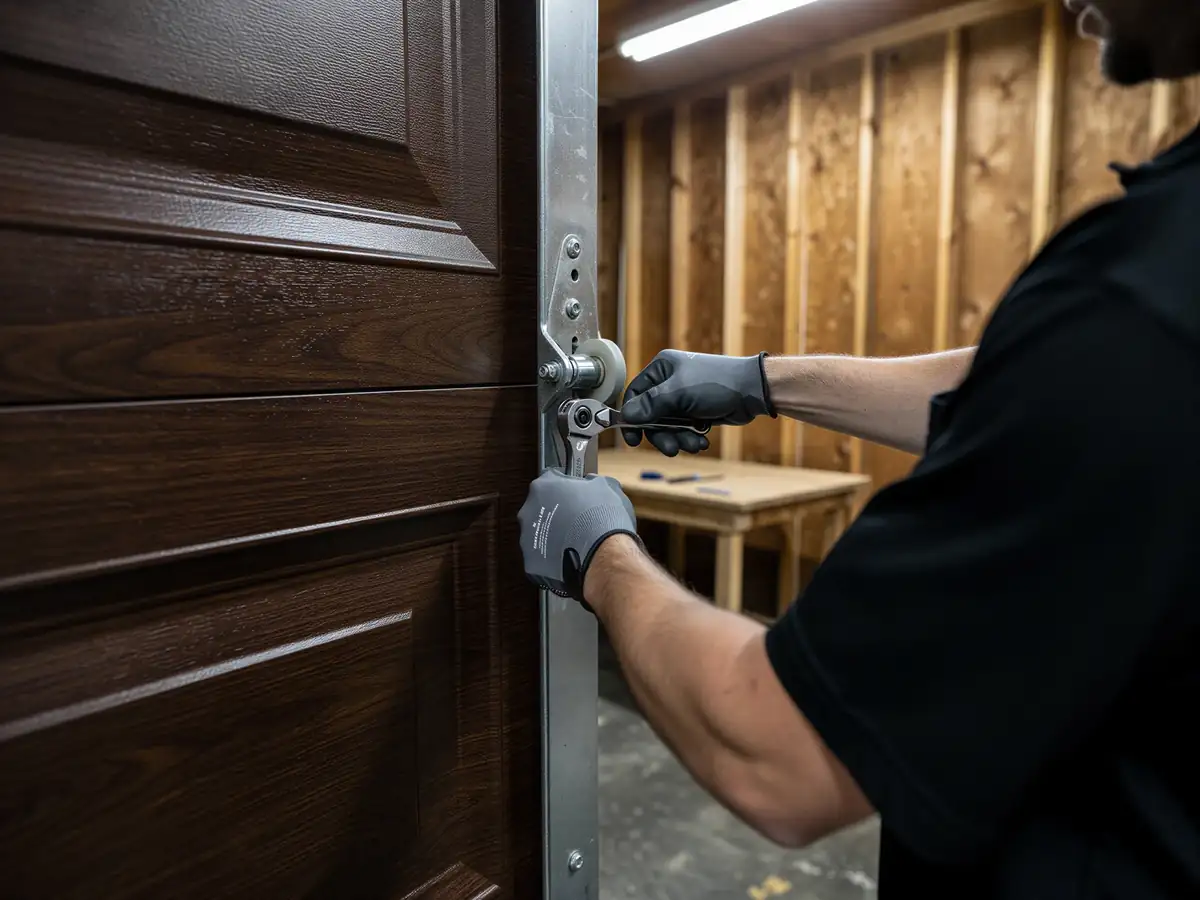
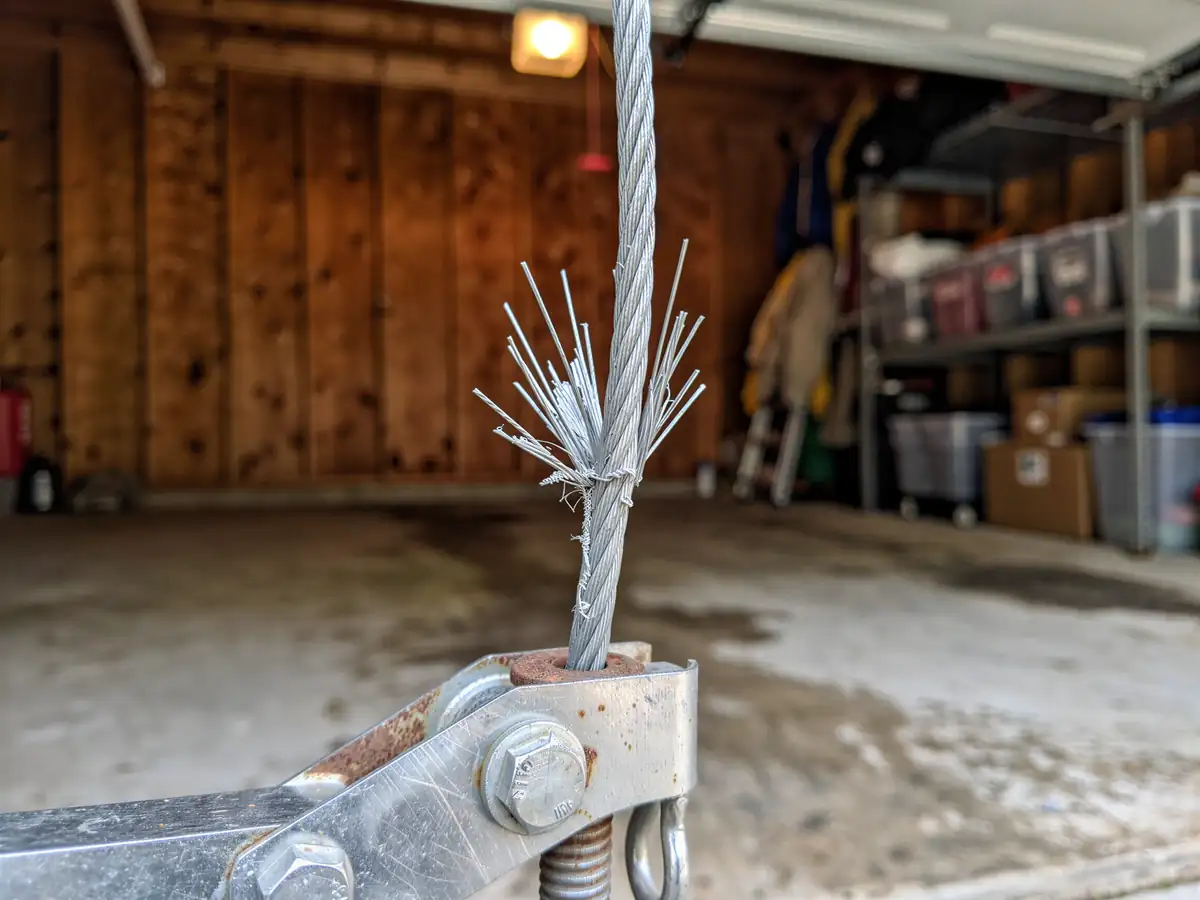
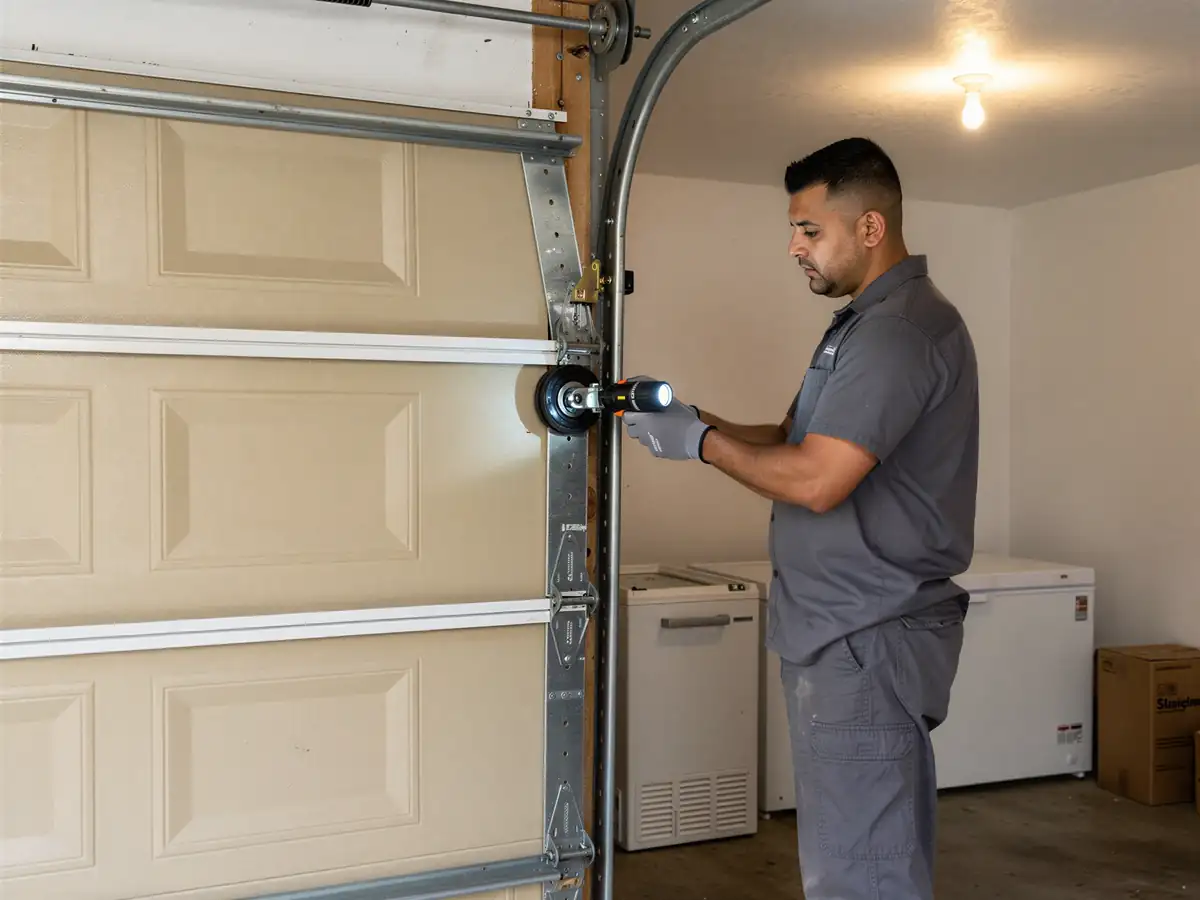
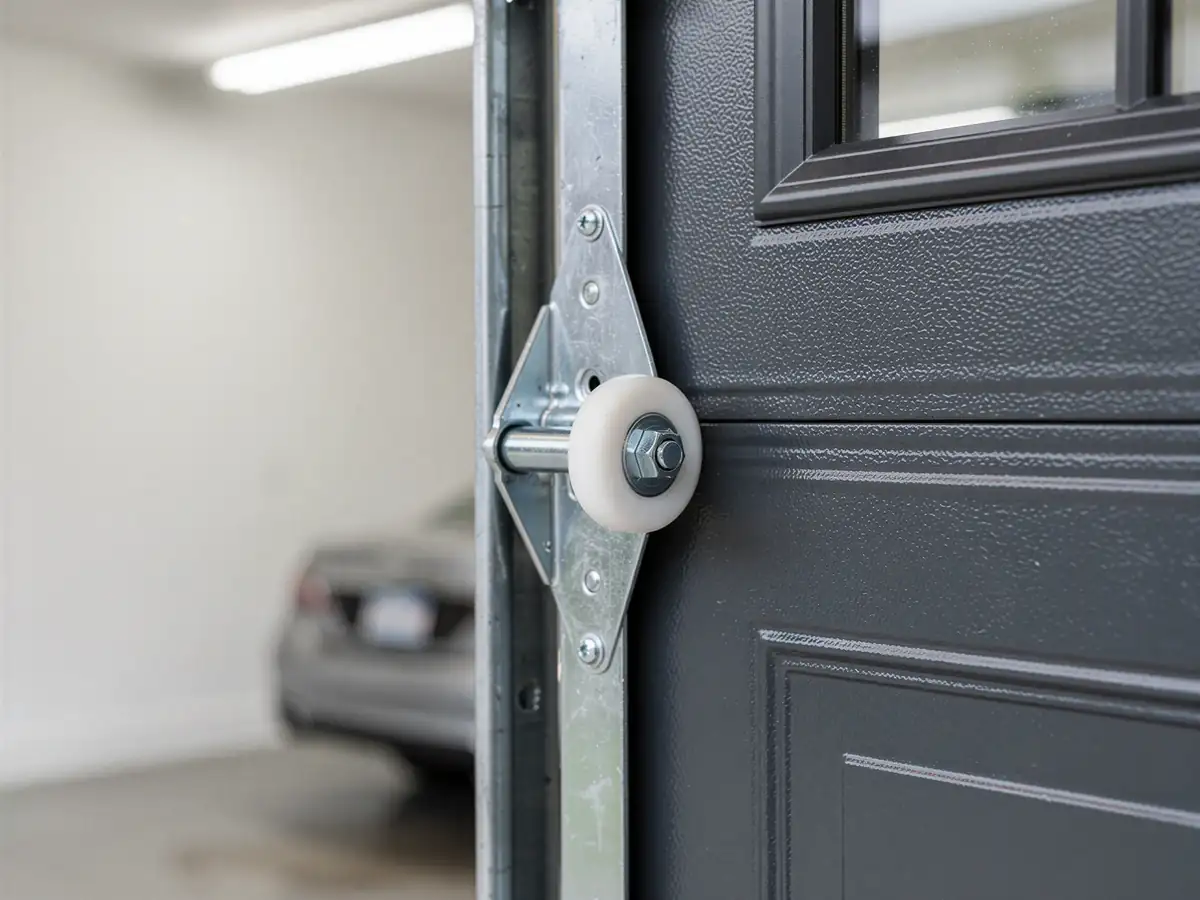
We measure the door, check the drums and the shaft for wear, and replace the spring with one rated for that specific door rather than a generic stock size - a mismatch there is one of the most common reasons a "new" spring fails again within a year. We also check the cable condition and the end bearings while the spring is off, since on a door this age they're usually due anyway. One thing we won't do is sell you a spring job on a door whose track or panels are too far gone to make it worth it - sometimes the honest answer is that the spring is the cheap part of a bigger problem.
What Can Go Wrong
On houses built in the early 1950s, the spring itself often isn't the only thing showing its age. Torsion setups from that period sometimes used a single center spring instead of today's two-spring arrangement, which means more strain on one point and a harder, more dangerous failure when it lets go. Extension spring systems - common on garages that never got converted - rely on containment cables that are frequently missing entirely on older installs, which turns a snapped spring into a swinging hazard instead of a contained one.
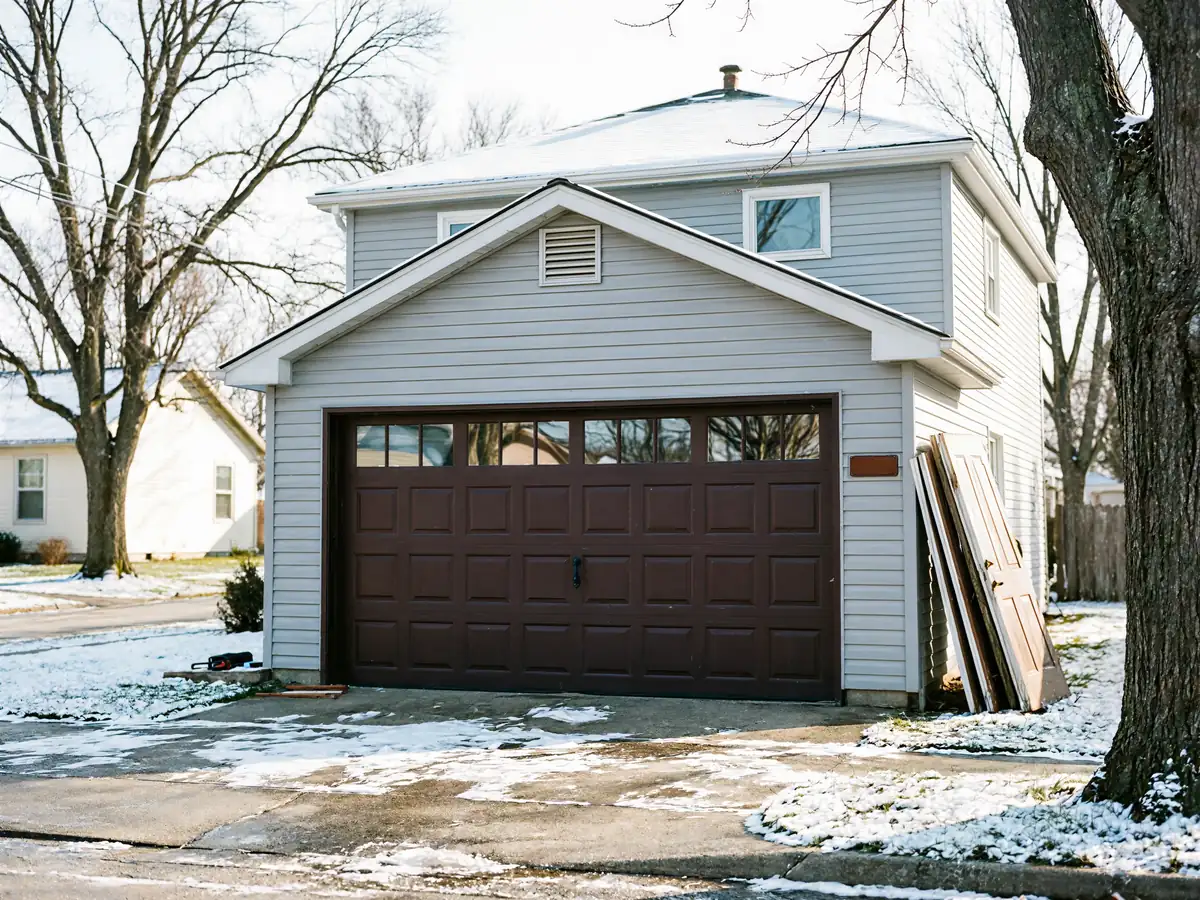
Cold-weather swings are part of this too. In a moderate-cold climate band, steel springs lose a little flex in a hard freeze, and a spring that's already fatigued from decades of cycling is more likely to snap on the first bitterly cold morning than on a mild one in October. We see this pattern most on doors that haven't had the spring touched since the house was built or last re-roofed. If your door is making a grinding or popping sound before it fully fails, that's usually the spring telling you it's close, not a lubrication issue.
What Causes It Around Here
Bushnell's 1,177 households sit in a service area where most of the housing stock predates 1960
And that matters for springs specifically because original hardware from that period was built to a lower cycle-count standard than anything sold today. A spring installed when the house was new, or even one replaced once since, has likely seen 40 to 70 years of winter temperature swings - more stress-cycling than a spring in a newer build two counties over would ever see.
- 1,177 households
- 70 years
Income and household size aren't why springs fail
But they do shape what people ask for: at a median household income of $55,368, most Bushnell calls we'd take are for a direct spring swap rather than a full door replacement, because the door and track underneath are usually still sound even when the spring isn't. That's consistent with what we see across the wider area, where 2,638 of the owner-occupied houses are old enough that the spring is the part wearing out first, not the door itself.
- $55,368 median household income
Booking a Visit
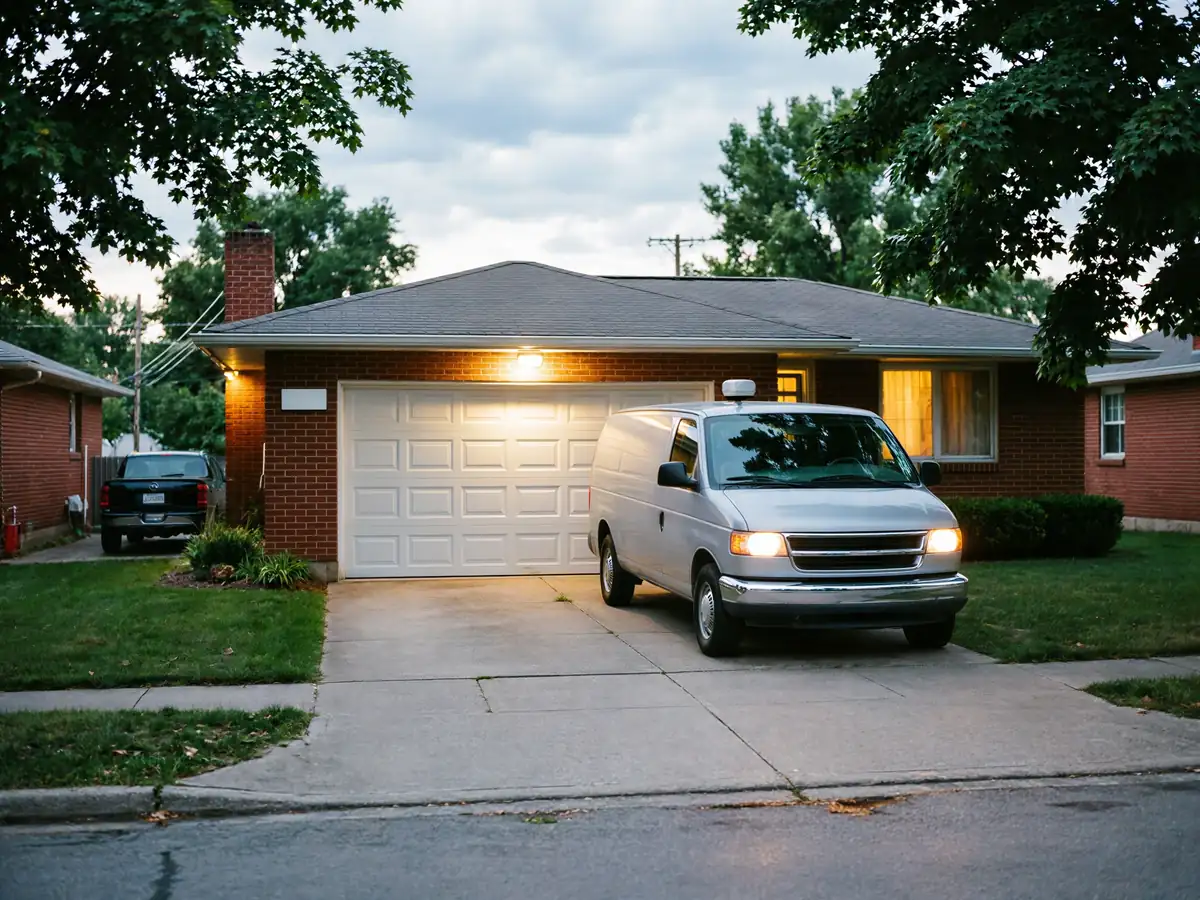
We run out of Macomb, and Bushnell is an 11-mile drive from there, so a spring call here goes on the same route as the rest of our service area rather than a separate dispatch. There's no local branch or depot in Bushnell itself - we come from Macomb for every job, which is worth knowing if you're expecting a same-block technician. What we can tell you is that we'll bring the right spring sizes for the older torsion and extension setups common on houses from this build era, rather than showing up with one generic size and hoping it fits.
If you're not sure whether what you're hearing is a spring problem or something with the opener, describe the sound and when it happens - a bang followed by the door refusing to open is almost always the spring, while a struggling motor with the door moving slow is usually something else. You can see what else we cover for the area on our Bushnell service area page, or check the main spring repair page for Macomb for the broader rundown of how we approach this repair.