What the Fix Involves
Bushnell is a small town - about 1,177 households total, which is a fraction of the roughly 3,534 across the whole area we cover out of Macomb. That size matters more than it sounds. In a town this compact, the housing tends to cluster around the same building period, which means when one door type starts failing, we usually see the same fault show up two or three more times that same month.
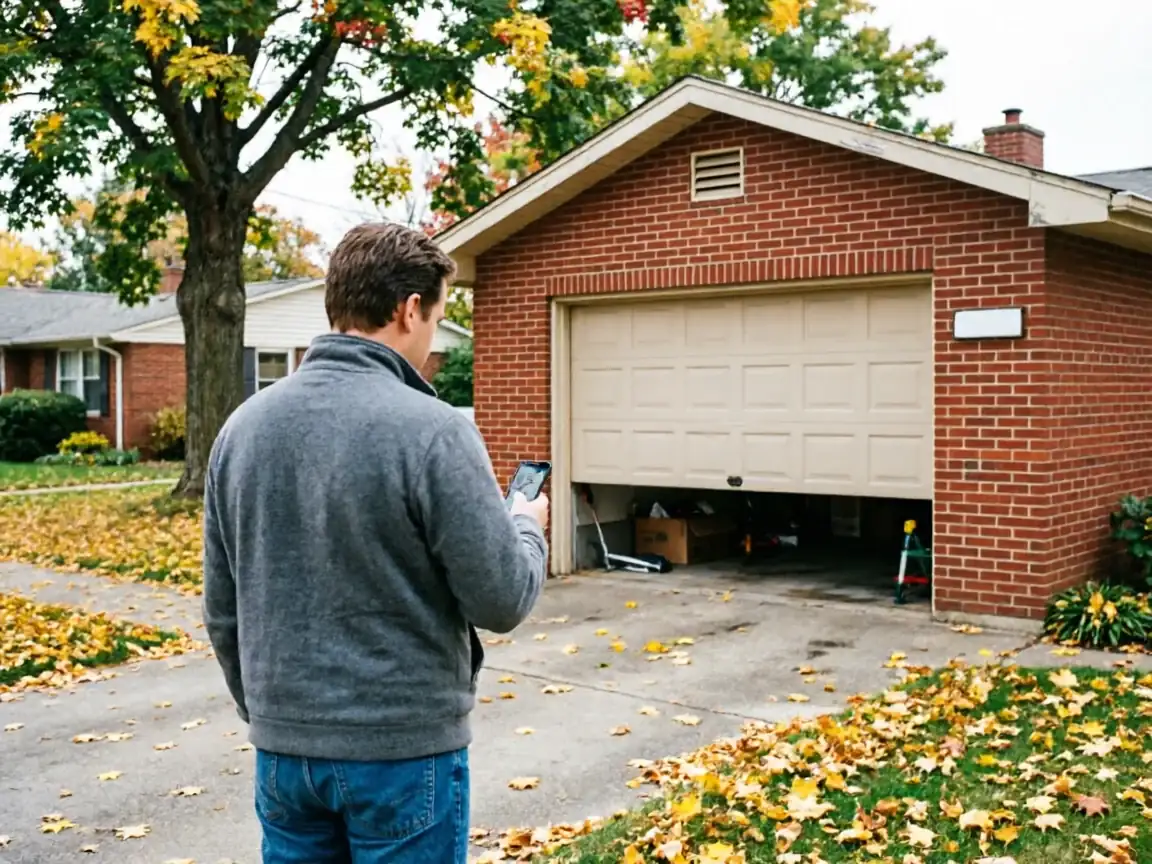
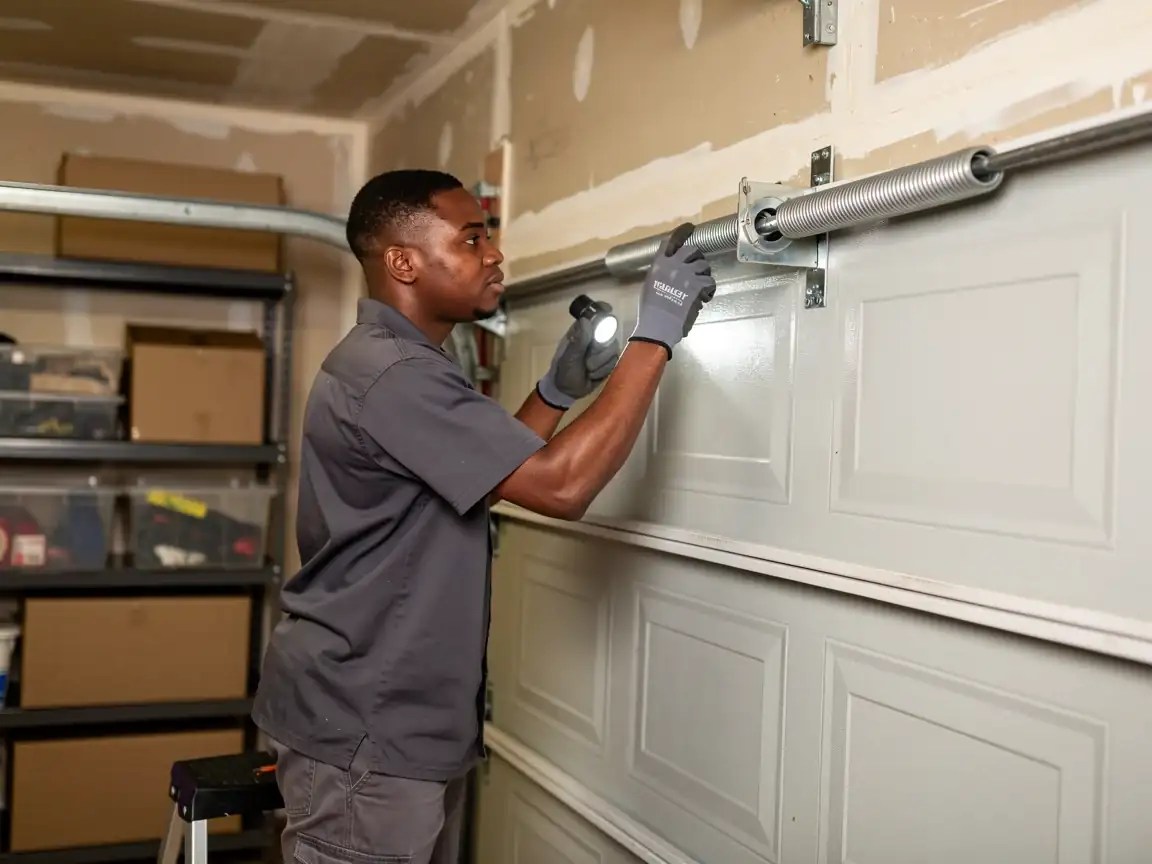
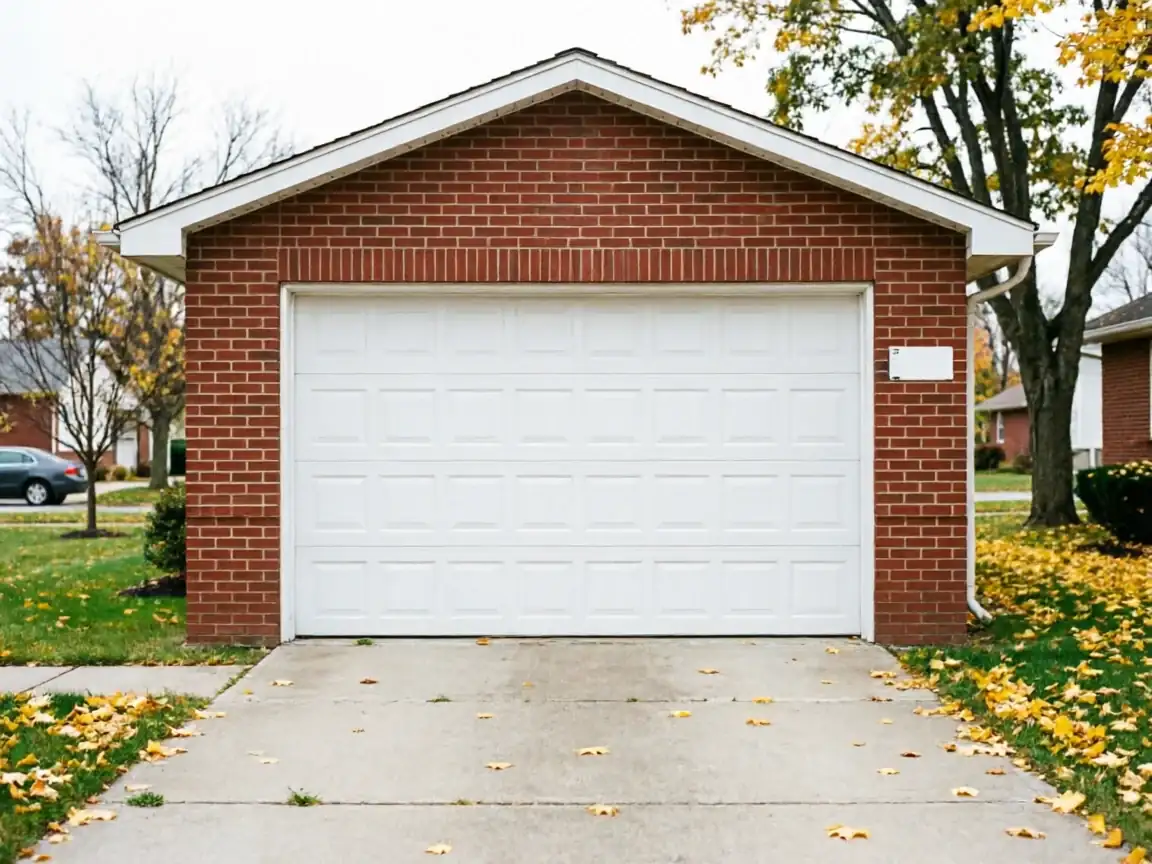
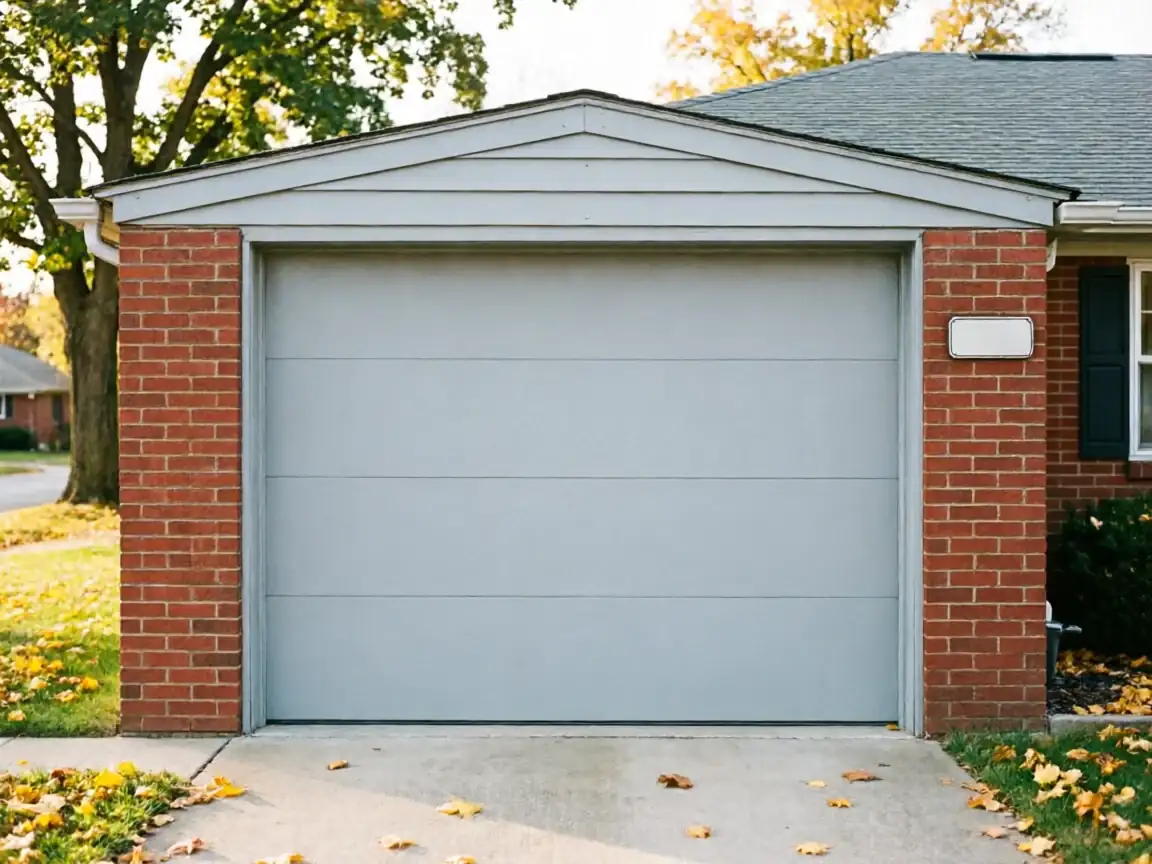
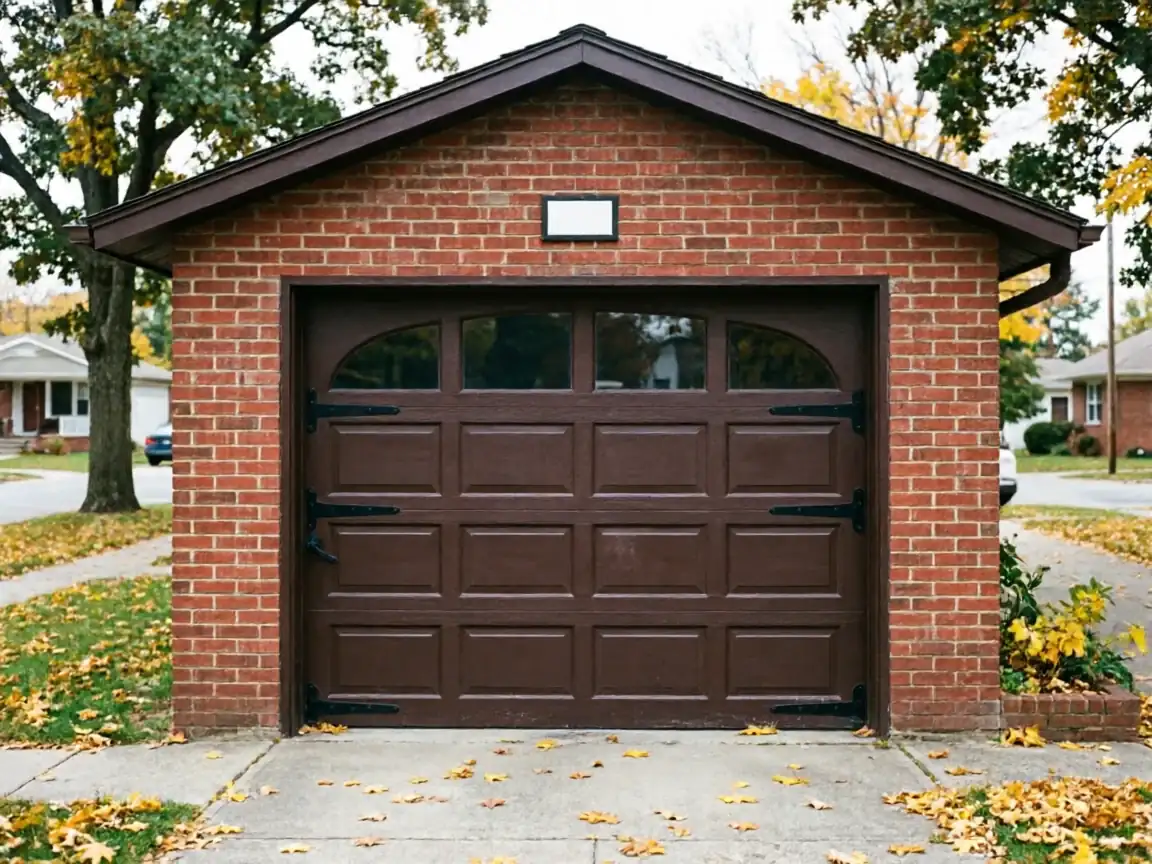
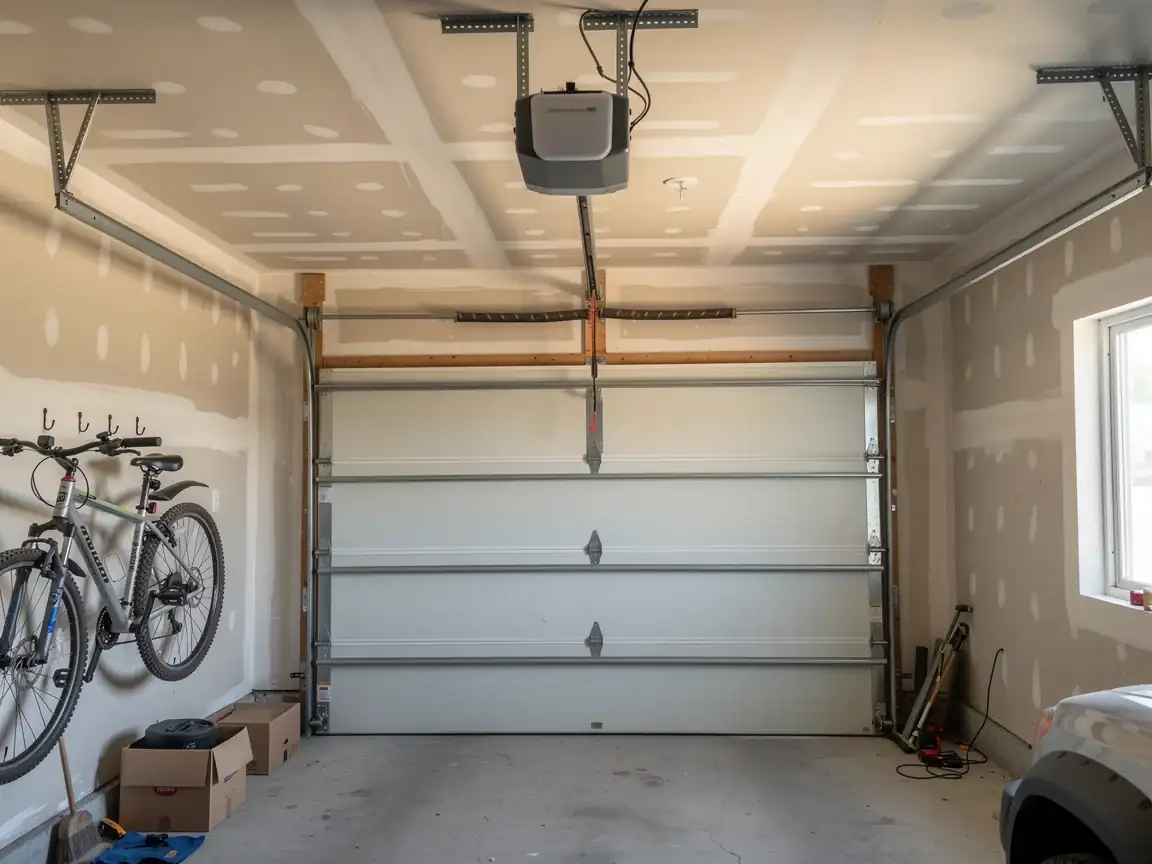
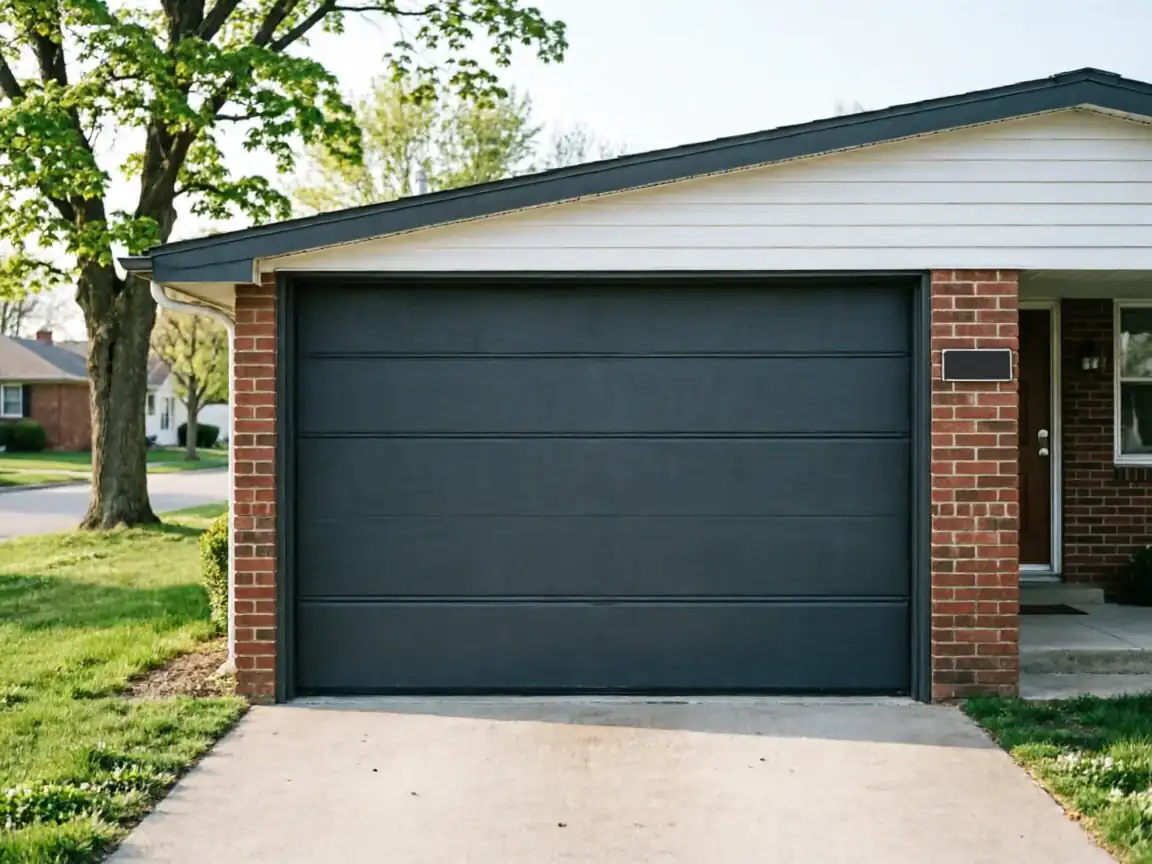
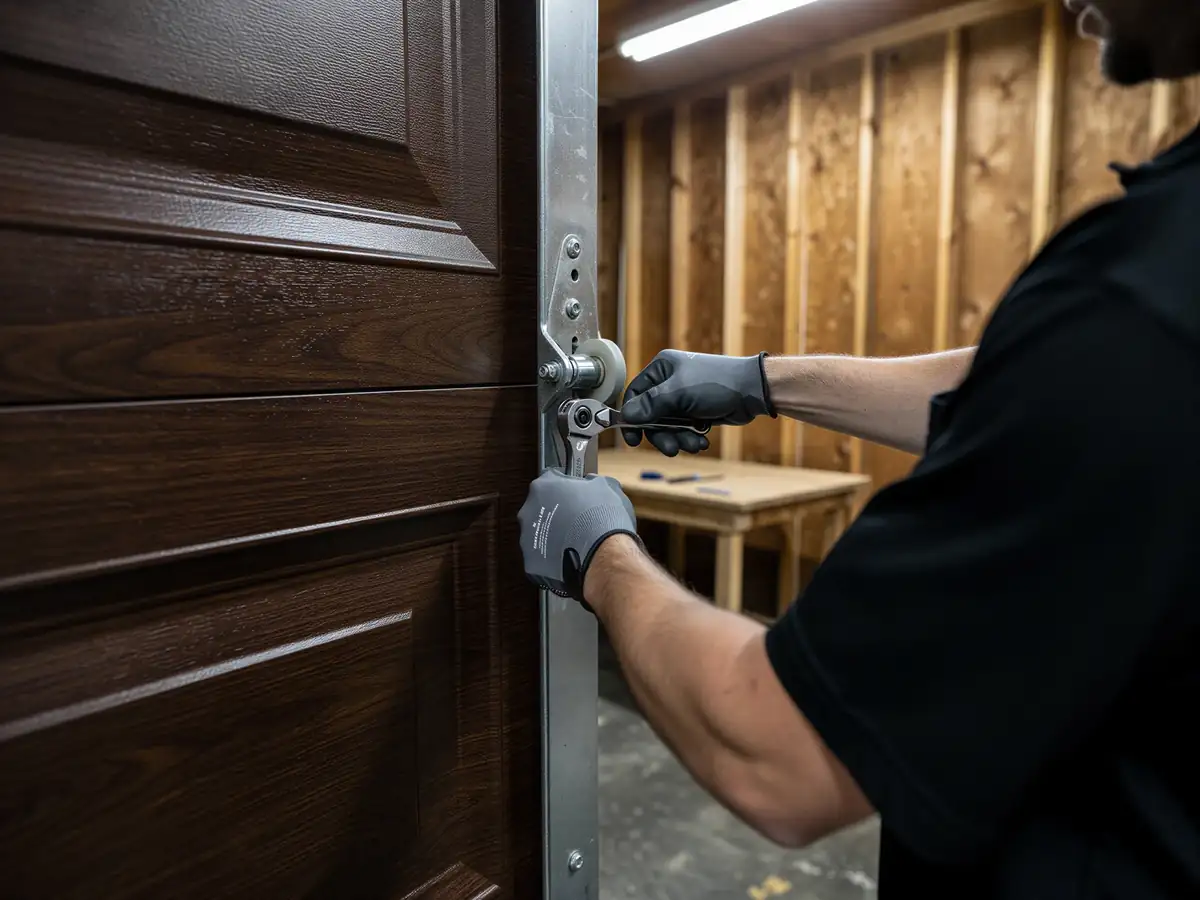
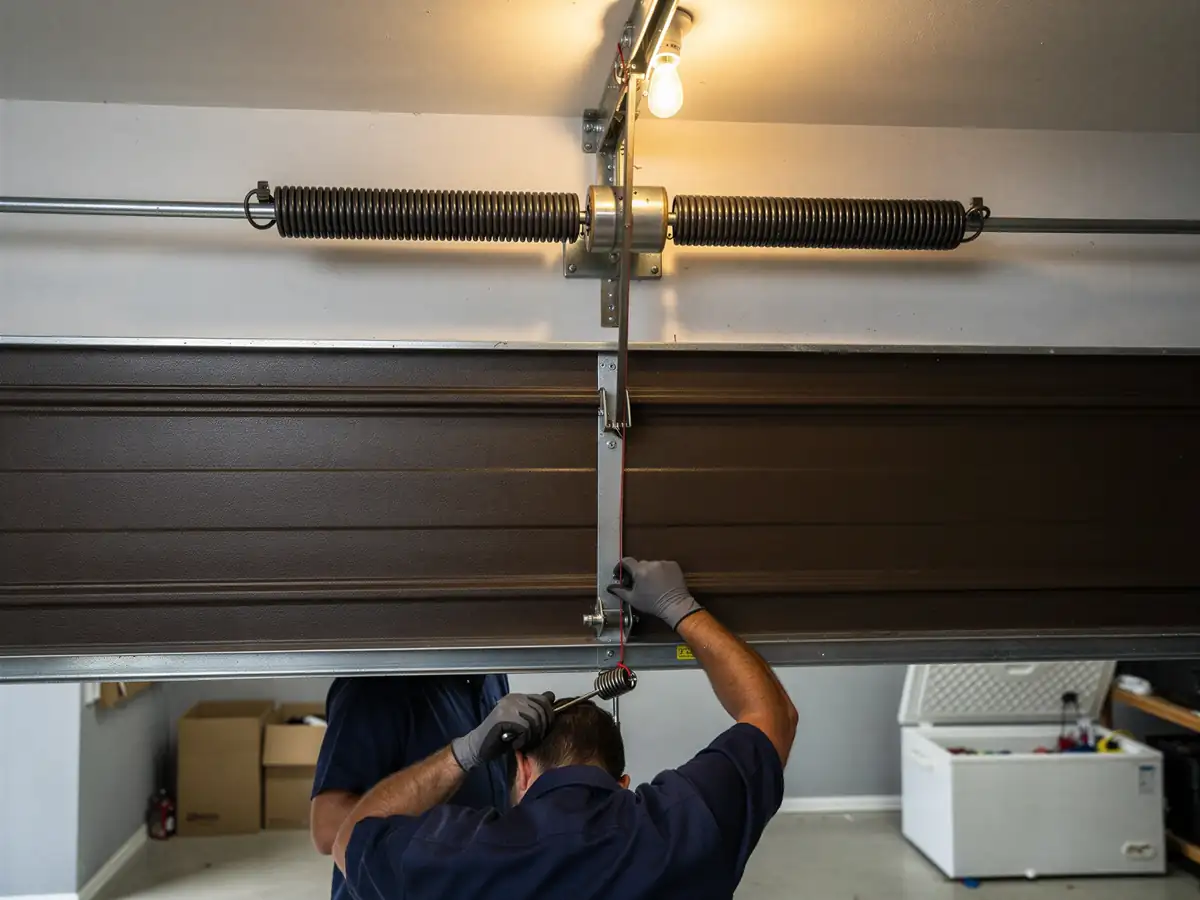
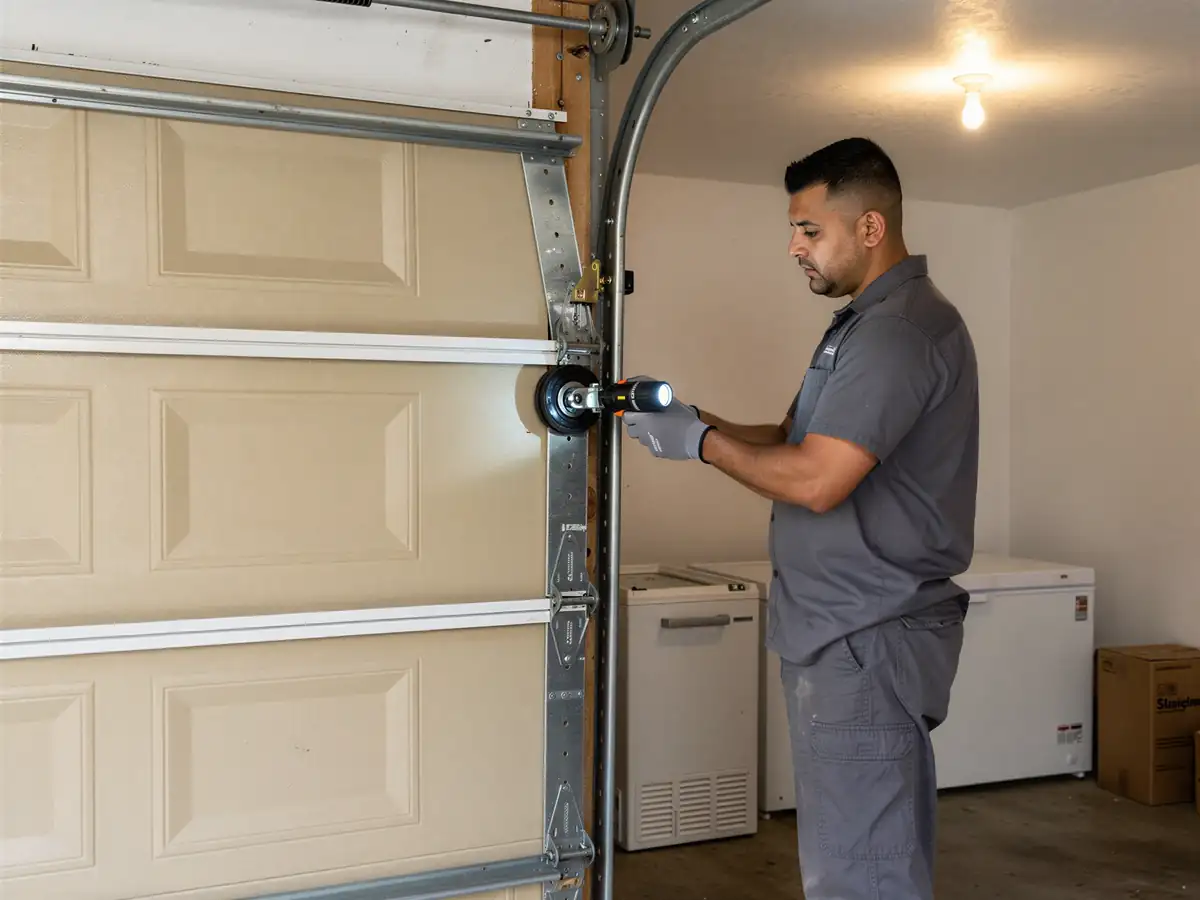
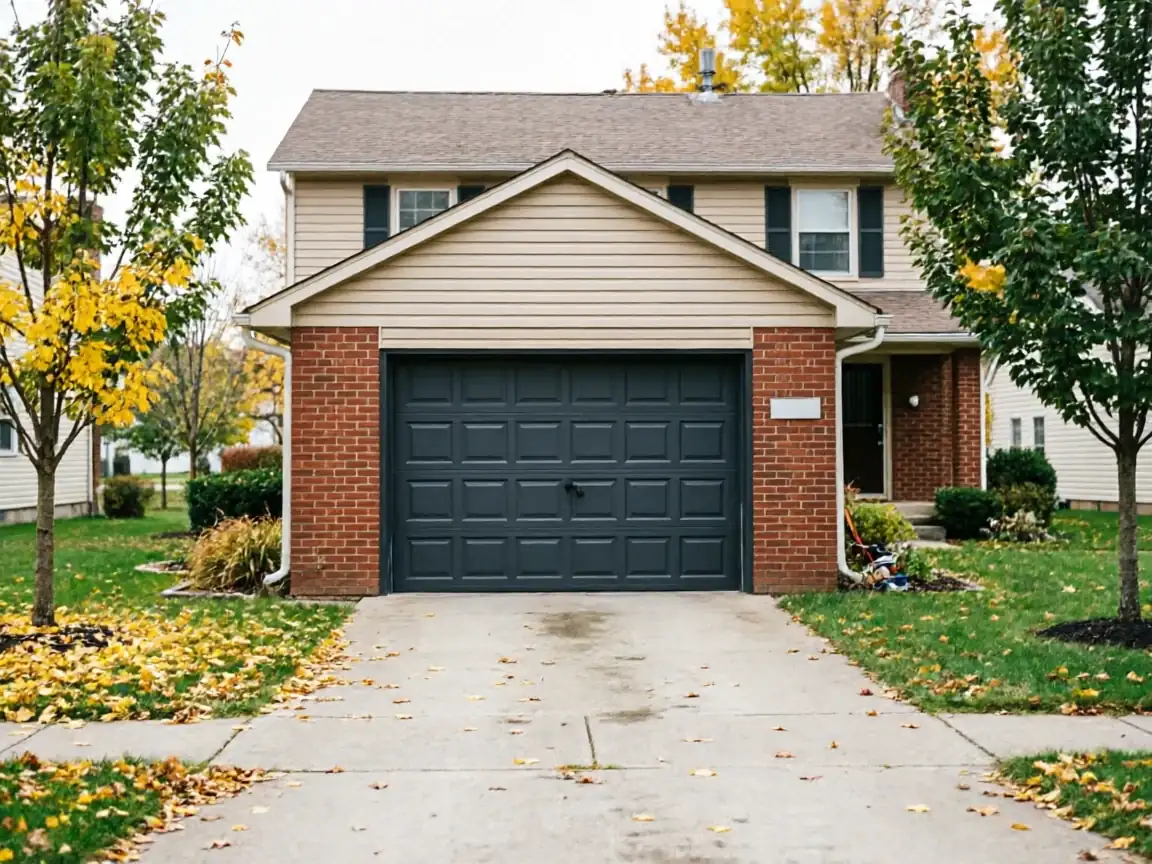
Here, that period is 1951. Most garages in Bushnell were built with that era's hardware: single torsion springs rated for lighter doors, steel track that wasn't galvanized as heavily as what goes in new builds, and openers that have usually been swapped out once or twice already by whoever owned the house before. The fix itself is standard trade work - spring replacement, cable re-wind, track alignment, roller swap - but what we bring on the truck depends on knowing the hardware is older, not current-code.
We come from Macomb, about 11 miles out. That's not a same-town response, so we're not going to pretend we can be there in ten minutes. What we can do is show up with the right spring size and the right drum for a house this age instead of guessing on-site.
What Can Go Wrong
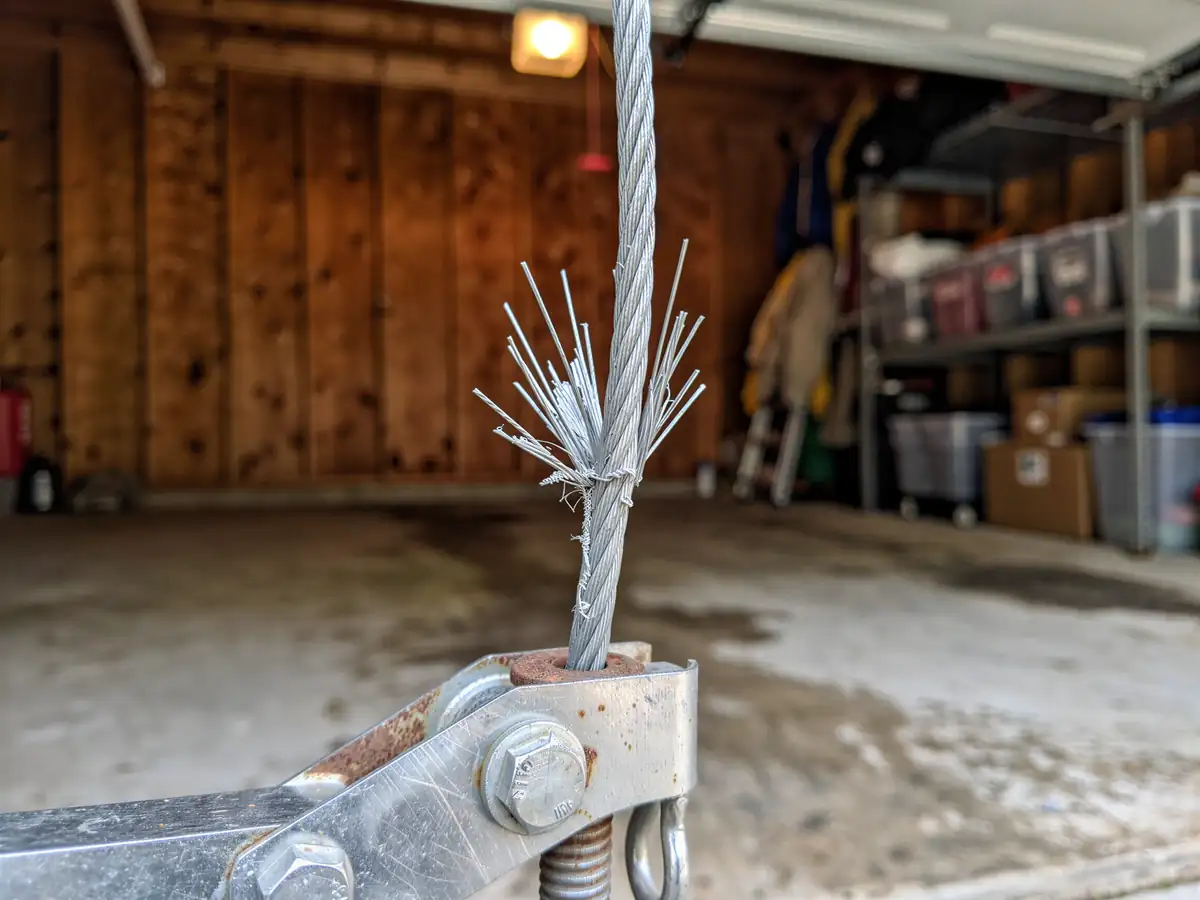
On a 1951-era door, the most common call is a broken torsion spring - the spring that lifts the door is rated for a specific cycle count, and on a house this age that count usually ran out years ago, not months ago. The second most common is a frayed or jumped cable, often a symptom of the same worn spring rather than a separate problem.
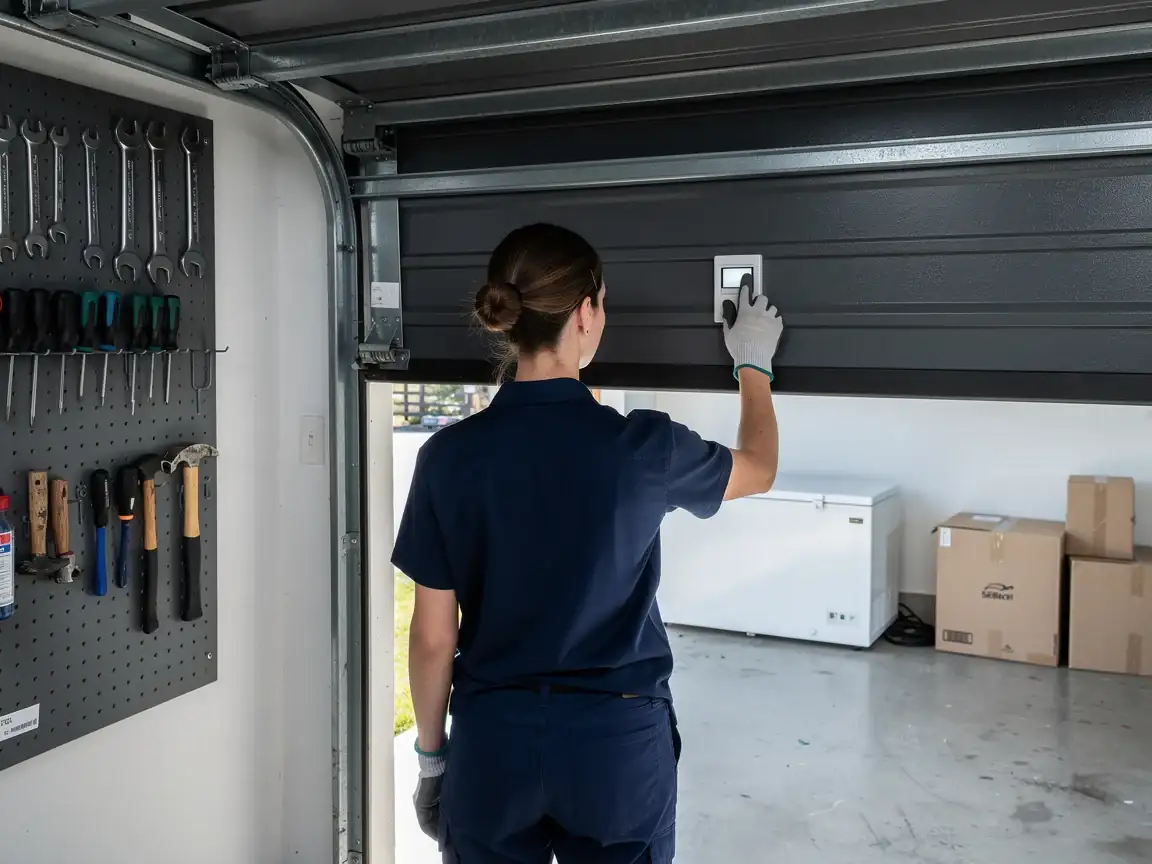
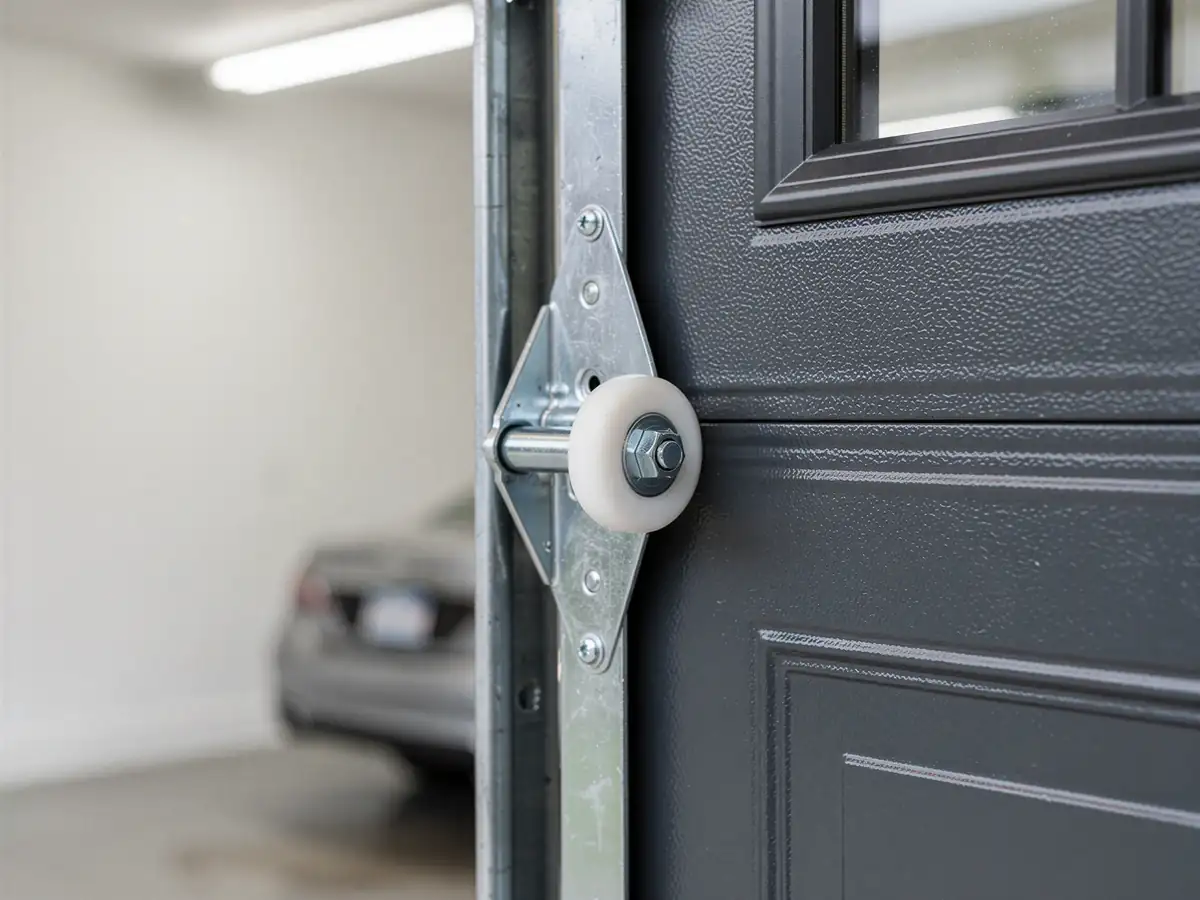
Openers are a mixed bag. Some houses still run units from decades back with chain drives loud enough to wake the house; others have a newer opener bolted onto original track that was never resized for it, which throws the door out of alignment at the top of its travel. We also see bent track on garages where the door's been run with a dragging roller for a long time - nobody notices until the day it jumps the rail entirely.
One honest limit: if the track is bent in more than one spot or the jamb it's mounted to has shifted, a repair is often just a patch on a bigger problem, and we'll tell you that instead of billing for parts that won't hold.
What Causes It Around Here
Bushnell sits in the same cold, moderate climate band as the rest of the service area
Real winters, real temperature swings between seasons. On a torsion spring that's already decades past its rated cycle count, cold steel is less forgiving than warm steel, so late-winter snaps are when most of these springs finally let go.
The other driver is simply the age of the stock
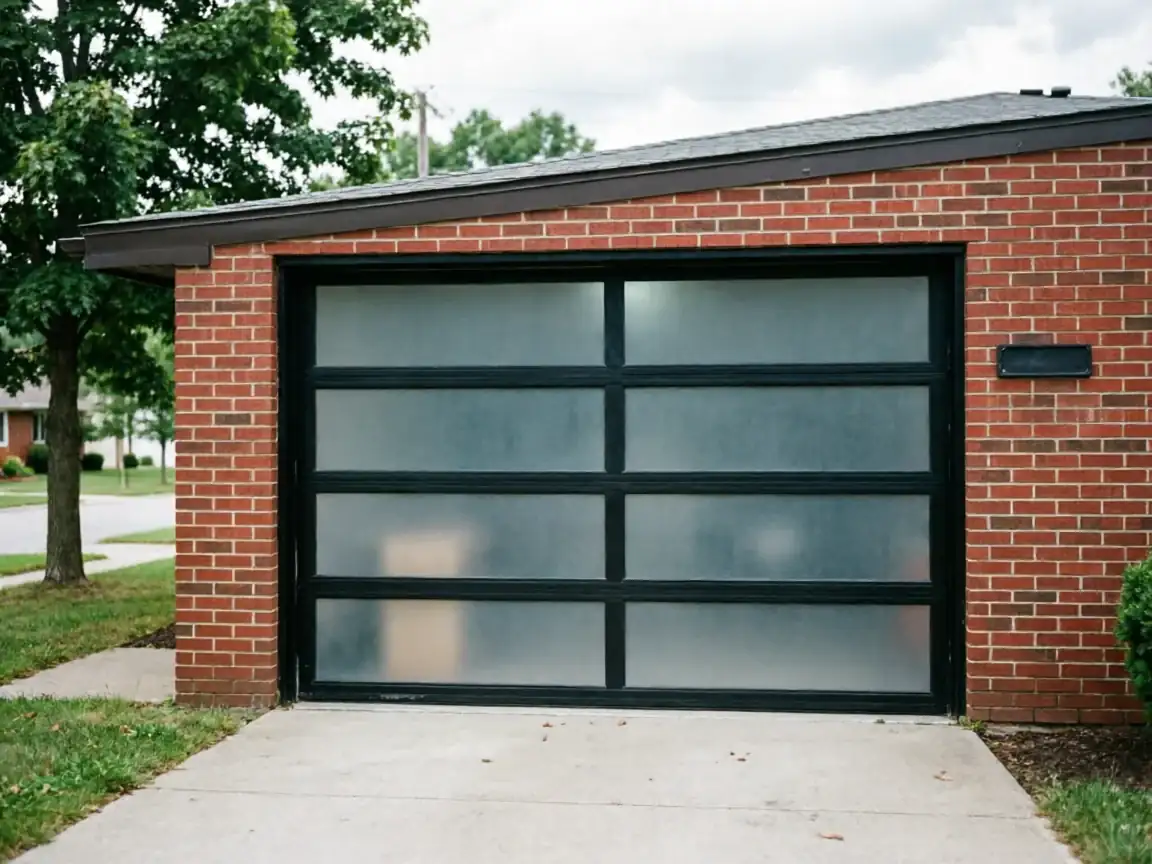
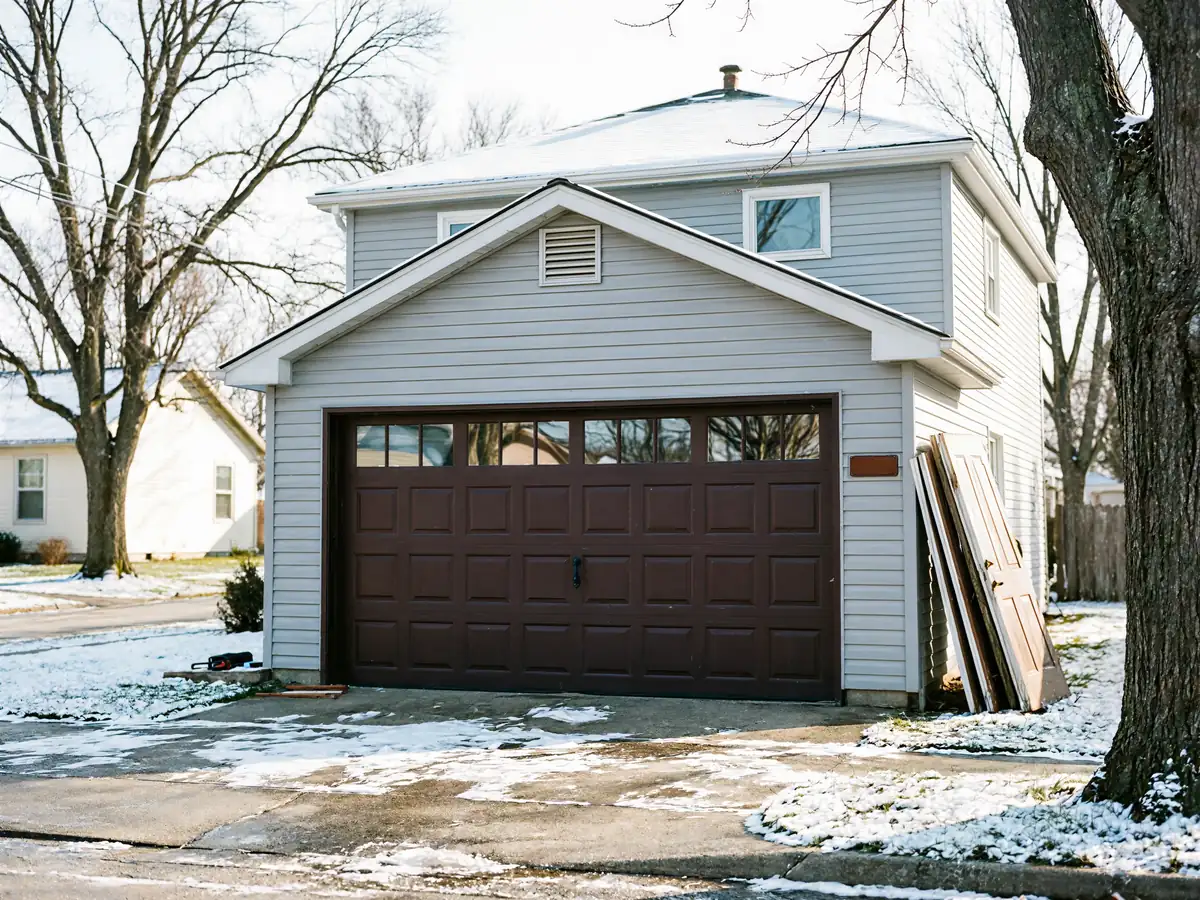
A house built in 1951 wasn't built with an insulated, wind-rated door in mind - those weren't standard then. So doors have been replaced over the decades, sometimes more than once, onto hardware that's never been swapped out to match. We find newer door panels hung on 1951 track and springs more often than not, which is its own kind of mismatch and its own kind of failure down the line.
Incomes here run close to the rest of the area
Median household income in Bushnell is about $55,368, slightly above the wider area's $54,306 - which doesn't change the physics of a worn spring, but it does mean repair, not full replacement, is usually the call homeowners want first.
Booking a Visit
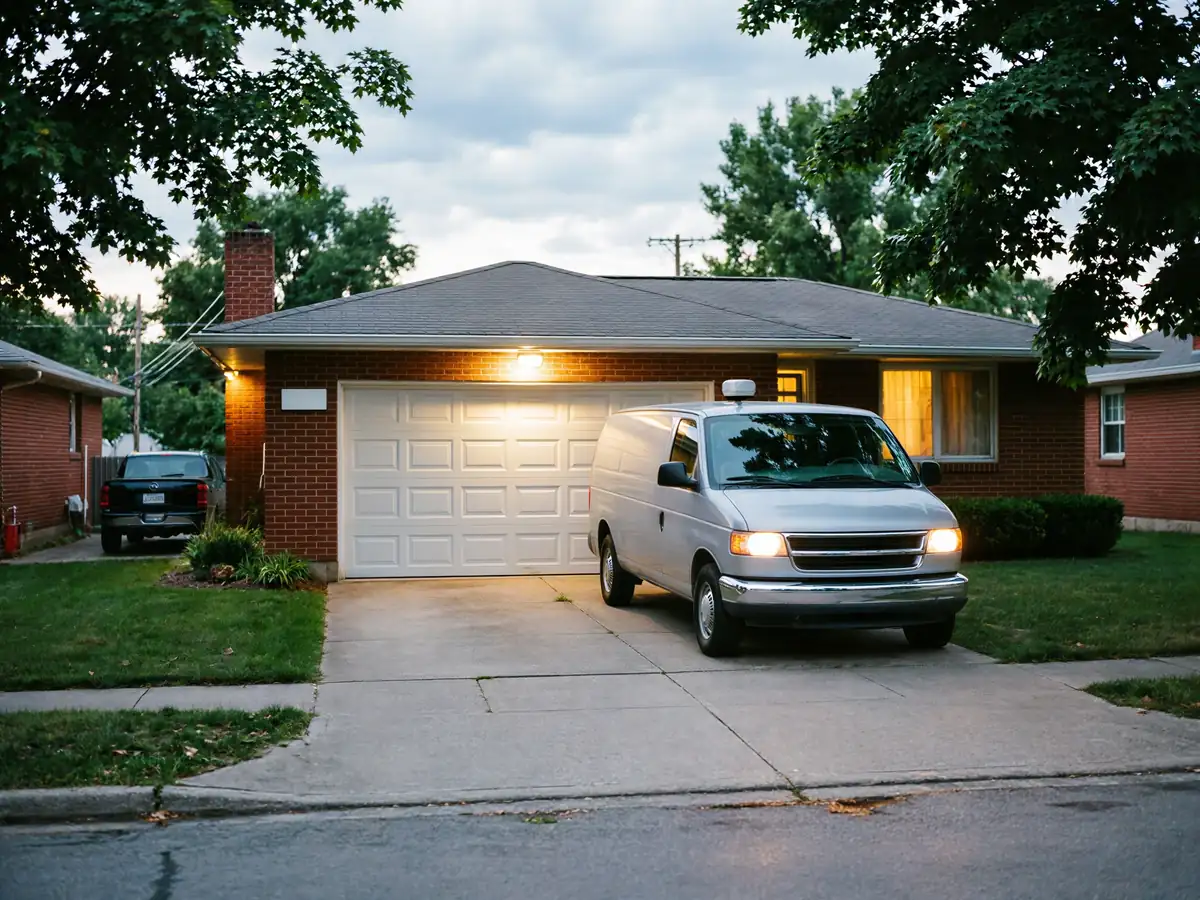
We cover Bushnell from our base in Macomb, about 11 miles away. Call ahead and tell us the door's age and what it's doing - grinding, off-track, won't lift - and we'll bring the parts that actually fit a house of this era instead of showing up to diagnose from scratch.
If you're not sure whether your door dates to the original 1951 build or a later swap, that's fine; most homeowners here don't know either until we're standing in front of it. We'll tell you straight whether it's a spring job, a track job, or something bigger.