The DIY Question
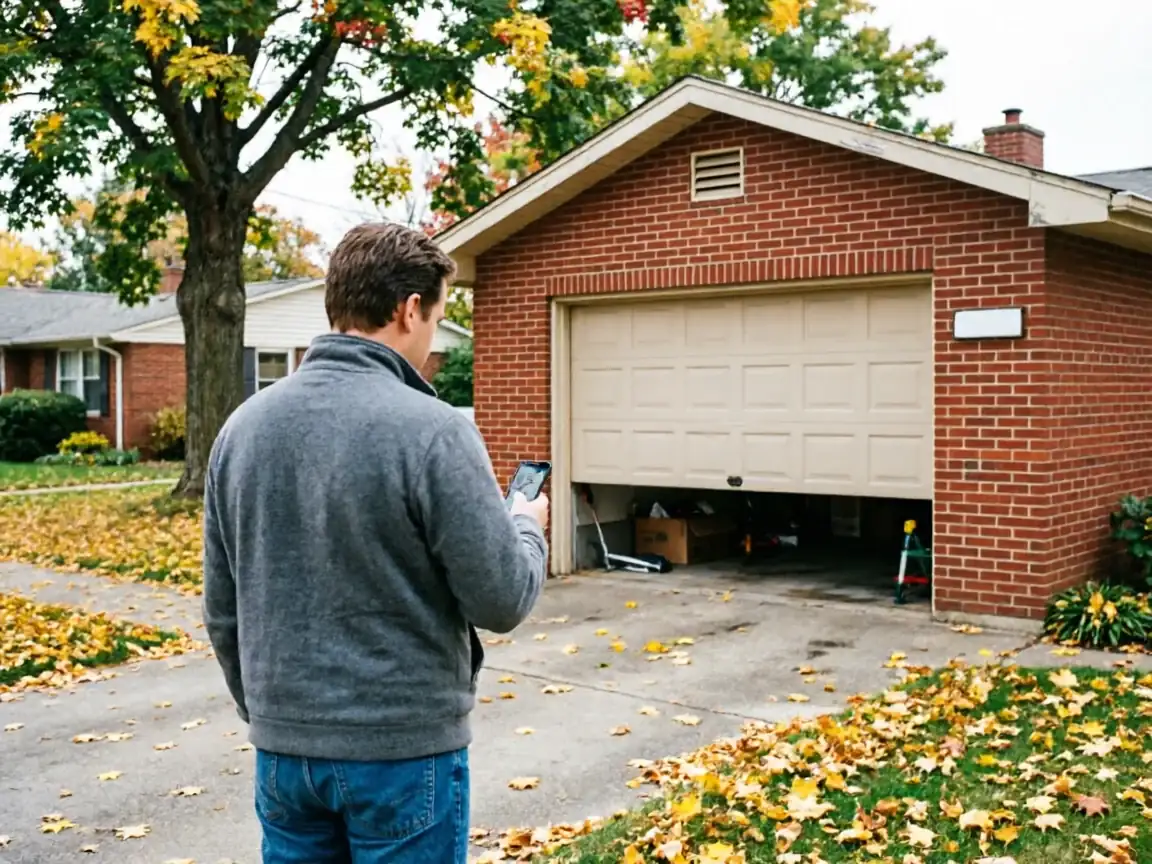
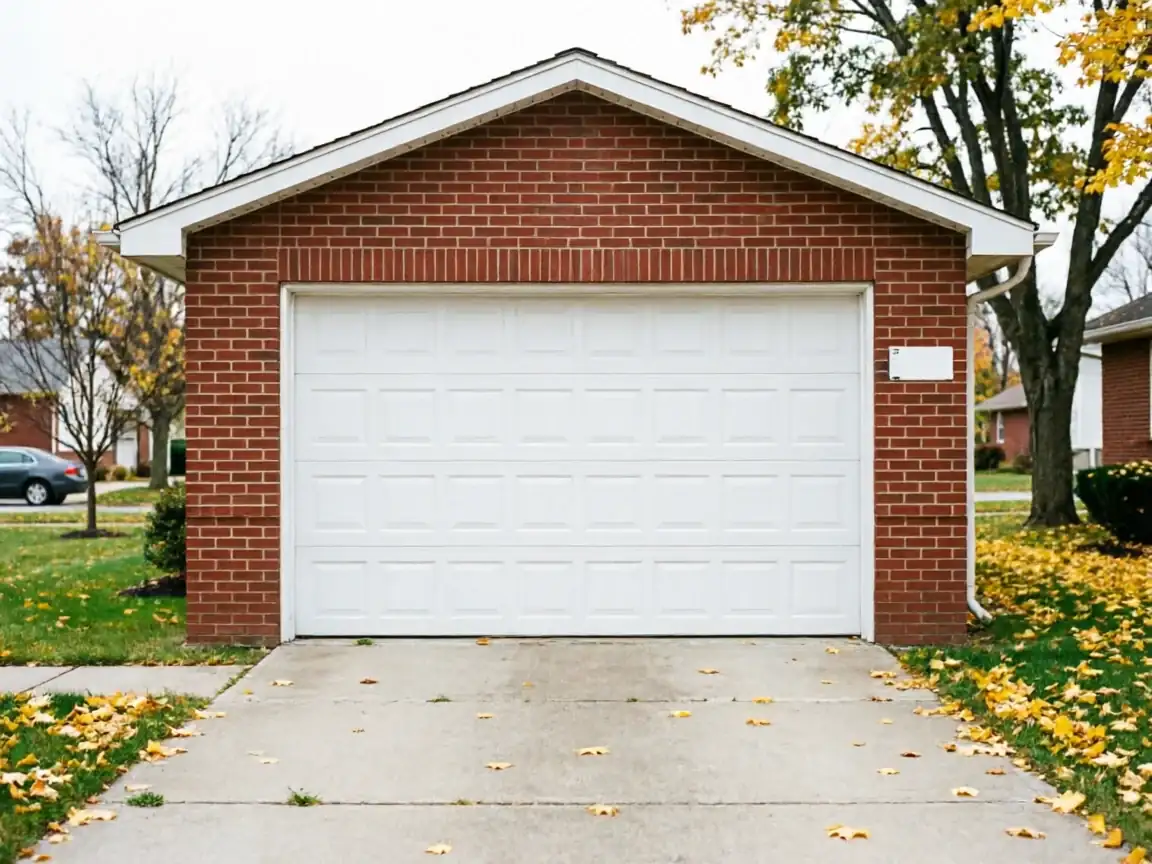
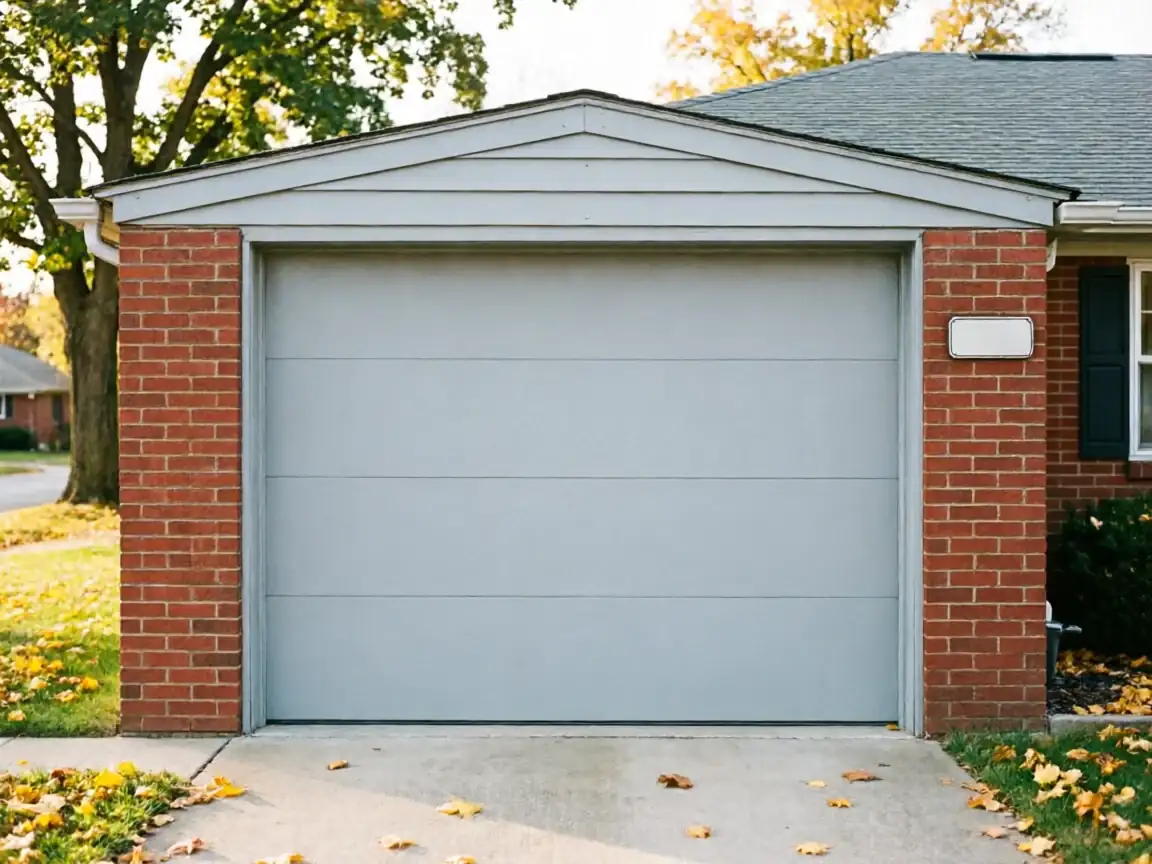
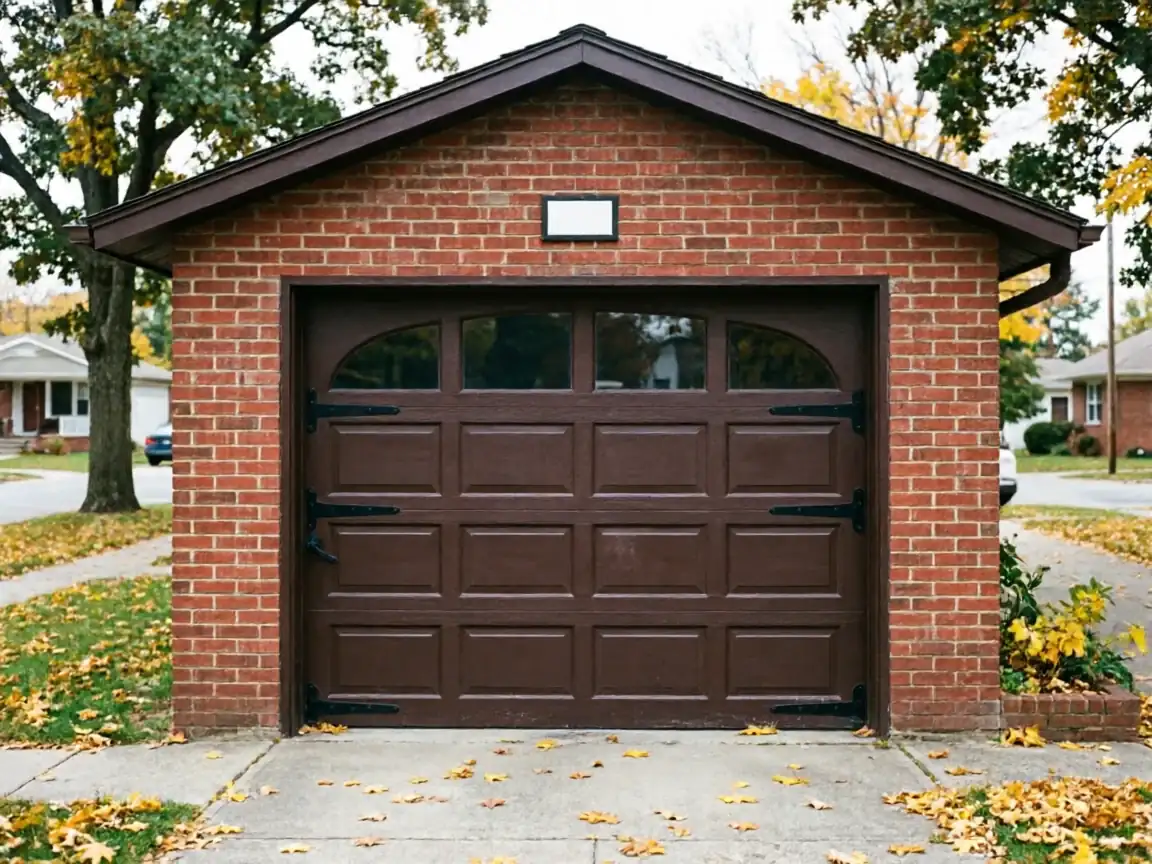
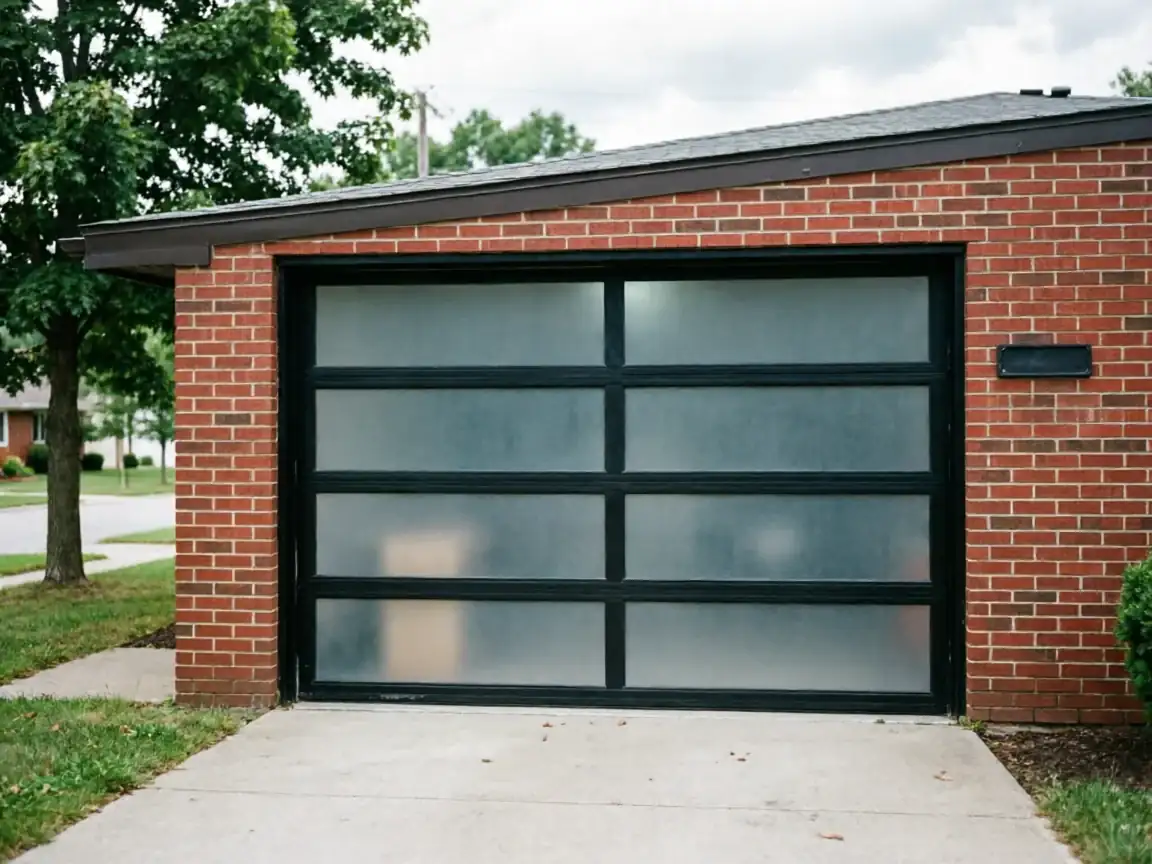
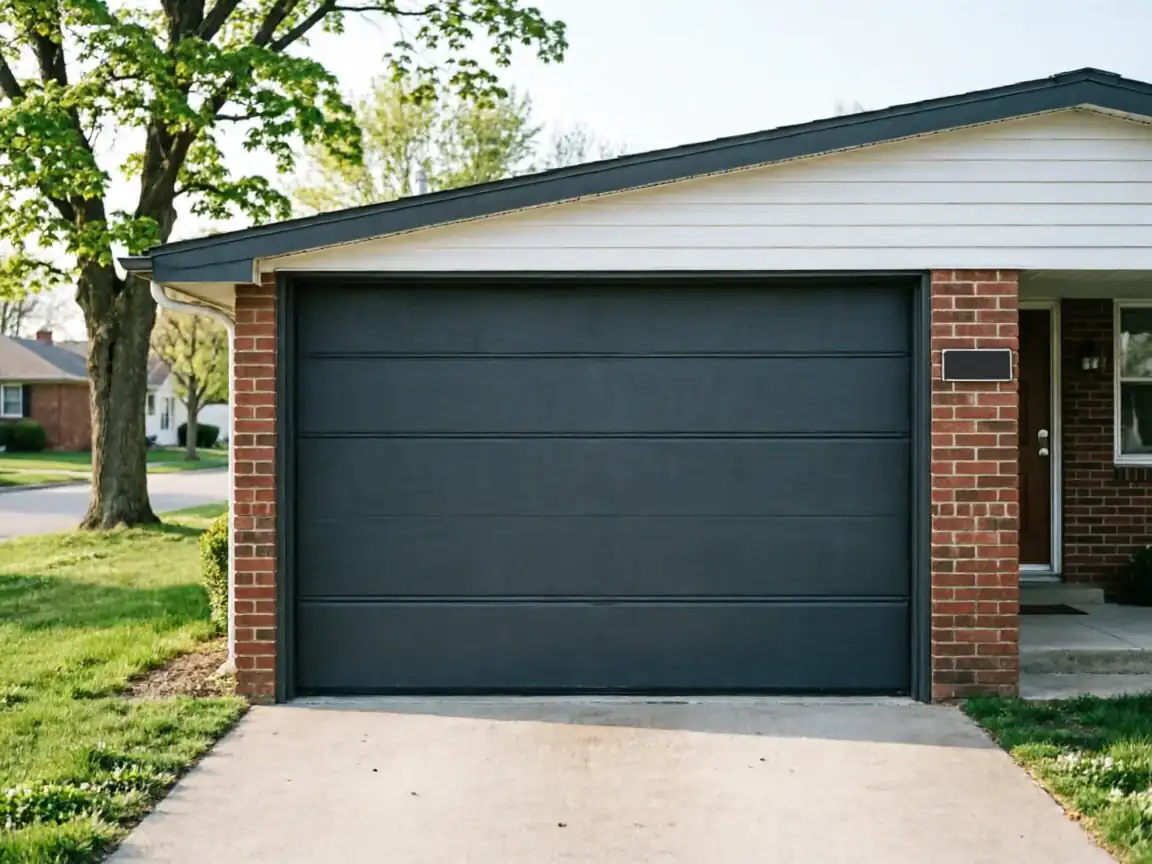
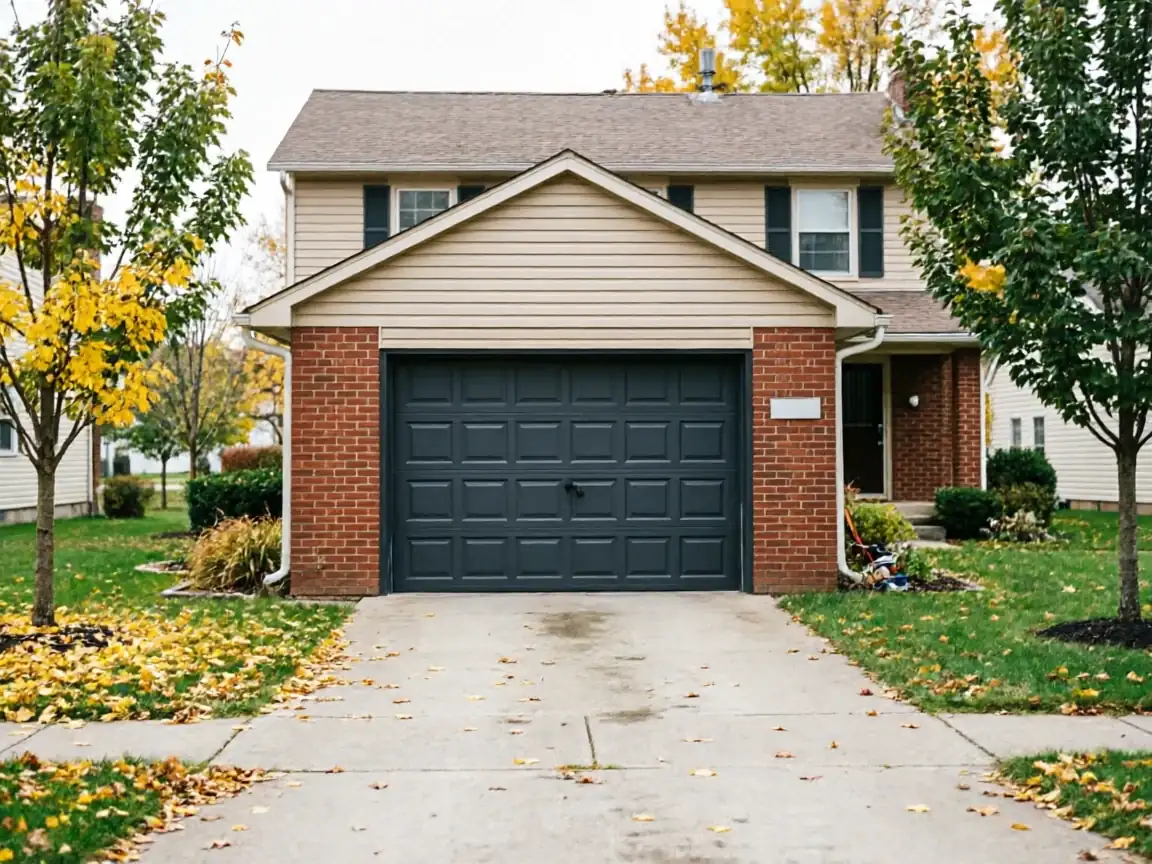
Before you decide whether to fix it yourself, know what you're working with. Most houses in Industry went up around 1963, roughly a decade after the service area's overall median build year of 1952. That later build date matters: it means more of Industry's garage doors started life as steel sectional doors on extension springs, not the older wood-panel, side-track doors you'll still find on the area's earliest 1940s houses a few miles away.
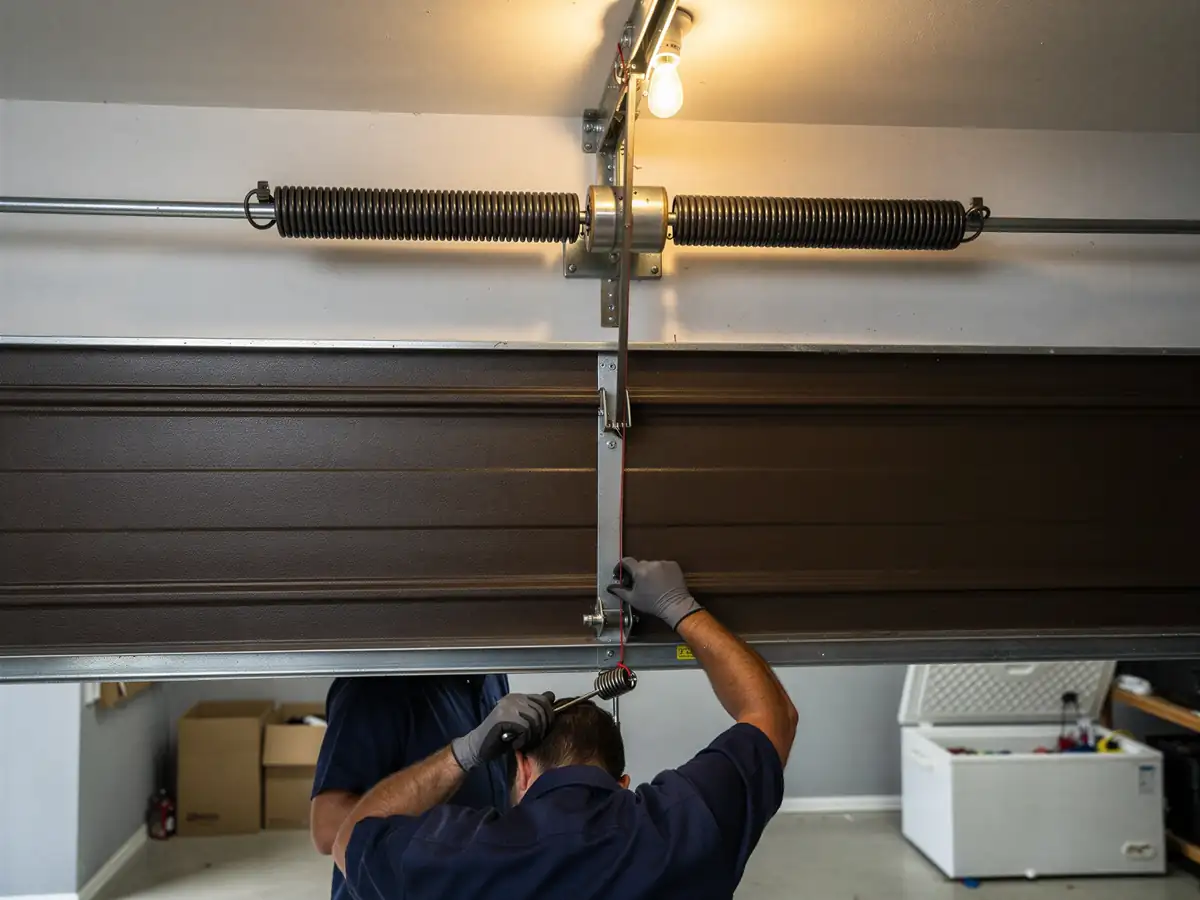
An extension spring job on a single-car door is sometimes within reach for a careful homeowner with the right winding bars and a willingness to read the torque numbers twice. A double door, or anything where the spring has already let go and the door is sitting crooked in the opening, is not a weekend project - the cable under that kind of load can take a hand off.
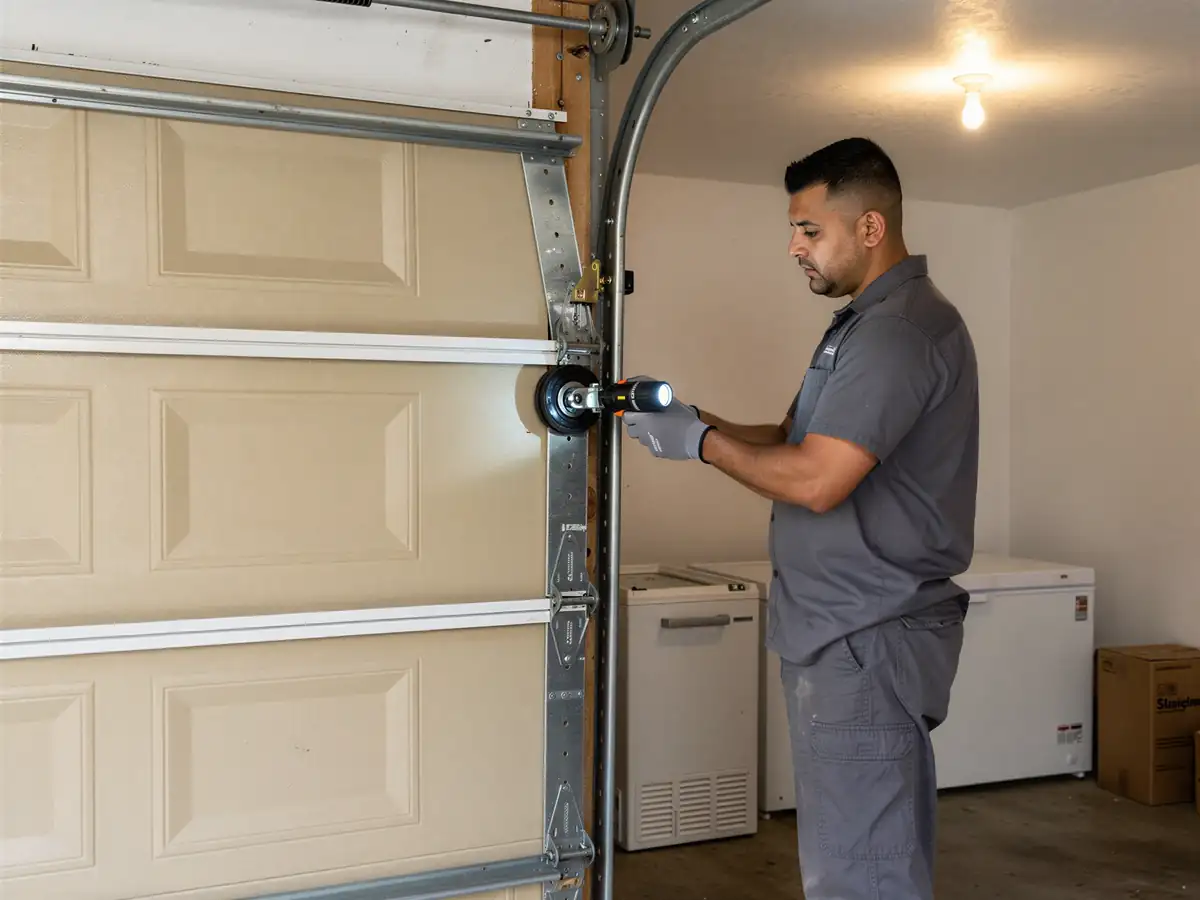
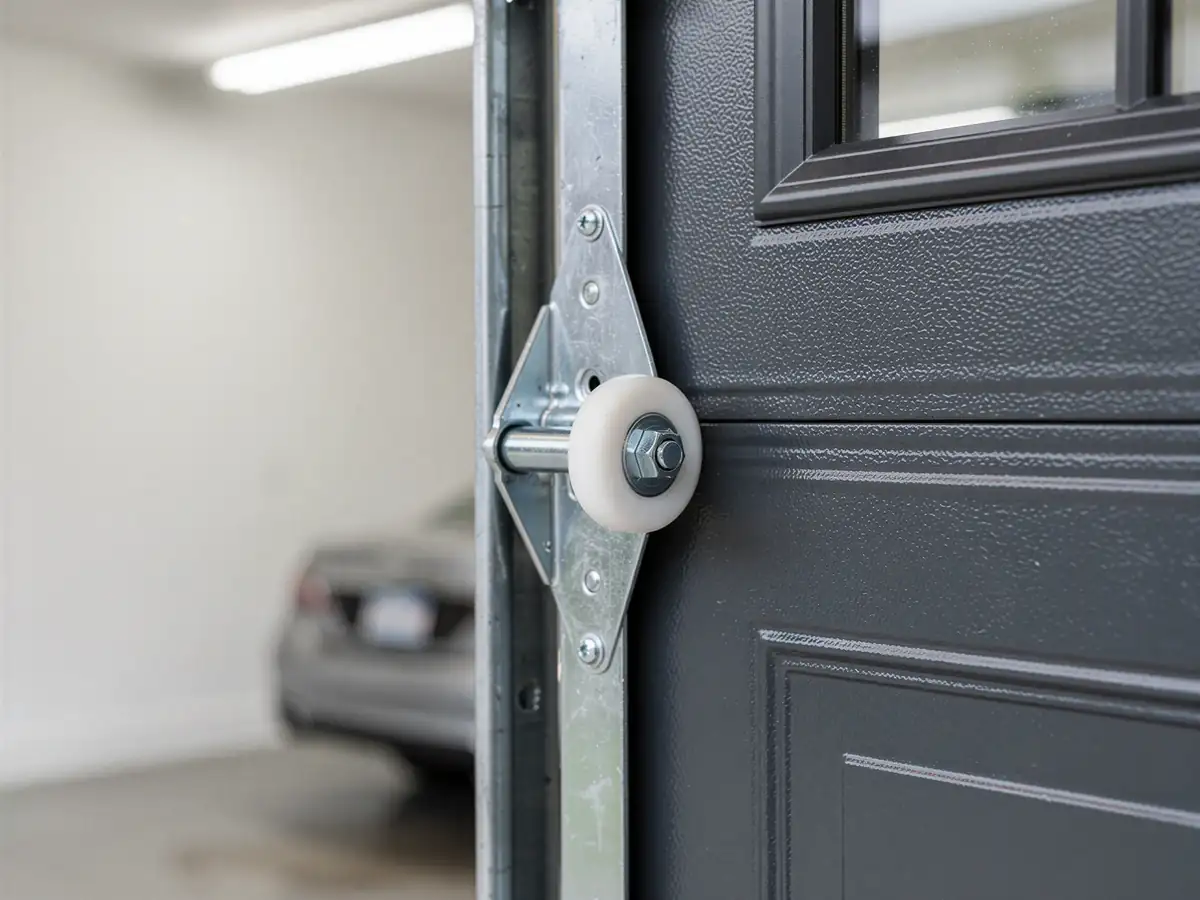
If the door is binding on the track, a roller has jumped the rail, or the opener runs but the door won't lift, those are usually a half-hour fix for someone who does it daily and a half-day frustration for someone who doesn't. We're honest about that split: some of this is DIY-safe, and some of it isn't.
What the Fix Involves
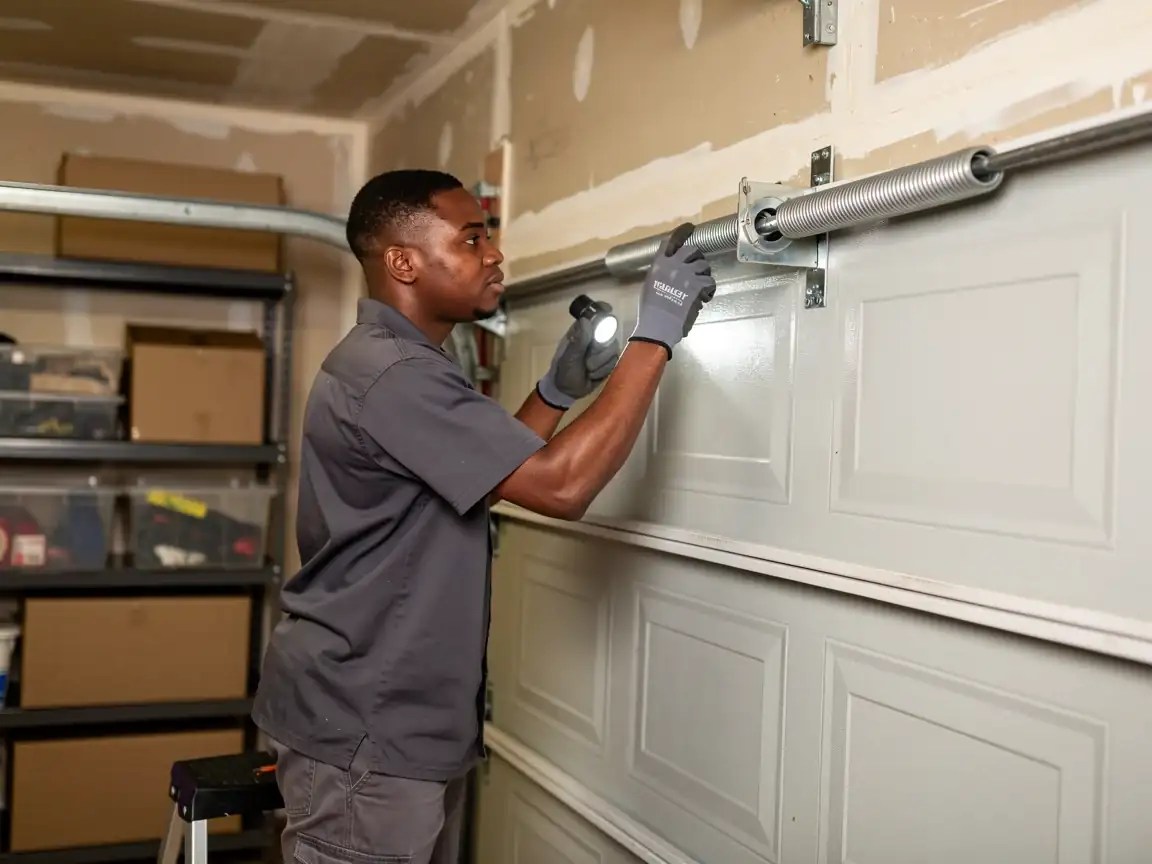
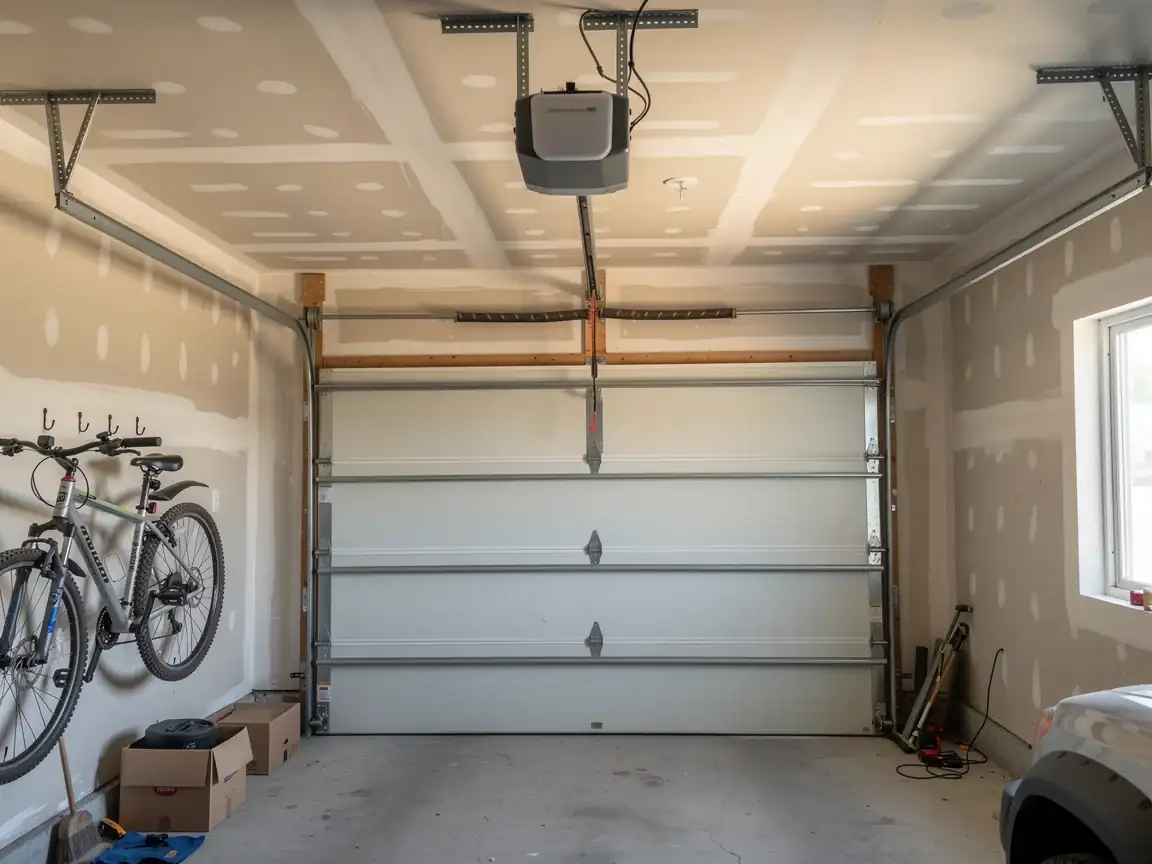
On a 1963-era door, the spring and cable setup is usually straightforward - extension springs mounted above the horizontal track, not the torsion tube you'd find on newer installs. That's good news for repair, because parts for this hardware are common and the job is a known quantity rather than a guessing game.
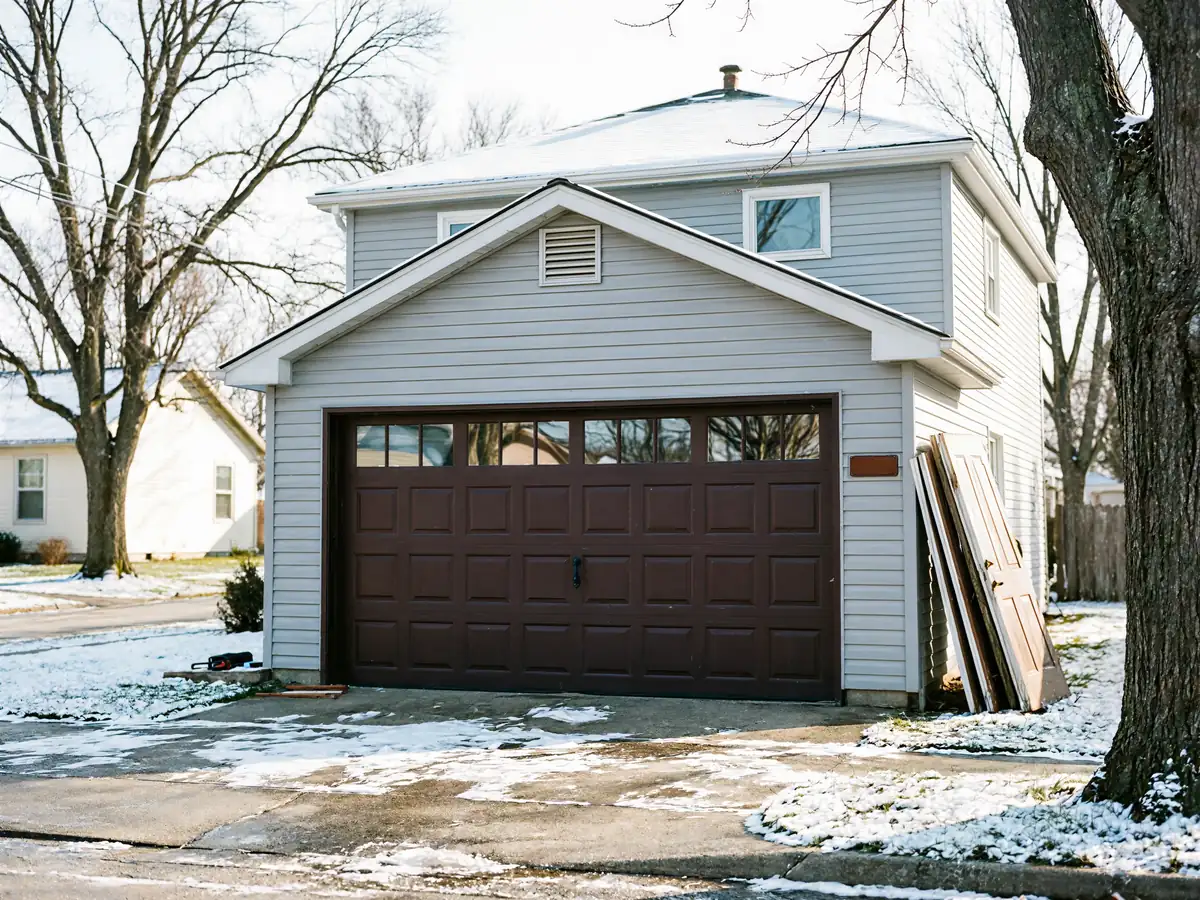
Winter is where these doors earn their keep or don't. The area sits in a cold, moderate climate band, and the temperature swings that come with it are hard on the galvanized coating on older extension springs - cold makes the steel brittle right when the door gets used the most, hauling a car in and out through snow.
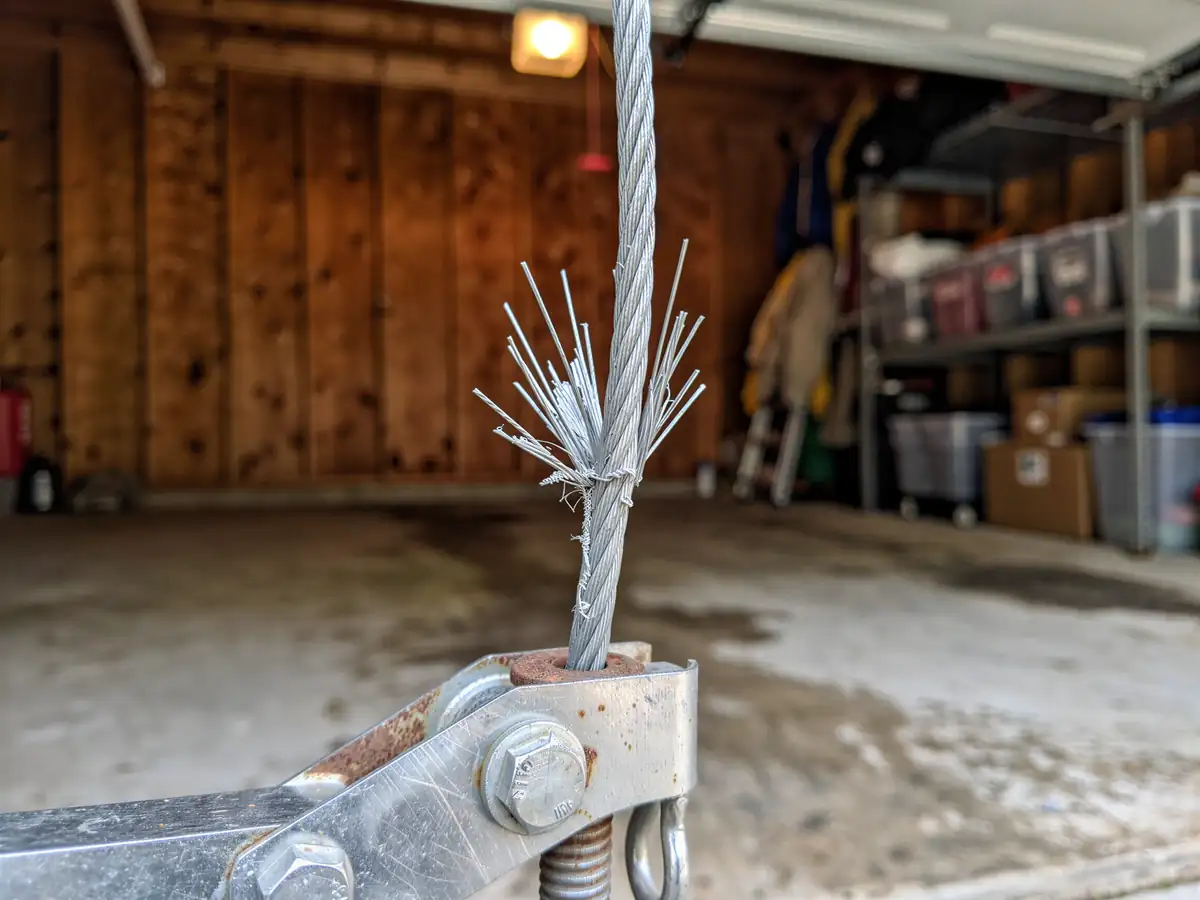
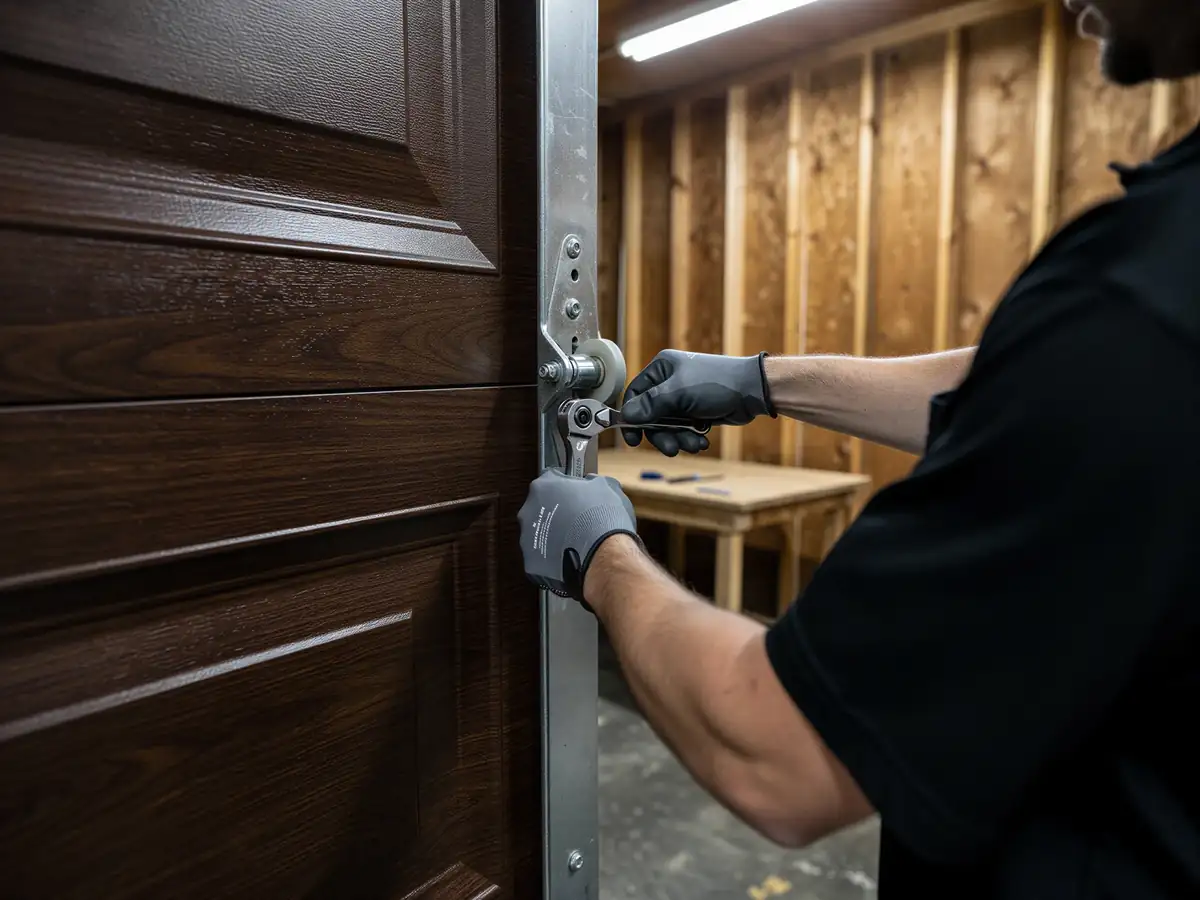
The actual visit covers the usual suspects: a broken spring, a cable that's frayed at the drum, rollers worn enough to bind in the track, or a opener that's lost its grip on the door because the limit switches have drifted. We check the whole system, not just the part that failed, because on a door this age one worn part is often a sign the next one is close behind. What we don't do is replace a door that only needs a spring - if the panels and track are sound, we fix what's broken and leave the rest alone.
What You Pay
Industry's median household income runs $54,306, in line with the wider service area
Which is the number we keep in mind when we talk about repair versus replacement. For a door this age, most calls land on the repair side of that line - a spring, a cable, or a roller set costs a fraction of a new door, and the sectional steel panels from the early 1960s hold up fine once the hardware is sound again.
- $54,306 median household income
We don't list a flat price here because the job varies with what's actually broken
A single spring swap and a full cable-and-roller job aren't the same call. What we can tell you is that we price the visit after we've looked at the door, not before, so you're not paying for guesswork.
With only about 253 households in Industry, there isn't a local parts supplier in town
Any garage door shop working here orders from the same distributors Macomb uses, which keeps part costs steady whether the job is here or back in town.
- 253 households
Booking a Visit
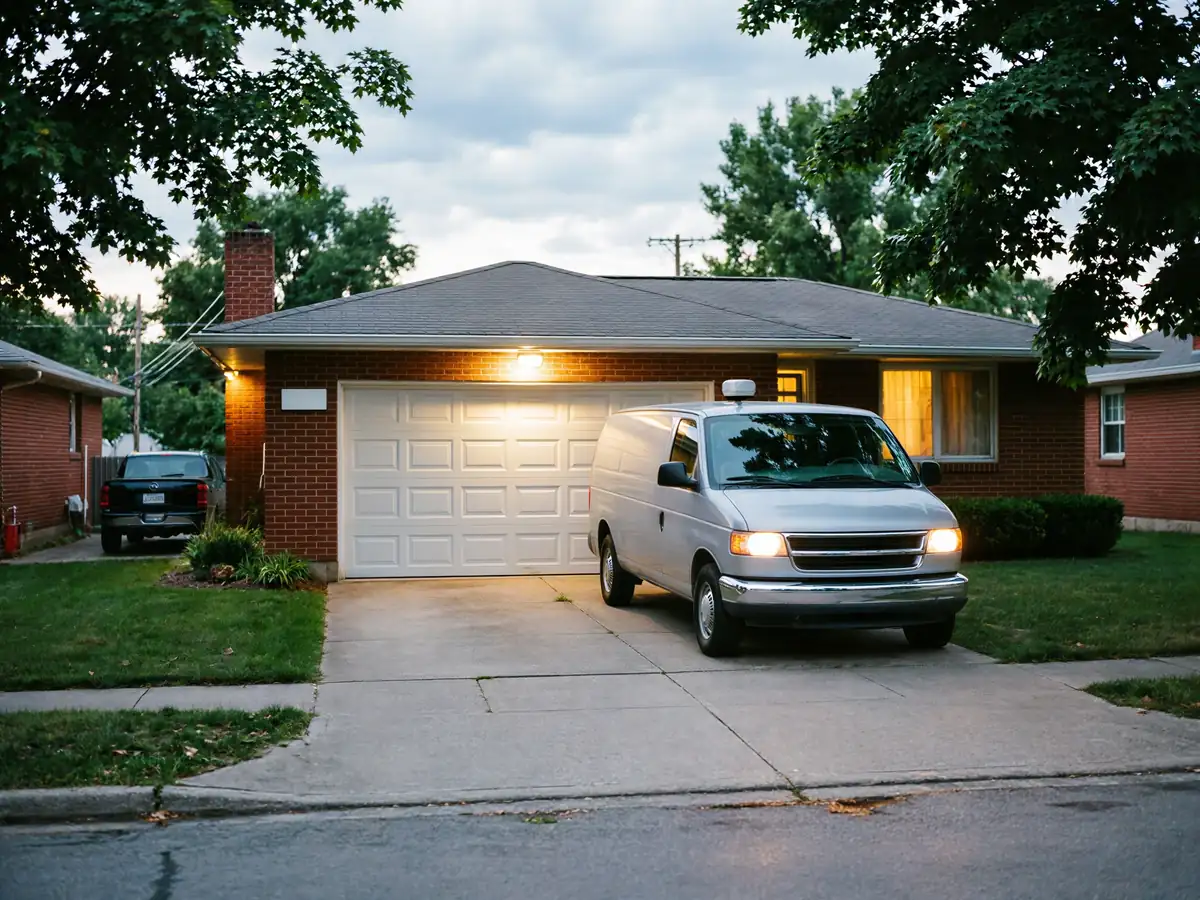
The truck runs 11 miles out from Macomb to reach Industry, so a call here is a normal part of the route, not a special trip. Have the door's rough age and whether it's a single or double car opening ready when you call - on houses from this era that's usually enough to know what's coming out on the truck.
If you want to see what else we cover from Macomb, the full repair page lists the broader service, and the Industry service area page has the rest of what we handle out this way.