The DIY Question
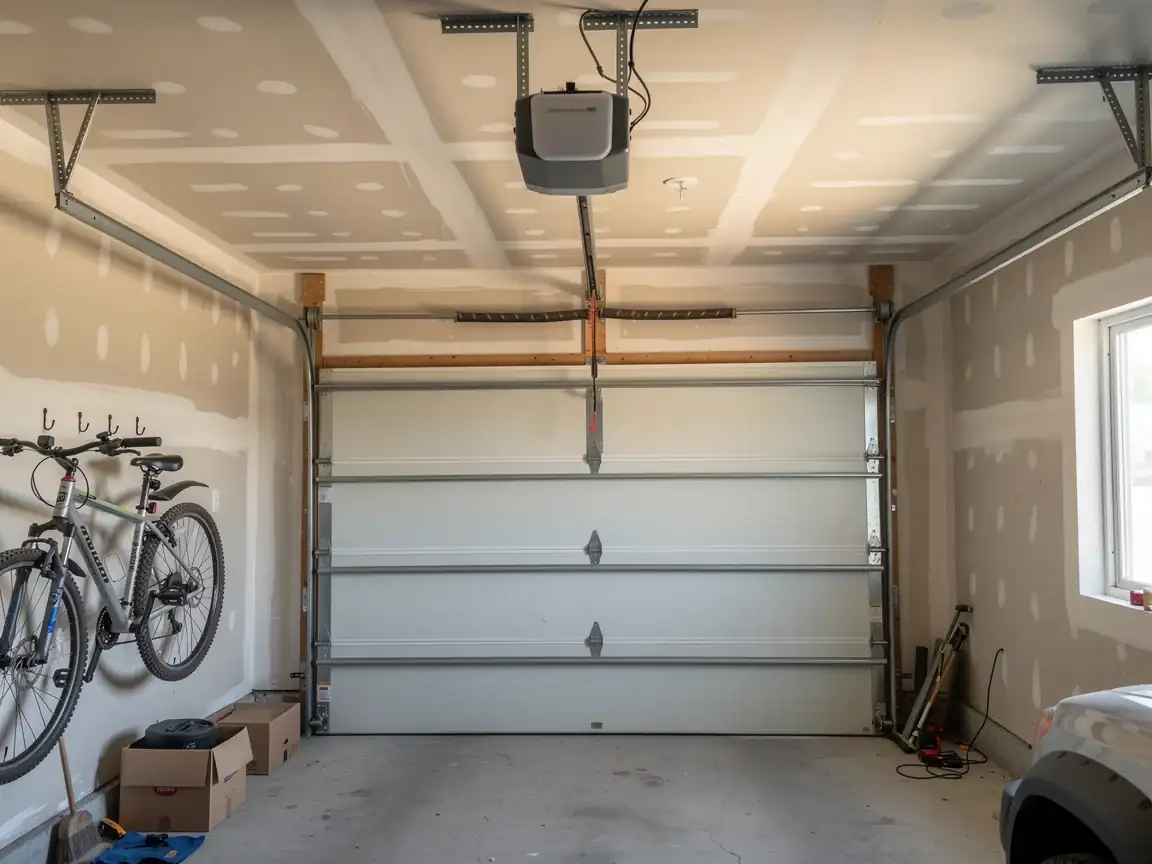
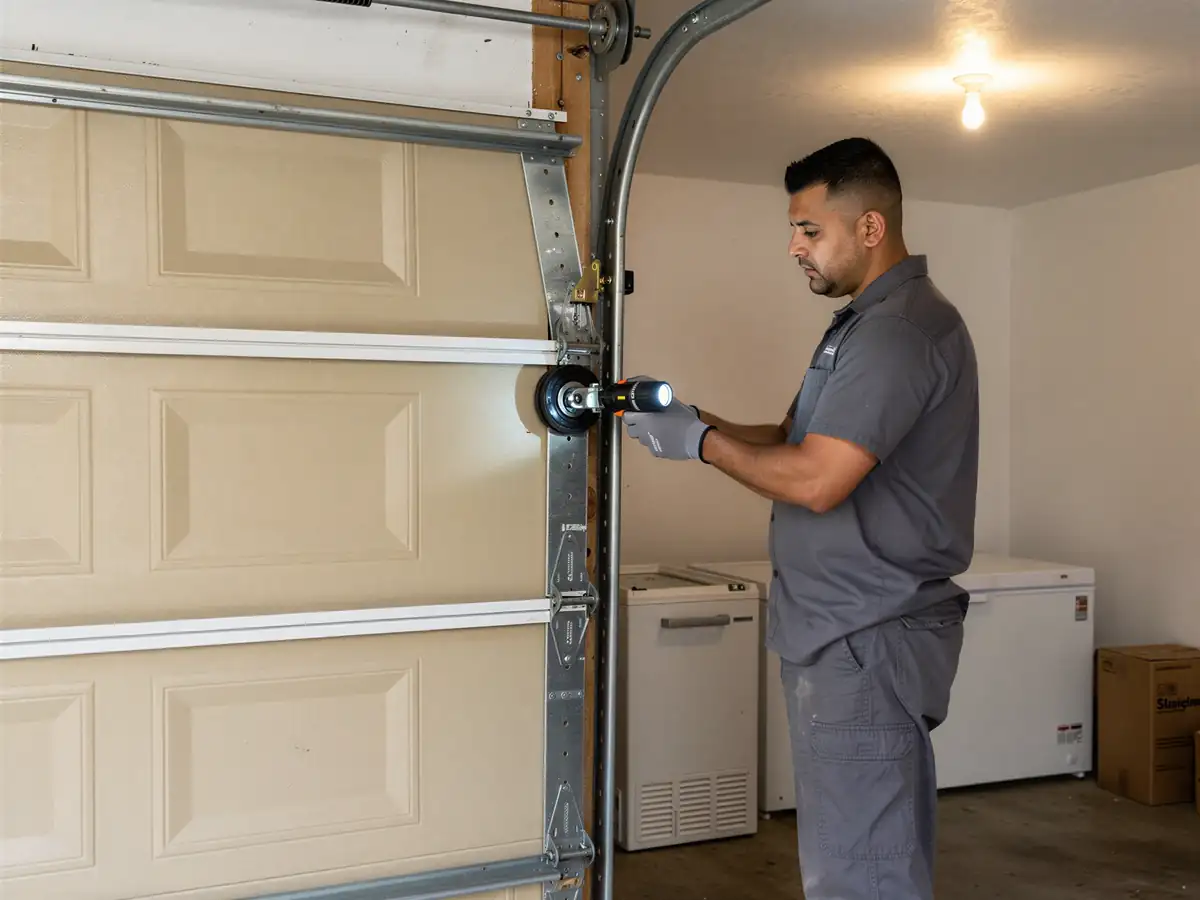
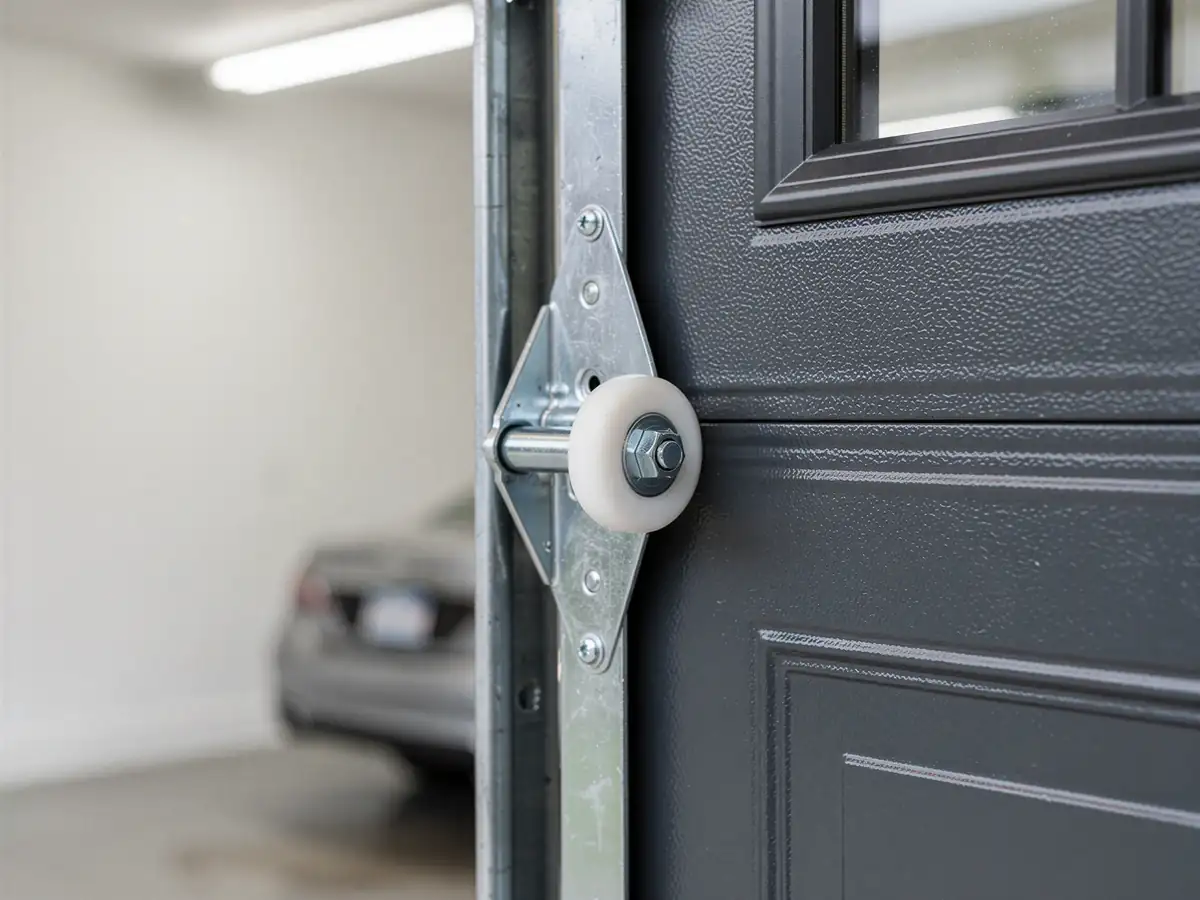
The fault we see most out here is a roller that's worn flat on one side, not snapped clean through. The door still moves, but it binds at the same spot in the track every time, or it rattles loud enough that you notice it from the kitchen. That's a roller riding on a dead bearing, dragging metal-on-metal against the track instead of rolling.
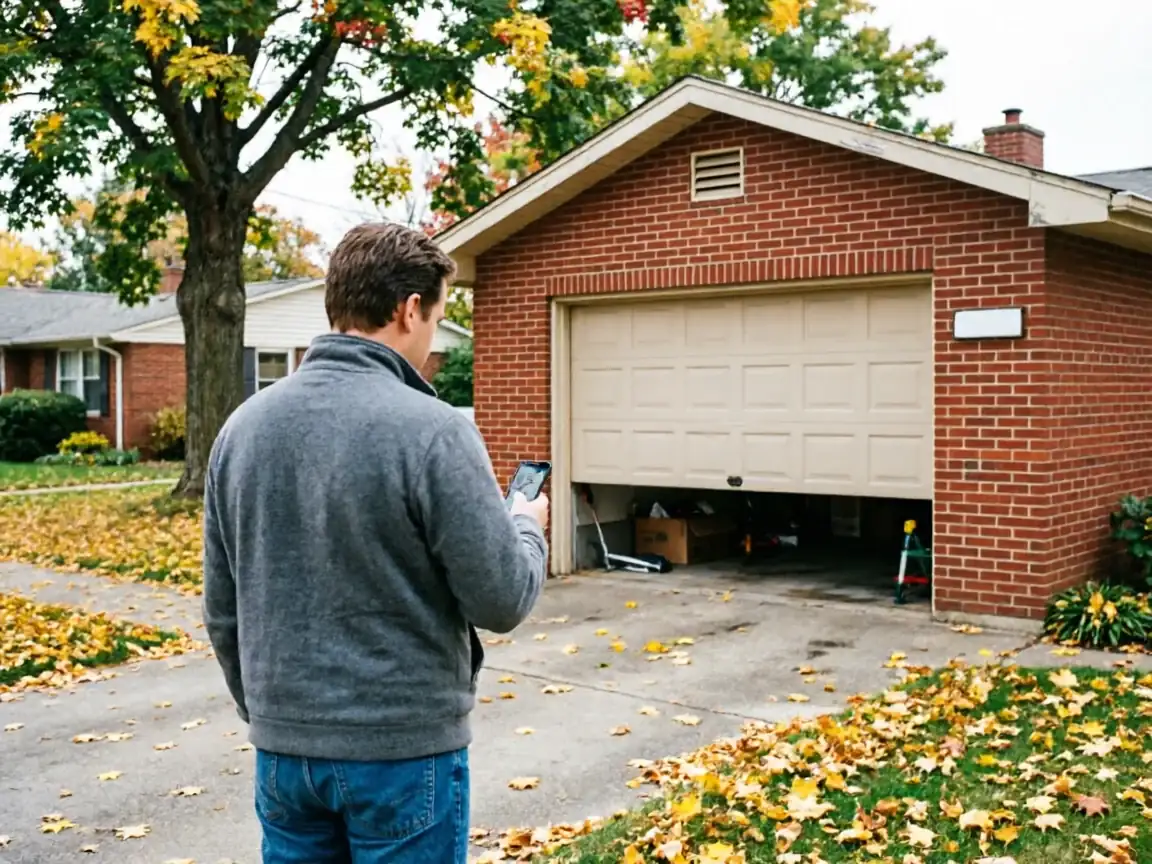
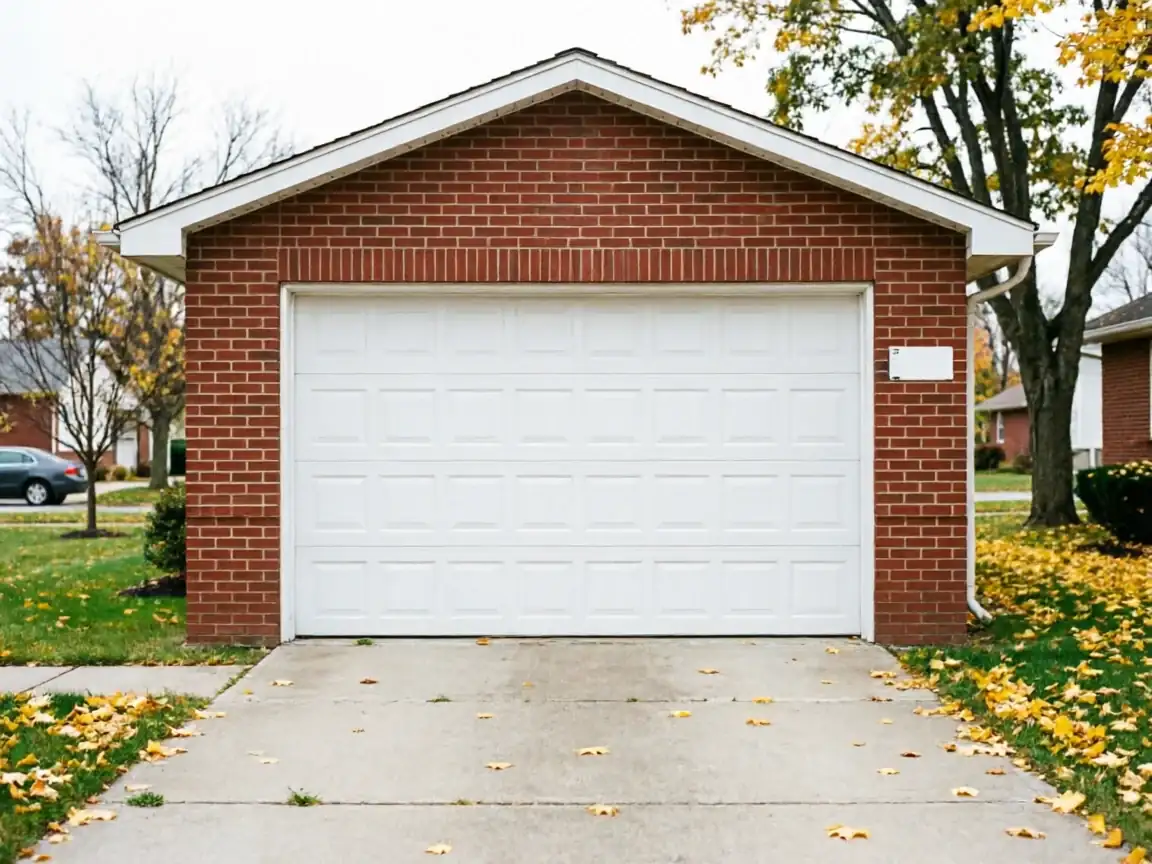
Houses in Industry mostly went up around 1963, a bit later than the 1952 median across the wider service area we cover out of Macomb. That later build date matters here: a lot of these garages got sectional doors with steel-stem rollers rather than the older one-piece swing-up panels you still find in the earlier pockets of the territory. Steel rollers on original hardware have usually been through 50-plus winters of grit and cold-stiffened grease by now, and they wear unevenly rather than failing all at once.
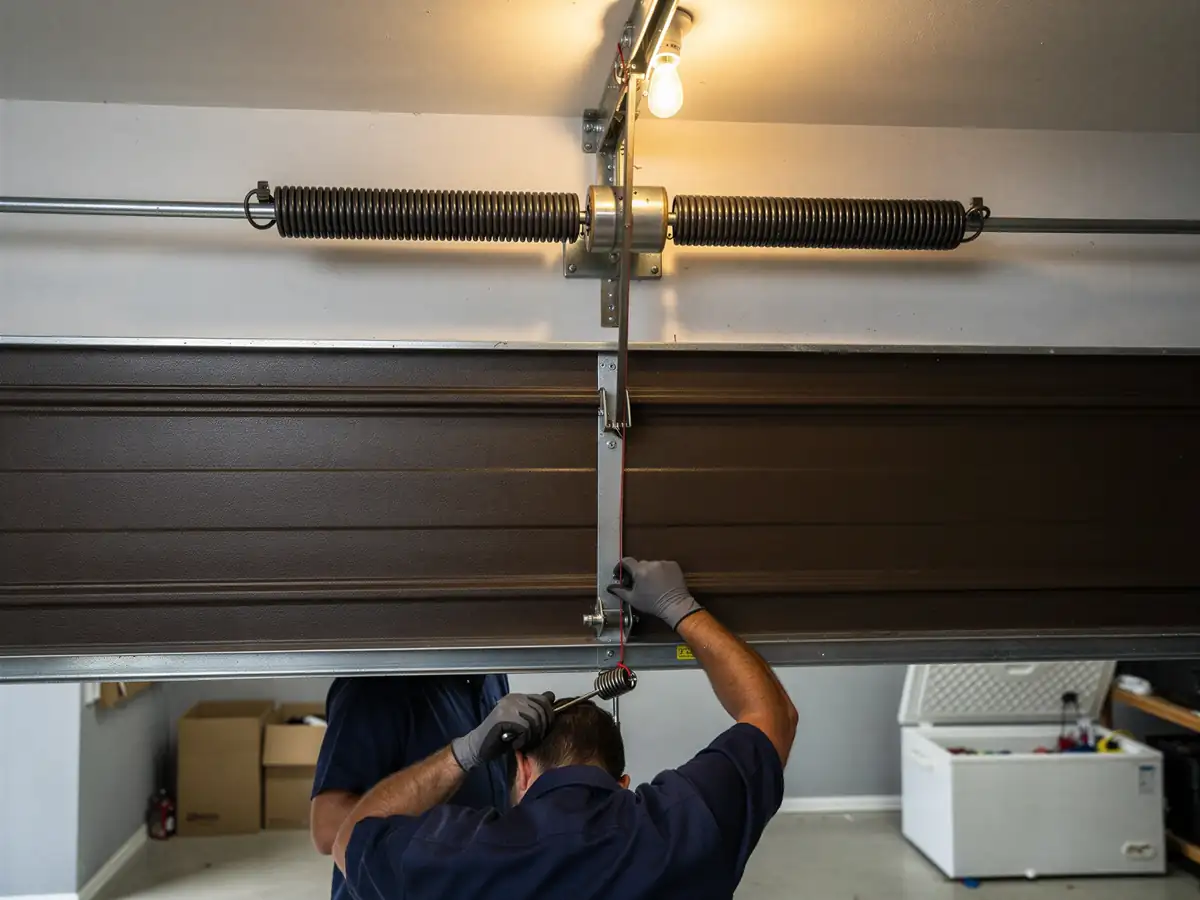
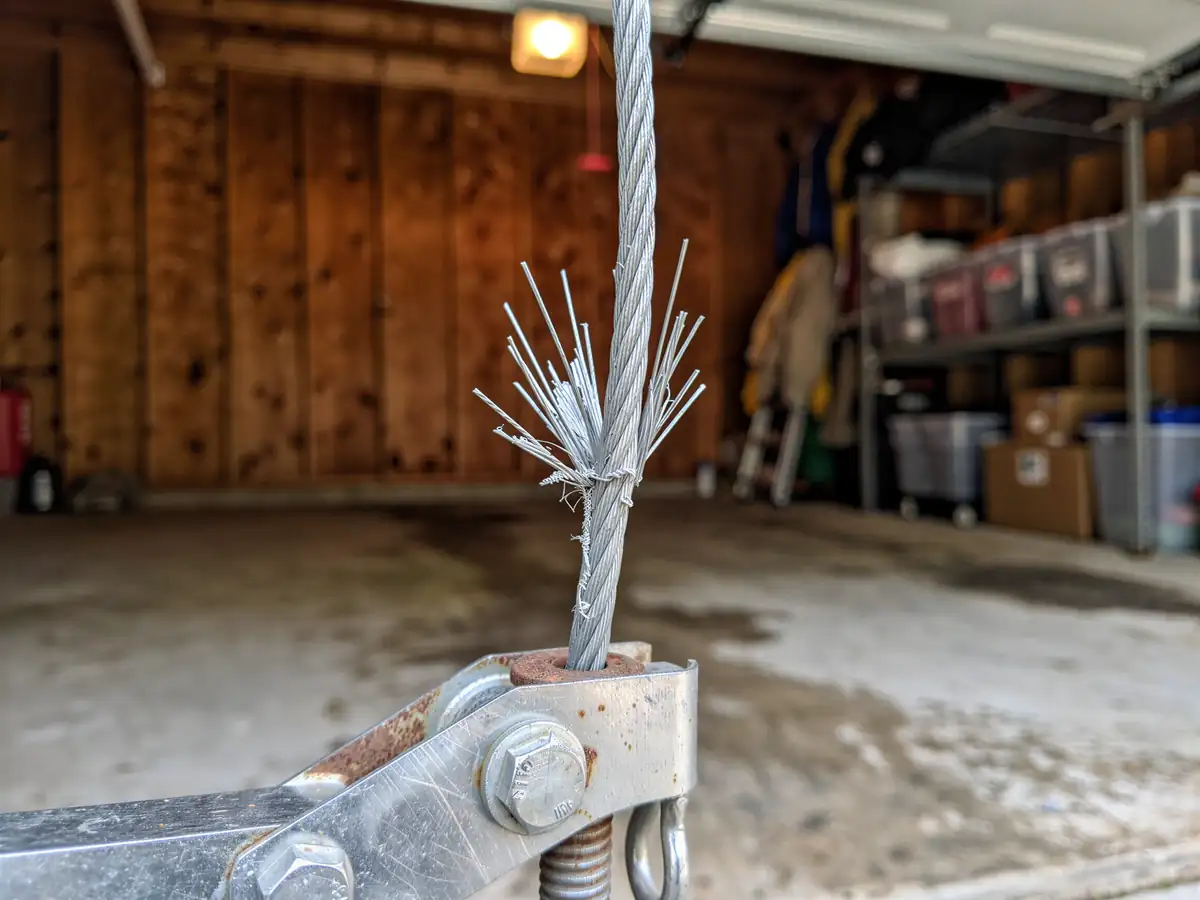
Can you do this yourself? If it's a single roller and the door still tracks straight, maybe. But pulling the bottom bracket off a torsion-spring door to swap a roller near the cable is where people get hurt, and on a 1963-era track the roller groove itself is often worn enough that a straight swap won't fix the noise. If you're not sure which roller is bad, that's the part worth having someone look at first.
What the Fix Involves
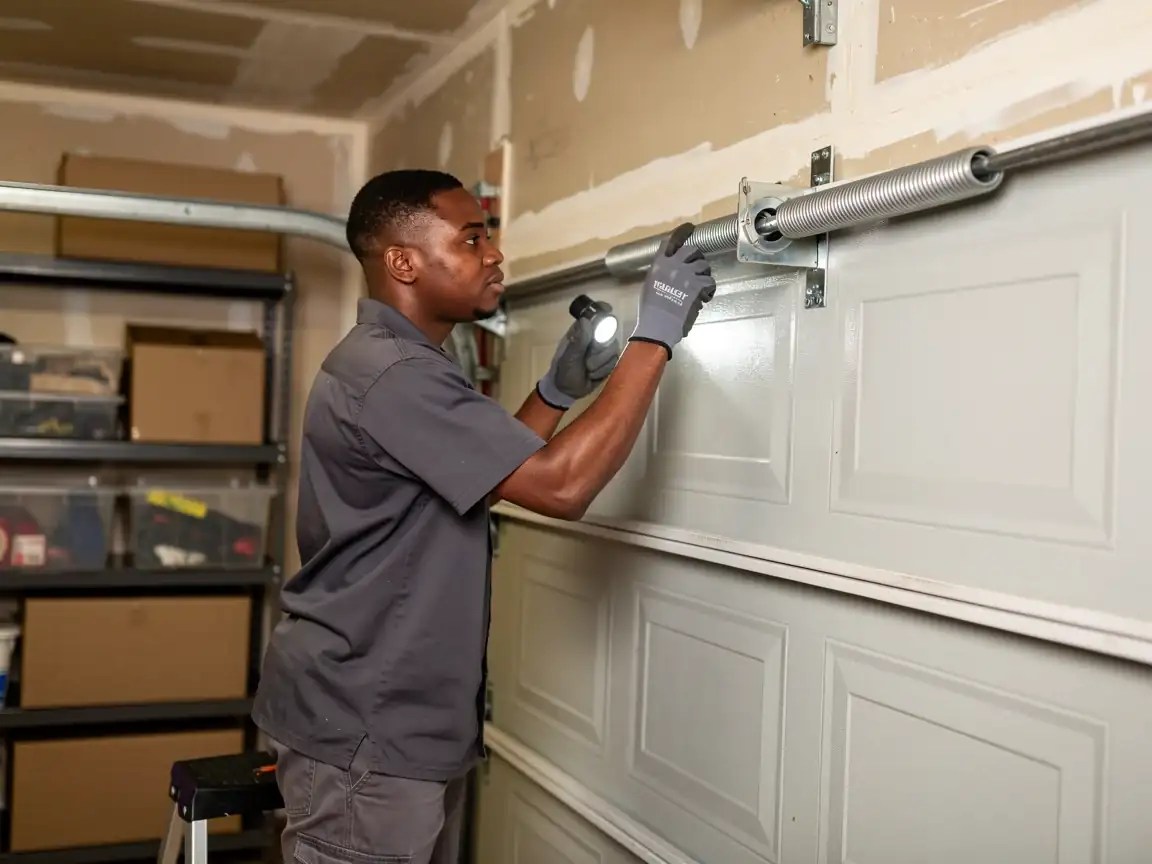
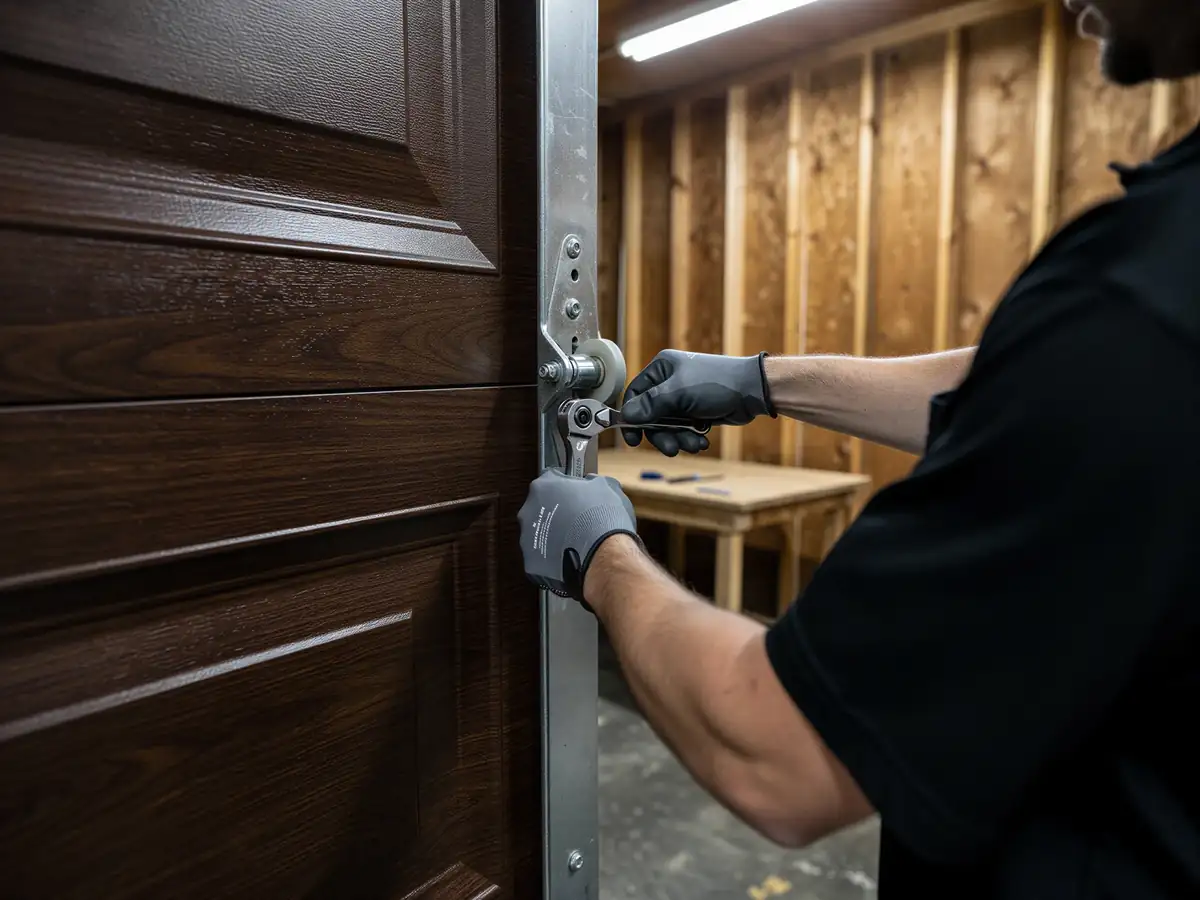
We pull the door, check which rollers have flat spots or cracked nylon sleeves, and replace them in sets rather than one at a time - a mismatched roller run is what causes the binding to come back in six months. On the steel-stem rollers common in Industry's early-60s builds, we check the track alignment too, since a worn roller often means the track's been taking uneven load for a while.
The service area runs cold-moderate through the winter, which is hard on roller bearings and on the grease inside them specifically - cold grease seizes, the roller stops spinning freely, and it starts grinding a flat side into itself. That's part of why replacement rollers here tend to be nylon with sealed bearings instead of bare steel, even on older doors; they hold up better through that seasonal swing.
One limit worth being upfront about: if the track itself is bent or badly pitted, swapping rollers buys you a few months at most before the new rollers wear the same way. We'll tell you straight if that's what we're looking at instead of selling a roller job that won't hold.
What You Pay
We don't have a flat number to quote here without seeing the door
But the job scope stays the same whether it's Industry or anywhere else we drive to from Macomb: number of rollers, roller type, and whether the track needs attention change the total. Median household income across the service area sits at $54,306, and most jobs here fall in line with what a household at that income level budgets for a repair rather than a full door replacement.
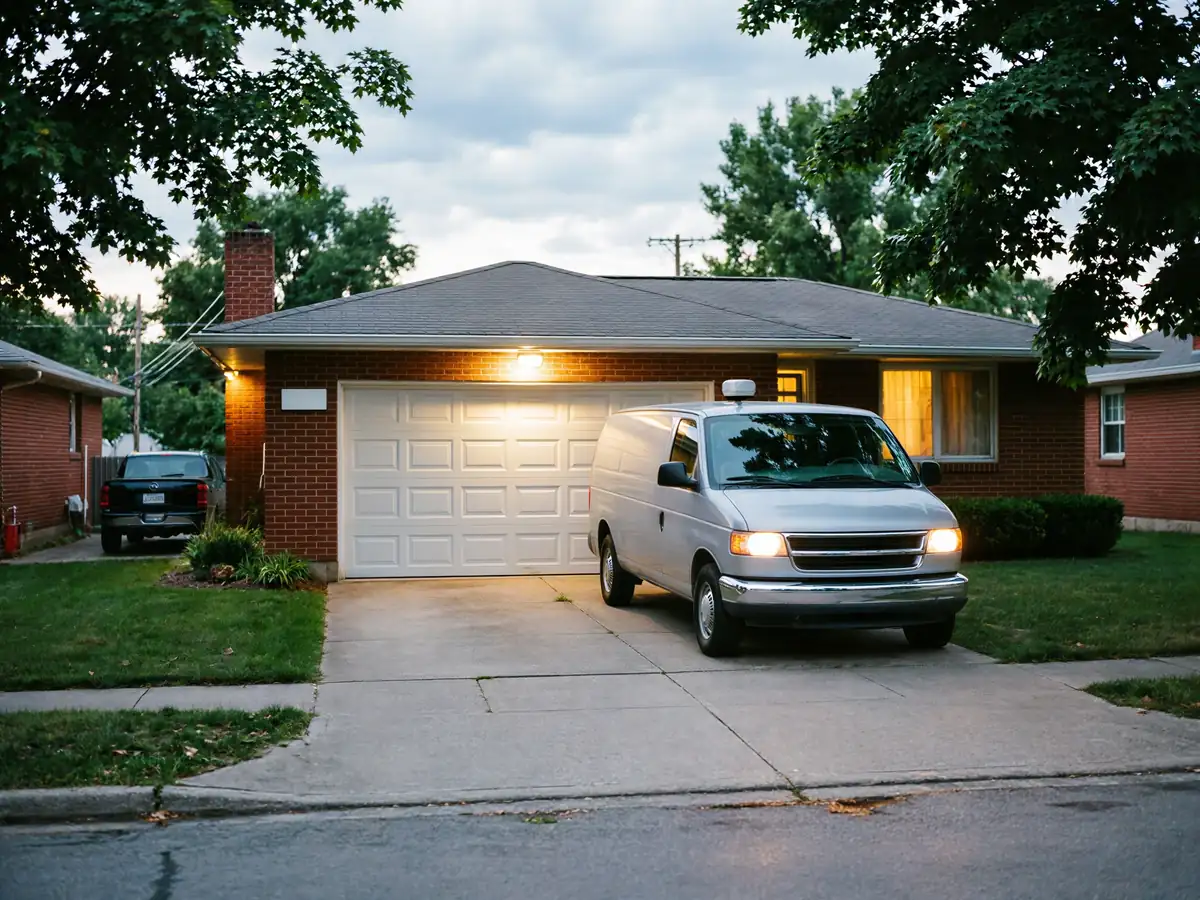
Industry sits about 11 miles out from Macomb
On the farther edge of the territory we run trucks to. That distance doesn't change what the roller job costs, but it's worth knowing going in, since it's a longer drive than some of the closer stops on our route.
- 11 miles
Booking a Visit
With roughly 253 households in Industry, we're not out here every day the way we are closer to Macomb, so it helps to know roughly what's wrong before we schedule - how many rollers sound bad, whether the door sticks at the same spot, whether it's gotten worse since the cold set in. Tell us that and we can bring the right roller stock the first trip instead of a second one.
See the service area page for Industry for what else we cover out this way, or check the full roller replacement writeup for Macomb if you want the broader rundown on how we handle this job.