How Long It Takes
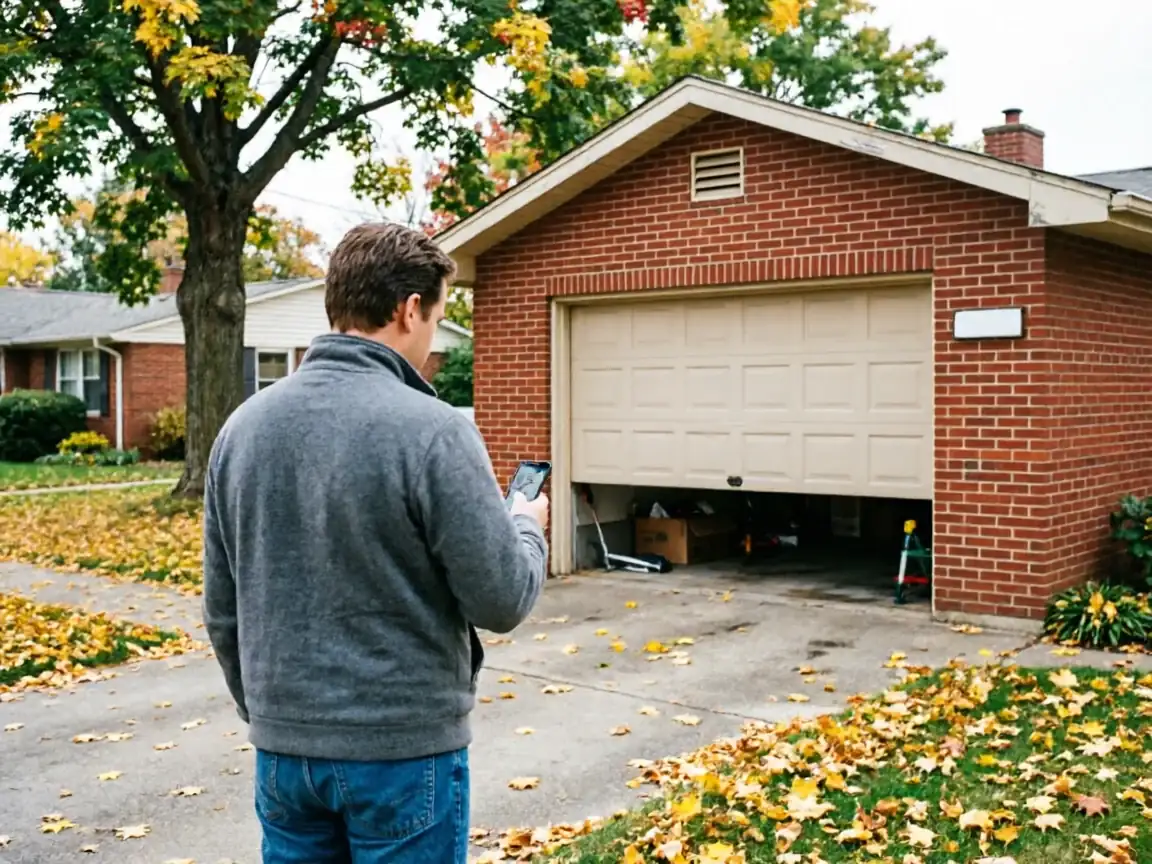
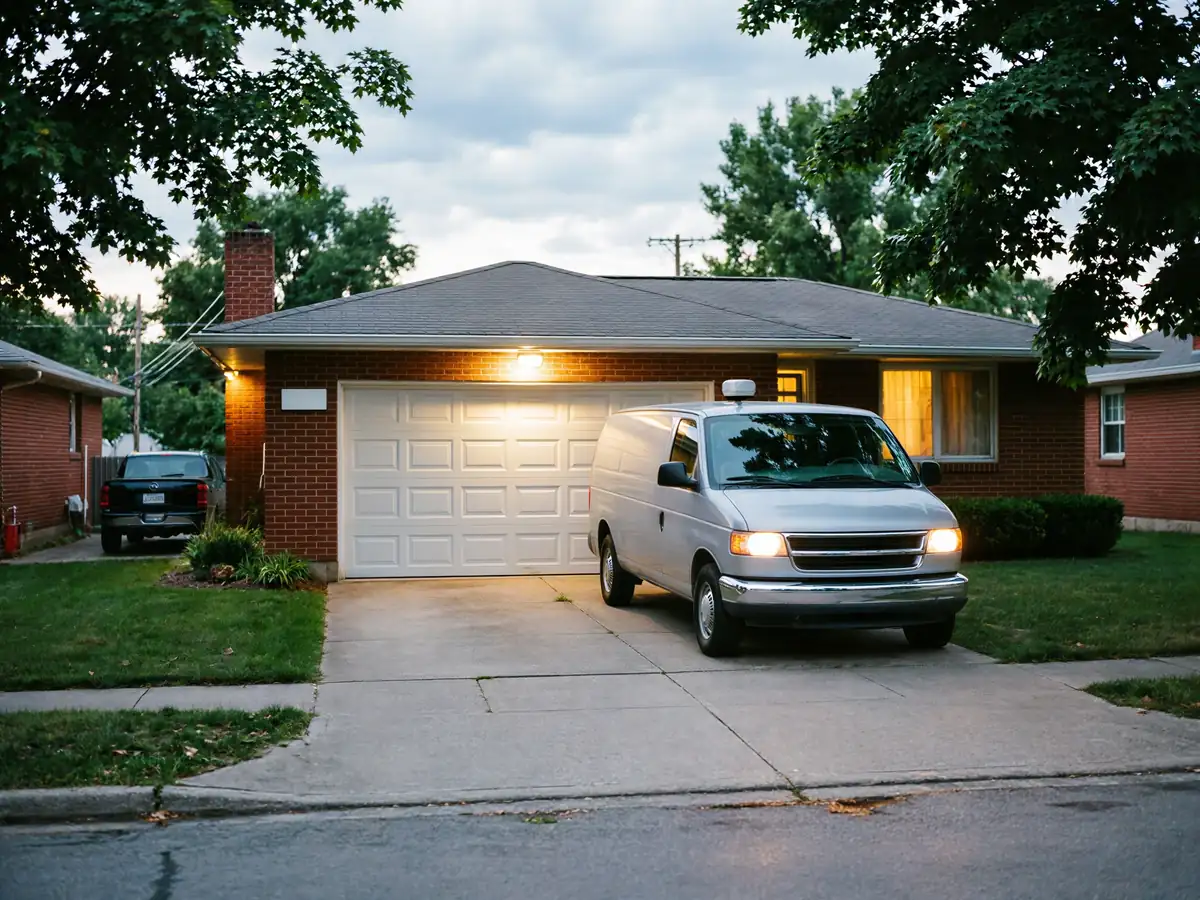
Colchester sits 6 miles from our shop in Macomb, which is a short enough run that a repair here isn't an all-day wait once we're on the road. We don't keep a truck stationed in town, so every visit starts with that drive - worth knowing if you're comparing us to someone who claims to be local. The bigger time factor is usually the part, not the drive. Houses in Colchester mostly date to around 1959, and the original hardware on some of them was discontinued years ago. If your opener or spring is the factory original, we may need to source a compatible replacement rather than grab an off-the-shelf match, and that adds time on top of the drive. We'll tell you on the phone whether your job looks like a same-trip fix or a two-step job: diagnose, order, come back.
What Causes It Around Here
The median household income in Colchester runs about $62,500, noticeably higher than the roughly $54,300 median across our wider service area. That matters for one reason: at that income level, a $300-$500 spring or opener repair is almost always worth doing rather than replacing the whole door, even on an older unit. Replacement only starts making sense when the door itself - not just the spring or opener - is failing, which is more common on houses built before 1960 with their original wood or early steel sections. Colchester's housing stock is part of that same pre-1960 pattern that runs through most of the named communities in this area, including the service area's median build year of 1952. Cold-moderate winters put extra load on torsion springs that have been cycling since the Eisenhower era, and track alignment drifts as wood jambs settle over decades. None of that is dramatic - it's just wear that shows up earlier on older housing stock than it would on a door installed in the last fifteen years.
What Can Go Wrong
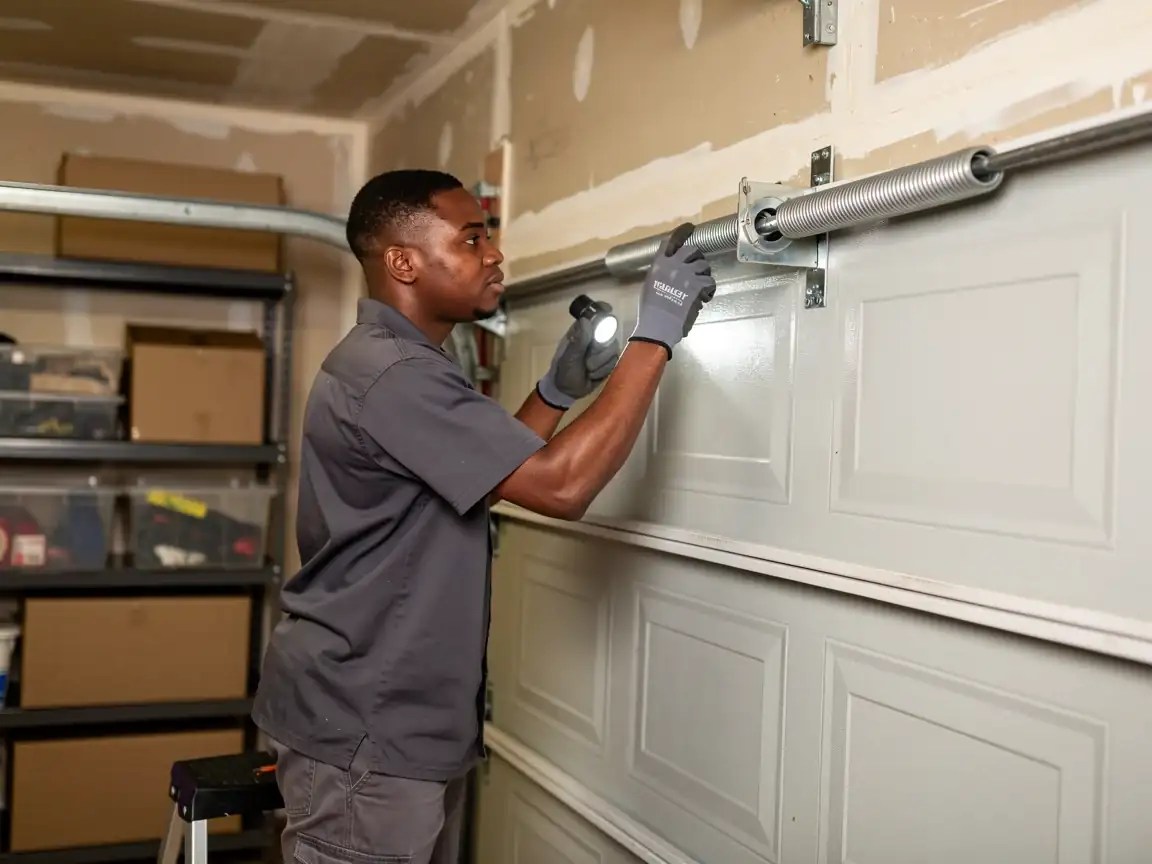
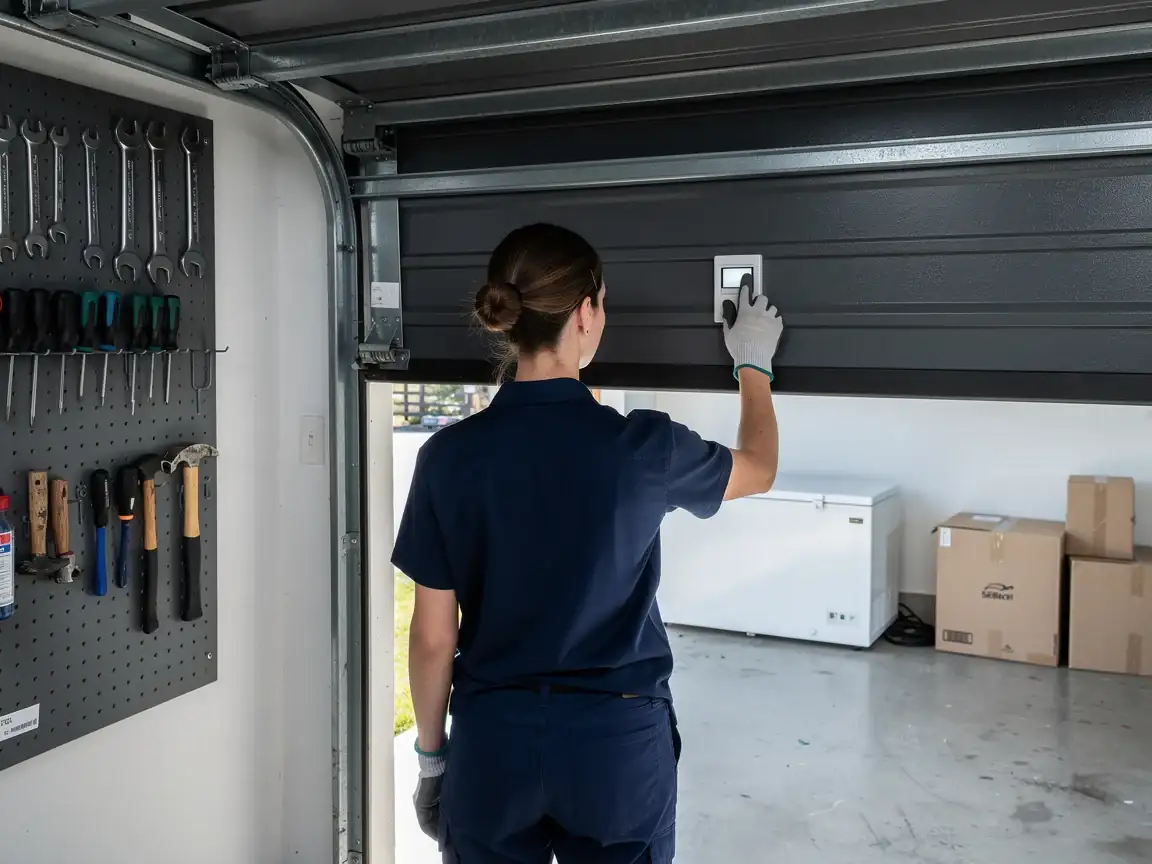
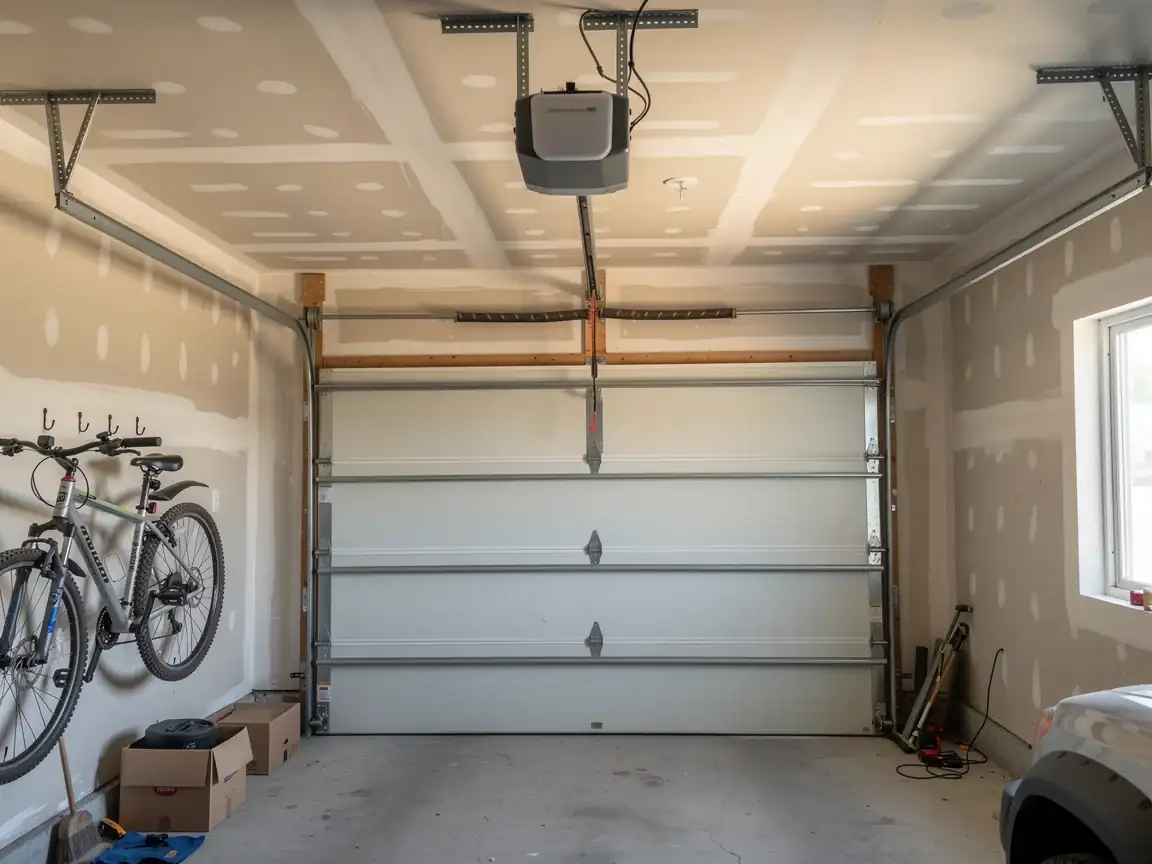
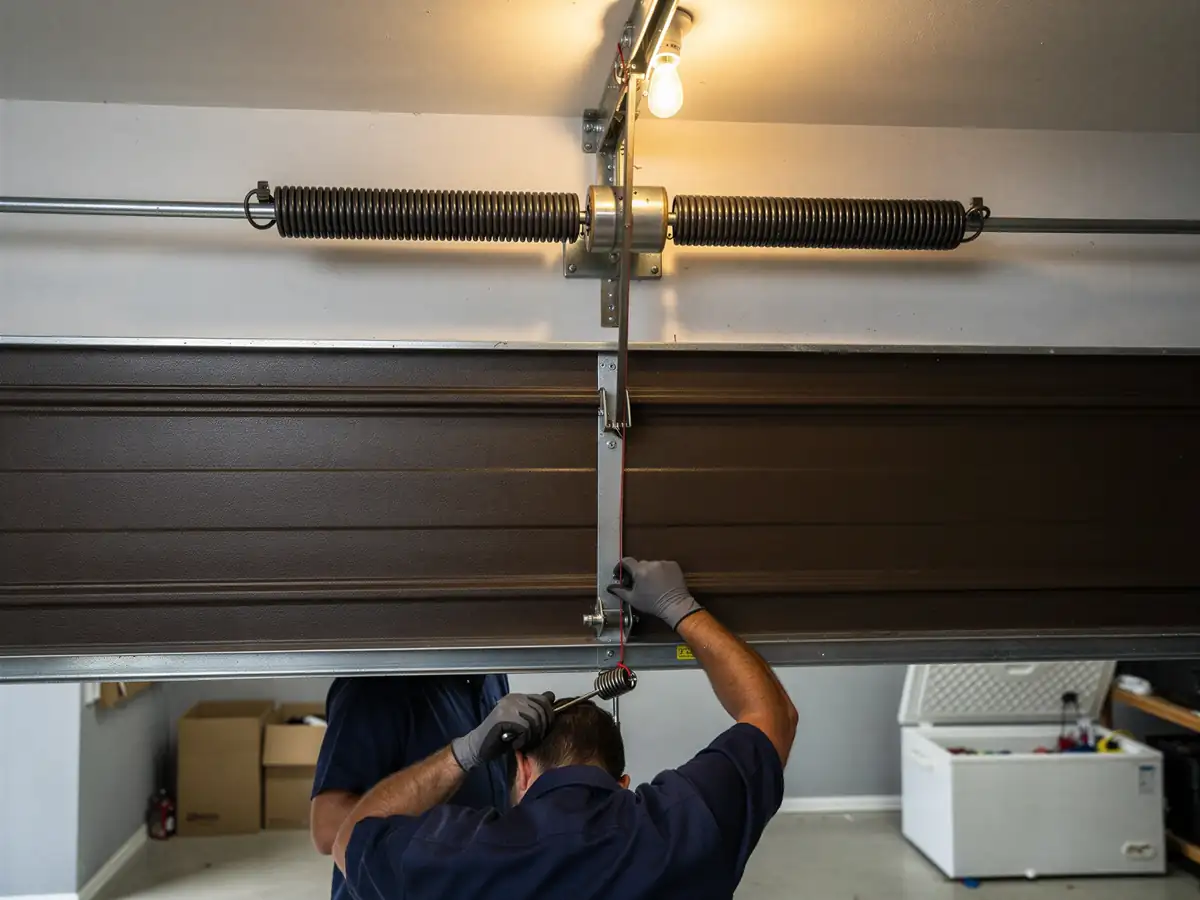
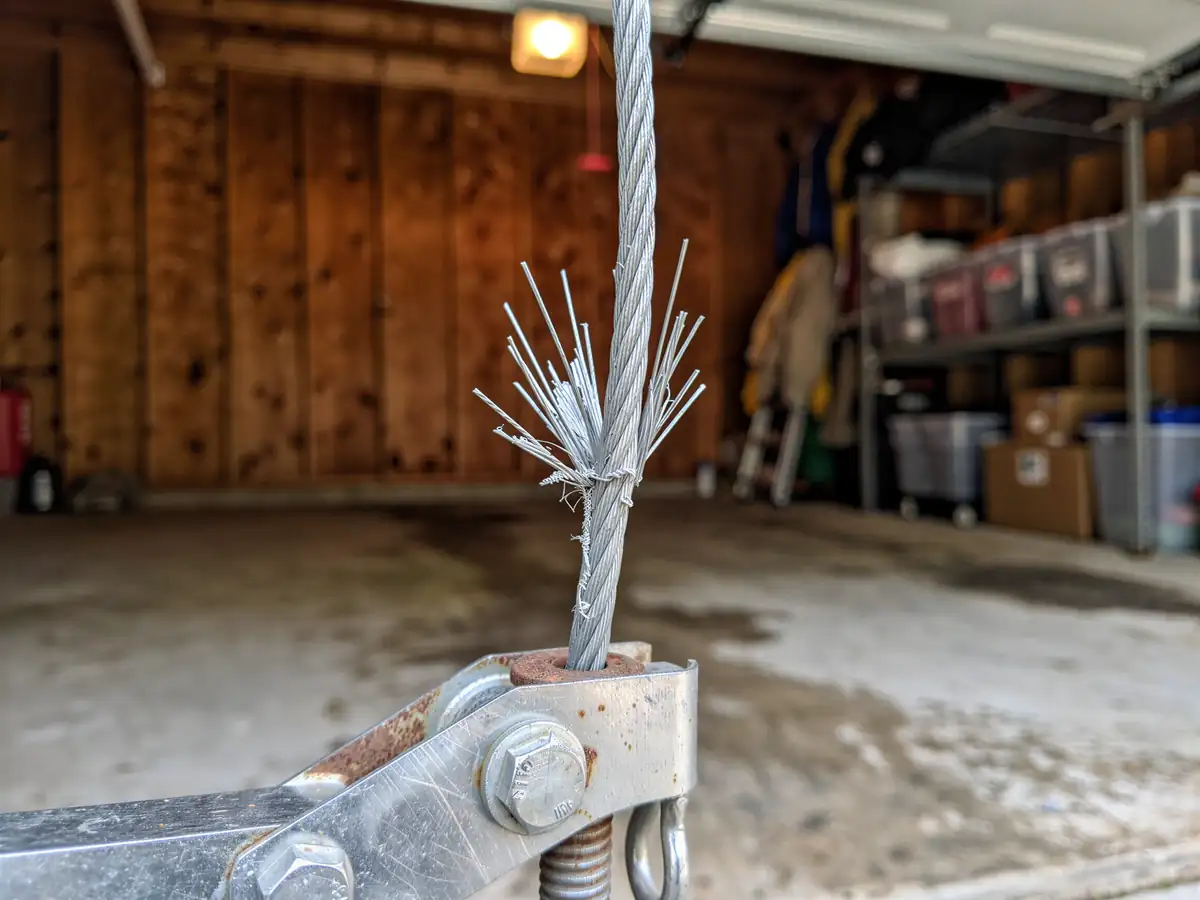
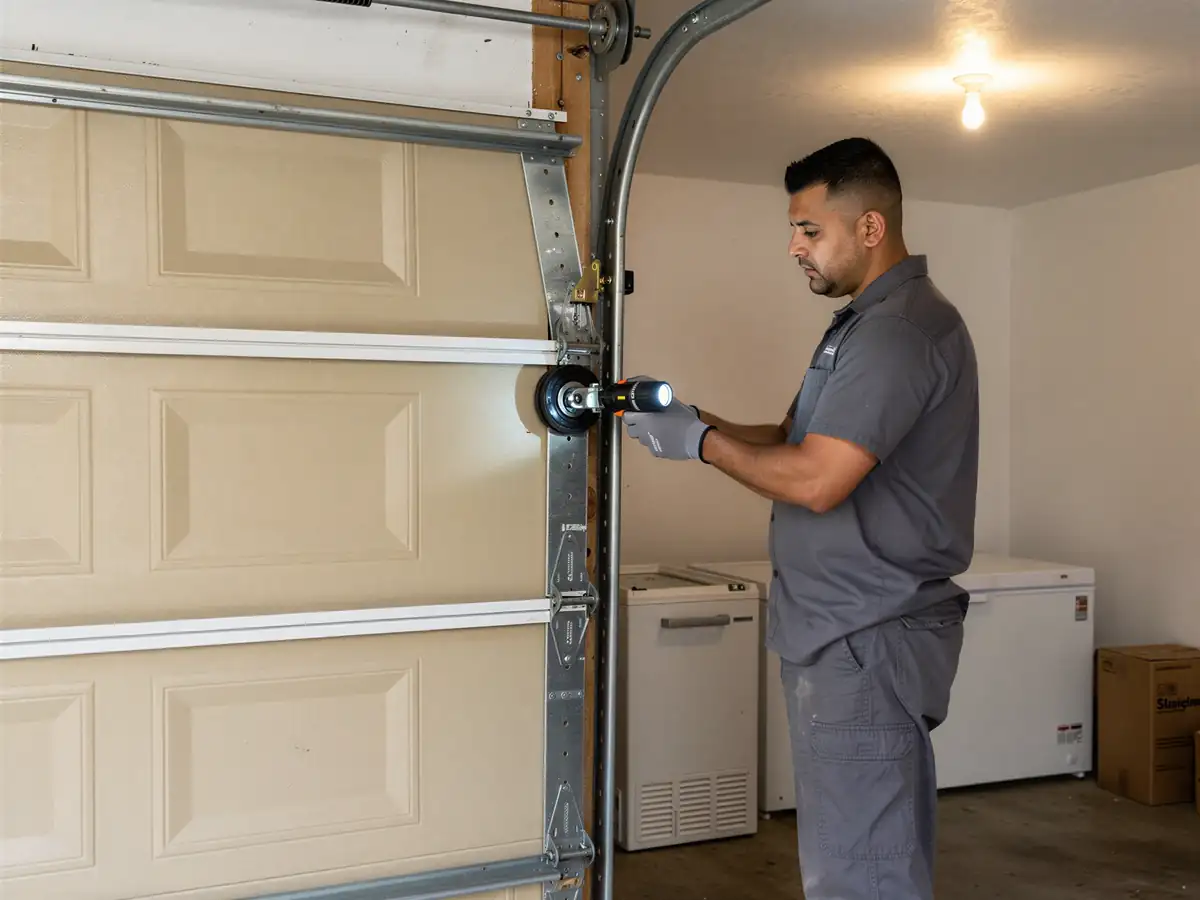
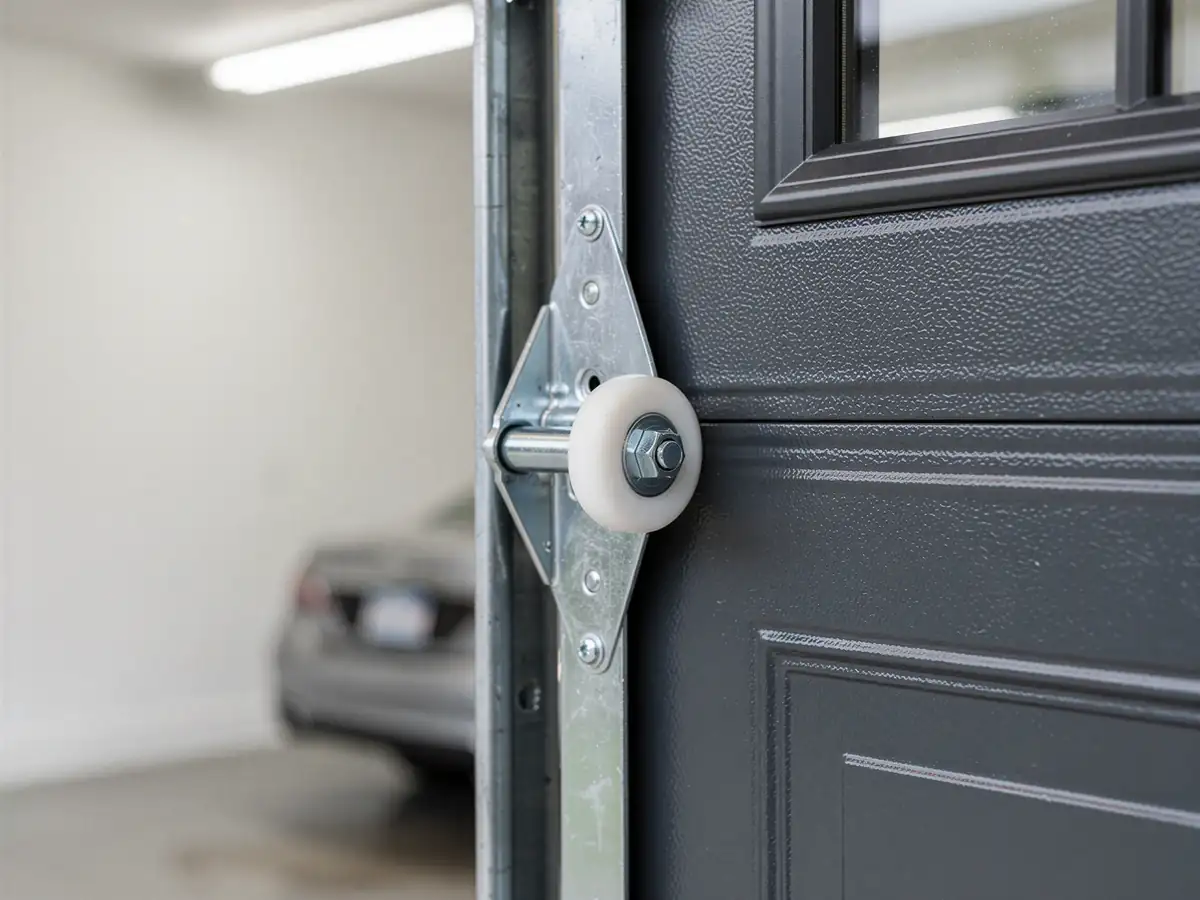
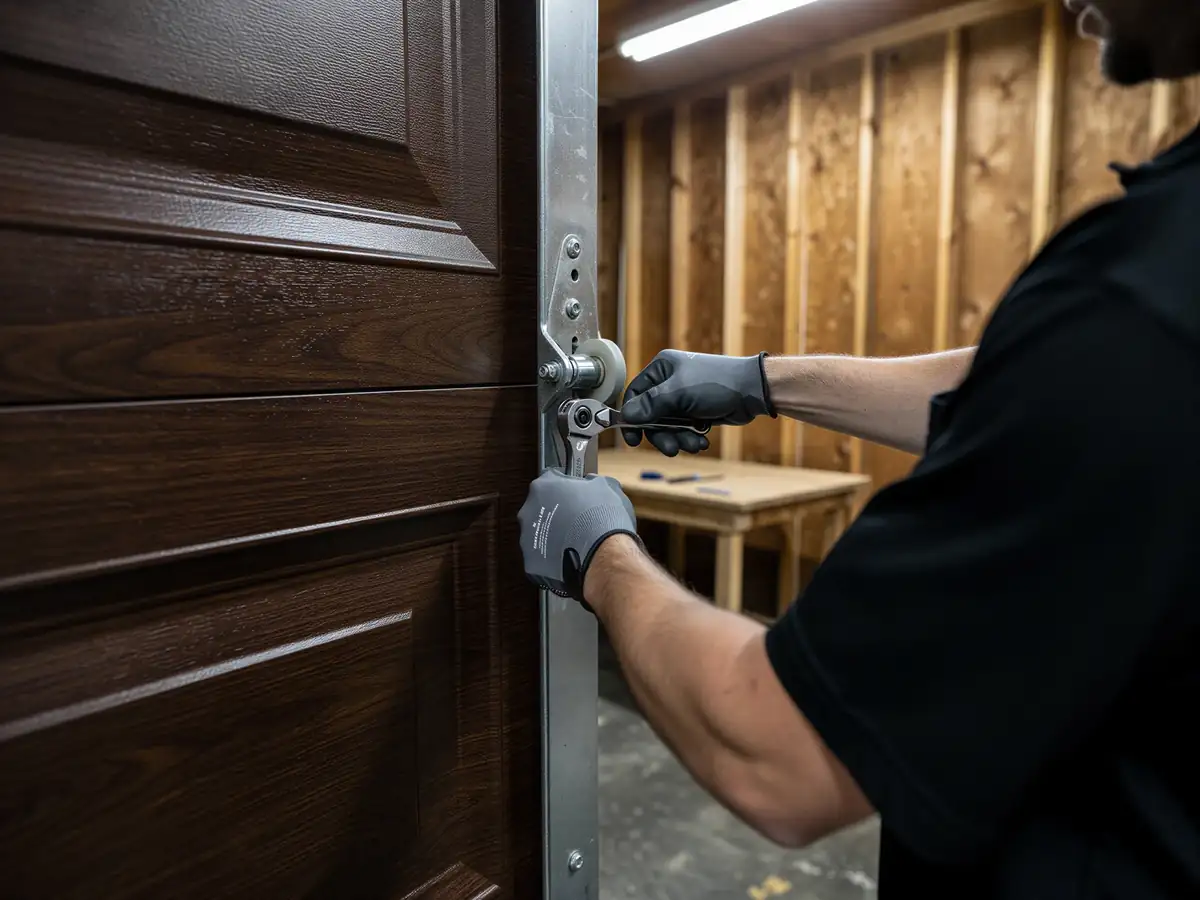
On a house built around 1959, the most common call is a broken torsion spring - the metal has been doing the same job for over six decades of cold-moderate winters, and fatigue eventually wins. Second most common is a cable that's frayed or jumped the drum, usually tied to the same spring wear. Openers from a later retrofit (since a 1959 house almost never had an electric opener originally) can also fail at the gear or capacitor, especially if the unit itself is older than the house's last roof. We also see rollers that have worn their track grooves wider than spec, which makes the door run rough or bind partway up - a cheap fix if caught early, a track replacement if ignored for years.
Booking a Visit
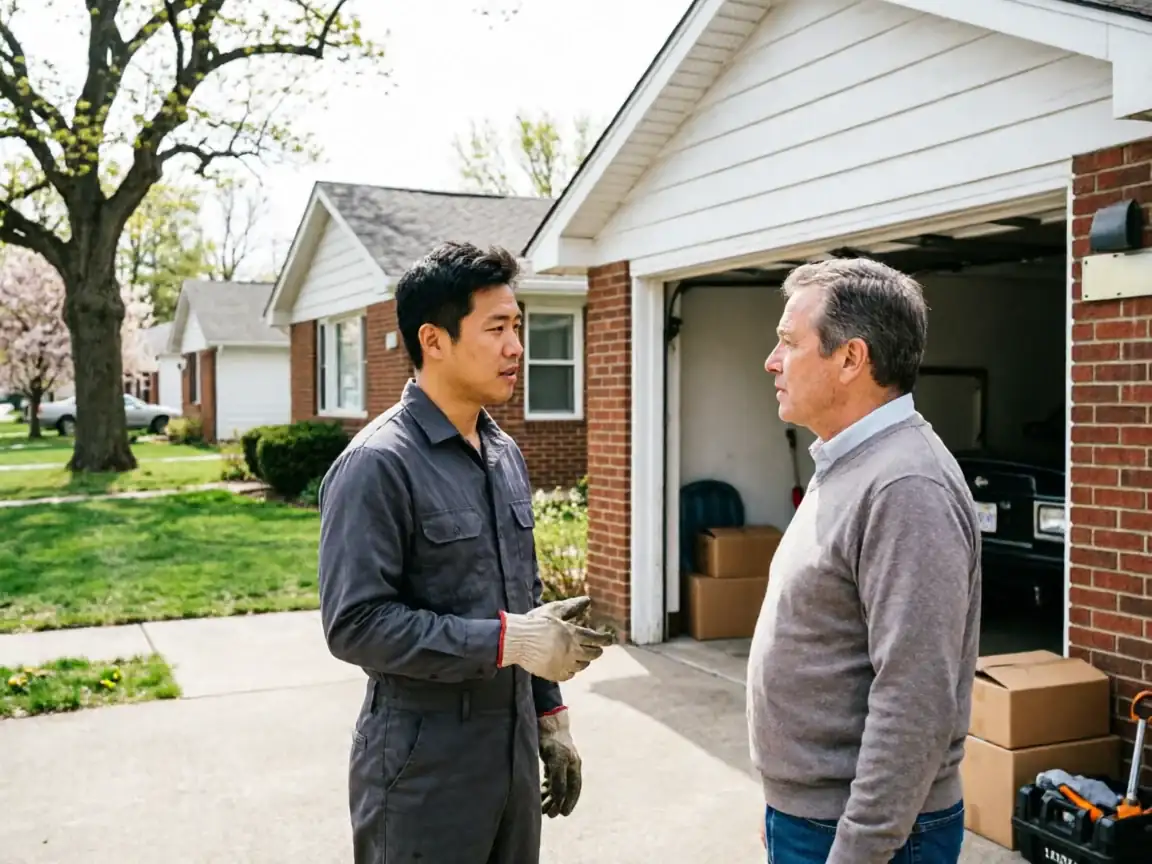
Call and tell us what the door is doing - won't open, opens partway and reverses, spring snapped, opener runs but the door doesn't move. We'll ask the age of the house if you know it, since that alone tells us a lot about what hardware we're likely dealing with in Colchester. We schedule the drive out from Macomb and bring the common spring and roller sizes for this area's housing stock. If the fix needs an ordered part, we'll say so on that first visit rather than let you assume it's a one-trip job.