How Long It Takes
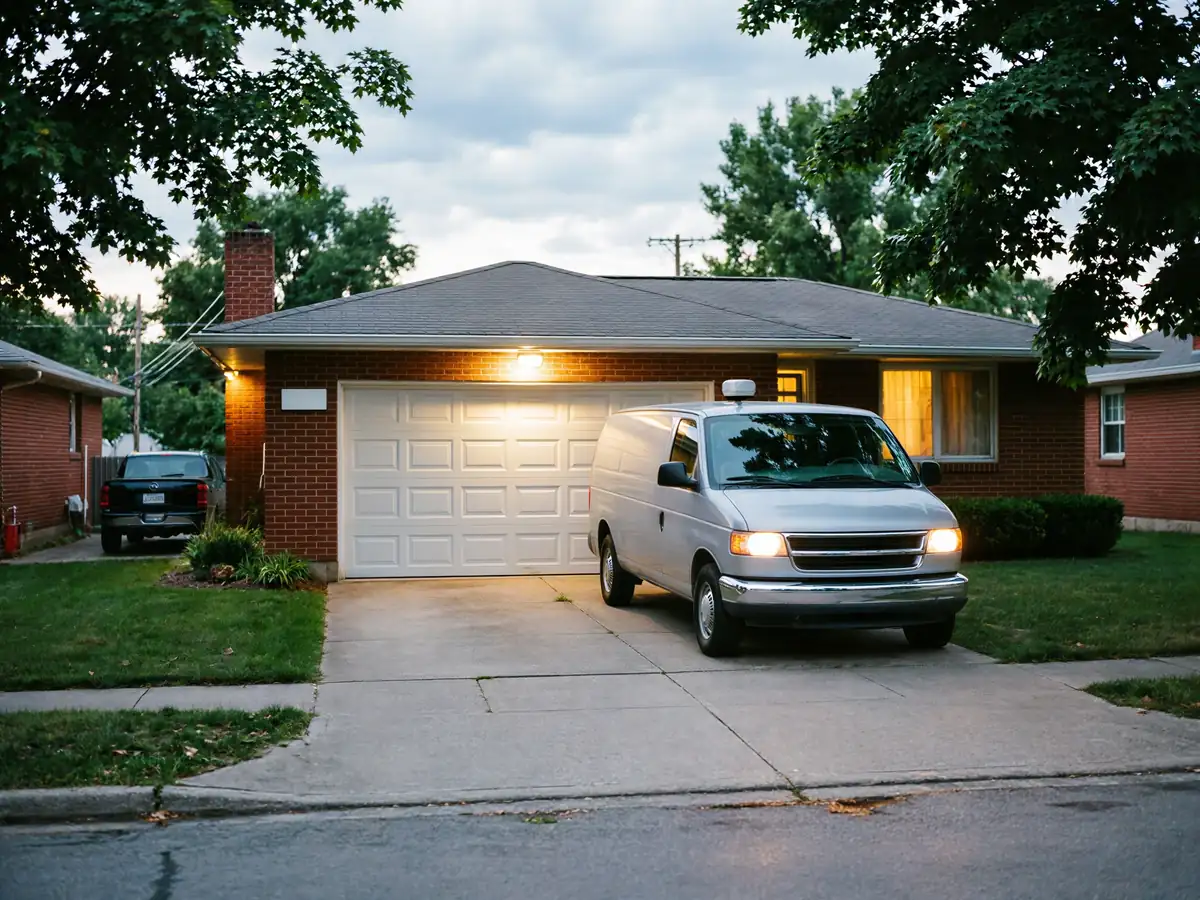
A straight cable replacement on a torsion or extension system is usually a one-visit job once the truck gets to Colchester, which sits about 6 miles out from Macomb. The time on-site depends on what's underneath the cable, not the drive over. If the drum, the bottom brackets, and the track are all original to a 1959-built house, we're not just swapping a cable - we're checking whether the rest of the hardware it's attached to is still safe to reuse. That inspection adds a few minutes but saves a second call. We don't quote a fixed window over the phone for that reason; a frayed cable on sound hardware is a different job than a frayed cable on a drum that's worn oval.
We travel from Macomb for every call out here, so we're not staging parts or a crew locally. What we bring on the truck is built around what fails most in houses from this era - standard-lift cable, matching drums, and the brackets that tend to go with them. If a part turns out to be a size we don't stock, we'll tell you straight instead of forcing a fit.
What Causes It Around Here
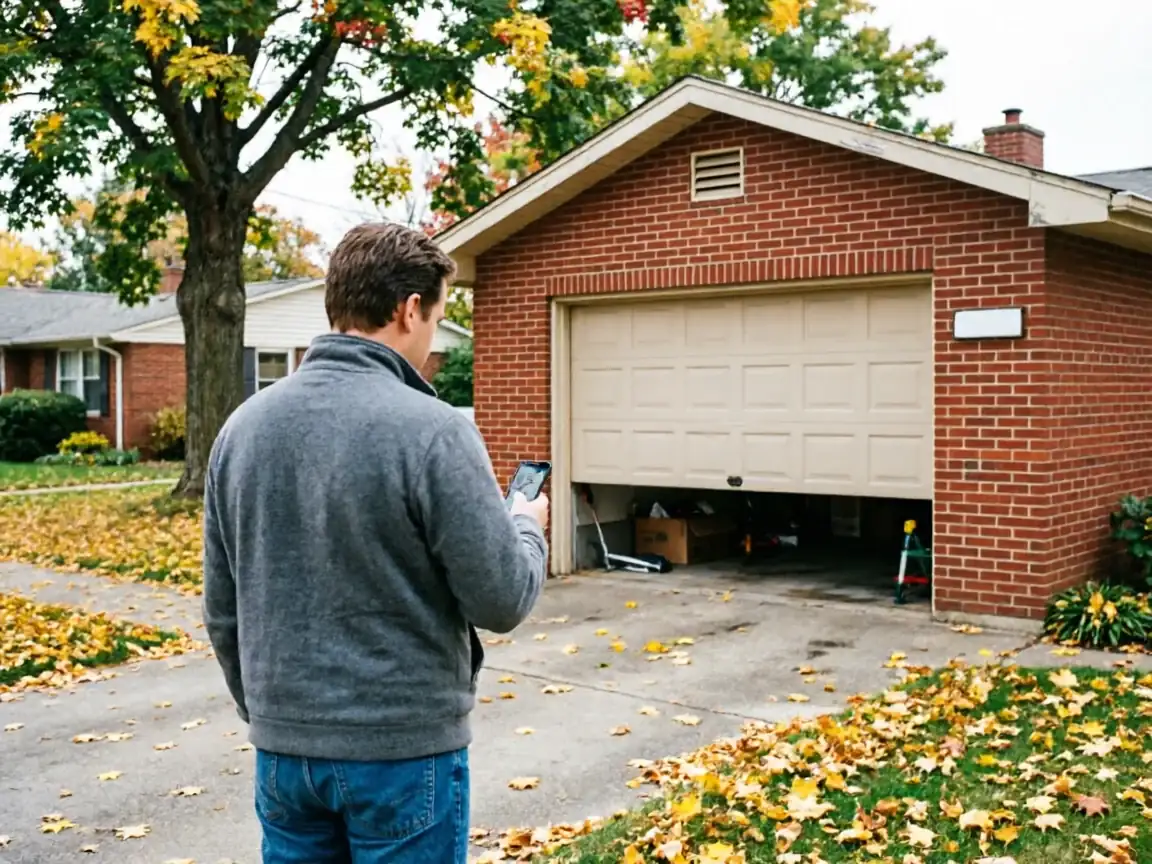
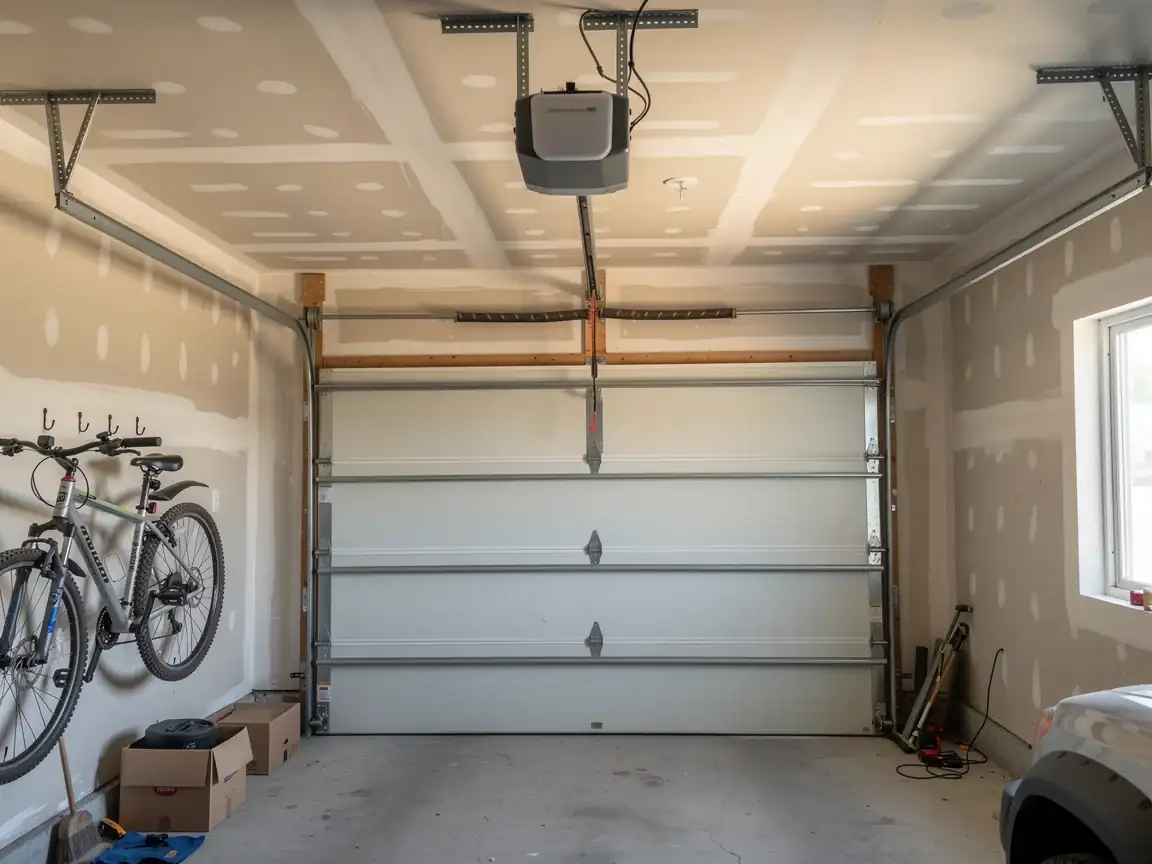
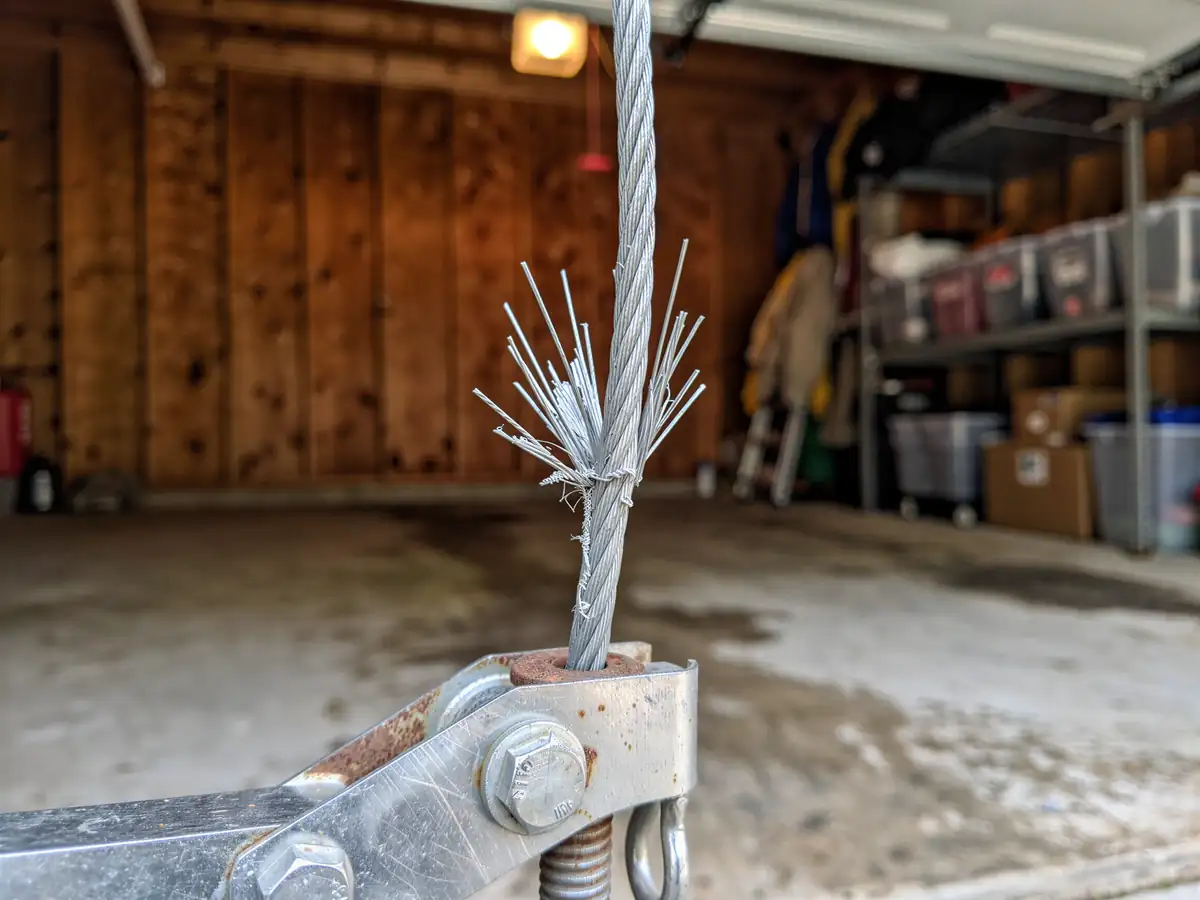
Most of Colchester's housing stock dates to around 1959, right in the middle of the 1940-1965 range that covers most of the area Macomb Garage Door Pros works. A door installed when a house was built in 1959 has had over six decades for its lift cables to stretch, rust, or fray at the drum end - and in a lot of cases, nobody has touched that cable since. Original one-piece and early sectional doors from that period were often set up with lighter-gauge cable than what we'd spec today, and it's rarely been inspected, let alone replaced.
The cold winters here do the rest. In a COLD moderate climate band, cable wound onto a drum goes through repeated contraction and expansion as temperatures swing, and any rust that's crept in from condensation accelerates wear right at the point where the cable bends around the drum - which is exactly where we find most of the breaks. A door that's never been serviced since a 1959 install is not a question of if the cable goes, it's which cold morning it happens on.
Parts We Carry
For the cable work we see most in Colchester
We carry standard lift cable in the gauges that match torsion and extension setups from the 1950s and 60s build era, along with the drums, end bearings, and safety cables that typically go bad alongside them. If your door is original to a 1959-built house, there's a decent chance the drum has worn enough grooves that a new cable alone won't sit right - we carry replacement drums for that reason, not just as an upsell.
What we don't carry on the truck is obsolete hardware for doors that have been modified more than once over the years
Custom brackets, oddball spring sizes from a prior repair, that kind of thing. If we hit something like that, we'll order it rather than force a mismatched part onto your door, and we'll tell you honestly if the lead time means a return trip instead of same-visit.
What Can Go Wrong
A cable that snaps while the door is up is the call we take most seriously, because the door can come down hard and fast with nothing holding one side. On older torsion systems typical of the 1959 housing stock here, a single broken cable often means the door drops unevenly, binds in the track, and bends a panel or hinge on the way - which turns a cable job into a cable-plus-panel job.
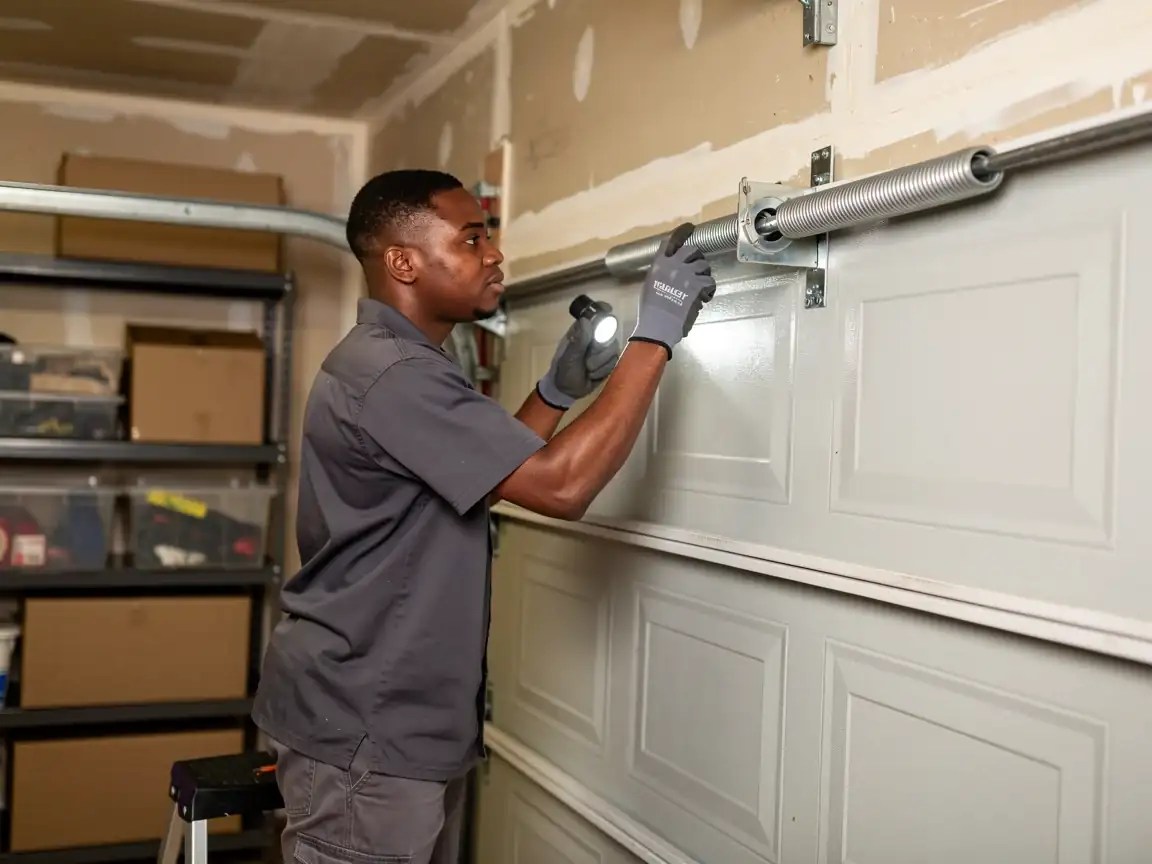
The other failure we see is a cable that's frayed but hasn't broken yet, left alone because the door still opens. On hardware this old, a cable under strain can take out the opener's drive mechanism if it finally lets go mid-cycle, or pull a worn drum off its shaft. We'd rather replace a fraying cable on a quiet Tuesday than get the emergency call for the same door six weeks later.
Booking a Visit
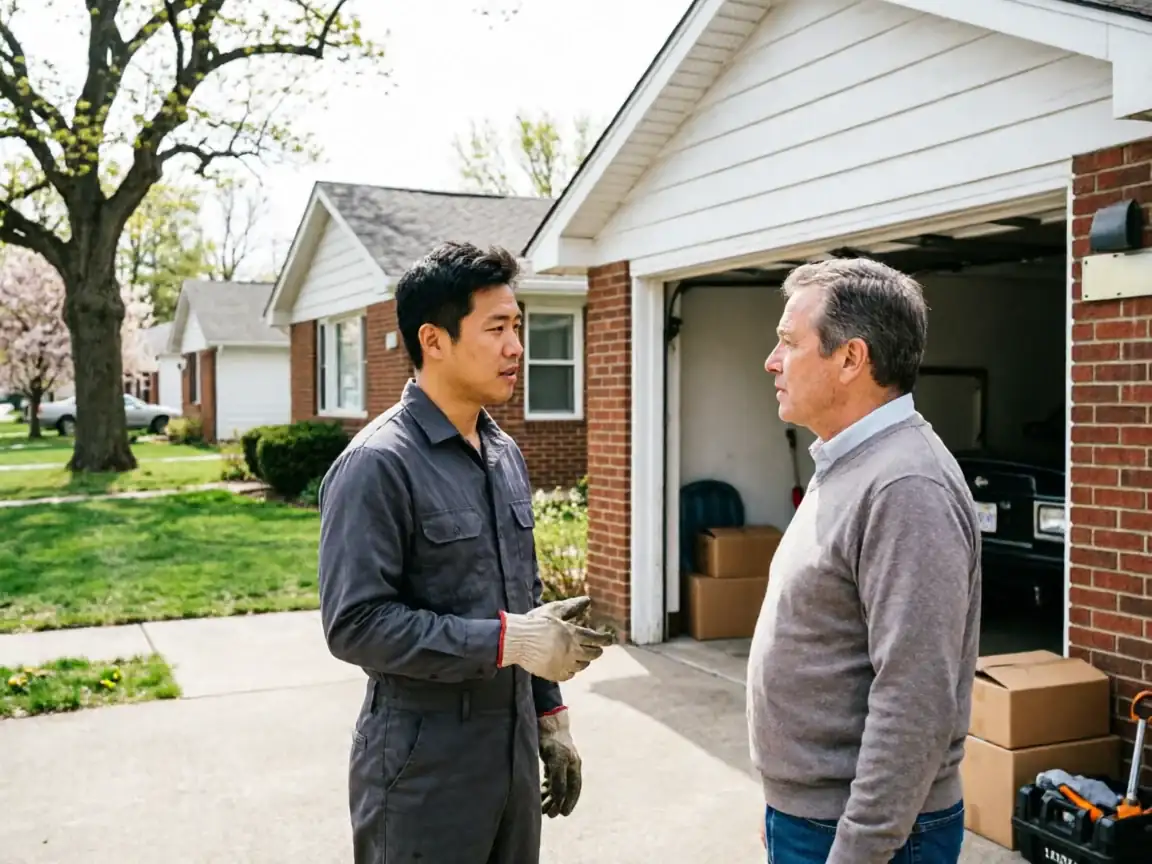
We cover Colchester from our Macomb base, so a visit here means a scheduled appointment rather than a local drop-in. Tell us the age of the house if you know it, whether the door is torsion or extension spring, and what you're seeing - a door that won't budge, one that's crooked, or a cable you can already see has frayed. That's enough for us to bring the right stock.
We don't claim a guaranteed response window for Colchester calls, since the drive is part of every visit, and we'd rather set honest expectations than promise something tied to traffic on a given day.
What the Fix Involves
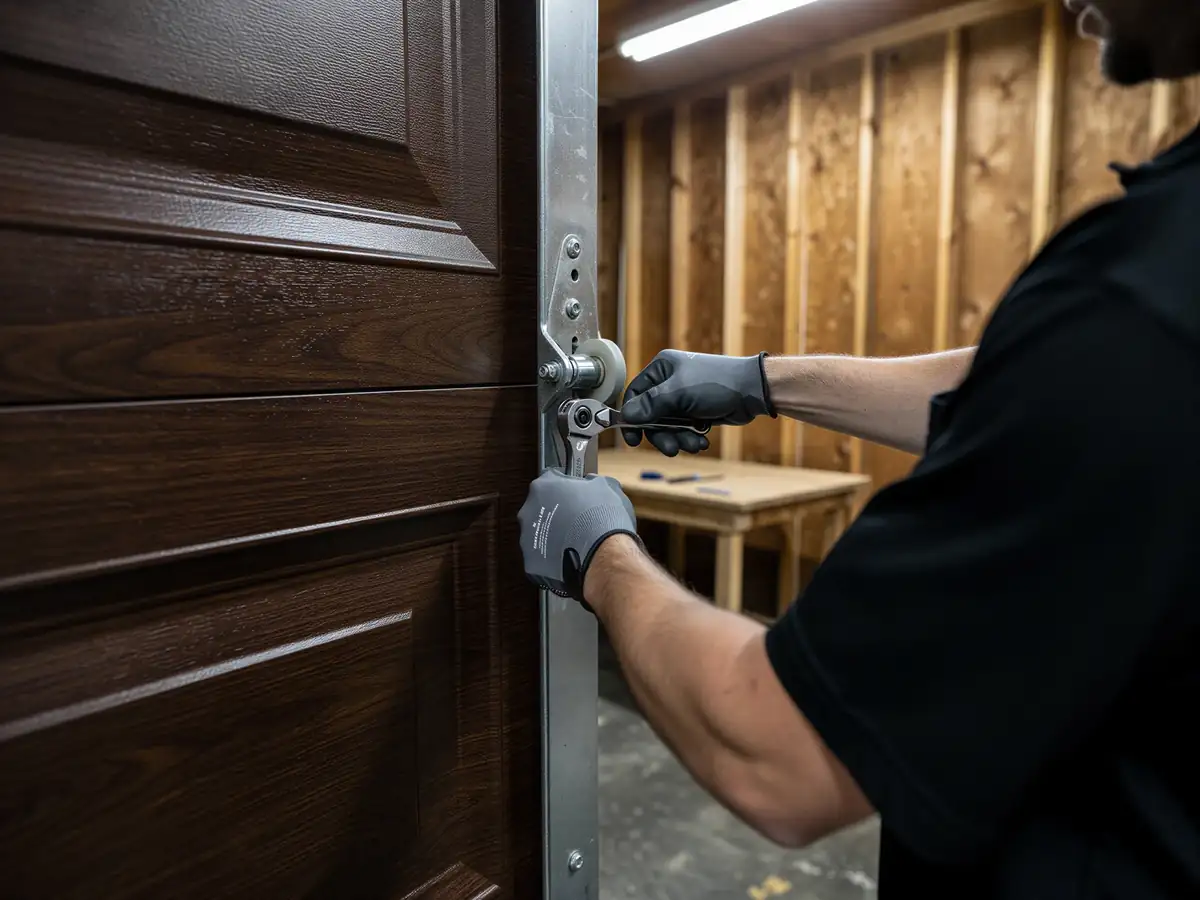
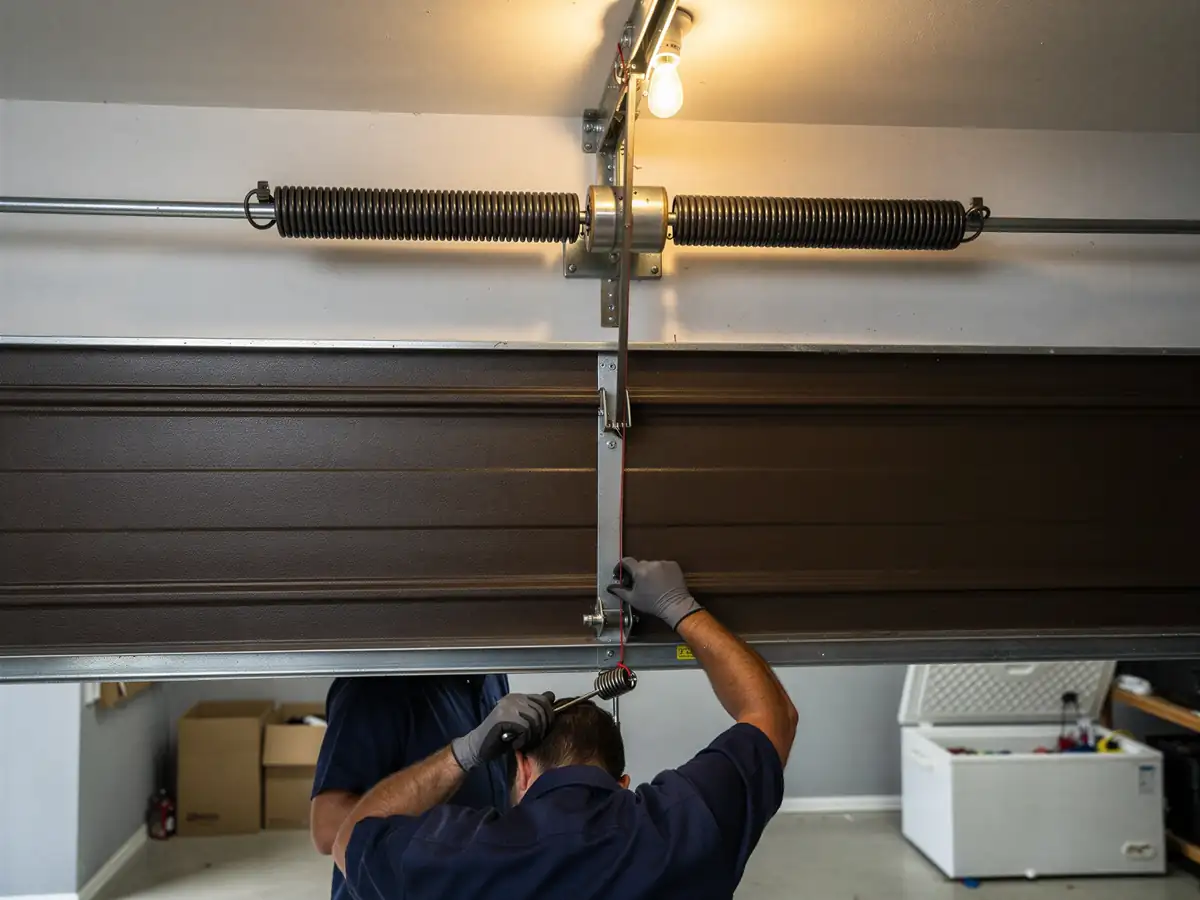
On a typical cable repair, we release the tension on the spring system first
That's non-negotiable, since a cable under load is dangerous to touch. Then we pull the old cable, check the drum for wear grooves or an out-of-round shape, and check the bottom bracket the cable anchors to. On a door original to a 1959 build, that bracket has often corroded enough that it needs replacing alongside the cable, not just the cable itself.
Once the new cable's on and seated correctly in the drum groove, we re-tension the spring
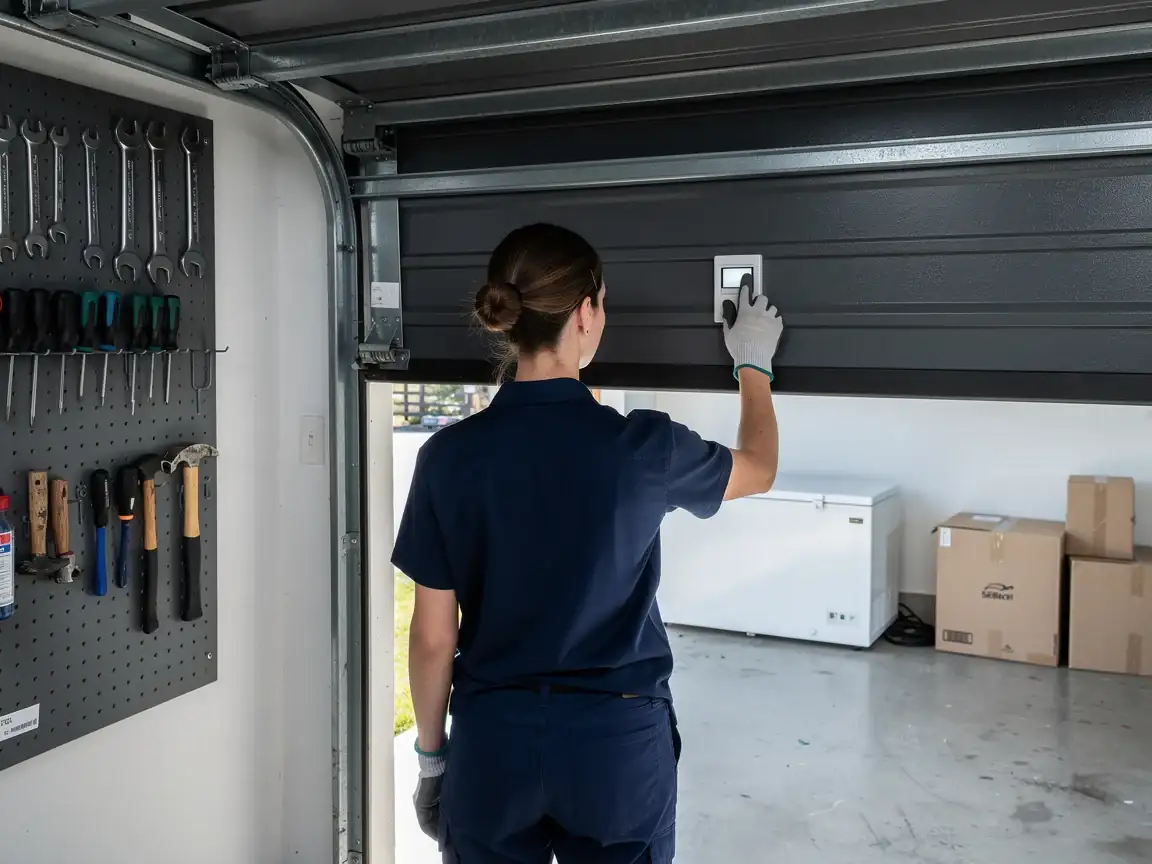
Run the door through a full cycle, and check that both cables are carrying even load - an uneven door after a cable repair almost always means one side was reset wrong. If we find the opener's travel limits or force settings are off because the door's been running unevenly for a while, we'll adjust those too, since a cable fix that leaves the opener straining against bad settings doesn't hold.